The 7 Strongest Sniffers in the Animal Kingdom

If you’ve ever caught a whiff of fresh baked goods or walked a major city’s streets when there’s garbage to be collected, you already know how strong the human sense of smell can be. Our ability to smell is thanks to tiny chemical molecules floating through the air and the specialized sensory cells in our noses that detect them.
Animal noses work much the same way, but some species have evolved different numbers and types of olfactory receptors, along with specialized ways of detecting and processing those chemical signals — and their senses of smell are often quite a bit more impressive than ours. Here are seven animals with the most impressive senses of smell in the animal kingdom, including some unique olfactory abilities.
Elephants
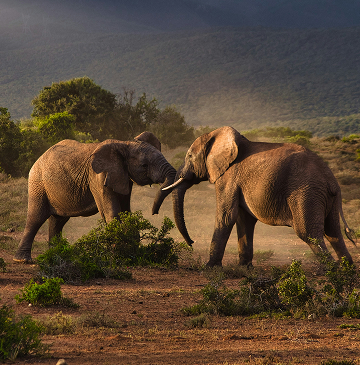
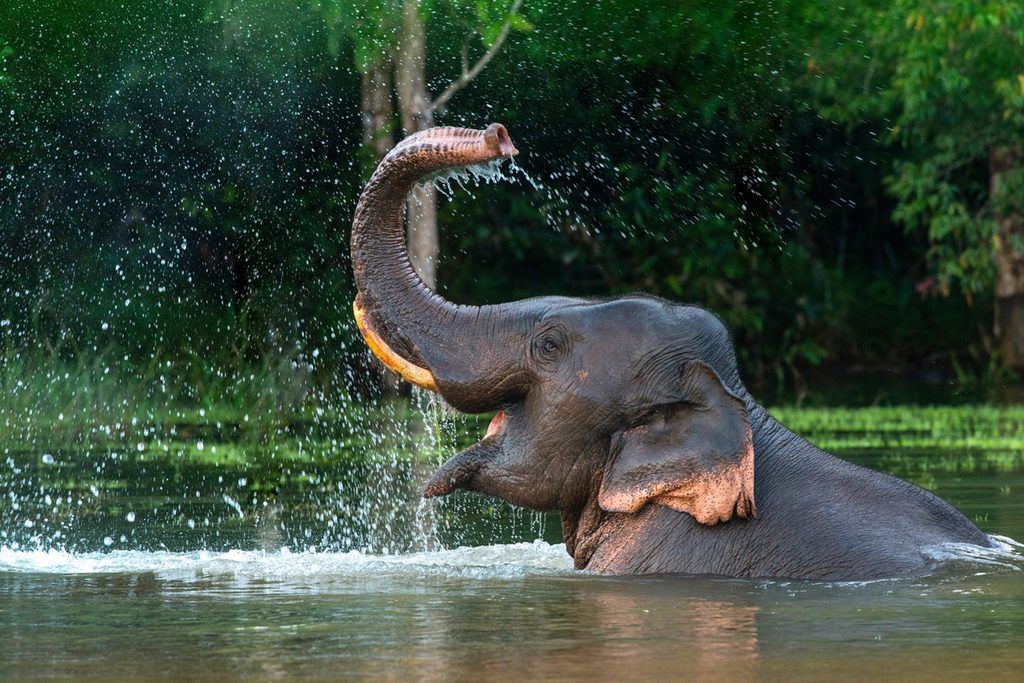
With a nose as enormous as an elephant’s trunk, it’s probably no surprise that their sense of smell is pretty strong. Researchers have identified just shy of 2,000 olfactory receptor genes in African elephants, the largest number found in any animal studied to date.
Those genes help produce the receptors that detect different odors. Elephants, who don’t have great eyesight, use those odor receptors to find food and water, detect other elephants, and gather information about what’s happening around them, including potential hunting threats.
Bloodhounds
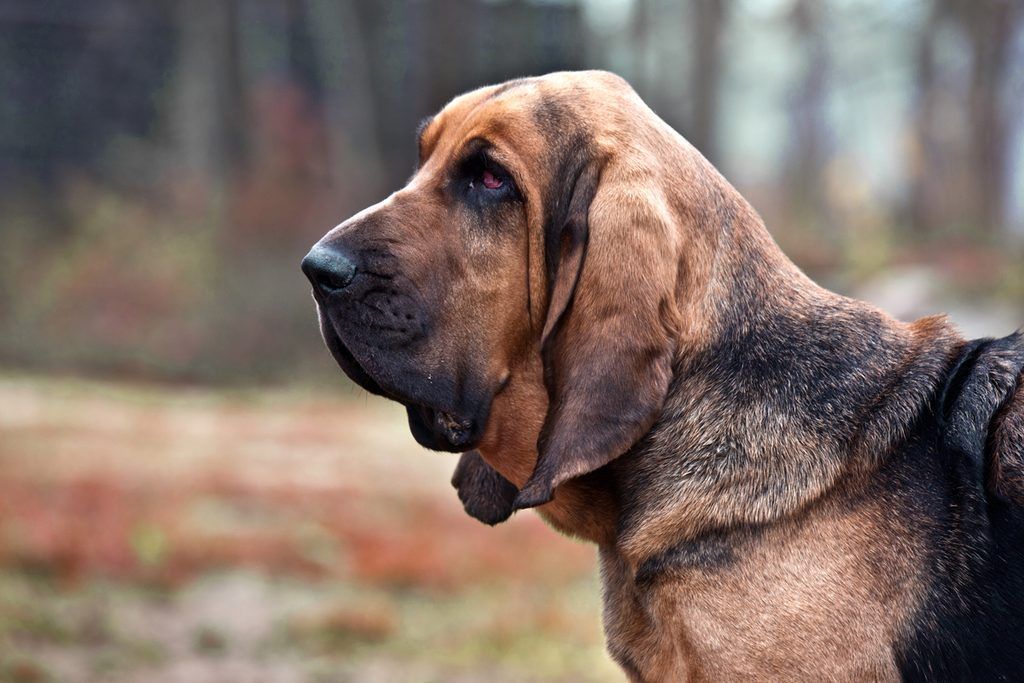
Bloodhounds are one of the animal kingdom’s best scent trackers. They have about 230 to 300 million olfactory cells in their nasal cavities — compared to roughly five million in humans — which detect odor molecules and send information to the brain. Their loose facial skin and signature long, droopy ears also help trap scent particles around their noses.
Once a bloodhound picks up a scent, its brain creates a detailed odor profile; it can then isolate and track that individual scent amongst a chemical cocktail of other sweat, breath, and skin odors that may be left behind on any given trail. They’re also determined: Bloodhounds have been known to follow a scent trail for more than 130 miles.
Bears
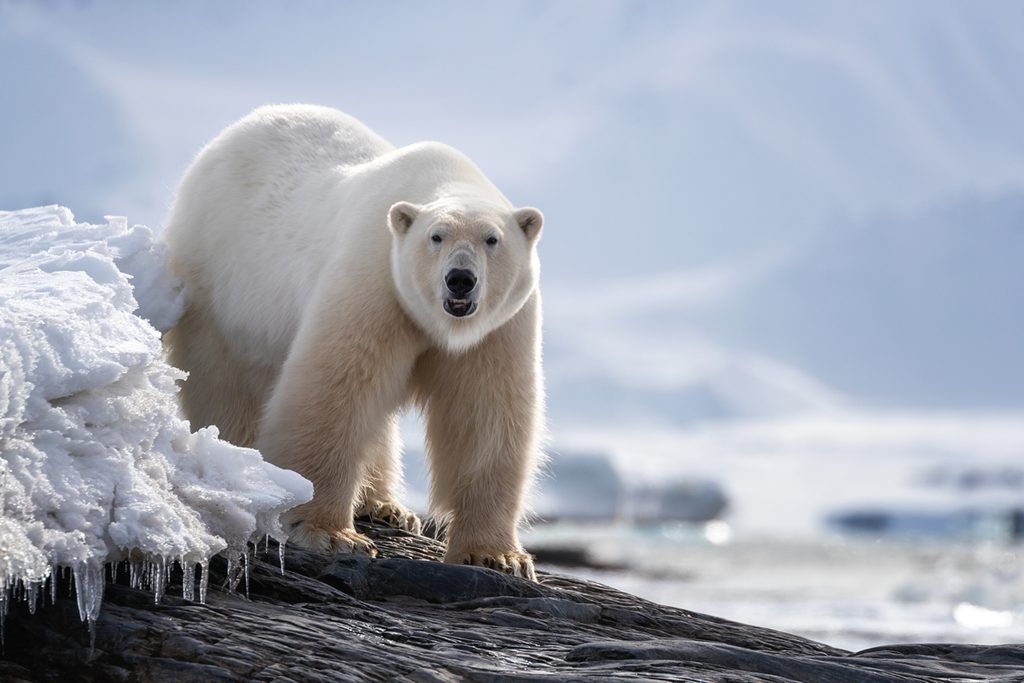
Polar bears can smell seals from surprisingly far away, even when those prey animals are hidden beneath snow and ice. Research estimates polar bears can detect seal breathing holes up to 40 miles away and through the thick Arctic ice as well.
Black and grizzly bears have impressive noses, too; though estimates vary, it’s thought that both can detect smells from up to 20 miles away, helping bears find food that may be hidden beneath vegetation, soil, or snow.
Turkey Vultures
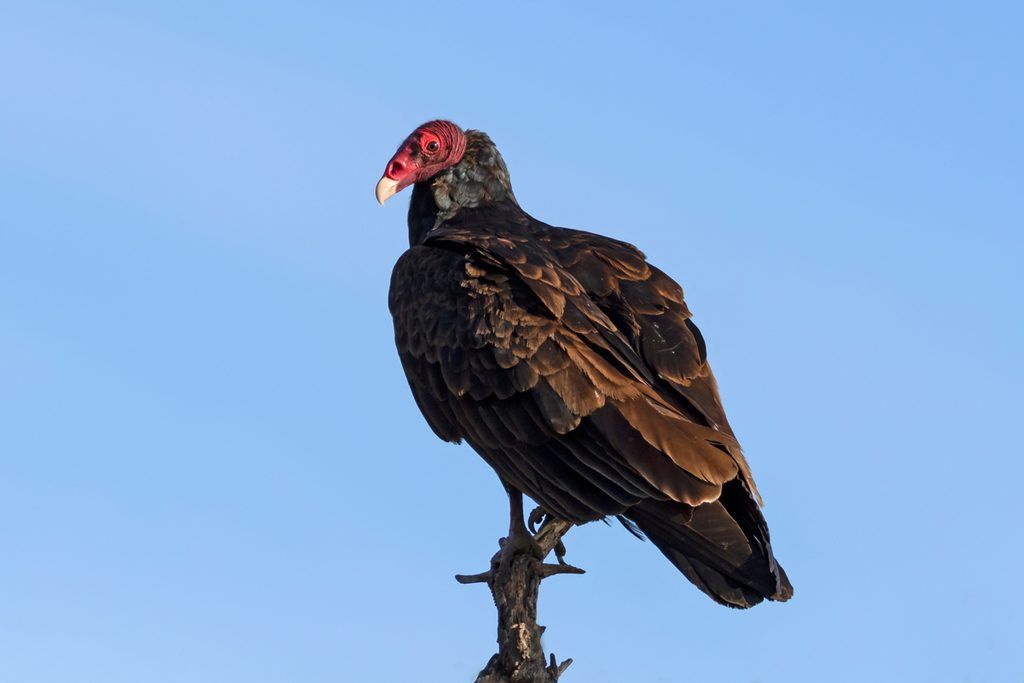
Unlike many other vultures, which rely heavily on their sharp vision to locate food, turkey vultures have a well-developed olfactory system that helps them detect the chemicals released during decomposition a day or two after an animal dies. They can do this from the air, through dense forest foliage, and from up to 8 miles away.
The turkey vulture has the largest olfactory bulbs (the structure in the brain that processes smell) of any studied bird. They can detect the scent of ethyl mercaptan, one of the chemicals released in decomposition, in incredibly tiny amounts of just a few parts per trillion.
Silk Moths
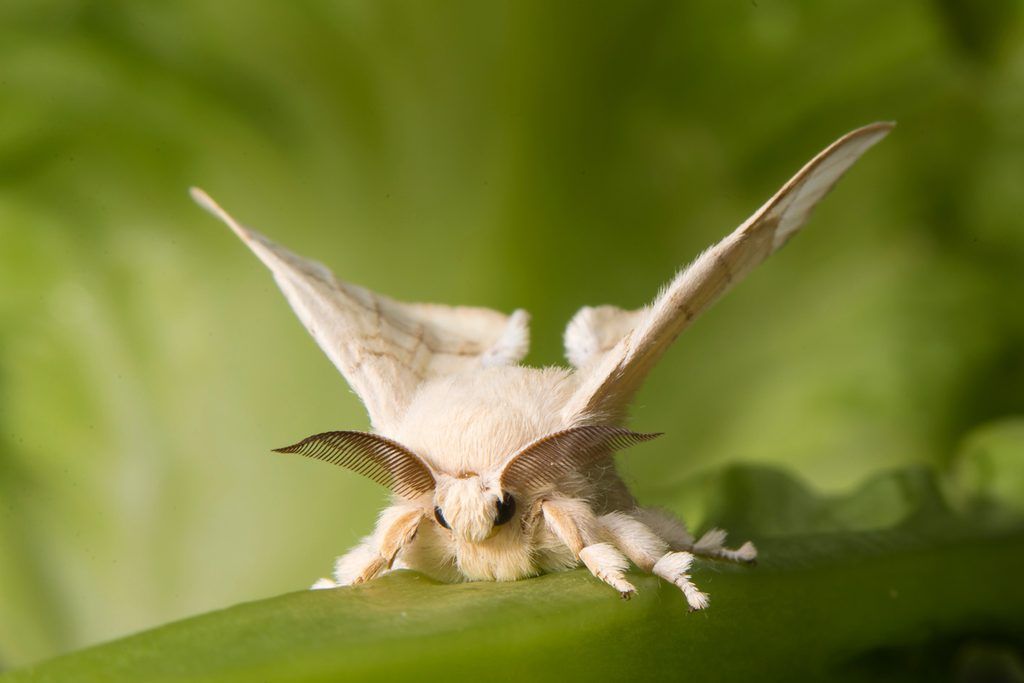
For male silk moths, smell is less about taking in its whole environment and more about honing in on one very specific thing: potential mates. Their feathery antennae are covered in tiny sensory structures that detect female pheromones, and a male silk moth can detect a female from up to about 3 miles away.
Female silk moths, meanwhile, have antennae tuned to different smells, including the odor of silkworm droppings. After mating, that smell can actually repel them, helping females avoid laying eggs on plants that are already crowded with other silkworms.
Kiwis
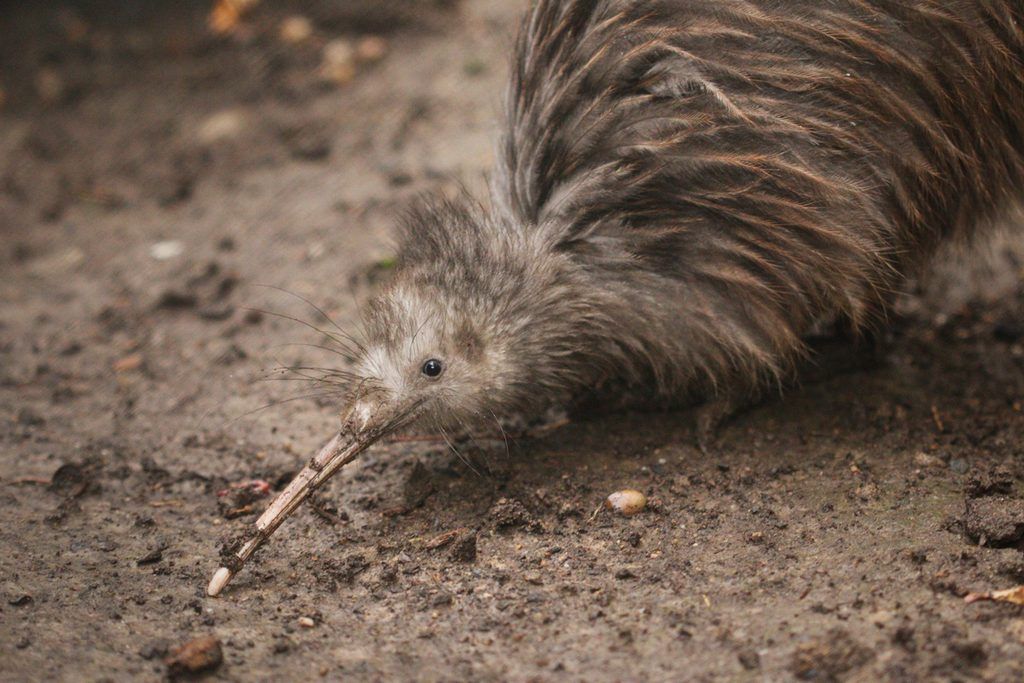
Kiwis have an unusual feature hidden at the end of their bills: Their nostrils are located at the tip, rather than near the base like other birds. This is, of course, particularly useful for a bird that spends sundown to sunrise sticking its bill into leaf litter and soil in search of bugs, worms, berries, and seeds.
The tips of kiwi bills are also covered in sensory pits that provide tactile information, giving the birds a combination of smell and touch to aid in their hunt for food.
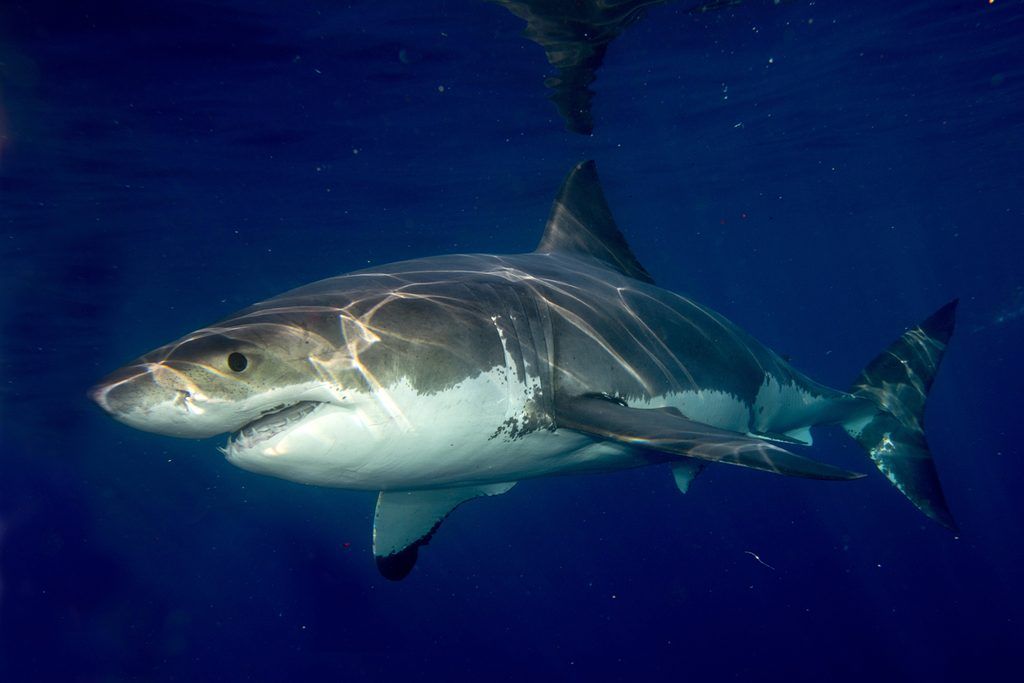
Great White Sharks
Great white sharks don’t have noses in the human sense, but they do have two nostrillike openings called nares on the underside of their snouts. These nares are quite impressive: They can detect which direction a scent is coming from by comparing when the smell reaches each side, essentially smelling in stereo.
A shark’s sense of smell works by detecting tiny concentrations of chemicals carried through the water, then relying on other senses, including sight and electroreception, to help pinpoint their prey.