Hippos Make Their Own “Sunscreen” Sweat
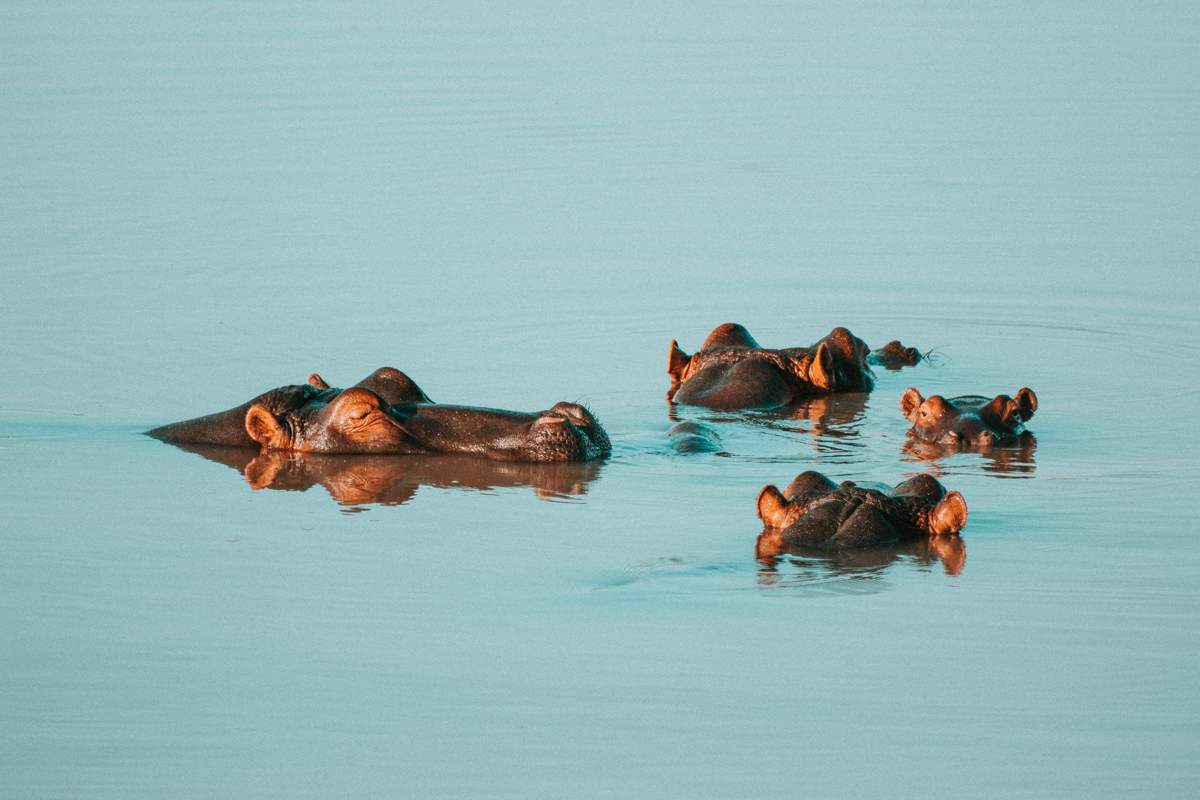
The tops of four hippo heads barely peeking out of the surface of still water
Image Credit: Wade Lambert/Unsplash.com

Aren’t you glad you sweat clear liquid? Hippopotamus aren’t so lucky. These hefty creatures secrete a reddish substance that European explorers once mistook for “blood sweat.” In actuality, the oily liquid is a mix of two molecules that turn red when exposed to air. These substances act as a natural ointment to protect their sensitive skin from UV rays. 

Hippos spend the majority of their time submerged in shallow water, leaving their heads exposed so they can breathe. Sunlight passes easily through this water, and hippos, with their hairless, fragile skin, are particularly vulnerable to sunburns. So having a little built-in SPF goes a long way in protecting them.

Dolphins Have Names For Each Other

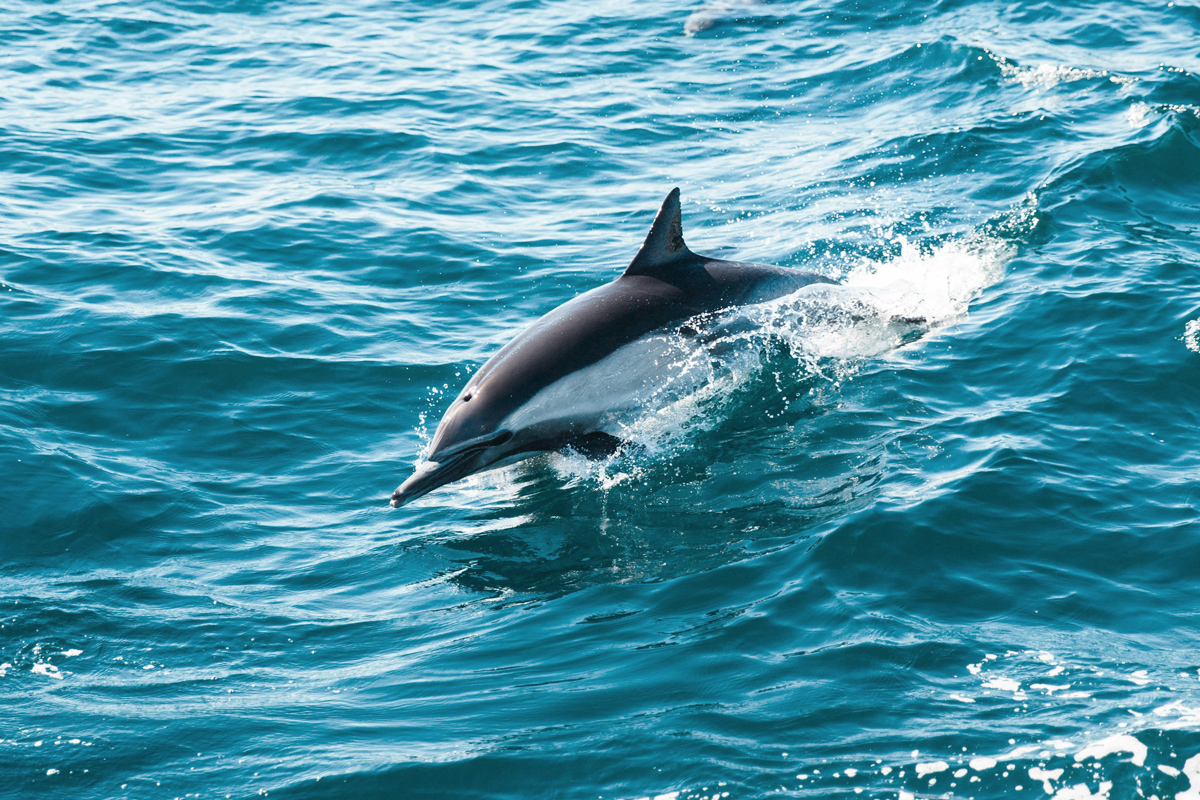
A picture of a grey dolphin with half of its body coming out of the ocean
Image Credit: Nick Reynolds/Unsplash.com

They don’t write them down on tiny, waterproof name tags, but dolphins do have unique whistles that function more or less as names, allowing individual dolphins to identify themselves across long distances. Researchers have found that dolphins not only recognize these signature whistles, but will also imitate them when trying to get the attention of a specific individual. In other words, a dolphin may effectively “call” another dolphin by reproducing its unique whistle.

A unique, high-pitched whistle might never perfectly translate to “Larry” or “Madonna,” but researchers have been working for years to decode dolphin language. And dolphins aren’t the only creatures found to have names. Sperm whales have special call signs as well, and research suggests elephants may also have name-like calls used for identification. 

Bees Navigate to Flowers Using Electric Fields

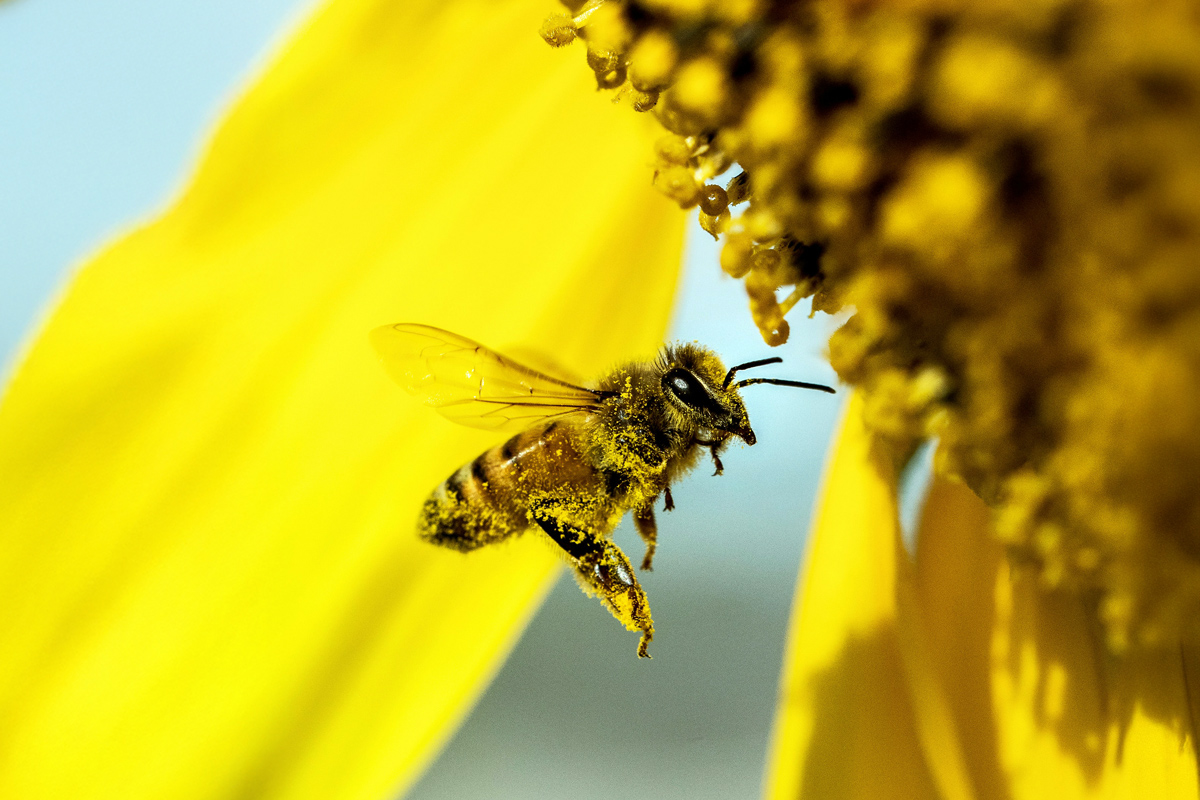
A bumblebee hovering beneath the petals of a yellow flower
Image Credit: David Clode/Unsplash.com

Flowers work hard to attract pollinators. They dress up in their best colors, give off sweet aromas, and produce gobs of bright pollen. But there’s even more going on beneath the surface. Flowers give off an electric charge, allowing bees to locate the ripest flowers. 

As they fly through the air, bees build up a small positive electric charge, while flowers tend to carry a slight negative charge. It’s similar to the charge you accrue when shuffling across the carpet in socks. That difference creates a tiny electrical attraction between them, helping guide bees toward blooms that are rich in nectar and pollen. Scientists have even found that bees can detect subtle changes in a flower’s electric field, allowing them to tell whether another bee has recently visited and drained its nectar.

Orangutans Have the Longest Childhoods After Humans

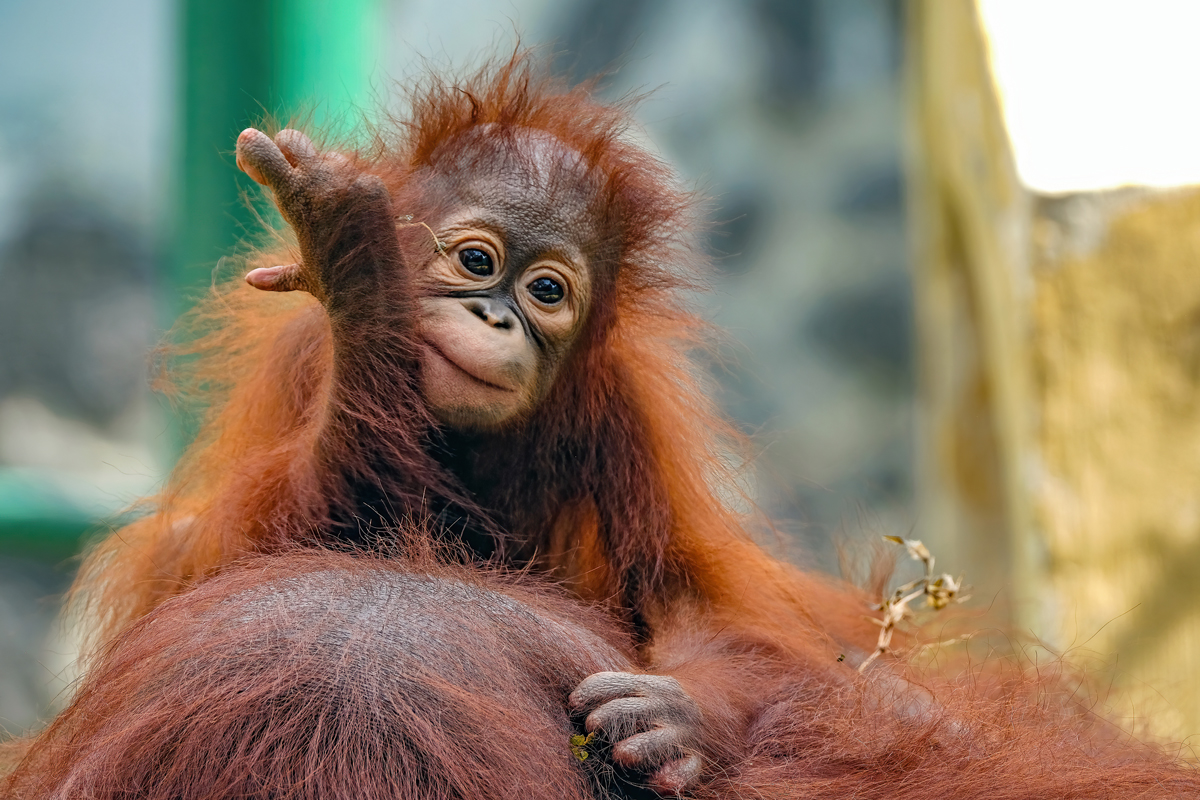
A baby orangutan hanging onto its mother's head
Image Credit: Riadi/Adobe Stock

Many animals enter the world ready to walk, run, or forage for food almost immediately. Some spend only a few weeks (if that) with their mothers before venturing off on their own. Orangutans, however, have the second-longest period of infant dependency after humans. Young orangutans stay close to their mothers, even continuing to nurse, for up to 8-10 years.

That’s a long time in the animal kingdom, even among other primates. Found in the rainforests of Borneo and Sumatra, orangutans spend most of their adult lives alone, making those first years essential. They learn everything from where to find food and how to build a nest to navigating the forest canopy and avoiding danger. There’s a lot for a young orangutan to master. Fortunately, their mothers don’t seem to be in much of a hurry to kick them out of the nest.

Baby Blue Whales Gain Around 8 Pounds Every Hour

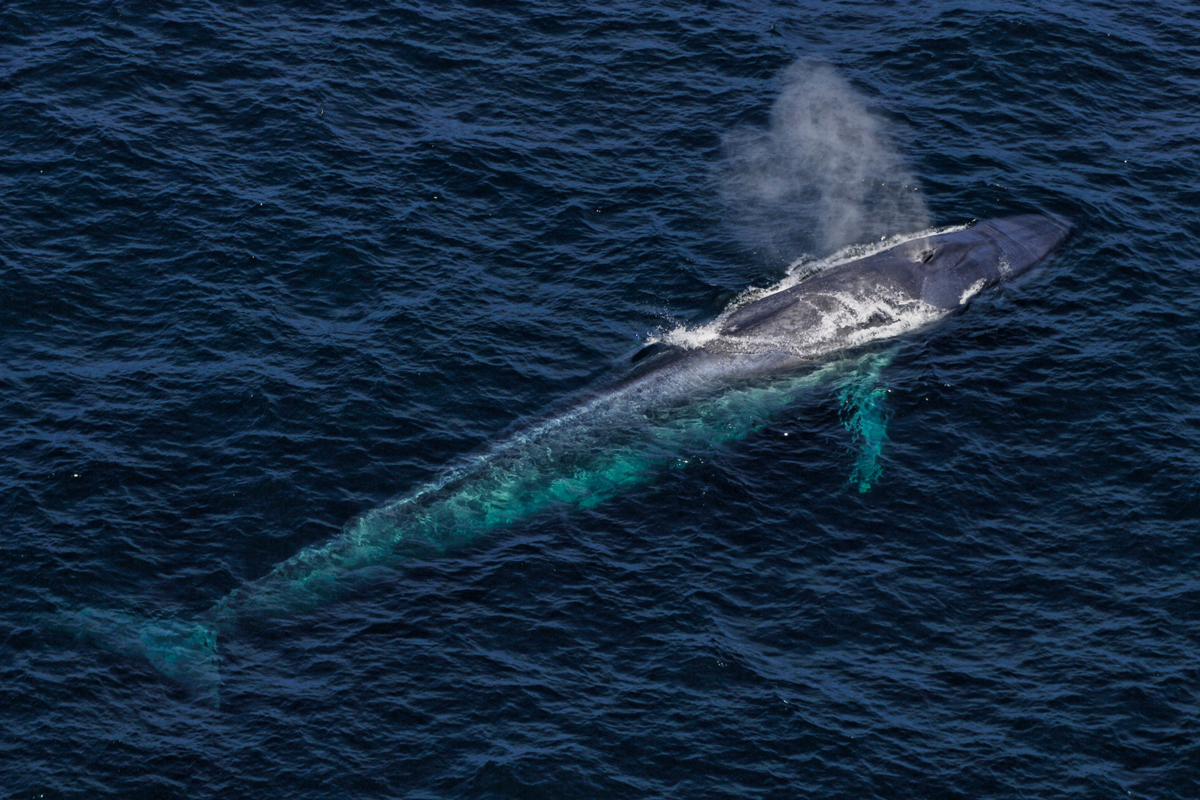
An aerial view of a blue whale spouting water above the ocean
Credit: David J. Shuler/Adobe Stock

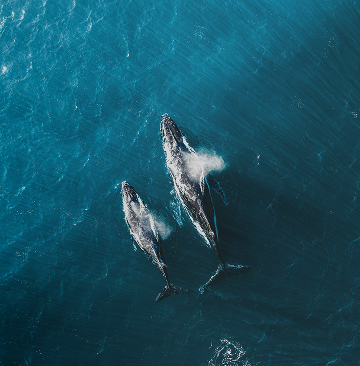
The blue whale claims the title for having the largest babies in the world, with most newborn calves weighing in around 5,000 to 6,000 pounds at birth. But they don’t stop there. After a year of gestation, these calves are born hungry, and consume up to 50 gallons of their mother’s milk every day. 

This nutrient-rich diet helps calves put on weight fast, and baby blue whales pack on 8-10 pounds every hour. Doing the math, that’s roughly 200+ pounds a day. By the time they’re fully grown, blue whales will weigh around 400,000 pounds. Their appetite doesn’t slow down with age, however, and adult blue whales will consume around 4 tons of krill every day. They need all that food to fuel them for their long migration south from arctic waters every year.

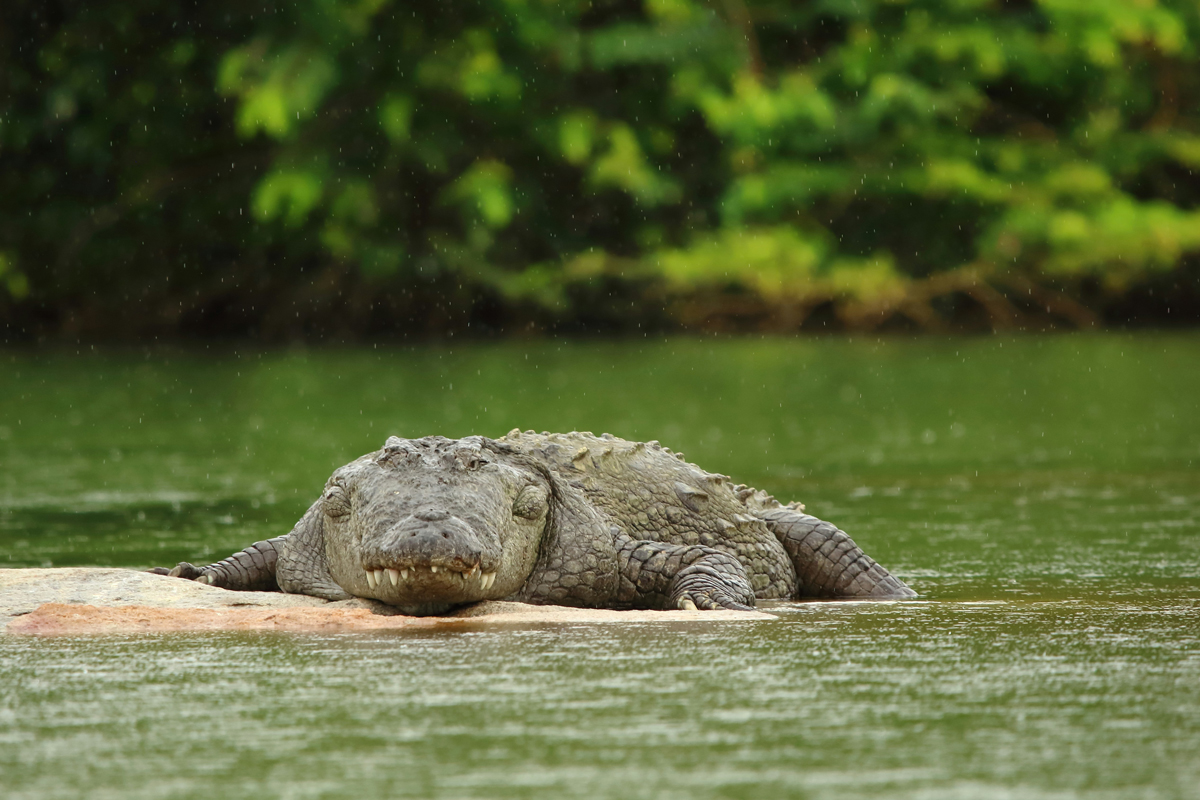
Alligators Go Through 2,000 Teeth in Their Lifetime

A picture of an alligator on a sandbank next to a river
Credit: Saketh Upadhya/Unsplash.com

The scaly alligator is recognizable by its wide jaw and toothy grin, which, at any given time, is home to roughly 80 teeth. But just like humans, alligators shed those teeth and grow new ones — only they do it much more frequently than the average human. In fact, the average alligator can go through more than 2,000 teeth in its lifetime.

Alligators primarily use those teeth to chomp on prey, like fish, turtles, birds, and even small mammals. And, despite their many chompers, alligators don’t use their teeth to chew. Instead, they rip up their food and swallow in large chunks. Not the best table manners, but it gets the job done.

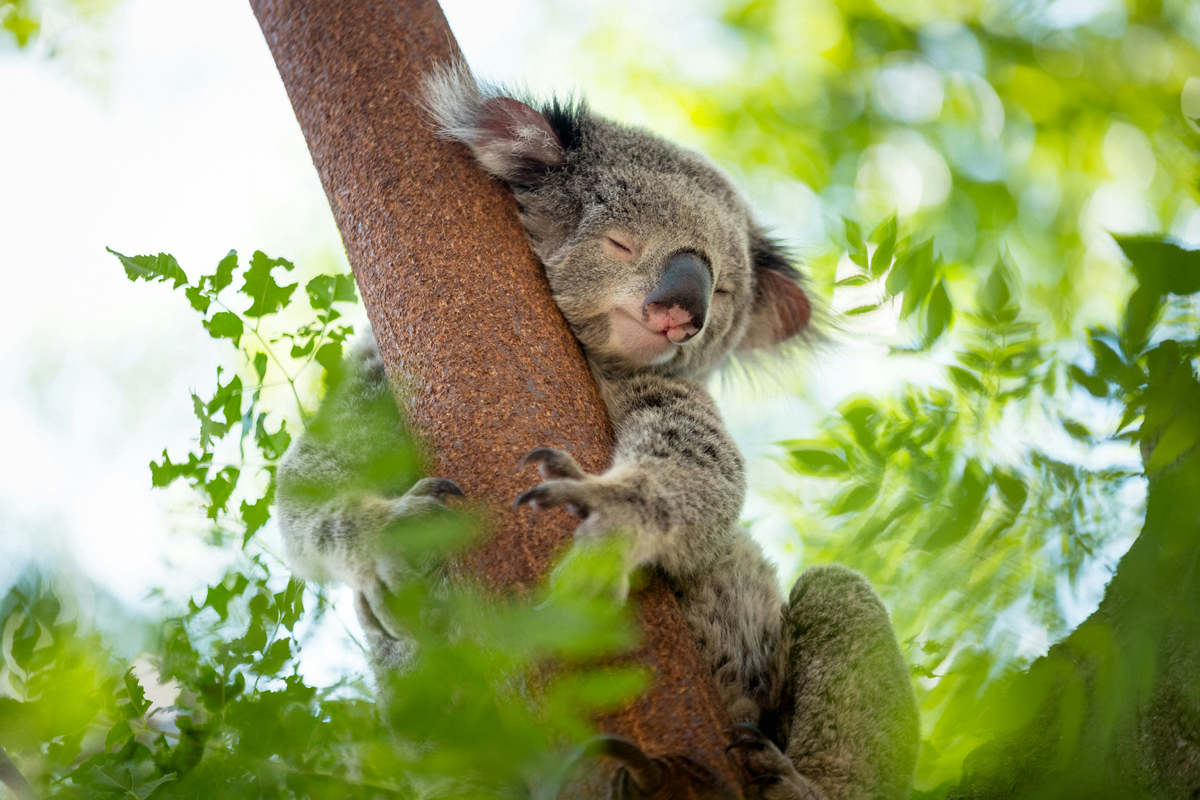
Koalas Sleep Up to 22 Hours a Day

A close up of a sleeping koala hugging a tree limb
Credit: Michael Williams II/Unsplash.com

Koalas are the champion sleepers, sometimes clocking out for up to 22 hours a day. The culprit behind their sleepiness? Their exclusive diet of eucalyptus leaves. The leaves of the eucalyptus plant are toxic to all creatures, including koalas, but these marsupials have developed a defense against the toxins that allows them to digest these fibrous leaves. That digestive system, however, takes up a lot of energy, meaning koalas need plenty of rest in between meals. When they are awake, koalas use their scant stamina to, what else, eat more eucalyptus leaves.

The perk about a diet of eucalyptus leaves is that the plant is full of water, meaning koalas don’t need to spend extra time searching for a water source. The downside? Those microbes in their digestive system that allow them to digest the leaves come from their mothers’….excrement. Babies will eat their mothers’ feces to acquire the defensive microbes that allow them to eat eucalyptus.