7 Weird Animal Smells (And Why They Exist)

Smell is one of nature’s most underrated tools. It can ward off predators, attract mates, aid in communication, and mark territory. And occasionally, of course, it’s simply the result of a potent diet we humans certainly couldn’t stomach.
Some of those odors are so noxious they’re unbearable to be around. Others are surprisingly — and perhaps almost suspiciously — pleasant. Here we sniff out seven of the strongest and strangest smells in the animal kingdom and the very specific reasons why each one exists.
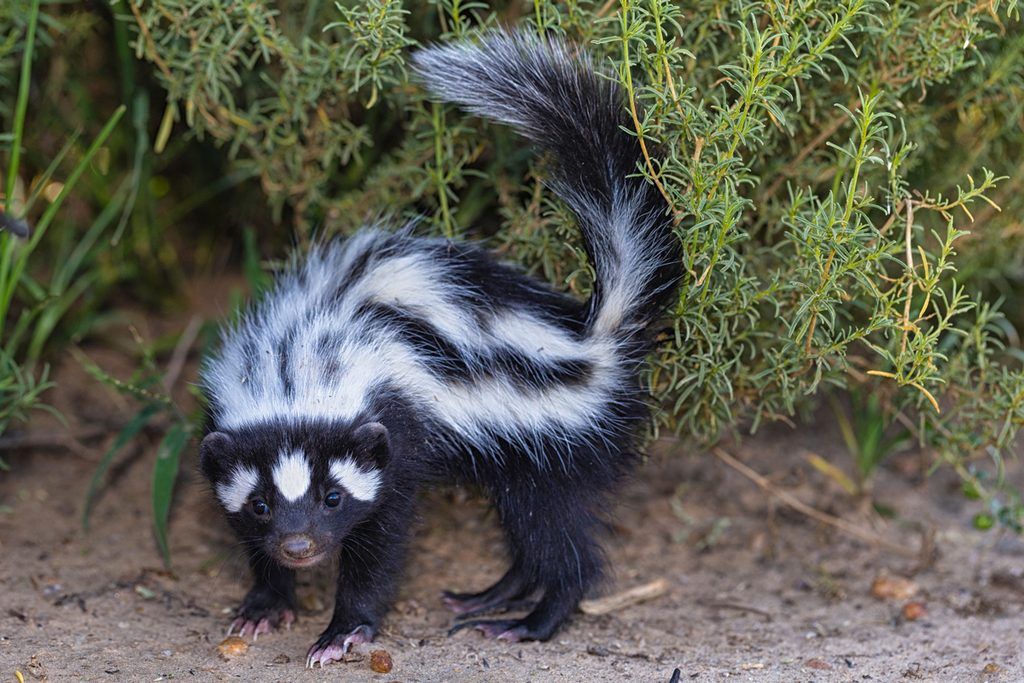
The Zorilla’s Stinky Spray
The striped polecat, also known as the zorilla or zorille, has earned the nickname “African skunk” for good reason. This black-and-white striped member of the weasel family isn’t related to the skunk, but it may well out-stink its more famous counterpart.
Its anal glands produce a sulfurous, eye-watering spray capable of temporarily blinding unfortunate predators. Since zorillas are relatively slow and unable to outrun most predators, this extreme deterrent serves as their primary defense — and also makes them contenders for the title of Earth’s smelliest animal.
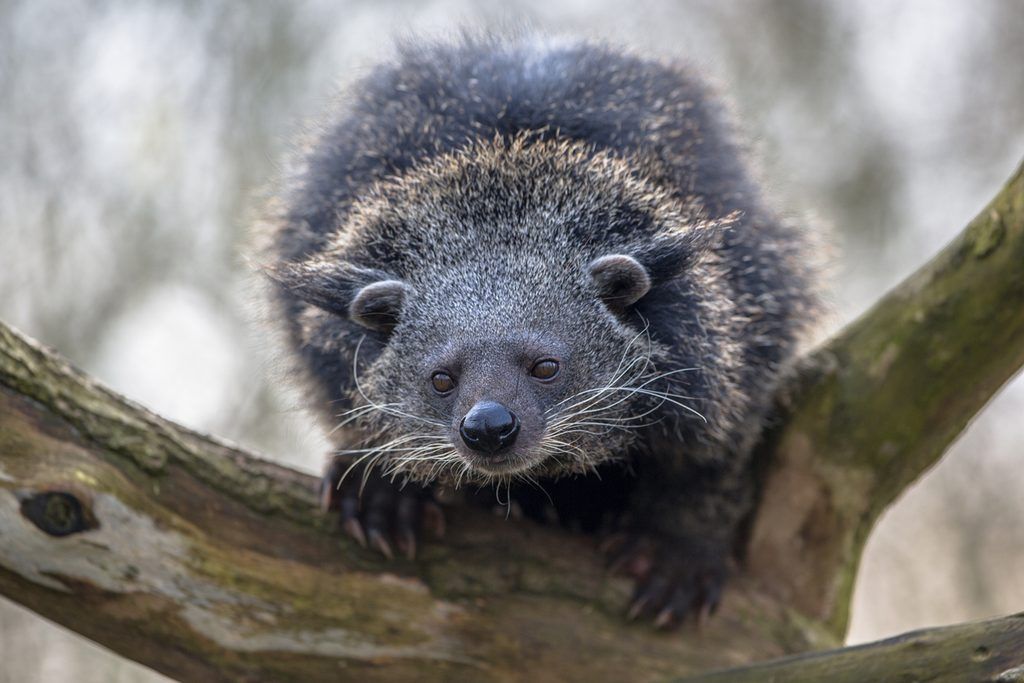
The Popcorn-Scented Binturong
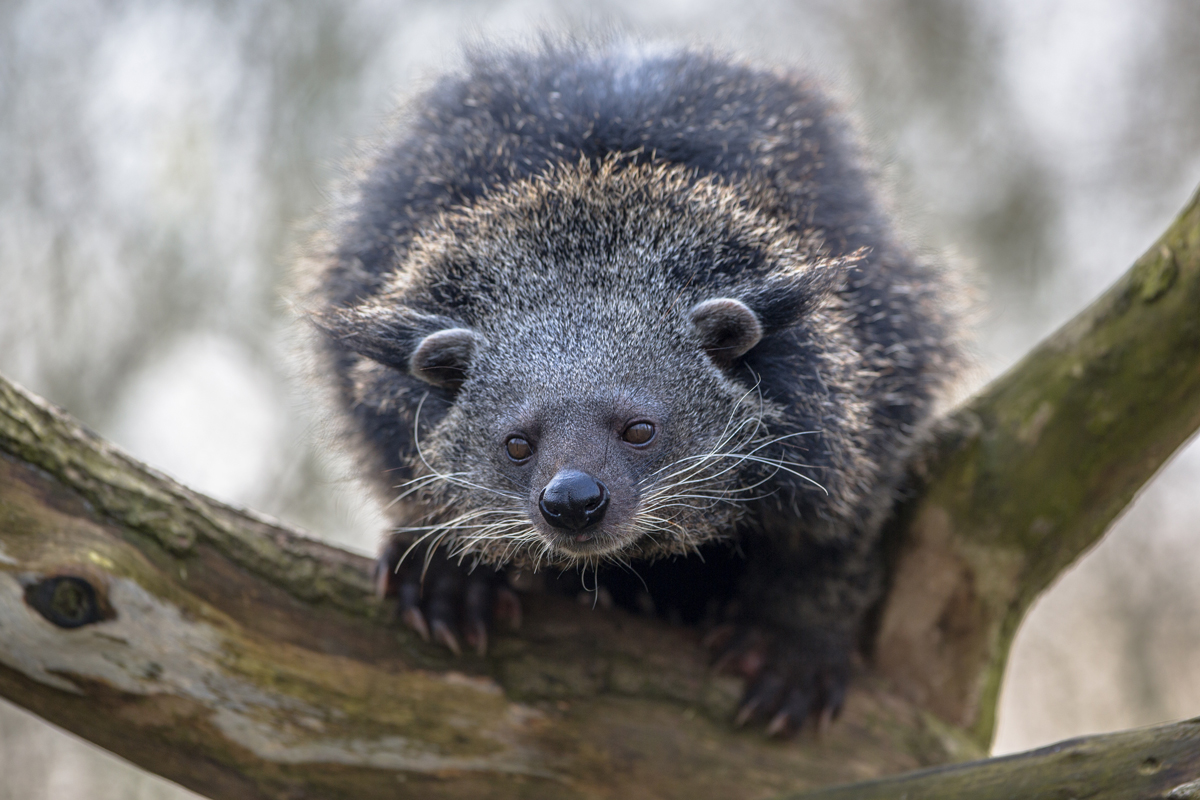
Binturongs, also known as bearcats (an appropriate name given their appearance), are strange, tree-dwelling mammals native to South and Southeast Asia. With their short legs, shaggy coats, long tails, whiskers, and rounded ears, they’re quite adorable — and they also happen to smell like buttered popcorn.
This distinctive, genuinely pleasant scent comes from a compound called 2-acetyl-1-pyrroline, the same chemical responsible for the aroma of popcorn and baked bread. The compound is also contained in binturong urine, which they use to scent-mark their territory.
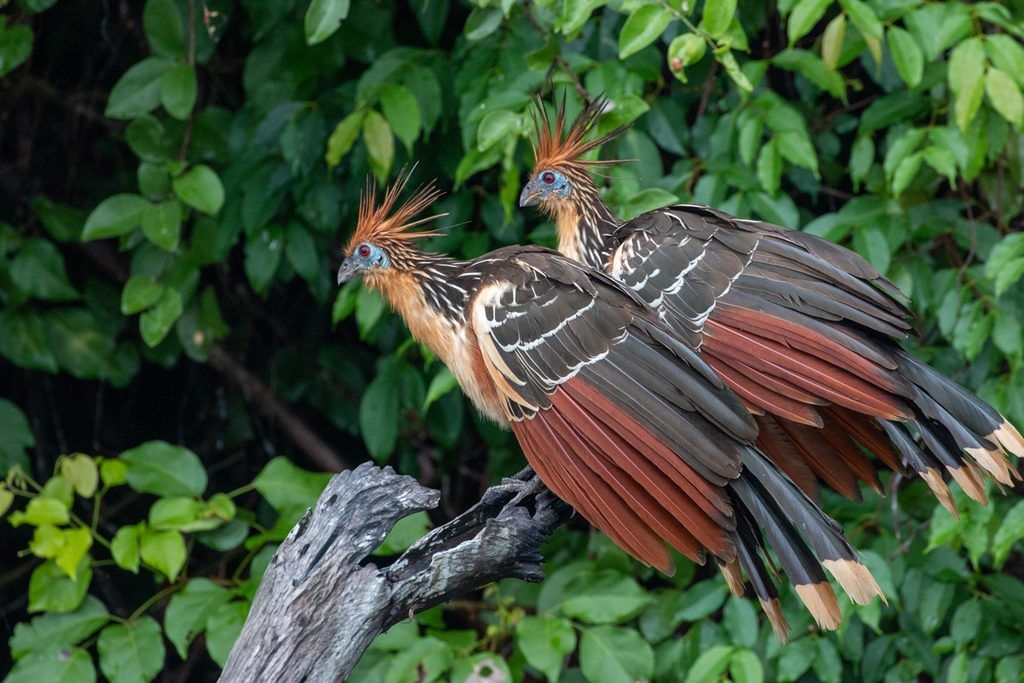
The Infamous Stinkbird
Hoatzins are widely regarded as one of the most peculiar birds in the Amazon. With their unfeathered blue faces, fan-shaped tales, and expressions of permanent surprise, these clumsy birds certainly aren’t the prettiest things in the forest. They also stink of manure, hence the nickname “stinkbird.”
The hoatzin has a digestive system that includes a specialized chamber containing bacteria that helps ferment and break down the leaves on which they feed. This process produces a strong odor that at best smells like sweet hay and at worst like cow manure.
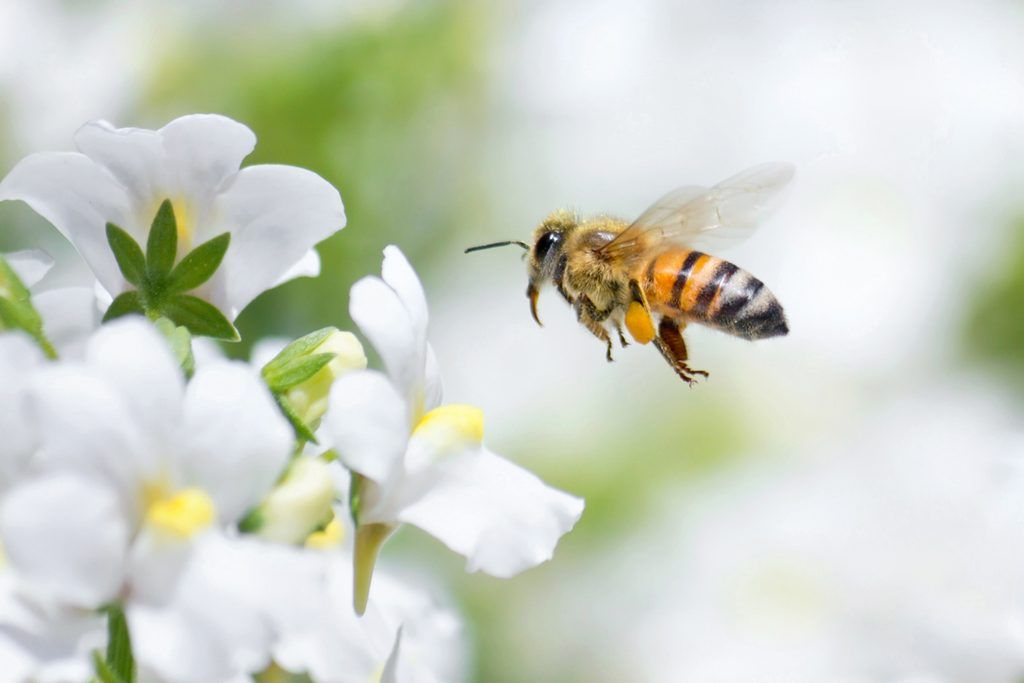
The Bees That Go Bananas
When a honeybee feels threatened, it releases a chemical alarm signal that smells strikingly like ripe bananas. The compound responsible for this, isopentyl acetate — the same one used in artificial banana flavoring — acts as a rallying cry, alerting nearby worker bees to swarm and defend the hive. Beekeepers have learned to take this seriously enough that many avoid eating bananas or using banana-scented lotions and sunscreens before opening a hive, since the smell alone can trigger a defensive response.
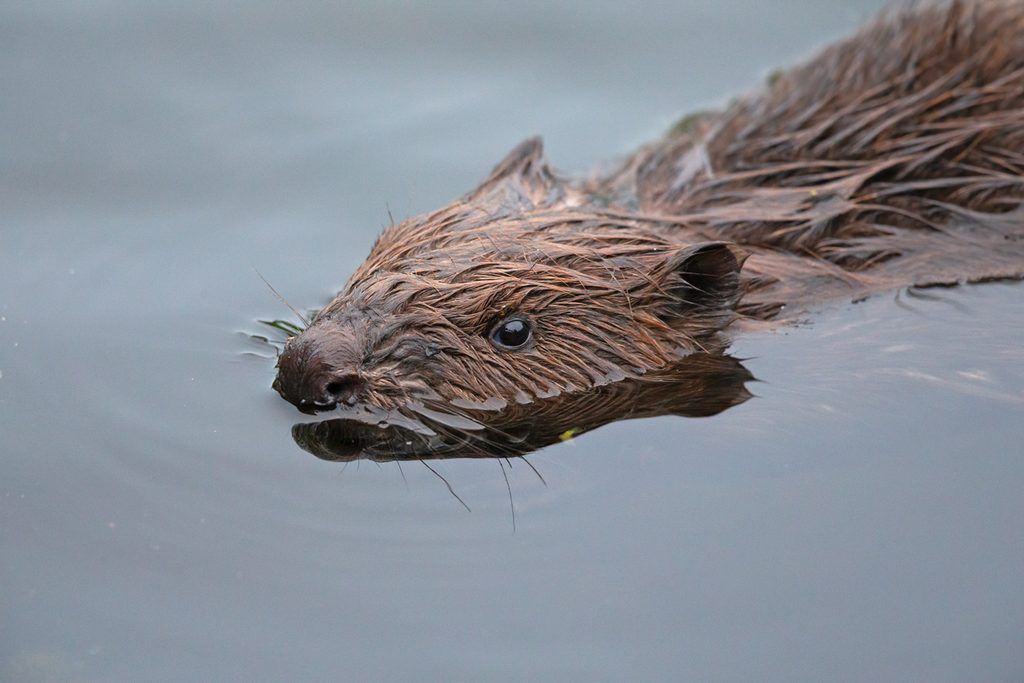
The Beaver’s Vanilla Musk
Beavers mark their territory using a musky secretion called castoreum, a yellow, syrupy substance released from scent glands near the base of their tails. The compound carries a surprisingly pleasant, vanillalike aroma — a sweetness easily detectable by nearby humans.
According to a popular internet myth, beaver castoreum is used as a flavoring in everything from ice-cream to oatmeal. But while castoreum has been used historically for medicinal purposes and to add flavor and aroma to foods and perfumes, it now only appears in rare, niche artisanal products — so you don’t need to worry about anal glands in your Ben & Jerry’s.
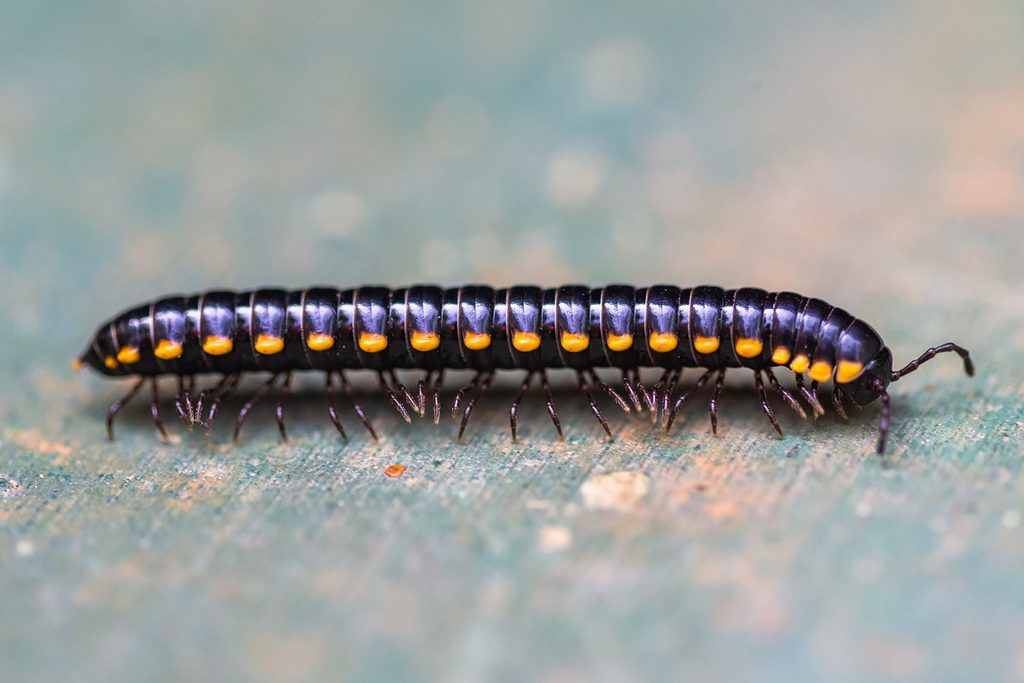
The Millipede’s Almond-Scented Defense
Yellow-spotted millipedes defend themselves by curling up into a spiral and secreting a liquid containing hydrogen cyanide. This dangerous substance is strong enough to kill insects and birds and can cause a painful reaction in curious dogs and careless humans. Despite its fearsome nature, hydrogen cyanide actually smells quite nice — it’s typically described as having an aroma similar to that of roasted almonds.
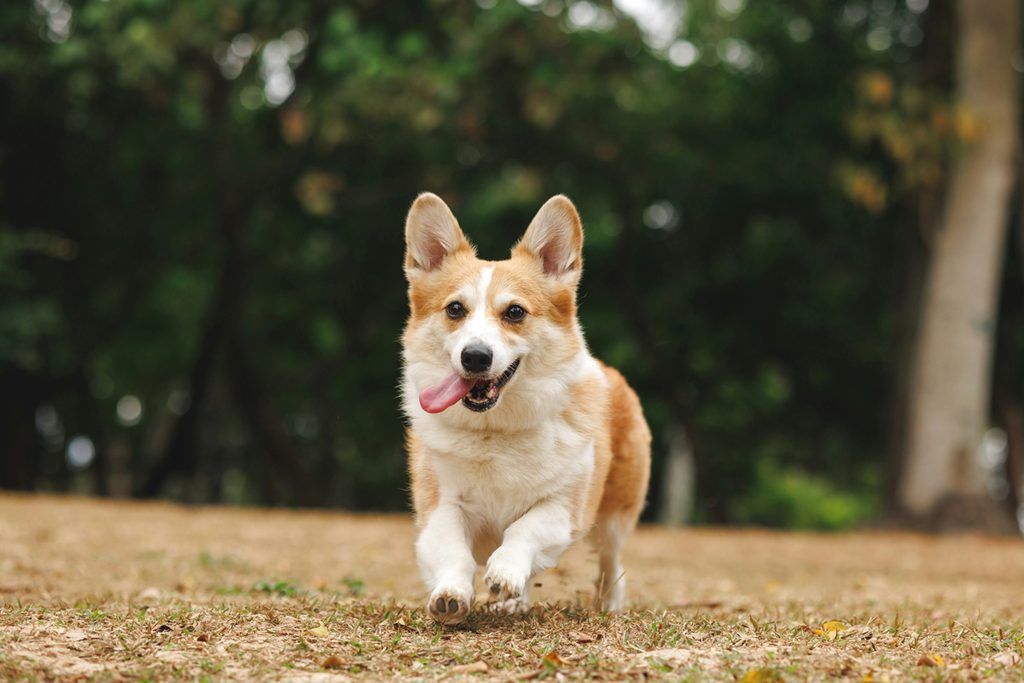
Your Dog’s Frito Feet
Plenty of dog owners have discovered, either by accident or because of viral internet posts, that their pet’s paws smell distinctly like corn chips. The scent, affectionately known as “Frito feet” (in reference to the smell of corn chips), comes from naturally occurring bacteria known as pseudomonas and proteus.
It’s nothing to worry about and certainly won’t bother a dog. As for any humans who aren’t on board with the chip smell, the advice is simple: Stop sniffing your dog’s feet.