Why Do Some Animals Lay Eggs While Others Give Birth?

It’s basic biology: birds and reptiles lay eggs, while mammals give birth to live young. But nature doesn’t always follow those neat categories: Some reptiles give birth to live young, and there are even a few mammals that lay eggs.
Animals have evolved different methods to help an embryo develop from conception to birth or hatching. Laying an egg allows much of that development to happen outside the mother’s body, while giving birth means the developing offspring remains inside her until it’s ready to emerge.
These differences reflect millions of years of evolutionary adaptations to different environments and reproductive challenges. And despite the outliers, there are many reasons why most creatures follow fairly steady patterns.
Eggs Put the Development Outside the Mother
Oviparity, or egg-laying, allows embryos to develop in eggs outside the mother’s body. Depending on the animal, eggs may contain nutrients and protective membranes, and many have shells that help prevent the embryo from drying out. Once laid, the mother (or sometimes the father) may incubate the egg, guard it, or leave it to develop on its own.
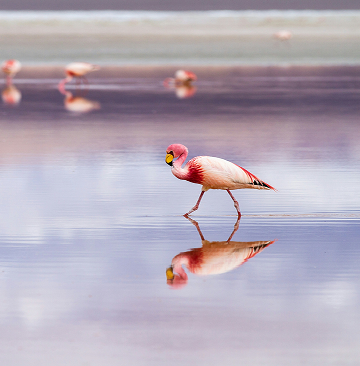
Birds are egg-laying animals that invest considerable time in parental care. For instance, a robin incubates its eggs for about two weeks, while a chicken egg takes approximately 21 days to hatch. Parent birds continue feeding and protecting their chicks after hatching, sometimes for several weeks.
Laying eggs also allows female birds to remain light and mobile, preserving their ability to fly, forage, and escape predators. Carrying developing embryos internally would add considerable weight and compromise flight, creating a significant survival advantage for the species. Egg-laying allows females to produce multiple clutches and potentially mate with different partners, increasing opportunities for genetic diversity.
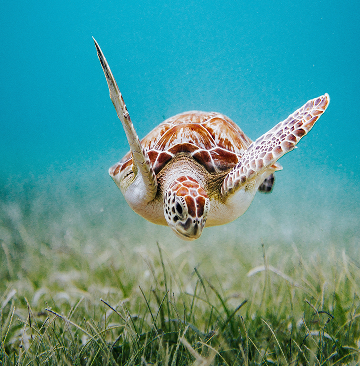
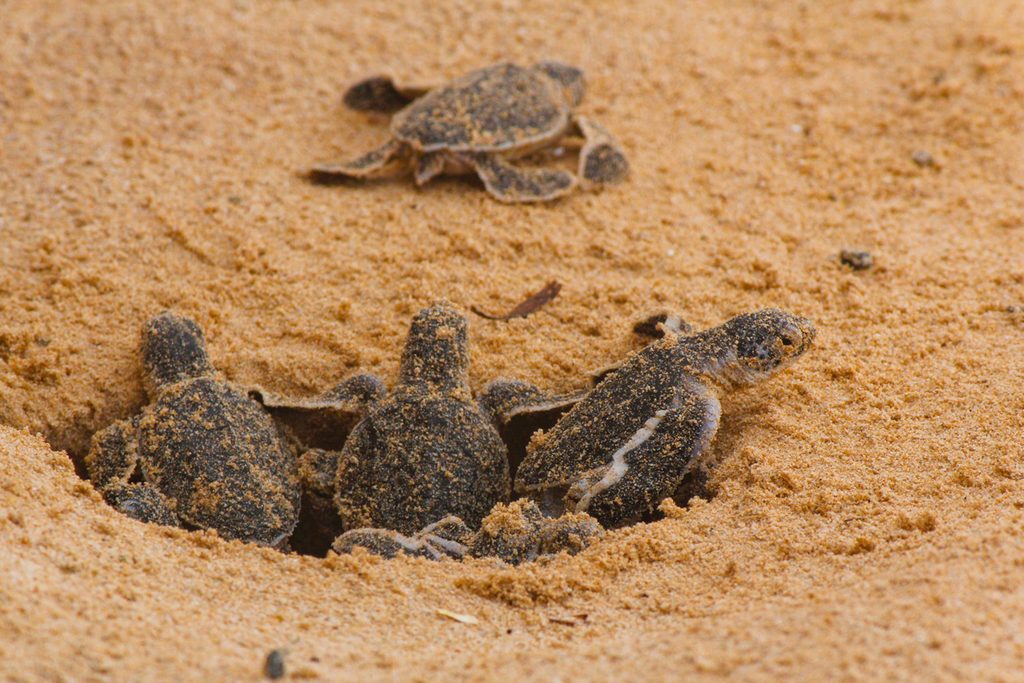
Other egg-laying animals take different approaches. Sea turtles bury their eggs in sandy nests and return to the ocean, leaving hatchlings to dig their way out and find the water. Depending on the species and environmental conditions, their incubation takes roughly 45 to 75 days.
Many lizards also leave their eggs in protected locations without further care. Producing numerous eggs increases the odds that some offspring will survive to adulthood, which is especially useful for species with high mortality rates among their offspring.
So why do birds and reptiles both follow this pattern? Well, birds are actually reptiles in the evolutionary sense, having evolved from theropod dinosaurs. They share a more recent common ancestor with modern crocodilians than with mammals and inherited their egg-laying reproductive strategy from their reptilian ancestors.
Live Birth Keeps the Embryo Inside
Viviparity, or live birth, means the developing embryo remains inside the mother’s body until it’s ready to be born. In placental mammals, the fetus receives oxygen and nutrients through the placenta, an organ that connects the baby to the mother’s blood supply. Waste products are also transferred back to the mother for removal.
Growing embryos inside the body gives mothers greater control over their offspring’s development. They can protect offspring from many external threats and move between different locations to regulate their body temperature and provide more favorable environmental conditions for development. The trade-off is that pregnancy requires considerable energy, adds physical demands, and generally limits the number of offspring a female can carry at one time.
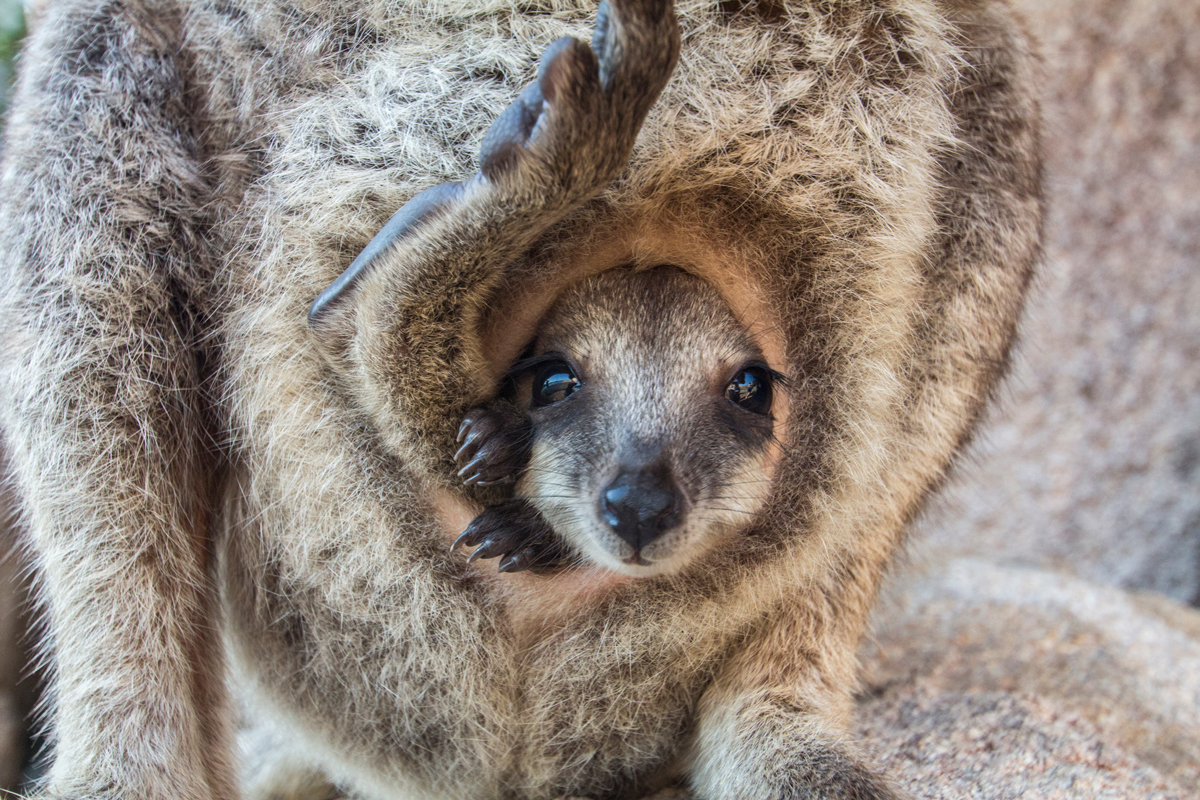
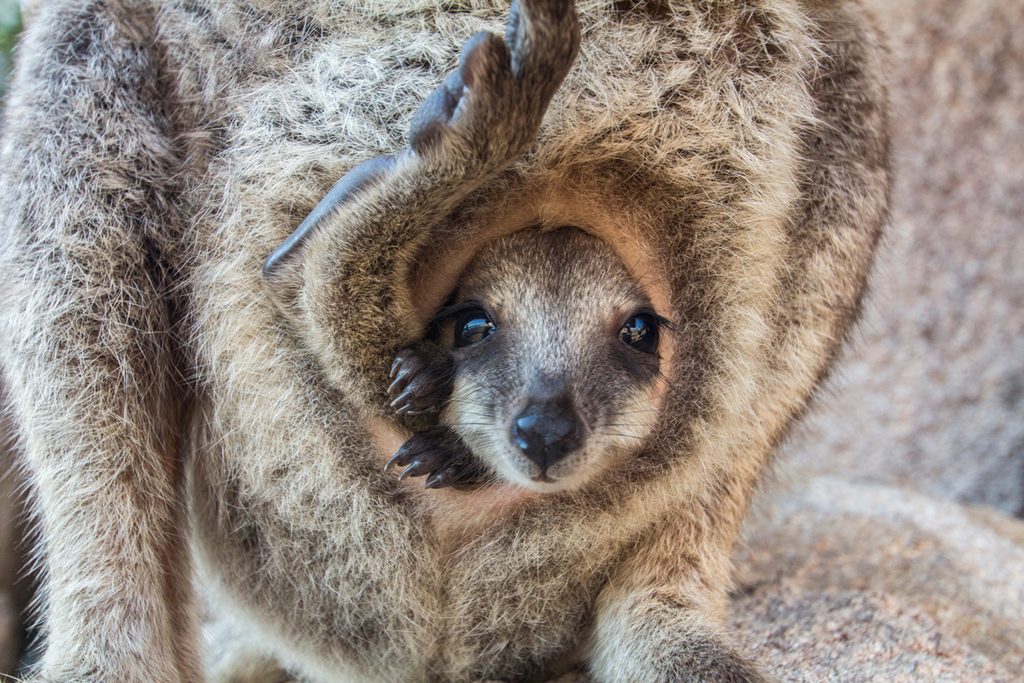
Not all mammals reproduce this same way, however. Marsupials, including kangaroos, koalas, and opossums, give birth to underdeveloped young after a short pregnancy. The babies continue growing while nursing, often inside a pouch. Marsupials also have a placenta, but it’s generally less complex and shorter-lived than the placenta in most placental mammals.
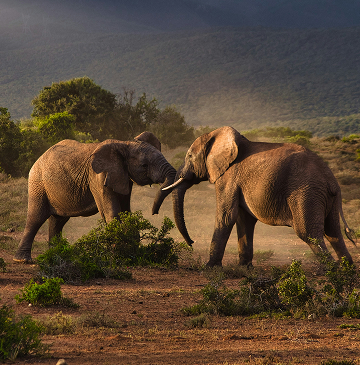
Gestation varies enormously among mammals: Mice carry their young for about 21 days, dogs for roughly two months, and elephants for nearly 22 months, the longest of any land mammal. Maternal care also varies. Newborn mice depend on their mothers for warmth and milk, while elephant calves may nurse for several years and remain with their mothers long after weaning.
For some reptiles, keeping the embryos inside the body can be especially advantageous in cold climates, where eggs may struggle to develop at suitable temperatures. Research has found a strong association between the evolution of live birth in these reptiles and long-term exposure to colder climates.
Females that retained their eggs internally had a reproductive advantage because they could move to warmer locations and maintain more favorable temperatures for developing embryos. Over many generations, natural selection favored this strategy, eventually leading to live birth in some lineages.
Exceptions to the Rules
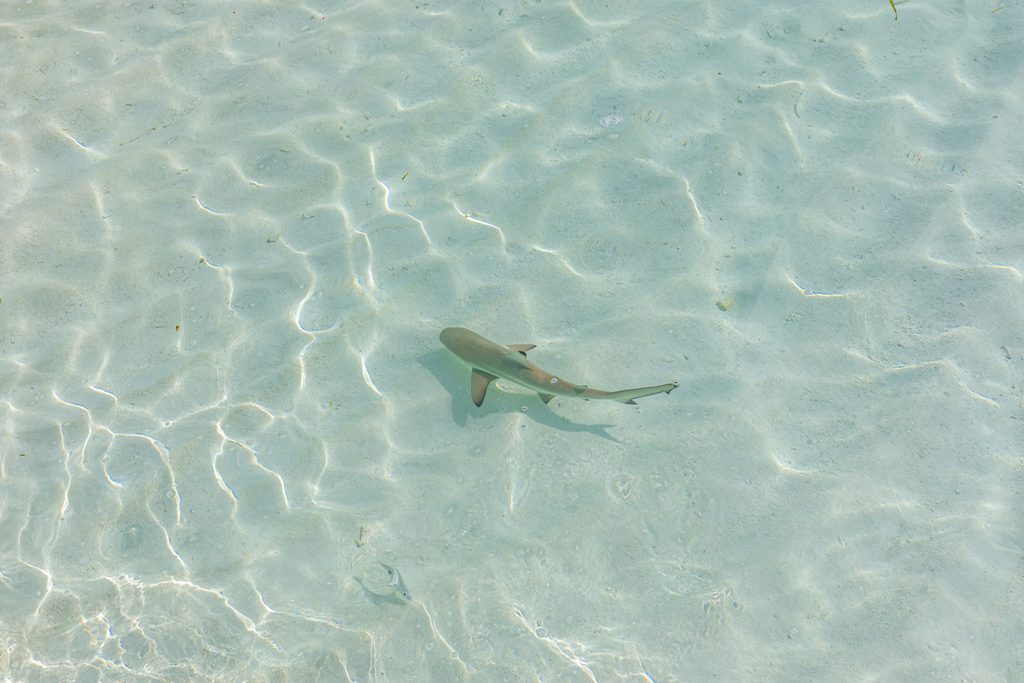
The distinction isn’t always as simple as egg-laying versus live birth; mothers in some species retain eggs inside their body until they hatch, after which the young emerge alive. This strategy, traditionally called ovoviviparity, occurs in some sharks, snakes, and lizards. The embryos receive nourishment primarily from the egg yolk rather than directly from the mother.
Other reptiles have evolved true live birth, in which developing embryos receive support from the mother through placentalike structures. In some species, those structures also transfer nutrients, while in others, the embryos continue to rely primarily on yolk. Live birth has evolved independently more than 100 times among lizards, snakes, and related reptiles.
Most fish reproduce by laying eggs, often releasing them into the water, where fertilization and development take place. However, some do give birth to live young. Guppies and other live-bearing aquarium fish are familiar examples, while certain sharks and rays also produce live offspring.
Live birth has evolved independently in fish more than 20 times among living fish lineages, although it remains relatively uncommon. The fact that live birth has evolved independently in so many different animal groups suggests that similar environmental pressures can favor similar reproductive adaptations, even in species that aren’t closely related.
The Mammals That Lay Eggs
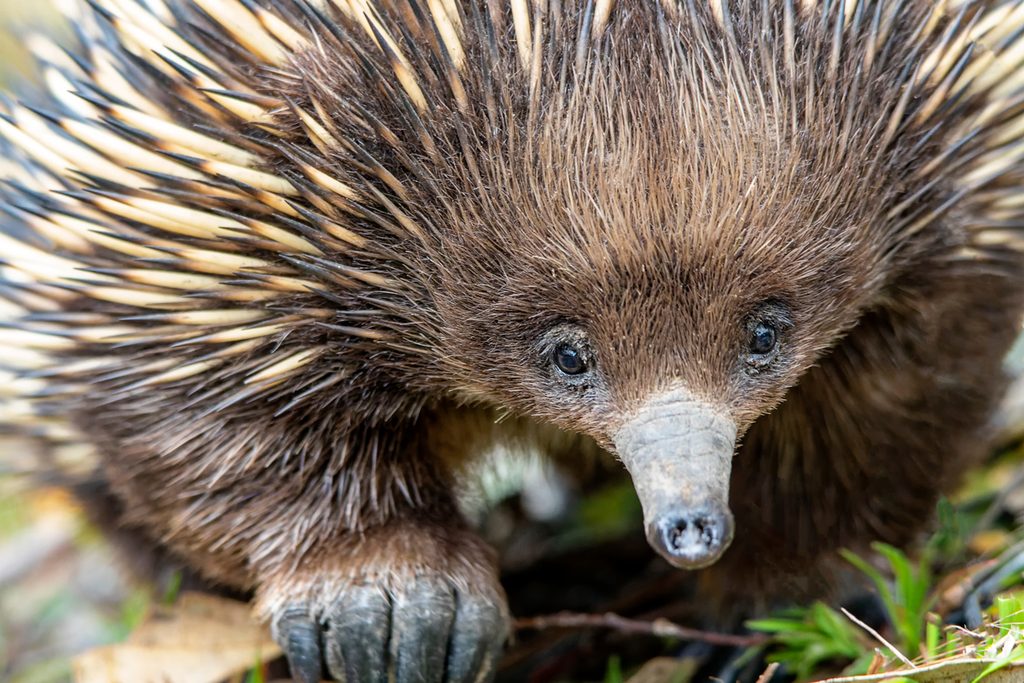
There are five living mammal species called monotremes that still lay eggs, including the duck-billed platypus and four species of echidnas — spiny, insect-eating mammals native to Australia and New Guinea and also called spiny anteaters.
These animals’ reproductive systems reflect an ancient mammalian lineage that retained egg-laying rather than evolving the internal development found in marsupials and placental mammals. Their continued existence also demonstrates that egg-laying can still be a successful reproductive strategy, even as other members of a broader animal group evolve different approaches.
While these creatures possess the traditional mammalian traits, such as hair and the ability to produce milk, they also lay eggs that are soft and leathery rather than hard like bird eggs. After hatching, the young receive milk from their mothers, although monotremes lack nipples and secrete milk through specialized skin openings.
There’s no singular best way to bring new life into the world; each comes with advantages and disadvantages. Over millions of years, natural selection has favored the reproductive strategy that works best for a particular species’ conditions.