6 Elusive Wild Cats You’ve Never Heard Of

Author Jeffrey Moussaieff Masson once wrote, “The idea, to a cat, that somebody else owns him is ludicrous.” This attitude undoubtedly applies to many of our beloved house cats, those of a supposedly domesticated nature. And it’s certainly true of the world’s wild cats — the big, the small, the in-between — who roam our world freely, with barely a hiss or a scratch reserved for us trivial, silly humans.
Many of these feline species are well-known to us, particularly the iconic big cats — lions, tigers, leopards, cheetahs, and jaguars. But our planet is also home to a wide array of smaller and highly specialized species that many people have never even heard of, let alone seen. Here are six of them, including a diminutive hunter with outsized skills and a cat with a serious resting grumpy face.
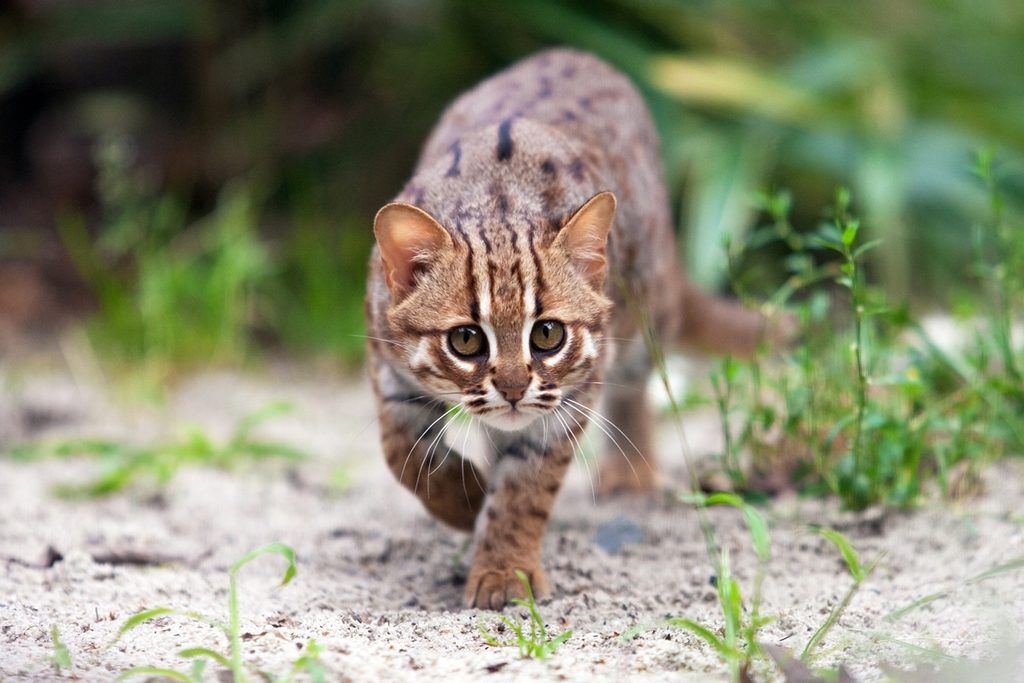
Rusty-Spotted Cats
The rusty-spotted cat is widely considered the smallest wild cat species on Earth. Weighing as little as 2 to 3 pounds (a typical house cat weighs 8 to 12 pounds), it’s small enough to easily fit in a cupped human hand.
Native to India, Sri Lanka, and Nepal, this tiny feline is a nocturnal hunter that preys on birds, rodents and the occasional frog or lizard. Their size, speed, and cautious nature make sightings in the wild rare, and relatively little is known about their behavior. And when they are sighted, they’re often mistaken for baby leopards due to their spotted coats.
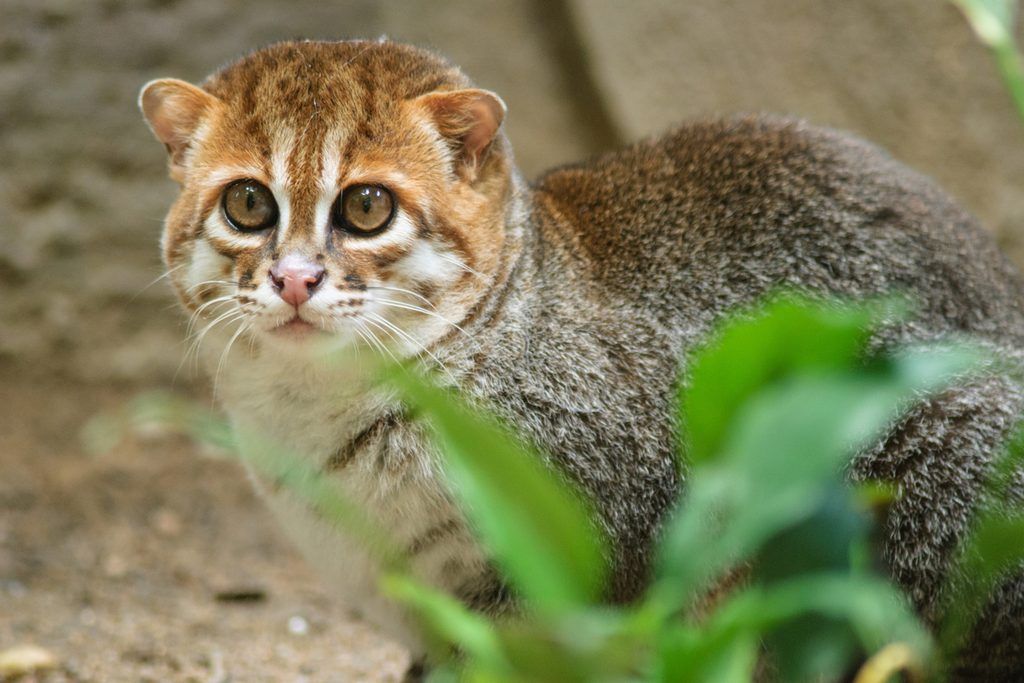
Flat-Headed Cats
Among the rarest and strangest cats alive, the flat-headed cat has evolved almost entirely around a life spent in the wetlands of Borneo, Sumatra, and Malaysia. This semi-aquatic cat has partially webbed feet to help it get around in wet and muddy environments, while its unique dental structure — with molars that are larger and sharper than those of other wild cats — are designed for keeping a tight bite on slippery prey including fish and frogs. Unlike house cats, which tend to stare at water in baffled contemplation, flat-headed cats have been observed washing food and objects in water, much like a raccoon.
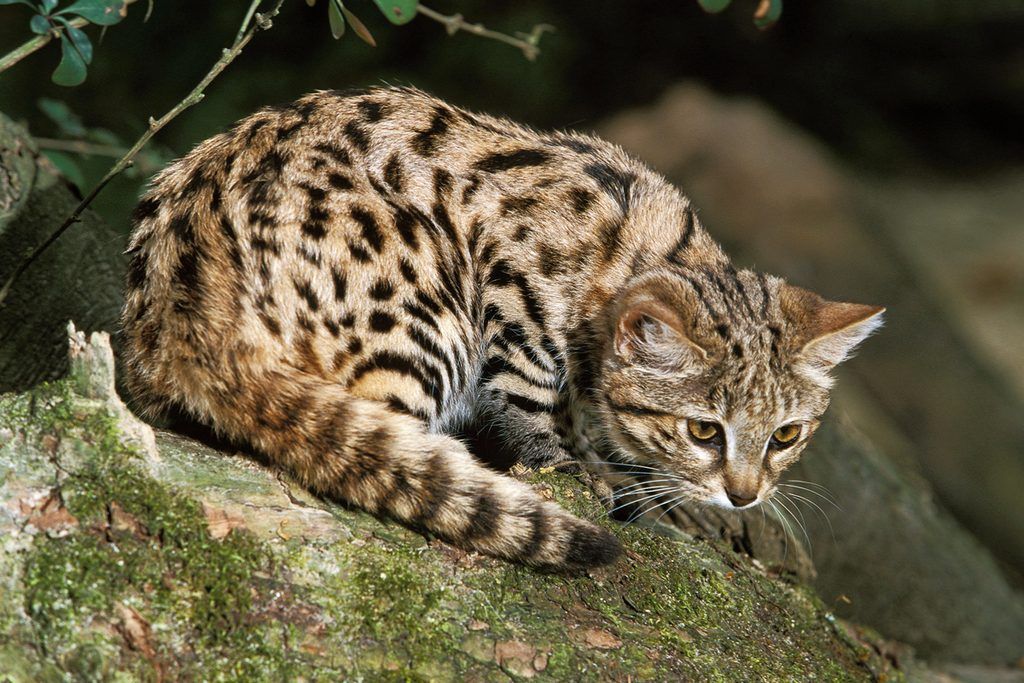
Black-Footed Cats
The black-footed cat — named for its black paw pads — is the smallest wild cat species in Africa. But don’t let its diminutive size fool you: It’s often cited as the world’s deadliest cat in terms of kills as well as one of Earth’s most efficient predators.
Its hunting success rate — which includes prey larger than itself — is an impressive 60%, significantly higher than that of a lion or tiger. Part of its success lies in its nocturnal nature and the fact that it spends up to 70% of the night hunting.
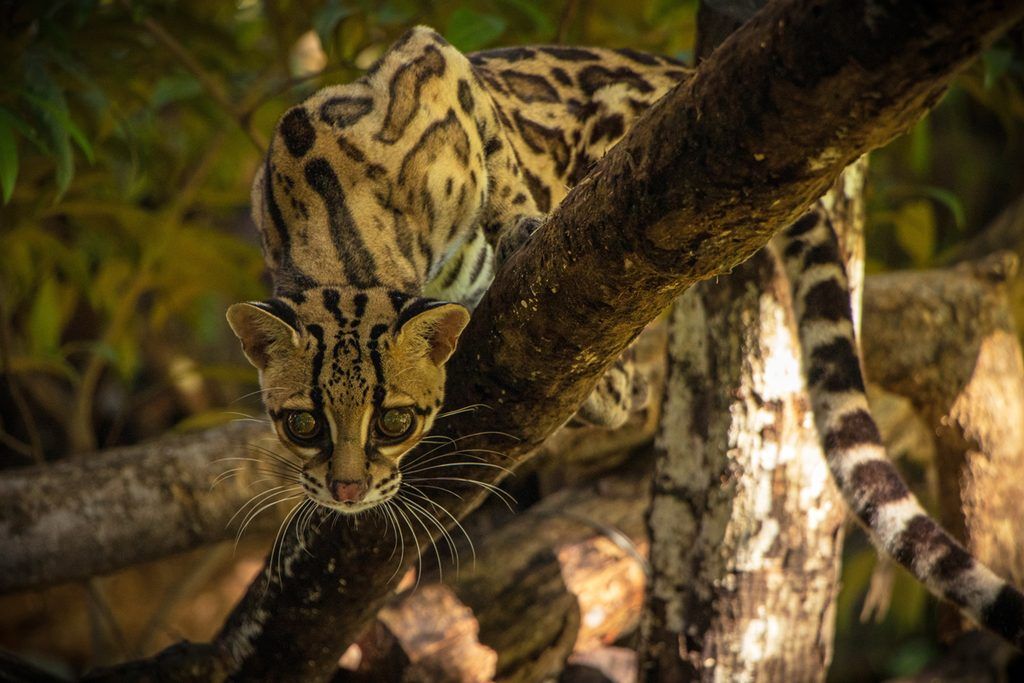
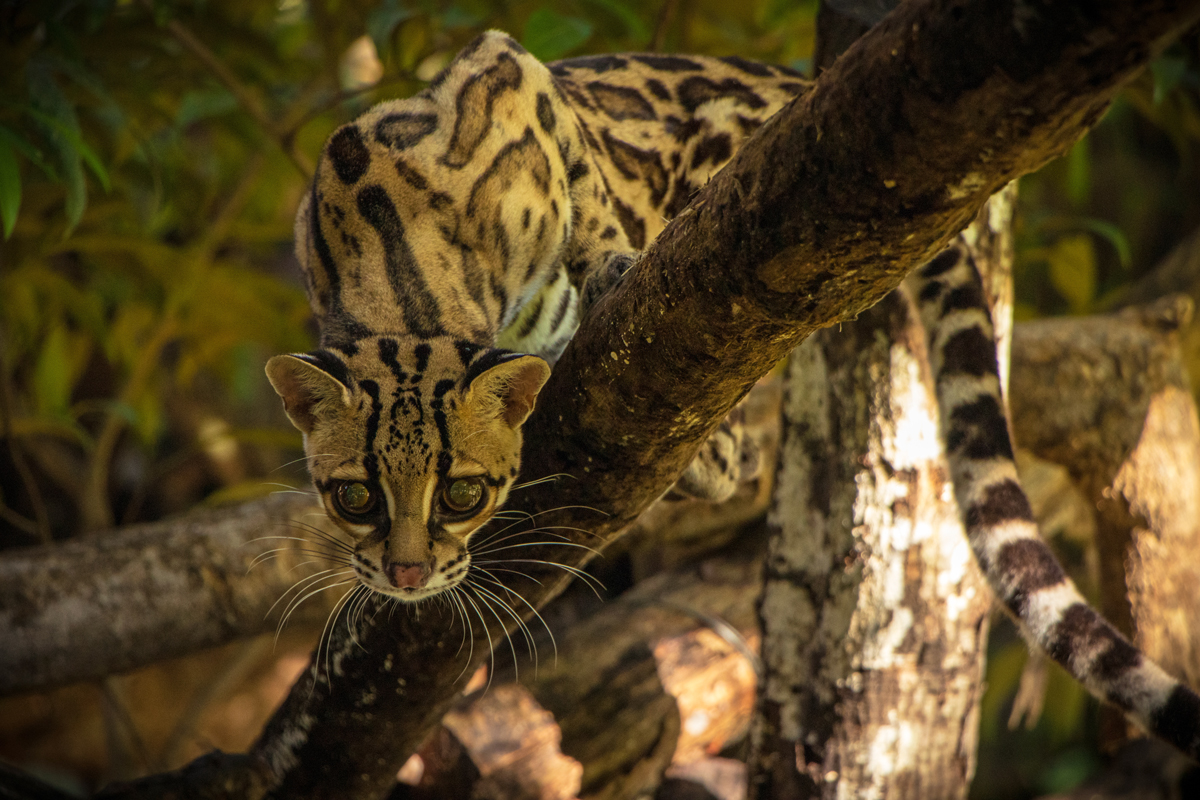
Margays
The margay is a beautiful, big-eyed, spotted feline that also happens to be one of the most acrobatic cats in the world. Native to Mexico, Central and South America, it spends its time in forests — an environment to which it has become incredibly well adapted.
In addition to its extra-long tail, which acts as a vital counterbalance when jumping, it’s also capable of rotating its ankles a full 180 degrees, allowing it to climb down tree trunks headfirst, hang from branches using a single hind foot, and climb along horizontal branches upside-down. This cat has also been observed engaging in a crafty act of vocal trickery in which they mimic the call of a small monkey known as a pied tamarin, apparently in an attempt to lure the monkeys into striking distance.
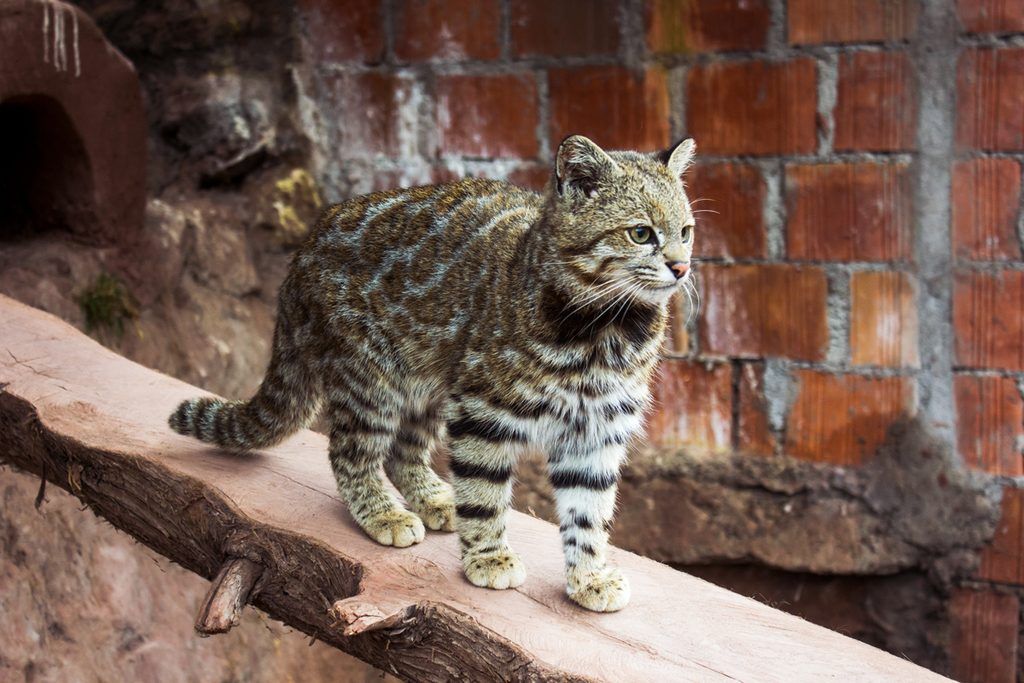
Andean Mountain Cats
These mountain cats, known locally as the “ghosts of the Andes,” are some of the rarest and most beautiful cats in the world. They live at high altitudes, typically between 10,000 and 16,000 feet, in the mountainous and sparsely vegetated terrain of the Andes, where they prey primarily on viscacha — large and quite adorable South American rodents similar to chinchillas.
With their long, soft, silvery-gray fur, black stripes, and thick tails, Andean mountain cats — which are about twice the size of a domestic cat — are among the most huggable-looking cats in the world. They are, however, highly elusive, with an estimated population of fewer than 2,500 mature individuals.
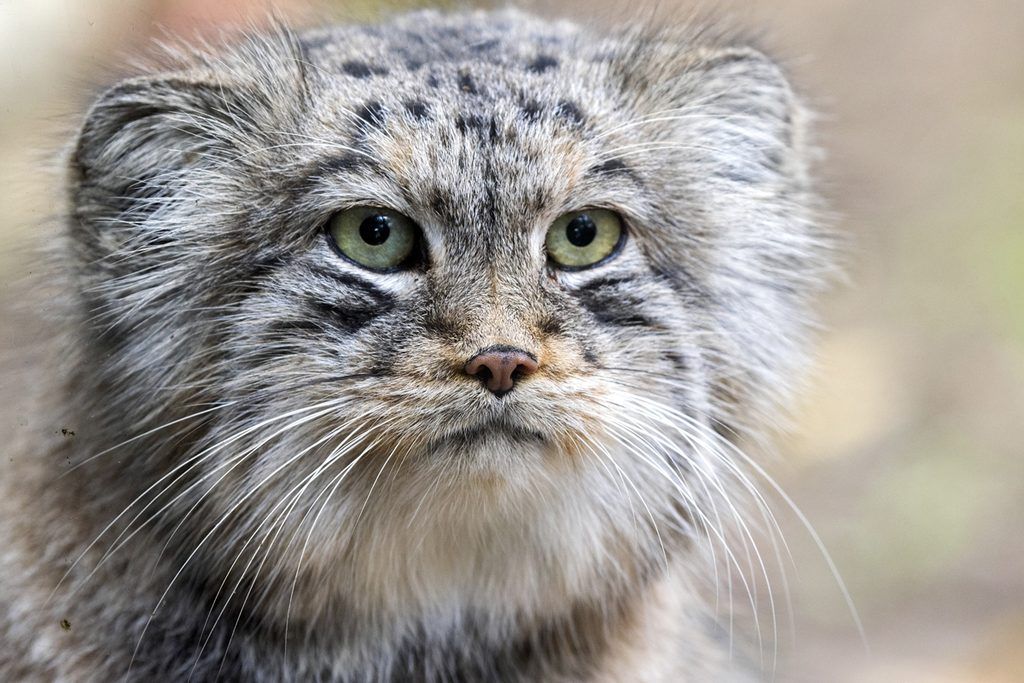
Pallas’s Cats
The Pallas’s cat, also known as the manul, is about the size of a house cat but appears much larger thanks to its incredibly long and dense light grey fur. That fluffy coat helps keep it warm in the harsh mountains of Central Asia, where temperatures can plunge to -50 degrees Fahrenheit.
Pallas’s cats don’t meow. Instead, they emit honks, growls, and chirps when they need to communicate with each other — which tends to be a rare event, as they are highly solitary creatures. They also have a growing reputation for being just about the grumpiest-looking cats around, thanks to their perpetually sullen, cranky expressions that make them look highly unimpressed even by cat standards.