Why Don’t We Ride Zebras?
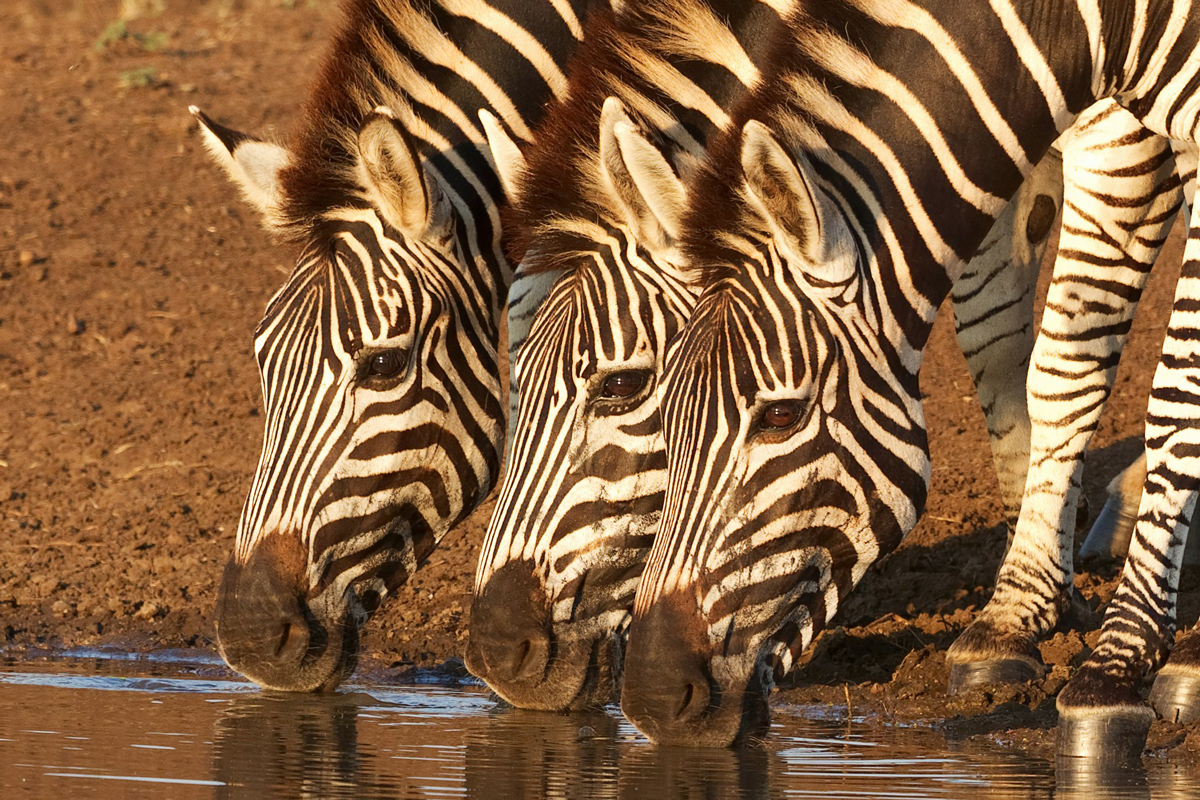

With their long faces, flowing manes, and familiar body shape, zebras look remarkably like their close relatives, horses. Zebras, horses, and donkeys all belong to the genus Equus along with donkeys and wild asses. So if zebras are essentially horses’ wild cousins, why haven’t humans turned them into riding animals too?
The answer isn’t that zebras are too small, too weak, or built differently than horses. Some are roughly horse-sized, with strong legs and muscular bodies built for running.
The bigger differences are behavioral and ecological: Horses have a combination of traits that make them relatively receptive to domestication, while zebras evolved under different conditions that favored vigilance, quick reactions to threats, and, in some species, aggressive territorial behavior. Those traits serve zebras well in the wild but make them far less suited to life as riding animals — and potentially dangerous to handle.
How Are Horses and Zebras Related?
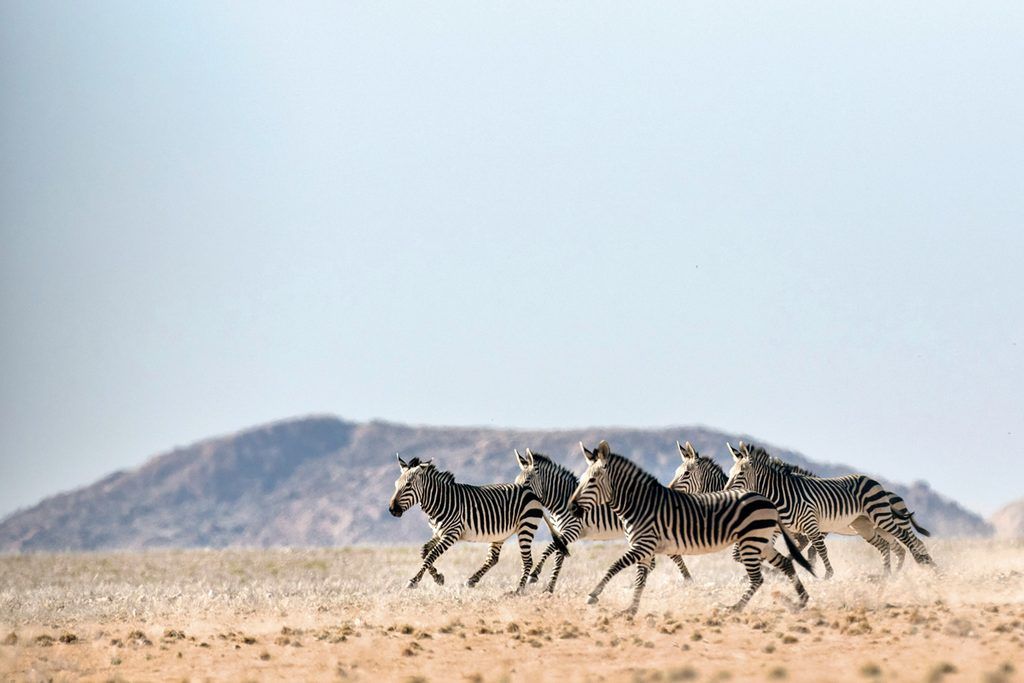
Horses, zebras, and donkeys diverged from a common ancestor around 4 to 4.5 million years ago. There are three living zebra species — the plains zebra, mountain zebra, and Grévy’s zebra — and they vary considerably in size, behavior, and habitat.
Grévy’s zebra is the largest, with adults weighing up to 992 pounds. All three species are wild equids, as are wild horses and asses, while horses and donkeys are domesticated members of the same family.
Zebras have long legs, powerful muscles, and hoofed feet, with teeth adapted for grazing. Like other equids, they’re built for speed, an important adaptation for animals that must continually escape predators. The similarities between horse and zebra body plans reflect their shared evolutionary history, and there’s nothing about a zebra’s physical makeup that makes riding impossible; in fact, individual zebras have been trained to accept handling and even carry riders.
Beyond their shared similar traits, however, the stripes are probably the most obvious difference between horses and zebras — and one of the most intriguing. Scientists have proposed several functions for zebra striping, including camouflage, predator confusion, temperature regulation, social communication, and protection from biting flies. Of these, the evidence for deterring biting flies is particularly compelling, as research has found that horseflies and other biting flies are less likely to land on striped surfaces.
So Why Haven’t We Domesticated Zebras?
Domestication is a multigenerational process in which humans breed animals for traits that make them useful and manageable. Animals that tolerate human handling, reproduce successfully under human care, are relatively calm, and adapt to controlled environments tend to make better candidates — and horses are among the oldest and most useful domesticated species.
Humans were working with horses by at least 3500 BCE, but genetic evidence suggests the lineage that gave rise to today’s domestic horses emerged around 2200 BCE in the Eurasian Steppe. After that, domesticated horses spread rapidly across Eurasia, and selective breeding further honed their bodies and behavior.
As another example, donkeys were domesticated in Africa around 5000 BCE — around 2,800 years before the emergence of the modern domestic horse lineage. Their domestication shows that African societies did develop relationships with equids for transport and work. There’s no clear evidence of ancient attempts to domesticate zebras, although European colonists made several largely unsuccessful attempts in the 19th and early 20th centuries to train zebras for riding and pulling carts.
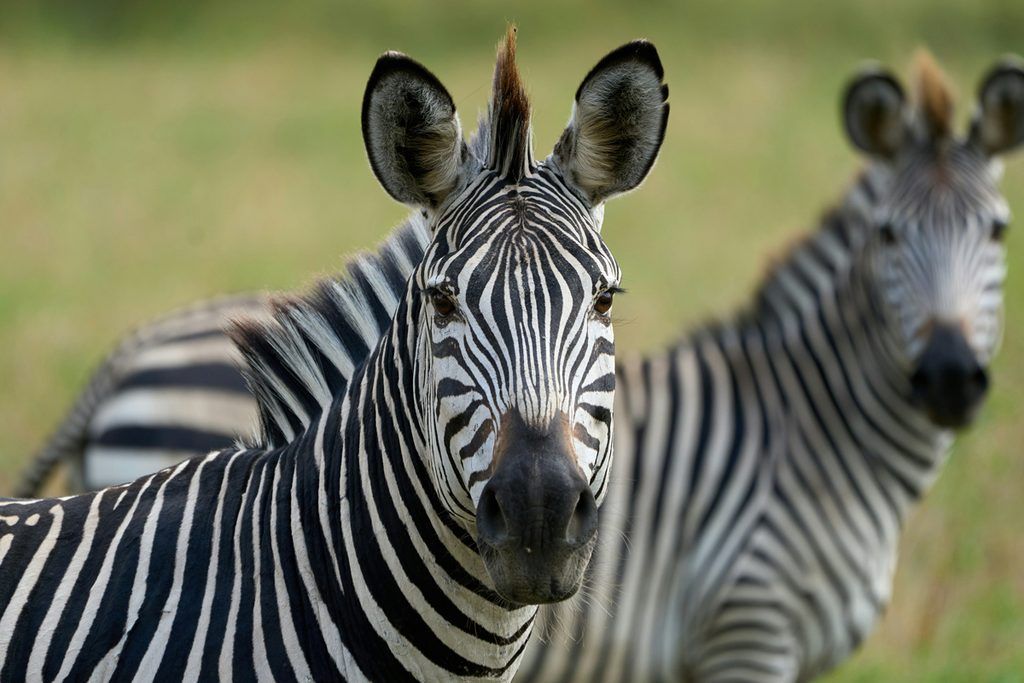
Zebras are highly alert prey animals and can react strongly to unexpected sights and sounds, even when raised in human care. Grévy’s zebra stallions are also territorial and can be aggressive toward people.
Social structure doesn’t provide an easy explanation either: Plains and mountain zebras live in stable family groups with social hierarchies, much like horses, while Grévy’s zebras have a more fluid social system. Research suggests that zebras’ unusually strong stress response to being chased, restrained, or handled may have posed a more significant obstacle. Horses appear to have lost much of that vulnerability as predator pressure declined in parts of Eurasia, while zebras retained it.
Built for Different Environments
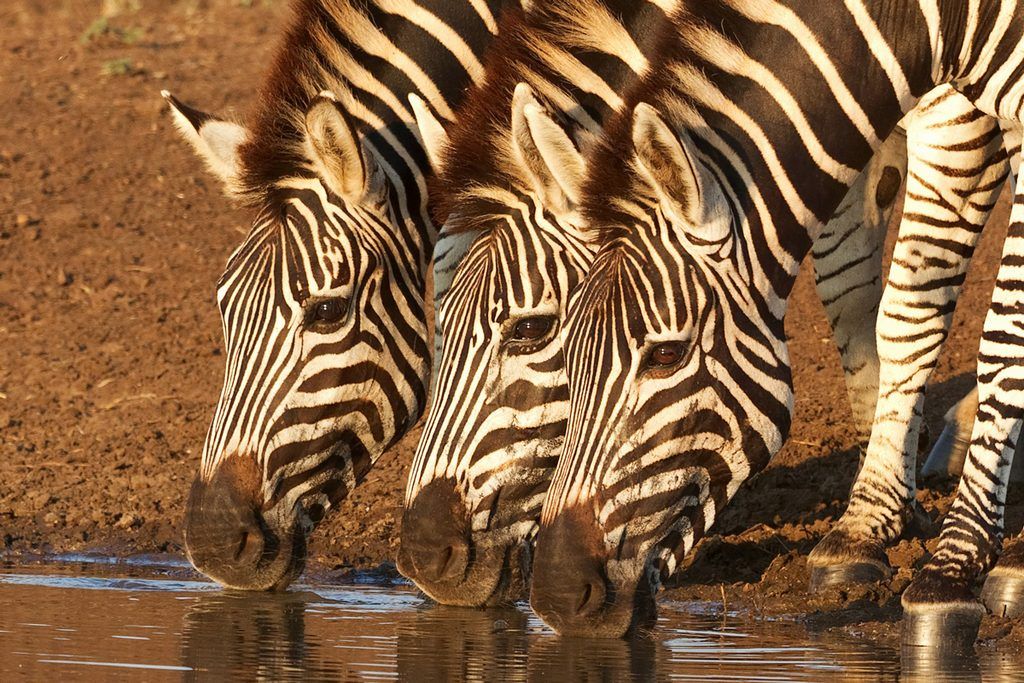
Zebra behavior makes more sense in the context of the environment where they evolved. Mountain zebras are adapted to rugged, dry terrain, while Grévy’s zebras inhabit hot, arid regions of East Africa.
These zebras’ ancestors also lived alongside a diverse array of large predators, helping shape the highly developed senses and rapid responses to potential threats that zebras still have today. Those traits are excellent for surviving in the wild but considerably less compatible when the goal is to capture, handle, breed, and eventually saddle an animal.
Stripes aside, the biggest difference between horses and zebras may come down to demeanor. Horses had the right combination of characteristics, along with the circumstances that allowed humans to begin breeding them. Once the domestication process began, selective breeding could reinforce traits such as tractability and reduced fearfulness.
Zebras, meanwhile, retained a set of behaviors that worked well for survival in the wild but made them much less amenable to living and working alongside humans. Individual zebras can be trained and handled, but turning the species into a domesticated animal would require generations of selective breeding. Given the challenges involved, the closest most of us will ever get to riding a zebra is on a fairground carousel.