These Animals Don’t Sound Like You’d Expect

Plenty of animals are recognizable solely by the sounds they make — a dog barking, a lion roaring, or a bird chirping — but nature doesn’t always stick to the script.
Some animals produce calls, grunts, squeals, and yells that seem completely at odds with their appearance, size, or even species. Here are six animals whose sounds may have you doing a double take.
Giant Pandas
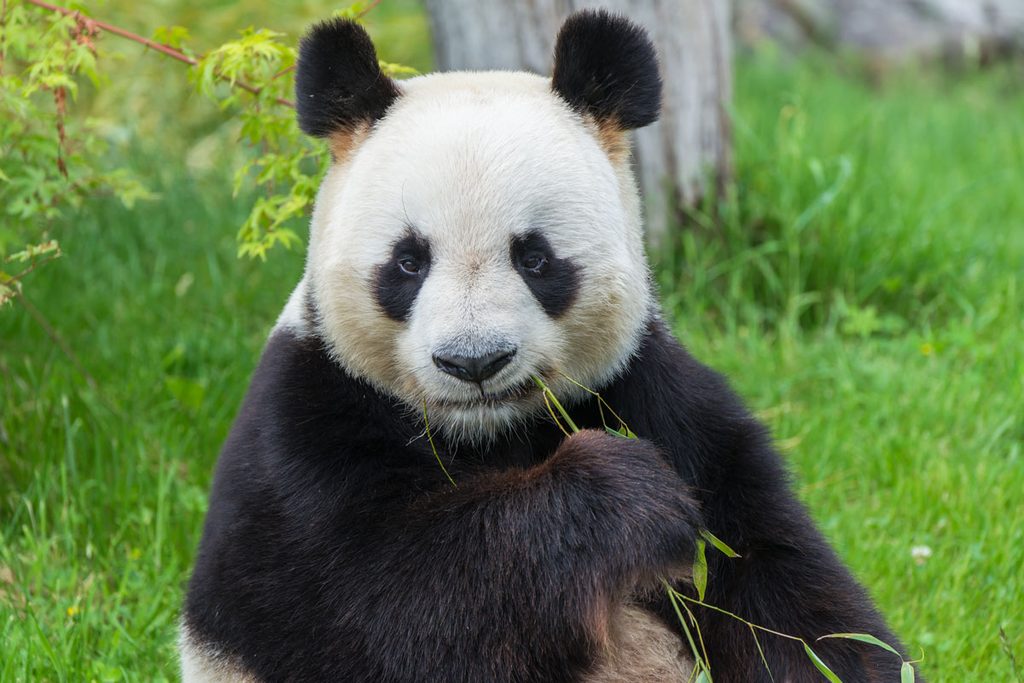
Giant pandas seem like quiet, peaceful creatures that are content to spend their days munching on bamboo. While it may be surprising to learn these seemingly gentle giants can indeed growl and roar like other bears, it may be even more surprising to learn that they commonly baa like a sheep.
The panda’s bleat is higher pitched and trills for longer than that of a sheep. They use the sound to communicate with other pandas, particularly during courtship: When heard from a female panda, it typically means she is within her 48-to-72-hour fertility window.
Researchers have identified more than 10 distinct vocal sounds in adult pandas, including chirps, honks, barks, and moans. But these relatively solitary, forest-dwelling mammals mostly rely on scent marking to communicate.
Walnut Sphinx Caterpillars
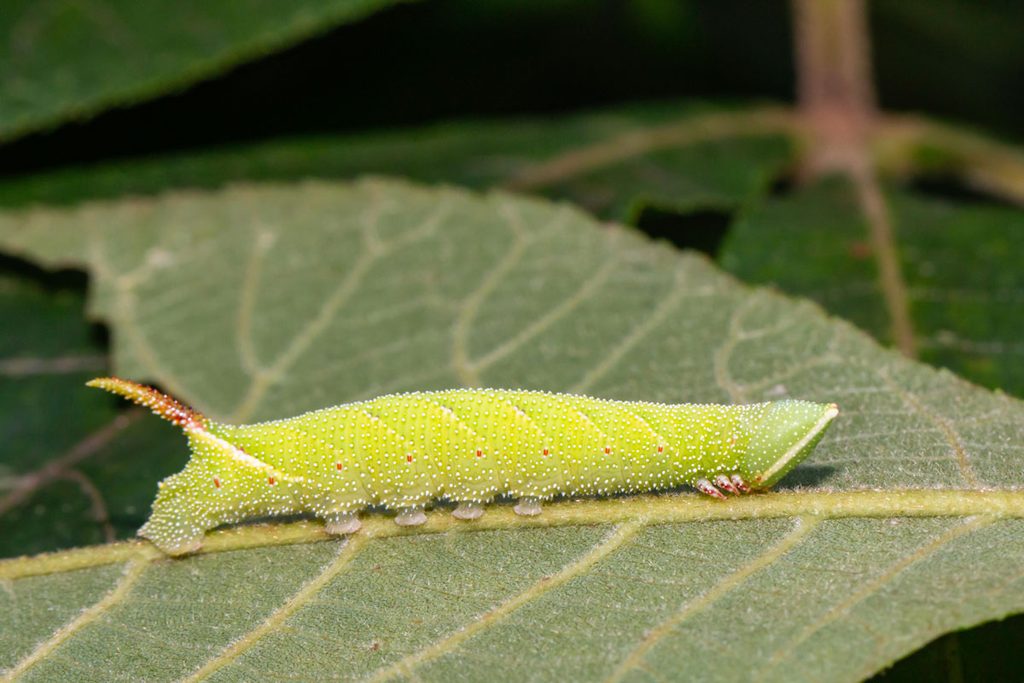
You likely wouldn’t expect a caterpillar to sound like anything at all, but the walnut sphinx has a surprising trick up its sleeve: When threatened, this North American insect can produce a high-pitched whistle. The whistle sounds in short bursts, sometimes several in a row, and is considered a defense mechanism used to startle birds and give the caterpillar a chance to escape being eaten.
It’s an unusual action for an animal without vocal cords. The caterpillar contracts its body to push air through openings on its abdomen called spiracles, producing a sound that can reach frequencies of up to 22 kilohertz, which is at the upper limits of human hearing.
Elk
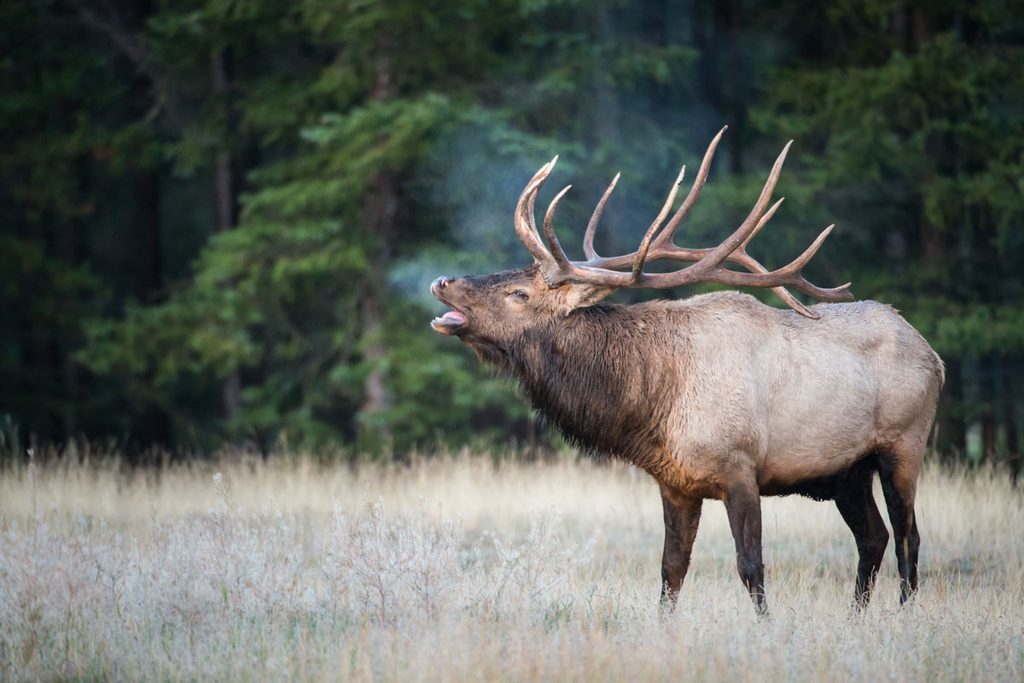
In the fall, male elk fill North American forests with a bloodcurdling call known as a bugle. It begins with a low roar before ascending into a piercing whistle, creating an eerie, almost screamlike sound that seems incongruent with the elk’s massive, 700-pound frame.
The unusual call’s two sounds are produced independently: The low-frequency roar is generated by the vocal folds, while the high-pitched whistle is thought to come from air moving around the nostrils or soft palate. Researchers believe the whistle is meant to travel long distances to reach potential female mates, while the lower roar may serve to signal the male’s size to nearby rivals.
African Dwarf Crocodiles
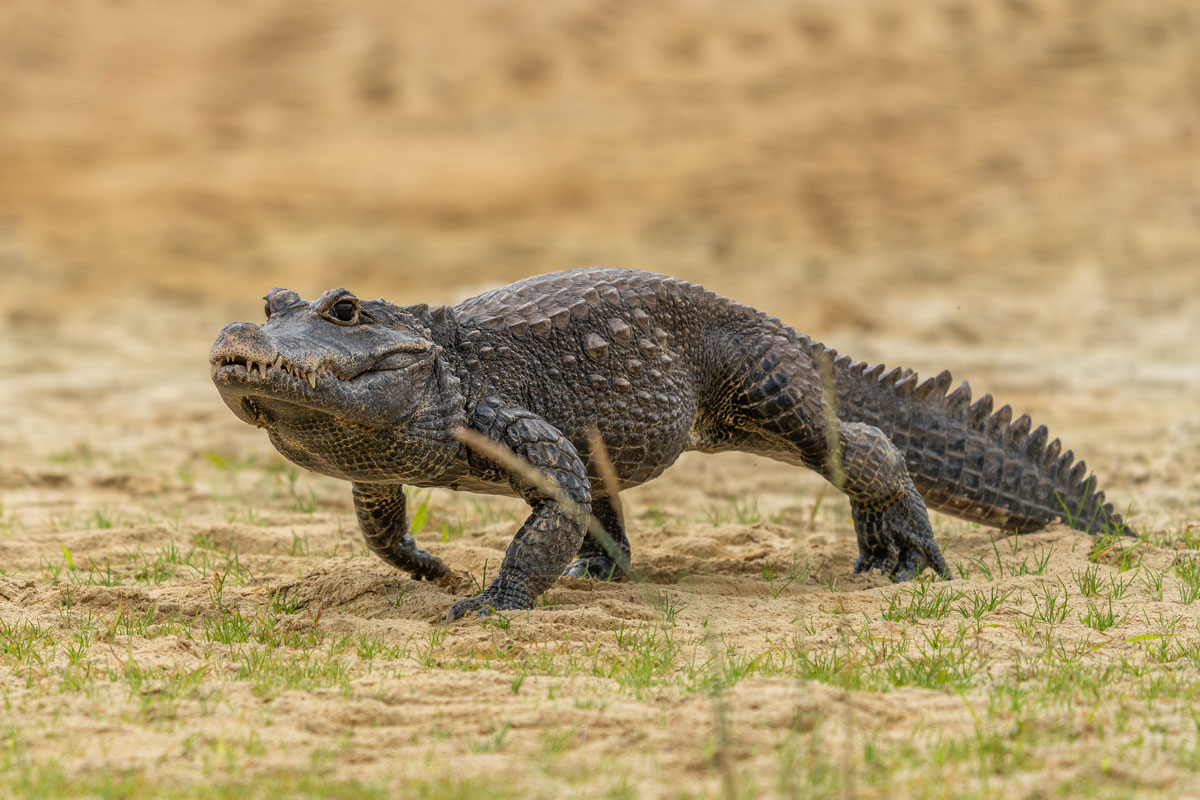
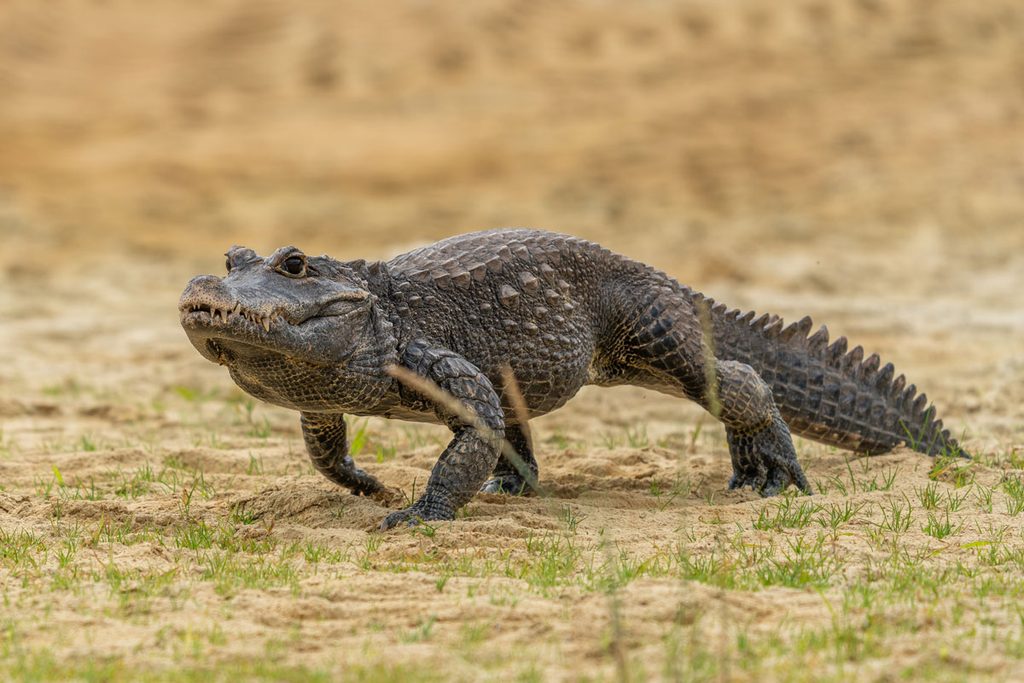
You probably won’t find a crocodile on a farm, but the African dwarf crocodile’s known vocal repertoire includes a surprisingly cowlike call. Researchers recorded and documented several types of sounds from the species, including low rumbles, drumlike calls, breathy sounds called “gusts,” and vocalizations described as “moos.”
The recordings included calls from captive crocodiles as well as suspected calls recorded in the wild in Gabon on the west coast of Central Africa. Since these forest-dwelling reptiles can be difficult to spot, researchers hope these calls could help track where they live and monitor their populations, an especially valuable undertaking for the world’s smallest living crocodile species, whose population is in decline.
Weddell Seals
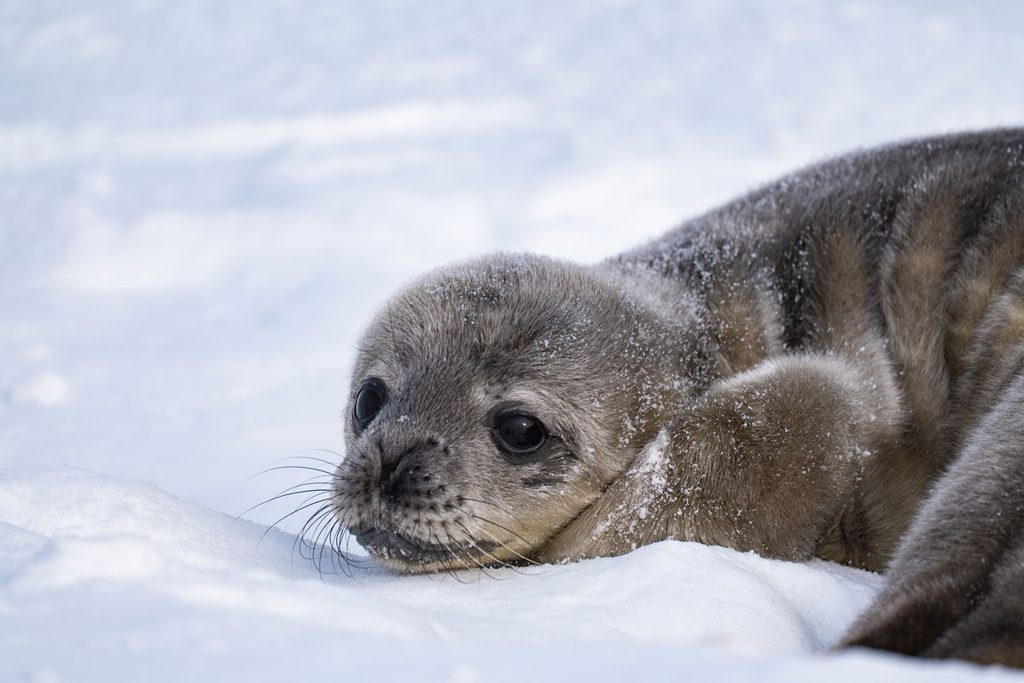
Listening to a recording of Weddell seals underwater may have you thinking you’ve stumbled across a creepy alien transmission. These Antarctic seals produce an odd assortment of whistles, chirps, trills, and clicking sounds; their warbling, almost electronic calls create an otherworldly soundtrack underneath the thick sea ice.
Researchers have identified dozens of call types, but most of them are ultrasonic vocalizations that reach frequencies of nearly 50 kilohertz — well above what humans can hear. Seals commonly use those underwater soundscapes as social calls, and males produce loud trills that appear to help defend territories around breathing holes and breeding areas.
Kiwis
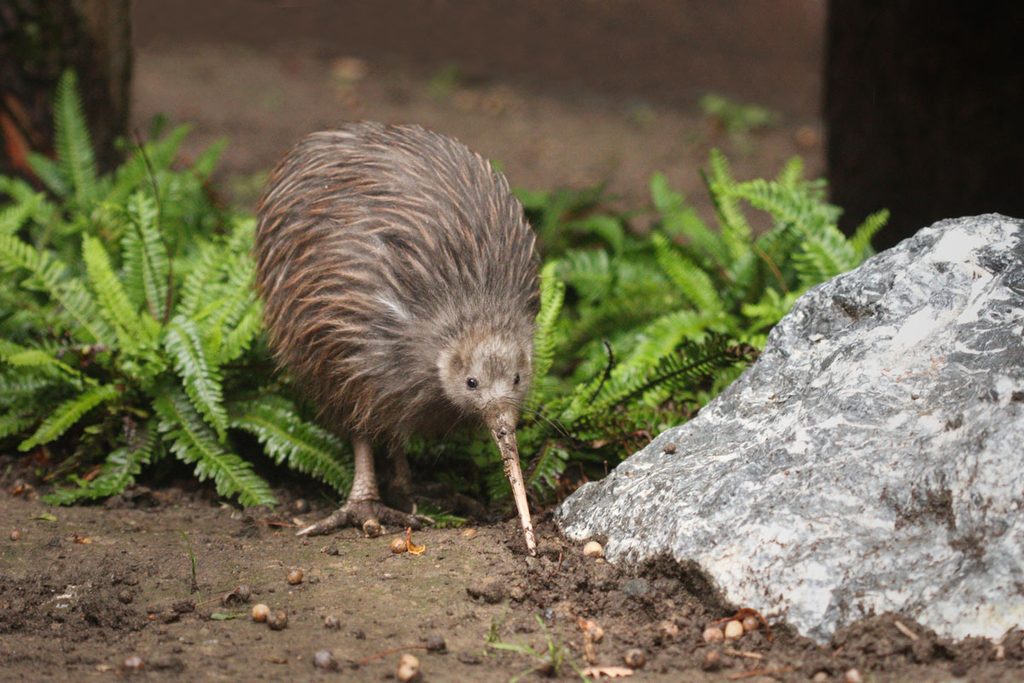
With its shaggy feathers, bristly whiskers, and long, probing bill, New Zealand’s kiwi looks like it would make a cartoonish little bird call. Instead, these flightless birds produce rather aggressive-sounding screeches that echo through the forest at night.
The calls sound distressed but are actually used for the nocturnal birds to communicate with their mates as they venture through dense vegetation. Pairs may call back and forth through the dark, with males producing high-pitched whistles and females answering in lower, raspier tones.