6 Animals That Remember Human Faces

Do you ever spot someone you recognize, browsing the aisles of the grocery store or across the parking lot, and as you go to call out to them, suddenly their name escapes you? Try as you might, you can’t recall their name because, for whatever reason, that bit of crucial information hasn’t made it to your brain’s long-term memory storage.
Despite this common social flub, humans possess the incredible ability to remember faces — but only when we work at it. Our brains have to make the effort to engrain those faces in our memory for future recollection. Other animals, however, have their own techniques to remember faces, and some are even more efficient than humans’. Here are six animals that (almost) never forget a face.
Apes
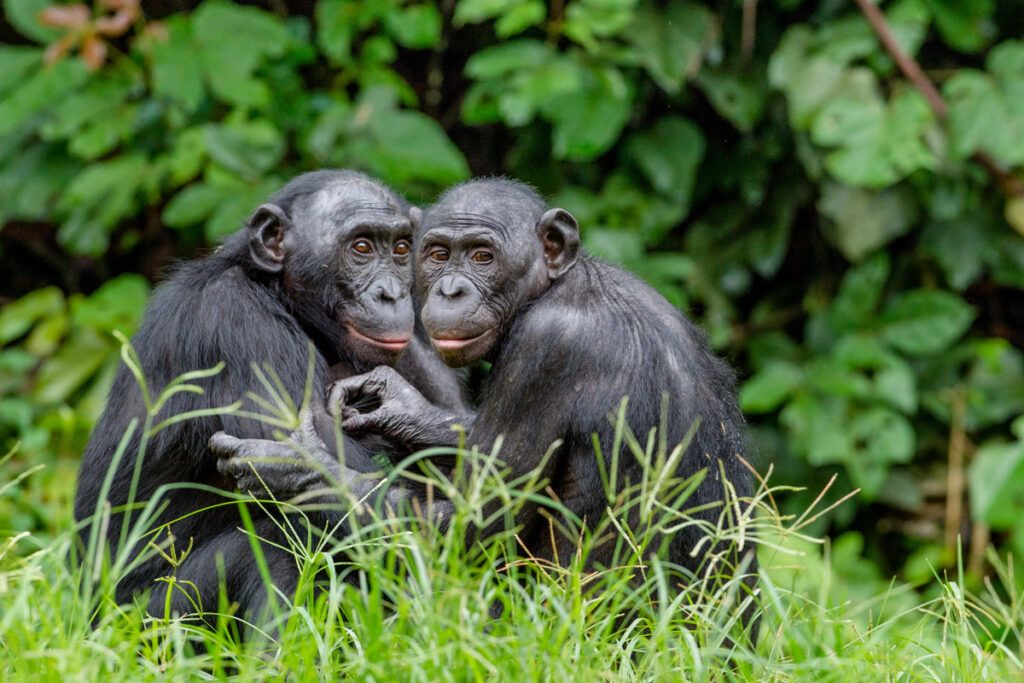
Apes are hands-down the best of the best when it comes to remembering faces. Of all the apes, chimpanzees and bonobos have the strongest memories, and most of that processing is done with the eyes.
Chimps have been shown to remember other chimps for as long as 26 years and can recognize those long-lost friends through photos alone. Not only can they spot their peers, but they can also identify familiar humans they haven’t seen in a while, even if those faces have aged — and even if they’re covered by masks. Primatologist Lindsay Murray measured the memory of a chimp named Boris over the span of 30 years, noting that he recognized her and her children after up to four years of separation, even despite Murray and her family wearing masks due to visiting Boris during the height of the COVID-19 pandemic.

Dolphins
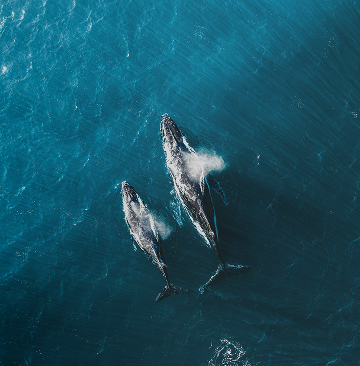
While wild dolphins are known to remember other dolphins through the sounds that they make, captive dolphins have been shown to recognize people through sight. But it’s not human faces that these mammals clock; it’s our body shapes, our movement patterns, and even the clothes we wear.
One Japanese research team measured whether dolphins would recognize their trainer if that trainer was located near someone dressed identically. Time after time, they found the dolphins identified their solo trainers just fine, but they did so less accurately when the two humans were dressed the same, suggesting they recall the whole picture of a person rather than just their face.
Elephants
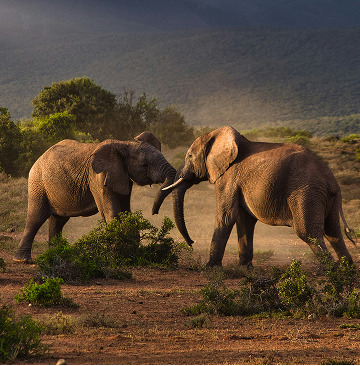
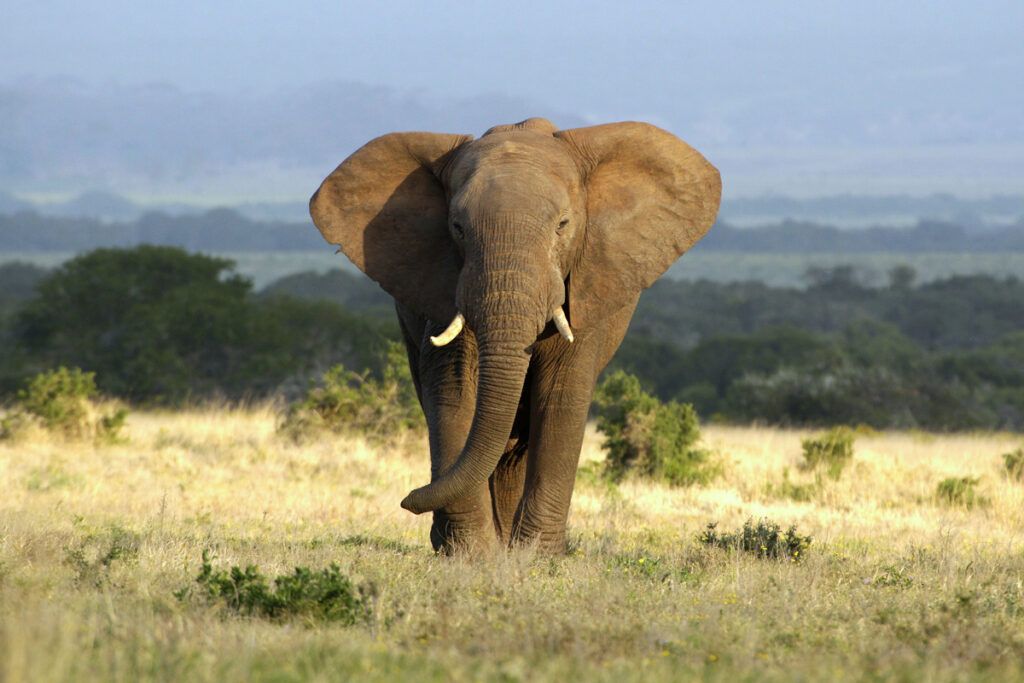
An elephant’s brain can weigh up to roughly 11 pounds, and they use some of that ample room to store memories for impressive periods of time. Similar to humans, elephants keep short-term memories in the prefrontal cortex, while the hippocampus processes worthwhile memories into the neocortex, where they stay long-term.
Elephant brains also contain an amygdala and the largest relative cerebellum of all land animals. As those areas are where emotional memories are stored, elephants retain the ability to reminisce about members of their pod even after they’ve died. Elephants are able to remember humans too, and they don’t forget how a person treated them, so it always pays to be kind if you wish to stay on the good side of a 12,000-pound pachyderm.
Dogs
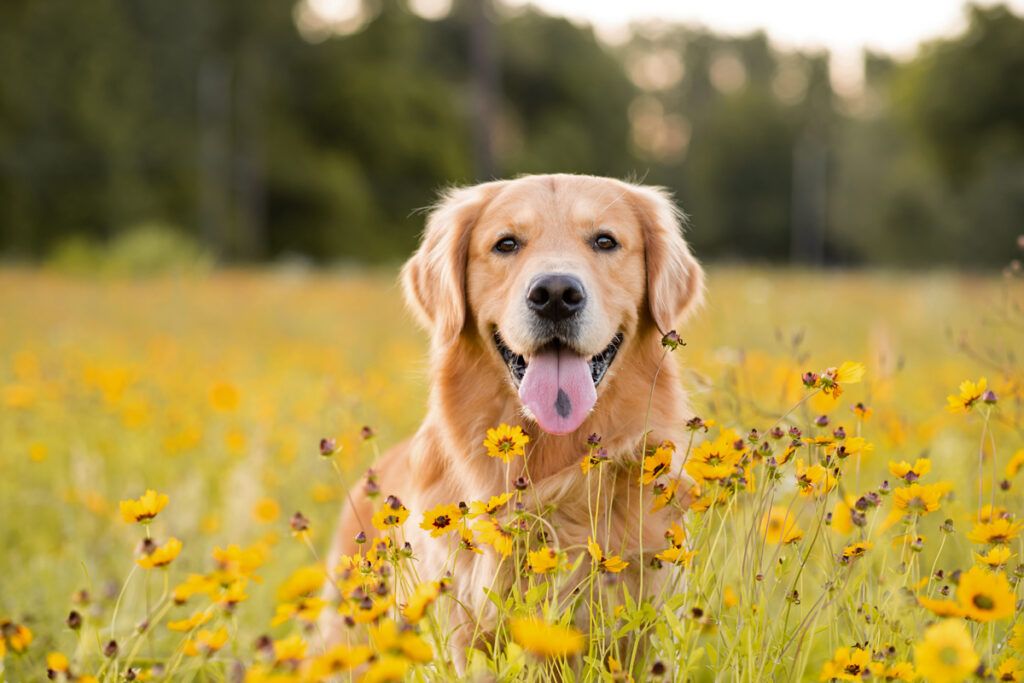
Our canine companions mostly navigate the world through their super-strong sniffers. Their ability to smell 100,000 times more sensitively than humans definitely helps them remember places, things, and people, even more so than their sense of sight does, but another sense dogs use to remember people is their sense of hearing.
Dogs used in one study were able to recognize their human companions more often when the image of their face was accompanied by the sound of their voice. For half the trial, the faces and voices of owners matched up correctly, and for half they didn’t. The dogs looked longer at the images where the face of their owner didn’t match their voice, indicating the animals were likely expecting a match and were confused when that wasn’t the case. This led researchers to wonder if dogs may generate an internal image of their favorite humans when they hear them calling.
Birds
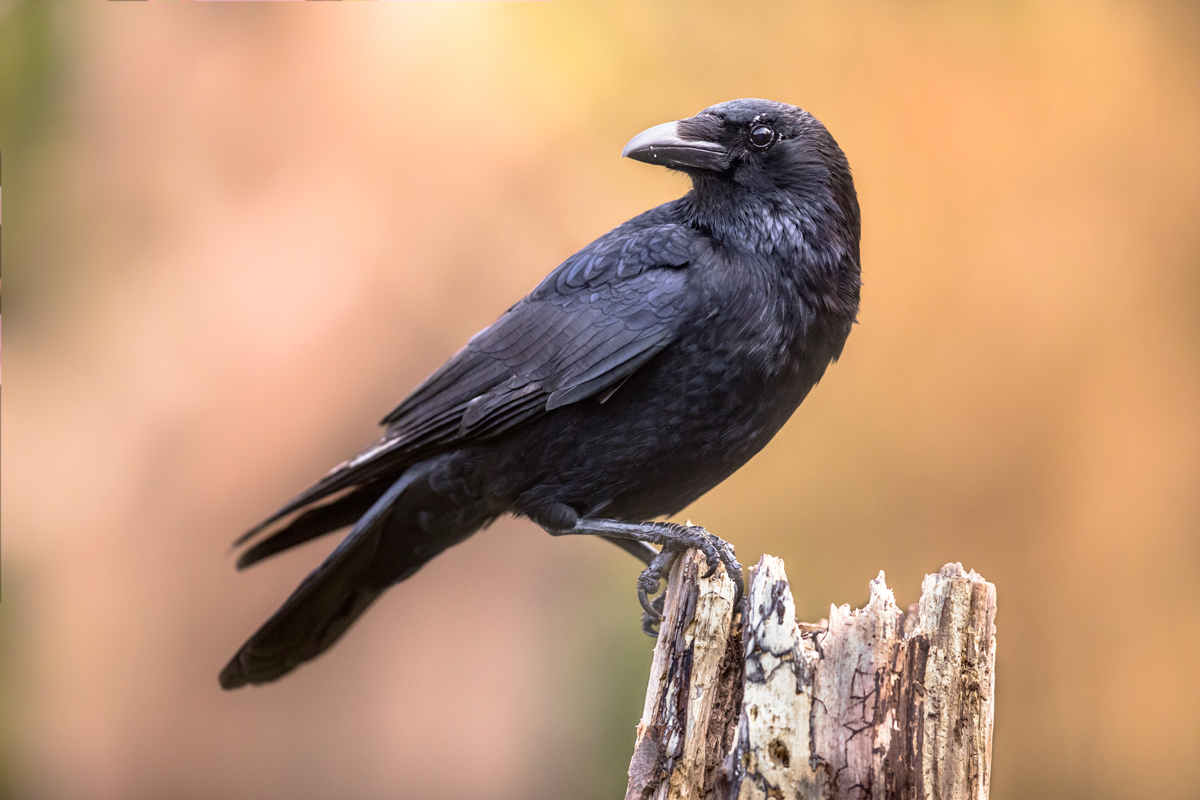
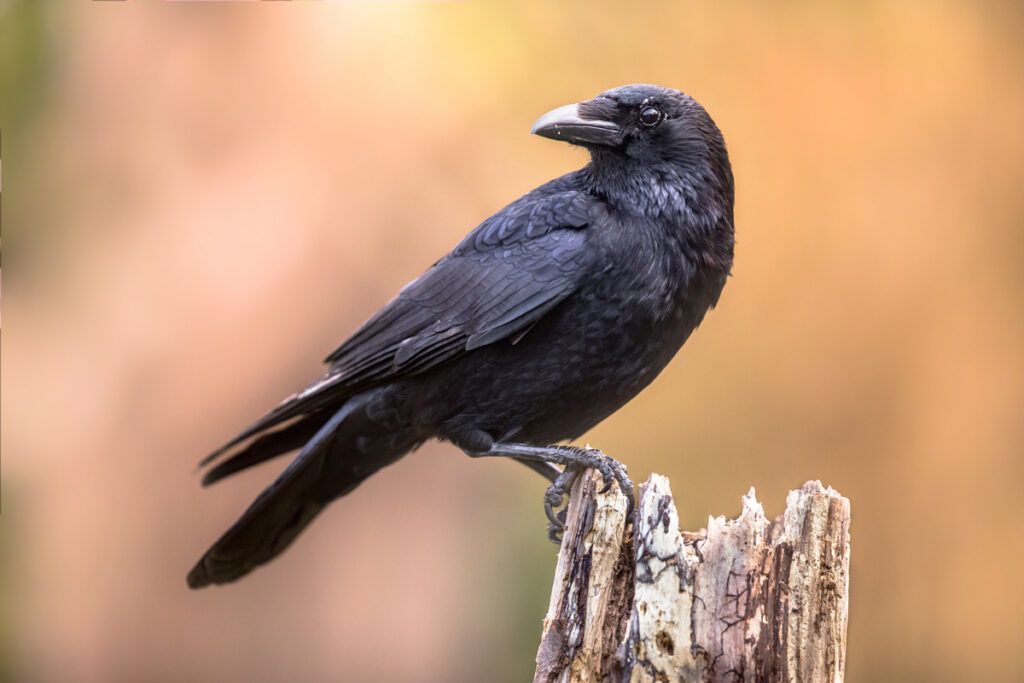
While many animals remember positive experiences, some hold onto bad memories and refuse to let go, even after they die. Corvids — crows and ravens specifically — can remember a human for up to 17 years, and your treatment of them when they formed that memory will inform how they remember you.
In one study, researchers trapped wild American crows. Some of the trappers wore “neutral” masks, while others wore “dangerous” masks. The crows seemed to verbally scold and even mob the “dangerous” trappers up to 2.7 years after the initial trapping. Because crows are social animals who rely on their groups for survival, these birds even teach their youngsters to be cautious of dangerous or cruel humans, potentially ensuring a grudge that can last for generations.
Sheep
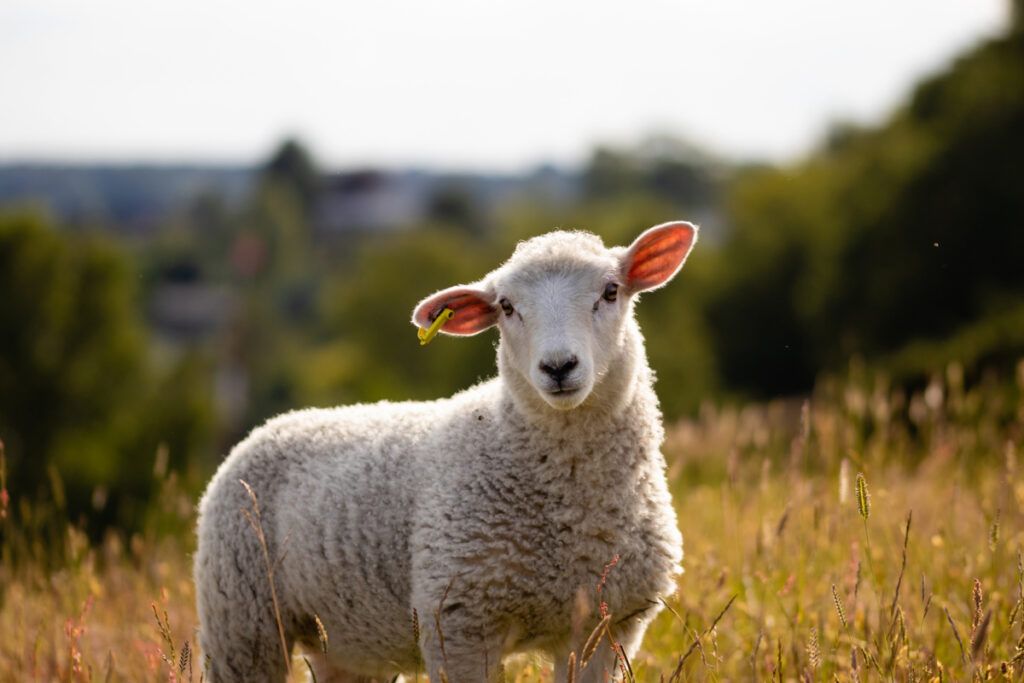
It’s easy for many of us to overlook the thinking abilities of sheep, especially if we don’t know any sheep on a personal level — but as it turns out, their ability to study faces by sight is highly advanced. According to one study, sheep are excellent visual learners and can discern even slight differences of just 10% in both sheep and human faces, then can remember those faces for around two years. The researchers compared their ability to differentiate people by sight and by sound, finding that when the sheep relied only on verbal cues, they had a greatly diminished ability to remember who was who.