5 Animals That Don’t Age Like We Do

Somewhere out in the ocean, a jellyfish smaller than your fingernail is about to pull a Benjamin Button by reversing its life cycle and growing young again. For most animals, including humans, aging is a one-way street: Cells wear out, bodies slow down, and the risk of dying climbs year after year.
But a handful of creatures, including the aforementioned tiny jellyfish, don’t abide by those rules — they appear to rage against the ravages of time itself, running the clock backward or simply refusing to show wear and tear. Here are five peculiar creatures that just don’t age the same way we do.
Immortal Jellyfish
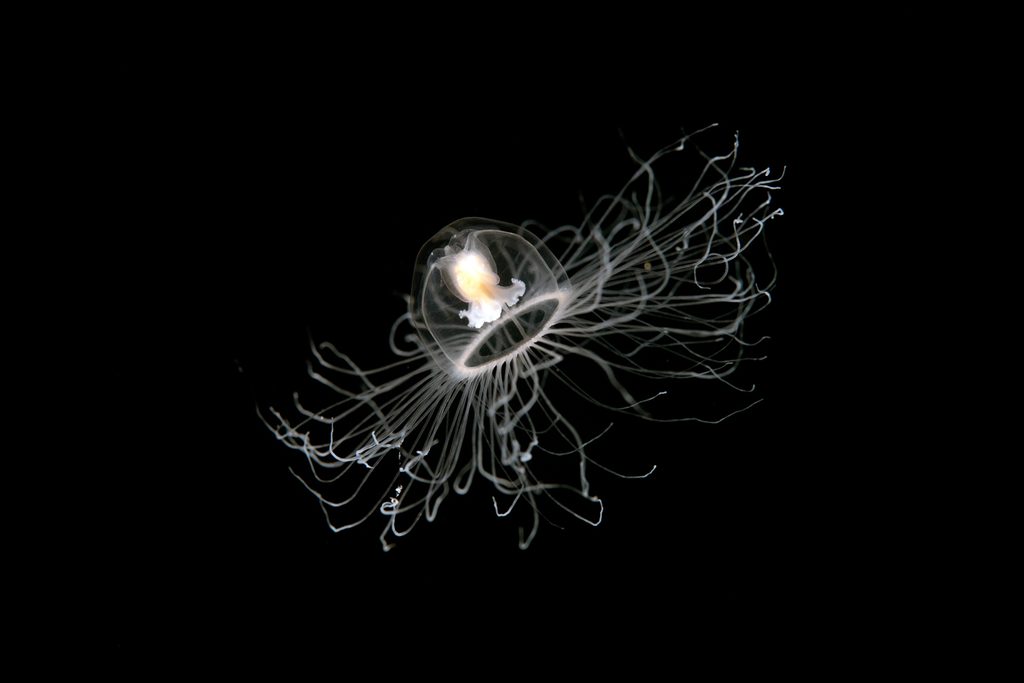
When injured, starved, or stressed, Turritopsis dohrnii, commonly known as the immortal jellyfish, can settle on the seafloor and transform its cells back into a juvenile polyp stage. In other words, this tiny, 0.18-inch-wide jellyfish can start its life cycle all over again.
Scientists call this extremely rare trick “transdifferentiation.” It doesn’t mean the immortal jellyfish is invincible — predators and disease can still kill it — but it’s as close as nature gets to an existential undo button. The animal that comes closest to rivaling this age reversal ability is the sea walnut, a type of comb jelly that can shrink from an adult back into a larval form when starved or damaged, before regrowing.
Hydras
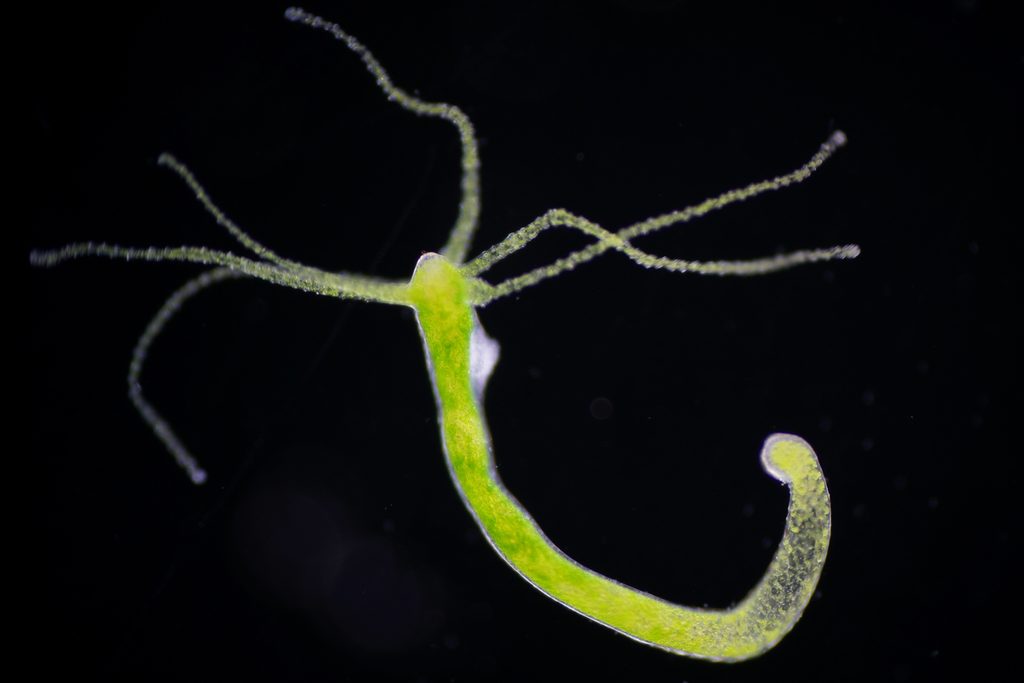
Hydras are inch-long freshwater polyps, related to jellyfish, that look like tiny tentacled tubes. These incredible creatures are biologically immortal thanks to their ability to regenerate body parts seemingly infinitely.
Their stem cells constantly replace the old with the new, and when kept in isolation (in a lab, for example), they show no signs of aging. They can die through predation, weather extremes, and disease, but keep them out of harm’s reach and they’ll basically live forever while looking no worse for wear.
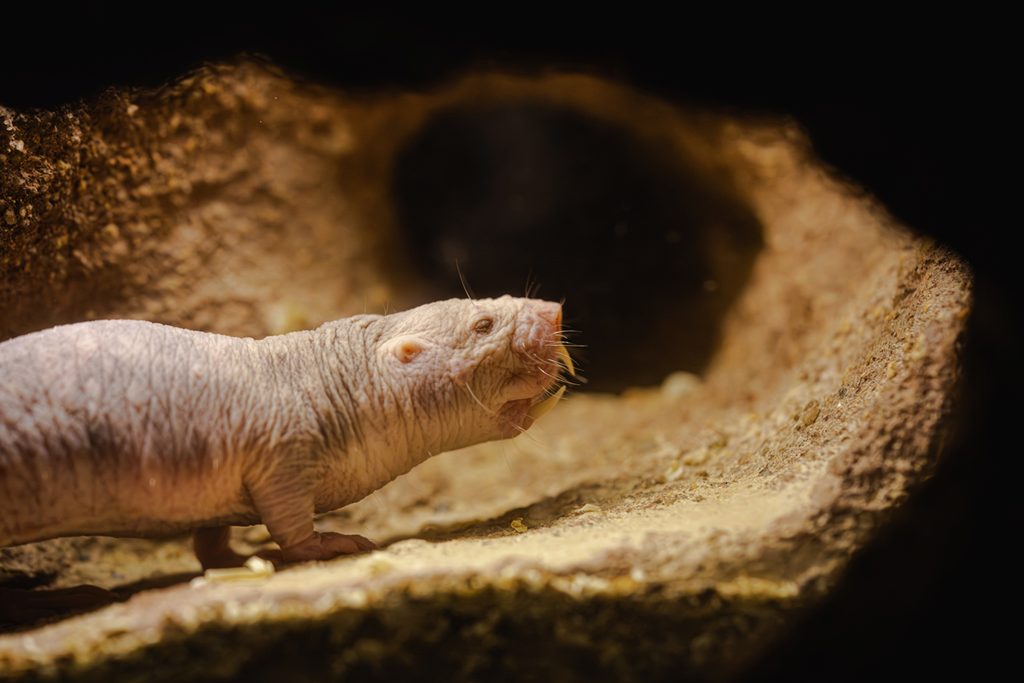
Naked Mole-Rats
The “Gompertz law of human mortality” states that, in humans, the risk of dying roughly doubles every eight years. Similar patterns can be found across most mammals, but naked mole-rats do things differently. Thanks to a DNA repair mechanism that keeps everything in good working order, these famously unattractive burrowers can live to almost 40 years, making them the longest-lived rodents in the world.
They’re resistant to cancer and arthritis, show no deterioration of the brain or spinal cord, and remain fertile even in old age. Their risk of death doesn’t seem to climb with age at all; the chance of a mole rat dying at 1 year of age or at 25 is the same. In the wild, they can die by predator attack, starvation, infection, or by accident, while in lab conditions the cause of death is often unknown or caused by something unique (like mouth sores), but old age alone is never to blame.
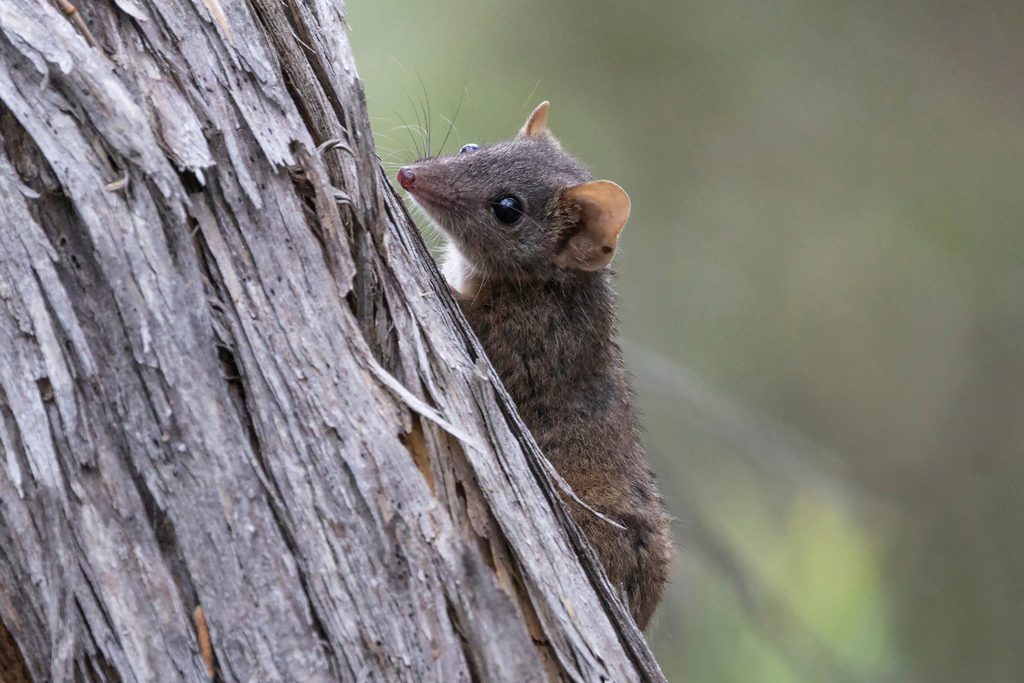
Antechinuses
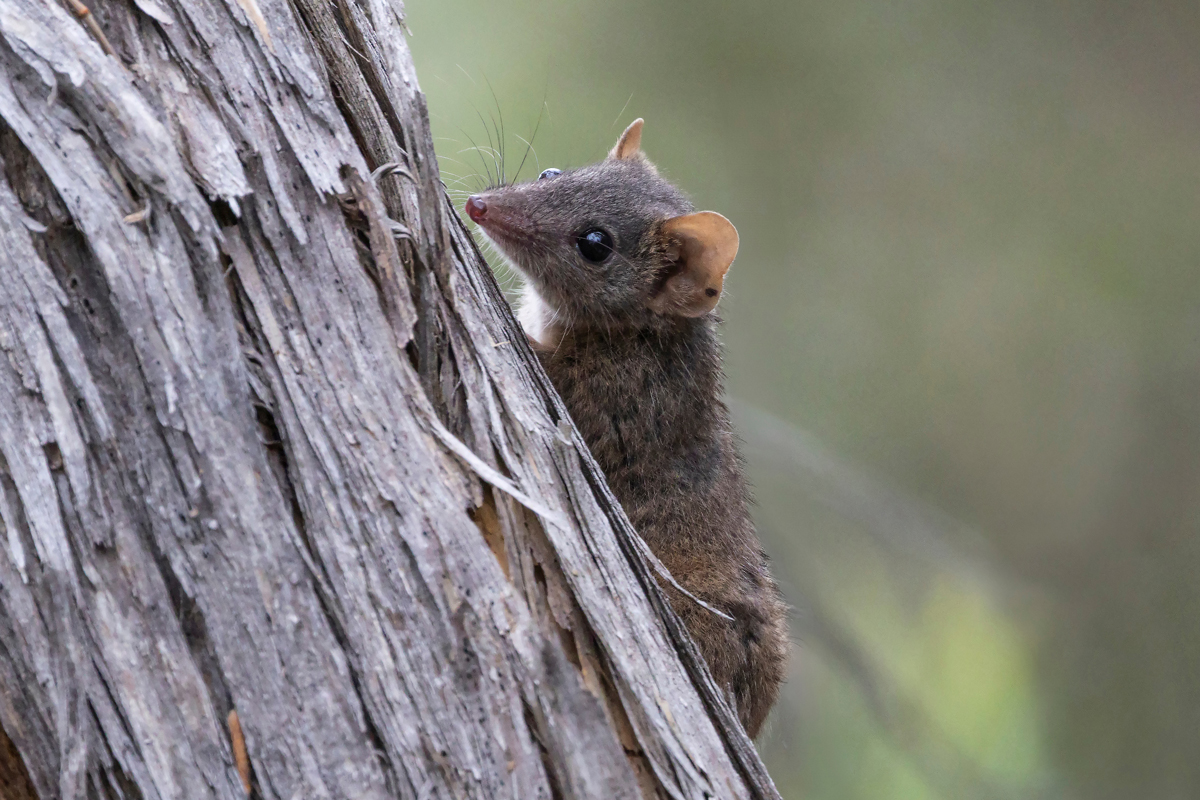
Antechinuses are small, insect-eating Australian marsupials that age in a radically different manner to that of humans. While we experience a gradual, lifelong aging process, male antechinuses undergo rapid, highly synchronized, and fatal accelerated aging triggered entirely by their first breeding season – they basically have intercourse until they die from organ failure.
Their mating season lasts a couple of weeks, during which the gerbil-sized males frantically mate for up to 14 hours a day — and then drop dead. So you could say that rather than a slow decline, they go out with a bang.
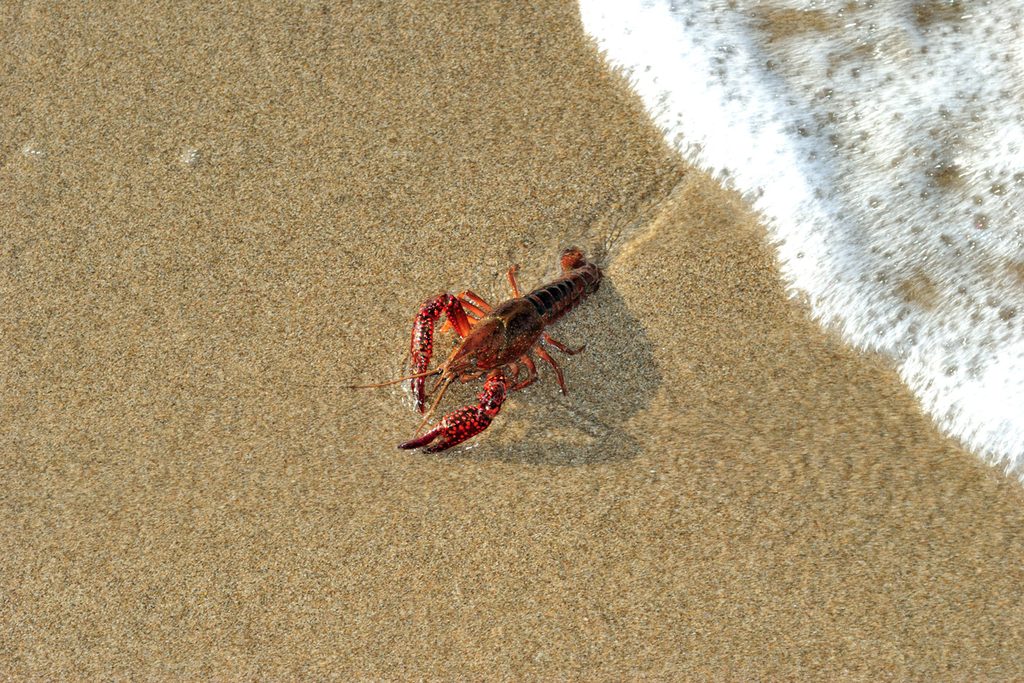
Lobsters
Lobsters also aren’t subject to traditional cellular aging in the way humans are. Their tissues produce telomerase, an enzyme that protects the ends of chromosomes — essentially functioning like a built-in cellular fountain of youth.
So lobsters don’t really age, but they don’t live forever either, simply because of their continual growth. As they grow, they have to replace their shells, and each progressively bigger shell requires more energy to shed and rebuild. If they don’t die through disease or predation, they eventually succumb to exhaustion during molting — a reminder that “age resistant” and “immortal” are very different things.