Kellie is a writer and editorial strategist covering topics in travel, trivia, nature, and more. When she's not writing you can find her drinking Diet Coke.
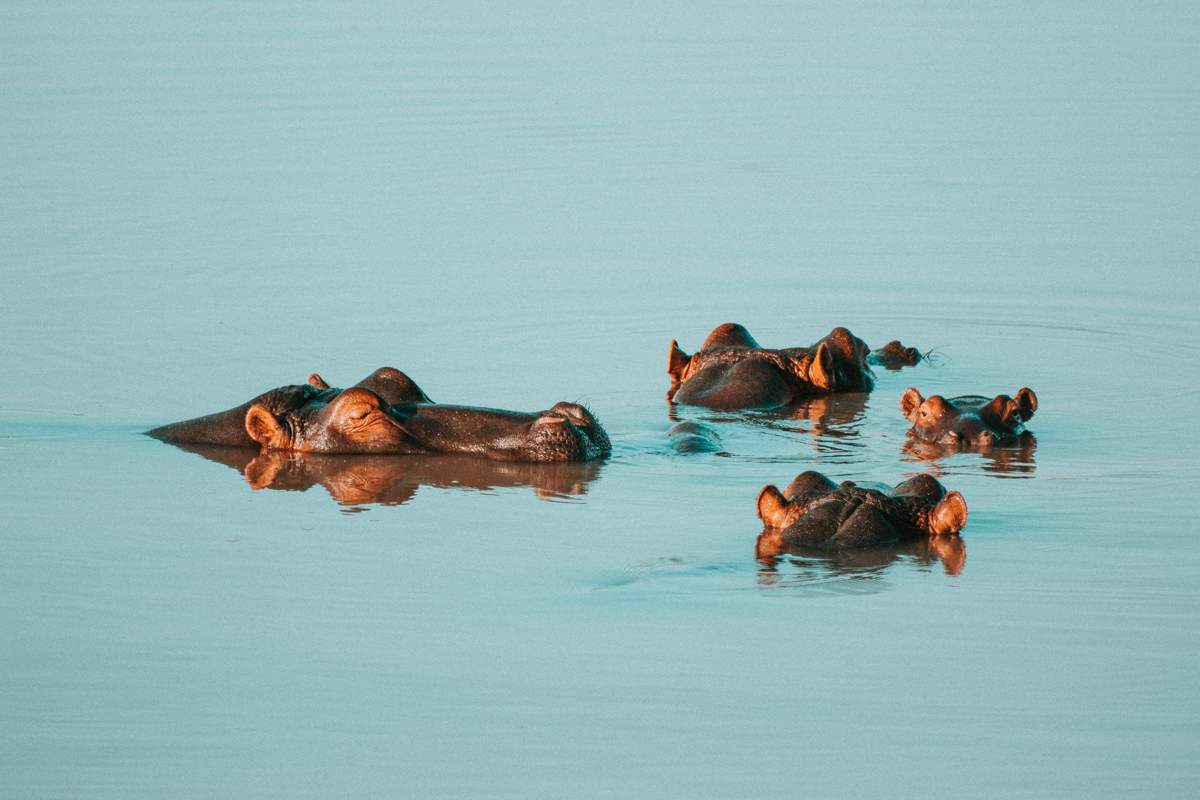
Aren’t you glad you sweat clear liquid? Hippopotamus aren’t so lucky. These hefty creatures secrete a reddish substance that European explorers once mistook for “blood sweat.” In actuality, the oily liquid is a mix of two molecules that turn red when exposed to air. These substances act as a natural ointment to protect their sensitive skin from UV rays.
Hippos spend the majority of their time submerged in shallow water, leaving their heads exposed so they can breathe. Sunlight passes easily through this water, and hippos, with their hairless, fragile skin, are particularly vulnerable to sunburns. So having a little built-in SPF goes a long way in protecting them.
Kellie is a writer and editorial strategist covering topics in travel, trivia, nature, and more. When she's not writing you can find her drinking Diet Coke.
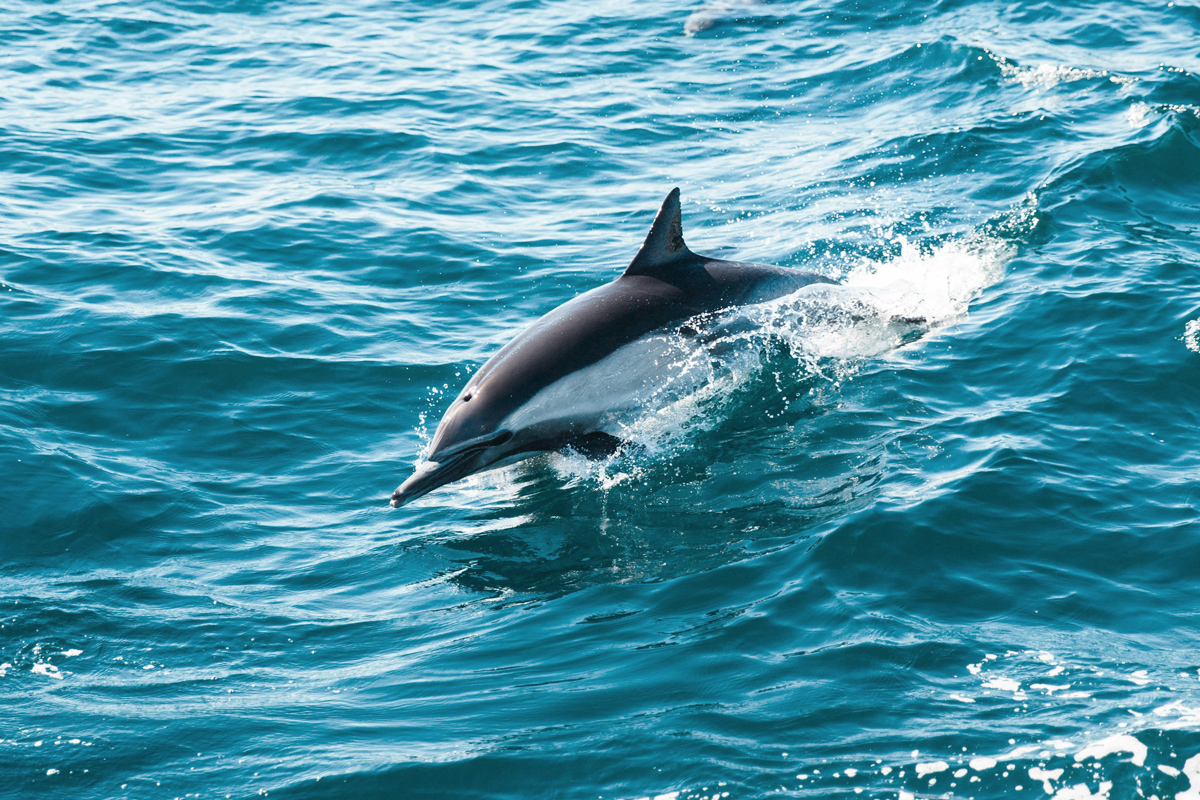
They don’t write them down on tiny, waterproof name tags, but dolphins do have unique whistles that function more or less as names, allowing individual dolphins to identify themselves across long distances. Researchers have found that dolphins not only recognize these signature whistles, but will also imitate them when trying to get the attention of a specific individual. In other words, a dolphin may effectively “call” another dolphin by reproducing its unique whistle.
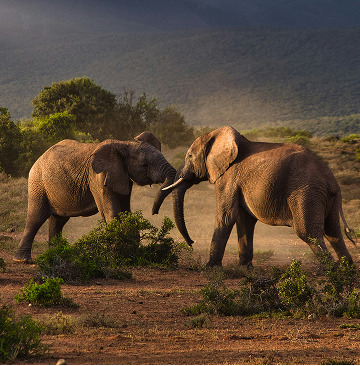
A unique, high-pitched whistle might never perfectly translate to “Larry” or “Madonna,” but researchers have been working for years to decode dolphin language. And dolphins aren’t the only creatures found to have names. Sperm whales have special call signs as well, and research suggests elephants may also have name-like calls used for identification.
Kellie is a writer and editorial strategist covering topics in travel, trivia, nature, and more. When she's not writing you can find her drinking Diet Coke.
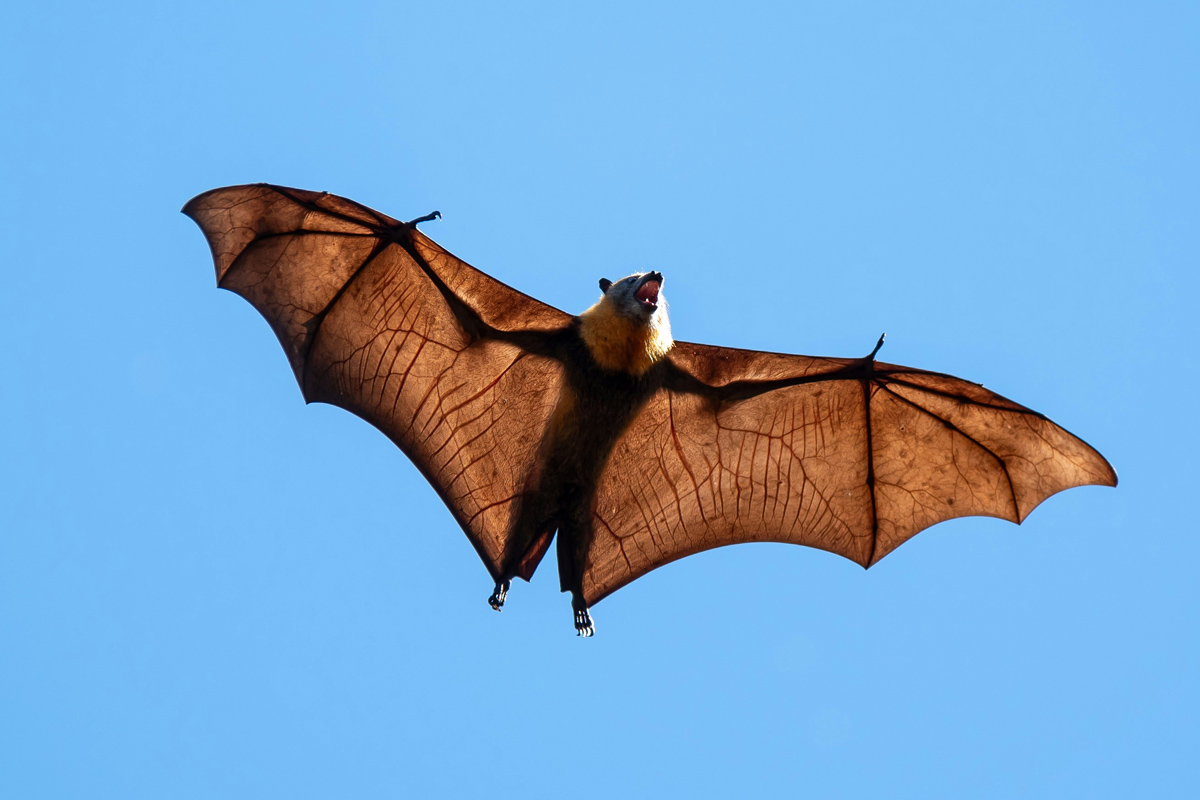
Contrary to what creatures like the flying squirrel would have you believe, there’s only one mammal in the animal kingdom that can truly fly: bats. These nocturnal creatures accomplish flight thanks to their strong chest muscles that power the movement of their wings. Their wings are different than a bird’s, however. Instead of feathers over fused bones, bats have thin membranes that stretch across elongated finger bones. It’s essentially like a human hand, but with flexible webbing stretched between the bones that gives them finer control over their flight movements.
Once in flight, some bat species can reach over 100 miles per hour. It’s a good thing they do fly, as bats are responsible for pollinating some of our favorite foods, like bananas, mangoes, and avocados, not to mention cacao, the primary ingredient in chocolate.
Kellie is a writer and editorial strategist covering topics in travel, trivia, nature, and more. When she's not writing you can find her drinking Diet Coke.
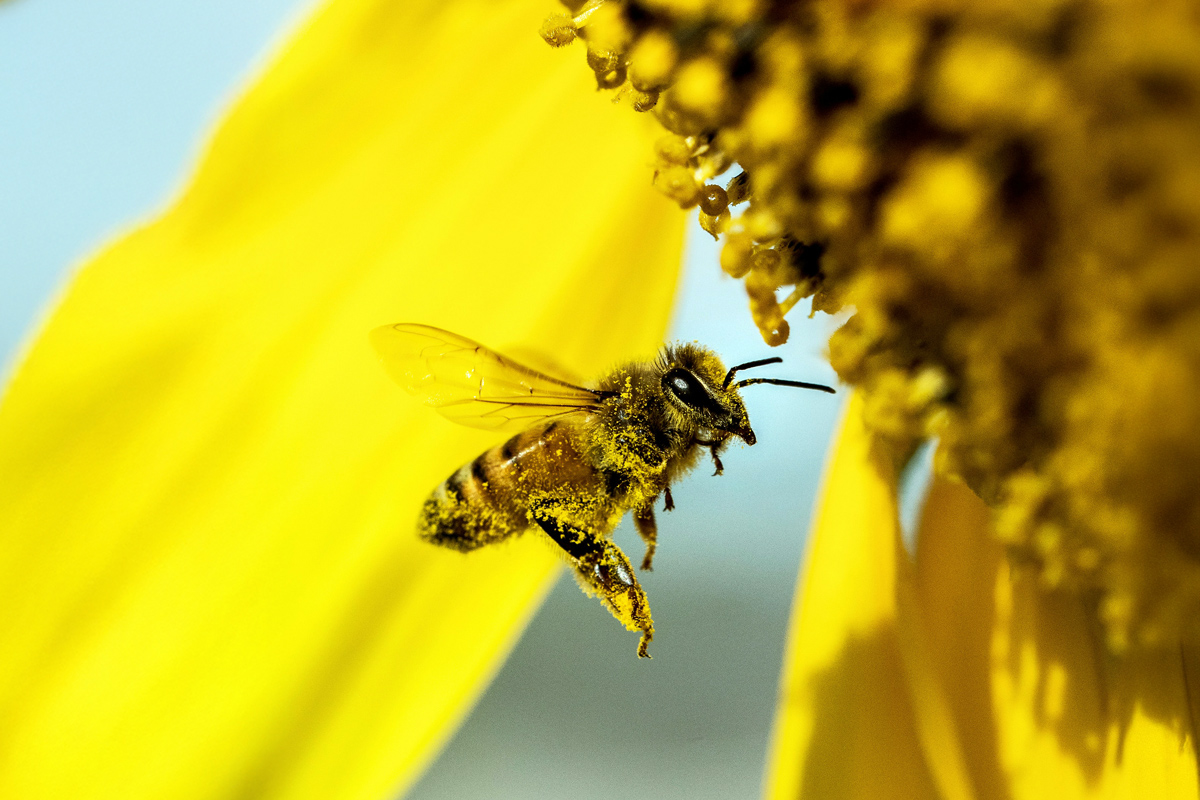
Flowers work hard to attract pollinators. They dress up in their best colors, give off sweet aromas, and produce gobs of bright pollen. But there’s even more going on beneath the surface. Flowers give off an electric charge, allowing bees to locate the ripest flowers.
As they fly through the air, bees build up a small positive electric charge, while flowers tend to carry a slight negative charge. It’s similar to the charge you accrue when shuffling across the carpet in socks. That difference creates a tiny electrical attraction between them, helping guide bees toward blooms that are rich in nectar and pollen. Scientists have even found that bees can detect subtle changes in a flower’s electric field, allowing them to tell whether another bee has recently visited and drained its nectar.
Advertisement
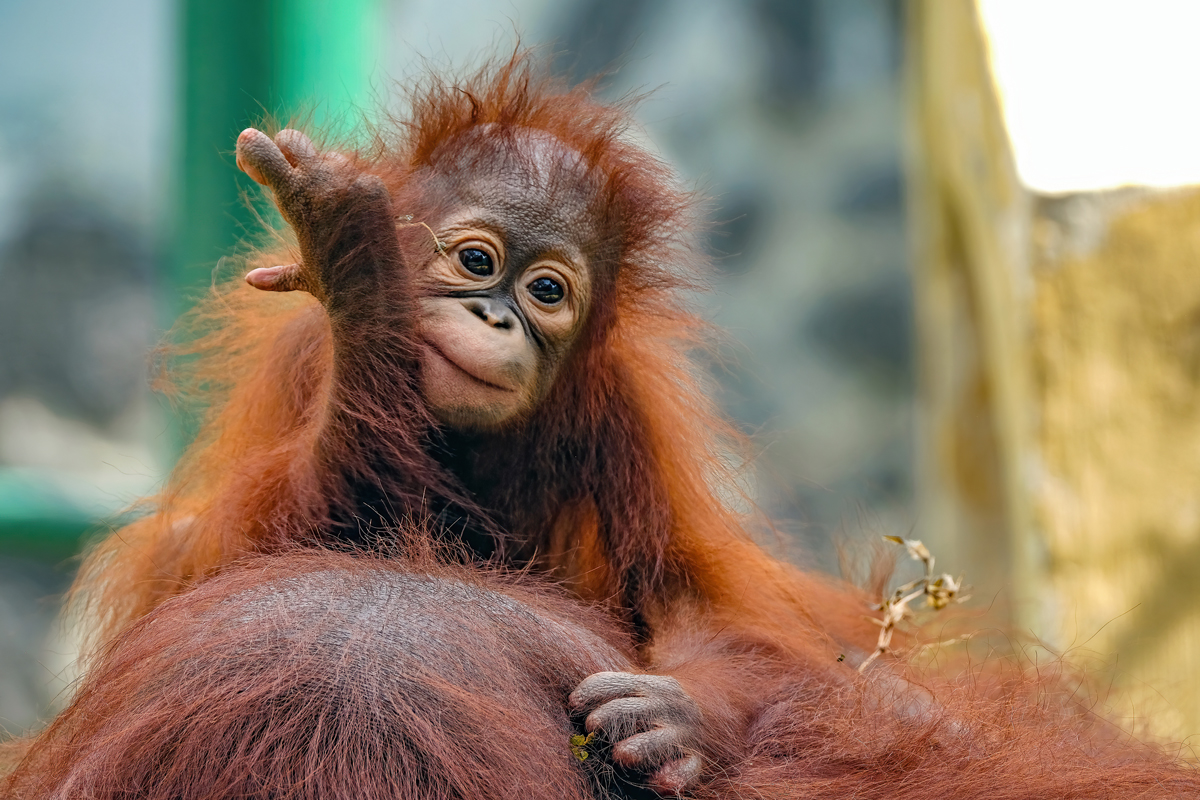
Orangutans Have the Longest Childhoods After Humans
Kellie is a writer and editorial strategist covering topics in travel, trivia, nature, and more. When she's not writing you can find her drinking Diet Coke.
Many animals enter the world ready to walk, run, or forage for food almost immediately. Some spend only a few weeks (if that) with their mothers before venturing off on their own. Orangutans, however, have the second-longest period of infant dependency after humans. Young orangutans stay close to their mothers, even continuing to nurse, for up to 8-10 years.
That’s a long time in the animal kingdom, even among other primates. Found in the rainforests of Borneo and Sumatra, orangutans spend most of their adult lives alone, making those first years essential. They learn everything from where to find food and how to build a nest to navigating the forest canopy and avoiding danger. There’s a lot for a young orangutan to master. Fortunately, their mothers don’t seem to be in much of a hurry to kick them out of the nest.
Advertisement
5 Animals That Survived the Dinosaur Extinction
Across Species 29/06/26Jun. 29, 2026
Updated 29/06/26Jun. 29, 2026
Image Credit: JAKLZDENEK/Adobe Stock
Krissy Howard
Author
Krissy Howard is a writer with a background in comedy, and a love for researching and writing about animal behavior. You can read some of her work at Cuteness, Byrdie, and The Hard Times. When she's not writing, she's growing food in the community garden, feeding stray cats, and learning Greek.
We all know the story. A big asteroid made the Earth go BOOM! and all the dinosaurs died out. Well, not quite. Dinosaurs actually underwent two different extinctions, many years apart. The first was the Triassic-Jurassic extinction about 200 million years ago, which was caused by volcanic eruptions that heated the air, acidified the oceans, and lowered the level of oxygen to nearly half of what it is today. Approximately 70% to 76% of all marine and terrestrial species died, but the dinosaurs as a whole weren’t among them. They went on to experience a second extinction, the Cretaceous-Paleogene, or K-Pg, which occurred 66 million years ago, when the Chicxulub asteroid hit the Yucatán peninsula. This effectively set off volcanic activity and blocked the sun with soot and debris, leading to a two-year global winter that 80% of all animals on Earth couldn’t survive. Not everything perished, however.
Dinosaurs may have dominated the planet, but they weren’t the only creatures who called it home. Now that the vegetation-stomping, voracious eaters were no longer around to rule the world, the rest of them had their chance to shine, and some have even stuck around until today.
Frogs
Image Credit: JAKLZDENEK/Adobe Stock
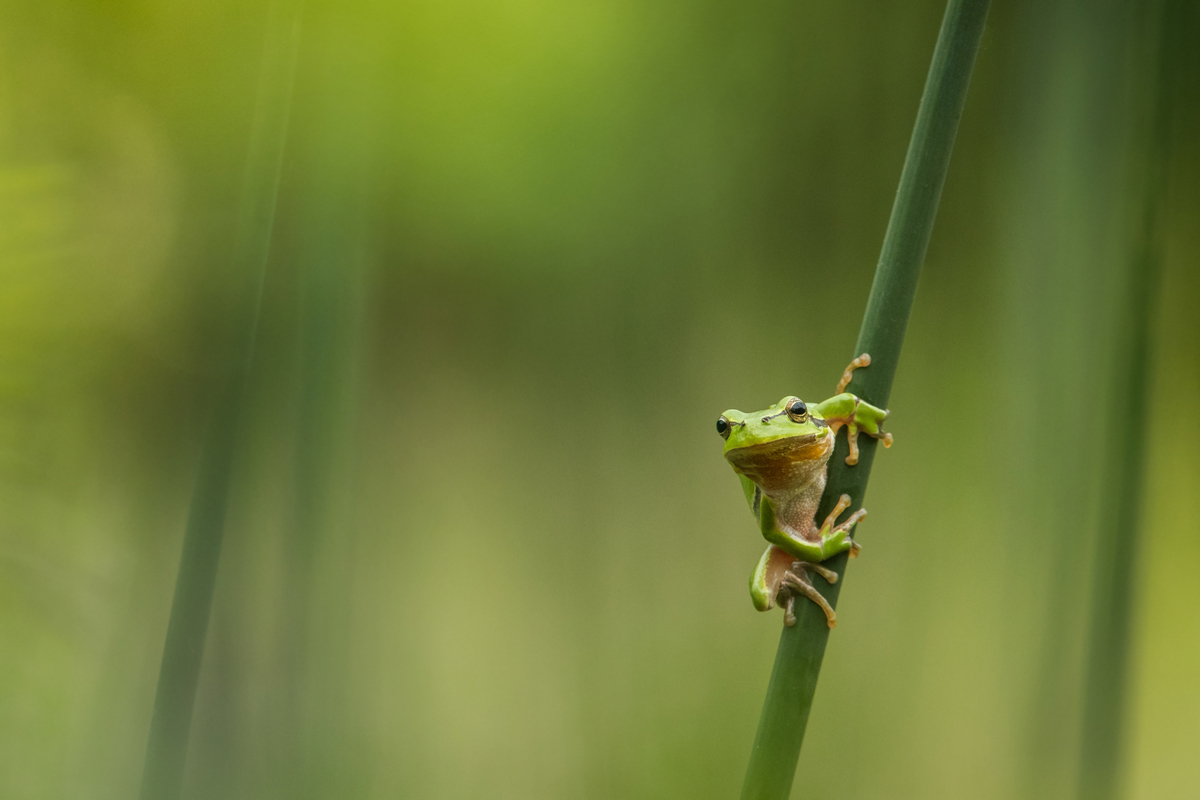
Out of over 8,000 frog species that exist today, most can be traced back to just three lineages from the time of the dinosaurs: Hyloidia in the Americas, Natatanura across Europe and Asia, and Mycrohyhylidae, which are widespread. These tenacious amphibians not only made it out of extinction by adapting to their new circumstances successfully, but thrived to the current day. Their biggest advantage was the rise of seed and fruit-bearing plants that weren’t widely available before the extinction, thanks to the weight of heavy herbivorous sauropods like Brontosaurus eating and trampling over leafy foliage. Now that the forest floor was no longer bare, seeds competed to sprout into taller trees, providing the perfect home for these webbed amphibians.
Turtles
Image Credit: Wexor Tmg/Unsplash.com
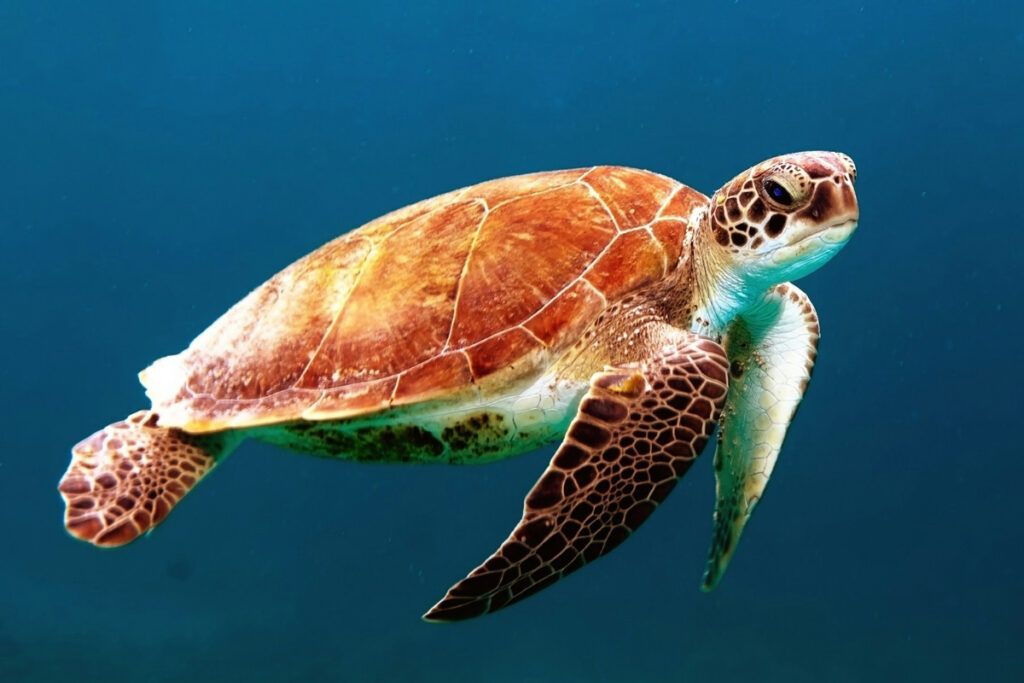
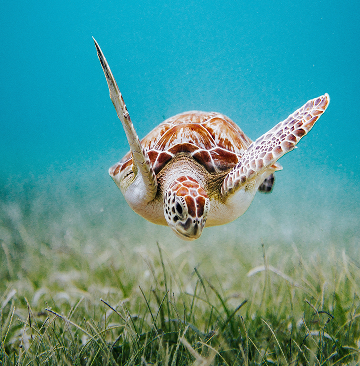
Almost 80% of all turtle species lived through the K-Pg extinction, making them one of the most successful survivors. These turtles were either aquatic dwellers, or burrowed into the soft land that surrounded small bodies of water, like lakes, to stay warm during the global winter. Cold-blooded animals that they are, turtles used these hideouts to regulate their internal body temperatures, and avoid acid rain and firestorms above ground. Their low metabolic rate allowed them to stay put and conserve what energy they did have without needing to consume much more, which was a literal lifesaver when most of the world’s food had vanished. When it was time to eat, they were able to consume the smaller organisms that also survived the asteroid impact thanks to their shell-cracking beaks, including gastropods like screw shells and slit snails.
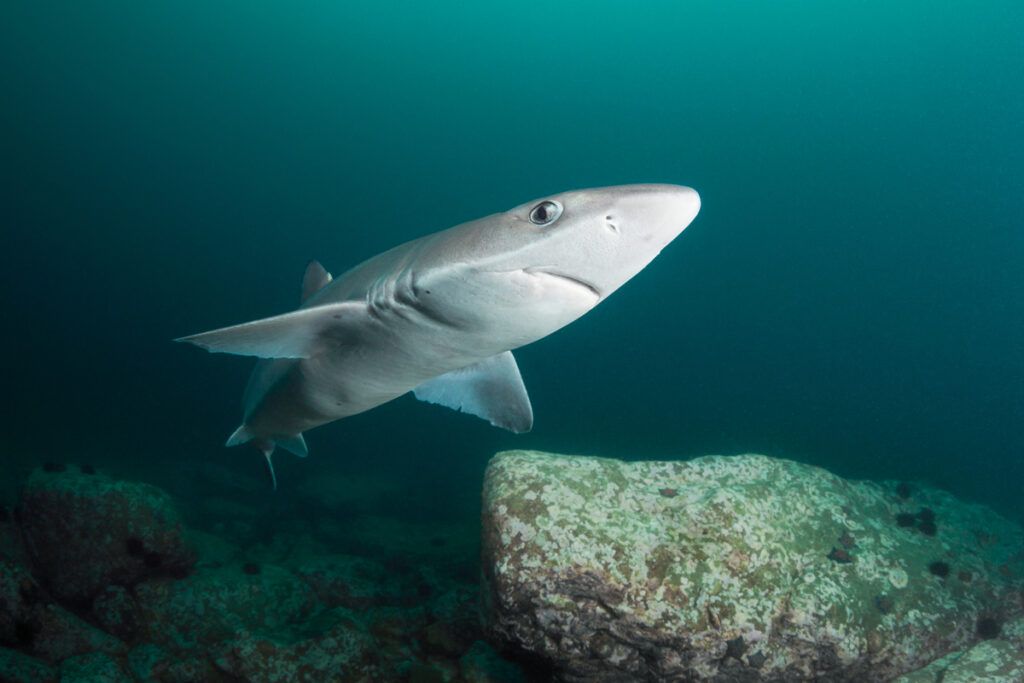
Sharks
Image Credit: Anion/Adobe Stock
It wasn’t just the biospheres on land that were disrupted by the asteroid’s impact; the Earth’s oceans were also majorly disrupted. Tsunamis surged immediately after the crash, and the lack of sunlight that followed resulted in very slow photosynthesis, leading to a cataclysmic decline in algae and plankton which disrupted the food chain. That said, living in the deepest depths of the ocean came with a number of benefits, including surviving the apocalypse. Or five, for that matter. Sharks have been roaming the seas for the last 450 million years, and many species have survived four other extinctions before K-Pg. Smaller shark varieties, like houndskarks and dogfish sharks, fared much better than their larger counterparts, like Ginsu and crow sharks, thanks to their diet of smaller fish and marine life. Many dogfish species were already adapted to living in deep waters and eating foods that don’t require sunlight to produce, protecting them from the problems facing surface-level inhabitants.
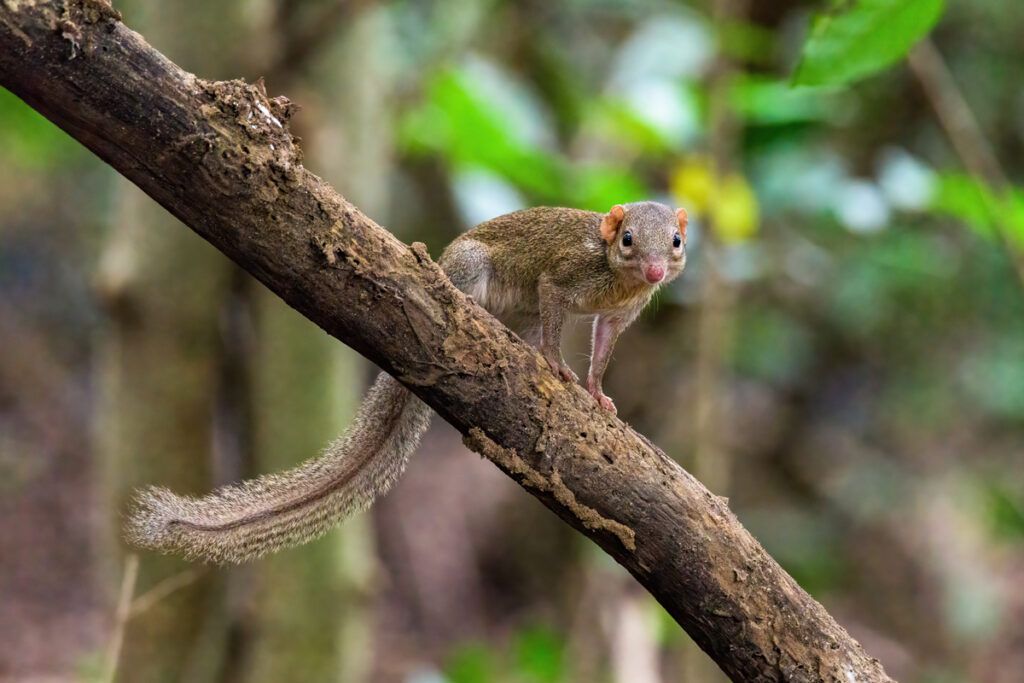
Tree Shrews
Image Credit: sittitap/Adobe Stock
The tree shrews that we know today are not directly from the age of the dinosaurs, but their direct relatives are. Their small size, low caloric needs, and flexible dietary preferences, Purgatorius, a relative of the modern-day tree shrew, were perfectly poised to survive where others fell. These mammals ate insects and dead matter, which was plentiful when nearly every animal in the world was dying and left to decompose. Expert burrowers, they could live in soft dirt or sharp rock, depending on what was available, allowing them to stay hidden, regulate their temperatures, and reproduce safely.
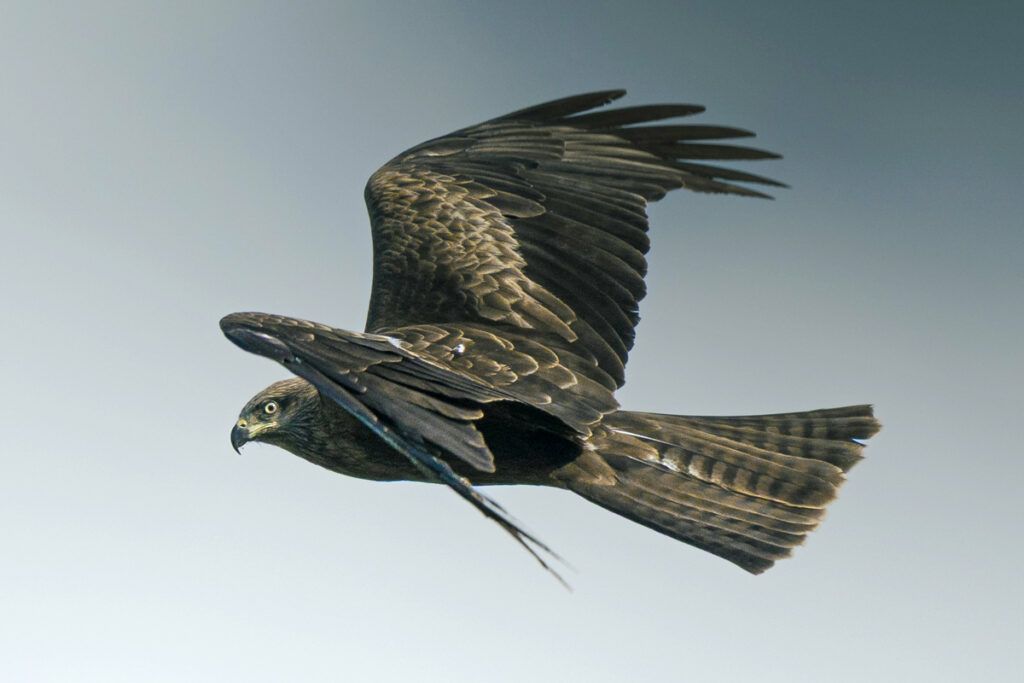
Birds
Image Credit: Christoph Nolte/Unsplash.com
You may not realize it, but not all dinosaurs went extinct during the last mass extinction 66 million years ago. In fact, if you looked out your window, you might see one right now. Avian dinosaurs are the only types of dinosaurs to survive the K-Pg extinction. Today, we know them as birds. Some researchers believe that beaks may have played a big part in their survival. Early avian dinosaurs were largely fitted with teeth to help them crunch insects and other small animals. As time went on and their former food sources disappeared, so did those teeth, leaving only strong, pointed beaks. These were perfectly constructed to crack open hard shells on things like nuts and large seeds, which were now in abundance. Pair this unique trait with their seed-crushing gizzard, and you’ve got a living machine capable of digesting what was left after the asteroid wiped out just about everything else.
Advertisement
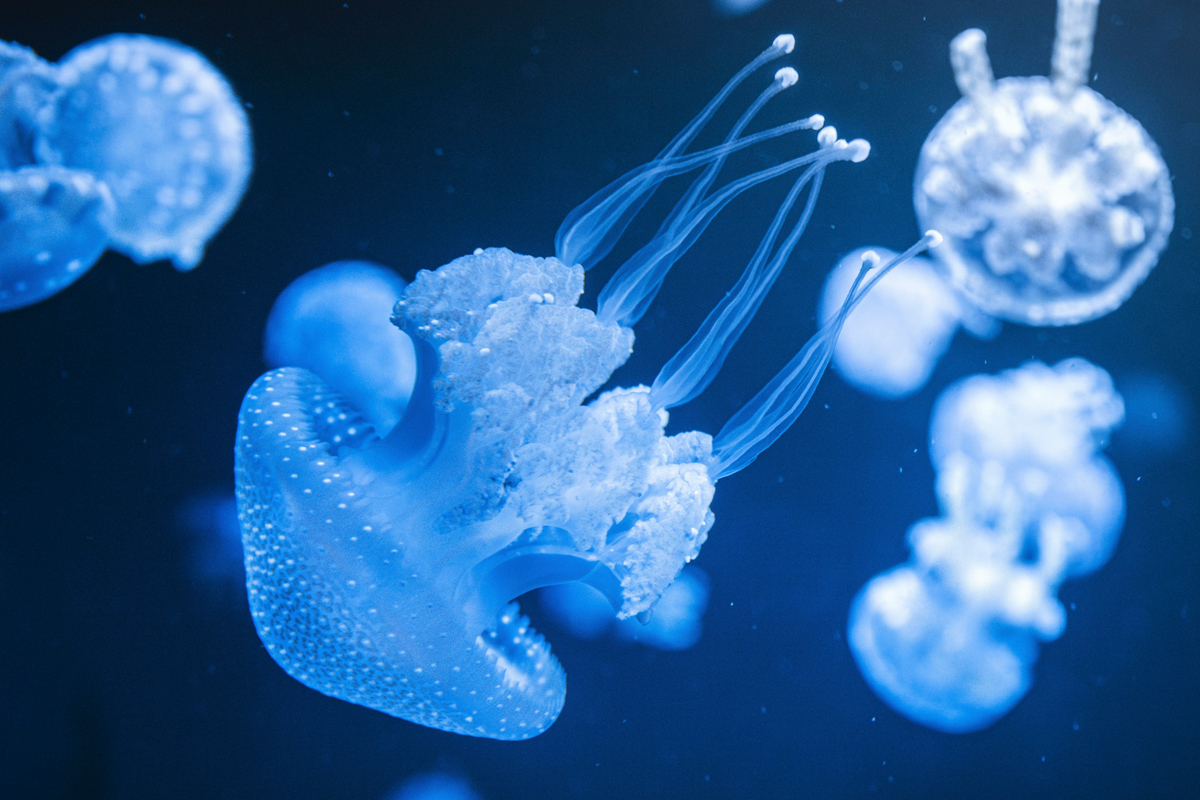
Jellyfish Have Existed Longer Than Dinosaurs
Fish 29/06/26Jun. 29, 2026
Updated 29/06/26Jun. 29, 2026
Credit: Nattipat Vesvarute/Unsplash.com
Michael Nordine
Author
Michael Nordine is a Senior Staff Writer at Britannica, where he writes the newsletter Movie Brief. He grew up with eight cats and would like to see a Komodo dragon in the wild one day.
Jellyfish have been stinging people for thousands of years, but their time spent unsettling humans represents just a fraction of a fraction of how long they’ve actually been around. The aquatic invertebrates first appeared more than 500 million years ago, making them older than dinosaurs — about 250 million years older, in fact. They’ve also outlasted their prehistoric counterparts by about 65 million years, and one assumes they’ve spent much of that time gloating about being more adaptable than the fiercest creatures to ever roam the earth.
One species, the 4.5-millimeter Turritopsis dohrnii, can even reverse its life cycle and is therefore known as the immortal jellyfish because it could potentially never die of old age under perfect conditions. Because they’re invertebrates — and, despite their name, not actually fish — jellyfish fossils are incredibly rare. They do exist, though, and the oldest one on record was found in an area of Utah that used to be underwater and dates back some 500 million years.
Kellie is a writer and editorial strategist covering topics in travel, trivia, nature, and more. When she's not writing you can find her drinking Diet Coke.
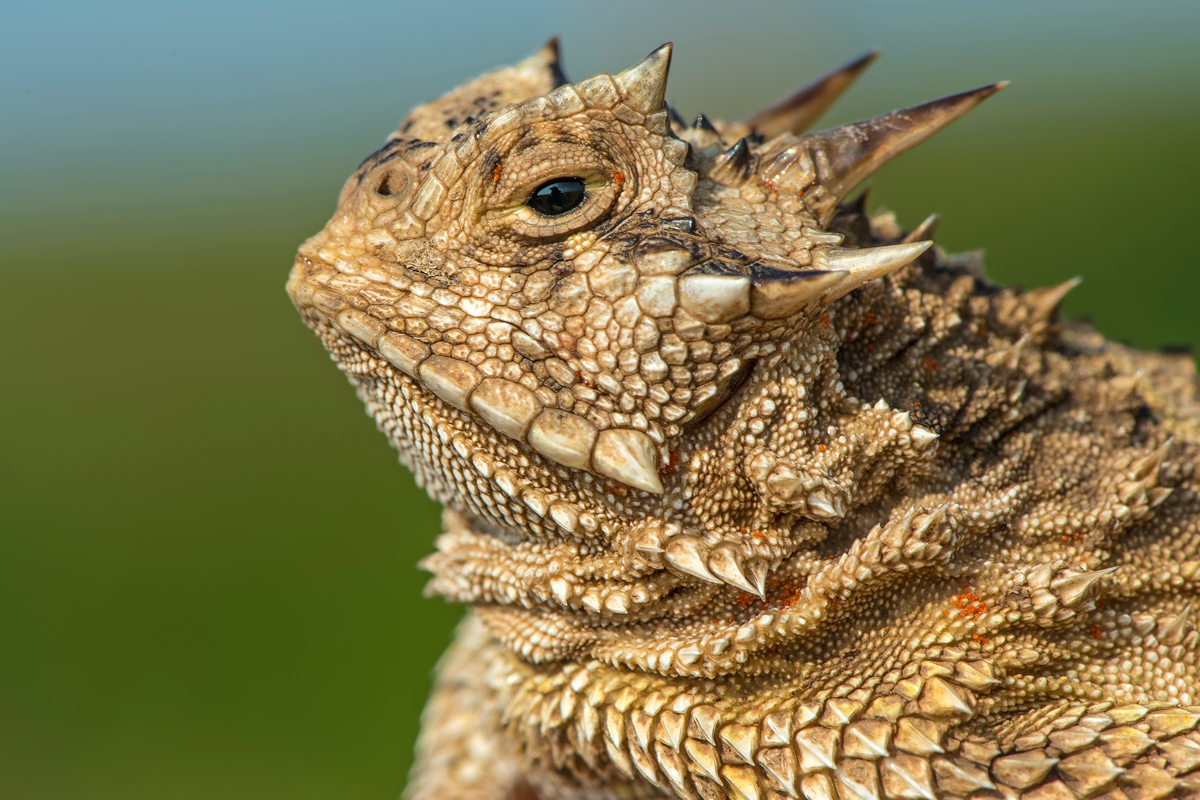
Ever wished you could shoot lasers from your eyes? Horned lizards settled for the next best thing: blood. Also known as horny toads, these quirky little reptiles have one of the animal kingdom’s strangest defense mechanisms. When threatened, they can squirt blood from their eye sockets — a foul-tasting concoction infused with chemicals from their ant-heavy diet that’s enough to make predators think twice.
The lizards pull off this bizarre trick by restricting blood from leaving their heads, which raises blood pressure until tiny blood vessels around their eyes burst. The resulting stream of blood can travel up to five feet and is especially effective at deterring canine predators like coyotes, foxes, and even curious dogs.
Kellie is a writer and editorial strategist covering topics in travel, trivia, nature, and more. When she's not writing you can find her drinking Diet Coke.
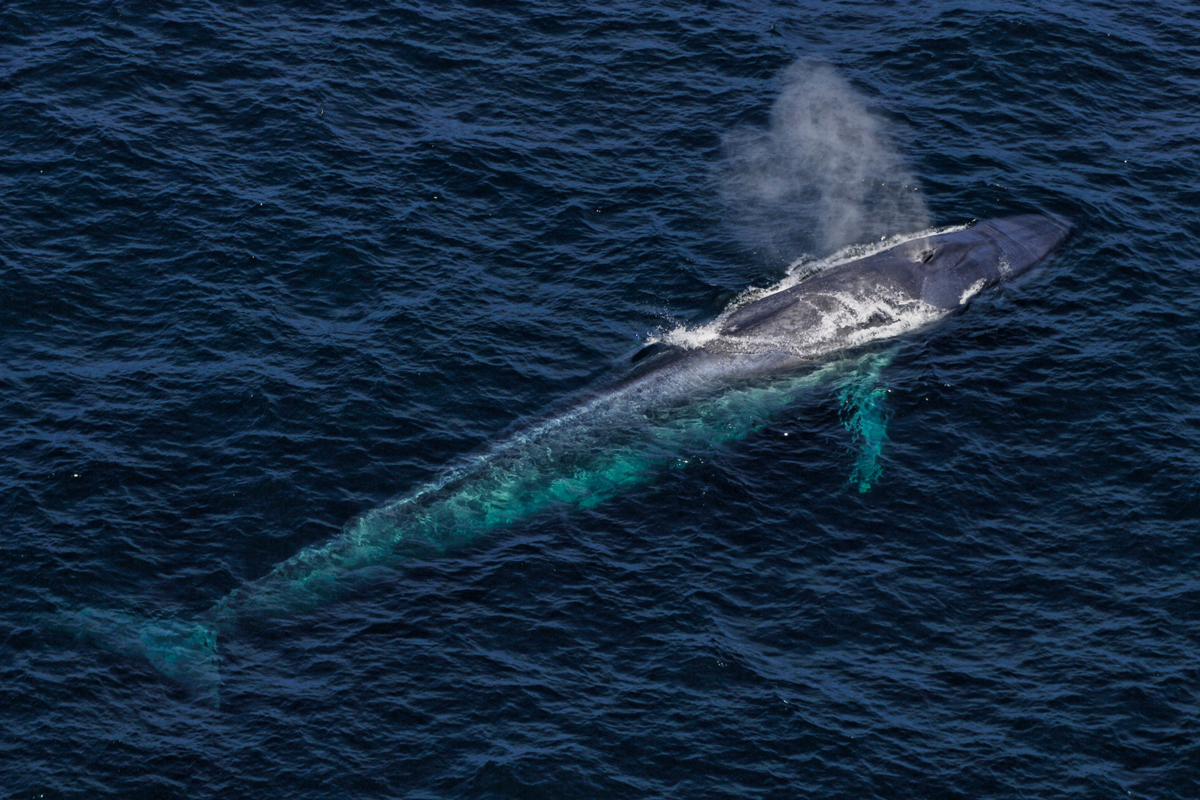
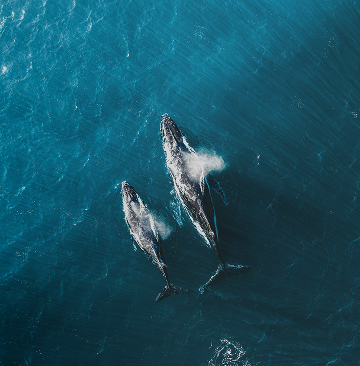
The blue whale claims the title for having the largest babies in the world, with most newborn calves weighing in around 5,000 to 6,000 pounds at birth. But they don’t stop there. After a year of gestation, these calves are born hungry, and consume up to 50 gallons of their mother’s milk every day.
This nutrient-rich diet helps calves put on weight fast, and baby blue whales pack on 8-10 pounds every hour. Doing the math, that’s roughly 200+ pounds a day. By the time they’re fully grown, blue whales will weigh around 400,000 pounds. Their appetite doesn’t slow down with age, however, and adult blue whales will consume around 4 tons of krill every day. They need all that food to fuel them for their long migration south from arctic waters every year.
Advertisement
Alligators Go Through 2,000 Teeth in Their Lifetime
Kellie is a writer and editorial strategist covering topics in travel, trivia, nature, and more. When she's not writing you can find her drinking Diet Coke.
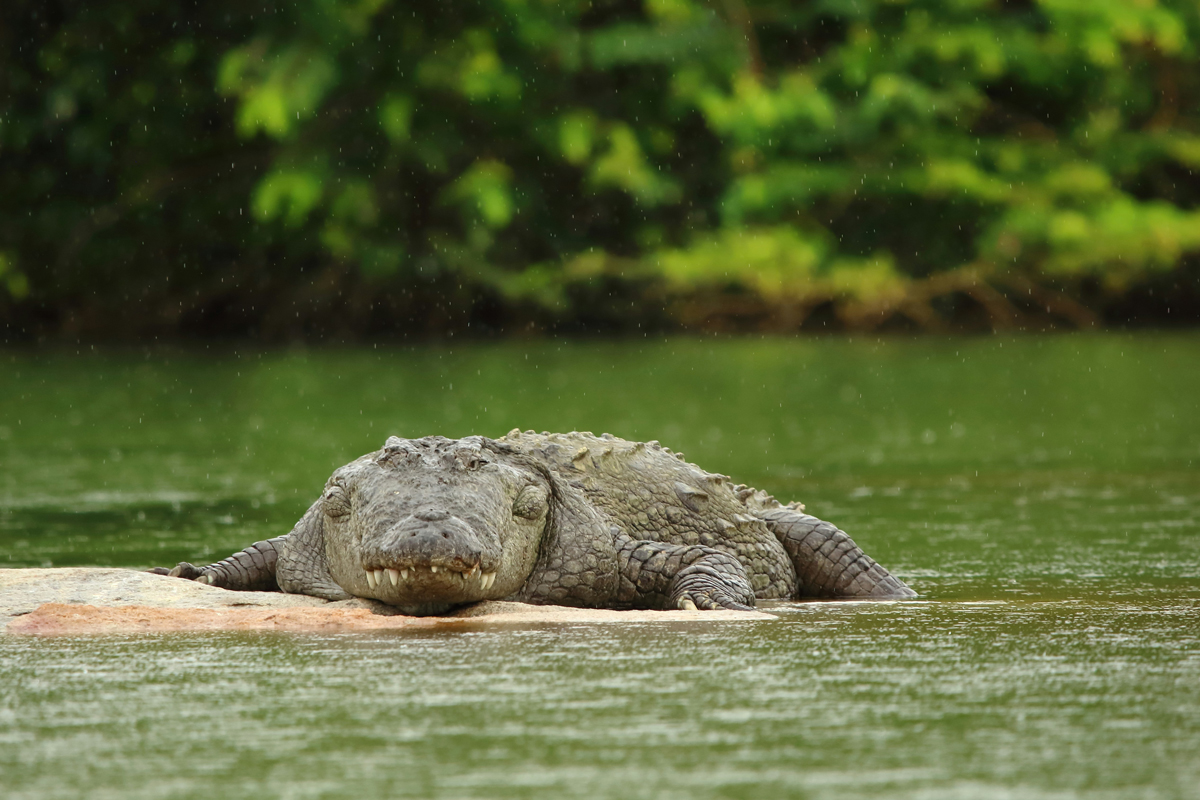
The scaly alligator is recognizable by its wide jaw and toothy grin, which, at any given time, is home to roughly 80 teeth. But just like humans, alligators shed those teeth and grow new ones — only they do it much more frequently than the average human. In fact, the average alligator can go through more than 2,000 teeth in its lifetime.
Alligators primarily use those teeth to chomp on prey, like fish, turtles, birds, and even small mammals. And, despite their many chompers, alligators don’t use their teeth to chew. Instead, they rip up their food and swallow in large chunks. Not the best table manners, but it gets the job done.
Advertisement
Your Daily Guide to the Animal Kingdom
Get to know the animals that share our planet with this daily newsletter.
Success! Welcome to Animal Facts.
Check your inbox for your daily email.
Sorry, your email address is not valid. Please try again.