9 Animals That Navigate Without Sight


Many animals, including humans, rely on the five senses to get around. Touch, taste, smell, sound, and sight can all be used to navigate the world around us, but some animals either cannot or do not need to use their eyes to see exactly where they’re going. After all, how would one be expected to navigate the dark waters of the Mariana Trench, or the lightless corners of a packed honeycomb? Internal magnet receptors, extra-sensitive hairs, and huge nostrils are just some of the things these animals rely on to get around without their eyes.
Texas Blind Salamander
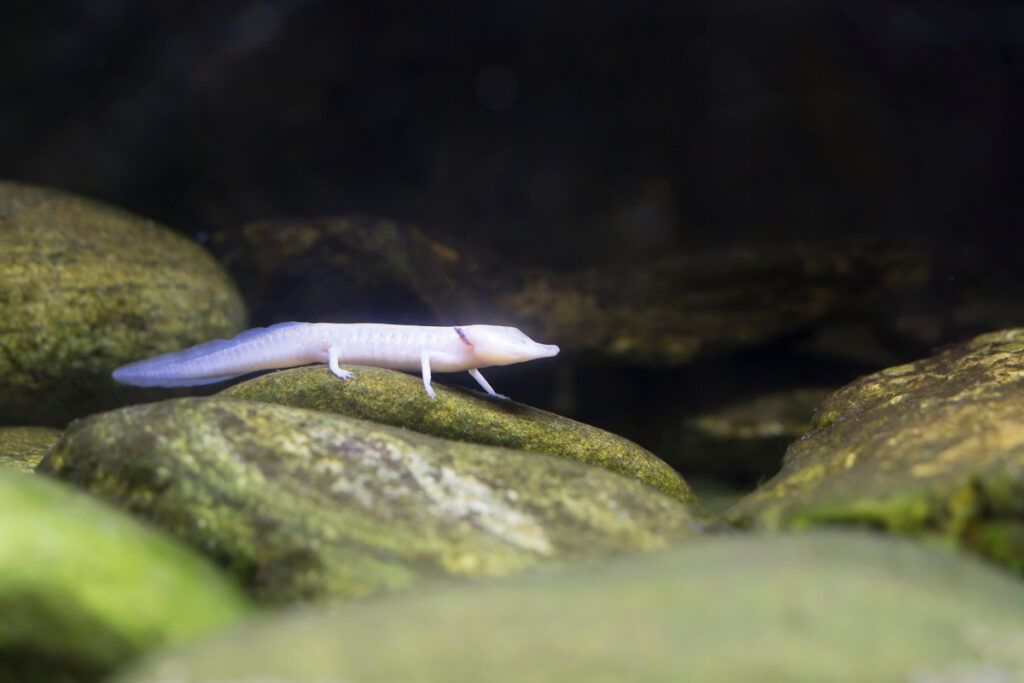
Found only in a small area in San Marcos, Texas, this aptly-named amphibian navigates the waters of the Edwards Aquifer without seeing a thing. While they do technically have eyes, they don’t use them at all, and couldn’t even if they wanted to. Resting under layers of skin and a vestigial optic nerve, two tiny black dots are barely visible to us, but don’t help these creatures get around or hunt, which they actually do quite well despite their lack of sight. Instead, they stay entirely submerged in water, shifting their heads from side to side to sense water pressure waves created by smaller animals that they prey upon.
Star-Nosed Mole
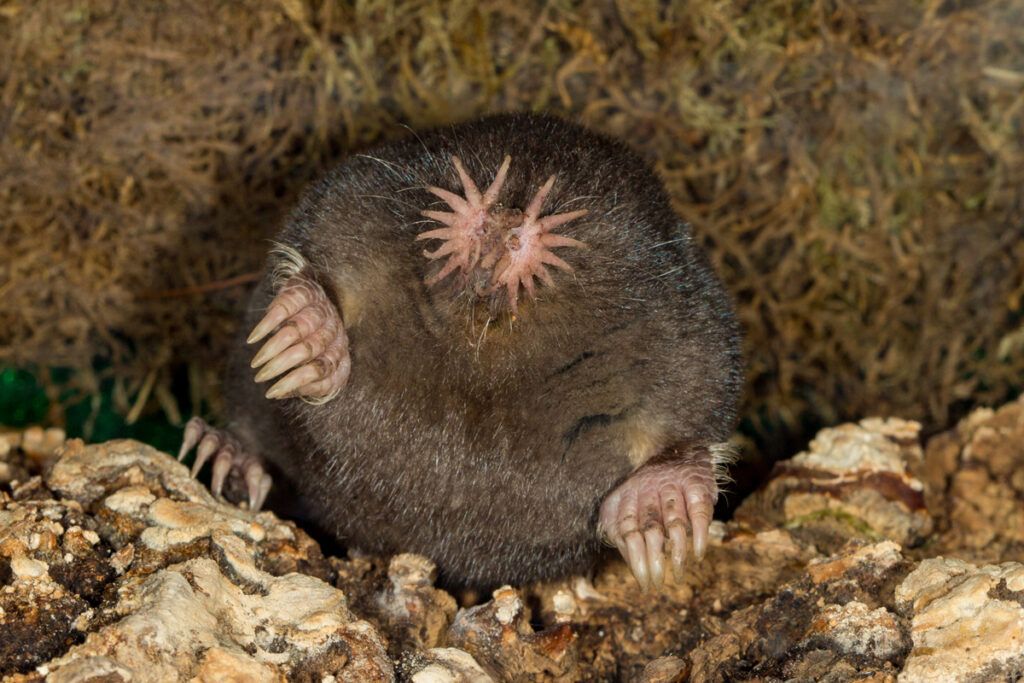
Practically blind but not totally, star-nosed moles rely on an unusual organ to help them get around: their noses. But these noses work differently than other animals. Unlike, say, dogs, who have around 300 million olfactory receptors to help them sniff out the world around them, the star-nosed mole’s nose is equipped with more nerve receptors than scent receptors. The 22 appendages on the end of their nose hold around 100,000 microscopic nerve fibers to help them feel the world around them, rather than see or smell.
Giant Blind Mole Rat
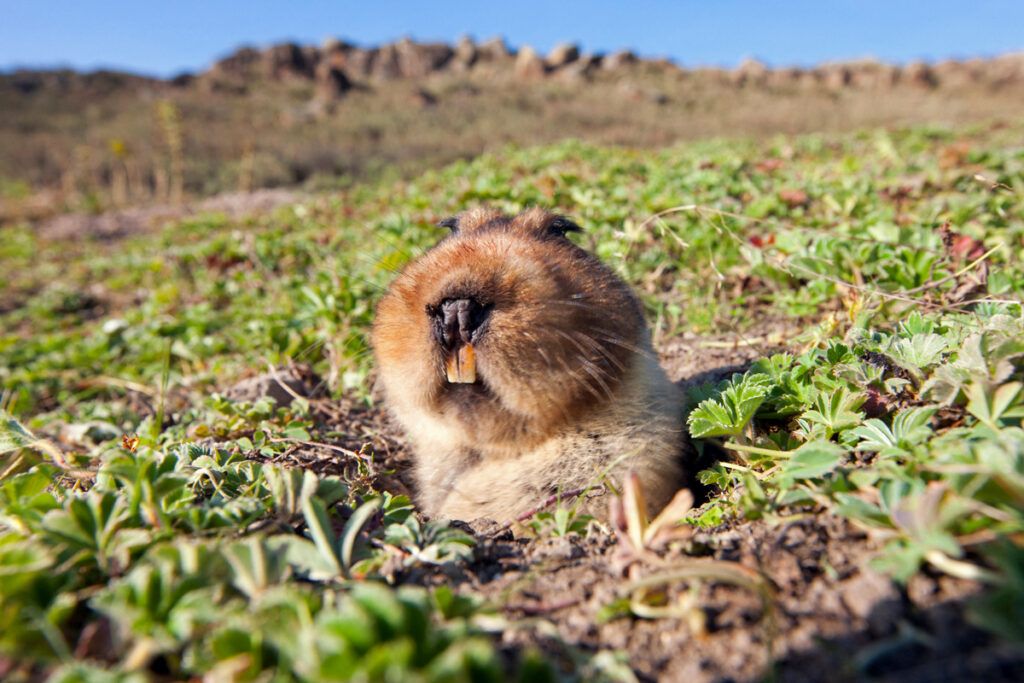
Unlike the star-nosed mole, which does have small but largely non-functioning eyes, the giant blind mole rat has no external eyes to speak of. Not only that, but their lack of external ears dampens another sense that could help them get around. Instead, these subterranean dwellers experience the world through vibrations and air currents, which are more easily picked up in underground tunnels than they would be in the above-ground world. Their paws and whiskers allow them to sense even the slightest movements, and their teeth are used to eat, dig, and feel everything around them. What makes these moles extra-special are their jaw bones, which use bone conduction to send vibrational signals to the brain, allowing the rodent to “hear” without the use of ears.
Kaua’i Cave Wolf Spider
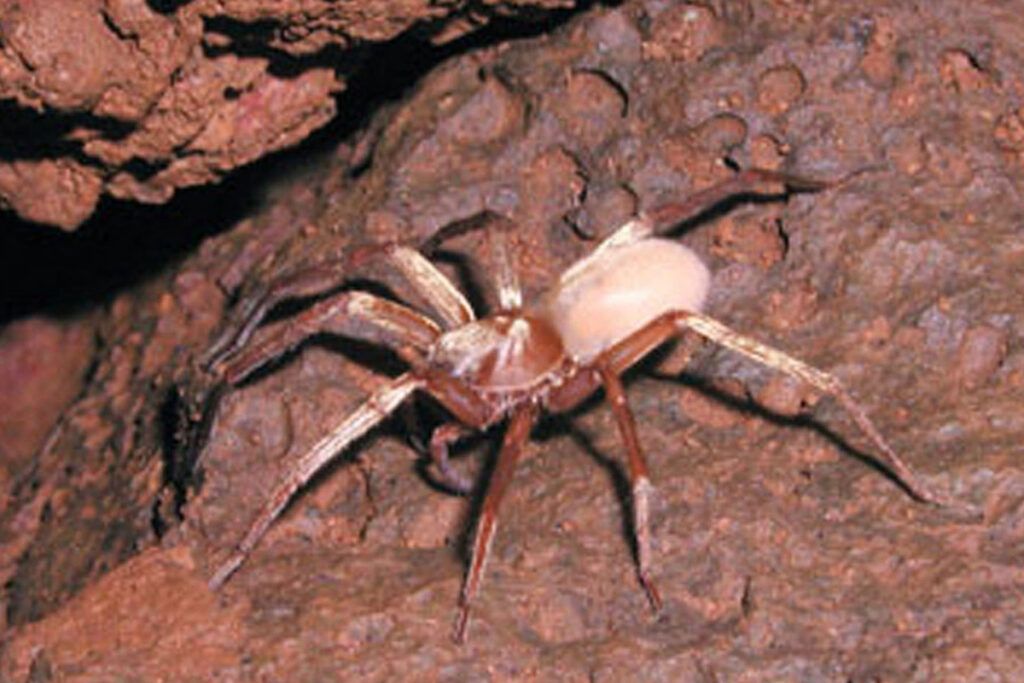
Found only in the Koloa Basin caves of Kauai, Hawaii, these sightless spiders are the only types of wolf spiders with no developed eyes at all. In order to seek safety, and meals, these spiders use their sense of touch and chemoreceptors to “see” what they seek. We all have chemoreceptors in our bodies, like the taste buds in our mouths and olfactory receptors in our noses. Kaua’i cave wolf spiders’ chemoreceptors take on the form of hairs on their legs and bodies, which touch the things around them, then send those signals to the brain where they’re converted into useful information, like “food over here” or “danger headed this way.”
Sinopoda Scurion
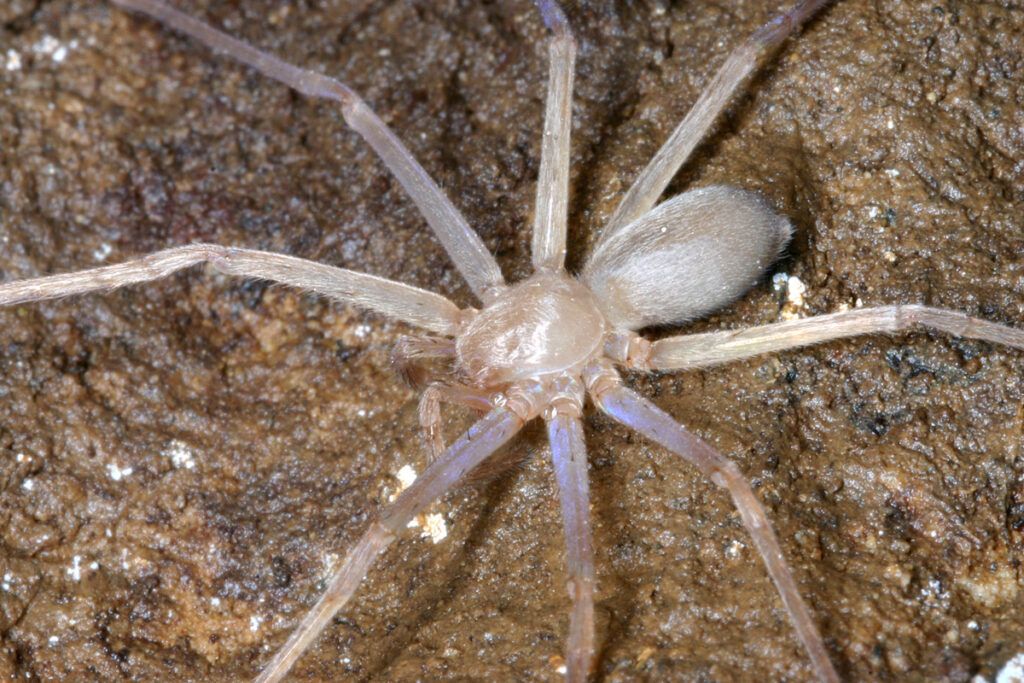
Another cave-dwelling spider, the Sinopoda scurion is of the Huntsman variety and can be found in the caves of Lao. Huntsman spiders are usually equipped with eight eyes, so this eyeless anomaly was a huge discovery back in 2012. But their dark, cavernous dwellings explain why this variety of spiders doesn’t have eyes: they simply don’t need them. The caves that they call home are devoid of sunlight 24/7, so rather than use ocular senses to get around, the Sinopoda scurion rely on vibrations, air flow, and thin chemoreceptive hairs on their bodies to find their way.
Brahminy Blind Snake
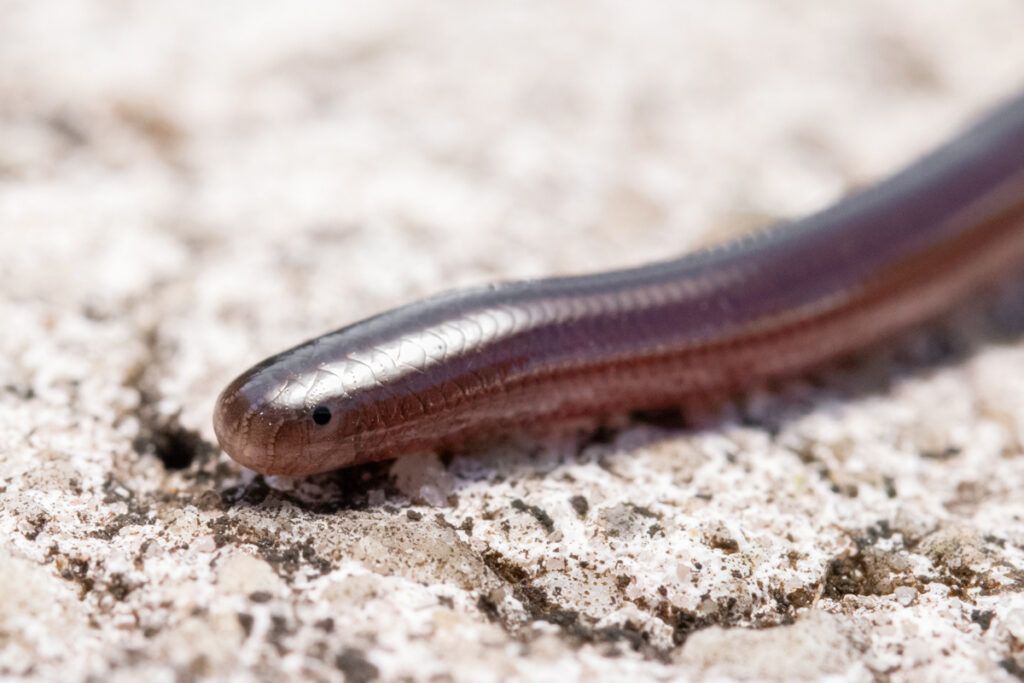
Native to Southeast Asia and recently discovered in Florida, these non-venomous, sightless serpents are often mistaken for earthworms, and for good reason. Their small size of, at most, six-and-a-half inches, their grey/brown color, and their total lack of eyes make them easy to mistake for a worm, but unlike worms, they do flick their tongues to get a sense of the world around them. Like all snakes, Brahminy blind snakes use vibration, touch, and smell via their forked tongues to find prey and safe spots to burrow. While they don’t have eyes in the typical sense, they do use two small black eye-like dots, or vestigial organs, to sense light, which helps them stay underground where they are safer.
Faceless Fish
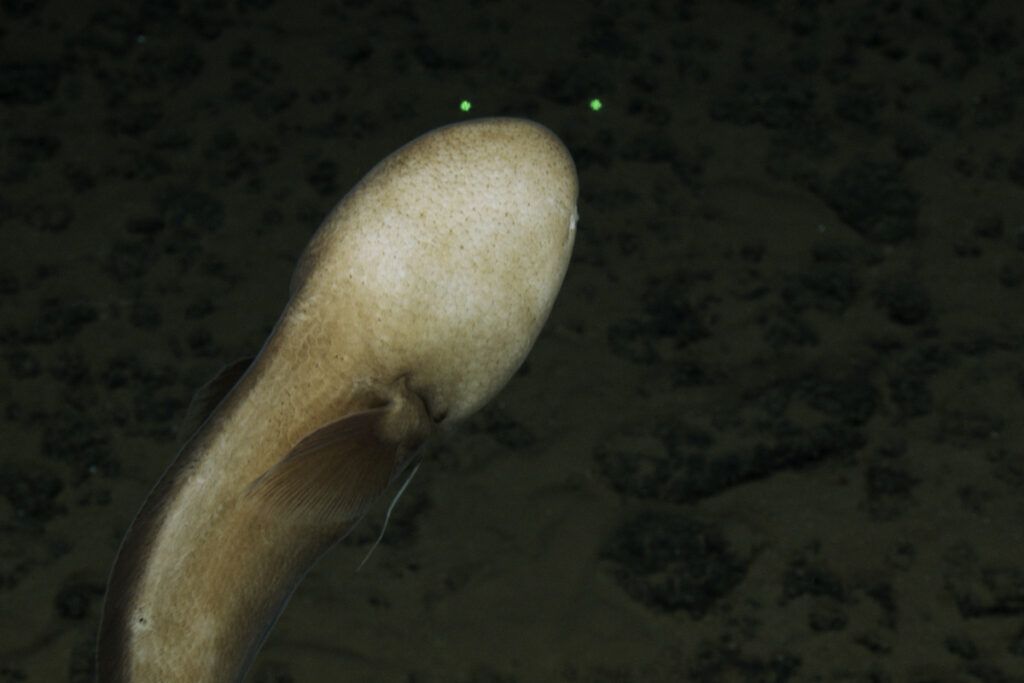
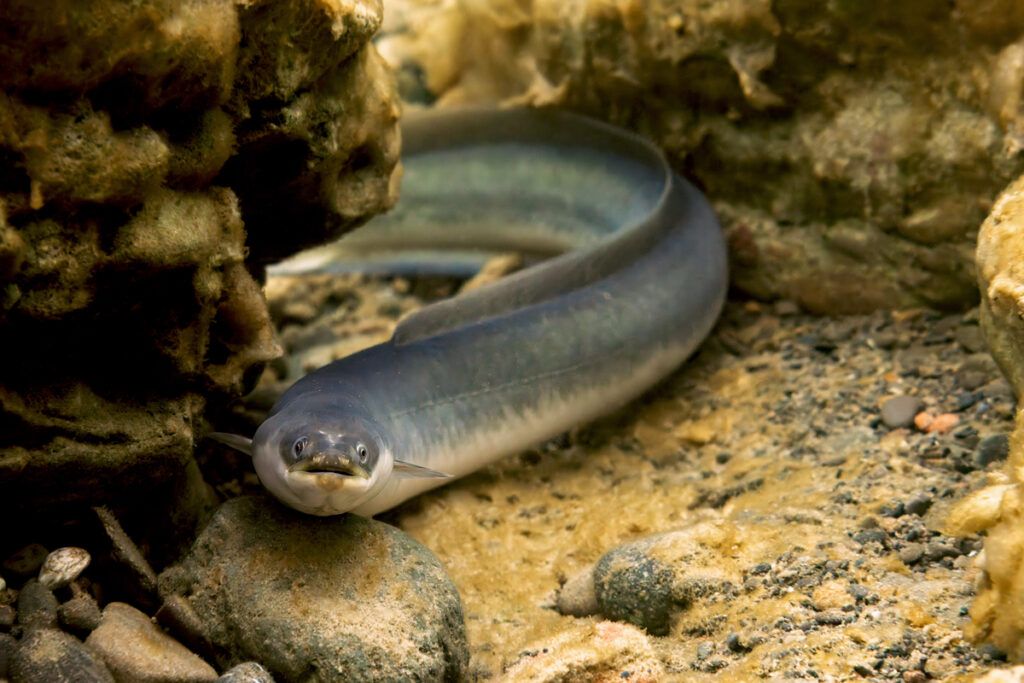
If there’s one place in the world where you’ll find animals who’ve had to adapt to low-light surroundings, it’s the deepest, darkest waters of the ocean. Sometimes called a Faceless cusk, or a Cusk eel, the Faceless fish has been found across the seas from the Arabian Sea to the Mariana Trench and waters surrounding Australia and Indonesia. Living up to five kilometers below sea level, Faceless fish are forced to adapt to freezing temperatures, intense water pressure, limited food sources, and lack of sunlight. To get by, these fish have developed large nostrils called nares, which help them pick up even the slightest chemical odors emitted by other sea creatures. Not only that, this cusk, like many fish, is also equipped with what’s called a “Lateral Line.” This is a sophisticated system made up of sensory organs, including neuromasts, which contain hair cells that help fish detect movement and vibrations in the water. This “sixth sense” allows them to locate potential prey nearby.
Bats
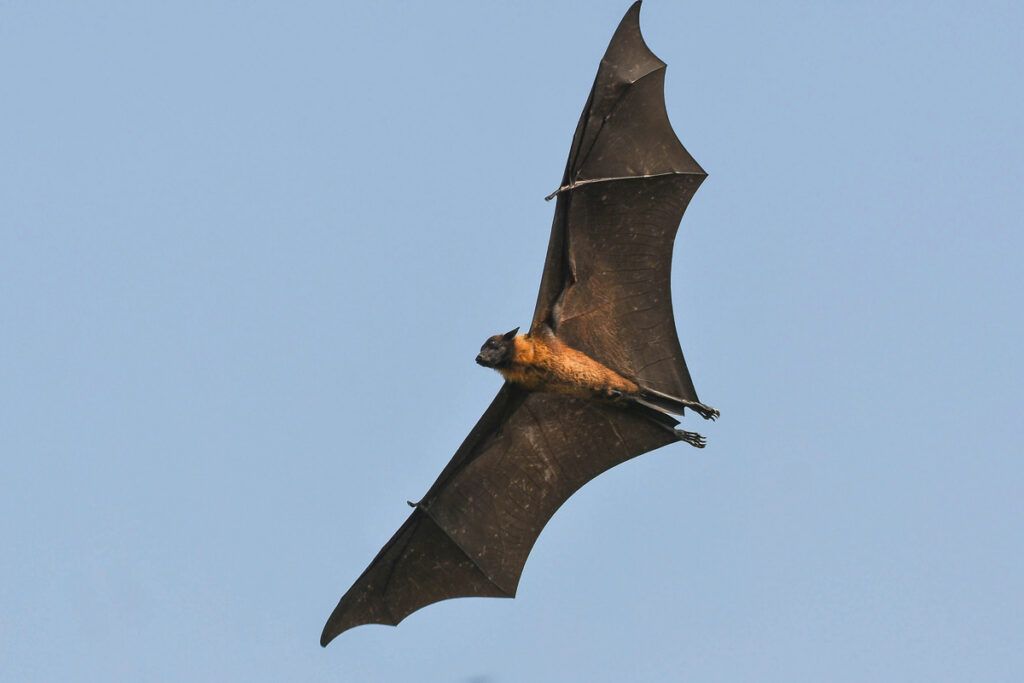
Unlike some of the other animals on this list, bats do have eyes, and they definitely use them. They are still able to navigate without them, however, thanks to their built-in biological sonar, which helps them roam through dark caves and through the darkness of night. Called “echolocation,” bats use high-pitched squeaks from their mouths and noses to bounce ultrasound waves off of their surroundings. This creates a sort of invisible map, helping them fly without bumping into things, and spot food like mosquitos and mice.
Bees

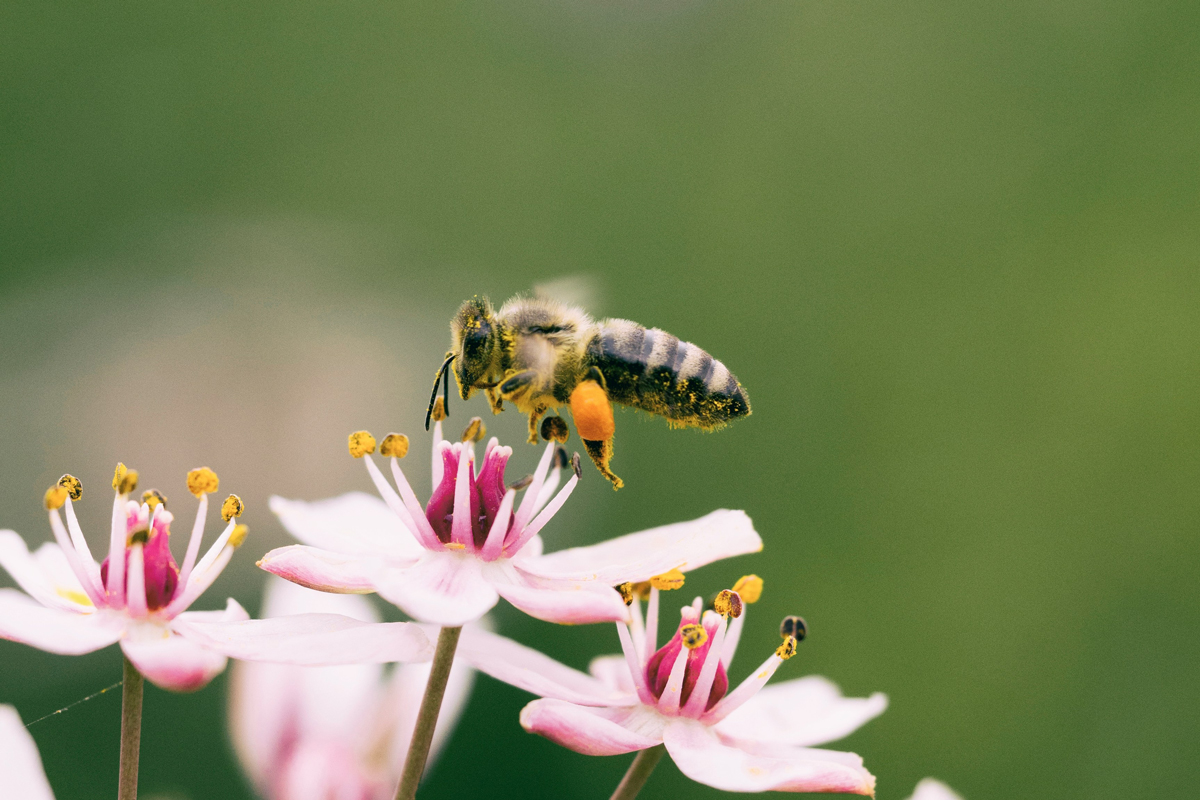
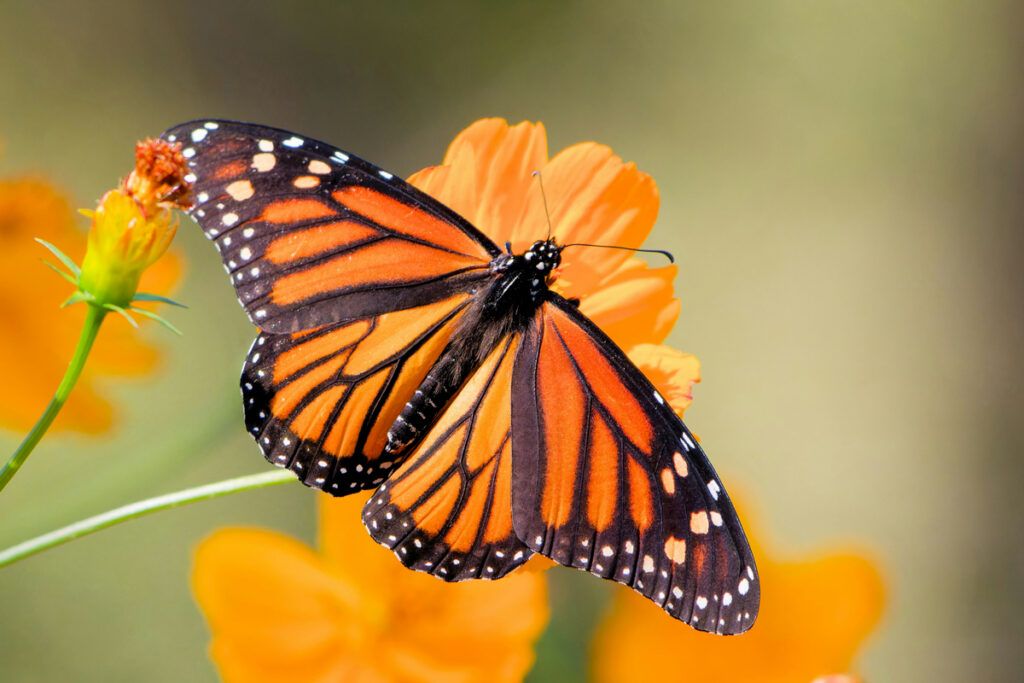
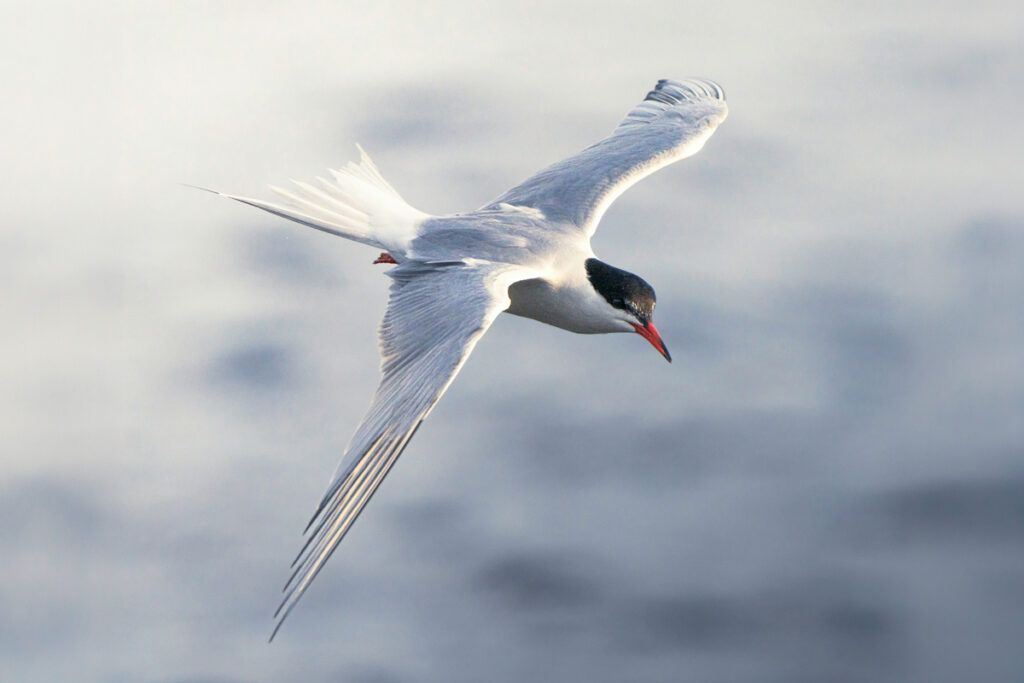
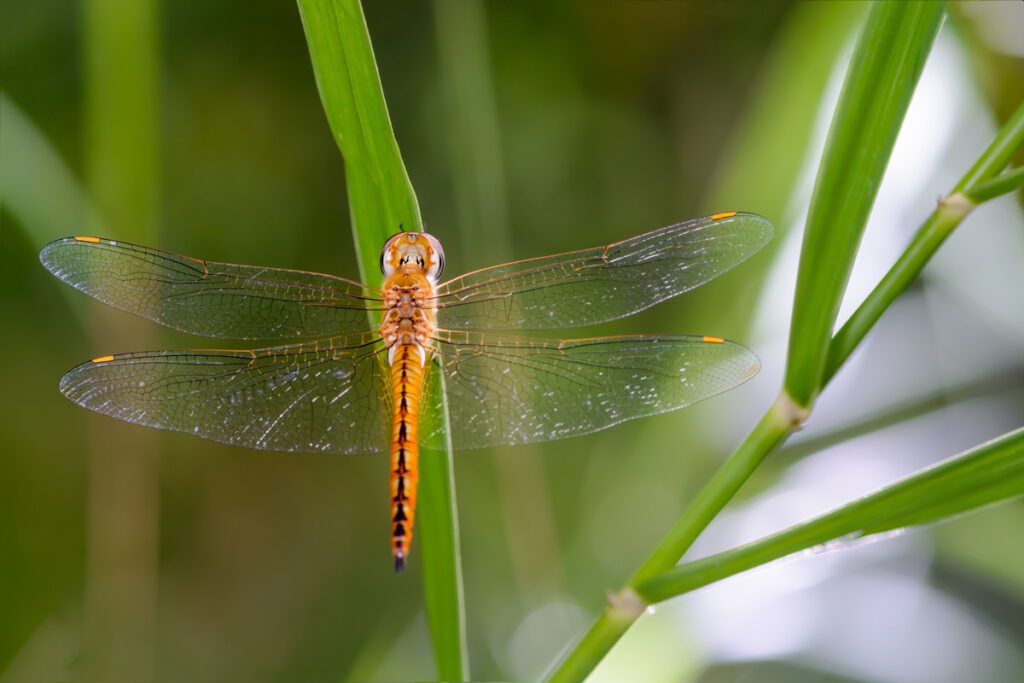
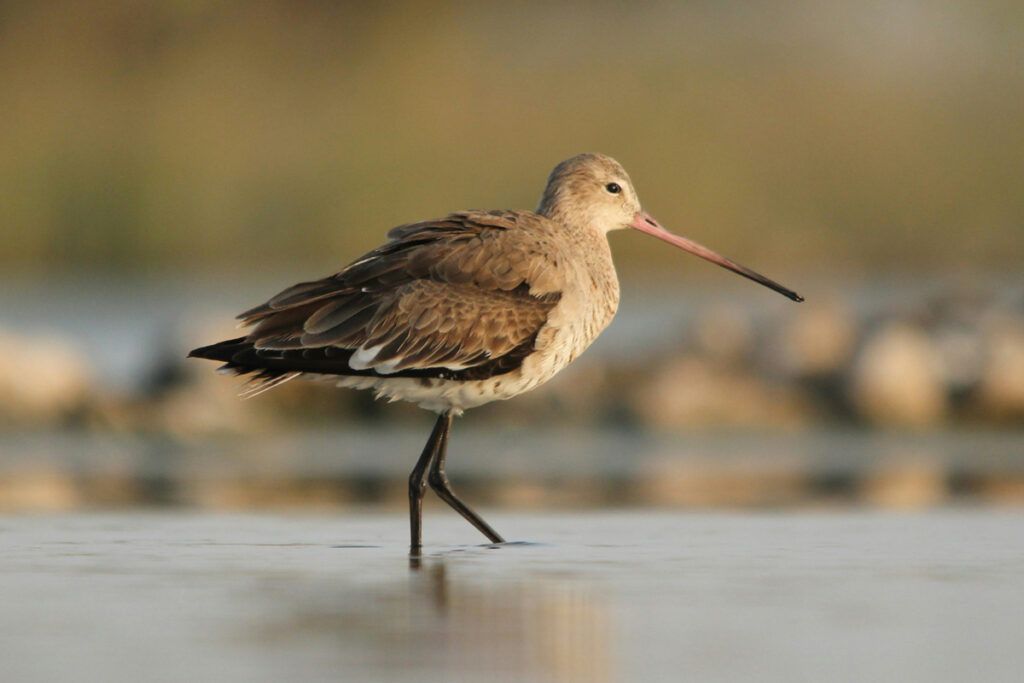
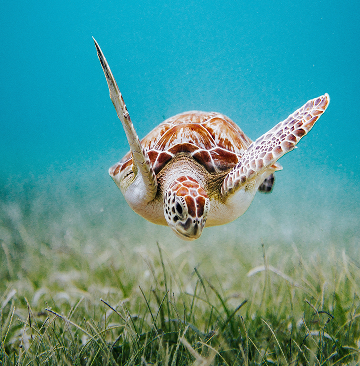
Another animal with perfectly functional eyes, bees rely on much more than just sight to complete all of that demanding work in front of them. Bees use magnet-based sensors containing tiny bits of iron to follow the magnetic fields of the Earth, and they’re far from the only ones that do it. Birds, butterflies, fish, sea turtles, all use magnetoreception to migrate. Green Sea turtles and salmon use this to reach the perfect place to lay their eggs, homing pigeons use it to build mental maps so they can return to their roost at the end of the day, and butterflies rely on the Earth’s magnets to fly south, where they can overwinter safely. Even dogs use magnetoreception to find the perfect spot to relieve themselves. If you’ve ever seen your dog circling to find the perfect spot to call a bathroom. Studies have shown that dogs circle to align themselves with the Earth’s magnetic field because, for some reason, they prefer positioning along the north/south axis to relieve themselves. Honeybees also prefer this north/south orientation to build their combs. Thanks to magnetic receptors in their abdomens, bees not only use the Earth’s poles to find their way back to the comb from a field of flowers, but they also use it to orient and work together to build honeycombs in pitch darkness. For an animal that does have, and needs, its eyes to navigate, this extrasensory method of perception helps them get around without only relying on their vision.