
What Makes Crows So Smart?
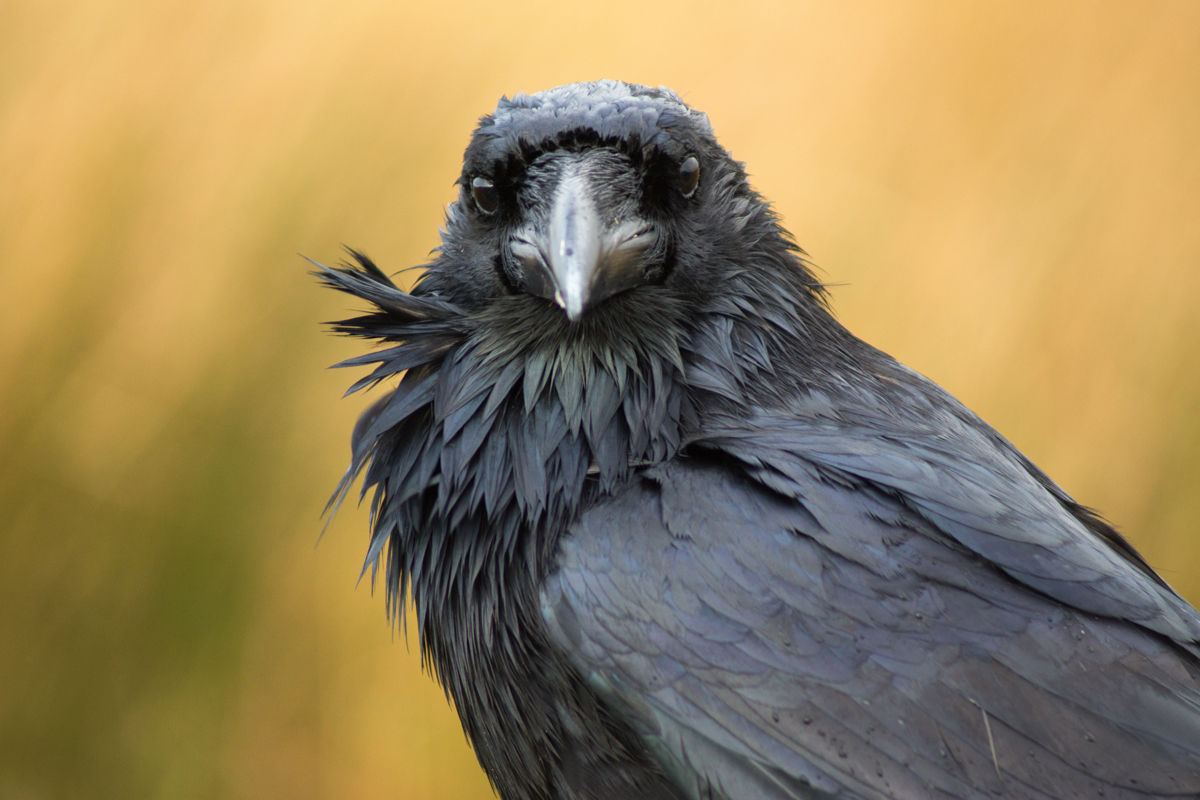

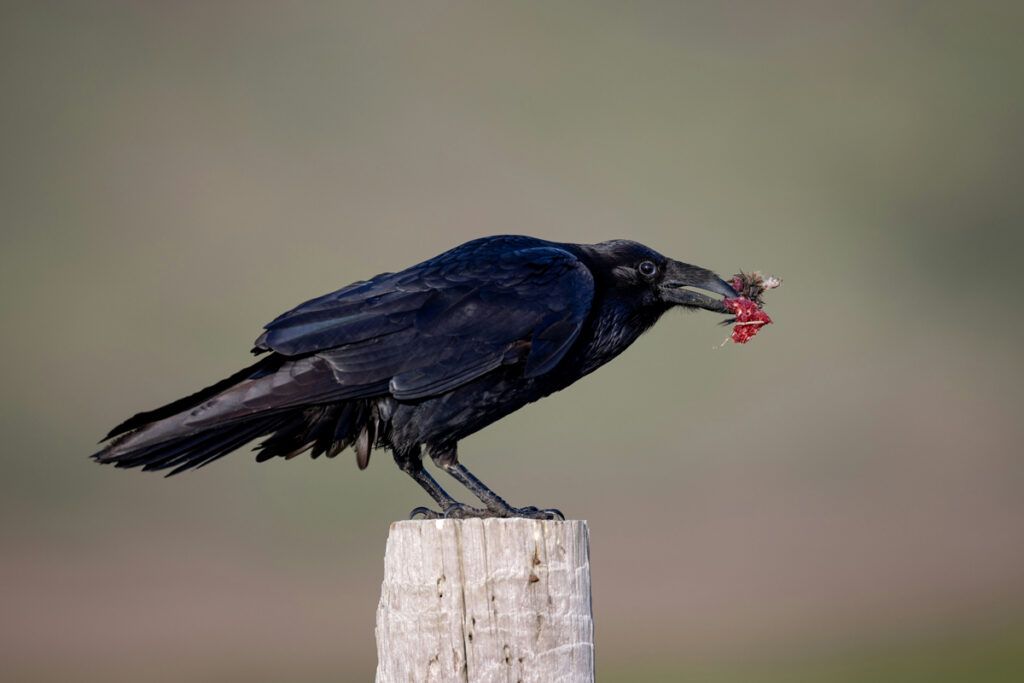
A crow perched on a telephone wire is a common enough sight, but if you spend some time watching one, that ordinary-looking bird may reveal some extraordinary abilities. Crows face the challenges of a constantly changing world, from finding food and avoiding danger to navigating crowded environments and dealing with other animals. Their extraordinary ability to adjust to those adversities has fascinated scientists for decades.
Crows are part of the Corvus family, which includes other birds, such as ravens and magpies, with impressive cognitive abilities. Still, crows remain a cut above for the rest when it comes to the remarkable range of skills they bring to everyday problems.
Small But Highly Efficient Brains
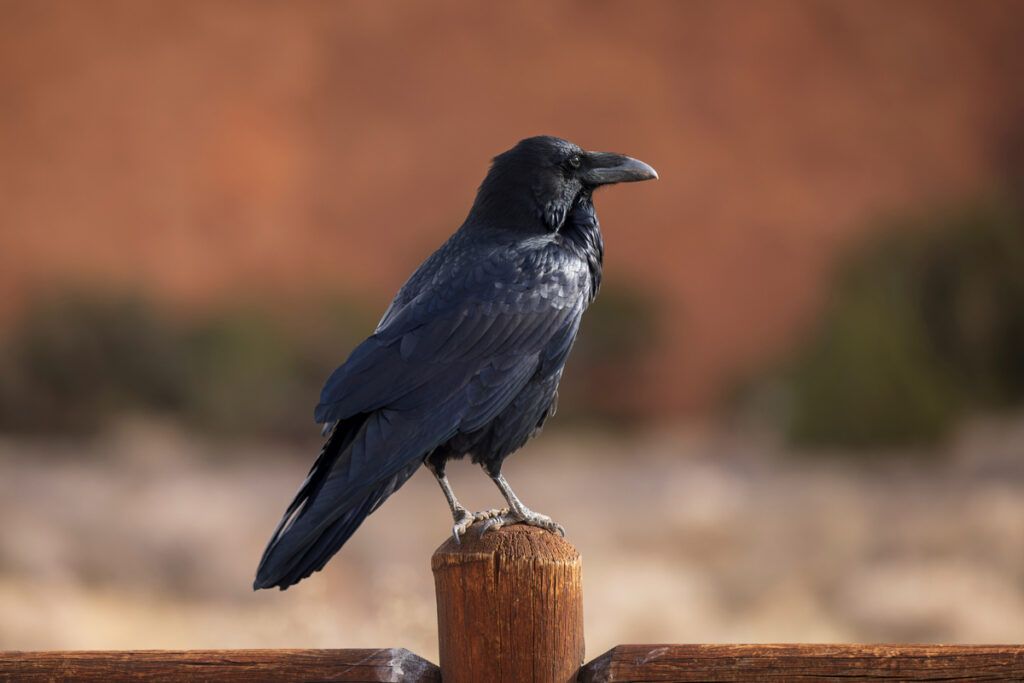
Crows have relatively large brains for their body size and an unusually high number of neurons for such small animals — about 1.5 billion, the same as some monkey species. Unlike mammals, birds don’t have a layered cerebral cortex. Instead, they rely on a different organization of the forebrain, including a structure called the pallium that performs some functions comparable to those of the mammalian cortex.
Corvids, such as crows, ravens, jays, and rooks, have large numbers of neurons in their forebrains, including in regions involved with complex information processing. Their brains may be tiny compared with ours, but they pack a remarkable amount of processing capacity into a small space.
They Can Solve Multi-Step Problems
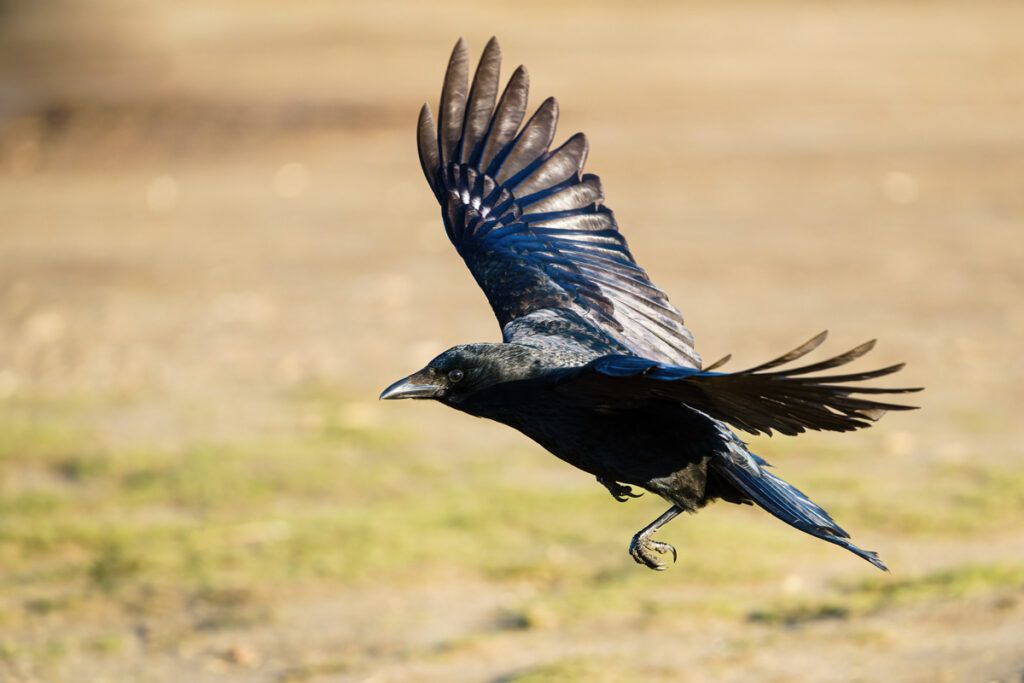
One of the clearest signs of crow intelligence is their ability to solve problems that require more than one action. In lab experiments, some crows have learned to use one object to obtain another tool, which they then use to reach food. They can work through a sequence of actions to reach a goal, such as the Aesop’s Fable paradigm, which requires an animal to drop stones into tubes filled with water in order to bring food within reach.
Crows also learn from experience and can figure out how to use objects in useful ways: In the wild, New Caledonian crows craft twigs, leaves, and other plant material into tools for extracting prey from places their beaks can’t reach. The birds can produce different tool designs for different tasks, and experiments have shown they can take the physical properties of tools into account when choosing among them. These behaviors all serve as proof that crows are able to use their learned knowledge to solve new problems.
They Remember Experiences and Learn From One Another
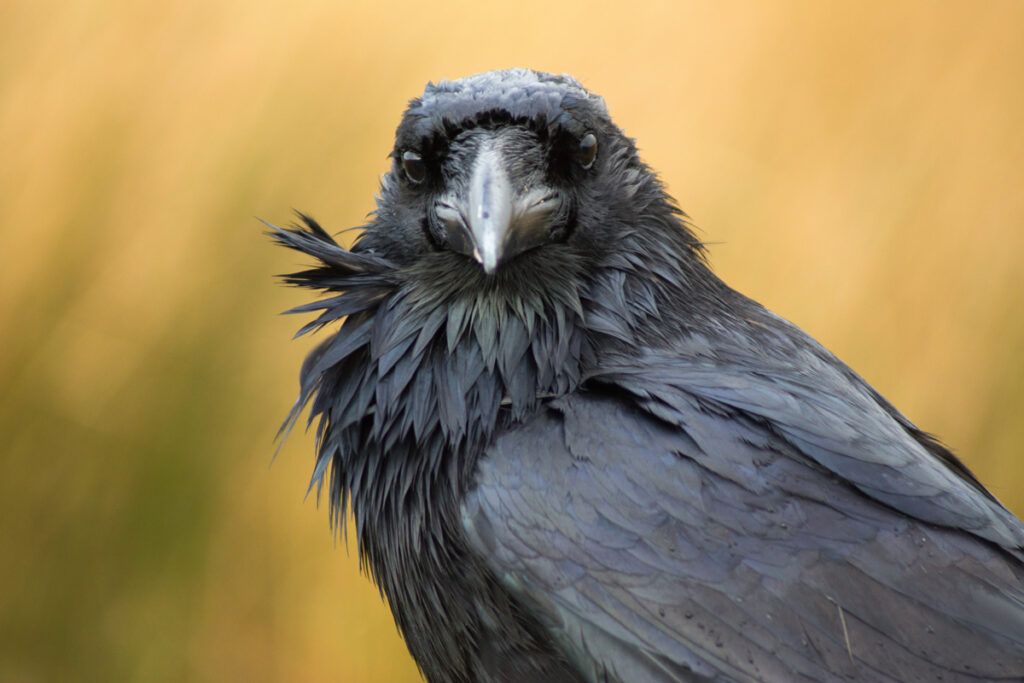
Crows have surprisingly good memories — research has shown that American crows can recognize individual human faces and remember people they associate with danger. In one series of experiments, researchers wore rubber human masks while capturing, banding, and releasing crows. The birds later recognized the masks and responded aggressively toward anyone wearing them, even years after the original encounters.
Crows also learn by watching what other crows do. Researchers have found that American crows can learn to recognize a dangerous human face by observing the reactions of birds that have encountered that person before. In other words, a crow doesn’t always have to experience a danger firsthand to learn from it.
Social learning also plays a role in how young crows develop their skills. Young New Caledonian crows spend considerable time around adults while those adults forage and use tools, giving them opportunities to observe useful behaviors. Young birds also experiment and practice by themselves, suggesting that crow intelligence comes from a combination of learning from others and figuring things out independently.
They Can Adapt to a Human-Dominated World
Crows have become remarkably successful in places transformed by people. They live in cities, suburbs, farms, and other human-dominated environments, where food sources, traffic, buildings, and daily activity can change the landscape around them.
Their ability to learn from experience and adjust their behavior helps them take advantage of those changing conditions. Research on urban corvids has found that many species thrive in cities, benefiting from abundant food, nesting opportunities, and relatively low levels of predation.
Different bird species face different challenges, and intelligence isn’t an ability that can be measured with one single score. We can’t say for certain that crows are the smartest bird of all, although their performance on a wide range of cognitive tasks certainly places them among the most impressive.
What we can say is that crows continue to surprise researchers with their abilities. Their combination of learning, memory, problem-solving, and behavioral flexibility makes them exceptionally adaptable — and when it comes to survival, adaptability is a pretty smart advantage.