6 Giant Animals With Weirdly Small Body Parts
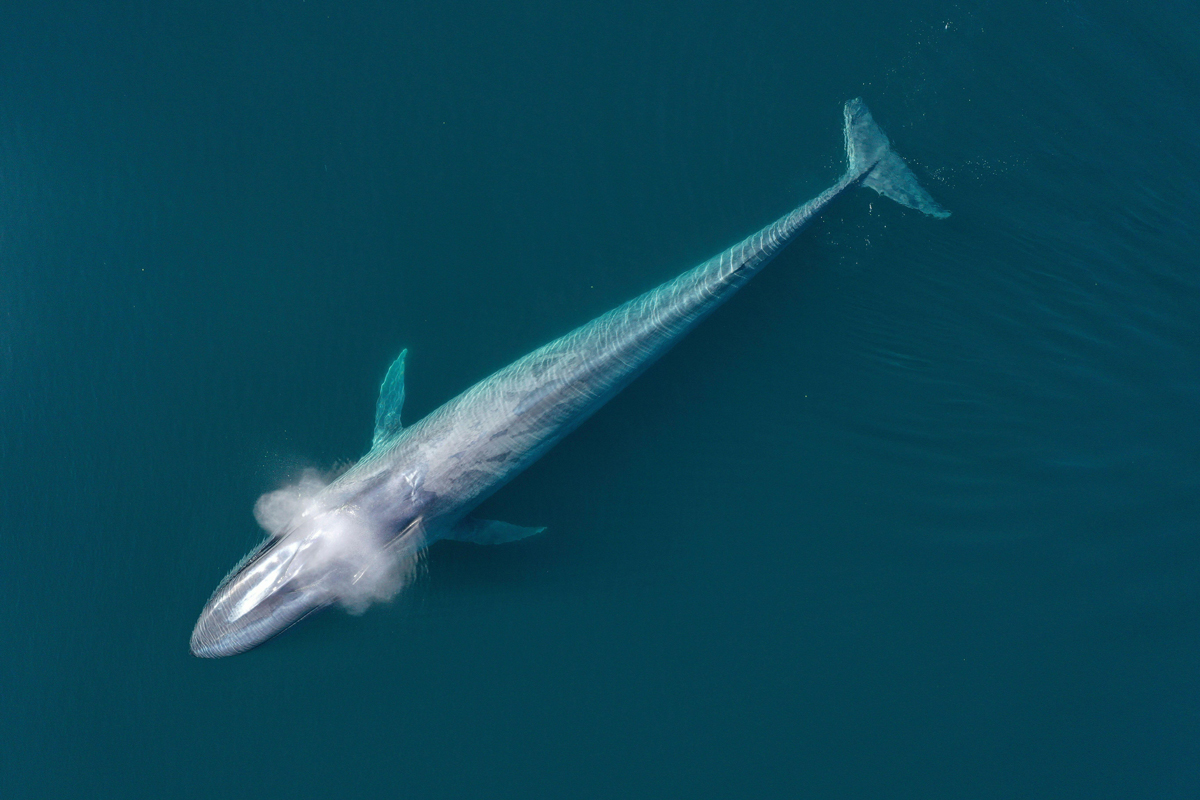

In nature, bigger isn’t always better. Small animals require fewer resources, can hide more easily and reproduce more rapidly, plus they tend to evolve at a faster rate. But larger animals do have some advantages of their own: They’re typically more resistant to predators (some have no natural predators at all), better at hunting prey, and sturdier during periods of hardship, often with greater potential for intelligence with their bigger brains.
But even big animals can have surprisingly small body parts. Across the animal kingdom, some of the largest creatures alive are stuck hauling around one absurdly undersized part, whether it’s a brain, an eye, or a strangely tiny set of teeth. Here are six giant creatures who never quite got the evolutionary memo to scale up accordingly.
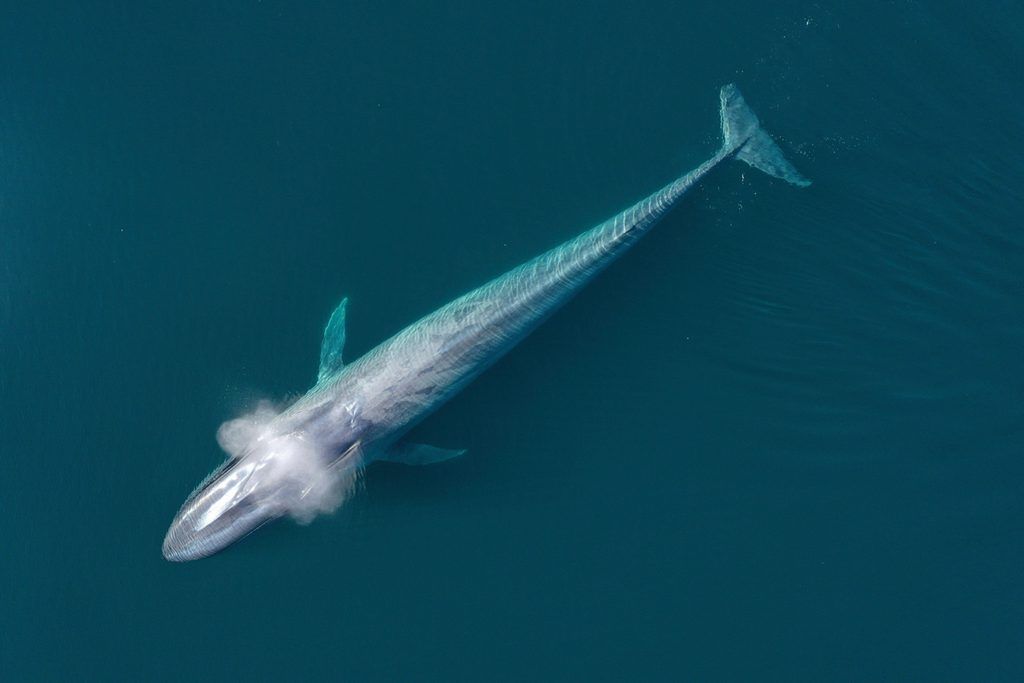
Blue Whales Have Strangely Narrow Throats
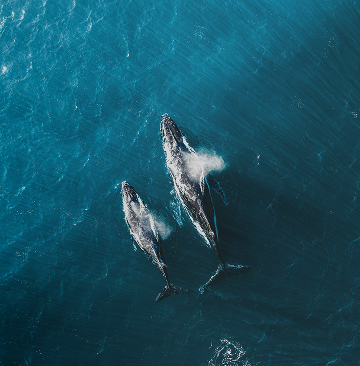
The blue whale is the largest animal that ever lived, but its throat is only about 4 to 8 inches wide — barely big enough to swallow a grapefruit, which seems odd for a creature with a heart the size of a Harley-Davidson and a tongue the size of a small elephant. Despite swallowing several tons of krill per day, these giants are anatomically incapable of ingesting anything much larger than a small fish. Good news for Jonah, bad news for small crustaceans.
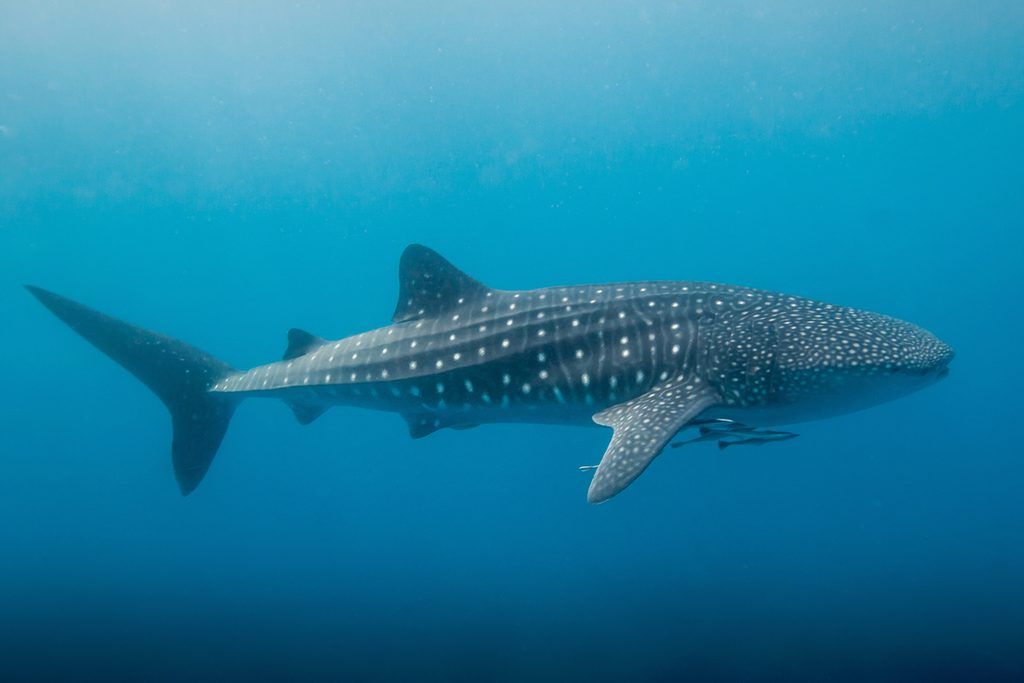
Whale Sharks Have Thousands of Tiny Teeth
The whale shark is the largest fish in the world, stretching up to 40 feet long. You may expect such a mighty shark to have fittingly terrifying chompers, but a whale shark’s mouth is lined with thousands of teeth that are each only a few millimeters long, or roughly the size of a grain of rice.
Unlike other sharks, whale sharks don’t use their teeth to bite or chew. They’re filter feeders, straining plankton and small fish through specialized gill structures. So while their mouths can stretch to 4 feet wide, their tiny teeth are essentially nothing more than vestigial leftovers from an ancestor who once needed to bite.
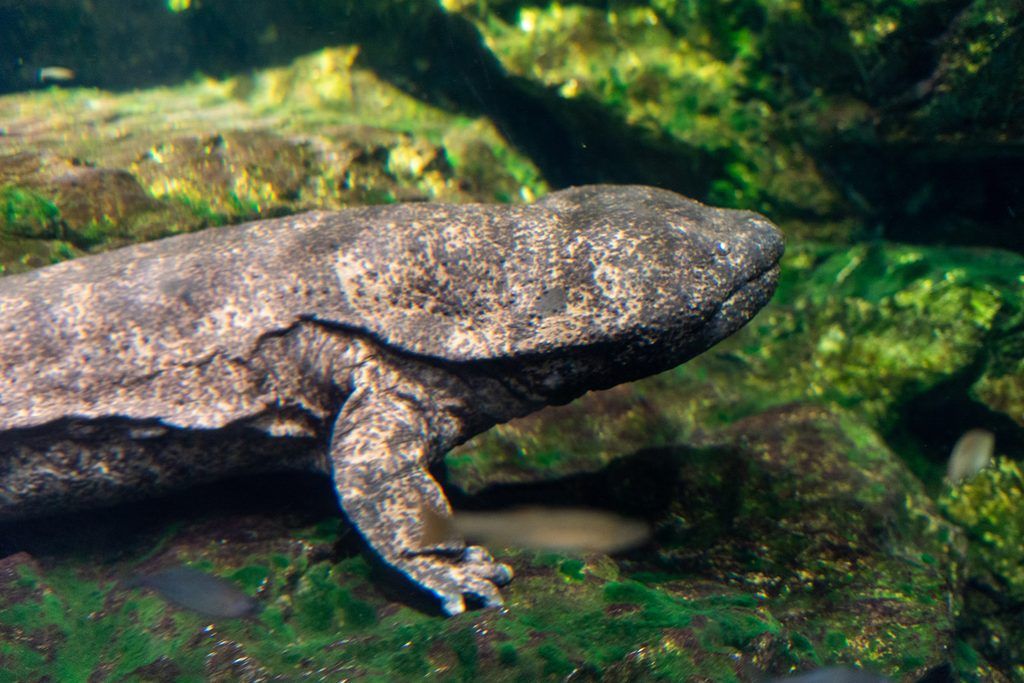
Giant Salamanders Have Tiny Eyes
The Japanese giant salamander can grow to nearly 5 feet long, making it the second-largest salamander species and one of the largest amphibians on Earth. But on its big flat head are tiny, lidless eyes that look like little dots and offer only basic light detection. In the cold, murky mountain streams they call home, they rely almost entirely on smell and vibrations in the water to navigate and detect prey.
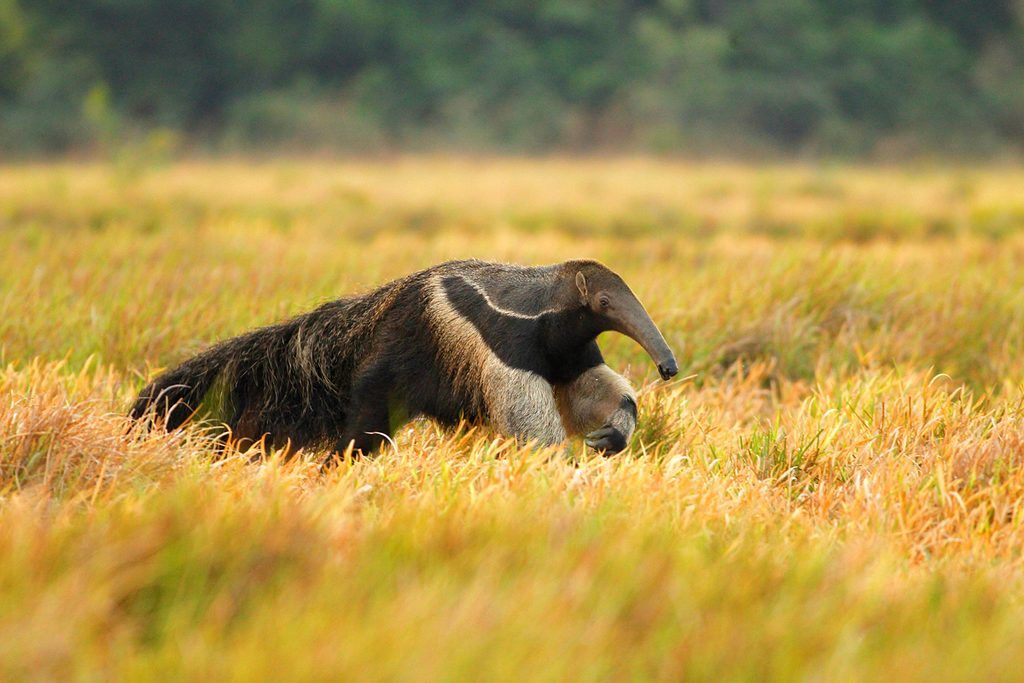
Giant Anteaters Have a Mouth the Width of a Finger
The giant anteater can grow up to 8 feet long from nose to tail, but its puckered mouth is barely the width of a human finger. It has no teeth at all, and it really doesn’t need them: Its narrow mouth exists purely to let its sticky, 2-foot-long tongue dart in and out up to 150 times per minute, lapping up some 35,000 ants and termites a day without ever needing to chew.
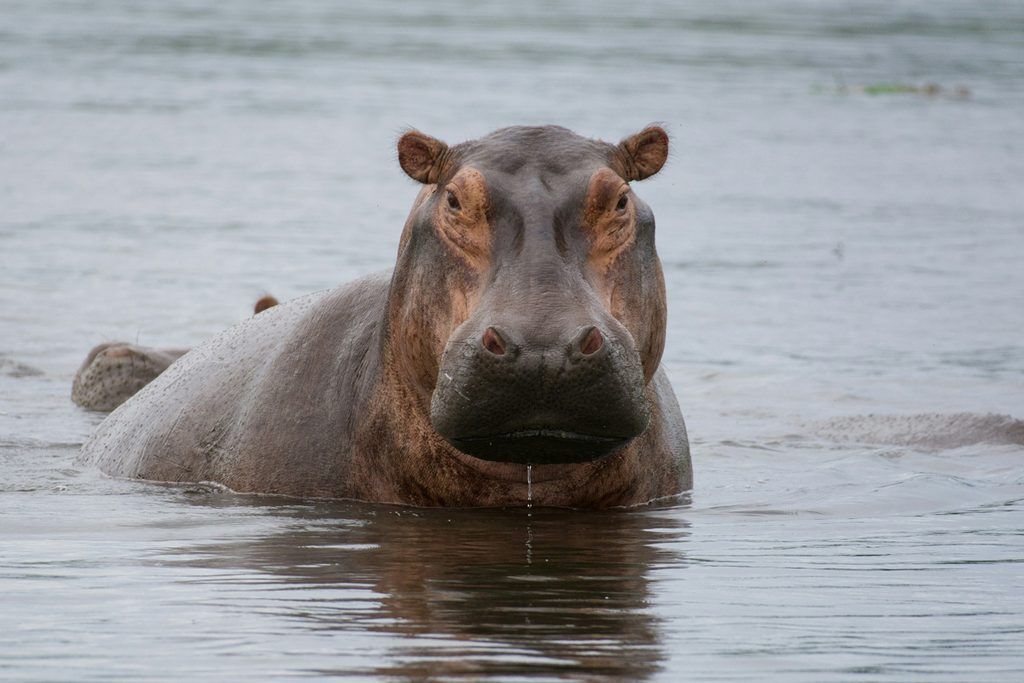
Hippos Have Small Brains for Their Body Size
Hippos can weigh up to 3.5 tons, making them the third-largest land mammal after elephants and white rhinos. Relative to their body size, however, their brains are — to put it politely — quite modest.
Like many large herbivores, including horses and elephants, hippos don’t need the processing power of many smaller, more agile predators, so evolution kept their brains more economical. If you’re wondering which animal has the smallest brain-to-body weight ratio of any vertebrate, that dubious honor is frequently attributed to the bony-eared assfish (yes, it’s real), although the aforementioned whale shark is also a contender.
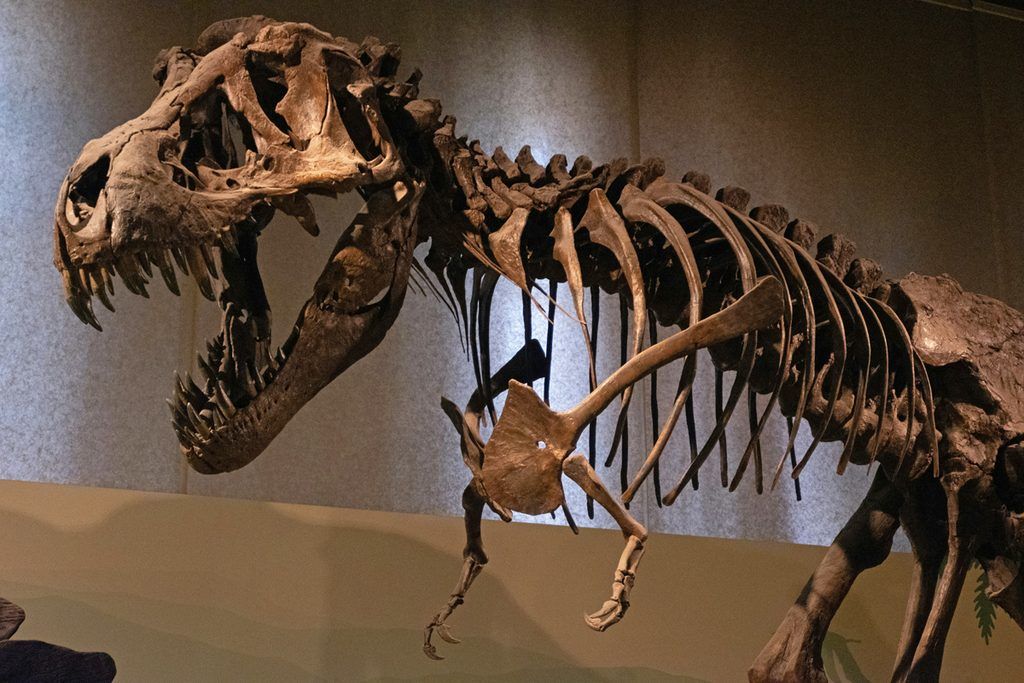
Honorable Mention: The Tyrannosaurus Rex’s Silly Little Arms
Despite being long extinct, the Tyrannosaurus rex deserves an honorable mention for its ridiculously teeny arms. A full-grown T. rex could have reached 40 feet long and weighed up to 8 tons, yet its arms measured only about 3 feet — not all that much longer than an adult human’s arm.
Scientists believe the T. Rex may have ended up with such tiny limbs simply because of a reliance on its massive, powerful jaws to catch, tear up, and eat prey. Over time, evolution simply favored its jaws and head, ultimately making dinosaur arms little more than an internet meme.