
The Secret Meanings Behind 7 Weird Cat Habits
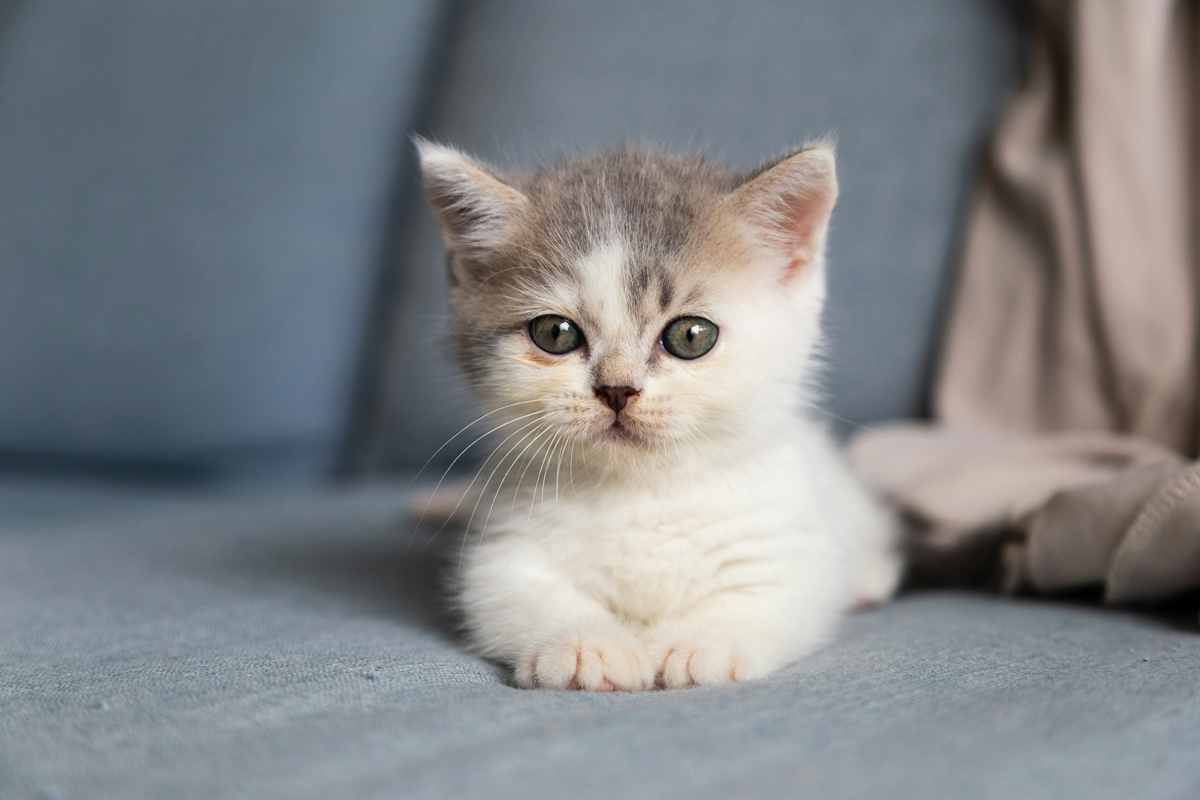

When it comes to cats, what you see is rarely what you get. Housecats share more than 95% of their DNA with tigers, and that wild side sometimes makes them do things that we cannot comprehend.
Even their everyday activities, such as sleeping, scratching, and sniffing, can conceal secret behaviors that make felines an endless source of fascination. Let’s dig into a few of them.
Taking Measurements
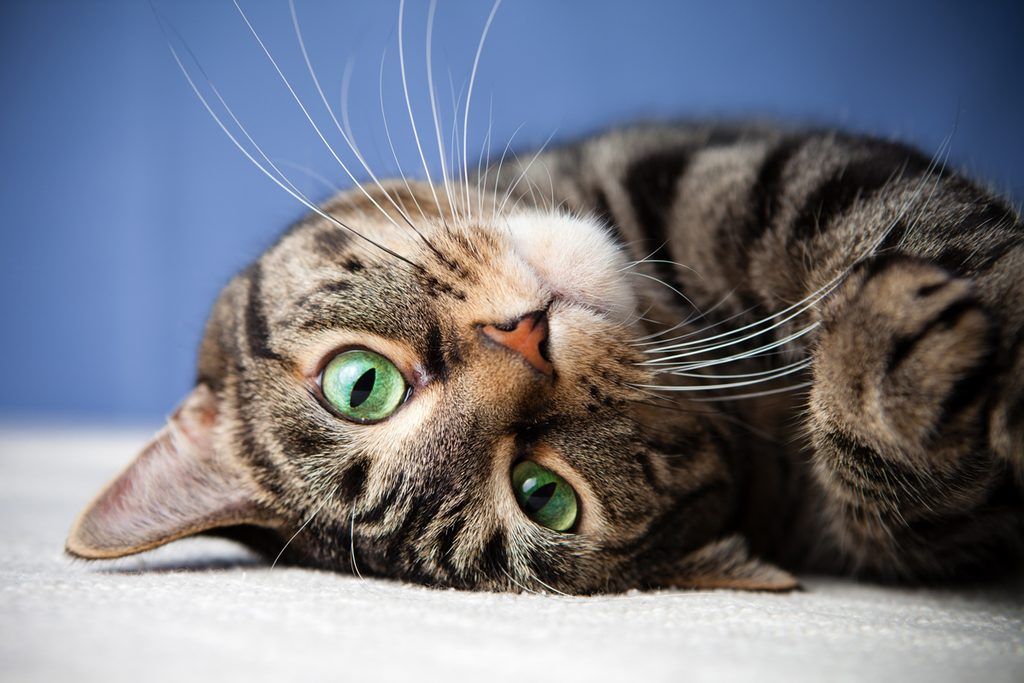
Your cat has a built-in tape measure located right on their face. Packed with nerve endings and rooted deep within the skin, whiskers are one of a cat’s handiest tools.
These tiny organs, also known as vibrissae, are fitted with proprioceptors right on the tips. They pick up vibrations and send them straight down the whisker shaft and into the brain, which decodes the signal and helps guide the cat through its environment. For example, your cat’s whiskers are as long as their body is wide, so if the tips brush against the edge of a tunnel, it could signal the passage is too tight of a squeeze to navigate.
Stealing Your Body Heat
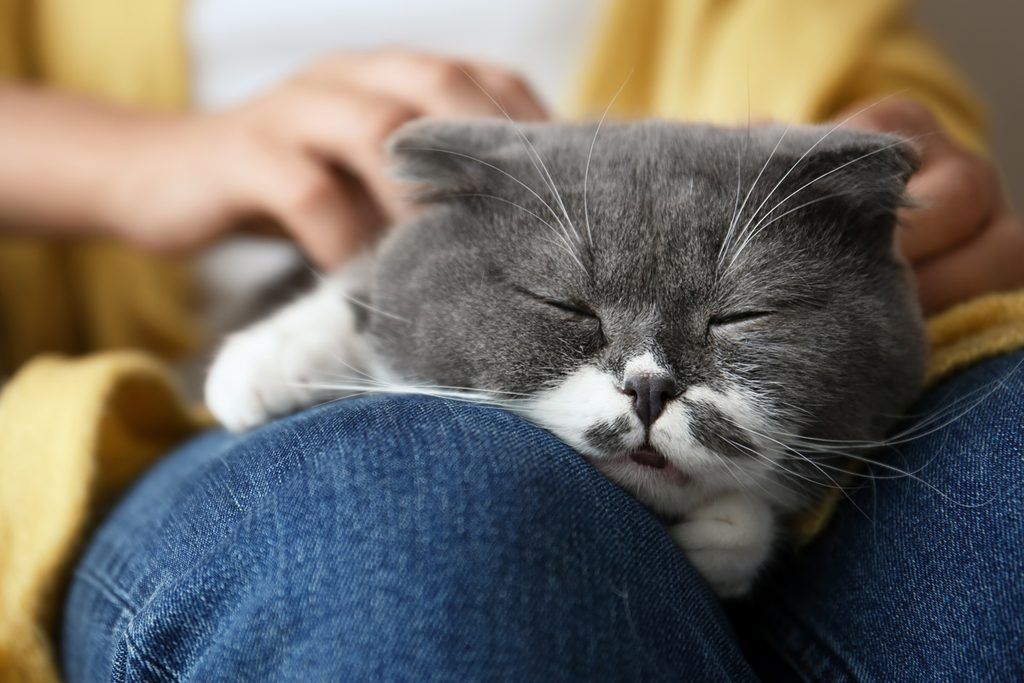
Okay, perhaps “sharing” is a better word for it. Cats who sleep on your chest are usually drawn there because it’s a warm, solid surface that feels good to lie on. Not only that, but it’s believed that the rhythmic thumping of their person’s heartbeat may bring them back to their kitten days, lending a sense of comfort that results in a greater bond between both of you.
Asserting Ownership
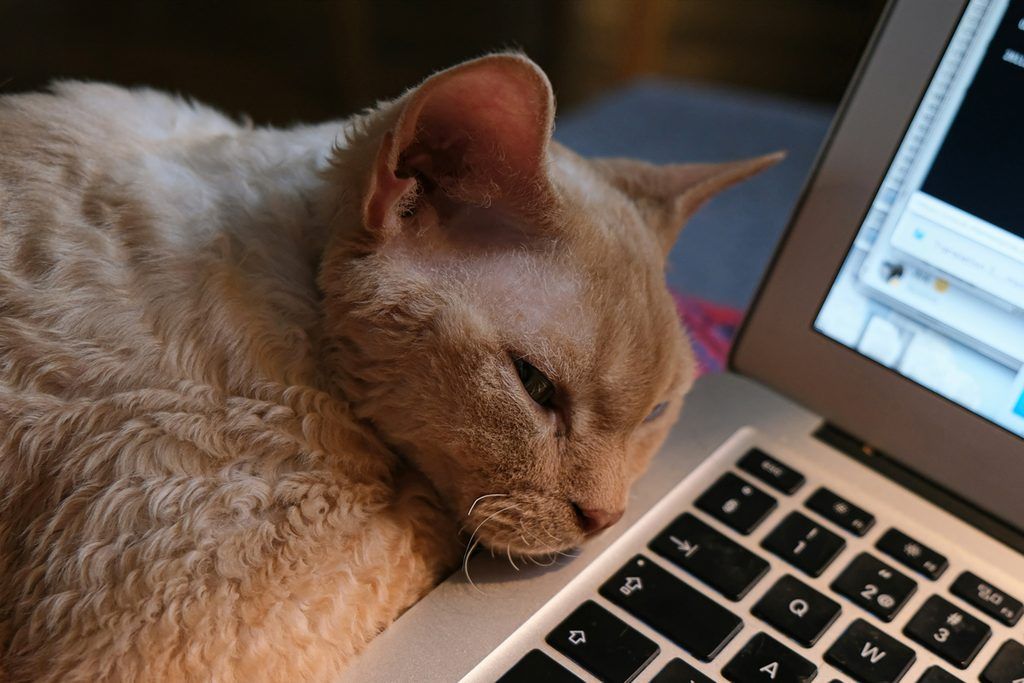
Have you ever tried working on your laptop, only for your beloved kitten to plop right down on the keyboard? It’s probably obvious that your cat isn’t interested in your career, but this is also their way of reminding you that they are your one true boss.
Scent rules everything in a cat’s world, and marking their scent is how cats establish their territories. When your cat climbs onto your workstation or pats at your phone, they’re simply transferring their smell onto something they see you touching all the time in an attempt to rebrand it as their own.
Tiptoeing Around
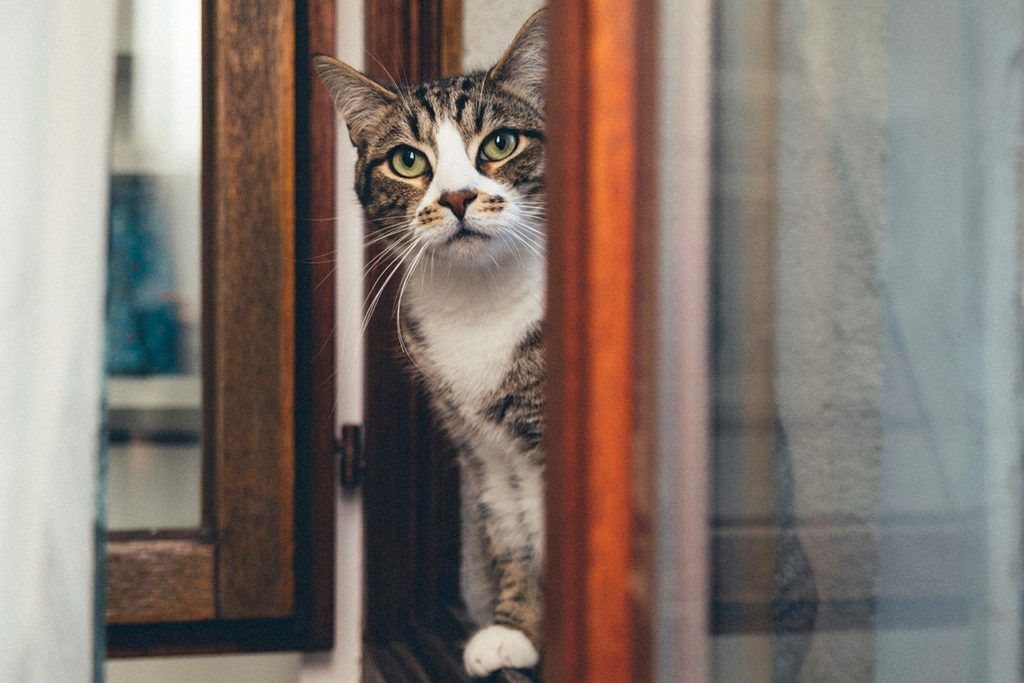
If you’ve ever wondered how cats can lurk around the house without making a sound, it’s because they’re walking on their toes — literally. Known as digitigrade stance, cats use only their phalanges to move across the room.
In fact, their cute little paws are not actually their feet, but rather just their toes. The rest of their feet are positioned higher up on their legs, and you’ve probably seen them in action when your cat leans back to jump upward or spring forward.
Giving Their Paws a Pedicure
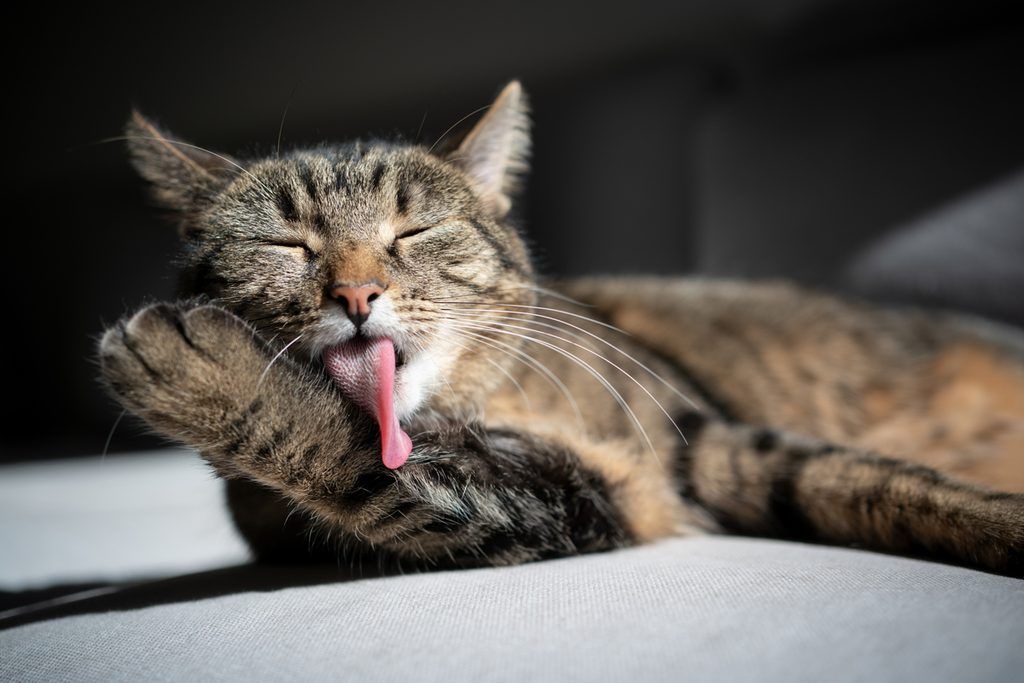
When you rely on your toes to get around, you need to keep them in tip-top shape. Many cats groom for up to 50% of the day, which includes paying close attention to their nails.
When you see your cat shredding your couch or curtains, they aren’t being merely destructive; they’re also keeping their claws in shape to help them effectively climb, dig, defend, and hunt, if need be. If you’d prefer to keep your fabrics in one piece, a scratching post may be a worthy investment.
Picking Favorites
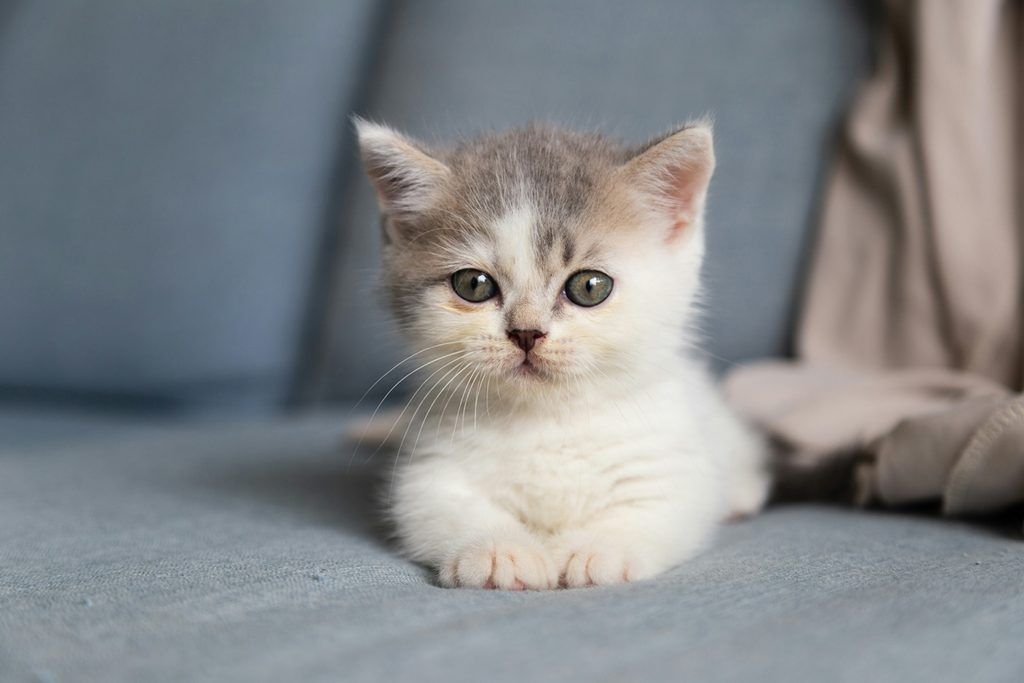
It may be impossible to choose your favorite cat, but when it comes to picking people, cats don’t have the same issue. Cats are the most relaxed in calm, predictable environments. Similarly, cats are drawn to calm, predictable people.
That’s why they may run from that one loud friend who immediately goes to grab them when visiting but crawl all over the person who “doesn’t like cats.” The latter energy exudes that cool, aloof cover that cats are known for — and apparently, that they appreciate in others as well. That said, they do have a special appreciation for those who care for them, so in addition to giving your cat space, feeding them, acknowledging them, and playing with them are all keys to earning that No. 1 spot.
Keeping an Eye on the Clock
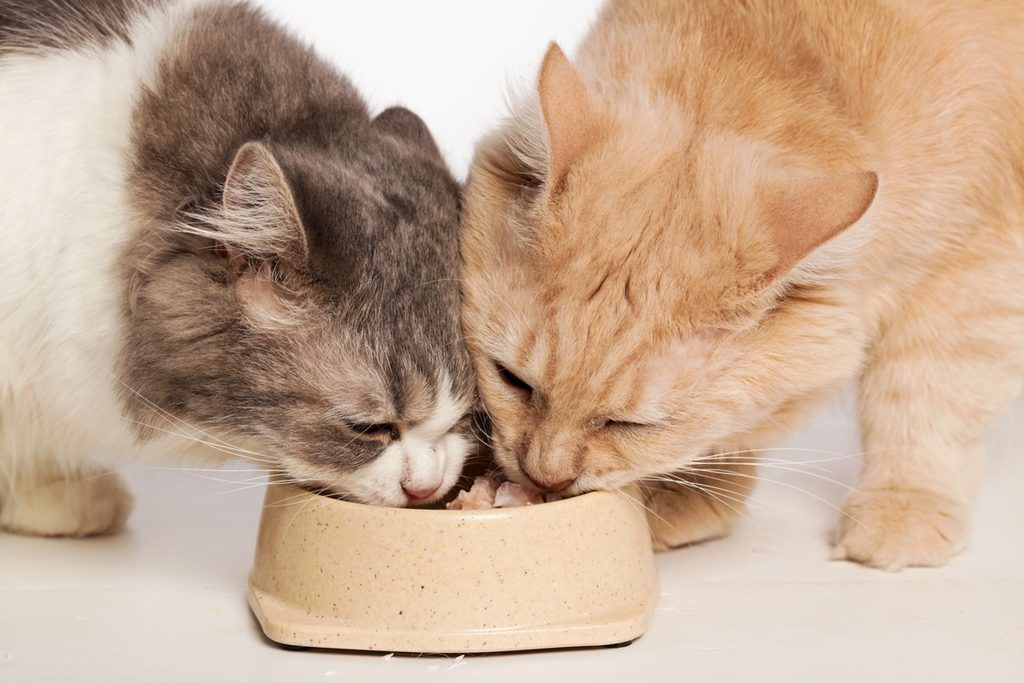
Cats may typically prefer playing it cool, but when it comes to feeding time, they’re anything but low-key. Our feline friends are creatures of habit, and they track our routines so they know when to expect their next meal.
This explains why most cats who get fed before you go to work during the week rarely allow you to sleep in on the weekends. Felines can also use their noses to get a rough sense of time passing — the longer you’ve been away from home, the more faint your smell becomes.