The 7 Smartest Creatures in the Animal Kingdom

How do you measure brainpower in the animal kingdom? Scientists don’t have a singular IQ test for animals, and comparing intelligence across species isn’t exactly like comparing apples to apples. Intelligence can look like solving puzzles, remembering faces, using tools, learning from others, communicating with a group, or figuring out how to get what you want without getting caught.
Taking several of those measurements together, however, a few animals stand out as being especially bright. Here are seven animals whose cleverness puts them at the top of the class.
Chimpanzees
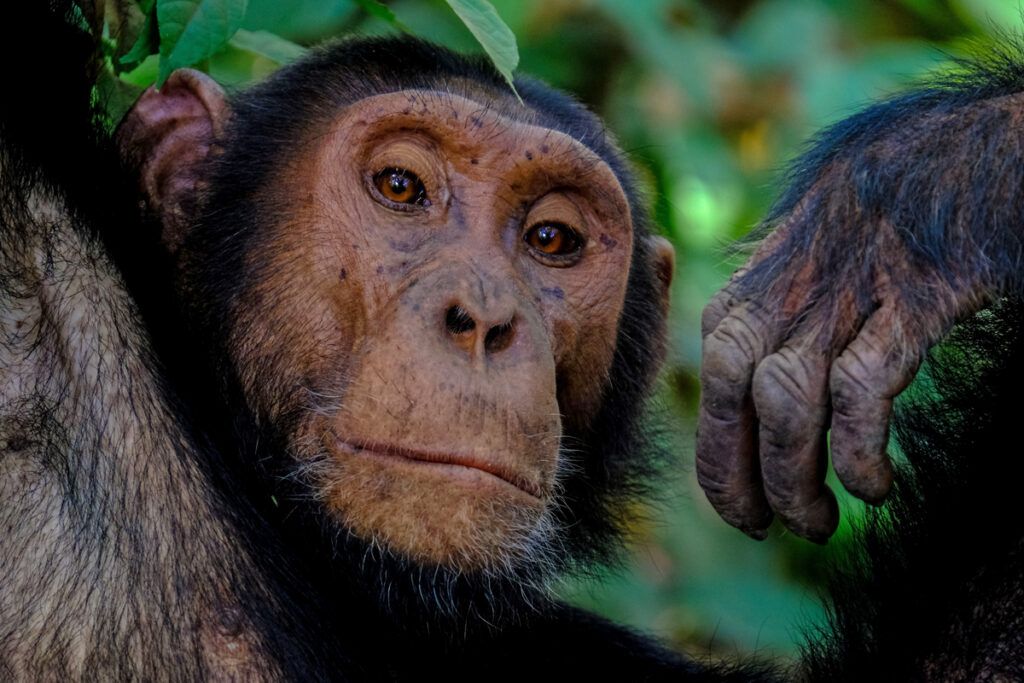
Our closest living relatives are also some of the animal kingdom’s most capable problem-solvers. Chimpanzees use sticks to collect termites from nests and leaves as sponges to soak up water. Different chimpanzee communities even have distinct tool-using traditions, suggesting some behaviors are learned socially and passed between generations.
Their intelligence extends beyond tools as well: Chimps have excellent memories, can learn complex sequences, and can anticipate other individuals’ actions. They can also recognize themselves in mirrors and on video, a rare ability that suggests some degree of self-awareness. Young chimps spend years watching and imitating older members of their communities, learning the skills they’ll need to survive in adulthood.
Dolphins
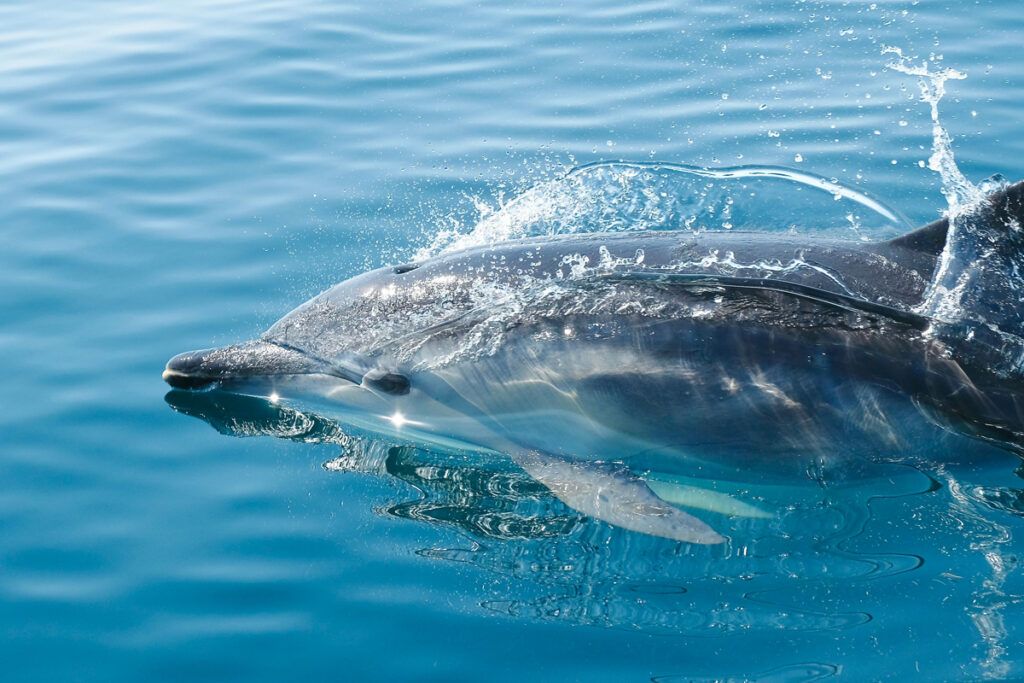
Dolphins have large and complex brains, but their intelligence is better measured by what they use those brains to do. They can recognize themselves in mirrors, remember individuals for years, and use sophisticated communication systems. Bottlenose dolphins even develop individual signature whistles that function similar to names, allowing them to identify and call one another.
They’re also clever hunters. Dolphins work together to herd fish, and some populations have developed distinctive hunting techniques that are passed from one generation to the next. They have even been observed carrying marine sponges while foraging along the seafloor to protect their sensitive beaks from sharp rocks.
Crows
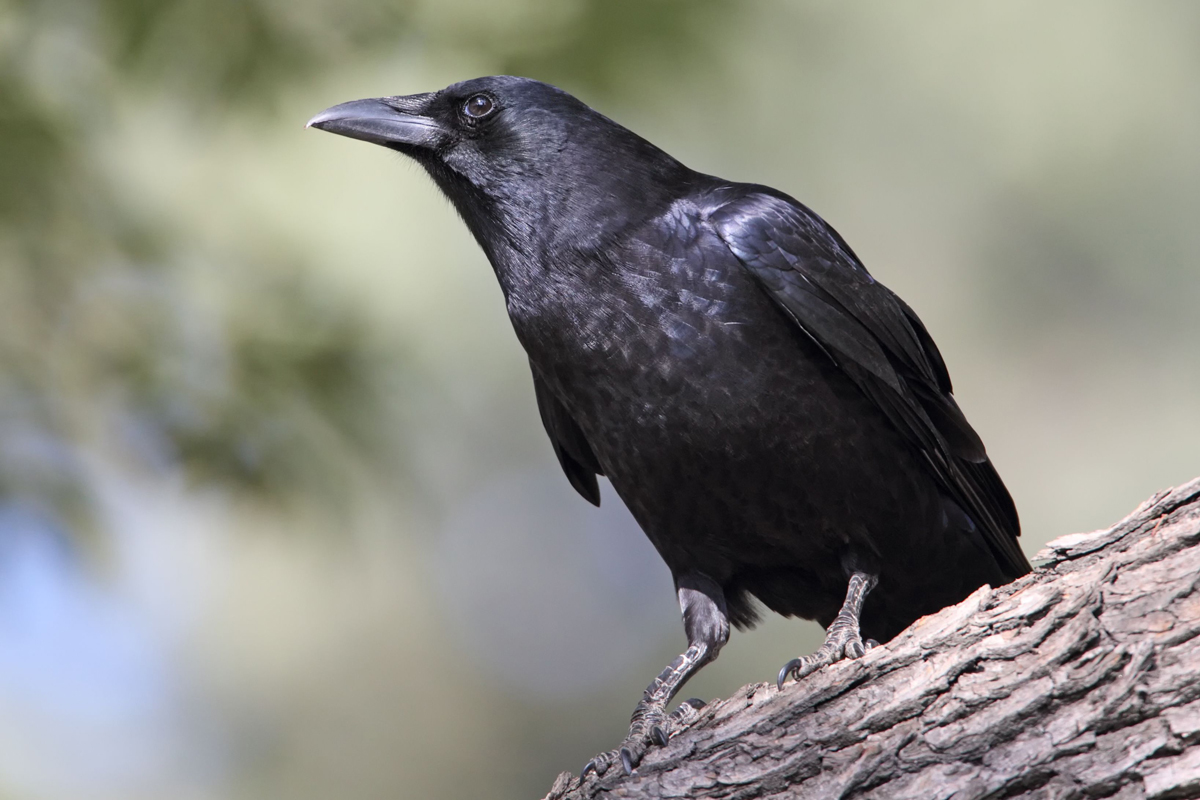
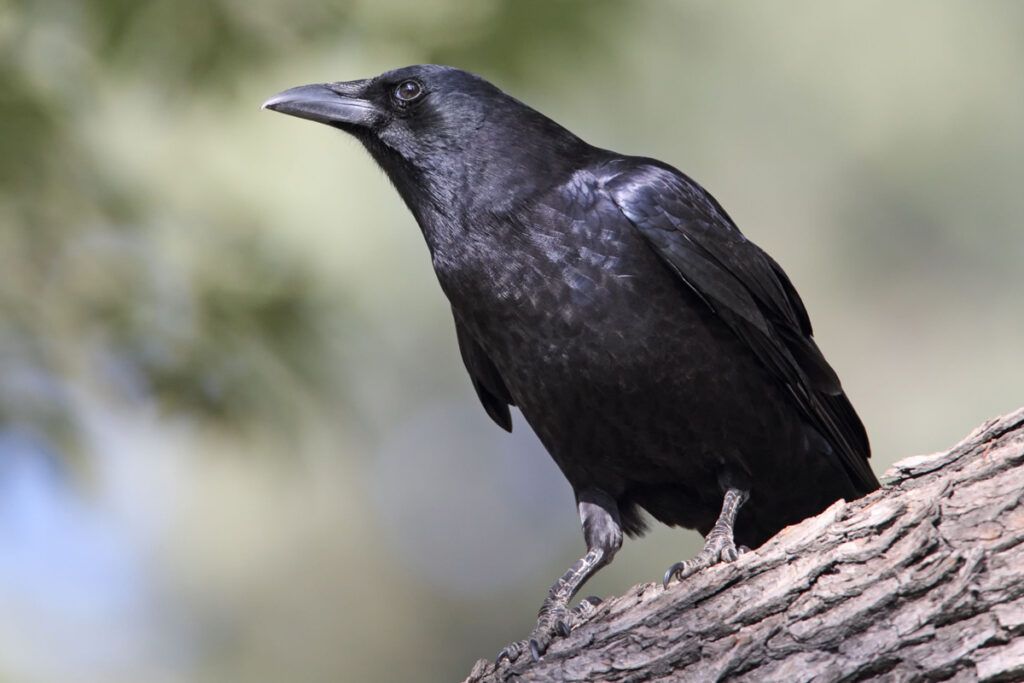
Crows and their relatives in the corvid family are among nature’s most capable problem-solvers. They can remember human faces, use tools to reach food, and find solutions to complex problems. In laboratory experiments, some crows have learned to use one object to obtain a second tool, then use that latter tool to reach food — demonstrating an ability to work through a sequence of steps to achieve a goal.
Their ability to make, modify, and use tools comes in handy in the wild. New Caledonian crows shape twigs and leaves into tools used for extracting insects from hard-to-reach places, adjusting their techniques based on experience. They can also remember which tools work best for particular tasks.
Elephants
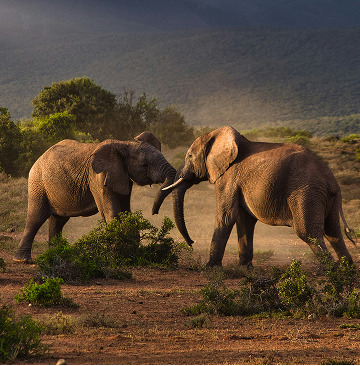
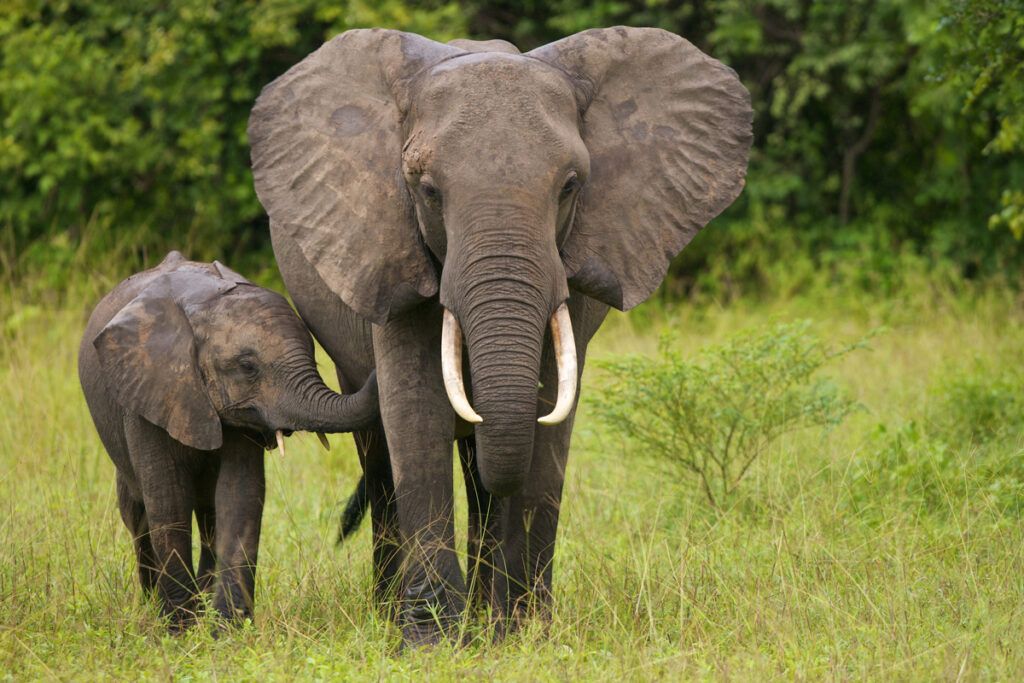
Elephants are famous for their memories for good reason: They have strong spatial memories that allow them to remember important locations such as water sources and feeding grounds, even after long periods away — valuable skills during difficult seasons when water and food are scarce. They can also use branches and other objects as tools, and their ability to manipulate such objects requires coordination, flexibility, and problem-solving.
Their intelligence shines in their social behavior too. Elephants can recognize individuals after years apart and distinguish the voices of familiar elephants. They also display empathy, work cooperatively, and show understanding of complex relationships.
Octopuses
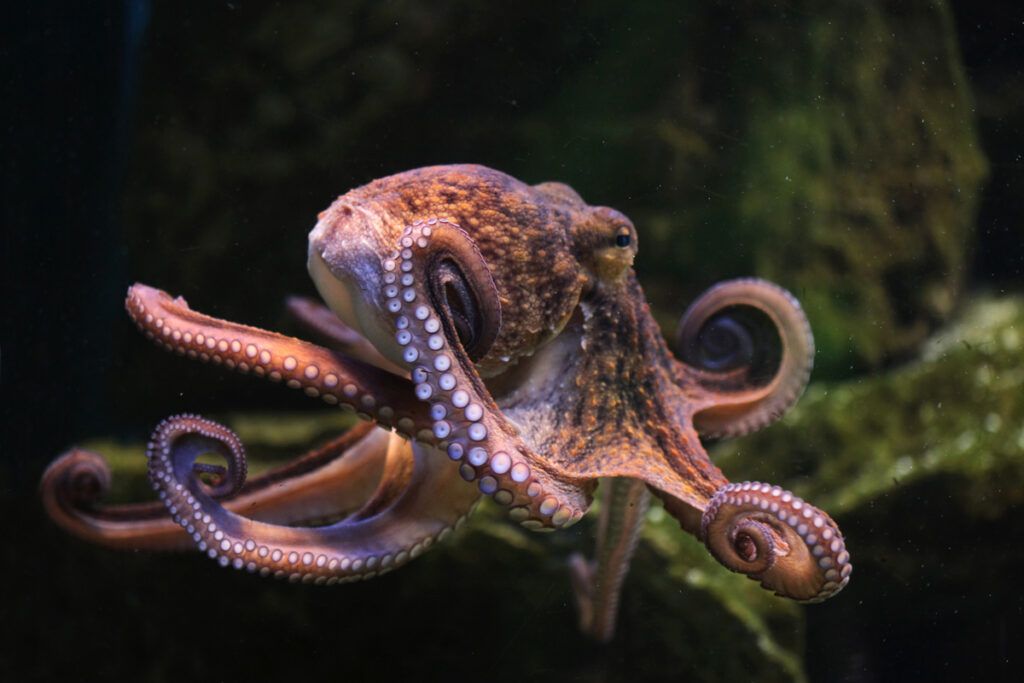
Octopuses have demonstrated they can learn through observation and experience, solve puzzles, and remember solutions. Octopus intelligence is especially unusual because much of their nervous system is distributed throughout their bodies, with a large portion of their neurons located in their arms. Each arm can process sensory information and control complex movements somewhat independently.
They’re also skilled at manipulating their environment. Octopuses have been known to open containers to reach food, use tools, escape enclosures, and squeeze through surprisingly tiny openings. Their problem-solving abilities and flexible bodies make them formidable hunters in the wild and endlessly fascinating animals to observe.
Pigs
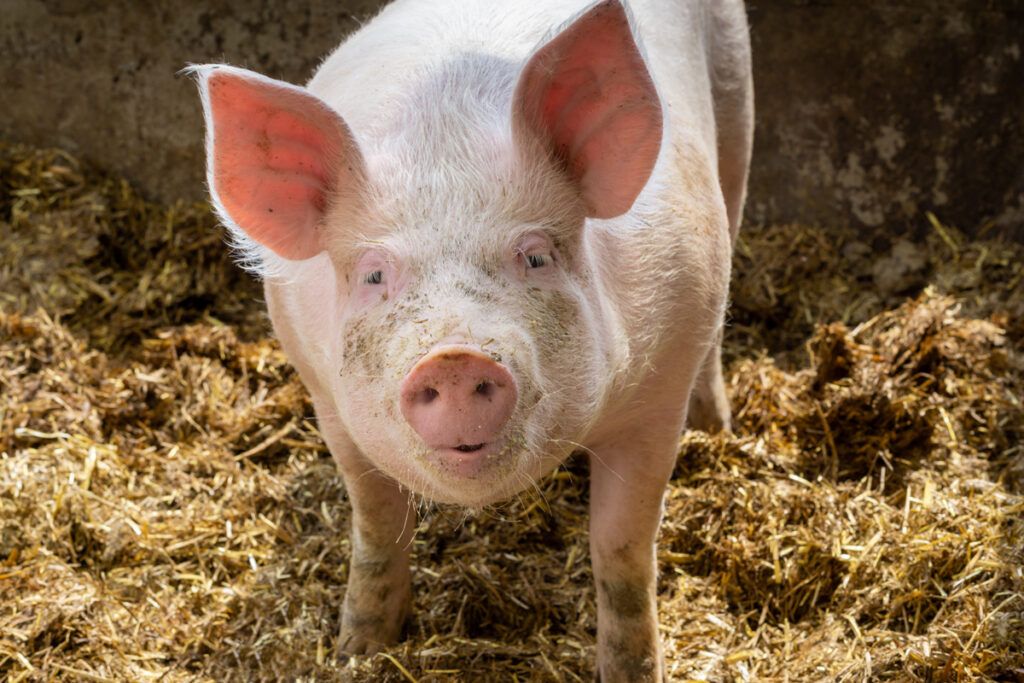
Pigs are highly intelligent, adaptable animals with strong memories and an impressive ability to learn. They can remember locations, recognize individuals, and solve problems using objects in their environment. Research has found that pigs can use mirrors to help locate hidden food, which may indicate a level of self-awareness.
They’re also highly social animals, capable of learning from one another and adjusting their behavior based on what their fellow pigs are doing. Their ability to learn commands and quickly adapt to changing circumstances has made them important subjects in studies of animal cognition.
Rats
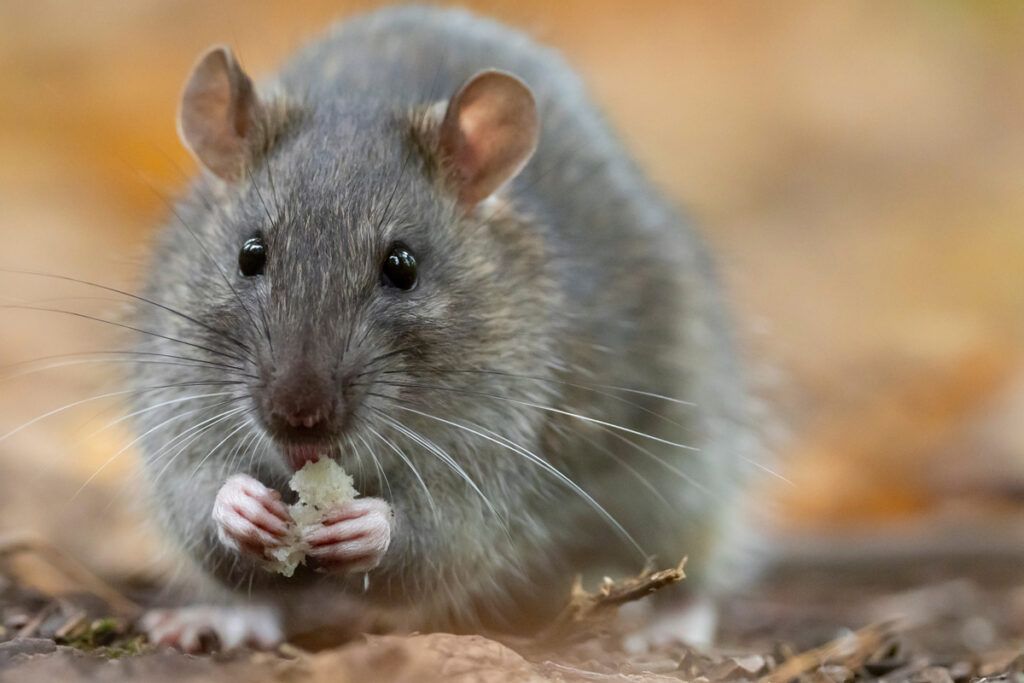
Rats are clever, curious animals with an ability to learn quickly. They can navigate mazes, remember routes, recognize familiar individuals, and adapt when the rules of a problem change. Their strong spatial memory helps them remember where they’ve found food and how to find their way through unfamiliar surroundings.
These animals are also highly social and curious. In laboratory studies, they’ve learned to perform specific tasks for rewards and quickly pivot when those guidelines change. Some research suggests rats will even help other rats in distress, offering a glimpse of their sophisticated social intelligence.