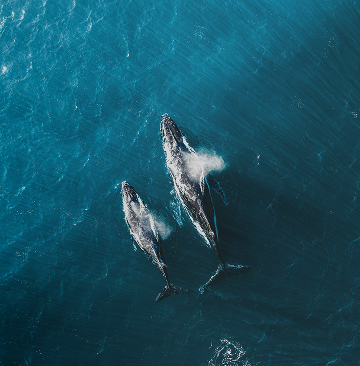
5 Animals With Senses Humans Don’t Have
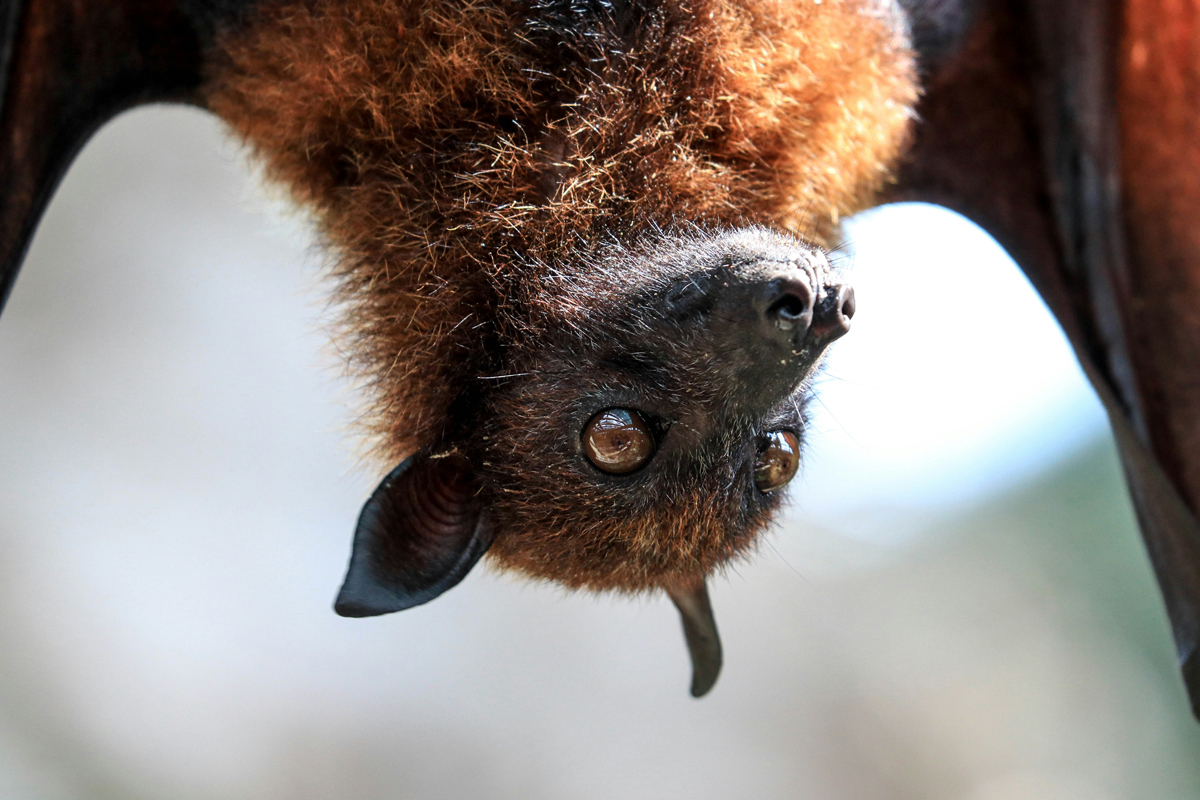
Close-up of a bat hanging upside down
Credit: Sonia Nadales/Unsplash.com

Unless you’re like Haley Joel Osment’s character in The Sixth Sense, most humans are born with just the five basic senses: vision, hearing, touch, taste, and smell. The same goes for other animals, though you may be surprised to learn about all the “sixth” senses that exist in the animal kingdom. 

Some creatures can sense electrostatic fields, others can visualize heat, and various animals use sound waves to navigate their surroundings. Here are several examples of animals with senses that we humans lack.
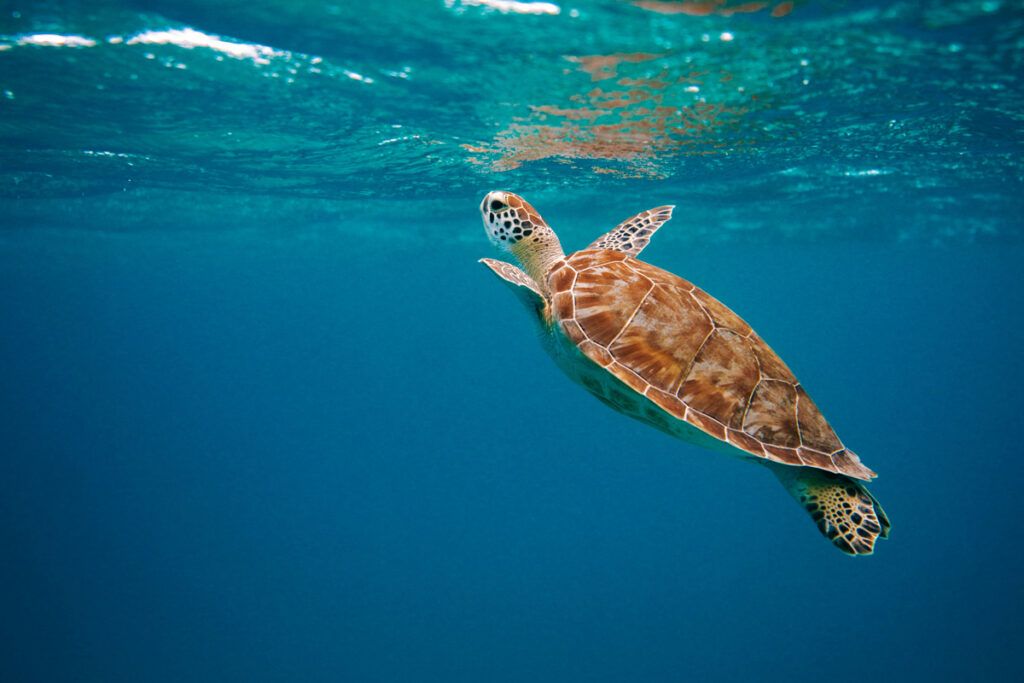
Credit: David Courbit/Unsplash.com

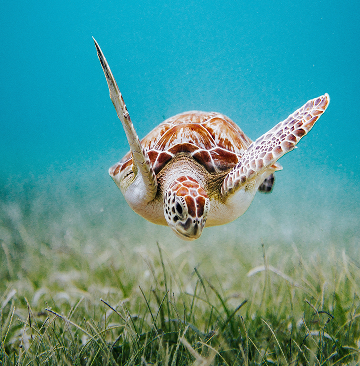
Sea Turtles: Magnetoreception

Imagine having the ability to navigate long distances without having to consult Google Maps even once. Sea turtles have just that, specifically in the form of magnetoreception, which essentially acts as a built-in compass that gleans information from the planet’s natural magnetic field. Turtles can also sense waves emanating from human-made structures such as offshore wind farms and power lines.

Whatever the source may be, studies show the turtles essentially create maps in their brains using the information provided by Earth’s magnetic fields. They can use those “maps” to travel to specific destinations, even ones located thousands of miles away. This comes in handy especially during migratory periods, allowing them to return to the precise spot they originally migrated from. 

Magnetoreception is also present in a number of migratory animals besides turtles, such as salmon, birds, and insects. Perhaps one day scientists will devise a way for human snowbirds to use magnetoreception when traveling to Florida for the winter, but that day has not yet arrived.
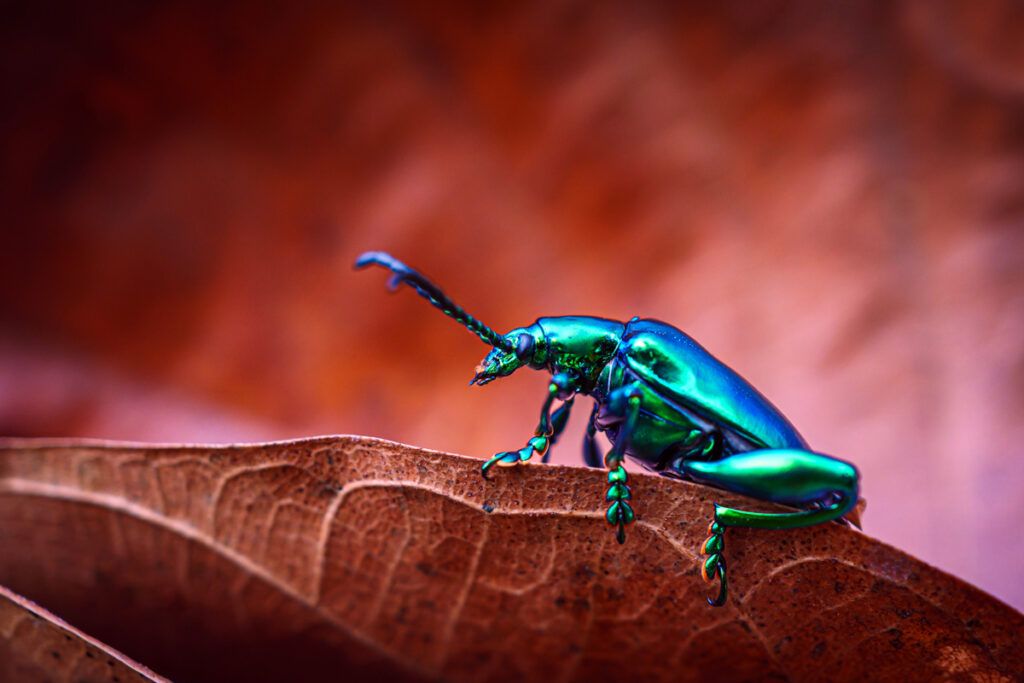
Credit: NARONG/Adobe Stock

Jewel Beetles: Infrared Detection

Much like expectant parents searching for the right hospital, the jewel beetle is rather particular when it comes to where it gives birth. But unlike human parents, this beetle prefers to do so inside the charred husks of trees that have been damaged by forest fires.

You may wonder how jewel beetles can track down forest fires without access to news or social media. The answer lies in the creature’s genetic ability to detect infrared radiation from up to 50 miles away: Jewel beetles possess a pair of infrared-detecting organs that are used to sense heat. 

Those organs are located under their wings and absorb radiation at the precise dominant wavelength (3 micrometers) emitted by wildfires. After absorbing the heat radiation, the organs expand, providing the beetle with a sense of which direction it must go to find the charred arboreal remains.
Credit: Mike Workman

Octopuses: Polarized Vision

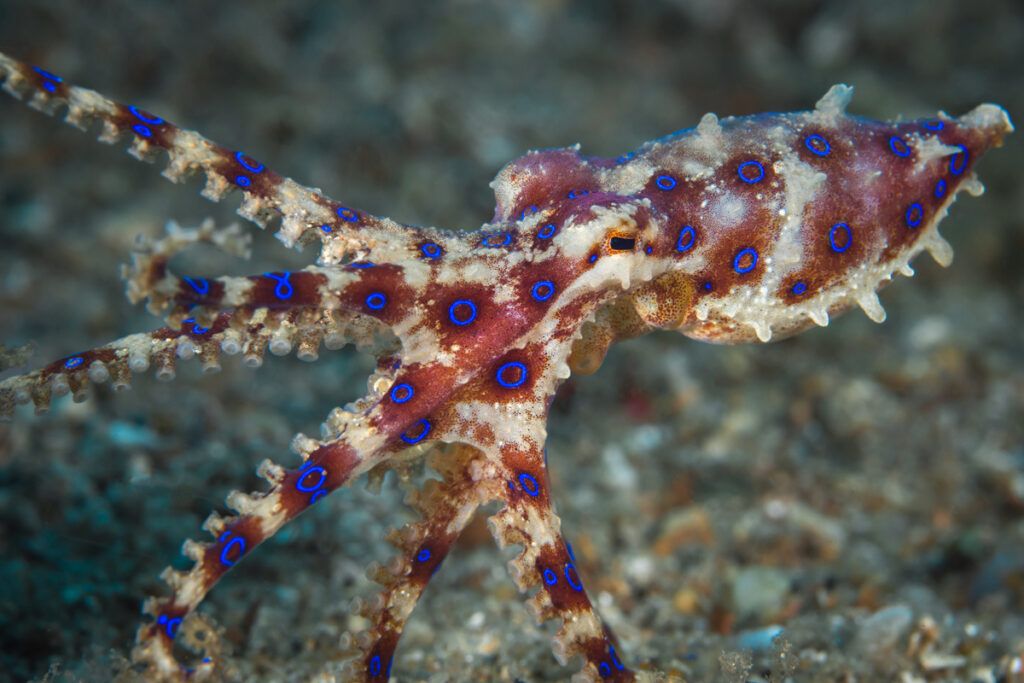
If you’ve ever worn a pair of polarized sunglasses, you know they’re ideal for eliminating intense glare. But under the sea, octopuses, along with other cephalopods including cuttlefish, also rely on polarized vision. Obviously those creatures don’t have access to Sunglass Hut or Warby Parker, but thankfully that helpful trait is built into their genetic makeup.

Octopuses are colorblind, and rely on polarized vision for protection and to navigate their surroundings. In many other creatures, the ability to process polarized light is impacted by spatial distortion — e.g., how the density of water causes light to refract and bend in a way that causes objects to appear blurry, closer/farther, or shaped differently than their actual form. 

But an octopus’s photoreceptor cells are able to process the polarized light directly without distortion. This allows octopuses to clearly see the polarized light that reflects off predators and prey, and to camouflage their bodies to match the polarization of their environment. 

There’s also a theory that octopuses may rely on this ability for hidden communication. In other words, they could potentially reflect polarized light off their own bodies to communicate with other octopuses, knowing that the reflections are imperceptible to other sea creatures.
Credit: Sonia Nadales/Unsplash.com

Bats: Echolocation

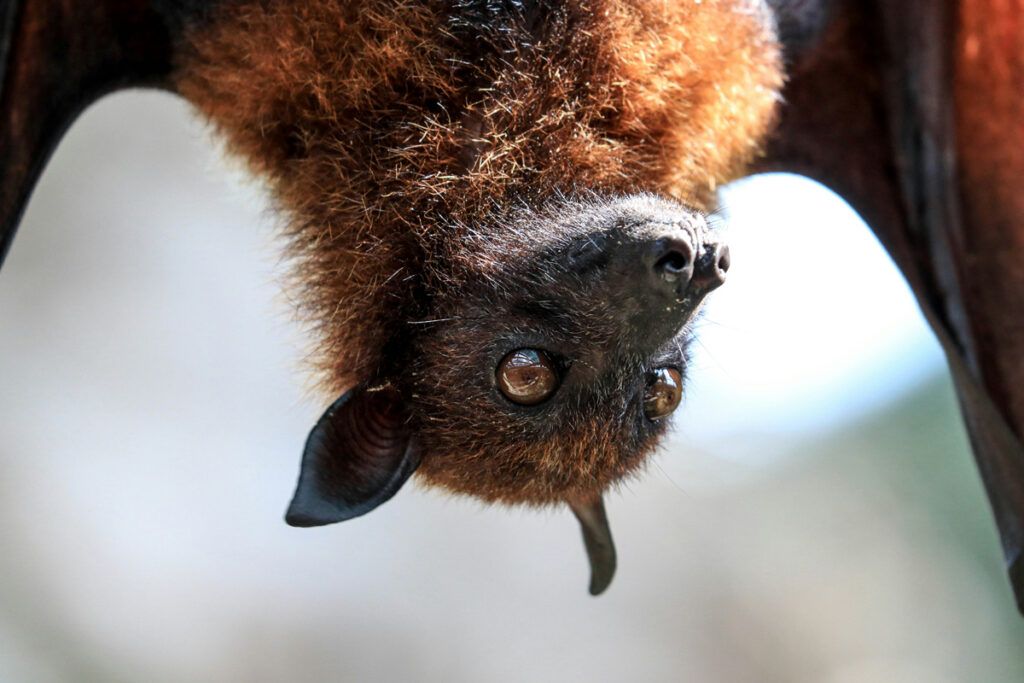
It’s a common misconception that bats are blind; if anything, they probably have better vision than most humans taking eye tests at the DMV. But despite the ability to see, bats largely rely on what’s known as echolocation to navigate and communicate.

Echolocation works by bats producing high-pitched sound waves that are imperceptible to the human ear. Those waves bounce off the surrounding environment and return to the source — the bat itself — to provide it with essential information. 

For instance, besides communication and navigation, bats also use echolocation for hunting, producing sound waves that bounce off an insect to reveal its location. This tells the bat where it needs to swoop for a nice five-star dinner.
Credit: Stephan Bechert/Unsplash.com

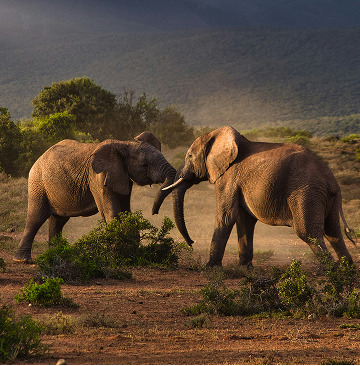
Elephants: Seismic Communication

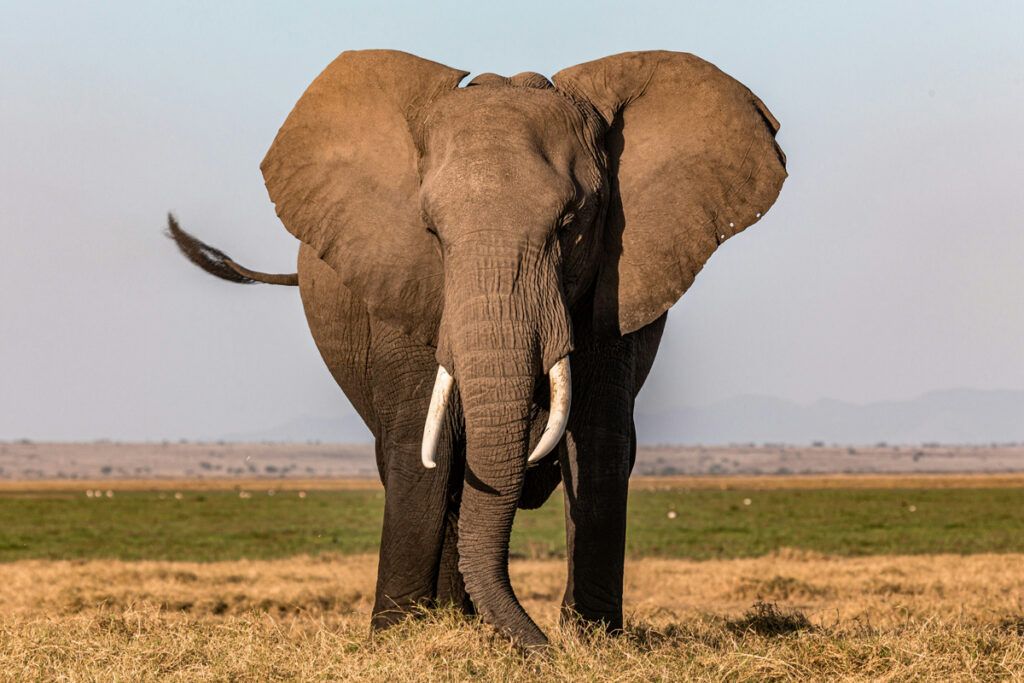
Elephants seem to enjoy music, and if we had to guess their favorite tune, it may be “Good Vibrations” by the Beach Boys. While human beings are able to feel vibrations in their immediate vicinity, elephants are notably skilled at detecting seismic activity. 

Elephants are able to detect those low-frequency rumbles in one of two ways: One theory is that it happens through bone conduction, specifically the huge bones located in their equally massive ears. Other researchers believe elephants have highly attuned mechanoreceptors located in their toes, feet, and trunks, which are sensitive to even the slightest vibrations.

There’s evidence of elephants sensing vibrations from thunderstorms as far as 100 miles away. Elephants in Angola were spotted heading north toward storms in search of water. Elephants themselves can also generate vibrations for communication that can travel as far as 20 miles, alerting other elephants within that range to their presence.

What It Means for an Animal To “Play Dead” 

Snake playing dead
Credit: Mark Lotterhand/Adobe Stock

Long ago, the ancient Greek god Thanatos once wandered the underworld with his brother, Hypnos, the god of sleep. The mythological personification of death itself, Thanatos was a peaceful deity, guiding the living to meet the end of their days with little trauma.

Today, dozens of animals rely on his namesake, not to die, but rather to avoid death, and live another day. Thanatosis, sometimes referred to as “tonic immobility,” or “apparent death,” is more widely known as “playing dead.” And this skill accomplishes much more than a dog earning a treat — in fact, it’s a key survival strategy for many species.

Credit: Michael/Adobe Stock

A Straightforward Survival Strategy 

To put it simply, playing dead is the ultimate avoidance strategy. Animals typically play dead when they’re looking to avoid something, which could range from impending death to an unwanted mate. And each creature does it a little differently, some so effectively they deserve an Oscar nod.  

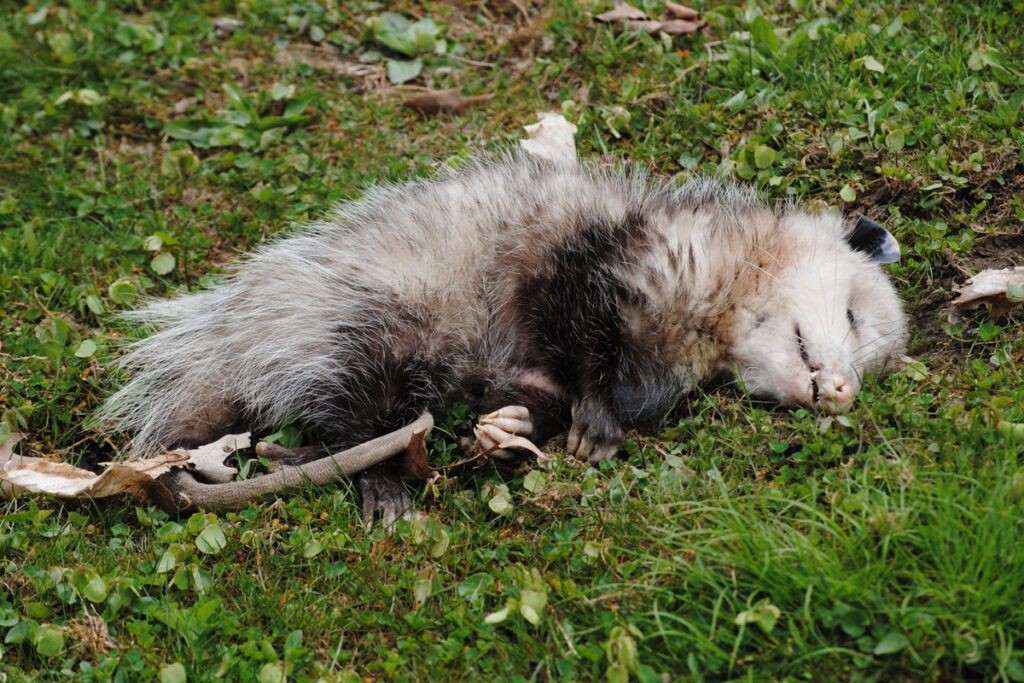
One of the most well-known animals to engage in this clever defensive strategy is the opossum, though the behavior is not always voluntary. Opossums will always try to defend themselves by baring their teeth and hissing when they’re frightened, but if they feel that they may not get out of the situation alive, their bodies essentially faint, causing them to go limp and appear lifeless — convincingly so. According to research published in Acta Physiol Scandinavia, the heart rates of studied opossums dropped from 222 to 120 beats per minute, their breathing reduced from around 27 to just two breaths per minute, and even their body temperature dropped by about half a degree. 

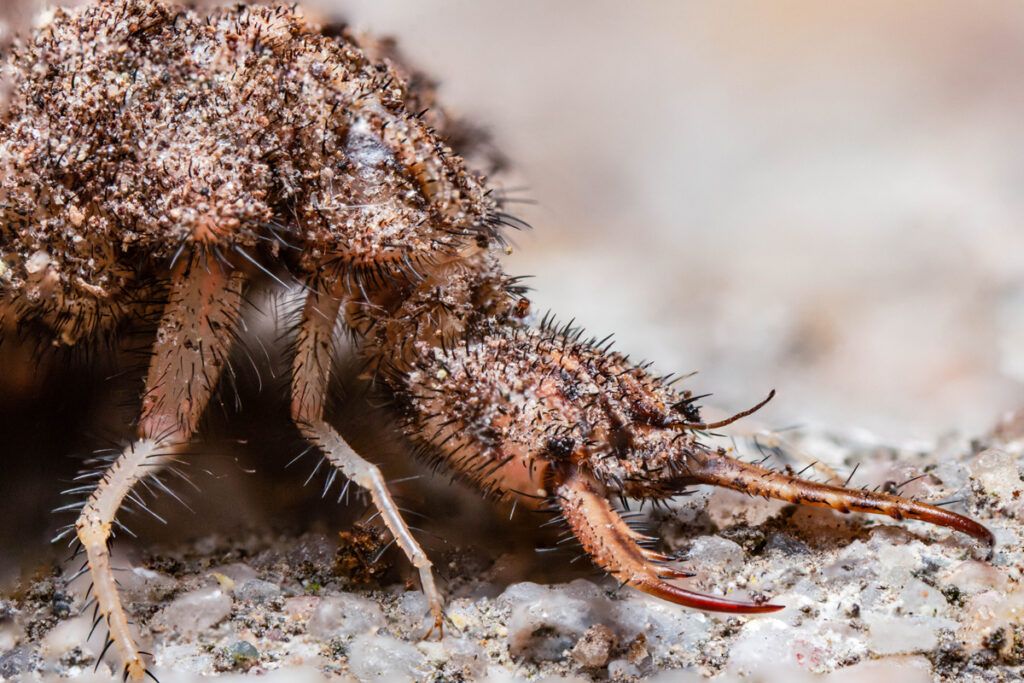
Bugs also get out of trouble by pretending they’re not alive. Antilion, commonly known as doodlebugs, start faking it straight from the larval stage, causing predatory birds like sparrows to drop them rather than swallow them. While many animals go limp to appear lifeless, Pygmy grasshoppers go the rigor mortis route and extend their legs to stick out stiff straight. This not only makes them appear dead, but also makes them physically hard to fit into the mouths of toads that try to eat them. 

Credit: Bill/Adobe Stock

The Artificial Aroma of Death

Of course, death is not only represented by lifeless limbs and undetectable breathing. The smell of death can deter predators that are wired to avoid eating decaying flesh for self-preservation purposes. Opossums emit a green, foul-smelling mucus from their anal glands that mimics the exact chemicals that give rotting meat its telltale stench. These marsupials go even further to look the part by urinating and defecating during their catatonic state, and propping their mouths open to release saliva, foam, and even more bad smells.  

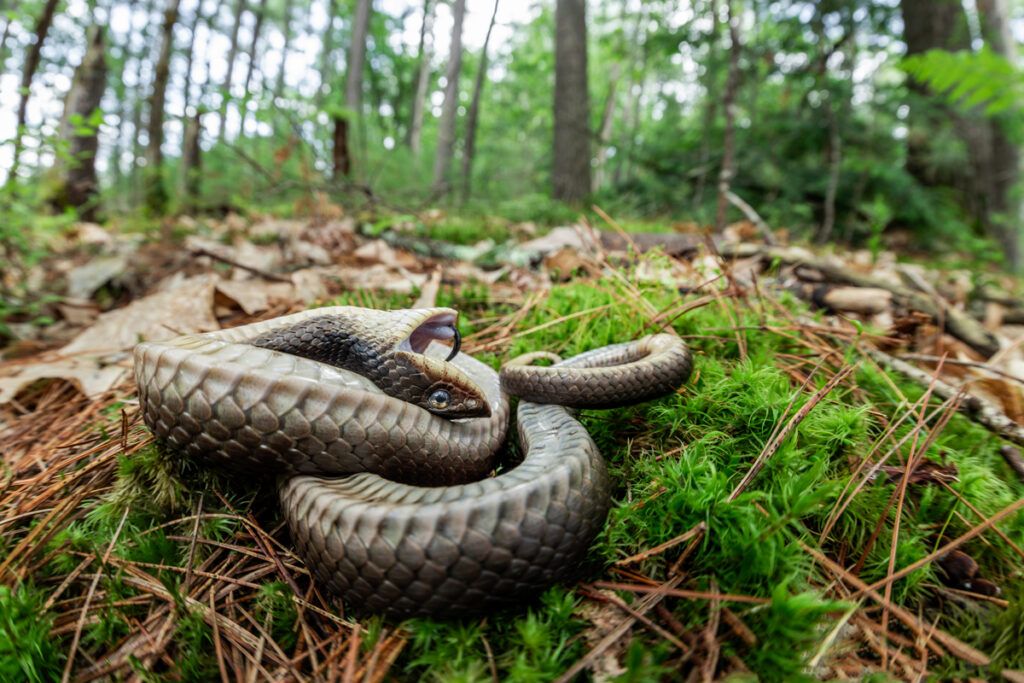
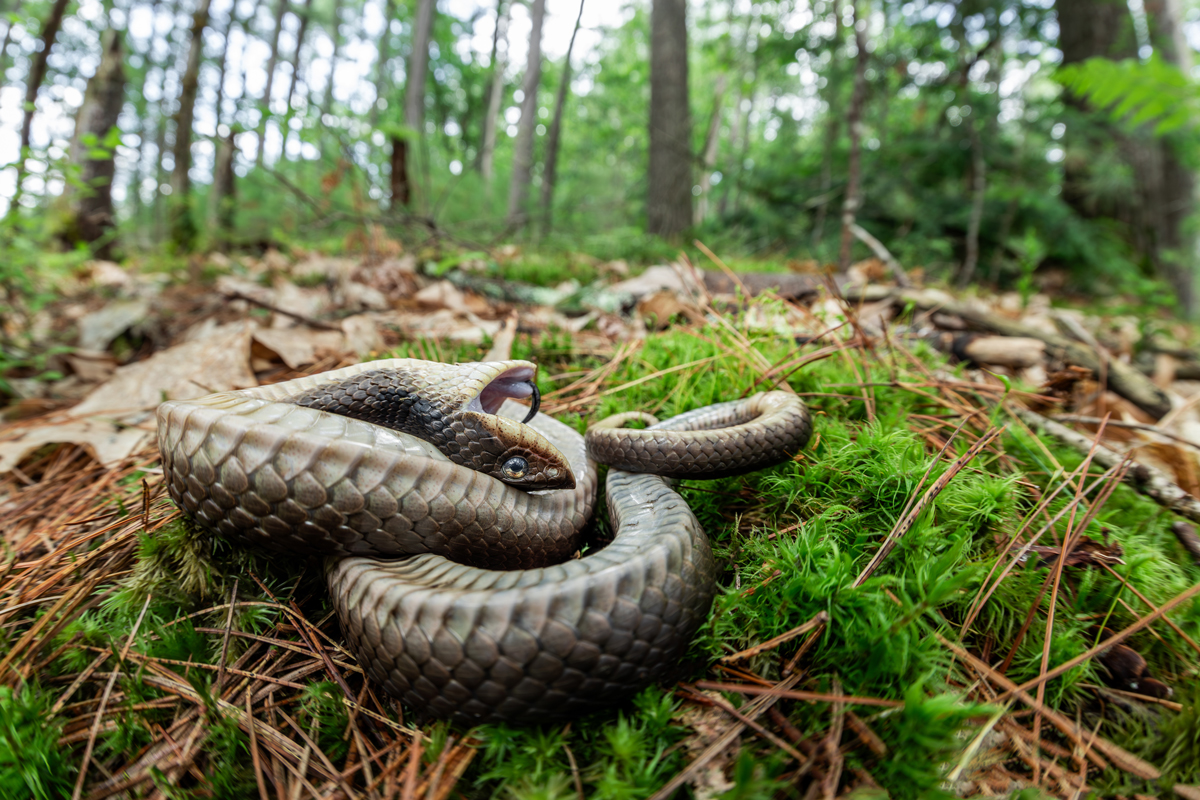
Some snakes can put on an impressive show of their own. The Eastern hognose snake resides in almost every region of the U.S., so it has its fair share of predators to avoid, including hawks, raccoons, and bigger snakes, like king snakes. They’re fitted with a mild venom for defense, but the tactic that seems to help the most is writhing around before rolling over on their backs, laying limp with their mouths wide open.

They, too, release a bad-smelling musk to deter their enemies, and may even bleed from their mouths for extra effect. Some researchers guess that this musky odor is caused by chemicals found in the poisonous toads that make up much of the hognose’s diet. Like all animals that play dead, they can stay this way for hours if need be, and only “wake up” when the threatening party has packed up and left. 

The aptly albeit rudely-named stinkbirds, also known as Hoatzin, earned their nickname from this very behavior. As chicks born in the Amazon they have few defenses, so they’ve taken to dropping from their nests into river waters below at the sight of passing predators.

Before these birds can fly, they can swim, so they stay submerged until danger has passed. Never ones to be too safe, the birds later emit a foul smell once they’re back on land to ward off anyone else thinking of approaching.

Credit: André LABETAA/Adobe Stock

Other Survival Strategies

Death isn’t the only thing some animals play dead to escape. Surely, everyone has wished they could just lie there, seemingly lifeless, until that annoying guy who can’t take a hint moves along at the bar, but some animals actually follow through on the theatrics.

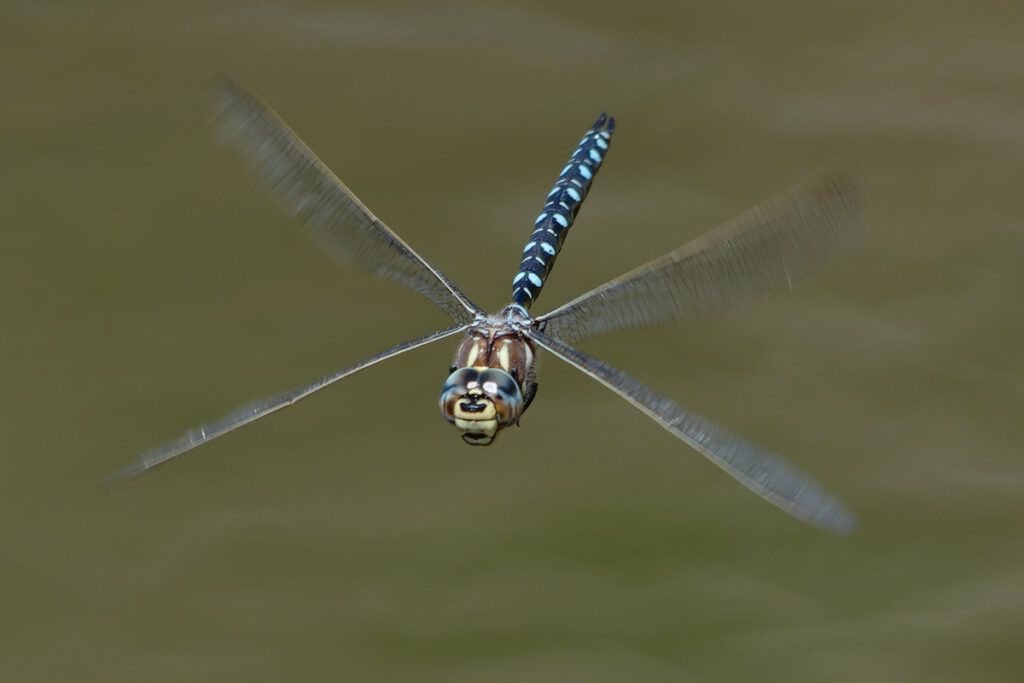
Certain female frog species play dead to avoid unwanted advances from males. This can commonly happen among animals where males outnumber females, leading to an unwanted onslaught of male attention. Moorland Hawker dragonflies dive into the water to avoid unwanted suitors. 

Meanwhile, Livingston cichlids and Central American cichlids use the play-dead tactic to attract prey. Already adorned with mottled gray and white skin, these freshwater fish lay on their sides at the bottom of the lakes they call home and wait. Because their color pattern makes them appear dead and already decomposing, some smaller scavengers, like shrimp, may see if they can score a free meal, often to their detriment. 

Male Golden orb-weaver spiders are smaller than their female counterparts, which makes them an easy meal if they get too close to their would-be mates. One way these arachnids have conned their queens is to roll up insects in small balls of food, then play dead beside the ball so that the female drags both of them back to her web. At this point, the male spider “wakes up” to mate with the female as she eats, often walking away unharmed. 

Credit: Mark Lotterhand/Adobe Stock

Why Does it Work? 

Tonic immobility doesn’t always work, which is why it’s often a last resort method for many animals. When it does do its job, however, it’s a great way to send predators packing and costs the performer essentially nothing. 

Predatory brains are fitted with enhanced neural pathways that allow them to spot even the most camouflaged animal the second it, or something around it, moves. Even the common house cat possesses this mechanism. Animals use their senses of sight, hearing, and smell to clock movement, which is then signaled to the brain via these pathways to signal the animal to lock in on the area where the prey was detected. When animals play dead effectively, and don’t move for a long time, it works well enough to trick even the most astute predator. 

6 Animals That Laugh

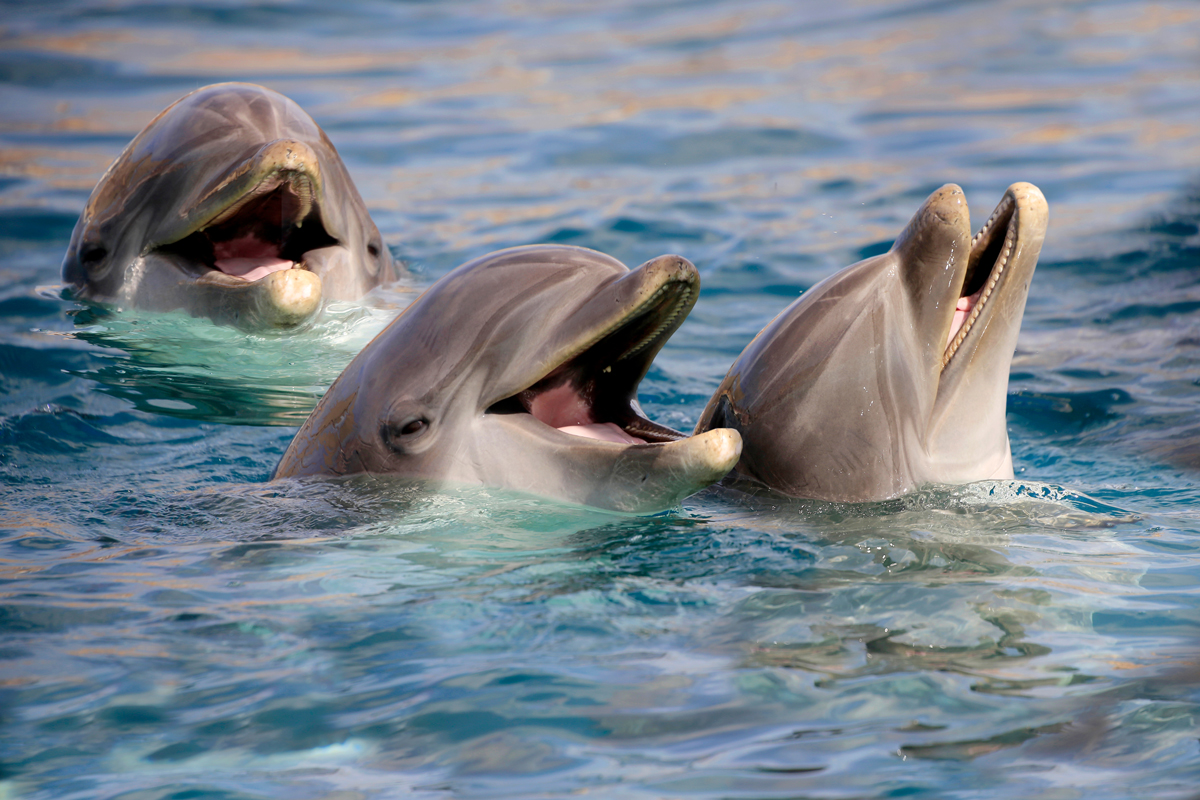
Dolphins laughing with each other
Credit: Aggi Schmid/Adobe Stock

It’s said that laughter is the best medicine, but it’s also one of the most multifaceted reactions. Humans use laughter to bond with other humans, and to express joy. Laughter has even been shown to soothe the nerves and have a psychological effect on stressful or awkward situations. But while laughing is commonly considered a purely human response, several members of the animal kingdom can be heard cackling through the day and night for a number of reasons.

Credit: Patrick Rolands/Adobe Stock

Apes

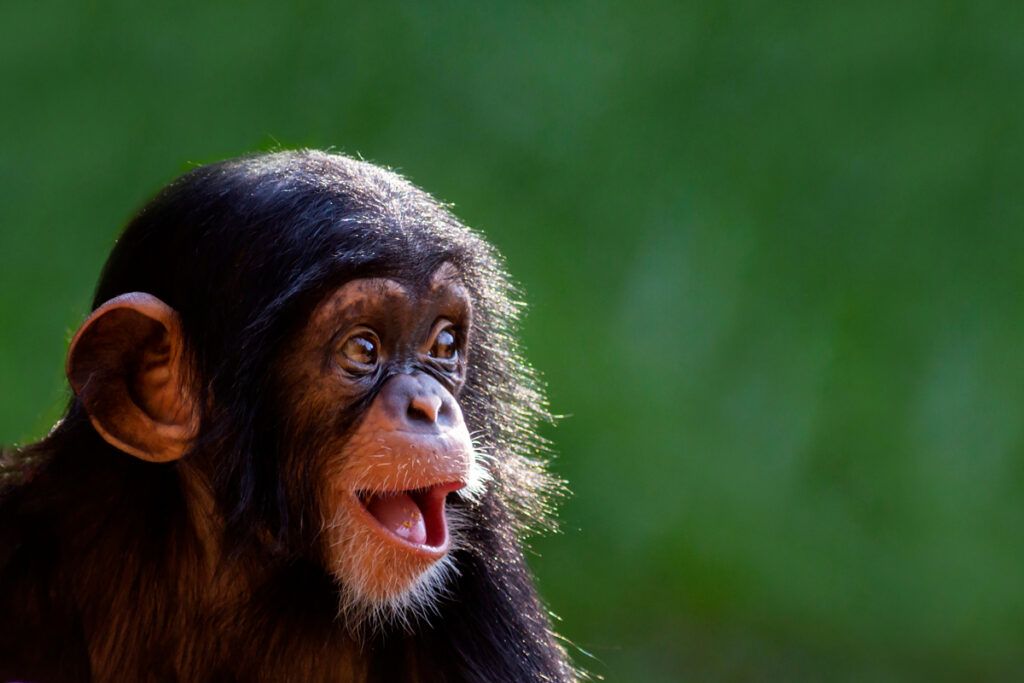
It comes as no surprise that our closest wild animal relatives engage in laughter, just like we do. Primate laughter sounds quite different from human laughter, however, resembling more of a breathy pant as apes can laugh on both the inhale and exhale. Adult humans can only laugh on exhales, but interestingly enough, human babies can laugh during both, just like apes.

Apes generally use laughter to show they mean no harm during playtime, which can get quite rough, and signal their harmless intent by dropping their lower jaw to reveal an open mouth. Teeth baring can be a sign of aggression for apes, which is why the relaxed jaw posture is so important. 

Credit: nataba/Adobe Stock

Dogs

Heads thrown back, upturned mouths, squinted eyes, and a harmless flash of teeth. This is what it looks like when dogs laugh, but is it truly a sign of joy or just an anthropomorphic trait we’ve assigned them? It could certainly be a little of both, but one study showed that dogs do vocalize in a specific way that evokes play and relaxation in other canines around them.

The trick here is to look beyond the wide smile and listen to the sound. To our ears, the noise associated with laughter in dogs just sounds like regular old panting, but for dogs, this breathy expression is filled with a range of frequencies that suggest playtime is on the table.

To test this, researchers gathered 30 puppies into two equal groups for what might be the best day of work ever. Fifteen of the puppies were played a recording of dog “laughter,” and 15 were not. The group that heard the pants immediately started playing, while the other group did not.

What’s even more interesting is that the playful group didn’t respond to other canine sounds that were recorded to capture the panting play sounds, like barking and whining, suggesting that this pant/laugh alone was enough to get the games going. 

Credit: Daniil Komov/Unsplash.com

Rodents

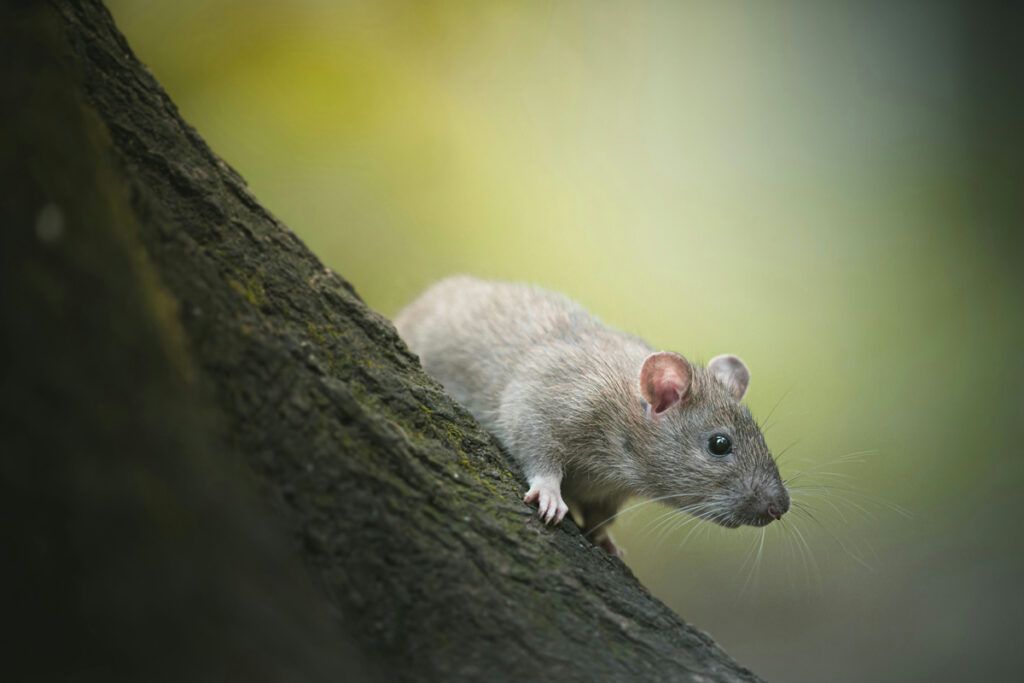
It’s too high-pitched for a human to pick up, but rats do laugh, and for many of the same reasons we do. In one study, rats were fitted with electrodes that measured their response each time the rodents were tickled. The rats and researchers played games of hide and seek, and when the rats found the humans, they were rewarded with a flick of the fingers on their backs and bellies.

How do the scientists know that the rats were laughing? Not only did the electrodes catch the high-pitched squeals of joy during these tiny tickle fights, but they also measured the PAG, or periacqueductal grey. This is a midbrain structure that regulates pain by releasing endorphins and enkephalins that are also released when you chuckle. It also organizes fight or flight responses, aids in vocalization, and works to organize involuntary laughter.

Researchers noticed that neurons in the PAG were lit up when the rats were screeching with joy, but when they injected the area with chemicals to essentially turn it off, the rats stopped laughing when they were touched. 

Credit: Vivid Pixels/Adobe Stock

Birds

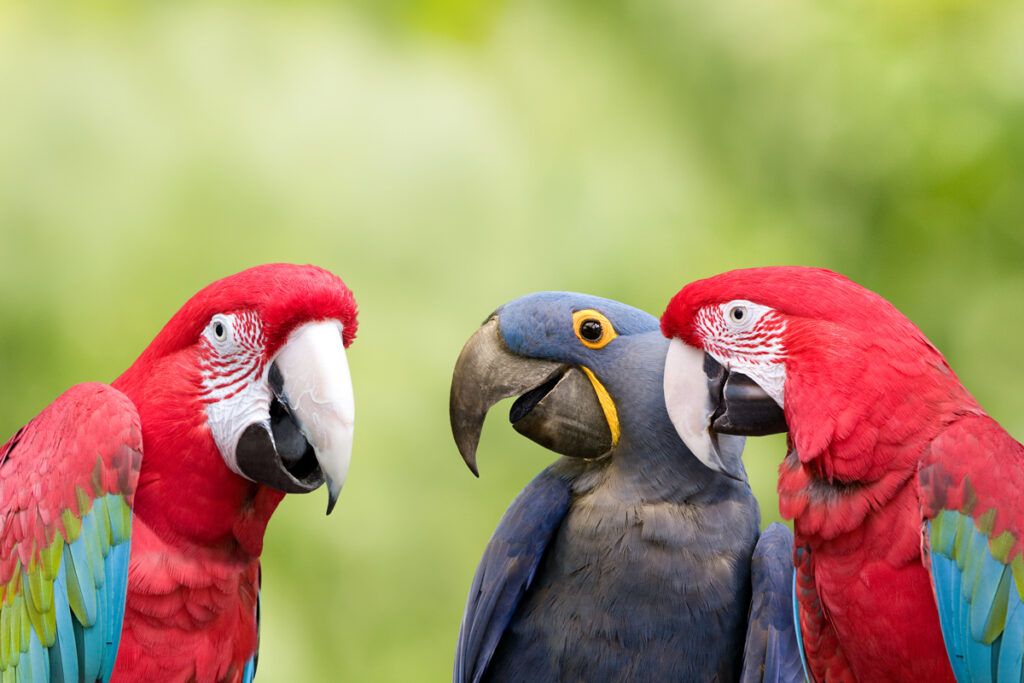
Not all birds laugh, but a few avian species are known for their humorous calls. Parrots, both wild and domesticated, have been known to laugh as a way of inciting play and expressing joy. Kea parrots in New Zealand are famous for their cackles and sustained calls. They make this sound when they’re alone and when they’re with others, and research has shown that when they laugh in the company of other Keas, playtime ensues.

Pet parrots such as African greys and cockatoos also laugh, but only because they are experts at mimicry. If you’re laughing around the house and they hear you, they’ll join in on the fun, but not necessarily because they find you funny.

Perhaps best known for their distinct laugh are Kookaburras but they, too, aren’t doing it because they’re amused. These sounds are used to defend territories, or call out to and locate other kookaburras included in their riot, or group. 

Credit: bridgephotography/Adobe Stock

Spotted Hyenas

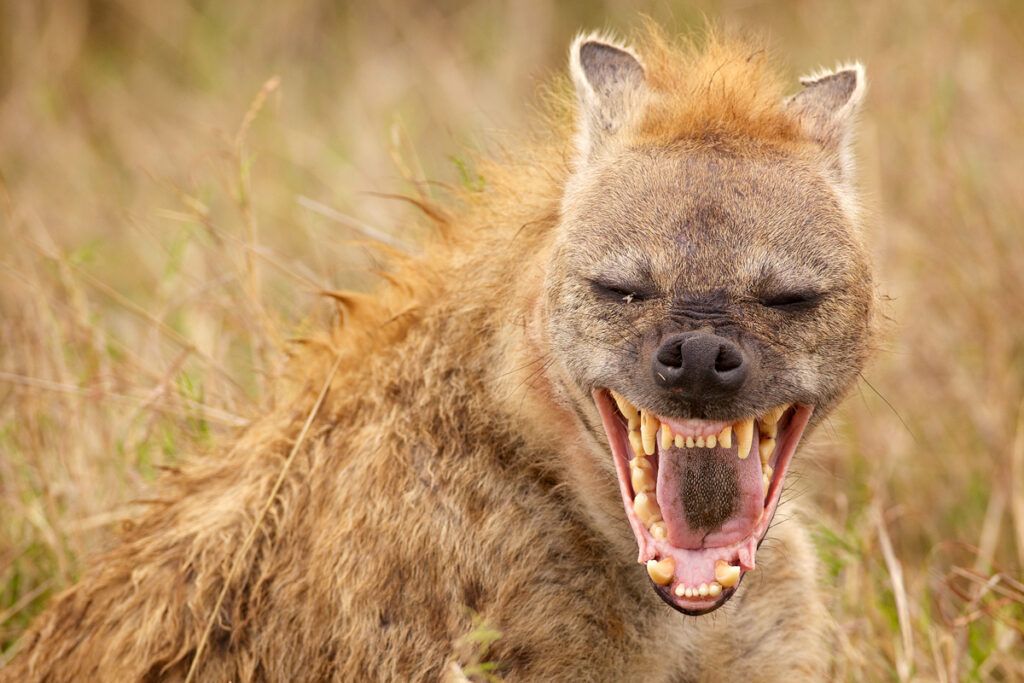
One of the most famous laughing animals in the wild, hyenas are known for their cackling noises, but what you hear isn’t as funny as it sounds. That high-pitched, repetitive chuckle that spotted hyenas are associated with isn’t actually a sign that these scavengers are having a good time. In fact, it most often means the opposite.

Highly social animals that they are, and living within a very specific pecking order, hyenas use this sound to communicate with other members of their clan. They can use “laughter” to introduce themselves, and their status, to other members, with younger hyenas calling out in higher pitches, and older, more established ones speaking in lower tones. The wild, unsettling giggle that you hear is usually a sign of stress, either warning other hyenas to back off, or to alert other clan members that food, or danger, is nearby. 

Credit: Aleksey Dmetsov/Adobe Stock

Dolphins

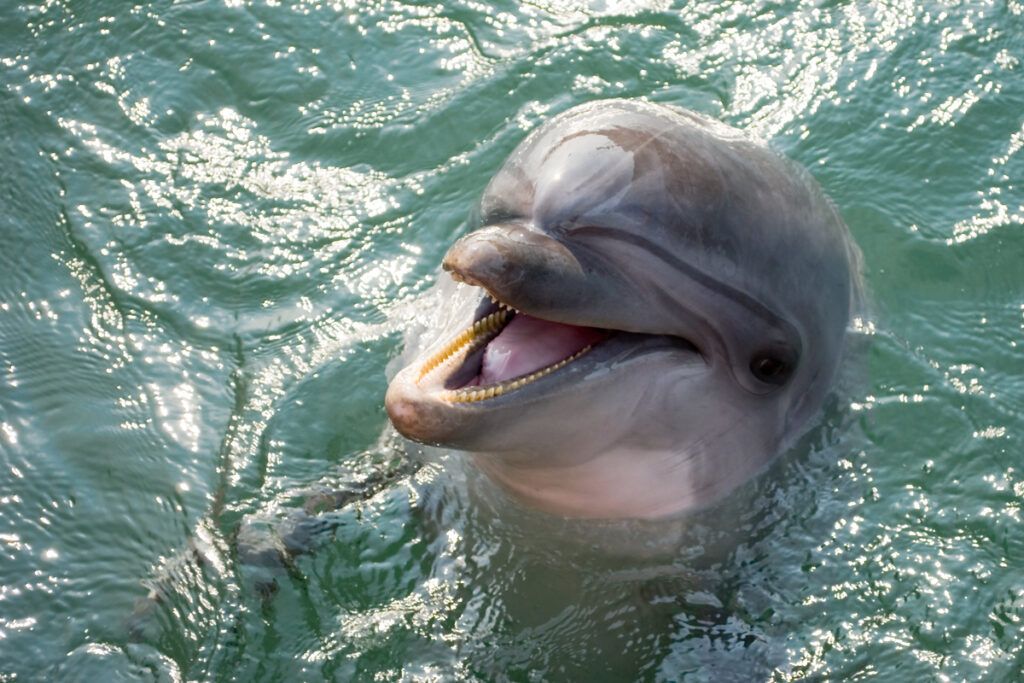
Dolphins laugh for reasons that are very close to human displays of joy. Expressed as a high-pitched staccato, sometimes followed by a whistle, dolphins mostly use the sound of their laughter to assure other dolphins that they mean no harm. This is done as a way to keep the peace during play fighting, which could easily get rough and mistaken for actual fighting.

This sound has not been recorded during aggressive activities, like biting, leading scientists to safely assume that this form of laughter is, indeed, used to express happiness. Like many of the animals on this list, dolphins are social animals who live in pods where communication is key, and these sea dwellers use a series of clicks, whistles, and chatters to express themselves to those around them.

The Animals That Can Regrow Lost Body Parts

Deer standing in a grassy area
Credit: Getty Images/Unsplash.com

Humans can grow wise, grow long in the tooth, and even have their hearts grow fonder. But the one thing that humans can’t grow is a brand new appendage, and the sheer idea of limb regeneration sounds like something straight out of a sci-fi novel. But for certain animals, the ability to restore missing body parts is built into their genetic fabric. It may seem like an act of magic, but in reality, it’s biology working as intended. Let’s look at five animals that can regenerate with ease.

Credit: Hamilton/Adobe Stock

Salamanders

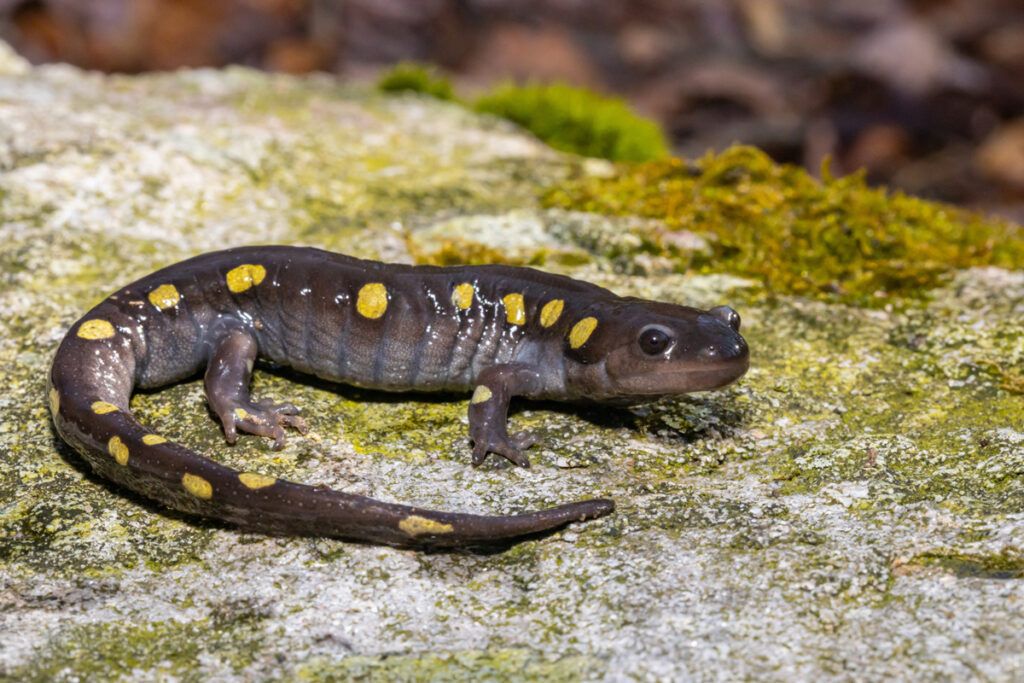
Salamanders are slimy, slender, and the only vertebrates able to regenerate entire limbs. In the event an appendage is severed — possibly due to a hungry avian predator taking a quick bite — the wounded area will first be sealed off with a protective skin barrier called the epithelium. Next comes the formation of a blastema, a mass of proliferative cells that are genetically coded to stimulate regrowth of the lost body part. Over several weeks, the lost limb will grow back to its precise size and orientation, though exactly how continues to be studied. Furthermore, any scarring or other evidence of the injury completely disappears.

Of the hundreds of different salamander species distributed worldwide, not all have the same regenerative capabilities. But two that are particularly adept and have been widely studied are the Eastern Newt and Mexican Axolotl. You might be familiar with the axolotl because of its cute appearance and natural smile — you’d probably smile too if you had such a unique ability. Not only can axolotls regrow their limbs, but also damaged organs such as the lungs, ovaries, brain, and spine.

Credit: Kolevski.V/Adobe Stock

Starfish

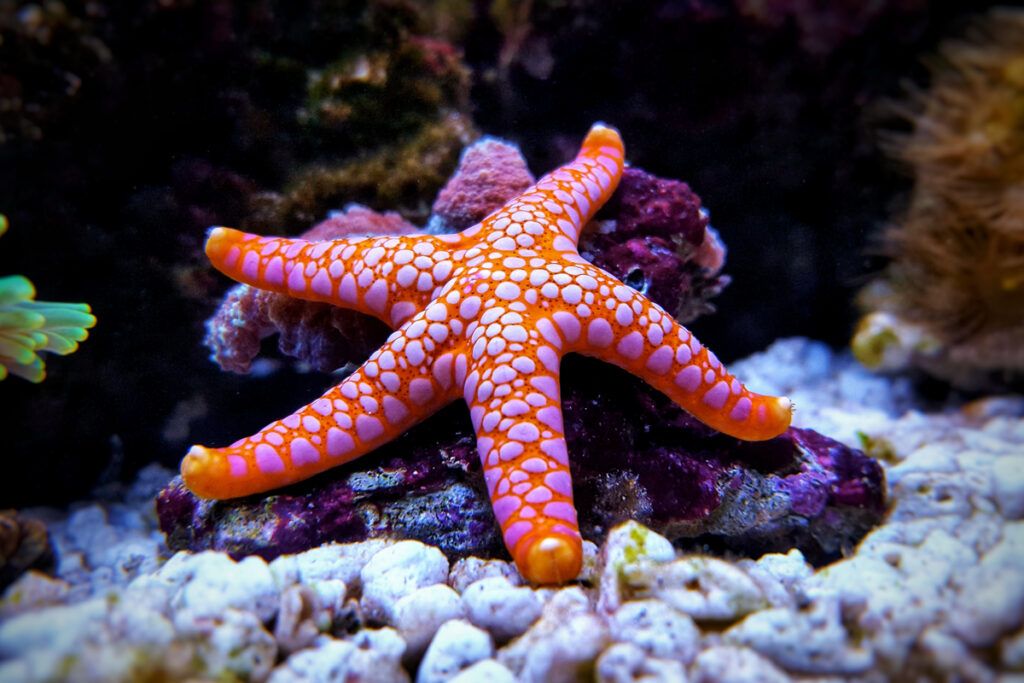
We’re taught as children to believe that starfish have five arms. But much like Santa, it’s best not to believe everything you hear as a kid. While there are tons of sea stars with five arms, some have more than 50. Furthermore, they’re able to regrow those appendages as needed, so long as the central part of the body remains intact.

When a starfish’s arm is severed, partially damaged, or intentionally detached to escape prey, the arm will regenerate in time. The process can be slow, as it takes up to a year to grow back lost limbs. But over that time, stem cells will be directed from the center of its body toward the injured area, stimulating growth of the lost body part(s).

Credit: Getty Images/Unsplash.com

Deer

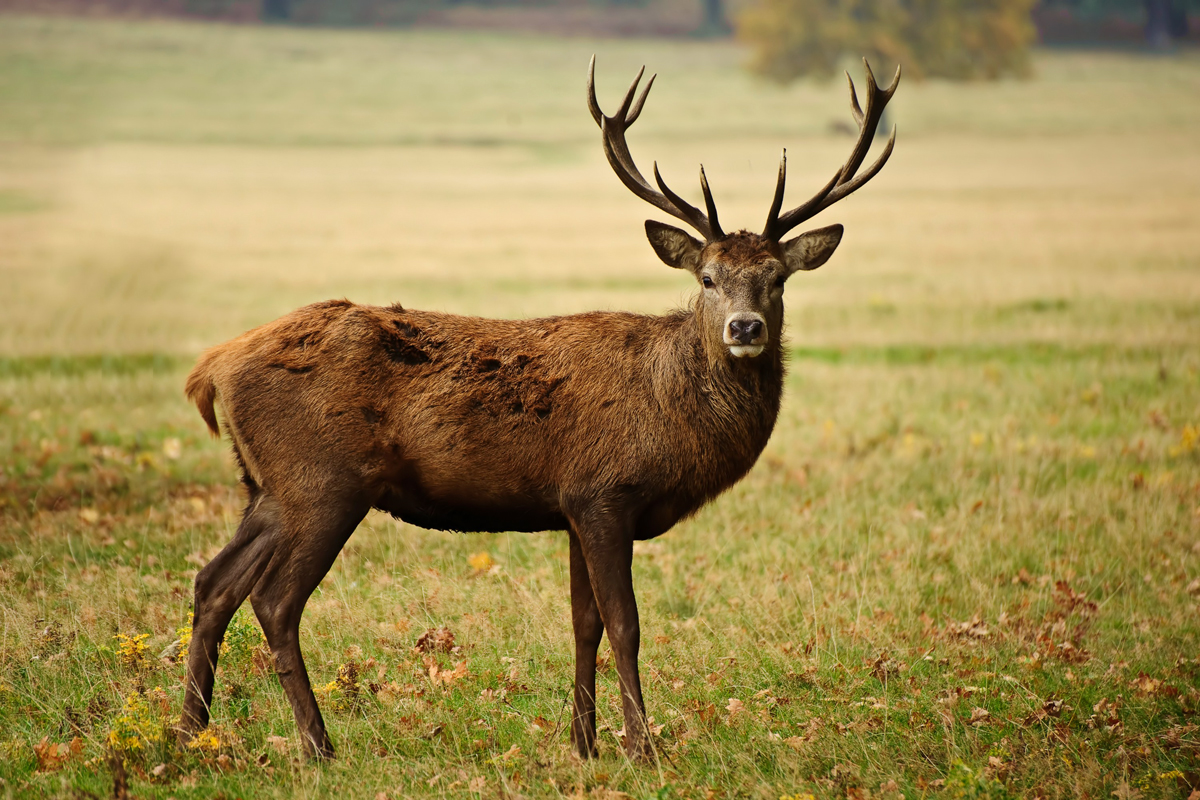
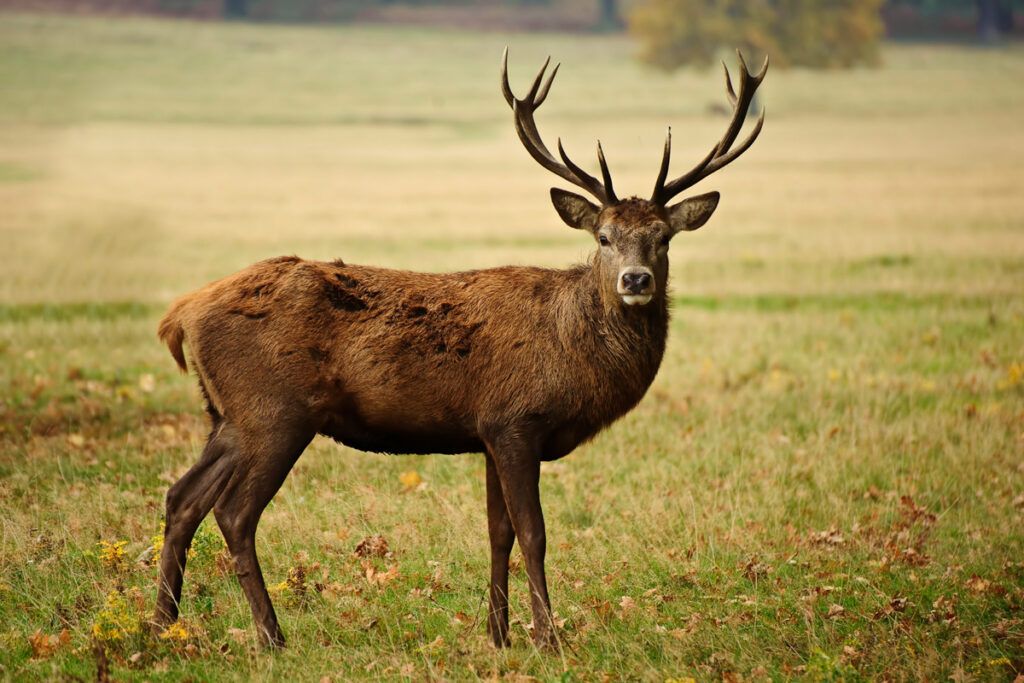
Deer can’t regrow lost fleshy tissue. However, they can regenerate one extremely complex mammalian structure that contains dermis, blood vessels, nerves, cartilage, and bones: deer antlers.

Deer antlers are the only known mammalian organ (yes, antlers are an organ) that can fully grow back after being lost. The regrowth is possible thanks to stem cells emanating from the neural crest in a deer’s pedicle periosteum — a membrane located around its skull. After a deer sheds its antlers (which tends to happen yearly) they’ll slowly grow back over the next few weeks. Antlers regenerate at one of the fastest rates of any animalian body part, as they grow by roughly ¼-inch each day until fully formed — or the same rate as a teenager going through a growth spurt.

Credit: NERYX/Adobe Stock

Zebrafish

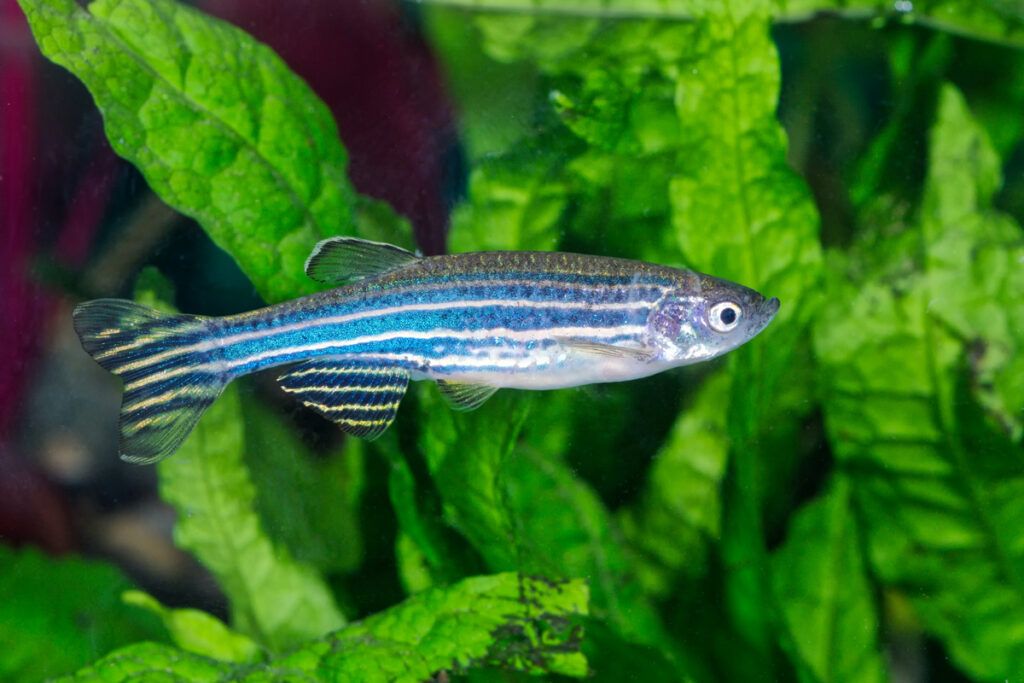
Zebrafish are a tropical, freshwater minnow that’s found naturally throughout India, as well as in many pet shops around the world. Despite their minute stature, they have one of the most complex regenerative systems in the animal kingdom. Zebrafish can regrow amputated fins, and have the ability to repair lesions around the brain, retina, pancreas, spine, heart, and other living tissue. They’re as versatile as a Swiss Army Knife — though perhaps it’s more apt to call them a “South Asian Army Knife.”

When you look at a zebrafish’s heart tissue, for instance, roughly 12% to 15% of the cells are stem cells that originate from neural crest cells. Humans actually have similar cells, but they lose their regenerative function during development. Zebrafish retain their ability to repair heart muscle into adulthood, which is why scientists have studied these fish to see if they can apply those genetic lessons to repairing human heart tissue. While there’s still research to be done, this means we may be a step closer to mending that broken heart from a recent breakup.

Credit: Gerald Schömbs/Unsplash.com

Sharks

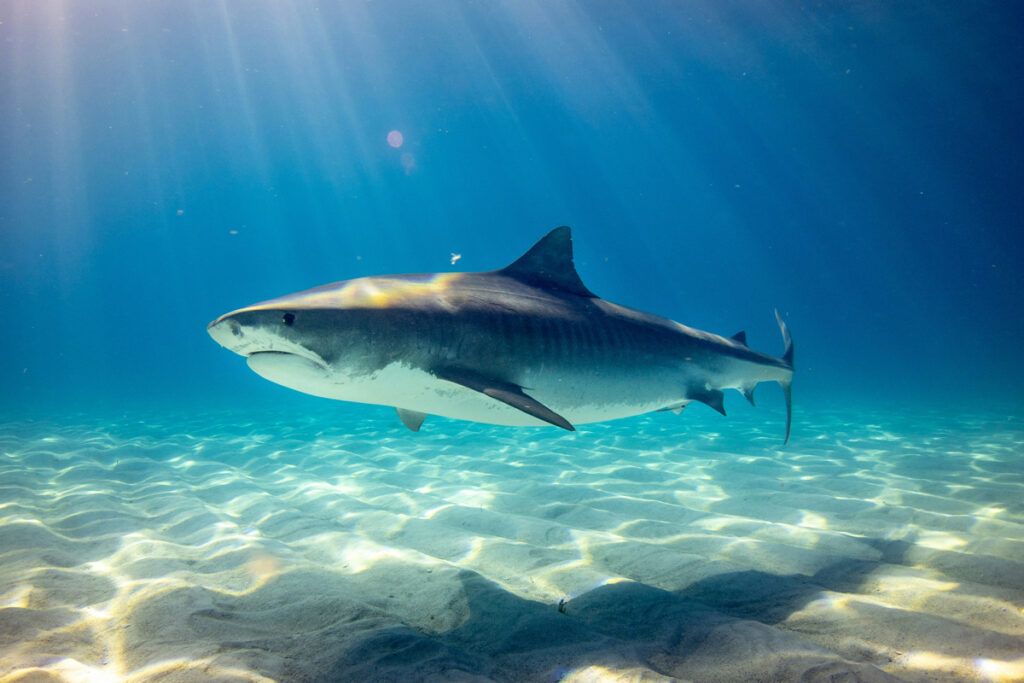
Sharks can’t regrow fins, tails, or other fleshy body parts, which is ideal considering how powerful and terrifying Jaws already was. But sharks can regenerate one particular body part, and it happens to be one they’re arguably best known for: their teeth. While precise numbers vary, sharks have 50 to 300 teeth arranged in up to 10 rows. But those teeth do get lost, and estimates say certain species shed as many 30,000 teeth in a lifetime.

Now it’s a good thing shark dentists don’t exist, as they’d likely go out of business with how little work they’d need to do. That’s because sharks don’t need implants or crowns to replace those tens of thousands of teeth — they simply regrow them.

Whether it’s a single tooth or an entire row, there’s always another tooth or plate of teeth ready to shift around and replace it; picture a conveyer belt, where a new set of teeth moves into place. This is made possible due to stem cells that work to constantly replenish teeth, making it possible for sharks to have unlimited teeth depending on their needs and lifespan.