How Do Wild Animals Survive Extreme Cold?

For humans, extreme cold can become dangerous quickly. We bundle up, turn on the heat, and stay indoors when temperatures plunge. Yet some animals spend their entire lives in places where temperatures regularly fall far below freezing, while others endure harsh winters before the spring thaw.
To survive extreme cold, animals rely on special adaptations that protect their bodies, conserve heat, and help them find enough food. Some grow specialized insulation, some adjust their metabolisms, and others essentially shut down their bodies until conditions improve.
Fur and Feathers Trap Heat
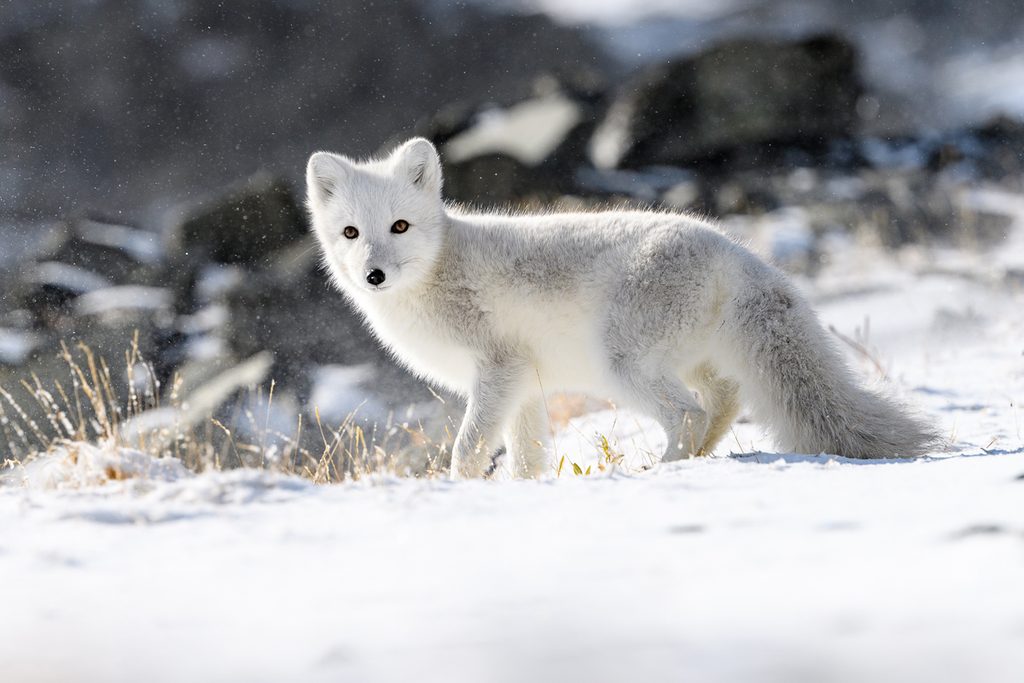
One of the simplest ways animals stay warm is by creating a layer of insulation between their bodies and the cold air. Thick fur and feathers trap air pockets, which help slow the loss of body heat. Arctic foxes, for example, grow dense winter coats that even cover their paws, while birds rely on their insulating plumage to retain body heat.
Animals can make that insulation more effective through their behavior, too. When a mammal fluffs up its fur, the hairs trap more air. Birds do something similar when they puff out their feathers; that fluffy appearance creates a warmer layer around the body.
Some animals also conserve heat by constricting blood vessels near exposed body parts, reducing heat loss through their feet and legs. Penguins have a specialized heat-exchange system in their legs wherein warm blood transfers heat to the colder blood returning from their feet, helping them retain body heat while standing on ice.
Body Fat Provides Insulation and Energy
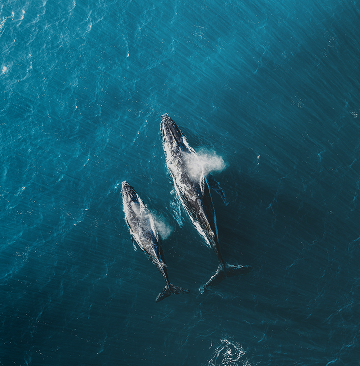
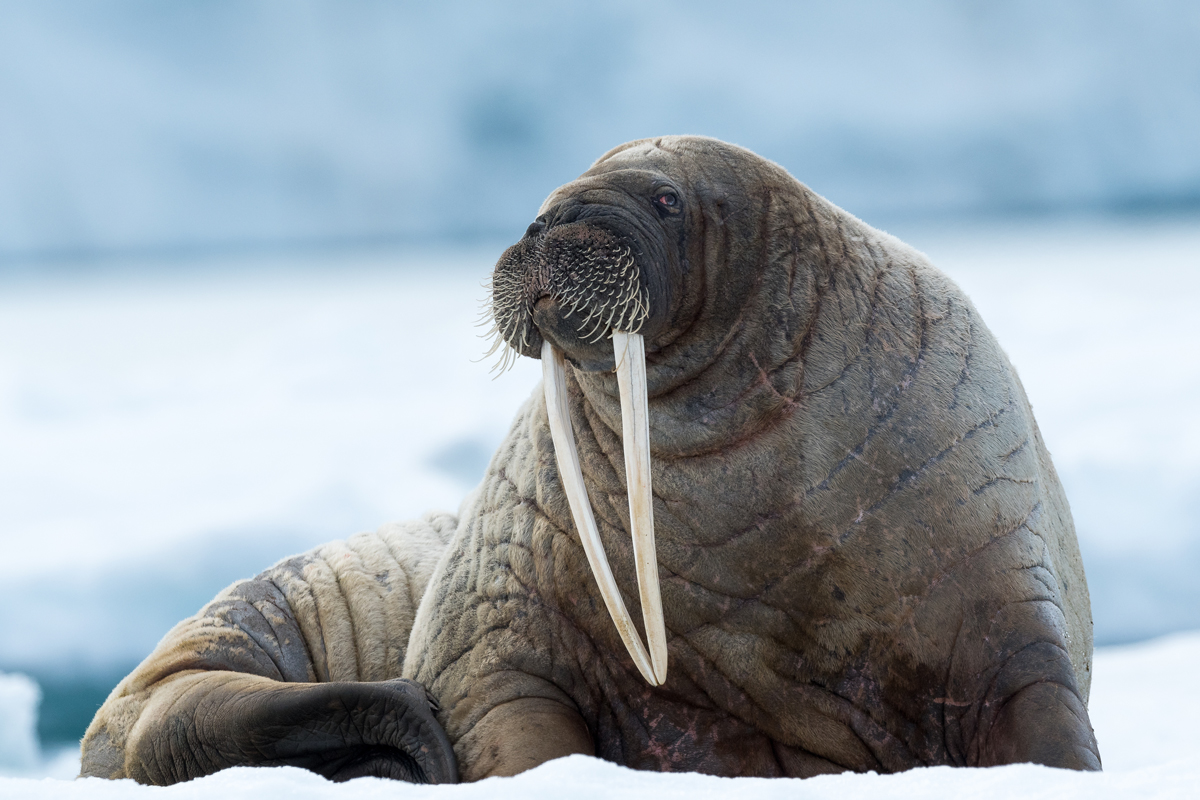
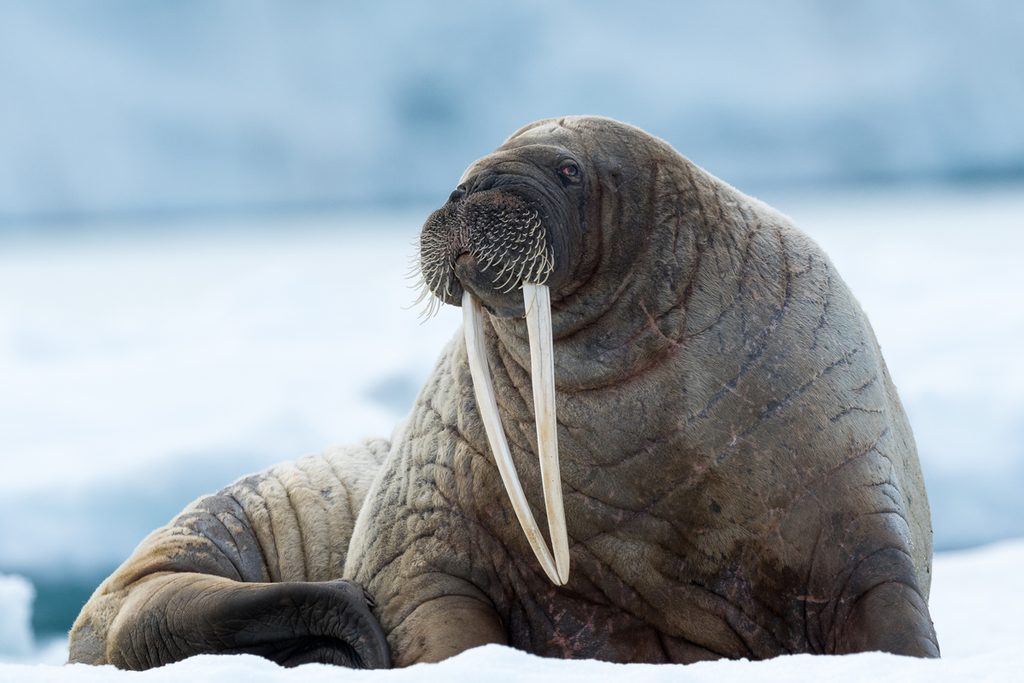
Fat is another important tool for surviving cold conditions: A thick layer of body fat provides insulation while also serving as a stored source of energy. Marine mammals such as seals, whales, and walruses rely heavily on blubber because they lose heat rapidly in cold water, which whisks away heat much faster than air.
Some animals build up fat before winter, when finding food becomes difficult or impossible. Brown bears and black bears eat heavily in late summer and fall, building fat reserves that help sustain them through several months of winter denning by providing both insulation and energy. Those reserves are especially important for animals that spend months in winter dormancy without eating.
Some Animals Let Their Body Temperature Drop
Maintaining a warm, active body requires a lot of fuel. By slowing down, an animal can survive for long periods using the energy stored in its body. Some survive by entering torpor, a state that allows their body temperature and metabolism to drop dramatically.
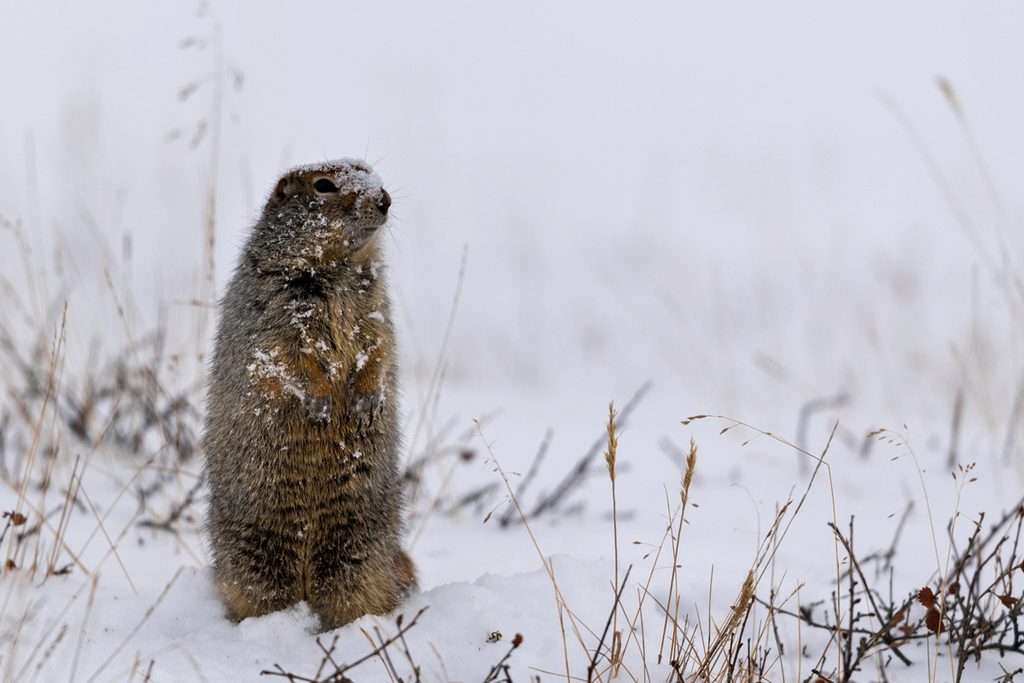
When those periods of torpor extend over much of the winter, the process is called hibernation. Arctic ground squirrels and bats are examples of true hibernators, entering a state in which their heart rate, breathing, and body temperature fall, allowing them to exert far less energy.
Hibernation is more than a long sleep; it’s a carefully regulated physiological state that allows animals to conserve energy when food is scarce. While bears also spend the winter in dens, they are “light hibernators,” like raccoons and skunks, because they only experience a slight drop in body temperature, and their heart rate and metabolism slow without reaching the same drastically low levels.
Others Can Survive Freezing Solid
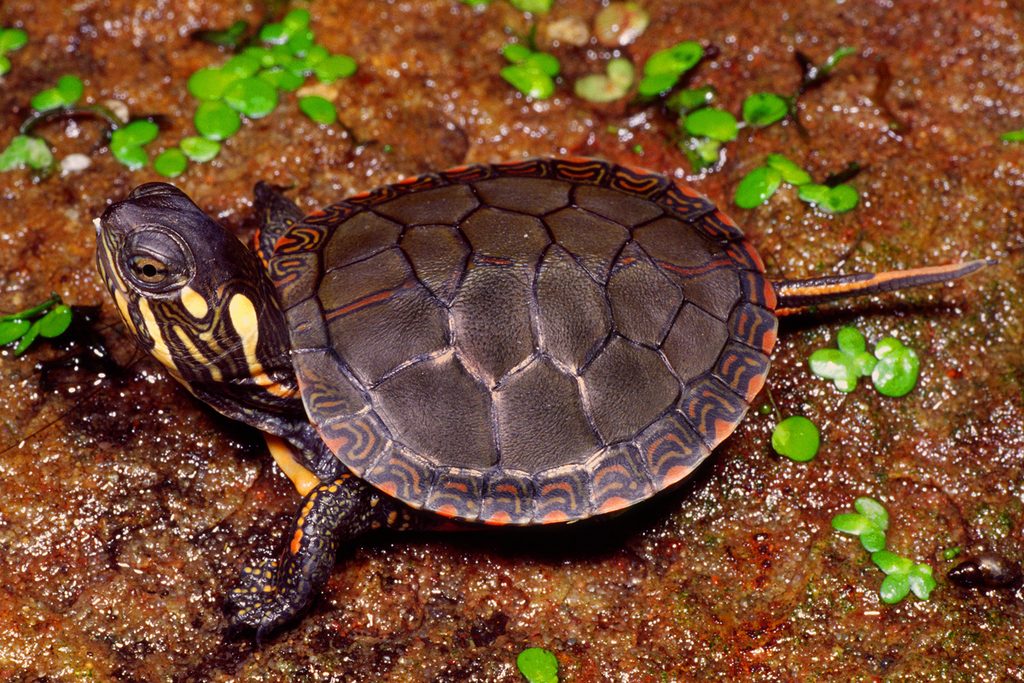
Certain animals, like the wood frog and painted turtle hatchlings, can survive having some of the water in their bodies freeze. As temperatures drop, they accumulate protective substances, including glucose, that help prevent ice crystals from damaging their cells as ice forms in the spaces between them.
In wood frogs, this process can bring the heartbeat and breathing to a complete stop while much of the body becomes frozen. When temperatures rise, the frog thaws and its normal functions gradually return. Painted turtle hatchlings have a different strategy: They spend their first winter in shallow underground nests and can survive subzero temperatures by keeping their body fluids from freezing in a process called supercooling, though some can tolerate limited freezing as well.
Behavior Makes a Difference
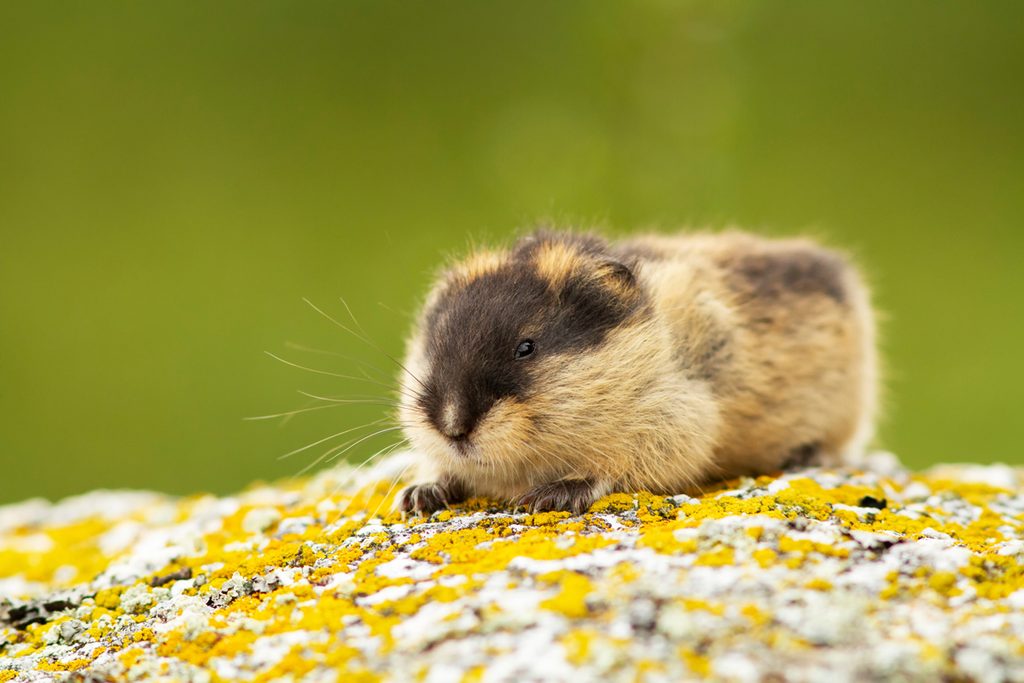
Animals don’t always need extraordinary physiologies to survive winter; sometimes the best strategy is to find shelter. Small mammals, such as Arctic ground squirrels and lemmings, retreat into burrows, while birds such as grouse seek protected roosting sites. Social animals, such as wolves, may rest together in sheltered spots, reducing their exposure to the elements.
Huddling is especially effective because each animal contributes body heat while reducing the amount of exposed surface area. Emperor penguins take this strategy to the next level, gathering in dense groups during the Antarctic winters. Individuals continually shift positions so those on the outside eventually move toward the warmer center.