Some Snakes Can “Fly” Short Distances

Image Credit: Akash/Adobe Stock

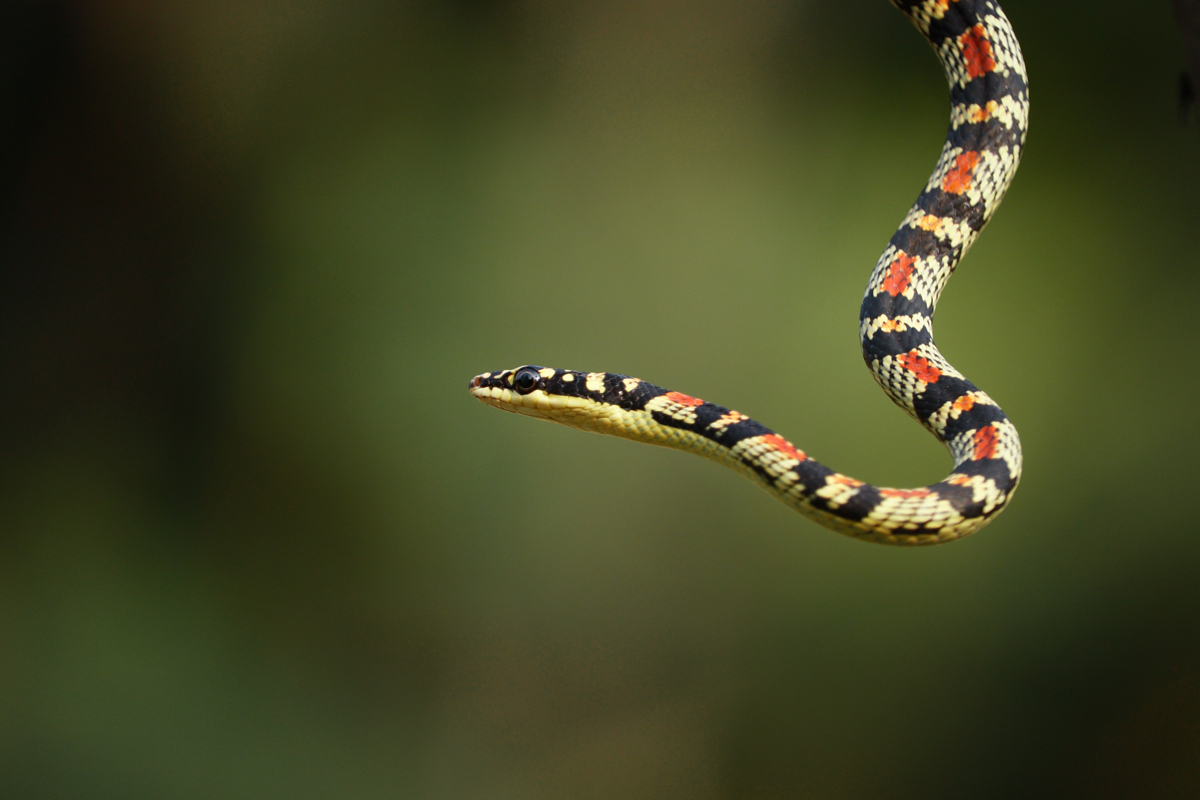
Not in the same way as a bird or bat, but if you spotted one soaring overhead, you probably wouldn’t care about the distinction. “Flying snakes” are actually five species of tree-dwelling snakes that have evolved an extraordinary way to travel through the rainforest. Instead of slithering down one tree and back up another, they launch themselves from the canopy and glide through the air. 

While in flight, they contort their bodies to semi-control their direction, and glide more than 300 feet. Like other snakes, these reptiles are carnivorous, living off small rodents and lizards, and mildly venomous, though mostly harmless to humans. Still, the next time you’re trekking through the jungles of Indonesia, make sure you take the time to look up.
Goats Have Rectangular Pupils

Image Credit: Jayson Hinrichsen/Unsplash.com

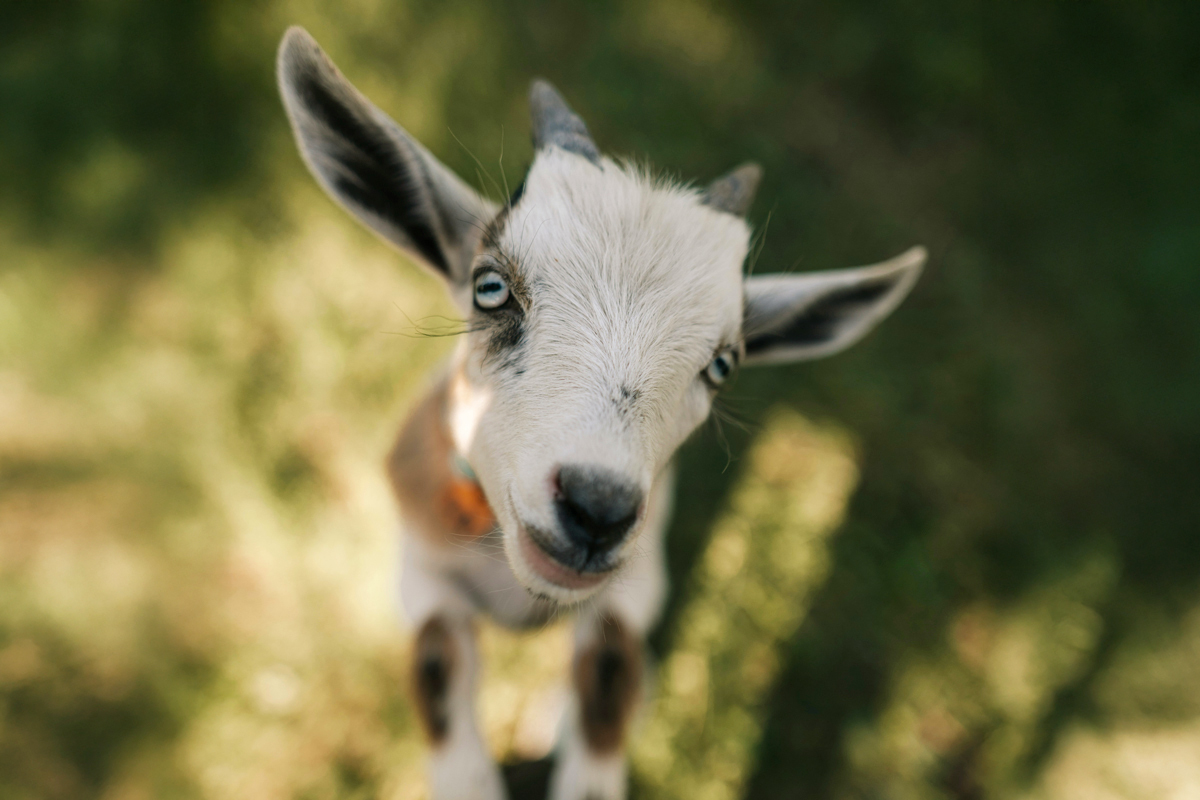
If you’ve ever found yourself trapped in a staring contest with a goat you might have noticed something fairly unusual. Goats have horizontal, rectangular pupils. They’re not alone, either. Sheep, deer, horses, and many other grazing animals share this oblong eye shape — and for good reason. Horizontal pupils give herbivores a panoramic view of the world, allowing them to scan for predators without lifting their heads from the ground while they graze. Their pupils even rotate as they tilt their heads, helping keep the horizon in focus. 

Predators, by contrast, often have vertical slit pupils that improve depth perception and help them judge the distance to their prey. Humans fall somewhere in between, with round pupils that provide balanced, even vision and accurate depth perception — much more suitable for a species that relies on hands rather than hooves.

Butterflies Taste With Their Feet

Image Credit: Boris Smokrovic/Unsplash.com

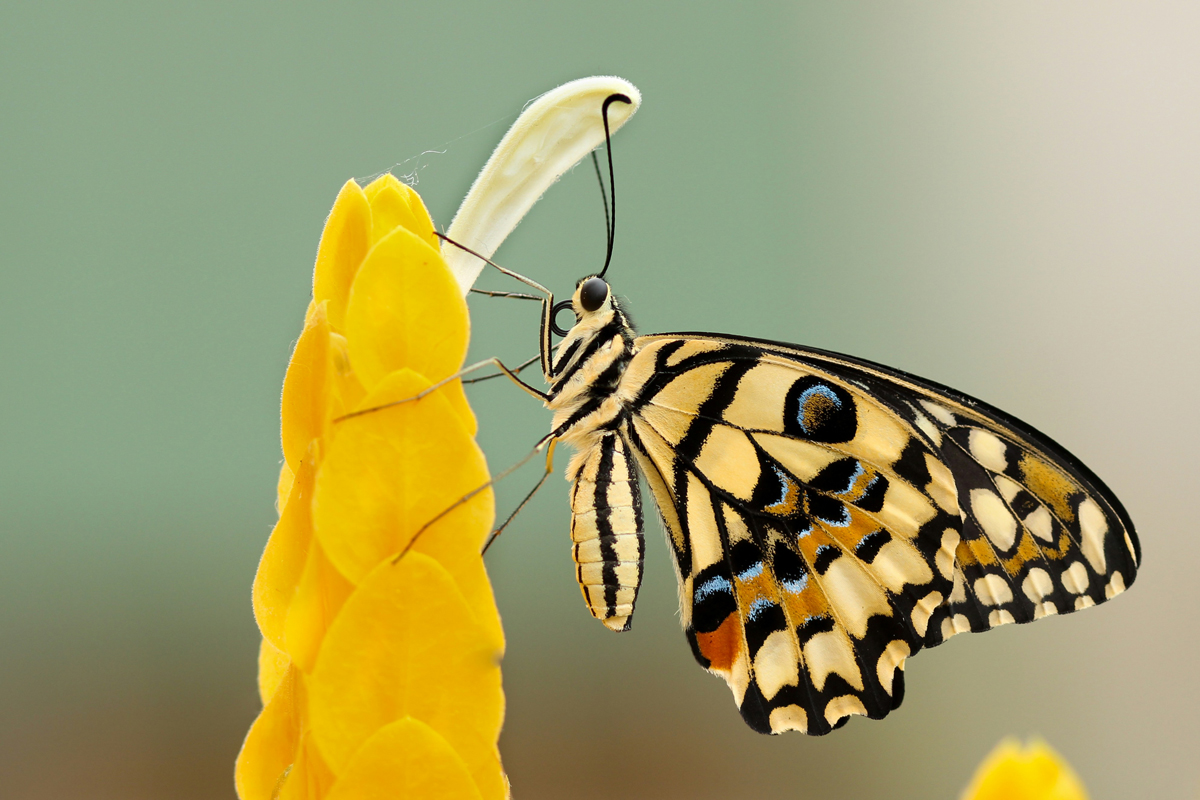
Humans rely on our tongues to taste food, but butterflies take a very different approach. While they do have a few taste receptors on their proboscis — the long, straw-like mouth they use to sip nectar — most of their taste sensors are located on their feet. In other words, every landing is also a taste test.

When a butterfly touches down on a flower, leaf, or even a patch of mud, specialized receptors on its feet instantly sample the surface. These tiny taste buds help butterflies locate nectar-rich flowers and, just as importantly, determine whether a plant is suitable for laying eggs. After all, once the eggs hatch, hungry caterpillars will need a nutritious first meal, so choosing the right plant can make all the difference.

Every Dog’s Nose Print is Unique

Image Credit: DOYEOP KOO/Unsplash.com

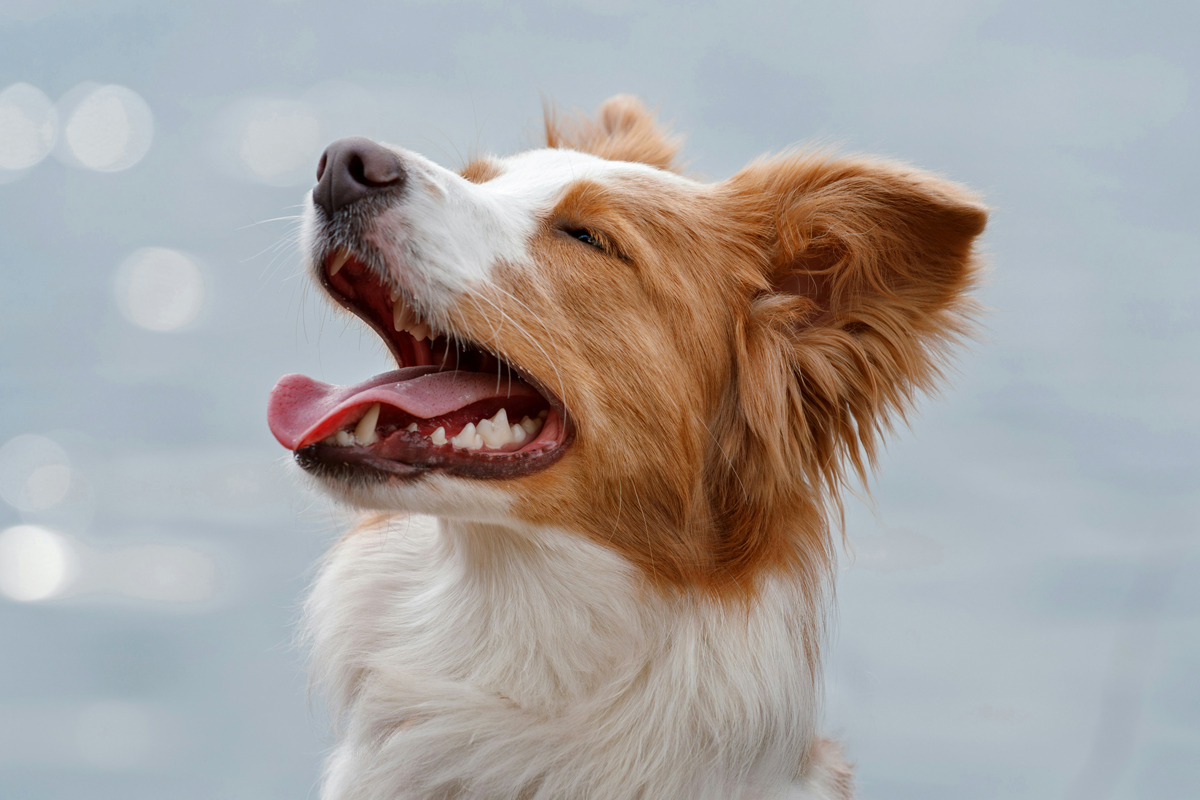
Much like human fingerprints, the pattern of ridges and grooves on a dog’s nose is believed to be unique to each individual pup. Kennel clubs have used nose prints as a form of identification for decades, and recent research has begun to put that long-held belief to the test. One study found that a puppy’s nose print is fully developed by the time they’re two months of age, and remains stable as the dog grows. These prints were run through a biometric algorithm and shown to be different from every other examined dog’s.

What about paw prints? Dogs’ paw pads also contain distinctive ridges, loops, and whorls, but scientists haven’t yet determined whether those patterns are unique enough to reliably identify individual dogs. For now, if you’re looking for a canine equivalent of a fingerprint, the nose is still the best bet.

All Clownfish Are Born Male

Image Credit: cbpix/Adobe Stock

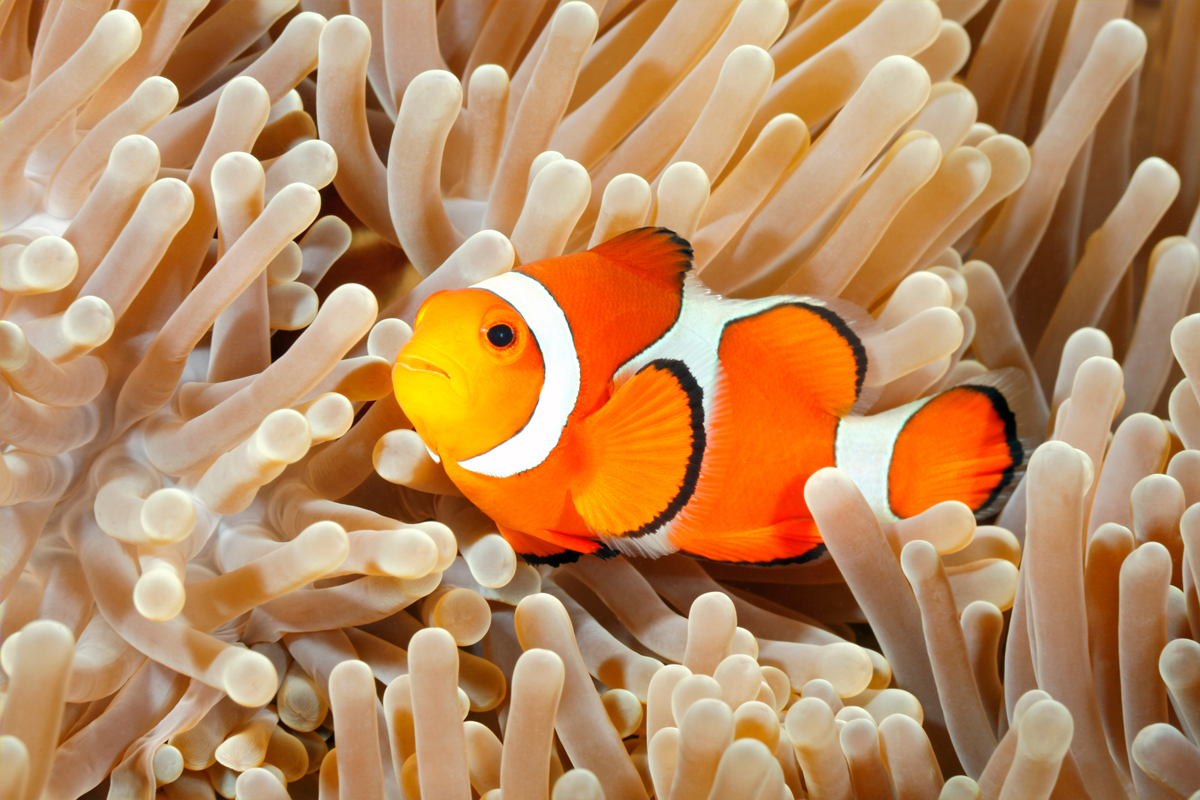
Every clownfish begins life as a male, but not every clownfish stays that way. Living among sea anemones, clownfish form strict social hierarchies led by a single, dominant breeding female. Just below her is the largest male, who serves as her mate, while the remaining males occupy lower ranks and do not reproduce.

If the breeding female dies, the social order shifts almost immediately. The dominant male undergoes a remarkable transformation, changing sex to become the new breeding female. Another male then moves up the ranks to become her mate. This strategy, known as sequential hermaphroditism, ensures the group can continue reproducing without waiting for a new female to arrive.

Cats Can’t Taste Sweetness

Image Credit: Wesley Fernandes/Unsplash.com

Cats have a reputation for being sweet on their own terms, but there’s one kind of sweetness they never experience. Unlike humans and most other mammals, cats can’t taste sweet flavors at all. Because their wild ancestors evolved as strict carnivores, detecting sugar from fruit or other carbohydrates wasn’t truly necessary. Over time, the gene responsible for producing one of the receptors needed to detect sweetness disappeared.

Cats also have far fewer taste buds than humans — around 500 compared to our 9,000. That doesn’t mean food is flavorless to them. They can still detect sour, salty, bitter, and umami, and may even enjoy foods we find surprisingly bland. So if your cat ignores a marshmallow but comes running for tuna, it’s simply tasting the world exactly as evolution intended.

A Tiger’s Territory Can Be Bigger Than the Entire State of Rhode Island

Close-up of tiger
Credit: Blake Meyer/Unsplash.com

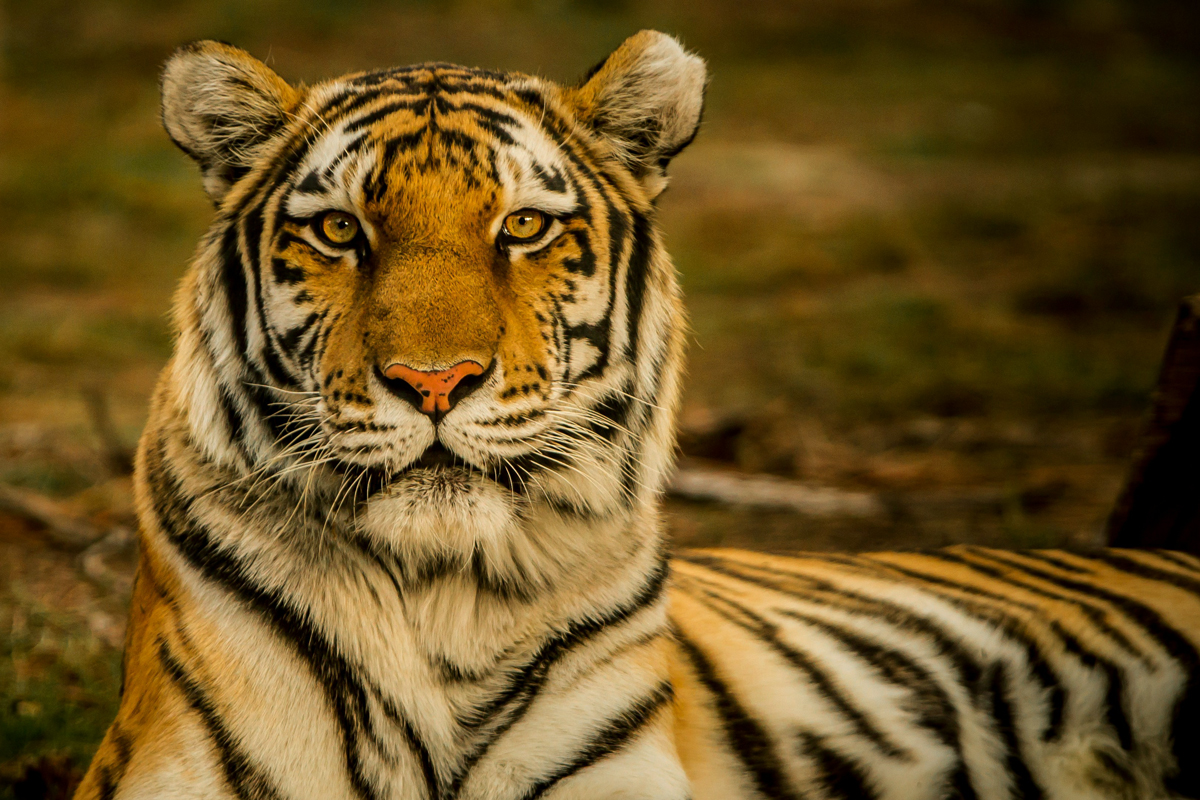
You aren’t likely to see a wild tiger roaming through Providence or sauntering down I-95, but if tigers were native to the Ocean State, their territory could potentially encompass the entire state and then some. That’s because Rhode Island has a total area of 1,545 square miles, while the territory of an Amur tiger can be as large as 1,600 square miles.

Amur tigers are native to Siberia (you may better know them as Siberian tigers). While females with cubs typically stay within an area of roughly 6 square miles, males and some females without cubs are known to venture for hundreds of miles. The primary reason is to track down food: Siberia is a barren region with low prey density, so an Amur tiger may expand its range simply to survive.

Glass Frogs Are So Transparent You Can See Their Hearts Beating

Glass frog with visible internal organs
Credit: Thorsten Spoerlein/Getty Images

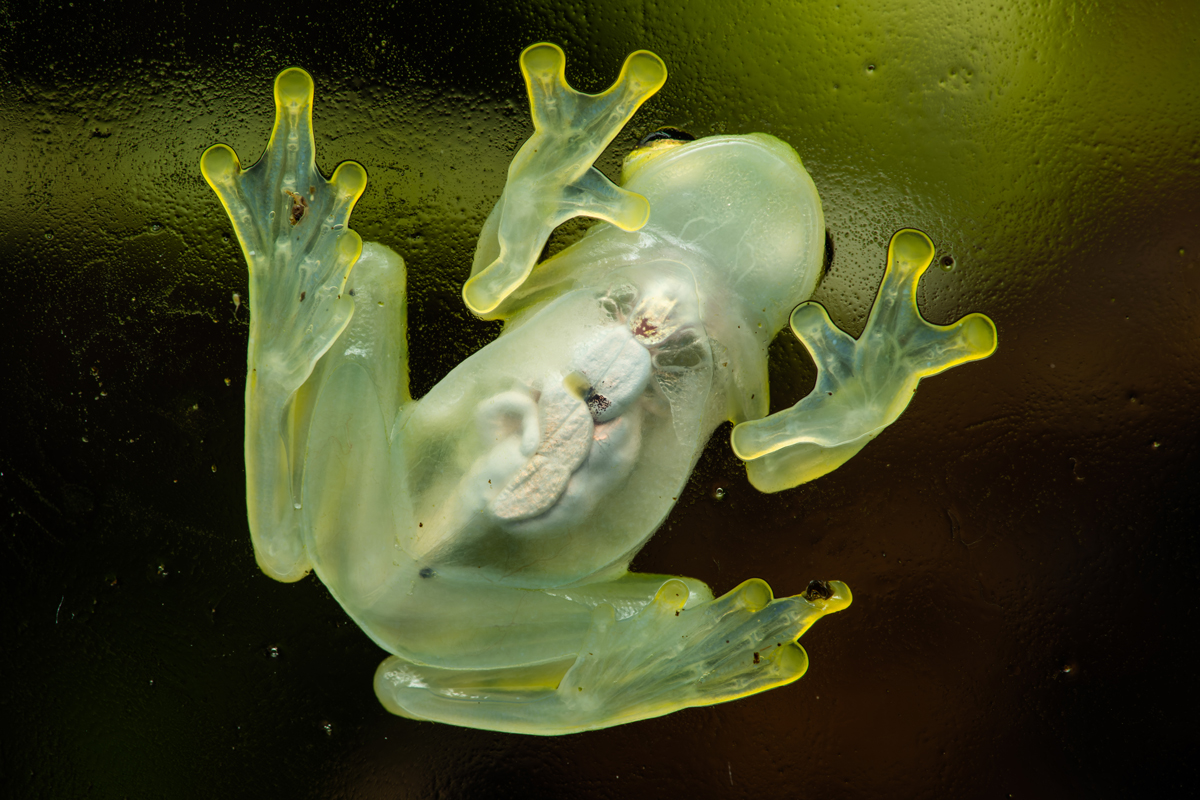
The small, lime-green glass frogs of Central and South America have one very peculiar characteristic: Their undersides are so completely transparent that their internal organs are fully visible through the skin. You can see the liver, intestines, and most remarkably of all, the heart — a small, red, rhythmically pulsing structure visible to the naked eye through living tissue. 

In 2022, a study by researchers at Duke University revealed the mechanism behind this transparency: When glass frogs sleep, they pump almost all of their red blood cells into the liver. This reduces the blood’s visibility, the primary obstacle to the frog’s transparency, by around 89%. In effect, the creatures hide their own blood while they sleep, which lends them an incredible degree of transparency, allowing them to blend in with the surrounding environment.

Sailfish Can Swim as Fast as Cheetahs Can Run

Sailfish swimming
Credit: Connect Images/Adobe Stock

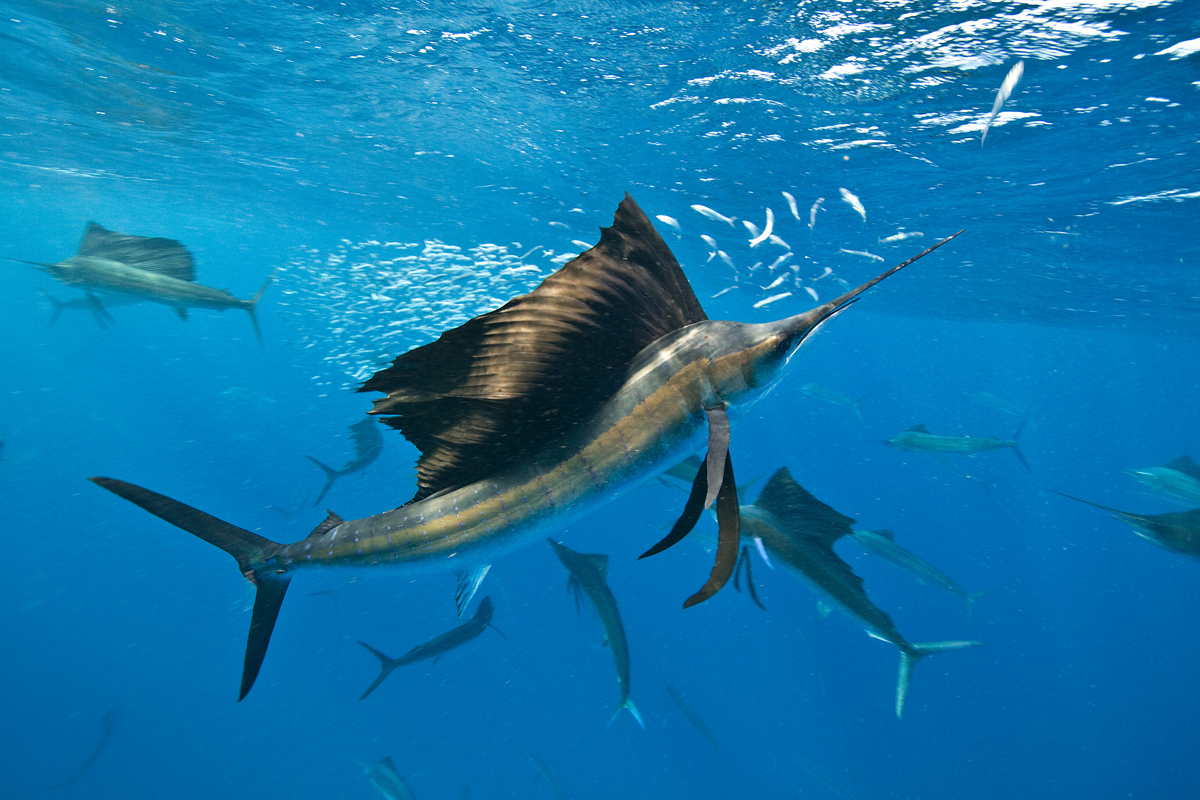
Cheetahs are known for being fleet-footed, reaching top speeds of 65 to 75 miles per hour. But there’s one type of fish that can be aptly described as fleet-finned, giving cheetahs a run (forgive the pun) for their money. Sailfish — specifically the Indo-Pacific sailfish (Istiophorus platypterus) and Atlantic sailfish (Istiophorus albicans), the two primary species of sailfish — can zoom around at up to 68 miles per hour.

While sailfish typically swim at a speed between 20 and 35 miles per hour, they can achieve double that in short bursts, typically when chasing prey. This is despite the fish’s immense size, as the average adult sailfish measures 11 feet long and weighs 211 pounds. But their sleek bodies allow them to glide through water with ease, and their powerful crescent-shaped caudal fins (or tails, in layman’s terms) propel the fish forward with incredible strength at lightning-fast speed.

Great White Sharks Can Detect a Drop of Blood in an Olympic-Sized Swimming Pool

Image Credit: Getty Images/Unsplash.com

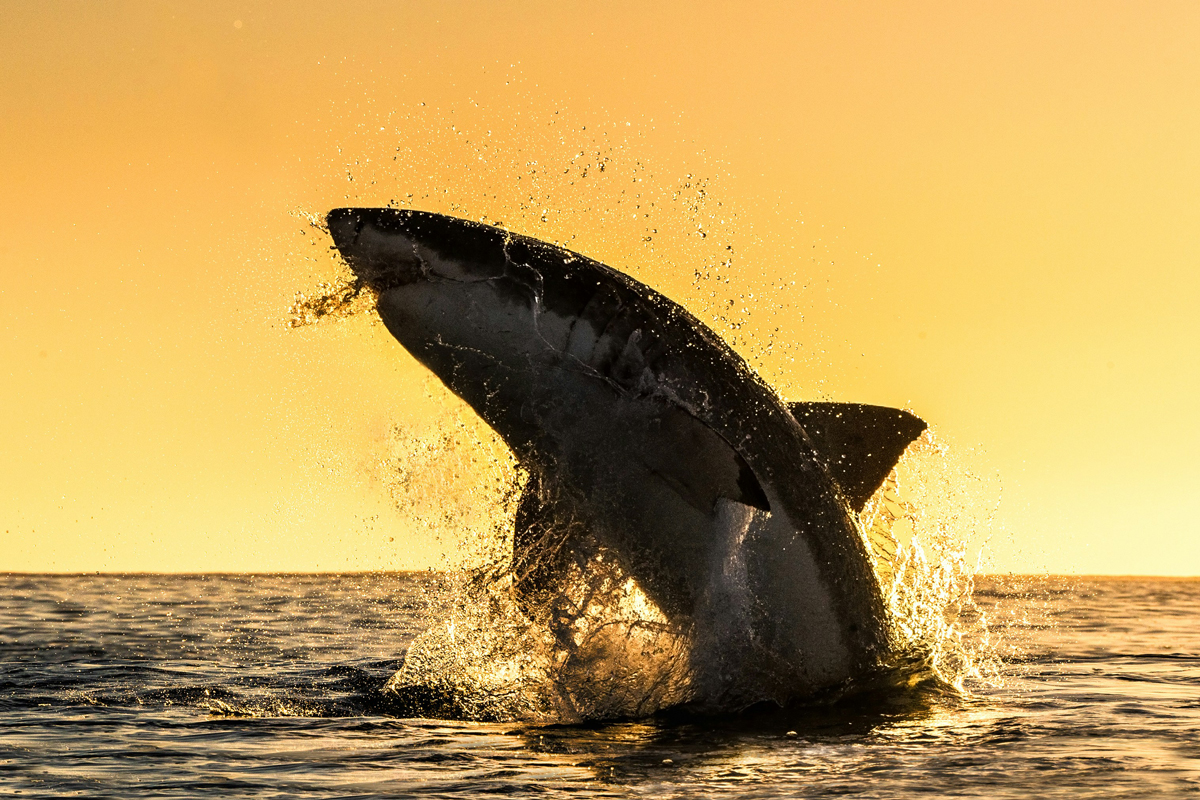
Galeophobia is a surprisingly common fear of sharks in swimming pools, though thankfully, the odds of finding a Great White in the pool are slim to none. However, if a shark were to make its way into a pool, it’d have no trouble tracking down anyone with a fresh wound. That’s because sharks boast an incredibly powerful sense of smell, and can detect a single drop of blood in an Olympic-sized swimming pool.

Olympic-sized pools hold 660,430 gallons of water, and a drop of blood would be imperceptible to the naked eye. But a shark’s nose is highly sensitive, and used solely for smelling rather than breathing. This allows some sharks to detect the smell of blood or prey at one part per 10 billion, and in many cases from hundreds of feet away — or the length of several football fields, to use another sports analogy.