Some Penguins Can Jump More Than 9 Feet in the Air
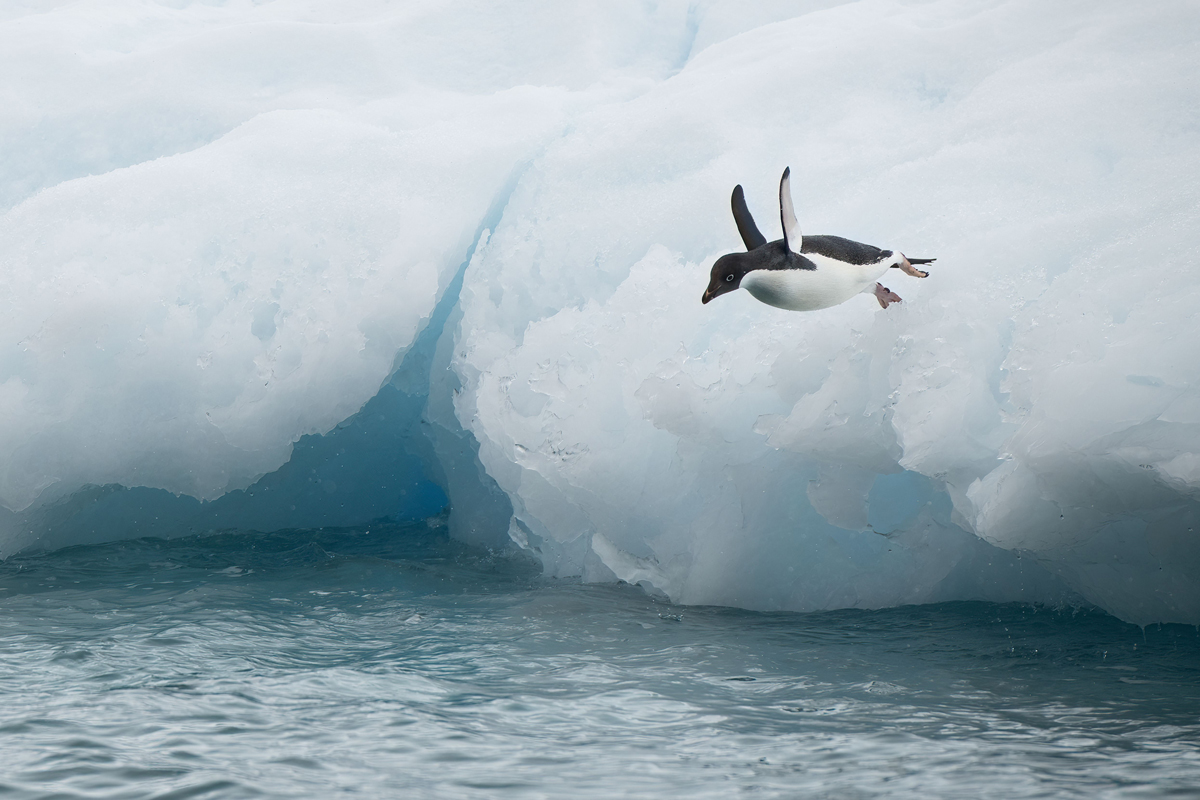
Credit: Rj38/Wirestock Creators/Adobe Stock

Though penguins lack the ability to fly, they make up for it with NBA-caliber hops. Some species of these cold-weather waddlers are capable of launching themselves more than 9 feet into the air. But perhaps even more impressively, they don’t reach such heights by leaping off land; they do so by rocketing out from underwater.

Take Adélie penguins, for instance: As they swim toward the surface, their feathers create a trail of air bubbles, which coat and lubricate their bodies to reduce drag. This allows penguins to reach speeds of just under 12 miles per hour, propelling them high into the air upon breaching the surface. Penguins rely on this ability to escape hungry predators such as orcas and seals.

Great Apes Can Learn Sign Language

Image Credit: Getty Images/Unsplash.com

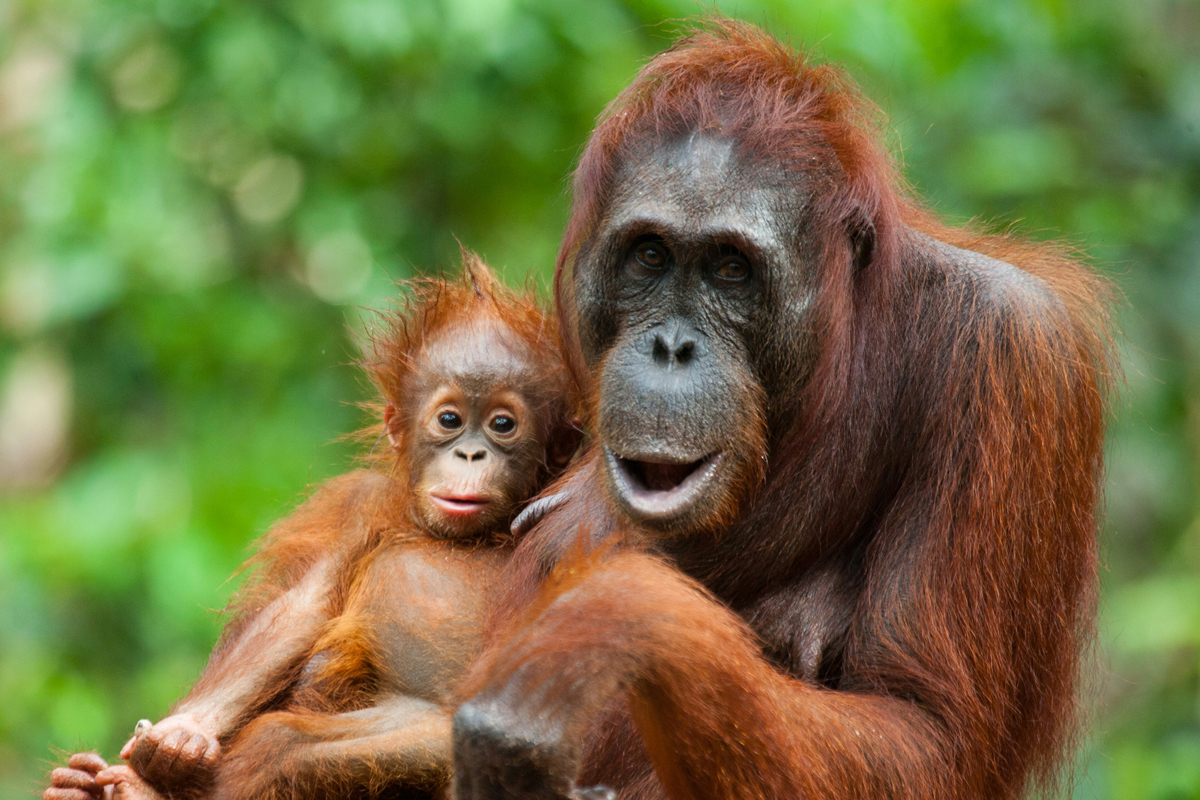
While animals don’t naturally use human language, some great apes have learned to communicate using sign language in research settings. The most famous example is undoubtedly Koko the gorilla, who reportedly learned more than 1,000 signs from American Sign Language and understood thousands of spoken English words. Chimpanzees, bonobos, and orangutans have also demonstrated an ability to learn signs or use keyboards featuring symbols to communicate with their human caretakers.

Scientists continue to debate exactly what these abilities reveal about language, however, since human grammar is far more complex than the communication systems apes have mastered. Even so, this research proves our closest-living relatives can learn to communicate with surprising flexibility.

Horses Can’t Breathe Through Their Mouths

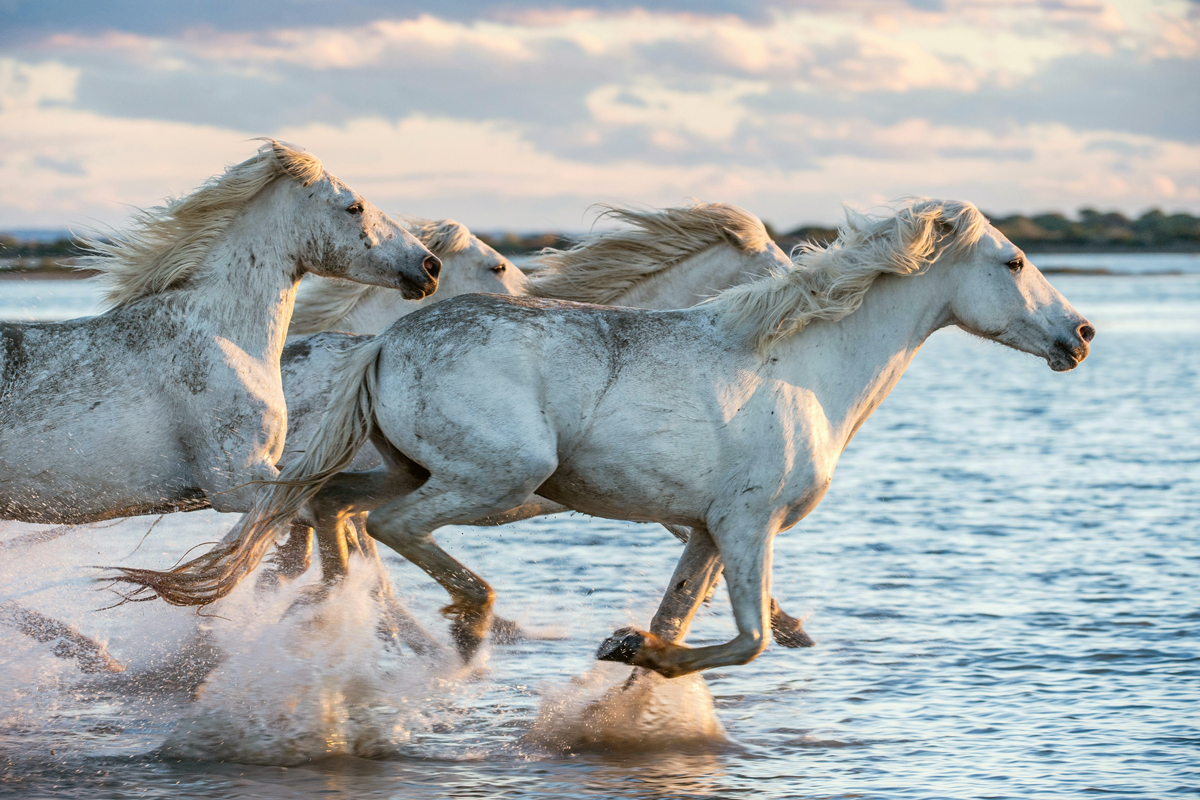
Horses galloping through water
Credit: Getty Images/Unsplash.com

If you’ve ever watched a horse in a full, mighty gallop, you may have noticed something peculiar: Its mouth stays closed. Unlike many other animals, including dogs, which often pant with their tongues hanging out to help them cool down and catch their breath, horses can only breathe through their noses. 

Animals that breathe only through their nostrils, rather than through both the nose and mouth, are known as obligate nasal breathers. A flap of tissue called the soft palate forms a tight seal between the mouth and airway, helping horses breathe efficiently while eating and, importantly, keeping food out of their airways. And since they can’t pant like dogs, horses instead rely on sweat to regulate their body temperatures, sweating up to several gallons an hour during high performance.

Zebras Are Actually Black With White Stripes

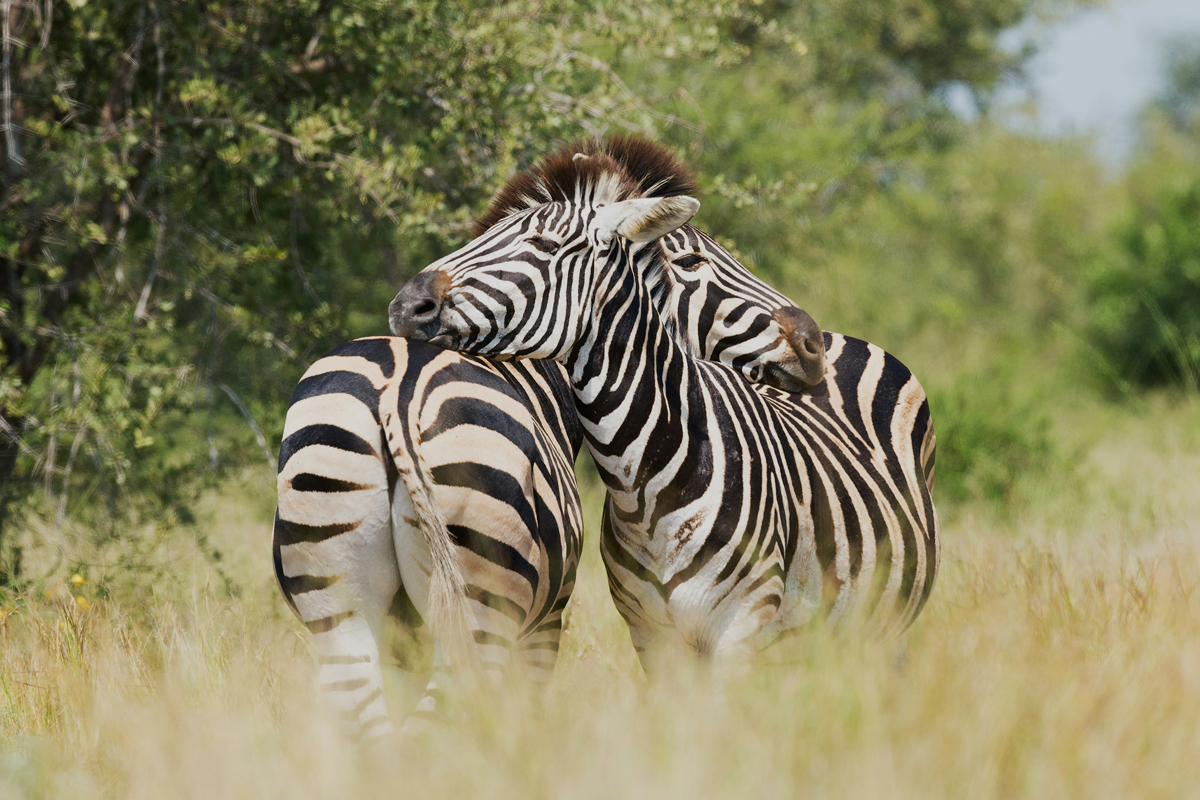
Two zebras nuzzling each other
Credit: Vincent van Zalinge/Unsplash.com

Zebras, with their visually striking appearance, are a classic example of our eyes playing tricks on us. You may assume zebras are white with black stripes, but the opposite is correct: These savanna-dwelling grazers have black skin coated in an alternating pattern of white- and black-striped fur.

A zebra’s fur color is determined by its melanocyte cells, aka pigment-generating cells present in all creatures. In a zebra’s case, the melanin in those cells is responsible for its black stripes, while its white stripes are caused by the absence of pigment in those parts. As for why zebras have stripes, there are several competing theories. Some believe they’re mainly for camouflage, while others argue they’re primarily for thermoregulation.

Anglerfish Fuse When They Mate

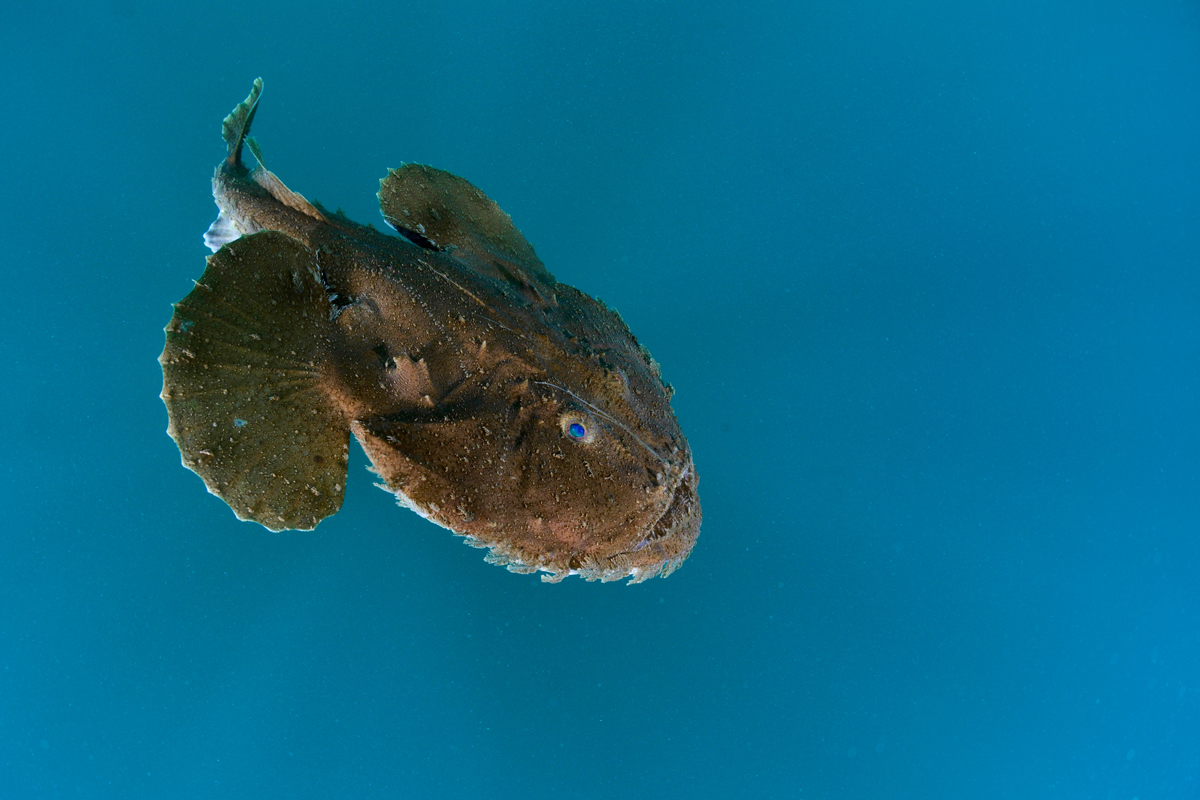
Anglerfish swimming
Credit: puntel/Adobe Stock

If humans were like anglerfish, breaking off a relationship would be more than difficult — it would be life-threatening. That’s because anglerfish undergo a stark physical transformation when they mate, fusing together for life as part of a biological concept known as sexual parasitism.

Of the more than 300 species of anglerfish, sexual parasitism is only found in certain species that reside in the deep sea. These fish also experience sexual dimorphism, in which different genders have starkly different physical appearances; in this case, female anglerfish are much larger than their male counterparts. 

When searching for a mate, males use their sense of smell to track down females. Once they’ve found a mate, the males latch on with their small, sharp teeth — essentially becoming irremovable appendages. Males then drain resources from the females for life, occasionally fertilizing eggs along the way.

Bats Are More Closely Related to Whales Than to Birds

Bat hanging upside down on a branch
Credit: arrowsmith2/Adobe Stock

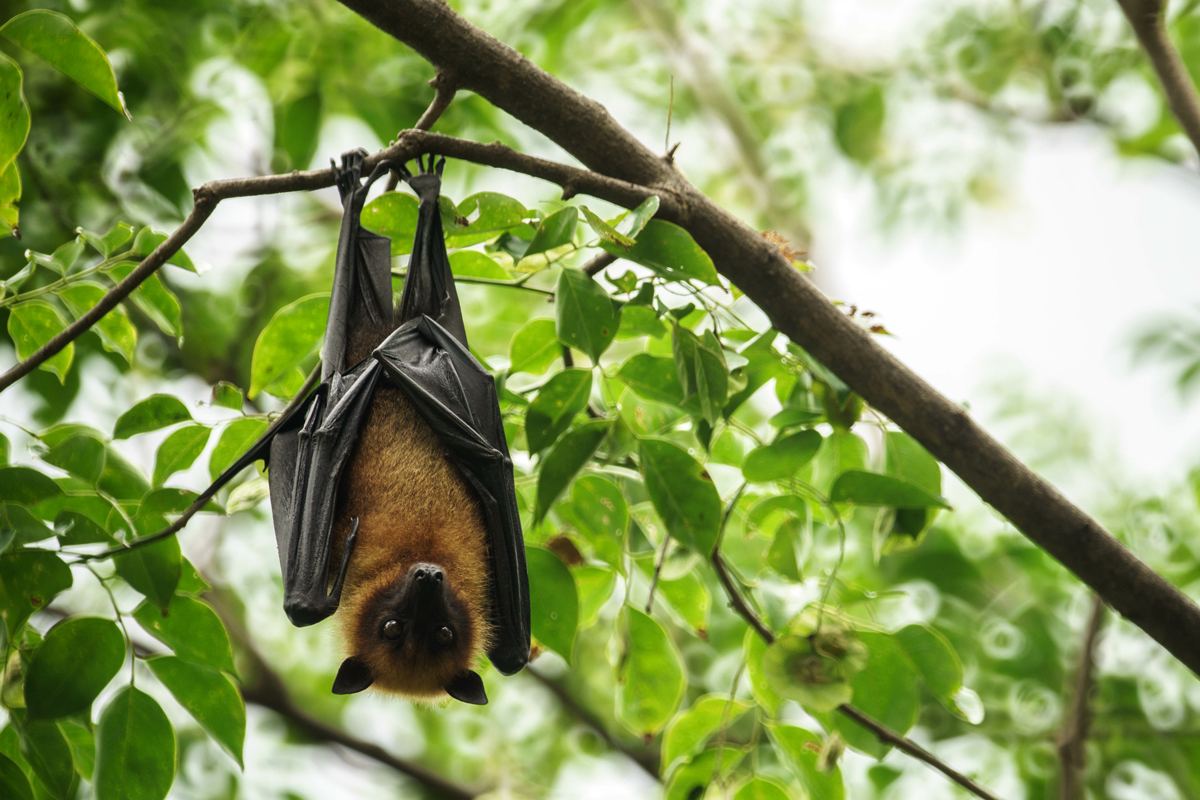
Bats and birds both soar through the skies, but that’s about where the similarities end between these two creatures. In reality, bats are far more closely related to an animal that lives in an entirely different environment and couldn’t seem more different: whales.

Bats and whales are both mammals, but they share several traits beyond that. They’re both warm-blooded, have hair, give birth to live young, and nurse their offspring with milk. Birds, on the other hand, are dissimilar to bats in many ways. They’re avians rather than mammals, they have feathers instead of hair, they lay eggs, and they feed their young with partially digested insects rather than milk (which birds don’t produce).

Arctic Ground Squirrels Can Lower Their Body Temperature Below Freezing

Arctic ground squirrel standing upright
Credit: Andrei Stepanov/Adobe Stock

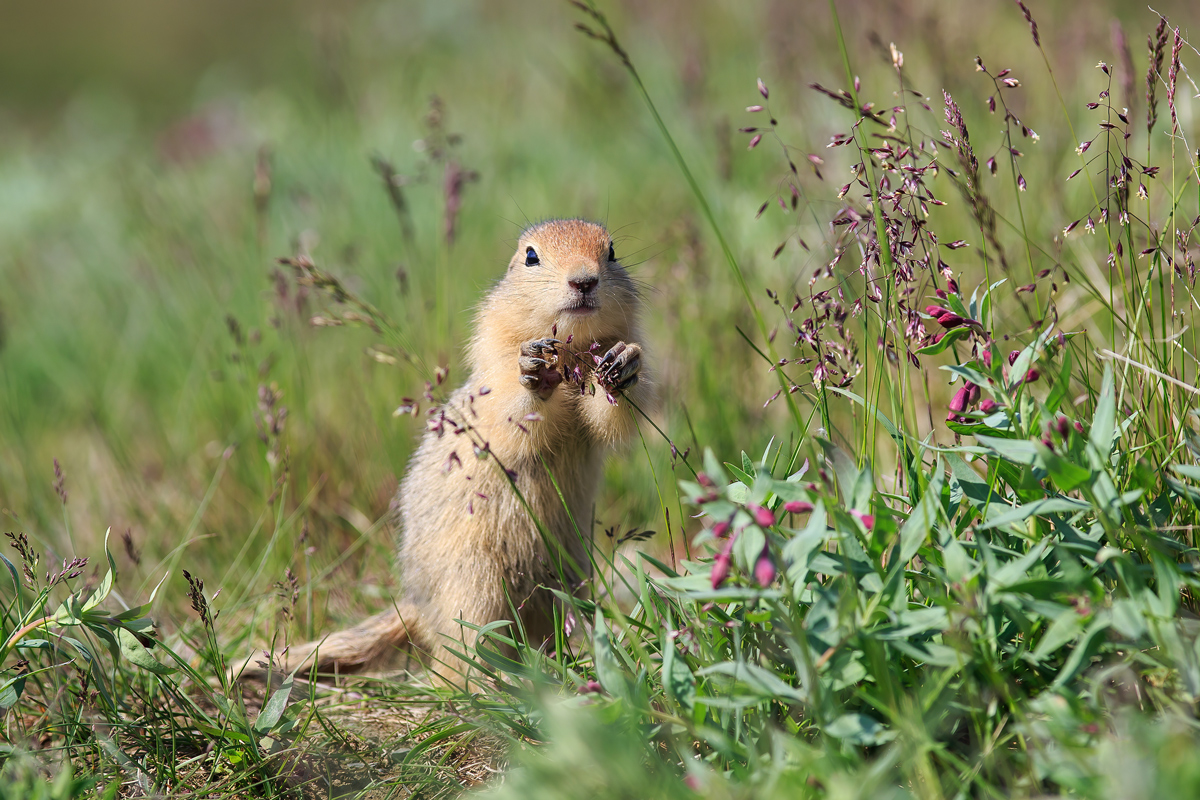
Arctic ground squirrels are — for part of the year, at least — quite literally the coolest mammals on Earth. During hibernation, which can last up to eight months in the frigid Alaskan winter, these squirrels lower their core body temperature to approximately 26 degrees Fahrenheit — below the freezing point of water. They’re the only known warm-blooded mammals capable of supercooling their bodies this way.

They achieve this feat of suspended animation by slowing their metabolisms to a fraction of the normal rate. Their bodies become so cold, and their breathing and heartbeat so slow, that it’s hard to tell if they’re still alive. Many of their brain cells and synapses die off during this process but rapidly regenerate as the animals emerge from hibernation.

Some Snails Can Hibernate for Three Years or More

Snail perched on a plant
Credit: Krzysztof Niewolny/Unsplash.com

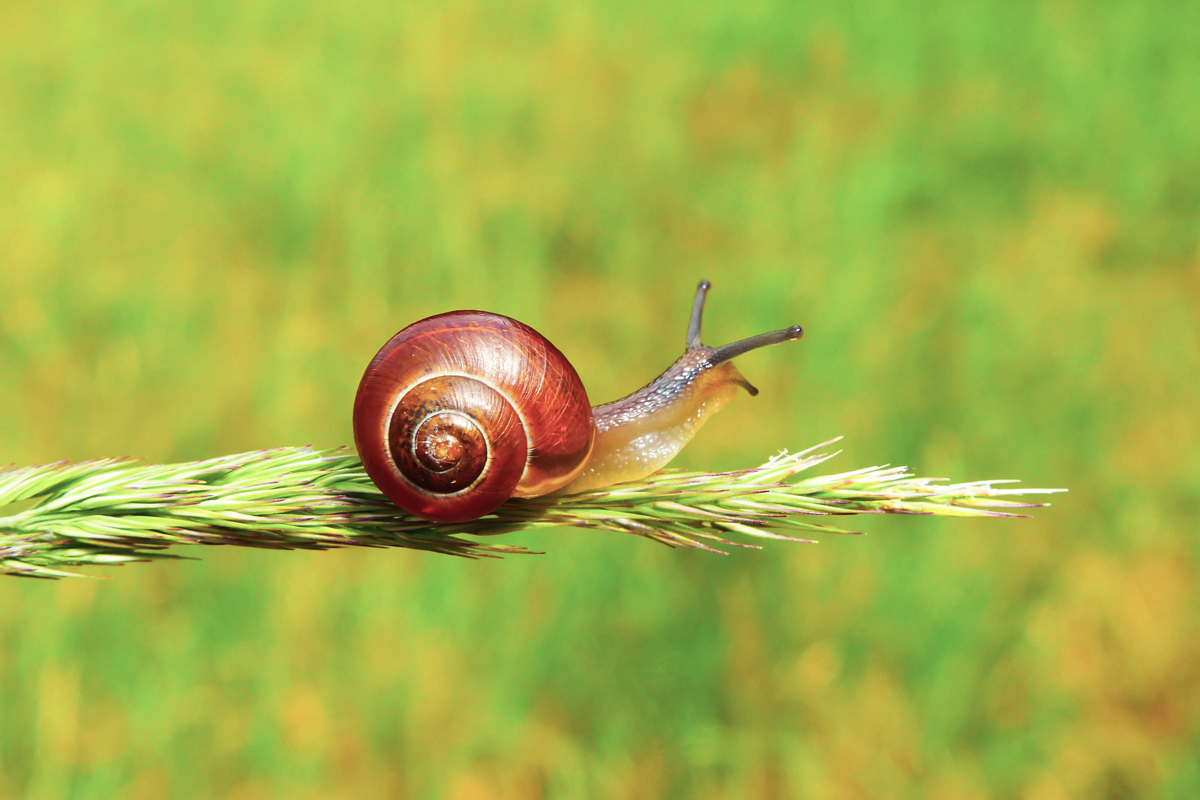
Much like many snowbirds (human and avian) who travel south for winter, most snails have a tough time handling cold weather. Snails often enter prolonged states of hibernation, sealing off their shells with an insulating calcified membrane called an epiphragm. While many snails emerge from hibernation after a few months, certain species can hibernate for years at a time.

This revelation came to light in 1846, when a snail of the species Eremina desertorum — which was believed to be dead — was taken from Egypt to be displayed at the British Museum. More than three years later, curators noticed that the snail had woken up after an impressively prolonged rest. Snails may also enter a state of estivation, which, unlike hibernation, is done to survive in extremely hot environments. This process, too, can last for at least three years.

A Blue Whale’s Heart Can Beat Just Twice a Minute

Blue Whale fin breaching the ocean surface
Credit: Kirk Hewlett/Adobe Stock

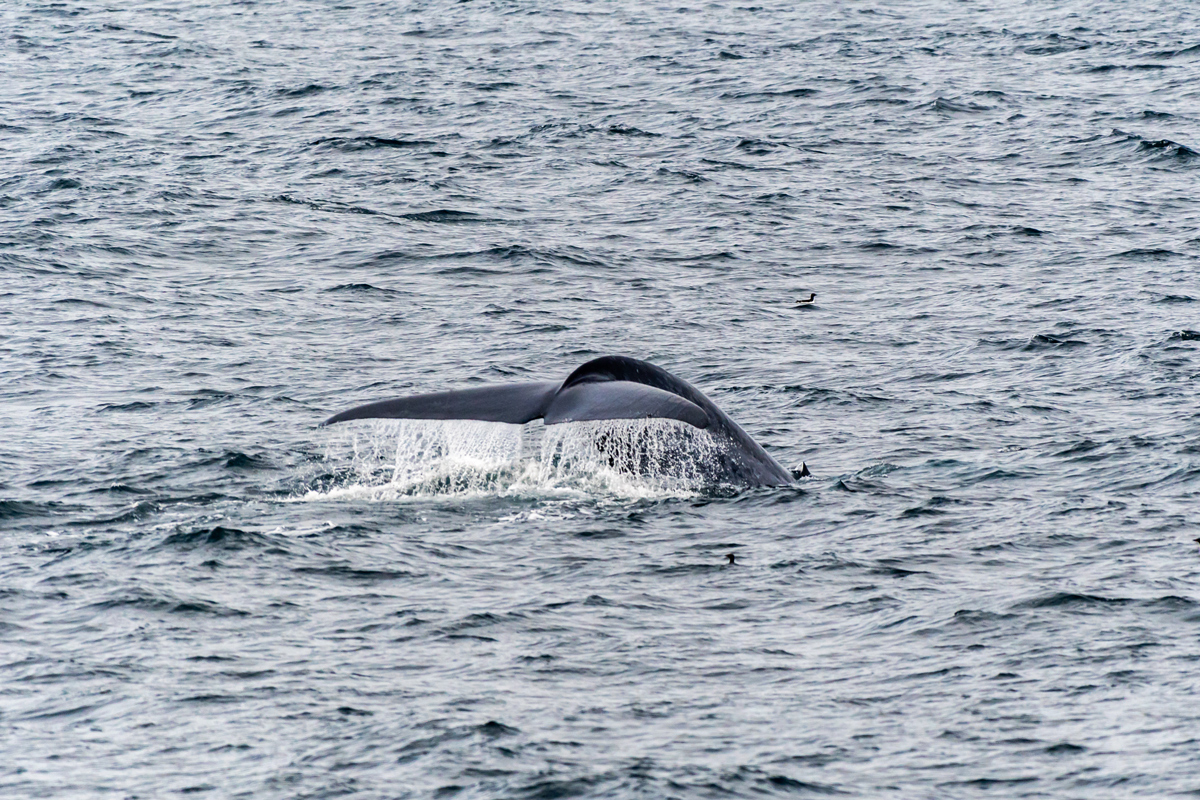
The blue whale — the largest animal that’s ever lived — has a heart befitting its monumental size. Weighing around 400 pounds and measuring roughly the size of a golf cart, it’s the largest heart of any animal on Earth. 

When a blue whale dives in search of food, this mighty organ slows its rhythm to just two beats per minute. This extremely low heart rate is a remarkable physiological adaptation that helps the whale conserve oxygen, allowing the massive creature to reach depths of more than 1,000 feet and remain underwater for around 30 minutes. When it returns to the surface, its heart rate surges back up to around 25 to 37 beats per minute as the whale takes on fresh oxygen.

Adult Polar Bears Have No Natural Predators

Image Credit: Annie Spratt/Unsplash.com

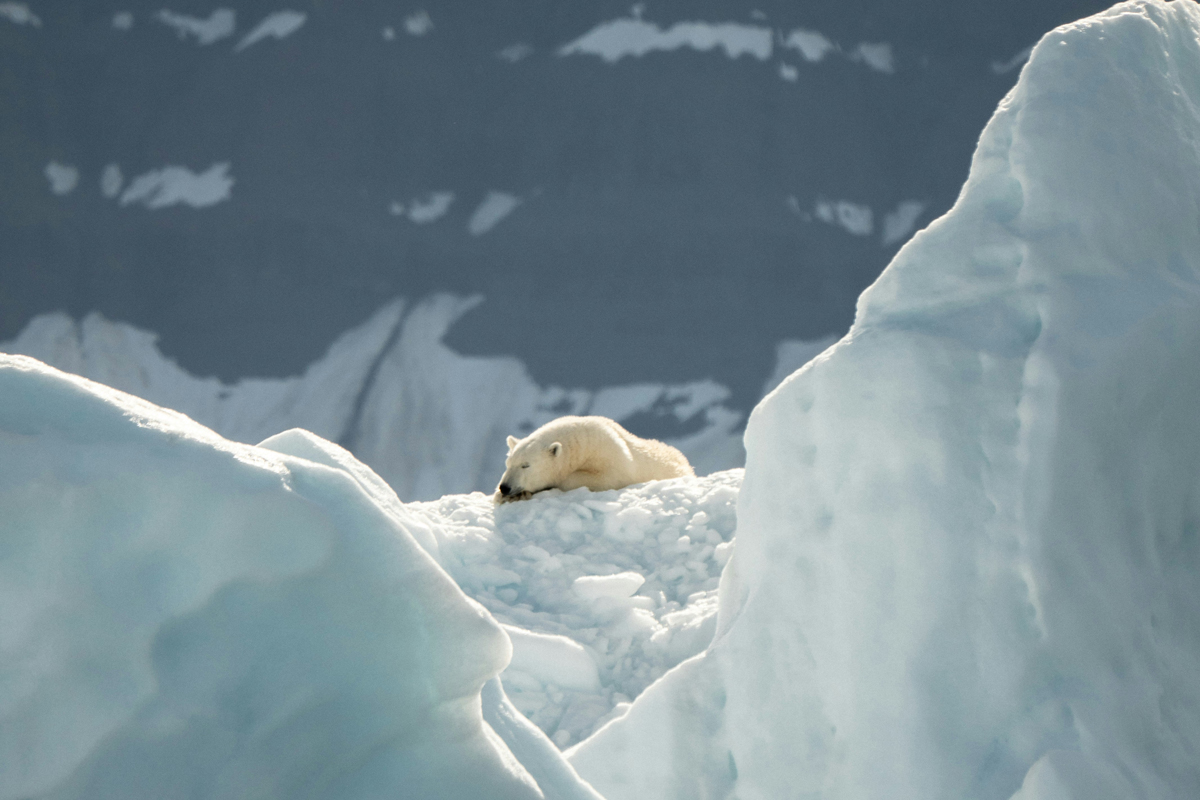
It pays to be the biggest creature around, and at 10 feet tall on their hind legs and weighing up to 1,300 pounds, polar bears are king. As the world’s largest land carnivores, they have no natural predators, instead spending their days as the toughest hunters around, stalking seals across sea ice and diving into frigid waters in search of their next meal.

That doesn’t mean polar bears are invincible. Cubs are occasionally vulnerable to wolves or even other polar bears, but healthy adults have little to fear from other wildlife. Their greatest threat today isn’t another predator at all — it’s the rapid loss of Arctic sea ice. As the ice disappears, polar bears lose the hunting grounds they depend on, making it harder to catch enough seals to survive.