A Shrimp’s Heart Is in Its Head

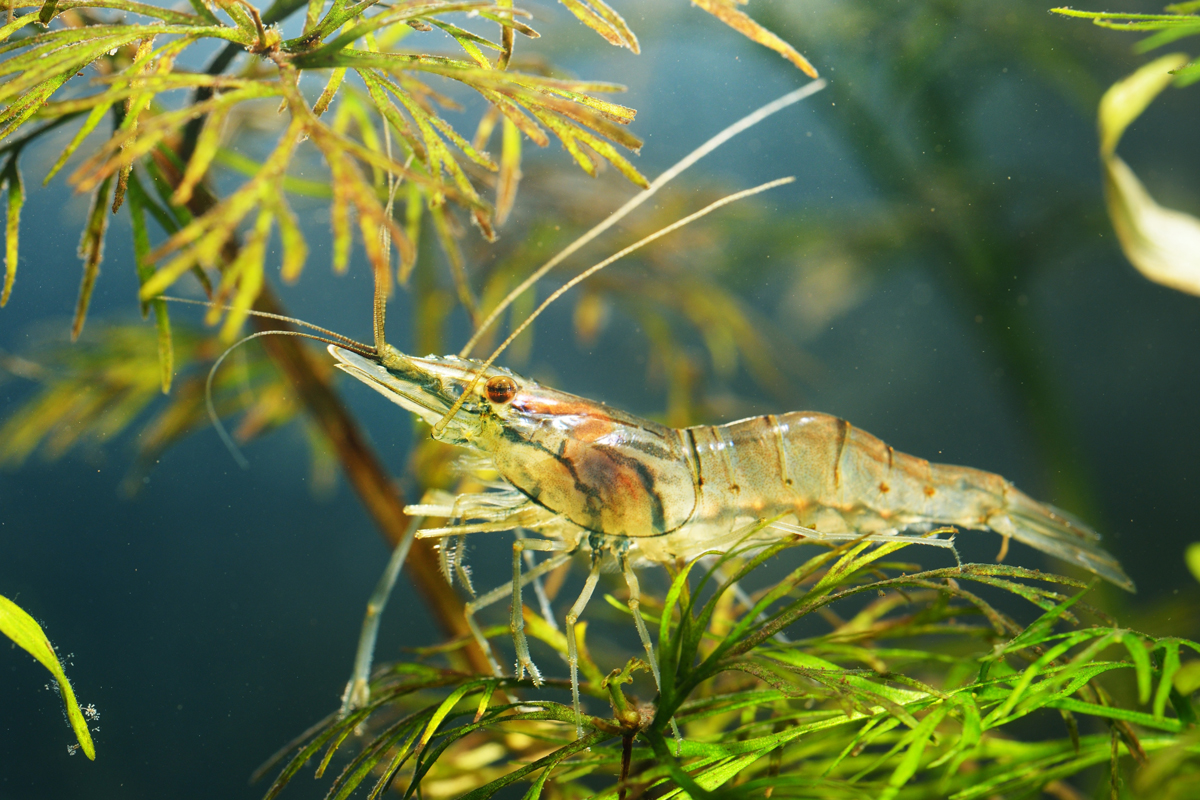
A shrimp climbing over an underwater plant
Image Credit: Alex Stemmer/Adobe Stock

Shrimp may be small, but they have one of the strangest body plans in the animal kingdom. Their heart, for example, sits so close to the brain that it’s effectively inside the head. A shrimp’s heart is located inside the cephalothorax — the fused body section that combines its head and thorax beneath a hard protective shell. Since a shrimp doesn’t have a distinct neck separating its head from the rest of its body, the heart ends up sitting just behind the brain, making it appear as though it’s tucked inside its head.

Unlike humans, shrimp have an open circulatory system. Instead of pumping blood through a network of arteries and veins, their heart pushes a copper-rich fluid called hemolymph into open spaces surrounding their organs. This fluid delivers oxygen and nutrients before eventually making its way back to the heart to begin the cycle again. It’s an efficient design for the small crustacean.
Ducks Sleep With One Eye Open

Image Credit: Zdeněk Macháček/Unsplash.com

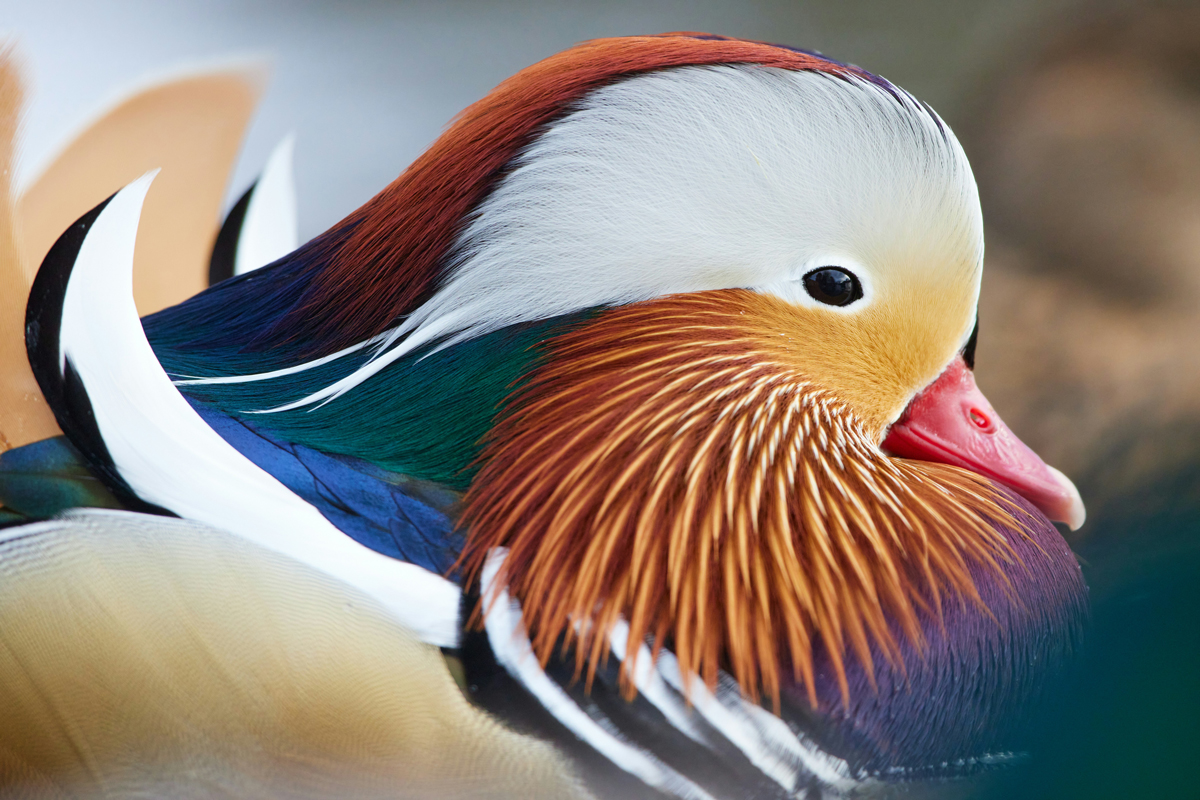
Sleeping alone is dangerous in the animal kingdom, especially if you’re a duck. With predators lurking nearby, a deep, uninterrupted sleep could be a fatal mistake. That’s why these waterfowl have cultivated a safer sleeping strategy. Like many other animals, ducks are capable of unihemispheric sleep, meaning they rest one half of their brain while the other remains awake. During this time, they literally sleep with one eye open, keeping watch for danger while still getting the rest they need.

Fortunately, ducks don’t need to sleep this way all the time. When sleeping in a group, these birds take guard duty in shifts. They sleep in flocks, with ducks on the outer rim employing this one-eyed sleep to keep watch, while ducks in the middle enjoy a restorative two-eyed sleep.

Octopuses Have Three Hearts

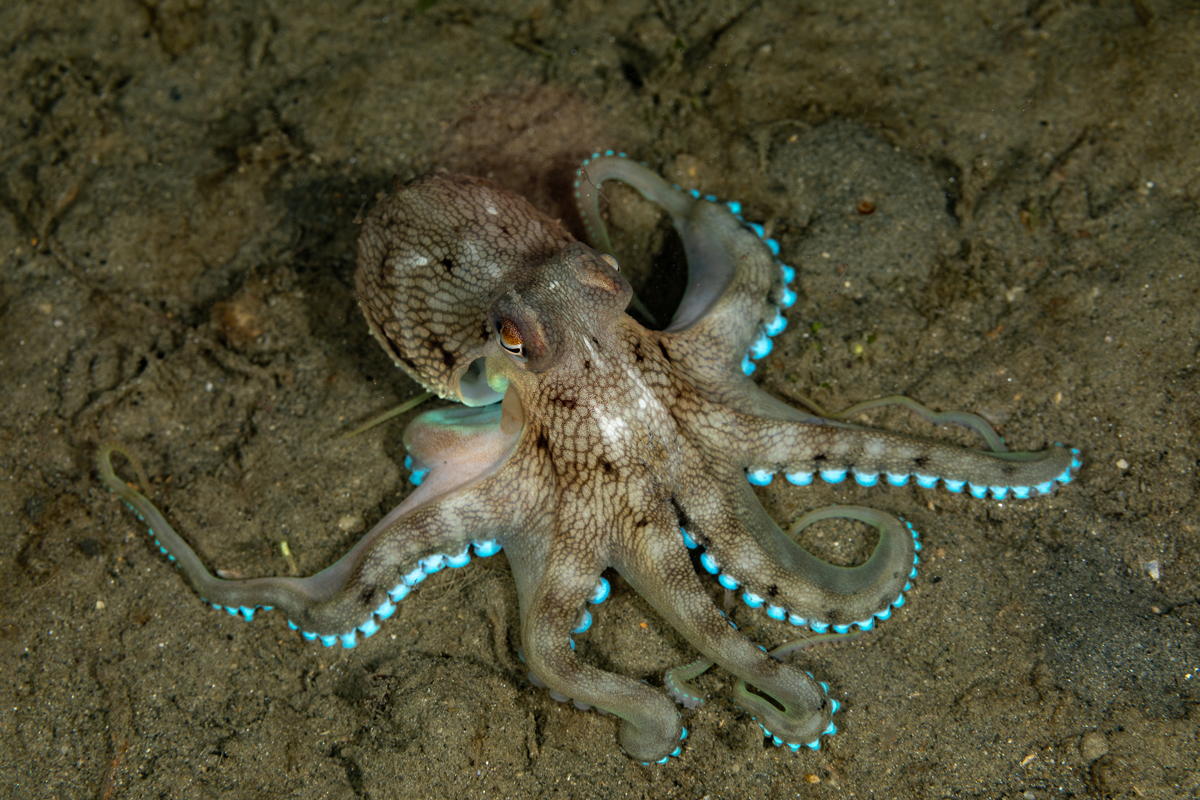
A picture of a brown octopus with glowing turquoise tentacles crawling on the muddy sea floor
Image Credit: GeraldRobertFischer/Adobe Stock

In addition to being exceptionally brainy, octopuses also have a lot going on in one of their other vital organs: the heart, or hearts, of which they have three. Two peripheral hearts pump blood to the gills, while the central heart pumps that oxygenated blood throughout the body. This unique arrangement also explains why the elusive creatures are known to prefer crawling along the seafloor rather than swimming: their third heart stops beating while they swim, which consumes more energy and tires them out faster than crawling. Work smart, not hard.

This isn’t the only oddity in octopuses. Octopus blood is blue, as it contains a copper-based oxygen carrier called hemocyanin that helps the cephalopods thrive at cold temperatures; human blood (and that of other vertebrates) is red because it contains hemoglobin, an iron-based oxygen carrier. Hemocyanin is a less efficient oxygen carrier than hemoglobin, leading some biologists to speculate that octopuses have three hearts to compensate for that deficiency.

Mosquitoes May Prefer Type O Blood

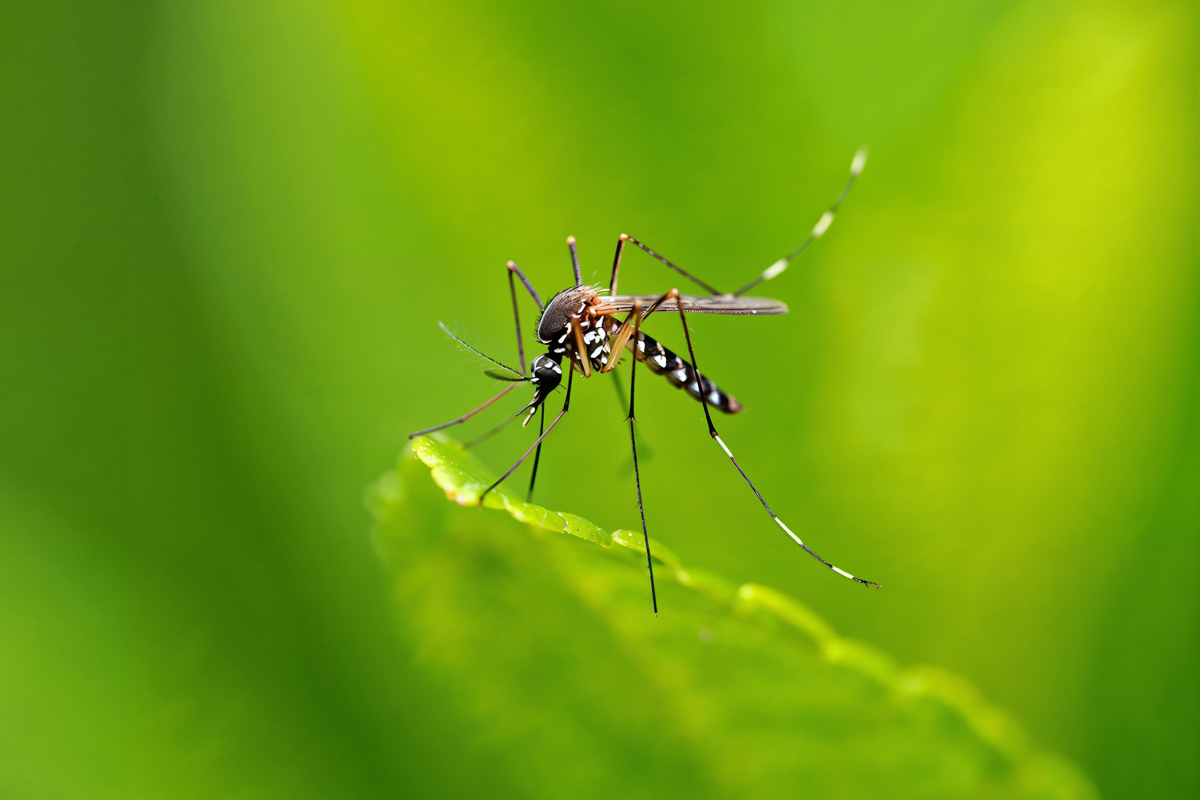
An up-close picture of a mosquito on a green leaf
Image Credit: nenetus/Adobe Stock

Ever wondered why mosquitoes seem determined to bite you while leaving everyone else alone? Your blood type could be part of the answer. Some early studies have shown mosquitoes demonstrating a preference for Type O blood over Type A or B — but that’s only one piece of the puzzle.

Mosquitoes don’t actually know your blood type before they bite. Instead, they home in on a combination of clues, including the carbon dioxide you exhale, your body heat, chemicals in your sweat, and even the unique community of bacteria living on your skin. Once they land, compounds associated with certain blood types may encourage them to stick around. Pregnancy, alcohol consumption, genetics, and even the color of your clothing can also make you more appealing to these tiny bloodhounds.

Dolphins and Whales Can Only Taste Salt

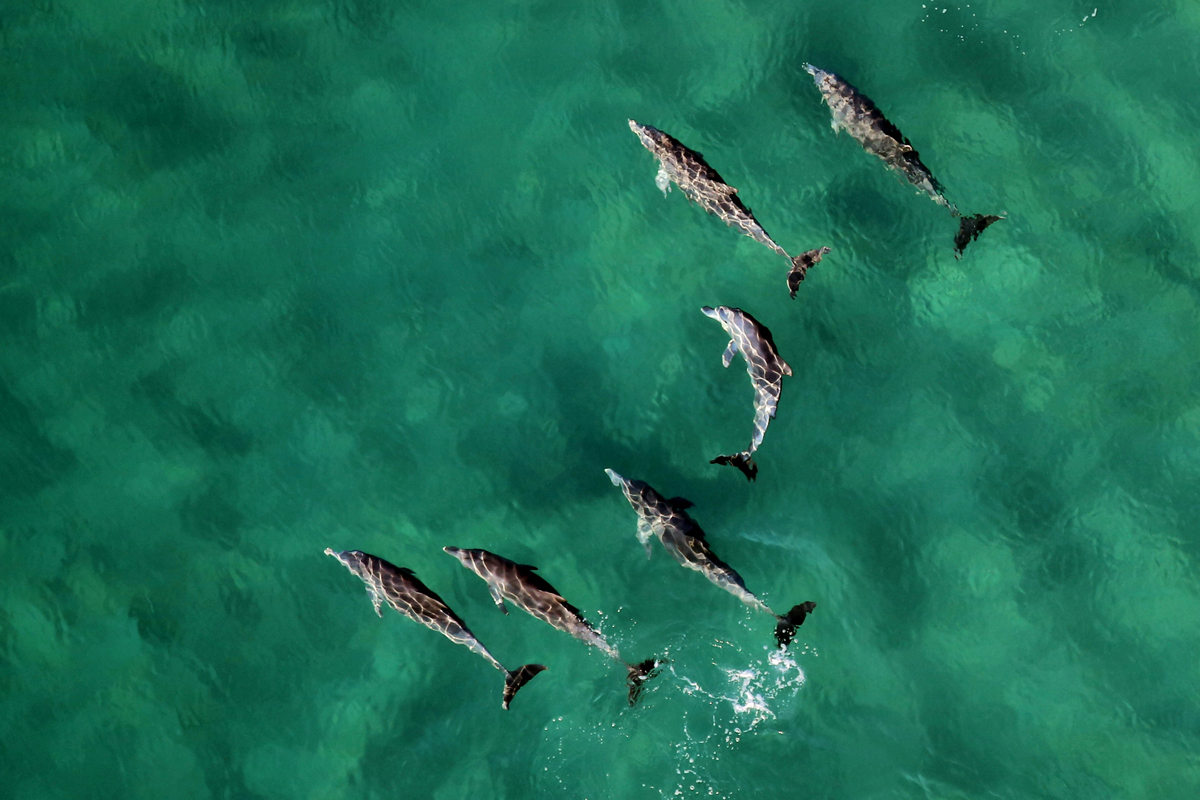
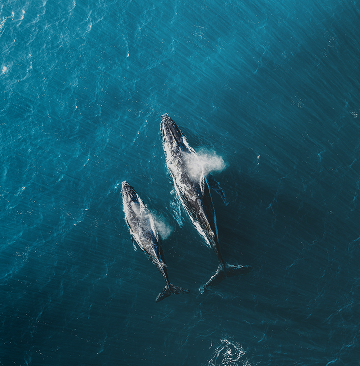
An aerial view of a pod of dolphins swimming in blue-green water
Image Credit: Wynand Uys/Unsplash.com

Imagine if every meal tasted exactly the same. For dolphins and whales, that’s pretty close to reality. While humans experience five basic tastes — sweet, salty, sour, bitter, and umami — these marine mammals appear to detect taste salt. Millions of years ago, mutations in their ancestors disabled most of the taste receptors found on the tongue, leaving salt as the lone survivor. Living in the ocean, that’s not exactly the most exciting flavor.

Taste isn’t just about enjoying food — it’s also a tool for evaluating what we eat. Most vertebrates rely on it to help distinguish nutritious foods from those that are spoiled, bitter, or potentially harmful. Dolphins and whales, however, swallow their prey whole, so over time, they simply stopped relying on most of their sense of taste.

Rats Giggle When Tickled

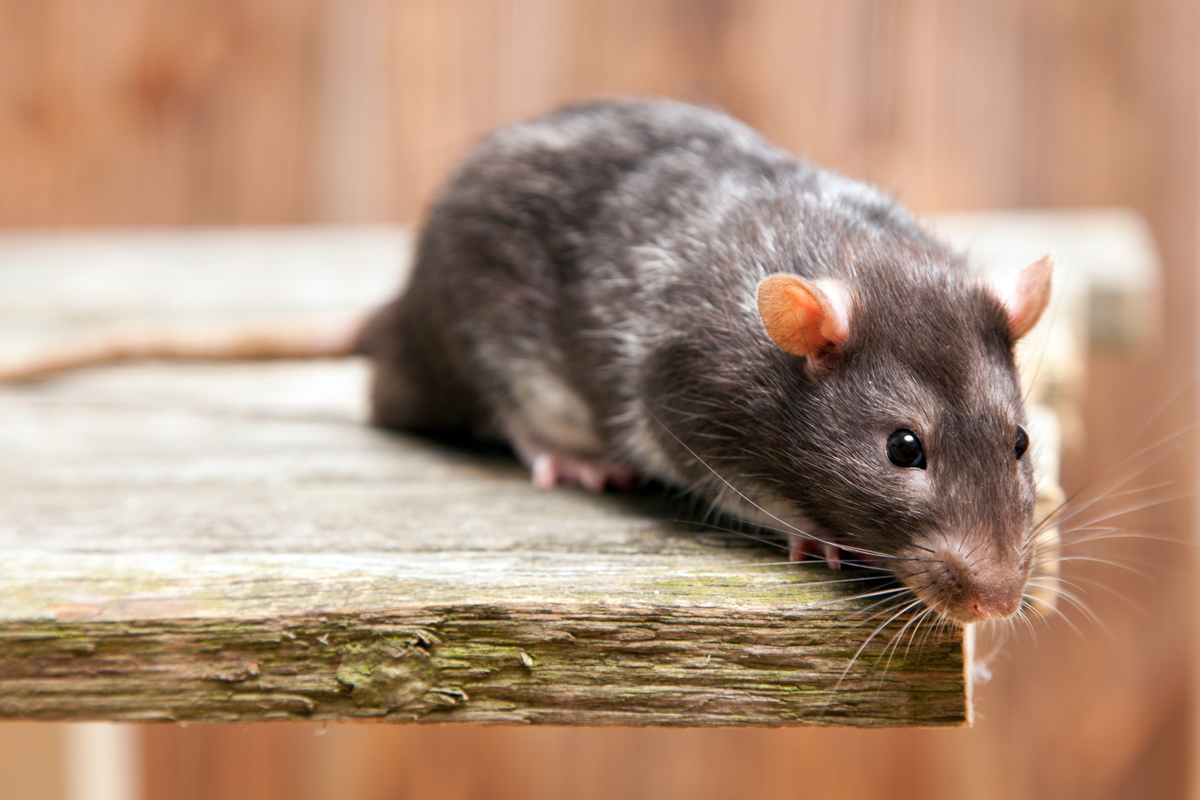
A picture of a grey rat sitting on a wooden table
Image Credit: George Dolgikh/Adobe Stock

Tell them a good knock-knock joke, and rats won’t blink an eye. But tickle their soft spots and they’ll burst into laughter — it’s just too high-pitched for humans to hear. Researchers have found that tickled rats emit ultrasonic squeaks of delight and have even identified the part of the brain responsible for this joyful response.

Rats are surprisingly playful. They chase one another, wrestle, and even play games that resemble tag and hide-and-seek. Better yet, they often come back for more, eagerly seeking out another round of tickles — especially on their backs and bellies.

Opossums Glow Pink Under UV Light

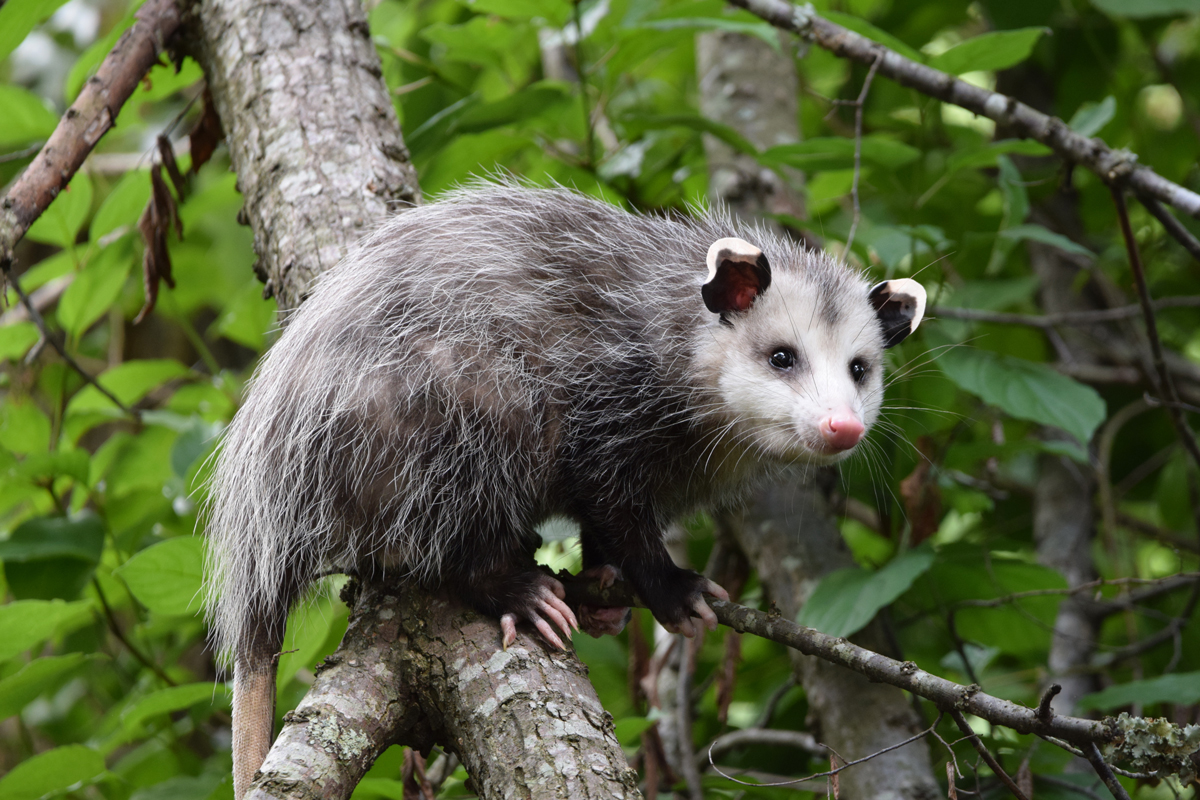
A picture of a grey and white opossum in a tree
Credit: Lorna/Adobe Stock

North America’s only marsupial already has an impressive résumé. Opossums are naturally resistant to rabies thanks to their unusually low body temperatures, and they can withstand many snake venoms thanks to protective compounds in their blood. But perhaps their strangest superpower only appears after dark.

Shine an ultraviolet light on a Virginia opossum, and its pale fur glows a brilliant hot pink. This phenomenon, known as biofluorescence, occurs when an animal absorbs ultraviolet light and re-emits it as a visible color. Scientists have discovered biofluorescence in everything from flying squirrels to platypuses, but they still aren’t entirely sure why some mammals glow. It may help with communication or camouflage — or it could simply be an unexpected byproduct of their fur.

Crabs Can Regrow Lost Claws

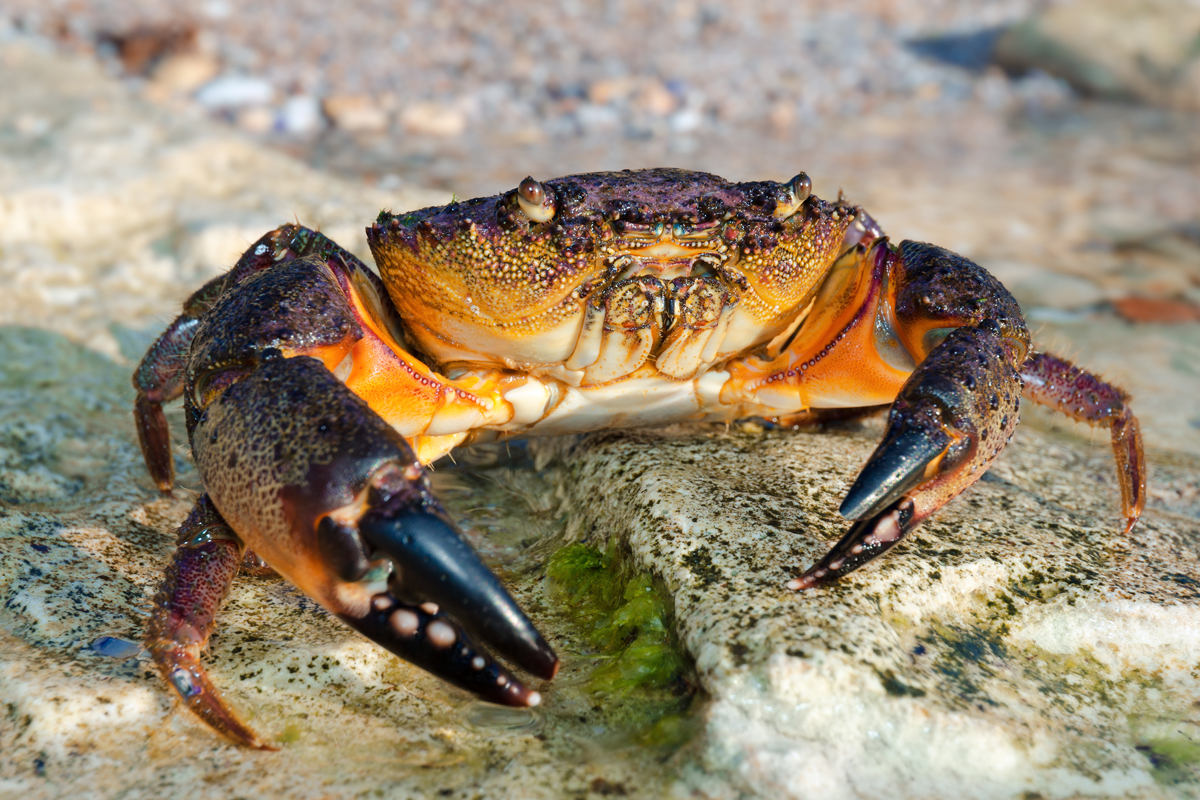
A picture of a stone crab on the beach
Credit: Artur/Adobe Stock

You’ve probably heard that lizards can regrow lost tails — but did you know some crabs can regrow entire claws? Stone crabs have an impressive backup plan. If they lose a claw, they can grow a new one over time. The process happens gradually with each molt: younger crabs may replace a lost claw in just a few months, while adults can take up to a full year.

There’s one important catch. Regeneration only works if the diaphragm at the base of the claw remains intact. This specialized tissue seals the wound and prevents fatal blood loss. If it’s torn away along with the claw, the crab usually won’t survive the injury.

Hippos Make Their Own “Sunscreen” Sweat

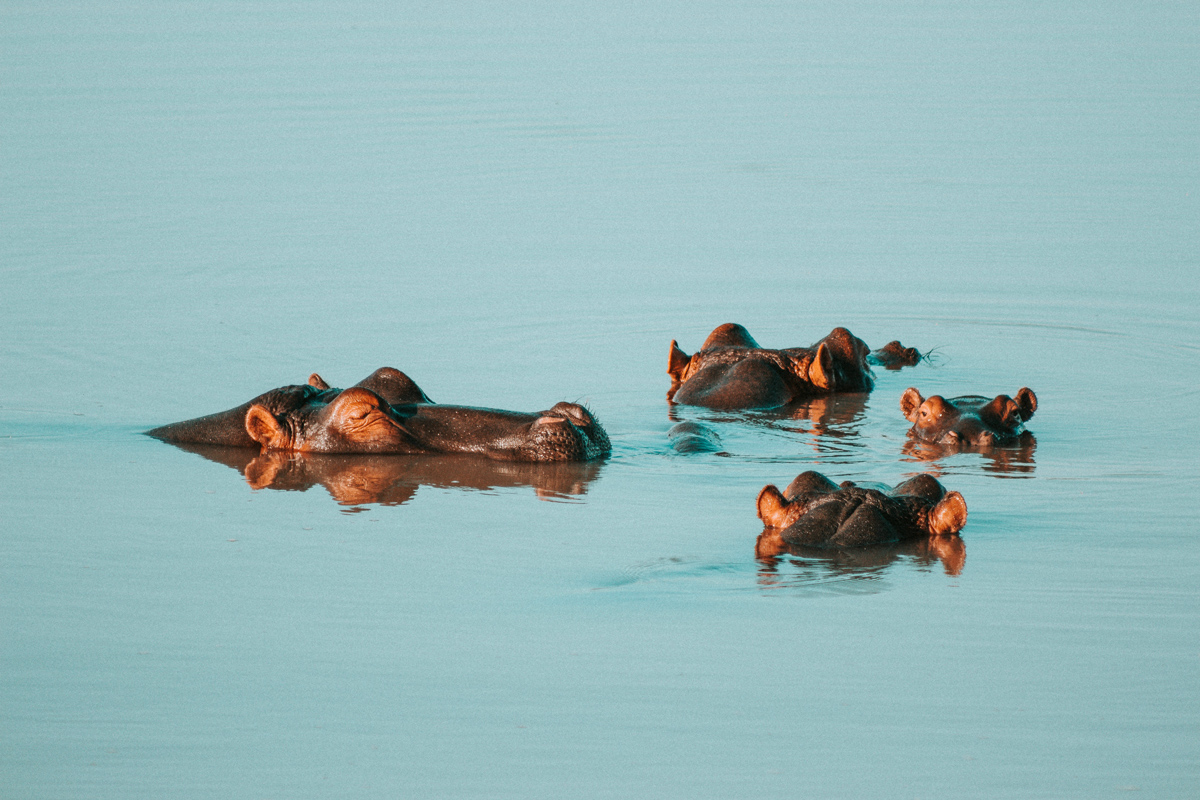
The tops of four hippo heads barely peeking out of the surface of still water
Image Credit: Wade Lambert/Unsplash.com

Aren’t you glad you sweat clear liquid? Hippopotamus aren’t so lucky. These hefty creatures secrete a reddish substance that European explorers once mistook for “blood sweat.” In actuality, the oily liquid is a mix of two molecules that turn red when exposed to air. These substances act as a natural ointment to protect their sensitive skin from UV rays. 

Hippos spend the majority of their time submerged in shallow water, leaving their heads exposed so they can breathe. Sunlight passes easily through this water, and hippos, with their hairless, fragile skin, are particularly vulnerable to sunburns. So having a little built-in SPF goes a long way in protecting them.

Dolphins Have Names For Each Other

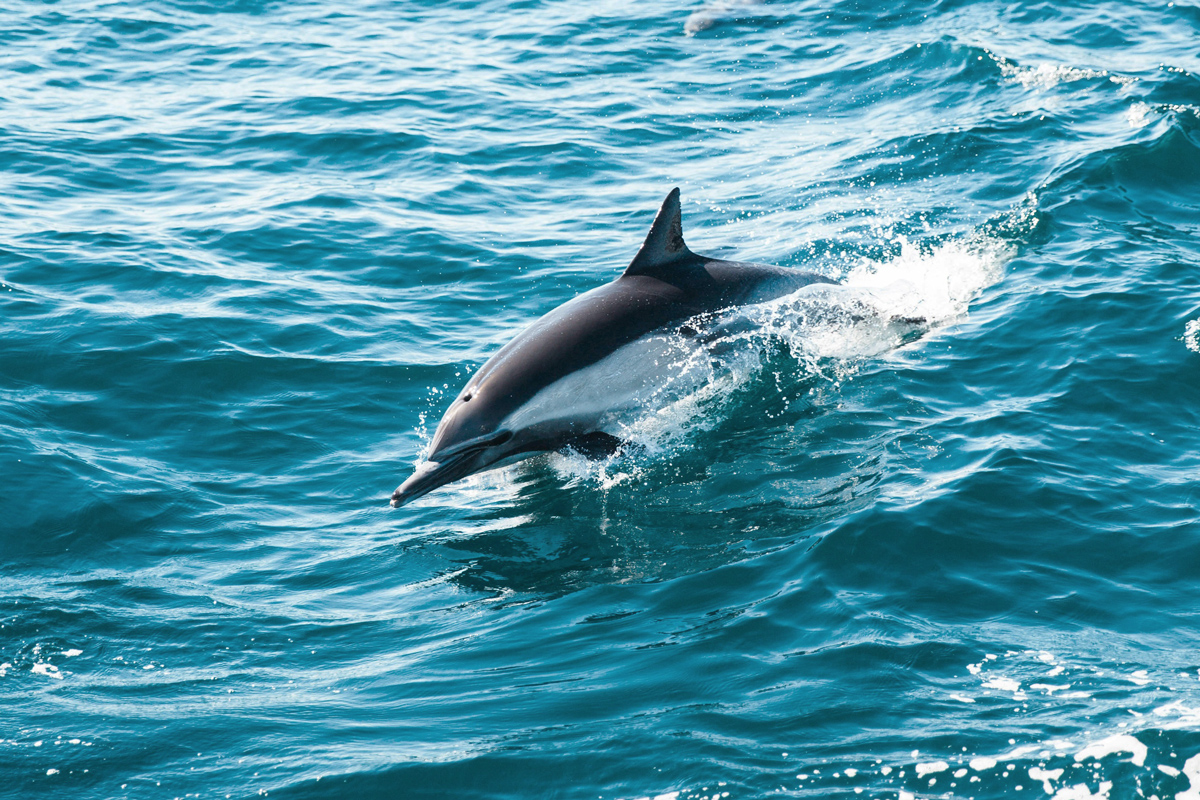
A picture of a grey dolphin with half of its body coming out of the ocean
Image Credit: Nick Reynolds/Unsplash.com

They don’t write them down on tiny, waterproof name tags, but dolphins do have unique whistles that function more or less as names, allowing individual dolphins to identify themselves across long distances. Researchers have found that dolphins not only recognize these signature whistles, but will also imitate them when trying to get the attention of a specific individual. In other words, a dolphin may effectively “call” another dolphin by reproducing its unique whistle.

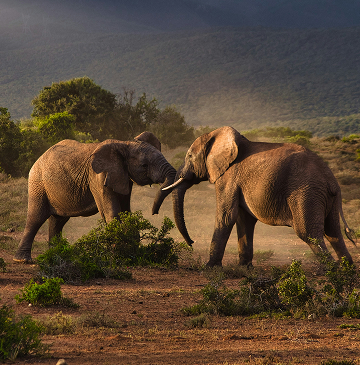
A unique, high-pitched whistle might never perfectly translate to “Larry” or “Madonna,” but researchers have been working for years to decode dolphin language. And dolphins aren’t the only creatures found to have names. Sperm whales have special call signs as well, and research suggests elephants may also have name-like calls used for identification.