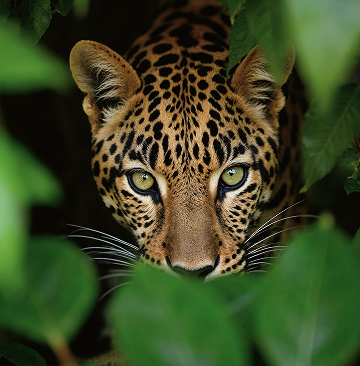
6 Animals That Disguise Themselves as Plants
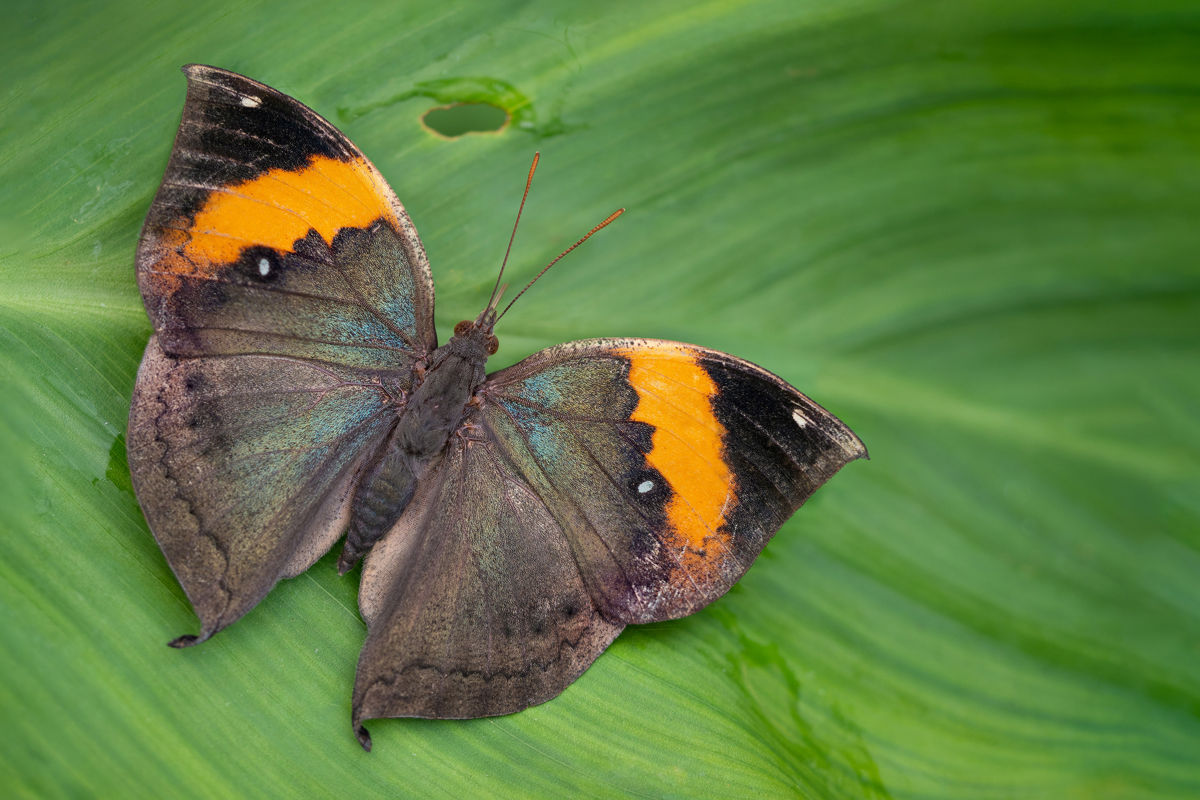
Orange oakleaf butterfly with wings splayed open on plant
Credit: William Warby/Unsplash.com

When you think of animal camouflage, your mind likely jumps to animals such as chameleons and their color-changing abilities, or Arctic foxes whose white coats blend into surrounding snow. But some of nature’s most convincing disguises belong to animals that do more than simply change color or hide in their surroundings — they fully masquerade as plants. 

These disguises rely not only on color, but also shape, texture, pattern, and even movement, making them some of nature’s most impressive imposters. Here are six animals that can very convincingly disguise themselves as plants.

Credit: pe3check/stock.adobe.com

Leaf Insects

If there were awards given for camouflage, leaf insects would be strong contenders for the top prize. Native to tropical forests across Southeast Asia and Australia, these masters of mimicry don’t simply have green bodies — they resemble full leaves. Their broad, flat bodies are crossed with veinlike markings, while their irregular edges look just like the imperfections on leaves that have been nibbled at by insects. 

Their behavior reinforces the illusion, too: When the wind blows or when they walk, leaf insects rock slightly side to side, emulating foliage swaying ever so gently in the breeze. To predators that rely mainly on visuals when hunting, it’s often enough to convince them they’re looking at just another leaf.

Credit: Ralfa Padantya/stock.adobe.com

Orchid Mantises

Unlike many species who camouflage to hide from predators, the orchid mantis primarily uses its disguise to lure prey. Found in Southeast Asia, this striking insect has petal-shaped legs and typically white or pink coloration that resembles tropical flowers. As unsuspecting pollinators such as bees and butterflies approach what appears to be a harmless flower, the mantis waits motionless before striking with its powerful front legs.

The orchid mantis can also continue to alter its appearance, gradually shifting colors over days or weeks as they grow, allowing them to better match the flowers and foliage of their surroundings. The transformation may be slow, but it affords them an advantage when competing for food.
Credit: Lauren/stock.adobe.com

Malayan Leaf Frogs

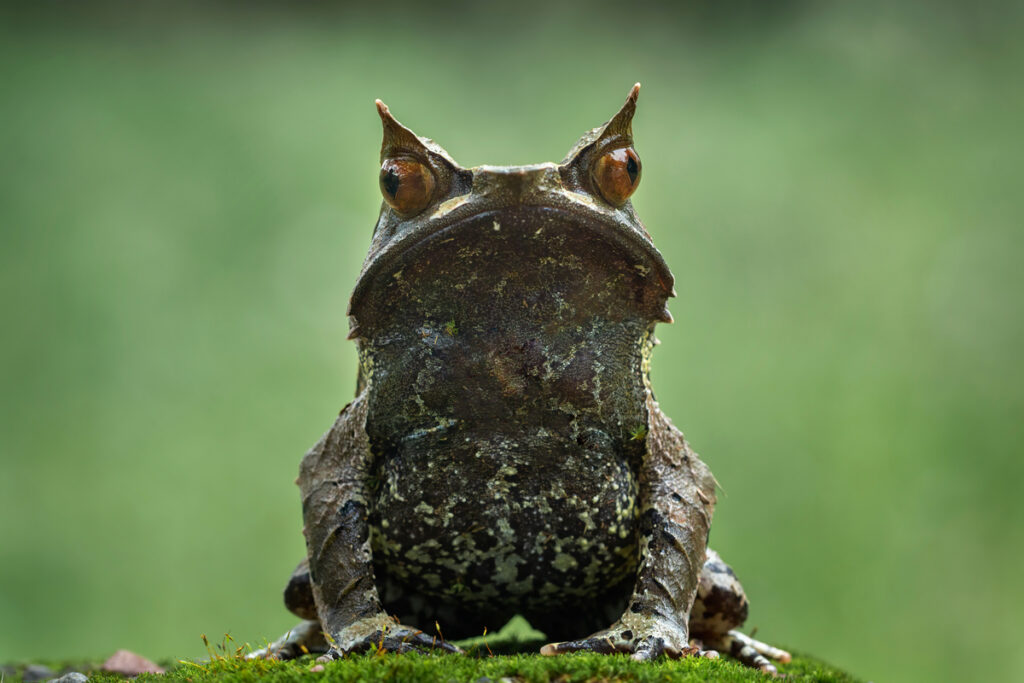
At first glance, a Malayan leaf frog (also known as a long-nosed horned frog) looks less like an amphibian than it does a leaf that has fallen to the forest floor. Its brown, speckled coloring looks nearly identical to dead vegetation, while the pointed projections above its eyes and its elongated snout resemble the tips of curled leaves.

Native to Southeast Asia, these frogs spend much of the day motionless among leaf litter, where they’re easily overlooked by predators such as snakes and birds. But the disguise isn’t just defensive: Being nearly undetectable also allows them to ambush their own prey, which includes unsuspecting insects and other small invertebrates that unknowingly wander within striking distance.
Credit: Dmitry Rukhlenko/stock.adobe.com

Leafy Seadragons

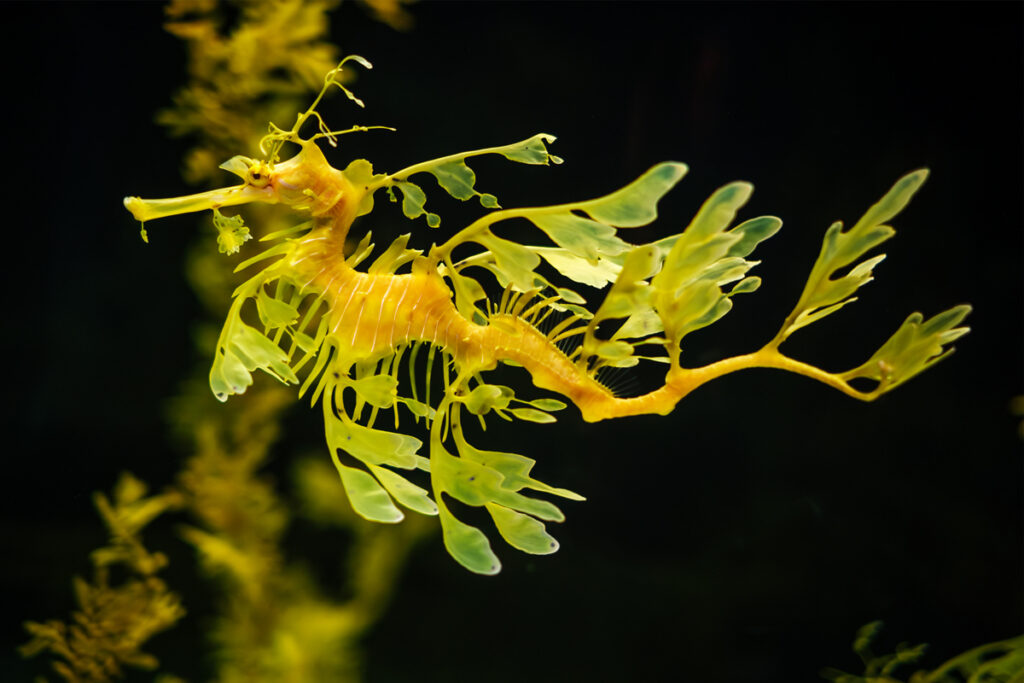
Found along Australia’s southern coastline, leafy seadragons seem to disappear into the abundant underwater forests of kelp and seaweed. These close relatives of seahorses are decked out in elaborate leaflike appendages that protrude from their heads, bodies, and tails and are almost impossible for predators to tell apart from the marine plants around them. 

Despite their many limbs, these appendages don’t actually help the seadragons swim. Instead, they propel themselves with nearly transparent fins while gently swaying with the ocean currents, trying their best to look just like another piece of drifting seaweed. 
Credit: mirecca/stock.adobe.com

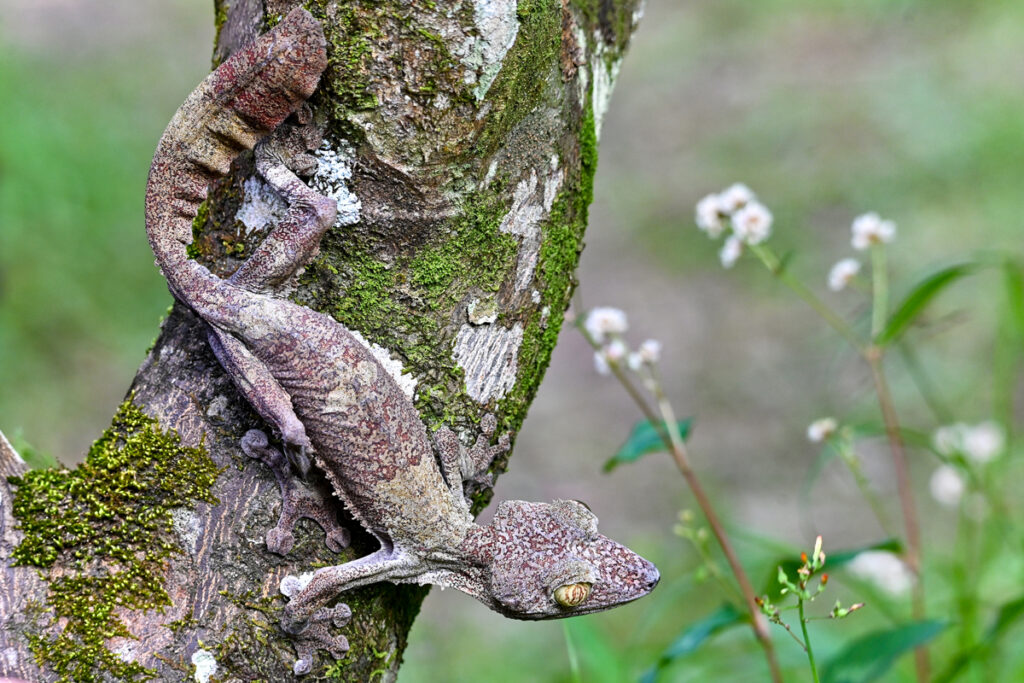
Satanic Leaf-Tailed Geckos

This tiny reptile from Madagascar has evolved one of nature’s most convincing disguises, looking less like a gecko than a dead leaf with eyes. Its flattened body and broad tail mimic dried-up foliage, while its skin patterns resemble leaf veins, discoloration, and even the rough marks left behind by hungry insects. 

To make their disguise even more effective, satanic leaf-tailed geckos also often have notched tails, as if the “leaf” is weathered and partially decomposed. Small pointed scales above the eyes add to their unusual appearance — and, of course, are the inspiration behind their playful moniker. During the day, this nocturnal critter stays motionless among foliage, and at night, it emerges to hunt insects.
Credit: William Warby/Unsplash.com

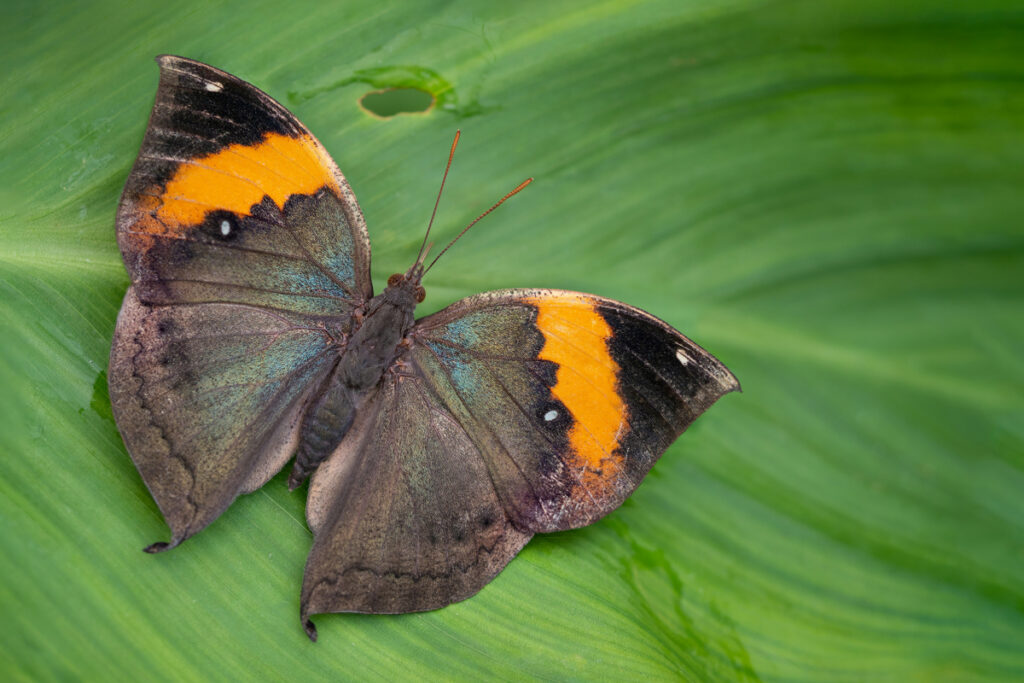
Orange Oakleaf Butterflies

The orange oakleaf butterfly is another true master of disguise. When settled with its wings folded, you would never even know it was there, looking less like an animal and more like a dried leaf. The underside of its wings are remarkably detailed, complete with a central vein, branching leaf veins, patchy brown coloring, and what appears to be a tiny leaf stem. There’s a reason it’s also known as the dead leaf butterfly. 

But the optical illusion is shattered the instant it takes flight in the tropical forests of South and Southeast Asia. With its wings open, it displays dazzling shades of blue, orange, and black — quite a contrast to the drab disguise hidden underneath.
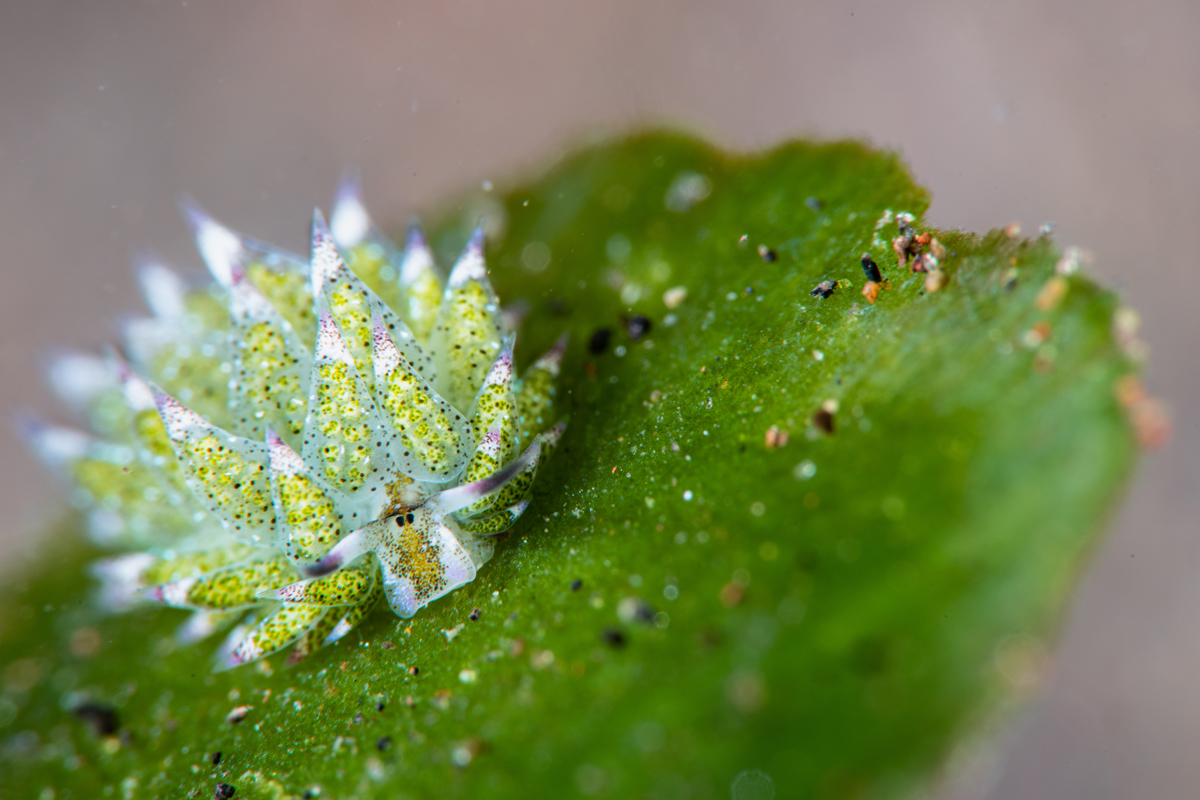

There Is a Slug That’s Part Plant

Close-up of leaf sheep slug
Credit: osama/Adobe Stock

The tiny Costasiella sea slug looks like something from a fantasy world, with a body covered in green, leaf-shaped structures that make it resemble a miniature underwater plant. Also called the leaf sheep slug, its unusual appearance helps it blend in with the algae it eats — and the chloroplasts it steals from that algae are what lend the slug its green color.

Chloroplasts are the structures plants use to capture sunlight and produce energy. Through a process called kleptoplasty, the slug can store those chloroplasts inside its own body and use them to produce some energy from sunlight. While the leaf sheep does not become a plant or photosynthesize exactly like one, its ability to use plant parts in this way makes it one of nature’s best examples of an animal with plantlike abilities.

How Wise Are Owls, Really?

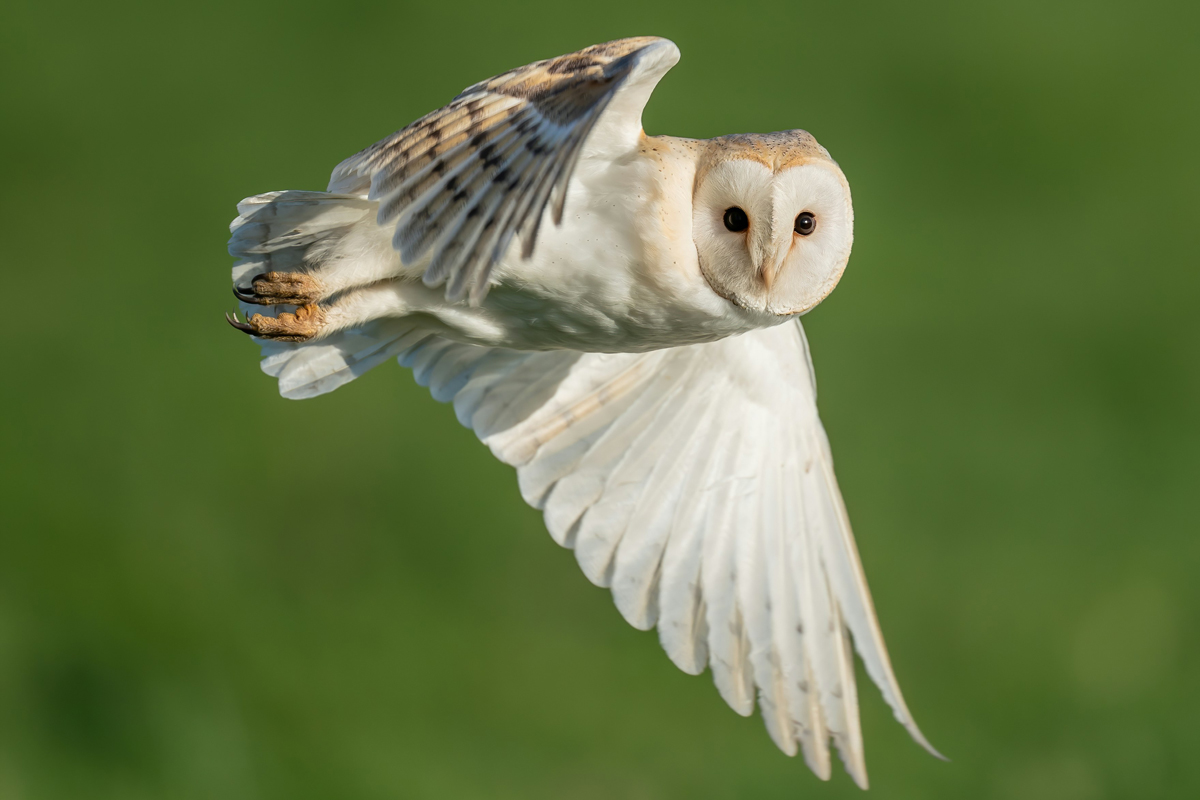
Barn owl in flight
Credit: Bob Brewer/Unsplash.com

Owls have become enduring symbols of wisdom and education in popular culture. Generations of TV viewers remember Mr. Owl from the classic Tootsie Pop commercials, while Owl in Winnie-the-Pooh is the self-proclaimed intellectual of the Hundred Acre Wood. Today, even Duolingo’s owl mascot, Duo, has become an icon for those who love to learn. 

With their large eyes, quiet movements, and thoughtful expressions, it’s easy to see why these birds have earned such a reputation. But are owls actually as wise as we think they are, or have we been mistakenly led to associate their appearance and behavior with intelligence? 

Credit: Getty Images/Unsplash.com

Why Did Owls Become Symbols of Wisdom?

The connection between owls and wisdom goes back thousands of years — in ancient Greece, the little owl (Athene noctua) was closely associated with Athena, the goddess of wisdom and strategy. Although we don’t know exactly why the owl became her animal, we do know the species was common around the Acropolis, where Athena’s sanctuary stood. 

The bird even appeared on Athenian coins, helping cement its reputation as a symbol of knowledge and good judgment. Over time, that association spread throughout mythology, literature, and art, eventually giving us the “wise owl” iconography that still populates books, movies, and popular culture today.

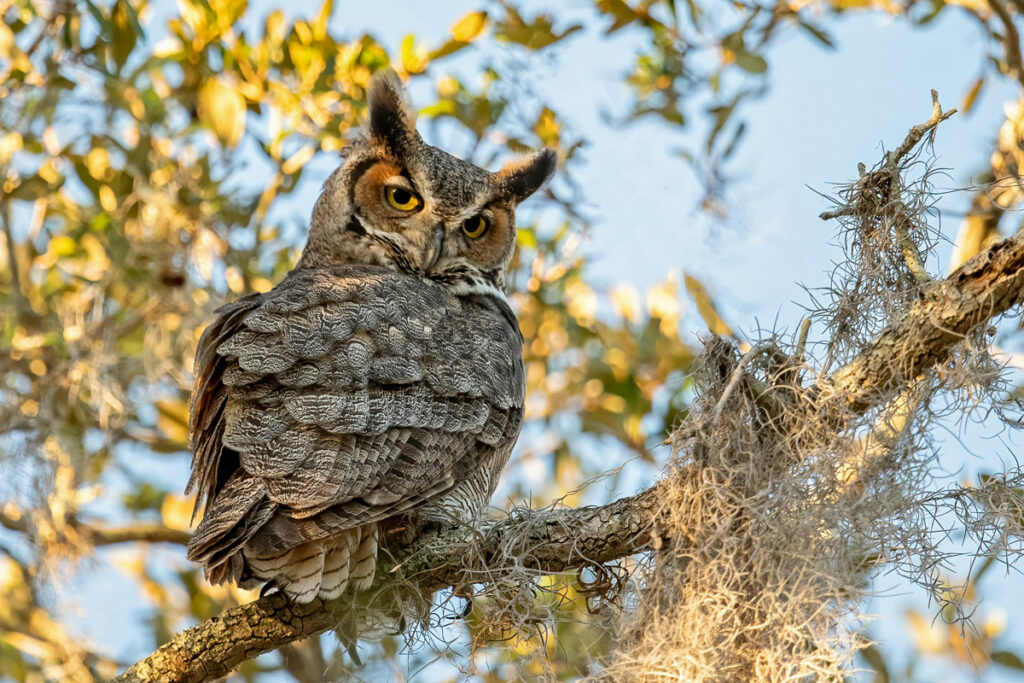
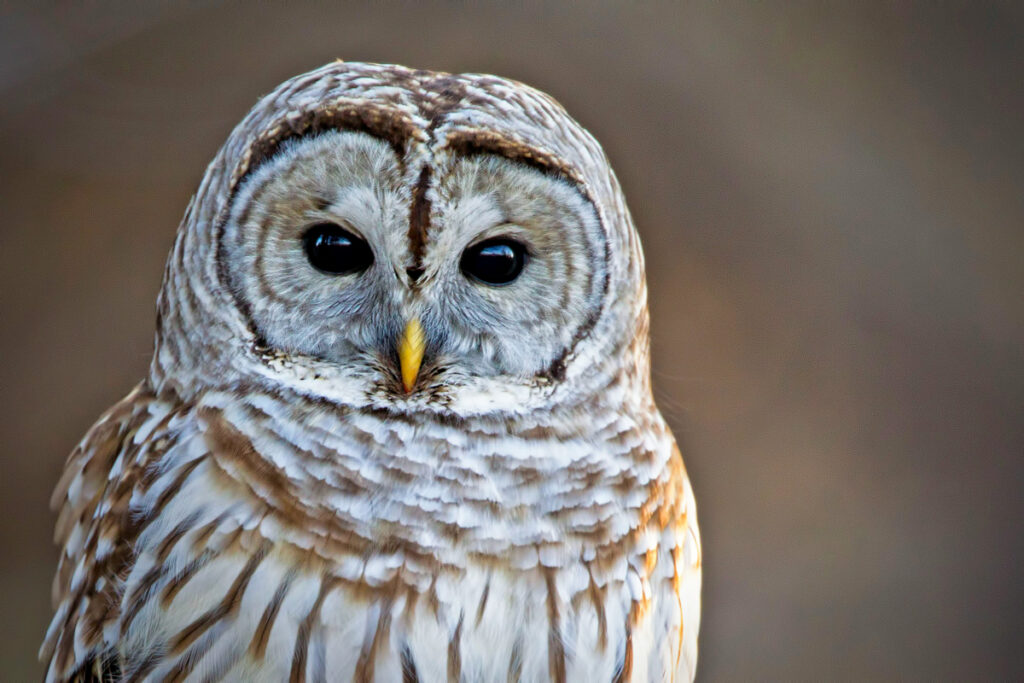
The birds themselves also helped shape that image. Unlike most birds, many owls are active at night, when darkness and silence make them seem especially mysterious. Their large, forward-facing eyes give them an almost human expression, and they often perch motionless for long stretches, quietly observing their surroundings. To us, that stillness appears thoughtful — even contemplative — but it’s actually the behavior of a patient predator waiting for the perfect moment to strike.

Credit: Bob Brewer/Unsplash.com

Built for Hunting

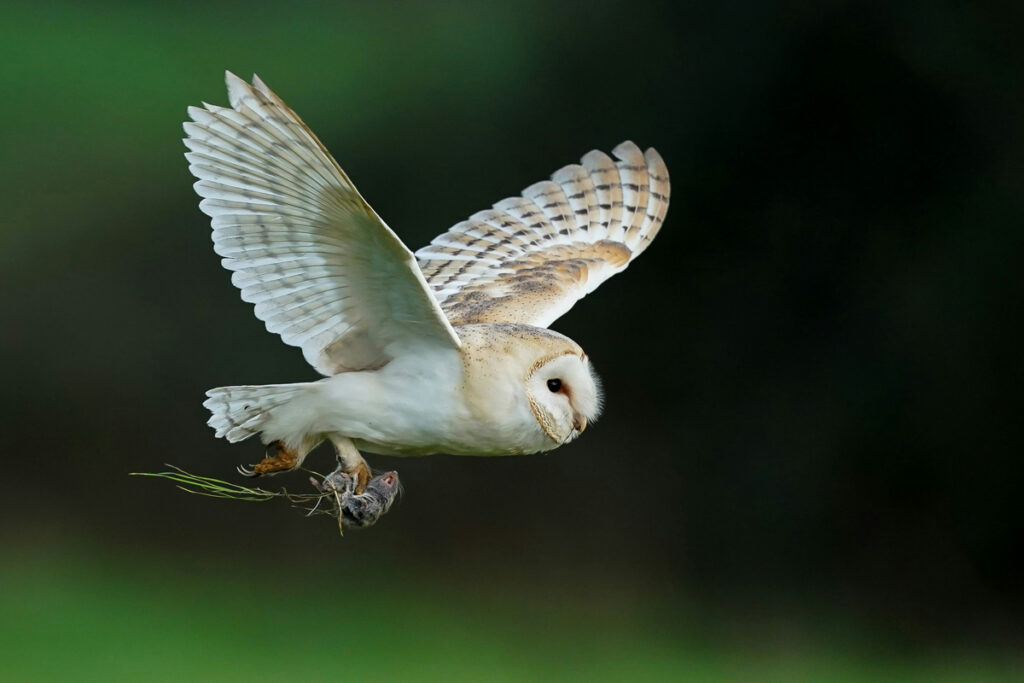
Much of what we mistake for wisdom is really the result of extraordinary adaptations developed as hunting instincts, such as the owl’s keen hearing. In fact, many species of owl can pinpoint a mouse rustling beneath leaves, grass, or even snow by sound alone. 

Their facial feathers act like satellite dishes, funneling sound toward their ears, and in species such as the barn owl, one ear sits slightly higher than the other. That asymmetry allows the bird to detect tiny differences in when a particular sound reaches each ear, creating a remarkably precise mental map of where prey is hiding.

Their vision is another important adaptation: Owls’ oversized eyes contain large numbers of light-sensitive rod cells, allowing them to hunt in near darkness. Because those eyes are tube-shaped rather than spherical, however, they can’t move inside the skull. Instead, owls can rotate their heads up to about 270 degrees to scan their surroundings without moving the rest of their bodies and potentially alerting prey. Their soft, fringed feathers also muffle the sound of flight, allowing them to swiftly glide toward prey in near silence. 

Taken together, these adaptations allow owls to detect, track, and capture prey with remarkable efficiency. What appears to be quiet contemplation is really a highly evolved hunting strategy.

Credit: Philip Brown/Unsplash.com

So, Are Owls Really That Smart?

Owls are intelligent birds, but not necessarily in the ways we may imagine. Scientists measure animal intelligence in many different ways, including problem-solving, communication, memory, learning, and the ability to adapt to new situations. By those measures, birds such as crows and parrots often rank among the most cognitively advanced. 

Meanwhile, owls have generally not performed as well in laboratory tests that measure complex problem-solving or tool use, although some studies suggest certain owl species may be capable of using simple tools in limited situations. For example, burrowing owls have been known to pick up animal dung and scatter it around their nests as a way of “fishing” for dung beetles.

Instead, owls excel at a different kind of intelligence: They remember productive hunting grounds, recognize territorial boundaries, learn from experience, and successfully raise their young in often challenging environments. Their brains have evolved to solve the problems faced by a nocturnal ambush predator rather than the puzzles humans typically use to measure intelligence. 

In short, owls may not be wise in our human sense of the word, but they are masters of survival. Their remarkable hearing, exceptional night vision, silent flight, and finely tuned hunting instincts are the result of millions of years of evolution. These birds embody a different kind of intelligence — the ability to sense, adapt, and thrive in a world few other animals can navigate so successfully. Perhaps that’s why the image of the wise old owl has endured for so long.

A Group of Owls Is Called a ‘Parliament’

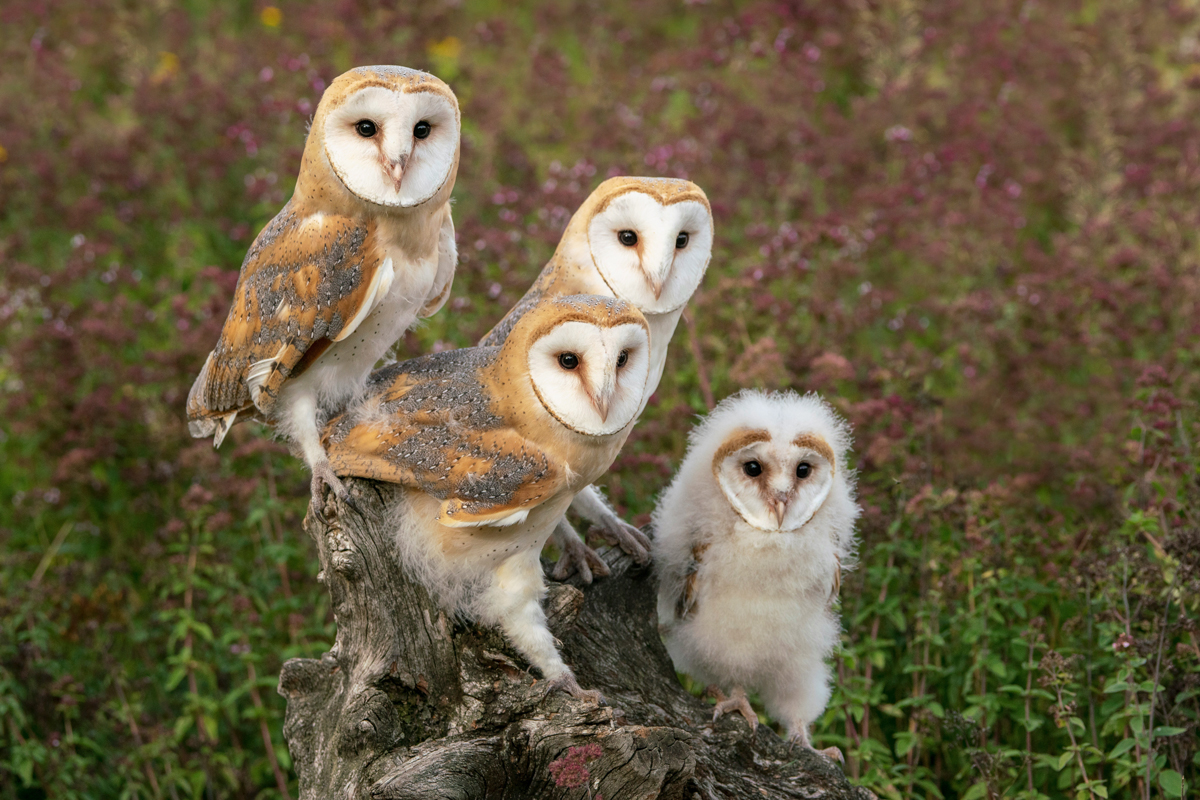
Parliament of owls perched on a tree stump
Credit: Getty Images/Unsplash.com

With their wide eyes and habit of sitting perfectly still while watching the world around them, owls have long been viewed as symbols of wisdom. Those traits also helped inspire the term “a parliament of owls,” reflecting the image of these birds as serious, thoughtful observers. The association also draws on ancient Greek mythology, in which an owl accompanies Athena, the goddess of wisdom and reason, who became a symbol of freedom and democracy across the Western world.

When owls call to one another, their back-and-forth vocalizations may sound like a formal discussion taking place in the darkness. In reality, owls are mostly solitary animals, and gatherings are uncommon. When two or more owls gather, it’s for practical reasons, such as raising young, taking advantage of an area with abundant food, or simply sharing a roost.

5 Animals With Built-In GPS Systems

Pigeon perched on a branch
Credit: Levi Meir Clancy/Unsplash.com

Long before humans began using compasses and global positioning satellites, animals were already navigating our world with uncanny accuracy. Many species travel thousands of miles — whether across open ocean, featureless desert, or trackless sky — to arrive at precise destinations, often using senses we would deem positively superhuman. Some of these navigational abilities are so complex, and so unerringly precise, that scientists are still working out exactly how they function. 

Here are five animals whose incredible skills allow them to navigate to precise destinations, in some cases without ever even having been there before. 

Credit: Levi Meir Clancy/Unsplash.com

Homing Pigeons 

It’s not easy to pick just one champion navigator from the world of birds. Many avian species — Arctic terns, bar-tailed godwits, blackpoll warblers, and common cuckoos, to name a few — possess astounding navigational abilities. But the bird best known for these skills has to be the homing pigeon: These exceptionally skilled navigators have been used to carry messages for centuries — evidence suggests even the ancient Egyptians used pigeons for communication. 

A homing pigeon’s ability to find its way back to a home loft from unfamiliar locations, sometimes hundreds of miles away, is legendary (and also made them vital messengers during both world wars). Researchers believe their shrewd navigational skills draw on multiple overlapping systems, including magnetic field detection, the position of the sun, and even a memorized “mental map” built from familiar smells and landmarks near their home loft.

Credit: Allec Gomes/Unsplash.com

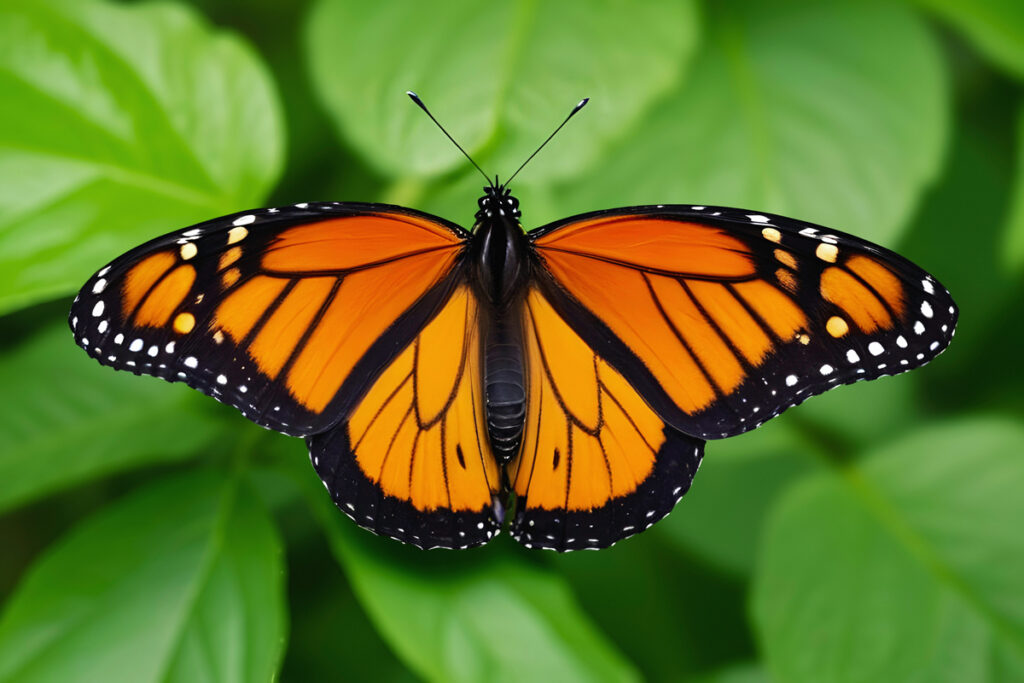
Monarch Butterflies

Every year, monarch butterflies migrate up to 3,000 miles from the U.S. and Canada to Mexico, making them the only known insects to make this type of long-distance migratory journey. This is a multigenerational voyage — the generation that migrates south is several generations removed from the one that flew north the previous year. This makes the journey even more impressive, as no individual has ever completed the entire trip, which begs the question: How do they know where they’re going? 

Scientists believe the monarchs achieve this great migration using what’s technically known as a “time-compensated sun compass.” The butterflies use the horizontal position of the sun in the sky, combined with their own internal clock (circadian rhythm) to achieve this astounding feat of navigation. 

Credit: Henk Bogaard/stock.adobe.com

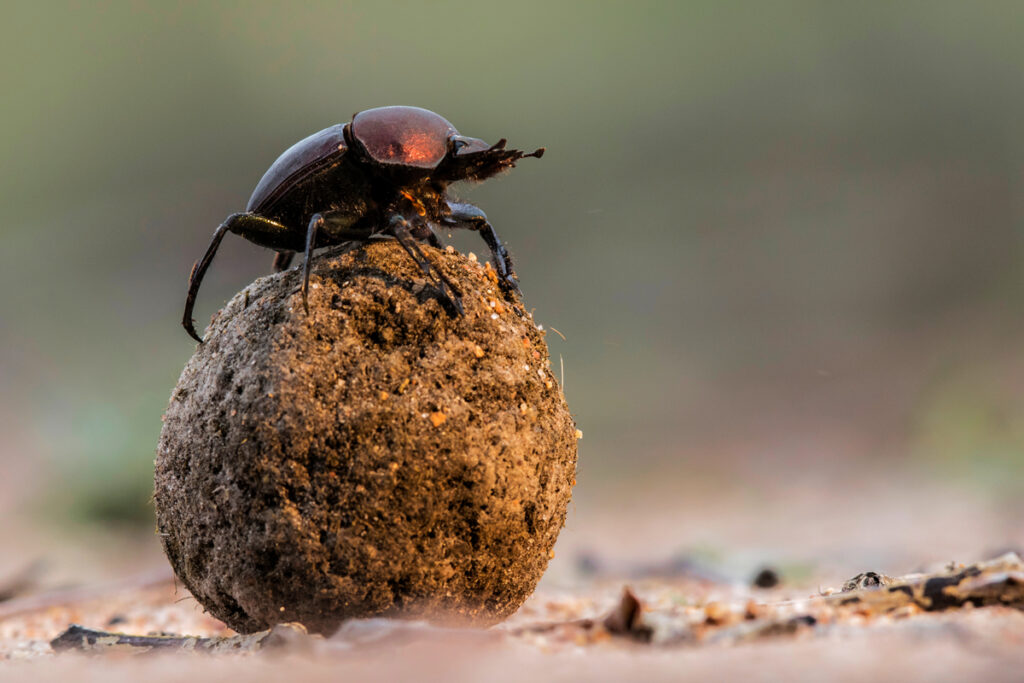
Dung Beetles

Dung beetles are named for their penchant for rolling balls of manure which they later bury themselves inside to feed upon. It’s not the most glamorous ability, but their rolling skills are impressively precise. 

After forming a prized ball of dung, a beetle needs to roll it away from competitors in a straight line as quickly as possible, and avoiding accidentally circling back to the dung heap is crucial.

Researchers at Sweden’s Lund University discovered that nocturnal dung beetles orient themselves by recording a mental image of the positions of the sun, the moon, and the stars, all while scrambling around on their ball of manure. They then use that snapshot to travel in a precise direction. It’s a highly sophisticated bit of celestial navigation for a dung-obsessed beetle with a brain smaller than a grain of rice.

Credit: Graham Holtshausen/stock.adobe.com

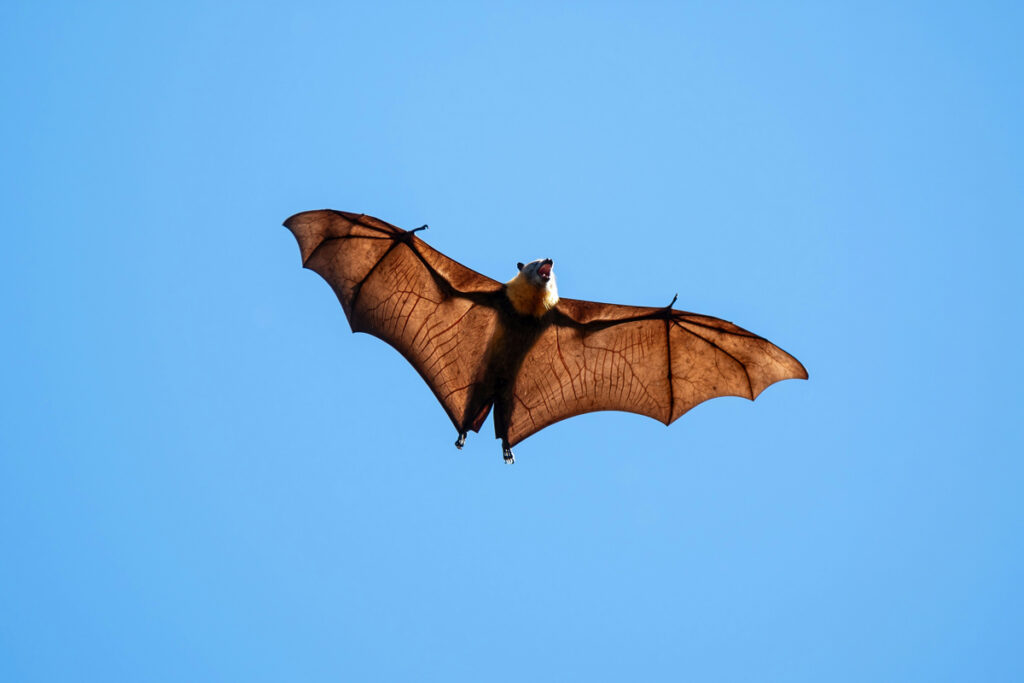
Bats

Bats use a range of tools to complete migrations spanning hundreds or thousands of miles. They’re perhaps most famous for using echolocation to navigate their immediate environments, but research has found that some bat species, including the Kuhl’s pipistrelle, use echolocation to create an acoustic cognitive map of their entire home range, allowing them to navigate accurately over distances of many miles. 

Bats also navigate using a magnetic compass that’s calibrated each evening using the position of the setting sun. Studies of greater mouse-eared bats found they can calibrate their internal magnetic compass by reading the pattern of polarized light in the evening sky — making them the only mammal confirmed to use polarization cues for navigation, much like bees and some migratory birds.

Credit: Sekar B/stock.adobe.com

Salmon

The ocean is full of incredible navigators, including sharks, harbor seals, spiny lobsters, humpback whales, eels, and loggerhead sea turtles. The Pacific salmon is right up there with the best of them, thanks to its remarkable ability to return from the open ocean to spawn in the exact freshwater stream where it hatched years earlier — often after swimming for thousands of miles. 

Current research suggests that salmon combine two tools to find their way home: Out in the open ocean, they use magnetic field sensing, utilizing an internal “magnetic map” with which they’re born. By sensing changes in the intensity and angle of the Earth’s magnetic field, they can position themselves on this built-in map to establish their exact location in the ocean. 

When they approach coastal waters, the salmon switch to using smell to find their way back to the stream in which they hatched. Using a smell memory-bank from when they were young, they’re able to detect the unique chemical signature of their home streams, taking them back to the very same waters where their life cycle began.

Salmon Can Locate Their Birth Rivers After Years in the Open Ocean

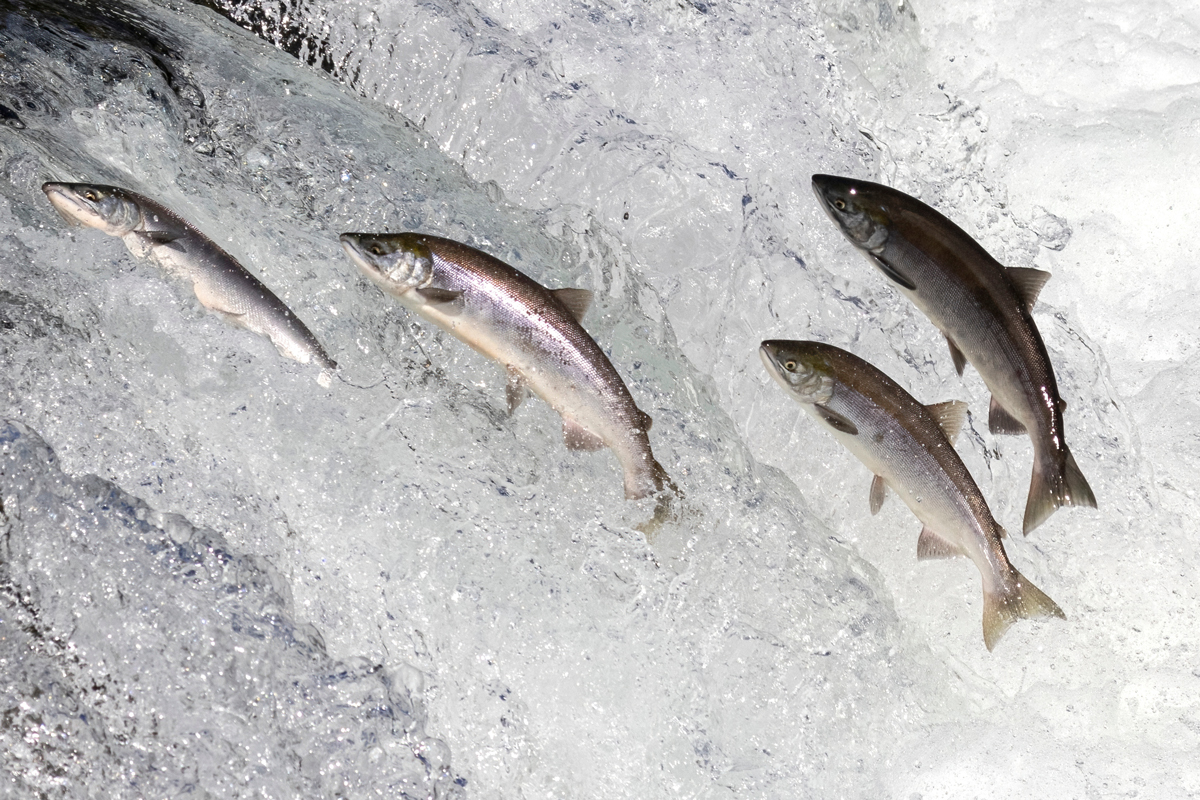
Salmon jumping out of a river
Credit: Patrick/Adobe Stock

There’s no place like home, even for fish. That’s especially true of salmon, who return to the freshwater stream where they were born after years — and thousands of miles traveled — in the open ocean. They do so not out of sentimentality (though it’s nice to imagine they enjoy their homecomings) but to reproduce in the exact stream where they themselves first entered the world. 

Though scientists aren’t entirely sure how salmon manage this incredible feat, most believe it’s through a combination of their highly evolved sense of smell and by using the earth’s magnetic field like a compass. By the time they leave their natal stream, salmon have imprinted the precise taste and smell of the water, and they use that sense-memory to return to the same spot years later. Salmon also have tiny crystals of magnetite, an iron-based mineral, in their heads that enable their magnetic perception. If they could also evolve the ability to stop jumping directly into bears’ mouths, they could just be unstoppable.

Elephants Can Detect Distant Rain Using Their Feet

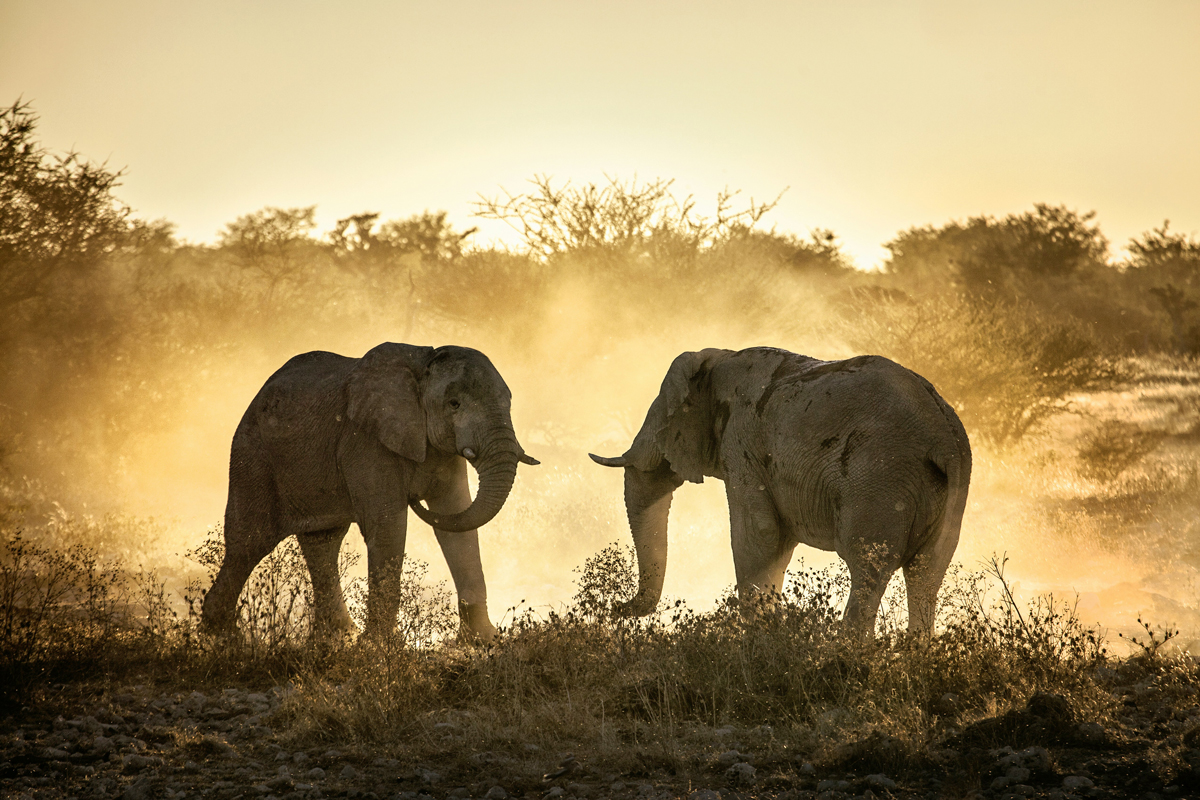
Two elephants standing facing each other
Credit: Getty Images/Unsplash.com

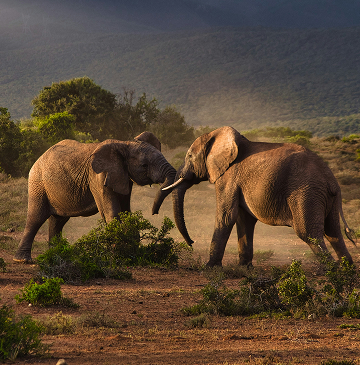
Among the many things that elephants never forget is one of their most vital survival skills: how to detect rain from as far away as 150 miles. Many of our favorite pachyderms live in arid, drought-heavy regions of the world, making water an especially precious resource. Luckily for African elephants, they’ve adapted to those conditions by being able to sense the low-frequency vibrations that indicate a far-off storm — with their feet. 

Specialized nerve endings known as Pacinian corpuscles in the fatty pads of their feet sense those vibrations, which then travel up their leg bones and directly to their inner ears. The elephants  can even determine the exact direction of an imminent storm by lifting one foot and pressing another deeper into the ground.

This discovery was made by an international team of scientists working in Namibia, who found that elephants “undergo these sudden migrations that previously have not been explained” and “change the places they go and the speeds they go rather quickly.” The reason they do so, according to Texas A&M professor Oliver Frauenfeld, is in search of water. Sensing a far-off storm days before it occurs, entire herds can alter course and make their way in the direction of where there will soon be rainfall.

Which Animals Can Predict the Weather?

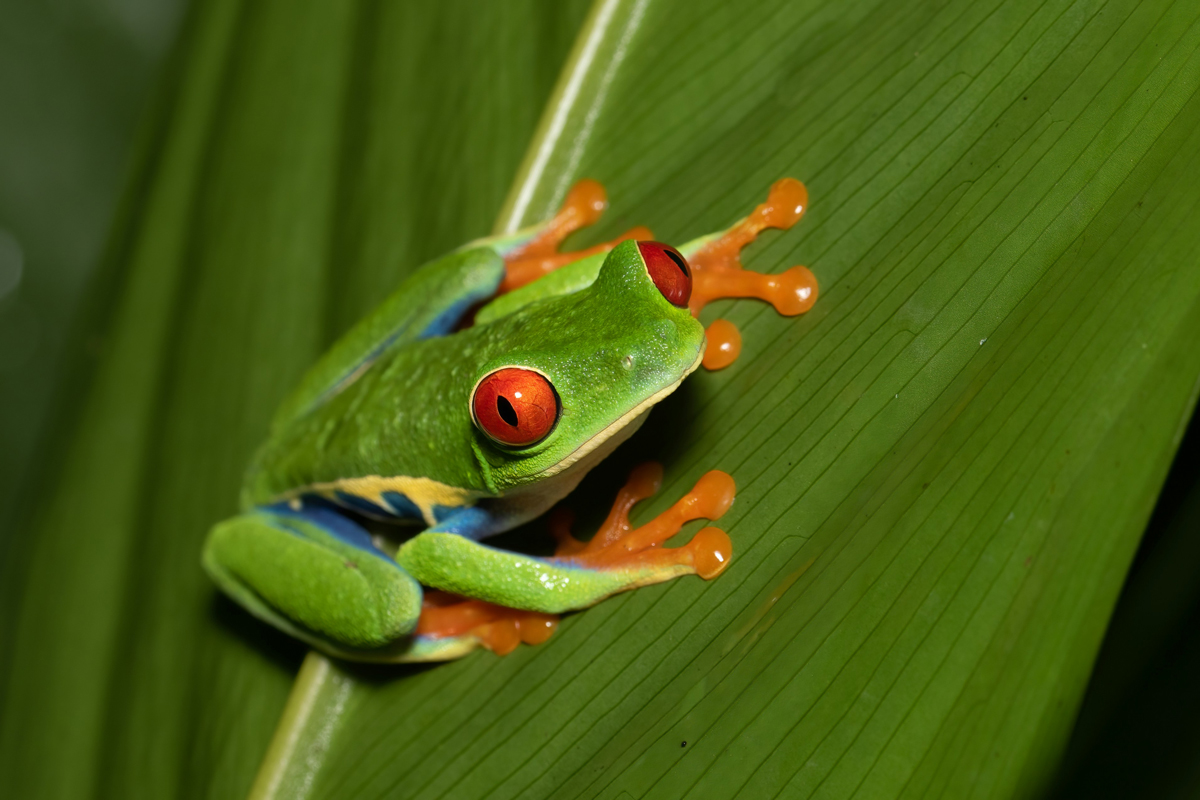
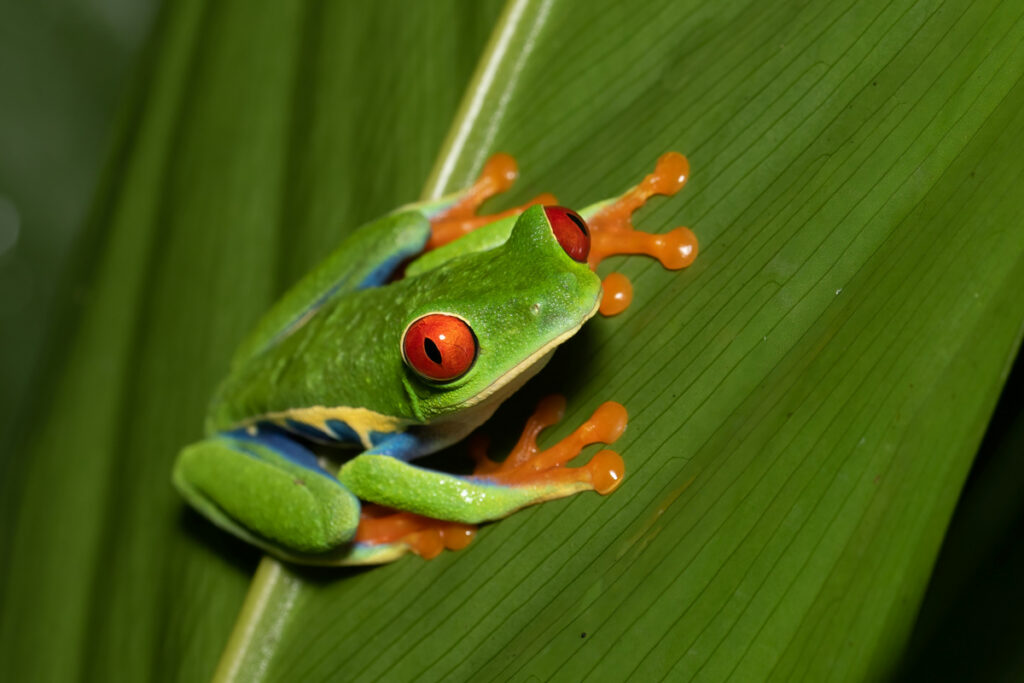
Close-up of frog on a plant
Credit: EcoNaturalist.com/Unsplash.com

For thousands of years, people have looked to the natural world for clues about changing weather. Across cultures, observations of animal behavior were woven into folklore, giving rise to beliefs that certain creatures could predict changes in the weather.

While many such beliefs are based more on myth than science, there are some patterns in how animals respond to their surroundings. Animals obviously don’t forecast the weather with satellites, radar, and computer models, but many species are remarkably sensitive to environmental signals. By studying these responses, scientists are uncovering how animals adjust their behaviors in preparation long before conditions change.

Credit: Boris Smokrovic/Unsplash.com

Birds

Birds are among the best-studied animals when it comes to sensing weather. Many species can detect drops in barometric pressure before storms, allowing them to seek shelter, alter their activity, or change their flight patterns before severe weather arrives. Because flying becomes more difficult in turbulent conditions, birds often feed more intensely before a storm and then become noticeably quieter as bad weather approaches.

Researchers have documented these behaviors across several species. One study found that golden-winged warblers in Tennessee abandoned their breeding grounds after detecting the low-frequency infrasound produced by tornadoes hundreds of miles away. Veeries, a migratory thrush found throughout eastern North America, also appear to use changing air pressure and atmospheric conditions to anticipate severe weather during migration. 

Another familiar weather sign — birds flying unusually low before rain — also has a scientific explanation. Swallows, swifts, and other insect-eating birds follow their prey, and when humid, low-pressure air causes insects to remain closer to the ground, the birds do too.

Credit: EcoNaturalist.com/Unsplash.com

Frogs

The old saying that frogs croak before a storm has more scientific support than many weather proverbs. Frogs depend on moisture because their permeable skin absorbs water and plays an important role in their respiration. As humidity rises and atmospheric conditions become wetter, as often occurs before rainfall, many species leave shelter and become more active.

For many frog species, wet weather also signals the start of breeding: Warm, humid conditions and rainfall create temporary pools where eggs can develop safely, prompting males to call for mates. Species such as spring peepers are especially vocal on mild, damp spring evenings, when environmental conditions are ideal for reproduction. This sensitivity to humidity and moisture helps explain why their chorus is often associated with approaching rain.

Credit: Gary Yost/Unsplash.com

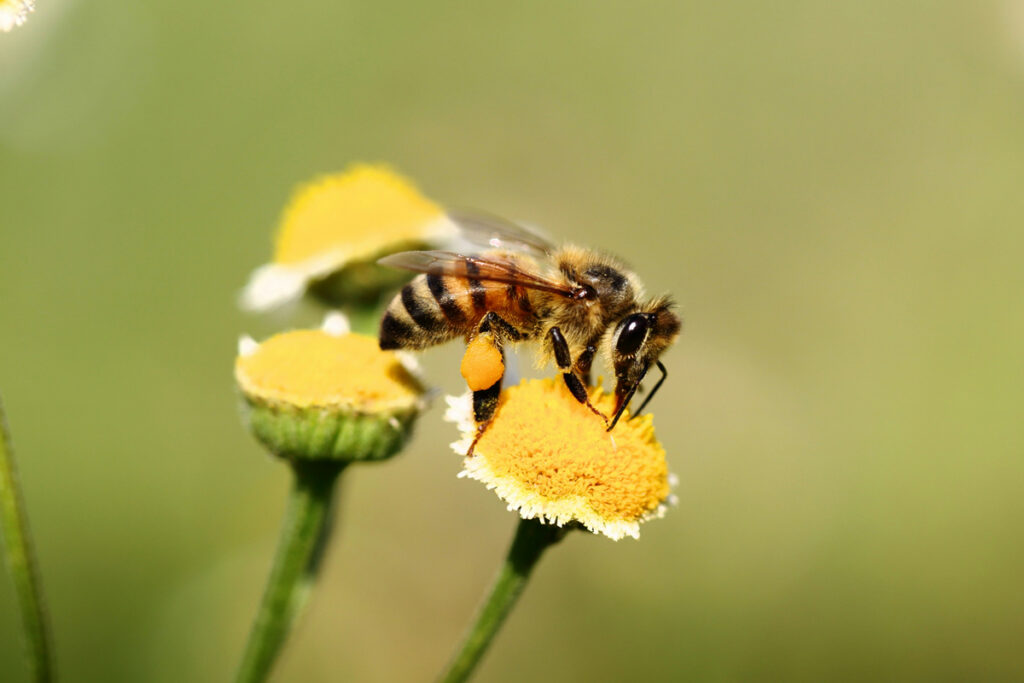
Bees

Bees are highly responsive to changing weather conditions because their ability to forage depends on temperature, sunlight, humidity, and wind. Some bees increase their activity before storms, taking advantage of the remaining favorable conditions to collect nectar and pollen. Research shows that bees adjust their foraging behavior based on environmental cues, including changes that affect how easily they can fly and locate food.

Beekeepers have long observed that foraging bees may become more active before bad weather arrives, sometimes traveling farther from the hive to gather as many resources as possible before conditions worsen. Rather than predicting storms, however, bees are responding to environmental changes and maximizing their foraging opportunities before rain, wind, or colder temperatures limit their ability to fly.

Credit: Gerald Schömbs/Unsplash.com

Sharks

Sharks are highly sensitive to changes in their underwater environment, making them one of the most fascinating examples of animals responding to approaching storms. They have sensory systems that allow them to detect vibrations, shifts in water movement, and even tiny electrical signals produced by other animals. These abilities help sharks navigate and hunt, but they may also help some species respond to changing ocean conditions before hurricanes and tropical storms arrive.

Researchers have documented this behavior in species such as blacktip sharks. In studies using satellite tags, scientists found that some blacktip sharks moved away from shallow coastal habitats before hurricanes, likely responding to changes in ocean conditions as the storm approached. Turtles and marine mammals such as dolphins can also change their behavior as storms approach, moving to calmer waters or sheltered places to ride out the bad weather.

Credit: Getty Images/Unsplash.com

Dogs and Cats

Many pet owners report that their dogs and cats behave differently before thunderstorms. Dogs may pace, whine, bark, hide, or become unusually clingy, while cats may seek shelter, become more alert, or act restless. These behaviors have long been interpreted as signs that pets can sense approaching storms, but scientists believe there are more practical explanations for these reactions.

Dogs can hear frequencies that humans cannot and may therefore detect distant thunder before people notice an approaching storm. Both dogs and cats may also respond to changes in wind, air pressure, temperature, and other environmental cues associated with severe weather. Like their wild counterparts, companion animals aren’t necessarily predicting the weather — they’re responding to changes in their surroundings using the heightened senses they rely on every day.

Beetles Comprise 25% of All Animal Species

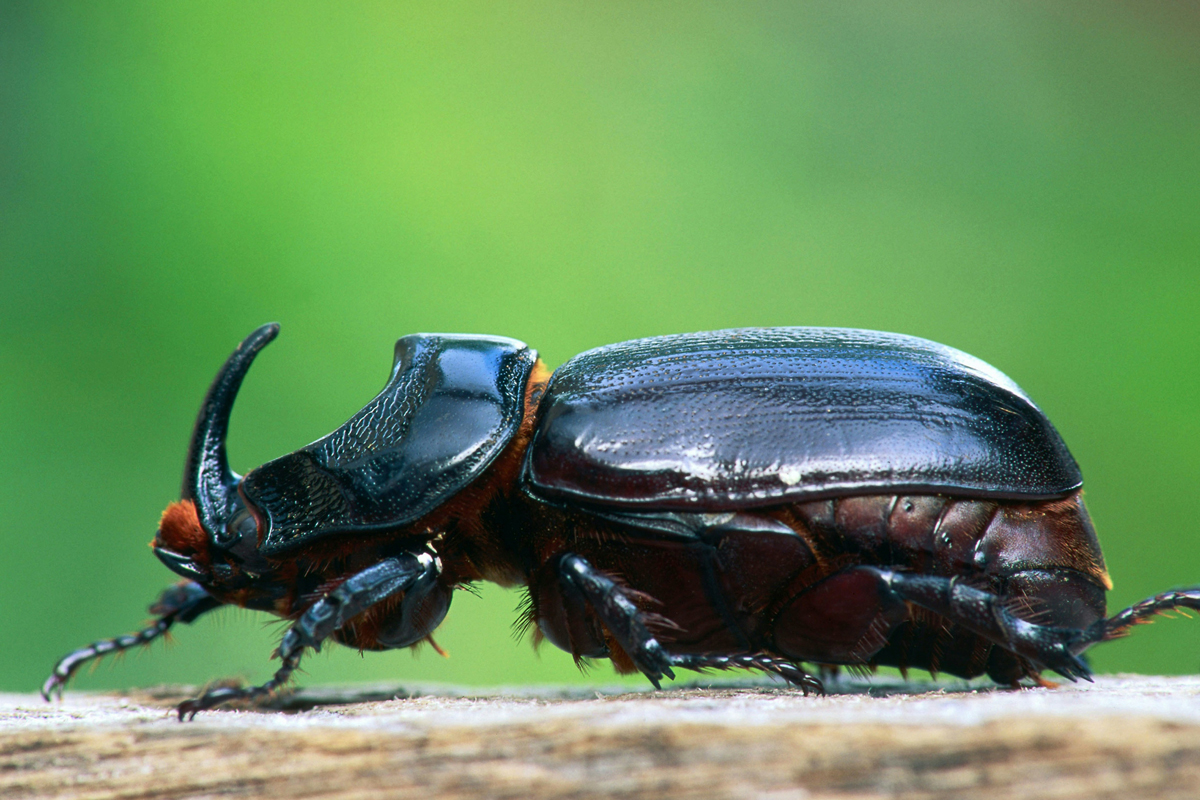
Close-up of a beetle
Credit: Getty Images/Unsplash.com

The Beatles may comprise fewer than 1% of Rock & Roll Hall of Fame inductees, but beetles comprise a staggering 25% of all animal species. Researchers have discovered 350,000 to 400,000 beetle species so far, about a quarter of the roughly 1.5 million animal species known to exist.

But “known” is the keyword here, as estimates put the total number of beetle species (and animal species in general) far higher. Research posits there are as many as 7.8 million animal species on Earth, most of which have yet to be discovered. Of that 7.8 million, there are approximately 900,000 to 2.1 million beetle species and 5.5 million insect species overall. Not quite as high as the hundreds of millions of albums the Beatles sold, but an impressive number nonetheless.

How Are New Animal Species Discovered?

Dense and misty rainforests
Credit: Zdeněk Macháček/Unsplash.com

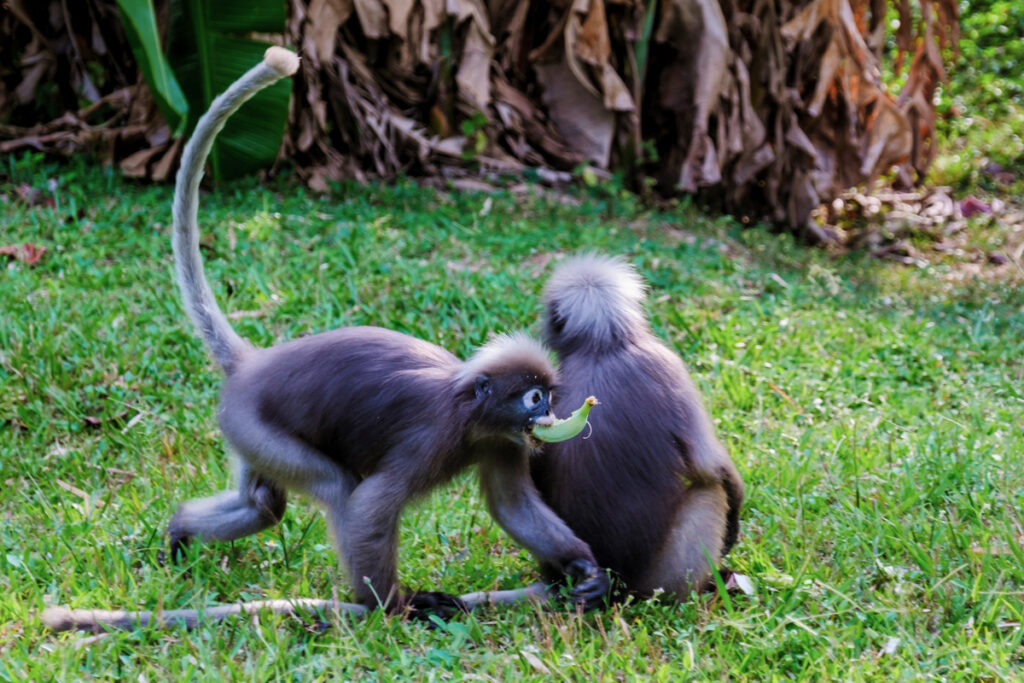
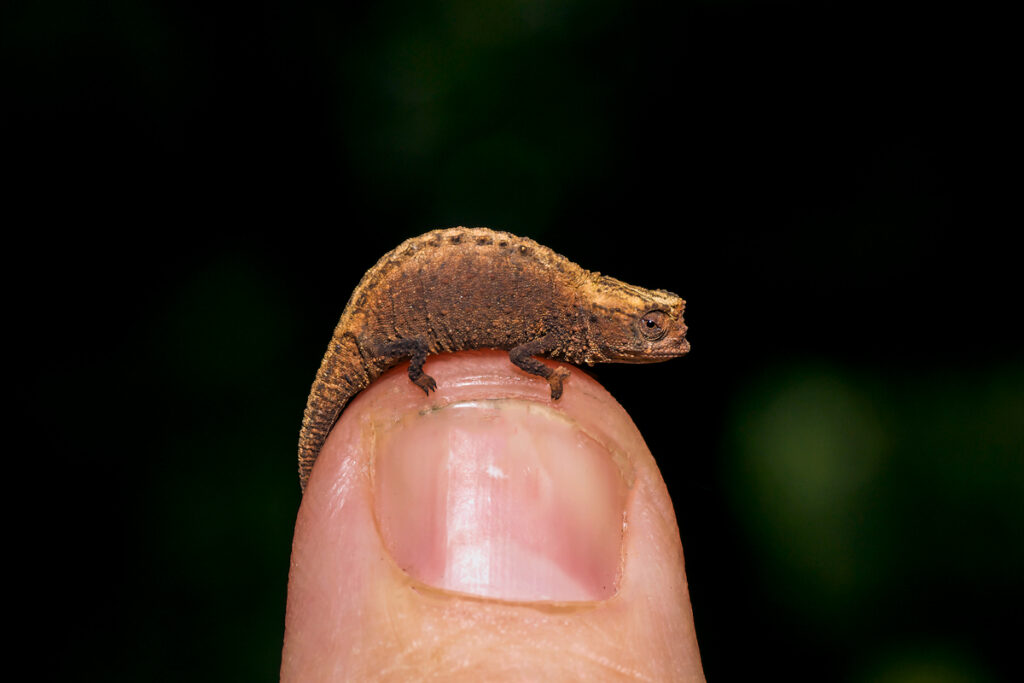
With satellites mapping the Earth, remotely operated vehicles exploring the deep ocean, and DNA technology helping scientists identify and classify living things, it may seem there are few new animal species left to be discovered — yet scientists continue to identify thousands of new species every year. More recent discoveries include the Popa langur, a monkey from Myanmar identified in 2020 through genetic and anatomical research, and Brookesia nana, a tiny chameleon from Madagascar formally announced as a new species in 2021 that’s among the smallest reptiles known to science.

Finding a new species isn’t simply a matter of spotting an unfamiliar animal: Some discoveries begin during expeditions to remote habitats, while others result from reexamining museum specimens or using DNA analysis to distinguish animals once thought to belong to the same species. Before a new species can be officially recognized, scientists must gather evidence, compare it with related animals, and prove that it represents a distinct form of life.

Credit: Zdeněk Macháček/Unsplash.com

Exploring Earth’s Hidden Habitats

One of the most common ways scientists discover new species is by exploring environments that have been studied less extensively than others. Rainforests, deep oceans, caves, mountain ranges, and isolated islands can contain distinct animals because populations in those areas have evolved in unique ways befitting their surroundings for thousands or even millions of years. Field biologists may spend weeks or months surveying these habitats, using observations, photographs, sound recordings, and carefully collected samples to document the animals they encounter.

New discoveries often come from habitats that scientists have only recently gained the ability to explore in detail. For example, researchers studying mesophotic coral reefs, sometimes called “twilight reefs,” have found communities of animals living deeper than traditional reef surveys could reach. These dimly lit underwater ecosystems have revealed species previously unknown to science, proving that even familiar environments can contain hidden pockets of biodiversity. In many cases, animals discovered in these habitats are identified as new species only after scientists return to the laboratory and analyze the evidence in greater detail.

Credit: Getty Images/Unsplash.com

Finding Species Hidden in Plain Sight

Not every new species is discovered in a remote wilderness. Some have been hidden in plain sight — living alongside humans or sitting in museum collections for decades without being recognized as unique. Scientists often uncover these “cryptic species” by taking a closer look at animals that appear nearly identical. Although they may look the same to the human eye, differences in DNA, anatomy, behavior, or geographic range can reveal that they’re actually separate species.

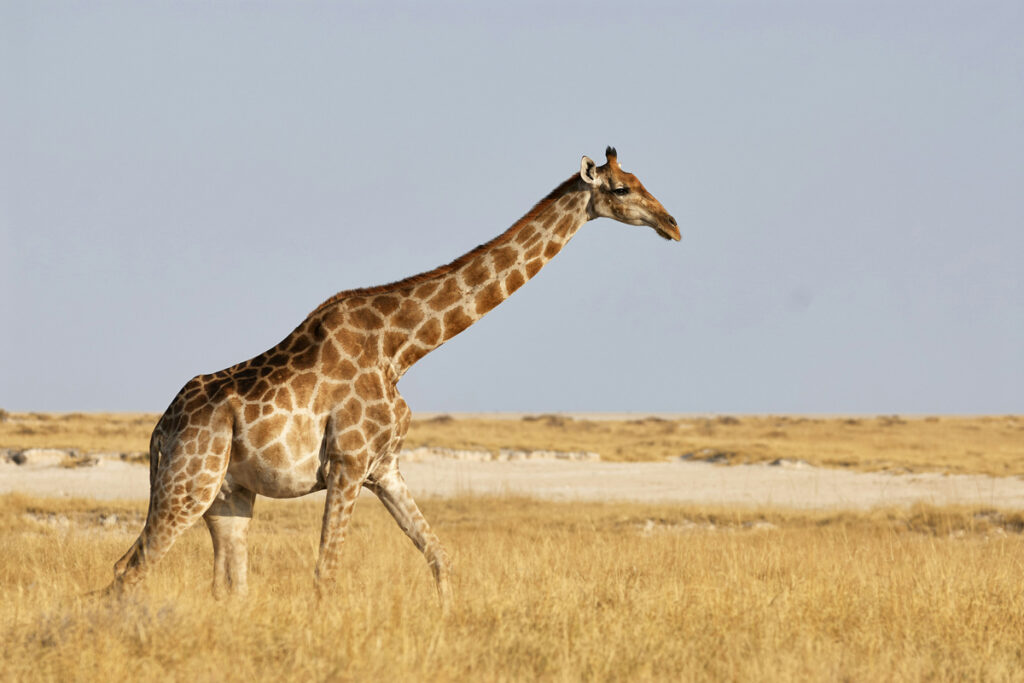
Giraffes are one such example. For many years, scientists classified all giraffes as a single species, but genetic studies have shown that giraffes are divided into multiple distinct species and subspecies, with some researchers recognizing as many as six species. 

Scientists have also discovered cryptic species among birds, frogs, bats, insects, and many other animals, showing that some of Earth’s biodiversity has remained hidden not because the animals were difficult to find, but because they were difficult to distinguish. Identifying these hidden species is part of taxonomy, the science of naming and classifying living things as new evidence becomes available.

Credit: Fokke Baarssen/stock.adobe.com

Using Technology To Discover New Species

Modern technology has transformed how scientists find and identify new animals. By analyzing DNA, researchers can detect genetic differences between species that may otherwise look nearly identical, revealing separate evolutionary histories. Scientists can also use environmental DNA, or eDNA, to find traces of animals left behind in water, soil, and other environments. This allows researchers to detect rare or difficult-to-observe species without having to capture or even see them directly.

Other technologies help scientists explore places that were once nearly impossible to study. Remote cameras monitor wildlife in areas where humans rarely travel, underwater vehicles reveal animals living in the deep ocean, and sound recordings help identify species by their calls or songs. Photography and citizen science also provide valuable clues; in other words, observations from hikers, divers, and nature enthusiasts can lead researchers to investigate animals that may represent new species.

Credit: LukeWaitPhotography—iStock/Getty Images

How Does a New Species Become Official?

Finding an unfamiliar animal is only the beginning — scientists must collect sufficient evidence that it’s different from all previously known species. Researchers compare physical characteristics, genetics, behavior, and habitats, then publish their findings so other experts can review the evidence.

If scientists determine the animal represents a distinct species with its own evolutionary history, it can be formally recognized as a new species. Researchers then assign it a scientific name following the rules established by the International Code of Zoological Nomenclature (ICZN), creating a shared system that allows scientists around the world to identify, study, and discuss the species.