Michael Nordine is a Senior Staff Writer at Britannica, where he writes the newsletter Movie Brief. He grew up with eight cats and would like to see a Komodo dragon in the wild one day.
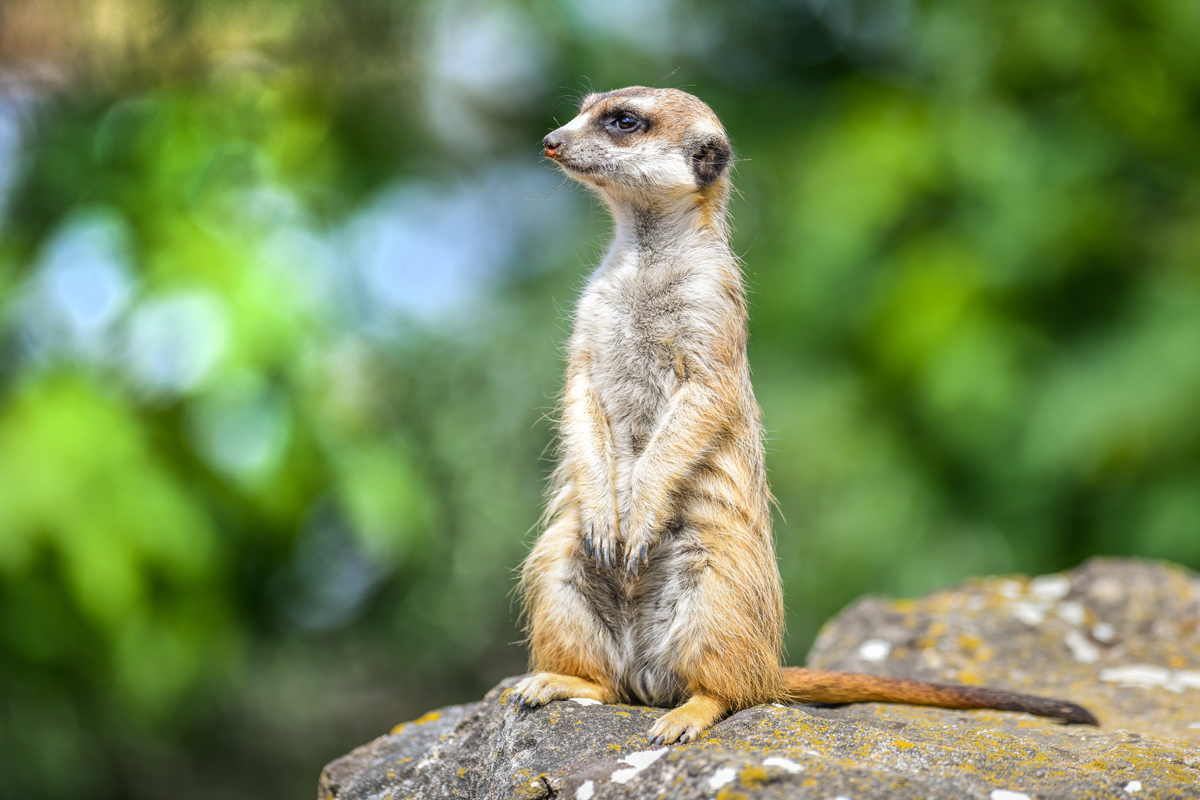
As anyone who’s watched Meerkat Manor can tell you, the show’s eponymous creatures are as violent as they are cute. In fact, they’re the most murderous mammals on Earth, with as many as 20% of all meerkat deaths resulting from meerkat-on-meerkat violence. Meanwhile, approximately 0.8% of human deaths are the result of homicide — maybe we aren’t so bad after all?
Meerkats live in matriarchal societies in which the hierarchy is strictly enforced and resources are scarce, leading to fierce competition that often ends in bloodshed. Pregnant meerkats will often kill and eat one another’s pups, with the alpha female using any means necessary to protect her position. This includes banishment, which is effectively a death sentence. Meerkats are also fiercely territorial and often wage war against rival mobs to maintain their turf, raising the murder rate even higher.
Advertisement
5 Animals That Hold Grudges
Across Species 14/08/26Aug. 14, 2026
Updated 14/08/26Aug. 14, 2026
Credit: Edwin Butter/stock.adobe.com
Nicole Villeneuve
Author
Nicole is a writer, editor, and researcher with over 15 years experience covering arts and culture, lifestyle, and media. Her work has also appeared in PureWow, Brit + Co, Exclaim, AUX TV, and CBC. She lives in Ontario, Canada.
Animals often remember more than we give them credit for. Human grudges can involve anger, resentment, or even thoughts of retaliation — complex emotions that are difficult to prove or recognize in other species. But many animals do demonstrate long-lasting memories of past experiences or conflicts with other animals and even humans.
Some animals recognize people who have threatened them for years afterward, while others adjust their behavior in response to treatment from former rivals or remember those who’ve treated them well. These behaviors can help us understand the potential power of animal memories. Here are six animals that seem to be able to hold a grudge.
Credit: Anchor Lee/Unsplash.com
Crows
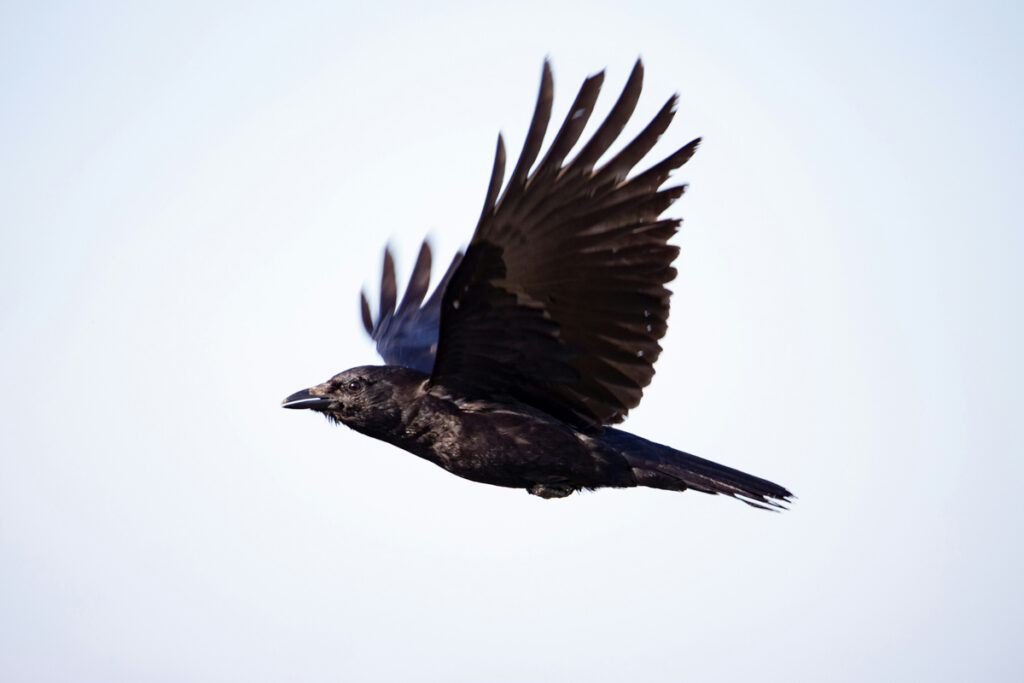
Crows are some of the most observant birds in the world, with a remarkable ability to remember individual humans. Research has shown that American crows can recognize and remember faces associated with negative experiences, such as people who captured or threatened them during experiments; even years later, they may respond to those people with defensive behaviors or cries of alarm. However, they’ve also been known to bestow small gifts such as buttons or pebbles upon people who’ve fed them or shown them other kindnesses.
Their memory doesn’t appear to be limited to their own experiences, either. Crows can learn about a potential danger by watching the way other crows react to someone, so one bird’s bad experience can become valuable information for the rest of the group.
Credit: andreanita/stock.adobe.com
Elephants
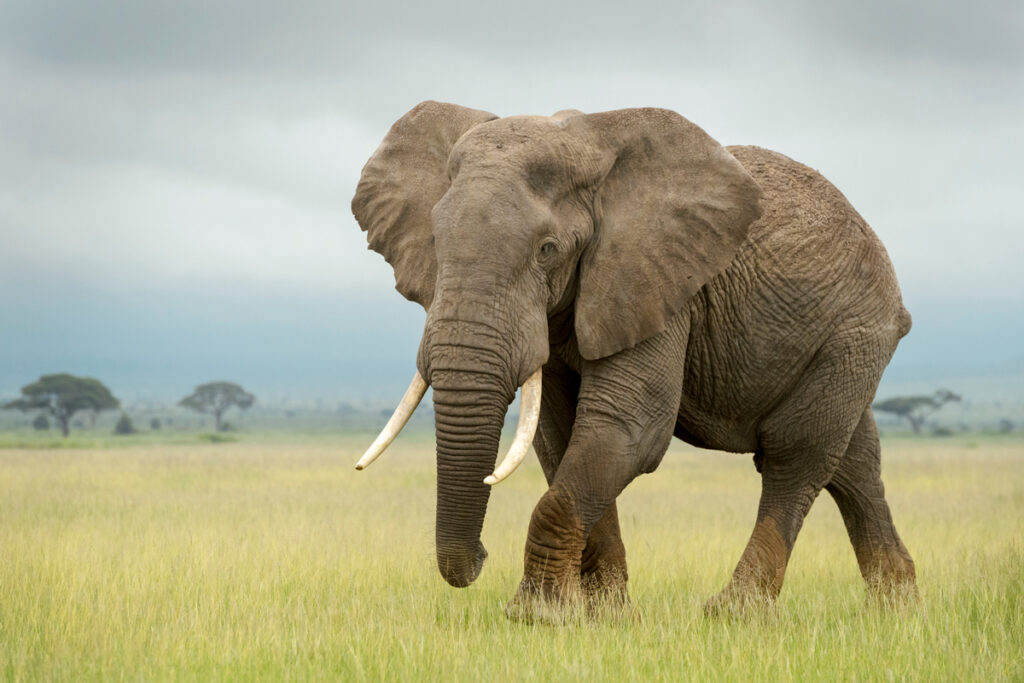
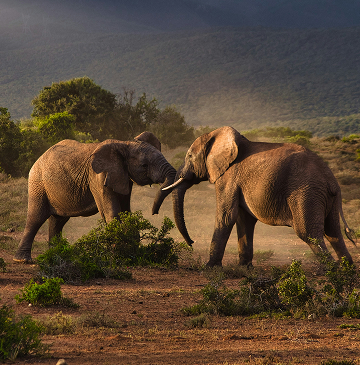
The phrase “an elephant never forgets” has become cliche, but, as with many cliches, there’s some truth behind it. Elephants have excellent memories and can maintain complex social relationships for decades. They can also recognize familiar faces after long periods of separation and they’re able to remember important details about their environment, including migration routes and locations of reliable water sources.
Researchers have found those memory skills also apply to certain danger cues; Elephants can distinguish between different human voices and exercise caution when hearing voices linked with past threats, such as hunting groups, suggesting that their memories extend not only to familiar individuals but also to those who’ve made negative impressions on them in the past.
Credit: Edwin Butter/stock.adobe.com
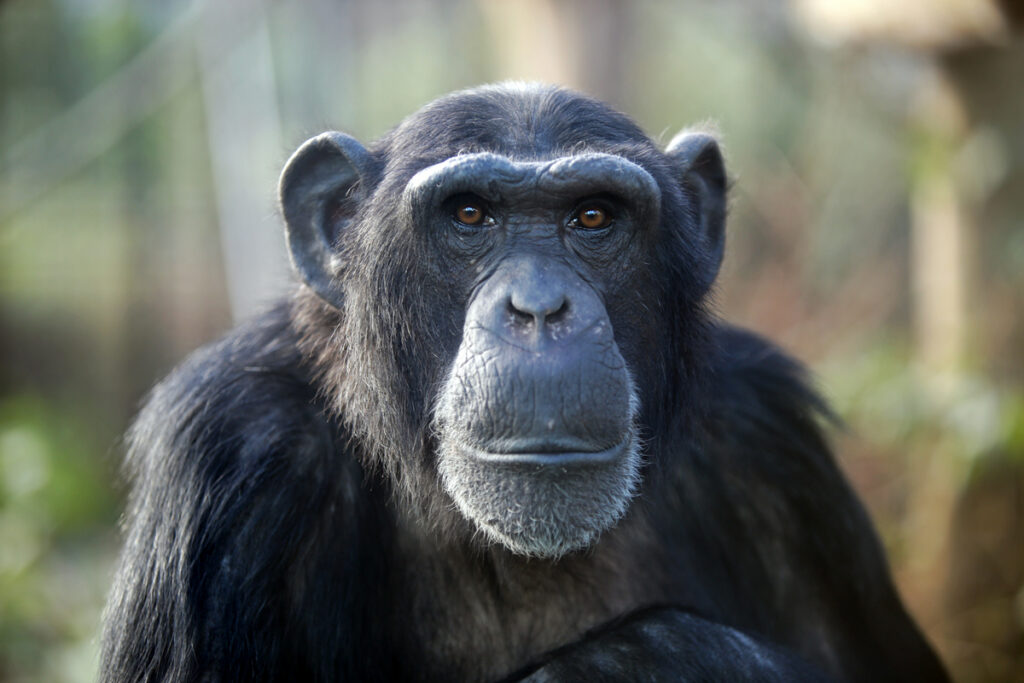
Chimpanzees
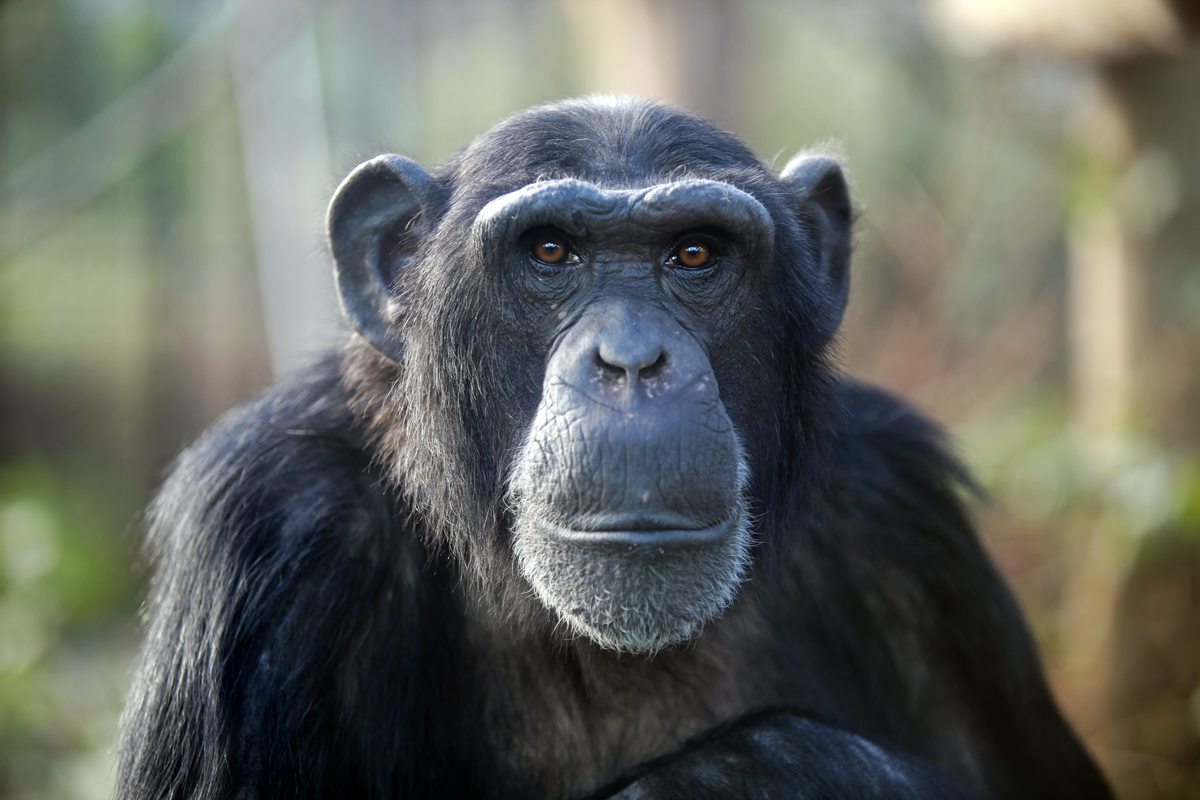
Chimpanzees live in societies built on alliances, friendships, and rivalries, so remembering past interactions is essential. They recognize not only friends and family they haven’t seen for decades, but also previous adversaries. It’s thought that a chimpanzee’s recognition abilities even outdo those of humans.
What’s more, chimps are known to adjust their behaviors in accordance with those memories: They’ll seek out trusted allies during conflicts, but they’ll also sometimes retaliate against past rivals. But research has shown their grudges can be resolved; chimps may also spend time repairing damaged relationships through behaviors such as grooming, embracing, and sharing food after disagreements.
Credit: Jeffry Surianto/Pexels.com
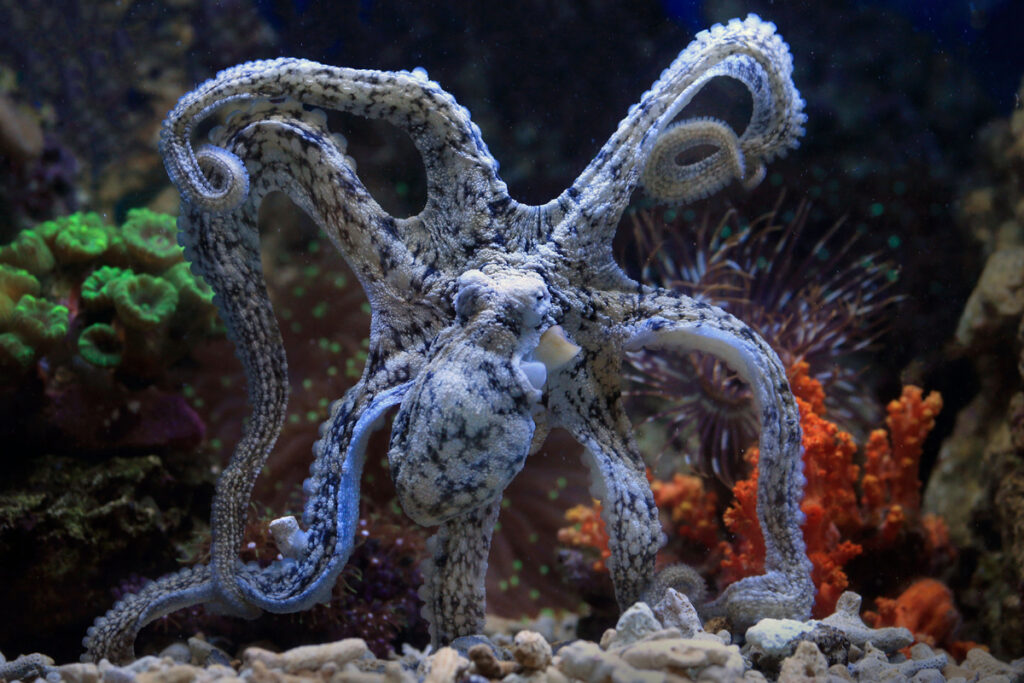
Octopuses
Octopuses are usually portrayed as solitary animals, but that doesn’t mean they avoid conflict. In fact, researchers have observed octopuses engaging in what looks suspiciously like underwater arguments, purposefully launching silt, shells, and algae at one another more than 100 times over a 24-hour period.
Their ability to remember encounters has also inspired some memorable stories. Naturalist Sy Montgomery described octopuses at Boston’s New England Aquarium as appearing to recognize familiar caretakers, including one octopus, Truman, who seemed to single out a particular person he disliked by repeatedly squirting water at her.
Credit: Griffin/stock.adobe.com
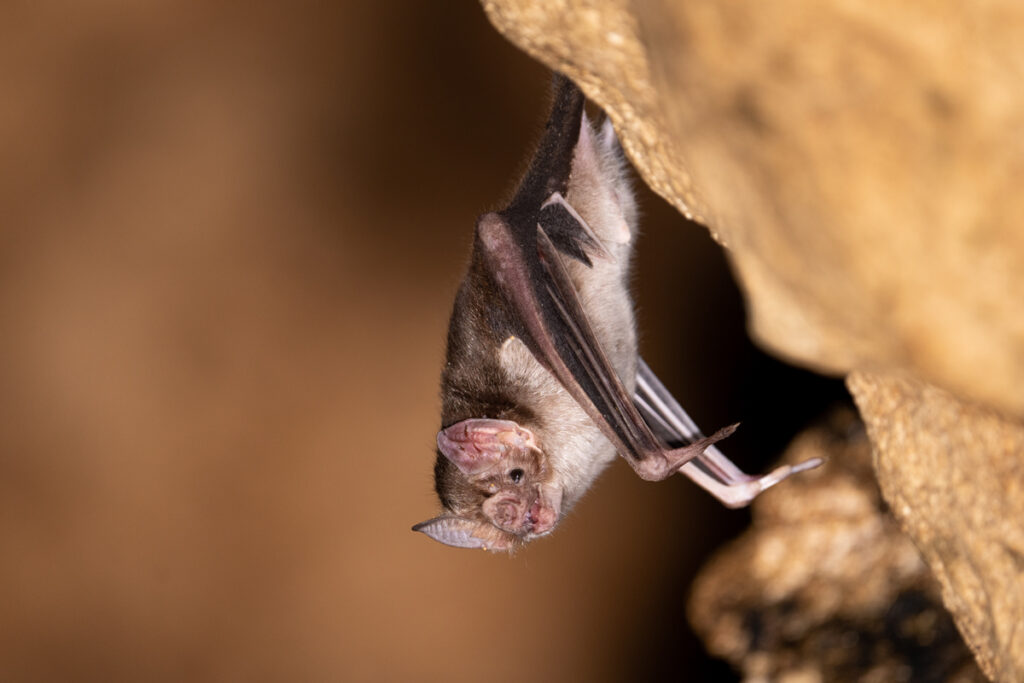
Vampire Bats
Vampire bats may have a reputation as spooky bloodsuckers, but their social lives are surprisingly collaborative. Because they feed only on blood and can’t survive longer than about two days without food, bats often share recently consumed blood meals by regurgitating some of it for hungry fellow bats.
This isn’t a random act of kindness, though. Vampire bats recognize individual roostmates and remember previous events, becoming more likely to help bats that have helped them in the past. In turn, however, those that take without eventual reciprocation, however, are likely to be refused a meal the next time they come looking.
Advertisement
The 5 Oldest Animal Species That Still Exist
Across Species 12/08/26Aug. 12, 2026
Updated 12/08/26Aug. 12, 2026
Credit: rghenry/stock.adobe.com
Tony Dunnell
Author
Tony is an English writer of nonfiction and fiction living on the edge of the Amazon jungle.
Our planet has been home to an incredible array of species since the first microscopic organisms emerged some 3.5 billion years ago. The vast majority of those species, however, are now gone. On Earth, extinction is the rule, not the exception — scientists estimate that more than 99% of all species that have ever lived have disappeared entirely.
Against this backdrop of seemingly inevitable extinction, a handful of animal species stand out as extraordinary anomalies: creatures whose basic body plans have remained largely unchanged for hundreds of millions of years. These species have survived ice ages, shifting continents, and at least a couple of the five mass extinction events that have periodically reset life on Earth. Here are five of these so-called “living fossils,” species whose stories are among the most remarkable in all of natural history.
Credit: Kolevski.V/stock.adobe.com
Sea Sponges
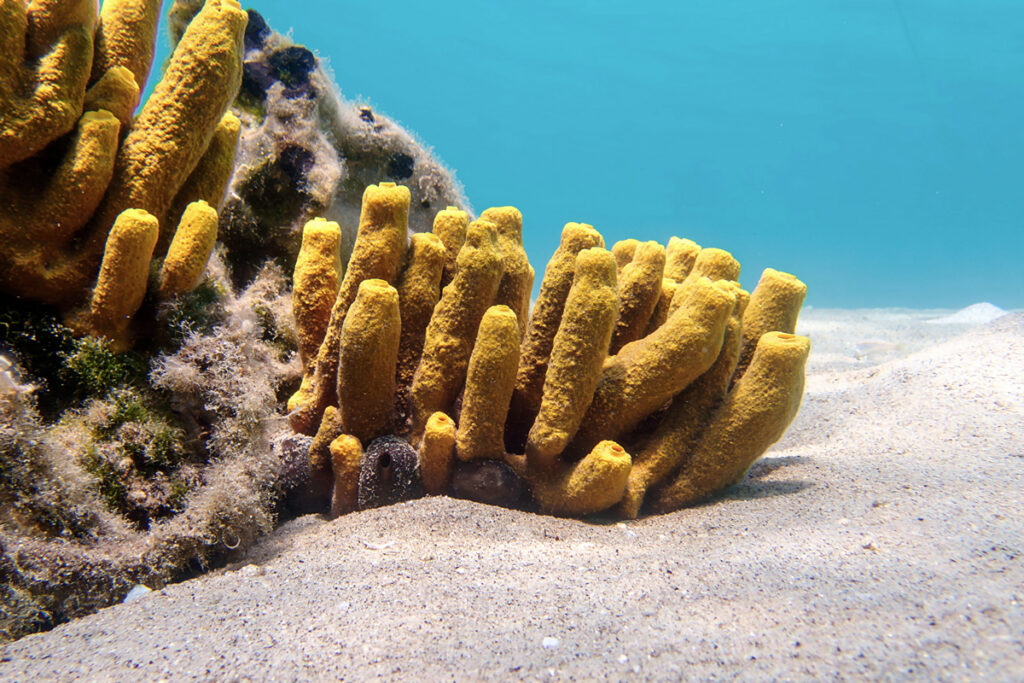
Sea sponges are among the oldest known animals on Earth. They evolved at least 540 million years ago, and some fossils suggest they may be more than 700 million years old — and yet, they’ve hardly changed at all since their earliest appearance.
These are incredibly simple creatures, with no brain, no organs, and no nervous system; they don’t hunt and they can barely move. They’re basically biological pumps, filtering ocean water through their porous bodies to extract organic particles for survival.
It’s their simplicity that largely explains their extraordinary longevity (and also why early naturalists regarded them as plants rather than animals). With very little that can go wrong in terms of their biology, and no real pressure to change or evolve, they’ve embraced the simple life to become one of the most successful and enduring animal groups in Earth’s history.
Credit: wildestanimal/stock.adobe.com
Nautiluses
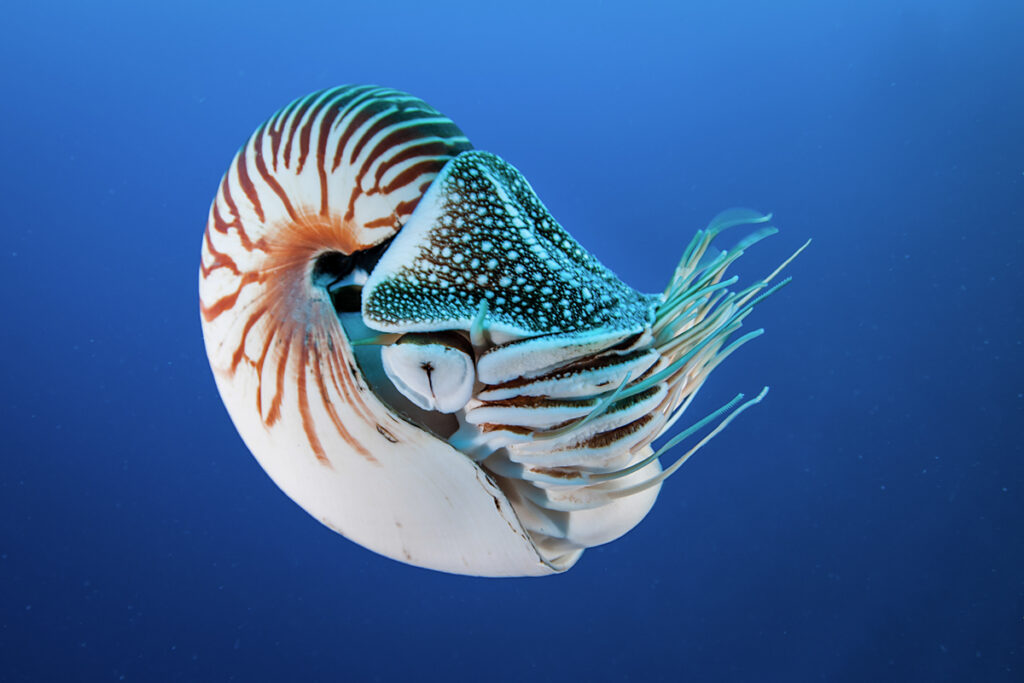
The nautilus is a spiral-shelled cephalopod that’s changed remarkably little in half a billion years of existence — it’s basically the same now as it was when dinosaurs roamed the Earth. Nautiluses are distant cousins to squids, octopuses, and cuttlefish, but unlike those soft-bodied creatures, the nautilus lives inside a hard external shell. It navigates using jet propulsion (ejecting water to propel itself backward) and regulates its buoyancy through a network of chambers inside its shell.
Scientists aren’t entirely sure how the nautilus survived five mass extinctions, but research suggests the creature’s slow metabolism may have been advantageous during food shortages such as those the occurred at the end of the Cretaceous period, helping it survive while other cephalopod species became extinct.
Credit: viktor2013/stock.adobe.com
Horseshoe Crabs
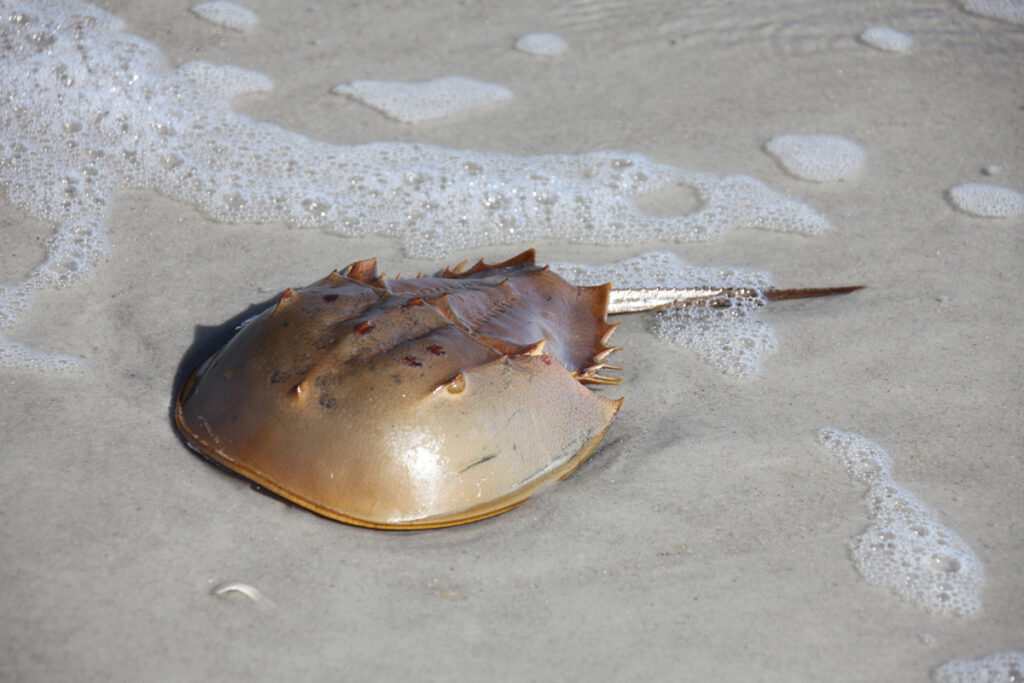
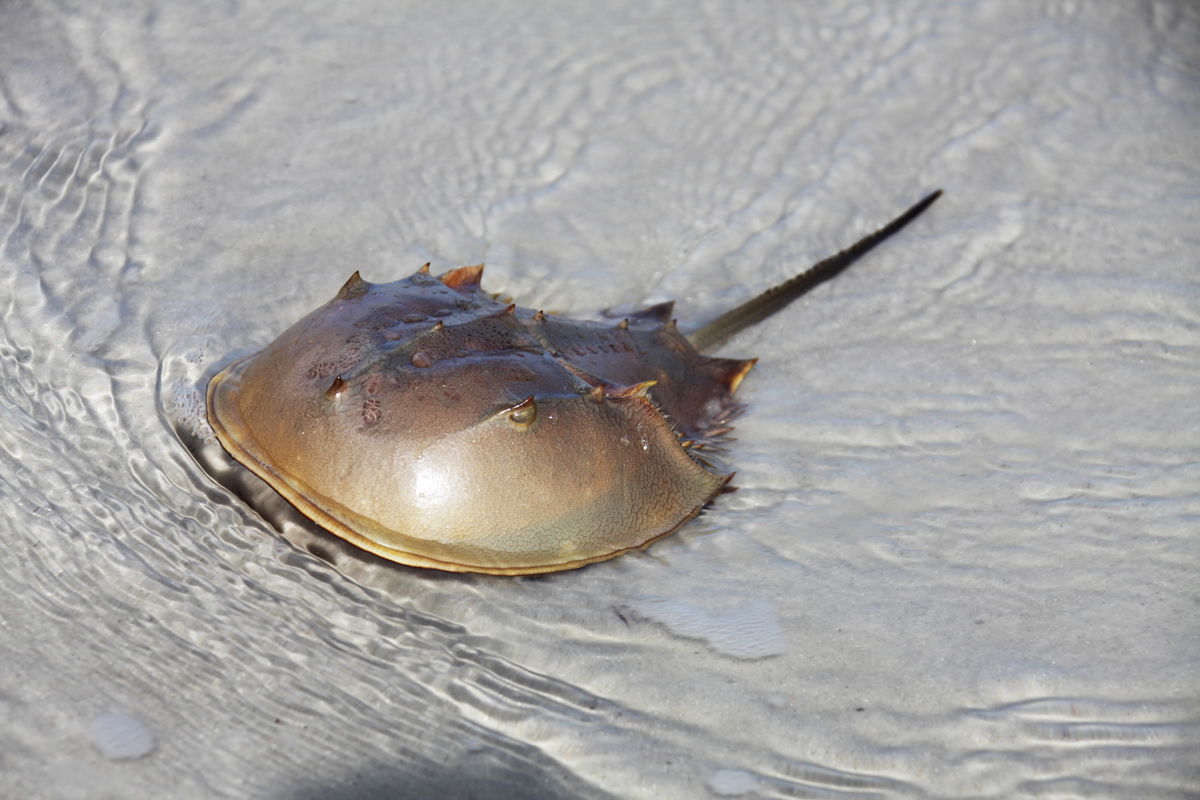
Horseshoe crabs are in fact not crabs at all; they’re marine arthropods, more closely related to spiders and scorpions than to any crustacean. They’ve been scurrying across the ocean floor (on 10 legs) for around 450 million years — some 200 million years before the dinosaurs — and their distinctive domed shells and long spikelike tails have remained essentially unchanged for all that time.
One of the horseshoe crab’s more peculiar characteristics is their blue blood, caused by the presence of the oxygen-carrying protein hemocyanin. Unlike the hemoglobin found in human blood, hemocyanin contains copper rather than iron, giving horseshoe crab blood its bright blue hue.
Credit: slowmotiongli/stock.adobe.com
Coelacanths
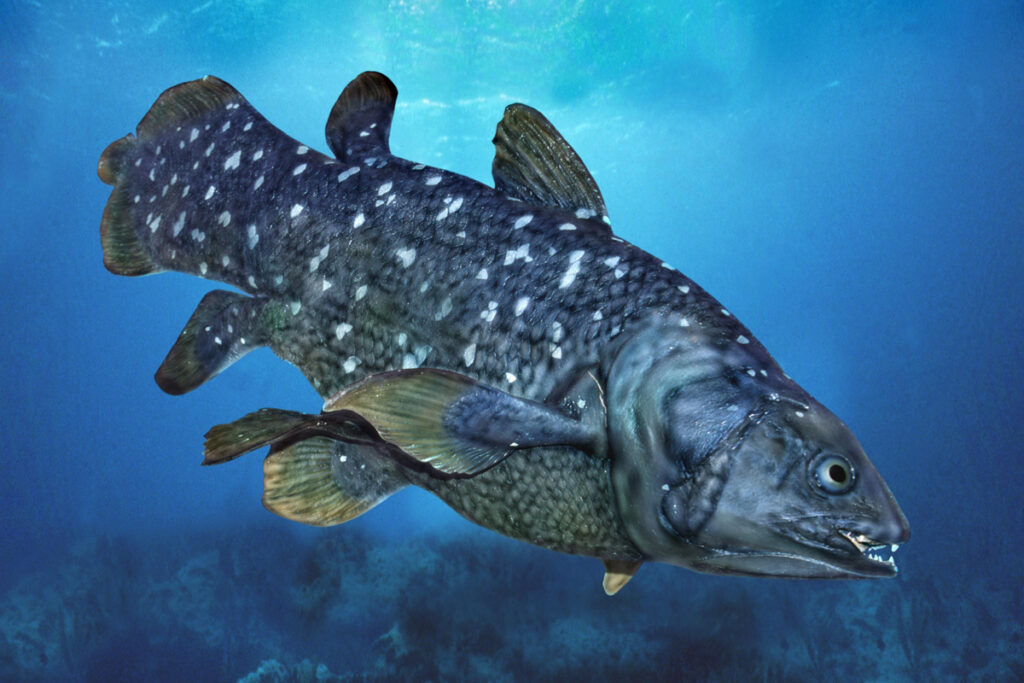
The coelacanth ranks among the greatest natural history surprises of the 20th century. Scientists once believed that the lobe-finned fish,previously known only from fossils, had gone extinct with the dinosaurs 65 million years ago. Then, in 1938, a live coelacanth was caught by a fishing trawler in the Indian Ocean, astonishing the scientific world.
The earliest coelacanth fossils show that the creature existed as far back as the Devonian period, approximately 420 million years ago. The discovery of a live coelacanth was particularly significant as it’s one of the last remaining lobe-finned fish, whereas most fish today are descended from a common ray-finned ancestor.
Coelacanths have limblike fins that are paired and that move in a synchronized pattern similar to the legs of land-dwelling, four-limbed animals. As such, many scientists regard the coelacanth as representing an early step (no pun intended) in the evolution of fish into terrestrial animals.
Credit: rghenry/stock.adobe.com
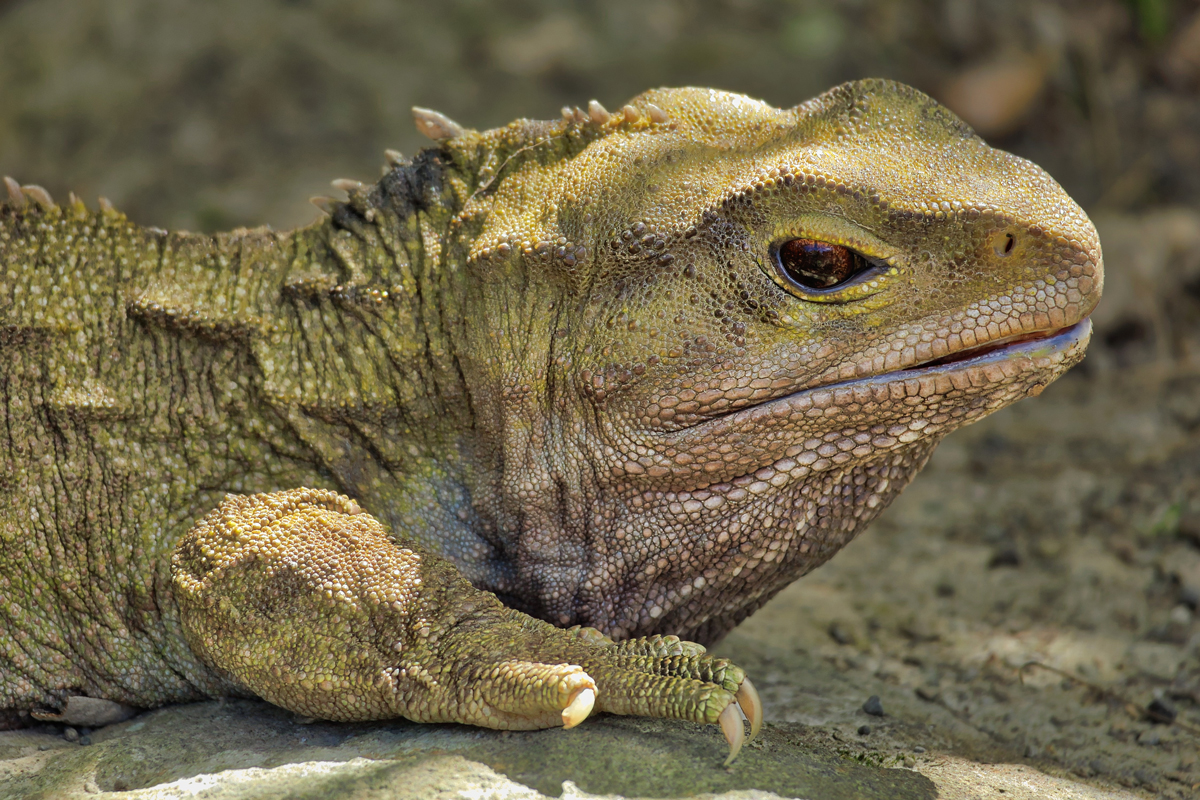
Tuataras
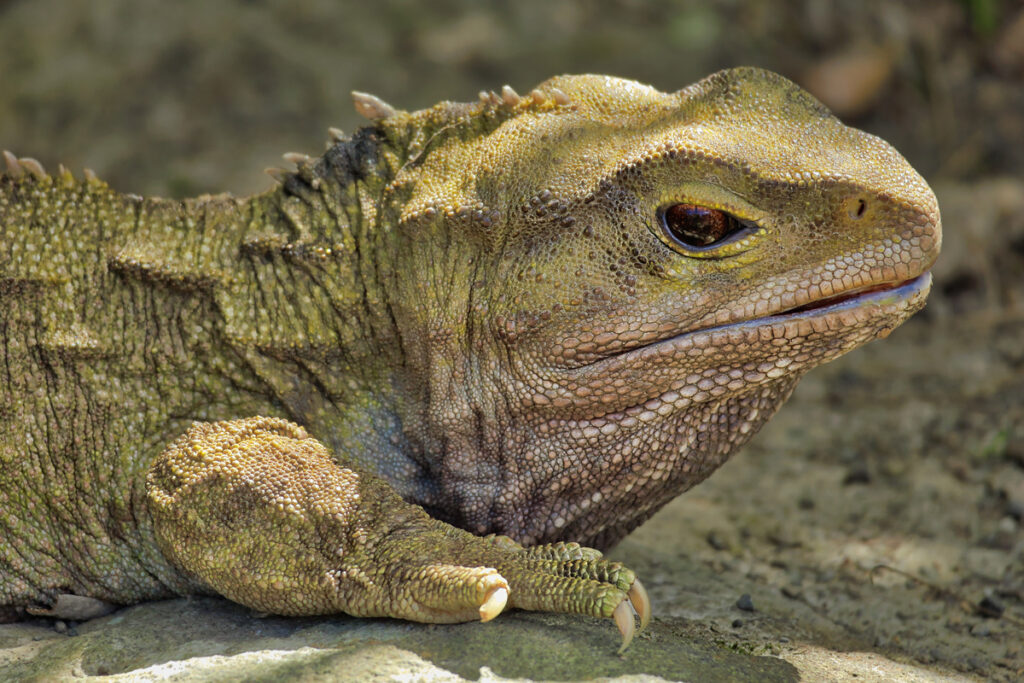
The tuatara is a medium-sized reptile endemic to New Zealand. If you ever see one, you may think it’s a rather average-looking lizardlike creature — but the tuatara is in fact the sole survivor of the ancient and mysterious order called Rhynchocephalia. This group of reptiles, which diverged from lizards and snakes, flourished some 230 million years ago but is now represented by this single extant species.
In 2022, researchers from Harvard University found that modern tuataras have changed very little from their 190-million-year-old ancestors — making them prime examples of what’s informally called “living fossils.” Individual tuatara can live for up to 120 years, making them true survivors both in terms of lifespan and the existence of the species as a whole.
Advertisement
6 Animals That Stay Together for Life
Across Species 12/08/26Aug. 12, 2026
Updated 12/08/26Aug. 12, 2026
Credit: Ken Griffiths/stock.adobe.com
Tony Dunnell
Author
Tony is an English writer of nonfiction and fiction living on the edge of the Amazon jungle.
True lifelong bonds in the animal kingdom are relatively rare. This is especially true among mammals — it’s estimated that only 3% to 5% of all mammal species (excluding humans) form monogamous relationships, and not all of those are for life.
Many species form temporary mating pairs or seasonal alliances, but only a select few maintain strong, enduring partnerships that can last for decades. Here we look at six species known for forming some of the strongest lifelong bonds in the animal kingdom.
Credit: willtu/stock.adobe.com
Mute Swans
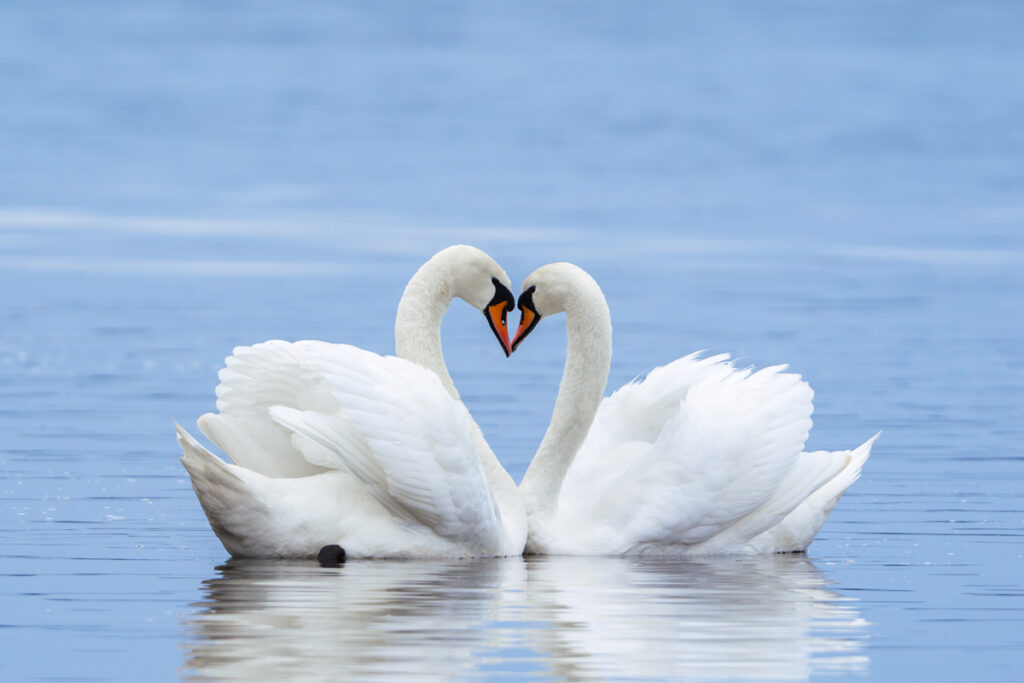
The widely held belief that swans mate for life is largely true — although some species aren’t quite as loyal as others. Mute swans are among the most committed when it comes to lifelong monogamy. Once paired, they stay together for life, migrating and wintering as a unit.
But even these bastions of exclusivity aren’t perfect: “Divorce” does occur, but only in about 3% of mates who breed successfully (rising to around 9% among unsuccessful pairs). Due to these lifelong bonds, swans have become symbols of enduring love — but they’re hardly unique in the avian world. As many as 90% of all bird species are monogamous, with many forming lifelong bonds, including, but not limited to, albatrosses, bald eagles, sandhill cranes, black vultures, Atlantic puffins, and macaroni penguins.
Credit: Ana Gram/stock.adobe.com
Gray Wolves
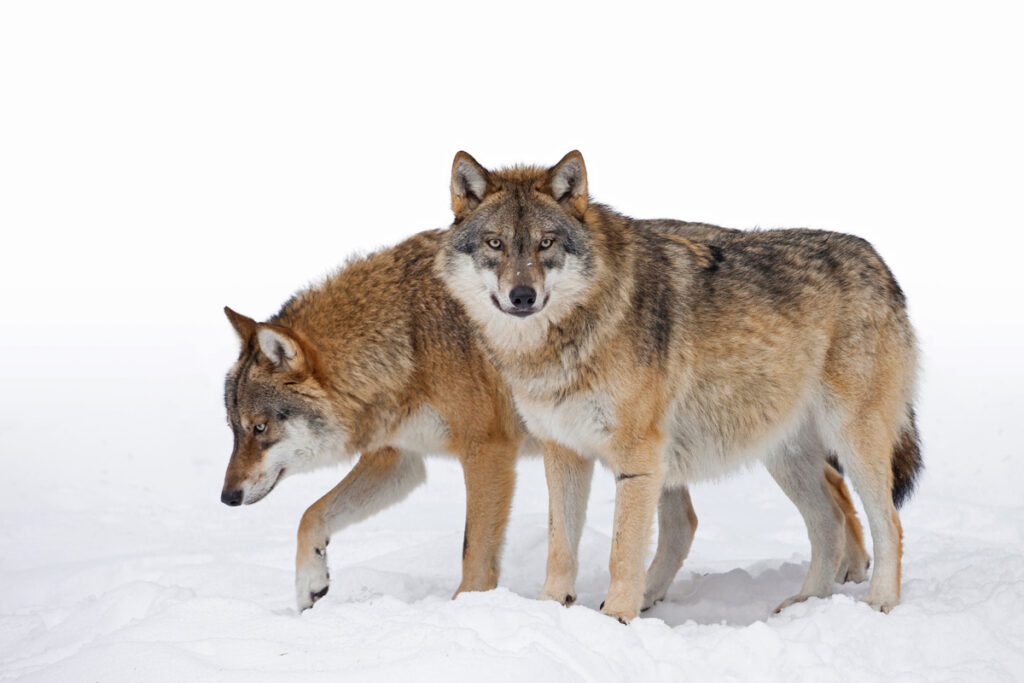
Wolf packs are highly complex social units. The job of leadership falls upon the two alphas — a breeding pair that typically mates for life, producing a new litter each year to ensure the stability of the entire group and to maintain their position as pack leaders.
All pack members exhibit strong loyalty, with social bonds extending beyond the breeding pair to create a strong and stable family unit that hunts, defends territory, and cares for the young together over many years.
Credit: Claudia/stock.adobe.com
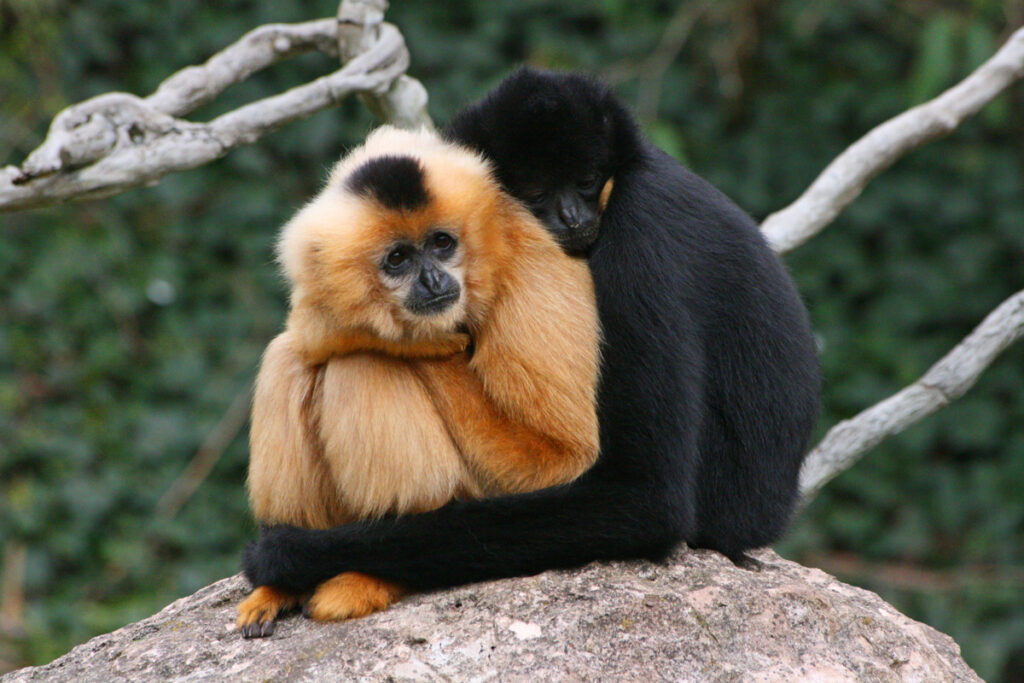
Gibbons
Gibbons are among the few primates that form strong, long-term monogamous pair bonds. These long-limbed apes spend most of their time in the upper and middle levels of the forest canopy, living in small family groups consisting of the mated pair and their offspring. Not only do the pair raise their young and defend their territory together, but they also perform complex duets — elaborate songs that reinforce their bond and warn off rivals.
Gibbons aren’t the only primates known to form such strong bonds — coppery titi monkeys, for example, also mate for life and even become distressed when separated from each other — but such commitment is quite rare among apes and monkeys, as it is among mammals in general.
Credit: Jillian/stock.adobe.com
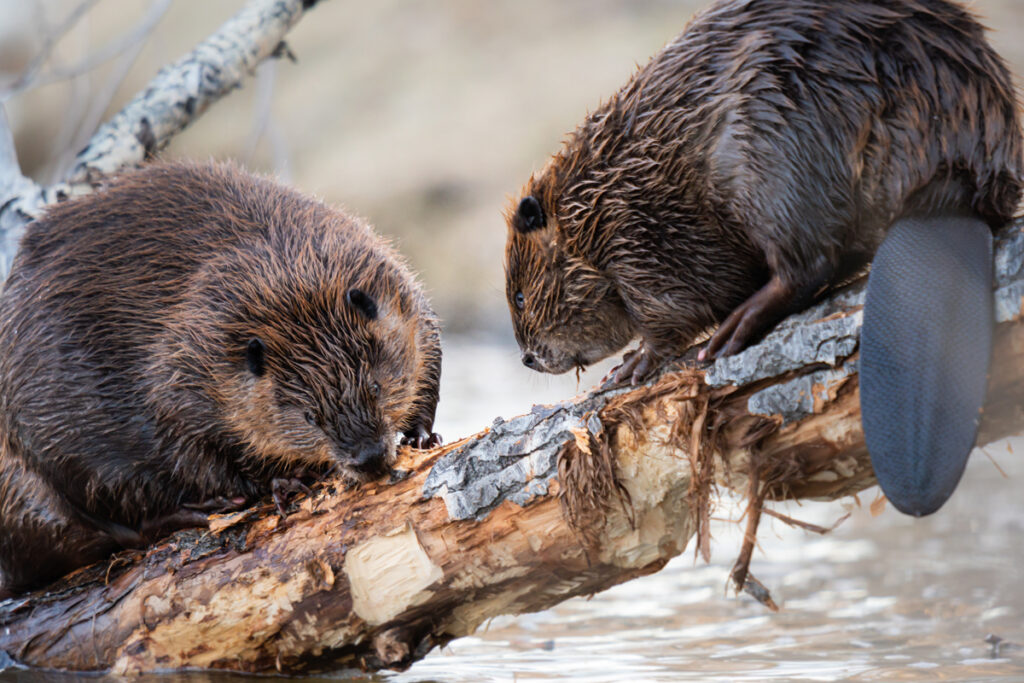
Beavers
Eurasian beavers (unlike their North American counterparts, who often have multiple mates) are another rare example of highly monogamous mammals that usually mate for life. The bonded pair forms the core of a family colony, working together to build and maintain their dams, lodges, and food caches while defending their territory.
They also share parenting responsibilities for their kits (baby beavers), teaching them essential survival skills until the kits move out of their parents’ dam at about 2 years of age. The average lifespan of a Eurasian beaver is seven to eight years, but they can live up to an astounding 25 years old with a bit of luck and a secure, resource-rich territory — making for years of busy but seemingly blissful companionship.
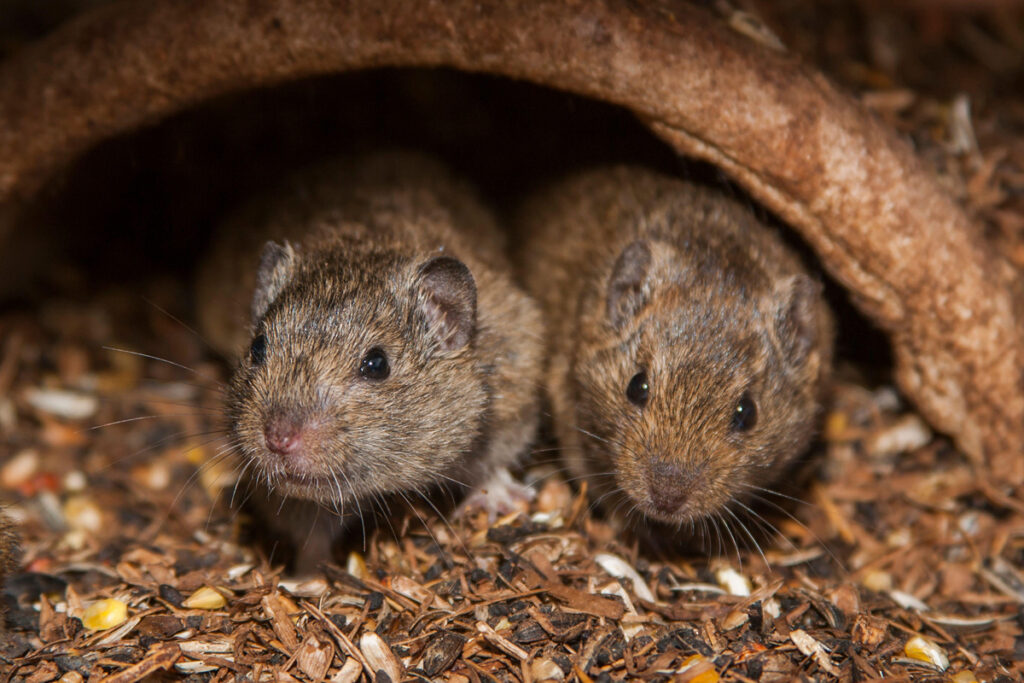
Prairie voles display remarkable lifelong pair bonds — so much so that researchers have studied their neurochemistry for clues about the effects of pair bonding and breakups (e.g., how oxytocin and dopamine can lead to lifelong bonds). Unlike most rodents, these small voles form strong attachments after mating, often staying with the same partner for life. The bonded voles share a nest, groom each other, and cooperatively raise their pups.
Another rodent famous for commitment is the Californian mouse. They often form strictly monogamous lifelong pairings — but they’re known to argue at times. Researchers have observed reunited pairs angrily barking at each other after short periods apart, possibly due to suspicions over their mate’s loyalty (even if no cheating actually occurred). In most pairs, the arguing lasts no longer than a week.
Credit: Ken Griffiths/stock.adobe.com
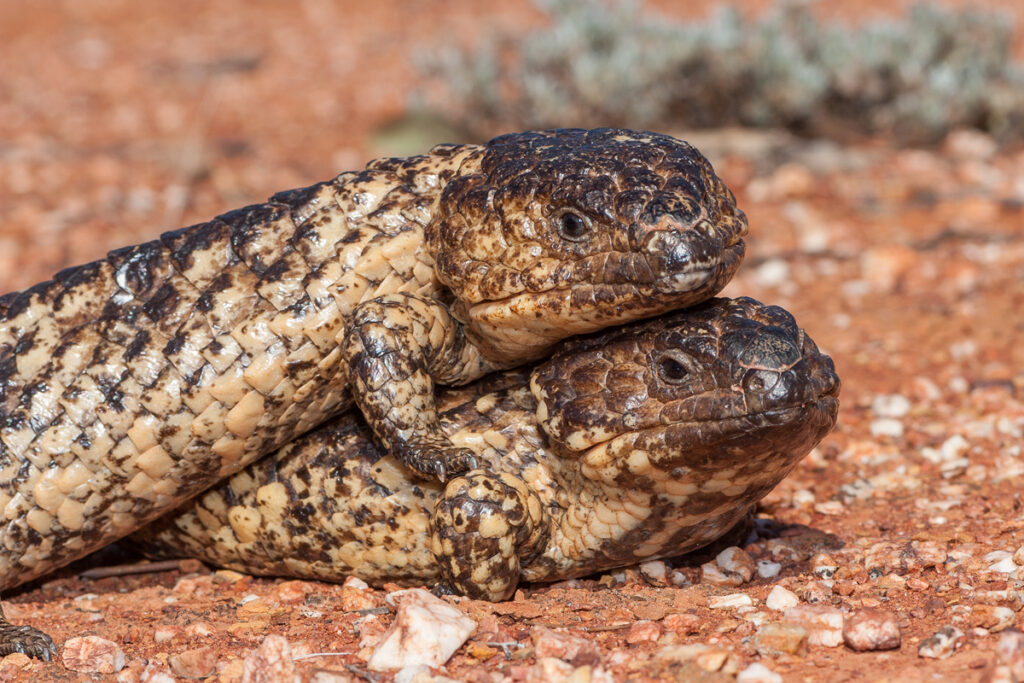
Shingleback Skinks
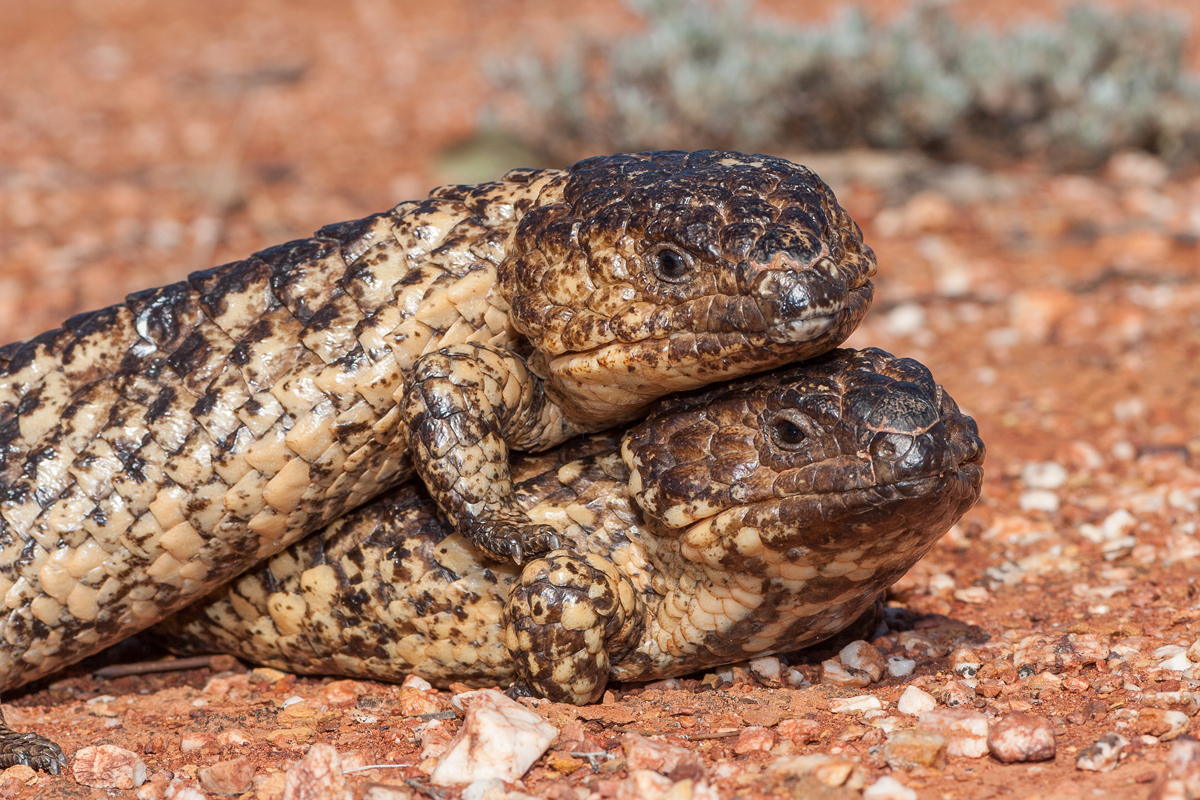
Shingleback skinks, also known as bobtail lizards, are among the few reptiles that form long-term pair bonds. Native to arid regions of Australia, these slow-moving, armored lizards typically live solitary lives, but during the mating season the male seeks out a mate. Once a female catches his eye, he follows her everywhere for up to two months, gently nudging and licking her to show he’s interested.
Once the pair has bonded, they actively seek one another out every breeding season. Pairs have been documented reuniting year after year, with some bonds lasting more than two decades. Even after death, the bond remains: Shingleback skinks have been observed mourning their partners, staying with their bodies for days in a show of grief.
Advertisement
These Animals Can See Things Humans Can’t
Across Species 11/08/26Aug. 11, 2026
Updated 11/08/26Aug. 11, 2026
Credit: Birger Strahl/Unsplash.com
Kristina Wright
Author
Kristina is a coffee-fueled writer living happily ever after with her family in the suburbs of Richmond, Virginia.
Humans can recognize faces in an instant, read fine print, judge depth, and distinguish millions of colors — but our vision is still surprisingly limited, especially compared to some animals. Our eyes detect only a narrow band of the electromagnetic spectrum, known as visible light, leaving entire categories of visual information beyond our reach.
Across the animal kingdom, evolution has equipped different species with visual systems that reveal hidden signals we completely miss. Some animals can spot ultraviolet patterns, others detect polarized light, and some don’t rely on visible light at all. Their view of the world includes visual cues humans can’t detect, giving them remarkable advantages for finding food, avoiding predators, and communicating with one another.
Credit: Getty Images/Unsplash.com
Birds
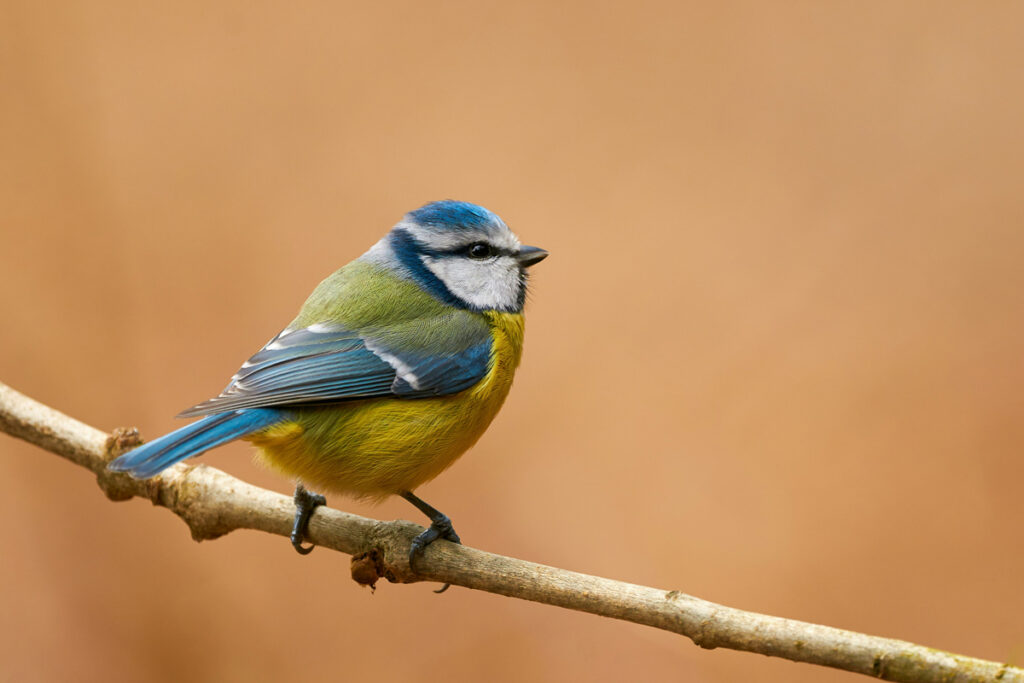
Many birds experience a world that’s literally more colorful than ours. While humans have three types of color-detecting cone cells, many birds have four, allowing them to see UV light in addition to the colors we can detect. That extra range helps them find food, recognize mates, and spot feather patterns that are invisible to people.
Some birds also pair this expansive color vision with extraordinarily sharp vision that’s up to eight times better than ours. That means certain birds of prey, such as eagles and hawks, can detect small movements from great distances, making it easier to locate prey while soaring across the sky. Together, these adaptations give birds access to visual information humans simply never see.
Credit: Allec Gomes/Unsplash.com
Bees
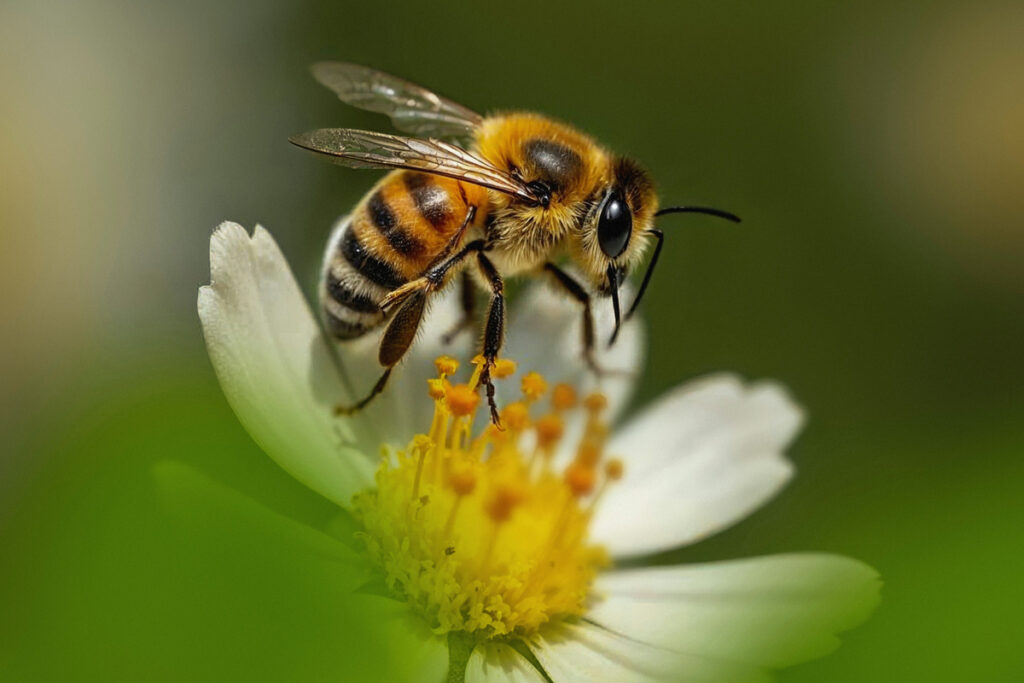
A flower that looks like a uniform splash of color to us can appear covered in hidden markings to a bee. That’s because bees can see ultraviolet (UV) light, revealing patterns on petals called “nectar guides” that are completely invisible to humans. These natural “landing strips” point to the flower’s nectar and pollen, which allows bees to find food quickly while making sure the plant gets pollinated.
Bees experience color differently than we do. While both can see blue and green, bees also see ultraviolet light, which is invisible to us, but humans can see red wavelengths that bees cannot. As a result, flowers that appear more uniform or muted to us actually display UV patterns that only bees and other pollinators can see.
Credit: photosaint/stock.adobe.com
Reindeer
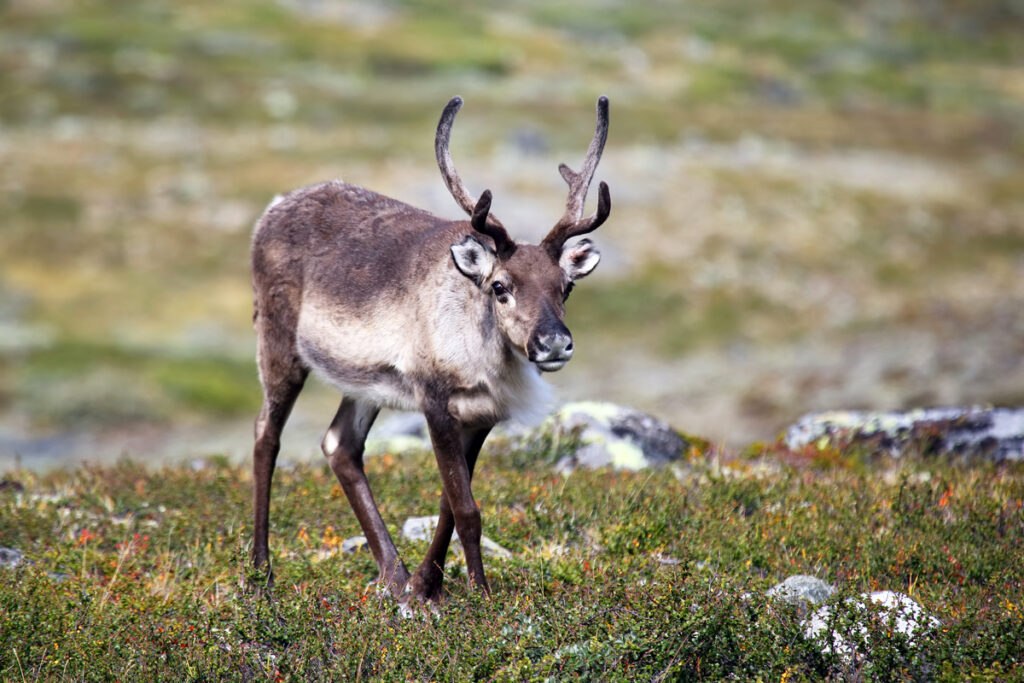
To us, the Arctic may look like an endless expanse of white, but a reindeer’s ability to detect UV light reveals contrasts that humans miss. Snow reflects large amounts of UV light, while other objects absorb or reflect differently. Those differences create contrasts that help reindeer distinguish between various features of the vast landscape that blend together to human eyes.
This ability can help reindeer spot important resources, including the lichen that make up much of their winter diet. It may also make predators such as wolves appear darker against bright, UV-reflective snow, giving reindeer another tool for surviving one of Earth’s harshest environments.
Credit: GeraldRobertFischer/stock.adobe.com
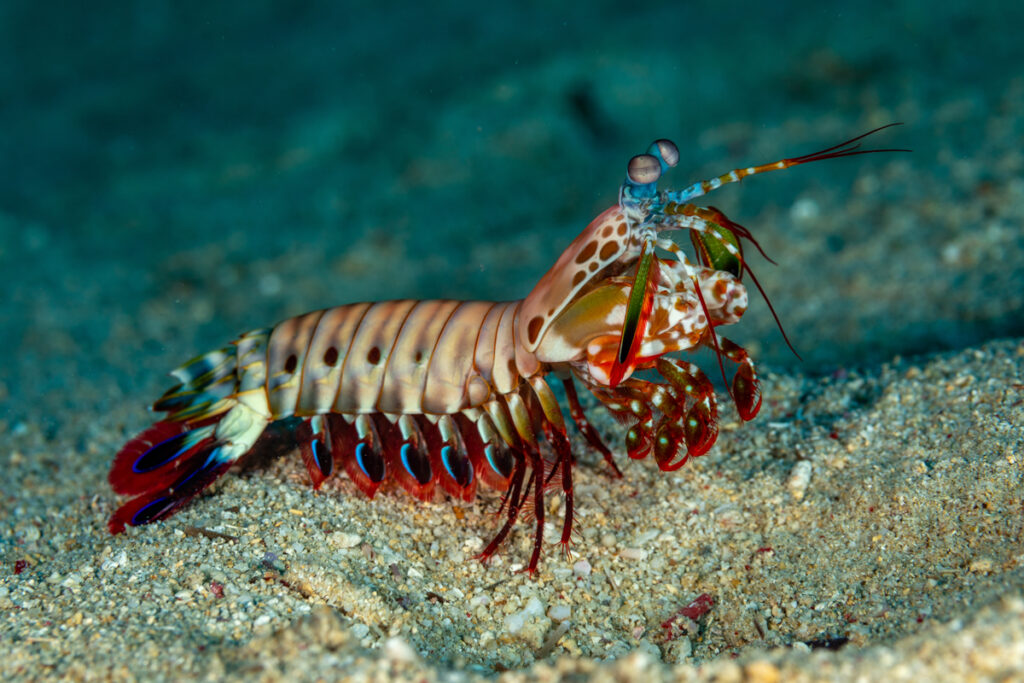
Mantis Shrimp
Mantis shrimp possess one of the animal kingdom’s most unusual visual systems. In addition to seeing UV light, they can also detect polarized light — a property of light that’s invisible to humans without specialized equipment (like special sunglasses). Underwater, this unique visual information may help them communicate, recognize other mantis shrimp, and navigate their surroundings.
Despite having more photoreceptors than humans, mantis shrimp don’t necessarily see sharper images. Instead, their eyes are highly specialized for detecting information that can be difficult to see underwater, such as polarized light patterns that may help them spot prey, identify fellow mantis shrimp, and detect objects that may otherwise blend into their surroundings.
Credit: Marius Masalar/Unsplash.com
Snakes
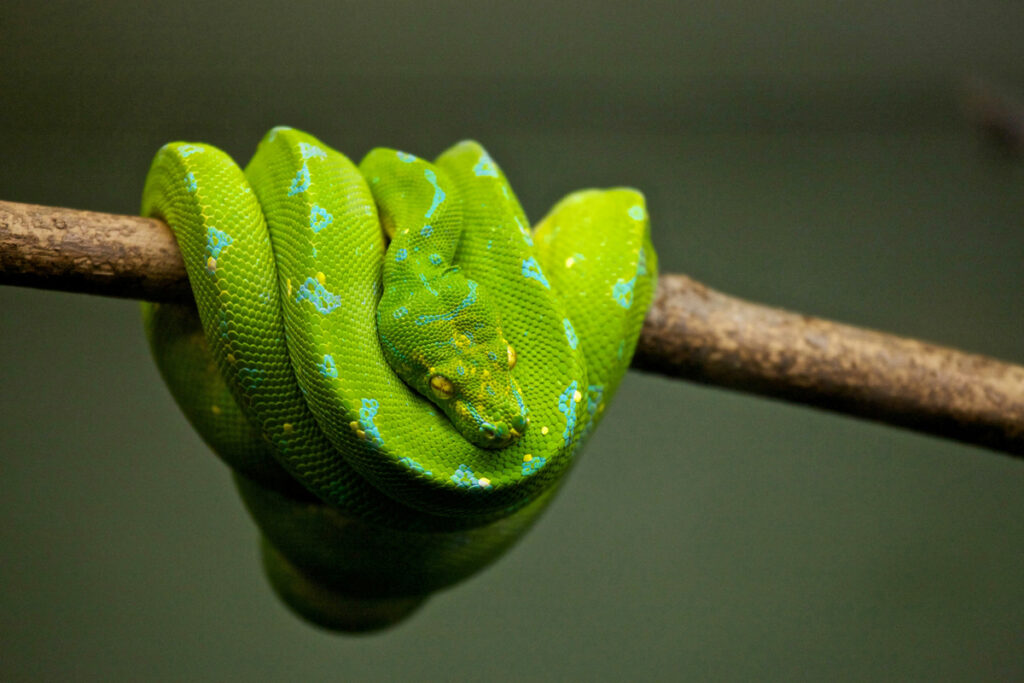
For pit vipers such as rattlesnakes, darkness doesn’t necessarily protect their next meal. These snakes have specialized heat-sensing organs between their eyes and nostrils that detect infrared radiation, aka the heat naturally emitted by warm objects. Rather than relying only on visible light, they can locate prey by its heat signature.
This adaptation is especially useful at night or in dense vegetation, where ordinary vision is less effective. By combining heat sensing with their eyesight and other senses, pit vipers can accurately suss out their prey’s location even when it’s difficult to see.
Credit: Birger Strahl/Unslpash.com
Cats
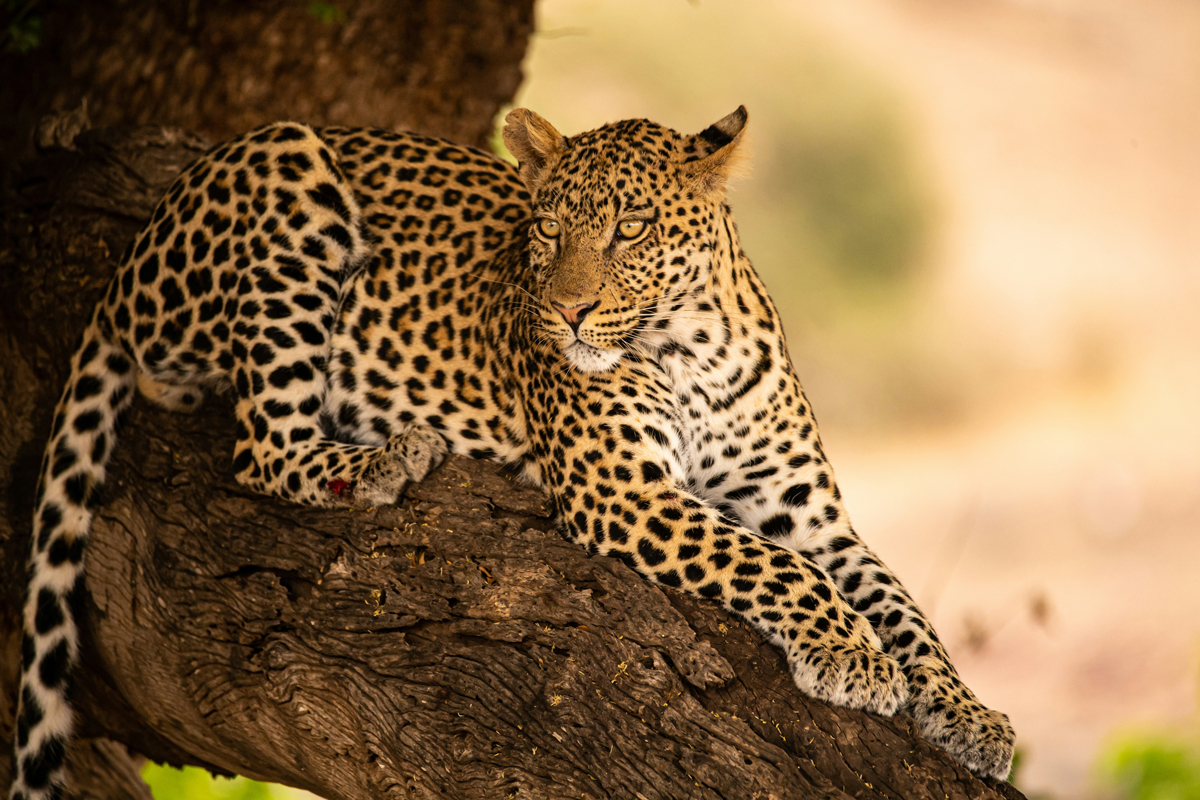
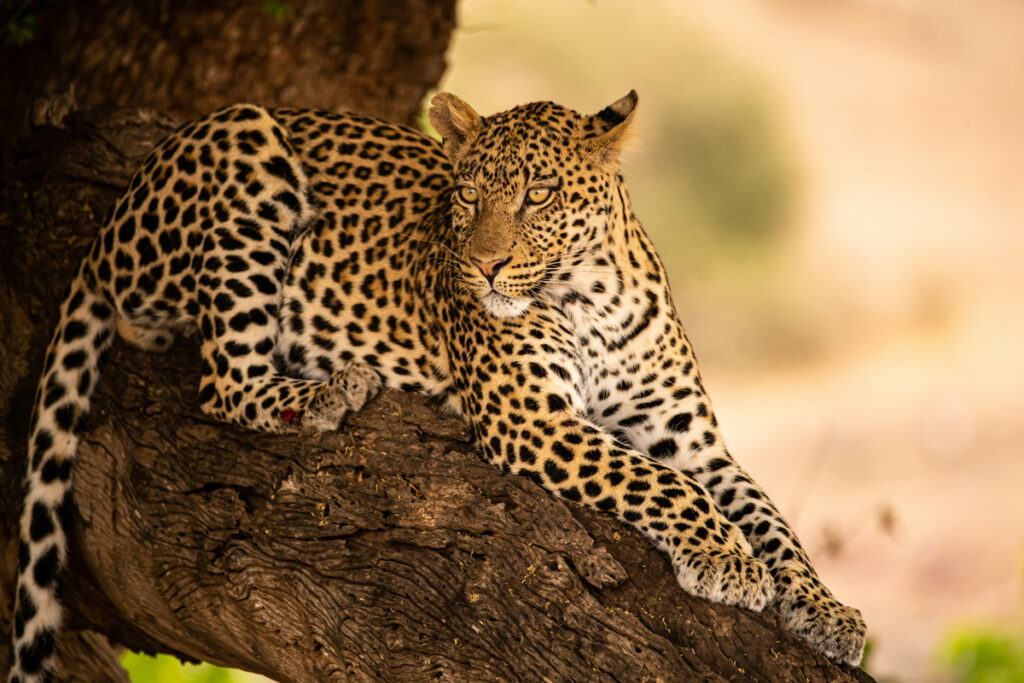
When daylight fades, cats — from house cats to lions, leopards, and other wild felines — gain a visual advantage over humans. Their large eyes, light-sensitive retinas, and reflective layer behind the retina called the tapetum lucidum help them make the most of dim light. The tapetum lucidum is also responsible for the familiar glow seen when light shines into a cat’s eyes at night.
Cats still can’t see in complete darkness, but they can detect movement and navigate in light levels that would leave most of us struggling to make out shapes. It’s an adaptation shared by the cat family that reflects their evolution as stealthy predators, many of which do much of their hunting at dawn, dusk, or during the night.
Bennett Kleinman is a New York City-based staff writer for Inbox Studio. He is also a freelance comedy writer, devoted New York Yankees and New Jersey Devils fan, and thinks plain seltzer is the best drink ever invented.
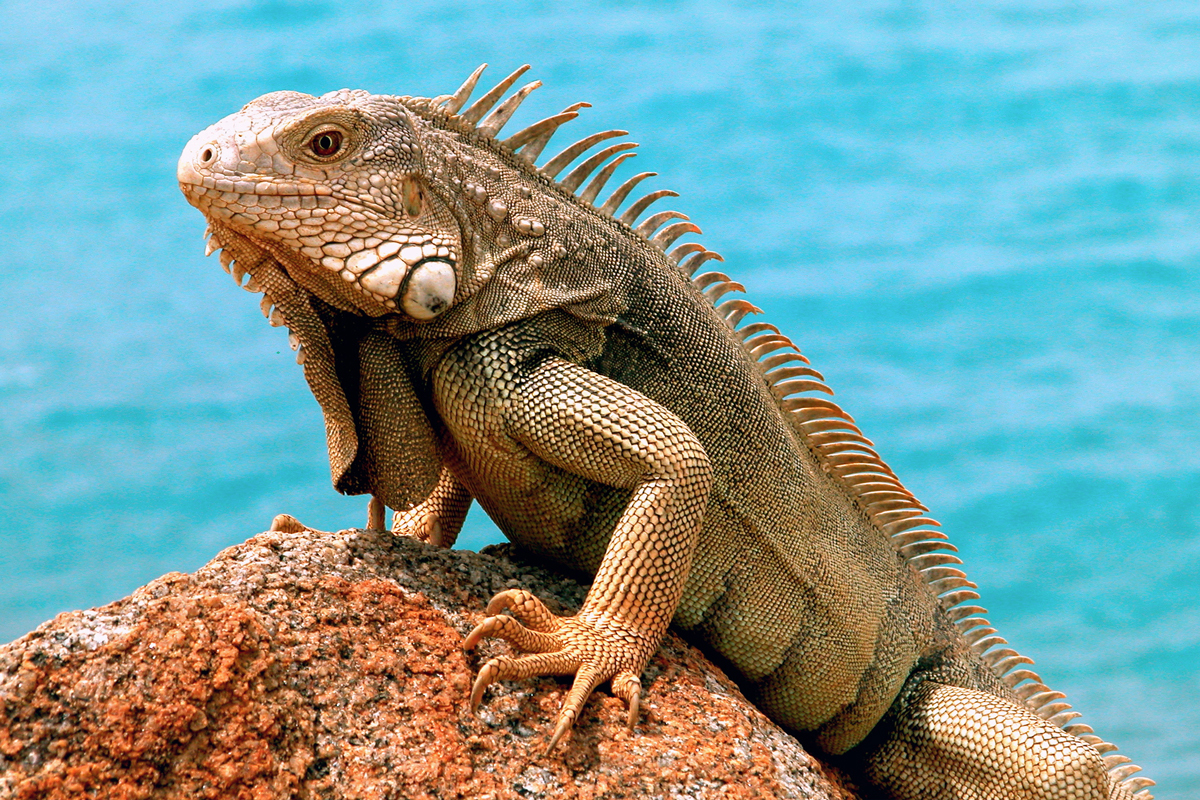
Human psychics may claim to have a figurative third eye, but iguanas have a very literal third eye atop their heads — though it doesn’t work like their two front-facing eyes. It’s a pale protrusion called the “parietal eye,” and it offers a key defense against avian predators.
Iguanas have extremely keen vision, though their front-facing eyes only provide them with a view of what’s in front of them. The parietal eye, however, allows iguanas to detect predators from above. This eye is incapable of detecting color or vivid detail, but it does perceive changes in movement and light. Iguanas use it to sense nearby birds of prey, allowing them to scurry to safety before an attack.
Advertisement
Horseshoe Crabs Have Stayed Basically the Same for 450 Million Years
Across Species 10/08/26Aug. 10, 2026
Updated 10/08/26Aug. 10, 2026
Credit: viktor2013/stock.adobe.com
Kristina Wright
Author
Kristina is a coffee-fueled writer living happily ever after with her family in the suburbs of Richmond, Virginia.
Horseshoe crabs are often called “living fossils” because, although they’ve continued to evolve like all living species, their overall body plan has remained remarkably similar for about 450 million years. Their ancient ancestors lived long before dinosaurs, and these resilient marine animals have survived mass extinctions, ice ages, shifting coastlines, and dramatic changes to Earth’s environments.
Much of their long-term success comes from a robust body design that has stood the test of time. Their hard shells, multiple eyes, and long, pointed tails have remained highly effective adaptations for hundreds of millions of years. Today, horseshoe crabs inhabit shallow coastal waters, where they play an important role in marine ecosystems, proving that evolution often preserves traits that continue to provide a survival advantage.
Bennett Kleinman is a New York City-based staff writer for Inbox Studio. He is also a freelance comedy writer, devoted New York Yankees and New Jersey Devils fan, and thinks plain seltzer is the best drink ever invented.
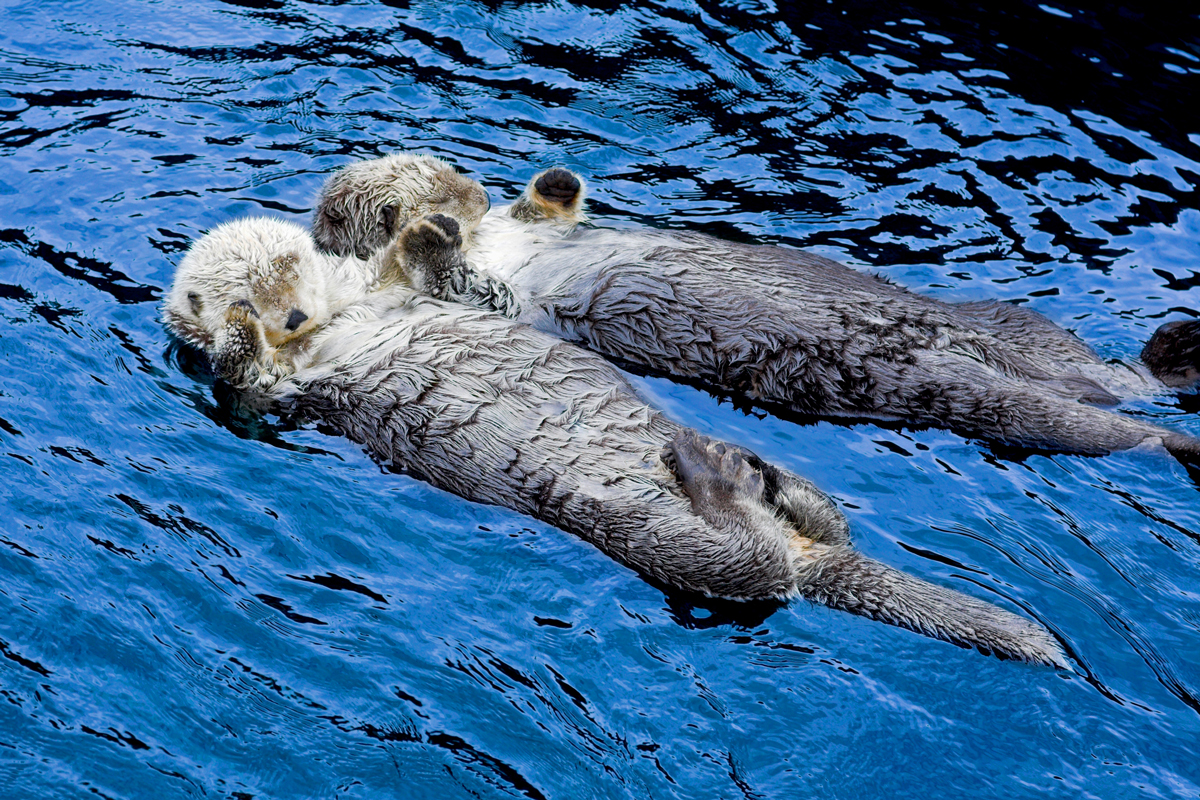
As heartwarming as it is to imagine sea otters in love, their hand-holding isn’t a sign of affection. It’s actually a vital mechanism they rely on while they sleep, and the reason they do it is twofold: It helps prevent sea otters from losing track of each other, and it deters potential predators.
When sea otters sleep, water currents may sweep them in any number of directions. By holding onto each other’s paws, they form what’s called a “raft,” which may contain as little as two or as many as several dozen otters. This keeps the group together, lessening the risk of drifting apart while they snooze. And the bigger the raft, the more imposing the group of otters appears, thus making predators less likely to strike than if they were to come upon just a single otter or two.
Nicole is a writer, editor, and researcher with over 15 years experience covering arts and culture, lifestyle, and media. Her work has also appeared in PureWow, Brit + Co, Exclaim, AUX TV, and CBC. She lives in Ontario, Canada.
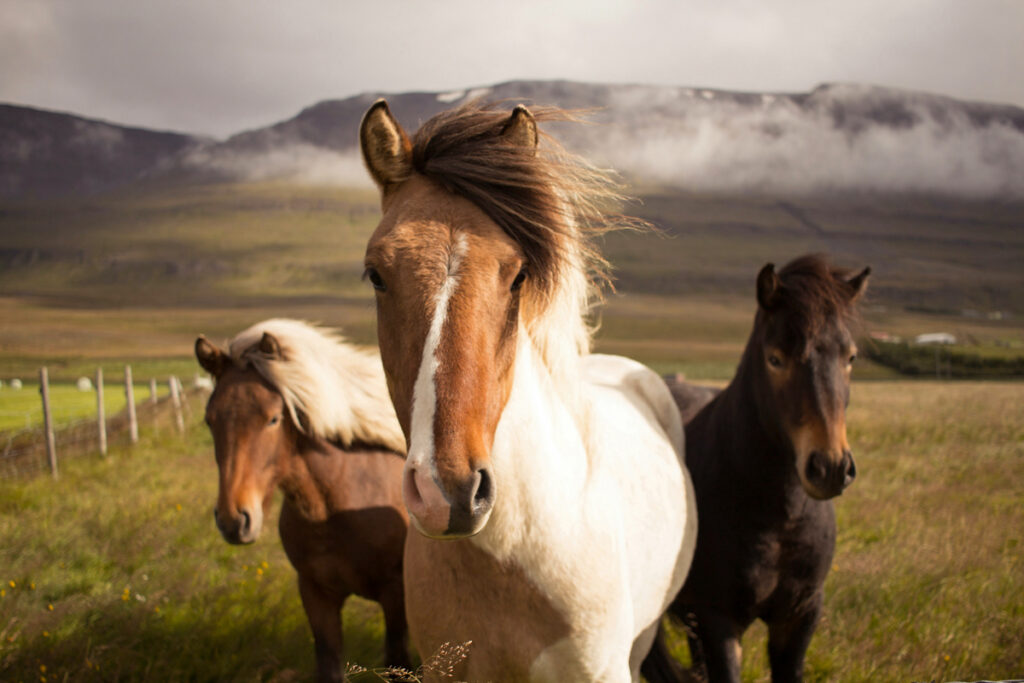
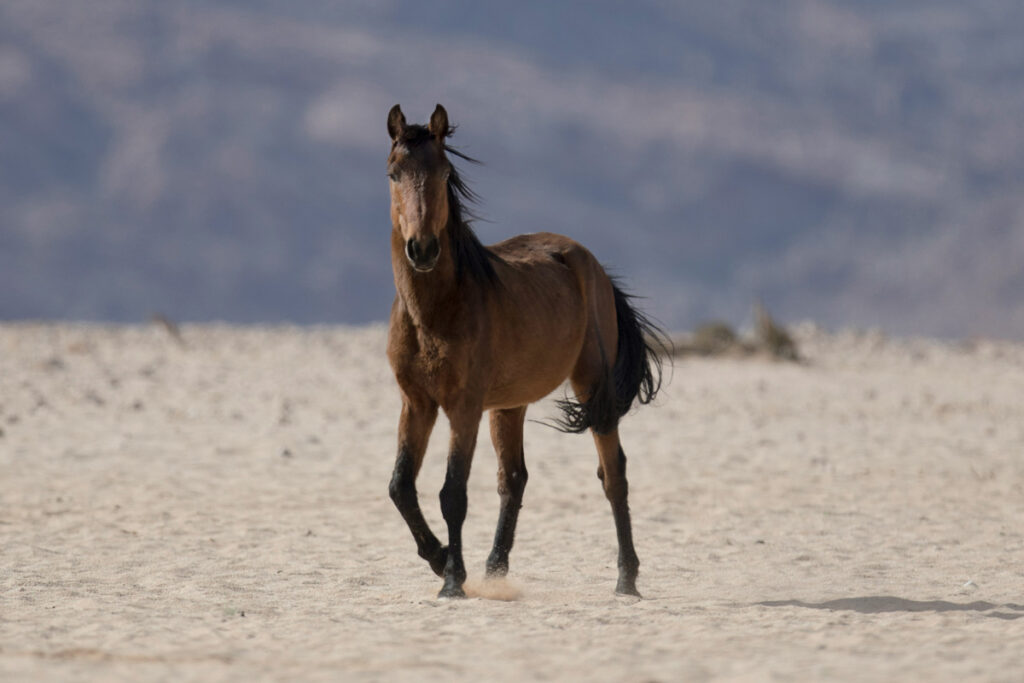
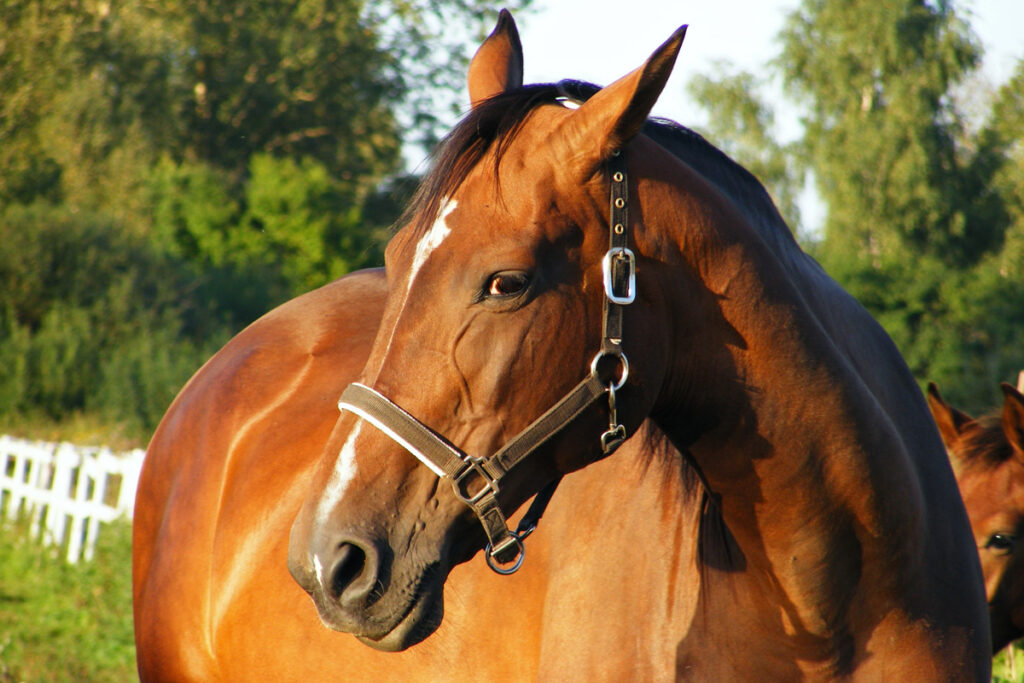
Horses may not speak to humans or other horses verbally, but they have their own methods of communication nonetheless. Their ears, eyes, tails, posture, and facial movements are all clues to how they feel about what’s happening around them.
A horse’s body language can reveal whether it’s relaxed, curious, alert, uncomfortable, or ready to react — but no single signal tells the whole story. To understand how a horse is feeling, it’s important to not only look at the animal, but to also interpret its mannerisms based on the context of its surroundings. Here are some of the ways you can decipher a horse’s mood.
Credit: virgonira/stock.adobe.com
A Relaxed Horse Lets Its Guard Down
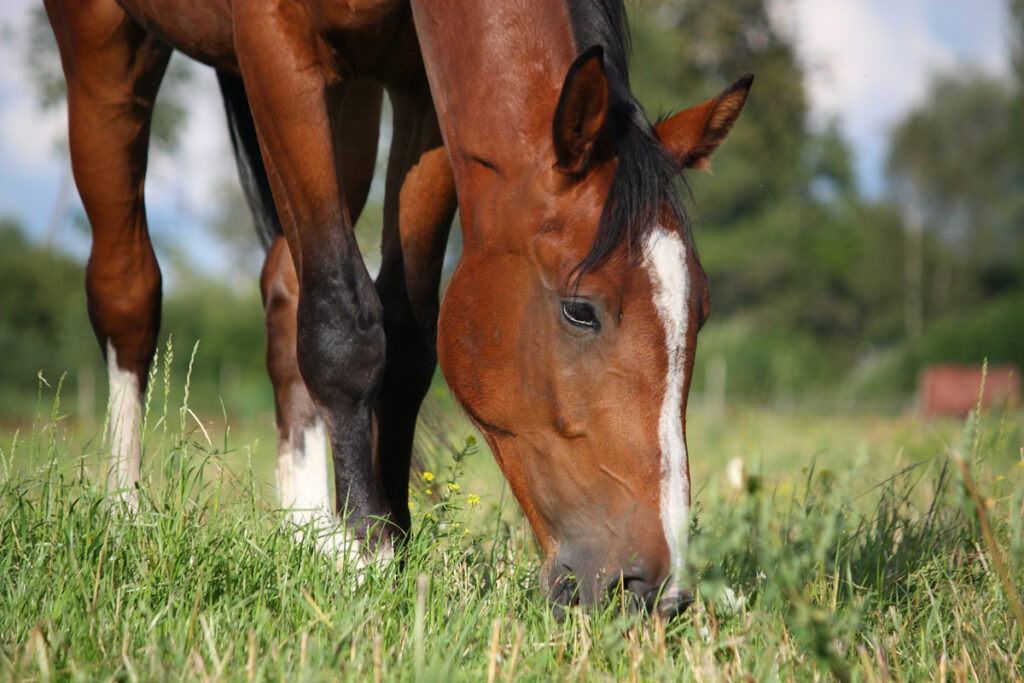
A comfortable horse will often have a relaxed posture. This typically means a couple different things: Its head may be lowered, and its neck and muscles will appear loose without tension or wrinkles around the nostrils, mouth, or brow. A relaxed horse may also stand happily with one hind leg resting slightly off the ground, a common neutral position that also allows the horse to conserve energy.
In addition, a horse’s ears may move slightly outward or forward when it’s calm, moving around naturally as it tunes in to surrounding sounds with its highly sensitive hearing. Other signs of relaxation can include soft eyes and behaviors such as sighing or slowly chewing and licking. These small movements are typically present after a horse has eased from a moment of tension into a more comfortable one.
Credit: Fabian Burghardt/Unsplash.com
Perked Ears Mean Piqued Curiosity
A horse’s ears will often reveal where its attention is directed; when both ears are up and pointed forward, the horse is usually curious about something ahead — perhaps an unfamiliar sound, another animal, or an approaching person. A curious horse is likely to raise its head, stretch out its neck, and sniff as it investigates something new. Its body, however, will usually remain loose, without the strain that can signal fear or tension.
Forward ears don’t always mean curiosity, though: A horse may also point its ears forward out of concern. This differentiation can be made by looking at the rest of its body. A relaxed horse will look interested, while an anxious horse may appear stiff, raise its head, or g tense around its eyes and throughout its face muscles.
Credit: Getty Images/Unsplash.com
A Fearful Horse May Freeze
A horse that freezes is not necessarily calm, as motionlessness can be a response to possible danger. As prey animals, horses are highly attuned to anything unfamiliar or potentially threatening. A fearful or uncertain horse may raise its head and neck, become tense, and focus intently on what’s concerning them.
Other signs can include wide eyes, flared nostrils, a tightly clamped tail, shaking, snorting, or shuffling away from the direction of the threat. Rather than immediately bolting, many horses will first investigate, watching and listening before deciding whether to stay or flee.
Credit: virgonira/stock.adobe.com
Flat Ears Are No Laughing Matter
One of the most recognizable signs of irritation in horses is ears pinned flat against the head. This should serve as a clear warning that a horse is uncomfortable, frustrated, or does not want to be approached.
Tails can also indicate displeasure. Although horses famously use their tales to swat flies away, forceful, repeated tail swishes may also mean they’re irritated. As with most cues, the behavior should be considered in context of not only the situation, but in conjunction with other body language.
Credit: Getty Images/Unsplash.com
The Face Can Communicate Stress
Horses have surprisingly expressive faces. But because they’re prey animals, they may try to disguise their moments of vulnerability, so subtle facial expressions can be important clues into how they’re feeling. Researchers have developed the Horse Grimace Scale to identify pain-related expressions, including stiffly held ears, tension around the eyes, a strained mouth, and changes in the nostrils, which may appear elongated and tense, with the area around the muzzle looking flattened or stretched..
There may also be other discernible signs in a horse’s overall body language and temperament: Unusual aggression, changes in gait or appetite, restlessness, or becoming withdrawn from its surroundings may also mean a horse is in discomfort.
A horse’s face and body is almost always responding to its environment. Understanding how a horse may be feeling isn’t about memorizing a list of signals so much as recognizing patterns. Movements can mean different things depending on what the horse is doing and what’s happening around it, and being mindful of the full picture can help us better understand a horse’s specific methods of communication.
Nicole is a writer, editor, and researcher with over 15 years experience covering arts and culture, lifestyle, and media. Her work has also appeared in PureWow, Brit + Co, Exclaim, AUX TV, and CBC. She lives in Ontario, Canada.
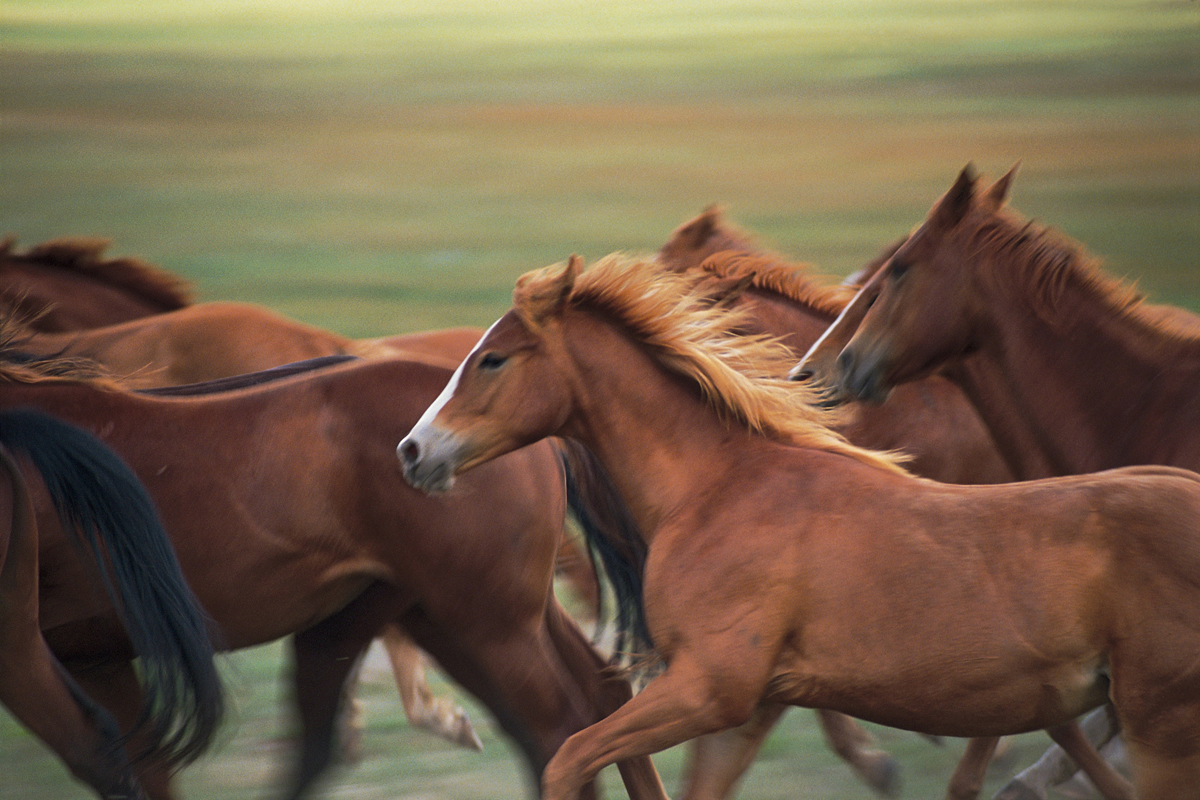
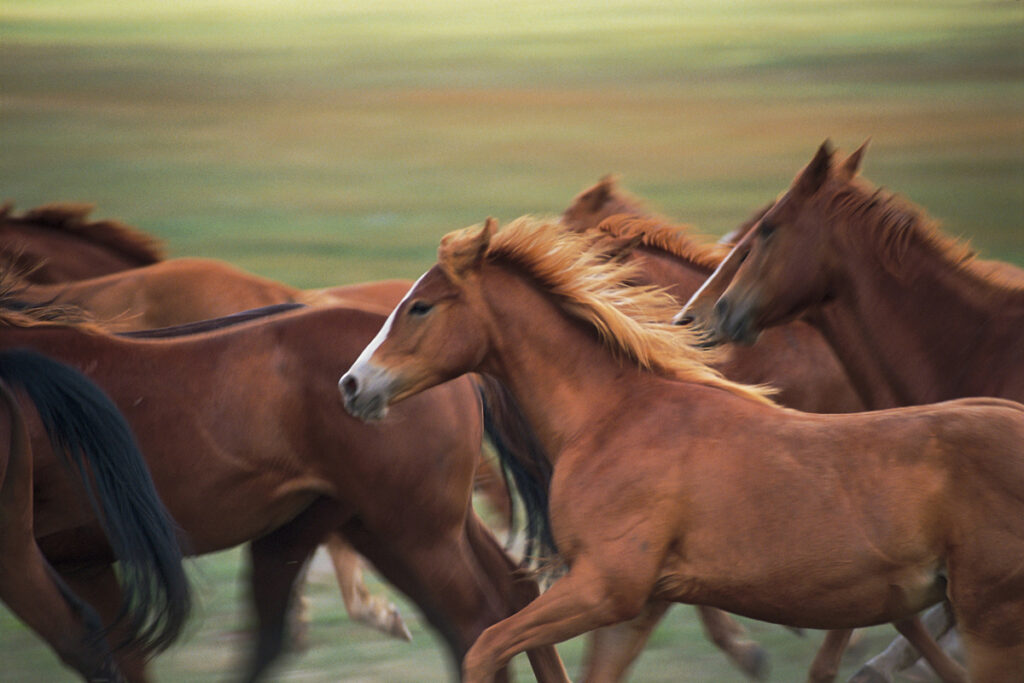
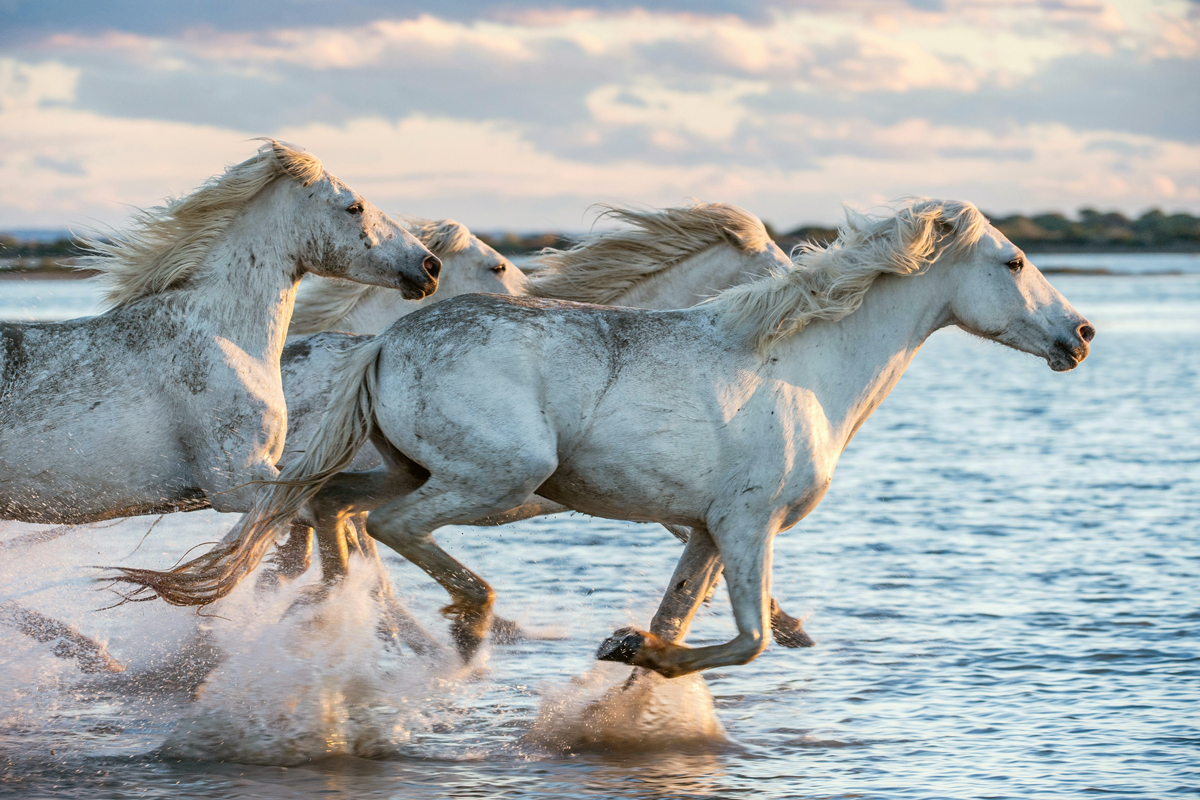
If you’ve ever watched a horse in a full, mighty gallop, you may have noticed something peculiar: Its mouth stays closed. Unlike many other animals, including dogs, which often pant with their tongues hanging out to help them cool down and catch their breath, horses can only breathe through their noses.
Animals that breathe only through their nostrils, rather than through both the nose and mouth, are known as obligate nasal breathers. A flap of tissue called the soft palate forms a tight seal between the mouth and airway, helping horses breathe efficiently while eating and, importantly, keeping food out of their airways. And since they can’t pant like dogs, horses instead rely on sweat to regulate their body temperatures, sweating up to several gallons an hour during high performance.
Advertisement
Your Daily Guide to the Animal Kingdom
Get to know the animals that share our planet with this daily newsletter.
Success! Welcome to Animal Facts.
Check your inbox for your daily email.
Sorry, your email address is not valid. Please try again.