Bennett Kleinman is a New York City-based staff writer for Inbox Studio. He is also a freelance comedy writer, devoted New York Yankees and New Jersey Devils fan, and thinks plain seltzer is the best drink ever invented.
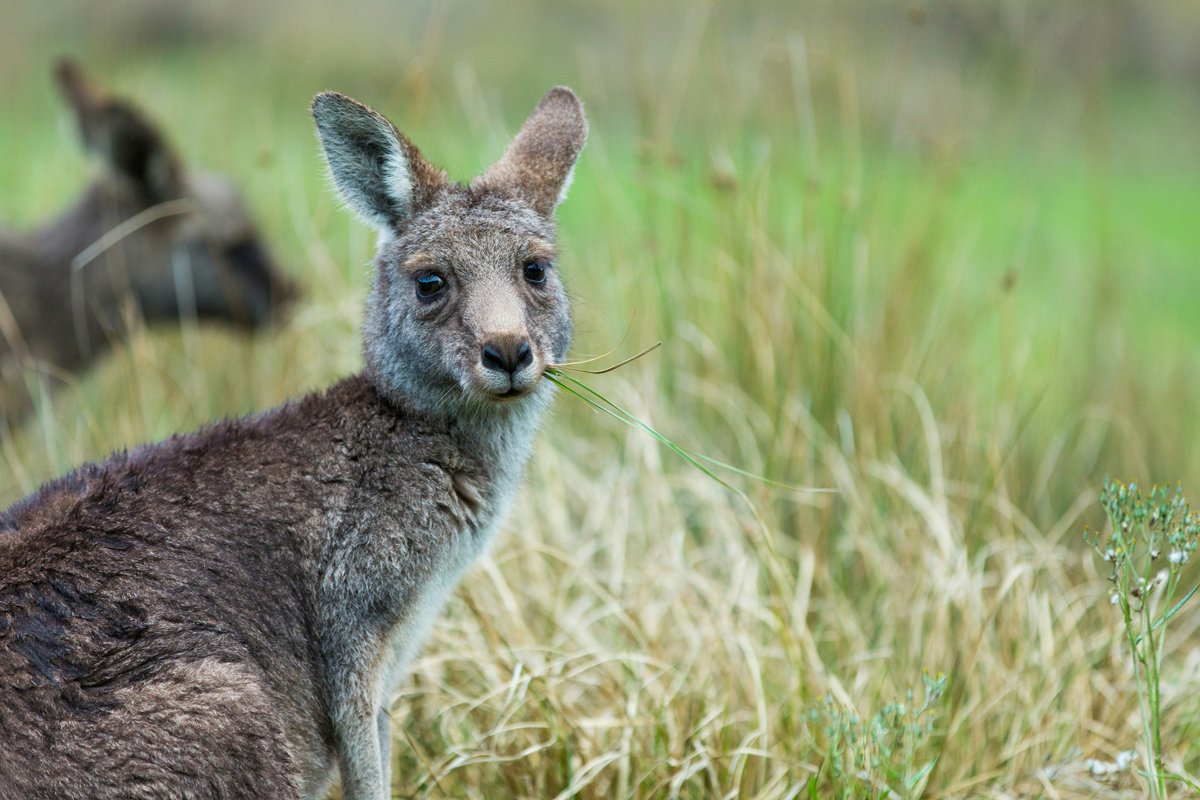
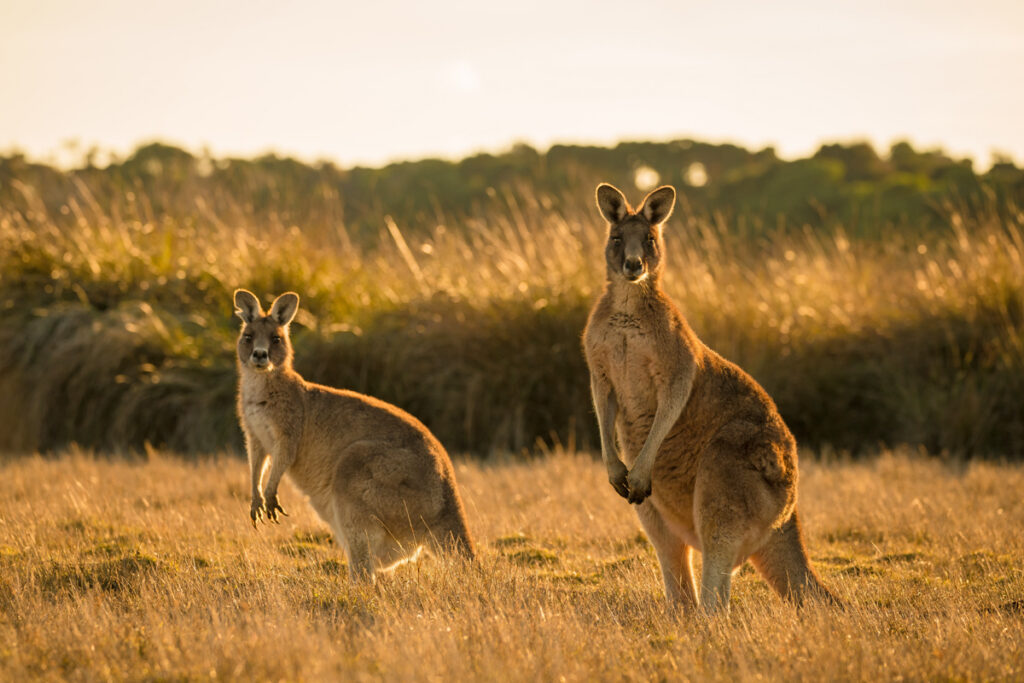
While humans may enjoy lounging in front of a fan to cool down on a hot day, kangaroos lick their forearms to survive the sweltering temperatures of the Australian Outback. Though kangaroos have sweat glands, those glands only secrete sweat during active exercise, making them effectively useless for staying cool when the creatures are at rest. Instead, kangaroos rely on evaporative cooling — a process in which cool moisture from the animal’s mouth is absorbed directly into its bloodstream.
Kangaroos have a network of blood vessels located just beneath their forearm skin. Licking that area coats their arms with moisture, which is absorbed into those blood vessels, thus cooling the blood that flows through them. That cooler blood then circulates through the rest of the creature’s body, helping to lower its core temperature.
Bennett Kleinman is a New York City-based staff writer for Inbox Studio. He is also a freelance comedy writer, devoted New York Yankees and New Jersey Devils fan, and thinks plain seltzer is the best drink ever invented.
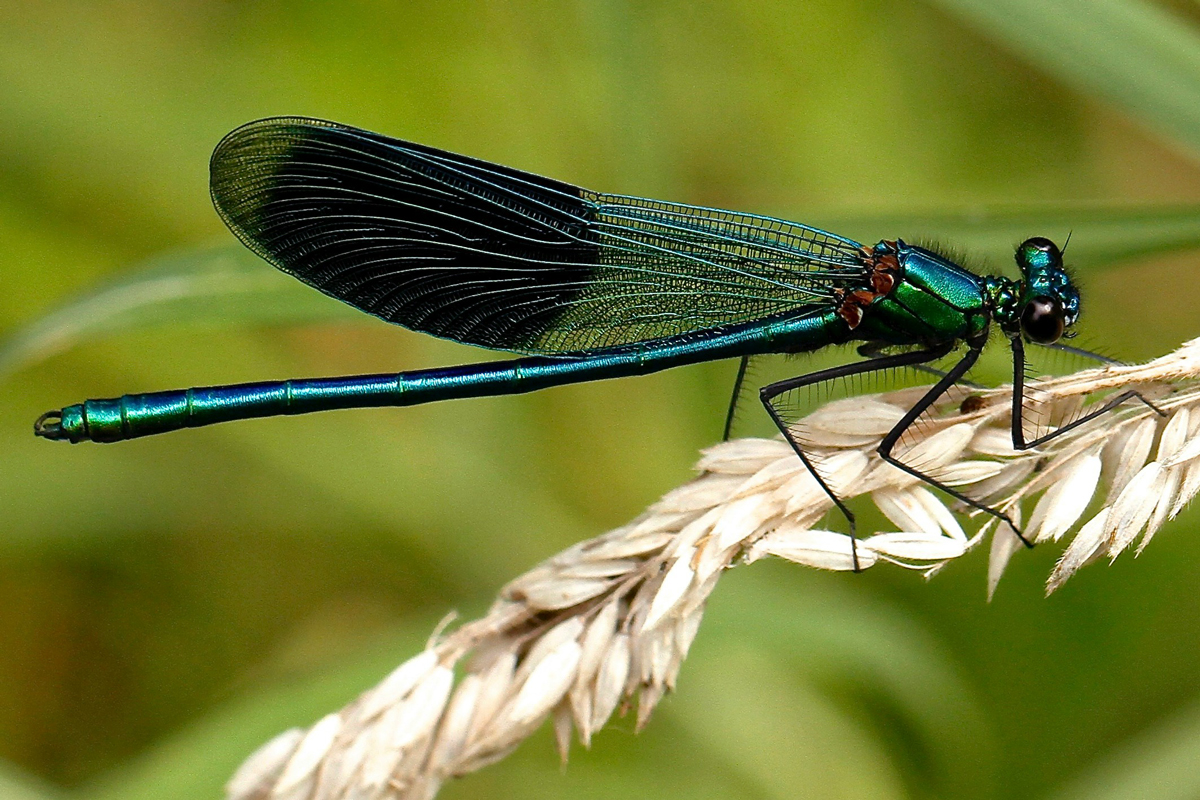
Dragonflies are among the many types of insects that have six legs when fully grown and intact. But unlike other insects, dragonflies don’t use their legs to walk, as they aren’t designed for that purpose. Instead, dragonflies rely on their limbs for perching, grooming, and capturing prey.
Each leg terminates in a pair of claws that allows dragonflies to firmly hold onto surfaces they’re perched upon. The legs can also be used similarly to windshield wipers, removing debris or dew from atop their eyes. Dragonflies can even use their six legs to nab prey midflight, essentially forming a basket around their unlucky victim before subduing it with their powerful mandibles.
Advertisement
Octopuses have nine brains.
Across Species 21/08/26Aug. 21, 2026
Updated 21/08/26Aug. 21, 2026
Credit: Vlad Tchompalov/Unsplash.com
Michael Nordine
Author
Michael Nordine is a Senior Staff Writer at Britannica, where he writes the newsletter Movie Brief. He grew up with eight cats and would like to see a Komodo dragon in the wild one day.
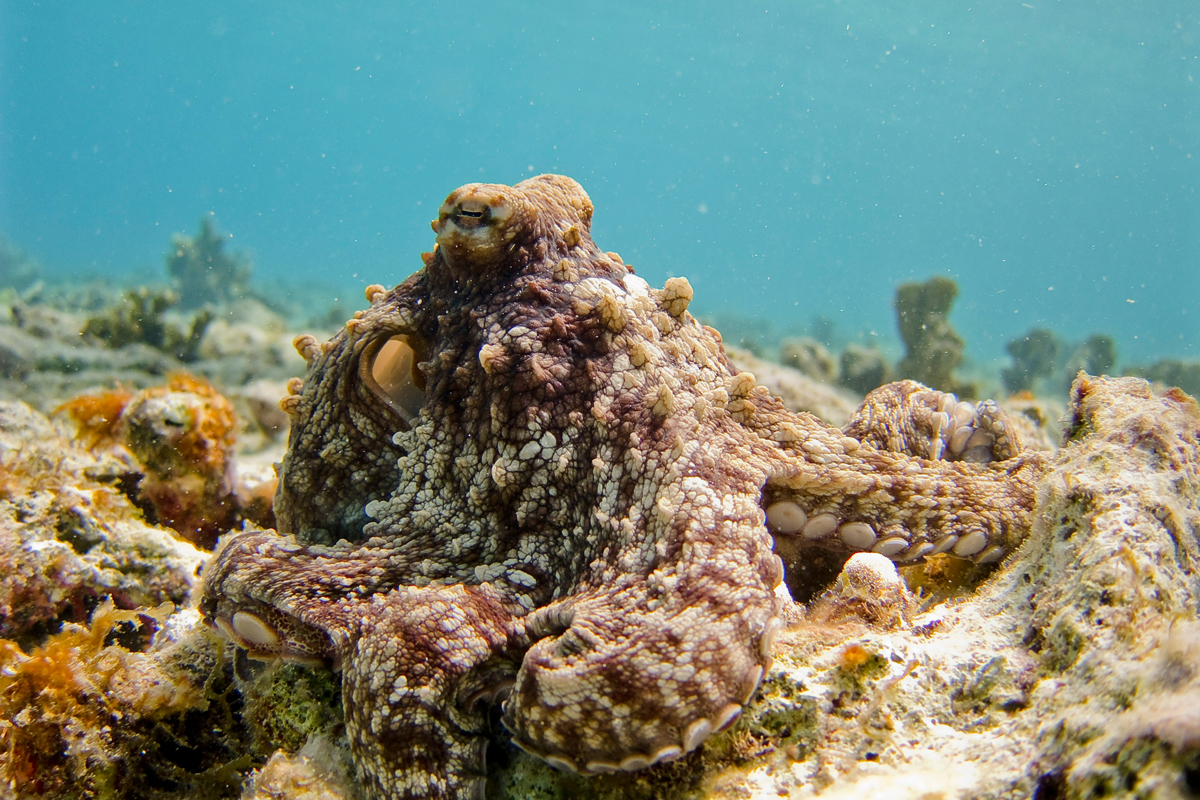
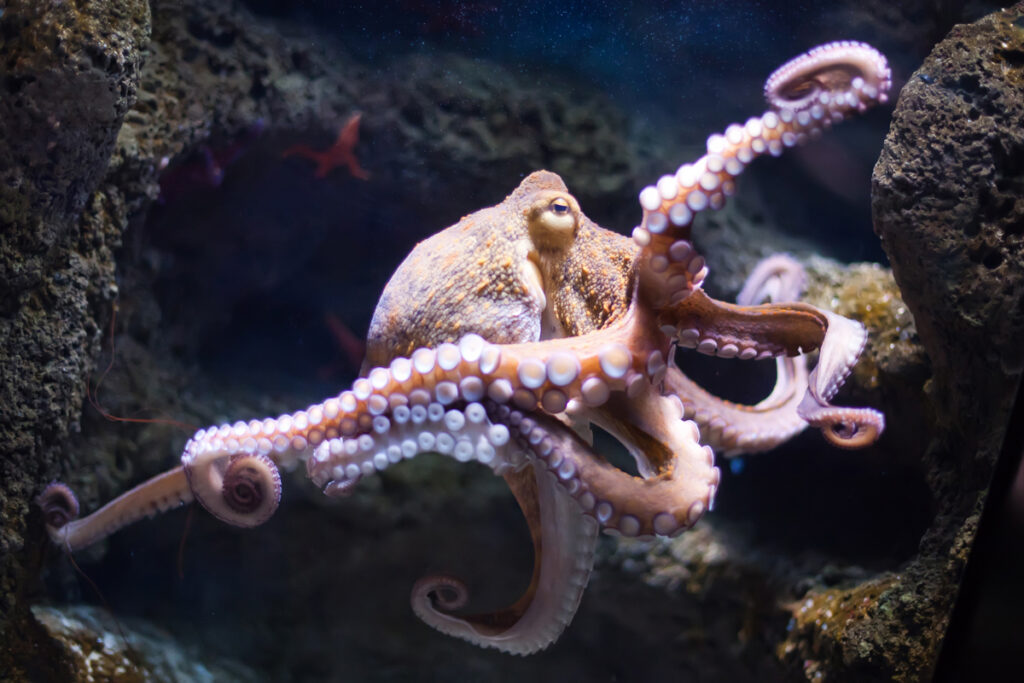
Octopuses appear to be fans of both quality and quantity, as the highly intelligent cephalopods have nine brains — sort of. Along with a central, donut-shaped brain in their head, they also have eight mini-brains known as ganglia at the end of each tentacle. This gives them the ability to control each arm semi-independently, allowing for a freedom of movement that’s evident in the fast, fluid motion and incredible nimbleness for which they’re known.
Their nervous systems aren’t as decentralized as they may sound, however. The central brain still issues basic commands, which the smaller brains process independently and act in accordance with. They essentially follow those commands, which are often related to finding food or a secluded place to rest, and it’s because of those mini-brains that all eight tentacles can move, grip, and even taste independently of the others. You can think of the central brain as a kind of leader and the other eight as the workers — together, they’re quite a team.
Advertisement
6 Bizarre Ways Animals Breathe (or Don’t!)
Across Species 21/08/26Aug. 21, 2026
Updated 21/08/26Aug. 21, 2026
Credit: Hamilton/stock.adobe.com
Kristina Wright
Author
Kristina is a coffee-fueled writer living happily ever after with her family in the suburbs of Richmond, Virginia.
You probably don’t spend much time thinking about how you breathe. With each inhale, air enters your lungs, where oxygen passes into your bloodstream and eventually reaches your cells, helping them produce energy from nutrients. Carbon dioxide, a waste product of that process, leaves your body when you exhale. It sounds simple enough, but across the animal kingdom, there’s more than one way to breathe.
Animals have evolved a number of different ways to exchange oxygen and carbon dioxide depending on their bodies and environments. Some rely on specialized respiratory organs, while others have found ways to exchange gases without them. This has resulted in several fascinating adaptations to one of life’s most basic needs. Here are some of the most unusual examples.
Credit: Anubhav Sonker/Unsplash.com
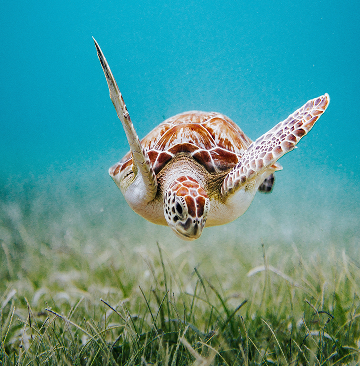
Freshwater Turtles
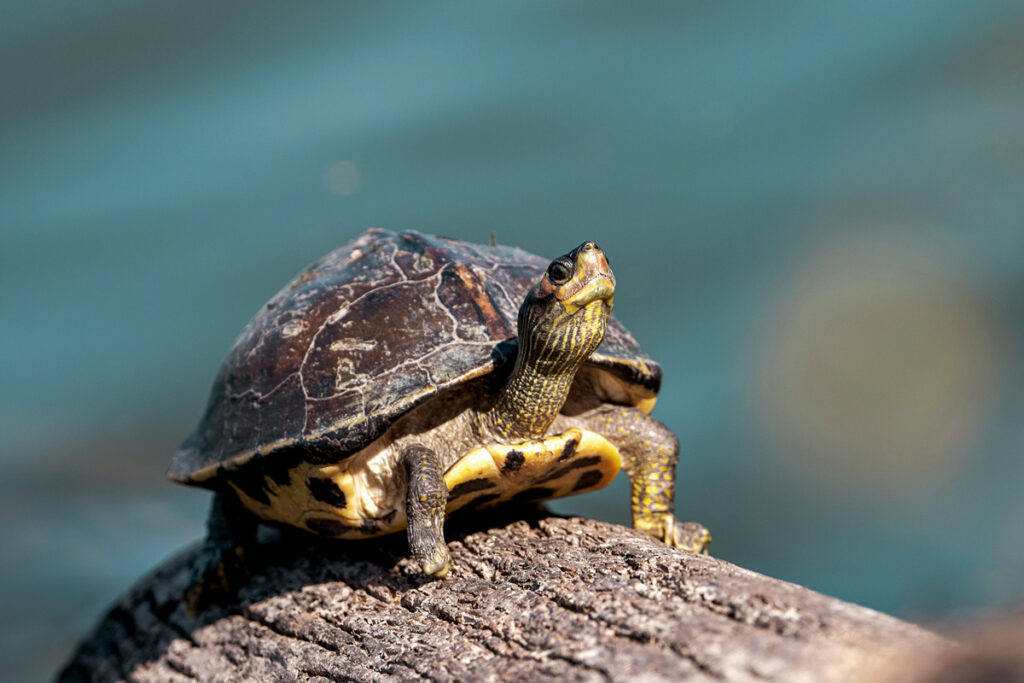
Most turtles breathe with lungs, but several freshwater species have an extraordinary backup system that allows them to stay underwater for long periods without surfacing. They can absorb oxygen through the cloaca — a multipurpose opening used for waste elimination and reproduction — in a process known as cloacal respiration. This unusual adaptation has earned the nickname “butt breathing” (or, in Australia, “bum breathing”).
Specialized sacs connected to the cloaca are lined with tiny blood vessels that extract dissolved oxygen from the water. This adaptation is especially valuable during winter, when turtles may spend months submerged in ice-covered ponds. Species such as Australia’s Fitzroy River turtle are particularly efficient at cloacal respiration, reducing the need to surface when cold temperatures slow their metabolism.
Credit: Hamilton/stock.adobe.com
Lungless Salamanders
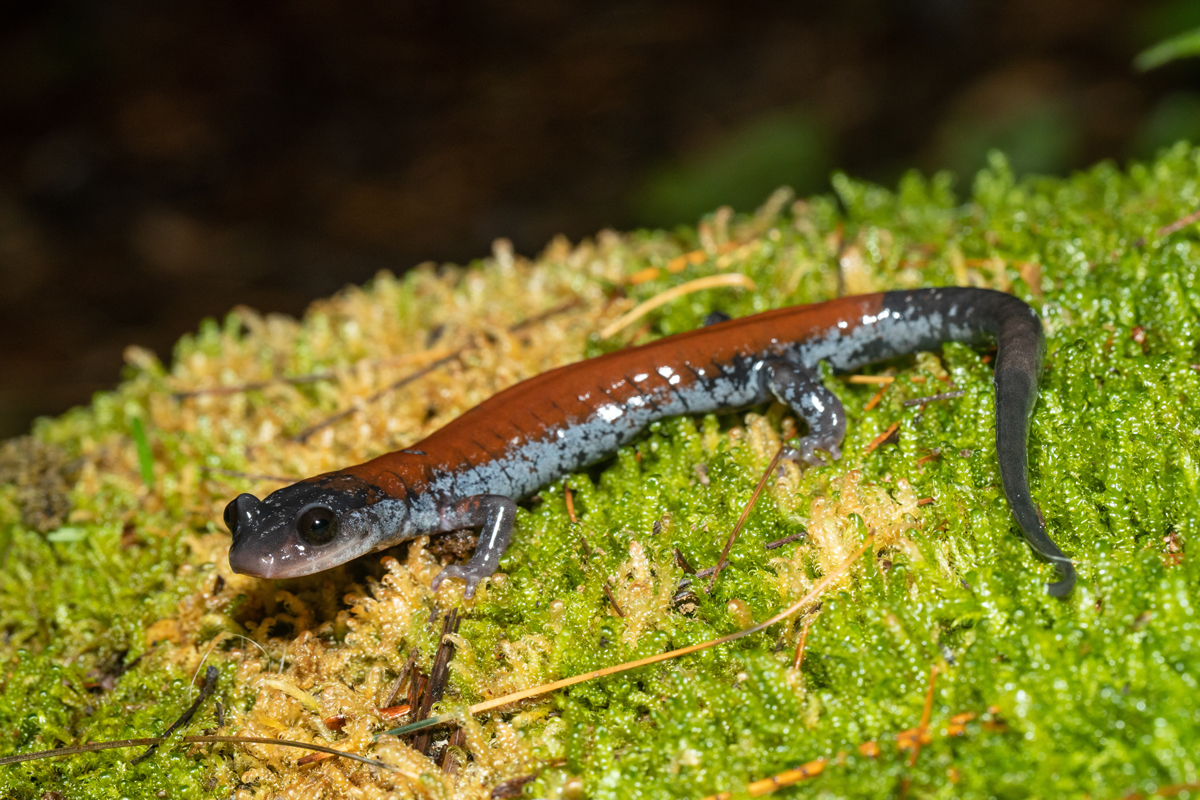
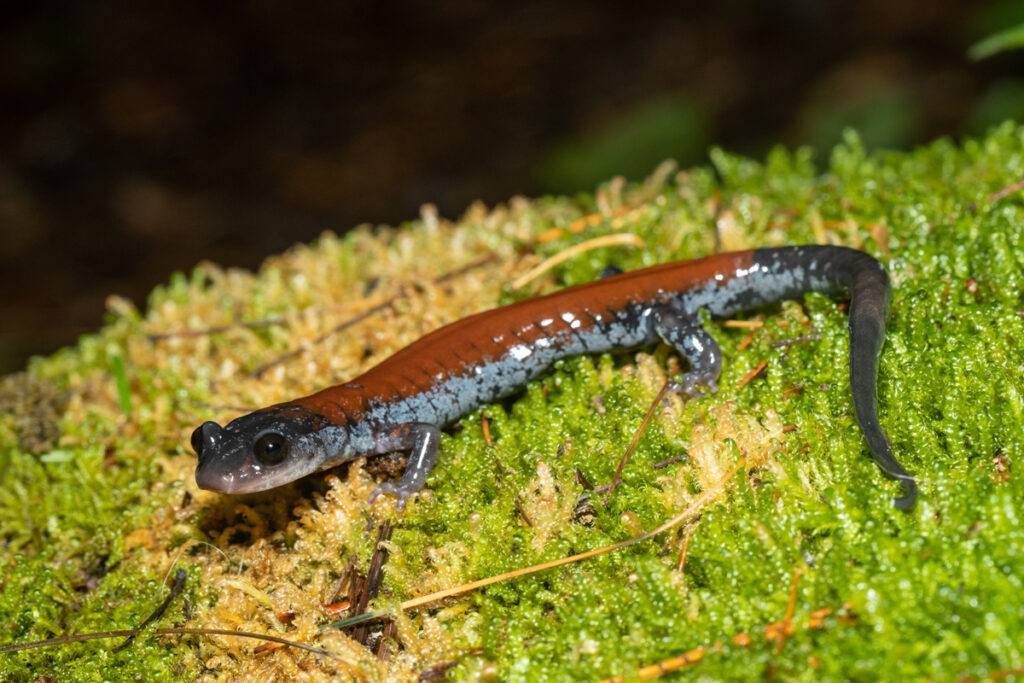
Breathing without lungs is the everyday reality for more than 500 species of salamanders in the family Plethodontidae — commonly known as lungless salamanders. Rather than inhaling air into lungs, they absorb oxygen directly through their moist skin and the lining of their mouths and throats.
Because this method only works when their skin stays damp, lungless salamanders are usually found in cool, humid forests or near streams. Without lungs taking up space inside their bodies, these salamanders have evolved slender shapes that help them slip into narrow crevices and navigate their damp environments.
Credit: Mathijs de Koning/Unsplash.com
Insects
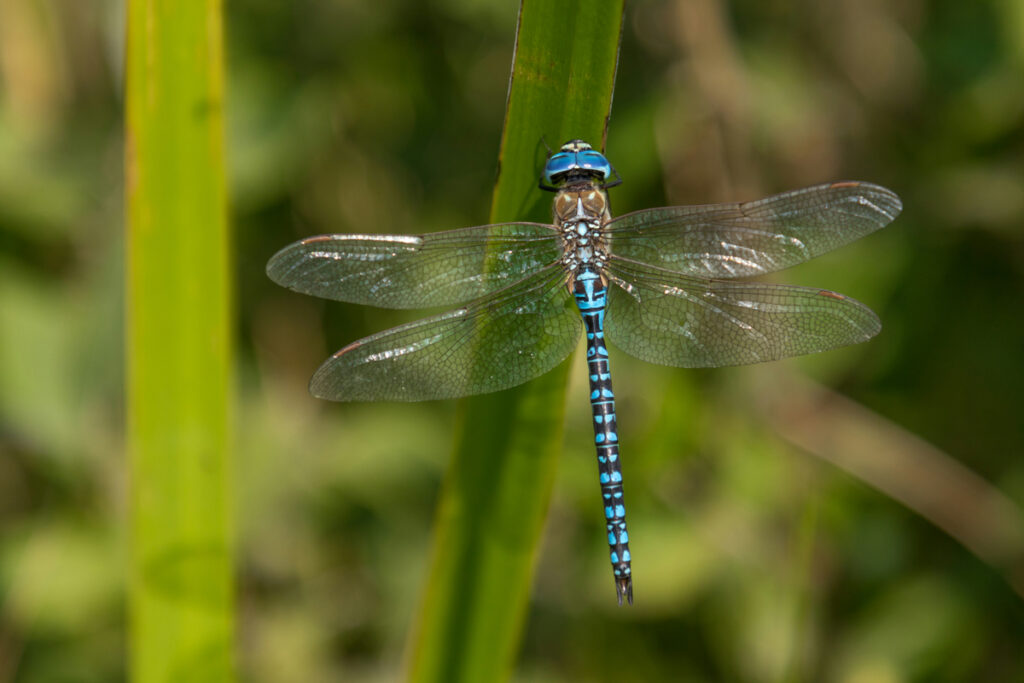
Researchers estimate there are 14 million to 20 million insect species on Earth, and not a single one of them uses lungs to breathe. Instead, insects take in air through tiny openings along the sides of their bodies called spiracles, which connect to a network of branching tubes known as tracheae. Those tubes deliver oxygen directly to muscles and organs without relying on blood to transport oxygen the way humans and other vertebrates do.
Some larger bug species, including beetles and grasshoppers, even pump their abdomens to move air through the tracheae more quickly when they need extra oxygen. This system does have its limits, though: Because oxygen must travel through those tiny tubes, it works best over short distances — which is one reason modern insects can’t grow to the enormous sizes achieved by some prehistoric species.
Credit: David Clode/Unsplash.com
Snakes
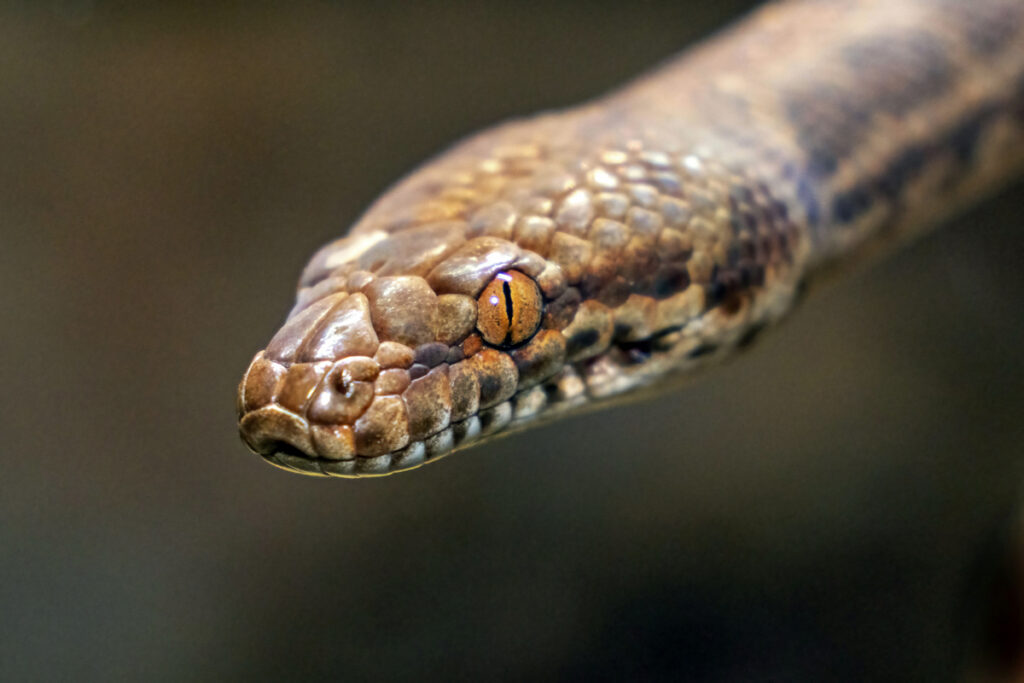
Most snakes have just onefully developed lung. As their bodies evolved to become long and slender, the left lung became much smaller — or, in many species, disappeared altogether — leaving the right lung to handle most of the work of breathing. More primitive snakes, such as boas and pythons, still have a reduced left lung.
Snakes have evolved other clever breathing adaptations, too. When swallowing prey that may be much larger than their heads, they can extend their glottis — the opening to the airway — forward like a snorkel, allowing them to keep breathing even while their mouths are full.
Credit: Stuart Robinson/Pexels.com
Whales, Dolphins, and Porpoises
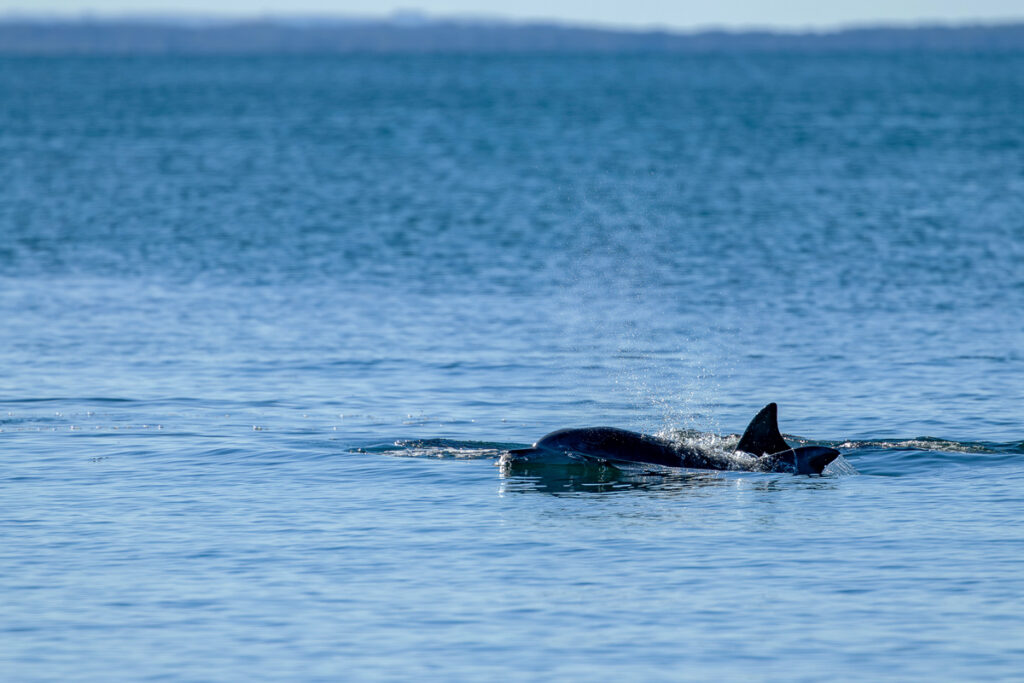
Whales, dolphins, and porpoises — all members of the cetacean family — breathe with lungs much like humans do. But unlike us, they’re voluntary breathers, meaning every breath is a deliberate action. They must actively surface and open their blowholes to inhale, rather than relying on breathing to happen automatically.
This presents a challenge when it’s time to sleep: Instead of shutting down completely, cetaceans let only one half of their brain sleep at a time while the other half stays awake to control their breathing and remain alert for predators or obstacles. This remarkable adaptation allows them to rest without ever losing the ability to take their next breath.
Credit: SandrisK/stock.adobe.com
The Animal That Doesn’t Breathe at All
Regardless of whether it uses lungs, every animal on this list still requires oxygen in one way or another — but scientists know of one remarkable exception. In 2020, researchers discovered that the tiny parasite Henneguya salminicola, which infects some kinds of salmon and trout, is the first known multicellular animal that doesn’t require oxygen to survive.
Unlike every other known animal, H. salminicola lacks the functional mitochondria that use oxygen to produce energy. Instead, it steals nutrients directly from its host. After millions of years of evolving inside fish, it has become so specialized that it no longer depends on oxygen at all — a reminder of nature’s ability to ceaselessly amaze us.
Advertisement
6 Clever Ways Animals Stay Cool
Across Species 21/08/26Aug. 21, 2026
Updated 21/08/26Aug. 21, 2026
Credit: Roop Dey/stock.adobe.com
Nicole Villeneuve
Author
Nicole is a writer, editor, and researcher with over 15 years experience covering arts and culture, lifestyle, and media. Her work has also appeared in PureWow, Brit + Co, Exclaim, AUX TV, and CBC. She lives in Ontario, Canada.
When temperatures rise, animals can’t simply turn on a fan or relax in an air-conditioned dwelling to get relief. Instead, they’ve evolved some ingenious ways to reduce their body heat, from sweating foam and blowing mucus bubbles to using their own waste as a natural coolant.
These unusual adaptations help animals survive in some of the planet’s hottest environments. Here are six clever ways animals have to keep cool.
Credit: DGEirin/adobe.stock.com
Horses Sweat Foam
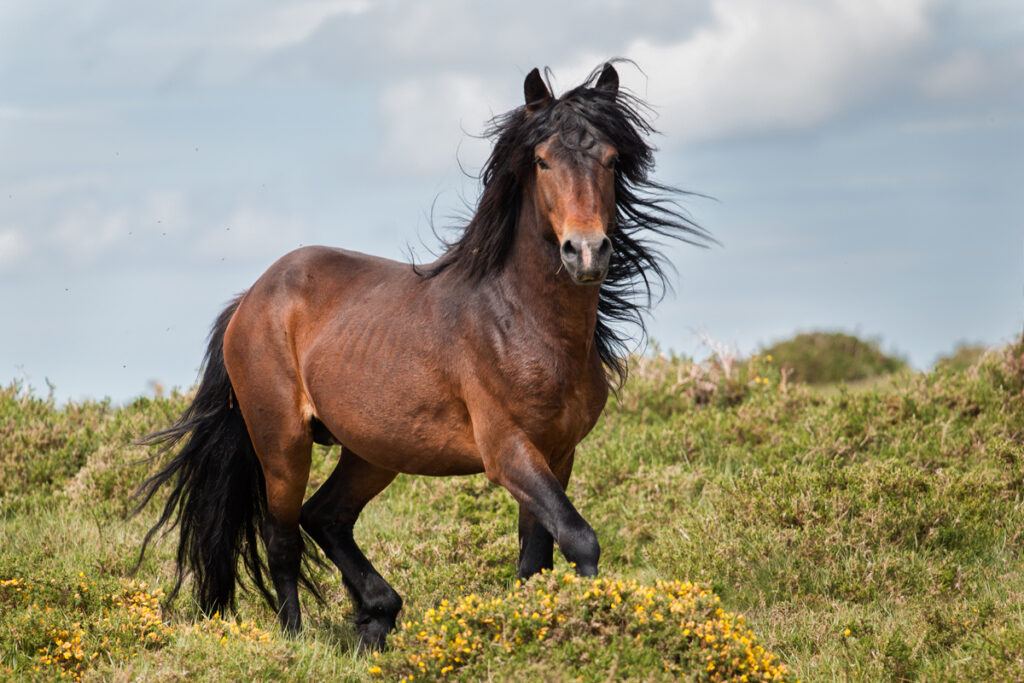
Humans aren’t the only animals that rely on sweat to beat the heat, but horses have one unusual advantage: Their sweat contains a protein called latherin, which acts like a detergent to move sweat from the skin to the coat for quicker cooling. The latherin causes their sweat to foam, especially in areas of increased contact such as where two body parts rub together.
Getting the sweat to the surface faster means it can evaporate more quickly and accelerate cooling. Unlike many mammals, horses can sweat heavily when working hard, losing up to 15 liters of fluid in an hour. Although it may sound excessive, that’s what allows horses to maintain their temperature even while running.
Credit: NATHAN WHITE IMAGES/stock.adobe.com
Kangaroos Lick Their Arms
If you happen to see a kangaroo repeatedly licking its arms, it may appear like ordinary animal grooming — but it’s actually how these marsupials beat the heat. Kangaroos cool themselves by spreading saliva across their forearms; without sweat glands, they rely on a dense network of blood vessels that sits close to the skin. As the moisture from the saliva evaporates, it lowers the temperature of the blood flowing through those vessels that lie beneath the surface.
Of course, kangaroos find other ways to survive Australia’s hot, and often arid, environments. During the hottest parts of the day, they rest in the shade when they can find it and restrict most activity to dawn and dusk. In desert regions, red kangaroos may even dig shallow holes to access cooler soil or pockets of moisture below the dirt.
Credit: Santiago Lacarta/Unsplash.com
Storks Use Their Own Waste
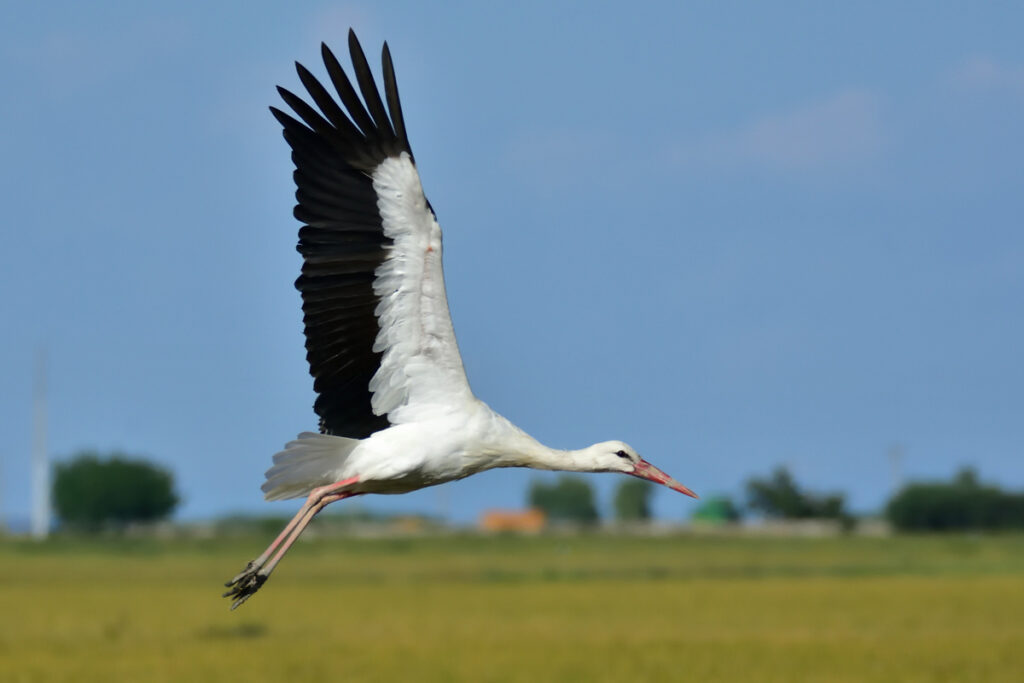
Storks have one of the strangest cooling strategies in the animal kingdom: They defecate on their own legs, a technique known as urohidrosis. Storks have long, bare legs with lots of blood vessels close to the skin. As the mixture of urine and fecal matter evaporates, it cools the blood circulating through these vessels before it returns to the rest of the body.
Other long-legged birds, including herons and vultures, use similar strategies. This behavior also explains why species such as the marabou storks’ legs often appear white: The dried residue left behind by repeated cooling attempts makes their dark skin chalky.
Credit: József Szabó/Unsplash.com
Bees Air-Condition Their Hives
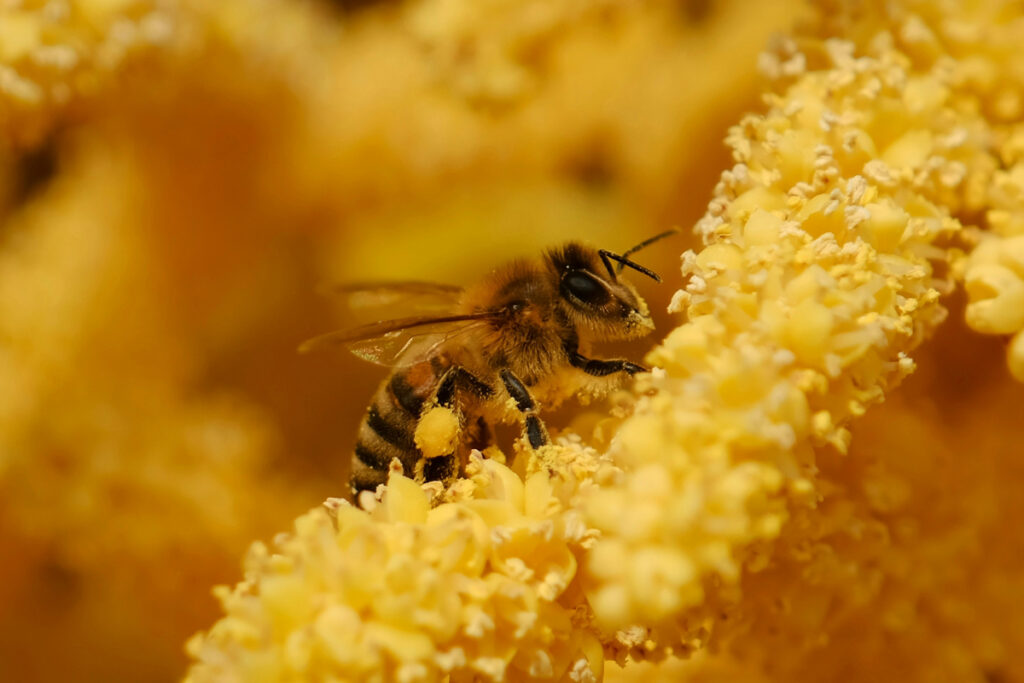
Honeybees have a cooling system that resembles air conditioning — only the workers themselves are the machinery. When temperatures climb and a hive gets too warm, some of the bees position themselves at the hive’s entrance and rapidly fan their wings, bringing cooler air in and moving heat out.
Other workers collect water and spread droplets throughout the hive. As the water evaporates, it lowers the temperature inside the colony. Maintaining the hive temperature isn’t just for the queen’s comfort: Developing larvae are extremely sensitive to temperature changes.
Credit: Roop Dey/stock.adobe.com
Pelicans Use Gular Fluttering
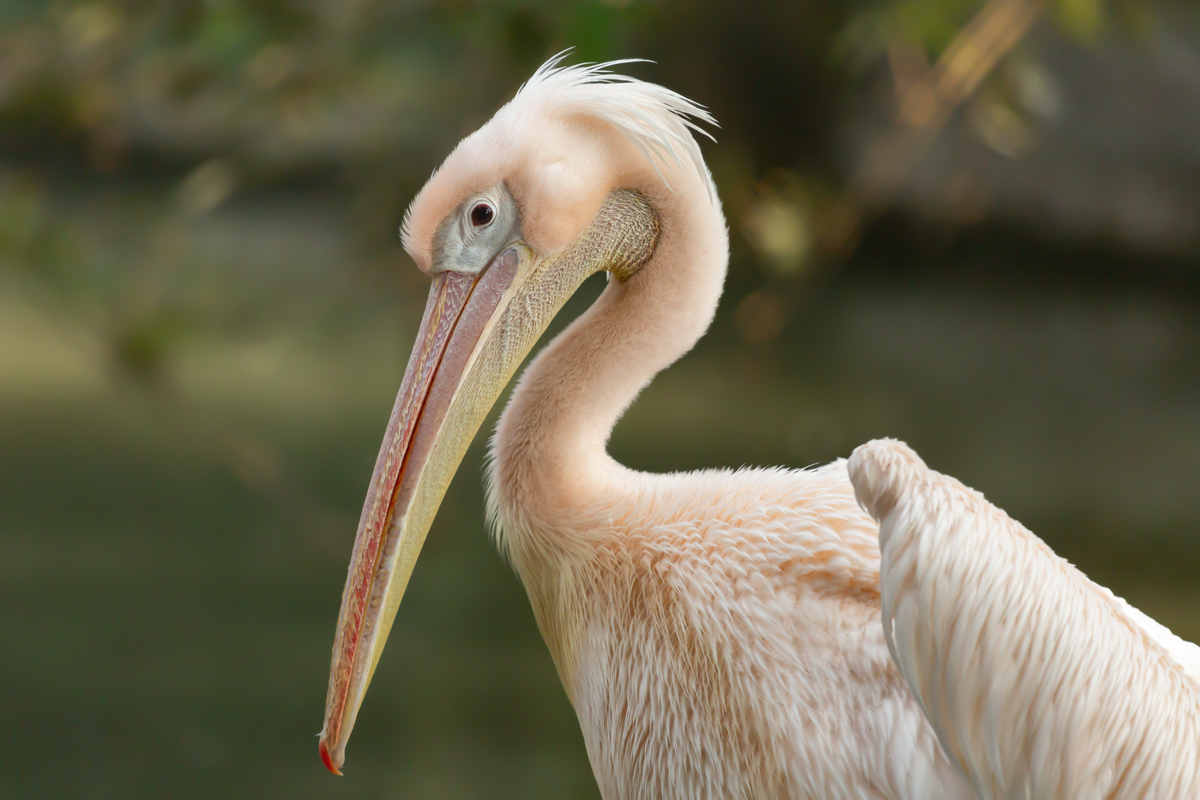
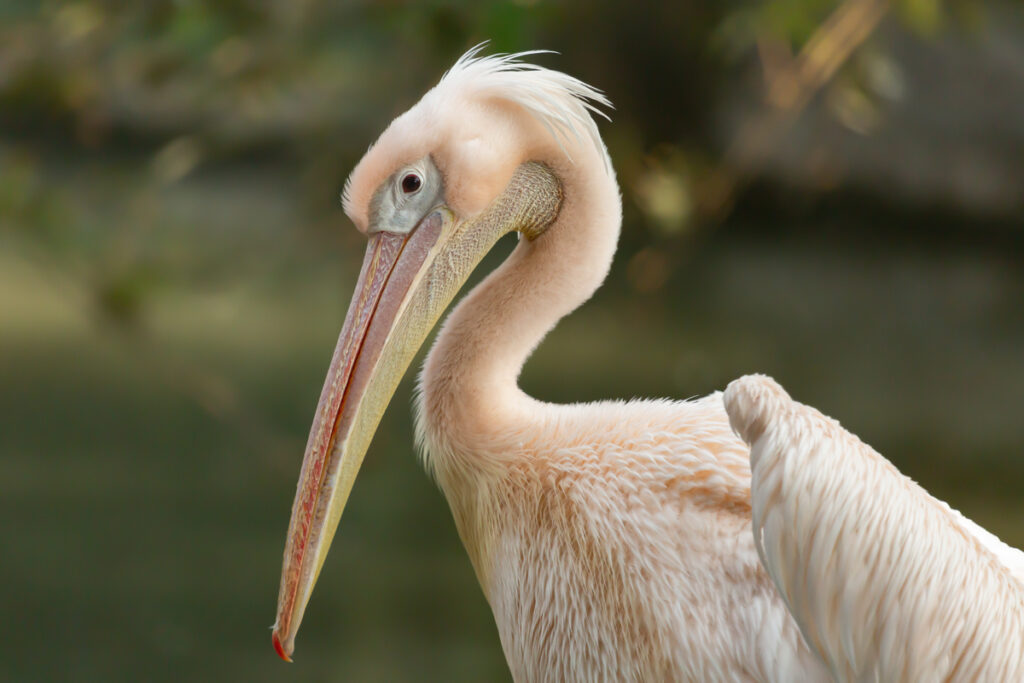
Without sweat glands, some birds rely on a technique known as gular fluttering. Pelicans and other birds partially open their beaks while they rapidly move the thin membranes in the floor of their mouth, throat, and upper airway, increasing airflow across those moist tissues. As that moisture evaporates, it removes heat from the body.
If you’ve seen a bird do this, you may have thought it was panting. But instead of involving the whole respiratory system, gular fluttering focuses specifically on the throat area. Because birds put high pressure on their metabolism while flying and are covered in insulating feathers, having efficient ways to cool down is crucial.
Credit: Enguerrand Photography/Unsplash.com
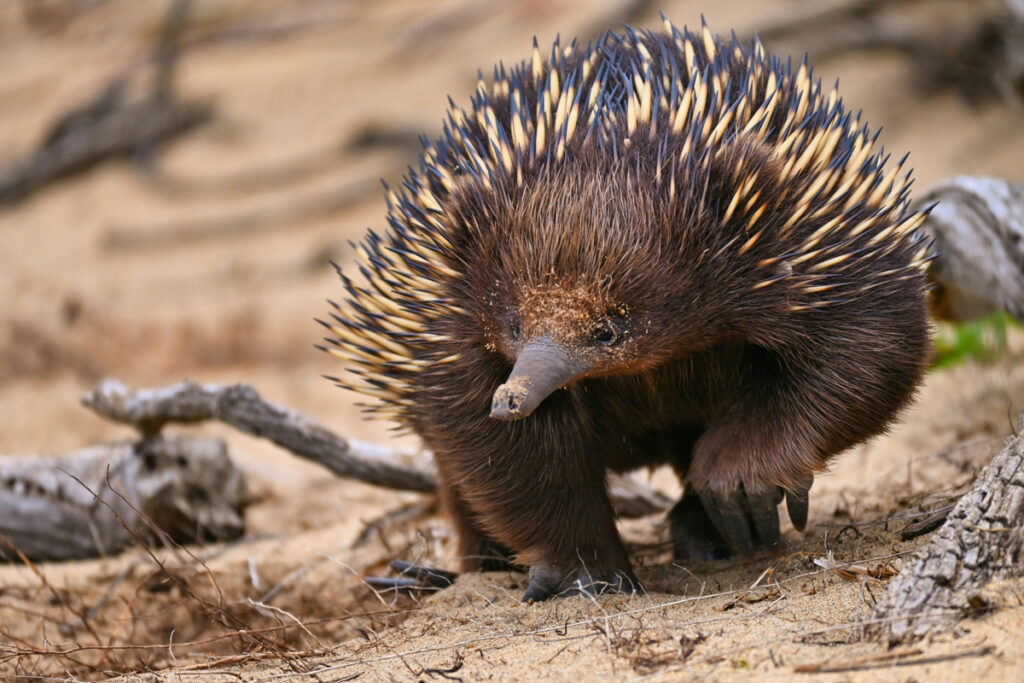
Echidnas Blow Snot Bubbles
The short-beaked echidna has a strange — but very effective — way of cooling down: It blows bubbles of mucus from its nose. When temperatures rise, echidnas, also known as spiny anteaters, generate a thin layer of mucus around the tip of their snouts. As that moisture evaporates, it cools the blood flowing through the many vessels in the echidnas’ beaks.
The cooled blood then circulates back through the body, helping lower the animals’ overall temperature. This adaptation is especially useful because echidnas, which call the toasty environments of Australia and New Guinea home, have a limited ability to sweat.
Advertisement
4 Animals That Used To Have Legs But Don’t Now
Across Species 21/08/26Aug. 21, 2026
Updated 21/08/26Aug. 21, 2026
Credit: mgkuijpers/stock.adobe.com
Kristina Wright
Author
Kristina is a coffee-fueled writer living happily ever after with her family in the suburbs of Richmond, Virginia.
Evolution may seem like a story of add-ons and upgrades — ancient fish developing sturdy fins that eventually helped their descendants move onto land, for instance. But evolution doesn’t always work by adding something new; sometimes the most successful adaptation is subtraction.
Across millions of years, some animal lineages that started with legs have evolved to lose them. When limbs no longer provided an advantage, natural selection favored individuals that invested those resources elsewhere.
Because evolution happens gradually, animals often retain traces of the body parts their ancestors once had. In some cases, those clues to their past are hidden in their bones or even their DNA, offering a glimpse into how (and why) certain animals evolved to leave their legs behind.
Credit: Andrew Liu/Unsplash.com
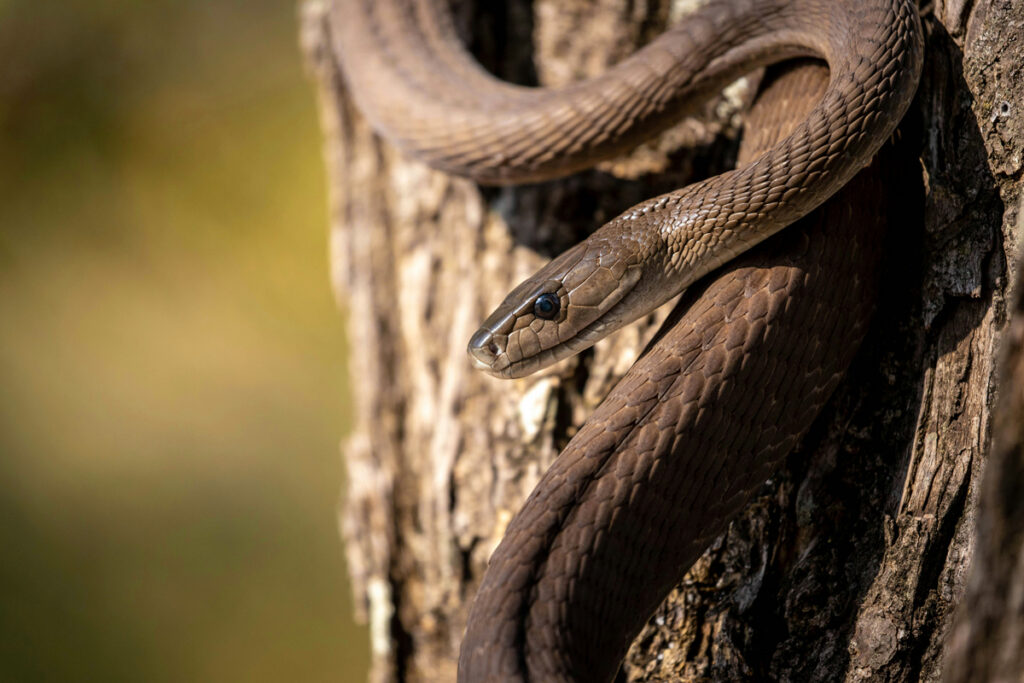
Snakes
Snakes are perhaps the best-known example of leg loss, having evolved from four-legged, lizardlike ancestors during the Early Cretaceous period, roughly 100 to 150 million years ago. As some of those early reptiles adapted to life underground or in dense vegetation, longer bodies and smaller limbs offered an advantage. A flexible body could squeeze through burrows and tangled plants where legs became more of a hindrance than a help.
One of the biggest clues to this evolutionary transformation comes from a playfully named piece of DNA, the Sonic hedgehog (SHH) gene. Despite its amusing name borrowed from the video game character, the gene plays a critical role in embryo development, including telling limbs where and how to grow.
Snakes haven’t lost the SHH gene — they’ve lost the genetic “on switch” that tells it to keep building legs during early development. That genetic evidence matches what scientists have observed in the animals themselves. Boas and pythons still retain tiny pelvic bones and external spurs, vestiges of the hind limbs their ancestors once used.
Credit: Getty Images/Unsplash.com
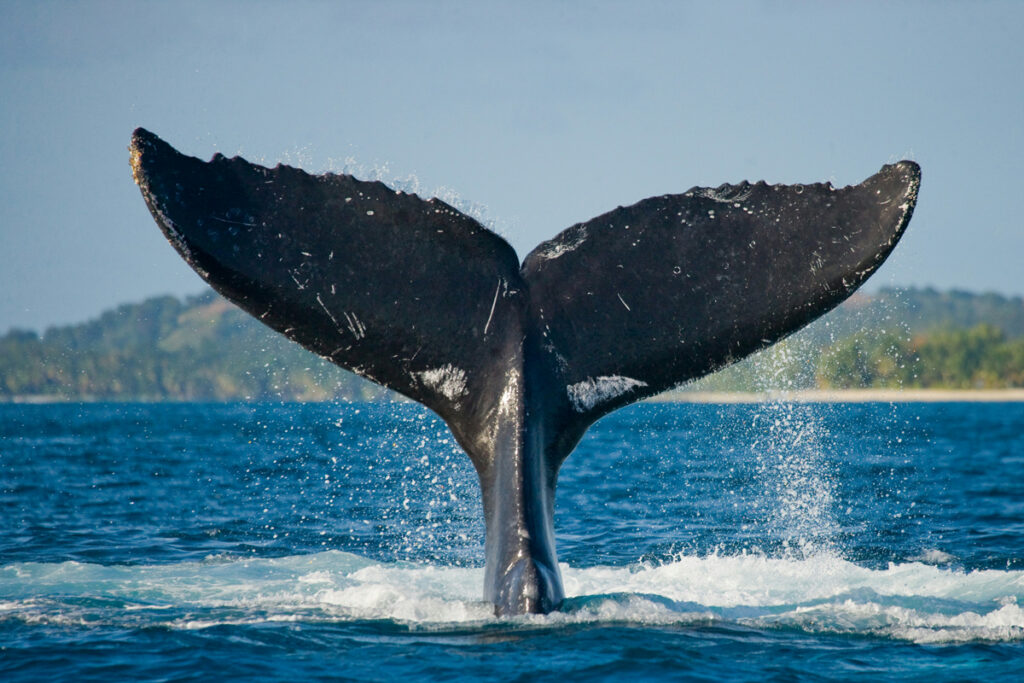
Whales
Today’s whales are well adapted to ocean life, but their ancestors once walked on land. Around 50 million years ago, early whale relatives resembled small, hoofed mammals that were part of the same broader group as today’s hippos. In fact, hippos are the closest living relatives of whales, sharing a common ancestor that lived millions of years ago.
Fossils document the transition from land to sea, including Ambulocetus— whose name means “walking whale” — a semiaquatic species that could move on land while spending much of its time in the water. As swimming replaced walking, front legs evolved into flippers, powerful tails took over propulsion, and the hind legs gradually disappeared. The loss of external hind legs helped create the streamlined body shape that allows whales to move efficiently through the ocean and travel vast distances.
Modern whales still retain tiny pelvic bones — remnants of the pelvis that once supported their ancestors’ hind limbs. Although those bones no longer serve their original purpose, they’ve taken on new roles, including providing attachment points for muscles involved in reproduction.
Credit: taviphoto/stock.adobe.com
Legless Lizards
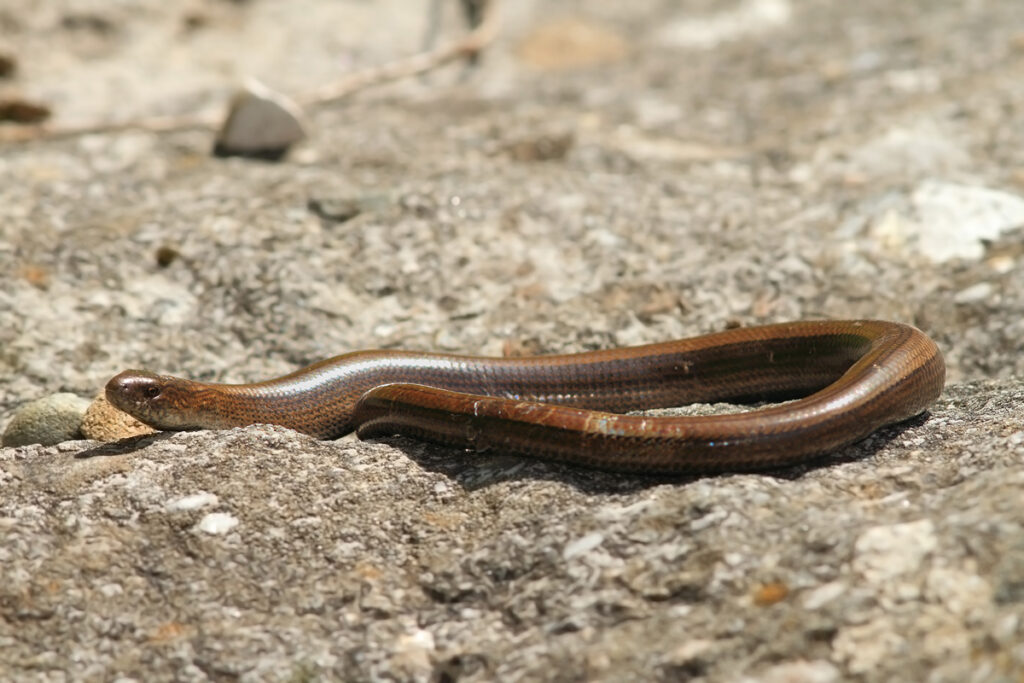
If you spot a long, legless reptile, don’t automatically assume it’s a snake. More than 200 species of lizards have independently evolved reduced or absent limbs, creating animals that can look almost identical to snakes at first glance. The California legless lizard and the European slow worm are two examples of lizards that have evolved snakelike bodies while remaining biologically distinct from true snakes.
But a closer look identifies several differences: Many legless lizards have movable eyelids, visible ear openings, and stiffer jaws than snakes, whose highly flexible skulls allow them to swallow surprisingly large prey. These reptiles are a classic example of convergent evolution — when unrelated groups arrive at similar anatomical solutions because they face similar environmental challenges. For some animals that need to move through sand, grass, or underground tunnels, a sleek, legless body simply works better.
Credit: mgkuijpers/stock.adobe.com
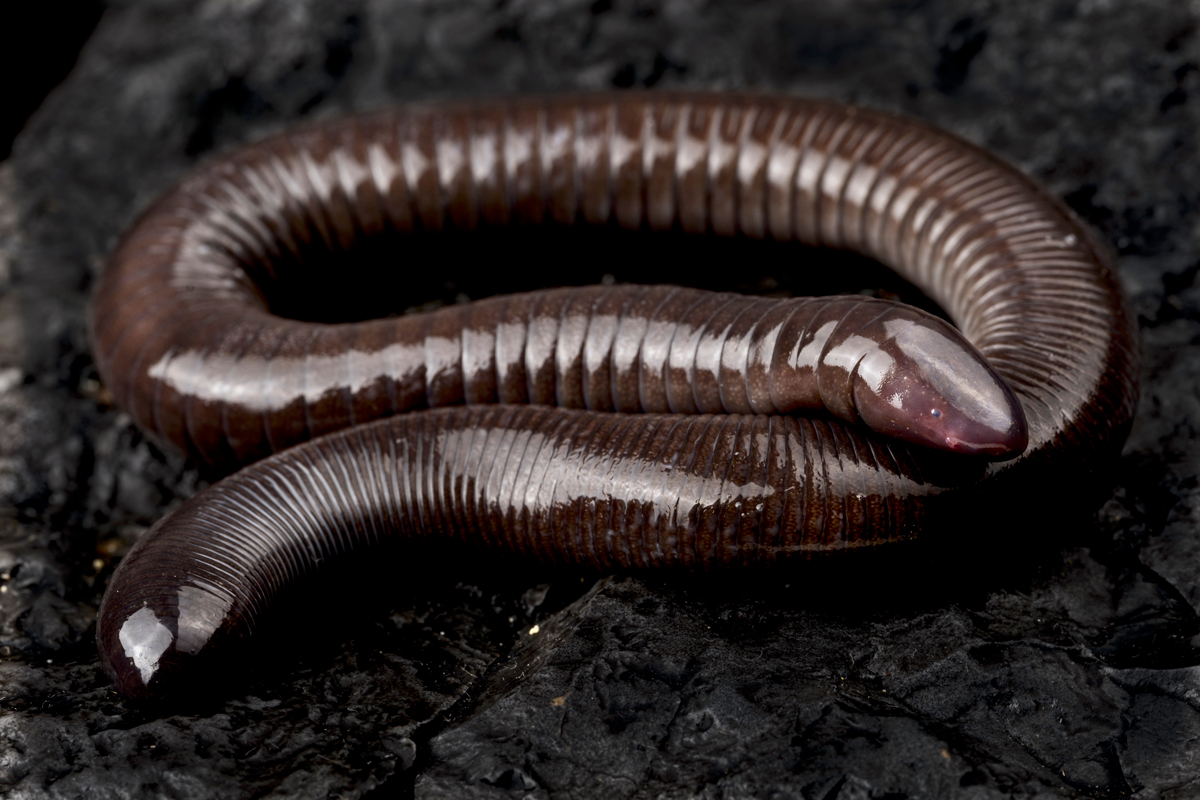
Caecilians
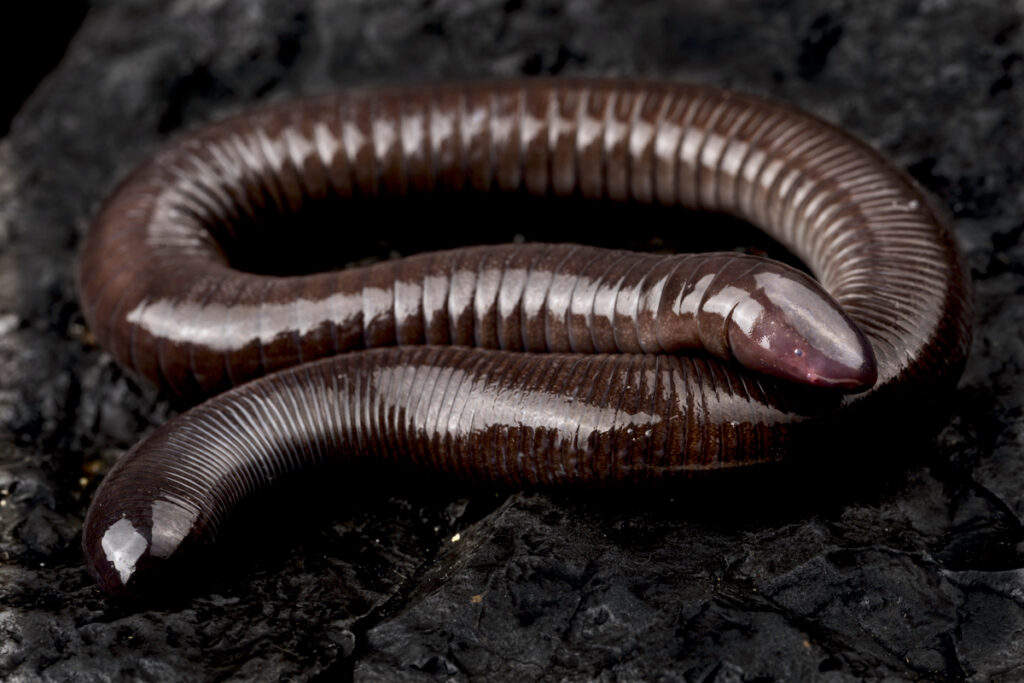
Among the oddest legless animals are caecilians (pronounced seh-SILL-yens), a group of more than 200 amphibian species that are more closely related to frogs and salamanders than to snakes. Their smooth, elongated bodies often make them look like oversized earthworms, but appearances can be deceiving.
Most caecilians spend their lives burrowing through damp soil or swimming in freshwater, where legs offer little advantage. Over millions of years, their limbs disappeared as their bodies became specialized for tunneling and navigating tight spaces.
Many species have very small eyes covered by skin, only allowing them to distinguish between light and dark — an adaptation to a primarily underground life spent sensing their surroundings through touch, smell, and vibrations. Caecilians are a good reminder that evolution doesn’t always progress toward greater complexity; sometimes survival means becoming simpler, stranger, and better suited to a very particular way of life.
Advertisement
Which Animals Glow in the Dark?
Across Species 21/08/26Aug. 21, 2026
Updated 21/08/26Aug. 21, 2026
Credit: Igor/stock.adobe.com
Kellie Stewart
Author
Kellie is a writer and editorial strategist covering topics in travel, trivia, nature, and more. When she's not writing you can find her drinking Diet Coke.
Have you ever caught a blinking firefly on your finger or swum in the sea at night amidst a pale green glow? If so, you’ve witnessed nature’s greatest light show: bioluminescence.
Caused by a series of chemical reactions, this glowing phenomenon serves several purposes, from communication to predator deterrent. Light is a powerful tool that has evolved independently in many animals, proving that sometimes nature comes up with an idea so effective, it has to be shared.
Credit: Tomas Bazant
What’s the Difference Between Bioluminescence and Biofluorescence?
There’s more than one way for a creature to glow. Bioluminescence refers to the process of generating light from a chemical reaction that takes place inside the bodies of animals or plants. It occurs without the influence of any other light source, instead relying on a creature’s own biology. Biofluorescence, on the other hand, occurs when organisms absorb sunlight and transform it, emitting that light in a different color frequency.
Bioluminescence is typically found among insects and marine creatures. In fact, around 76% of all known sea creatures are bioluminescent, producing their own light in a watery world where it’s difficult for the sun’s rays to penetrate.
Meanwhile, biofluorescence is utilized by many sea creatures as well as several land animals. But just because a creature needs the sun to produce light, that doesn’t make the show any less impressive.
Here are six animals you may spot glowing through a dark night.
Credit: VStudio/stock.adobe.com
Fireflies
A classic glowing creature, and probably the first to come to mind when thinking about animals glowing in the dark, fireflies — also known as lightning bugs — have a fairly straightforward bioluminescence process. When oxygen combines with special cells in the firefly’s light-producing organ, it can produce a heatless light at will.
This light usually flashes in patterns distinct to each firefly species, helping the fireflies (which are technically beetles) signal potential mates. Even their larvae glow, using their light to deter hungry predators.
Credit: Grant/stock.adobe.com
Platypuses
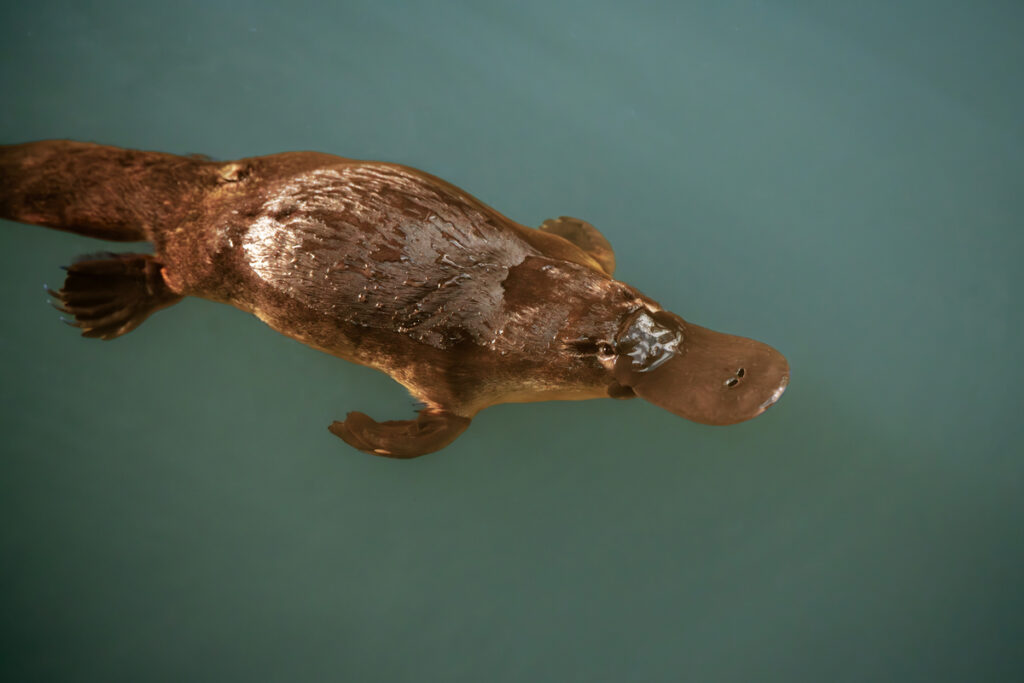
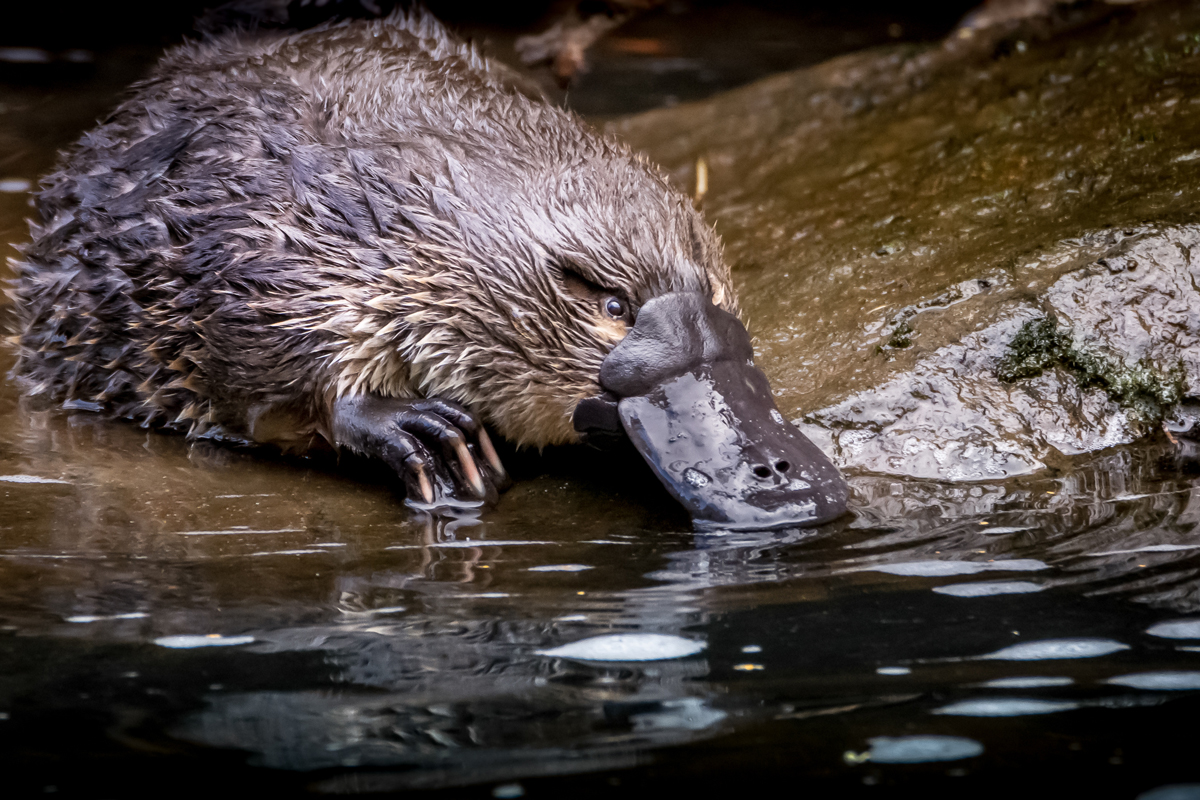
The platypus is an oddball among mammals. Found in eastern Australia and Tasmania, it has a bill, webbed feet, and a flat tail — features that rarely appear on the same animal. But one of its quirks only appears under ultraviolet (UV) light.
Quite by accident, researchers discovered that the fur of a platypus reflects a blue-green glow. This is an example of biofluorescence, as the animals absorb UV light into their drab brown fur and emit it in a different frequency — in this case, a bluish-green.
Why they do so isn’t entirely clear. One idea is that it may function as camouflage, making the platypus less visible to predators that use UV light to hunt. But it could also serve no purpose at all and instead be a byproduct of a platypus’ unique biology.
Credit: Dmitry Rukhlenko/stock.adobe.com
Jellyfish
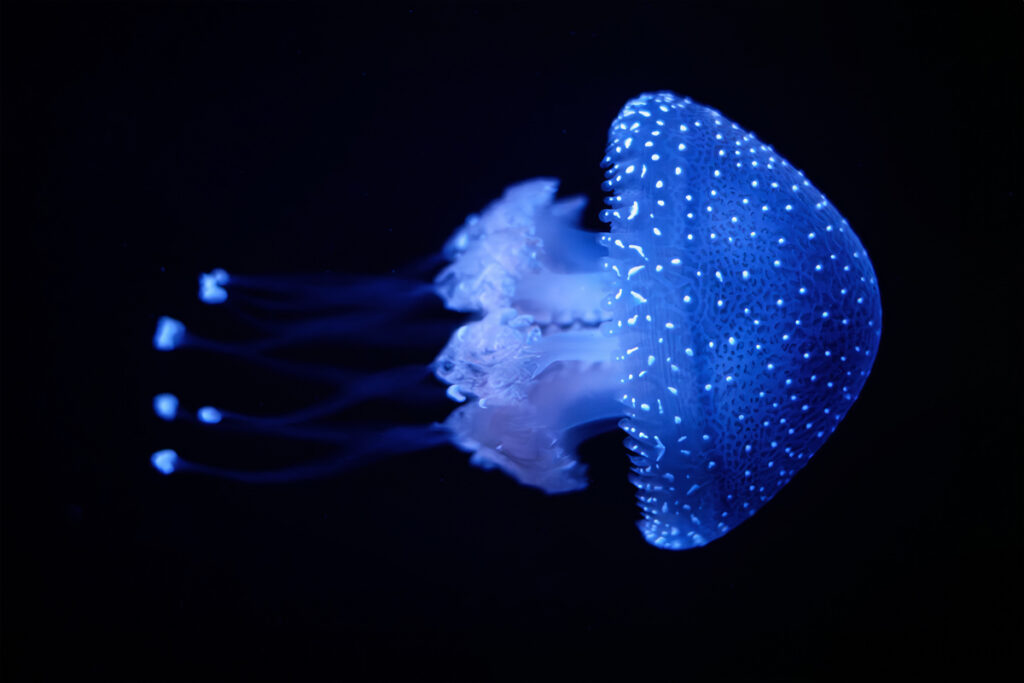
Deep in the ocean where all sunlight disappears, many creatures rely on their own bioluminescence to light their way, and jellyfish are one of the most common examples. Many species of jellyfish glow by using a chemical called luciferin, which, when combined with oxygen, creates light-producing photons.
The color varies depending on species, but most jellyfish glow an eerie blue or blue-green, which reaches farther in water than it would in air. For jellyfish in particular, bioluminescence serves as a deterrent to predators, often working to confuse them in the murky depths.
Credit: Natalia Kuzmina/stock.adobe.com
Virginia Opossums
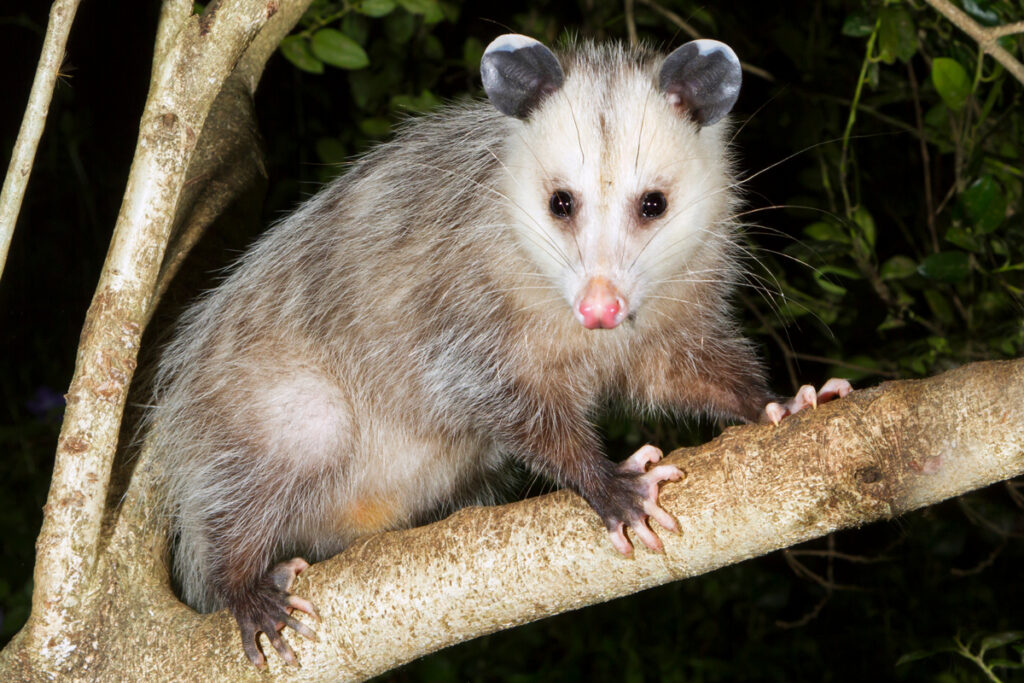
North America’s only marsupial is one of only a handful of mammals that utilizes biofluorescence — and it’s certainly one of the most fabulous glowing critters on this list. Shine a UV light on a Virginia opossum, and its fur will glow a brilliant hot pink.
As with platypuses, scientists still aren’t entirely sure why the opossum glows. It may help with communication or camouflage, or it could simply be an unexpected byproduct of the whiter parts of their fur.
Credit: milanvachal/stock.adobe.com
Scorpions
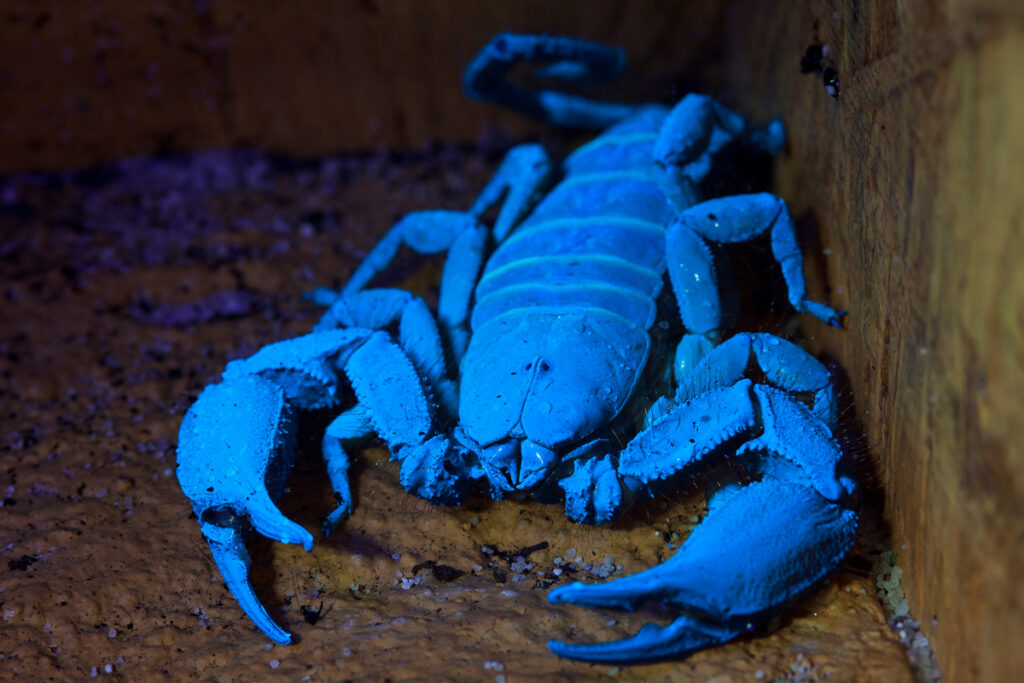
The scorpion, with its snapping claws and stinging tail, is creepy enough on its own, but under a full moon, the venomous arachnid achieves a whole new level of spookiness. Scorpions give off a fluorescent blue hue when the moon’s UV rays interact with a protein in their bodies.
The latest research indicates scorpions use their glow levels as a kind of built-in light meter to determine when it’s safe to come out of hiding and hunt. If they aren’t hungry and notice they’re glowing brightly due to an abundance of moonlight, they’ll stay hidden and save hunting for darker nights. If you’re searching your home, a UV light can also help you pick out these glowing arachnids.
Credit: Igor/stock.adobe.com
Lantern Sharks
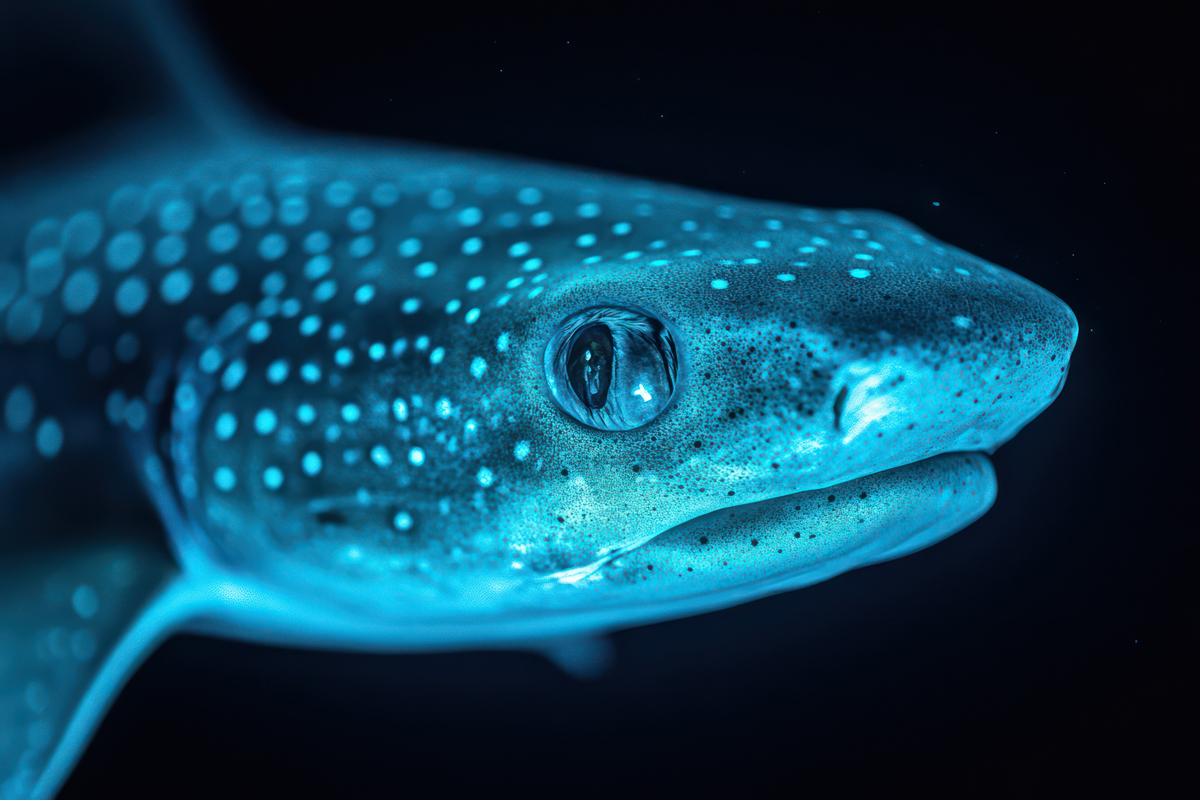
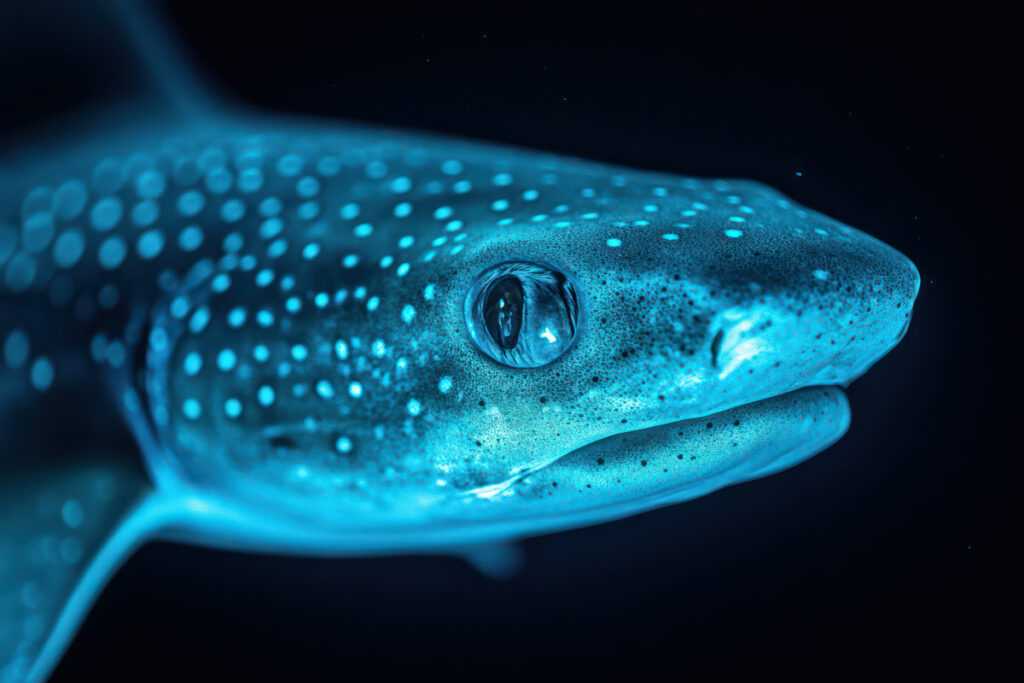
Lantern sharks prowl the deep ocean, and despite their ferocious name, they’re on the smaller end of the shark family tree. Stretching to around 50 centimeters in length, lantern sharks are a family of sharks and among the 12% of sharks that glow.
They give off a subtle blue glow that comes from many small organs called photophores that line their belly and flank. The positioning is important, because lantern sharks can be more effectively camouflaged with the light trickling in from above, hiding their outline from prey swimming below. Some species use the light to ward off predators, while others may even use it to communicate with one another.
Nicole is a writer, editor, and researcher with over 15 years experience covering arts and culture, lifestyle, and media. Her work has also appeared in PureWow, Brit + Co, Exclaim, AUX TV, and CBC. She lives in Ontario, Canada.
The platypus is already known for its many eccentricities, from its ducklike bill and beaverlike tail to its egg-laying habits and those venomous ankle spurs. In 2020, scientists added another peculiar feature to the list: Platypus fur glows blue and green under ultraviolet (UV) light. This phenomenon, known as biofluorescence, occurs when an organism absorbs UV light and recasts it at a visible wavelength.
Researchers aren’t entirely sure why platypuses glow, however. One possibility is that their fur absorbing the UV light makes them less visible to predators that see UV light, or it could simply be a byproduct of their fur. Scientists have since discovered that biofluorescence is more common in mammals than originally thought, with the phenomenon also documented in species ranging from flying squirrels to wombats, even if the biological function remains a mystery.
Advertisement
The 5 Smartest Animals Under the Sea
Across Species 21/08/26Aug. 21, 2026
Updated 21/08/26Aug. 21, 2026
Credit: Bryan Goff/Unsplash.com
Nicole Villeneuve
Author
Nicole is a writer, editor, and researcher with over 15 years experience covering arts and culture, lifestyle, and media. Her work has also appeared in PureWow, Brit + Co, Exclaim, AUX TV, and CBC. She lives in Ontario, Canada.
When we think of intelligent animals, we tend to picture species with abilities resembling our own, such as chimpanzees using tools or parrots mimicking our speech. But beneath the ocean’s surface, certain animals have evolved shockingly smart ways of navigating their own environments, even if they look very different from human techniques.
Some demonstrate complex thinking, some remember past experiences, and others pass on knowledge within their social groups. Here are five of the smartest animals in the oceans and what makes them so clever.
Credit: Michal Adamczyk/stock.adobe.com
Octopuses
Octopuses are widely considered the smartest invertebrates on Earth, thanks in part to a nervous system unlike that of any other animal. They have about 500 million neurons, which is about as many as dogs have. But unlike our canine friends, most of those neurons are not in the octopuses’ heads — roughly two-thirds are located throughout their eight arms.
Each arm can independently explore, manipulate objects, and even solve simple tasks while remaining coordinated with the rest of the body. This distributed intelligence gives octopuses a remarkable ability to solve problems, allowing them to navigate mazes, open jars, carry coconut shells for portable shelter, and escape enclosures that may stump many other animals. Researchers believe that octopuses can also learn through observation and remember solutions to previous problems, behaviors that are rare among invertebrates.
Credit: Ben Michel/Unsplash.com
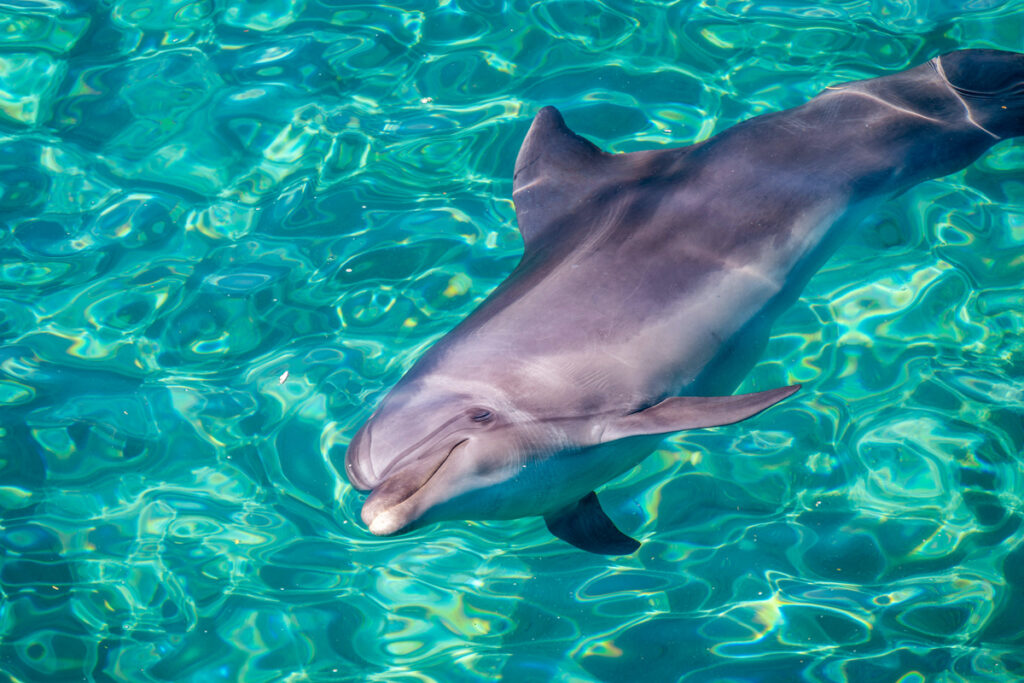
Bottlenose Dolphins
Dolphins have some of the most complex brains in the ocean, with a brain-to-body ratio that ranks among the highest of any animal (second only to humans). Their brains are also highly folded, increasing the surface area available for processing information, and contain specialized regions for handling the intricate sounds they use to communicate and navigate through echolocation.
Dolphin intelligence is perhaps most apparent in their social lives. Bottlenose dolphins develop unique signature whistles that function much like names, allowing individuals to identify one another. They maintain long-term relationships, pass hunting techniques between friends and generations, and can remember the whistles of former companions for decades, showing an astonishing capacity for learning, communication, and social memory.
Credit: Mexrix/stock.adobe.com
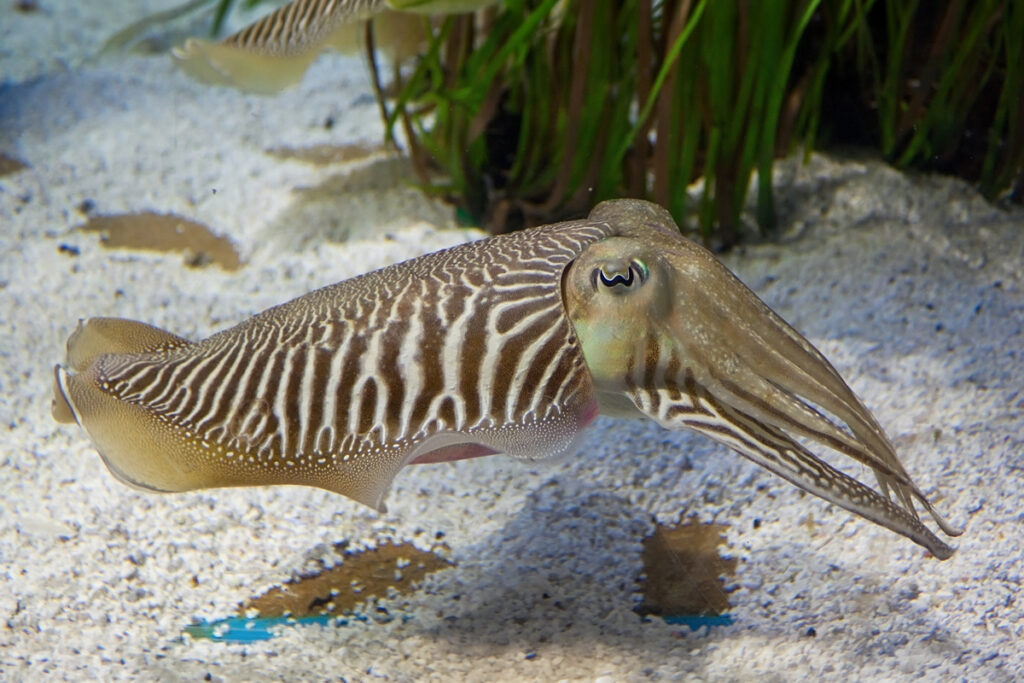
Cuttlefish
Like octopuses, cuttlefish belong to the cephalopod family, a group of marine animals known for their unusually complex brains. Cuttlefish are especially reliant on vision; their optic lobes — regions of the brain responsible for processing visual information — make up roughly 67% of their central brain. This sophisticated eyesight allows them to navigate their surroundings, track prey, and perform one of the animal kingdom’s most impressive feats of camouflage.
Their skin contains millions of specialized cells, including chromatophores that produce colorful pigments and reflective cells called iridophores and leucophores that manipulate light. With these, cuttlefish can rapidly change color, texture, and patterns to blend into their environment, communicate with others, or deceive unsuspecting prey. Their intelligence is also clear in their decision-making: Studies have found that cuttlefish are able to delay gratification for a better reward later (something even humans struggle with).
Credit: Bryan Goff/Unsplash.com
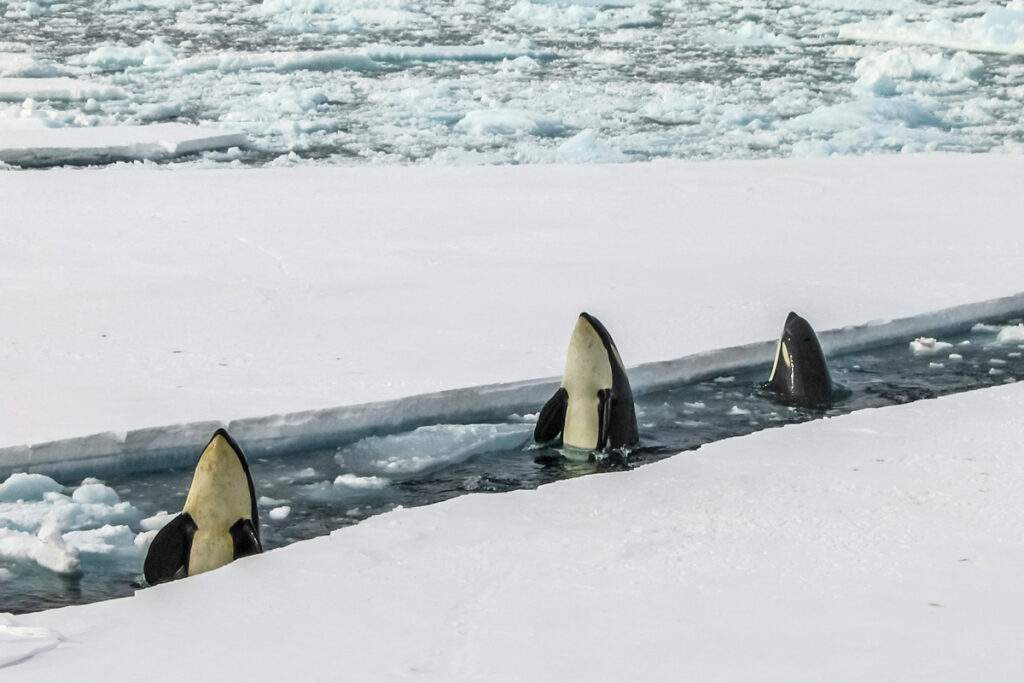
Orcas
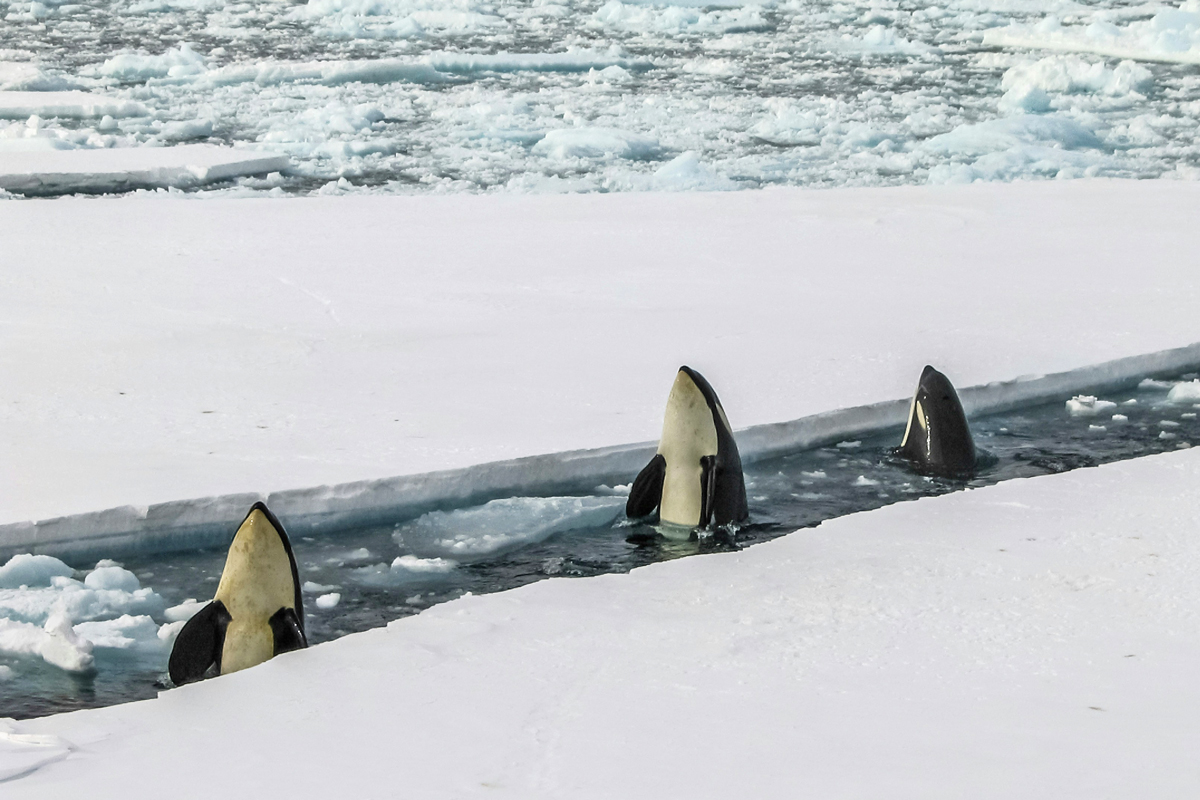
Orcas have one of the largest brains of any ocean mammal, weighing up to a whopping 15 pounds, but their intelligence is best demonstrated by their complex culture. Different orca populations develop their own vocal dialects, hunting strategies, and social traditions that they then pass down from generation to generation. These aren’t simply instincts — they’re skills specifically taught by older members of the pod.
Some Antarctic orcas, for example, have mastered the hunting technique of making waves to wash seals off of floating ice while younger whales watch and learn. Orcas’ sophisticated communication and echolocation abilities also allow them to coordinate hunts while crafting a detailed understanding of their complex underwater world.
Credit: prochym/stock.adobe.com
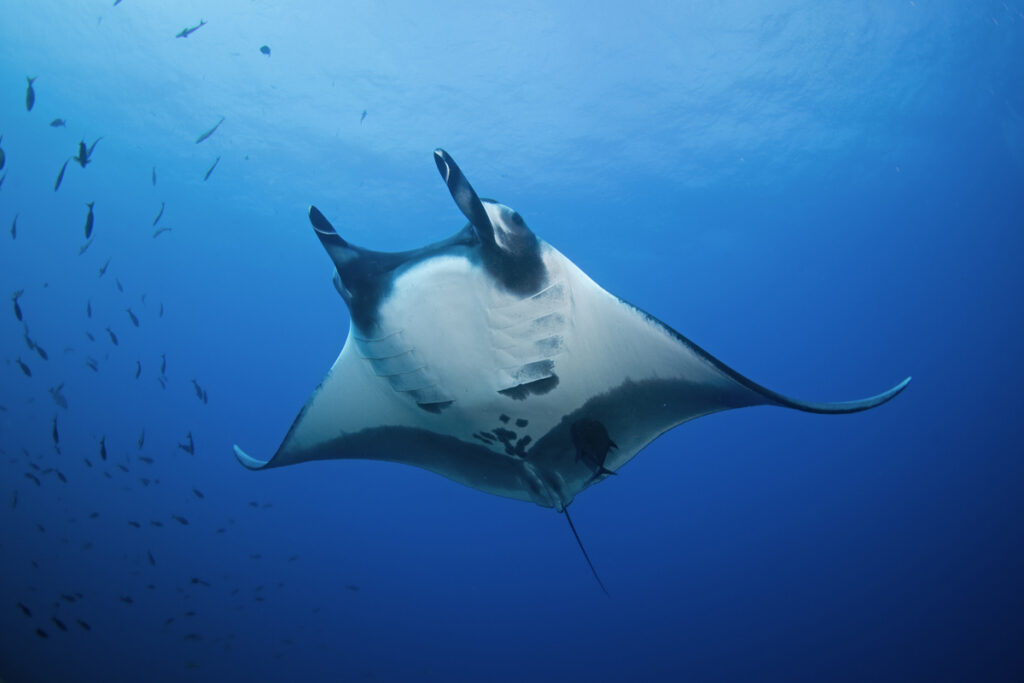
Manta Rays
Manta rays may not have the fearsome reputation of many ocean predators, but they do have the largest brain-to-size ratio among cold-blooded fish. Those unusually large brains contain well-developed regions involved in learning, memory, sensory processing, and movement control, helping coordinate their unique movements while processing all the environmental information they gather from their ocean homes.
Their intelligence may even extend to self-awareness. In experiments involving mirrors, giant manta rays displayed unusual behaviors such as repeatedly inspecting their reflections and moving parts of their bodies they wouldn’t normally be able to see without a mirror. Although it’s difficult to conclusively determine if they possess true self-awareness, this certainly hints at a cognition level rarely seen in fish.
Advertisement
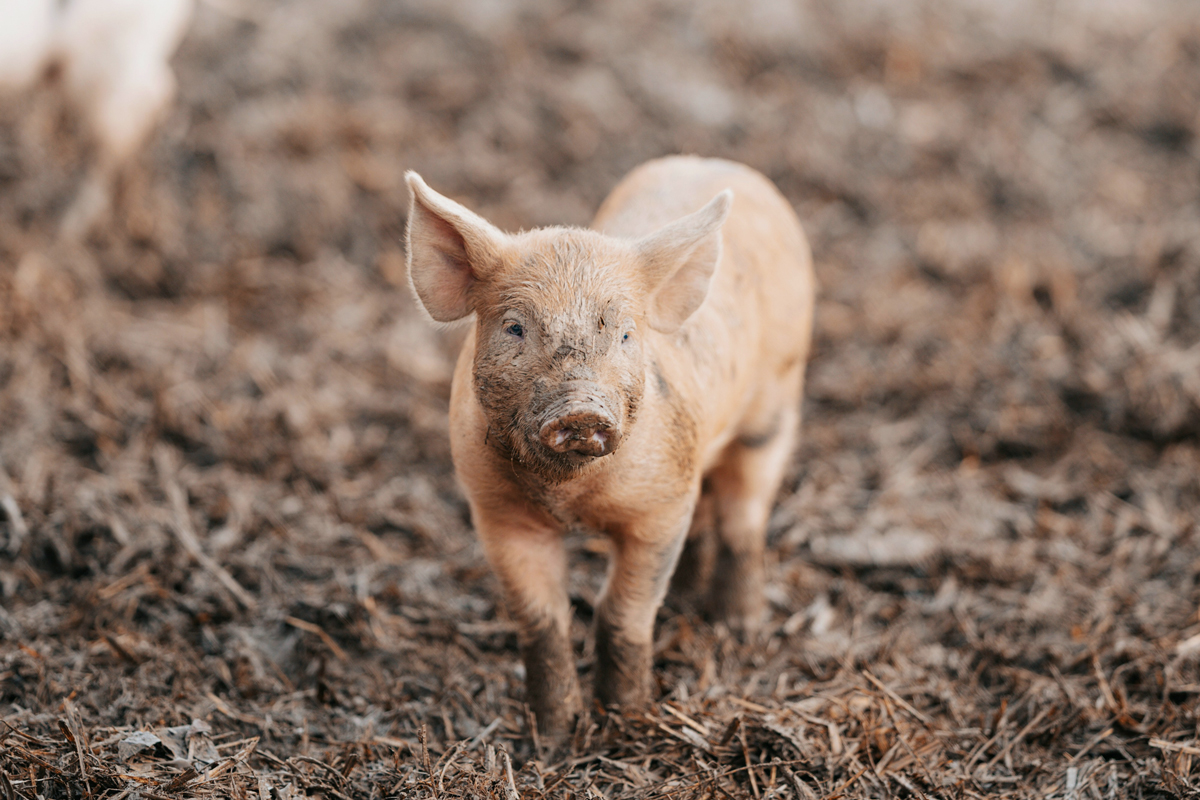
Pigs can breathe through their butts if their heads are underwater.
Michael Nordine is a Senior Staff Writer at Britannica, where he writes the newsletter Movie Brief. He grew up with eight cats and would like to see a Komodo dragon in the wild one day.
In addition to being highly intelligent, pigs are also biologically, shall we say, unique. While they can’t breathe underwater like a fish, they can breathe through their butts when their heads are underwater or when in other kinds of distress.
This was discovered at the height of the COVID-19 pandemic, when researchers were looking for alternatives to mechanical ventilation. Rather than pump oxygen into a patient’s lungs via their windpipe, they wondered, could they deliver it via their intestines instead? The answer, at least in the case of pigs, mice, and rats, is yes.
Scientists took inspiration from aquatic creatures that breathe through their intestines, such as sea cucumbers and catfish, when conducting their experiments. They found that, when in distress, intestinal breathing is indeed possible in our porcine friends — if not exactly ideal. Though they’ve yet to conclude whether a similar approach would be safe and effective for humans (presumably due to a lack of volunteers), their studies nevertheless reveal another way in which pigs are more fascinating than they get credit for.
Advertisement
Your Daily Guide to the Animal Kingdom
Get to know the animals that share our planet with this daily newsletter.
Success! Welcome to Animal Facts.
Check your inbox for your daily email.
Sorry, your email address is not valid. Please try again.