Bennett Kleinman is a New York City-based staff writer for Inbox Studio. He is also a freelance comedy writer, devoted New York Yankees and New Jersey Devils fan, and thinks plain seltzer is the best drink ever invented.
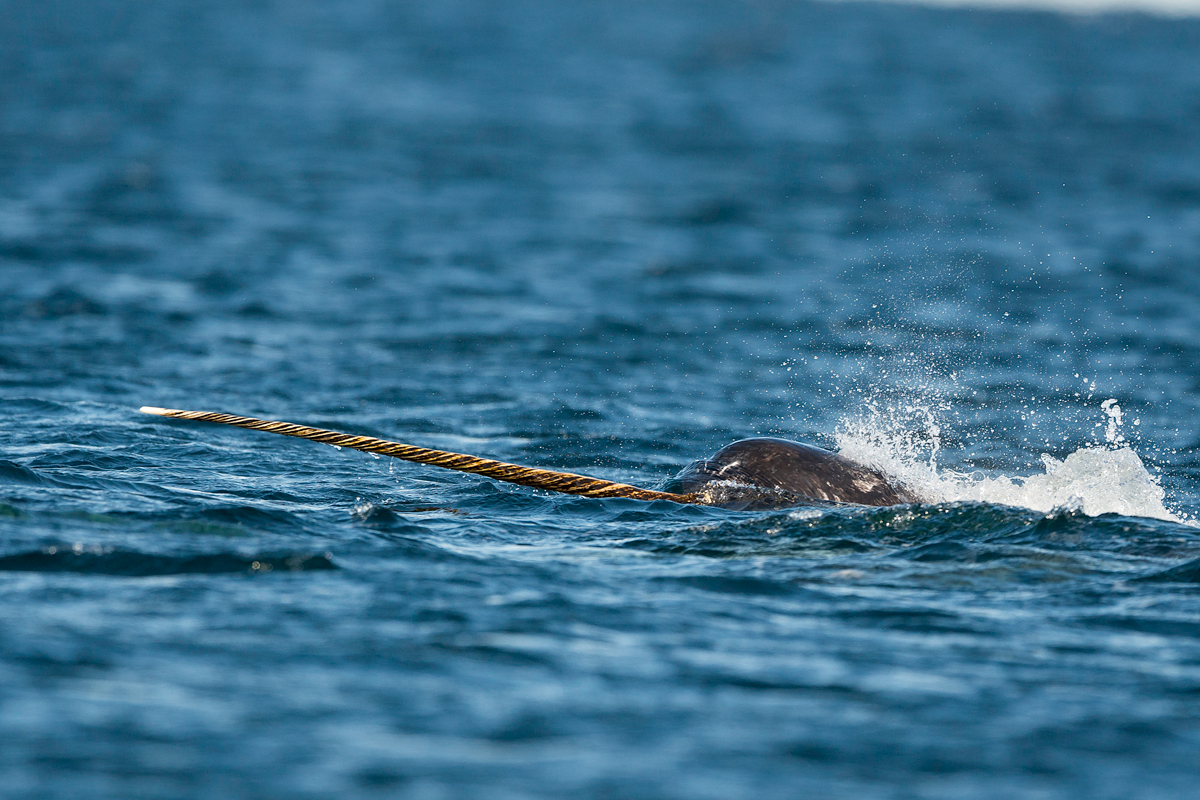
Some people think of narwhals as the unicorns of the ocean, as their protruding horns are similar to that of the mythical creature. But that distinctive feature isn’t a horn at all, but rather an elongated tooth that pierces its lip and typically grows to anywhere between 5 to 10 feet long. Narwhals use their lengthy tooths to hunt — not to pierce their target, but rather to whack and stun prey, making them easier to catch.
Narwhals only have two teeth to begin with, but typically only the left one grows long while the right one stays vestigial. Furthermore, males are often the only ones that have this prominent tooth. That said, there are rare instances in which females develop a long tooth of their own, and other cases — for both males and females —- wherein both teeth grow out to form two lengthy tusks.
Nicole is a writer, editor, and researcher with over 15 years experience covering arts and culture, lifestyle, and media. Her work has also appeared in PureWow, Brit + Co, Exclaim, AUX TV, and CBC. She lives in Ontario, Canada.
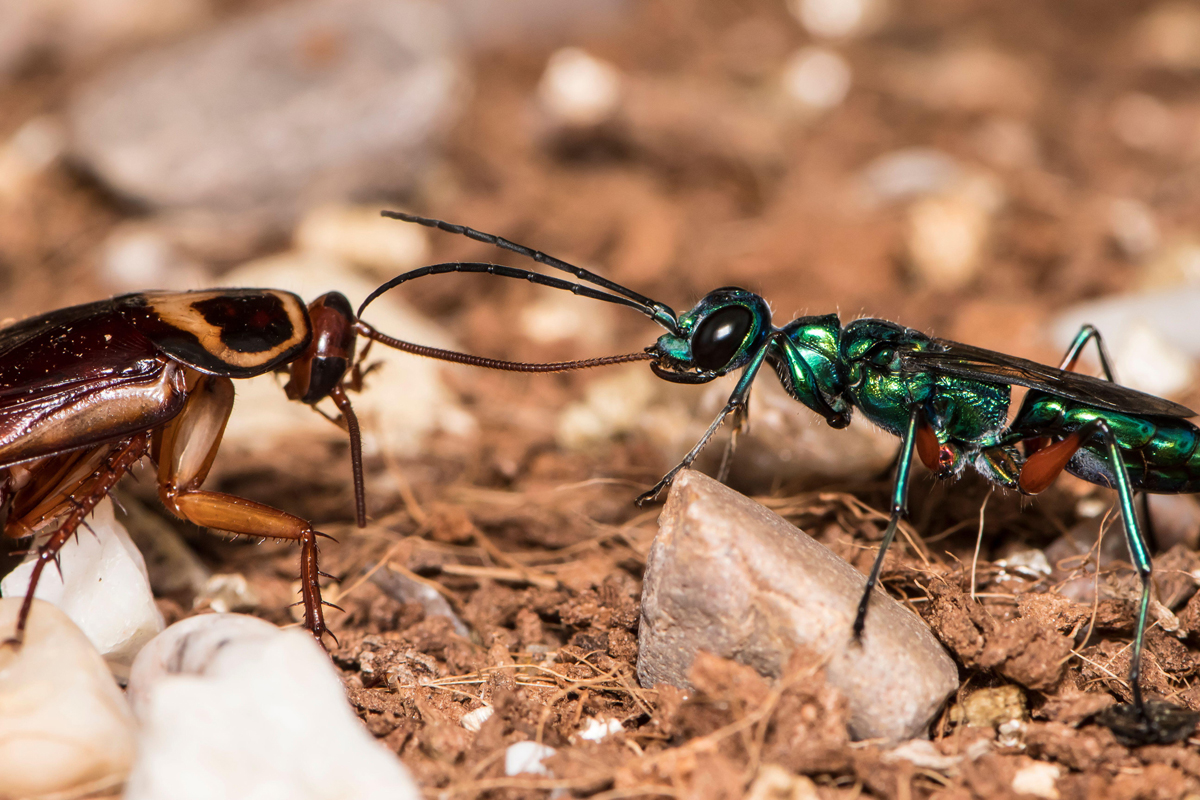
With such a whimsical-sounding name as “jewel wasp,” you wouldn’t expect this creature to be so sinister. Found in tropical parts of Africa and Asia, the female wasp first stings the cockroach in the thorax, temporarily disabling its front legs, then delivers a second sting directly into its brain.
The venom doesn’t simply paralyze the roach. Instead, it changes activity in parts of its nervous system, leaving the cockroach alive but surprisingly docile, with little motivation to escape. The wasp then leads the roach by the antennae into a nest, where she lays an egg on the cockroach. The unfortunate roach remains alive as the wasp larva develops, eventually becoming its food.
Advertisement
5 Parasites Straight Out of a Horror Movie
Across Species 07/10/26Oct. 7, 2026
Updated 07/10/26Oct. 7, 2026
Credit: Henri Koskinen/stock.adobe.com
Kristina Wright
Author
Kristina is a coffee-fueled writer living happily ever after with her family in the suburbs of Richmond, Virginia.
Some creatures don’t need fangs and claws to be frightening — they don’t even need to be very big. In fact, some of the animal kingdom’s most terrifying residents are tiny organisms with bizarre life cycles that have evolved over millions of years to prey on other creatures in horrifying ways.
These aren’t monsters dreamed up by a horror writer, although they may sound like it. Some hijack an animal’s brain, take over its reproductive system, or even transform its body into a nursery for their young. If this sounds like your worst nightmare, read on to discover the completely routine life cycles of five terrifying parasites.
Credit: Roberto Nistri/Alamy
Zombie-Ant Fungus
The zombie-ant fungus, Ophiocordyceps unilateralis, has one of the most disturbing life cycles in nature. This parasitic fungus infects certain carpenter ants in tropical forests and eventually alters their behavior.
As the fungus develops inside the ant, the infected insect leaves its colony and climbs vegetation. Eventually, it clamps its jaws onto the underside of a leaf or twig and dies there, thus leaving its body in a spot that helps the fungus reproduce.
After the ant dies, the fungus continues growing through its body and eventually produces a stalklike fruiting structure that emerges from the head or nearby tissues. The fungus releases spores from this structure, allowing it to infect other ants.
Credit: Henri Koskinen/stock.adobe.com
Green-Banded Broodsacs
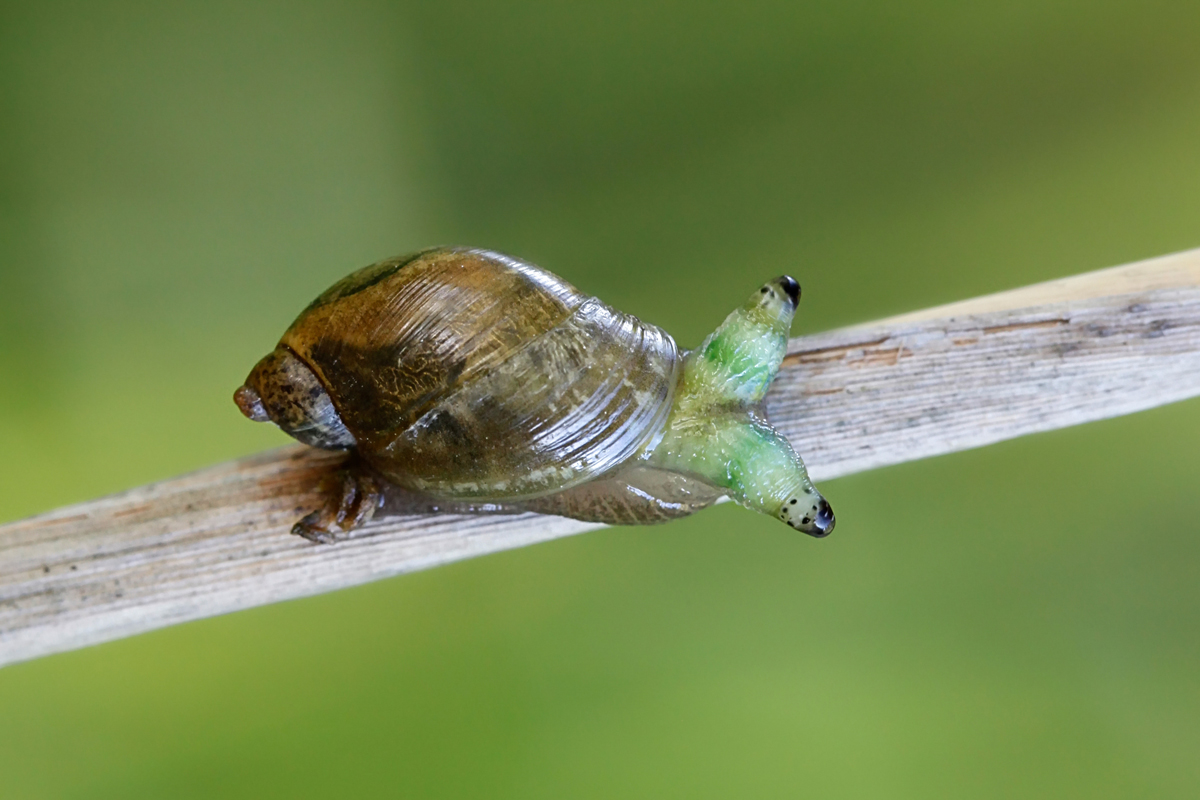
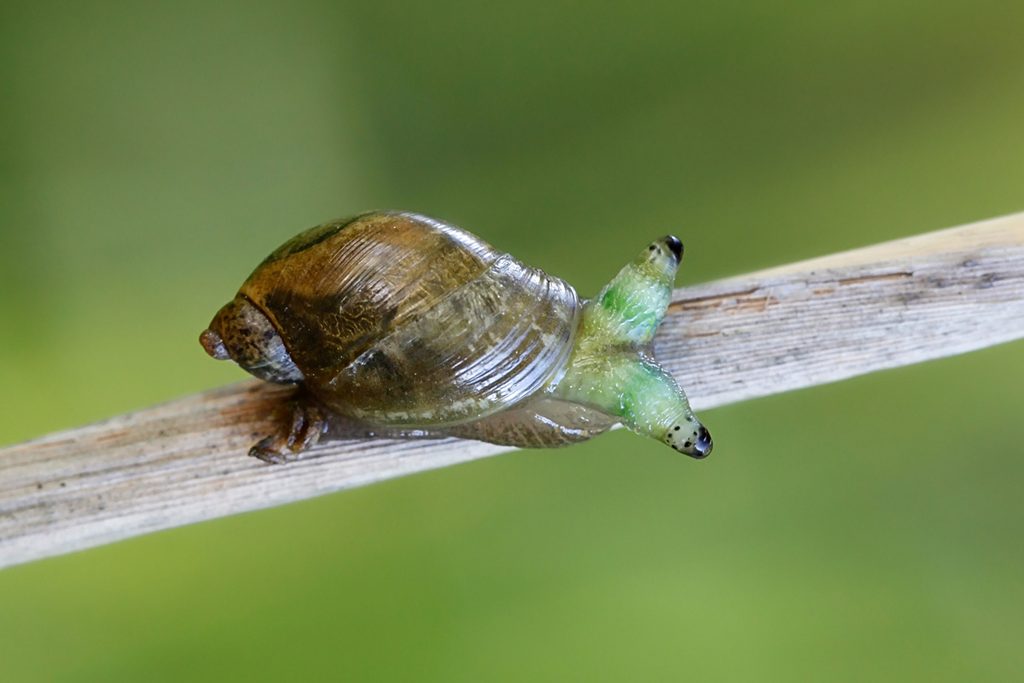
The green-banded broodsac, Leucochloridium paradoxum, is a parasitic flatworm with a particularly grotesque way of getting from a snail to a bird. It infects land snails in the genus Succinea, then develops into brightly colored, pulsating structures called broodsacs that invade the snail’s translucent tentacles.
Those swollen structures can make the snail’s eye stalks look like flashing green-and-brown caterpillars, making the snail more noticeable to birds. Birds are the parasite’s definitive hosts, so being eaten is precisely the parasite’s goal.
Once a bird consumes the infected snail tissue, the parasite continues its development inside the bird. The snail may survive if a bird takes only part of a tentacle, and the damaged structure can regenerate. The parasite, meanwhile, can continue its life cycle inside the snail.
Credit: Heather Angel—Natural Visions/Alamy
Parasitic Barnacles
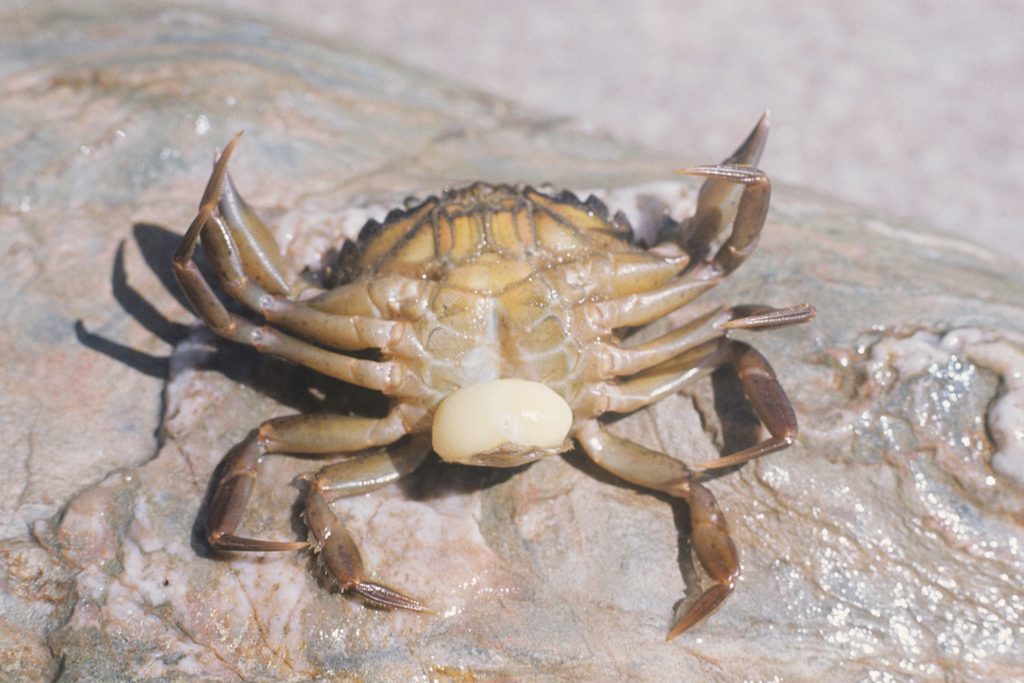
Sacculina carcini is a species of parasitic barnacle that effectively takes over a crab’s body, reproduction, and parenting behavior. A female parasite begins life as a tiny larva before finding a suitable crab. She penetrates the crab’s body and develops a branching network of rootlike tissues throughout her host, absorbing nutrients from it.
Eventually, a reproductive structure called an externa emerges beneath the crab’s abdomen, occupying the same general location where a female crab would carry her own eggs. The parasite prevents its host from reproducing and can interfere with molting.
In male crabs, it can also cause feminization, including changes in body shape and behavior. The infected crab then grooms and protects the parasite’s eggs as though they were its own, effectively becoming a caretaker for the parasite that has hijacked its body.
Credit: RealityImages/stock.adobe.com
Horsehair Worms
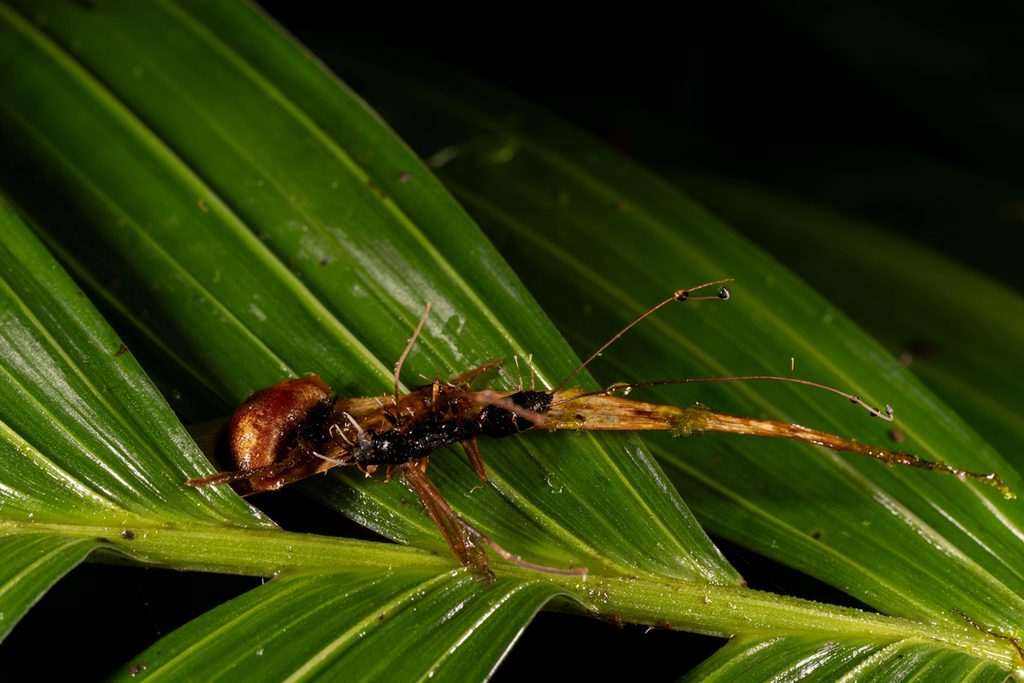
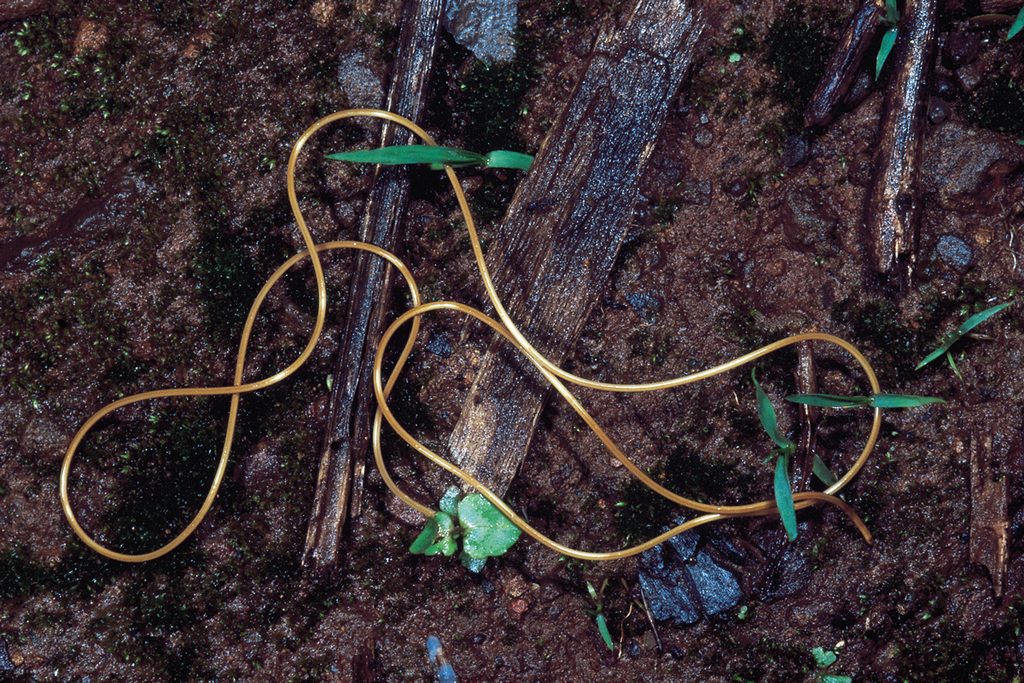
Horsehair worms, members of the phylum Nematomorpha, spend their juvenile stages as parasites inside insects such as crickets, grasshoppers, and mantids. When the worm matures, it needs to reach water to reproduce, and the terrestrial insect carrying it helps get it there.
Infected insects can show altered water-seeking behavior, making them more likely to enter ponds, streams, or other bodies of water. Once in the water, the mature worm eventually emerges from its host, sometimes writhing out as a long, threadlike creature that can be several times the length of the insect that carried it.
The emergence itself doesn’t necessarily kill the insect, but once it enters the water, the host often drowns. For the worm, reaching the water is essential because adults live freely in water, where they mate and produce the next generation.
Credit: TGPhoto/Alamy
Toxoplasma Gondii
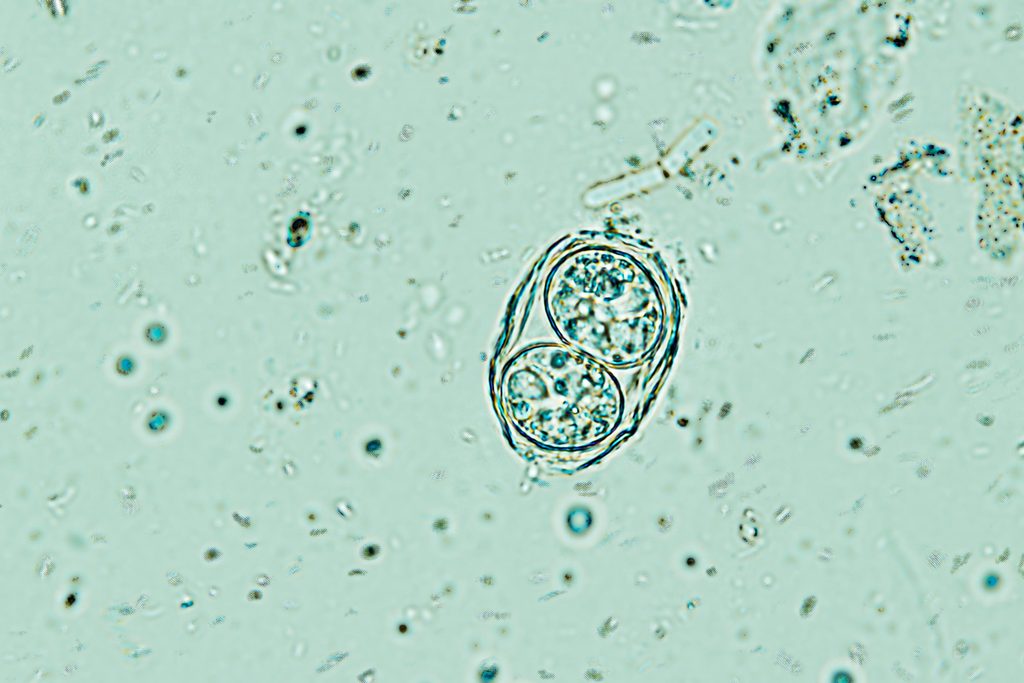
Toxoplasma gondii is a microscopic parasite that can infect many warm-blooded animals, including humans. In healthy people, infection is often asymptomatic or mild, though it can cause serious disease in people with weakened immune systems and can pose significant risks during pregnancy. Cats and other felids are its definitive hosts because it reproduces sexually in their intestines.
One of the strangest parts of its life cycle occurs in rodents. Studies have found that infected mice and rats can show reduced avoidance of cat-related odors, and some research has found changes in their responses to those odors that could make them more vulnerable to predation.
That change in behavior could benefit the parasite because being eaten by a cat gives Toxoplasma a route back to its definitive host. The idea that the parasite can alter its host’s behavior in a way that improves its own chances of reproduction has made it an intriguing subject of research. But scientists are still studying exactly how much of the behavioral change represents manipulation by the parasite and how much may be a side effect of infection.
Advertisement
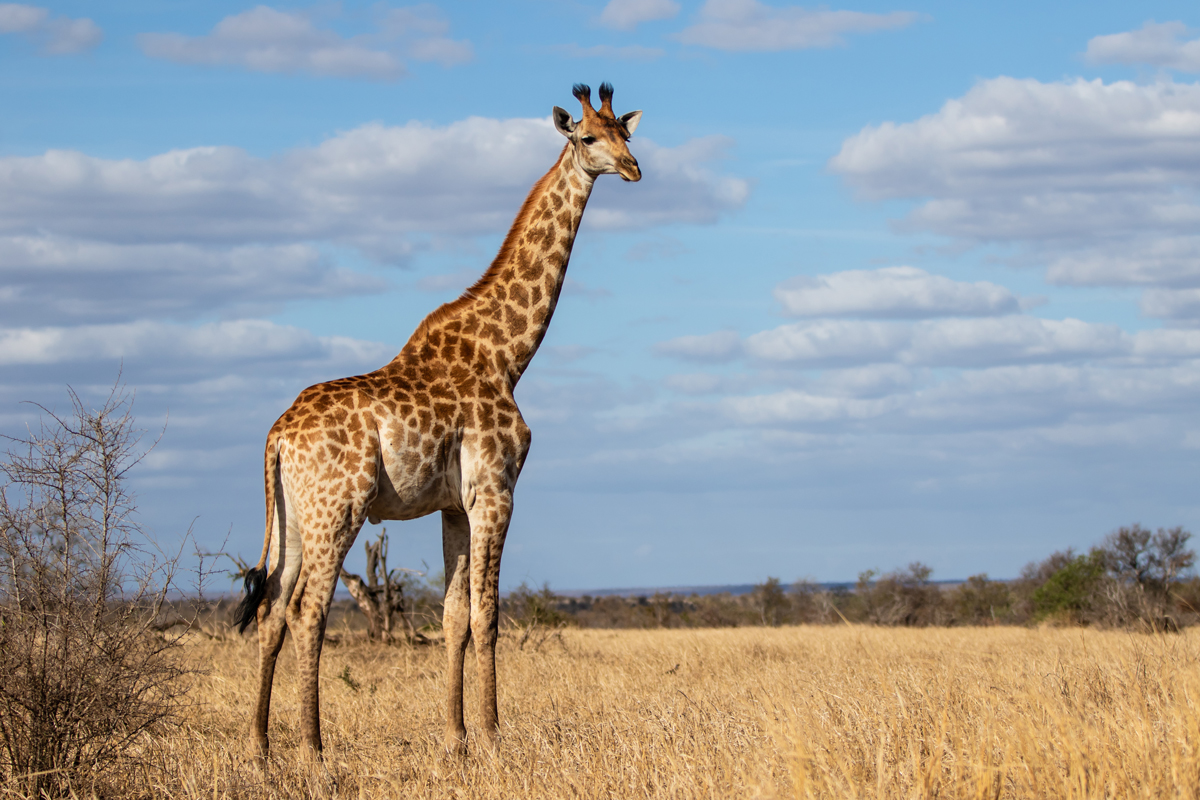
Giraffes are 30 times more likely than humans to be struck by lightning.
Bennett Kleinman is a New York City-based staff writer for Inbox Studio. He is also a freelance comedy writer, devoted New York Yankees and New Jersey Devils fan, and thinks plain seltzer is the best drink ever invented.
If a human being and giraffe were to get caught standing next to each other in a lightning storm, odds are Zeus would target the giraffe first. Given the height of the average giraffe, it isn’t that shocking (forgive the pun) to learn these creatures are essentially the lightning rods of the animal kingdom. But what may surprise you is these long-necked beasts are a whopping 30 times more likely to be struck by lightning than the typical human.
Now this isn’t to say fatal lightning strikes are common in either case, as it’s exceedingly rare — albeit more common than for humans — for a giraffe to be struck down. An analysis of lightning strikes between 1996 and 2010 found that five giraffes perished due to lightning worldwide, which equals a rate of 0.003 deaths per thousand giraffes per year. By comparison, data collected from 1989 to 2018 showed that the U.S. alone averaged 43 documented human lightning fatalities per year.
Advertisement
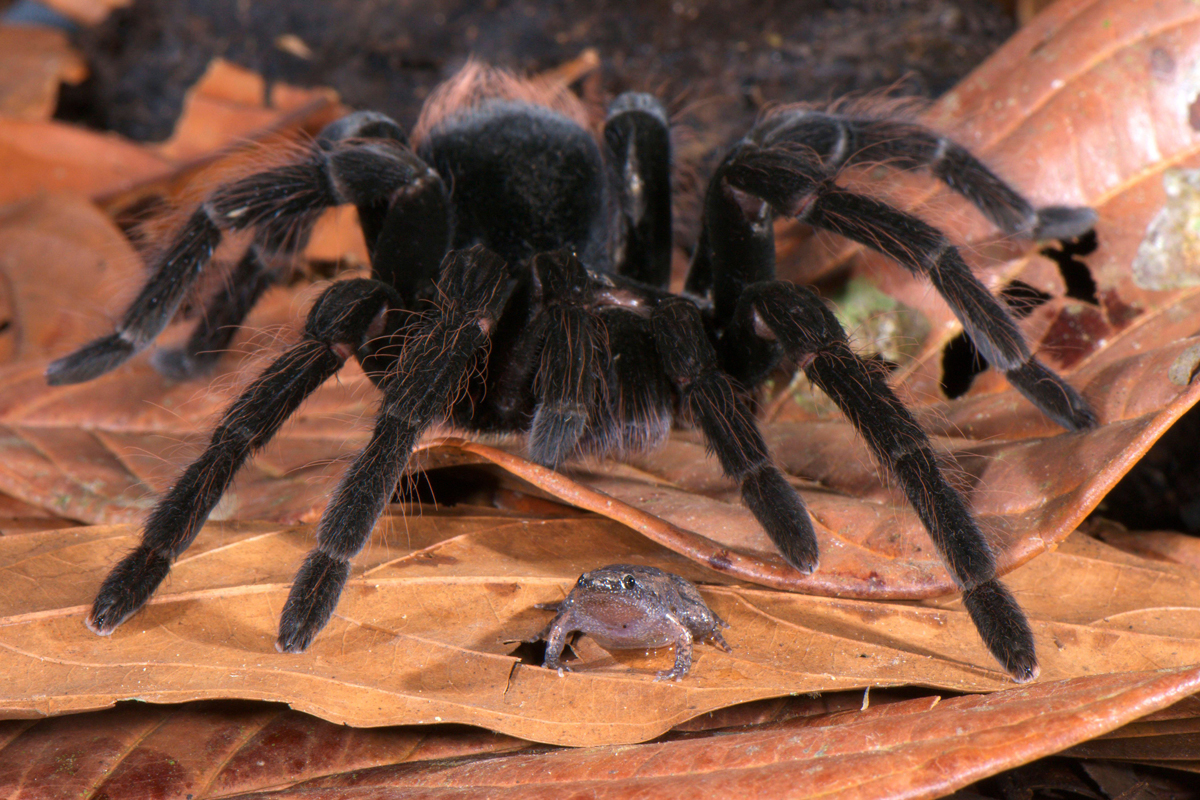
Tarantulas keep tiny frogs as ‘pets.’
Across Species 07/10/26Oct. 7, 2026
Updated 07/10/26Oct. 7, 2026
Credit: imageBROKER.com/Alamy
Bennett Kleinman
Author
Bennett Kleinman is a New York City-based staff writer for Inbox Studio. He is also a freelance comedy writer, devoted New York Yankees and New Jersey Devils fan, and thinks plain seltzer is the best drink ever invented.
It may not be as heartwarming a tale as an adopted puppy or kitten finding their forever home, but tarantulas live with pets of their own — well, sort of. One species of arachnid has been known to welcome tiny frogs into their burrows, forming a symbiotic relationship that makes for a more unlikely living situation than that of The Odd Couple.
While other spiders feast on frogs and vice versa, this peculiar mutualistic situation has been exhibited by the burrowing tarantulas and dotted humming frogs of the Amazon rainforest. The larger spider essentially acts as the tinier frog’s security detail, protecting the amphibians against snakes and other predators. In return, the frogs protect the tarantula’s eggs by slurping up any ants that enter the burrow, as ants are the primary predator of those tarantula eggs.
Advertisement
Do Other Animals Keep Pets?
Across Species 07/10/26Oct. 7, 2026
Updated 07/10/26Oct. 7, 2026
Credit: Getty Images/Unsplash.com
Kristina Wright
Author
Kristina is a coffee-fueled writer living happily ever after with her family in the suburbs of Richmond, Virginia.
Humans have a peculiar habit of bringing other species into our homes, feeding them, naming them, caring for them, and eventually mourning them. We call it having a pet, and for many people, this relationship is deeply personal. But humans aren’t the only animals that form close bonds with creatures from another species.
There’s no good evidence proving other animals keep pets in quite the same way humans do. They do, however, form a surprising range of interspecies relationships that can look remarkably petlike without quite fitting the human definition.
Credit: Josh Hild/Unsplash.com
What Makes an Animal a Pet?
People have deliberately brought animals into their lives for thousands of years. Dogs appear to have been associated with humans for at least 14,000 years, based in part on archaeological evidence of dogs being buried alongside people. Unlike livestock, which were primarily domesticated for food, labor, or other practical purposes, dogs developed a close relationship with humans that included companionship as well as hunting, guarding, and other roles.
Over time, humans began keeping a wide range of animals primarily for companionship. Ancient Egyptians kept dogs and cats but also monkeys, birds, gazelles, and other animals. Some were even depicted alongside their owners in tomb paintings, while beloved animals were buried or mummified after death.
Today, the distinction between a working animal and a companion animal can be blurry. What makes a pet different from livestock or a wild animal living nearby is the nature of the relationship. Humans deliberately provide food, shelter, protection, and care, while the pet is kept primarily for companionship or enjoyment, even if it also serves a practical role.
Credit: PK4289/stock.adobe.com
Some Primates Have Pets — Well, Kind Of
Our fellow primates can offer some insight into questions surrounding the concept of animal-kept pets. In one famous case, Koko — a western lowland gorilla who learned to communicate using American Sign Language — asked for a pet kitten and was given one for her birthday in 1984. She named the kitten All Ball and reportedly cared for and played with her.
Other primates have also been observed forming relationships with animals of different species. One study documented hundreds of cases of primates interacting socially with animals from other species, including playing with, grooming, carrying, cuddling, and feeding them. The researchers found 427 documented cases involving dozens of primate and other animal species.
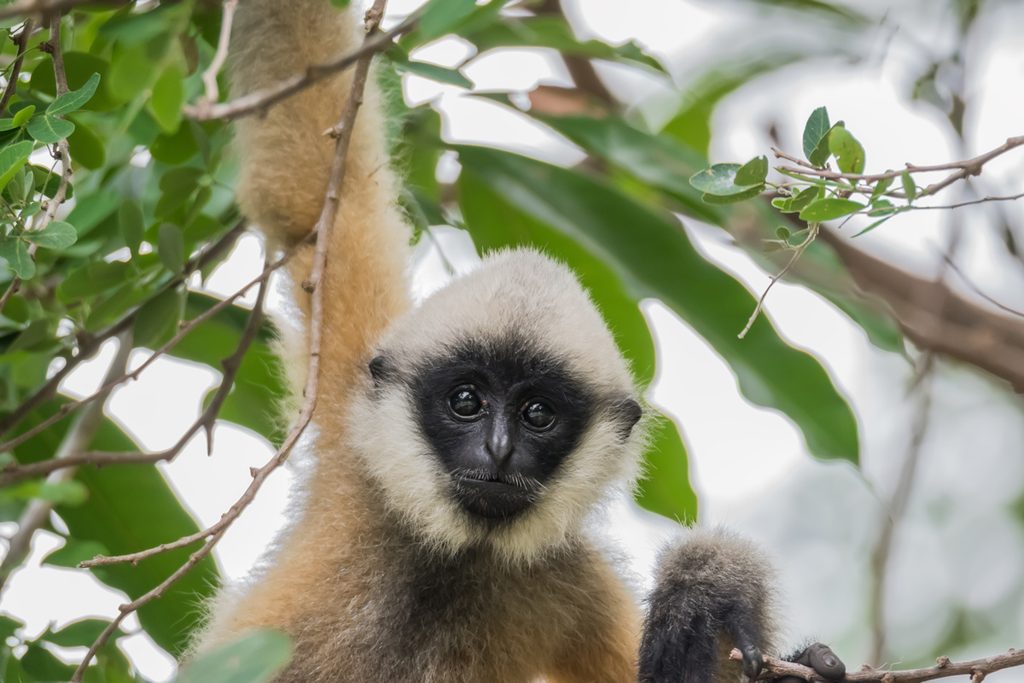
A northern white-cheeked gibbon at one Shanghai zoo gently held and caressed a mouse that wandered into its enclosure rather than eating or chasing it. Japanese macaques have been observed grooming and riding on sika deer, and some stump-tailed macaques have groomed domestic dogs, while a capuchin monkey reportedly once cared for a young marmoset for weeks. A macaque in an Israeli zoo even cared for a chicken in a way that resembled infant care.
However, researchers caution that most of those encounters were relatively brief, and interspecies interactions can have many possible explanations, including curiosity, play, caregiving, social learning, or simply an unusual response to another animal. Without evidence that an animal deliberately keeps another species around for companionship and provides ongoing care for it, calling the relationship a “pet” may say more about human interpretation than animal behavior.
Credit: anemone/stock.adobe.com
Some Interspecies Relationships Are All About Food
Some of the best animal “pet” stories aren’t about companionship at all. Ants, for example, have a relationship with aphids that resembles livestock management. Aphids feed on plant sap and excrete a sugary substance called honeydew; ants collect that honeydew for food, and in return, they protect aphids from predators and parasites. This arrangement is a form of mutualism, meaning both species benefit from the relationship.
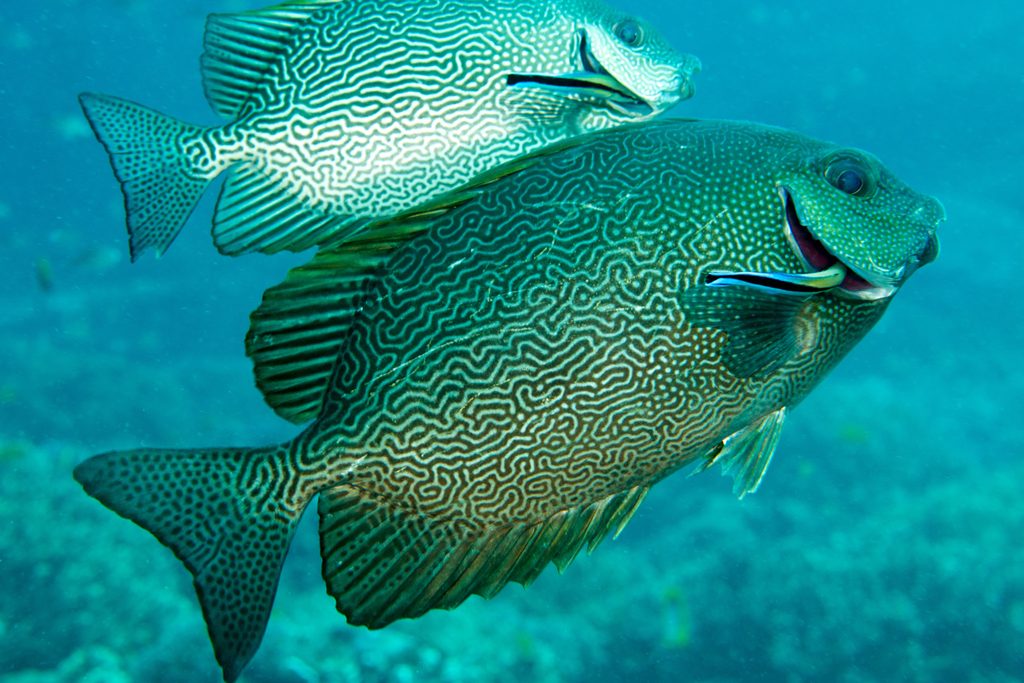
Ants and aphids aren’t the only examples of animals in symbiotic relationships. Reef fish visit cleaning stations where cleaner wrasses and shrimp eat parasites and dead tissue from their bodies, giving the cleaners a meal in exchange for the service.
Sea anemones and clownfish have another well-known arrangement, with clownfish gaining protection from predators among the anemone’s stinging tentacles and the anemone simultaneously benefitting from nutrients in the fish’s waste and scraps of food. These relationships show that animals can maintain close, long-term relationships with other species when there’s a clear evolutionary payoff.
Credit: Getty Images/Unsplash.com
The Difference Is in the Relationship
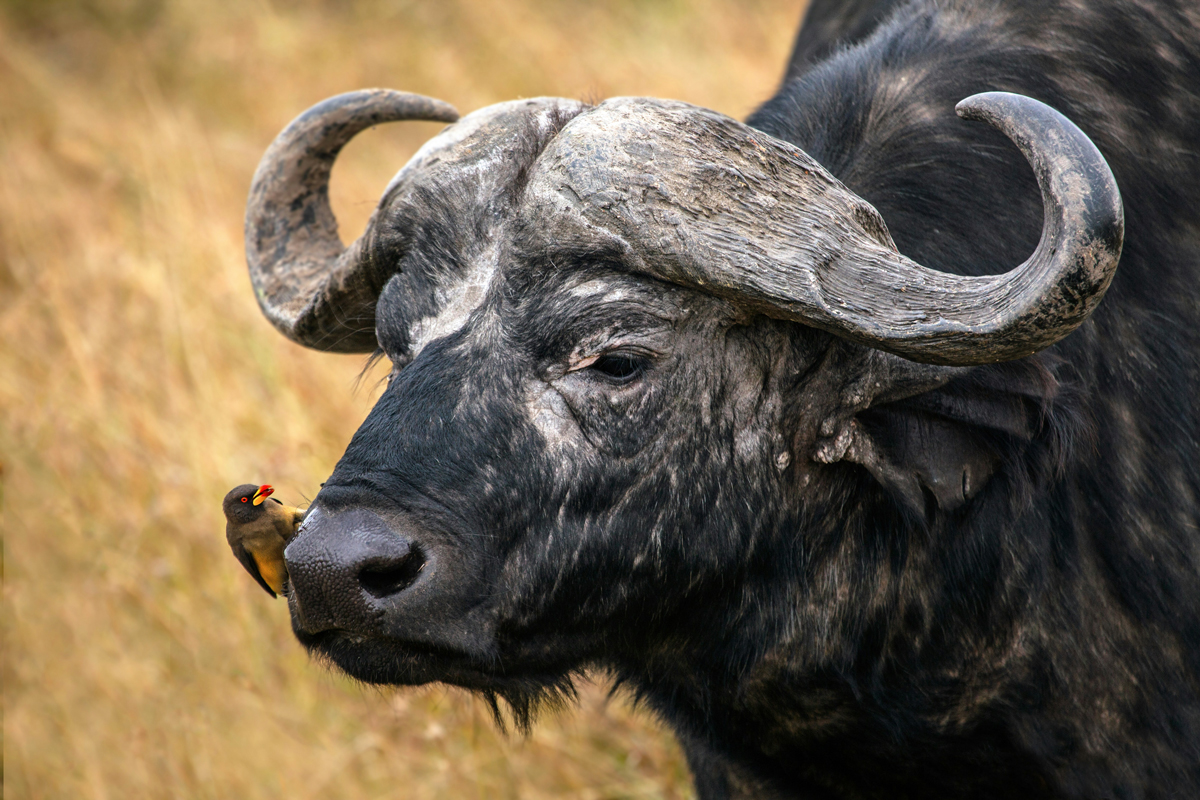
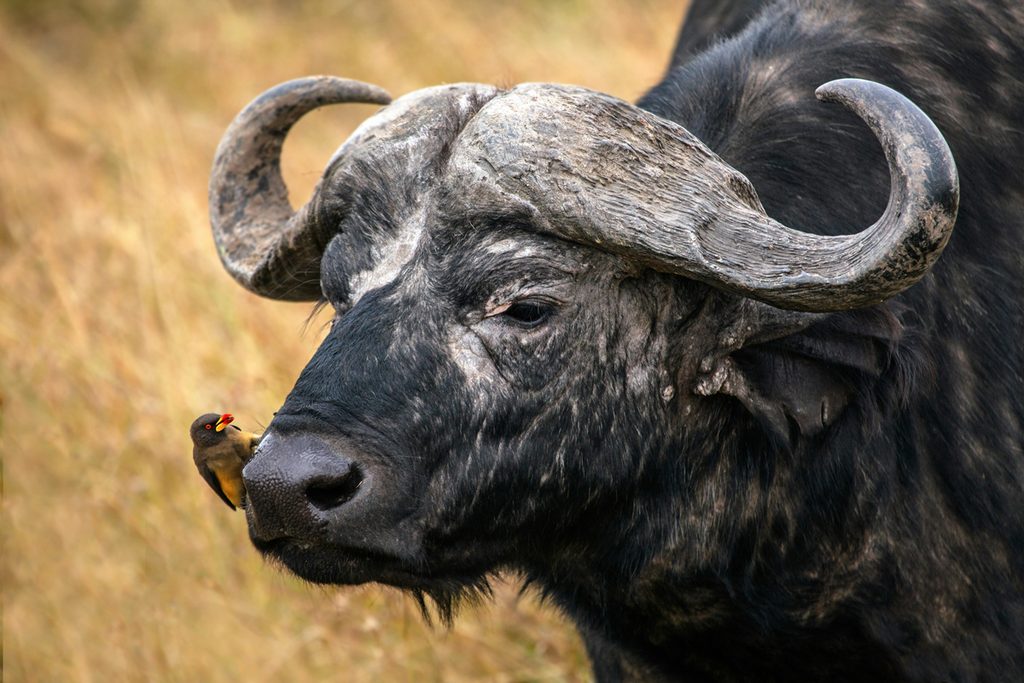
The animal kingdom is full of other cross-species relationships that can look surprisingly like human behavior, from goby fish and pistol shrimp sharing burrows to oxpeckers picking parasites from large mammals. But none of these examples provide clear evidence of another animal deliberately keeping a pet for companionship in the human sense.
That distinction matters because animals can behave in ways that look almost unmistakably human to us without having the same motivations. A macaque cuddling a chicken may be displaying caregiving behavior, an ant tending an aphid may be protecting a reliable food source, and a monkey grooming a dog may simply be engaging in a social behavior that’s somehow crossed a species boundary.
So while the rest of the animal kingdom may have plenty of interspecies friendships, partnerships, and mutually beneficial arrangements, keeping pets seems to be a distinctly human pursuit.
Bennett Kleinman is a New York City-based staff writer for Inbox Studio. He is also a freelance comedy writer, devoted New York Yankees and New Jersey Devils fan, and thinks plain seltzer is the best drink ever invented.
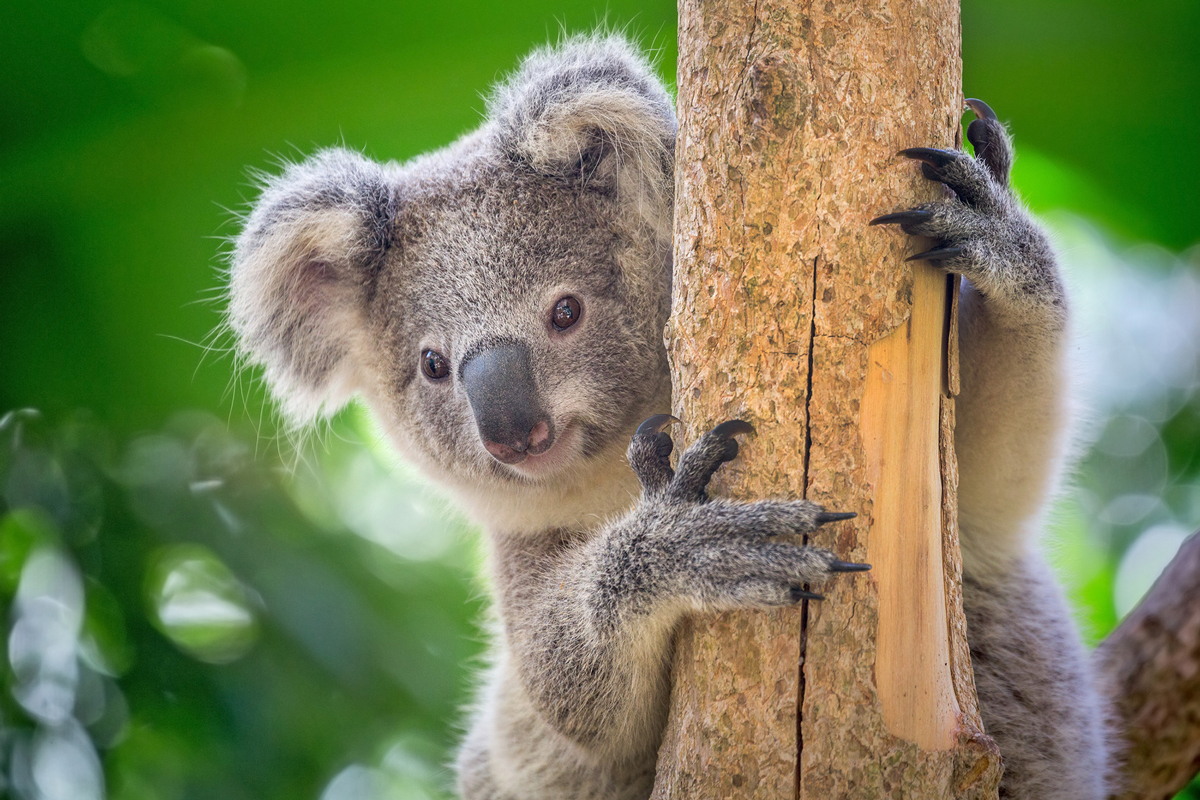
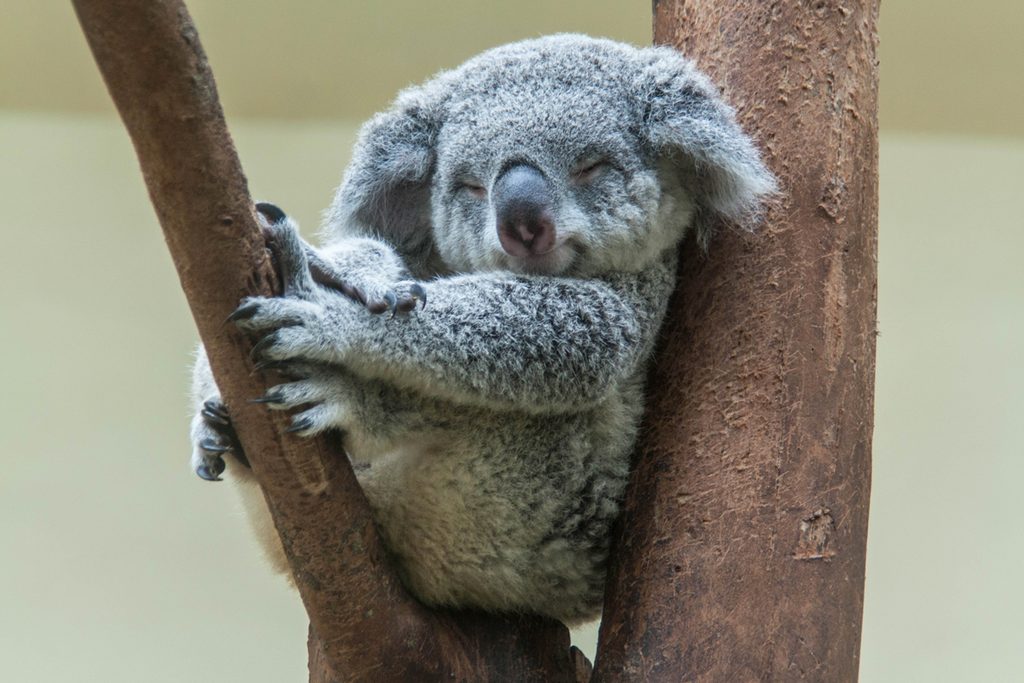
What do strawberries, the Hundred Years’ War, and koala bears share in common? They’re all misnomers, which is a term for names that are factually inaccurate. In the case of koalas, they aren’t bears at all, but rather marsupials — animals that give birth to underdeveloped young that are carried in pouches (think wombats, kangaroos, etc.). Bears belong to a separate group known as placental mammals, whose young are fully developed in the womb.
The reason koalas are erroneously referred to as “bears” dates back to English settlers in the 18th century who didn’t know any better. Upon arriving in Australia, the settlers came upon an unfamiliar creature they thought looked like a small gray bear with a pouch. They gave it the name Phascolarctos cinereus, derived from the Greek meaning “ash-gray pouched bear.” Though the name was later determined to be scientifically inaccurate, the “bear” moniker stuck.
Advertisement
12 Facts About Australian Wildlife
Across Species 07/10/26Oct. 7, 2026
Updated 07/10/26Oct. 7, 2026
Credit: Daniel/stock.adobe.com
Tony Dunnell
Author
Tony is an English writer of nonfiction and fiction living on the edge of the Amazon jungle.
When it comes to wildlife, Australia likes to break the rules — and at times it seems to rewrite them completely. Many of its animals are unique to the continent, thanks to millions of years of complete geographic isolation from other landmasses.
This allowed its species to evolve along a separate path from the rest of the world, turning the continent into a living laboratory where nature experimented freely. The results were certainly colorful, ranging from the adorable to the bizarre to the slightly alarming. Here are 12 of the most interesting, surprising, and downright weird facts about Australian wildlife.
Credit: Nicolas Faramaz/stock.adobe.com
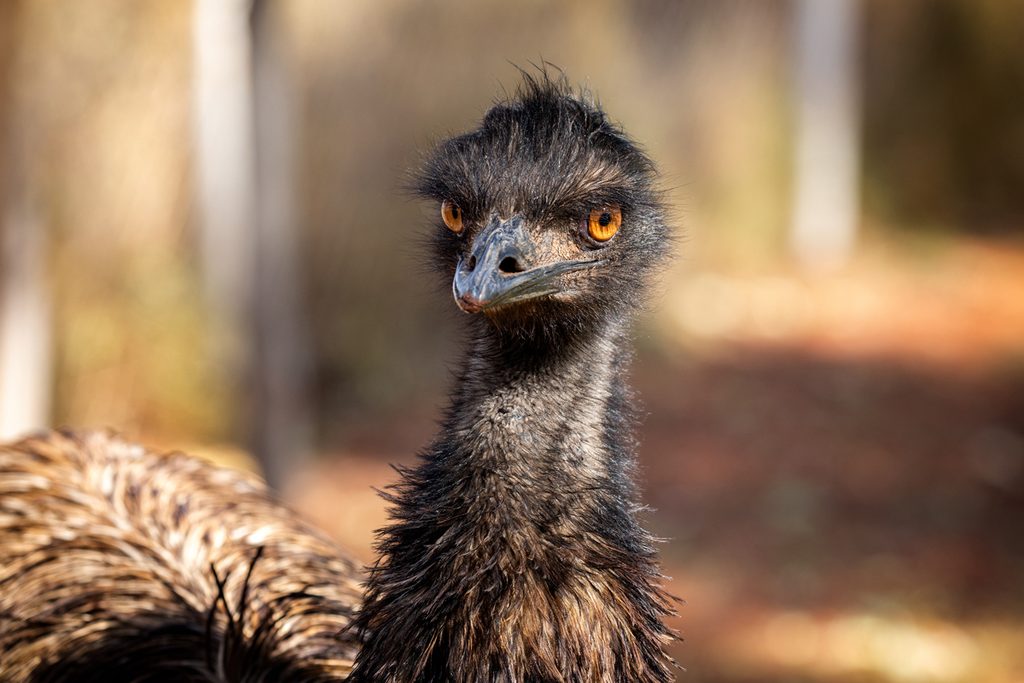
Emus Won a War Against the Australian Army
In 1932, soldiers armed with machine guns were sent into battle against roughly 20,000 emus that were damaging crops in Western Australia. This became known as the Emu War, and the emus basically won. The resilient birds proved surprisingly hard to kill and the campaign was abandoned, prompting much national and international ridicule.
Credit: ondrejprosicky/stock.adobe.com
Most of Australia’s Wildlife Is Found Nowhere Else on Earth
Roughly 87% of Australia’s mammals, about 93% of its reptiles, and more than 90% of its frogs are found nowhere else on the planet. Almost half of its bird species are also only found in Australia.
Credit: Luke/stock.adobe.com
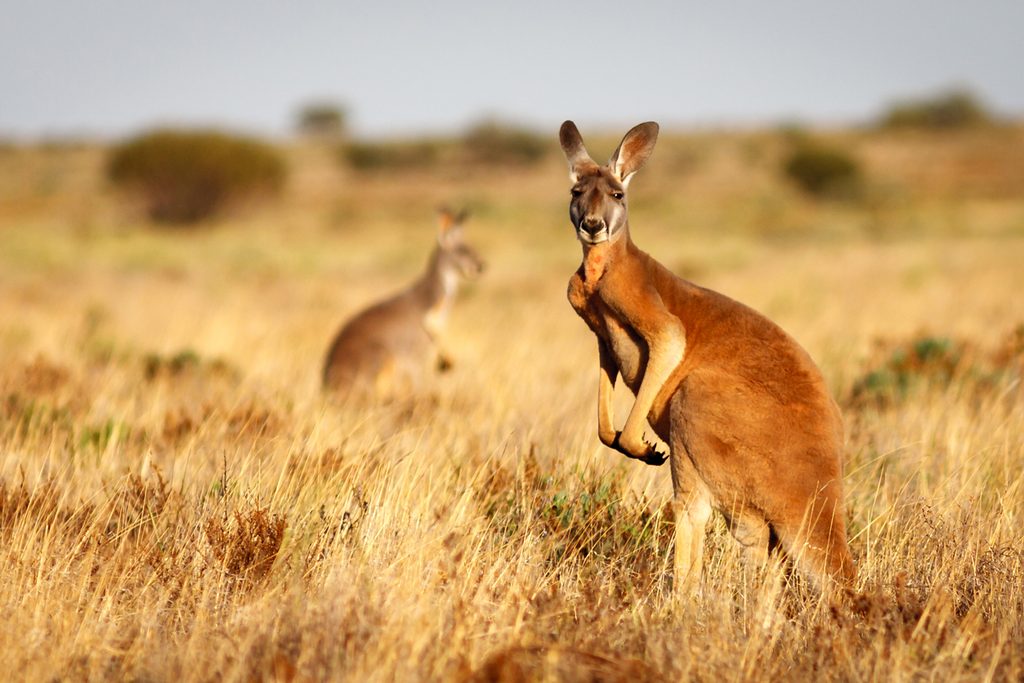
Kangaroos Can’t Hop Backwards
Kangaroos are excellent at leaping forward, but their powerful tails and the structure of their legs make hopping backward almost impossible. They can reverse if necessary, but only in awkward little shuffles.
Credit: Luke/stock.adobe.com
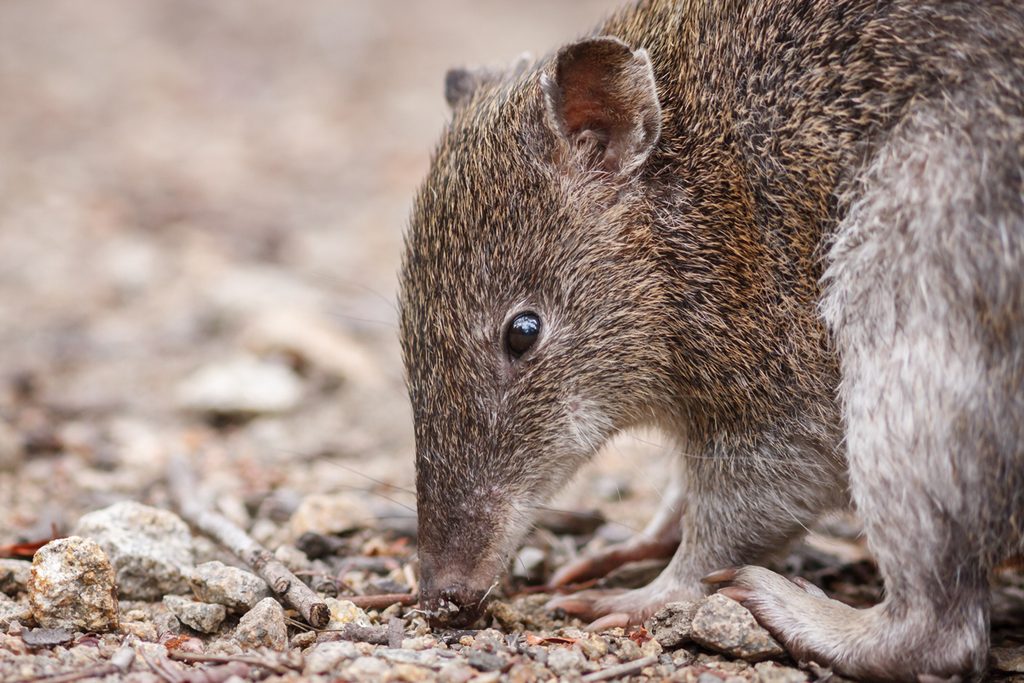
Half of All the World’s Marsupials Are in Australia
While the rest of the planet has mostly stuck with placental mammals, aka all living mammals except marsupials and monotremes (the latter including platypuses and echidnas), Australia doubled down on the pouch. The continent is home to at least half — and possibly as many as two-thirds — of the world’s roughly 300 marsupial species. These include kangaroos, koalas, wombats, bandicoots, opossums, and Tasmanian devils.
Credit: arnaudmartinez/stock.adobe.com
Koalas Sleep More Than Any Other Animal
Koalas are the sleepiest creatures in the animal kingdom, regularly sleeping up to 20 hours a day. Their eucalyptus-leaf diet is so low in nutrients and so full of toxins that they need extreme amounts of rest to conserve energy and process their food.
Credit: ronnybas/stock.adobe.com
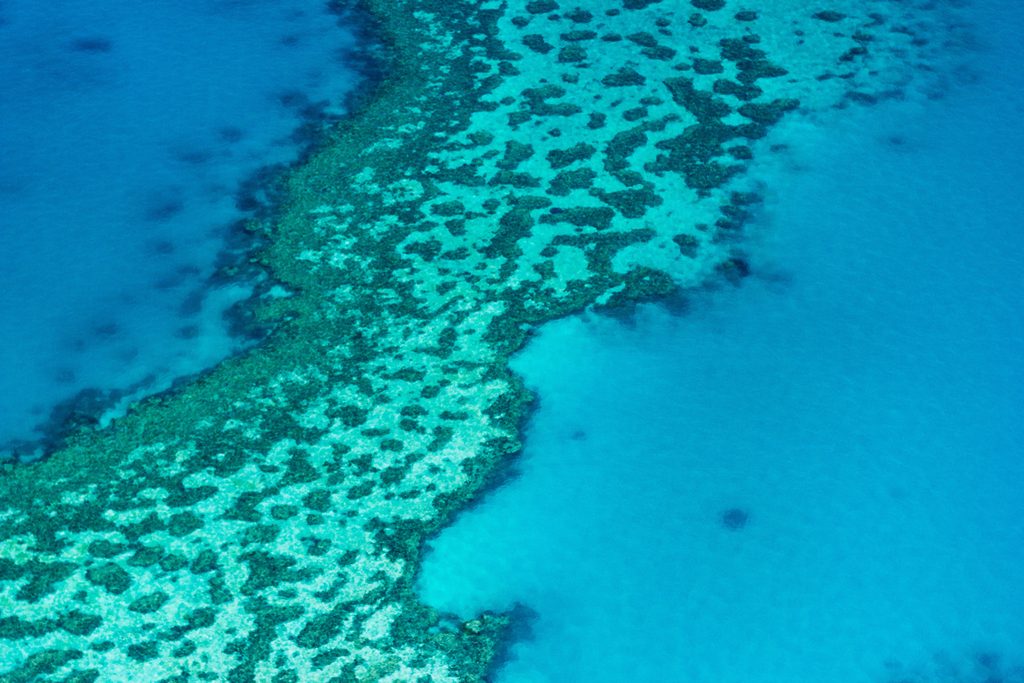
The Great Barrier Reef Is Earth’s Largest Living Structure
No living structure on Earth can rival the Great Barrier Reef in terms of size. Located off the coast of Queensland, it stretches for 1,429 miles across an area of about 133,000 square miles. It’s so big it can be seen from space.
Credit: Ken Griffiths/stock.adobe.com
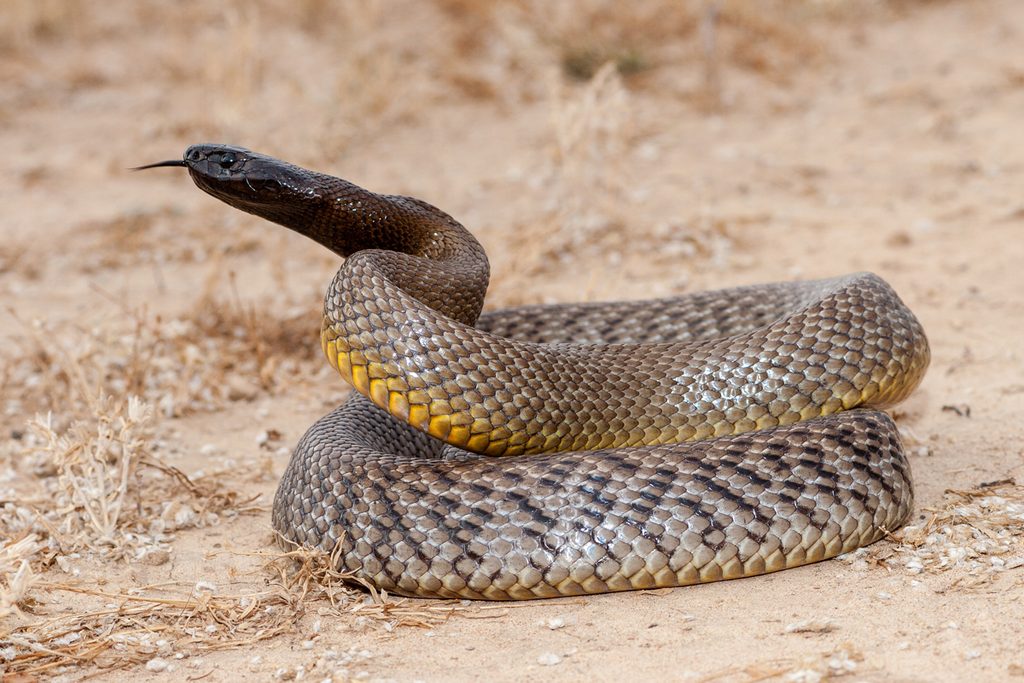
The Inland Taipan Is the World’s Most Toxic Snake
Australia has the dubious distinction of harboring the world’s most venomous snake, at least in terms of toxicity. A single bite from the inland taipan contains enough toxin to kill around 100 adult humans. Thankfully, the snake is shy and lives in remote areas, so encounters are rare.
Credit: Daniel/stock.adobe.com
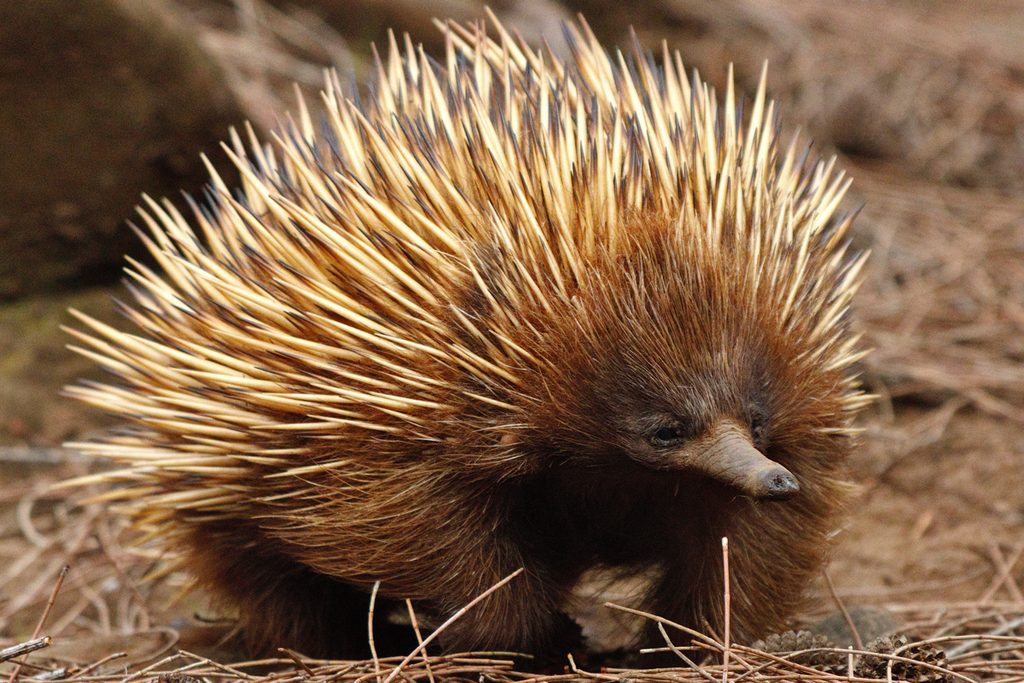
Australia Is Home to Two Egg-Laying Mammals
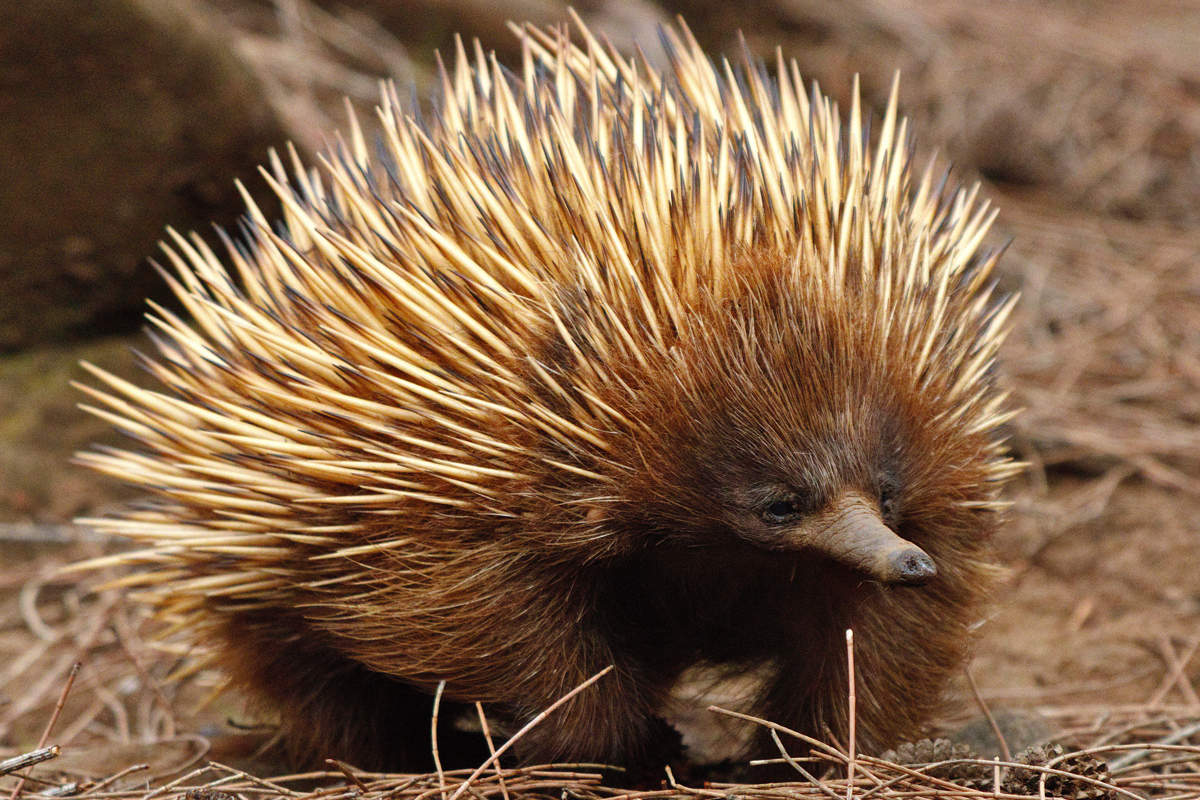
Of the five species of egg-laying mammals in the entire world, two live in Australia: the duck-billed platypus (a very strange creature indeed) and the short-beaked echidna (a spiky, slow-moving mammal a bit like a hedgehog). The other three egg-laying species are all long-beaked echidnas found not so far away in Tasmania and New Guinea.
Credit: daphot75/stock.adobe.com
Wombats Produce Cube-Shaped Poo
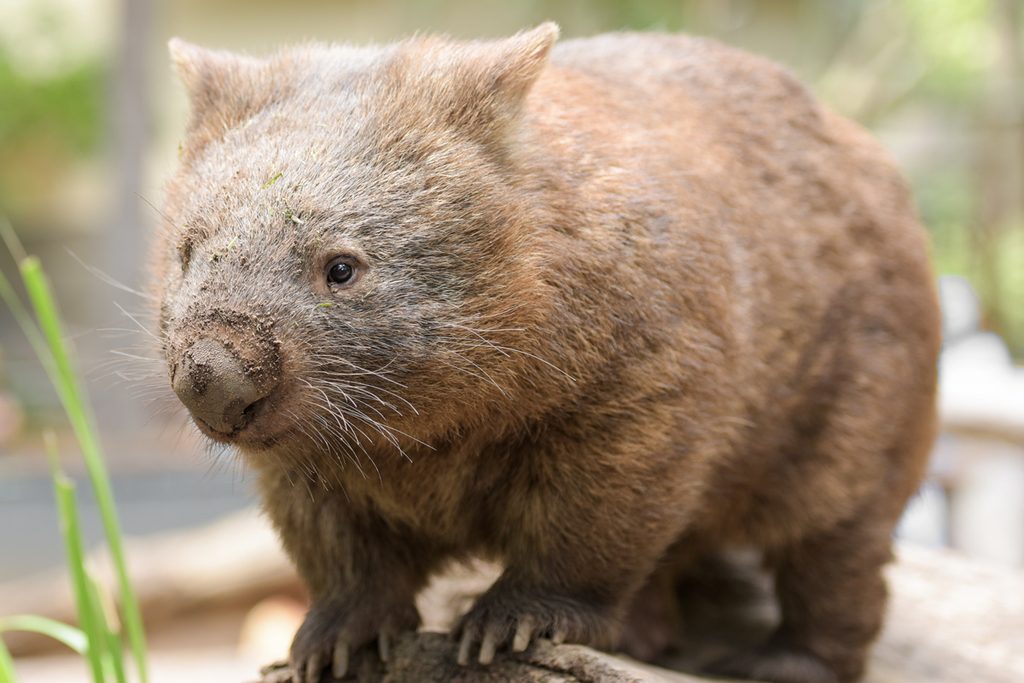
Pooping out cubes sounds like a major design flaw, but wombats eject nearly 100 six-sided offerings every day. Their intestines are specially adapted to form distinctive cubic droppings, which they use to mark territory. The flat sides serve a specific purpose: They stop the poo from rolling away on uneven surfaces.
Credit: Danny/stock.adobe.com
The “World’s Happiest Animal” Lives in Western Australia
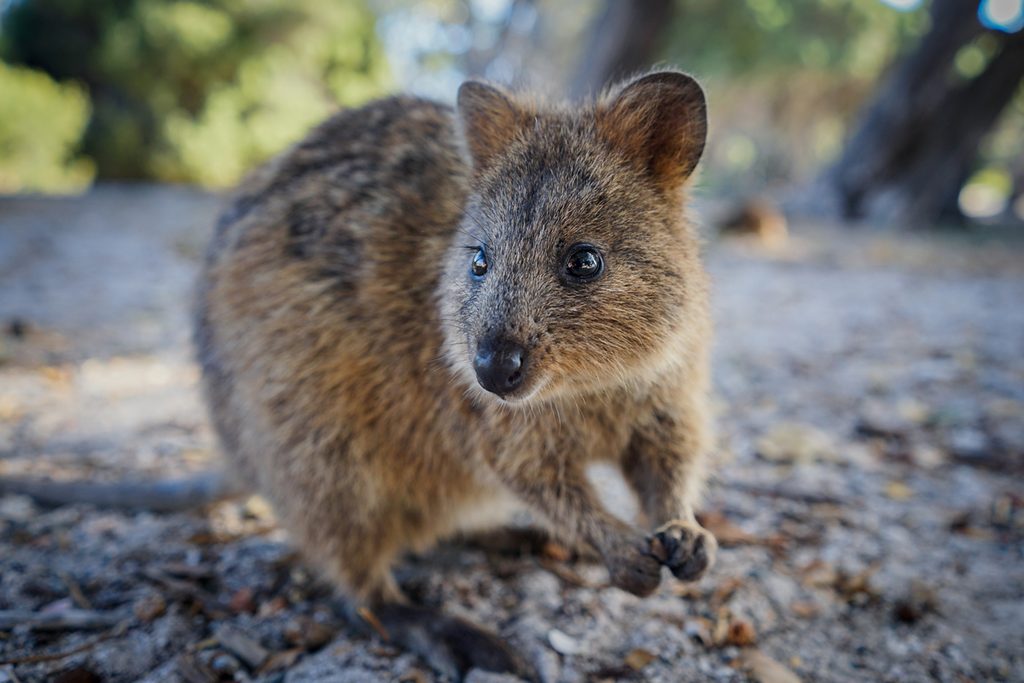
The quokka is a small wallabylike marsupial found mainly on smaller islands off the coast of Western Australia. It’s often called the “world’s happiest animal” because of its naturally smiling expression. The cheerful look is due to the unique shape of its mouth — and, we’d like to think, some genuine joie de vivre — and has made the species a favorite on social media.
Credit: Sunil Singh/stock.adobe.com
Tasmanian Devils Have One of the Animal Kingdom’s Strongest Bites
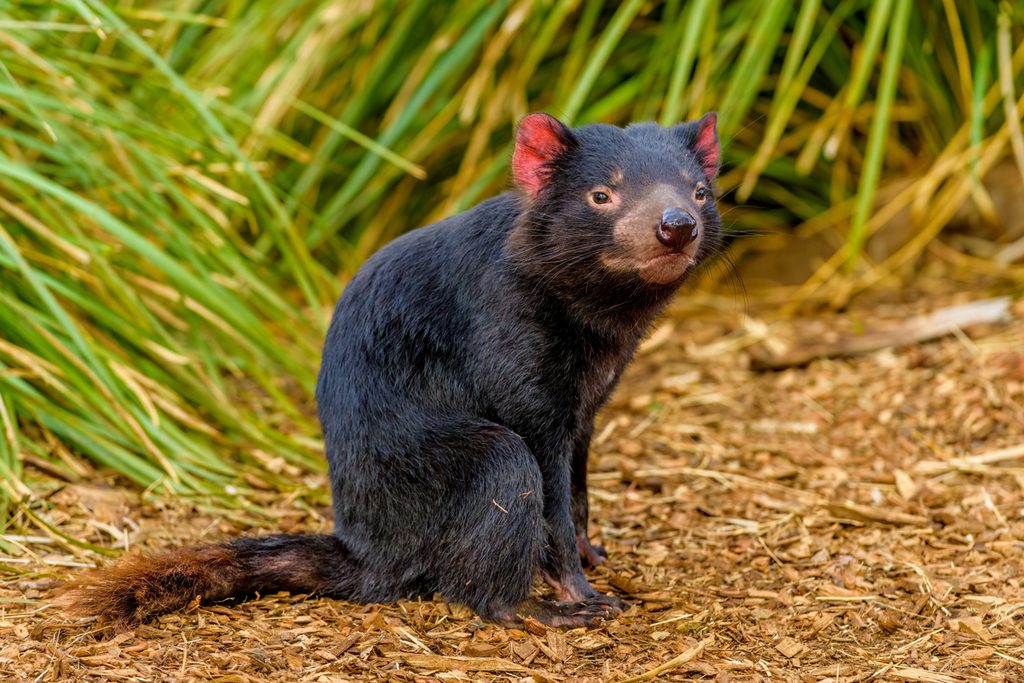
Tasmanian devils — stocky, muscular animals about the size of a small dog — have the strongest bite relative to body size of any living mammal. Capable of applying 418 newtons of force, their powerful jaws and bone-crushing teeth let them eat almost every part of a carcass, including fur and bones.
Credit: Katia Regina/stock.adobe.com
The Fitzroy River Turtle Can Breathe Through Its Butt
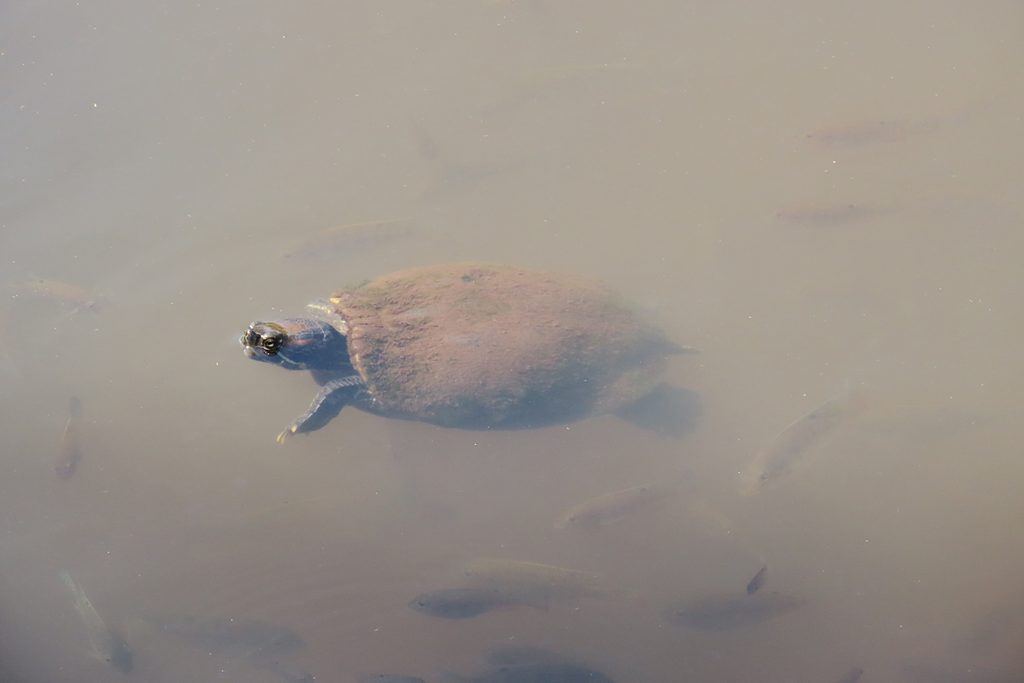
This freshwater turtle, found only in tributaries of the Fitzroy River in southeastern Queensland, absorbs oxygen from the water via specialized sacs in its cloaca; in other words, it can breathe through its backside. This strange ability allows the turtle to stay underwater for days at a time — and potentially indefinitely.
Bennett Kleinman is a New York City-based staff writer for Inbox Studio. He is also a freelance comedy writer, devoted New York Yankees and New Jersey Devils fan, and thinks plain seltzer is the best drink ever invented.
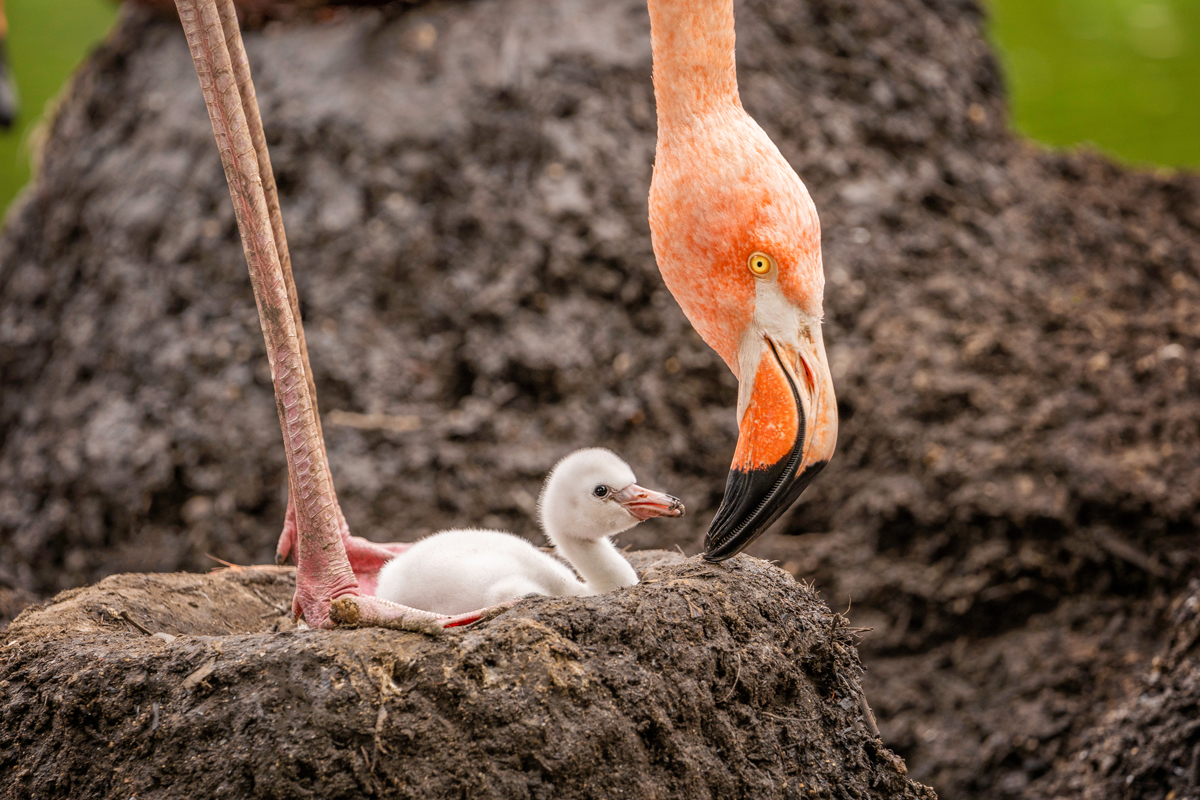
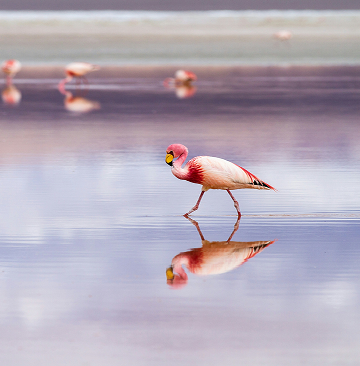
The phrase “you are what you eat” may hold most true when talking about flamingos. These striking pink birds initially lack any sort of flamboyant coloration, as their feathers are more of a dull gray for the first year or two of their lives. Over time, flamingos develop their signature pink color due to their diet.
These birds mainly dine on algae, brine shrimp, fly larvae, and other foods containing carotenoids — a type of organic pigment associated with shades of red, orange, and yellow. One carotenoid that’s typically found in the aforementioned food sources is the red-orange beta-carotene, which is broken down in the flamingo’s digestive tract and then absorbed into the fats of its liver. Those pigments are then deposited into the bird’s feathers and skin, resulting in its bright pink hue.
Advertisement
5 Animals That Can Change Color
Across Species 07/10/26Oct. 7, 2026
Updated 07/10/26Oct. 7, 2026
Credit: Menno Schaefer/stock.adobe.com
Krissy Howard
Author
Krissy Howard is a writer with a background in comedy, and a love for researching and writing about animal behavior. You can read some of her work at Cuteness, Byrdie, and The Hard Times. When she's not writing, she's growing food in the community garden, feeding stray cats, and learning Greek.
We’ve likely all fantasized about changing the way we look at some point. Some animals don’t have to use their imaginations; switching up the color of their skin, scales, fur, and even their eyes is easier than booking a hair appointment.
Different species have different reasons for changing their look, be it hiding from danger, tricking unsuspecting prey, or enhancing their senses. From the North Pole to the bottom of the ocean, here are five animals that can change color.
Credit: Luca/stock.adobe.com
Chameleons
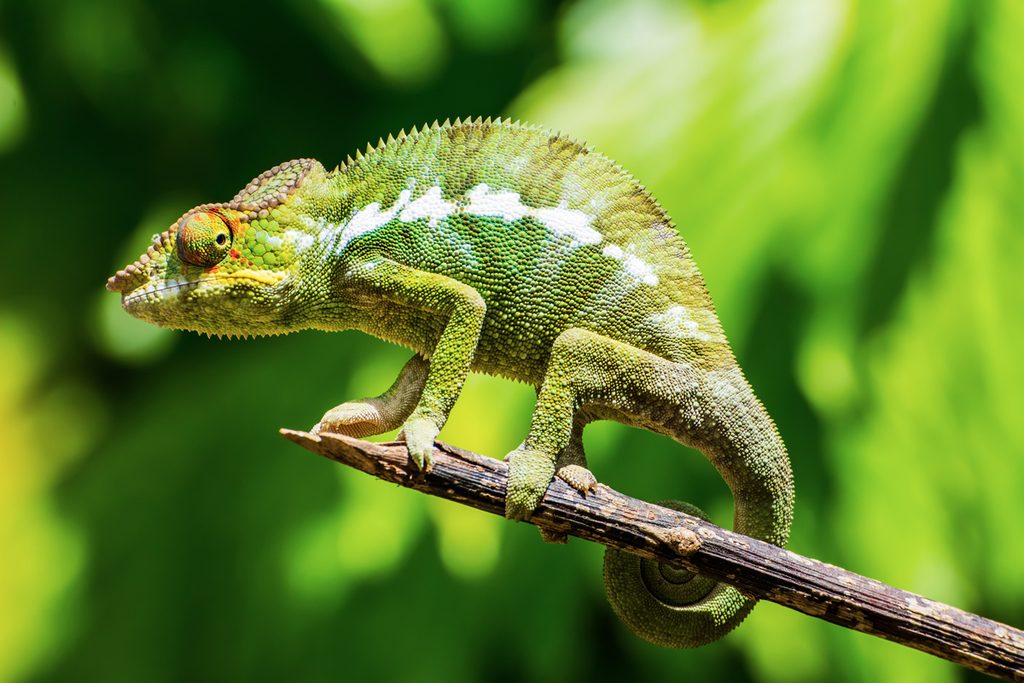
When you think of color-changing animals, chameleons are likely the first that come to mind. In cartoons, these lizards are depicted as masters of disguise that can match their skin to their background in the blink of an eye.
Contrary to popular belief, however, chameleons don’t change their color to match whatever’s behind them. In fact, they probably couldn’t even if they wanted to. When changing pigments, every chameleon has a limited palette of shades to choose from that’s determined by its natural environment and species.
Rather than morphing to blend in with any color surrounding them, these lizards change color in response to a variety of factors, including temperature, age, health, and even mood. When feeling excited, for example, they might adopt a vivid pattern to intimidate competition or attract mates. Meanwhile, if it’s too cold outside, they might don a darker hue to more effectively absorb the sun’s rays.
Credit: gennaro/stock.adobe.com
Octopuses
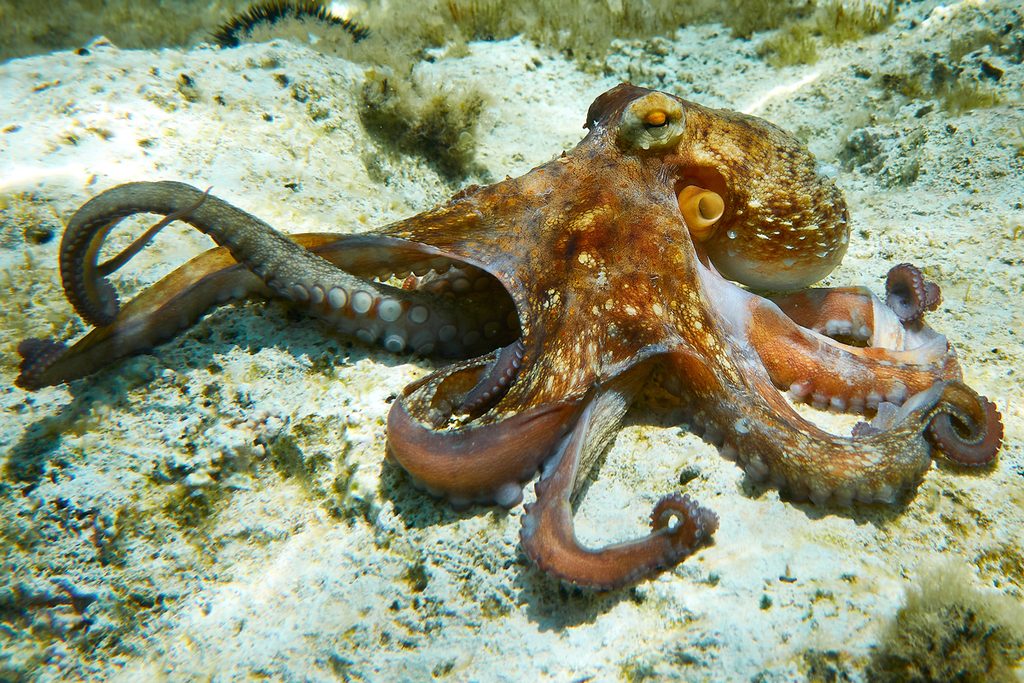
Octopuses do change colors to match their backgrounds, and if you blink, you might miss it. Some of the quickest shape-shifters of all, octopuses not only can change colors, but also patterns, and even the shapes and textures of their bodies. In addition to helping them hide from predators such as sharks and eels,it gives them an advantage on the other side of the food chain.
Some species of octopus morph to resemble non-threatening animals to trick prey such as damselfish into thinking they’re harmless. Others send a ripple of dark rings down their outstretched arms, essentially hypnotizing their prey and allowing them to strike. Octopuses may also shift to stand out, mimicking predators to both confuse and intimidate them until they — hopefully — go away.
Credit: Menno Schaefer/stock.adobe.com
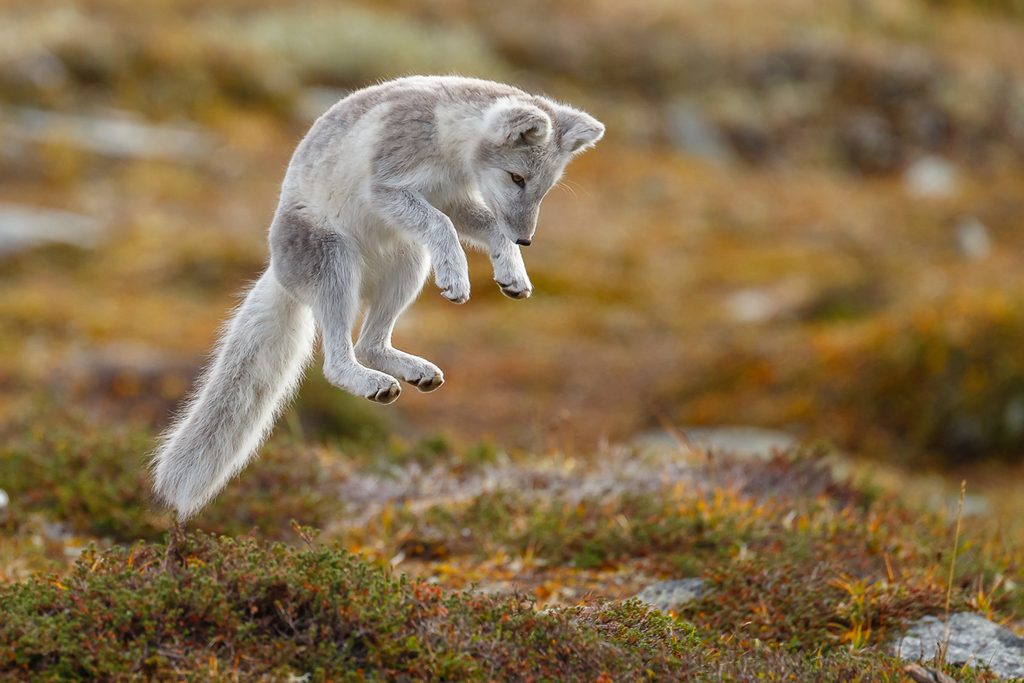
Arctic Foxes
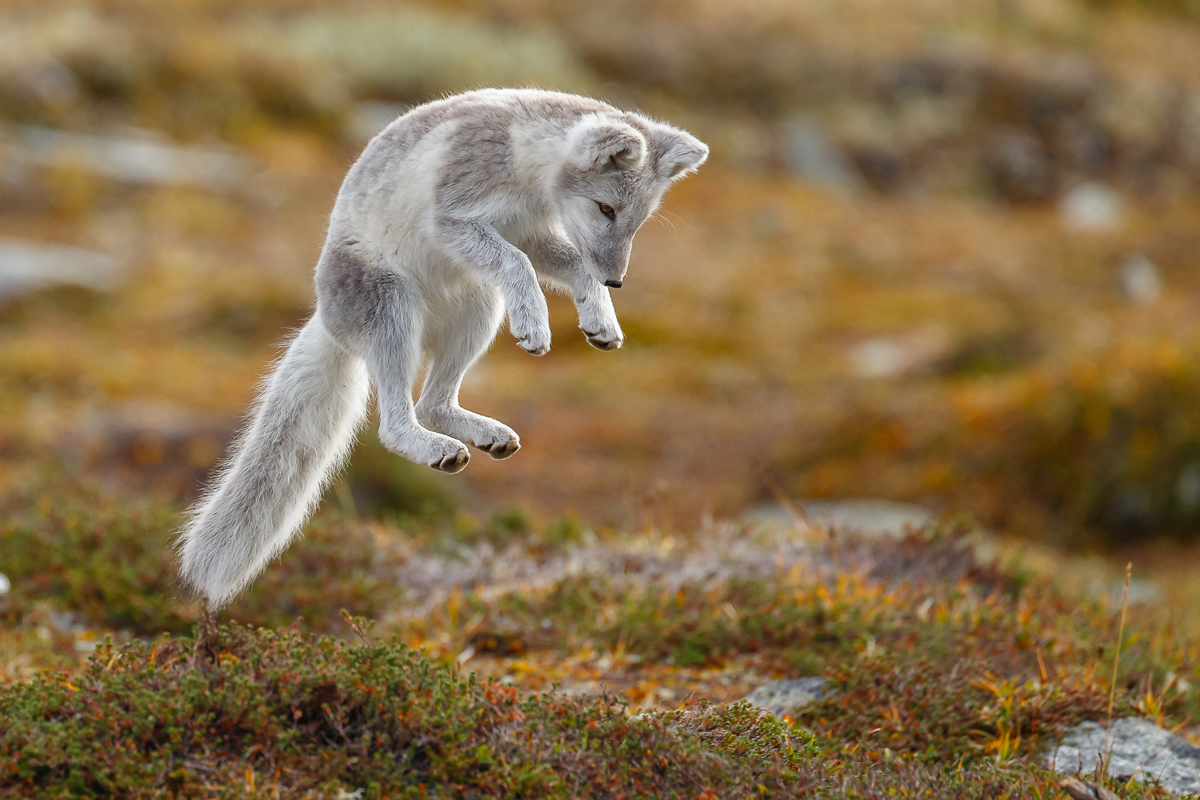
Similar to an octopus, Arctic foxes also change their colors to blend in with their background. The time it takes to make that switch, however, is considerably longer. Their environment changes from brown, yellow, and green, to pure white with the seasons, and their coats reflect that passage of time.
Arctic foxes are both predators, hunting small rodents and birds, and prey, vulnerable to attacks from wolves and polar bears. That means they need to blend in perfectly with their surroundings to hunt and also to avoid being hunted themselves. The Arctic fox’s MC1R gene allows them to switch their coat as the seasons change, boosting their chances of survival.
Credit: DiscoverTexas.com/stock.adobe.com
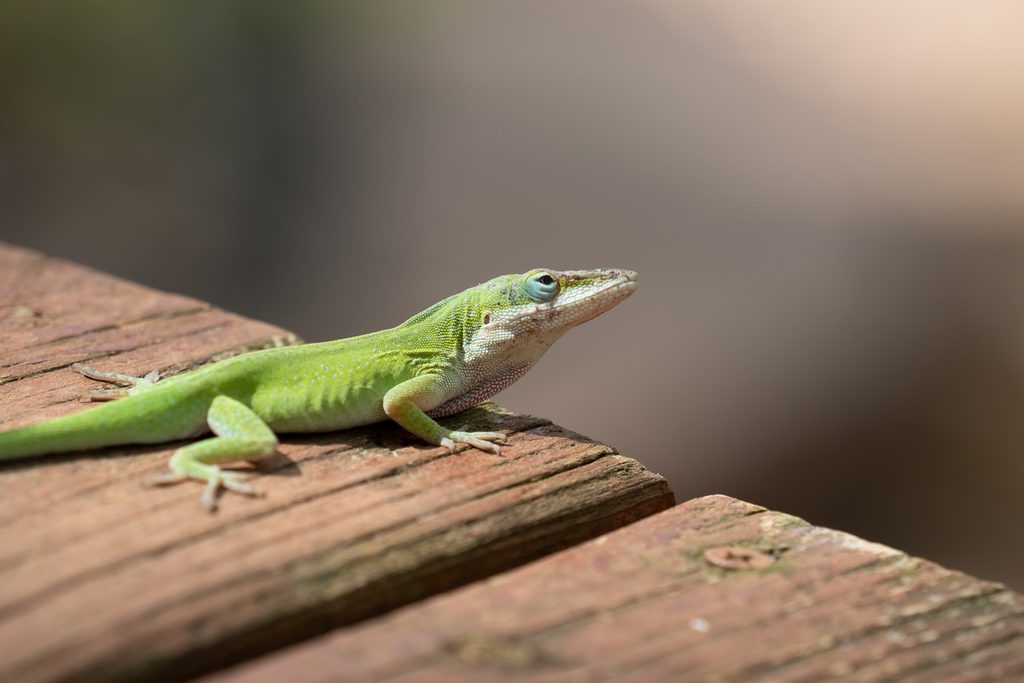
Anoles
Rather than change colors to blend in like many animals on this list, green anoles seem to switch shades for the opposite reason — to stand out. The lizards are able to shift from dark green to dark brown, generally when telling others to back off. Males are highly territorial and adopt a deep green hue when posturing for more dominance thanks to hormonal shifts that affect their hues.
These tough tree-dwellers usually switch back and forth from green to brown several times throughout an aggressive encounter, and the winner almost always walks away wearing a vivid emerald coat of victory.
Credit: Nature_Japan_NM/stock.adobe.com
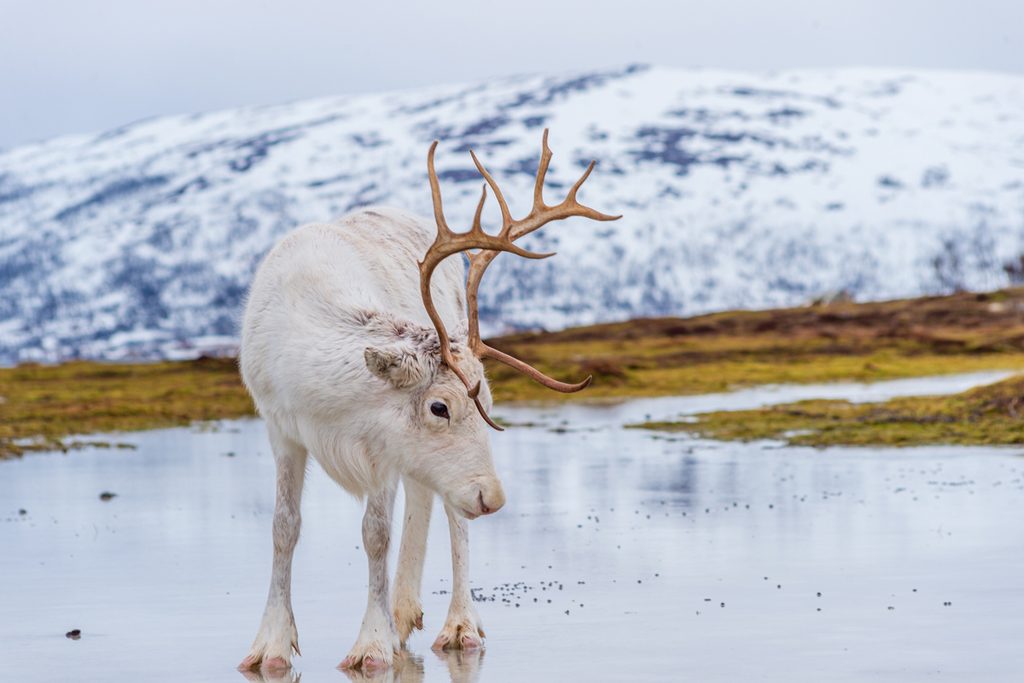
Reindeer
Unlike other animals on this list, reindeer don’t change the hue of their skin or even their coats. It’s their eyes that change from gold to blue — or so it appears, anyway.
During the warmer months when the sun illuminates the sky all day and night around the Arctic, a reindeer’s eyes are almost amber in color. In the winter, there’s a switch to almost 24-hours of darkness until the seasons shift again. The only way to see in the dark is to maximize what little light there is, and reindeer have adapted to do just that.
An iridescent, light-reflecting tissue called the tapetum rests behind their retinas and acts as a reflective surface in the dark. By bouncing any light that reaches the back of the eye back to the retina, this structure doubles the light reindeer perceive and helps them navigate twilit terrain. It also explains why their eyes appear to change color: It’s not the iris itself that’s different, it’s the reflected light that makes them appear blue and somewhat cloudy.
Advertisement
Your Daily Guide to the Animal Kingdom
Get to know the animals that share our planet with this daily newsletter.
Success! Welcome to Animal Facts.
Check your inbox for your daily email.
Sorry, your email address is not valid. Please try again.