Bennett Kleinman is a New York City-based staff writer for Inbox Studio. He is also a freelance comedy writer, devoted New York Yankees and New Jersey Devils fan, and thinks plain seltzer is the best drink ever invented.
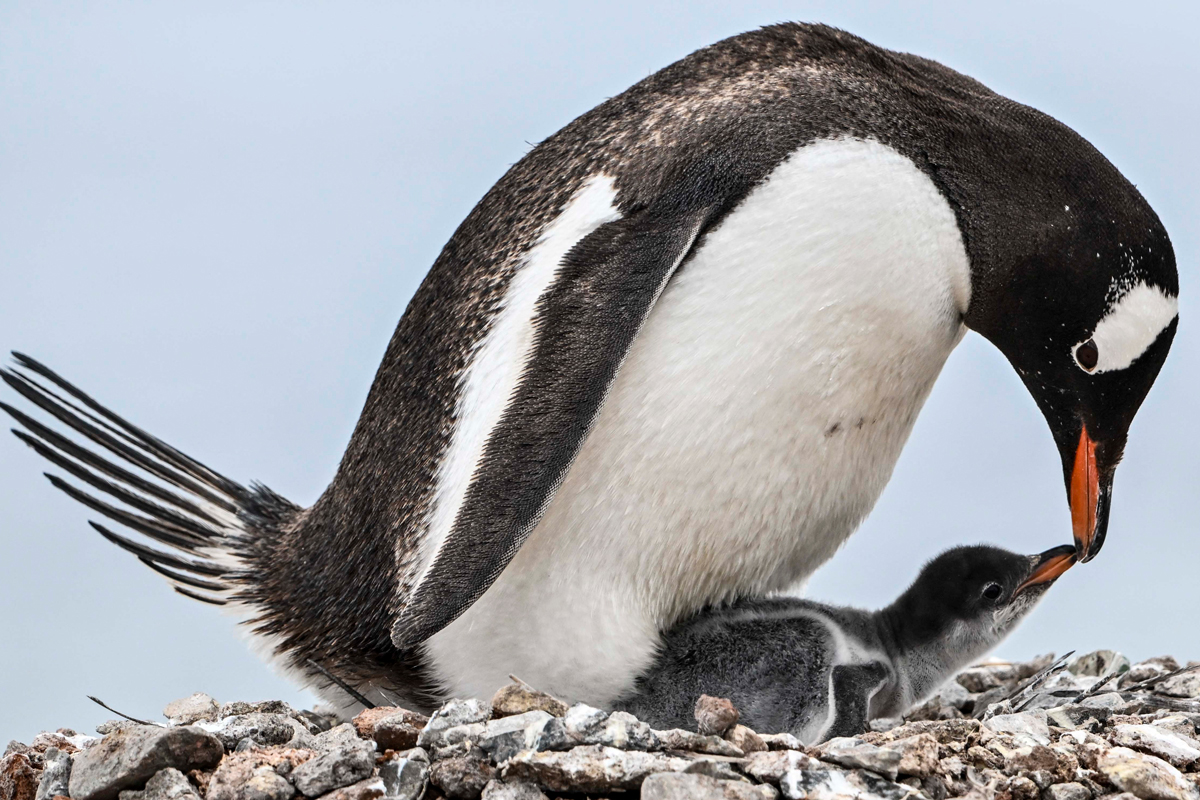
Over the last 105 years, scientists have made groundbreaking discoveries such as penicillin and DNA’s double-helix structure. But in that same time, the total number of known penguin species has remained constant — that is, until a new species was confirmed in 2026. Research teams have discovered Pygoscelis kerguelensis living in the remote Kerguelen Islands of the Indian Ocean.
Prior to this revelation, it was believed the familiar gentoo penguin (Pygoscelis papua) was just a single species. But testing has confirmed it’s actually four: three species formerly known to science (P. papua, P. taeniata, and P. ellsworthi), plus this new variety.
P. kerguelensis has been hiding in plain sight thanks to nearly identical physical traits that make it largely indistinguishable from similar species (white belly, black back, etc.). But scientists noticed a slight discrepancy in size and vocalizations made by gentoos living in different regions of the world. This prompted further testing that confirmed clear genetic differences, resulting in the first newly confirmed penguin species since the Northern rockhopper’s identification in 1921.
Advertisement
The Most Dramatic Ways Animals Reject Their Suitors
Across Species 30/09/26Sep. 30, 2026
Updated 30/09/26Sep. 30, 2026
Credit: juerpa68/stock.adobe.com
Nicole Villeneuve
Author
Nicole is a writer, editor, and researcher with over 15 years experience covering arts and culture, lifestyle, and media. Her work has also appeared in PureWow, Brit + Co, Exclaim, AUX TV, and CBC. She lives in Ontario, Canada.
Rejection is never fun, but most of us can probably agree that being ignored is preferable to being snarled at. In the animal kingdom, turning down an unwanted suitor can be a considerably dramatic affair. Some animals simply flee from persistent males, while others have developed more unusual ways of saying they’re not interested, from diving underwater to pretending to be dead.
Here are five of the most dramatic ways animals reject potential mates.
Credit: kutub15s/stock.adobe.com
Common Hawker Dragonflies
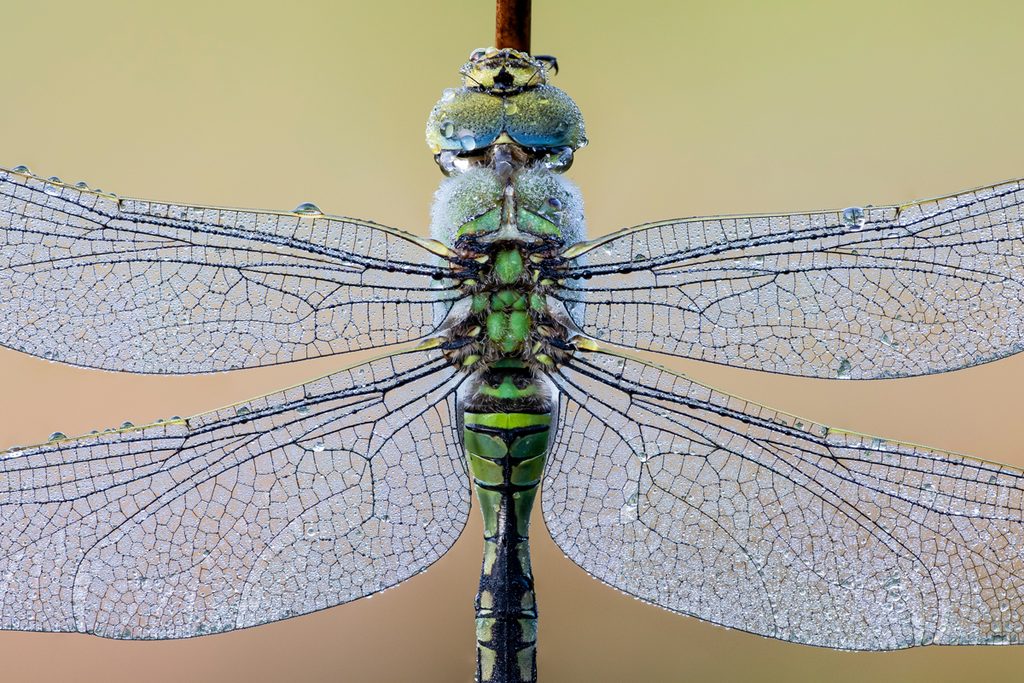
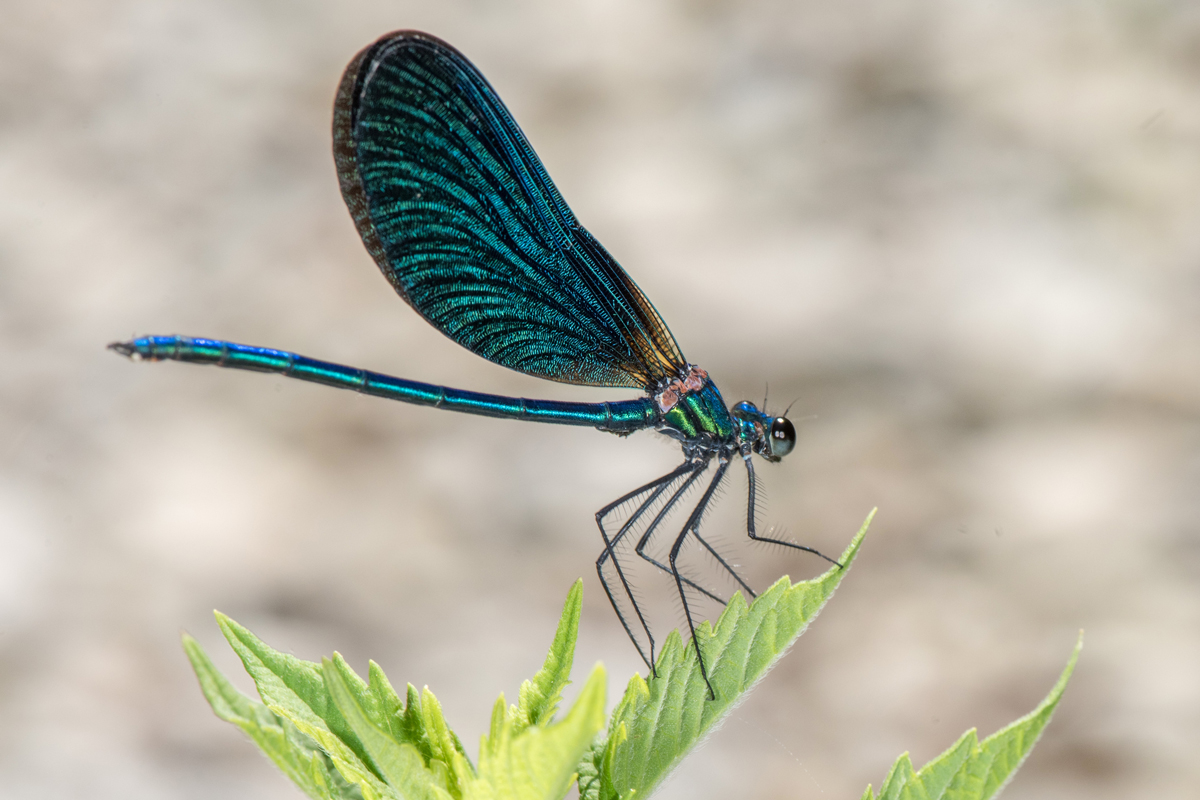
And the award for the best dramatic rejection goes to: the common hawker dragonfly. A female will simply fall to the ground and play dead if a determined male is on her tail. This typically happens after the female has already mated and is seeking somewhere to lay her eggs.
The male will hover over her motionless body for a moment before leaving, taking in the convincing performance. This tactic — known as sexual death feigning — seems to be more than a clever trick: Repeated mating attempts by aggressive males can result in females getting hurt or even drowning.
Credit: daphot75/stock.adobe.com
Koalas
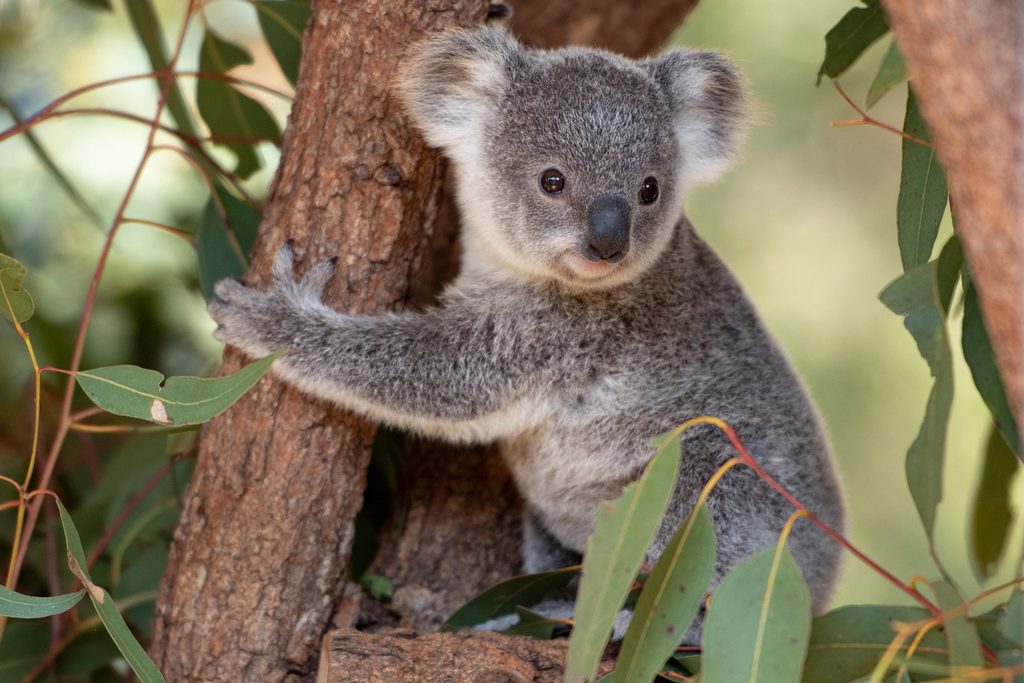
Koalas may seem cuddly and docile, but if a female isn’t interested in a male she can be extremely assertive. Females have been known to squawk, scream, wail, and snarl when rejecting a male’s attempts to mate, sometimes biting, scratching, or scrambling away in the process.
In captivity, some females have also been observed engaging in sexual interactions with other females instead. The rejected males, meanwhile, seem to have the ideal response: Go sleep it off. Koalas can spend around 18 hours a day sleeping or resting, an energy-saving habit that’s conducive to a post-rejection nap.
Credit: whitepointer/stock.adobe.com
Fruit Flies
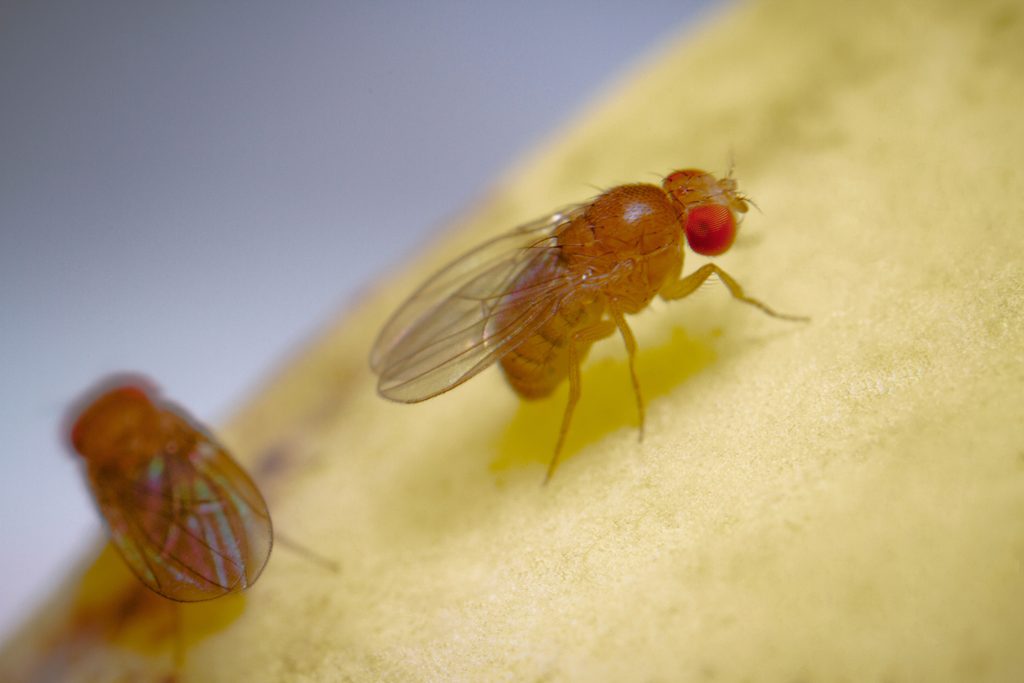
Male fruit flies hardly phone it in when they’re trying to impress a female. They perform an elaborate courtship routine, singing a song by vibrating one wing while extending it out to the female. But if she’s not feeling that (literal) romantic gesture, female fruit flies may flick their wings, kick at the male, or extend her ovipositor, the organ used to lay eggs, to let him know he can buzz off.
And if repeated rejection gets to him, well, there’s always the option of drowning one’s sorrows. In one study, rejected male fruit flies developed a stronger preference for ethanol than males that had been permitted to mate. Once the rejected males were eventually given the opportunity to mate, their taste for alcohol diminished.
Credit: juerpa68/stock.adobe.com
Frogs
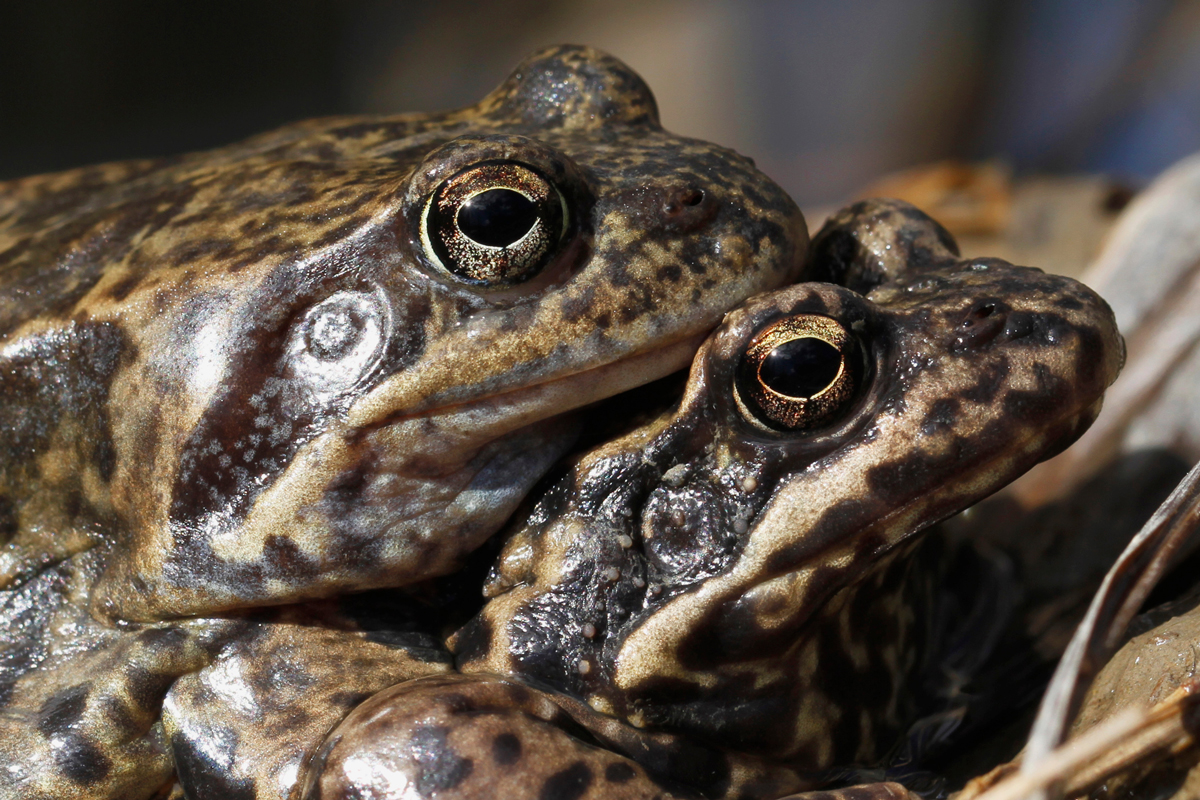
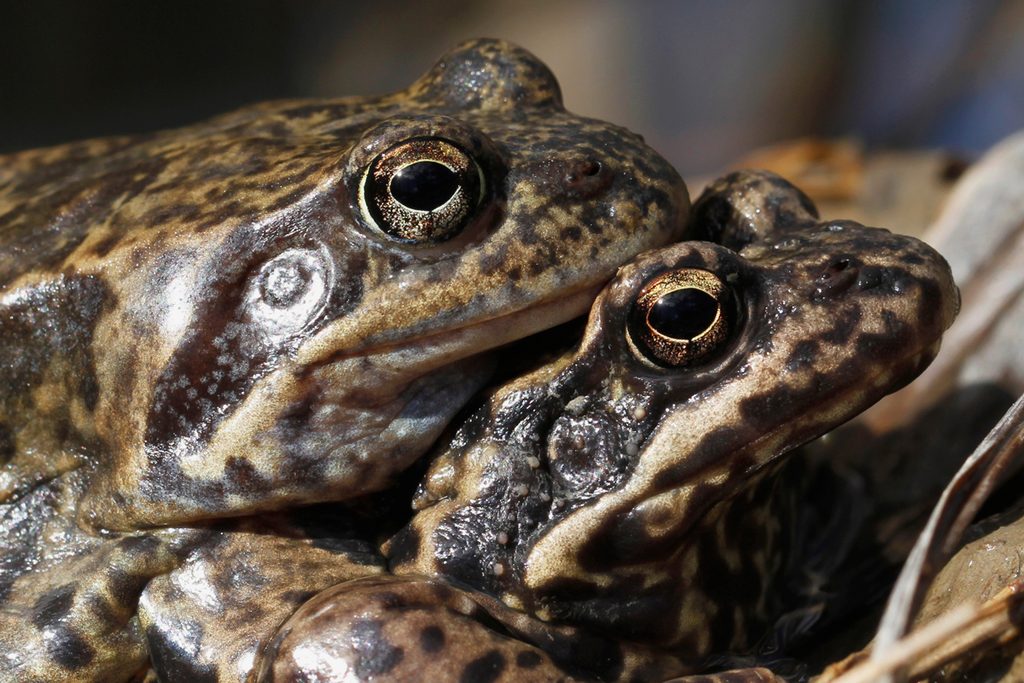
Female European common frogs have more than one way to tell an overly eager male to take the hint. When a male grabs a female, she may rotate her body, making it difficult for him to keep his grip, or she may produce a call that sounds surprisingly like a male frog’s call. And then, again, there’s the most dramatic option: playing dead.
American green tree frogs have another unusual strategy: Females can inflate their lungs in a way that changes how they hear sounds, allowing them to tune out certain frequencies. In other words, if she hears the frog equivalent of a bad pickup line, she may simply perform her own frog equivalent of covering her ears and saying, “I can’t hear you.”
Credit: Andrea Izzotti/stock.adobe.com
Octopuses
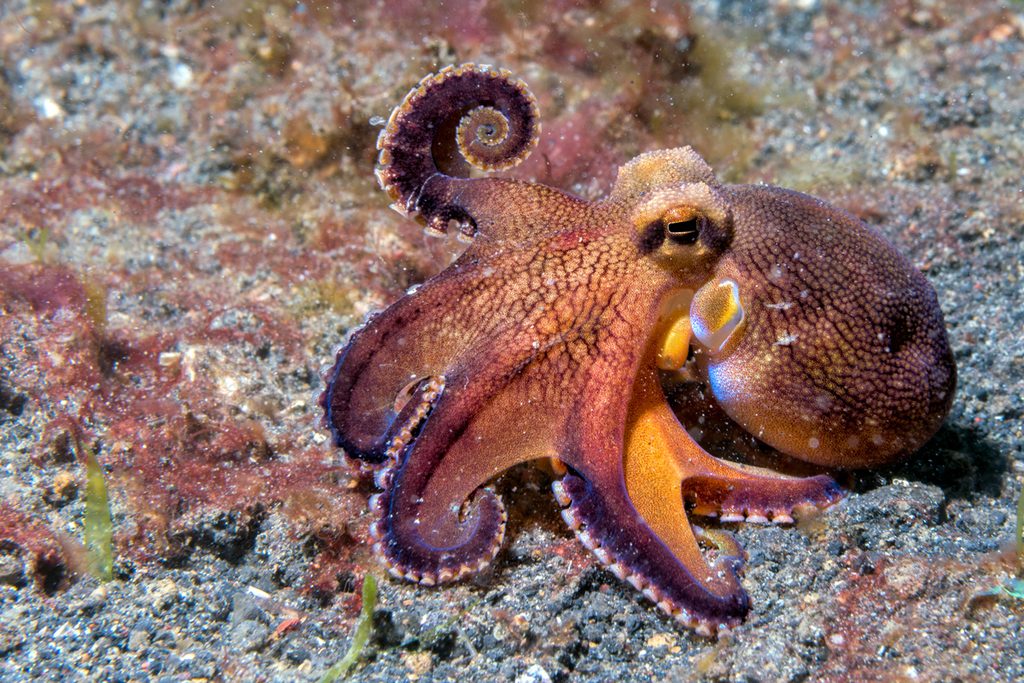
Female octopuses have a major advantage when an unwanted suitor comes calling: eight arms with which to put up a fight. Common Sydney octopuses have been observed gathering silt, shells, or other debris in their arms and launching it at nearby octopuses using jets of water. This comes in especially handy when attempting to dodge unwanted suitors.
And the ladies can be just as persistent as the men. In one observation, a female threw silt at a male 10 times, hitting him five times when he wouldn’t relent. And she wasn’t just randomly flinging debris: The throws were more vigorous and more deliberately aimed than the everyday tosses performed by octopuses when, say, cleaning their dens.
Bennett Kleinman is a New York City-based staff writer for Inbox Studio. He is also a freelance comedy writer, devoted New York Yankees and New Jersey Devils fan, and thinks plain seltzer is the best drink ever invented.
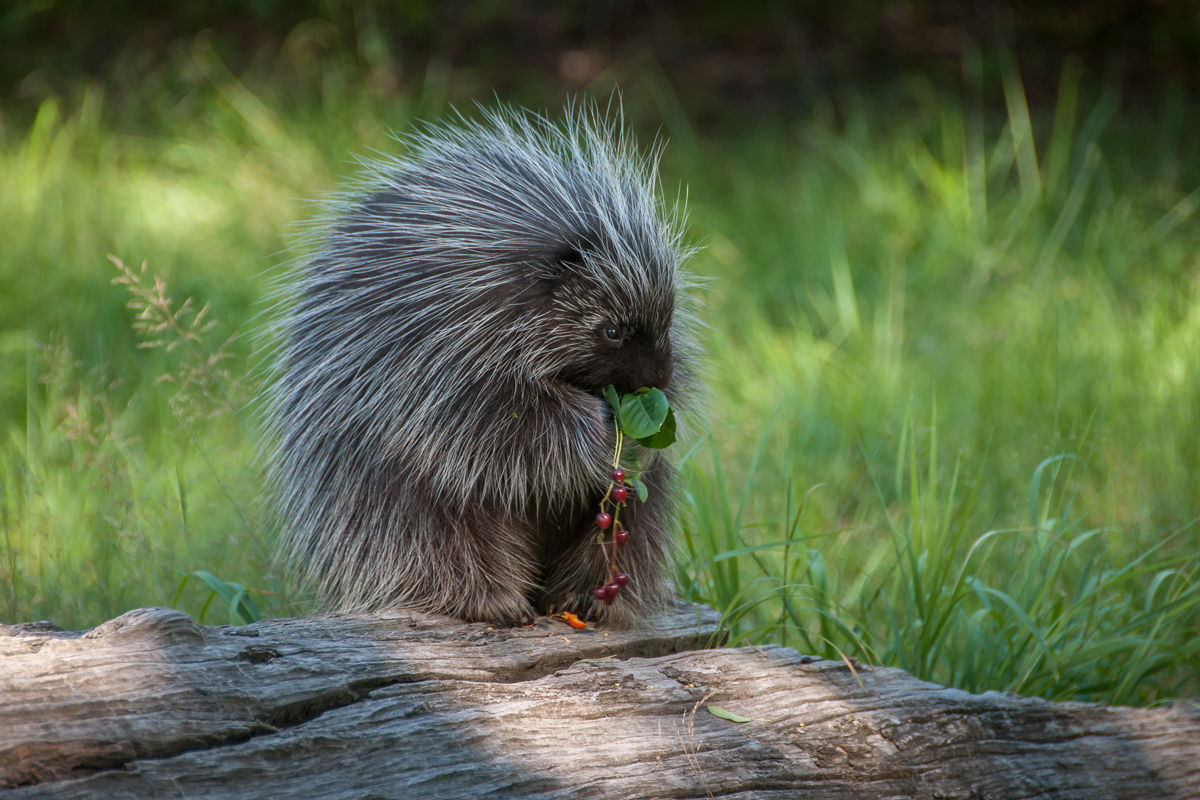
If you were to close your eyes around a bunch of sweaty gymgoers and a prickle of porcupines, you may have trouble discerning which is which. That’s because the pungent smell that emanates from the North American porcupine has been compared to human body odor, though others have also likened it to human urine, barnyard goats, or exotic cheese.
Porcupines produce the offputting fragrance from a patch of skin near their tails called the rosette, containing sebaceous glands that secrete the downright rank aroma. While the musk is present at all times, you normally wouldn’t get close enough to notice it — unless you want a face full of quills. The odor, which is used as a defense mechanism to ward off predators, gets noticeably stronger when porcupines feel threatened. That said, there’s no telling how porcupines would smell if they started lifting weights or running on treadmills.
Advertisement
7 Weird Animal Smells (And Why They Exist)
Across Species 30/09/26Sep. 30, 2026
Updated 30/09/26Sep. 30, 2026
Credit: creativenature/stock.adobe.com
Tony Dunnell
Author
Tony is an English writer of nonfiction and fiction living on the edge of the Amazon jungle.
Smell is one of nature’s most underrated tools. It can ward off predators, attract mates, aid in communication, and mark territory. And occasionally, of course, it’s simply the result of a potent diet we humans certainly couldn’t stomach.
Some of those odors are so noxious they’re unbearable to be around. Others are surprisingly — and perhaps almost suspiciously — pleasant. Here we sniff out seven of the strongest and strangest smells in the animal kingdom and the very specific reasons why each one exists.
Credit: Martin Harvey/Alamy
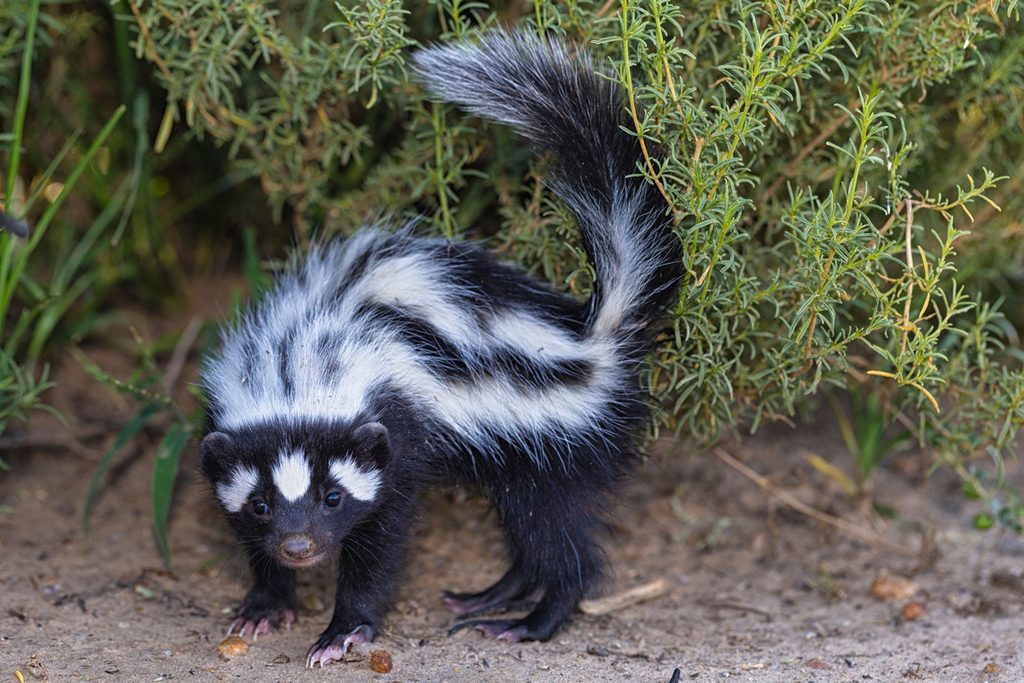
The Zorilla’s Stinky Spray
The striped polecat, also known as the zorilla or zorille, has earned the nickname “African skunk” for good reason. This black-and-white striped member of the weasel family isn’t related to the skunk, but it may well out-stink its more famous counterpart.
Its anal glands produce a sulfurous, eye-watering spray capable of temporarily blinding unfortunate predators. Since zorillas are relatively slow and unable to outrun most predators, this extreme deterrent serves as their primary defense — and also makes them contenders for the title of Earth’s smelliest animal.
Credit: creativenature/stock.adobe.com
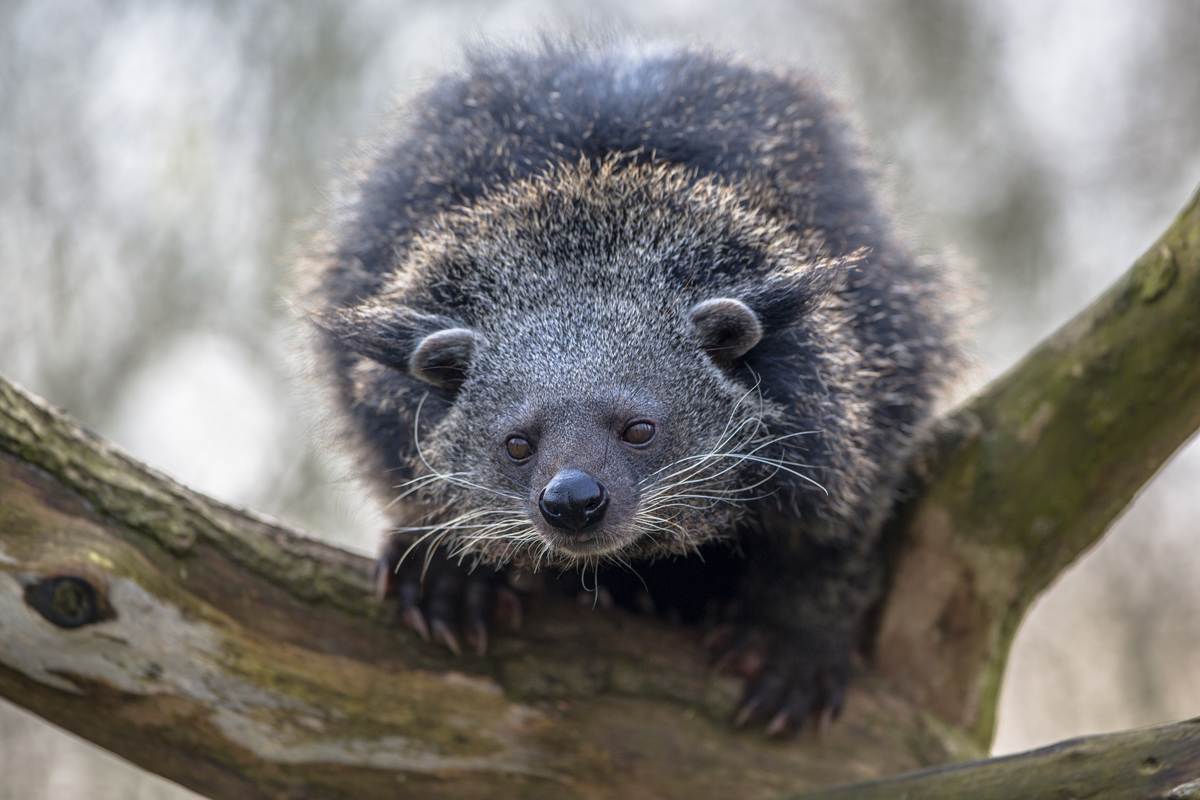
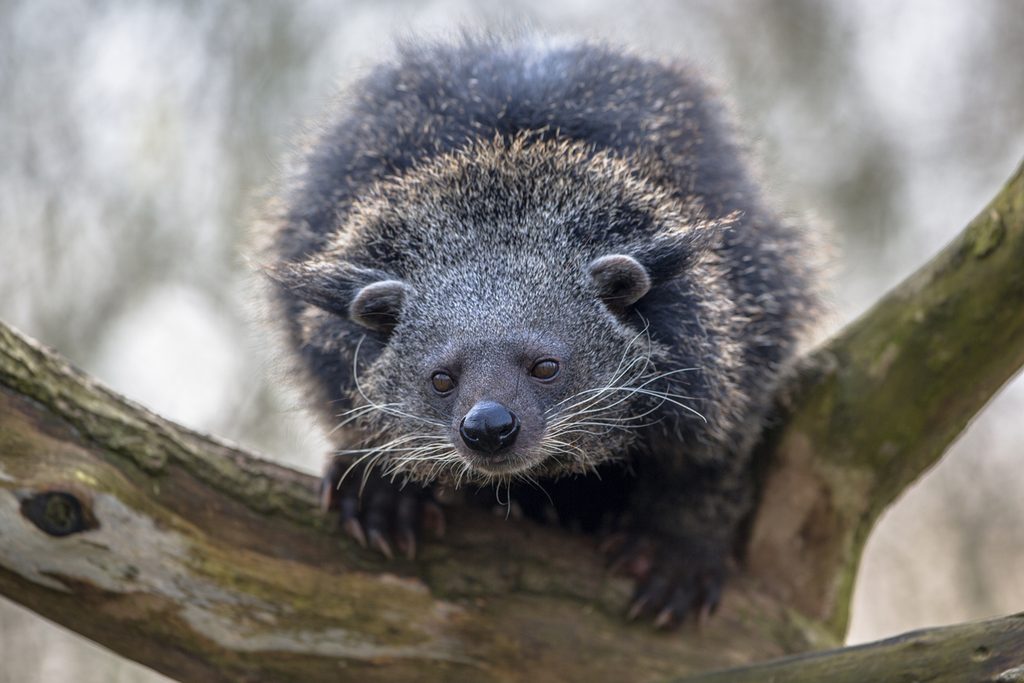
The Popcorn-Scented Binturong
Binturongs, also known as bearcats (an appropriate name given their appearance), are strange, tree-dwelling mammals native to South and Southeast Asia. With their short legs, shaggy coats, long tails, whiskers, and rounded ears, they’re quite adorable — and they also happen to smell like buttered popcorn.
This distinctive, genuinely pleasant scent comes from a compound called 2-acetyl-1-pyrroline, the same chemical responsible for the aroma of popcorn and baked bread. The compound is also contained in binturong urine, which they use to scent-mark their territory.
Credit: Miguel/stock.adobe.com
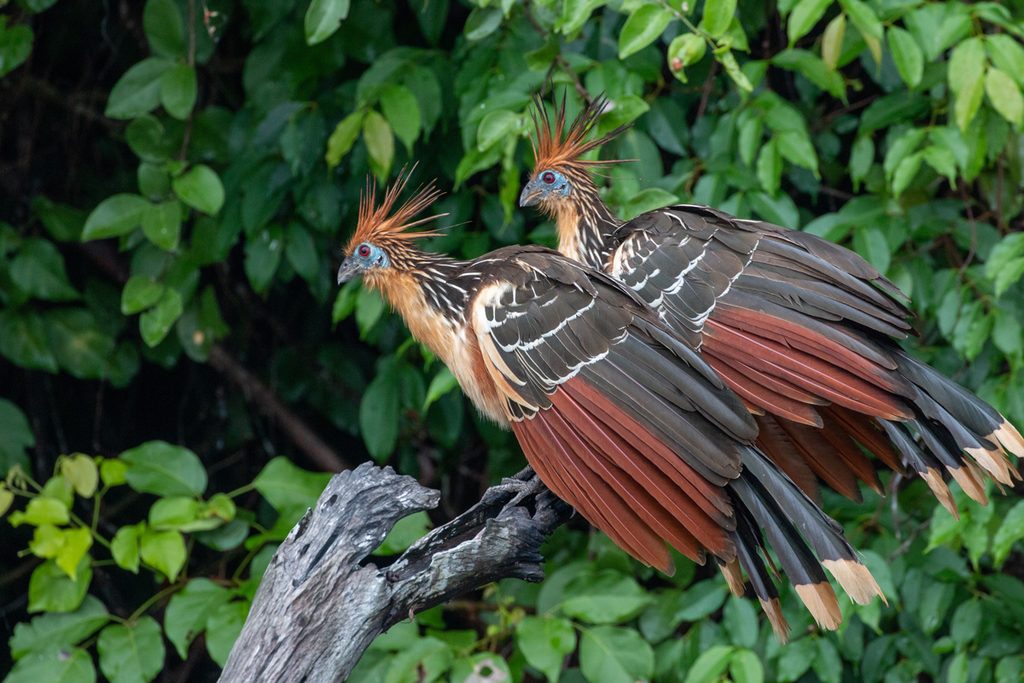
The Infamous Stinkbird
Hoatzins are widely regarded as one of the most peculiar birds in the Amazon. With their unfeathered blue faces, fan-shaped tales, and expressions of permanent surprise, these clumsy birds certainly aren’t the prettiest things in the forest. They also stink of manure, hence the nickname “stinkbird.”
The hoatzin has a digestive system that includes a specialized chamber containing bacteria that helps ferment and break down the leaves on which they feed. This process produces a strong odor that at best smells like sweet hay and at worst like cow manure.
Credit: Sumiko Scott/stock.adobe.com
The Bees That Go Bananas
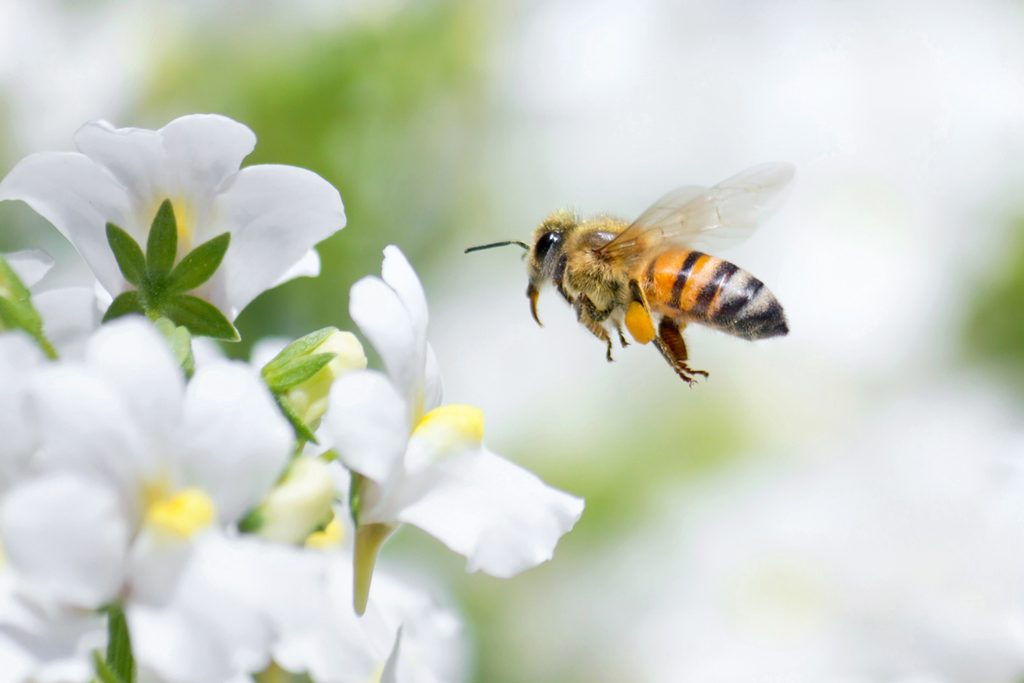
When a honeybee feels threatened, it releases a chemical alarm signal that smells strikingly like ripe bananas. The compound responsible for this, isopentyl acetate — the same one used in artificial banana flavoring — acts as a rallying cry, alerting nearby worker bees to swarm and defend the hive. Beekeepers have learned to take this seriously enough that many avoid eating bananas or using banana-scented lotions and sunscreens before opening a hive, since the smell alone can trigger a defensive response.
Credit: Bouke/stock.adobe.com
The Beaver’s Vanilla Musk
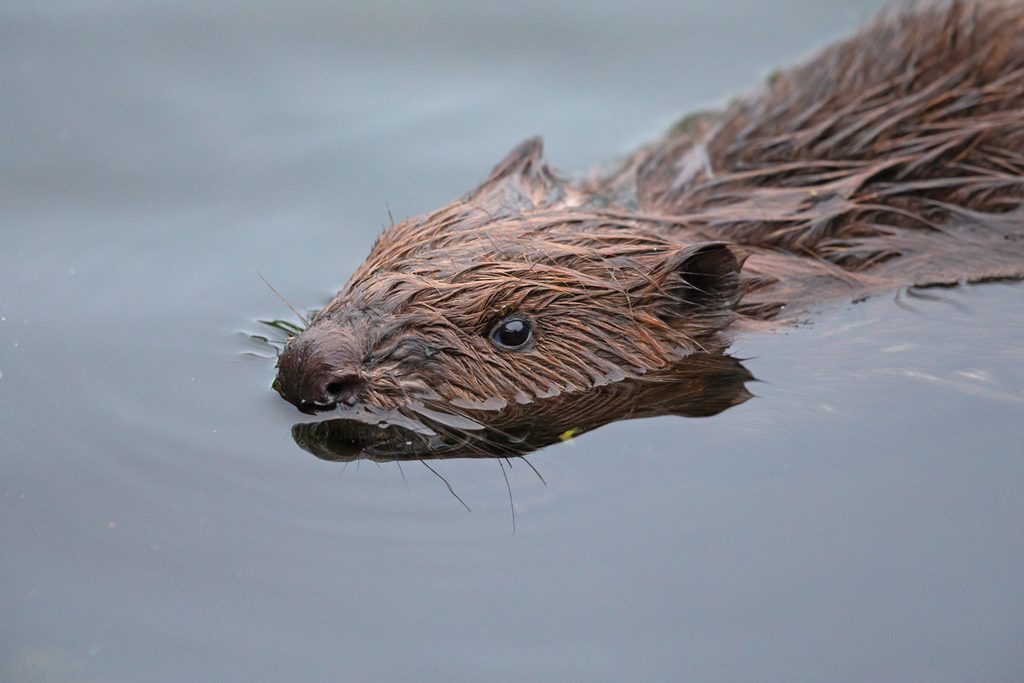
Beavers mark their territory using a musky secretion called castoreum, a yellow, syrupy substance released from scent glands near the base of their tails. The compound carries a surprisingly pleasant, vanillalike aroma — a sweetness easily detectable by nearby humans.
According to a popular internet myth, beaver castoreum is used as a flavoring in everything from ice-cream to oatmeal. But while castoreum has been used historically for medicinal purposes and to add flavor and aroma to foods and perfumes, it now only appears in rare, niche artisanal products — so you don’t need to worry about anal glands in your Ben & Jerry’s.
Credit: mariusltu/stock.adobe.com
The Millipede’s Almond-Scented Defense
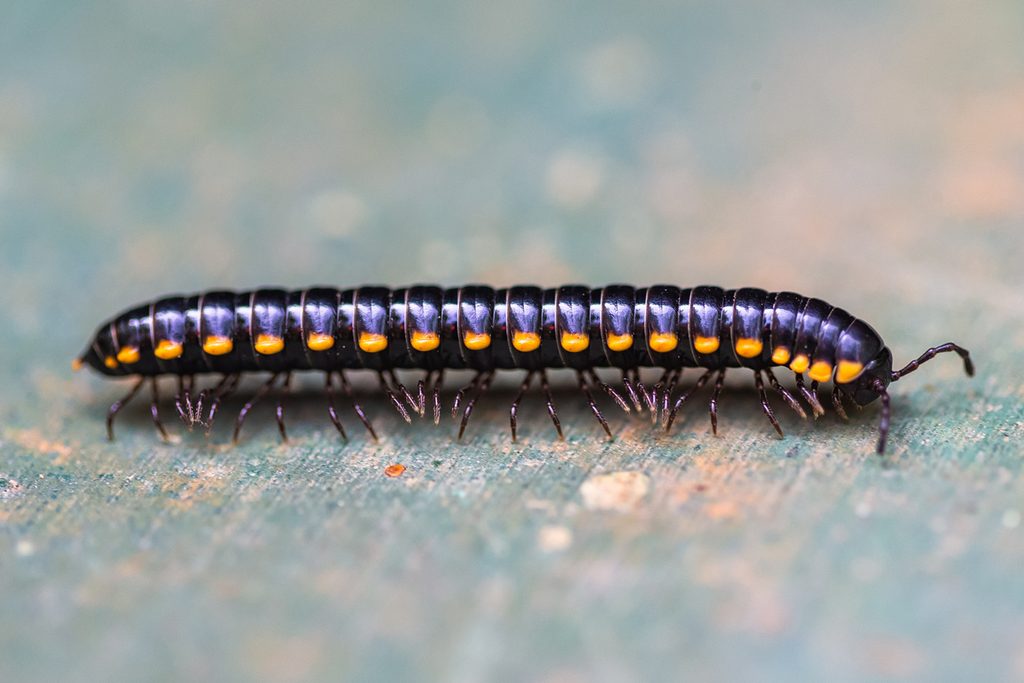
Yellow-spotted millipedes defend themselves by curling up into a spiral and secreting a liquid containing hydrogen cyanide. This dangerous substance is strong enough to kill insects and birds and can cause a painful reaction in curious dogs and careless humans. Despite its fearsome nature, hydrogen cyanide actually smells quite nice — it’s typically described as having an aroma similar to that of roasted almonds.
Credit: Getty Images/Unsplash.com
Your Dog’s Frito Feet
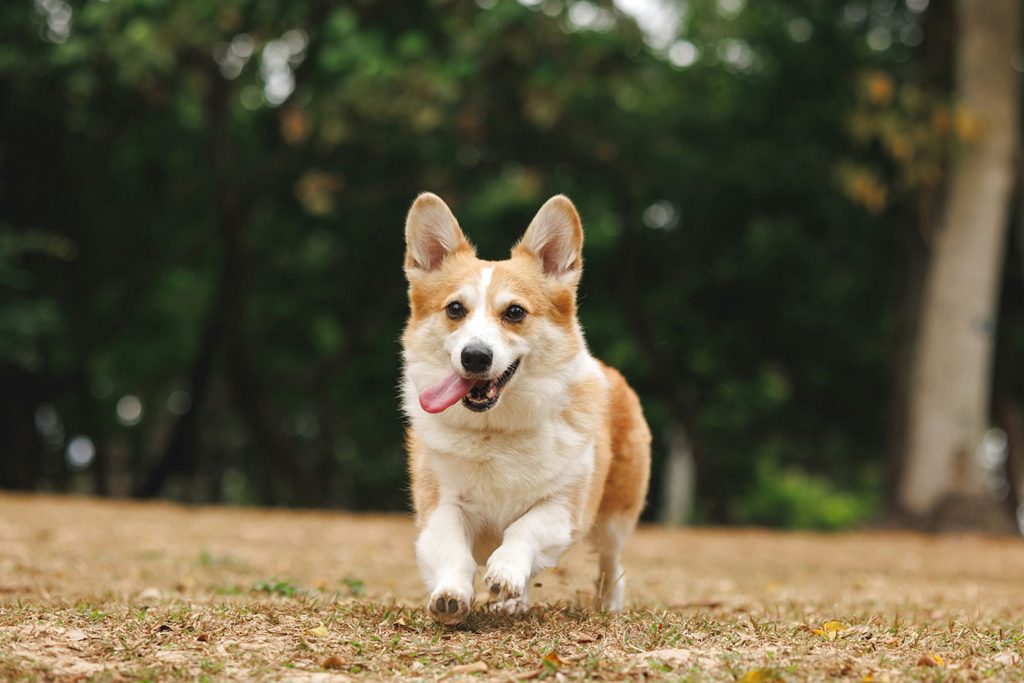
Plenty of dog owners have discovered, either by accident or because of viral internet posts, that their pet’s paws smell distinctly like corn chips. The scent, affectionately known as “Frito feet” (in reference to the smell of corn chips), comes from naturally occurring bacteria known as pseudomonas and proteus.
It’s nothing to worry about and certainly won’t bother a dog. As for any humans who aren’t on board with the chip smell, the advice is simple: Stop sniffing your dog’s feet.
Michael Nordine is a Senior Staff Writer at Britannica, where he writes the newsletter Movie Brief. He grew up with eight cats and would like to see a Komodo dragon in the wild one day.
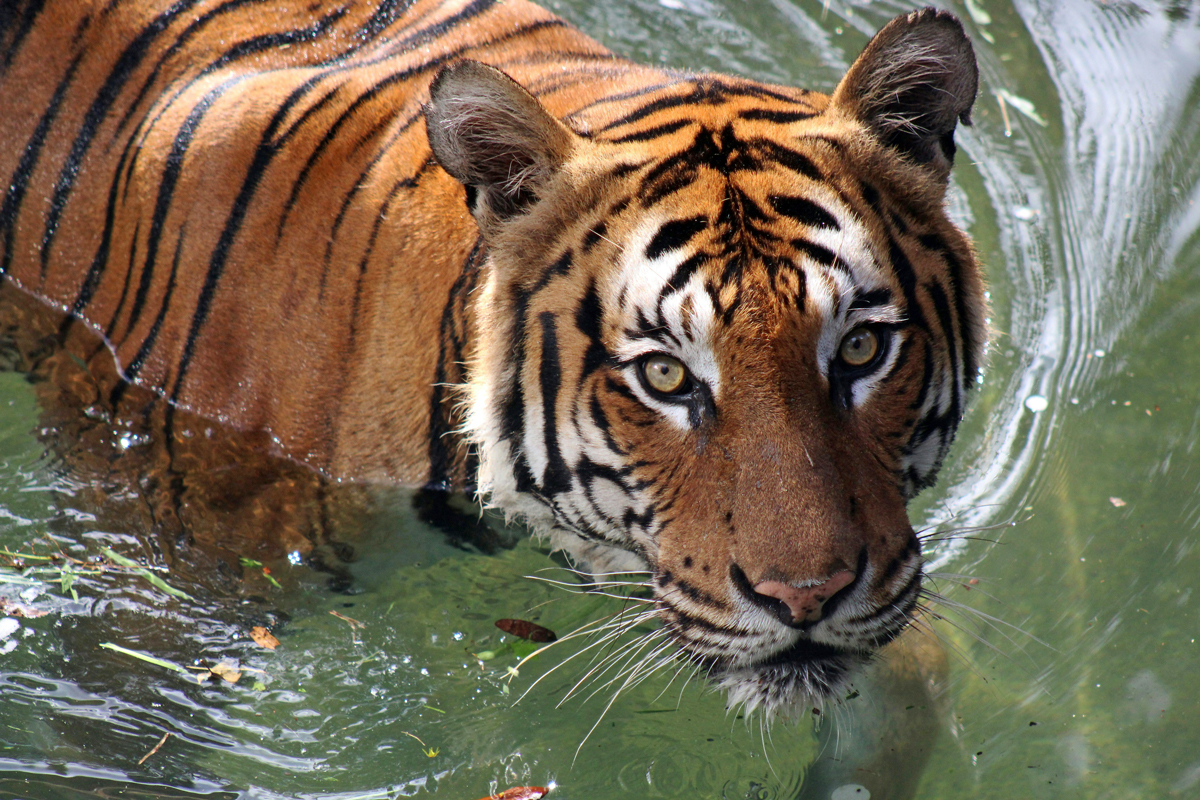
A tiger can’t change its stripes, and with good reason: The stripes are imprinted on their skin, not just their fur, which is embedded with pigmented hair follicles. A tiger’s stripes are also as unique as human fingerprints, with no two tigers having the same markings; even identical twin siblings have different stripes.
Other striped animals, such as zebras and hyenas, only have striped fur. A tiger’s stripes act as camouflage of the “disruptive coloration” variety, meaning the sharp contrast between orange and black make it difficult for prey to discern a tiger’s shape and body outline as they’re being stalked. Snow leopards, an equally imposing (and majestic) big cat, also have spots on the skin beneath their fur.
Tony is an English writer of nonfiction and fiction living on the edge of the Amazon jungle.
Author Jeffrey Moussaieff Masson once wrote, “The idea, to a cat, that somebody else owns him is ludicrous.” This attitude undoubtedly applies to many of our beloved house cats, those of a supposedly domesticated nature. And it’s certainly true of the world’s wild cats — the big, the small, the in-between — who roam our world freely, with barely a hiss or a scratch reserved for us trivial, silly humans.
Many of these feline species are well-known to us, particularly the iconic big cats — lions, tigers, leopards, cheetahs, and jaguars. But our planet is also home to a wide array of smaller and highly specialized species that many people have never even heard of, let alone seen. Here are six of them, including a diminutive hunter with outsized skills and a cat with a serious resting grumpy face.
Credit: Luk/stock.adobe.com
Rusty-Spotted Cats
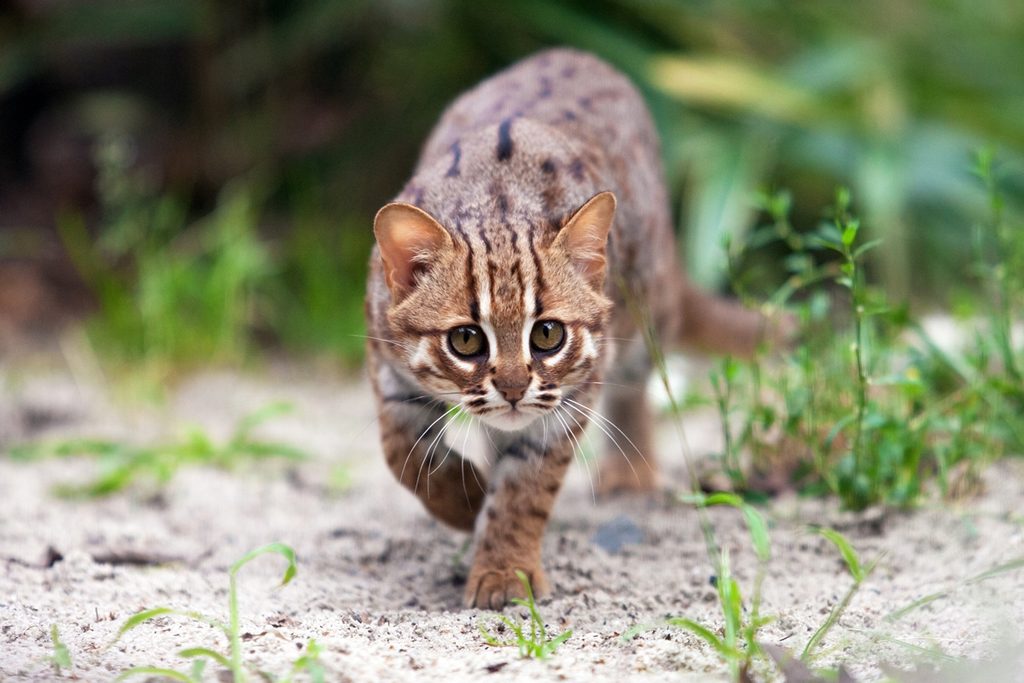
The rusty-spotted cat is widely considered the smallest wild cat species on Earth. Weighing as little as 2 to 3 pounds (a typical house cat weighs 8 to 12 pounds), it’s small enough to easily fit in a cupped human hand.
Native to India, Sri Lanka, and Nepal, this tiny feline is a nocturnal hunter that preys on birds, rodents and the occasional frog or lizard. Their size, speed, and cautious nature make sightings in the wild rare, and relatively little is known about their behavior. And when they are sighted, they’re often mistaken for baby leopards due to their spotted coats.
Credit: wildarun/stock.adobe.com
Flat-Headed Cats
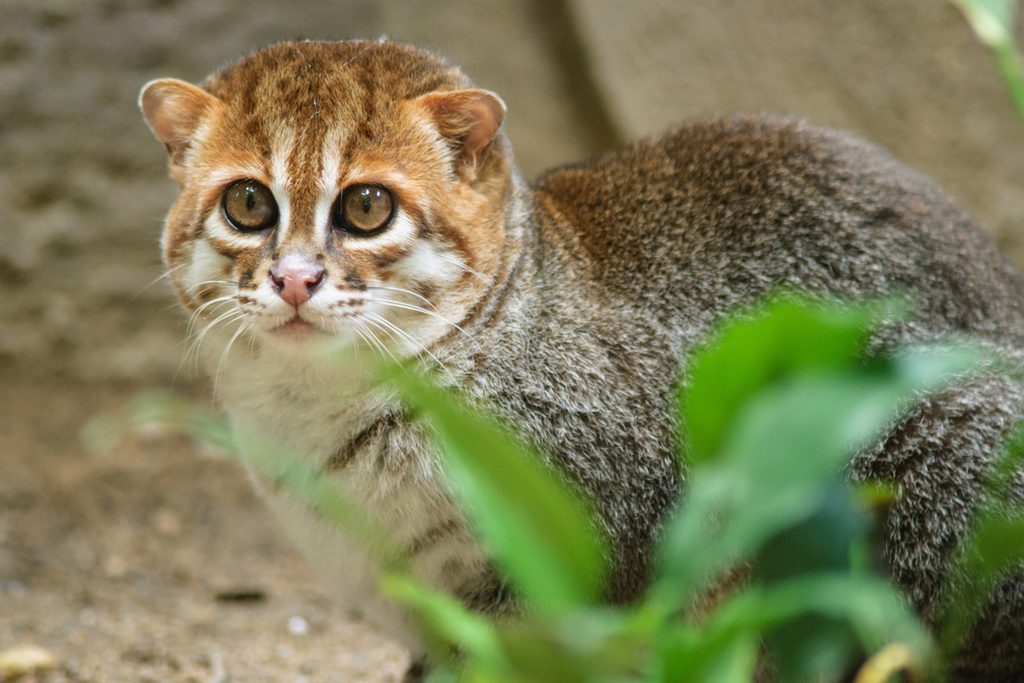
Among the rarest and strangest cats alive, the flat-headed cat has evolved almost entirely around a life spent in the wetlands of Borneo, Sumatra, and Malaysia. This semi-aquatic cat has partially webbed feet to help it get around in wet and muddy environments, while its unique dental structure — with molars that are larger and sharper than those of other wild cats — are designed for keeping a tight bite on slippery prey including fish and frogs. Unlike house cats, which tend to stare at water in baffled contemplation, flat-headed cats have been observed washing food and objects in water, much like a raccoon.
Credit: slowmotiongli/stock.adobe.com
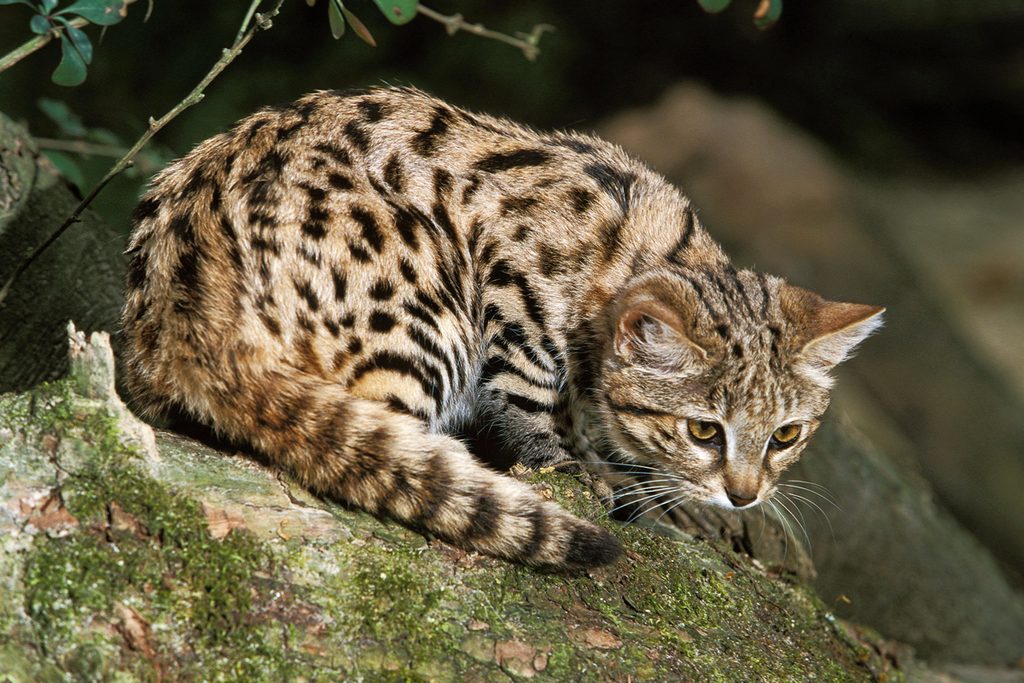
Black-Footed Cats
The black-footed cat — named for its black paw pads — is the smallest wild cat species in Africa. But don’t let its diminutive size fool you: It’s often cited as the world’s deadliest cat in terms of kills as well as one of Earth’s most efficient predators.
Its hunting success rate — which includes prey larger than itself — is an impressive 60%, significantly higher than that of a lion or tiger. Part of its success lies in its nocturnal nature and the fact that it spends up to 70% of the night hunting.
Credit: Luciana/stock.adobe.com
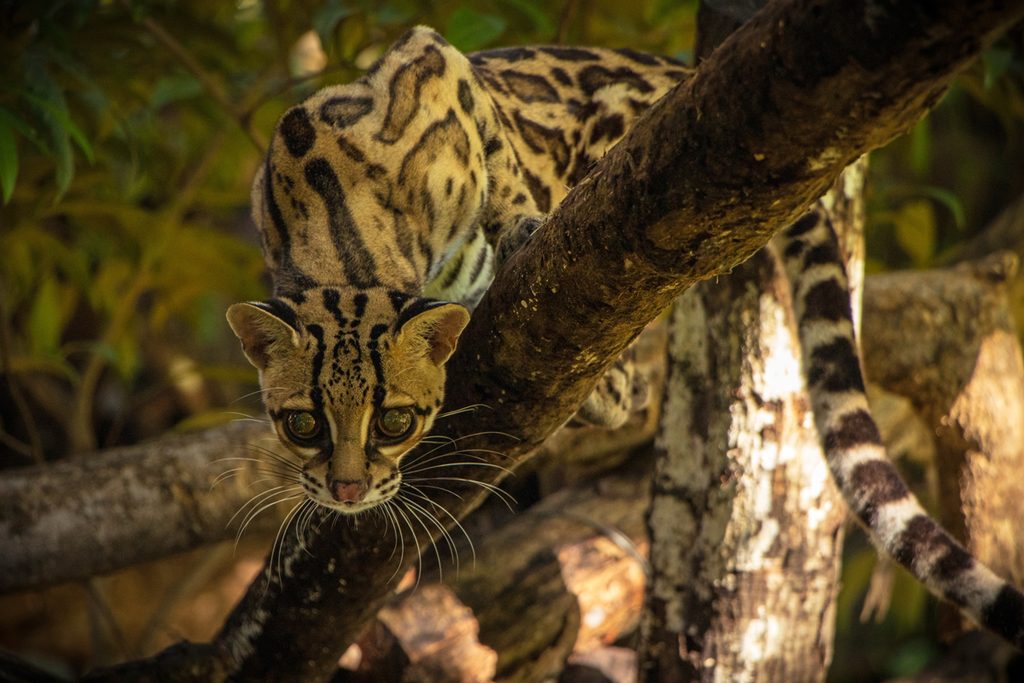
Margays
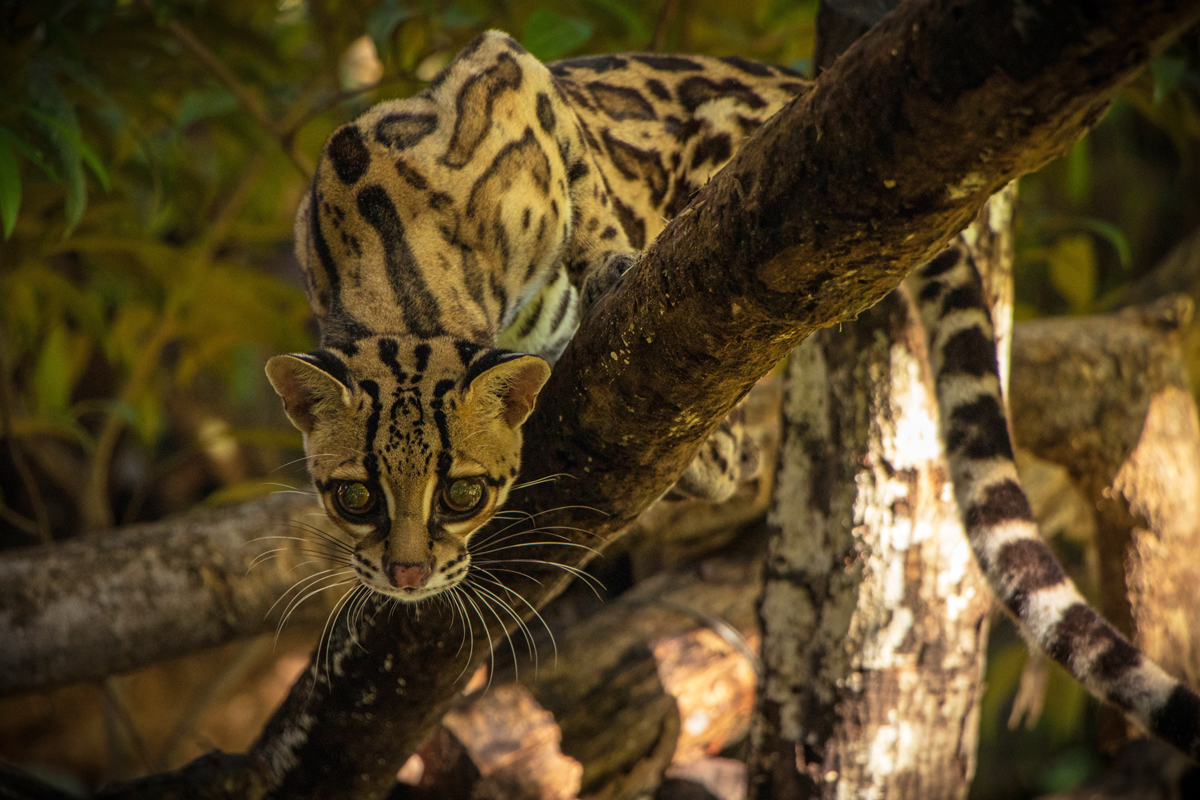
The margay is a beautiful, big-eyed, spotted feline that also happens to be one of the most acrobatic cats in the world. Native to Mexico, Central and South America, it spends its time in forests — an environment to which it has become incredibly well adapted.
In addition to its extra-long tail, which acts as a vital counterbalance when jumping, it’s also capable of rotating its ankles a full 180 degrees, allowing it to climb down tree trunks headfirst, hang from branches using a single hind foot, and climb along horizontal branches upside-down. This cat has also been observed engaging in a crafty act of vocal trickery in which they mimic the call of a small monkey known as a pied tamarin, apparently in an attempt to lure the monkeys into striking distance.
Credit: Luis D Romero/Shutterstock
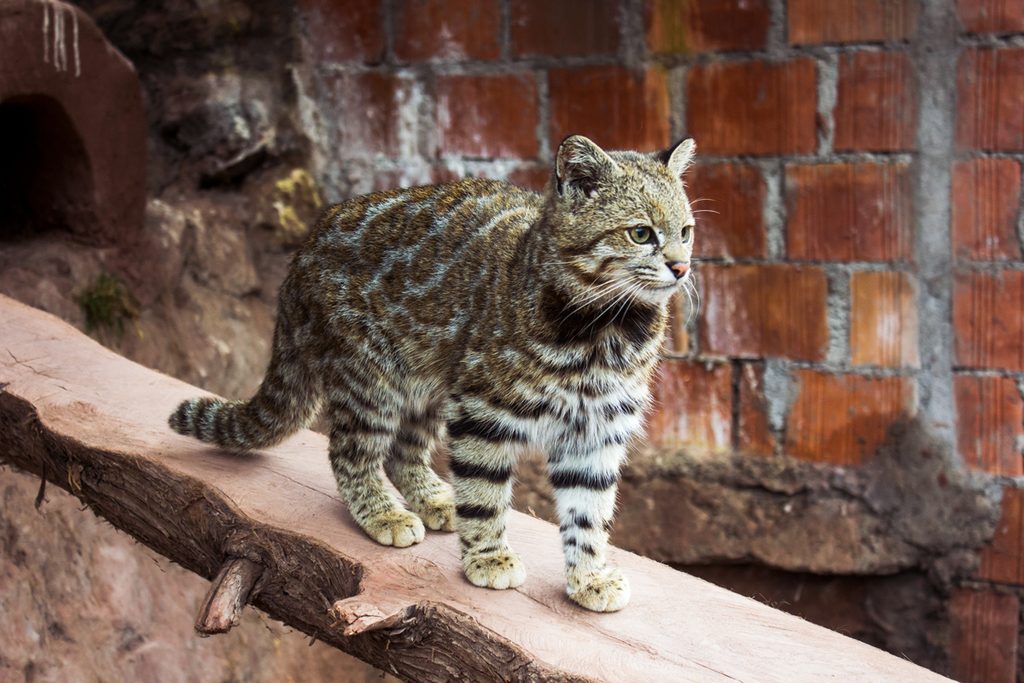
Andean Mountain Cats
These mountain cats, known locally as the “ghosts of the Andes,” are some of the rarest and most beautiful cats in the world. They live at high altitudes, typically between 10,000 and 16,000 feet, in the mountainous and sparsely vegetated terrain of the Andes, where they prey primarily on viscacha — large and quite adorable South American rodents similar to chinchillas.
With their long, soft, silvery-gray fur, black stripes, and thick tails, Andean mountain cats — which are about twice the size of a domestic cat — are among the most huggable-looking cats in the world. They are, however, highly elusive, with an estimated population of fewer than 2,500 mature individuals.
Credit: vladislav333222/stock.adobe.com
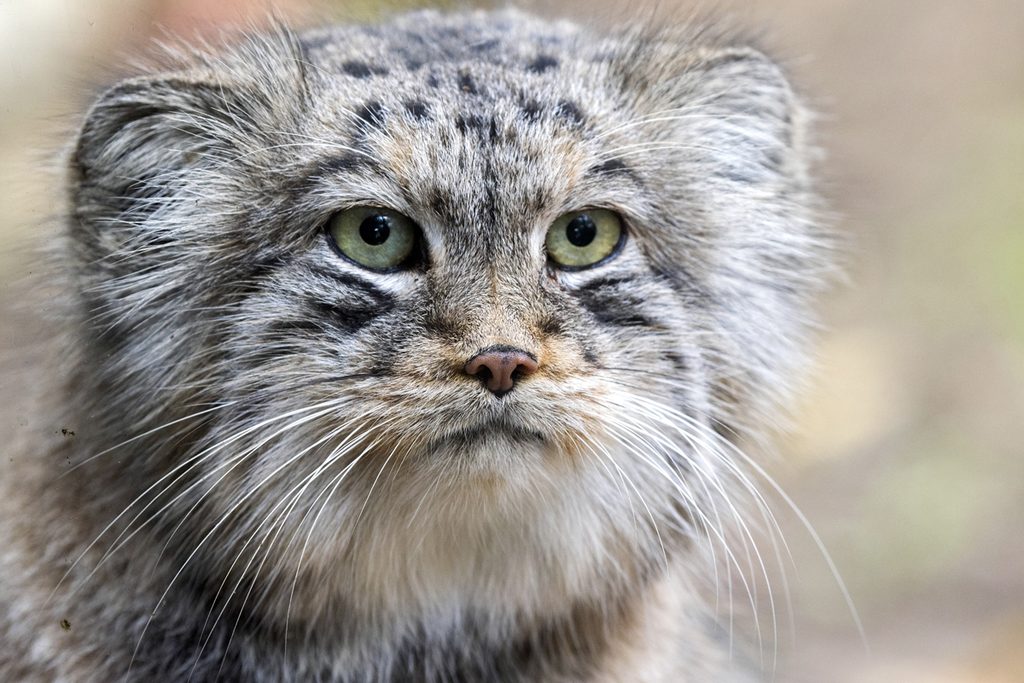
Pallas’s Cats
The Pallas’s cat, also known as the manul, is about the size of a house cat but appears much larger thanks to its incredibly long and dense light grey fur. That fluffy coat helps keep it warm in the harsh mountains of Central Asia, where temperatures can plunge to -50 degrees Fahrenheit.
Pallas’s cats don’t meow. Instead, they emit honks, growls, and chirps when they need to communicate with each other — which tends to be a rare event, as they are highly solitary creatures. They also have a growing reputation for being just about the grumpiest-looking cats around, thanks to their perpetually sullen, cranky expressions that make them look highly unimpressed even by cat standards.
Bennett Kleinman is a New York City-based staff writer for Inbox Studio. He is also a freelance comedy writer, devoted New York Yankees and New Jersey Devils fan, and thinks plain seltzer is the best drink ever invented.
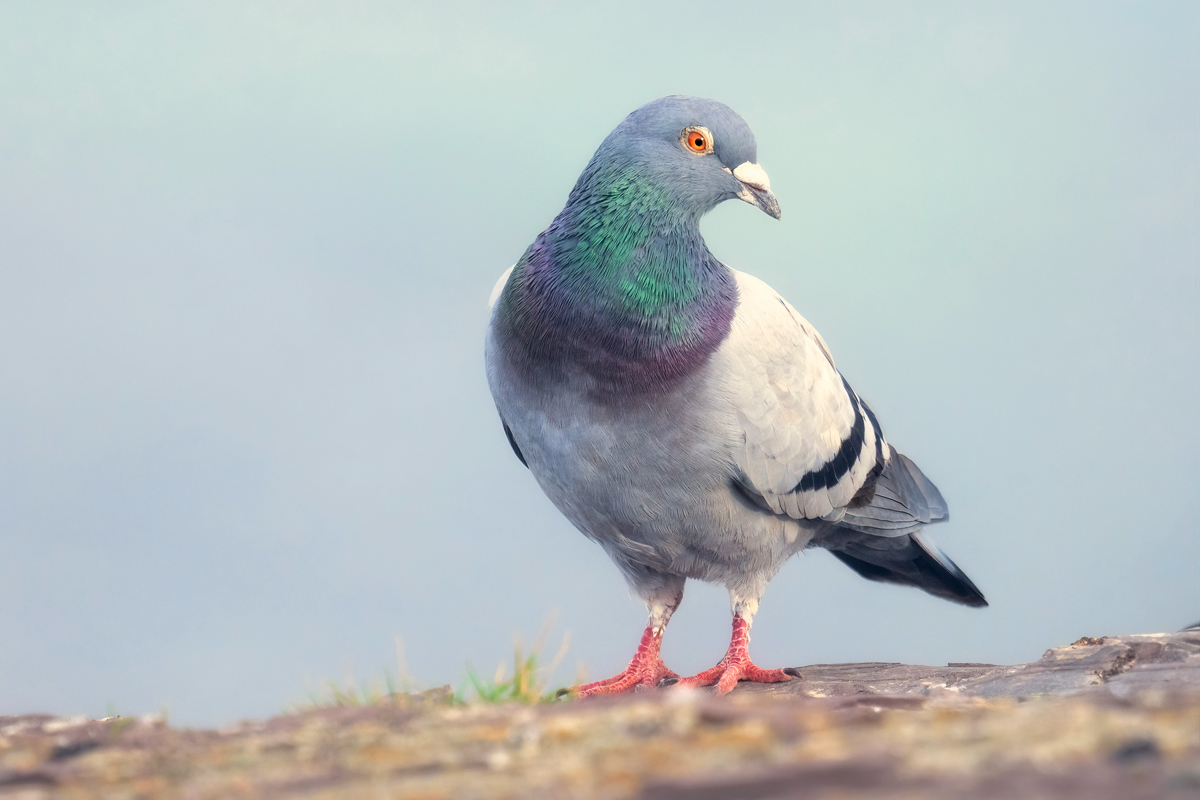
If you ever see a pigeon wandering the halls of the Met, it’s likely it flew in from the outside and got lost. However, the pigeon may also be there to admire the museum’s world-class paintings, as these birds can be trained to recognize and discern between different artistic styles.
In 1995, a team at Japan’s Keio University led by professor Shigeru Watanabe examined this behavior. They showed 10 cubist works by Pablo Picasso and 10 impressionist pieces by Claude Monet to two groups of pigeons, rewarding one group with food if they pecked upon seeing a Picasso and the other for reacting to a Monet. Watanabe eventually deduced that the groups could pick out paintings in whichever style earned them treats with impressive accuracy. The pigeons continued to display an ability to discern between artworks when they were later shown pieces by other artists in each genre.
Advertisement
6 Animals That Create Their Own ‘Art’
Across Species 30/09/26Sep. 30, 2026
Updated 30/09/26Sep. 30, 2026
Credit: serge/stock.adobe.com
Nicole Villeneuve
Author
Nicole is a writer, editor, and researcher with over 15 years experience covering arts and culture, lifestyle, and media. Her work has also appeared in PureWow, Brit + Co, Exclaim, AUX TV, and CBC. She lives in Ontario, Canada.
Humans have spent plenty of time teaching animals to perform specialized tasks such as painting. But while some animals have been taught to make art, others seem to have it figured out without any human instruction at all.
Across the animal kingdom, creatures are able to build, weave, and arrange with impressive precision. They’re not necessarily making art for art’s sake; their creations are usually designed to attract a mate, catch prey, or provide shelter.
Still, some of the finished products are hard not to admire. Here are six animals that create their own “art” in the wild.
Credit: 169169/stock.adobe.com
Bowerbirds
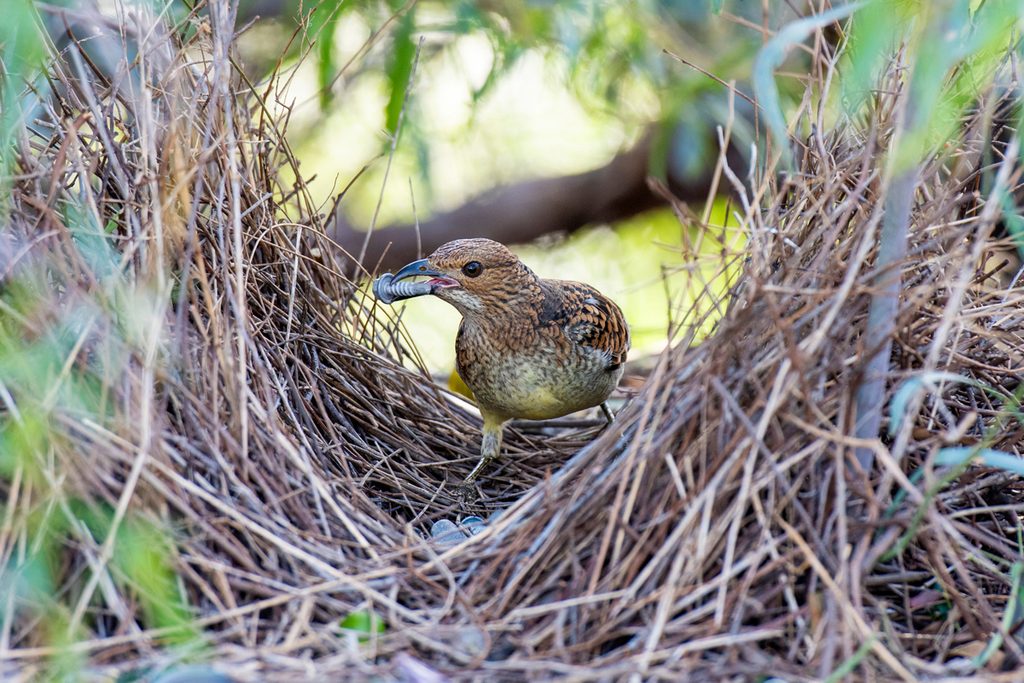
A male bowerbird with a particular eye for style may spend hours decorating his bower, an elaborate domed tunnel made of twigs and grass that’s used to attract potential mates. Some bowers may be surrounded by feathers, shells, stones, flowers, or bones, while other bowerbirds gravitate to less natural materials such as colorful plastic bottle caps or straws.
Great bowerbirds are especially particular about their arrangements. Males place objects in carefully graded sizes that create a forced-perspective illusion when viewed from the bower’s entrance. Research suggests this isn’t just a work of art, but an optical illusion that’s carefully engineered to make the male bower look bigger and more impressive to potential mates.
Credit: Scott/stock.adobe.com
Humpback Whales
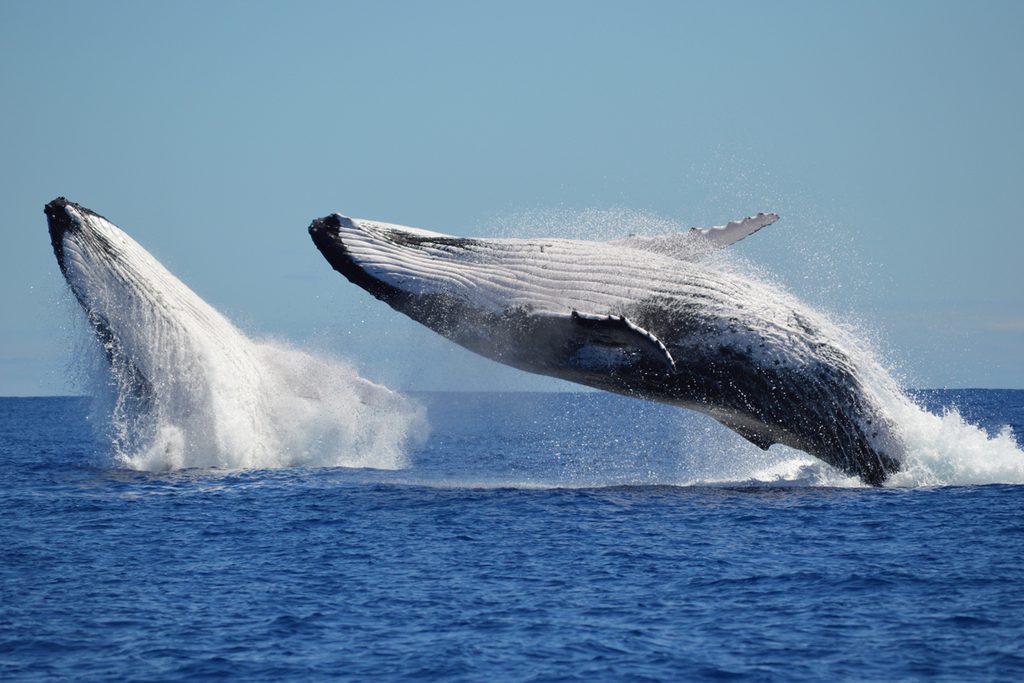
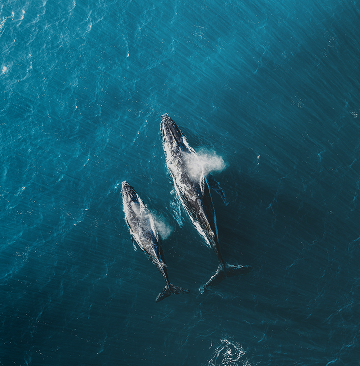
Humpback whales are filter feeders who eat mostly krill and small fish. They use several techniques to herd and corral prey, including turning the surrounding water into a swirling work of art. The whale — or often a group of whales working together — swims in a circle beneath a school of fish while releasing a stream of bubbles from their blowholes, stunning and trapping the fish close to the surface.
The whale then swims through the middle of the bubble ring with its mouth open and feasts. It’s called bubble-net feeding, and although the visual results are fleeting, they can be quite striking, forming circles and spirals in changing shapes and sizes.
Credit: Анна Перфилова/stock.adobe.com
Pufferfish
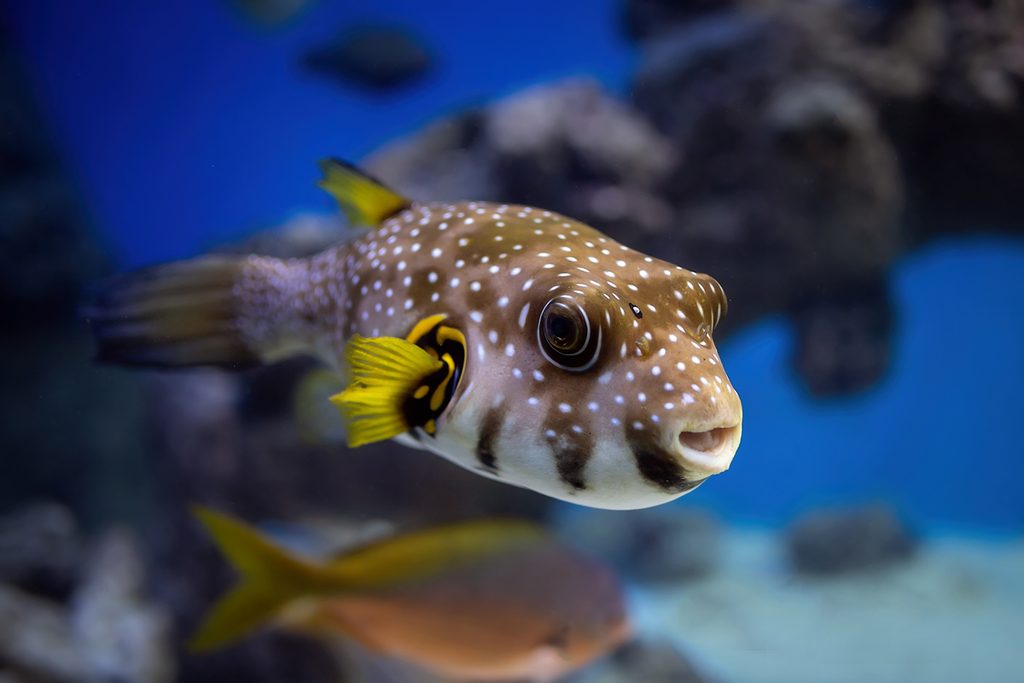
On the seafloor off the coast of southern Japan, intricate geometric patterns appear in the sand. These mesmerising, if ephemeral, concentric circles and radiating grooves are the work of the male white-spotted pufferfish, designed to attract a female for mating and, eventually, to serve as a nest for their incubating eggs.
The pufferfish is only about 5 inches long, yet it works diligently over the course of about a week, using its fins and body to meticulously sculpt the 6-foot-wide design. And it’s more than just pretty: The circular design appears to help move fresh water toward the center of the nest, helping to create favorable conditions for developing eggs.
Credit: SBM Creatives/stock.adobe.com
Baya Weavers
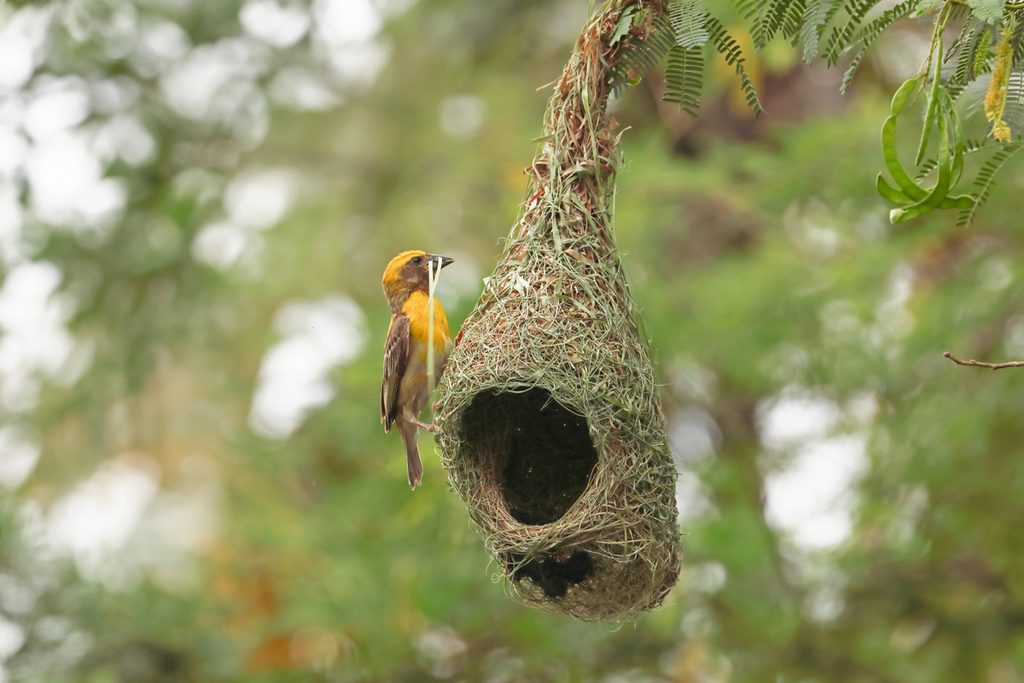
Building a nest is one thing; building one that hangs from the end of a branch like an ornament is quite another. Male baya weavers collect long strands of grasses and other plant fibers that they then weave and knot together with their beaks. There are more than 100 species of weaver birds, most of them found in Africa and Asia, and many are known for their intricate nest building.
Males will often hang upside down while carefully building the works of art, which have a rounded chamber and a long entrance tube. The construction is also part of the courtship: A well-built nest ultimately provides a place to raise offspring, but it may also help to convince a mate that the builder himself is smart and capable.
Credit: glebantiy/stock.adobe.com
Paper Wasps
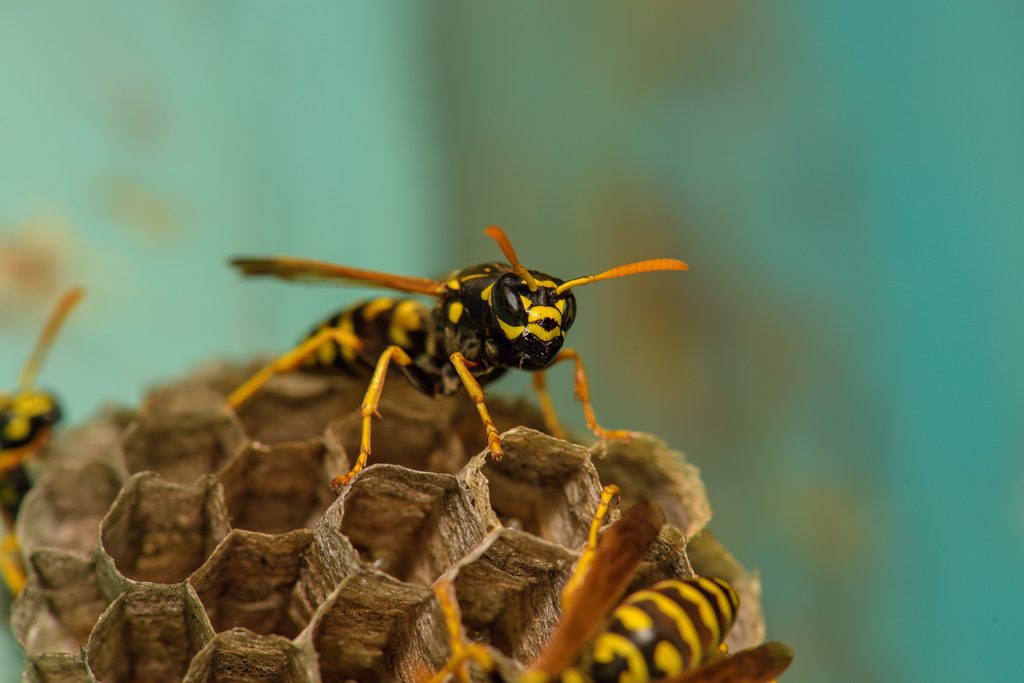
Before paper wasps can build a nest, they have to make the paper. Workers scrape fibers from wood and plant stems, chew the material into a pulp, and mix it with saliva. Once deposited and dried, the resulting material becomes a lightweight paperlike substance that the colony uses to construct its nest.
It’s not only an architectural feat, but quite a sight too: Rows of hexagonal cells form the brood comb, an umbrella-shaped open area where developing young are raised. But the shape isn’t just decorative — hexagons efficiently fill available space while forming a sturdy structure with relatively little building material.
Credit: serge/stock.adobe.com
Magnetic Termites
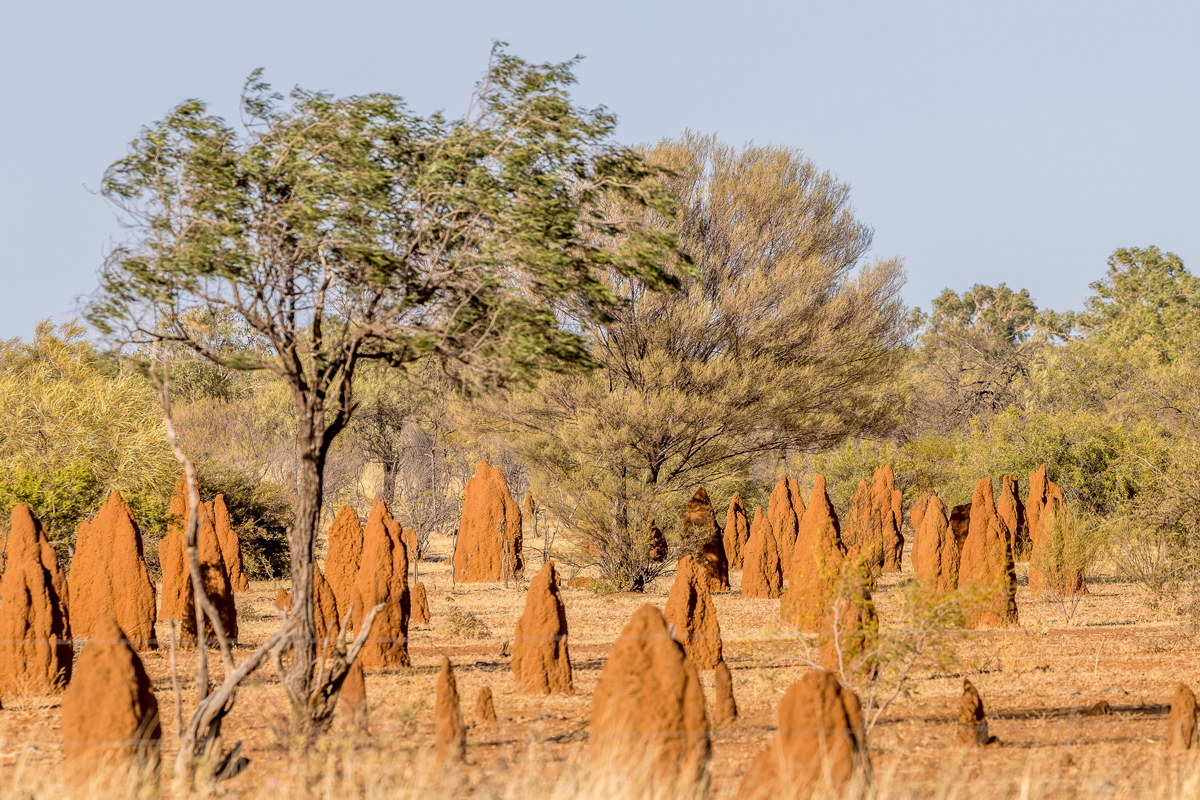
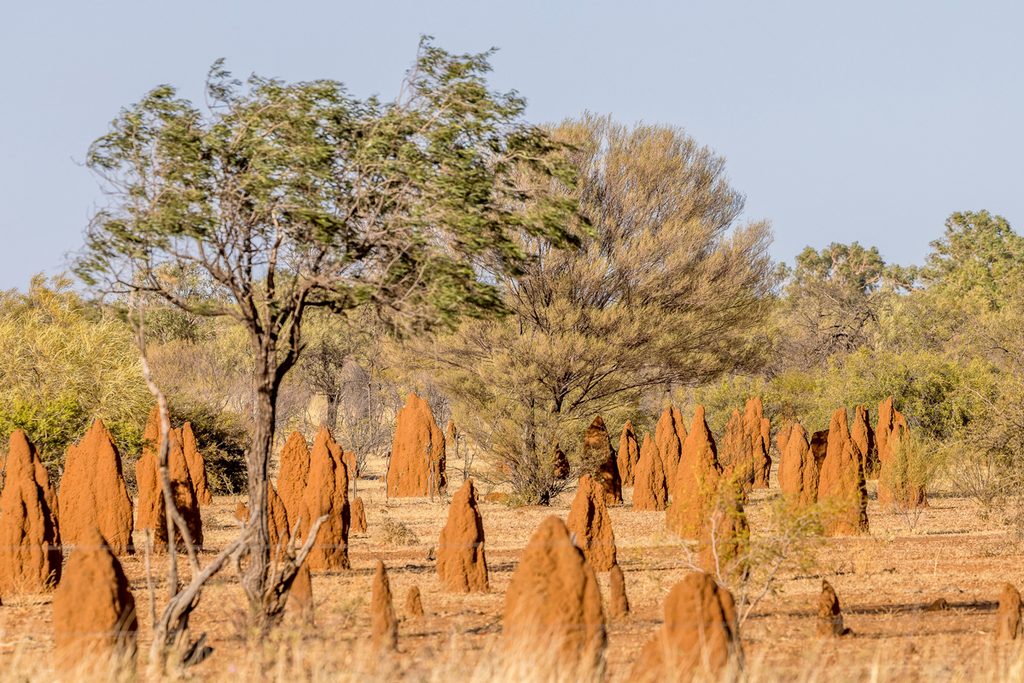
Across some parts of northern Australia, the landscape is dotted with tall, narrow slabs of earth that resemble miniature monuments. These are the mounds of magnetic termites, who can build structures more than 6 feet high.
The termites generally line up the broad faces of their mounds along a north-south axis, a position that helps regulate the internal temperature by controlling how much sunlight reaches the mound throughout the day. The termites first cut grass stalks and arrange them around the footprint of the mound before burrowing underground and moving sediment behind themselves as they go. The design, while surprisingly sculptural, is a practical way to survive the Australian heat.
Advertisement
Dogs wag their tails in different directions depending on their emotions.
Nicole is a writer, editor, and researcher with over 15 years experience covering arts and culture, lifestyle, and media. Her work has also appeared in PureWow, Brit + Co, Exclaim, AUX TV, and CBC. She lives in Ontario, Canada.
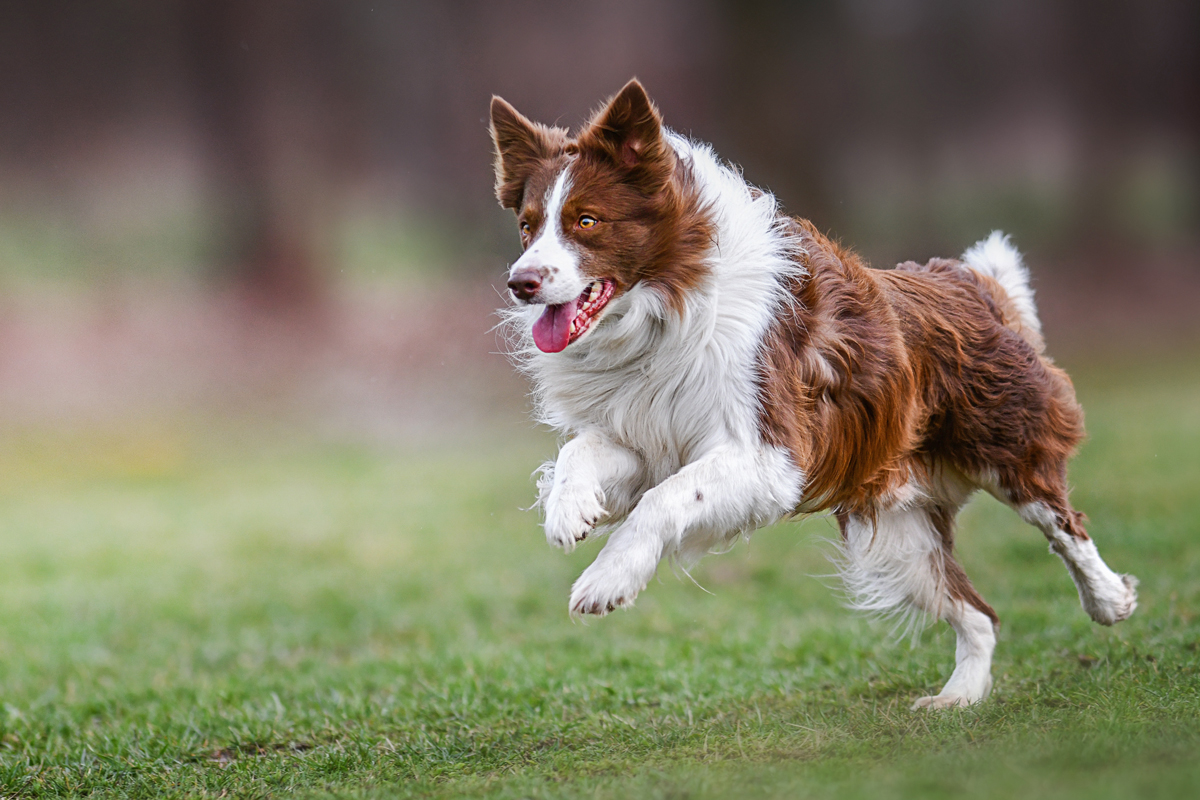
A wagging tail is typically considered a sign of a happy dog, but the truth is more nuanced. Research shows that dogs tend to wag their tails more toward the right side of their bodies when they encounter something they feel positively about, such as their owner, while their tails tend to move more toward the left when they encounter something unsettling, such as an unfamiliar, aggressive dog.
Dogs even seem to heed this difference in other dogs too: In one study, the canines became more anxious when they watched another dog wagging its own tail more toward the left. Researchers believe the difference in wagging direction may be related to the way the two sides of the brain process emotional information.
Advertisement
Female dragonflies fake their deaths to avoid unwanted mates.
Nicole is a writer, editor, and researcher with over 15 years experience covering arts and culture, lifestyle, and media. Her work has also appeared in PureWow, Brit + Co, Exclaim, AUX TV, and CBC. She lives in Ontario, Canada.
If someone you weren’t interested in was pursuing you and couldn’t take a hint, would you play dead? That’s exactly what female moorland hawker dragonflies do. Also known as common hawkers, these dragonflies have been observed suddenly dropping out of the sky, crashing to the ground, and lying completely motionless when an overly enthusiastic male is trying to mate.
Once the male loses interest and flies away, the female gets back up and takes off. This trick is particularly useful if the female has already mated and is looking for somewhere to lay her eggs; repeated mating attempts can injure females, so rather than risk another unwanted encounter, sometimes the safest thing to do is to play possum.
Advertisement
Your Daily Guide to the Animal Kingdom
Get to know the animals that share our planet with this daily newsletter.
Success! Welcome to Animal Facts.
Check your inbox for your daily email.
Sorry, your email address is not valid. Please try again.