Your email has been confirmed, welcome to Animal Facts!
Author: brobinson
Starfish pump seawater through their veins instead of blood.
Across Species 09/10/26Oct. 9, 2026
Updated 09/10/26Oct. 9, 2026
Credit: Venko/stock.adobe.com
Bennett Kleinman
Author
Bennett Kleinman is a New York City-based staff writer for Inbox Studio. He is also a freelance comedy writer, devoted New York Yankees and New Jersey Devils fan, and thinks plain seltzer is the best drink ever invented.
While starfish have plenty of limbs, they’re sorely lacking in other biological departments. For instance, these unique sea creatures don’t have a brain — or even blood. Instead, starfish are able to move, breathe, and feed thanks to the life-sustaining seawater coursing through their veins.
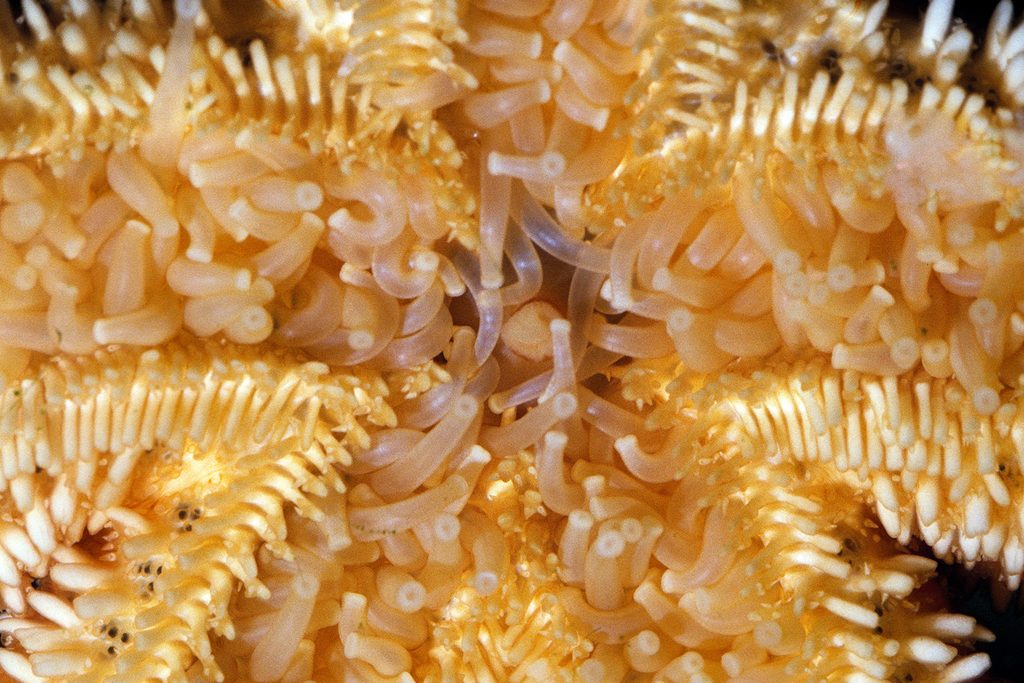
Starfish possess what’s called a “water vascular system,” which is also present in other echinoderms such as sea urchins and sea cucumbers. This system is composed of a series of water-filled canals, and as seawater passes through the canals, it delivers nutrients and oxygen to the starfish. The water vascular system also aids in locomotion: As sacs within the system contract, they push fluid into the starfish’s feet, allowing those limbs to elongate and grab onto their surroundings.
Advertisement
What Is a Starfish, Really?
Across Species 09/10/26Oct. 9, 2026
Updated 09/10/26Oct. 9, 2026
Credit: Fotopogledi/stock.adobe.com
Nicole Villeneuve
Author
Nicole is a writer, editor, and researcher with over 15 years experience covering arts and culture, lifestyle, and media. Her work has also appeared in PureWow, Brit + Co, Exclaim, AUX TV, and CBC. She lives in Ontario, Canada.
Animal names aren’t always so straightforward — or accurate. A prairie dog isn’t a dog, a koala bear isn’t a bear, and a seahorse, of course, isn’t simply a horse that lives in the sea.
Starfish are also members of the misnomer club: Their name, while quite evocative, actually tells you surprisingly little about the animal itself. So is a starfish actually a fish?
Credit: Rob/stock.adobe.com
What Is a Starfish?
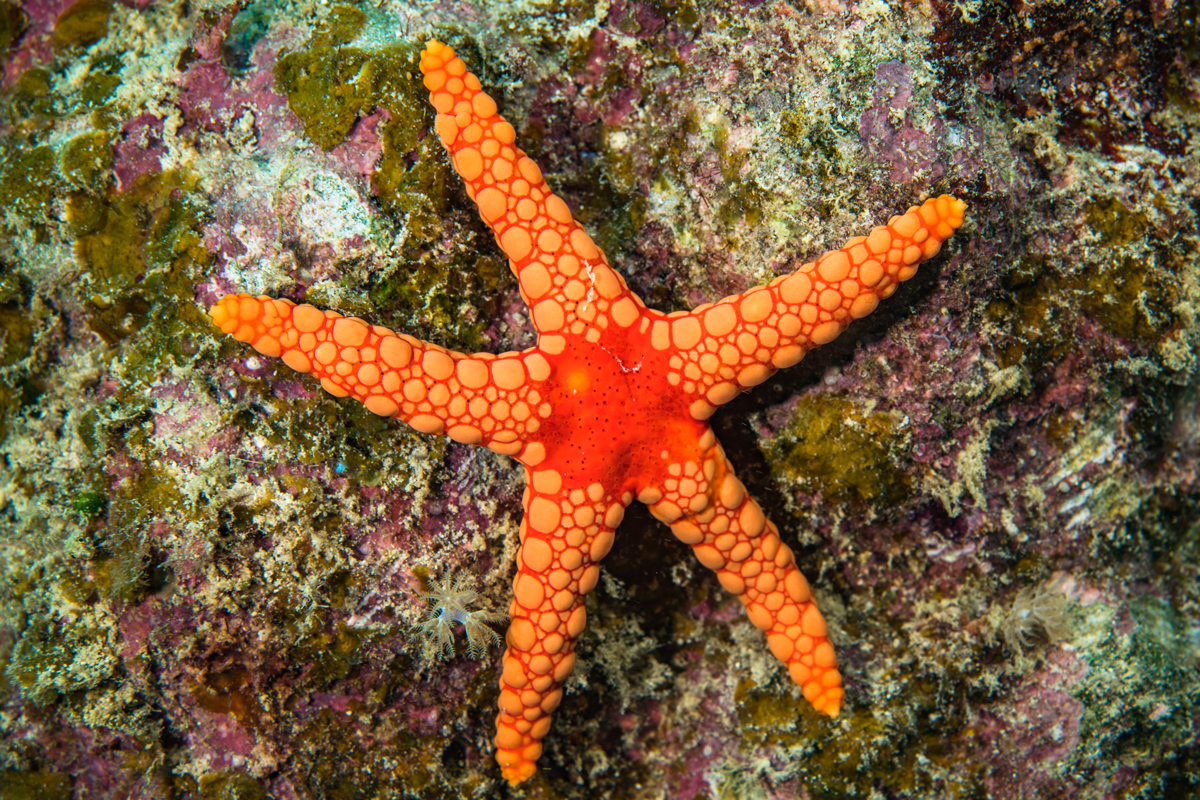
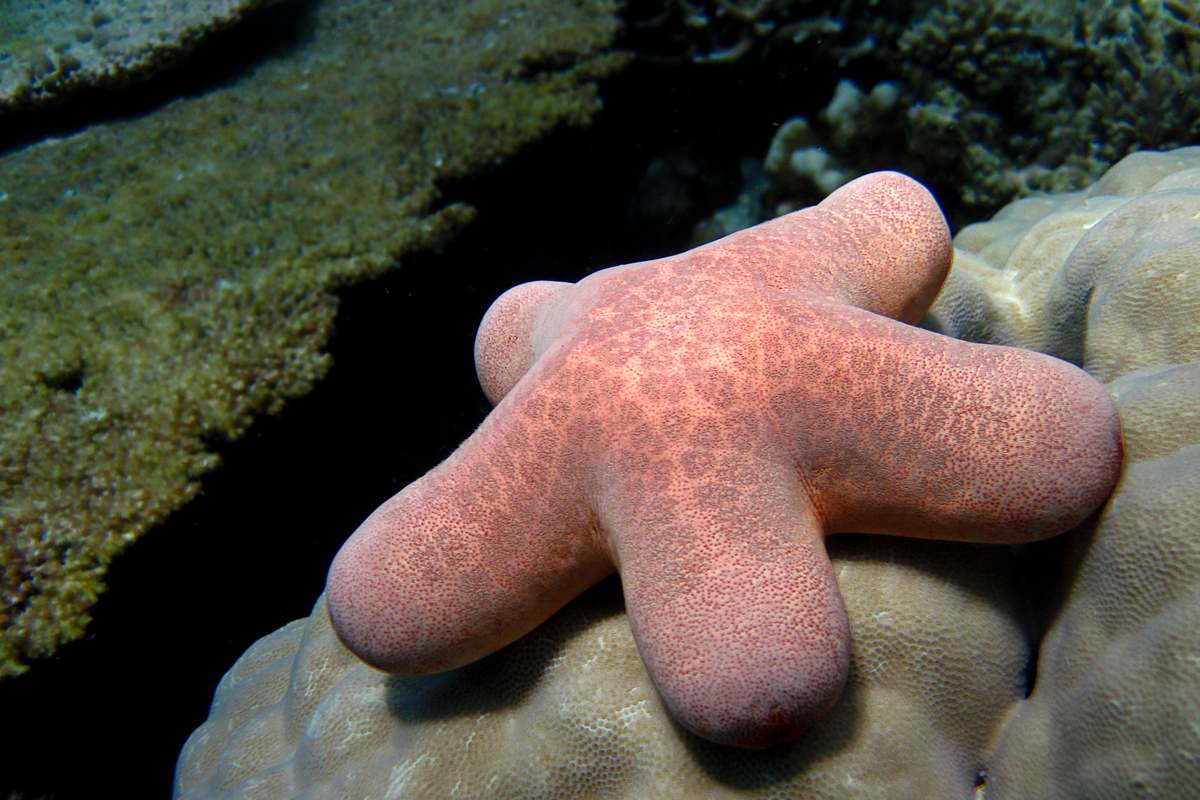
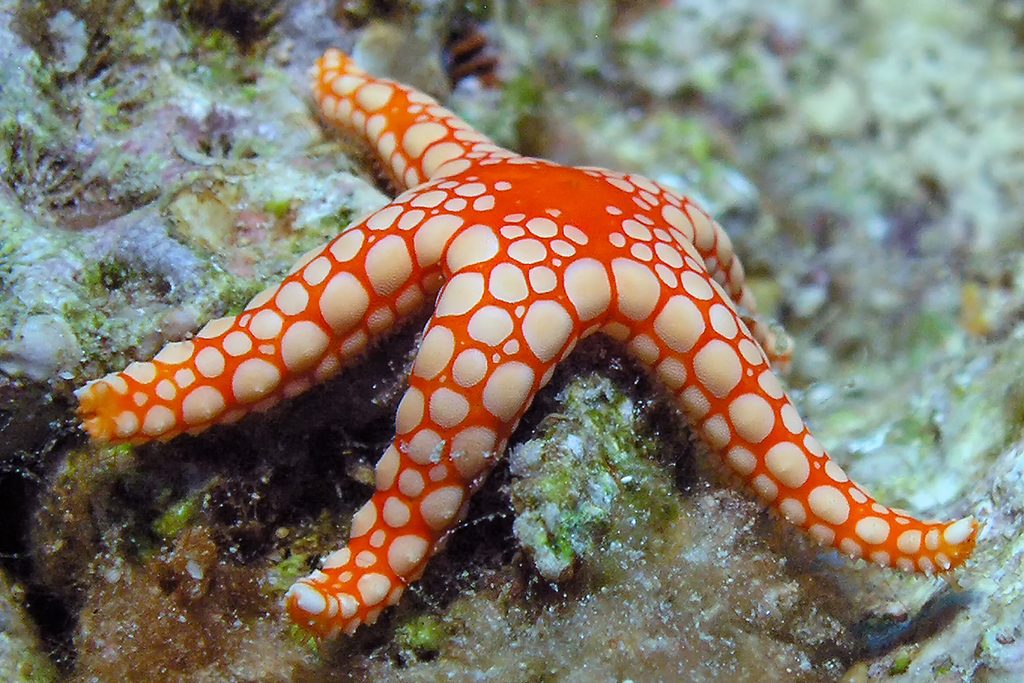
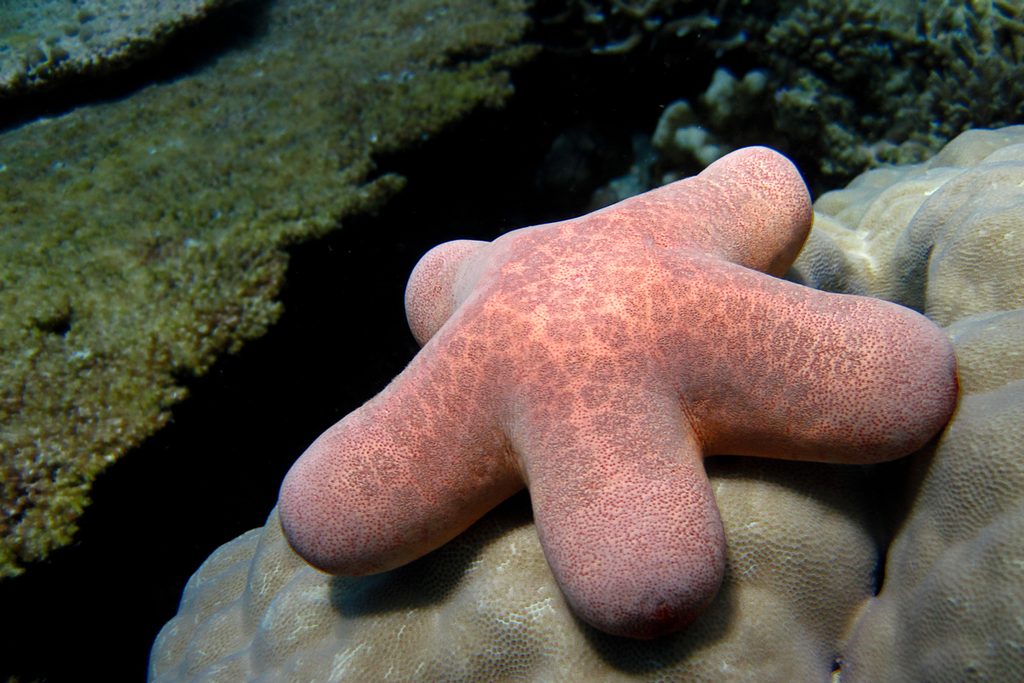
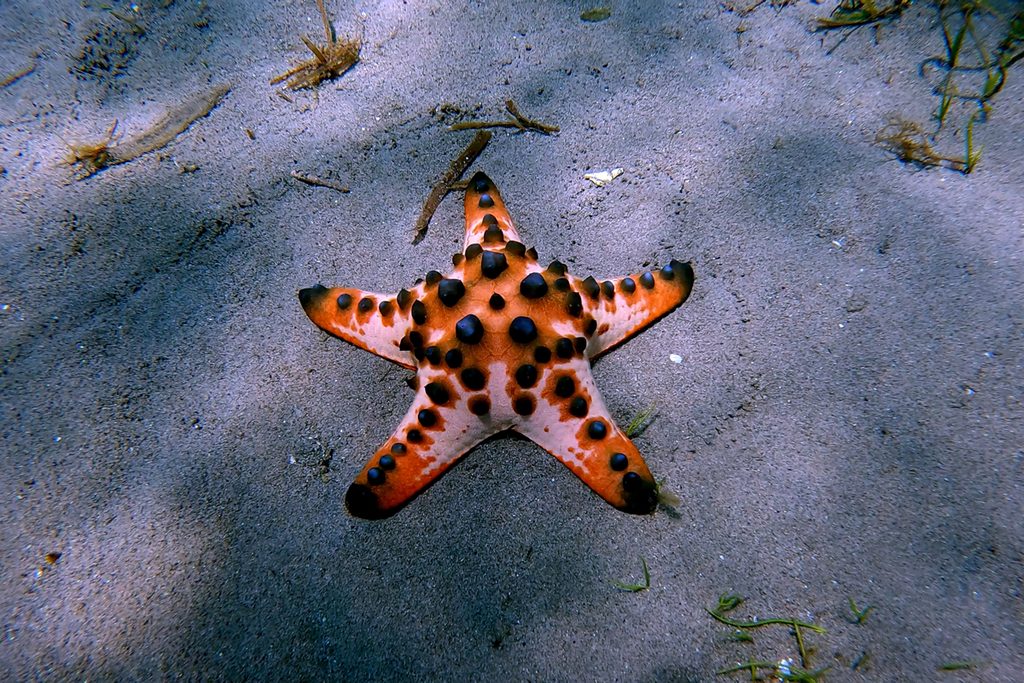
Starfish, also known as sea stars, are marine invertebrates belonging to a group of animals called echinoderms. Their name, apt at least for the star-shaped creature whose arms radiate from a central body, is more descriptive than scientific. They’re more closely related to sea urchins, sand dollars, and sea cucumbers than they are to actual fish.
These creatures don’t have backbones, fins, or gills like their marine namesake, nor do they have a brain or blood in the usual sense, and they move using hundreds of tiny tube feet powered by a water-filled system inside their bodies. And that’s just the beginning of what makes these familiar-looking animals surprisingly strange — and so different from fish.
Credit: slowmotiongli/stock.adobe.com
How Do Their Tube Feet Work?
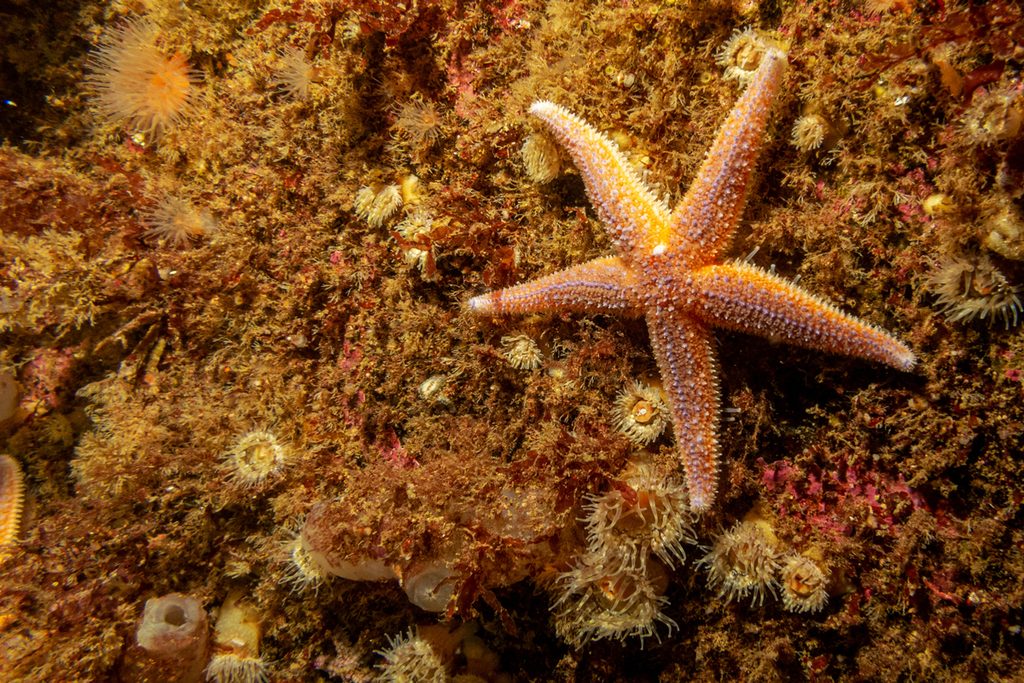
Most species of starfish have five arms, although some, such as the sunflower sea star, can have up to 24. The underside of those appendages are covered with hundreds, if not thousands, of tiny feet, each of which is a flexible tube connected to the animal’s water-vascular system.
Water enters that system through a porous sievelike area on the starfish’s body called a madreporite, and from there it moves through interior canals to the tube feet. The hydraulic pressure of water entering the body and being pumped into the tubes helps the tubes extend and contract, allowing the starfish to slowly crawl across rocks and sand. The tube feet do more than provide transportation: Starfish also use them to grip surfaces and to handle food, including prying open clam and mussel shells.
Credit: Fotopogledi/stock.adobe.com
They Don’t Have Brains or Blood
Starfish may not have a brain in the standard sense, but they’re certainly not without a nervous system. Instead of a centralized brain, they have a nerve ring around the mouth with cords that extend into each arm. This structure helps them detect touch, chemical cues, and even gravity.
Most starfish species also have simple eyespots on the tips of their arms. These eyes don’t produce anything like the detailed images of our human eyes; they can, however, help starfish perceive large stationary objects and distinguish them from the surrounding water, which sometimes also helps them find decent feeding grounds.
Starfish also don’t have blood. Instead, their water vascular system and coelomic fluid, which fills the main body cavity, help transport nutrients around the body. Oxygen can also diffuse directly through thin areas on their body’s surface and tube feet to allow the starfish to breathe.
Credit: MarieXMartin/stock.adobe.com
Their Stomachs Eat Outside Their Bodies
Starfish don’t have teeth or jaws, but they don’t necessarily need them. First, their tube feet help them pry two halves of a shellfish apart, then their stomach takes over: A starfish can push its stomach out of its mouth and into a small gap in the shellfish’s shell. There, digestive enzymes start breaking down the food and absorbing it on the spot, resulting in an empty shell — and a full belly.
Credit: Dan/stock.adobe.com
They Can Regrow Body Parts
Starfish can pull off impressive feats of regeneration; if one loses an arm, it can gradually grow a replacement. This process can take months or even a year depending on conditions such as how much of the central body initially remained intact. But starfish hardly just patch over the injury: Research has found they can also regenerate their nervous system, producing new neurons after cells are damaged.
Some tropical starfish such as the Linckia, found in the Indian and West Pacific Oceans, are even capable of whole body regeneration from a single arm, while other species such as coscinasterias calamaria (aka the eleven-armed starfish) reproduce through fission, a process that sees the central disc splitting into two pieces and each half regenerating the missing parts into their own, alien-esque beings.
Advertisement
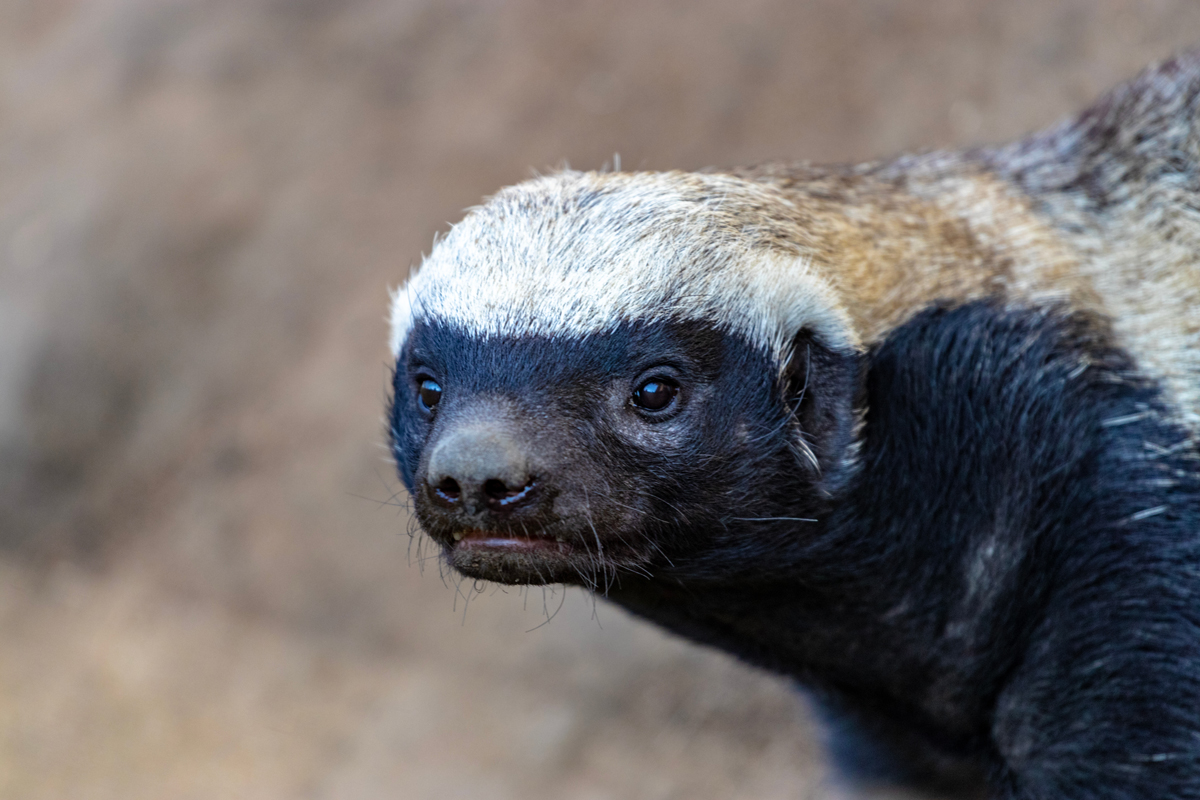
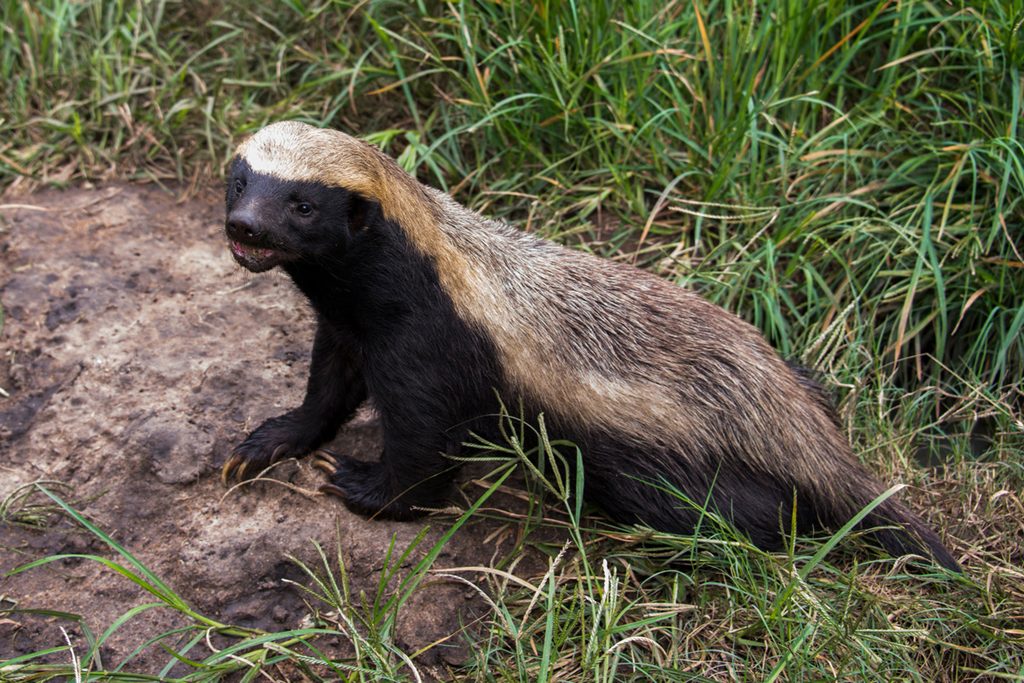
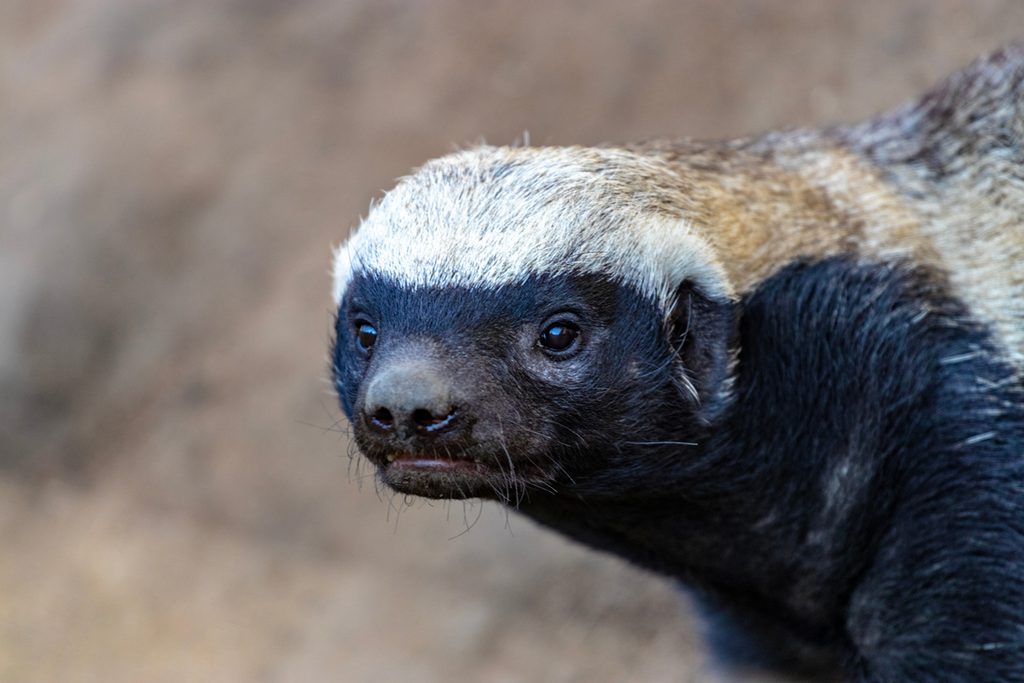
Honey badger skin is thick enough to withstand machetes.
Michael Nordine is a Senior Staff Writer at Britannica, where he writes the newsletter Movie Brief. He grew up with eight cats and would like to see a Komodo dragon in the wild one day.
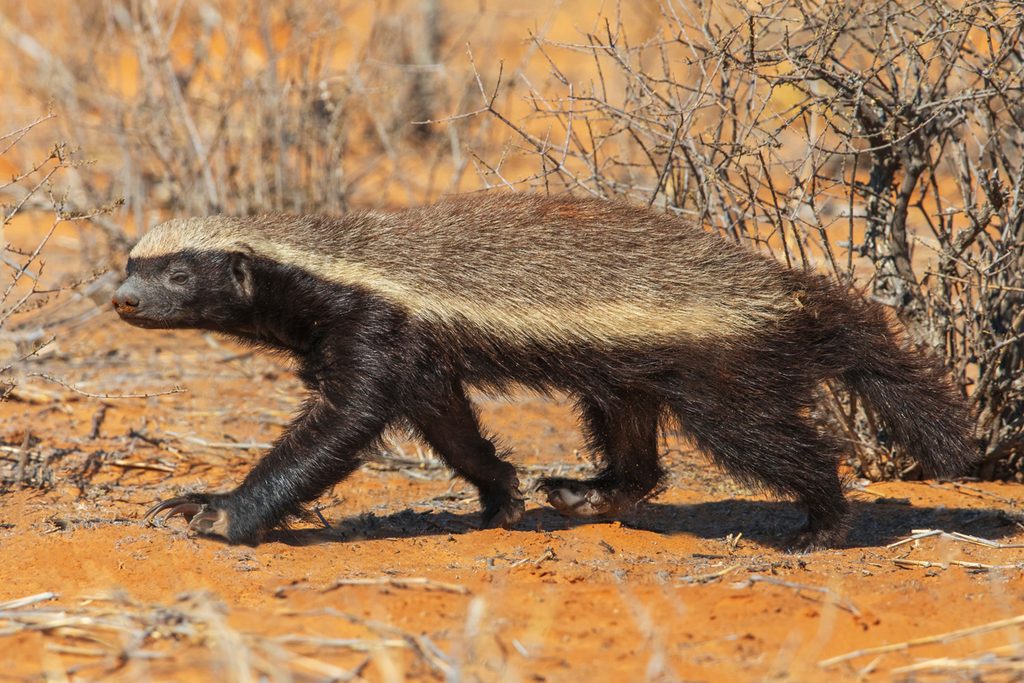
If you remember that brief, glorious time when you couldn’t open a web browser without being treated to videos of honey badgers going absolutely bonkers, you may be unsurprised to learn their skin is thick enough to withstand blows from a machete. These notoriously fearless carnivores are also known for feasting on venomous snakes whose poison they’re resistant to, picking fights with larger predators such as lions and tigers, and having claws that can outgrow those of a black bear’s.
Should you ever be unlucky enough to encounter one in the wild, you’d be better off running — whatever weapon you may have on you, it’s probably not nearly as tough as the honey badger.
Advertisement
How Did Honey Badgers Get Their Fearless Reputation?
Tony is an English writer of nonfiction and fiction living on the edge of the Amazon jungle.
Plenty of animals have a bad attitude or at least a cultivated façade of ill-tempered menace — wild boars, Canada geese, triggerfish, and some particularly irascible housecats, to name a few. But if nature ever designed one creature specifically to be aggressive and to shrug off life’s hardest blows before biting back twice as hard, it would be the honey badger.
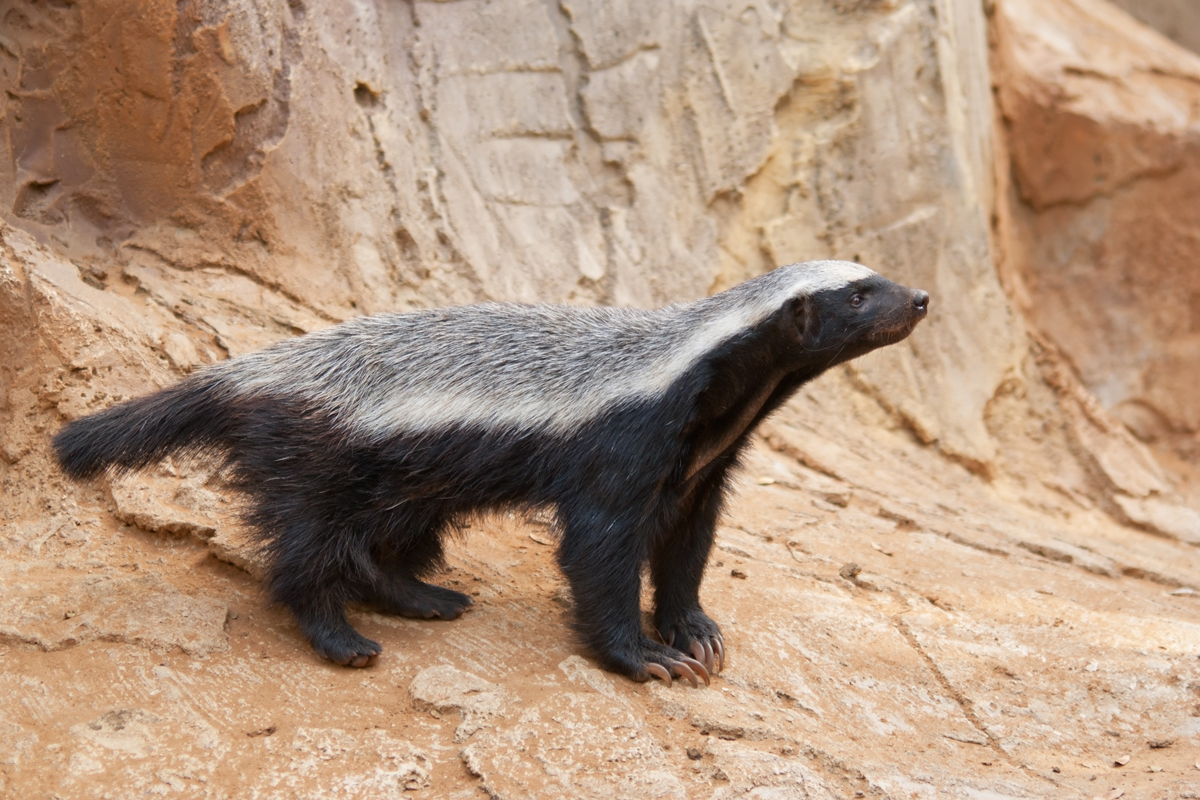
These compact, black-and-white mustelids — native to Africa, Southwest Asia, and the Indian subcontinent — have earned a near-legendary reputation for their toughness. Despite only being the size of a small dog, they routinely tangle with animals many times their size and walk away. Their fearlessness and aggressiveness are largely unmatched in the animal kingdom — but it’s not attitude alone that explains their reputation.
Like Liam Neeson’s character in Taken, they possess a very particular set of skills: physical and biological adaptations that turn an otherwise ordinary-sized animal into one of the planet’s most resilient mammals. Here’s what makes them so unstoppable.
Credit: Chris Willemsen
They’re Very Thick-Skinned — Literally
Honey badgers have unusually thick skin: Around the neck, it can be up to 1/4 inch thick, which is remarkable for an animal of its size. By comparison, human skin ranges from 0.5 to 4 millimeters thick, depending on its location in the body.
A honey badger’s skin fits loosely over its body like an oversized, rubbery coat. Predators trying to grab a honey badger often end up with a mouthful of tough, stretchy hide rather than a firm grip on muscle or bone.
If the badger is caught, it can twist and turn inside its own skin, spinning around to bite its attacker. Its thick, durable skin also means it can raid beehives without being affected by stings or engage in a fight with a porcupine without being seriously injured by its quills.
Credit: Danita Delimont
They Have Weapons To Match Their Attitude
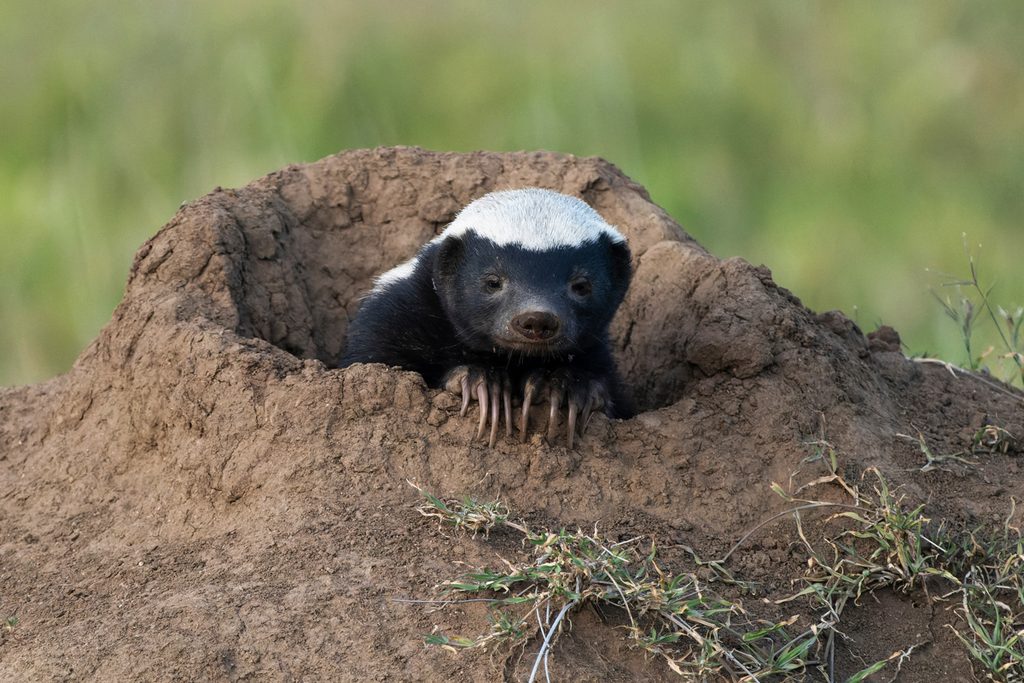
Honey badgers come equipped with sharp, 1.5-inch-long claws perfect for digging burrows and breaking into beehives and termite mounds. Those claws also serve as excellent offensive and defensive weapons. Their jaw strength, meanwhile, ranks among the most powerful of all mammals, and that combined with their sharp teeth allows them to crush bones and even crack open tortoise shells.
With their stocky build and powerful legs, these tanklike animals can quickly become a whirlwind of claws and teeth when a fight breaks out. Even larger predators such as leopards, lions, and hyenas — from whom honey badgers sometimes brazenly try to steal kills — have been known to back off after a determined honey badger counterattack.
Credit: Llewellyn/stock.adobe.com
They Have High Levels of Venom Resistance
Honey badgers regularly hunt venomous snakes, including cobras, puff adders, and black mambas, which would normally be a very high-risk activity. And while not completely immune to snake venom, honey badgers seem to have evolved mutations in the receptors that snake neurotoxins normally target — and have perhaps developed further immunity through a lifetime of bites. A bite that would kill many other mammals often only temporarily incapacitates a honey badger, which can often sleep off the effects and recover within hours.
Credit: Danita Delimont/stock.adobe.com
Honey Badgers Stand Their Ground
All these adaptations wouldn’t mean much without the right kind of fighting spirit, and that’s something honey badgers are certainly not short on. They’re genuinely belligerent when threatened or cornered, standing their ground with an aggressive display even against much larger predators.
In such situations, they rear up, make loud hisses and rattling noises, bare their teeth, and release a foul-smelling secretion from their anal glands — a stink bomb that’s potent enough to potentially make their opponents back off. This isn’t mindless rage, but a calculated defense. The honey badger’s physical durability gives it the confidence and the margin for error to confront threats from which most animals their size would flee.
Advertisement
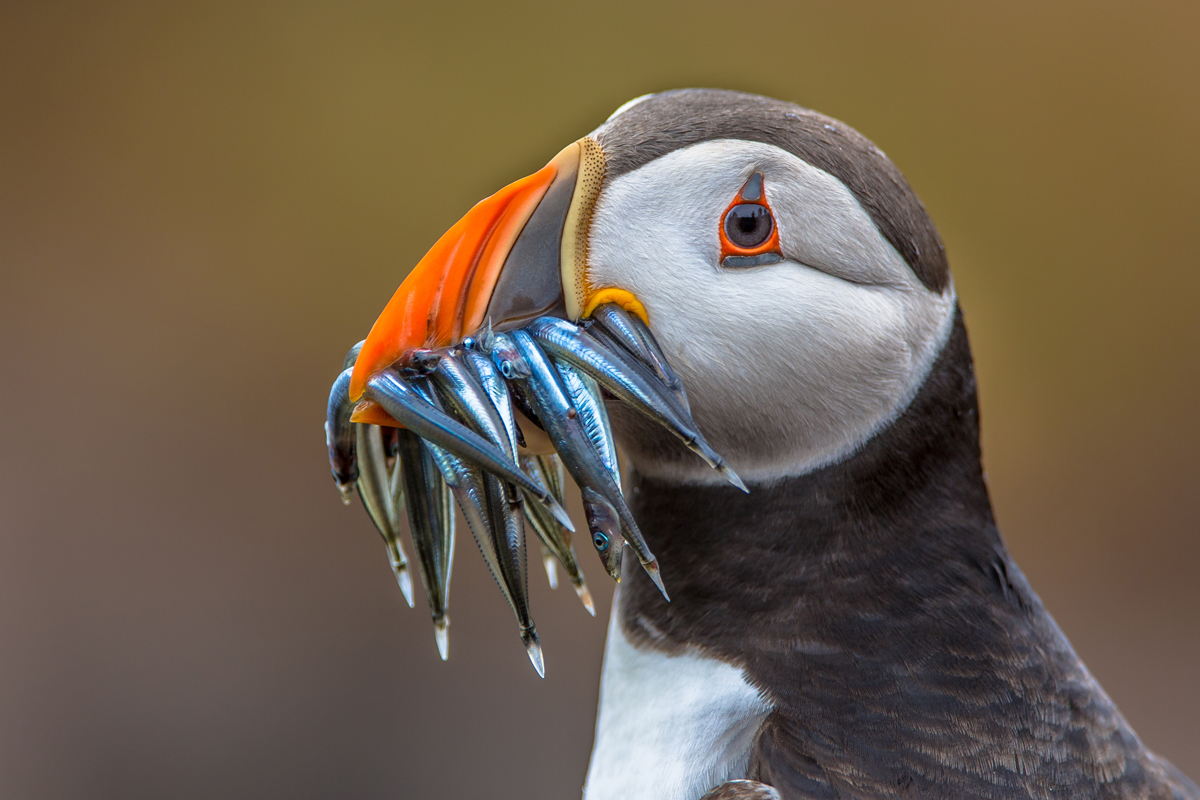
Puffins can carry more than 60 fish in their beaks at once.
Bennett Kleinman is a New York City-based staff writer for Inbox Studio. He is also a freelance comedy writer, devoted New York Yankees and New Jersey Devils fan, and thinks plain seltzer is the best drink ever invented.
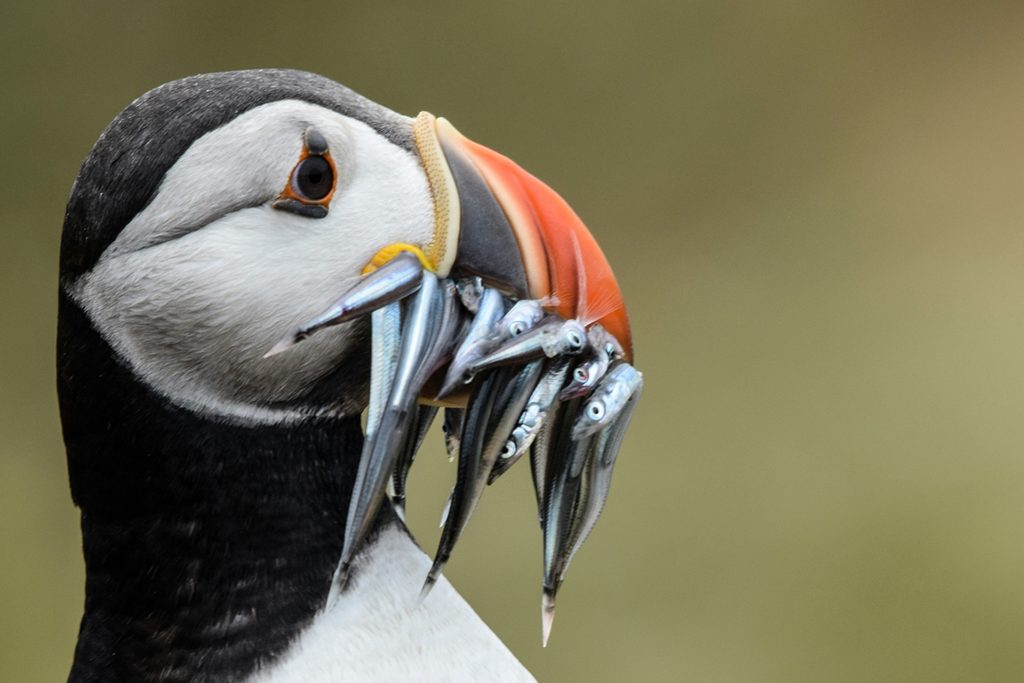
Competitive eater Joey Chestnut once crammed a record 76 hot dogs into his mouth, but he did so over the course of 10 minutes, which is arguably a far less impressive feat than that of the puffin. These seabirds are voracious eaters in their own right, fitting more than 60 fish inside their bills at once, with the current record of 62 held by one puffin observed in Britain.
The ability to carry so many fish around is due to the specialized design of a puffin’s bill. Their bills can open quite wide, allowing them to scoop up loads of fish with greater ease. Plus, their mouths are also lined with backward-angled spines, which combine with their coarse tongues to keep any ensnared fish firmly in place.
Krissy Howard is a writer with a background in comedy, and a love for researching and writing about animal behavior. You can read some of her work at Cuteness, Byrdie, and The Hard Times. When she's not writing, she's growing food in the community garden, feeding stray cats, and learning Greek.
A ridiculous waddle and a big red nose are hallmarks often associated with clowns — but also with puffins. Between three species of birds (Atlantic, Pacific, and horned puffins), these funny-looking fowl can be seen from Japan and Iceland to Wales and a number of coastlines in between.
Adorned in black and white, with a bright nose and overdrawn, cartoonish eyes, it’s hard not to dismiss this striking bird as a silly goose, but like any good comedian, there’s a lot more going on under the surface.
Credit: Getty Images/Unsplash.com
They Have Removable Noses — Sort Of
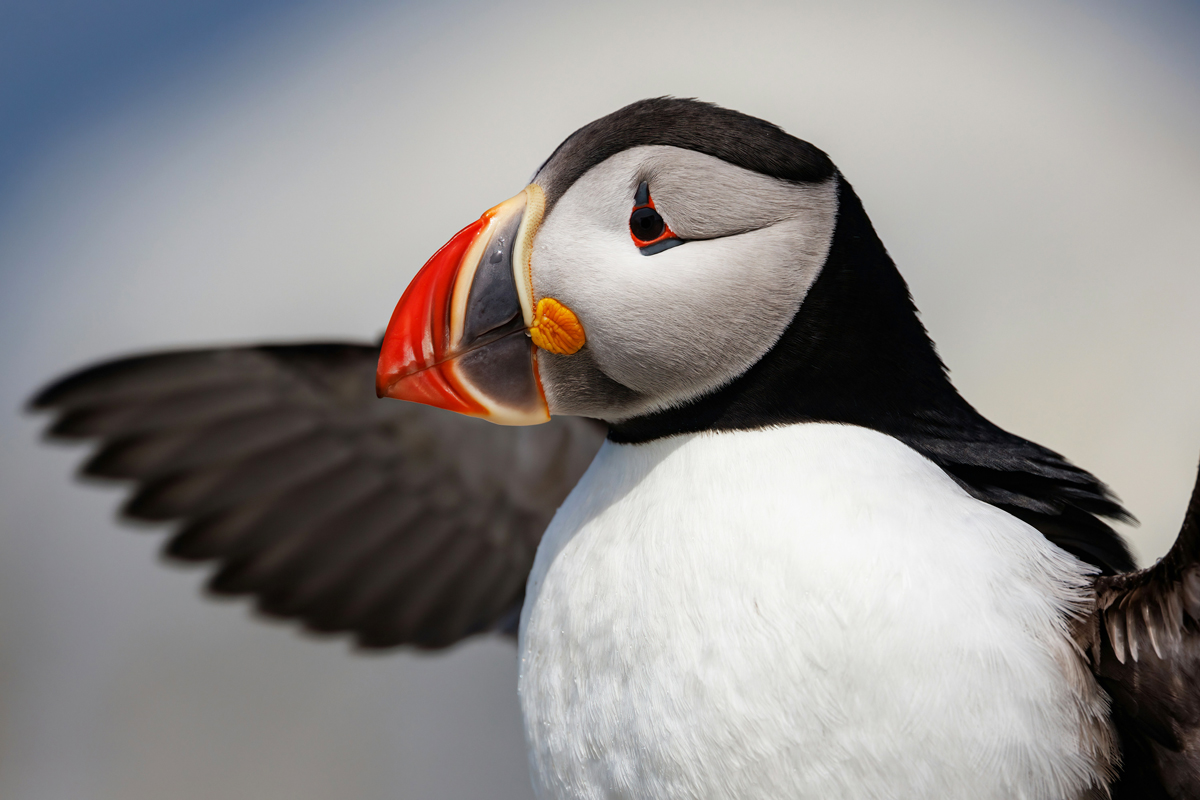
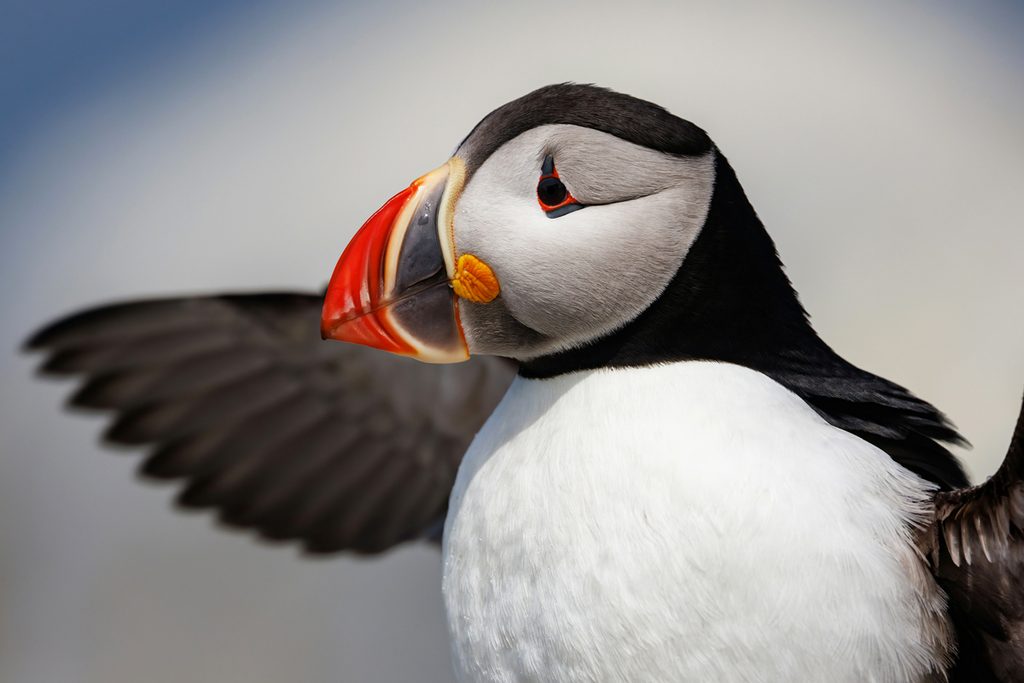
Probably the most recognizable thing about these birds is their bright orange bills, but did you know they actually come off? Puffins use their bills to attract mates, which is only done on land during mating season in the summer months.
That tangerine pop of color is actually a sheath puffins grow to ramp up their mating appeal, and the brighter the bill, the more attractive the bird. Not only are their beaks brightly colored in daylight, but they also emit blue-green hues that appear under ultraviolet light.
At the end of mating season, puffins return to the sea, where they spend about nine months of the year. With only fishing and sleeping on the agenda and no one to impress, they shed their orange sheath , and their beaks take on an unassuming gray shade, perfect for avoiding unwanted attention from predators such as seals.
One thing you can always find on a puffin’s beak regardless of the season, however, is their age. Similar to the rings of a tree, a puffin’s bill is marked with grooves that each represents two years of life.
Credit: Mark Olsen/Unsplash.com
Puffins Are More Athletic Than You Think
In spite of their silly appearance, these birds are actually quite agile, which is key in order to survive on both land and sea. In the air, puffins can reach speeds of up to 50 miles per hour, flapping their wings up to 400 times per minute to do so.
When it comes to landing, they’re not always the most graceful, often crashing and flailing into the sea. Once they’re in the water, though, their bodies essentially turn into tiny boats. Those wings turn into paddles of sorts, helping the birds swim up to 10 miles per hour, and their webbed feet act as rudders to help steer them.
When it’s time to return to shore, puffins reunite with their mates, whom they stay with for life. They greet each other by rubbing their beaks together in a ritual known as “billing.” Sometimes, other puffins will even stand around and cheer them on, sounding more like cows than delicate birds, bringing new meaning to the term “wingman.”
Credit: Glen Hooper/Unsplash.com
It Takes a Lot of Fish To Raise a Hungry Puffling
Another thing puffins use those iconic beaks for is carrying fish to their young ones. It’s been noted that some puffins can stuff as many as 62 sandeel fish at a time in those big mouths of theirs, which is a good thing as little pufflings are a hungry bunch.
With a name reminiscent of a cream-filled pastry, baby puffins gestate in their eggs for just 40 days, tucked away safely in cliffside cracks and crevices. Once hatched, the little ones have less than two months of being fed and cared for by their parents before being sent off on their own, where they flee under the cover of night to avoid potentially fatal run-ins with eagles and other enemies.
That time with their parents also allows them to imprint on their caregivers and the land they call home. Those memories drive them back to safety when mating season lures them ashore each summer. They do have to sit out the festivities for the first few years, as puffins don’t start reproducing until five years of age, but once they reach maturity, they follow the same routines as every other member of their comical colony.
Advertisement
Proof That Narwhals Are the Ocean’s Greatest Weirdos
Tony is an English writer of nonfiction and fiction living on the edge of the Amazon jungle.
Narwhals are playfully known as the “unicorns of the sea,” which, as nicknames go, is a bit like calling naked mole rats the “mermaids of the soil.” These stocky cetaceans have spent centuries baffling and intriguing sailors, scientists, and royalty alike, and the closer you look, the stranger they get.
Their famous tusk is really just the start. Many aspects of this strange whale — even the origin of its name — continue to raise questions. Here’s proof of why this Arctic oddball is one of the ocean’s greatest weirdos.
Credit: Jen/stock.adobe.com
Their Famous “Horn” Is Really a Tooth
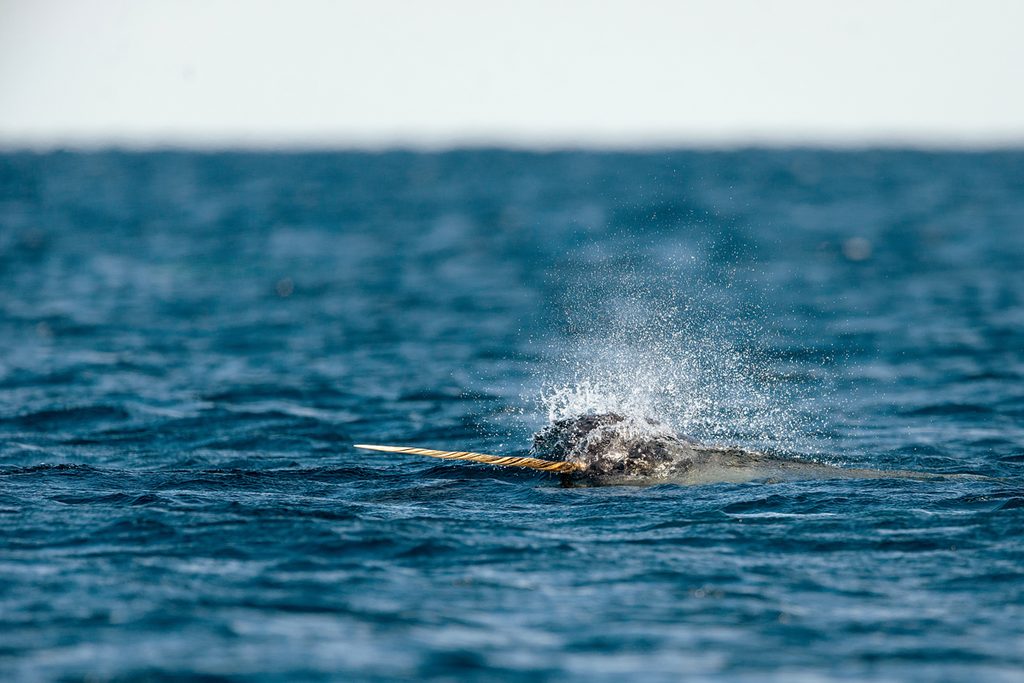
The narwhal is a species of toothed whale, though in this particular case the whole tooth aspect has reached strange new heights — and lengths. Its signature spiral tusk isn’t a horn at all, but an overgrown canine tooth, usually the left one, that can grow up to 10 feet long.
Inside the tusk are roughly 10 million nerve endings, which may function like built-in sensors, letting them detect shifts in water temperature, salinity, and pressure. Scientists have even filmed narwhals using the tusk to tap and stun small fish before eating them, a hunting trick nobody expected from what looks like a decorative spear.
Credit: Todd Mintz/Alamy
Most Female Narwhals Don’t Have Tusks
Only about 15% of females have a tusk — which makes the whole point of the tusk more confusing. If they’re a useful hunting tool and a valuable sensory appendage, why don’t females have them? Scientists don’t yet have a satisfying answer, and the lingering mystery of the tusk’s precise purpose is one of the main reasons why narwhals are genuinely odd.
One study found that a tusk’s length may show females which males are the most fertile — more specifically, it found the bigger the tusk, the bigger the testes. As such, the tusk may indicate a potentially more fertile male and therefore a better mate. Another study found males had more broken tusk shards and scars on their foreheads than females, which may mean they use their pointy bits in aggressive battles over females — but no human has ever witnessed such a fight, so the question remains open to debate.
Credit: wildestanimal/stock.adobe.com
Narwhals Are Why People Believed in Unicorns
Long before anyone in Europe had seen a live narwhal, they’d seen their tusks — sold by traders as genuine unicorn horns, worth 10 times their weight in gold. People in the Middle Ages fell for this ruse and believed the supposed unicorn horns could detect poison or cure illness.
Queen Elizabeth I, fearful of an assassination attempt, acquired a cup made from “unicorn” horn, believing it would neutralize any poison. Kings, queens, princes, and cardinals across Europe proudly displayed their unicorn horns as mystical treasures — all of them believing the horn came from a mythical, pure white equine, rather than a blotchy, sausage-shaped cetacean with a tooth sticking out of its head.
Credit: karenfoleyphoto/stock.adobe.com
No One’s Sure Why They’re Even Called Narwhals
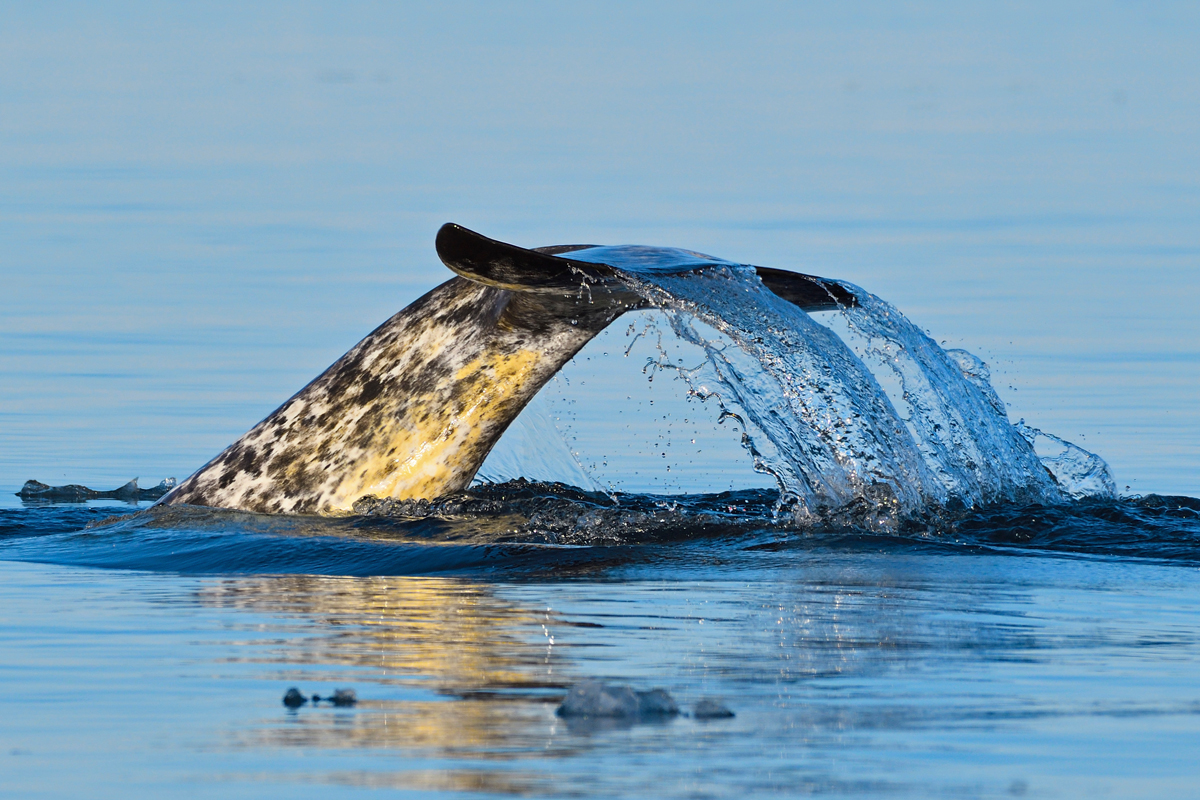
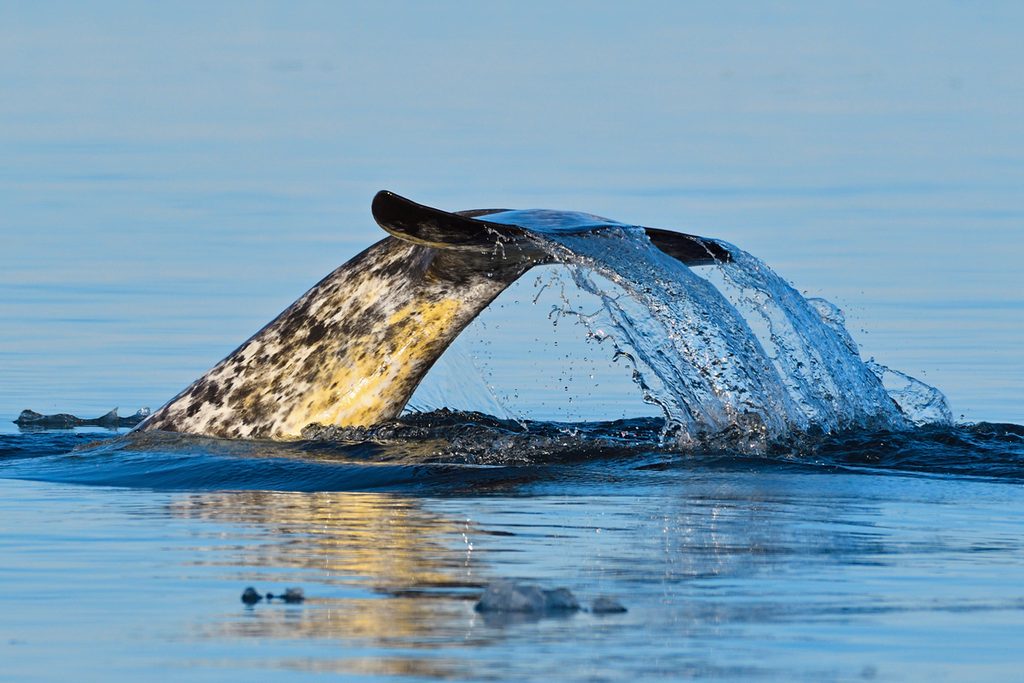
As if the narwhal didn’t have enough peculiarities, it seems no one can even say for sure how it got its name. The most common explanation is that “narwhal” comes from the Old Norse nahvalr, which literally means “corpse whale” — an unflattering reference to the animal’s mottled gray skin, which supposedly reminded Norse sailors of a drowned body floating in the water.
But this etymology has been questioned and an alternative proposed: It may equally have originated from the Old Norse nál (needle) and hvalr (whale), in reference to the narwhal’s tusk.
Credit: Tony/stock.adobe.com
They Skip the Dorsal Fin and Change Color as They Age
Unlike most whales, narwhals have no dorsal fin, an adaptation that allows them to glide more easily beneath thick pack ice without scraping against it. The lack of a dorsal fin, along with their short, blunt flippers, makes them quite distinctive even without their extraordinary tusks.
Narwhals also change color as they age. Newborns are normally blue-gray, while juveniles turn a blue-black color. Adults are typically mottled gray, while old narwhals — a bit like Gandalf — are nearly all white.
Credit: wildestanimal/stock.adobe.com
They Like Swimming Upside Down
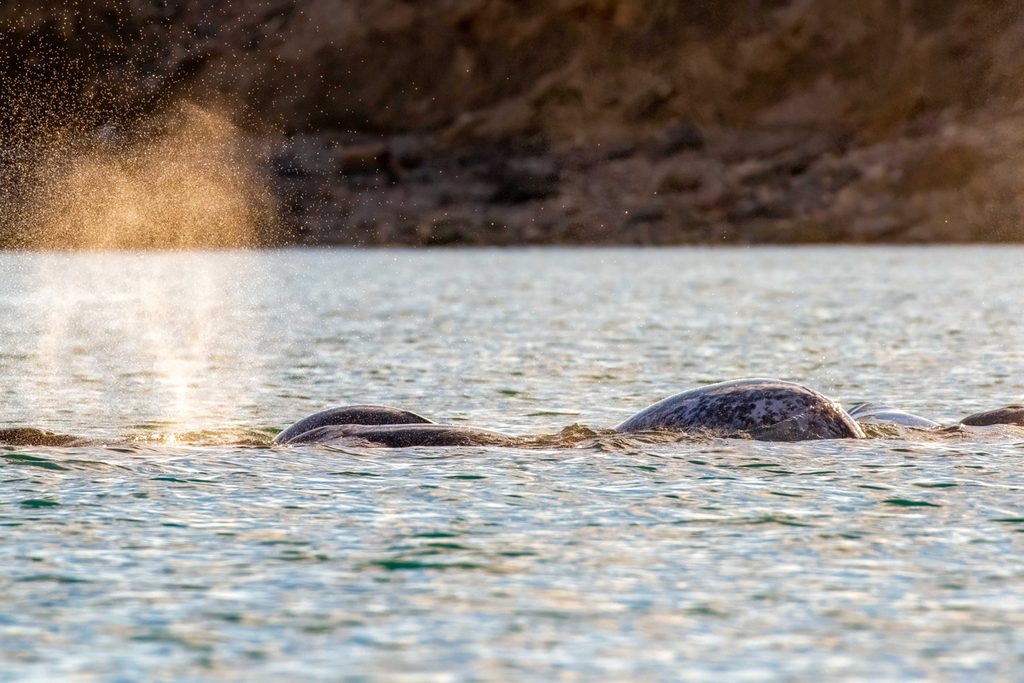
When scientists began tagging narwhals with camera tags, they got an unexpected surprise. They found that narwhals tend to swim upside-down as they dive and spend roughly 80% of their time swimming belly-up when close to the seabed.
Researchers aren’t entirely sure why they do this, but it may help them forage and use sonar. It could also help protect their fragile lower jaw and long tusk from scraping the ocean floor.
Nicole is a writer, editor, and researcher with over 15 years experience covering arts and culture, lifestyle, and media. Her work has also appeared in PureWow, Brit + Co, Exclaim, AUX TV, and CBC. She lives in Ontario, Canada.
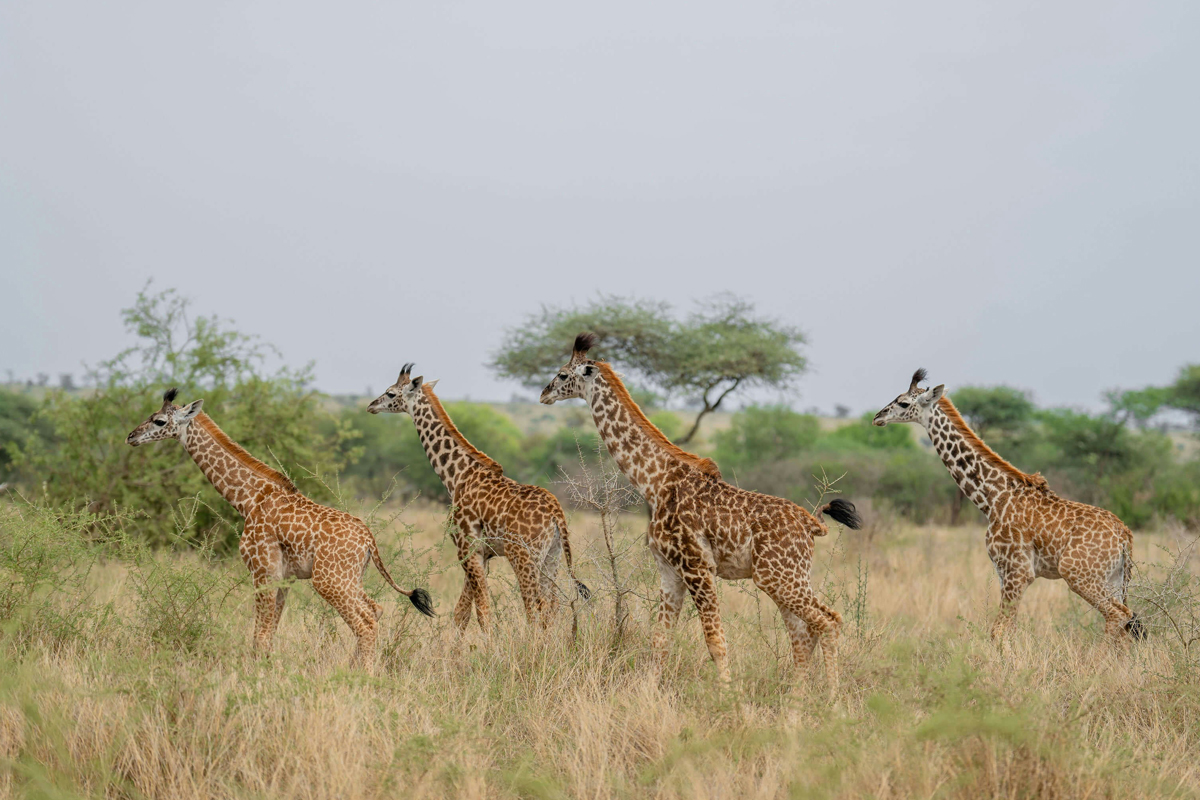
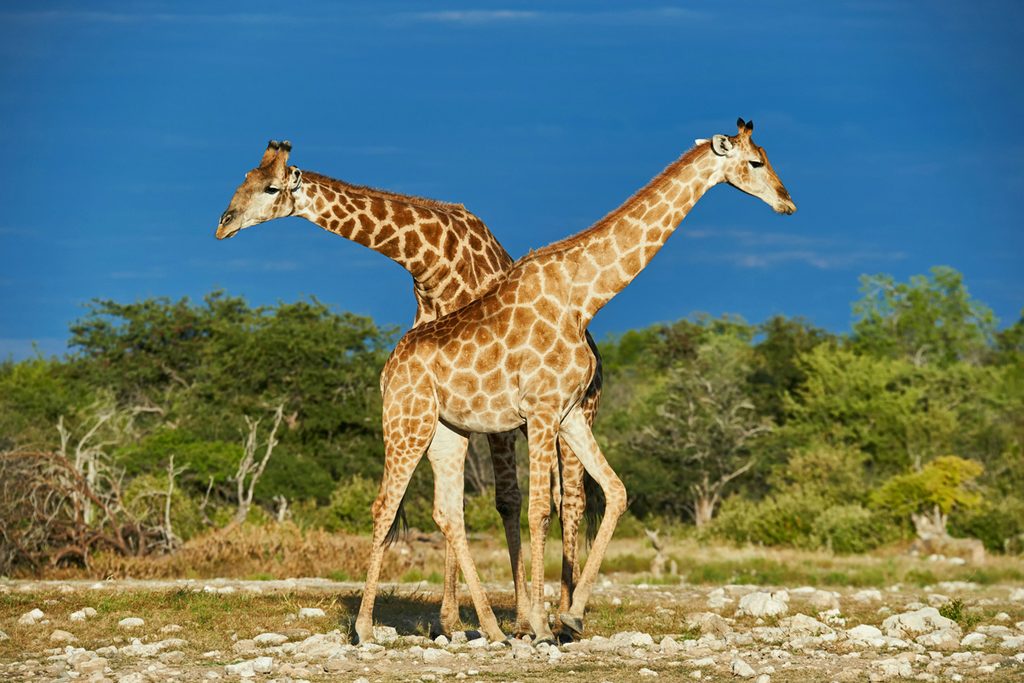
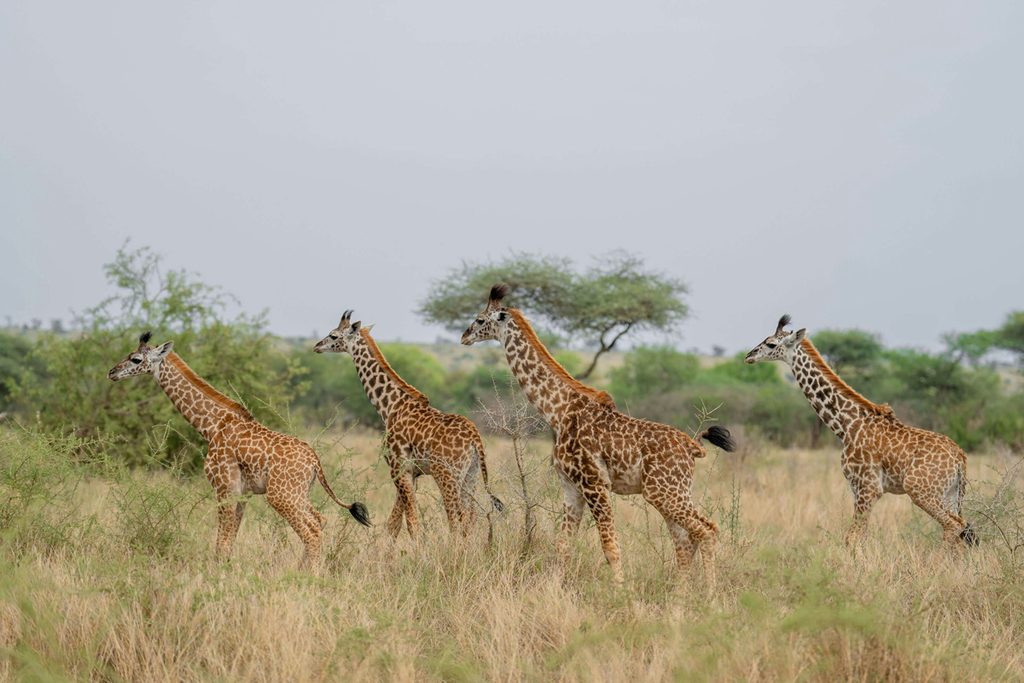
Giraffes are strange enough on the outside, with their long, lanky legs, equally improbable necks, and those short, stubby nubs on their heads. But their real weirdness mostly lies beneath the surface.
Almost everything about a giraffe’s body has had to adapt to the complicated reality of being up to 20 feet tall, and their circulation, skin, and feeding and sleep habits have resulted in some surprisingly strange solutions. Here are five reasons giraffes seem like they hail from another planet.
Credit: 25ehaag6/stock.adobe.com
Their Spots Are Like Little Cooling Vents
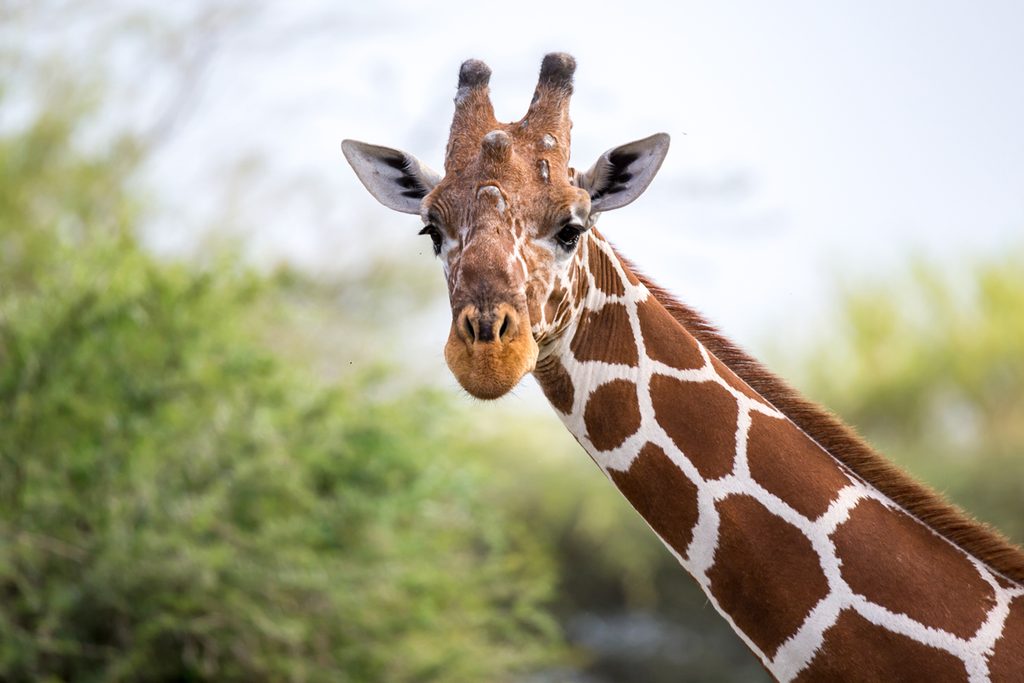
A giraffe’s spots are one of its most recognizable features, but they do more than make for an easily identifiable coat; they also help a giraffe keep its cool. Beneath each patch is a network of blood vessels, with larger vessels running around its edge. When a giraffe needs to shed heat, blood can flow through this network and release heat through the skin without losing water, a useful feature in their dry habitats.
Giraffes’ distinctive spot patterns differ from one individual to another. They’re not only part of temperature regulation but are also instrumental in helping giraffes blend into the dappled light and shadows of the African landscape.
Credit: Sunil Singh/stock.adobe.com
Their Tongues Are Super Long and Weirdly Colored
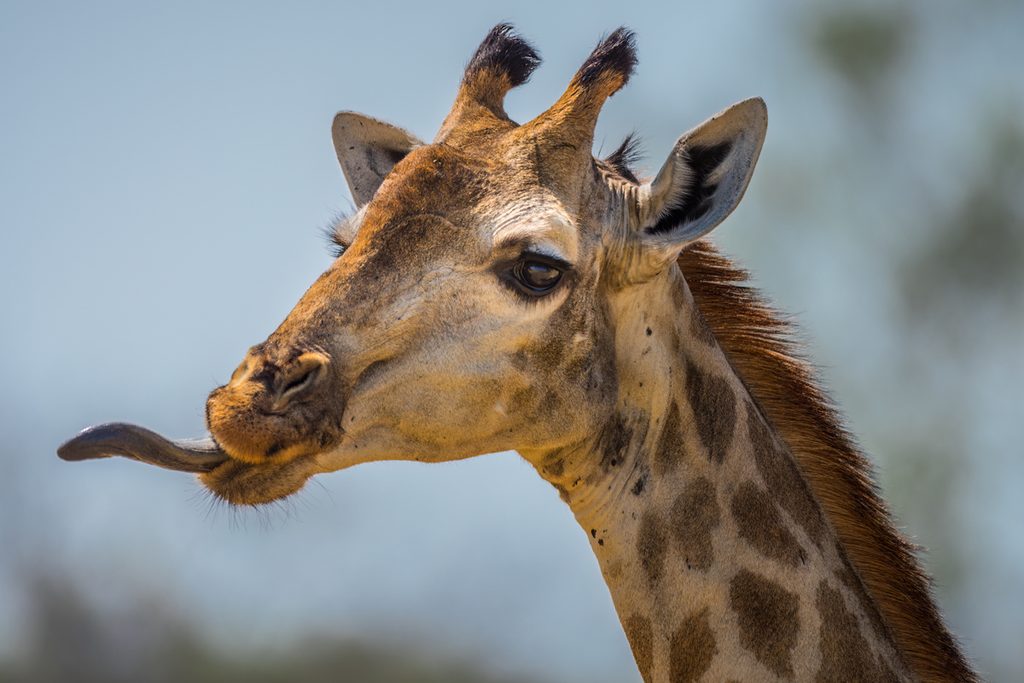
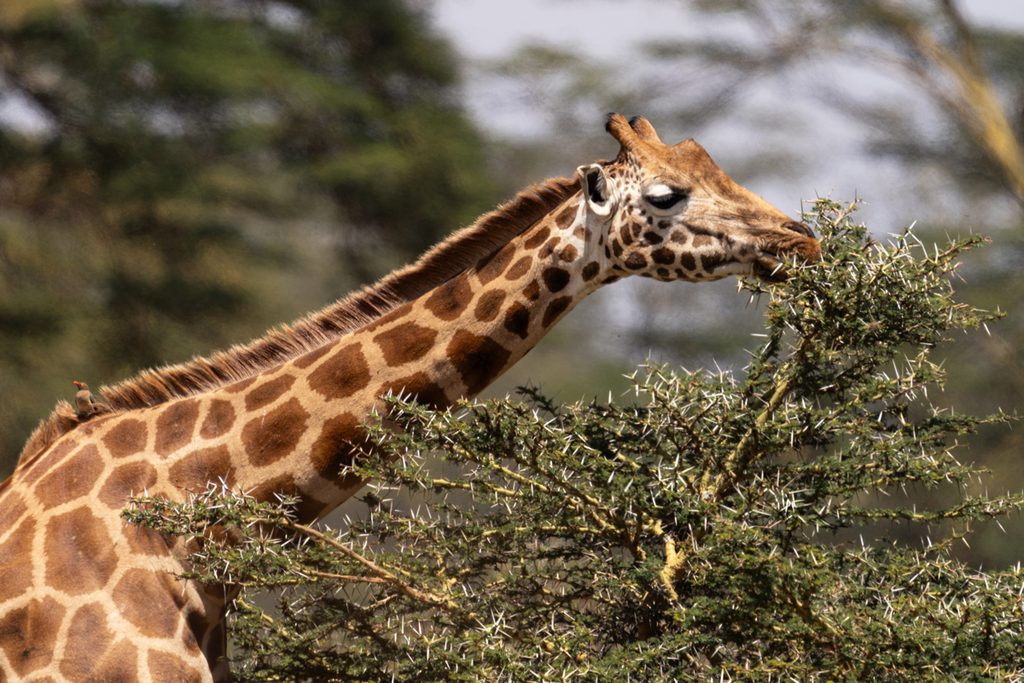
A giraffe’s tongue looks like something that would roll out of a cartoon animal’s mouth, but it’s very real — and very useful. This strange organ measures about 18 to 21 inches long and is prehensile, meaning it’s adapted to wrap around, grab, and manipulate food. That comes in handy when stripping leaves from branches, particularly those of a giraffe’s favorite, the thorny acacia tree.
And then there’s the tongue’s colour: The exposed part of a giraffe’s tongue is typically dark blue-black or purple, while the base is pink. The dark pigmentation is thought to act as built-in sun protection, since giraffes spend hours with their tongues stuck out while feeding under the hot sun.
Credit: Photodoc/stock.adobe.com
They Have a “Wonderful Net” in Their Necks
A giraffe’s head sits several feet above its heart, so its circulatory system has to work hard against gravity just to get blood to its brain. Blood pressure at a giraffe’s heart level can reach around 200 mmHg (millimeters of mercury), about twice the typical pressure found in humans.
One of the giraffe’s solutions to this is what’s known as their “rete mirabile,” Latin for “wonderful net.” This dense network of blood vessels near the brain helps regulate blood flow and protect the brain from dangerous pressure changes.
Think about a giraffe lowering its head to drink: The head may drop several feet in just seconds, which causes a dramatic change in pressure. The rete mirabile helps its circulation handle the trip all the way down and back up again without getting dizzy or causing faint.
Credit: Getty Images/Unsplash.com
Their Legs Have Their Own Pressure System
Since giraffes have some unusual circulation problems, they’ve developed adaptations to keep blood and fluid from pooling in their feet and lower legs. The skin on their lower legs is unusually tight, creating pressure around the tissues and blood vessels that helps push fluid up, against gravity, and prevent swelling.
This natural pressure system has even caught NASA’s attention. Researchers have studied giraffe circulation to gain inspiration for innovation,developing a space suit that applies pressure directly to the skin to help astronauts maintain healthy blood pressure levels.
Credit: TOMAS NAFTAL/Unsplash.com
They Barely Sleep and Go Days Without Water
Water and sleep are two pretty fundamental requirements for most animals, but giraffes don’t seem particularly concerned about either one. They get plenty of water from the leaves they eat and can go days — or even up to three weeks — without drinking. When they do drink, they have to spread their front legs and bend their knees to lower their enormous heads to the ground — an awkward position that can leave them vulnerable to predators.
Sleep is similarly sparse: Giraffes sleep in short bouts and average a total of only about 30 minutes of sleep a day. In the wild, they often sleep standing up because lying down may mean a tricker time escaping predators.
Their sleep is usually light and intermittent, and they may even use trees for support. However, in zoos, where predators aren’t a concern, giraffes are more likely to lie down and can sleep for about six hours, still a surprisingly short amount of time for an animal so big.
Advertisement
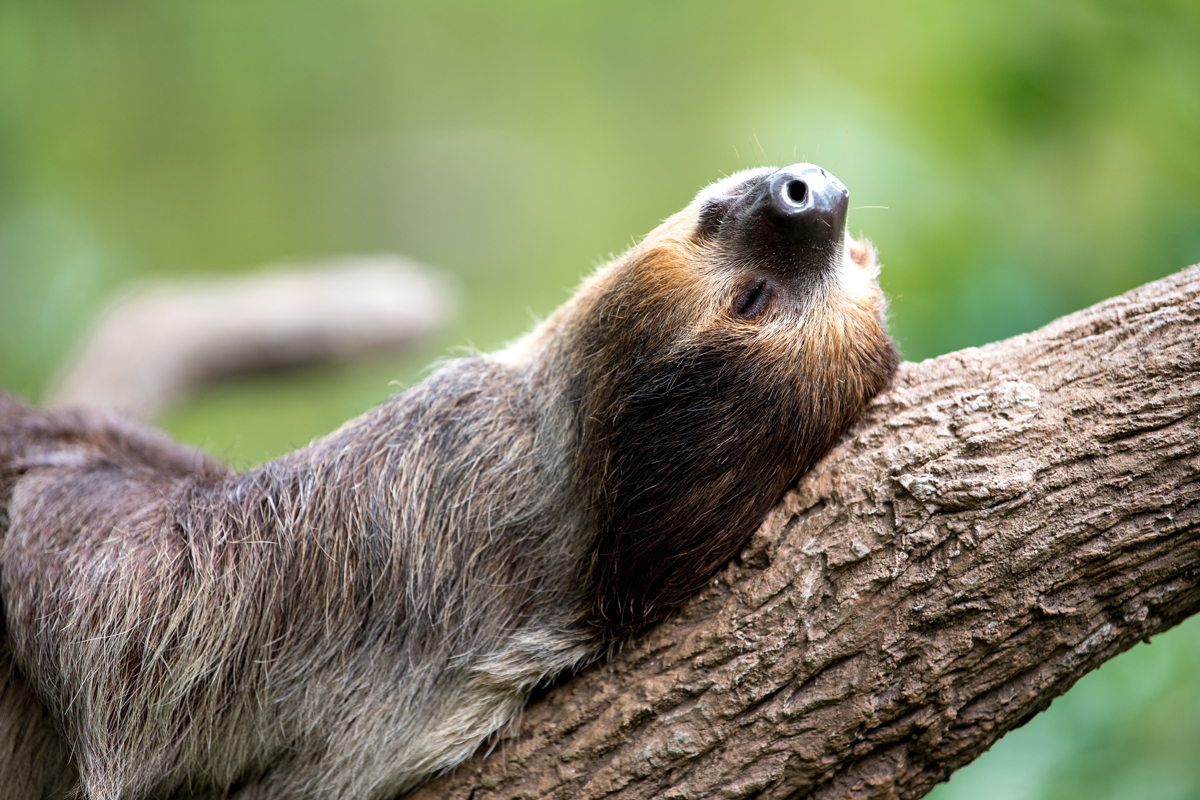
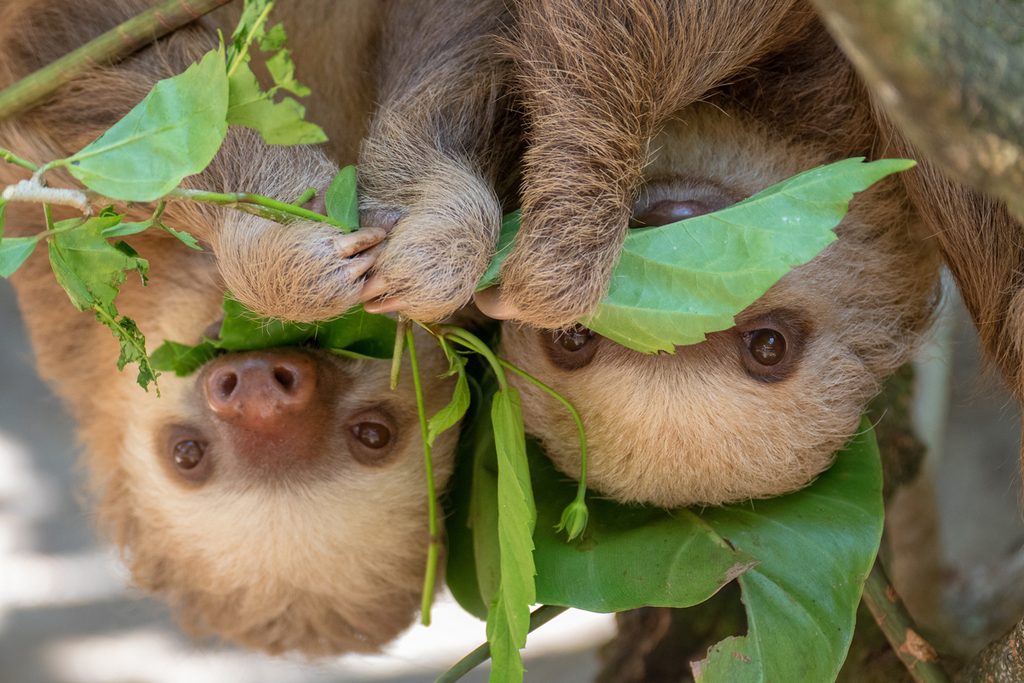
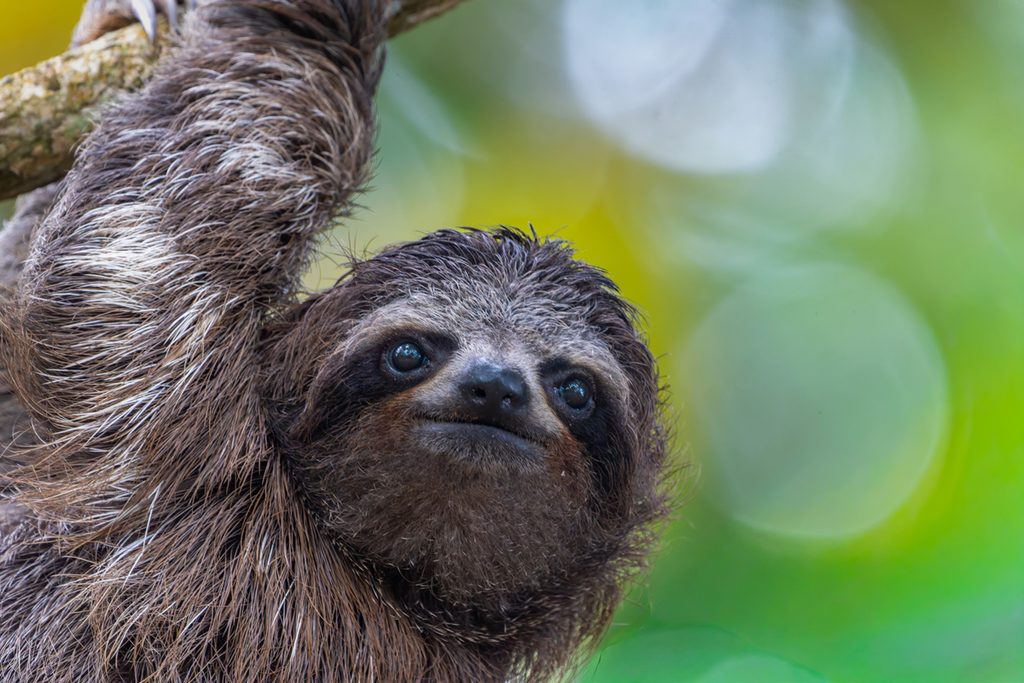
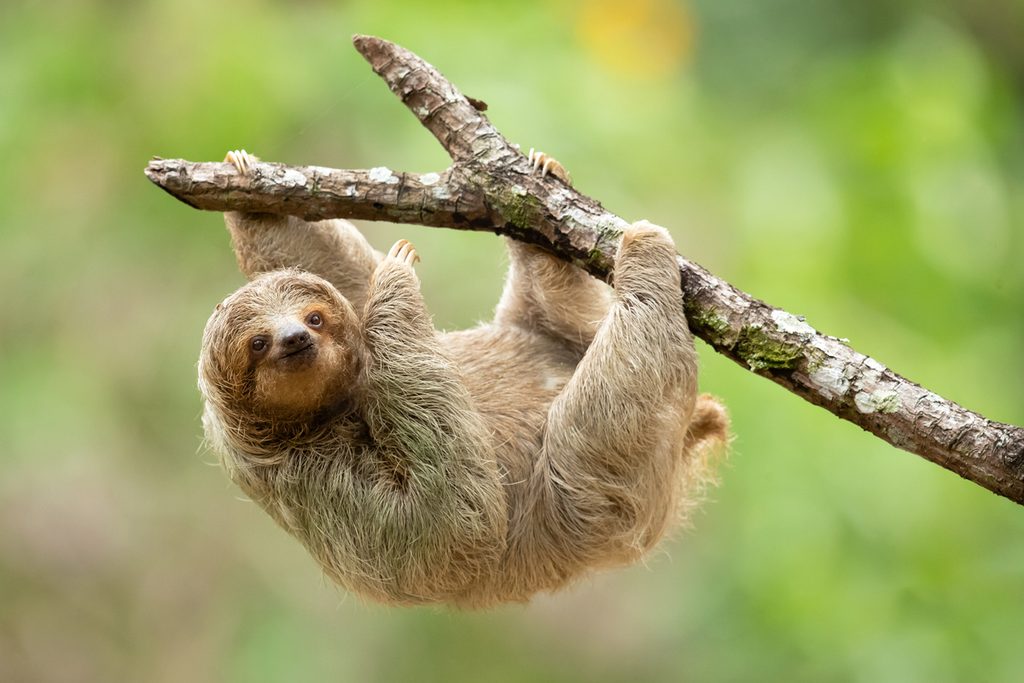
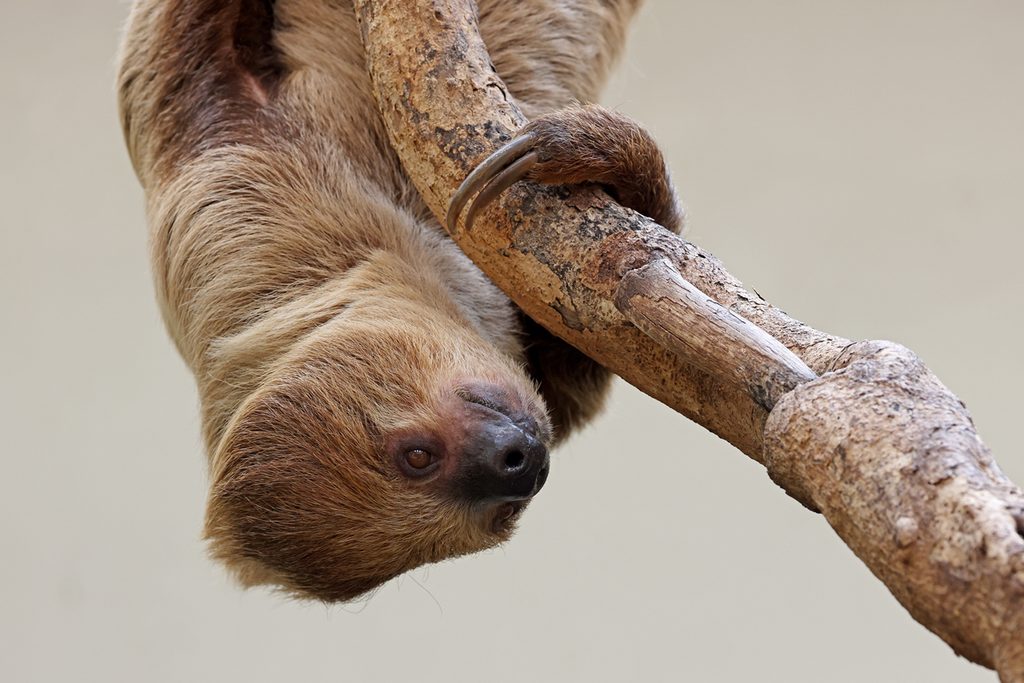
Sloths can take up to a month to digest a single leaf.
Kristina is a coffee-fueled writer living happily ever after with her family in the suburbs of Richmond, Virginia.
For a sloth, there’s no such thing as rushing through lunch — in fact, a sloth can take up to a month to process just one leaf through its digestive system. Their leafy diet is low in calories and difficult to digest, so they’ve evolved a slow metabolism and a digestive system that allows food to remain in the gut for a remarkably long time. Microbes help break down tough plant fibers and unlock nutrients and energy from the leaves they eat.
That slow digestion fits with the sloth’s energy-saving lifestyle. A sloth’s metabolic rate is just 40% to 74% of what would be expected for another mammal of the same body weight. Sloths conserve energy by moving slowly, eating relatively little, and spending much of their time resting. Because food can remain in the digestive tract for weeks, sloths typically defecate only about once a week.
Nicole is a writer, editor, and researcher with over 15 years experience covering arts and culture, lifestyle, and media. Her work has also appeared in PureWow, Brit + Co, Exclaim, AUX TV, and CBC. She lives in Ontario, Canada.
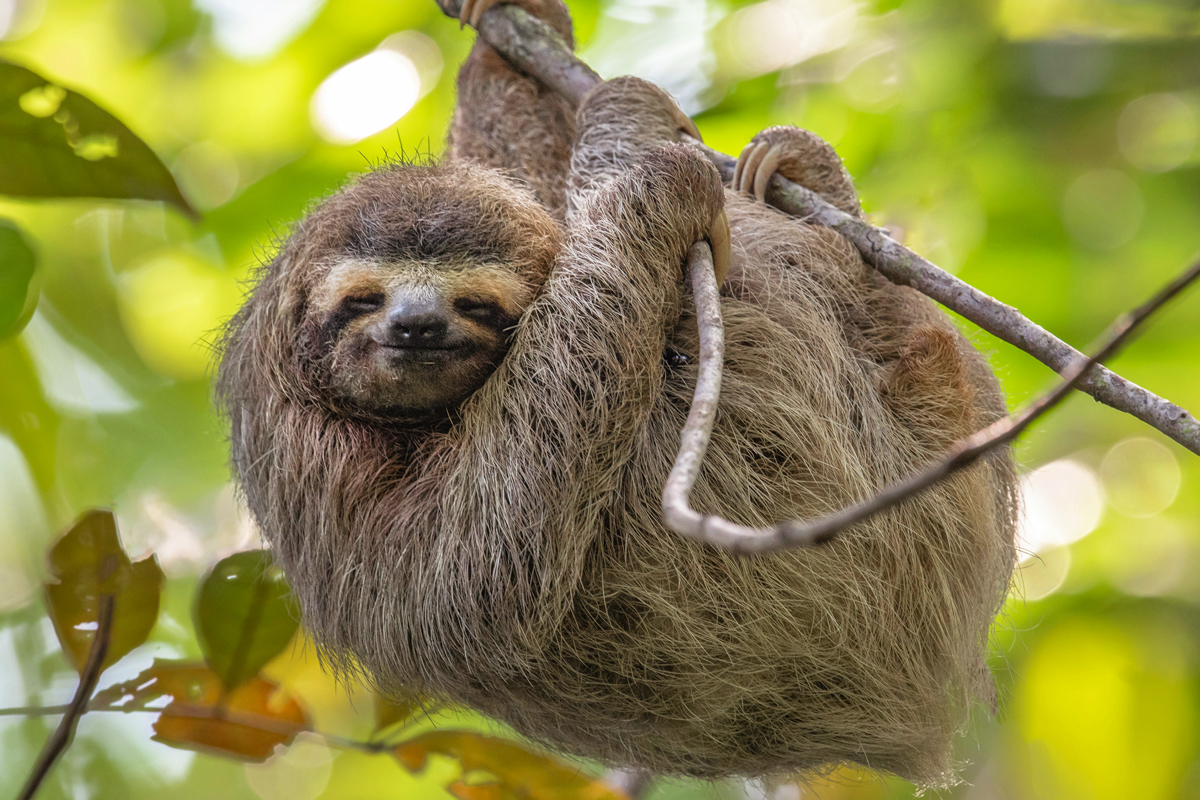
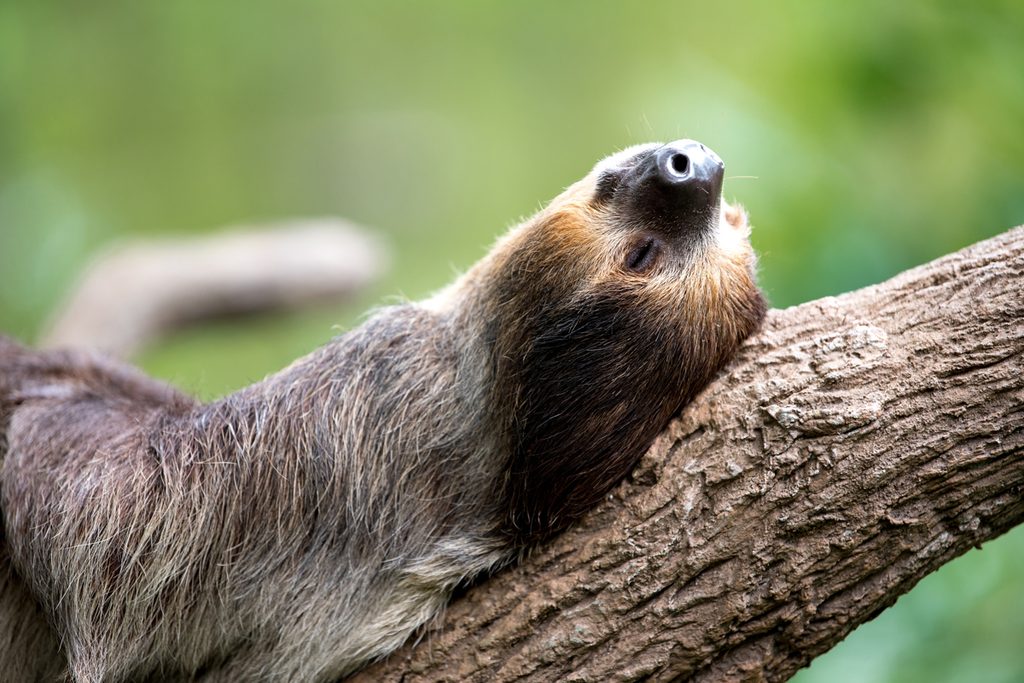
Sloths have made a lifestyle out of — and become modern cultural icons for — taking their time. They spend much of their lives hanging from tropical tree branches, creeping slowly through the canopy, and resting between meals. Their name, derived from the Old English word for “lazy,” couldn’t be more apt.
But their famously slow pace is more than just a personality trait; it happens to be a result of their economical physiology, designed specifically for doing almost everything very, very slowly. Let’s dive into the reasons sloths are so slow.
Credit: NadineOtt/stock.adobe.com
Their Diet Is Extremely Low in Calories
The first clue to a sloth’s leisurely lifestyle lies in its stomach: Sloths primarily eat leaves, which are plentiful in tropical forests but relatively low in calories. This means sloths have to make a little energy go a long way. Their metabolic rates are among the lowest recorded for mammals, with a daily energy expenditure of only about half of what would be expected for a similarly sized mammal.
Moving quickly takes a lot of energy, so there’s little advantage to burning through their limited supply just to get somewhere faster. Instead, a sloth spends most of its days hanging around treetops, eating when it needs to, and generally doing as little as possible to conserve the bit of energy it takes in each day.
Credit: KKern/stock.adobe.com
They Don’t Eat Much and They Digest It Slowly
A sloth’s low-calorie diet is limiting enough to its energy levels, but its stomach also takes its sweet time. Leaves are tough and fibrous, so sloths rely on fermentation to gradually break them down. The animal’s large, multi-chambered stomachs can remain almost constantly full as food slowly passes through and breaks down in the digestive system.
This means there’s a limit on how much a sloth can eat. Each day, a three-toed sloth eats an average of 73.5 grams (or 2.5 ounces) in dry weight of leaves — that’s roughly just a human handful or two of leaves. The contents of a sloth’s digestive system can account for up to 37% of its body weight and take days or even weeks to pass through, which is also why sloths typically only come down from the canopy to pass solid waste about once a week.
Credit: Milan/stock.adobe.com
Their Muscles Are Made To Go Slow
Sloths spend much of their lives suspended from branches, so their limbs need to be able to support their bodies without wasting much energy. A high proportion of a three-toed sloth’s limb muscles contain slow-contracting muscle fibers — upward of 85% in some areas, such as elbow flexors. Those muscles exert force gradually and help maintain controlled movements rather than generating bursts of speed or strength.
Their slow pace also helps keep the branches they’re traveling on from getting too wobbly. Their hind limbs act as both a brake and a stabilizer; this slow suspensory walking helps limit sudden increases in force and helps sloths conserve their hard-won energy.
Credit: Edwin Butter/stock.adobe.com
They Have Terrible Eyesight
Sloths don’t see particularly well. Genetic research has found they lack functional cone photoreceptors, the cells in the eye responsible for color vision and clear vision in daylight. Instead, their eyes are dominated by rod photoreceptors, which are minimally better at seeing in dim conditions but don’t provide the same level of detail or color vision that humans and many other mammals have.
Essentially, sloths are colorblind and don’t have great vision, especially in daylight. Fortunately, however, their world doesn’t require much long-distance vision.
They move slowly around their relatively predictable environment, where they don’t need to spot prey from a distance or track fast-moving predators. Instead, they rely on other senses, including smell and touch, to help navigate their surroundings.
Credit: Artem/stock.adobe.com
They Don’t Need To Run
Sloths may not be built to outrun predators (such as ocelots, jaguars, and harpy eagles), but they have another trick: not looking much like an animal in the first place. Algae and fungi growing in their fur often lends them a greenish tinge that helps them blend into the rainforest canopy, while their slow movements make them less noticeable to predators that hunt by sight.
Sloths also don’t produce body odor; instead, they have an earthy, organic smell thanks to the tiny ecosystem living in their fur, allowing them to blend even more seamlessly into their surroundings and keep living their slow, steady life.
Advertisement
Your Daily Guide to the Animal Kingdom
Get to know the animals that share our planet with this daily newsletter.
Success! Welcome to Animal Facts.
Check your inbox for your daily email.
Sorry, your email address is not valid. Please try again.