Why Do Naked Mole-Rats Look Like That?

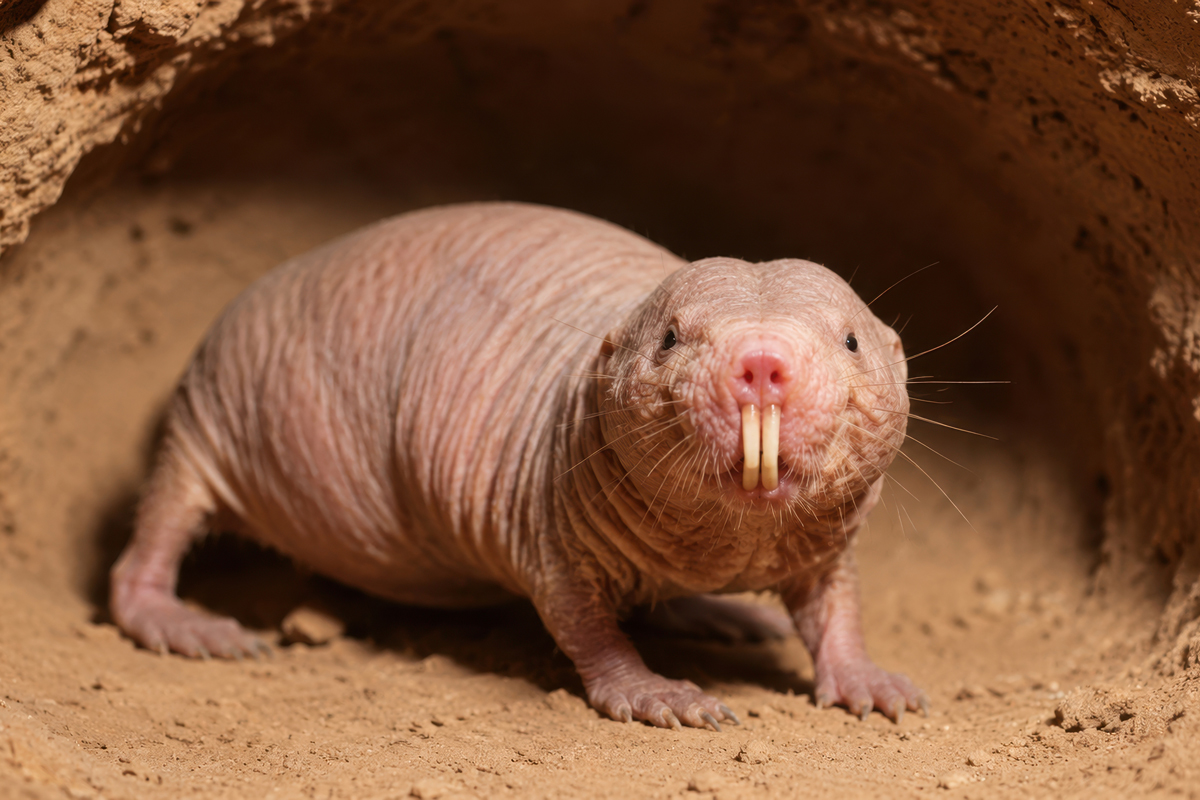
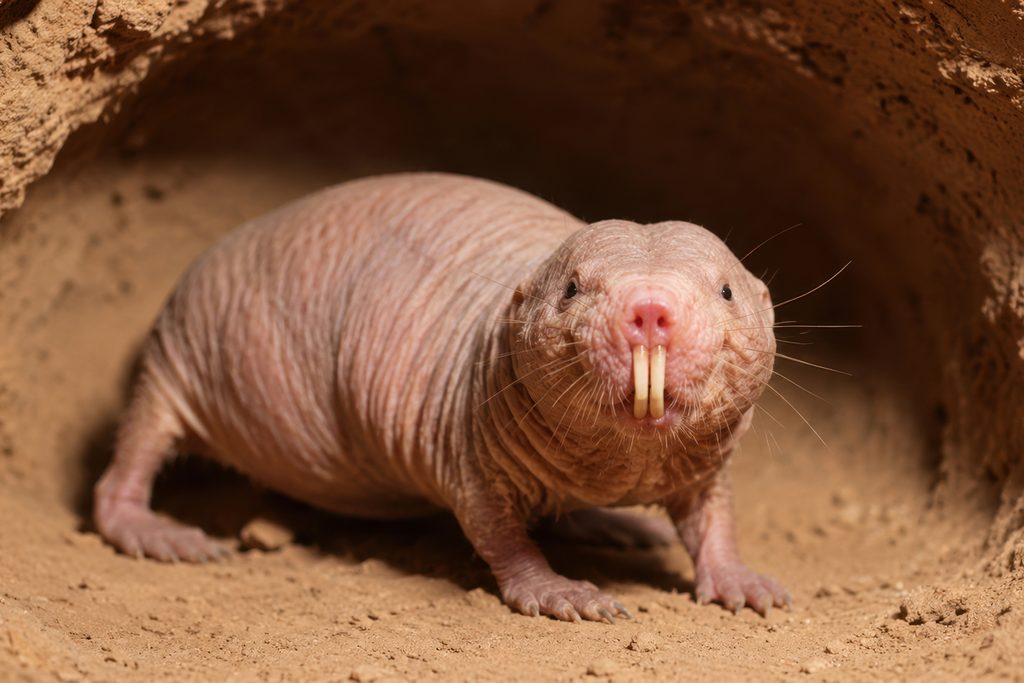
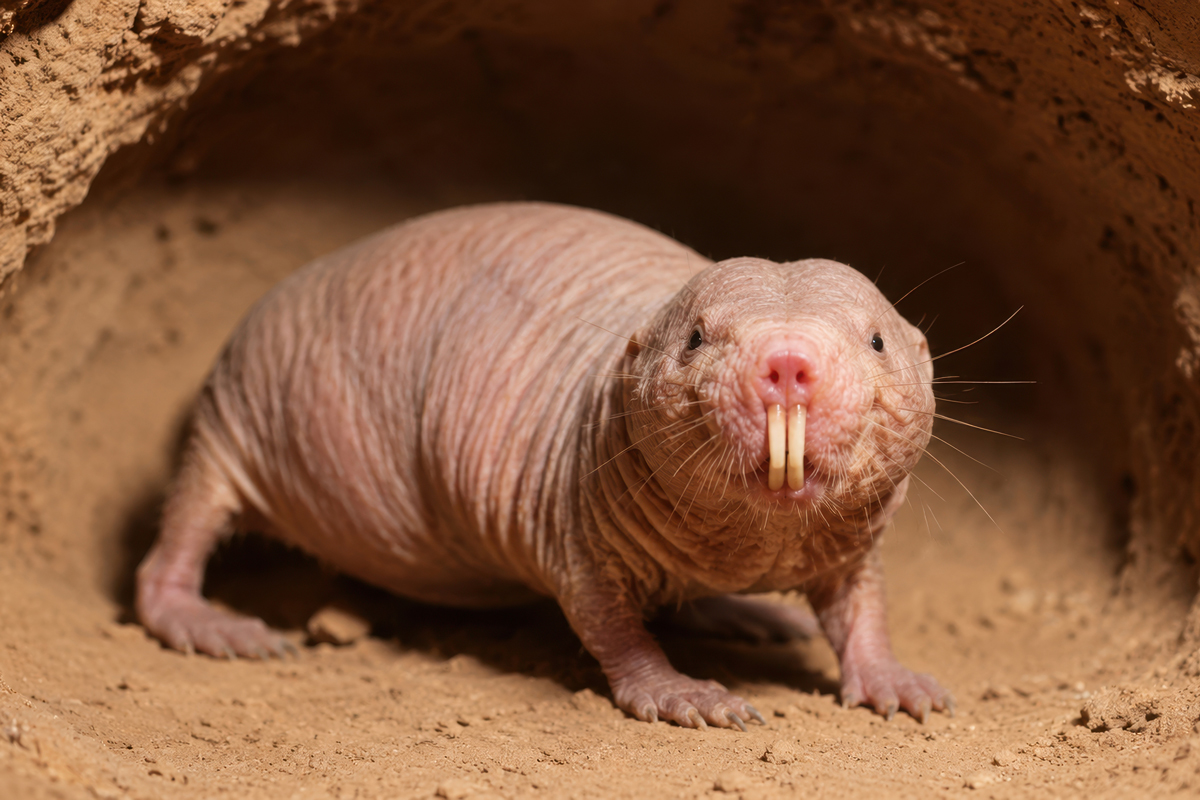
Naked mole-rat in its burrow
Credit: garpinina/stock.adobe.com

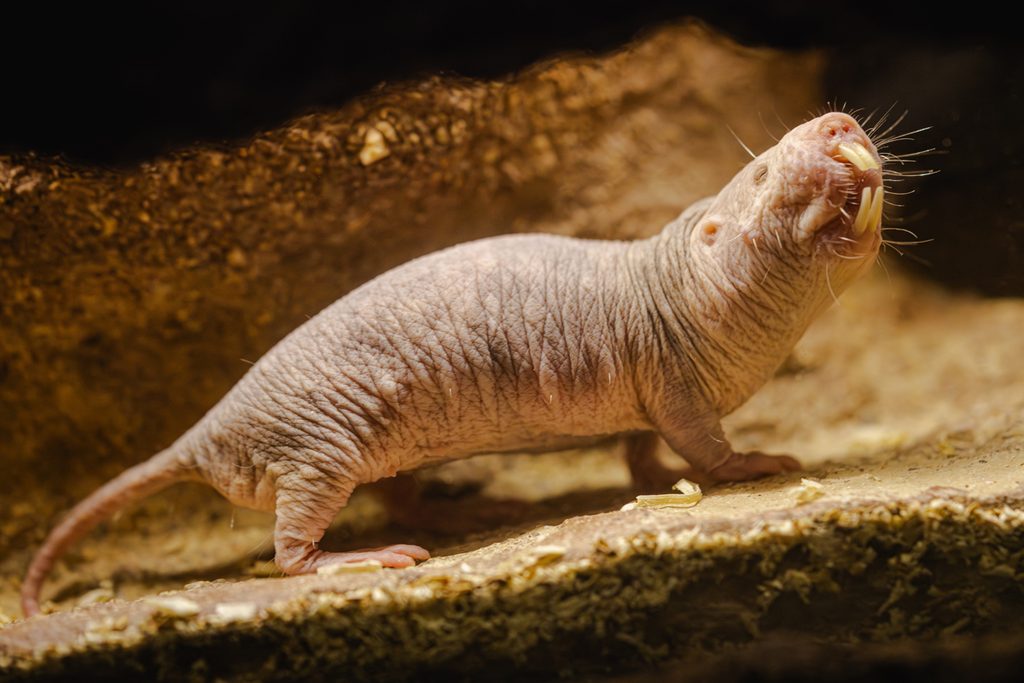
If you’ve ever seen a naked mole-rat, it likely made a lasting impression. Pink, wrinkled, nearly hairless, and equipped with a pair of enormous front teeth, it looks less like a typical mammal and more like a creature from a nightmare. Its tiny eyes and sparse coat of fine whisker-like hair only add to its startling appearance.

But there’s a good reason naked mole-rats look so unusual. Native to eastern Africa, these rodents spend virtually their entire lives in extensive underground tunnel systems, often living in colonies that can number in the hundreds. Life beneath the soil presents very different challenges from life above ground, and the naked mole-rat’s body reflects those unique demands. 
Credit: garpinina/stock.adobe.com

Their Teeth Are Digging Tools

Among the naked mole-rat’s most noticeable features  are its massive incisors. The teeth look almost comically large compared with the rest of the animal, but they serve a practical purpose underground.

Naked mole-rats are small, typically about 3 inches long and weighing roughly 1 to 1.5 ounces. Despite their compact size, they’re capable of excavating extensive tunnel systems, the largest of which reach up to 2.5 miles. Their incisors continue growing throughout their lives and serve as their primary digging tools. Unlike most rodents, they can move their lower incisors independently, allowing them to be precise when digging, manipulating objects, and handling food. About a quarter of their muscle mass lies in their jaws, giving them extra digging power.

Their lips are also specially suited to tunneling; they can close behind the incisors, keeping soil from filling the mouth while the animal digs. Naked mole rats can excavate through hard-packed soil with their teeth and work cooperatively to move the excess dirt through the colony’s tunnel network. Those tunnels house everything the animal needs, connecting feeding areas, nesting chambers, and other parts of the colony.
Credit: TenWit/stock.adobe.com

They Don’t Need Fur Like Most Mammals

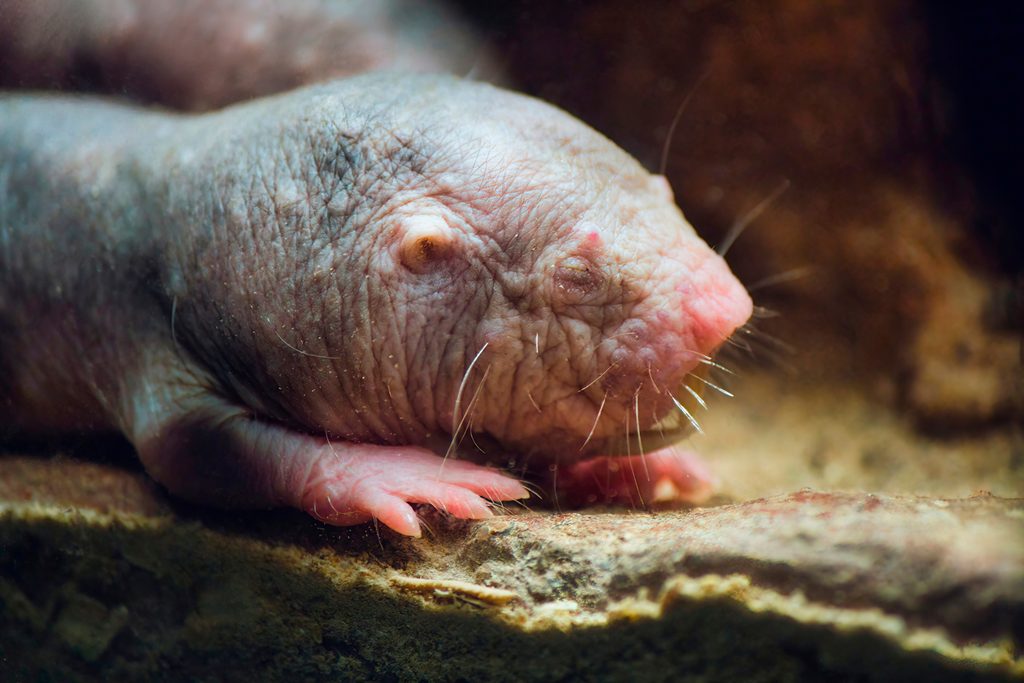
The lack of fur is one of the mole-rat’s most striking features, but it makes perfect sense underground. Insulation and sun protection is less important for them than it is for many above-ground mammals. Naked mole-rats are unusual among their class because they do not maintain a constant internal body temperature.

Instead, their temperature changes with their surroundings, and they move through different parts of the burrow or huddle with other colony members to regulate it. Their underground environment provides relatively stable conditions compared with the surface, while huddling helps conserve heat.

They’re not quite naked, though. Sparse sensory hairs cover the body and tail, while whiskers surround the face. These hairs are more useful for detecting the environment than for keeping the animal warm. In the darkness of a tunnel, touch is far more valuable than a thick coat or keen eyesight. The hairs help naked mole-rats orient themselves and move through tunnels, including when traveling backward.
Credit: petrrgoskov/stock.adobe.com

They Don’t Need to See Well, Either

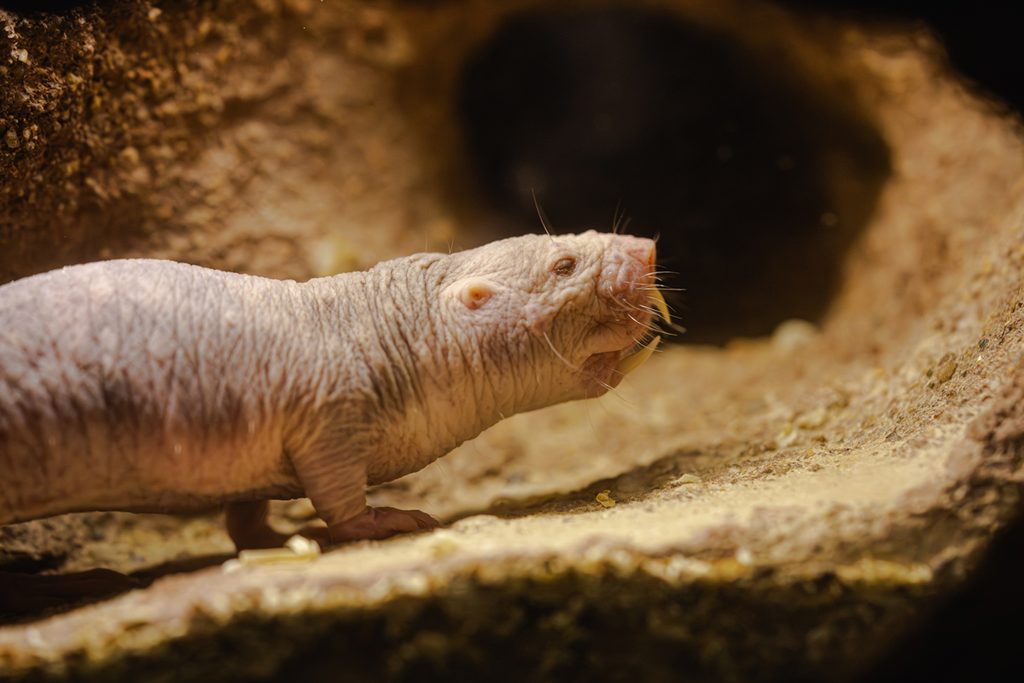
Naked mole rats have small eyes and poor vision, which isn’t particularly surprising for animals that spend virtually their entire lives underground. Instead of relying heavily on sight, they navigate using touch, hearing, smell, and other sensory information. Their bodies are essentially equipped with a tactile map: Sensory hairs detect contact with the tunnel walls, while their sensitive teeth provide information about what the animal encounters as it digs.

That reliance on touch is reflected in the brain. Researchers have found that nearly one-third of the naked mole rat’s primary somatosensory cortex — the region involved in processing touch — is devoted to its upper and lower incisors. Since their teeth serve as digging tools, food-handling equipment, and a way of interacting with the environment, knowing exactly what they’re touching is extremely useful.
Credit: petrrgoskov/stock.adobe.com

They’re Unusual on the Inside, Too

Air quality is another unique challenge of underground life. Hundreds of animals living together in poorly ventilated tunnels consume oxygen and produce carbon dioxide. For most mammals, sufficiently low oxygen or high carbon dioxide can quickly become dangerous. Naked mole-rats, however, have evolved an unusual physiology that allows them to tolerate both conditions.

Their metabolism is exceptionally economical, and they can reduce their physiological activity when oxygen becomes scarce. Under extreme oxygen deprivation, they can even switch their metabolism from using glucose to fructose, allowing their cells to produce energy without oxygen in a way that most mammals cannot sustain. They are also unusually tolerant of high carbon dioxide levels. Unlike humans and many other mammals, they don’t experience the same pain response to the acidic conditions produced by elevated carbon dioxide. 

The naked mole-rat’s strange appearance, then, is only part of its adaptation to an unusual way of life. Above ground, it may look peculiar, but underground, it’s well-equipped for the world it was built to inhabit.
Naked mole-rats can be immune to pain.

Naked mole-rat in its burrow
Credit: garpinina/stock.adobe.com

Naked mole-rats are burrowing rodents with an unusual ability to withstand certain types of pain. Their crowded, poorly ventilated underground colonies can have extremely high levels of carbon dioxide and other chemical irritants, which causes acidosis in the body’s tissues and normally activates pain-sensing nerves in mammals. Naked mole-rats, however, are essentially insensitive to acid-induced pain: Scientists have found a species-specific genetic mutation prevents their pain-sensing neurons from responding normally to acid.

These creatures are also behaviorally insensitive to the pain caused by capsaicin, the compound that makes chili peppers hot, although this appears to involve a different mechanism than their resistance to acid. Naked mole-rats aren’t immune to all types of pain, however; they respond normally to acute mechanical pain,such as pinching, as well as to the pain caused by heat.

The 5 Deadliest Hunters in the Bird Kingdom

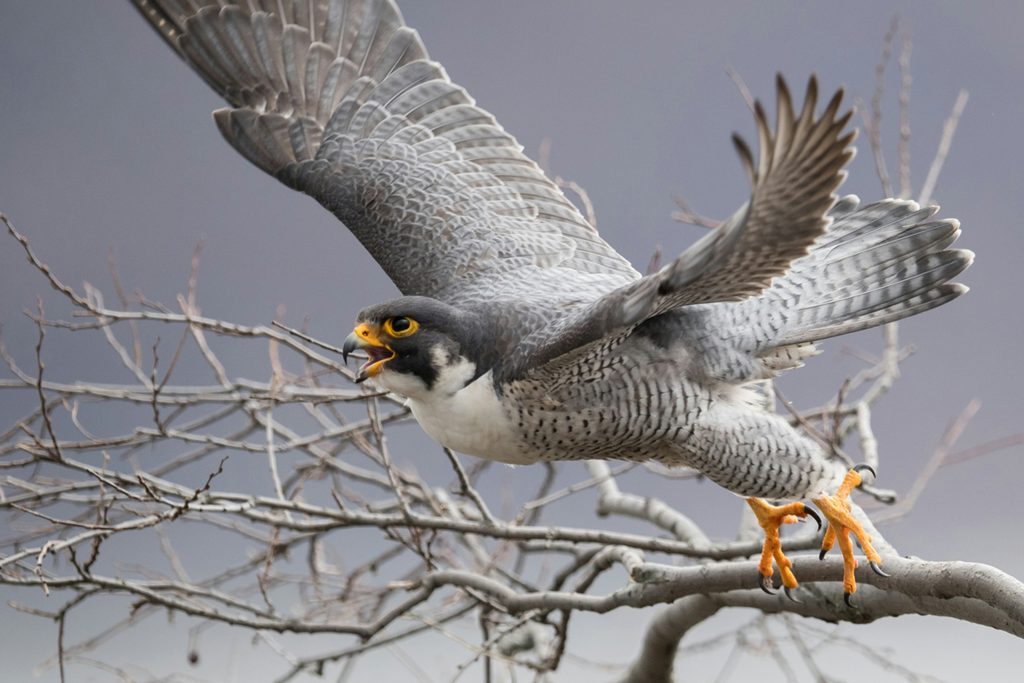
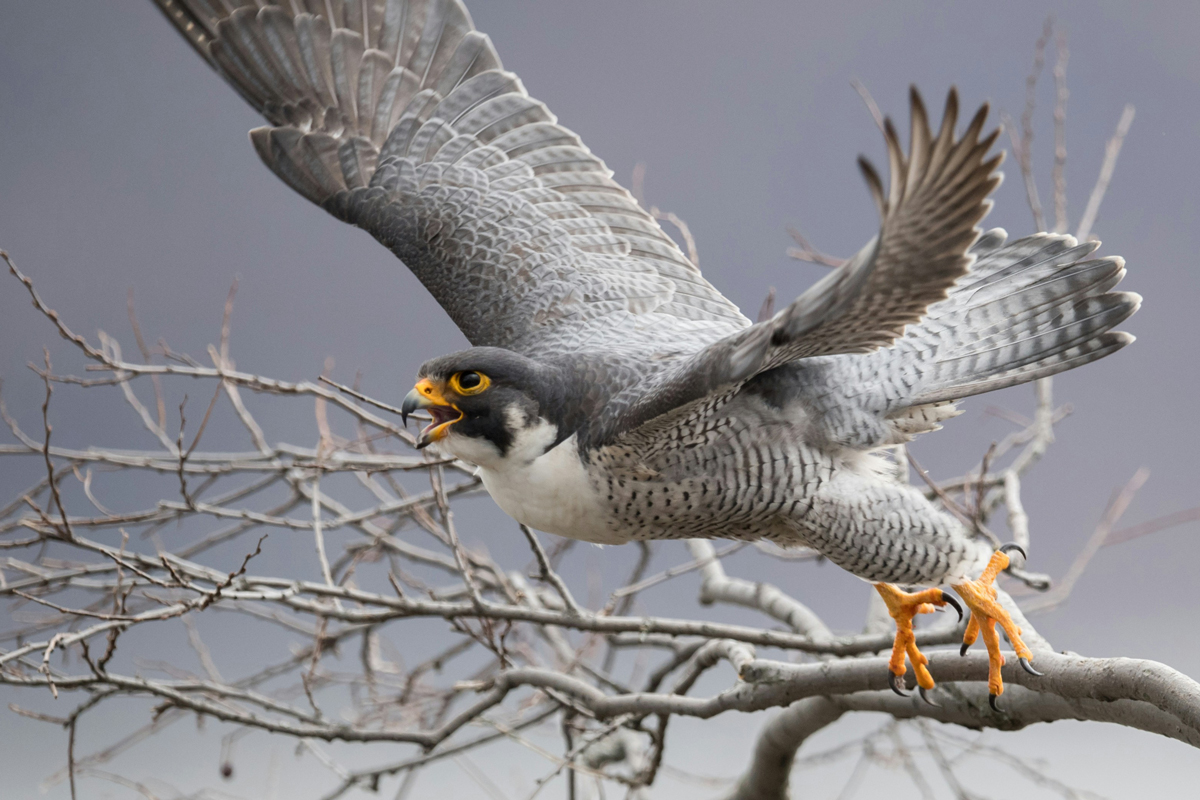
Peregrine falcon taking off from tree branch in flight
Credit: Getty Images/Unsplash.com

If a dinosaur could look upon its avian descendants, it may feel a little disappointed. It would likely consider modern birds to be small, delicate-looking things that hardly deserve to be linked to mighty predators such as the Tyrannosaurus rex or Giganotosaurus. But even the most disdainful dinosaur might change its mind — and perhaps feel a twinge of pride — upon witnessing some of the avian realm’s most incredible hunters in action. 

Birds of prey across the globe have evolved an astonishing range of specialized hunting techniques, proving that being an exceptional predator doesn’t require sheer bulk and massive teeth. Here are five birds that impressively answer the same basic evolutionary question: How do you catch something that doesn’t want to be caught?

Credit: Getty Images/Unsplash.com

Peregrine Falcons

The peregrine falcon is the fastest animal on the planet. When diving after prey it uses a maneuver called a “stoop,” tucking its wings against its body to create a streamlined frame that cuts through the air with minimal drag. This allows it to move upwards of 240 miles per hour. 

Small bony tubercles inside its nostrils help regulate the extreme airflow at these speeds, preventing damage to its lungs, while a translucent third eyelid protects its eyes without blocking its vision. The bird’s impact alone is often enough to kill or stun its prey midair, making peregrine falcons some of the most effective hunters on Earth. 

Credit: ezequiel/stock.adobe.com

Golden Eagles

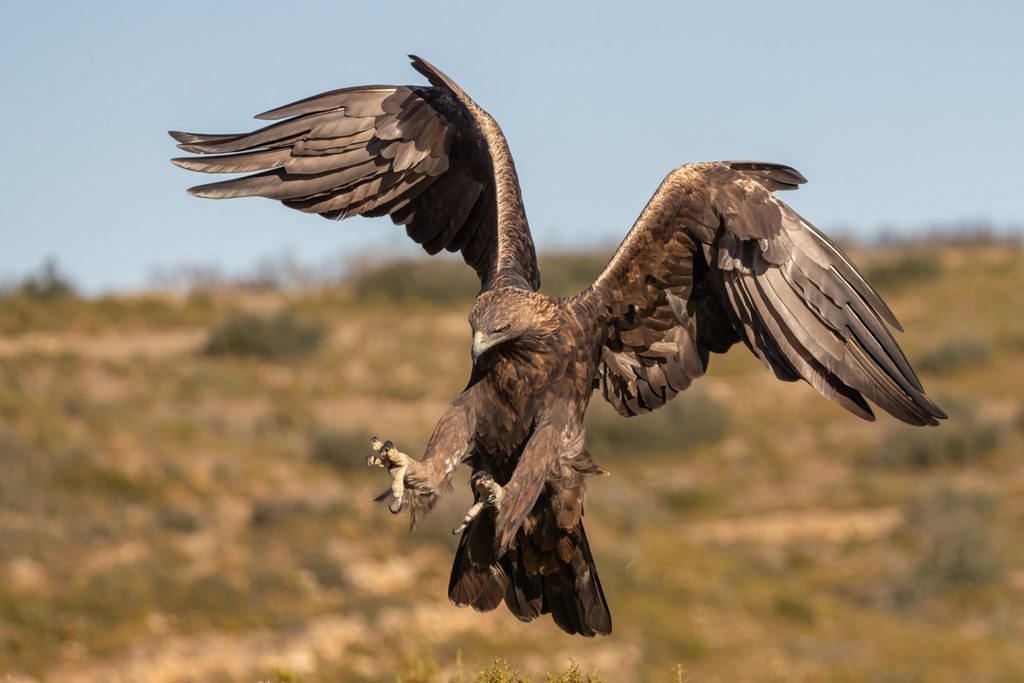
Golden eagles fall just short of peregrine falcons in diving speed, but they outshine them when it comes to raw power. These fearsome birds of prey are equipped with large talons that exert several hundred pounds of crushing force per square inch, enabling them to take down prey as large as deer and even juvenile brown bears. Exceptional eyesight, roughly four to eight times sharper than a human’s, allows them to spot prey from over a mile away while soaring on thermal air currents. 

Once a target is located, the eagle deploys one of seven distinct hunting techniques, based on the size and speed of its prey, and whether the target is on land or in the air. Their methods range from dive-bombing birds in the air in the style of peregrine falcons to attacking large mammals talons-first and “riding” them until they succumb to their injuries. When it comes to versatility across a wide range of terrain types, the golden eagle is hard to match. 

Credit: Glenn/stock.adobe.com

Ospreys

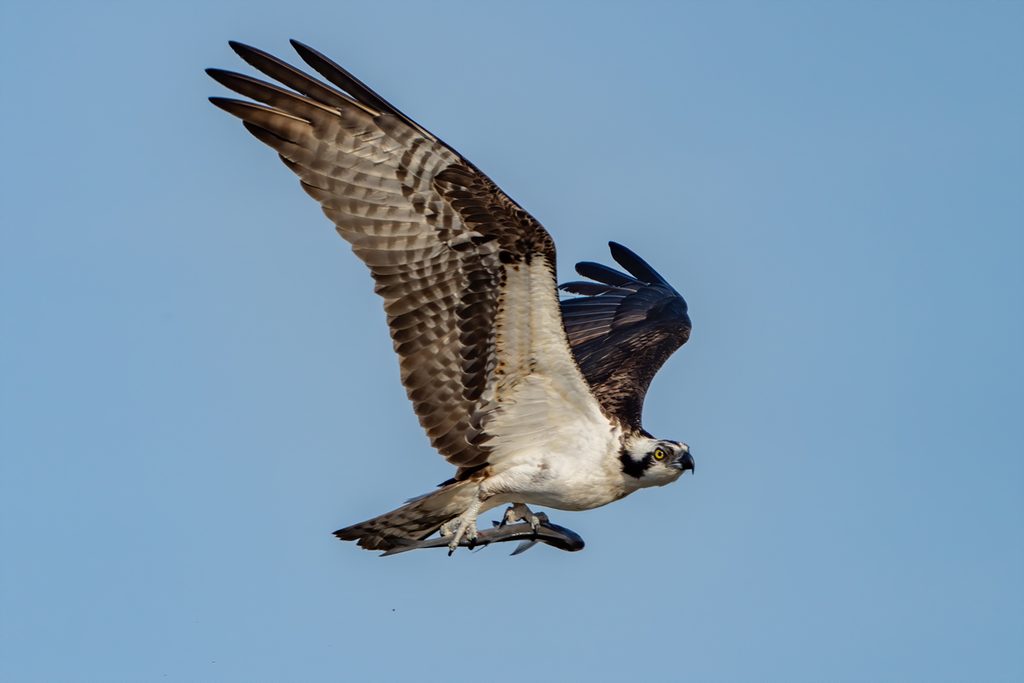
Ospreys are specialist hunters, focused on one primary task: catching fish. A range of adaptations give them a hunting success rate as high as 70% when plunging feet-first into lakes, rivers, and coastal waters. 

Unlike most raptors, they have a reversible outer toe that lets them grip prey with two talons in front and two in the back, while small backward-facing spines on the soles of their feet keep slippery fish from wriggling free. They’ve also adapted to hitting the water at speeds approaching 80 miles per hour; their dense, oily feathers repel water, their nostrils close automatically to stop it rushing in, and a third transparent eyelid protects their eyes upon impact.

Credit: Gabrille/stock.adobe.com

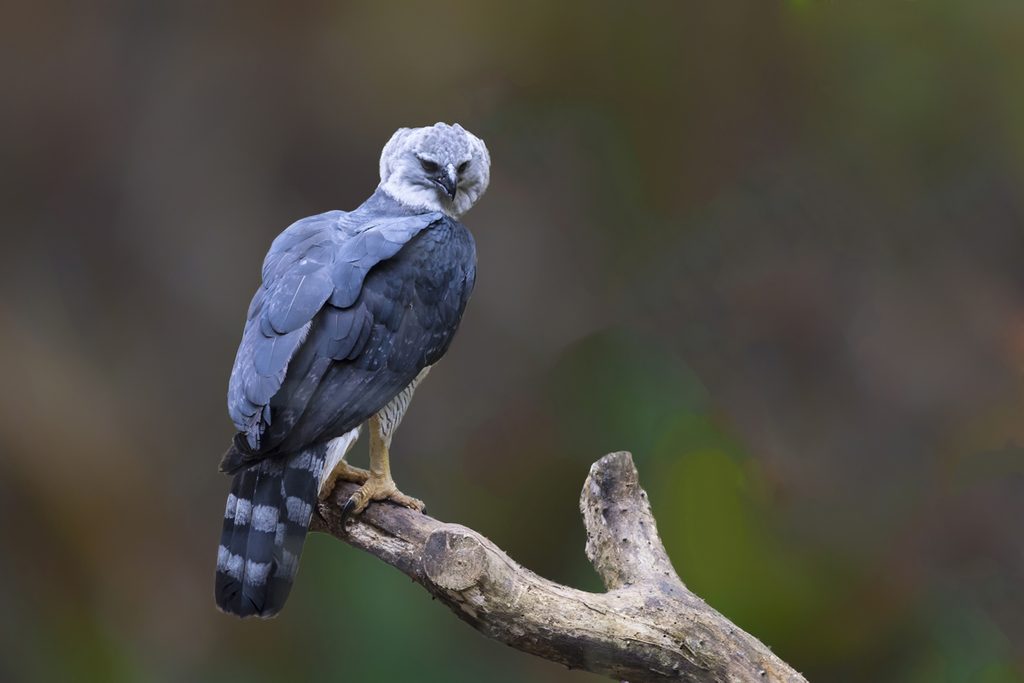
Harpy Eagles

The harpy eagle is one apex predator you don’t want to mess with. One of the largest and most powerful eagles on Earth, it likes to perch on trees within the dense canopies of Central and South American rainforests, scouting for prey. When it spots a target, it relies on short bursts of speed and extraordinary strength rather than open-sky dives. Its rear talons grow to about 4 to 5 inches — the same size as a grizzly bear’s claws — and can exert enough crushing force to snap bone instantly. 

Harpy eagles are capable of carrying their own body weight, allowing them to snatch monkeys and sloths directly from tree branches before whisking them away. Although incredibly rare, they have even been recorded attacking adult humans. 

Credit: Karlos Lomsky/stock.adobe.com

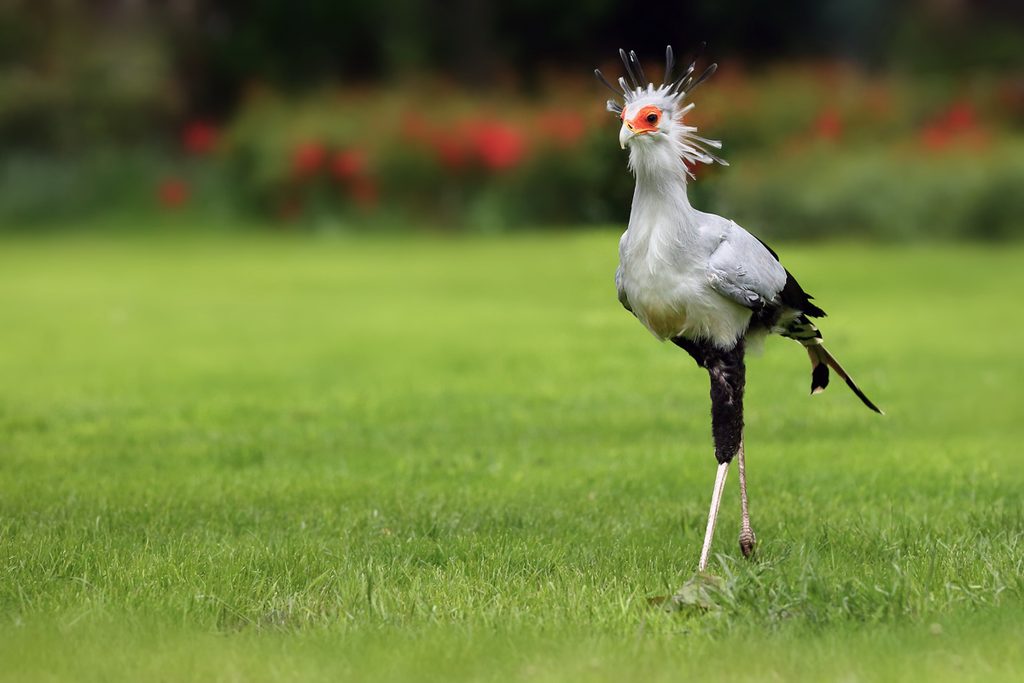
Secretarybirds

Rather than relying on its beak or talons , the secretarybird kills with its legs. This African bird of prey — which, at over 4 feet, is the tallest raptor in the world — is unique in that it primarily hunts on foot. It stalks through grasslands and shrublands in search of a wide range of prey, including insects,  mongooses, meerkats, small birds, tortoises, and venomous snakes. 

When in range of a suitable target, it delivers powerful kicks that impart five to six times its bodyweight in a fraction of the time it takes to blink an eye. The speed isn’t just for show; a slower strike would give a venomous snake time to retaliate, so the agile, ninja-like secretarybird utilizes pre-planned, split-second targeting to attack before its prey knows what hit it.
5 Animals That Thrive Without Bones

Starfish lying on coral reef
Credit: shahd/Unsplash.com

As humans, bones seem rather fundamental to a body’s structure, but plenty of animals get along perfectly fine without them. Instead, these animals have evolved alternatives such as extra strong cartilage, shells, fluid-filled bodies, or flexible tissues to provide the structure and protection needed for survival. 

The absence of bones may allow for smaller bodies or more flexibility in environments where a rigid skeleton would be more of a hindrance than a help. Here are five animals who make no bones about their bodily makeup.

Credit: CrazyForAnimeArt/stock.adobe.com

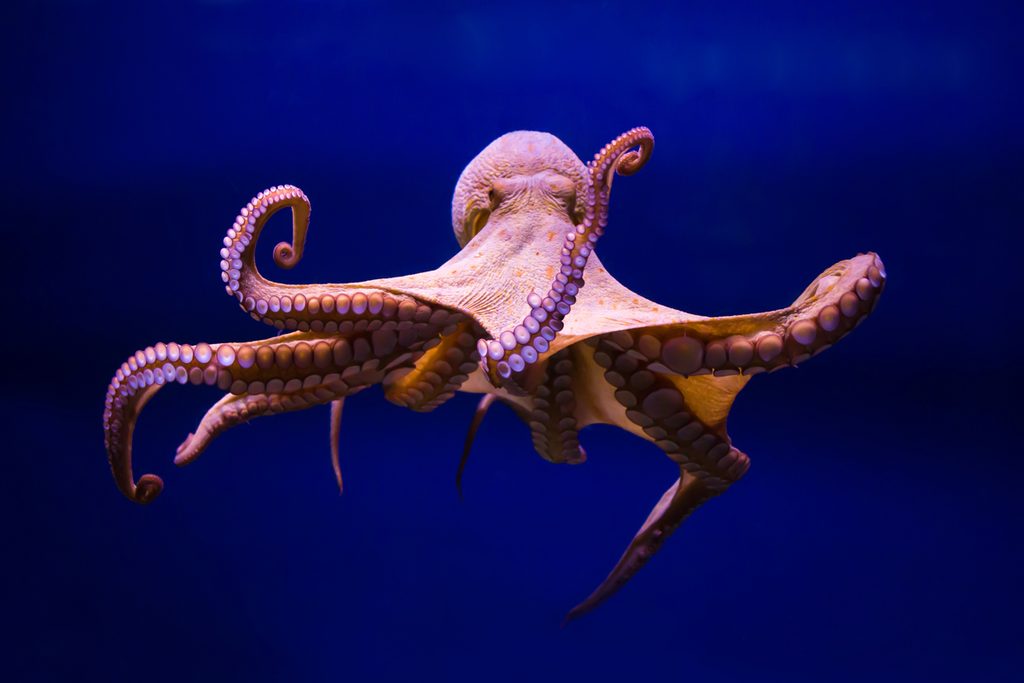
Octopuses

Undoubtedly one of the most famous boneless animals, octopuses are cephalopods, a group that also includes squid, cuttlefish, and nautiluses. Their ancestors had external shells, but over millions of years of evolution, cephalopods evolved to have smaller, internalized, and, eventually, no shells. For octopuses, losing that rigid outer structure allowed for a much more flexible and active body, helping them maneuver difficult habitats and squeeze into seemingly impossibly narrow spaces.

Today, an octopus has just one hard body part: its beak, which is made of chitin, a tough material formed from long chains of sugar molecules. This means an octopus can typically squeeze through any opening large enough for its beak to pass through — making these already complex creatures skilled escape artists too.

Credit: willyam/stock.adobe.com

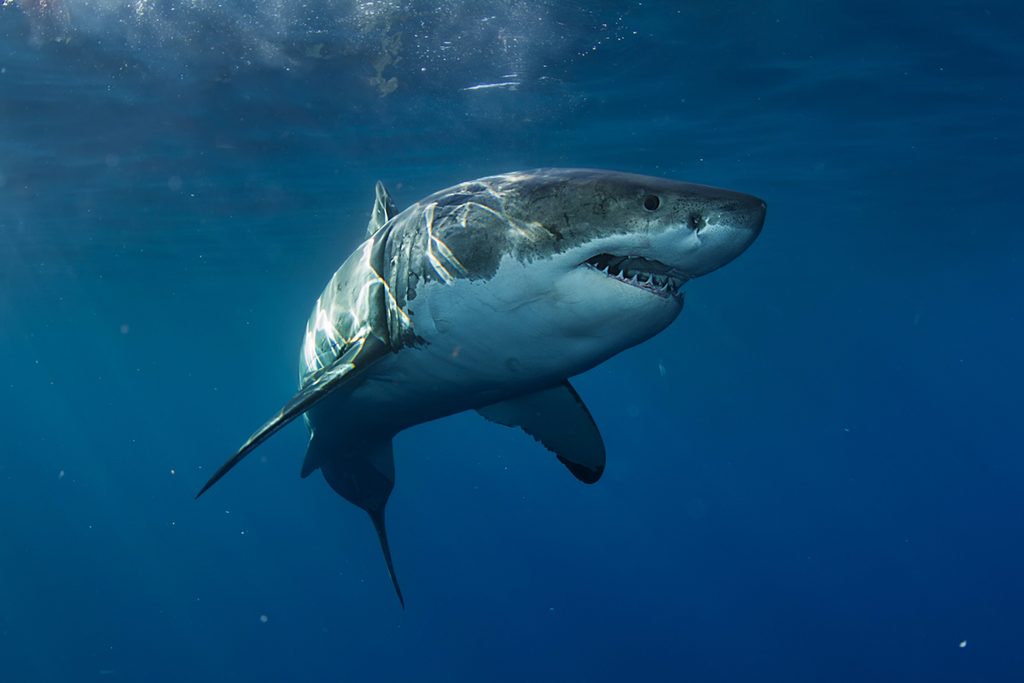
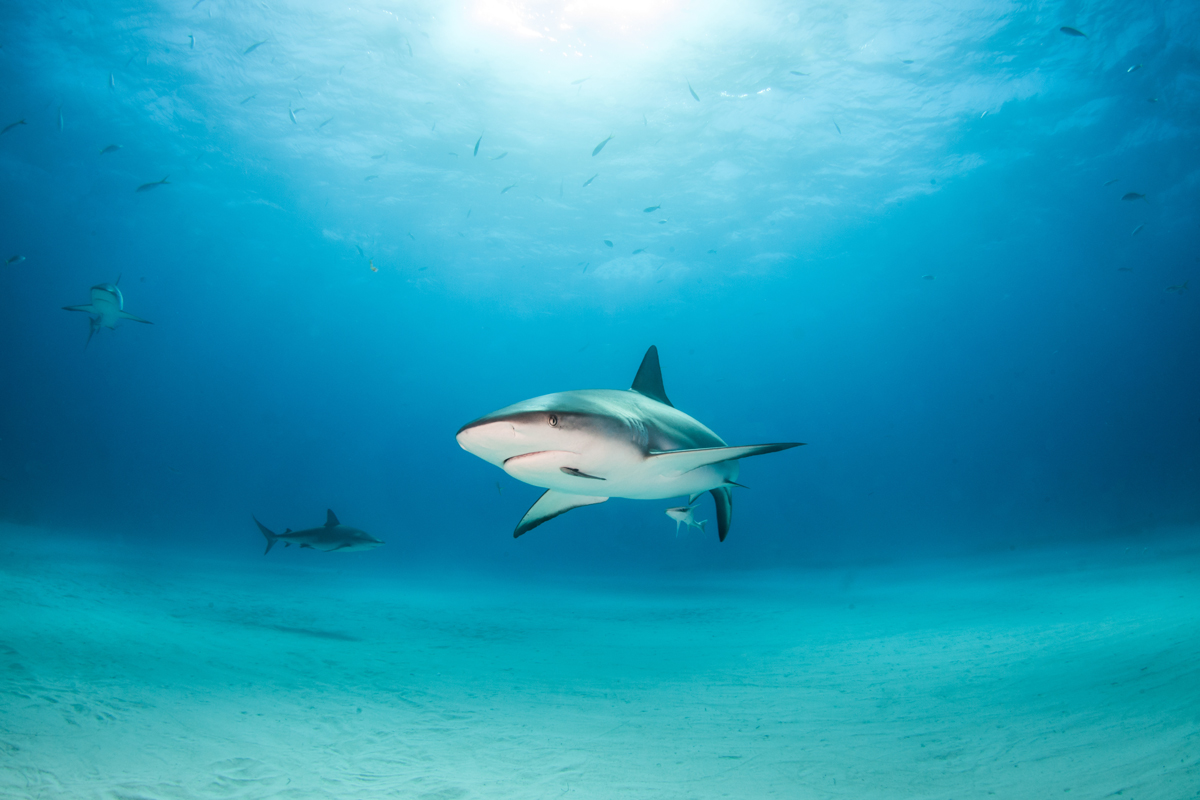
Sharks

Sharks are vertebrates, but unlike most animals with backbones, they have no bones at all. Instead, they’re part of a group called cartilaginous fish, or chondrichthyans, and their skeletons are made almost entirely of cartilage — the same flexible material that makes up your ears and the tip of your nose. 

It’s believed that sharks diverged from the ancestors of modern bony fish more than 400 million years ago, and their lighter, more flexible skeletons may have helped them become the highly skilled swimmers and predators we know them to be. As sharks mature, parts of their cartilage, including their jaw and spinal column, become hardened with calcium salts, making their skeleton stronger without the weight of true bones. 

Credit: Michael Podger/Unsplash.com

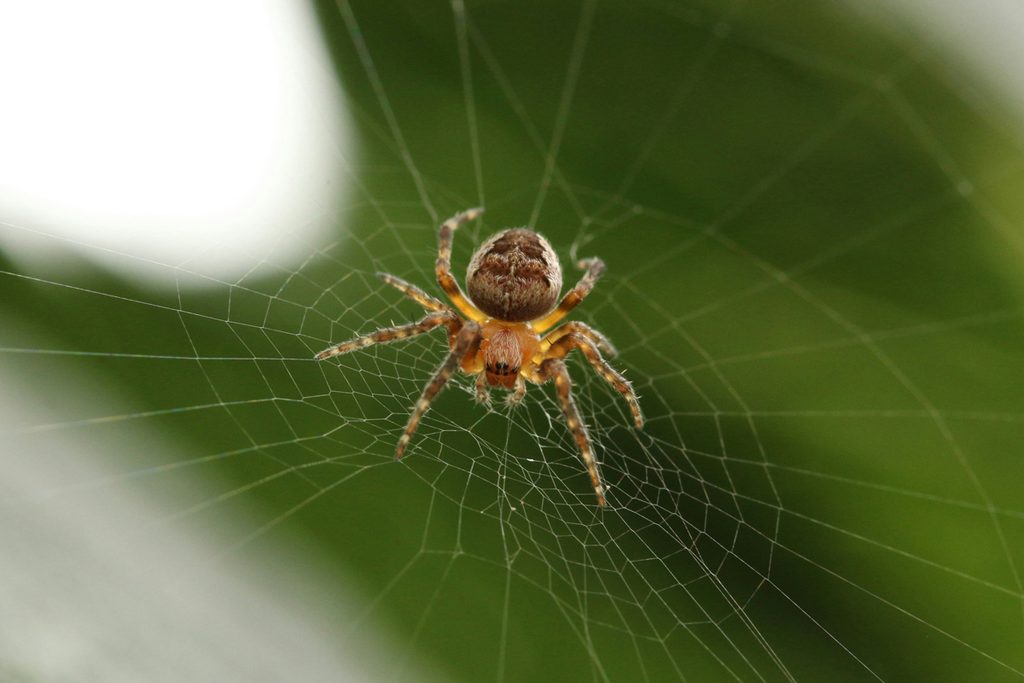
Spiders

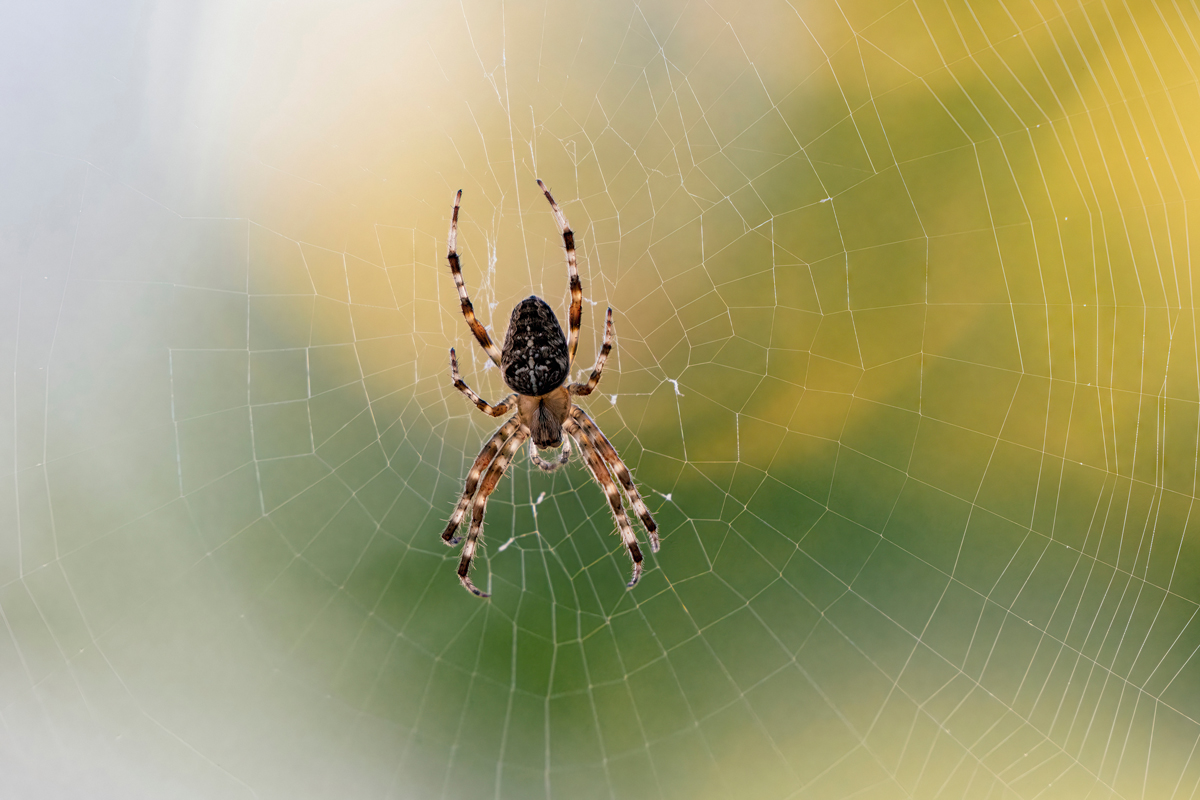
Spiders don’t have internal bones; instead, they wear their skeletons on the outside. Their exoskeleton,made primarily of chitin, gives the arachnid its shape and structure, protects the internal organs, and gives the muscles something to pull against. There is, of course, a major catch to having a skeleton on the outside: It can’t grow with the animal. 
As a spider gets larger, it must shed its old exoskeleton and form a new, larger one in a process called molting. During this brief period, the spider’s new exoskeleton is quite soft, leaving it extra vulnerable to predators, and some spiders will even hide away or stop feeding while their new outer skeleton hardens.

Credit: Unclesam/stock.adobe.com

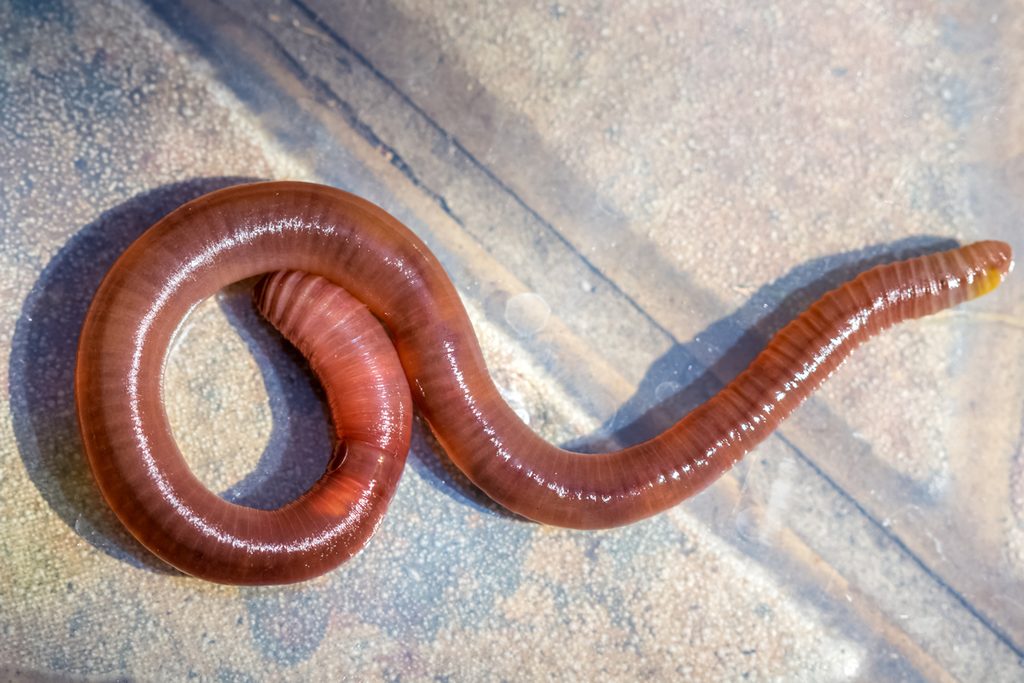
Earthworms

Earthworms may seem like fairly simple creatures, but their boneless bodies actually contain a clever built-in support system. These annelids move themselves using a hydrostatic skeleton: Their segmented bodies are filled with fluid, creating pressure for their muscles to push against. 

By contracting and relaxing different sets of muscles, earthworms alternately stretch and shorten their bodies, inching their way through the underground. Tiny bristles called setae also run along their body segments, helping anchor parts of the body as the worm moves. For an animal that spends much of its life burrowing, this flexibility is certainly much more useful than a rigid skeleton would be.

Credit: shahd/Unsplash.com

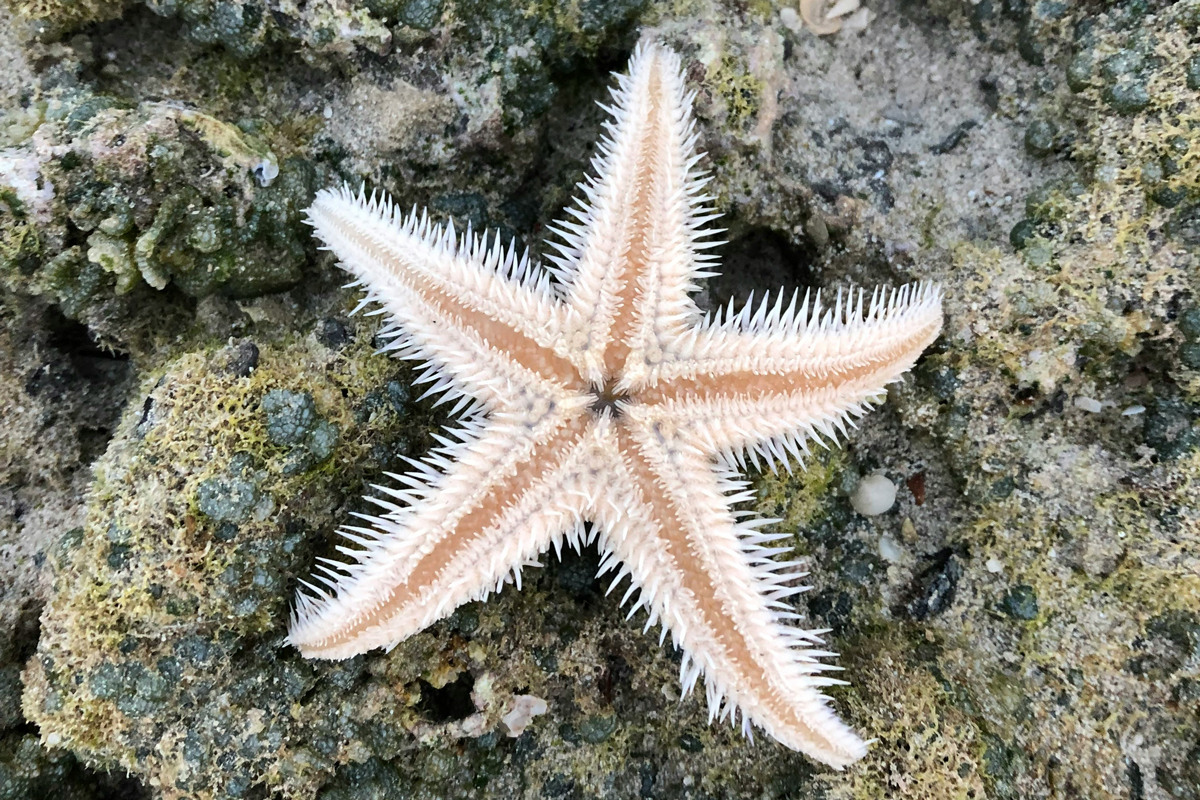
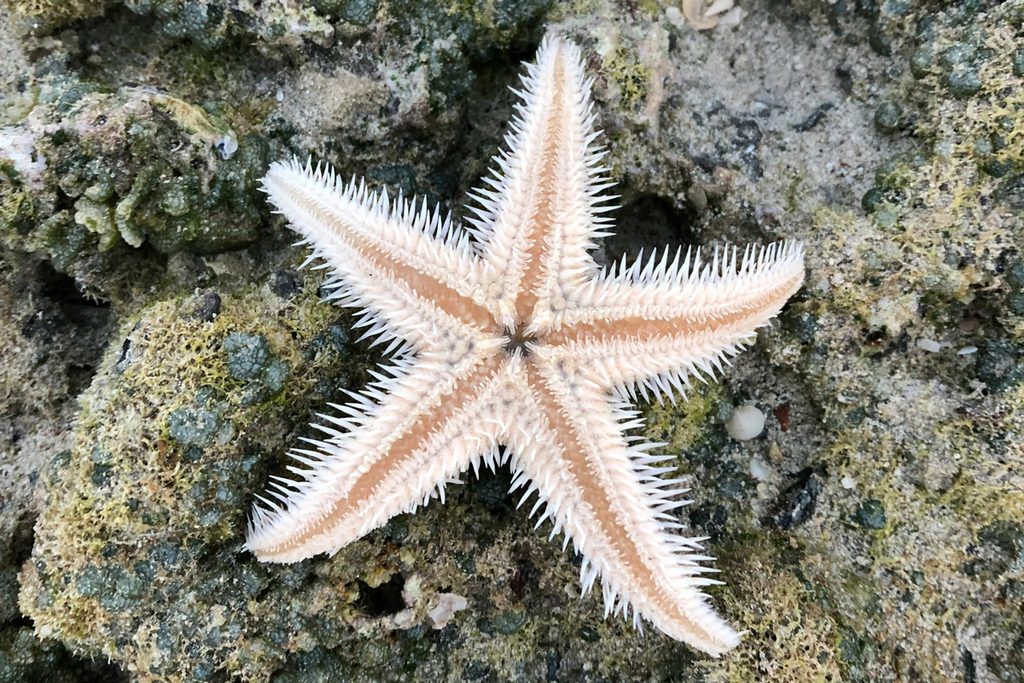
Starfish

Underneath a starfish’s squishy-looking skin is a surprisingly complicated internal framework that makes them tougher than they appear. These echinoderms don’t have bones like vertebrates do; instead, their bodies are supported by hundreds or even thousands of tiny, honeycomblike calcium-carbonate structures called ossicles (not to be confused with the ossicles in human ears). 

The ossicles are embedded in their skin and connected by muscles and tissues, creating a framework that supports the starfish without making it rigid. This makeup, known as an endoskeleton, gives starfish a useful mix of strength and flexibility.

Sharks are older than trees.

Sharks swimming underwater
Credit: Michael Bogner/stock.adobe.com

The first true trees appeared on Earth about 350 million years ago, making them almost unfathomably old — but not as old as sharks. These aquatic animals predate the Archaeopteris tree by about 50 million years, meaning they’ve been haunting the waters for at least 400 million years. If you consider  “proto-shark” species such as Doliodus problematicus, some put that figure closer to 450 million years. 

Because the only known remnants of those first sharks are tiny scales, no one’s entirely sure what those creatures looked like — but it’s thought they may have been toothless. Other things sharks are older than: Saturn’s rings, dinosaurs, flowers, the Atlantic Ocean, grass, the North Star, Mount Everest, birds, and even soil — when sharks first appeared, bare rock and slime accounted for most of the land.

6 Animals With Built-In Toolkits

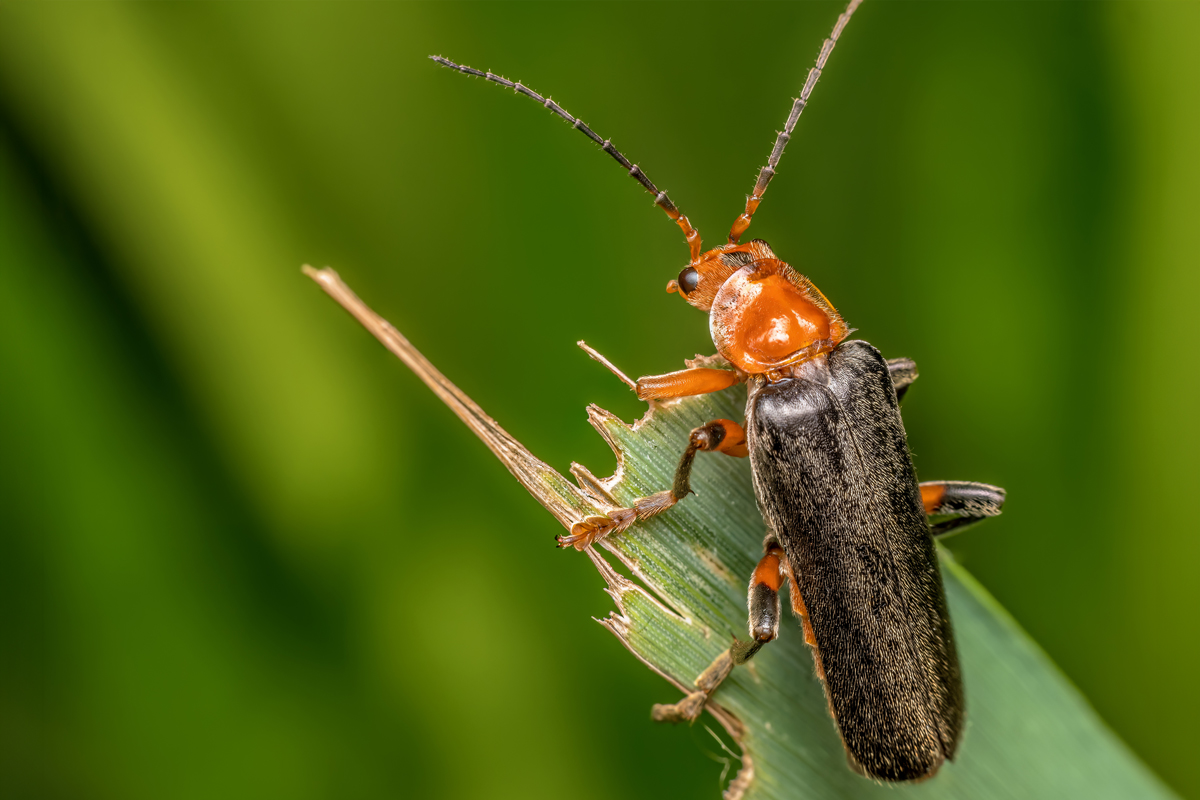
Bombardier beetle on a plant
Credit: Roman Milert/stock.adobe.com

Nature is full of clever engineers, but some of the most impressive tools in the animal kingdom aren’t found in the natural environment — they’re built right into the animals’ bodies. Throughout evolution, some species have developed body parts, special secretions, or chemical systems that function almost as well as physical tools, allowing creatures to trap prey, escape predators, or navigate their surroundings more securely. Here are six animals that just so happen to carry a toolkit around with them wherever they go.

Credit: Tatiana Belova/stock.adobe.com

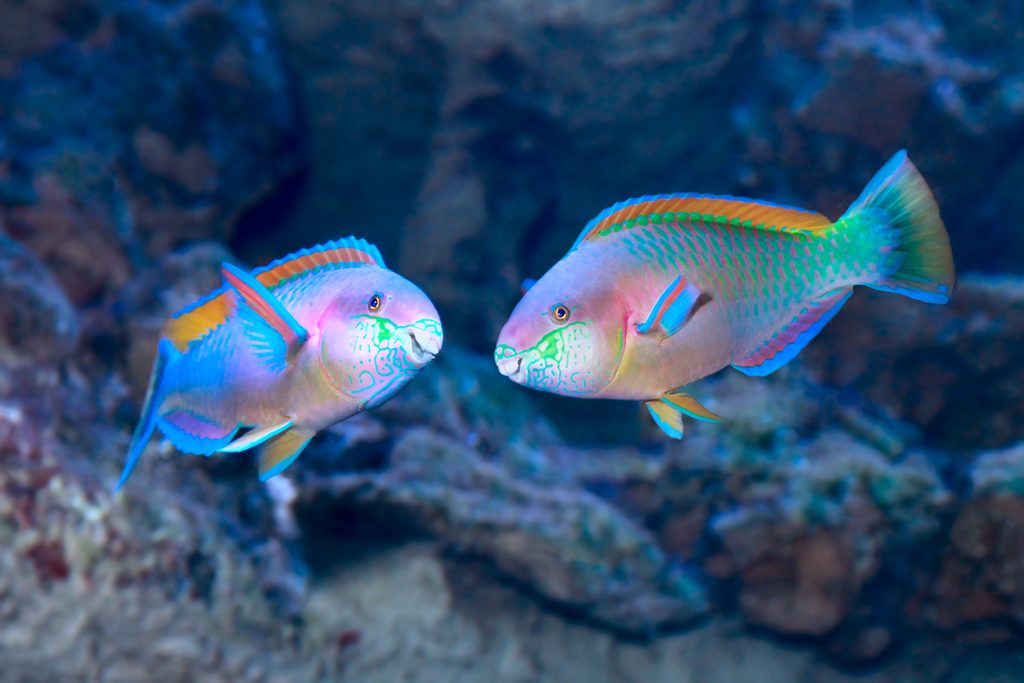
Parrotfish

You may have a cozy nighttime routine, but some species of parrotfish take bedtime preparation to another level. When night falls on the coral reef, the Caribbean queen parrotfish secretes a thick, transparent mucus from specialized glands in its gill cavity, slowly encasing itself in a gelatinous sleeping bag of sorts. 

The main benefit of this mucus cocoon is that it helps mask the fish’s scent from nocturnal predators such as moray eels. It may also act as an alarm system for the fish: If a parasite or predator touches or tears the membrane, the soundly sleeping fish has a much better chance of quickly escaping into the dark nighttime waters.

Credit: Craig/stock.adobe.com

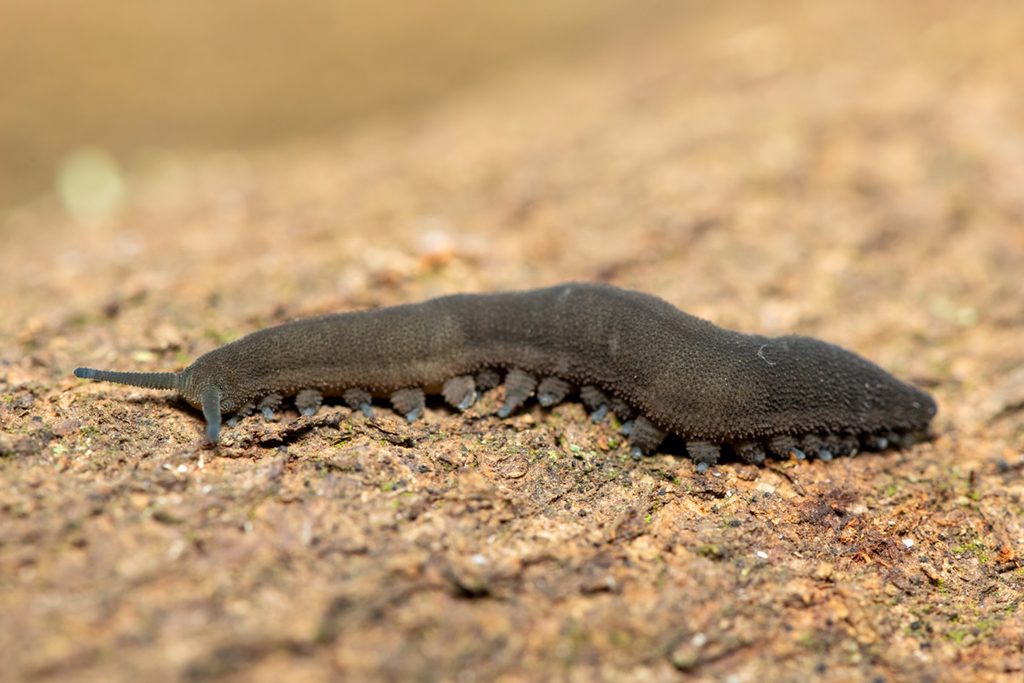
Velvet Worms

These ancient invertebrates are far more dangerous than their name — and in certain species such as the peripatus, their adorable appearance — may suggest. To capture prey, velvet worms rely on a pair of glands located below the antennas on their heads. These openings shoot streams of sticky fluid at their prey, which includes a host of small insects and other animals including termites, crickets, spiders, and snails. 

The slime quickly hardens, holding the prey in place while the velvet worm moves in to feed. Once immobilized, the captured prey is also pierced by the velvet worm’s jaws, and the captive’s tissues are liquified using digestive saliva — a far cry from the similar-looking caterpillar’s leaf-munching life.

Credit: Vladimir Wrangel/stock.adobe.com

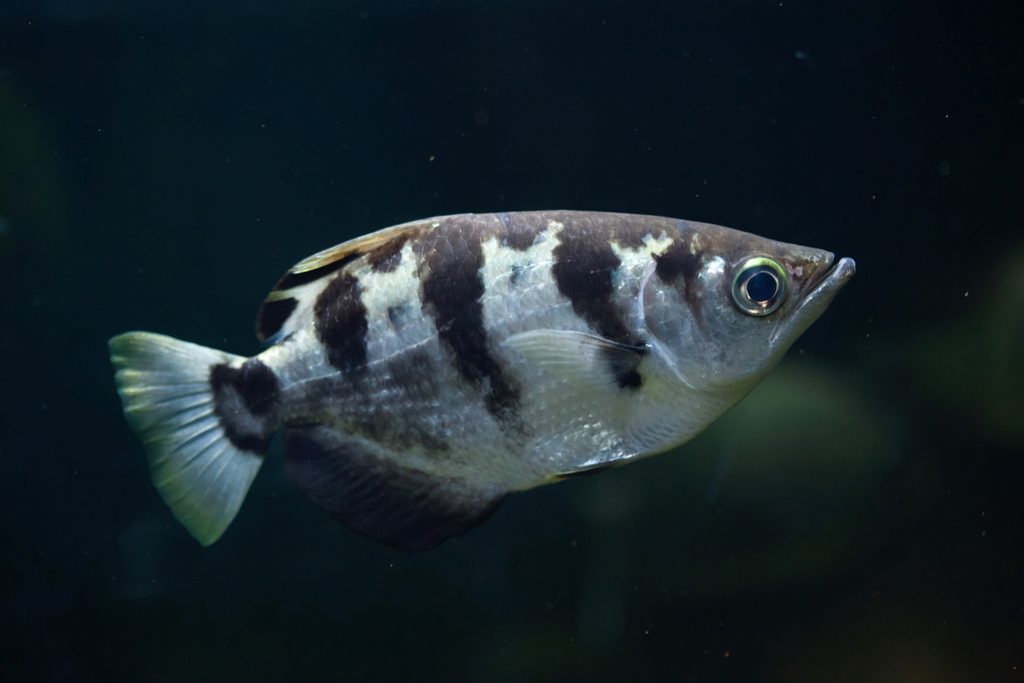
Archerfish

Archerfish use their mouths to turn water into a powerful — and surprisingly accurate — projectile. In the shallow waters of South and Southeast Asia, when insects sit on vegetation above the surface, archerfish strategically position themselves below their targets. Then, they shoot a narrow jet of water from their mouths, knocking the unsuspecting snacks into the water.

The fish create this jet by pressing their tongues against a groove in the roof of their mouths while rapidly closing their gill covers, forcing water through a small opening. Not only can they control the force and direction of the jet, but archerfish can even account for the way light bends as it passes between air and water. This means even if an insect perched above the water’s surface may appear to be in a slightly different position from where it actually is, the fish can adjust its aim accordingly, hitting their prey with impressive accuracy.

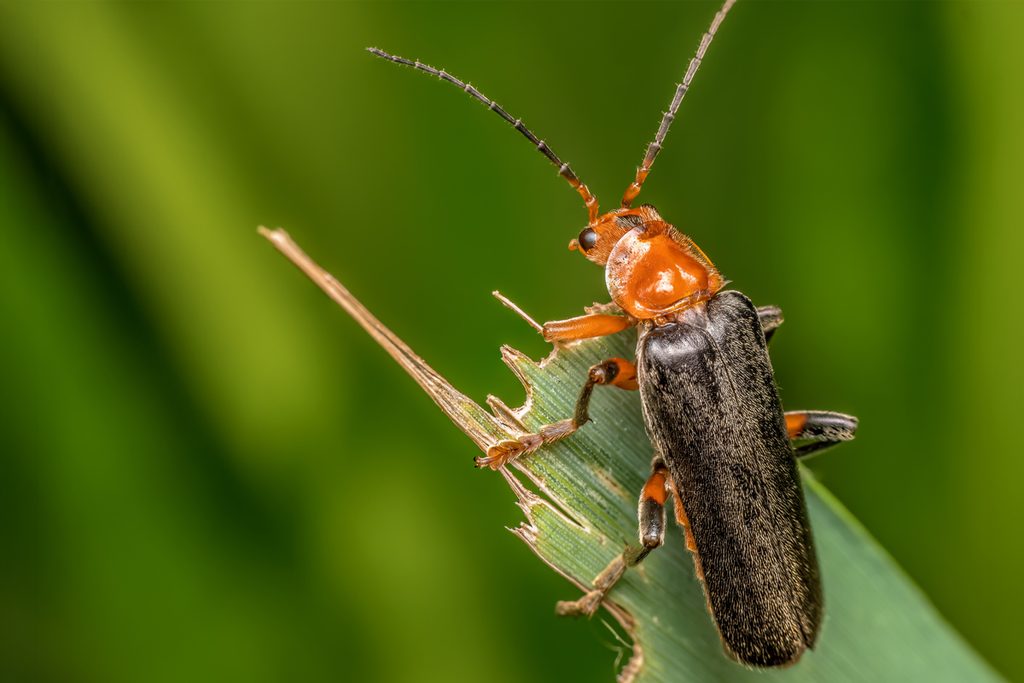
Credit: Roman Milert/stock.adobe.com

Bombardier Beetles

The bombardier beetle happens to have a laboratory of sorts right in its abdomen. When threatened, the insect mixes two chemical compounds — hydroquinone and hydrogen peroxide — in an interior chamber, causing a chemical reaction that heats the mixture to nearly the boiling point of water. The beetle then sprays this liquid at its attacker through an abdominal opening that can rotate in almost any direction, firing the hot, toxic liquid up to about 30 feet per second and reaching several centimeters away.

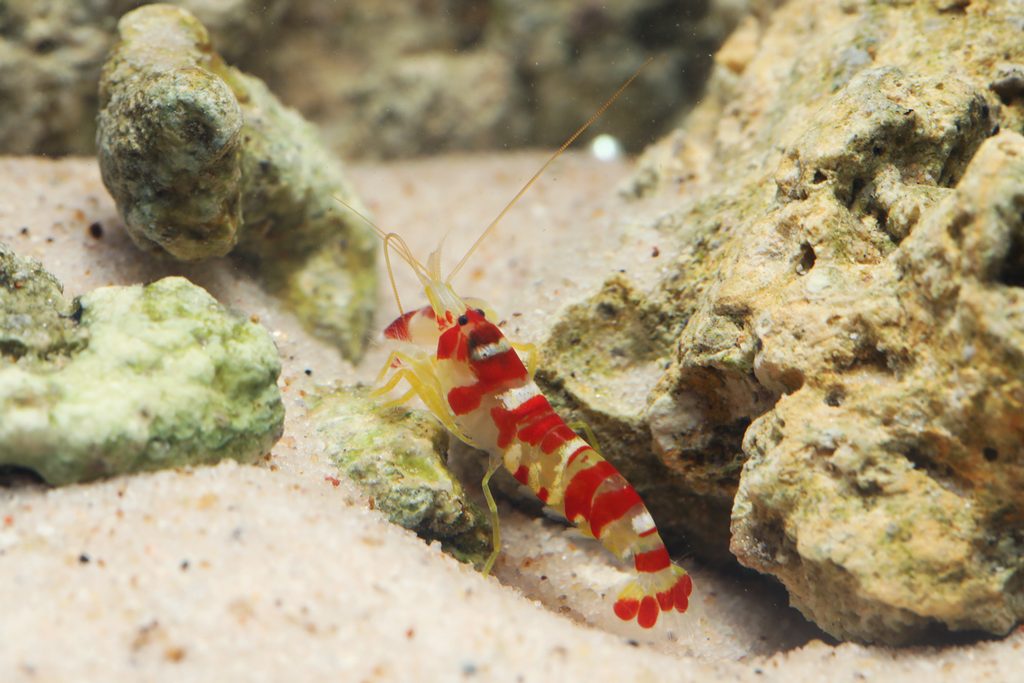
Credit: Pavaphon/stock.adobe.com

Pistol Shrimp

The pistol shrimp’s oversized snapping claw is much more than a means of nabbing prey. When closed rapidly, the movement creates a high-speed jet of water and a low-pressure bubble. As the bubble pops, it makes a powerful shockwave that can stun or kill small prey.

The shockwave lasts under a second and can reach temperatures of up to about 8,000 degrees Fahrenheit — that’s about four times hotter than lava. It can even produce a brief flash of light, a phenomenon known as sonoluminescence. Pistol shrimp also use those lethal claws to excavate burrows, making them a rather effective multi-use tool.

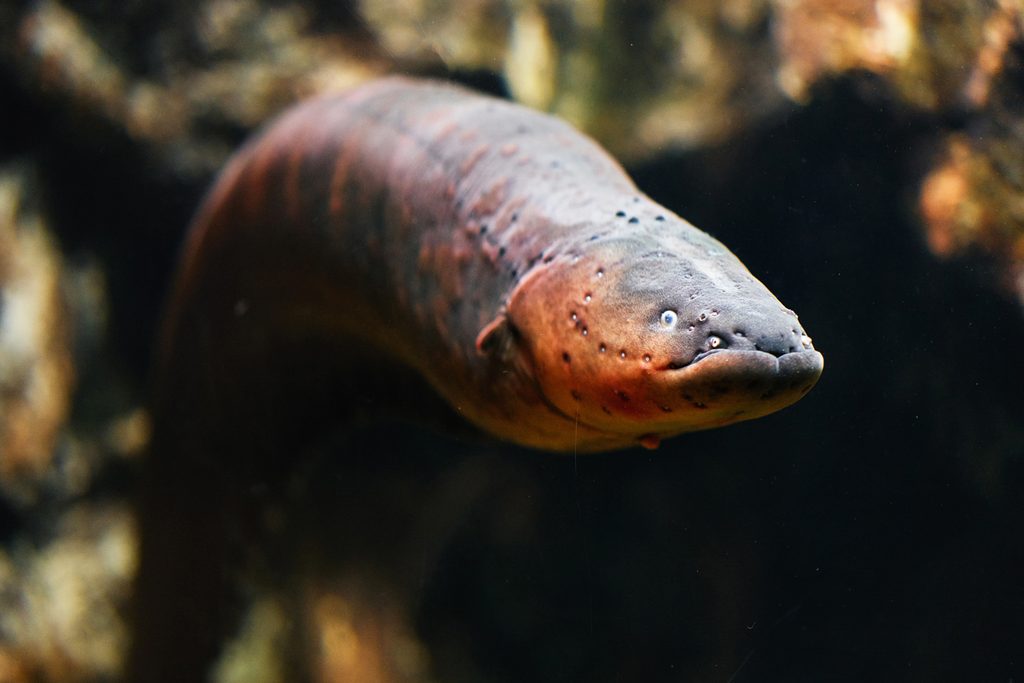
Credit: Loginova/stock.adobe.com

Electric Eels

Found in the freshwater rivers and floodplains of South America, electric eels use powerful electric shocks to hunt in the murky waters they call home. The eel’s electric organs are made up of thousands of specialized cells called electrocytes, which work somewhat like tiny batteries. 

When the eel activates those muscle cells, they produce a pulse measuring hundreds of volts. Some species, such as the Electrophorus varii, can produce shocks up to 860 volts — more than seven times the voltage of a standard 120-volt U.S. household outlet.

Some spiders travel by ‘ballooning’ through the air.

Spider on its web
Credit: Fen/stock.adobe.com

It’s a bird! It’s a plane! It’s… a spider? As if these little guys weren’t already terrifying enough, some of them can unfortunately become airborne. Although they lack wings, some spiders are able to take to the skies due to a process called “ballooning,” in which they raise their abdomens to the sky and expel silk strands into the air. Those silk strands are then caught up in passing air currents and electromagnetic waves, thus lifting the lightweight arachnid into the air. This ability is typical in younger spiders and smaller species, including crab spiders, as their diminutive size and light weight make it easier to soar upward.

Ballooning allows spiders to travel incredibly long distances. In 1832, naturalist Charles Darwin recorded this unusual behavior, noting that thousands of spiders had boarded his boat despite it being 60 miles offshore. Additional research suggests that spiders can float as high as 2.5 miles off the ground while ballooning and are capable of traversing up to 1,000 miles before landing.

7 Animal Gestures That Look Surprisingly Human

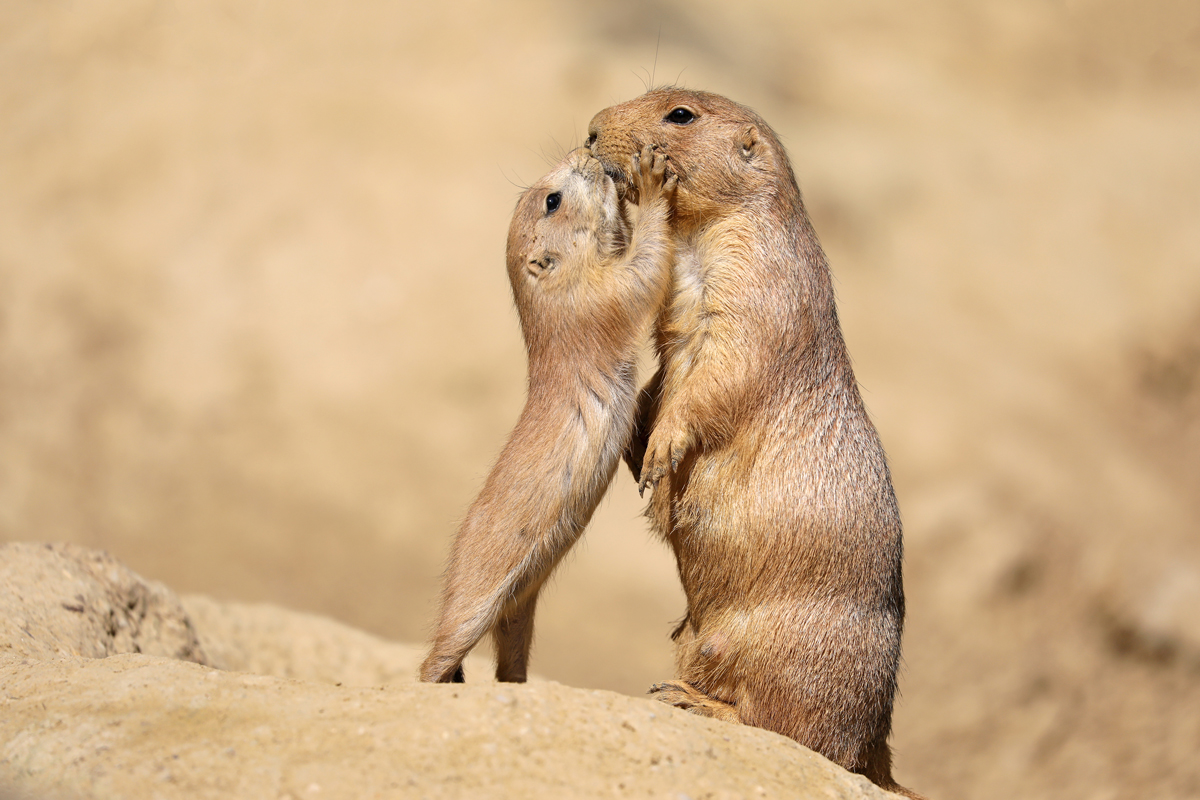
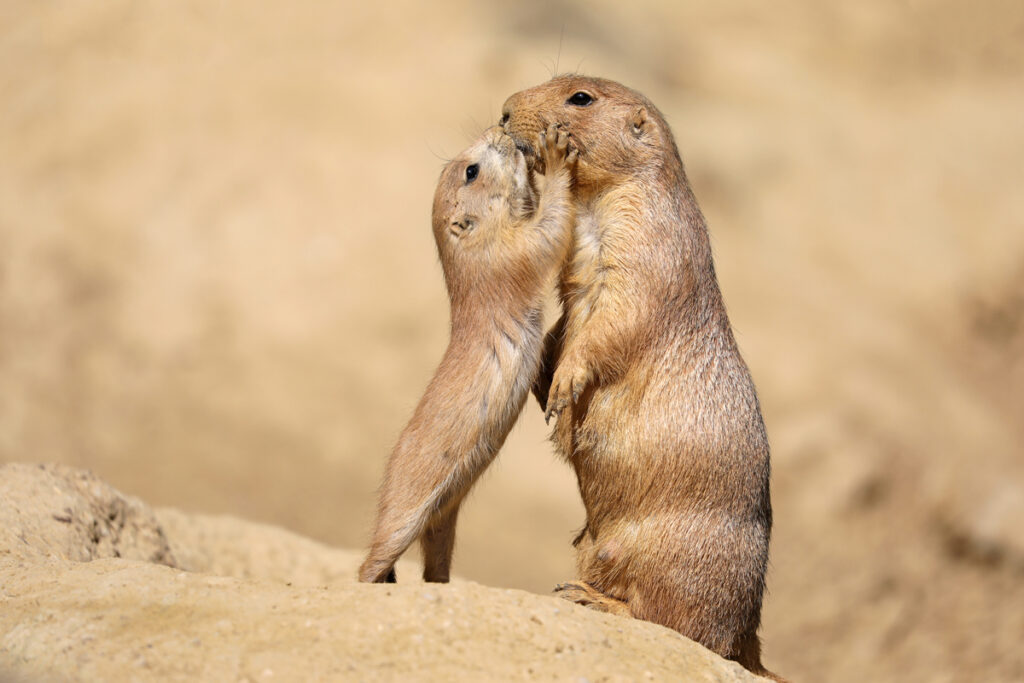
Two prairie dogs kissing
Credit: Edwin Butter/stock.adobe.com

Whether it’s in a dog’s panting smile or a cat’s disdainful glare, humans are quick to see ourselves in the animals around us. Most of these perceived similarities come only from our imaginations, but in some cases they’re exactly what they appear to be. 

As social creatures, humans use gestures and expressions to communicate with each other, and the same can be said for other species that depend on socialization to survive. Here are seven examples of physical communication in the animal kingdom that closely mirror our own.

Credit: Dušan veverkolog/Unsplash.com

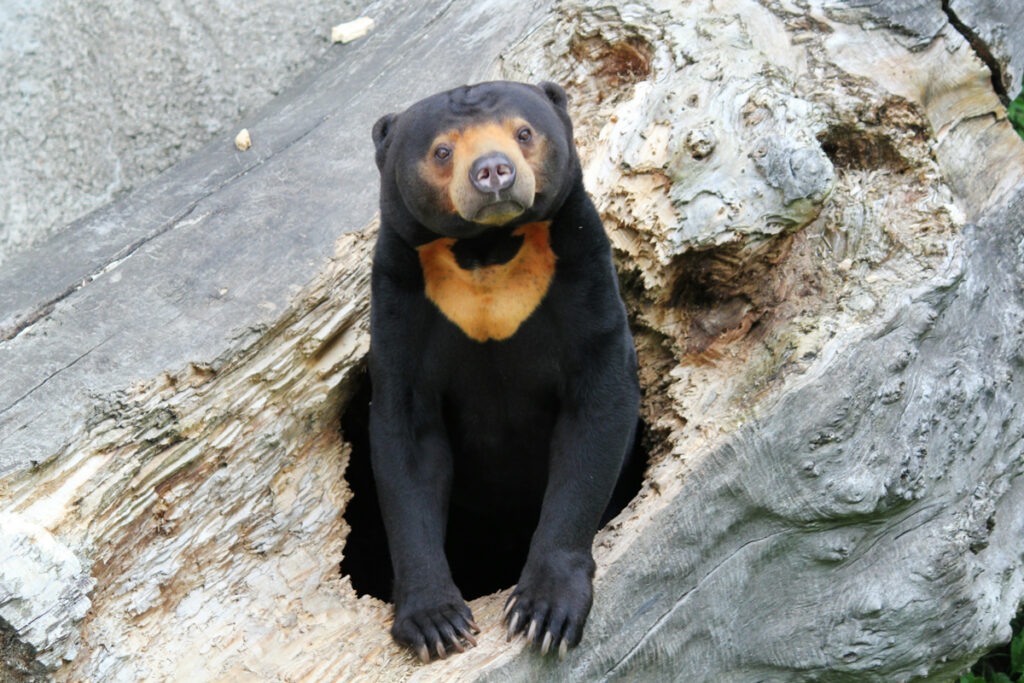
Sun Bears Wave

Weighing 60 to 150 pounds, and standing just under 5 feet tall, a sun bear is closer in size to a small person than a grizzly. The Southeast Asian mammals also move like us: They use their front paws to reach for food such as honey while standing on their hind legs, and mothers walk around while carrying their babies in their forelimbs. 

Captive sun bears have even learned to wave for food after receiving positive reinforcement from humans; some do it so convincingly that they’ve been mistaken for humans in bear costumes, forcing zoos to assure visitors that they are, indeed, bears. 

Credit: Yianni Mathioudakis/Unsplash.com

Dogs Raise Their Eyebrows

Facial expressions are a huge part of human communication — something our canine companions figured out long ago. Not only can dogs read our facial cues, but they can even mimic them. Wolves and domestic dogs may look similar, but they’re separated by an important piece of facial anatomy: the levator anguli oculi medialis. 

This muscle allows dogs to raise their eyebrows and flash us so-called “puppy-dog eyes.”It’s why dogs can sometimes appear surprised, sad, or even incredulous. It likely evolved as a tool to win sympathy from their human protectors, giving early dogs an evolutionary advantage over their wild wolf counterparts.

Credit: Zdeněk Macháček/Unsplash.com

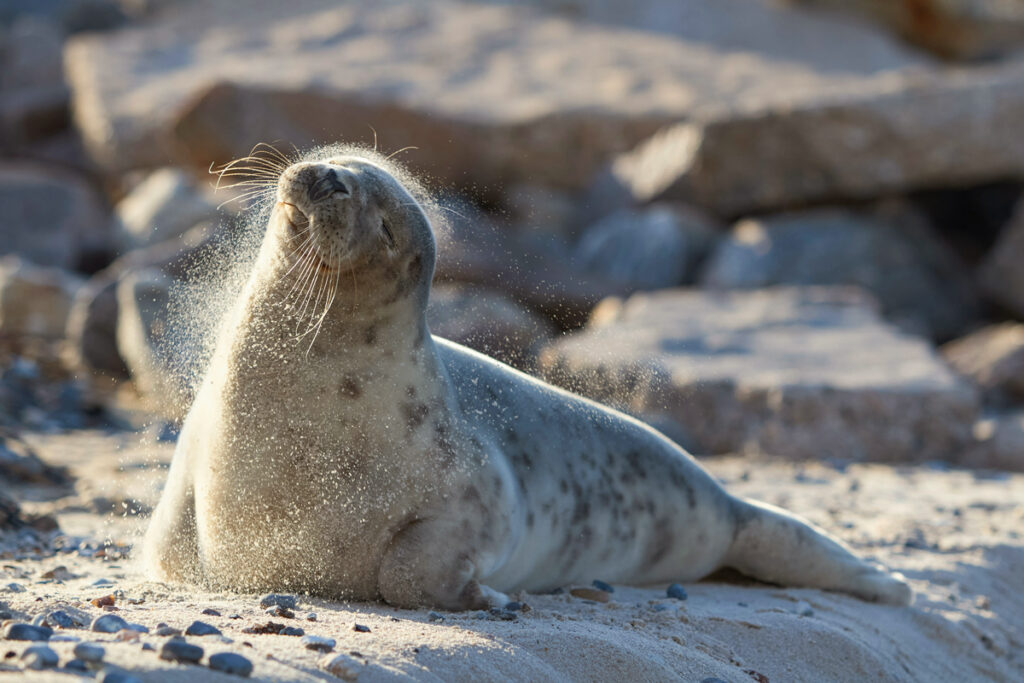
Seals Clap 

The gray seal is exactly who you want in the audience the next time you have to give a big speech. Seals are known to clap in captivity because they’ve been trained to do so for treats and other rewards. Wild seals also clap when they swim underwater to deter competition and attract mates. These claps are limited to one hard clap at a time, however, so it’s less of a round of applause than a way to grab someone’s attention in an instant.  

Credit: byrdyak/stock.adobe.com

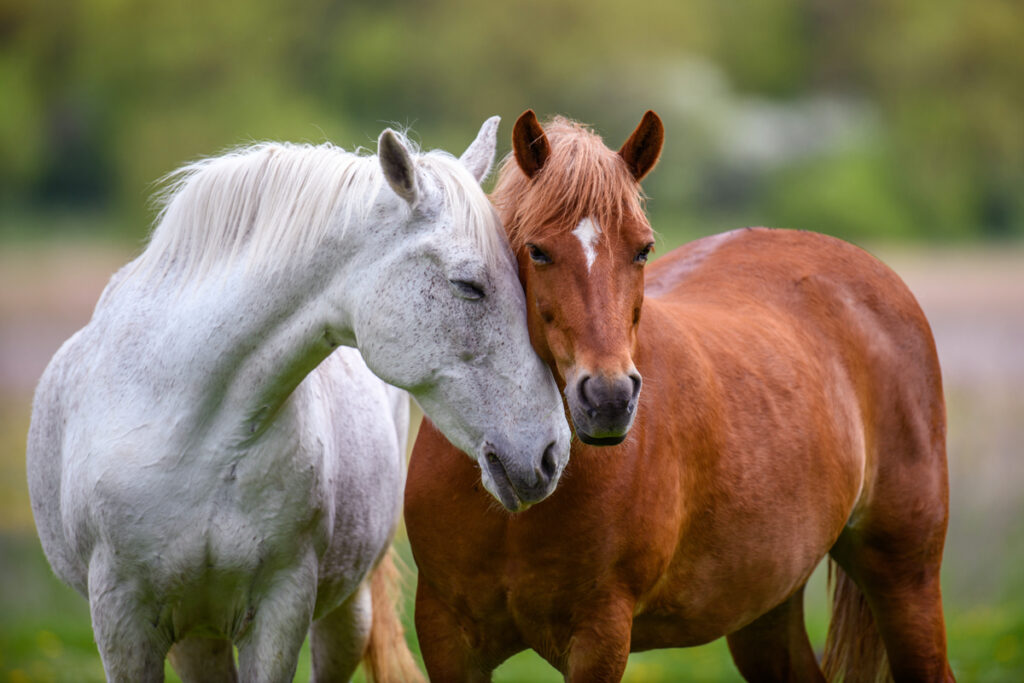
Horses Hug

Though they lack arms to “hug” like we do, horses show affection for both people and other horses in a similar way. You may see them wrap their necks around another horse’s neck, or rest their heads on a human’s shoulder. Horses also express their positive feelings in other ways, such as by blowing air from their nostrils onto their partner’s face and through grooming. 

Credit: Michael Verbeek/stock.adobe.com

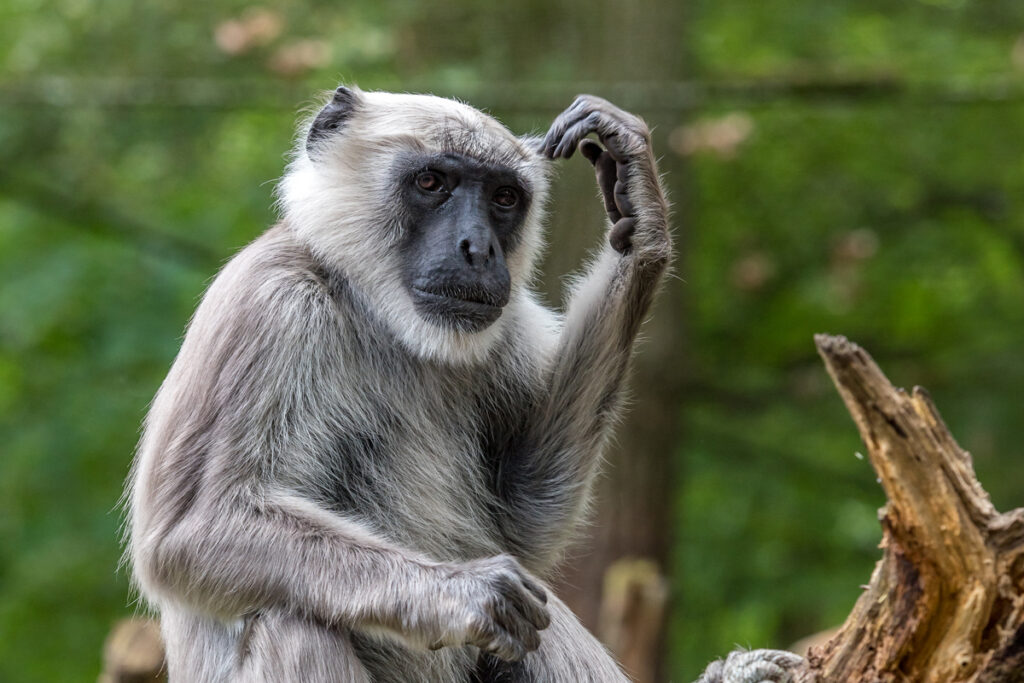
Chimps Scratch Their Heads 

Ever been so stumped by something that you catch yourself scratching your head? Chimps share this tic with people. They use their fingers to scratch all parts of their bodies, including their skulls. 

While we scratch ourselves when we’re stuck (and obviously when we’re itchy), we also resort to the habit when we’re nervous; it’s actually one of the most revealing tells that someone is lying. Research supports that chimps also scratch themselves to alleviate anxiety, and so do some monkeys: For one study, scientists noticed that macaques were more likely to scratch themselves to self-soothe in the presence of higher-ranking primates than when they were alone.  

Credit: Edwin Butter/stock.adobe.com

Prairie Dogs Kiss

Greeting friends, family, and lovers with a quick peck on the lips or cheeks is a sweet gesture, and prairie dogs seem to think so too — sometimes. These social rodents have been seen sharing pecks and even touching tongues for an array of reasons. 

They share what’s known as a friendly kiss to identify each other, be that among a mother and babies, or two females from the same colony. Hostile prairie dog kisses, on the other hand, are, well, not so friendly. They are usually exchanged when a female is rejecting a male, or when two males are fighting. 

Credit: Tiago Fernandez/stock.adobe.com

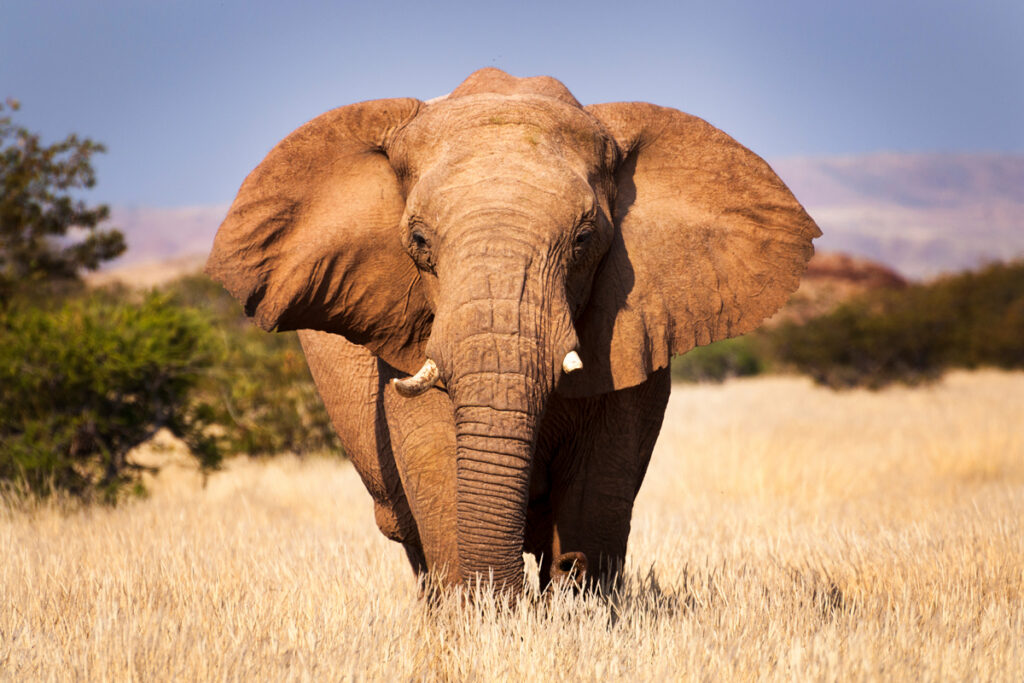
Elephants Point

African elephants can understand what a human means by pointing without any prior training. Like us, elephants are incredibly social and rely on various forms of communication to survive and thrive in their pod. 

In one study, some elephants responded to human pointing the very first time they observed  it, something even chimps don’t do instinctively. The explanation could be that elephants make similar gestures with their trunks, using the appendage to detect and possibly alert each other to impending threats. 

Camels can close their nostrils during sandstorms.

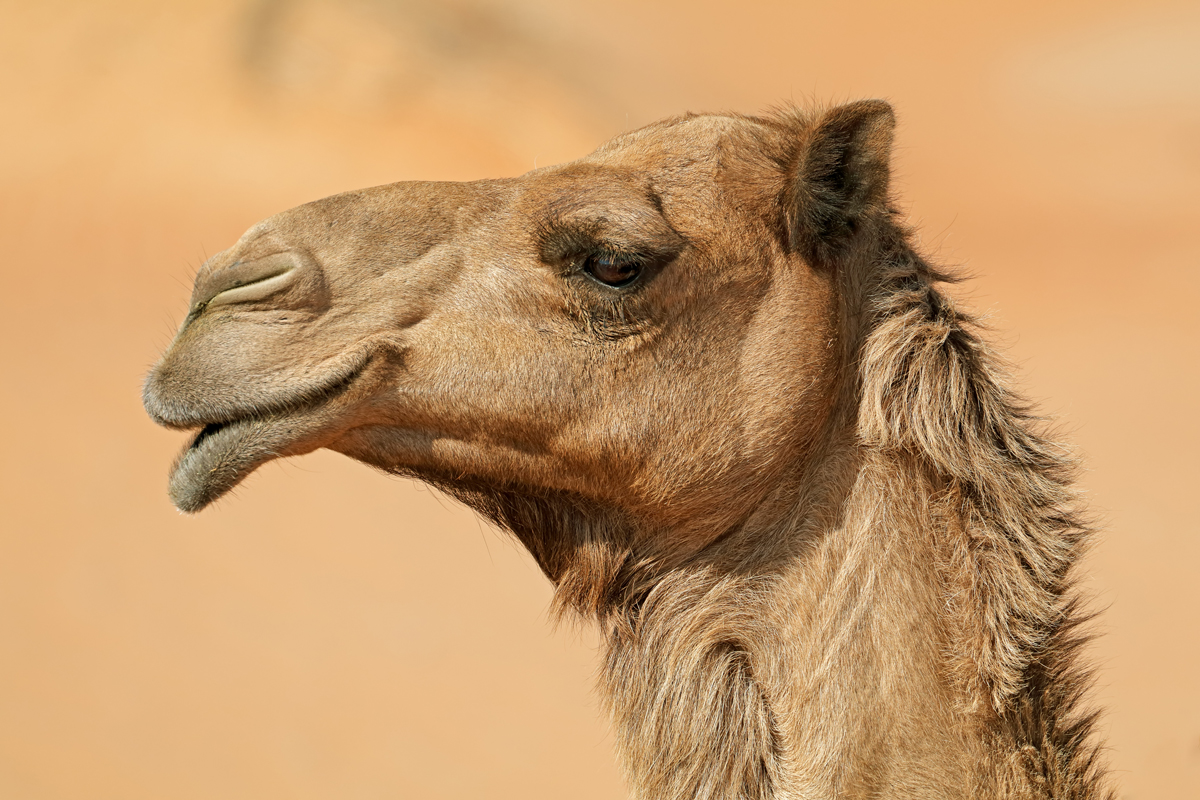
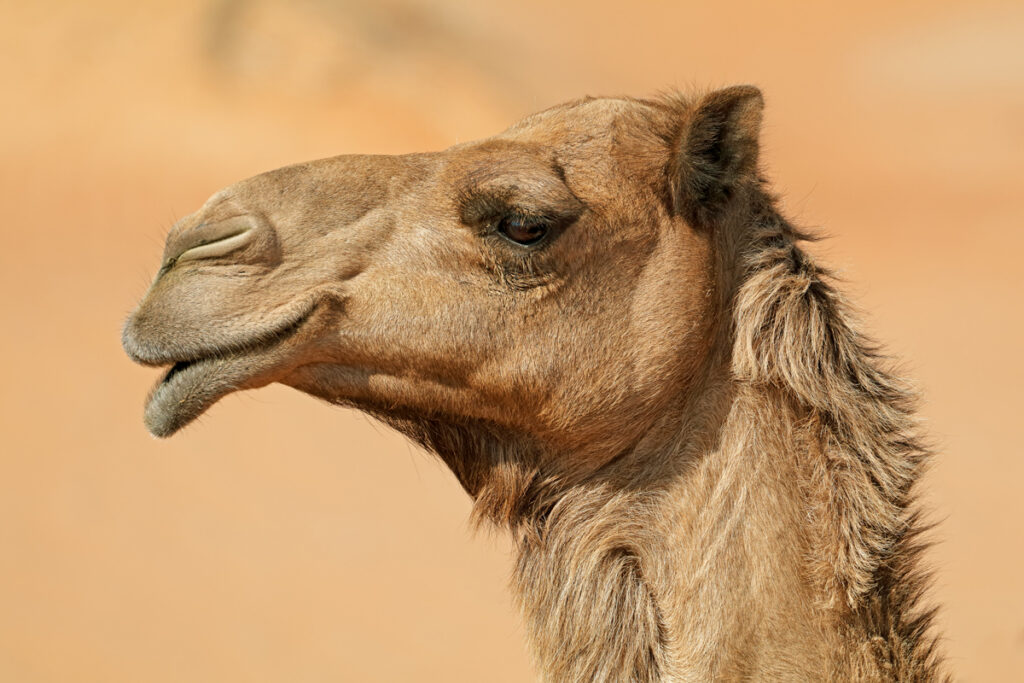
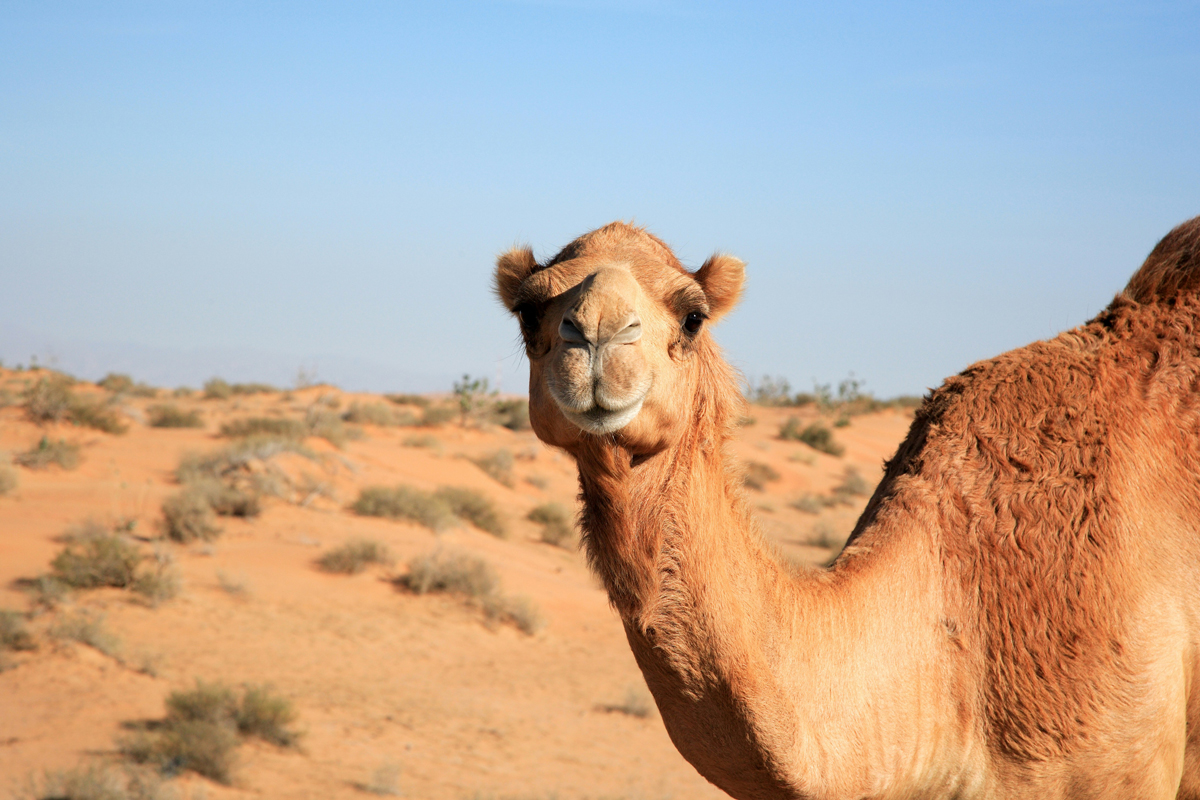
Side profile of camel's head
Credit: EcoView/stock.adobe.com

Humans may pinch their nostrils when there’s a bad smell or to avoid water going up their nose when diving into the pool. But camels have an intrinsic ability to shut their noses using just the muscles in their nasal passages, which comes in handy to keep sand, dust, and other debris from shooting up their snouts during sandstorms and other perilous elemental circumstances.

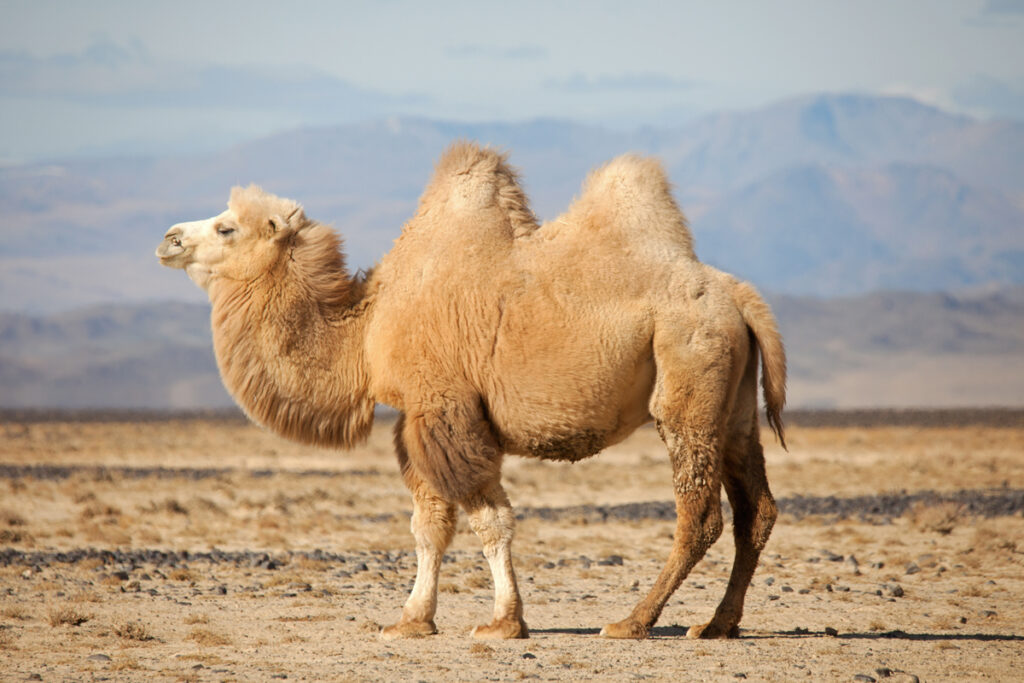
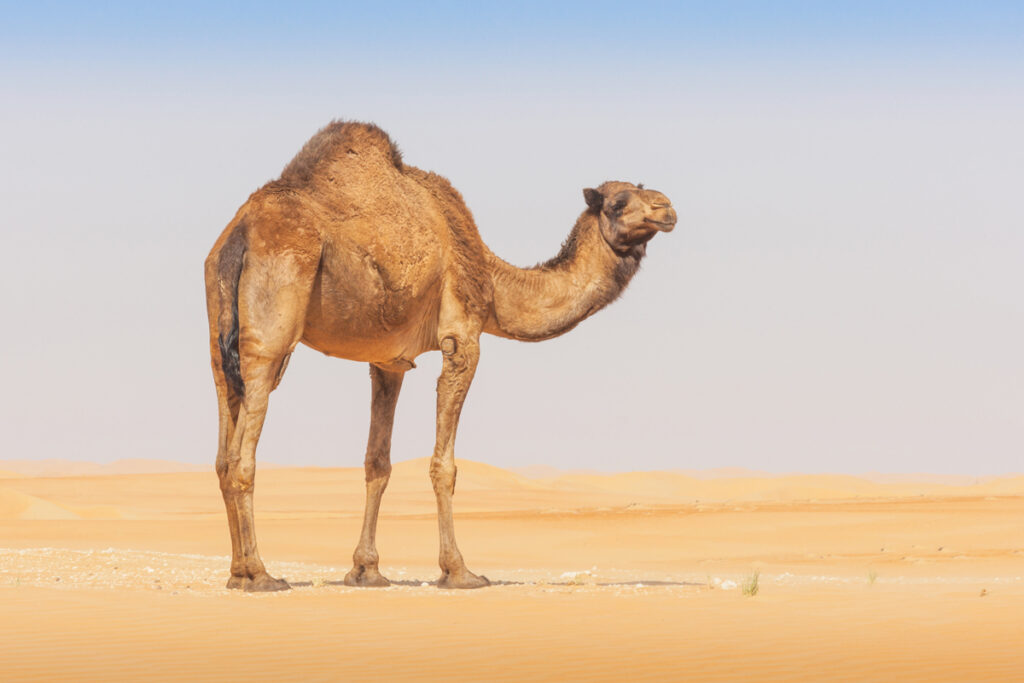
This ability is found in dromedary camels of Africa and the Middle East as well as Bactrian camels of the central Asian steppes. The creatures simply contract their nasal muscles to form an impenetrable seal that keeps their airwaves clear. In addition to keeping debris out, a camel’s nose also works to keep moisture in: The mucus-coated membrane functions like a dehumidifier, absorbing moisture when camels exhale and ensuring they retain essential moisture amid arid conditions.

Why Camels Are Practically Indestructible

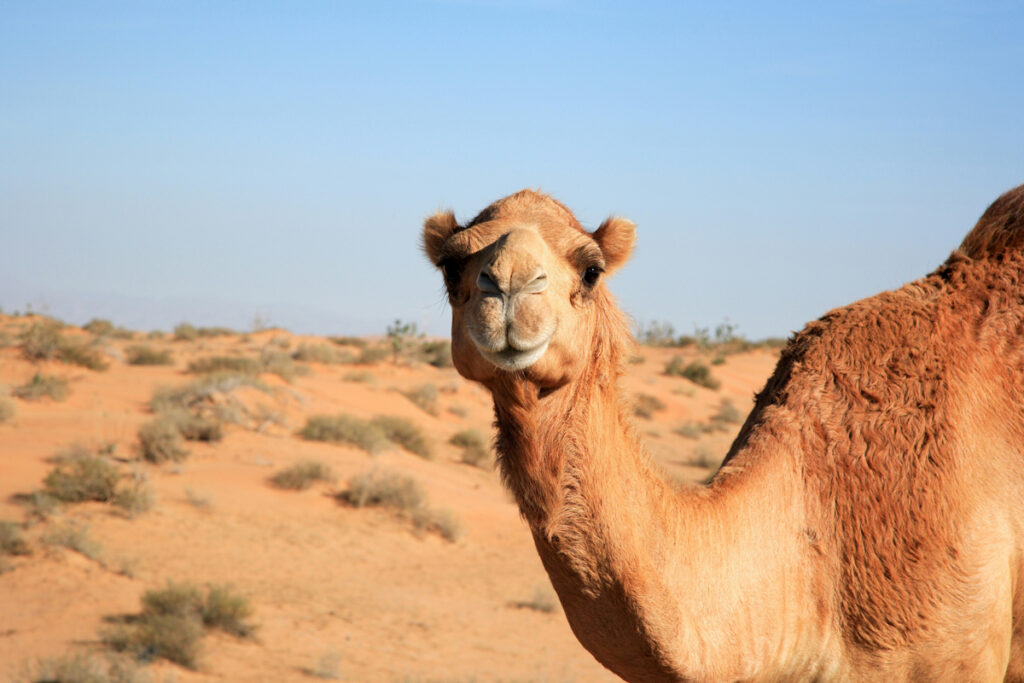
Camel looking at the camera
Credit: Saj Shafique/Unsplash.com

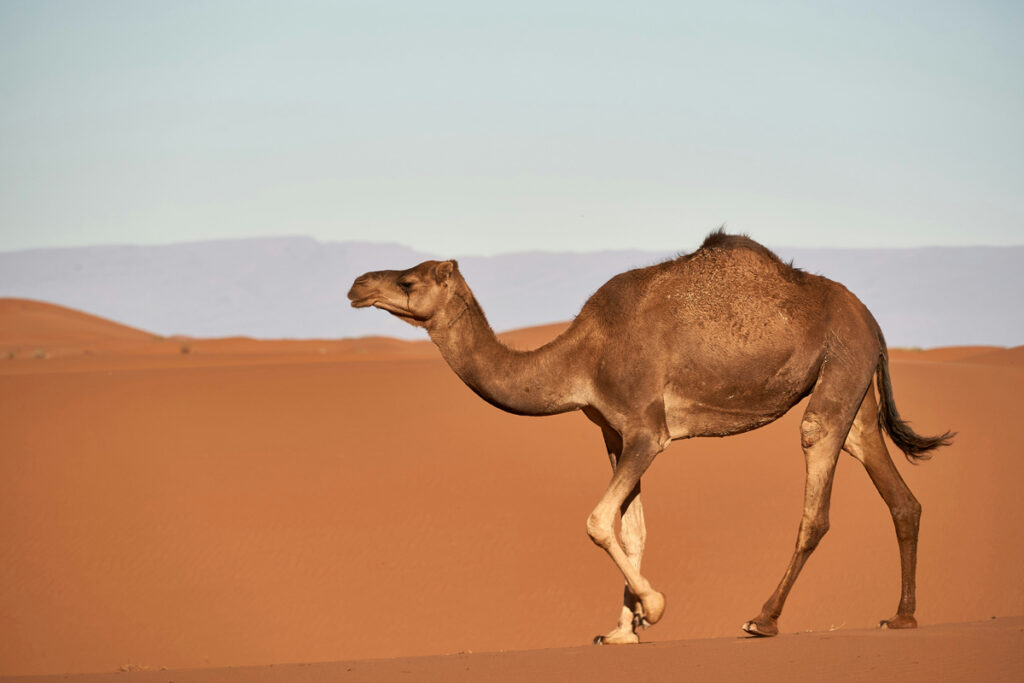
If evolution ever built a creature to laugh in the face of a dangerous environment, it’s the camel. While most mammals would collapse after spending a single scorching day in the world’s hottest desert, camels simply shrug off the conditions and keep on walking. 

A camel’s body is a masterclass in biological engineering, purpose-built for extreme heat, prolonged thirst, and terrain that punishes ordinary anatomy. Here’s a look at exactly how camels manage to treat one of Earth’s harshest environments like a minor inconvenience. 

Credit: Wolfgang Hasselmann/Unspalsh.com

They Can Lose a Lot of Water Without Collapsing

Most mammals, humans included, die after losing as little as 10% of the water in their body. Camels, on the other hand, can lose up to 30% of their body weight in water and keep functioning — an almost unheard-of tolerance for dehydration. 

Much of that resilience comes down to their blood: Unlike the round red blood cells found in most mammals, a camel’s blood cells are oval-shaped, allowing them to flow more smoothly through the smallest of blood vessels even when the blood becomes dangerously thick and concentrated from fluid loss. When water finally becomes available again, a camel can drink around 30 gallons in about 10 minutes, rehydrating at a pace that would trigger a medical emergency in almost any other animal.

Credit: Saj Shafique/Unsplash.com

Their Humps Store Fuel, Not Water

Contrary to popular belief, camel humps don’t hold water — they store fatty tissue. By concentrating fat reserves in one place rather than spreading it out beneath the skin like most mammals, camels minimize heat insulation throughout their bodies. 

But that’s not all: When food is scarce, which happens often in the barren desert, the fatty humps are metabolized for energy, helping the camel to keep going over long distances. This process also produces water as a natural byproduct, effectively turning the hump into a self-contained emergency fuel tank.

Credit: Hunta/stock.adobe.com

It Takes a Lot To Make Them Sweat

Humans, like most mammals, have a fairly stable body temperature that differs only by a degree or two in normal conditions. A camel’s body temperature has a far larger range, swinging from around 93.2 to 105.8 degrees Fahrenheit (34°C to 41°C) over the course of a day. Camels can therefore tolerate much higher temperatures before they overheat and have to sweat to cool down. 

As sweating is one of the primary sources of water loss in most mammals, this built-in tolerance to wildly fluctuating temperatures — brutally hot during the day and cold at night — dramatically cuts down on how much moisture camels need to survive. 

Credit: David_Steele/stock.adobe.com

Their Coat Helps Reduce Heat Gain

Wearing a fur coat in the desert may seem terribly ill-advised, but a camel’s coat, as scraggly as it may be, has three main mechanisms that help the camel stay cool: The fur’s light color reflects light energy, helping the camel stay cool, and it also traps air, minimizing heat transfer to the skin by conduction. 

Finally, every individual hair in the camel’s coat helps to impede the movement of air, reducing heat transfer to the skin by convection. If a camel is shorn, it actually sweats more, proving how effective the coat is when it comes to insulating against the heat. 

Credit: EcoView/stock.adobe.com

Their Exterior Is Built To Handle Sand and Sun

Just about every visible feature on a camel doubles as protective equipment — a double row of long eyelashes and a third eyelid function together like built-in goggles, sweeping away sand while still allowing some vision during storms. Closable nostrils also help keep the sand out. 

Their wide, padded feet distribute weight evenly across loose sand; their long legs keep the bulk of the body farther from the intense heat radiating off the ground; and calloused pads on the feet, knees, and chest let a camel kneel or lie down in the scorching desert. Even their lips are tough and flexible enough to chew thorny, dry, and extremely tough desert plants that would shred most other grazing animals’ mouths. Combined, these features have justifiably earned the camel their nickname “the ship of the desert.”