Michael Nordine is a Senior Staff Writer at Britannica, where he writes the newsletter Movie Brief. He grew up with eight cats and would like to see a Komodo dragon in the wild one day.
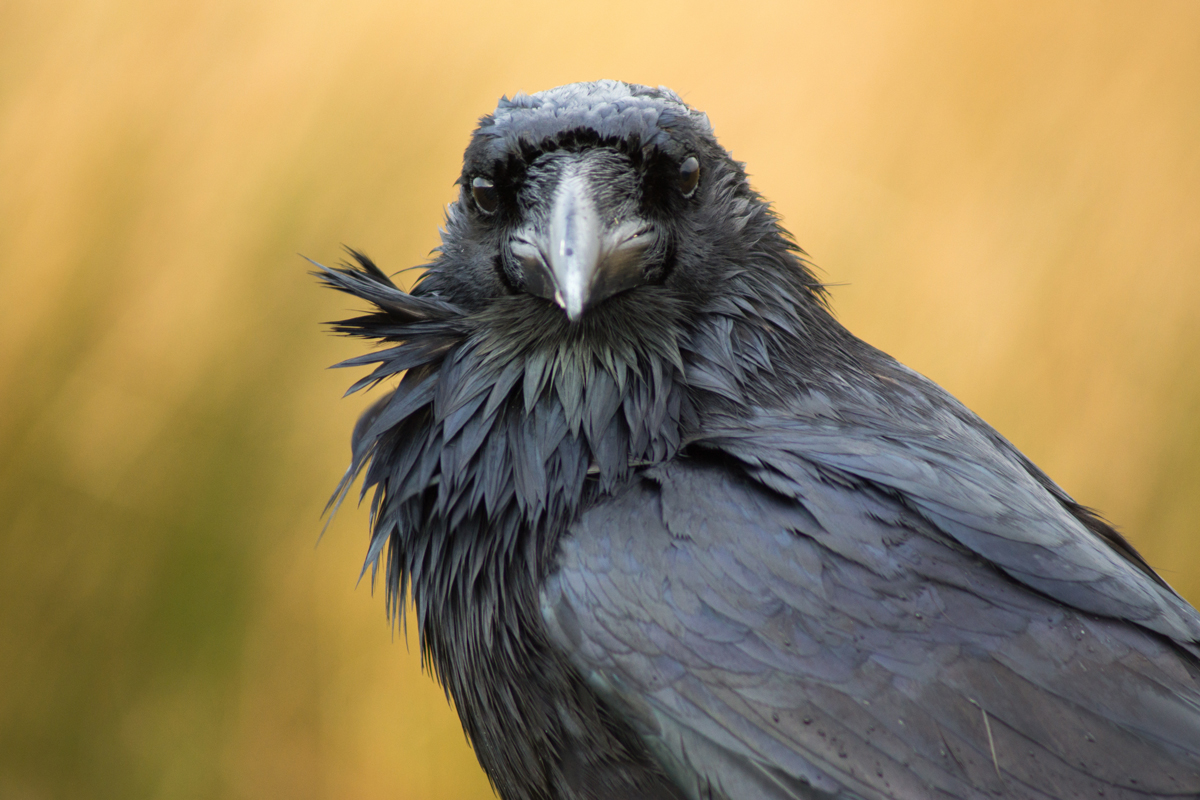
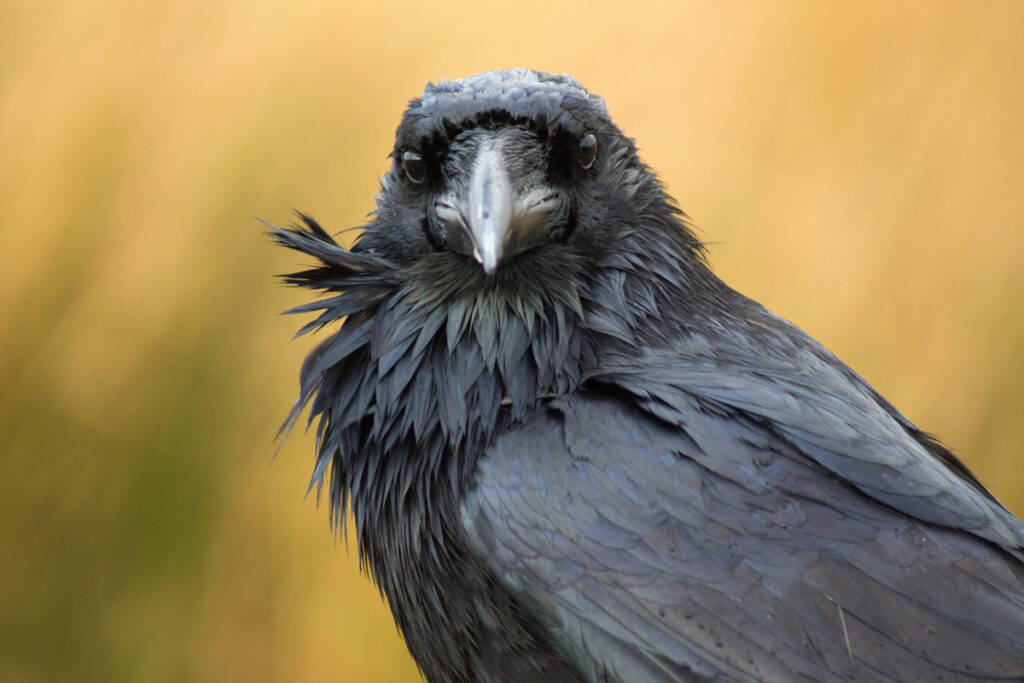
In addition to being able to solve puzzles and use tools, crows — whose exceptional intelligence continues to pleasantly surprise researchers — can also remember human faces for years. Depending on how they’re treated, this can be either a good thing or a bad thing for the human in question. Crows have been shown to remember people who are kind to them, bringing small trinkets and other gifts back to the human to show their appreciation, but they also hold grudges against those who’ve crossed them, sometimes going so far as to attack them for years after a slight (whether real or perceived).
They’re able to do all this courtesy of the nidopallium caudolaterale (NCL), a region of their brain that’s essentially the avian equivalent of a mammal’s prefrontal cortex. Maybe it’s time we rethink “bird brain” as an insult.
Kristina is a coffee-fueled writer living happily ever after with her family in the suburbs of Richmond, Virginia.
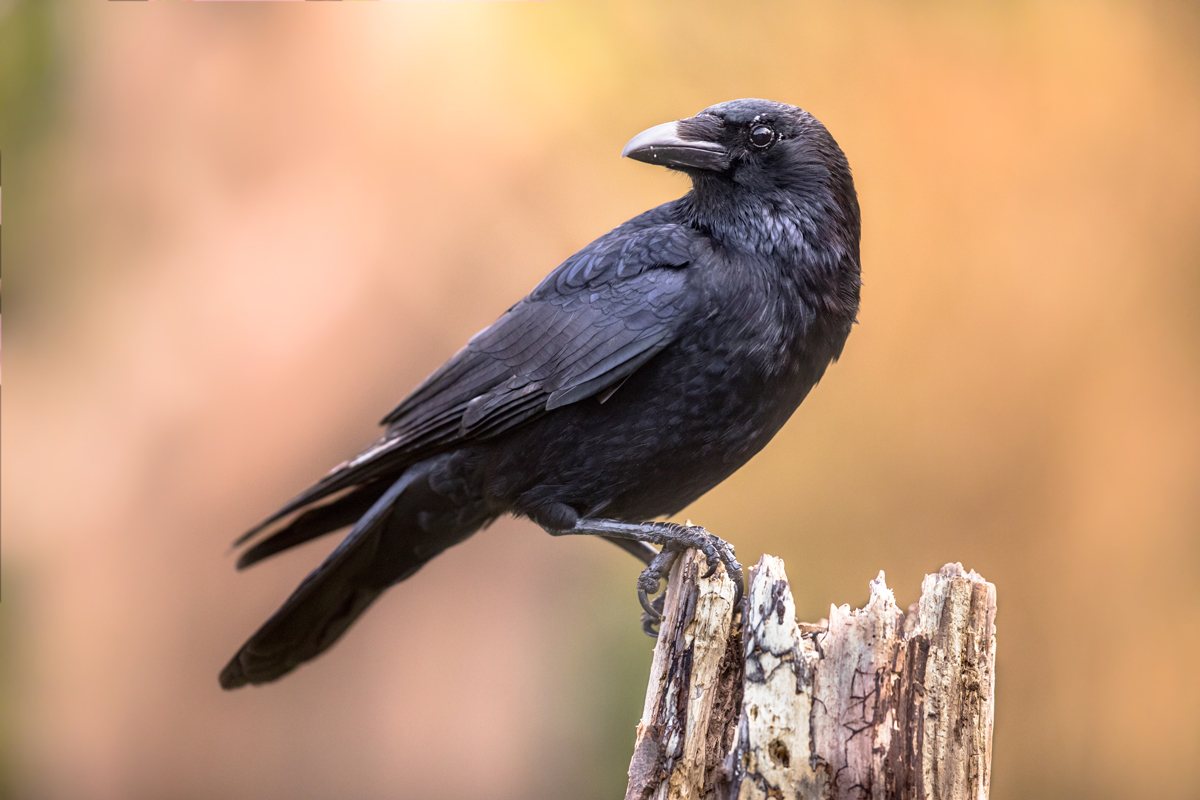
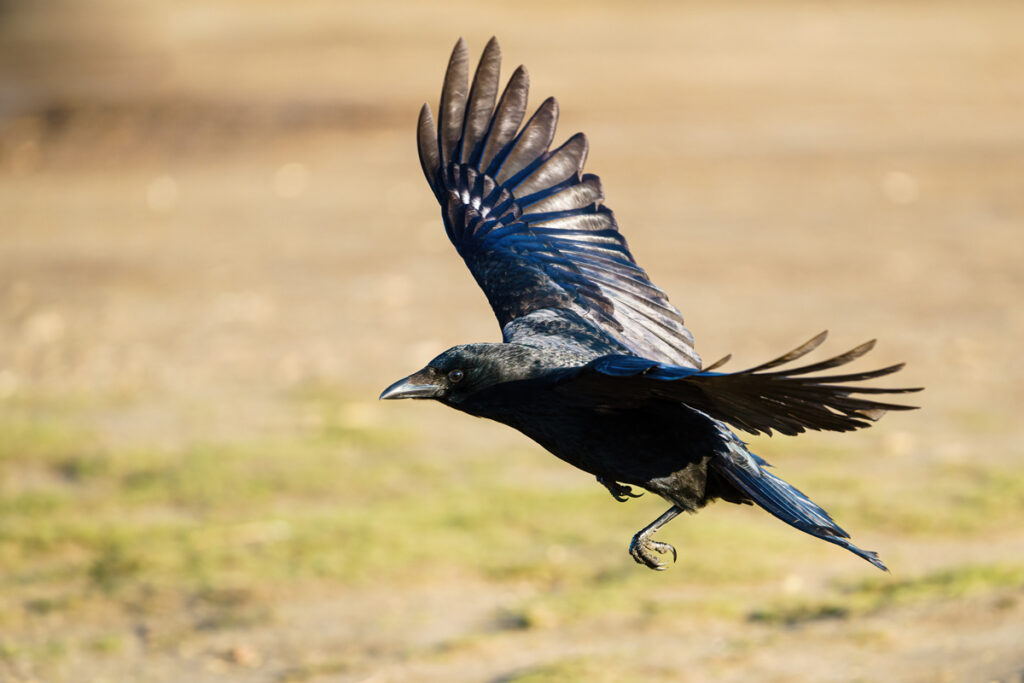
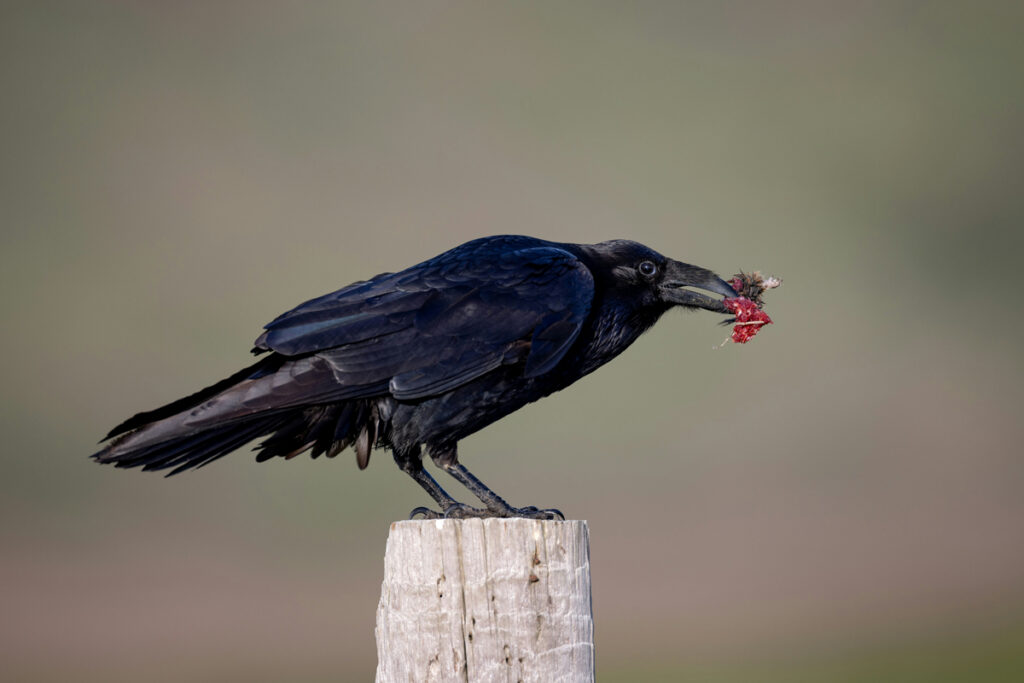
A crow perched on a telephone wire is a common enough sight, but if you spend some time watching one, that ordinary-looking bird may reveal some extraordinary abilities. Crows face the challenges of a constantly changing world, from finding food and avoiding danger to navigating crowded environments and dealing with other animals. Their extraordinary ability to adjust to those adversities has fascinated scientists for decades.
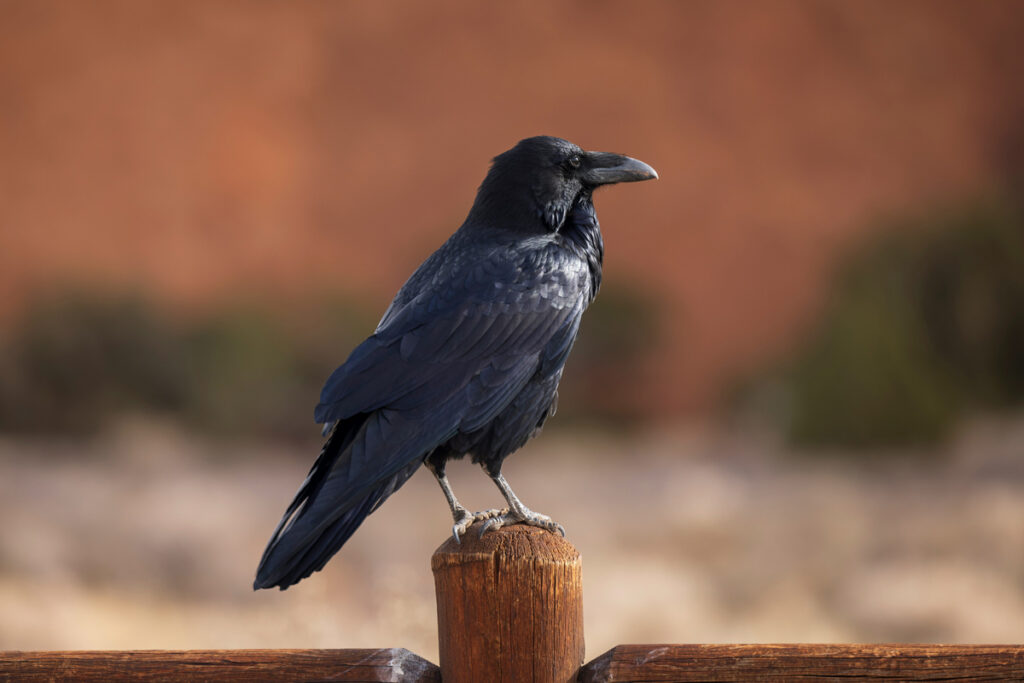
Crows are part of the Corvusfamily, which includes other birds, such as ravens and magpies, with impressive cognitive abilities. Still, crows remain a cut above for the rest when it comes to the remarkable range of skills they bring to everyday problems.
Credit: Perry Kibler/Unsplash.com
Small But Highly Efficient Brains
Crows have relatively large brains for their body size and an unusually high number of neurons for such small animals — about 1.5 billion, the same as some monkey species. Unlike mammals, birds don’t have a layered cerebral cortex. Instead, they rely on a different organization of the forebrain, including a structure called the pallium that performs some functions comparable to those of the mammalian cortex.
Corvids, such as crows, ravens, jays, and rooks, have large numbers of neurons in their forebrains, including in regions involved with complex information processing. Their brains may be tiny compared with ours, but they pack a remarkable amount of processing capacity into a small space.
Credit: Chris/stock.adobe.com
They Can Solve Multi-Step Problems
One of the clearest signs of crow intelligence is their ability to solve problems that require more than one action. In lab experiments, some crows have learned to use one object to obtain another tool, which they then use to reach food. They can work through a sequence of actions to reach a goal, such as the Aesop’s Fable paradigm, which requires an animal to drop stones into tubes filled with water in order to bring food within reach.
Crows also learn from experience and can figure out how to use objects in useful ways: In the wild, New Caledonian crows craft twigs, leaves, and other plant material into tools for extracting prey from places their beaks can’t reach. The birds can produce different tool designs for different tasks, and experiments have shown they can take the physical properties of tools into account when choosing among them. These behaviors all serve as proof that crows are able to use their learned knowledge to solve new problems.
Credit: Jessica Dale/stock.adobe.com
They Remember Experiences and Learn From One Another
Crows have surprisingly good memories — research has shown that American crows can recognize individual human faces and remember people they associate with danger. In one series of experiments, researchers wore rubber human masks while capturing, banding, and releasing crows. The birds later recognized the masks and responded aggressively toward anyone wearing them, even years after the original encounters.
Crows also learn by watching what other crows do. Researchers have found that American crows can learn to recognize a dangerous human face by observing the reactions of birds that have encountered that person before. In other words, a crow doesn’t always have to experience a danger firsthand to learn from it.
Social learning also plays a role in how young crows develop their skills. Young New Caledonian crows spend considerable time around adults while those adults forage and use tools, giving them opportunities to observe useful behaviors. Young birds also experiment and practice by themselves, suggesting that crow intelligence comes from a combination of learning from others and figuring things out independently.
Credit: Matt Bango/stock.adobe.com
They Can Adapt to a Human-Dominated World
Crows have become remarkably successful in places transformed by people. They live in cities, suburbs, farms, and other human-dominated environments, where food sources, traffic, buildings, and daily activity can change the landscape around them.
Their ability to learn from experience and adjust their behavior helps them take advantage of those changing conditions. Research on urban corvids has found that many species thrive in cities, benefiting from abundant food, nesting opportunities, and relatively low levels of predation.
Different bird species face different challenges, and intelligence isn’t an ability that can be measured with one single score. We can’t say for certain that crows are the smartest bird of all, although their performance on a wide range of cognitive tasks certainly places them among the most impressive.
What we can say is that crows continue to surprise researchers with their abilities. Their combination of learning, memory, problem-solving, and behavioral flexibility makes them exceptionally adaptable — and when it comes to survival, adaptability is a pretty smart advantage.
Advertisement
5 Tiny Creatures That Create Huge Noises
Across Species 04/09/26Sep. 4, 2026
Updated 04/09/26Sep. 4, 2026
Credit: blickwinkel/Alamy
Tony Dunnell
Author
Tony is an English writer of nonfiction and fiction living on the edge of the Amazon jungle.
When you think of animals that make loud noises, you may imagine a lion’s roar, an elephant’s trumpet, or perhaps even a sperm whale’s earsplitting subaquatic clicks. But small creatures can make a lot of noise, too — the incessant yapping of an excited chihuahua is proof enough of that.
But even chihuahuas pale in comparison to some of the animal kingdom’s noisiest little creatures. Across oceans, rainforests, and backyard ponds, some of our planet’s smallest inhabitants have managed to produce sounds loud enough to rival gunshots, rock concerts, and jackhammers. Here are five small animals that make an outsized amount of noise.
Credit: Oksana/stock.adobe.com
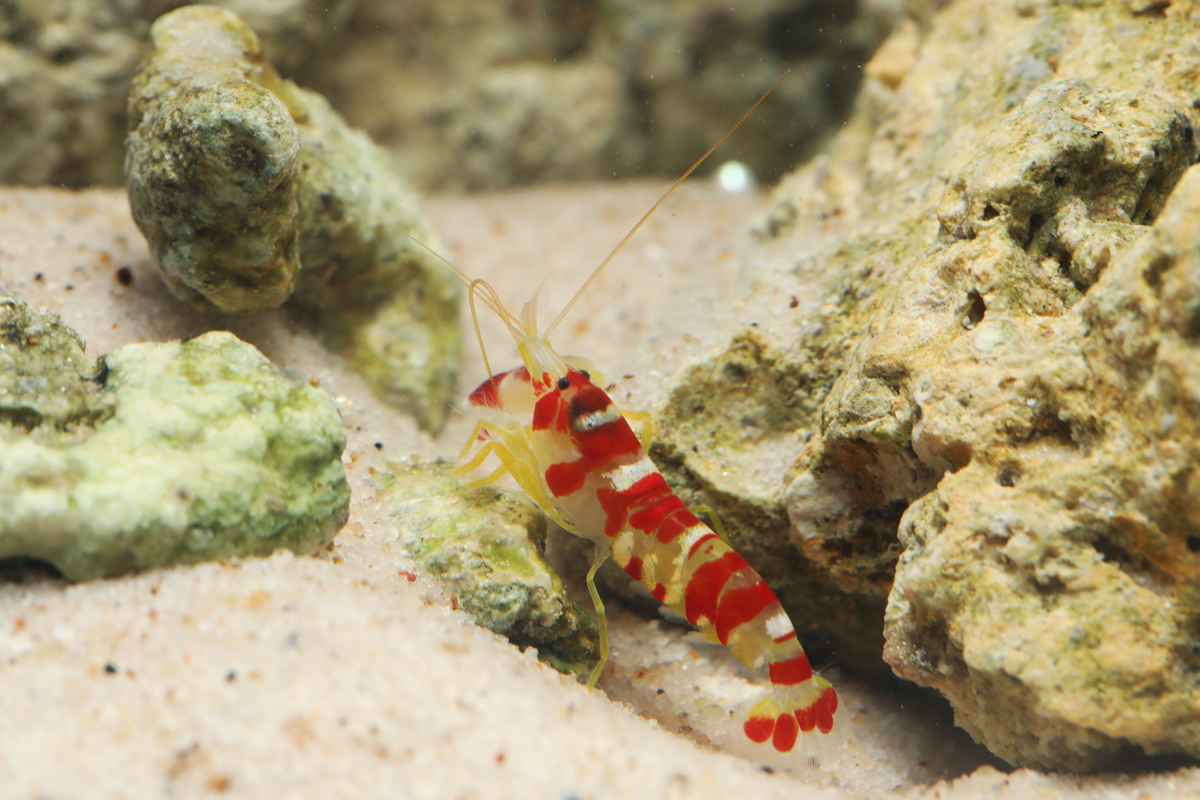
Pistol Shrimp
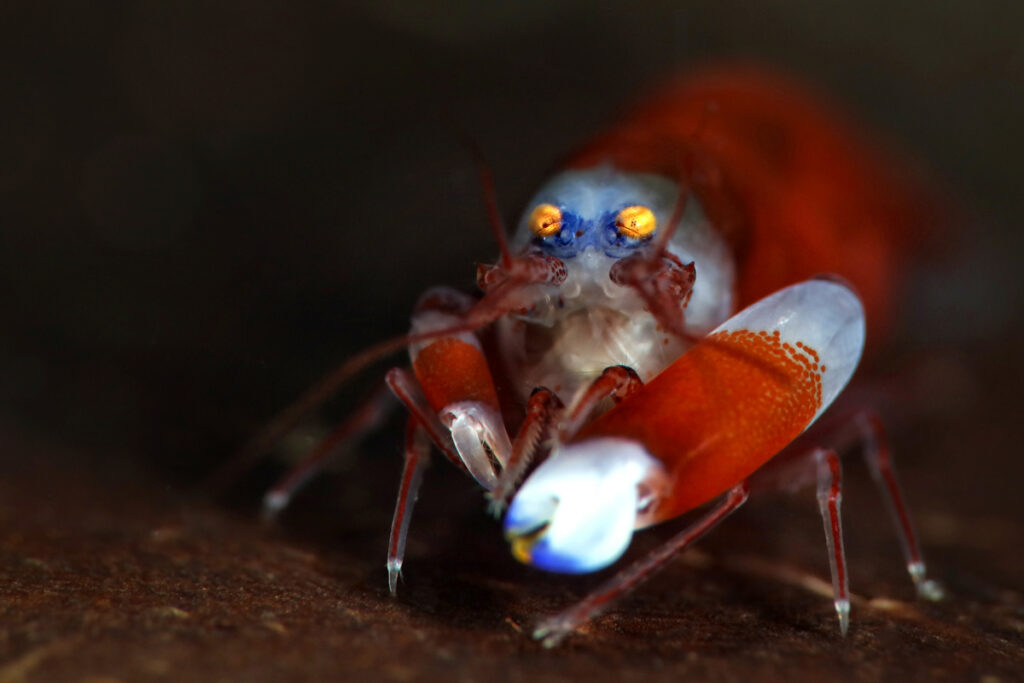
Despite measuring little more than an inch in length, the pistol shrimp produces one of the loudest sounds in the entire ocean, something it achieves using nothing but a specialized claw. When that claw snaps shut, it shoots out a jet of water so fast that it creates a collapsing cavitation bubble, generating a sharp crack reaching roughly 220 decibels — louder than a gunshot — that can stun or kill a small fish. Incredibly, the snap also creates a flash of light and a burst of heat around 8,700 degrees Fahrenheit, which is nearly as hot as the surface of the sun.
Credit: Ernie Cooper/stock.adobe.com
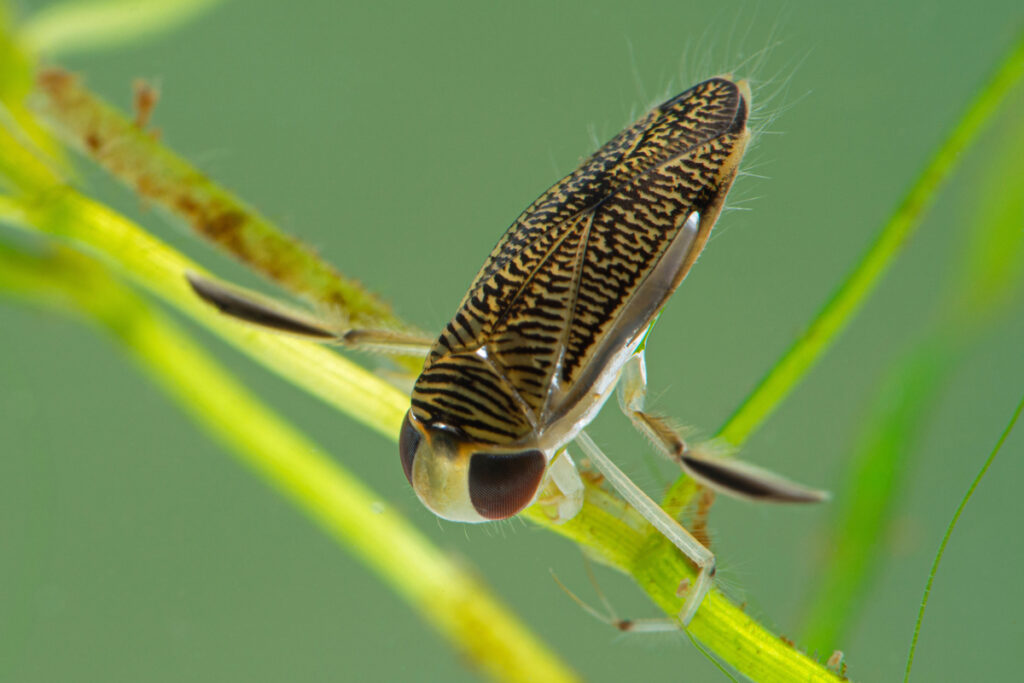
Water Boatmen
Guinness World Records is full of strange feats, but few are more peculiar than the record for “loudest penis.” This slightly dubious title is held not by a blue whale or an African elephant, but by a tiny water boatman (Micronecta scholtzi) that measures just 2 millimeters long.
When a male boatman wants to attract a mate, it rubs its penis against corrugations on its abdomen in a process known as stridulation, creating a chirping sound that reaches up to 99.2 decibels, about the same as a jackhammer or lawnmower. Some of that sound is lost when it moves from water into the air, but it’s still loud enough for humans to hear while taking a stroll along the riverbank.
Credit: Julia Held
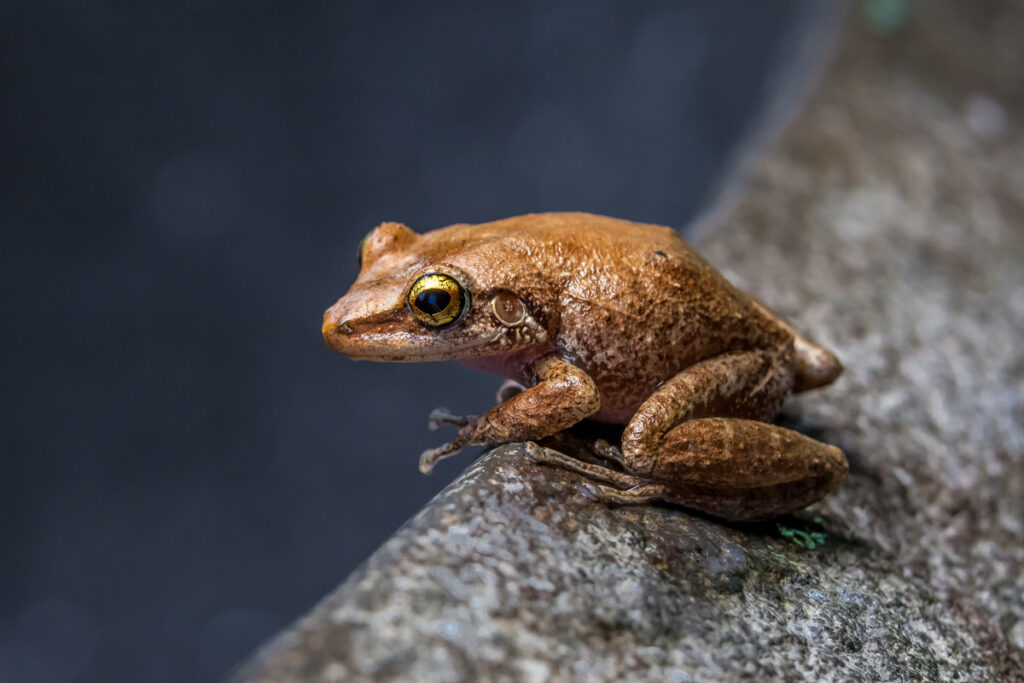
Coquí Frogs
Puerto Rico has produced many famous singers over the years, but even Ricky Martin, Daddy Yankee, and Bad Bunny haven’t made as much noise as the coquí frog. This little Puerto Rican amphibian is only about an 1 or 2 inches in length, but the males produce a piercing two-note “co-quí” call that can reach at least 95 decibels, or about as loud as a subway train. As an invasive species in Hawaii, where population densities can reach 20,000 frogs per acre, the coquí’s nightly chorus has become loud enough to cause issues not only for sleeping humans, but also for the nocturnal soundscape of many native species.
Credit: Jon Steinbeck/stock.adobe.com
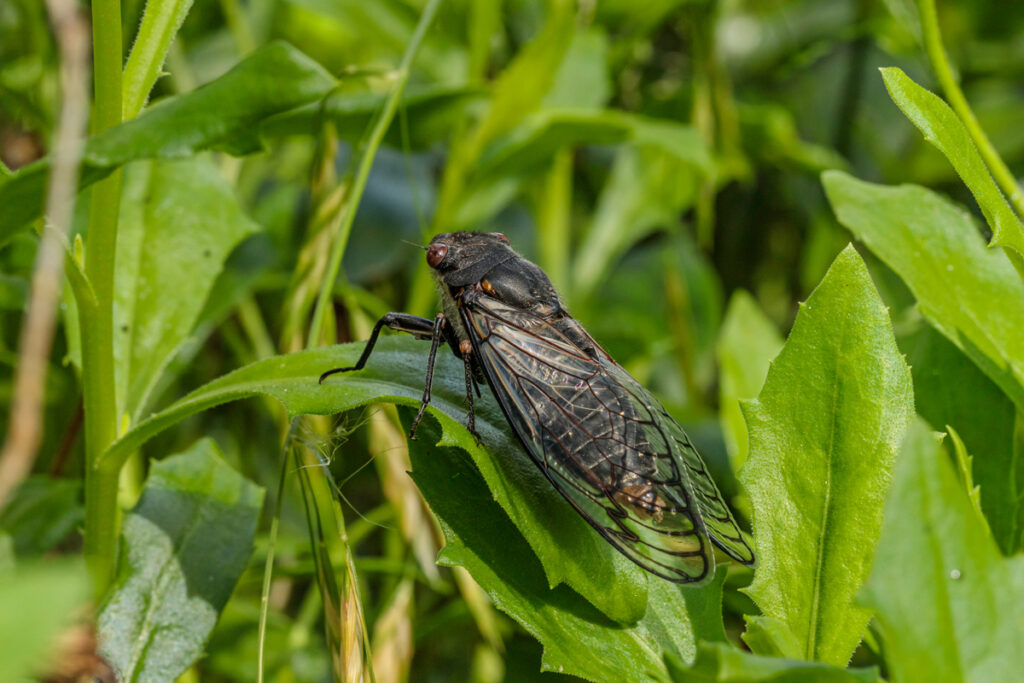
African Cicadas
The African cicada is officially recognized by Guinness World Records as the loudest insect ever measured, reaching a mighty 106.7 decibels. The secret to the cicada’s extremely intense, high-frequency call is found in the ribbed membranes, known as tymbals, on the insect’s abdomen.
By rapidly buckling those membranes, the cicada produces a clicking noise that’s then amplified by its mostly hollow abdominal cavities. Basically, it has a kind of built-in boom box. The sounds produced are so loud that they pass the threshold at which prolonged exposure can cause hearing damage in humans.
Credit: blickwinkel/Alamy
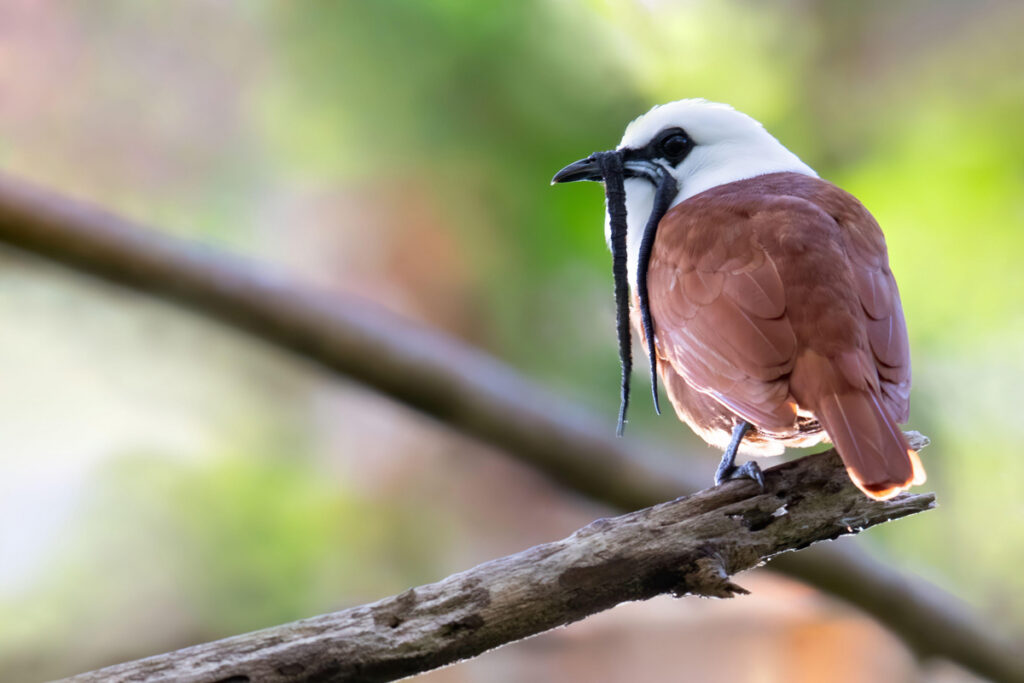
White Bellbirds
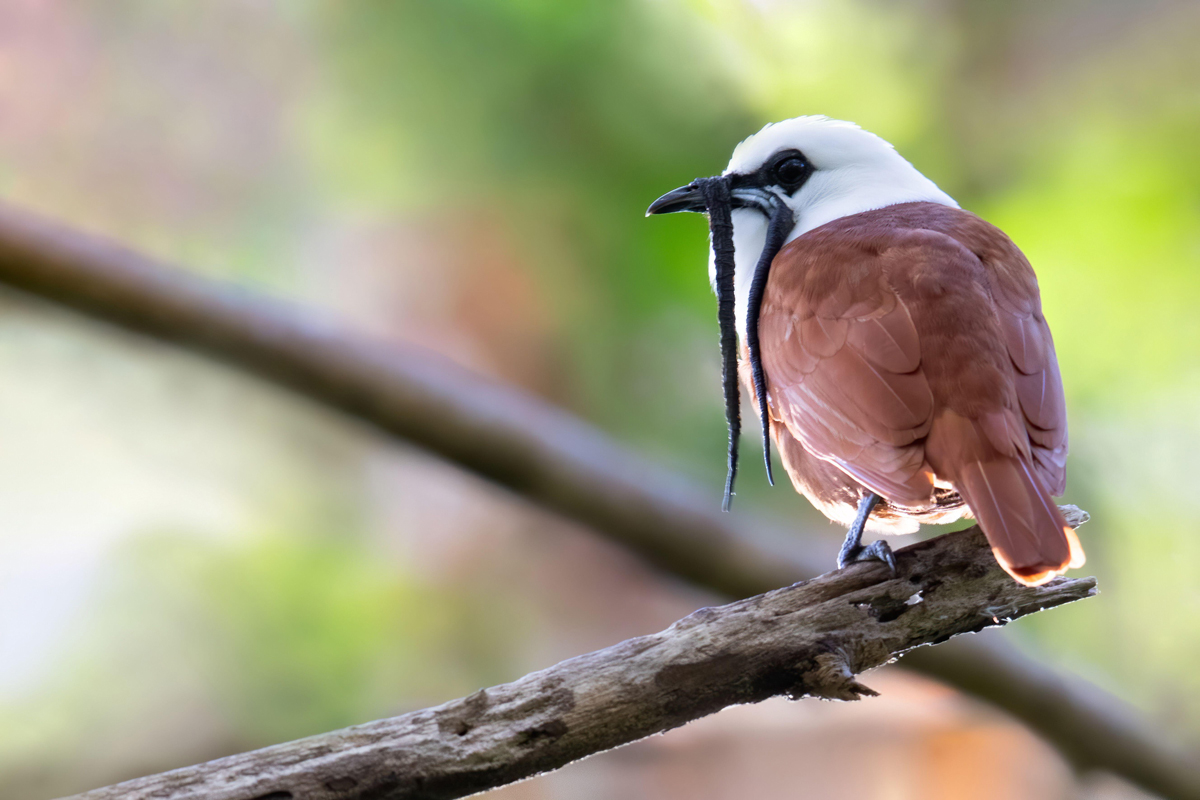
Despite being roughly the size of a pigeon, the white bellbird of the Amazon jungle holds the record for the loudest bird call ever documented. Peaking at around 125.4 decibels, their call is louder than an industrial drill.
In what would seem like a very bad move, male bellbirds deliver this deafening song — from close range — directly at females during courtship. It’s an odd strategy that prioritizes ear-splitting volume over any pretense of romance, but somehow it works.
In 2019, ornithologist Mario Cohn-Haft decided to figure out how bellbirds make such an awesome din. He discovered that they possess an unusually muscular, sculpted chest; as he told the BBC, “It had a six pack.” The bellbird’s thick abdominal muscles act like a powerful pump, forcing air out through its syrinx (a bird’s vocal organ) at an extremely high pressure, explaining how the males make such a piercing, alarmlike, two-toned cry despite their relatively small size.
Advertisement
A tiny shrimp creates one of the ocean’s loudest sounds.
Across Species 04/09/26Sep. 4, 2026
Updated 04/09/26Sep. 4, 2026
Credit: Pavaphon/stock.adobe.com
Michael Nordine
Author
Michael Nordine is a Senior Staff Writer at Britannica, where he writes the newsletter Movie Brief. He grew up with eight cats and would like to see a Komodo dragon in the wild one day.
Pistol shrimp are less than 2 inches long, but they pack quite a punch. Alpheidae, as they’re also known, have an oversized claw that the tiny crustaceans snap so quickly it shoots a bulletlike jet of water at their prey. That “shot” travels at a speed of up to 60 miles per hour and clocks in at 210 decibels — louder than an actual pistol (165 decibels), fireworks (140 decibels), and a jet engine (130 decibels).
The pistol shrimp’s “snap” also briefly superheats the water to a temperature of 8,000 degrees Fahrenheit, which is four times hotter than lava. The sound of a pistol shrimp snapping its claw is so loud, in fact, that it can interfere with sonar. During World War II, colonies of pistol shrimp produced enough noise to interrupt naval officers’ attempts to detect enemy submarines.
Advertisement
5 Surprisingly Venomous Animals
Across Species 04/09/26Sep. 4, 2026
Updated 04/09/26Sep. 4, 2026
Credit: zhang yongxin/stock.adobe.com
Nicole Villeneuve
Author
Nicole is a writer, editor, and researcher with over 15 years experience covering arts and culture, lifestyle, and media. Her work has also appeared in PureWow, Brit + Co, Exclaim, AUX TV, and CBC. She lives in Ontario, Canada.
When you think of venomous creatures, your mind most likely jumps to rattlesnakes, black widow spiders, scorpions, or other animals that have developed rather fearsome reputations for their bites or stings.
But the animal kingdom, as we well know, is full of surprises, and evolution has generated a variety of seemingly harmless (or even downright adorable) animals with venomous capabilities. These unassuming critters use their venom for defense or to help secure their next meal. From the riverbanks of Australia to the treetops of Southeast Asia, here are five animals you may be surprised to learn are venomous.
Credit: Lukas/stock.adobe.com
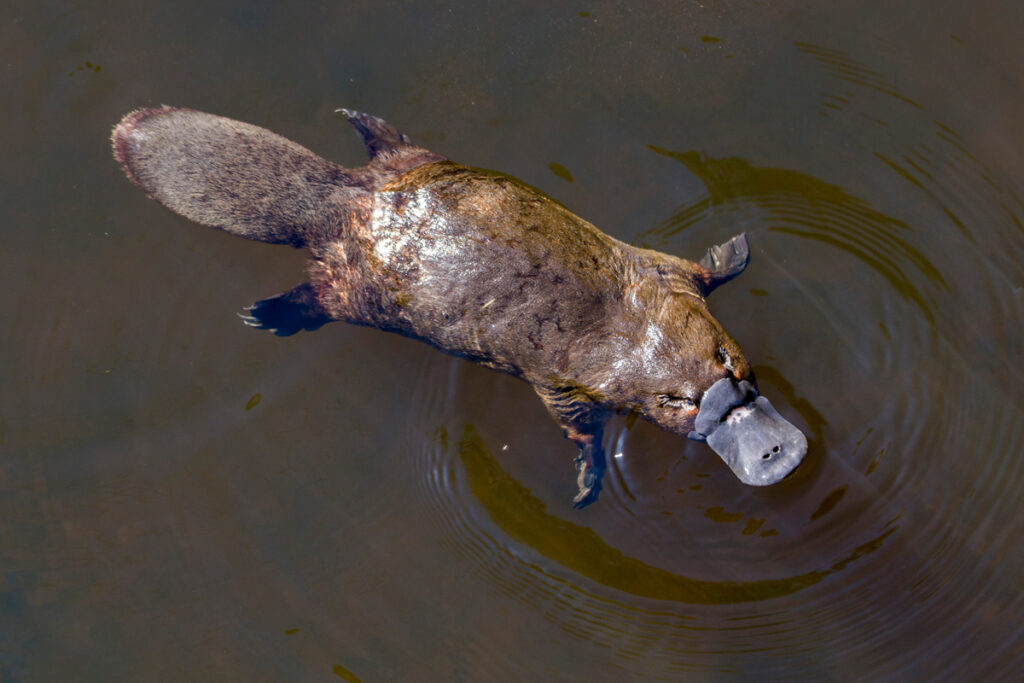
Platypuses
The platypus is already one of the world’s most unusual animals: The duck-billed, egg-laying mammal looks as though it’s been assembled from parts of several different animals. Adding to its list of bizarre traits is the fact that these Australian creatures are venomous.
On the inner hind ankles of male platypuses, sharp spurs about the size and shape of a dog’s canine tooth are connected to venom glands in the thighs. When needed, the platypus can flex its hind legs and stick the spurs into a rival.
While platypus venom isn’t deadly to humans, it is known to cause excruciating pain that can last for weeks and may not respond to traditional painkillers. Interestingly, venom production peaks during the platypuses’ breeding season, and researchers believe its primary purpose is in territorial disputes between rival males rather than for hunting or general defense.
Credit: zhang yongxin/stock.adobe.com
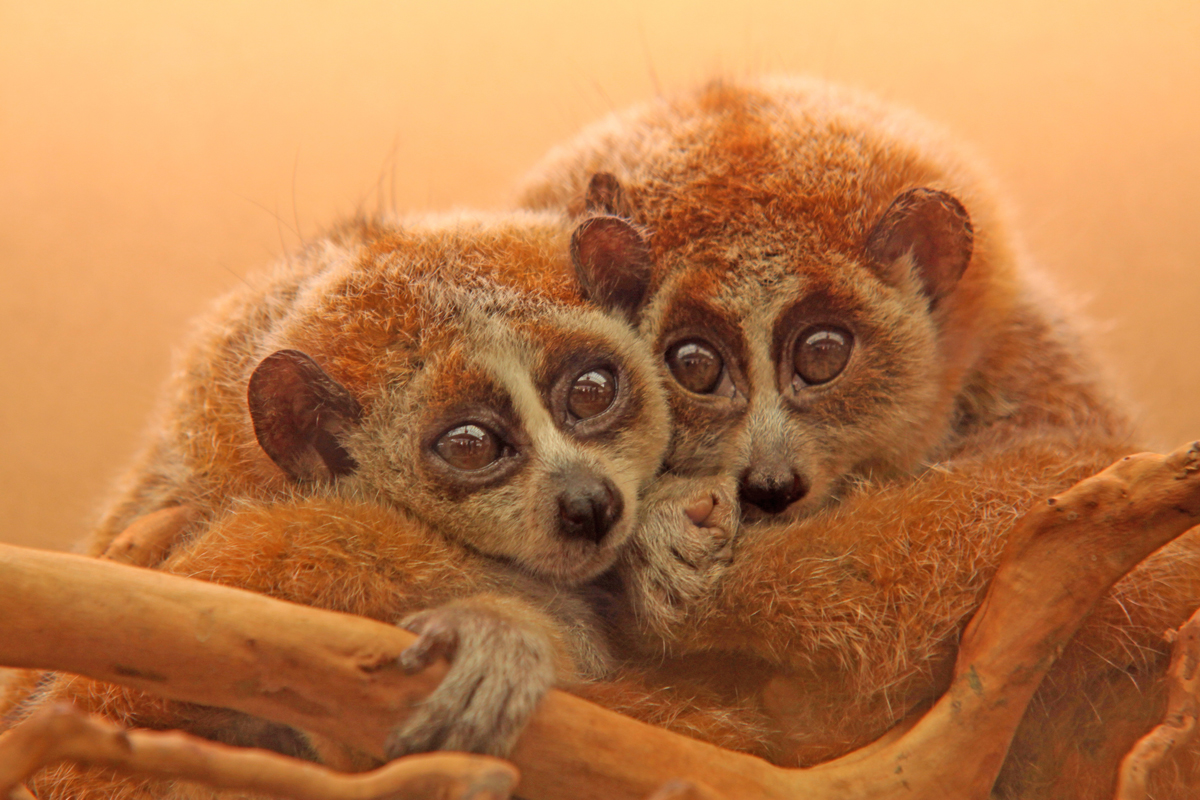
Slow Lorises
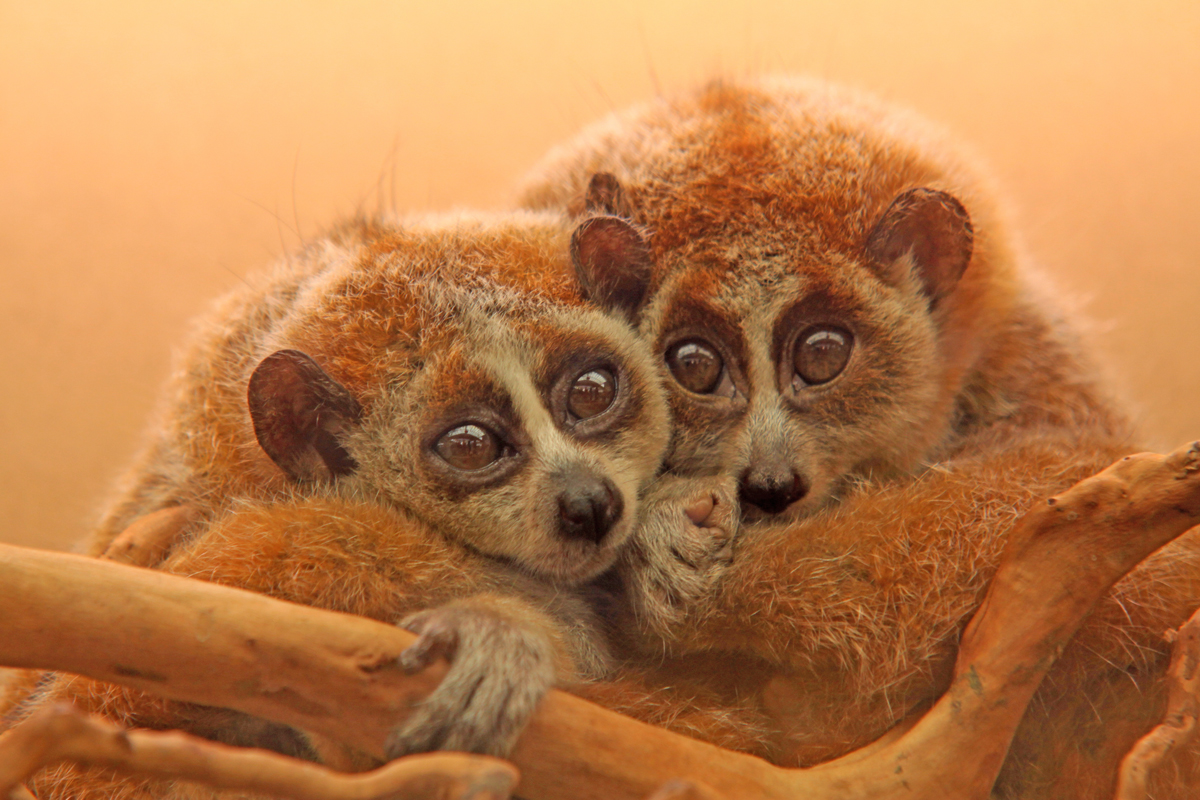
With their big, soulful eyes and glacial, deliberate movements, slow lorises are the very definition of cute. But don’t let their doe-eyed faces fool you: They’re also the only known venomous primates in the world.
Slow lorises produce a toxin in the brachial gland on their upper arm. When threatened, the Southeast Asian natives raise their arms and lick the gland, mixing the oily secretion with enzymes in their saliva to produce venom.
The venom is then drawn into their toothcomb, where one bite transfers it to its intended victim. The result can be severe, killing smaller animals and even causing anaphylactic shock or heart palpitations in humans.
Credit: Pete Niesen Photo/stock.adobe.com
Box Jellyfish
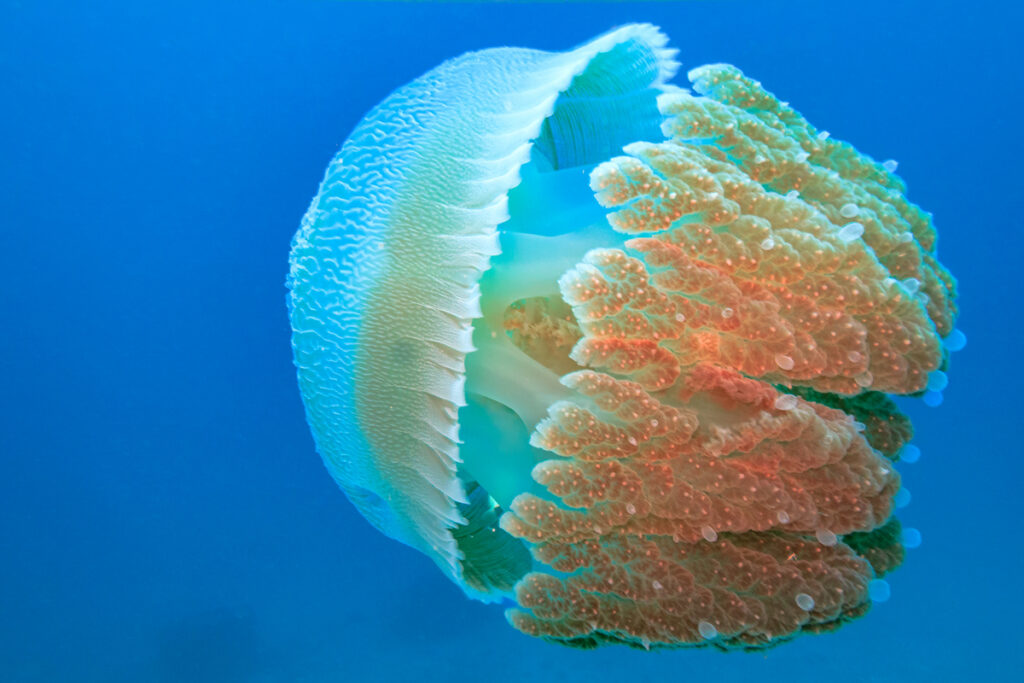
Many of us are aware of a typical jellyfish’s sting. While the experience can indeed be painful, it isn’t particularly dangerous to humans. The sting of a box jellyfish, however, is a very different story: These nearly transparent animals have four clusters of tentacles, one at each corner of their box-shaped bell, that each contain up to 15 tentacles.
Some of those tentacles can stretch more than 10 feet long, and each one is covered in microscopic stinging cells called nematocysts. Those cells fire tiny harpoonlike structures, injecting fast-acting venom into their prey, immobilizing or killing fish and shrimp and, if they should happen to come into contact, humans as well.
Credit: Thomas Bland/Alamy
Short-Tailed Shrews
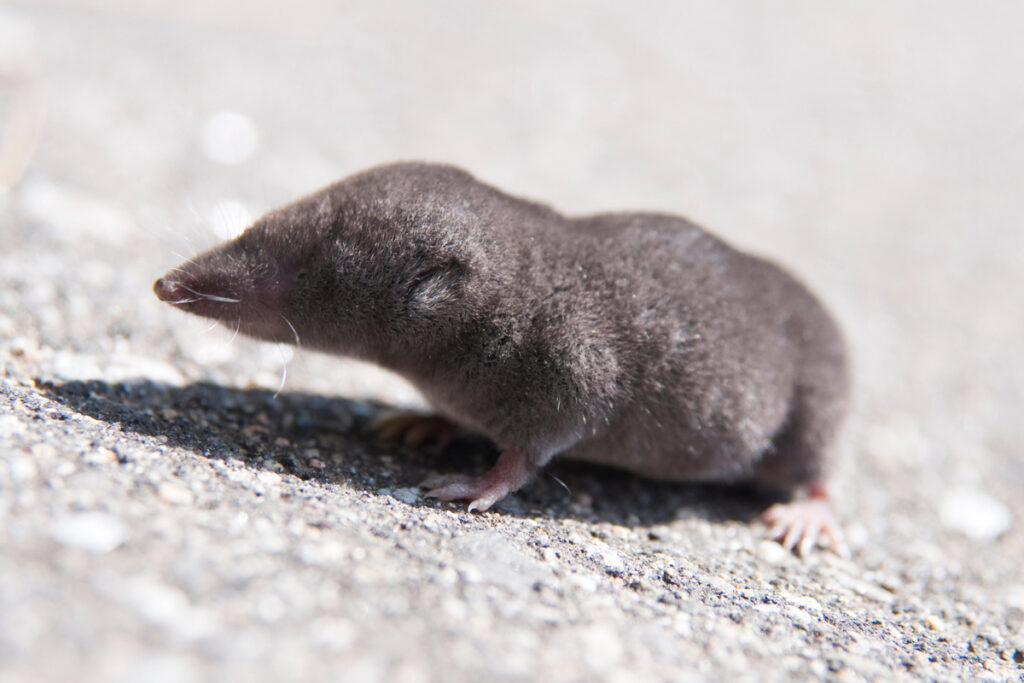
The northern short-tailed shrew is one of the most common shrews in eastern and central North America, but this tiny mammal has one decidedly uncommon trait: It happens to be venomous. The tiny insectivore has a high metabolism and needs to eat almost constantly to survive. In addition to copious amounts of insects, short-tailed shrews also hunt larger prey such as mice or frogs, using their venomous saliva as an assist.
Unlike snakes that inject venom through fangs, the shrew’s venomous saliva flows into the wounds it creates with its teeth. The toxin paralyzes their prey, allowing the shrew to keep the animal alive but immobile for later consumption. It’s a rather clever, if cruel,evolutionary trait — one that allows a rather tiny mammal to punch well above its weight in the hunting world.
Credit: yod67/stock.adobe.com
Centipedes
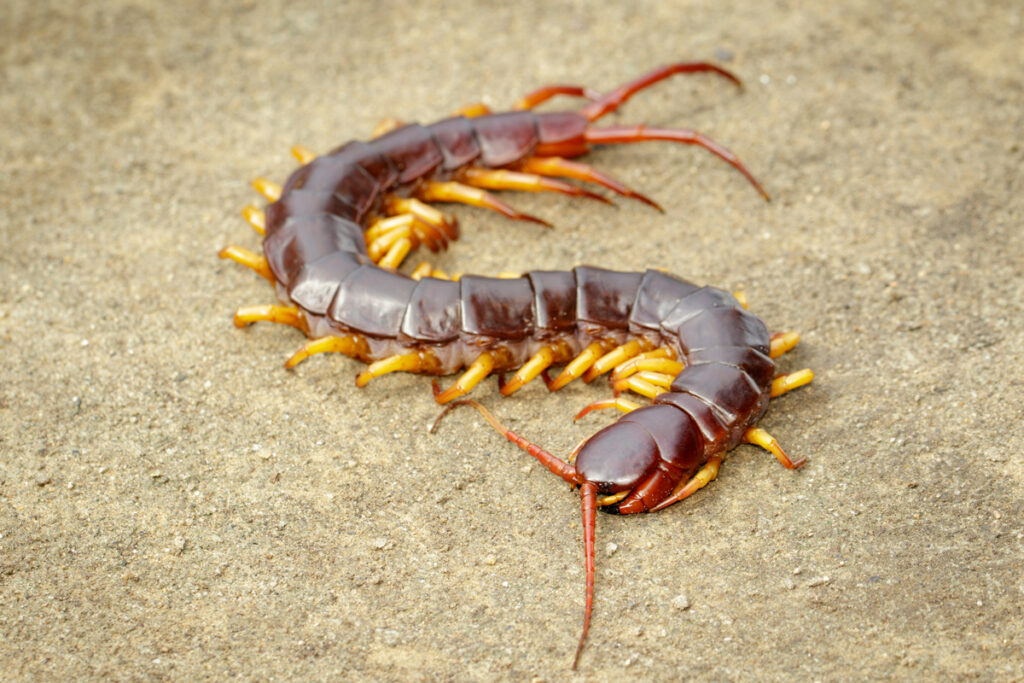
Centipedes may look like nothing more than fast-moving creepy crawlers with too many legs, but some also pack a surprisingly potent secret weapon. Instead of fangs or a stinger, they deliver venom through a pair of modified front legs called forcipules. These appendages evolved from ordinary walking legs and have since turned into sharp, clawlike structures capable of piercing prey and injecting venom.
Larger species, including Amazonian giant centipedes, use this tactic to subdue insects, spiders, small reptiles, and even mice. A standard house centipede also has venomous abilities; their bites, if you’re unlucky enough to get one, may indeed hurt, but they’re not particularly dangerous to humans.
Kristina is a coffee-fueled writer living happily ever after with her family in the suburbs of Richmond, Virginia.
Have you ever heard a bird that sounded uncannily like a car alarm, a police siren, or even another animal? Mimicry, or the ability to copy sounds, is surprisingly rare in the animal kingdom, and the birds that can do it take the talent in some fascinating directions. Some copy the sounds of their own species, while others borrow sounds from different birds, animals, or even the world around them.
But how do they pull this off — and why do they bother copying sounds in the first place?
Credit: Steve Byland/stock.adobe.com
How Do Birds Start Copying Sounds?
Before a bird can copy a sound, it needs a way to learn that sound in the first place. Scientists call this ability vocal learning: the capacity to hear a sound, remember its characteristics, and use that information to modify or develop its own vocalizations. In species that don’t possess this ability, vocalizations are largely inherited and develop without the need to learn them from other individuals.
Young birds of vocal-learning species often spend considerable time hearing their parents or other adults sing or call before they can produce polished versions themselves. They practice, produce imperfect sounds, listen again, and gradually adjust their vocalizations. This process bears some similarities to the ways human babies learn spoken language, although a species’ processes are shaped by its particular biology and social environment.
Only a relatively small number of bird groups are capable of vocal learning, including songbirds, parrots, and hummingbirds. What a bird hears while growing up can influence what it eventually sounds like, and birds in different regions can even develop recognizable song dialects.
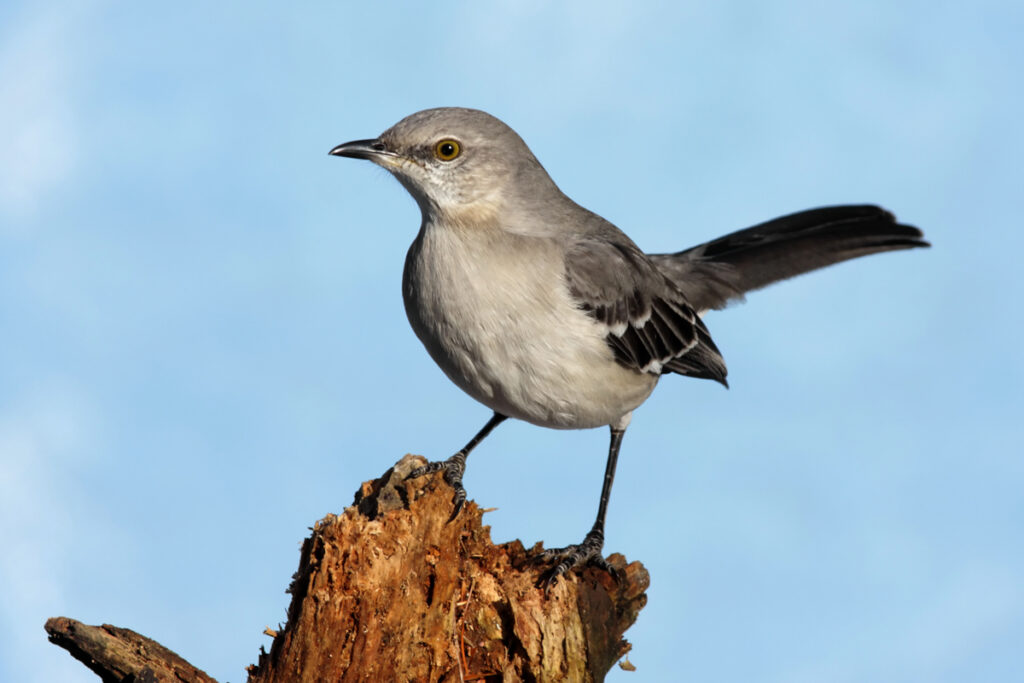
Vocal mimicry is a more specific use of vocal learning. This occurs when a bird reproduces sounds that aren’t part of its usual species-specific repertoire, including sounds made by other species or by the environment. A mockingbird can learn up to 200 songs in its lifetime and may incorporate the calls of other birds into its own songs, while a superb lyrebird can imitate other birds as well as other non-bird sounds it hears.
In other words, vocal learning is the ability, while vocal mimicry is one possible result of that ability. Not every vocal learner is a mimic, and a bird doesn’t need to imitate another species to be considered a vocal learner.
Credit: KQ Ferris/stock.adobe.com
Their Songs Help Them Find Mates and Socialize
For many birds, learned vocalizations are ultimately a method of communication. Male songbirds may use learned songs to attract mates or warn competing males away from their territory. Learning the local version of a song can also help a young bird communicate with its neighbors and integrate into its social group.
Copying sounds from other species can serve different purposes, and scientists don’t yet know all of them. Some birds incorporate other species’ calls into their repertoires as part of courtship or territorial displays.
Mockingbirds, for example, may incorporate environmental sounds such as car alarms into their songs as they expand their vocal repertoires. Researchers have found these birds are especially likely to copy sounds that resemble the pitch and rhythm of their own vocalizations, which may help explain why certain human-made sounds become part of their song.
A bird may simply have a powerful capacity for vocal learning and incorporate the sounds it regularly encounters into its “songbook,” although scientists still don’t understand all the reasons particular sounds are copied. For species capable of flexible vocal learning, the sounds around them can simply become raw material for their own vocal inventory.
Credit: Martin/stock.adobe.com
Parrots Take Vocal Learning to Another Level
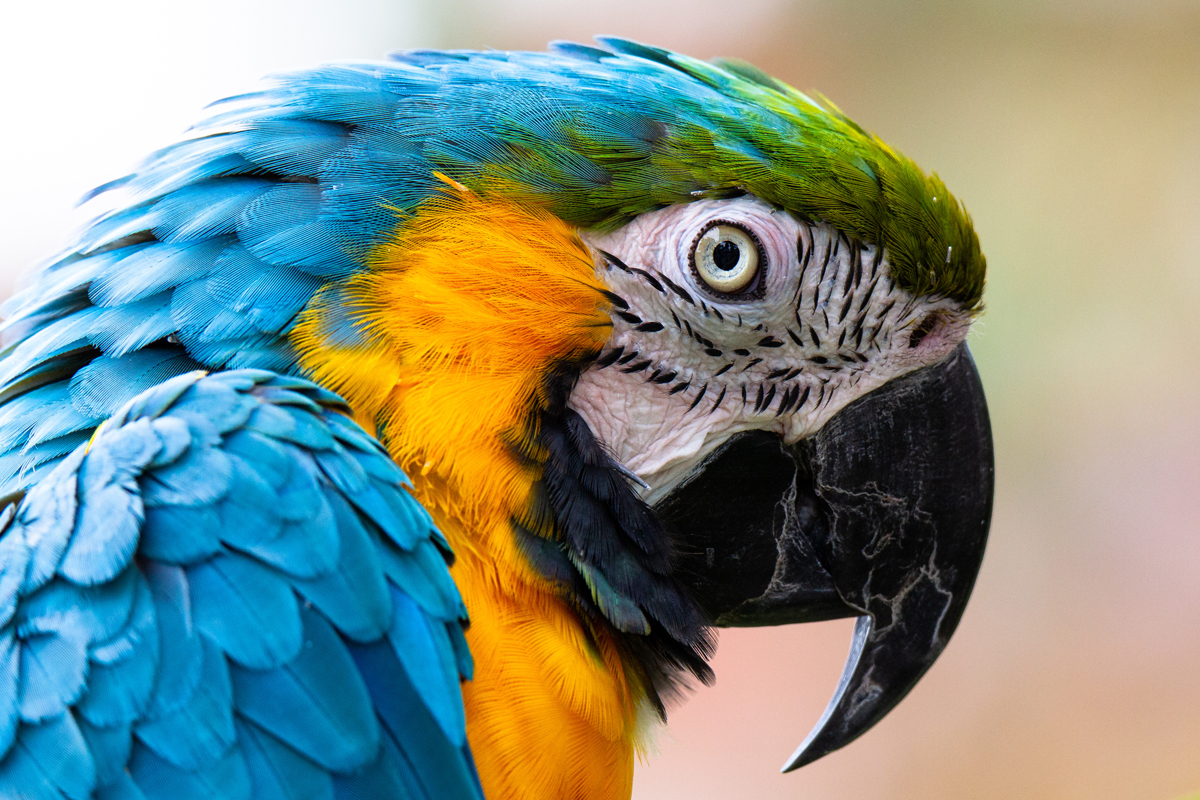
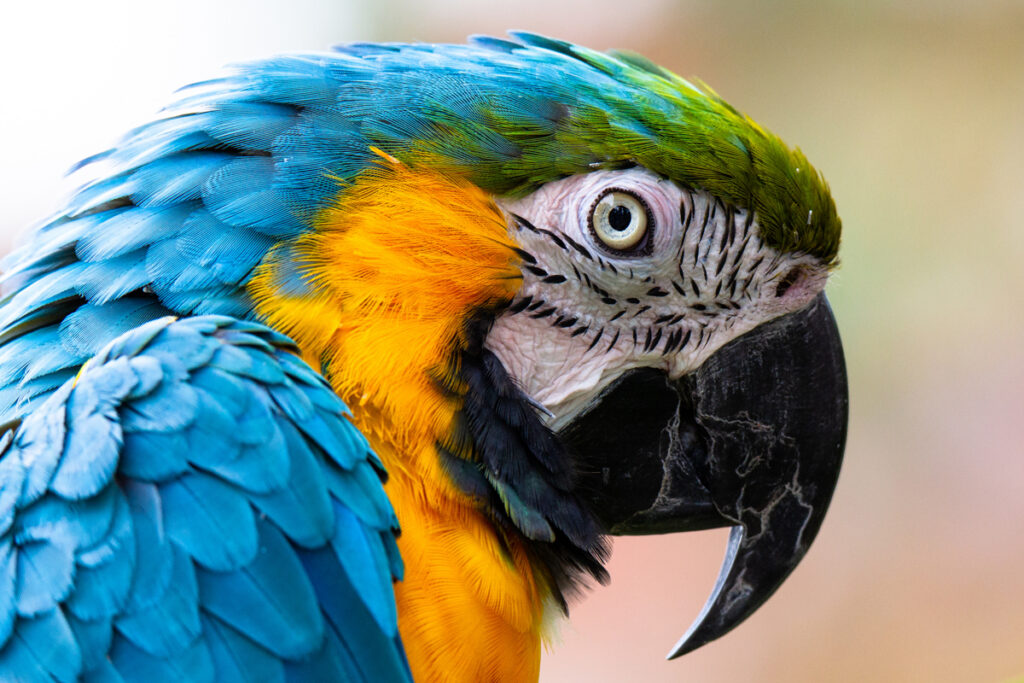
Parrots are among the most accomplished vocal learners, as evidenced by their renown for copying human speech. They can learn new sounds throughout their lives and use their specialized vocal-learning systems to replicate everything from other birds’ calls to household noises and human words.
Their ability to learn sounds is closely tied to their social lives. In the wild, parrots use vocalizations to maintain contact with members of their groups, and some species develop distinctive contact calls that help individuals recognize one another.
Captive parrots may instead learn sounds from the humans and animals that surround them. Some have also demonstrated an ability to associate human words or sounds with specific objects, actions, or requests, although that’s not the same as understanding language in the same way humans do.
When a bird copies sounds, the imitation itself is only the observable part of a much more complicated process. Somewhere between hearing a sound, remembering it, practicing it, and implementing it is a remarkably flexible form of animal learning — one that allows some birds to incorporate the sounds of their world into their own voice.
Advertisement
The Strangest Ways Animals Mark Their Territories
Across Species 04/09/26Sep. 4, 2026
Updated 04/09/26Sep. 4, 2026
Credit: daphot75/stock.adobe.com
Nicole Villeneuve
Author
Nicole is a writer, editor, and researcher with over 15 years experience covering arts and culture, lifestyle, and media. Her work has also appeared in PureWow, Brit + Co, Exclaim, AUX TV, and CBC. She lives in Ontario, Canada.
Doing a handstand may seem like an ill-advised party trick, but for some animals, it’s a declaration of territory. And while most animals rely on familiar methods of declaring territory, such as urinating on trees or leaving scent marks, others take considerably more creative approaches, including spraying feces or doing handstands.
Territorial markings aren’t always a warning to stay away: They can convey surprisingly specific information about the animal that left them, help prevent fights, and sometimes even attract potential mates. Here are some of the strangest ways animals mark their territory and what those bizarre signals mean.
Credit: leungchopan/stock.adobe.com
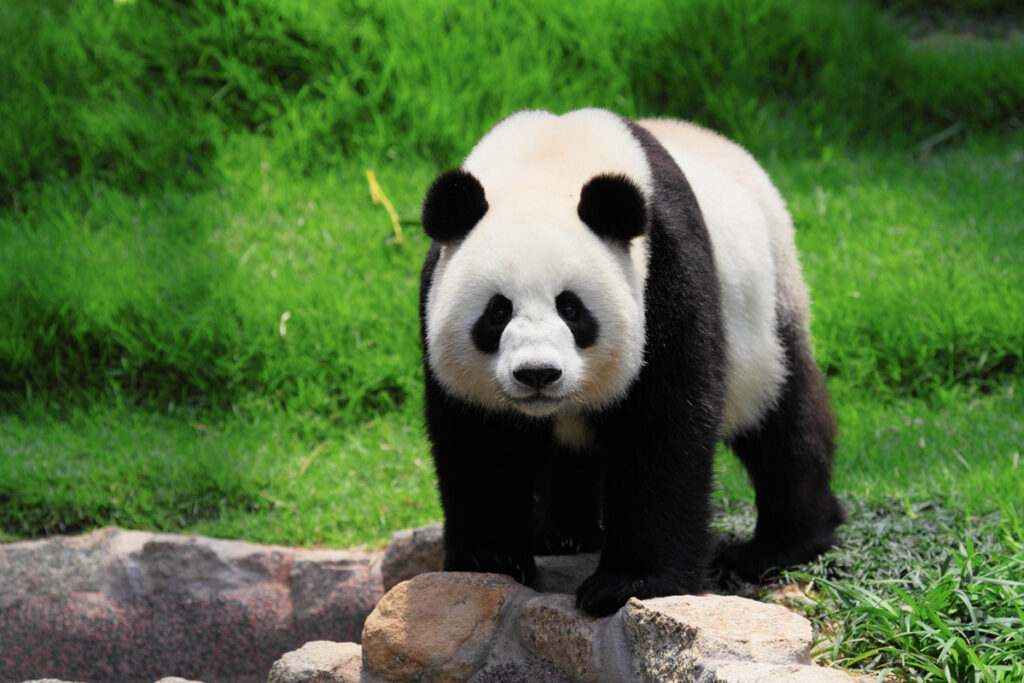
Giant Pandas Do Handstands
To make themselves seem even bigger and more imposing than they are, giant pandas will often perform handstands by backing into a tree trunk or rock surface. Then, walking their hind legs up until they’re inverted, they’ll urinate much higher than their actual height.
To other passing pandas, a scent higher up may suggest a larger — and therefore more dangerous — panda is present, meaning they should find somewhere else to hunker down. Though pandas will duke it out if needed, these generally peaceful creatures prefer their scents to do the talking for them.
Credit: Getty Images/Unsplash.com
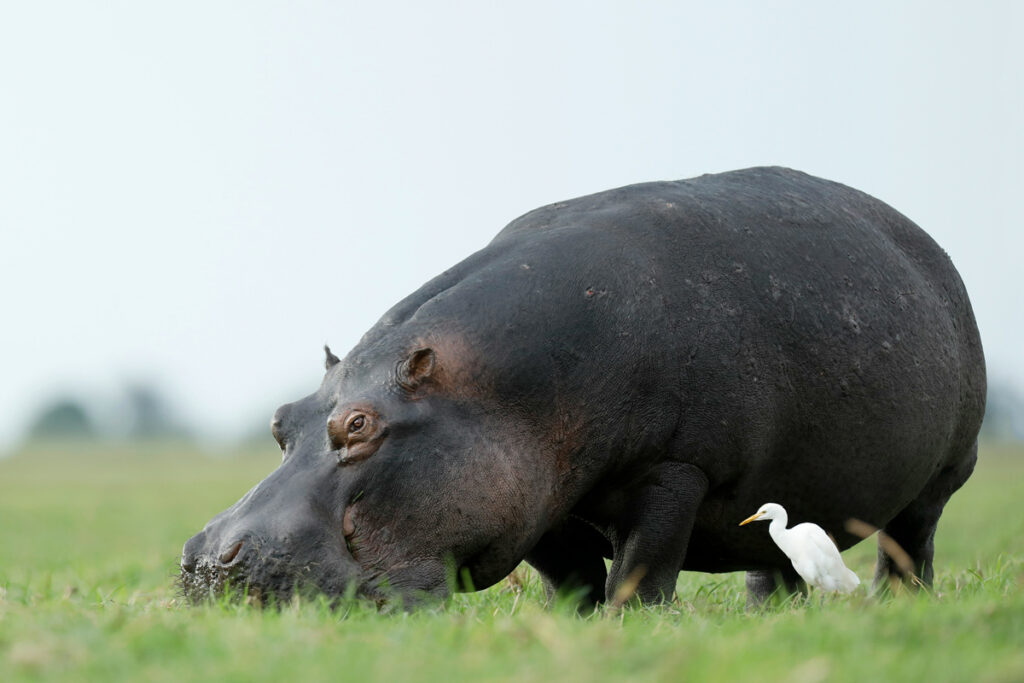
Hippos Turn Their Tails Into Dung Spreaders
Male hippopotamuses mark their territory in a way that’s as efficient as it is messy. When a dominant male needs to establish his presence along a stretch of a sub-Saharan African river, he doesn’t simply defecate as many animals do. Instead, the rhino uses his short, flat tail as a high-speed propeller.
As waste is eliminated, the rapid wagging of his tail sprays feces across rocks, river banks, and even into the water. This muck-spreading, as it’s known, distributes scent across a wide area, serving as a functional, if rather unrefined, way of signaling to other males that the terrain is currently occupied.
Credit:daphot75/stock.adobe.com
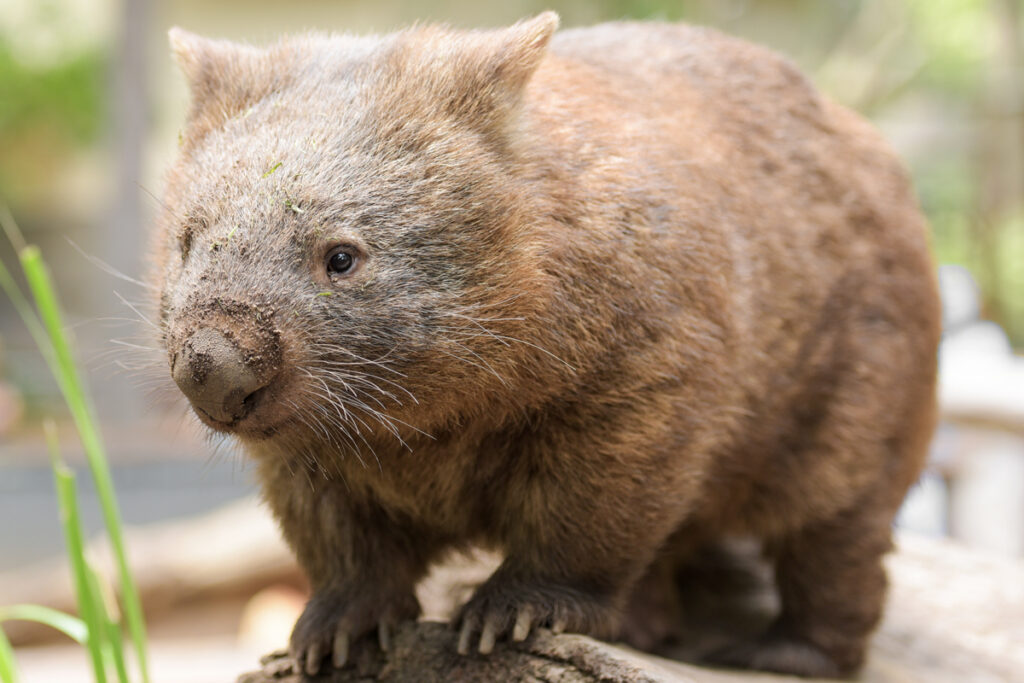
Wombats Create Poop Cubes
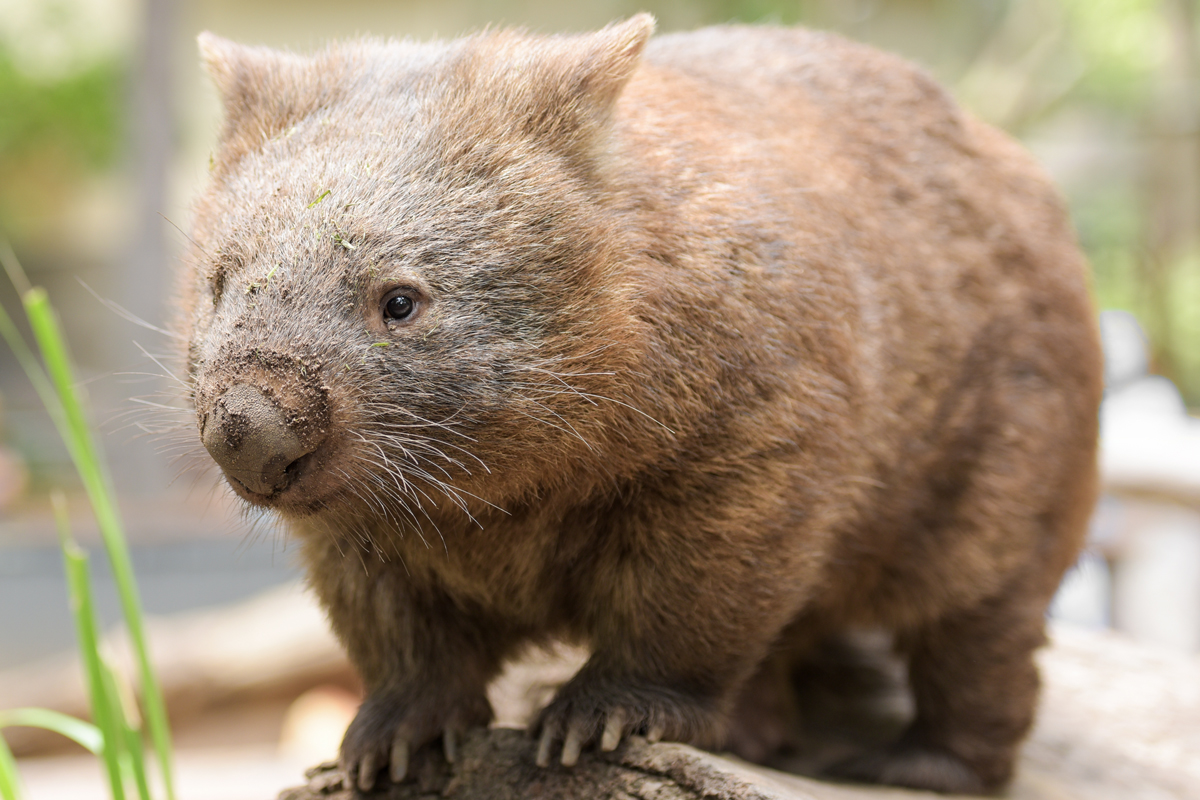
The common wombat is the only known animal to produce feces in cubes. The unusual shape has a practical advantage in the wombat’s rugged Australian habitat: Unlike rounded droppings, a cube is less likely to roll away once deposited.
The animals can produce up to 100 of these dry, cube-shaped droppings in a single day, leaving them on rocks, logs, and around burrow entrances where they’re likely to be noticed and received as a message that someone is home. The unique cubes are formed thanks to the length and elasticity of the wombats’ intestines, which shape the feces into flat-sided pieces. Once stacked up, the pile sends a clear signal for the next wombat passing through.
Credit: John/stock.adobe.com
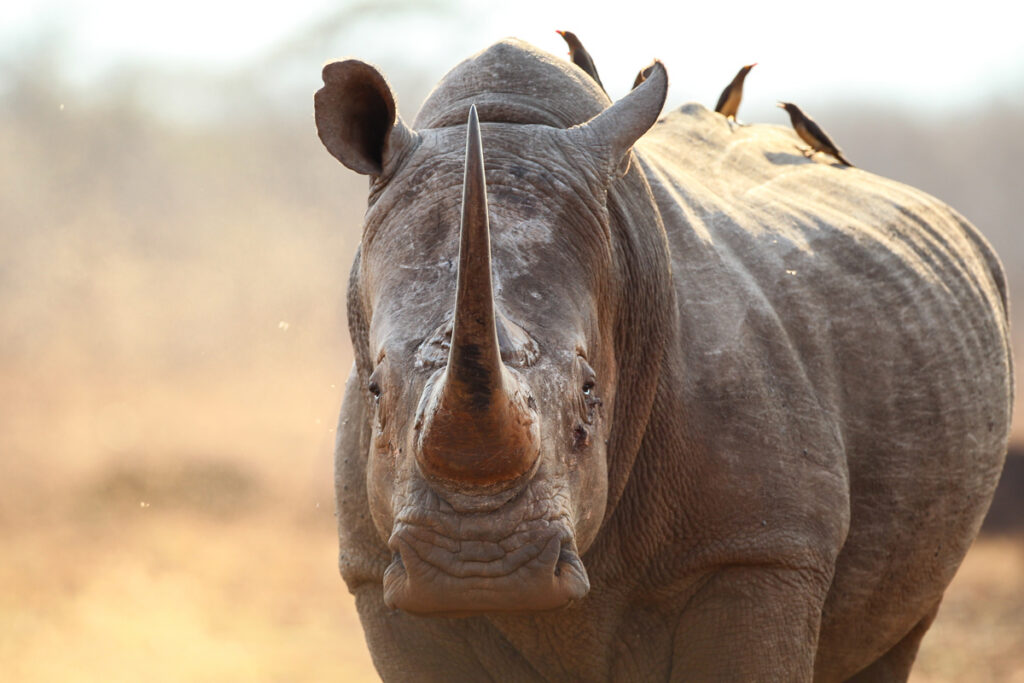
White Rhinos Maintain Communal Dung Piles
White rhinos don’t make their mark just once; rather, these southern African animals use communal dung piles called middens, which not only mark the boundaries of their territories, but also serve as a local information center of sorts. Multiple rhinos contribute droppings to the same midden, and the chemicals in those droppings can convey clues about each rhino’s sex, age, general health, and reproductive status to other rhinos investigating the pile. In this way, the midden can help rhinos keep tabs on who exactly is in the neighborhood without having to come face-to-face.
Credit: EcoView/stock.adobe.com
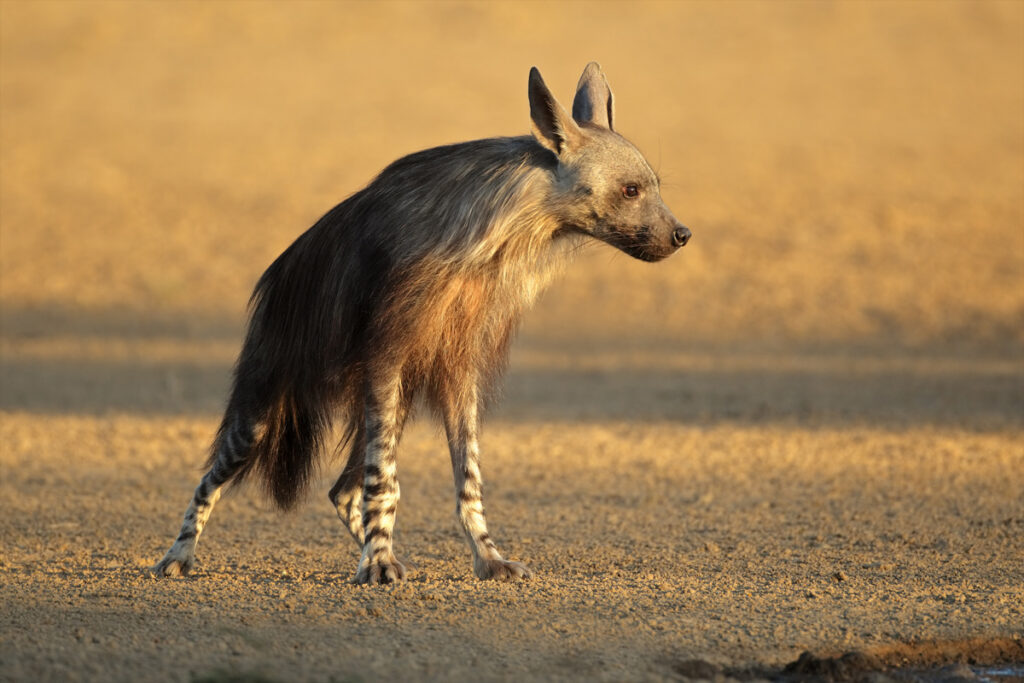
Brown Hyenas Create Black-and-White Pastes
Brown hyenas mark their territories with secretions from their anal scent glands, but they leave more than a single scent behind. The South African scavengers actually have two chemically distinct pastes that they deposit onto grass, sticks, or rocks.
A long-lasting white paste lasts for weeks and lets other hyena clans know that territory is spoken for. A black paste, however, signals information to its own clan, including who’s been moving through the territory and how recently.
More importantly, it also communicates whether an area has recently been searched for food. Brown hyenas typically forage alone and often rely on unpredictable food sources such as carrion, so letting others in the clan know what ground has already been covered helps avoid wasted time in an area that’s already been picked over.
Credit: ambquinn/stock.adobe.com
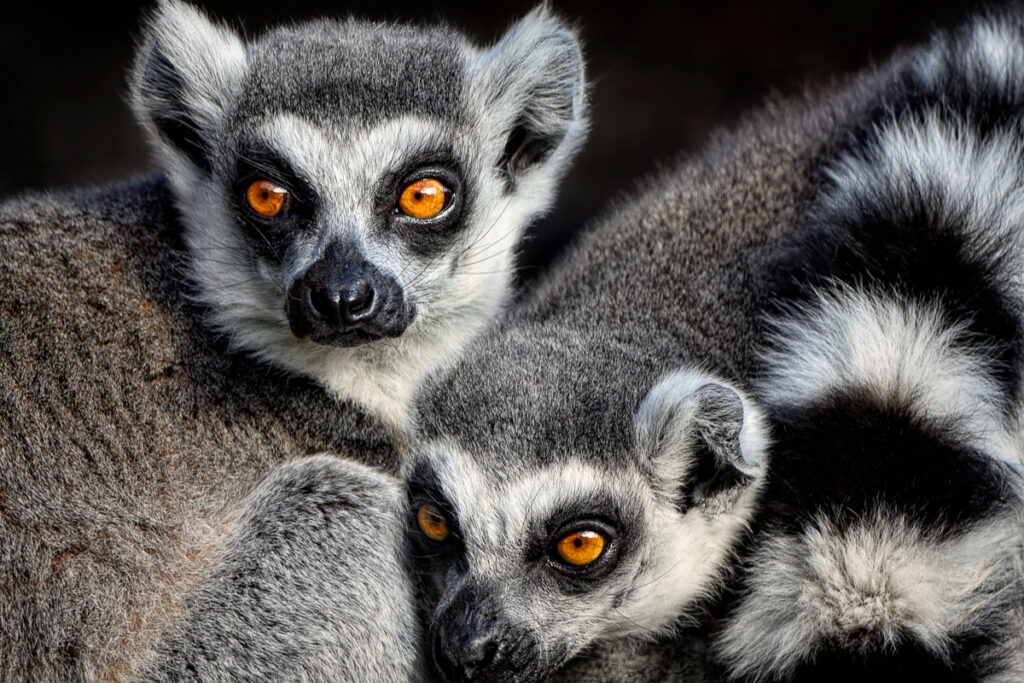
Ring-Tailed Lemurs Pick Fights With Their Tails
Ring-tailed lemurs have made territory marking into somewhat of a competitive sport. Males possess scent glands on both their wrists and chests, and during what’s known as a stink fight, two males rub their long, bushy tails against their glands and then wave them at each other.
Typically, the strongest scent wins, and the display keeps things from turning more physical. Lemurs also use sharp spurs on their wrists to carve into tree trunks and leave their scent, clearly setting their boundaries in Madagascar’s forest canopies.
Advertisement
5 Bizarre Survival Tactics in the Animal Kingdom
Across Species 03/09/26Sep. 3, 2026
Updated 03/09/26Sep. 3, 2026
Credit: cherylvb/stock.adobe.com
Tony Dunnell
Author
Tony is an English writer of nonfiction and fiction living on the edge of the Amazon jungle.
The fight, flight, or freeze response is a survival mechanism found in animals of all shapes and sizes. But while evolution has standardized those three threat responses across most living creatures, it’s also seemingly added a fourth option: Do the weirdest thing possible.
When it comes to staying alive, some animals have skipped past sensible options such as running away, fighting back, or playing dead in favor of strategies that seem too outlandish to even be real. Here are five of the most downright peculiar defense mechanisms found anywhere in the animal kingdom.
Credit: bennytrapp/stock.adobe.com
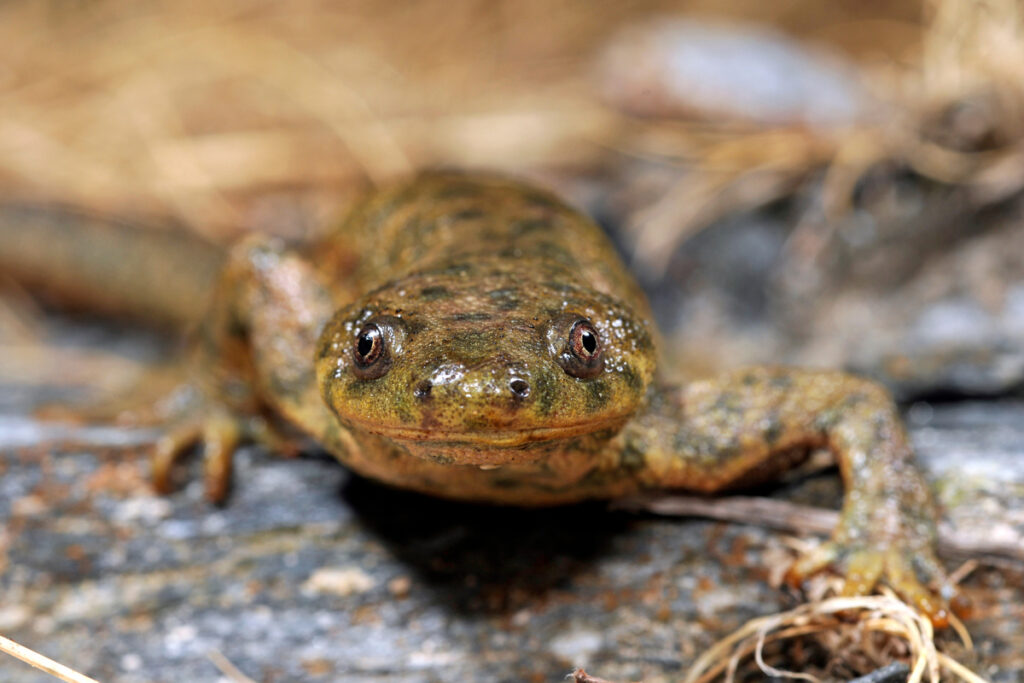
Iberian Ribbed Newts Pierce Their Own Skin With Venomous Ribs
The Iberian ribbed newt is nothing if not committed when it comes to defense. When threatened, it flattens its body, arches its back, and thrusts its ribs forward so they’re perpendicular to its spine.
The pointed tips of its ribs puncture straight through its own skin, exiting through a row of orange-marked spots along its sides. As the ribs emerge, they pass through poison glands, becoming coated in toxic secretions. This transforms the ribs into venomous barbs capable of injuring or even killing anything that gets too close.
This may seem like an unnecessarily gruesome and self-defeating act, but the newts have regenerative powers not unlike those of the X-Men character Wolverine. Once the danger passes, the ribs retract and the torn skin heals — without infection — within days, ready to be used again.
Credit: cherylvb/stock.adobe.com
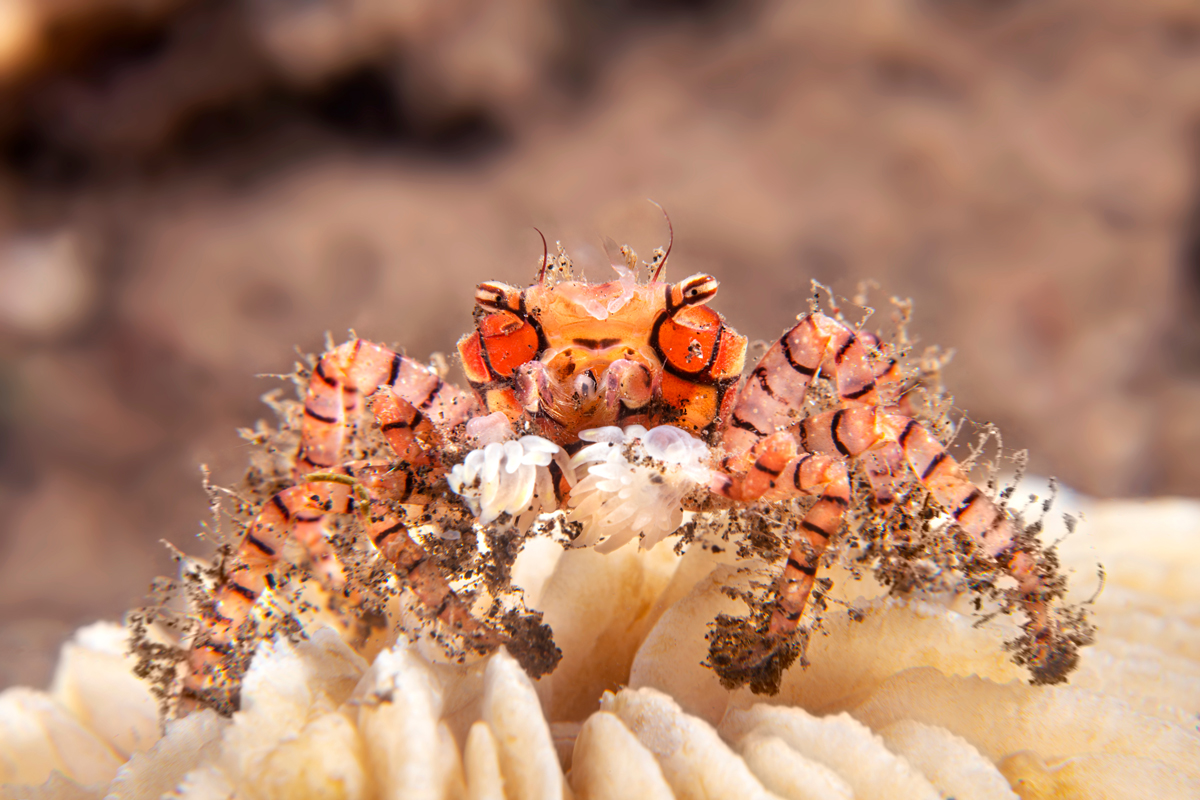
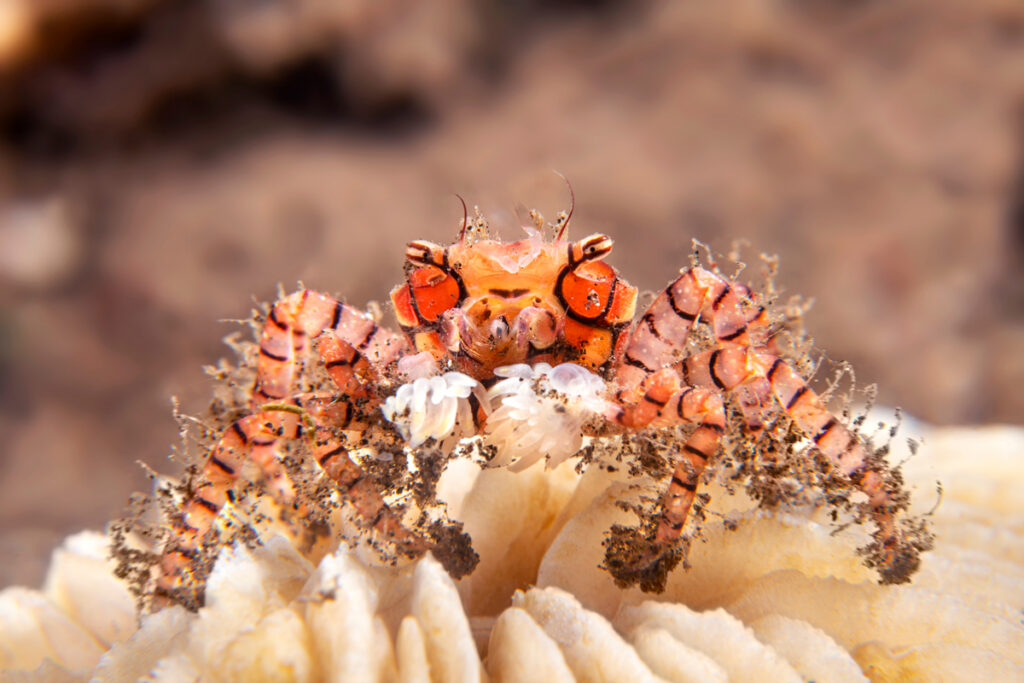
Boxer Crabs Use Sea Anemones as Boxing Gloves
Tiny boxer crabs, also known as pom-pom crabs, carry their weapons rather than growing them — and their “weapons” are other living creatures. In each of its front claws, the crab holds a small, venomous sea anemone, which it waves at threats in a punching motion. This pair of living boxing gloves serves as a potent deterrent, as the anemones are covered in stinging tentacles.
Being carried around by an apprehensive crab may not sound fun for the anemones, but in exchange for becoming ready-made weaponry, the crab feeds its anemones scraps of food, creating a mutually beneficial — if highly unconventional — arrangement. If the crab ever loses one of its anemones, it simply splits its remaining one in half (presumably not part of the original agreement), which then regenerates into two clones, ensuring the pugilistic crab is never left without a matching set.
Credit: Hiromi Ito Ame/stock.adobe.com
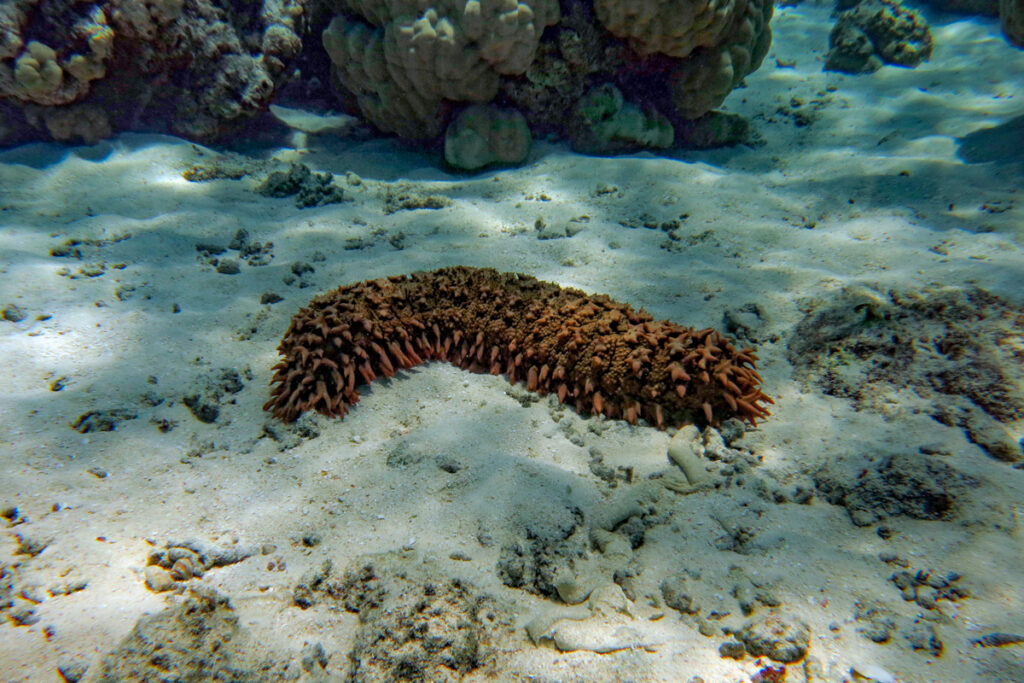
Sea Cucumbers Shoot Their Internal Organs Out of Their Butts
Of all the ocean’s creatures, the sea cucumber has arguably one of the most passive-sounding names. And yet, it possesses one of the most extreme defensive mechanisms in all of nature.
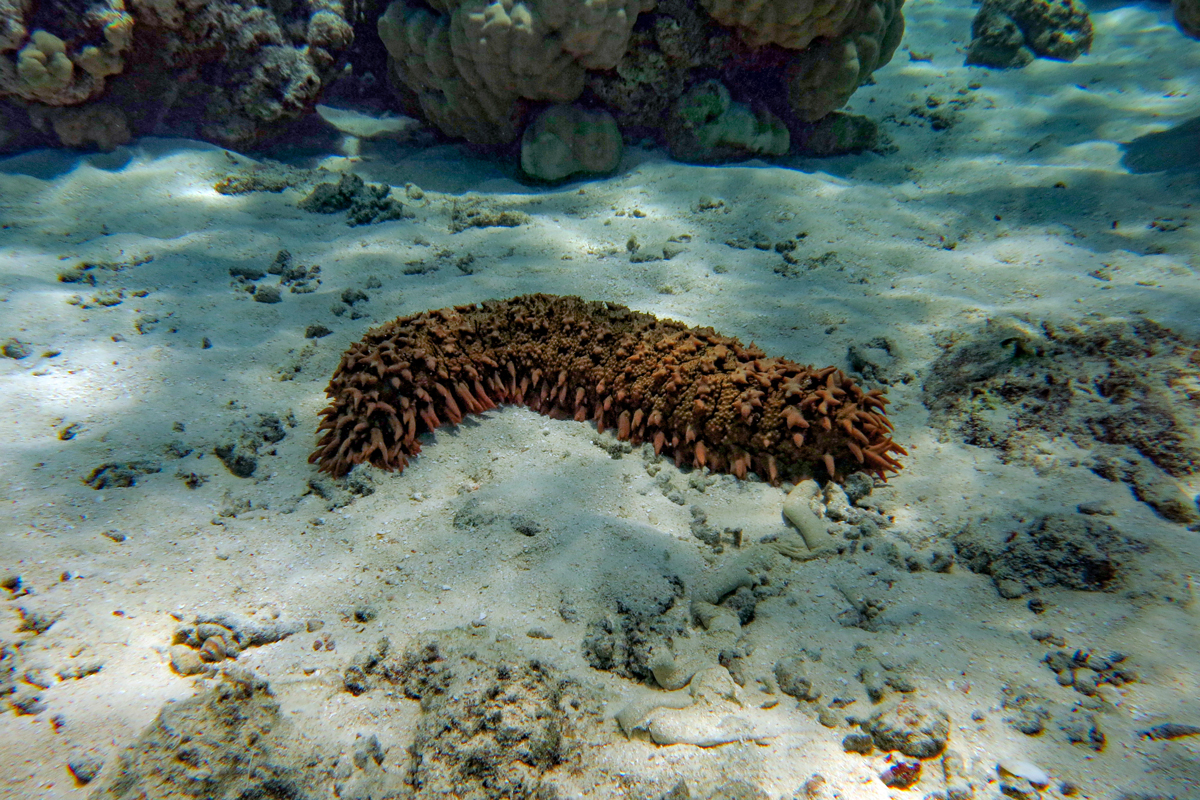
When threatened, some species of sea cucumber respond by blasting their own internal organs through their anus. Yes, you read that correctly. Using powerful muscle contractions, the sea cucumber expels sticky, threadlike structures called Cuvierian tubules out of its rear end — an act known as evisceration — entangling and immobilizing approaching predators. Remarkably, this isn’t fatal: The sea cucumber is able to fully regenerate the lost organs within a few weeks.
Credit: toorook/stock.adobe.com
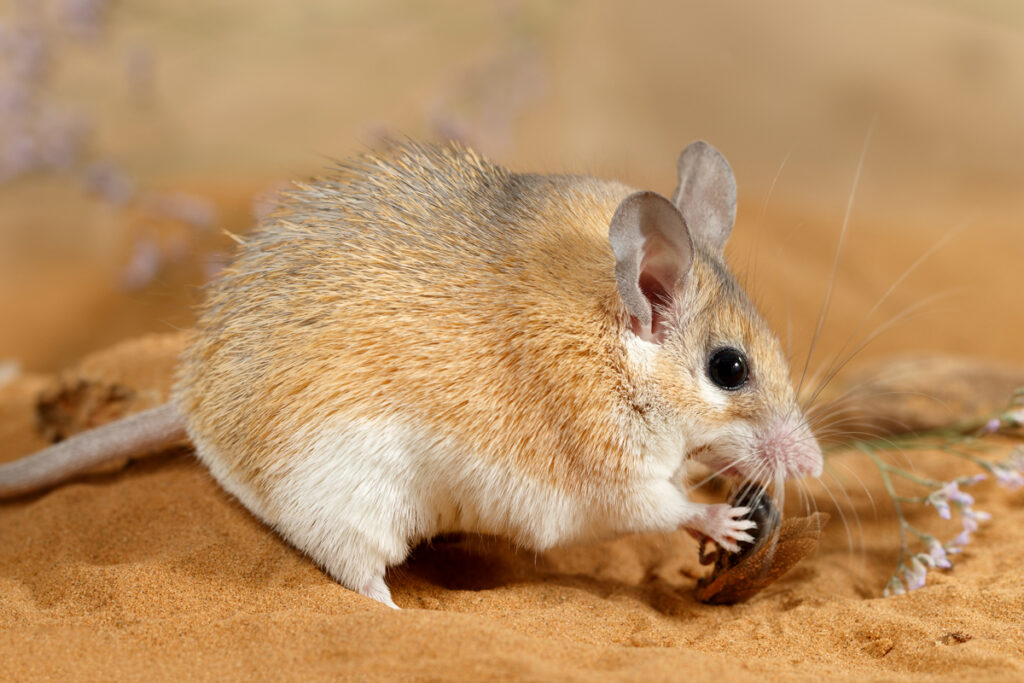
African Spiny Mice Shed Their Skin To Escape
“Jumping out of one’s skin” is an age-old expression for being suddenly surprised or frightened. Normally, this is metaphorical — but the African spiny mouse has taken it very literally indeed.
Rather than fighting or fleeing, the mouse escapes predators by jettisoning its own skin. Its skin is unusually fragile and tears away almost instantly under a predator’s grip, allowing the mouse to wriggle free while the attacker is left holding nothing but a patch of fur. But perhaps the most remarkable part is what happens next: Unlike most mammals, which would scar permanently, the African spiny mouse can regrow its lost skin, along with hair follicles, cartilage, and even some muscle tissue, essentially healing itself as though the injury never happened.
Credit: John Anderson/stock.adobe.com
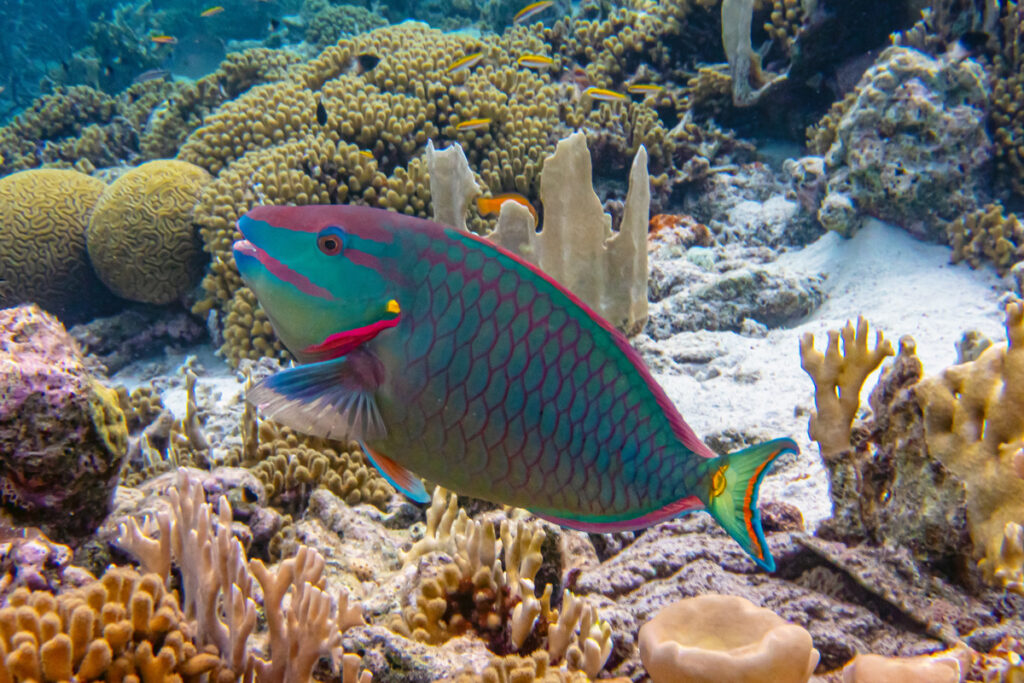
Queen Parrotfish Encase Themselves in Mucus Bubbles
Every night, the queen parrotfish settles into a reef crevice and surrounds itself in a kind of force field. By secreting mucus from glands near its gills, the fish gradually inflates a translucent bubble around its entire body.
This protective cocoon of slime serves multiple defensive purposes: It physically blocks blood-sucking parasites, it contains antibiotics that kill potentially harmful pathogens, and it seals in the fish’s scent, making it harder for predators to sniff out its presence. And if some unseen threat bursts the bubble while the parrotfish sleeps, the fish immediately wakes up and takes evasive action. It may be slimy, but it’s a highly impressive, all-in-one home-defense system.
Michael Nordine is a Senior Staff Writer at Britannica, where he writes the newsletter Movie Brief. He grew up with eight cats and would like to see a Komodo dragon in the wild one day.
Don’t let the big eyes and fuzzy fur fool you — slow lorises are as dangerous as they are cute. In fact, they’re the only known venomous primates; brachial glands on their upper arms produce an oil that, when licked, combines with their saliva to produce venom. That venom is then pulled into their toothcomb, which is activated with the loris’s bite. Luckily for other citizens of the animal kingdom, slow lorises mostly use their venom against each other during territorial disputes rather than on other animals.
That’s very good news for the rest of us, as their bite is strong enough to pierce through bone and their venom has flesh-rotting capabilities. As primate conservationist Anna Nekaris told TheNew York Times, “If the killer bunnies on Monty Python were a real animal, they would be slow lorises — but they would be attacking each other.”
Advertisement
Sea cucumbers can eject their internal organs to escape predators.
Across Species 03/09/26Sep. 3, 2026
Updated 03/09/26Sep. 3, 2026
Credit: Hiromi Ito Ame/stock.adobe.com
Tony Dunnell
Author
Tony is an English writer of nonfiction and fiction living on the edge of the Amazon jungle.
When threatened, some species of sea cucumber pull off one of nature’s most dramatic escape acts: They literally spill their guts — directly at the incoming threat. In a process called evisceration, the marine animal contracts its body and expels its own sticky, white internal organs — called Cuvierian tubules — out of its anus. The organs can entangle, distract, or chemically deter predators such as crabs and fish, giving the sea cucumber precious moments in which to flee the scene.
This may sound like a poorly thought-through escape plan, as internal organs tend to be important. But sea cucumbers are capable of regenerating the expelled organs, sometimes in as little as a week (although it can take up to five months). It may not be pretty, but it’s an effective last-ditch survival strategy on the ocean floor.
Advertisement
Your Daily Guide to the Animal Kingdom
Get to know the animals that share our planet with this daily newsletter.
Success! Welcome to Animal Facts.
Check your inbox for your daily email.
Sorry, your email address is not valid. Please try again.