Why Don’t We Ride Zebras? 

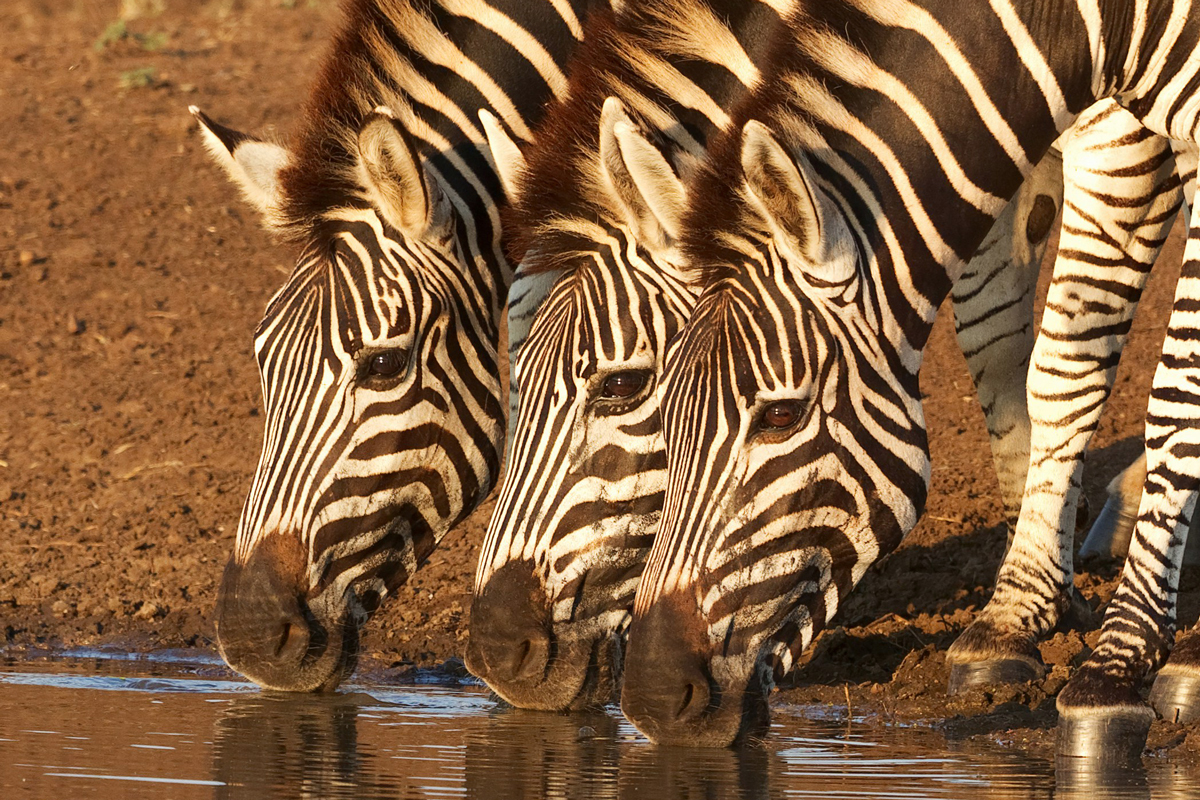
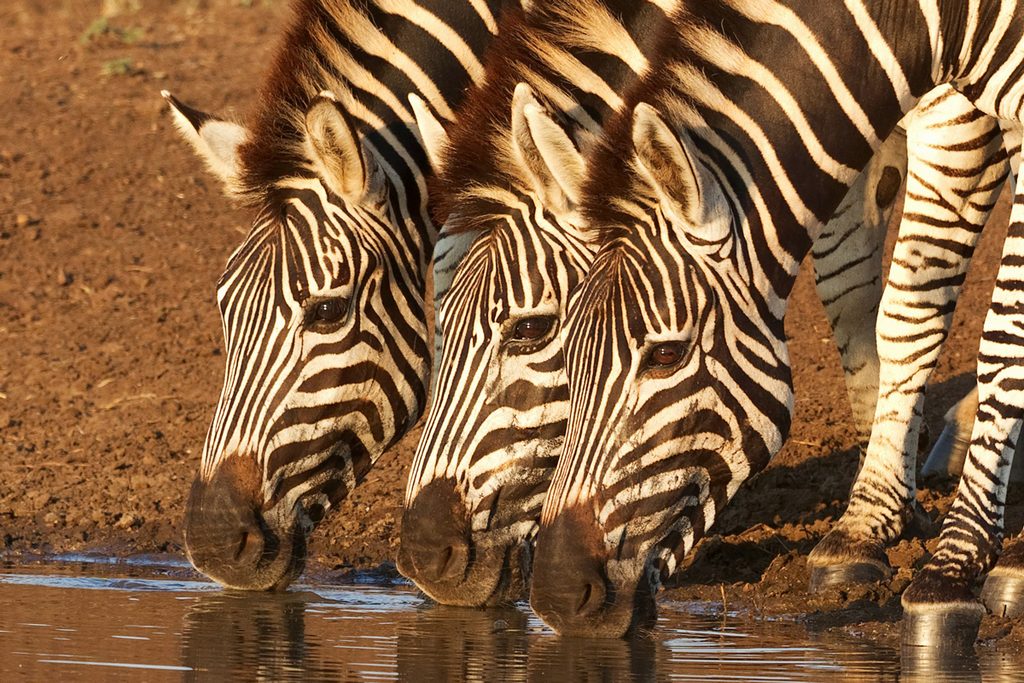
Three zebras drinking water side by side
Credit: Hans Veth/Unsplash.com

With their long faces, flowing manes, and familiar body shape, zebras look remarkably like their close relatives, horses. Zebras, horses, and donkeys all belong to the genus Equus along with donkeys and wild asses. So if zebras are essentially horses’ wild cousins, why haven’t humans turned them into riding animals too? 

The answer isn’t that zebras are too small, too weak, or built differently than horses. Some are roughly horse-sized, with strong legs and muscular bodies built for running. 

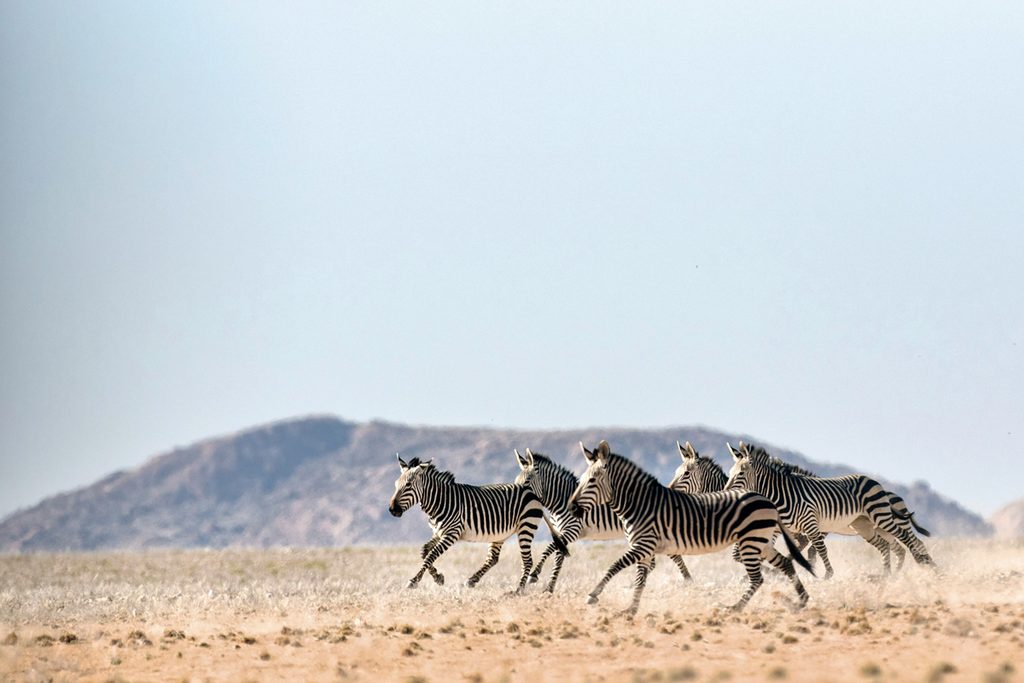
The bigger differences are behavioral and ecological: Horses have a combination of traits that make them relatively receptive to domestication, while zebras evolved under different conditions that favored vigilance, quick reactions to threats, and, in some species, aggressive territorial behavior. Those traits serve zebras well in the wild but make them far less suited to life as riding animals — and potentially dangerous to handle. 
Credit: Getty Images/Unsplash.com

Horses, zebras, and donkeys diverged from a common ancestor around 4 to 4.5 million years ago. There are three living zebra species — the plains zebra, mountain zebra, and Grévy’s zebra — and they vary considerably in size, behavior, and habitat. 

Grévy’s zebra is the largest, with adults weighing up to 992 pounds. All three species are wild equids, as are wild horses and asses, while horses and donkeys are domesticated members of the same family.

Zebras have long legs, powerful muscles, and hoofed feet, with teeth adapted for grazing. Like other equids, they’re built for speed, an important adaptation for animals that must continually escape predators. The similarities between horse and zebra body plans reflect their shared evolutionary history, and there’s nothing about a zebra’s physical makeup that makes riding impossible; in fact, individual zebras have been trained to accept handling and even carry riders. 

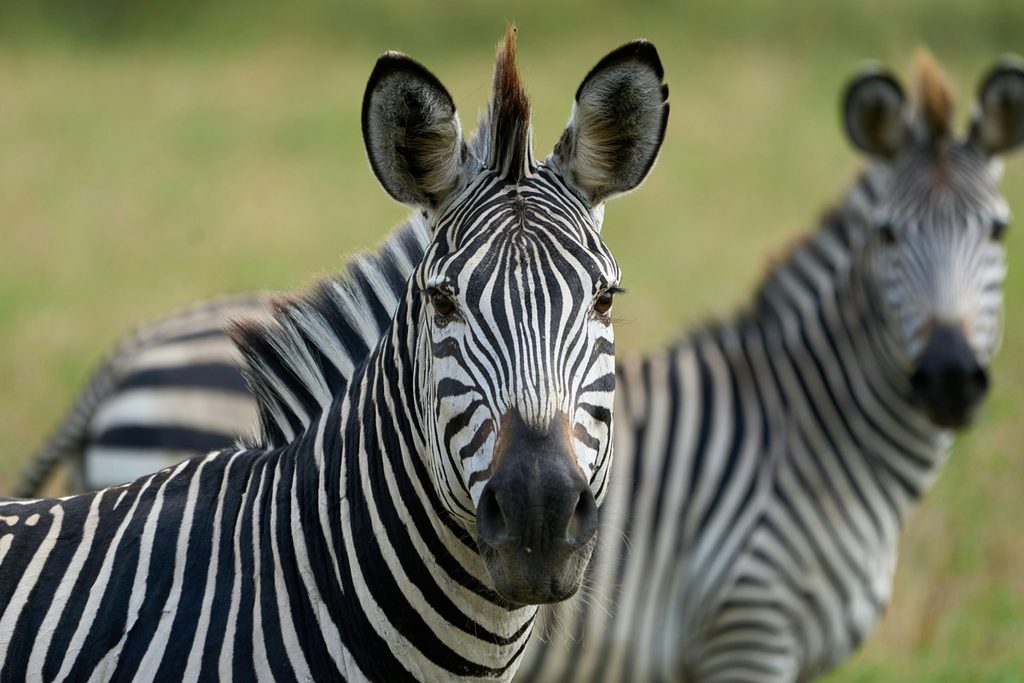
Beyond their shared similar traits, however, the stripes are probably the most obvious difference between horses and zebras — and one of the most intriguing. Scientists have proposed several functions for zebra striping, including camouflage, predator confusion, temperature regulation, social communication, and protection from biting flies. Of these, the evidence for deterring biting flies is particularly compelling, as research has found that horseflies and other biting flies are less likely to land on striped surfaces. 
Credit: Dmitrii Zhodzishskii/Unsplash.com

So Why Haven’t We Domesticated Zebras? 

Domestication is a multigenerational process in which humans breed animals for traits that make them useful and manageable. Animals that tolerate human handling, reproduce successfully under human care, are relatively calm, and adapt to controlled environments tend to make better candidates — and horses are among the oldest and most useful domesticated species. 

Humans were working with horses by at least 3500 BCE, but genetic evidence suggests the lineage that gave rise to today’s domestic horses emerged around 2200 BCE in the Eurasian Steppe. After that, domesticated horses spread rapidly across Eurasia, and selective breeding further honed their bodies and behavior.

As another example, donkeys were domesticated in Africa around 5000 BCE — around 2,800 years before the emergence of the modern domestic horse lineage. Their domestication shows that African societies did develop relationships with equids for transport and work. There’s no clear evidence of ancient attempts to domesticate zebras, although European colonists made several largely unsuccessful attempts in the 19th and early 20th centuries to train zebras for riding and pulling carts.

Zebras are highly alert prey animals and can react strongly to unexpected sights and sounds, even when raised in human care. Grévy’s zebra stallions are also territorial and can be aggressive toward people. 

Social structure doesn’t provide an easy explanation either: Plains and mountain zebras live in stable family groups with social hierarchies, much like horses, while Grévy’s zebras have a more fluid social system. Research suggests that zebras’ unusually strong stress response to being chased, restrained, or handled may have posed a more significant obstacle. Horses appear to have lost much of that vulnerability as predator pressure declined in parts of Eurasia, while zebras retained it. 
Credit: Hans Veth/Unsplash.com

Built for Different Environments

Zebra behavior makes more sense in the context of the environment where they evolved. Mountain zebras are adapted to rugged, dry terrain, while Grévy’s zebras inhabit hot, arid regions of East Africa. 

These zebras’ ancestors also lived alongside a diverse array of large predators, helping shape the highly developed senses and rapid responses to potential threats that zebras still have today. Those traits are excellent for surviving in the wild but considerably less compatible when the goal is to capture, handle, breed, and eventually saddle an animal.

Stripes aside, the biggest difference between horses and zebras may come down to demeanor. Horses had the right combination of characteristics, along with the circumstances that allowed humans to begin breeding them. Once the domestication process began, selective breeding could reinforce traits such as tractability and reduced fearfulness. 

Zebras, meanwhile, retained a set of behaviors that worked well for survival in the wild but made them much less amenable to living and working alongside humans. Individual zebras can be trained and handled, but turning the species into a domesticated animal would require generations of selective breeding. Given the challenges involved, the closest most of us will ever get to riding a zebra is on a fairground carousel.
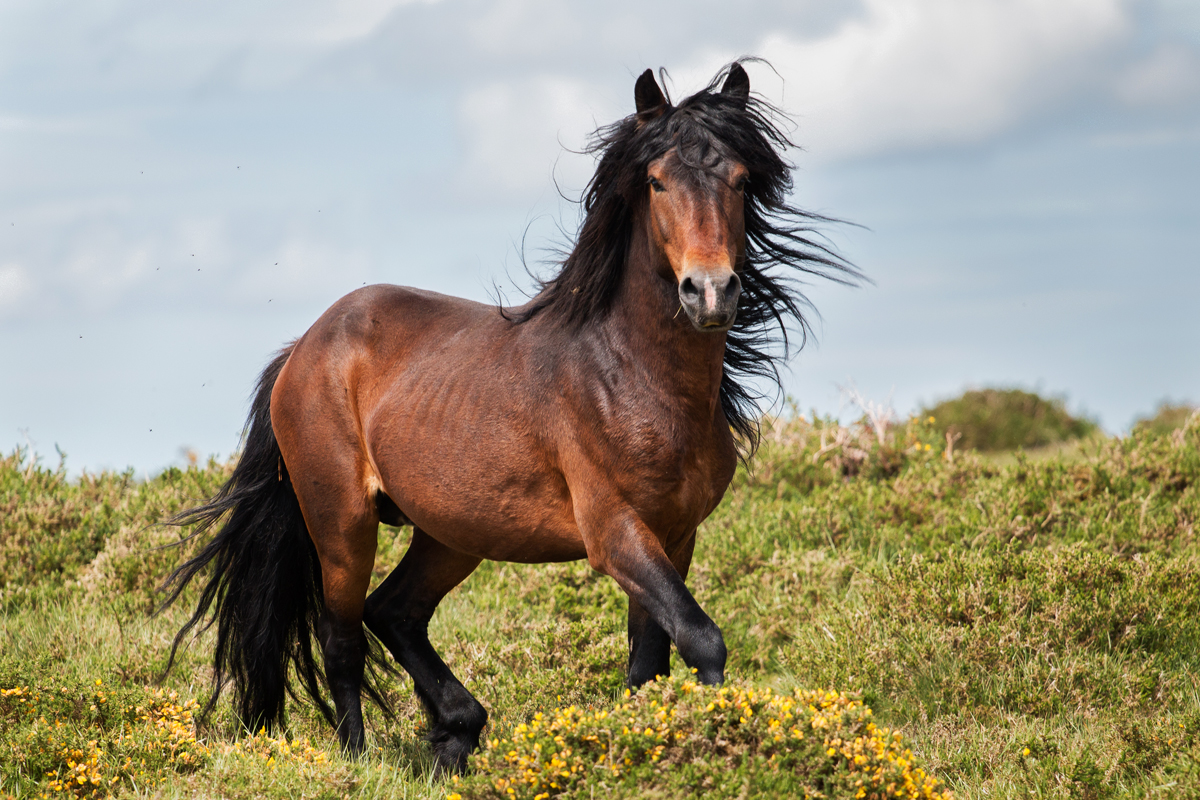

Horses can grow mustaches.

Horse standing in a field
Credit: D.G.Eirin/stock.adobe.com

You’d be hard-pressed to find any horse that can paint quite as well as Salvador Dalí, but there are some breeds that give Dalí a run for his money when it comes to sporting a bushy upper lip. While all horses grow hairs of varying thickness around their snouts, these thicker mustaches are primarily present in breeds that originated in the cold weather environments of the British Isles, such as Gypsy Vanners, Shires, and Clydesdales.

While there’s no identifiable gene responsible for this equine facial feature, it’s present in males as well as mustachioed mares. Unlike humans, horses don’t grow ’staches for vanity, but rather for both insulation and to enhance their sensory abilities. These sensitive lip hairs are known as vibrissae, and whether thin or thick, they provide tactile information, allowing for the detection of objects found in blind spots or low-light conditions.

5 Animals That Taste Without Using Their Mouths

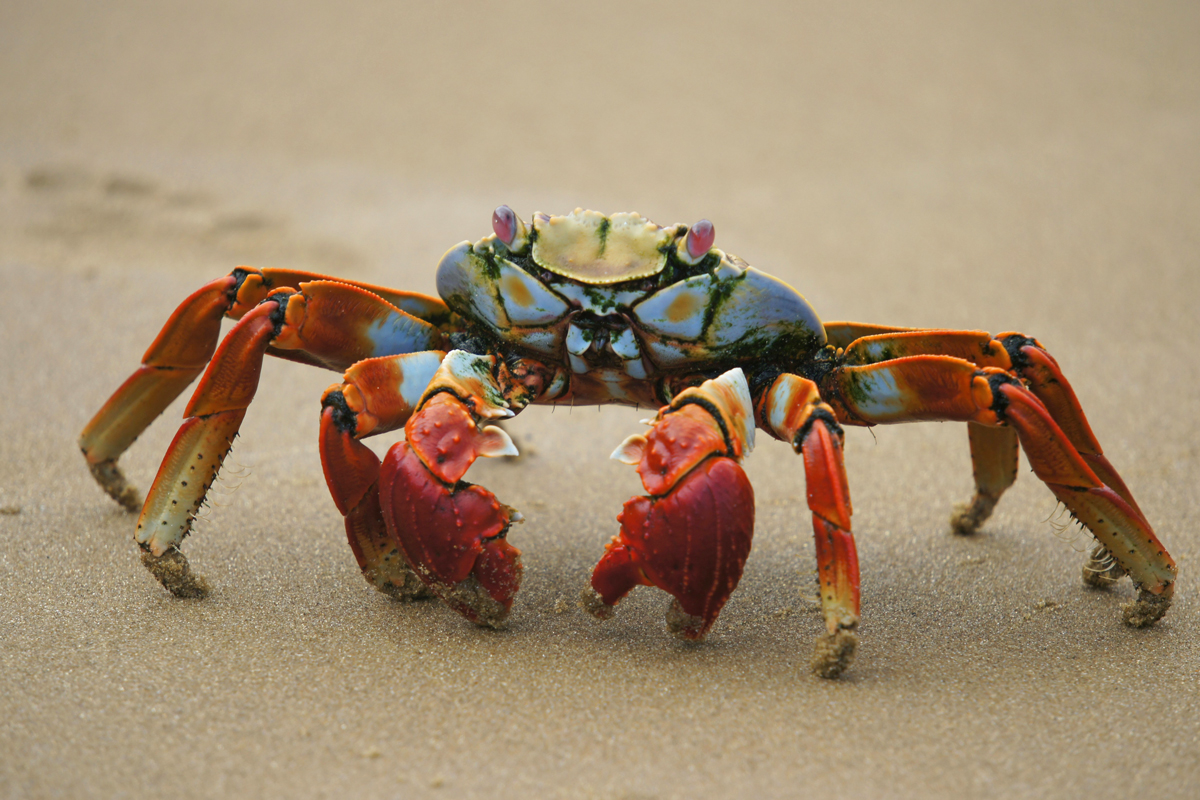
Crab walking on sand
Credit: Mackenzie Cruz/Unsplash.com

If you’ve ever enjoyed a good meal, you have your taste buds to thank. The average human mouth contains between 2,000 and 10,000 of these tiny sensory organs, most of which are located on the tongue. They’re what allow us to detect the hint of vanilla in a pastry, or the sour tang in a glass of milk that’s gone bad. 

Many animals have taste buds, too, though not always where you’d expect them. Some organisms lack mouths altogether, but they’ve developed resourceful ways of discerning whether something is delicious or potentially dangerous. Here are five of the most unique taste systems in the animal kingdom.

Credit: Mackenzie Cruz/Unsplash.com

Crabs

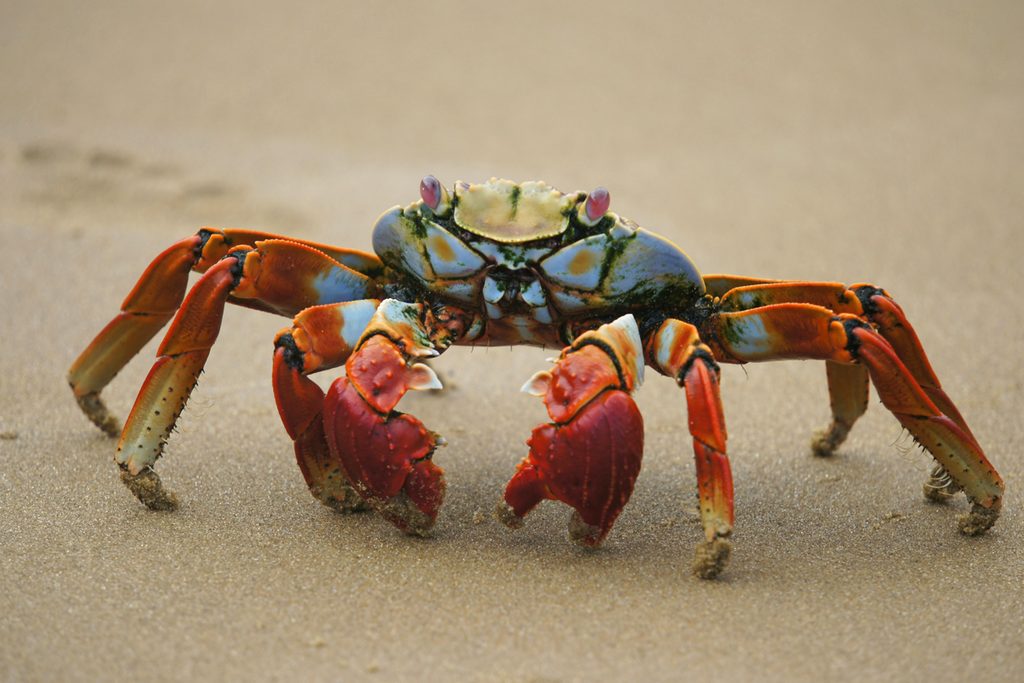
Like all invertebrates, crabs lack tongues, so you won’t find any taste buds there. In fact, crabs don’t have taste buds at all, and instead rely on tiny chemoreceptor-filled hairs on their antennae, legs, and around their mouthparts.

When a crab finds a potential meal, these receptors send signals to the brain that help it decide if the stimuli is safe to eat or not. This system doesn’t classify flavors the way our taste buds do, but it does allow crabs to identify their next meal. 

Credit: Ankith Choudhary/Unsplash.com

Honeybees 

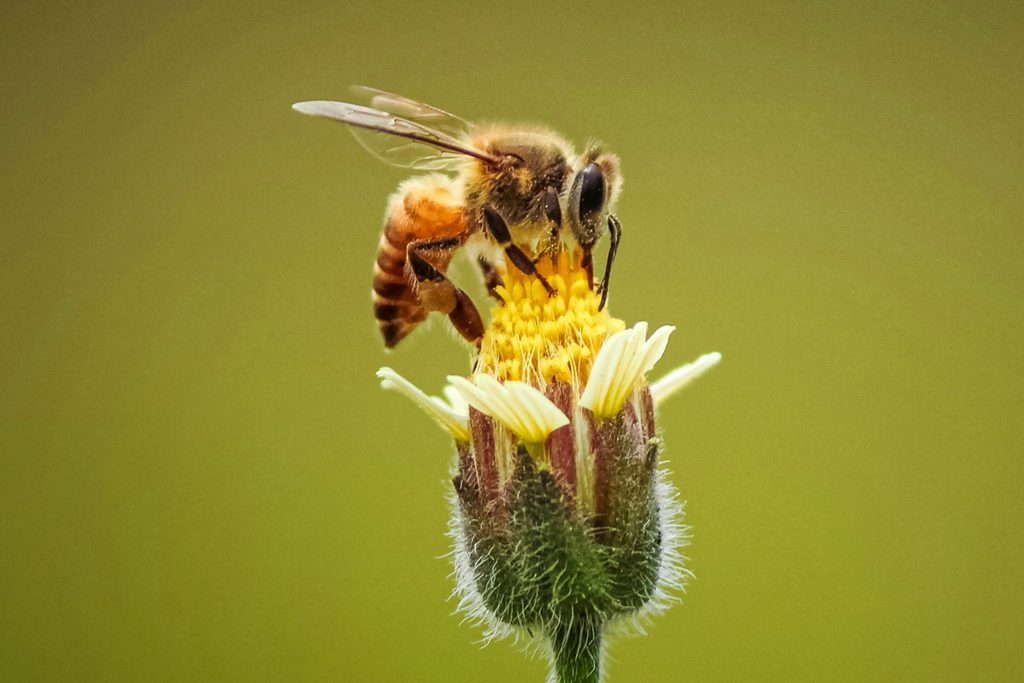
Crabs aren’t the only creatures that use chemoreceptors to taste the world around them: Flying insects including honeybees, butterflies, and house flies have those same sensory mechanisms, and they’re located on similar spots on their bodies to crabs. 

All three bugs use the chemoreceptors on their feet to taste what’s beneath them, which helps them decide whether their target is sweet enough for them to stick around. In fact, that “hand-rubbing” move that flies make is meant to remove any dirt that might be blocking the chemoreceptors on their feet. 

Credit: Brandon Cole Marine Photography/Alamy

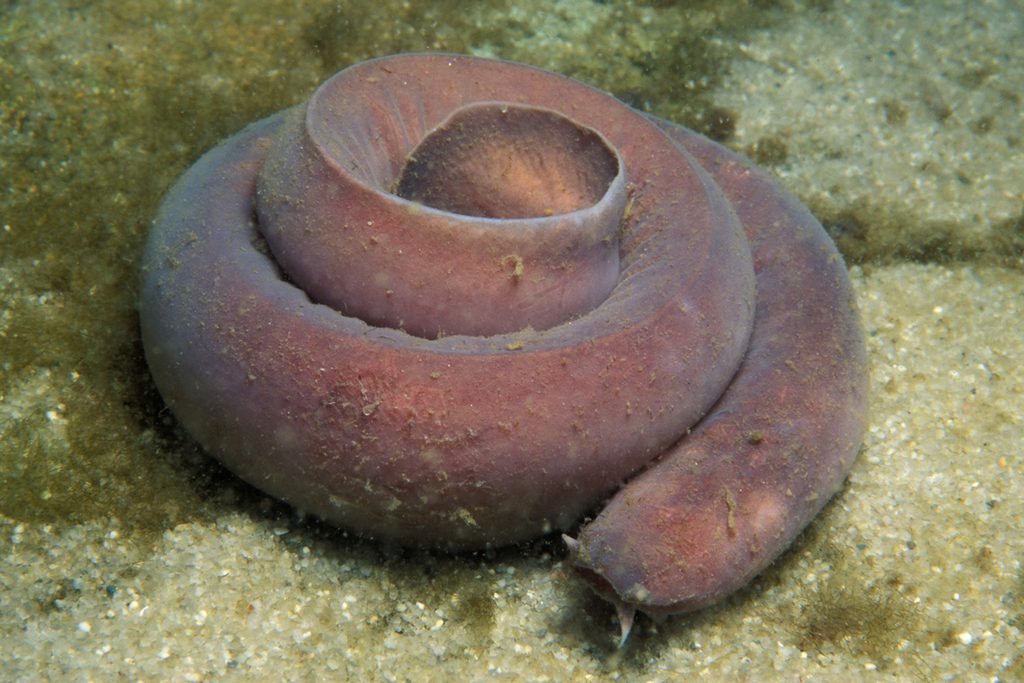
Pacific Hagfish

Similar to catfish, Pacific hagfish use their skin to taste, but they aren’t covered in taste buds. Instead, these blind fish are equipped with Schreiner organs — sensitive structures that help the fish decode chemicals released by other animals (aka dinner). 

Not only do these fish find food without a mouth, but they can also eat without one. Hagfish swim into the carcases of dead fish and marine mammals and absorb nutrients through their skin, eliminating the need for a mouth altogether.  

Credit: ประพันธ์ บุญเหมาะ/stock.adobe.com

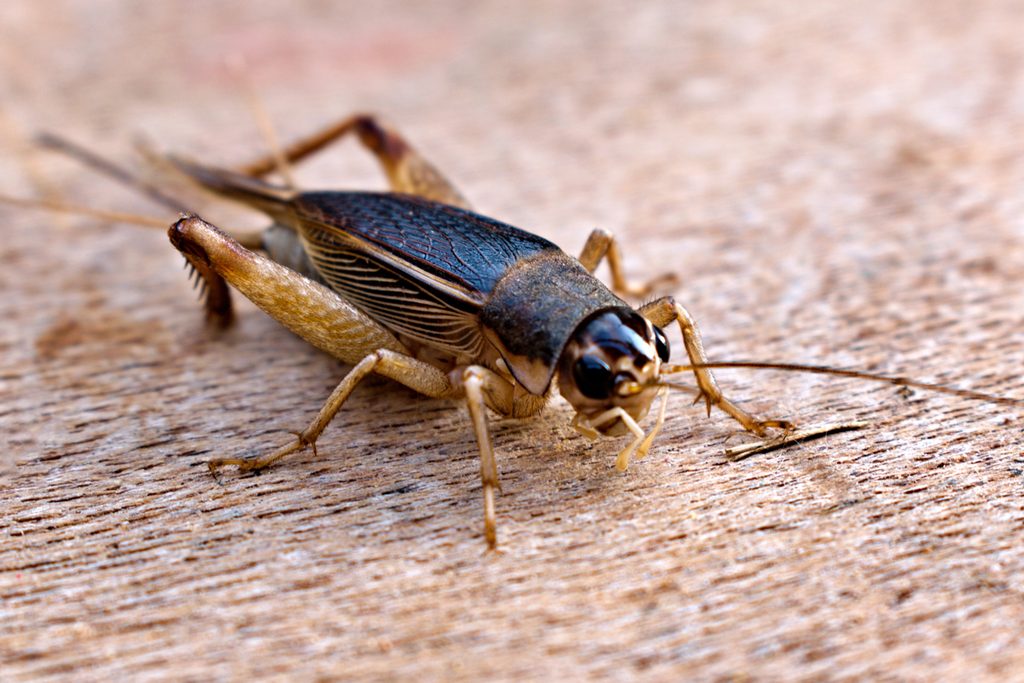
Crickets 

Some animals taste with their mouths, and some taste with the opposite ends of their bodies. Crickets — like butterflies, bees, and crabs — also have chemoreceptors, but theirs are located around their nether regions. 

Small hairs on its ovipositor — that long, pointy organ that shoots out of a cricket’s hind end — help mothers taste whether certain patches of dirt are suitable for laying eggs. Locusts and grasshoppers have this same taste-testing ovipositor, which they also use to dig holes for their eggs. 

Credit: Vladimir Wrangel/stock.adobe.com

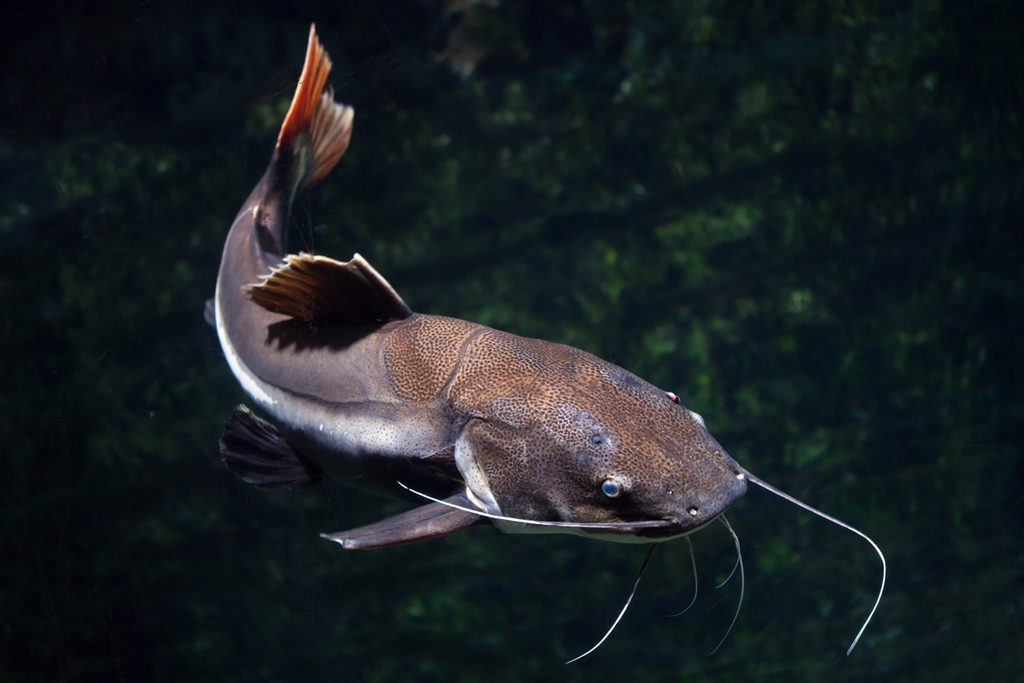
Catfish 

While a catfish has surprisingly keen eyesight, that isn’t its primary hunting sense. Instead, it relies on more than 100,000 taste buds spread all over its body to find and devour prey. Research shows that catfish use two taste systems to eat: One that’s attached to the facial nerve helps locate the food source, and another associated with the vagal and glosso-pharyngeal nerves helps with swallowing that food. 

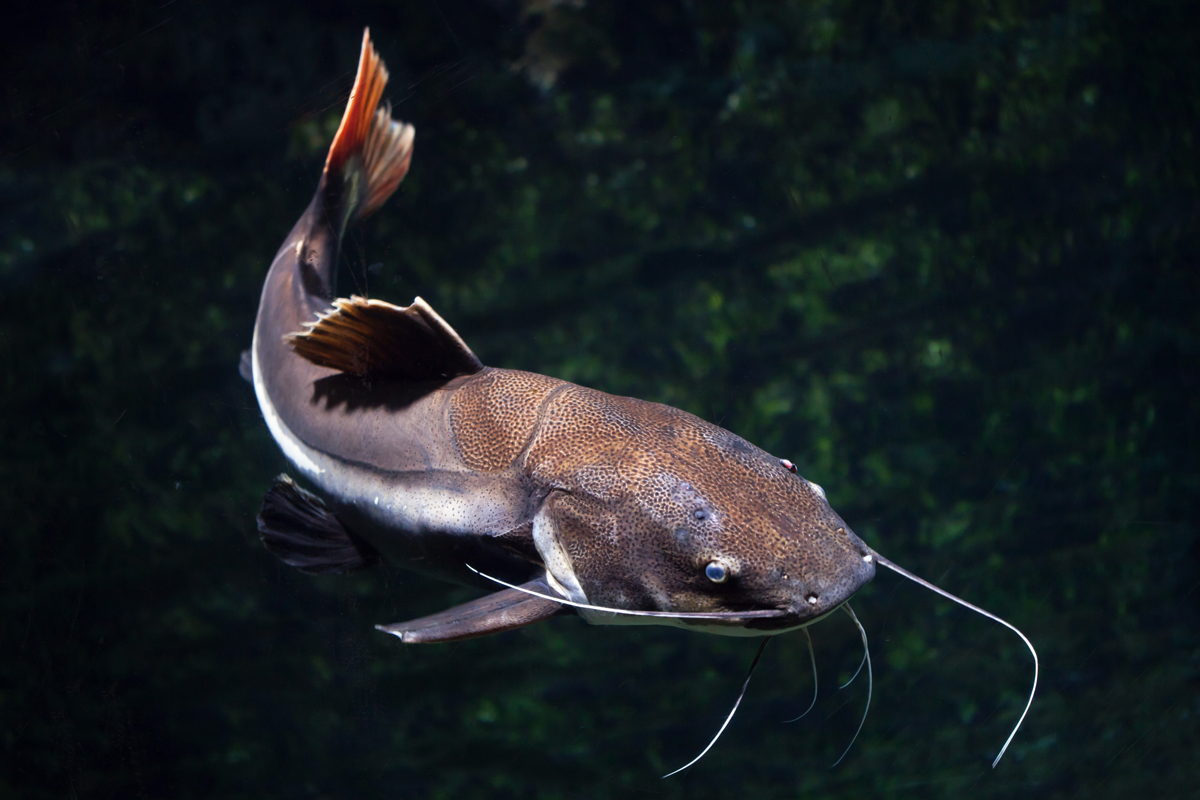
Catfish taste with their whole bodies.

Catfish swimming in water
Credit: Vladimir Wrangel/stock.adobe.com

Catfish are often called “swimming tongues” because they have an extraordinary sense of taste that extends far beyond their mouths. These fish can have hundreds of thousands of taste buds distributed across their bodies, with especially high concentrations around their mouth and barbels, aka the whiskerlike feelers around their mouths. Those receptors allow them to detect chemicals dissolved in the water, helping them locate food even when they can’t see it. 

This ability is especially useful because many catfish are active in murky water, where visibility can be very limited. Their taste receptors are particularly sensitive to amino acids and other chemicals associated with potential food, helping them detect and locate prey such as insects, worms, crustaceans, and small fish. Their body-wide taste system also enables them to continuously sample the water around them as they search for food.

Hummingbirds Are Even More Magical Than You Know

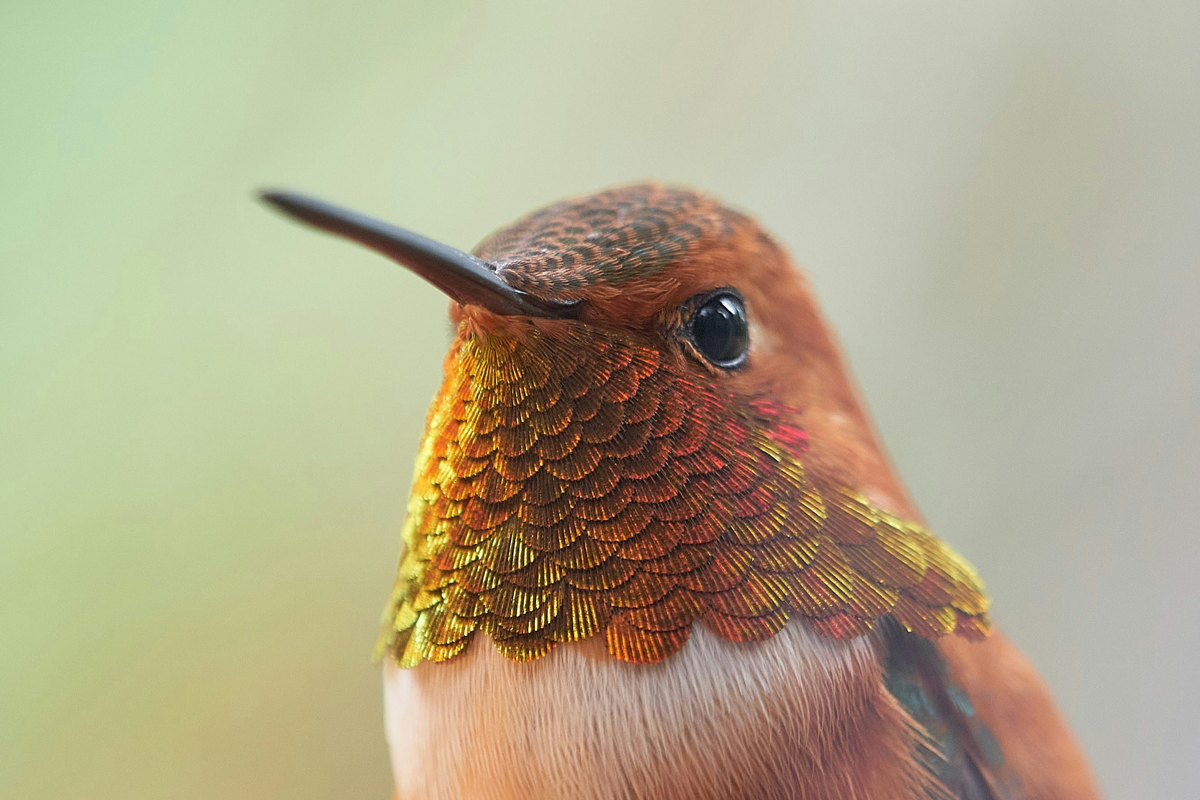
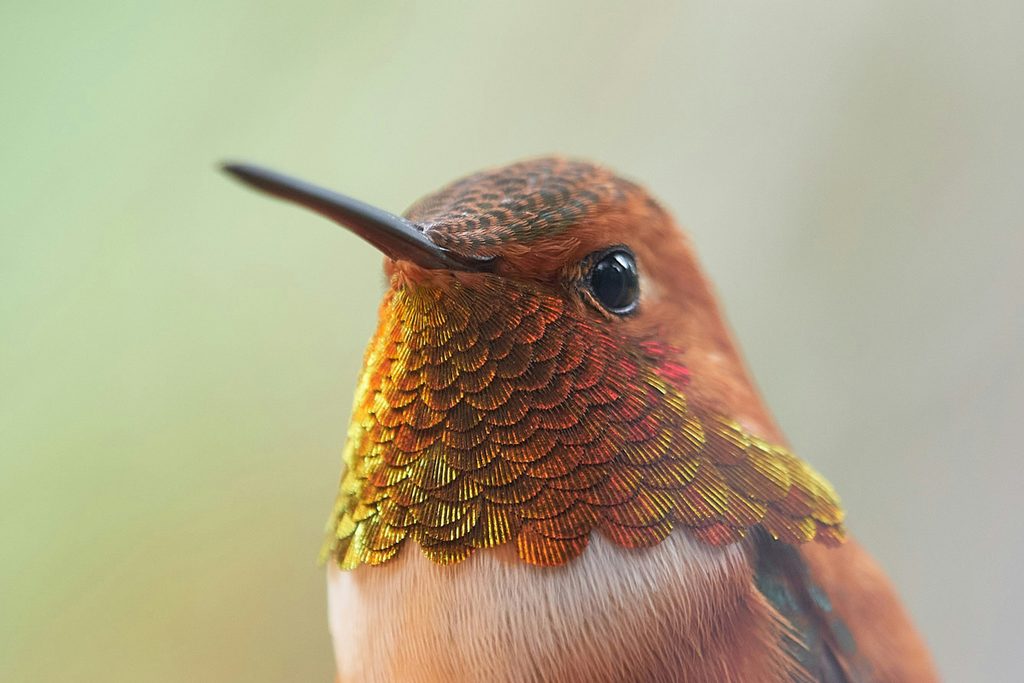
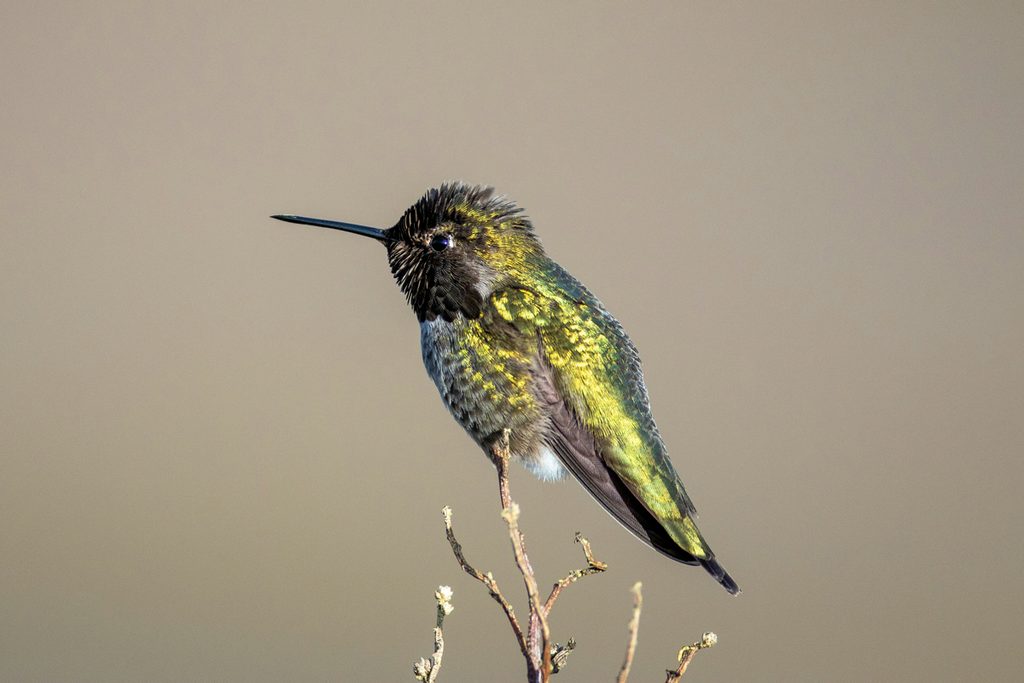
Close-up of a hummingbird's head
Credit: Getty Images/Unsplash.com

Is there such a thing as someone who doesn’t like hummingbirds? Hundreds of species of these tiny, colorful birds inhabit a wide range of habitats across the Americas, and despite their diminutive size, these creatures have evolved some remarkable ways to feed, fly, and survive. 

Their unusual anatomy and extremely high metabolism allow them to do things that seem almost impossible, from hovering in place to eating nearly nonstop every day. Here are five facts you may not know about hummingbirds.

Credit: Getty Images/Unsplash.com

They’re the World’s Smallest Birds

There are roughly 340 species of hummingbirds, all of which live in the Americas, from Alaska to the southern tip of South America. These birds, though all small, do vary considerably in size. 

The smallest is Cuba’s bee hummingbird, which is not only the smallest type of hummingbird but also holds the impressive title of the world’s smallest known bird, period. Male bee hummingbirds weigh as little as 1.95 grams, while females can weigh up to 2.6 grams — just slightly more than a modern U.S. dime — and all of them measure only about 2 inches long. 

For comparison, the calliope hummingbird, the smallest hummingbird regularly found in Canada and the United States, weighs around 2.8 grams and is about 3 inches long. Being this small actually comes with an enormous energy demand, which explains why hummingbirds spend so much of their day feeding (but more on that below).

Credit: Dulcey Lima/Unsplash.com

They Visit Up to 2,000 Flowers a Day

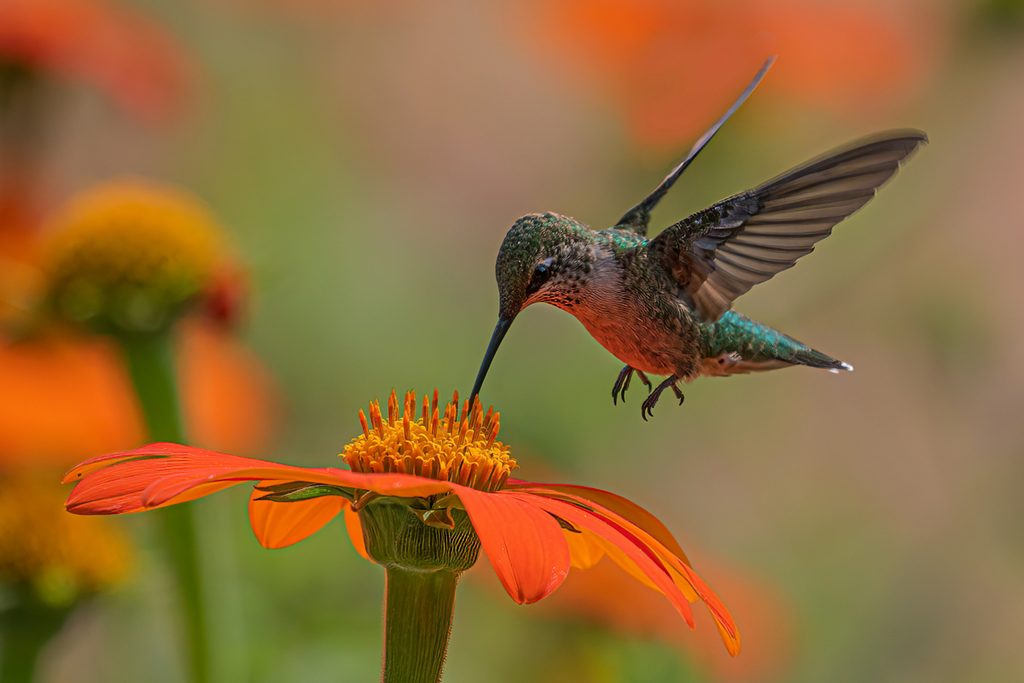
Hummingbirds have extraordinarily fast metabolisms — about 77 times faster than that of a human — driven in large part by the enormous energy demands of their flight. To keep up with that demand, they need to feed frequently throughout the day. Depending on the species and availability of food, a hummingbird may visit 1,500 to 2,000 flowers per day, feeding about every 10 to 15 minutes while it’s awake.

Their hearts can beat more than 1,200 times per minute while flying. Meanwhile, their wings beat around 70 times per second during direct flight and more than 200 times per second during dives. Nectar provides the quick energy they need, but hummingbirds also eat insects and spiders to get that all-important protein as well as other nutrients it requires to stay healthy.

Credit: Zdeněk Macháček/Unsplash.com

They Can Fly Backward

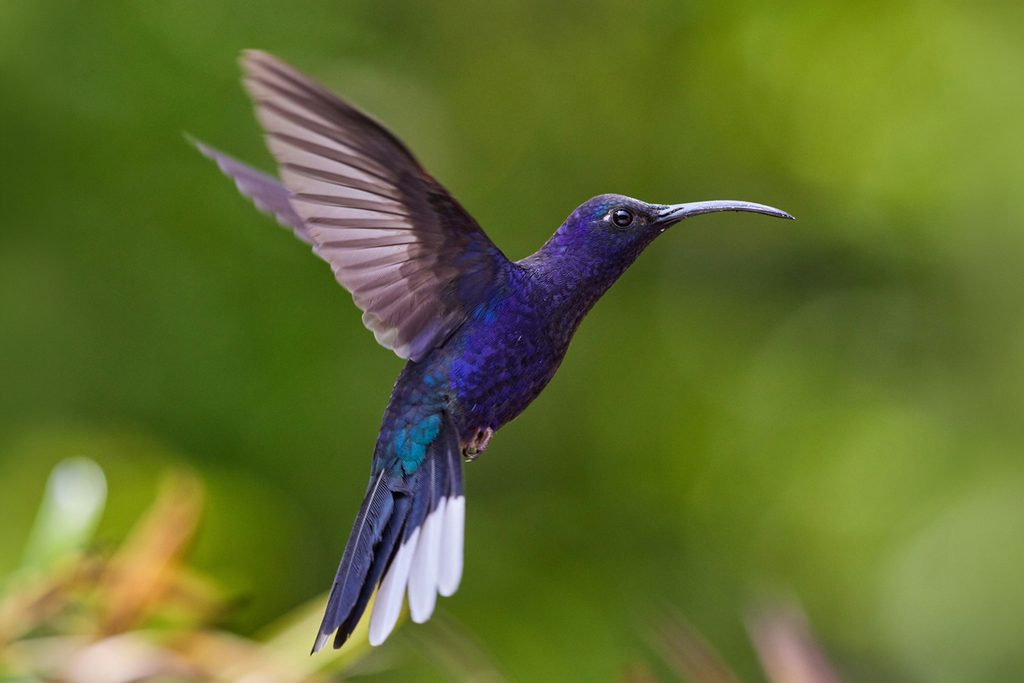
Hummingbirds are the only birds capable of sustained backward flight. Rather than turning around when they want to retreat from a flower, they can simply reverse their direction. Their unusually flexible wings rotate nearly 180 degrees at the shoulder and trace a horizontal figure-eight shape, generating lift as the wings move forward and backward rather than relying primarily on the downward stroke.

But that’s not all: Hummingbirds are also the only birds that can hover. That same unusual wing movement allows them to remain almost perfectly stationary in the air while feeding, as well as fly straight up and down, sideways, and, at times, even briefly upside down. 

Credit: Matt Bango/Unsplash.com

They Can’t Walk or Hop

Hummingbirds may be exceptional fliers, but they’re surprisingly helpless on the ground: They can’t actually walk or hop due to their unusually small legs and feet. Their life is oriented around flight, and the extra weight would be a disadvantage. 

Their feet are still useful for perching, so hummingbirds can grip branches while resting or feeding. But when they need to go somewhere, they have only one option: flight. And they’re pretty good at that, reaching nearly 30 miles per hour in direct flight and more than 45 miles per hour in courtship dives.

Credit: Switch Lab/stock.adobe.com

Their Nests Are Made of Spiderwebs

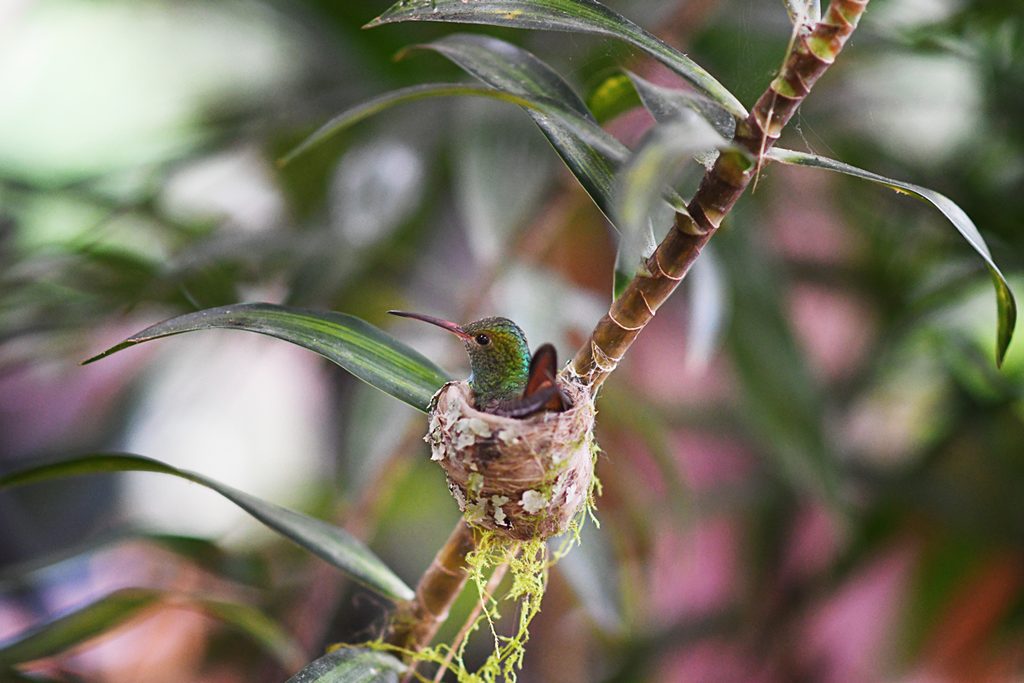
A hummingbird nest, although quite small (about the size of a golf ball) is a surprisingly sophisticated structure. Females construct the tiny cup-shaped nurseries from soft plant material such as moss and lichen. 

But what holds the whole thing together is even more interesting: spider silk. The sticky strands are woven through the nest and around the supporting branch, essentially acting as a natural, and flexible, binding material. Despite their delicate appearance, these nests are able to withstand the elements — not to mention the movements of the small growing brood — quite well.

Hummingbird eggs are appropriately tiny, too. A ruby-throated hummingbird, for instance, lays eggs about the size of peas, with a typical nest containing just one or two eggs.

Hummingbirds are the only birds that can fly backward.

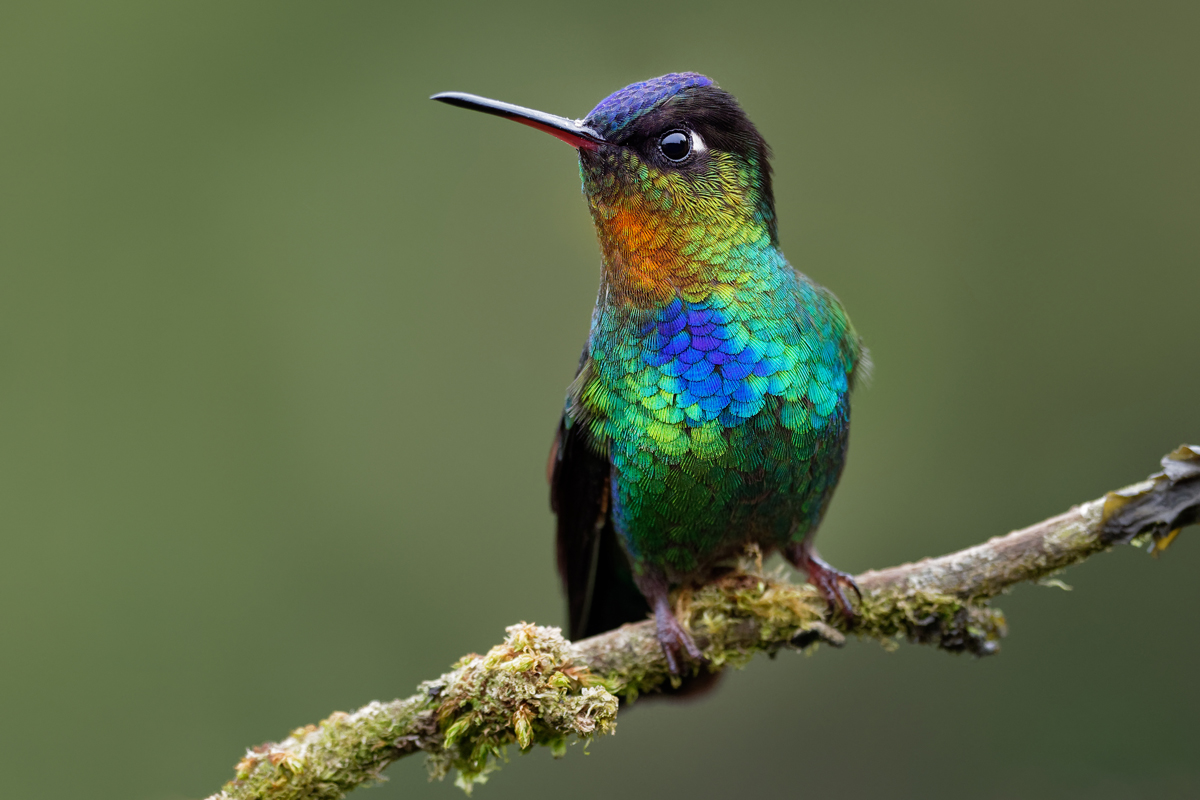
Hummingbird sitting on a small branch
Credit: phototrip.cz/stock.adobe.com

It’s not uncommon for a flying seagull to be thrust backward by strong ocean winds. But there’s only one bird species that’s able to intentionally fly backwards: hummingbirds. While most feathery fliers can only flap their wings up and down to glide forward, hummingbirds have flexible shoulder joints that allow their wings to move in a figure-eight shape. This gives them an inherent physical ability for multidirectional flight, whether forward and backward, up and down, or any other direction they so choose.

In addition to their flexibility, hummingbirds have incredibly powerful flight muscles that make up 25% to 30% of their bodyweight — roughly double that of other birds. Their wings can also flap as many as 5,400 times per minute, sending some hummingbirds through the skies at speeds of nearly 30 miles an hour in normal direct flight.

Do Animals Sweat Like Humans?

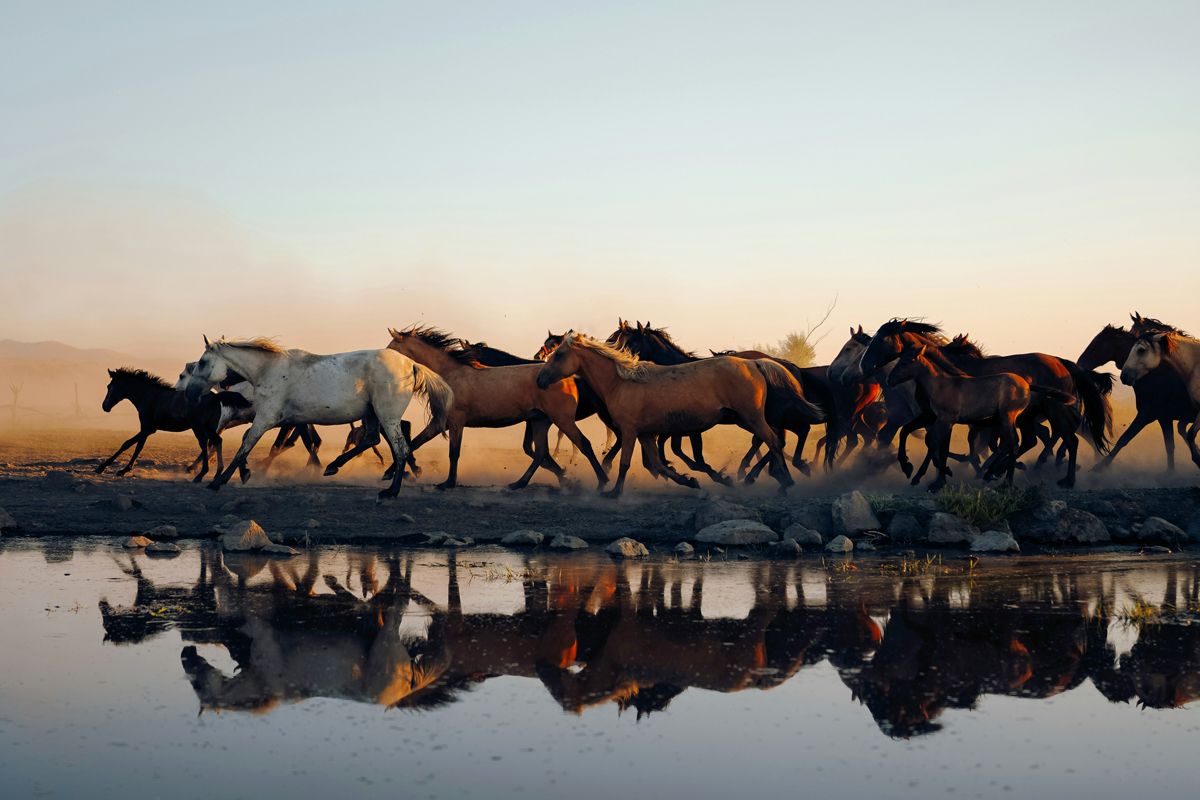
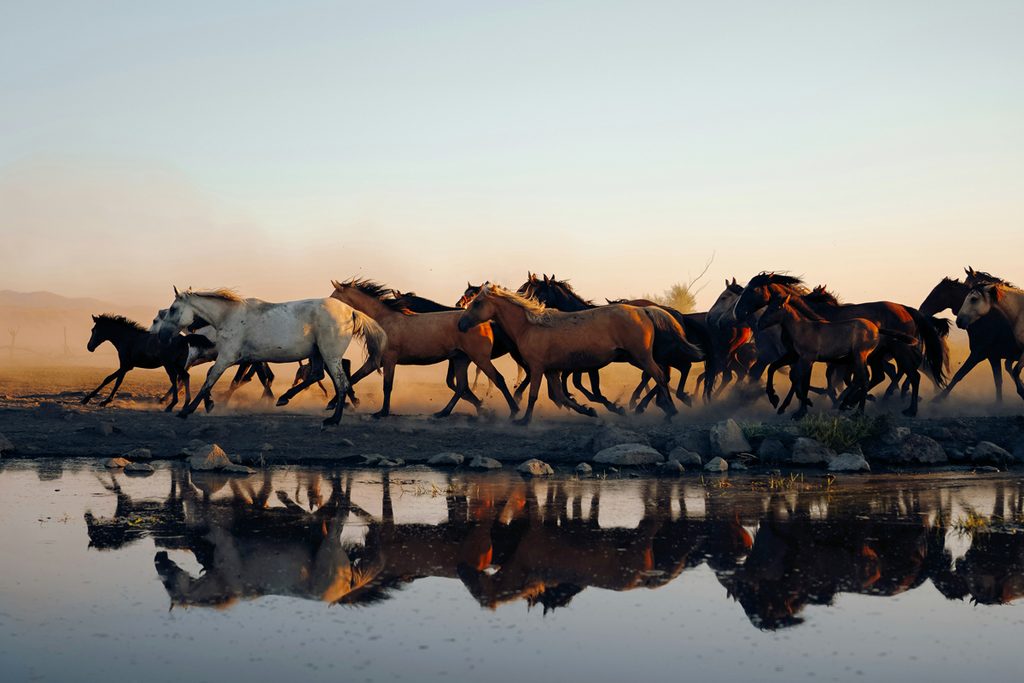
Herd of horses running with their reflection visible in water
Credit: Tahir osman/Unsplash.com

The phrase “sweating like a pig” sounds insulting to our porcine friends, but it’s also misleading. Firstly, the idiom originates from 19th-century iron smelting and refers not to the animal but to pig iron — blocks of crude iron cooled in sand molds that resembled suckling piglets. Secondly, pigs barely sweat at all. 

Humans, on the other hand, are some of the sweatiest creatures on the planet, covered head to toe in glands built specifically to secrete fluid the moment things heat up. But is sweating actually a common animal strategy, or are we the odd ones out? The truth is a strange mix: Some animals perspire similar to us, while many skip sweating almost entirely in favor of other methods for keeping cool. 

Credit: Tahir osman/Unsplash.com

Sweaty Animals

True sweating, aka releasing fluid through skin glands to cool the body as it evaporates, is surprisingly rare outside of humans. But this method of thermoregulation does show up in a few other species. 

Horses are one of the sweatiest animals alive, producing up to two times more sweat per square inch of skin than humans do and losing several gallons of fluid per hour during intense exercise. Their sweat contains a unique protein called latherin, a natural detergent that helps moisture spread through their thick coats, which is why hardworking horses often appear to be covered in foamy white lather.  

Humans, meanwhile, aren’t the only primates with eccrine sweat glands spread across much of their bodies. Some other primates, including chimpanzees, gorillas, baboons, and macaques, also sweat using the same kind of glands. However, certain primate species, including lemurs, marmosets, and tamarins, do not. 

This all comes down to evolution. Eccrine sweat glands are actually found in almost all mammals, but in many cases, they’re located solely in hairless areas such as foot pads (where they serve primarily to enhance grip). At some point in evolution’s grand plan, these glands spread across the bodies of certain primates to aid in thermoregulation, while in others they remained in the hands and feet, creating the sweating versus nonsweating divide. 

Hippos are another sweaty creature, even if they sweat  in a more bizarre manner: They secrete a thick fluid that turns red after a few minutes of exposure to the air, earning it the nickname “blood sweat.” But it isn’t blood — and it’s not much like human sweat, either. While it does help with thermoregulation, the oily secretion also functions as a natural sunscreen, skin moisturizer, and antibiotic, protecting the hippo’s skin from sunburn and infection. 

Credit: iredding01/stock.adobe.com

Nonsweaty Animals

While it may seem odd, most mammals skip conventional sweating almost entirely, relying instead on other cooling strategies better suited to their bodies. Contrary to popular belief, dogs and cats do sweat, but only in very limited areas of their bodies, such as the paw pads. This does almost nothing to regulate their overall body temperature. Instead, dogs rely primarily on panting — rapidly moving air over the moist surfaces of the mouth and tongue to cool blood through evaporation from the inside out. Cats also pant to keep cool, in addition to seeking shade and licking their fur. 

And speaking of fur licking, kangaroos — who can sweat, but only while hopping — have taken it to another level. When still, they lick their forearms, which contain a dense network of blood vessels, helping to release heat through evaporation. 
Pigs, despite their reputation, have very few functioning sweat glands. Their favorite method for keeping cool is wallowing in mud or water, using evaporation from their skin to bring down their body temperature in a process that’s functionally similar to sweating, just with a little external help. 

Elephants can’t sweat meaningfully either, but they compensate with their enormous ears laced with blood vessels, which they flap to encourage heat loss. Like pigs, they also enjoy a refreshing mud or water bath, and their wrinkled skin allows them to more effectively hold moisture against their bodies, aiding the cooling process. 

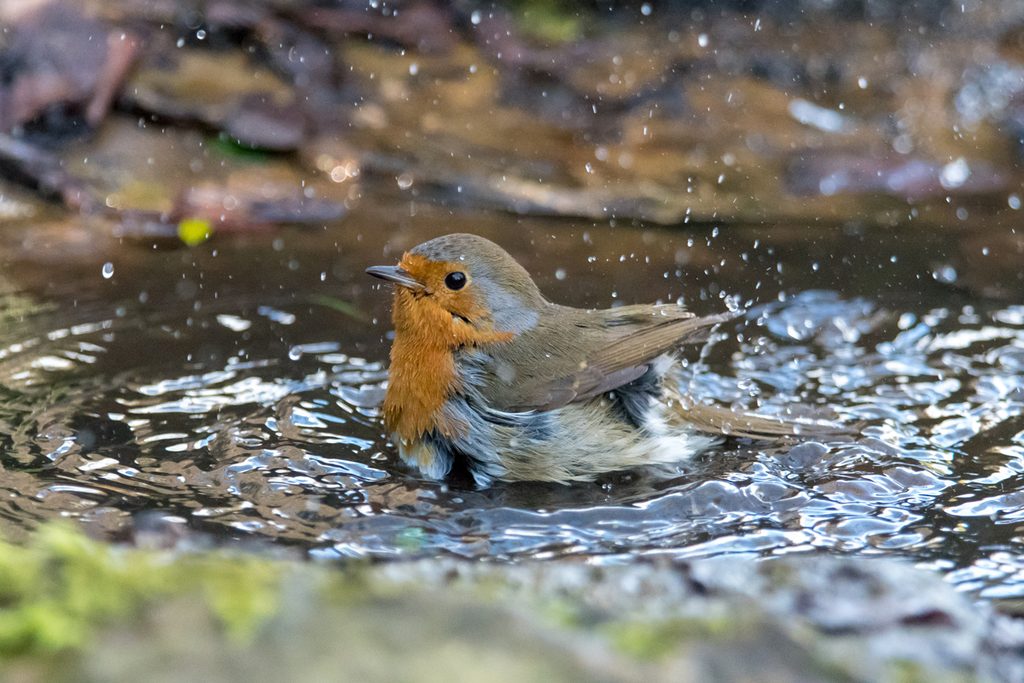
And what about birds? Well, they skip sweating altogether, since they lack sweat glands entirely. They instead rely on other methods for keeping cool, including rapid panting, puffing out their feathers, fluttering their wings, and taking a dip in a birdbath or puddle. The entire avian kingdom is just one example of how sweating is something of an evolutionary rarity — just one solution among many competing strategies to address the same basic problem: keeping cool.

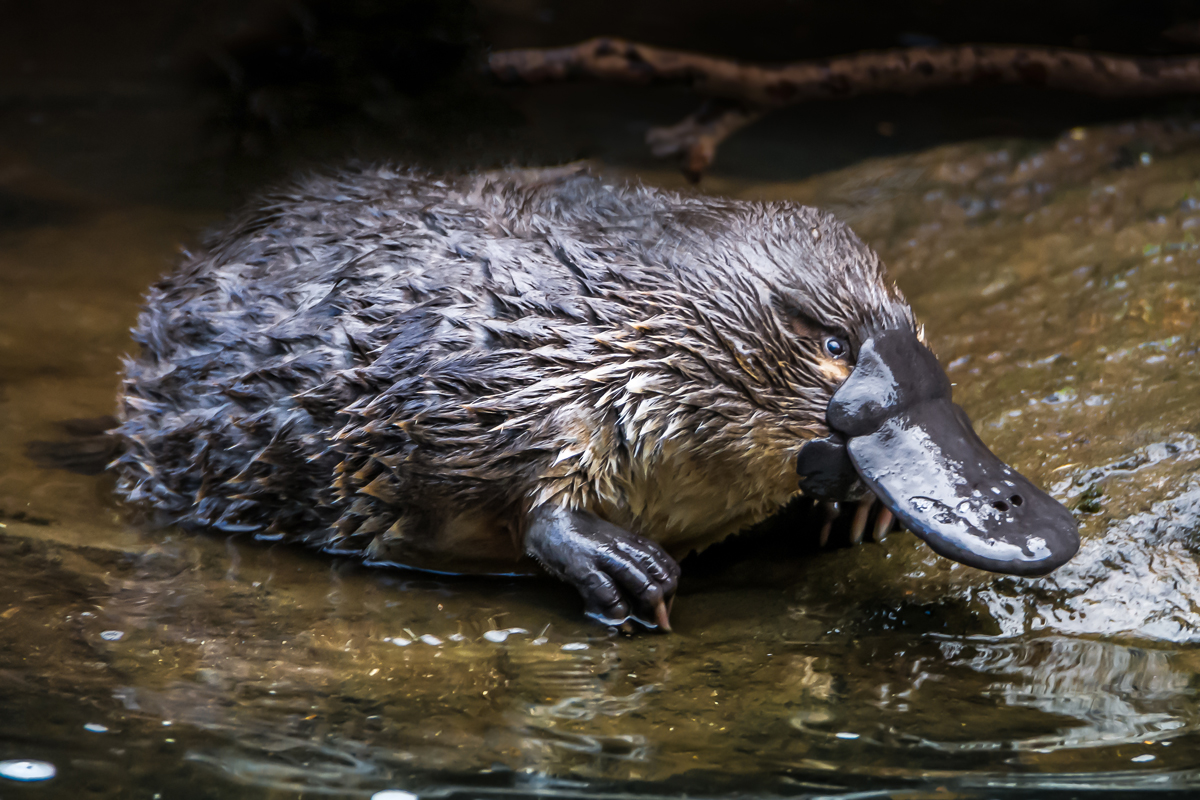
Platypuses ‘sweat’ milk.

Platypus in water
Credit: Ash/stock.adobe.com

If you thought your sweat smelled rank after an intense workout, just imagine warm milk dripping from your brow while pumping iron. Thankfully, our fellow gymgoers don’t sweat milk, but there’s one animal that does: the platypus. Female platypuses ooze milk from their skin, which collects in the grooves and fur of their abdomens for their young to consume.

This quirk is due to the fact that platypuses have mammary glands like other mammals, though they lack protruding nipples or teats for milk to be consumed through. Instead, the milk sweat seeps from glands located just under their skin’s surface. Despite its inherent exposure to the elements, platypus milk has unique antibacterial properties that ensure it stays safe for nestlings to drink.

7 of the Slowest Animals on Earth

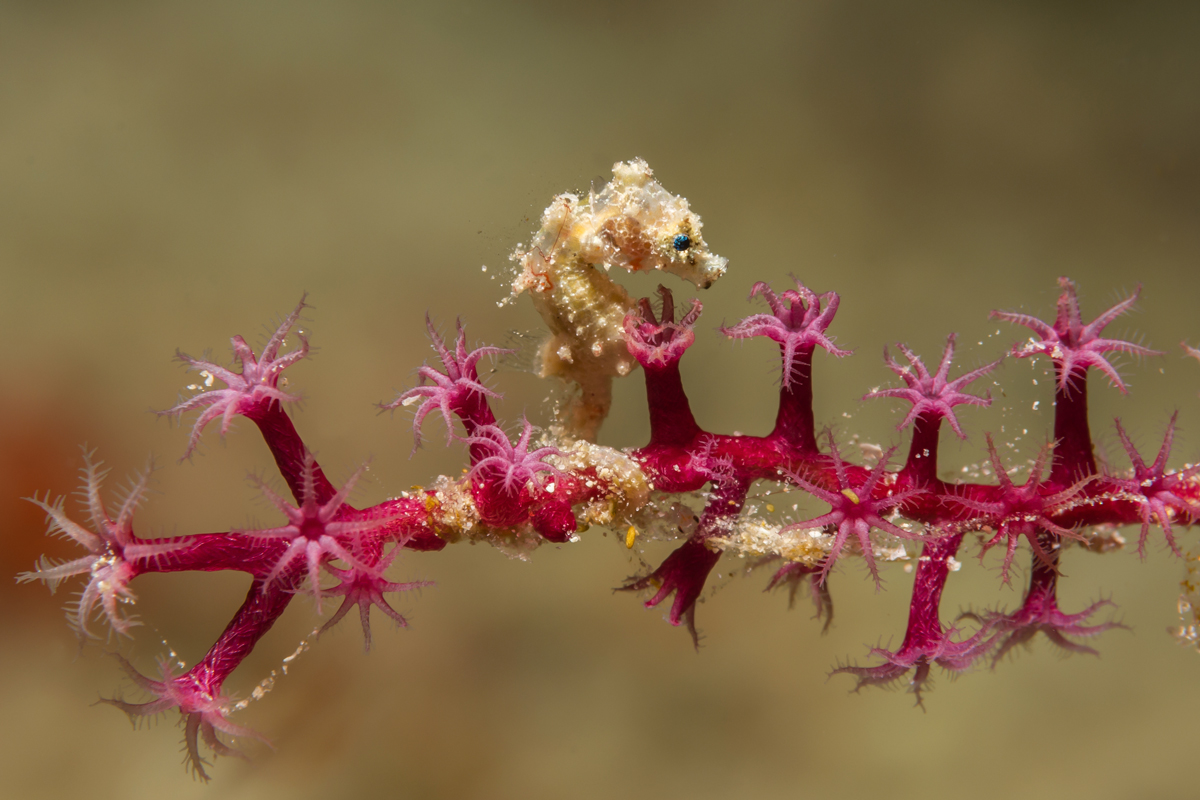
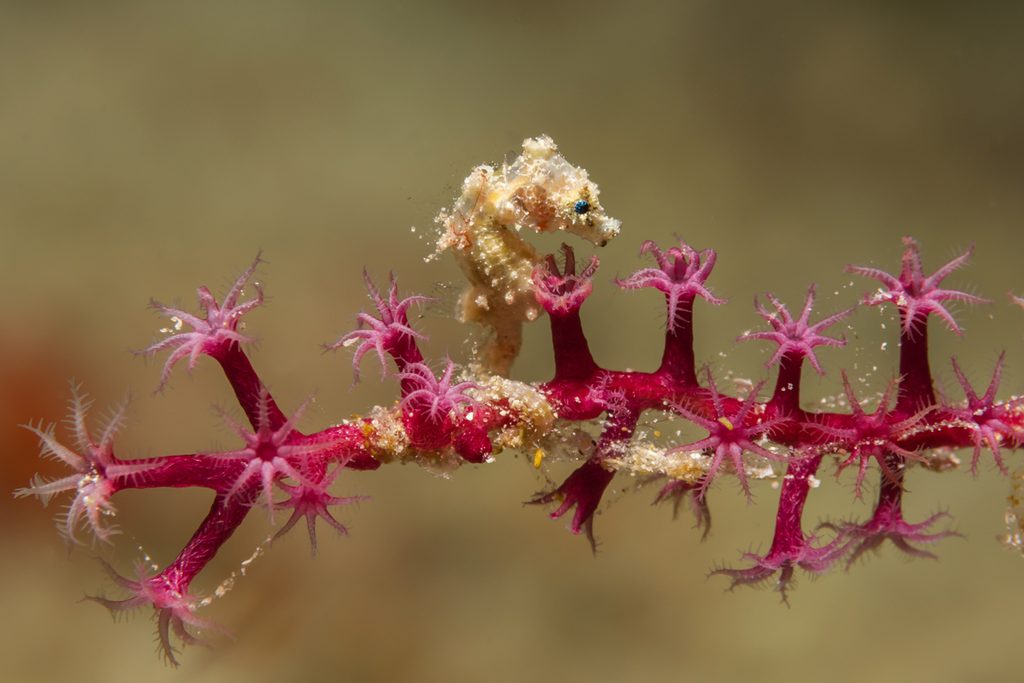
Dwarf seahorse
Credit: kaschibo/stock.adobe.com

Most animals need to move at least occasionally, whether they’re in search of food, escaping predators, or seeking shelter or potential mates. And while the speed at which those things are done can be a matter of survival for some animals, others have managed to get along quite well while moving pretty slowly.

Across the animal kingdom, the speed at which animals get from one place to another varies widely. And when it comes to slow animals, some can barely manage a few inches an hour, while others spend most of their lives moving at a pace that’s barely perceptible. Here are seven of the slowest animals on Earth.

Credit: toki-no-iro/stock.adobe.com

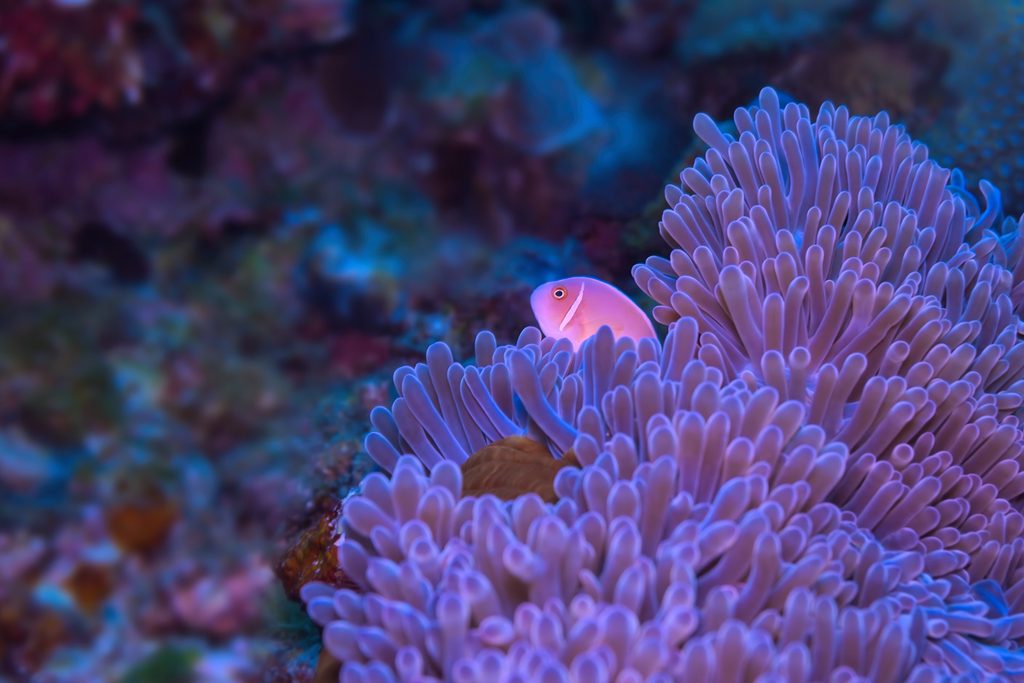
Sea Anemones

Sea anemones may look like colorful plants rooted to the ocean floor, but they are indeed animals, and some can slowly move across rocks or sand using a muscular foot called a pedal disc. Their pace is almost imperceptible: Some species travel just 0.00006 to 0.00015 miles per hour, moving only about 4 to 6 inches every 60 minutes. Most of the time, however, they have little reason to go anywhere; their tentacles are sufficient to catch passing fish, plankton, and other small prey the currents push in its vicinity.

Credit: Drob1/Wirestock Creators/stock.adobe.com

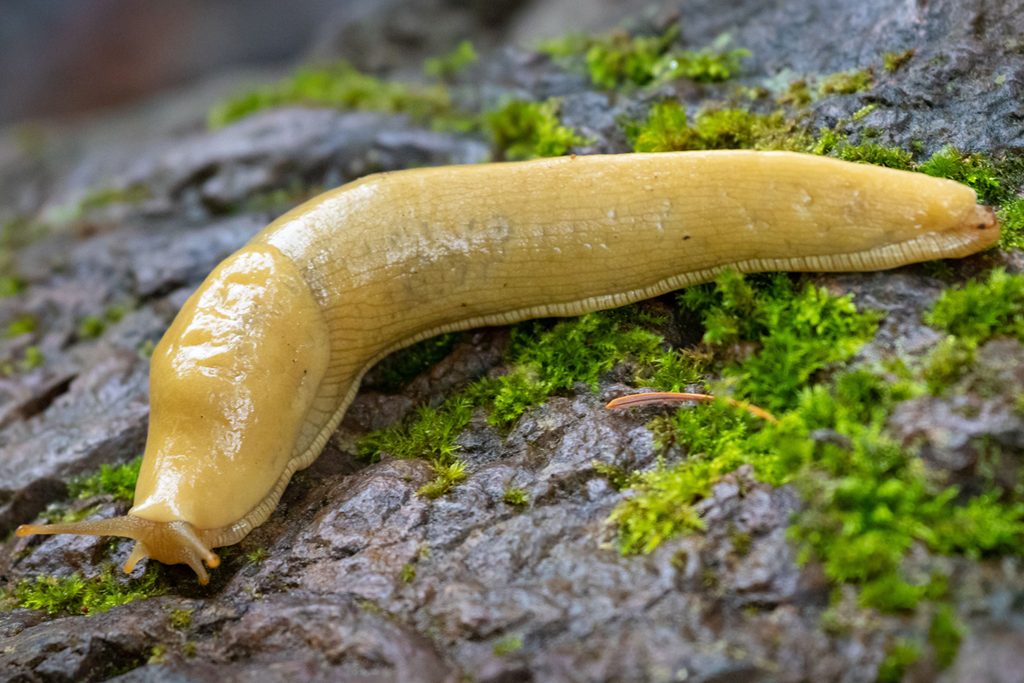
Banana Slugs

The banana slug is one of the slowest land animals, moving at a maximum speed of just 6.5 inches per minute. Its singular, muscular foot moves through waves of contractions while glands produce mucus that lubricates the path ahead. This slow-moving invertebrate plays an important role in the damp forests of North America’s Pacific Northwest, helping to break down decaying plant material and return nutrients to the soil.

Credit: kaschibo/stock.adobe.com

Dwarf Seahorses 

The dwarf seahorse is widely considered the slowest-swimming fish, traveling only about 5 feet per hour. Its upright swimming posture and tiny dorsal fin give it minimum propulsion, but the seahorse has little reason to hurry: It spends most of its time hanging onto seagrass with its long tail and waiting for tiny food such as crustaceans to drift within reach. Luckily, its bony body plates help protect it from predators, meaning a quick escape isn’t usually a top priority.

Credit: ihorhvozdetskiy/stock.adobe.com

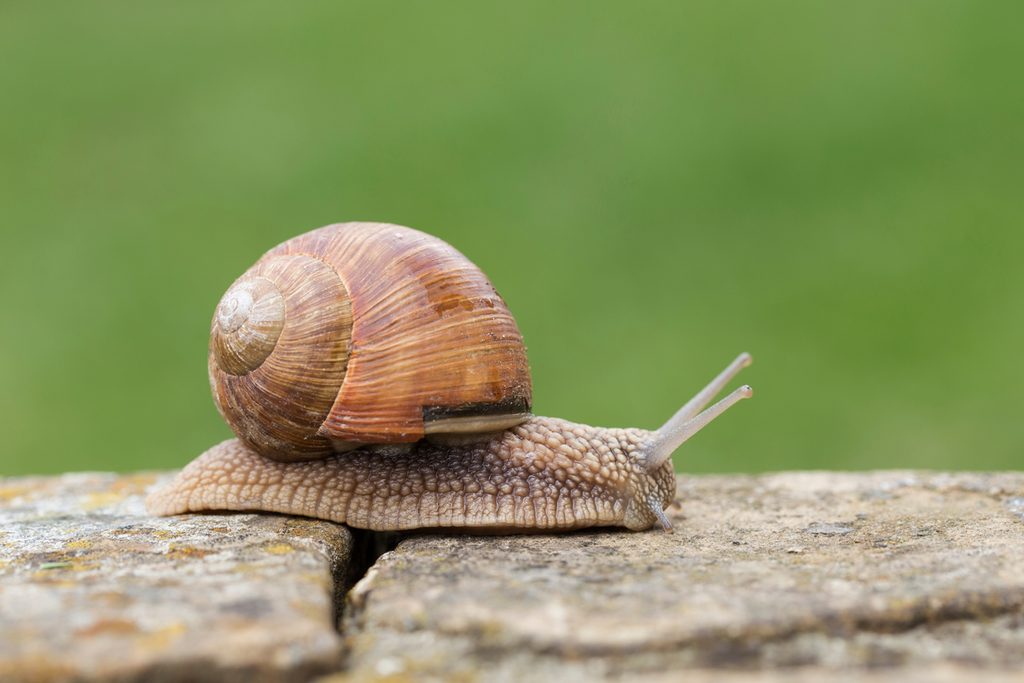
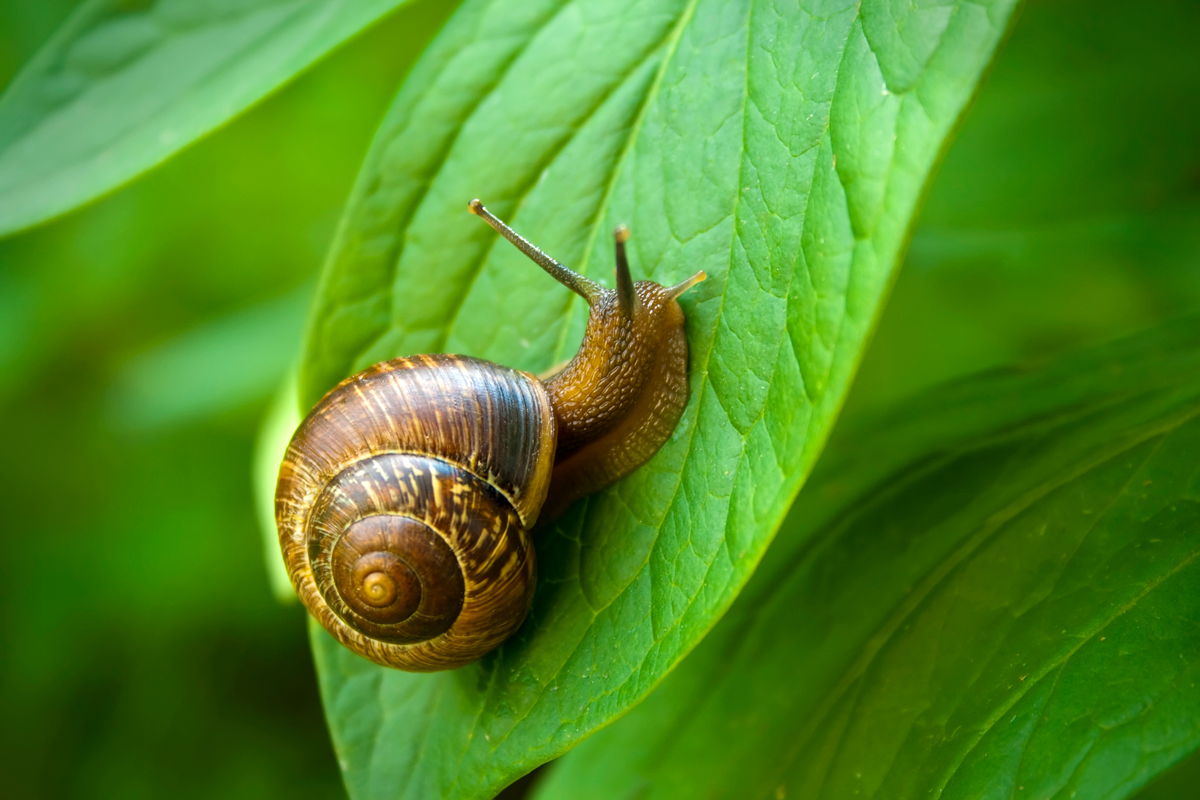
Garden Snails

Garden snails are notoriously slow, moving roughly 1.5 feet per hour thanks to waves of muscular contractions along their broad foot. A layer of mucus allows that foot to glide across surfaces while also protecting the snail’s body from rough terrain. Their shells don’t exactly help with speed, of course, but they do give the creatures an advantage: When threatened, the snails can retreat completely inside the portable shelters.

Credit: EnricoPescantini/stock.adobe.com

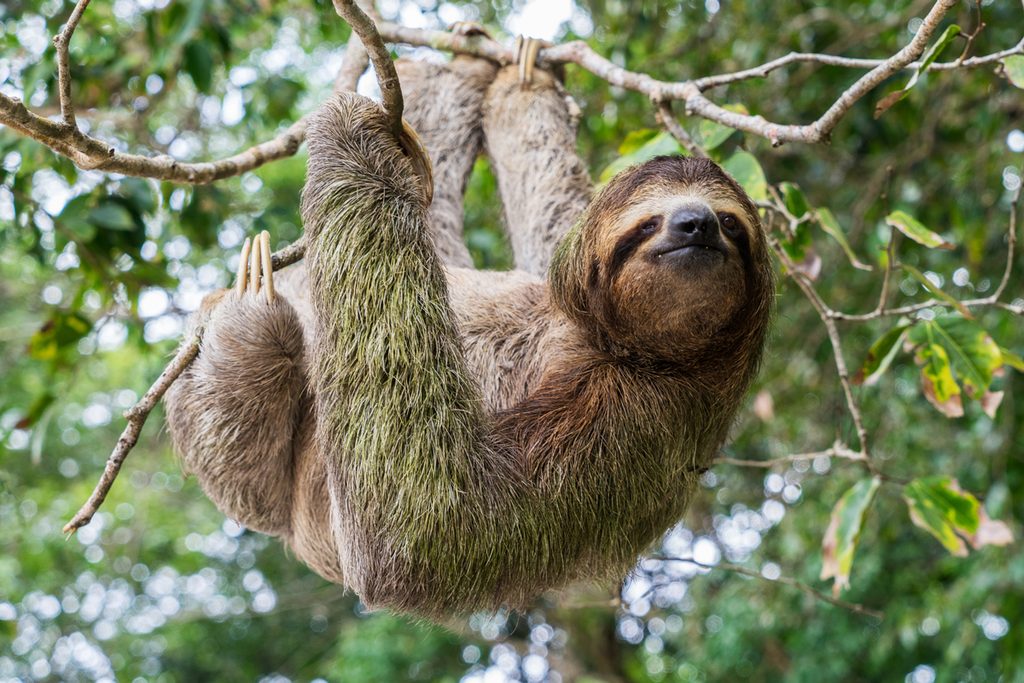
Three-Toed Sloths

The three-toed sloth is considered the slowest mammal in the animal kingdom, with a top speed of only about 1 mile per hour. Its extremely low-energy lifestyle is partly an adaptation to a diet of leaves, which provide relatively little energy, and so their metabolisms have adapted accordingly. Sloths not only move slowly, but they actually spend much of their time resting and generally remain within a small home range rather than traveling long distances. 

Credit: Gabrielle/stock.adobe.com

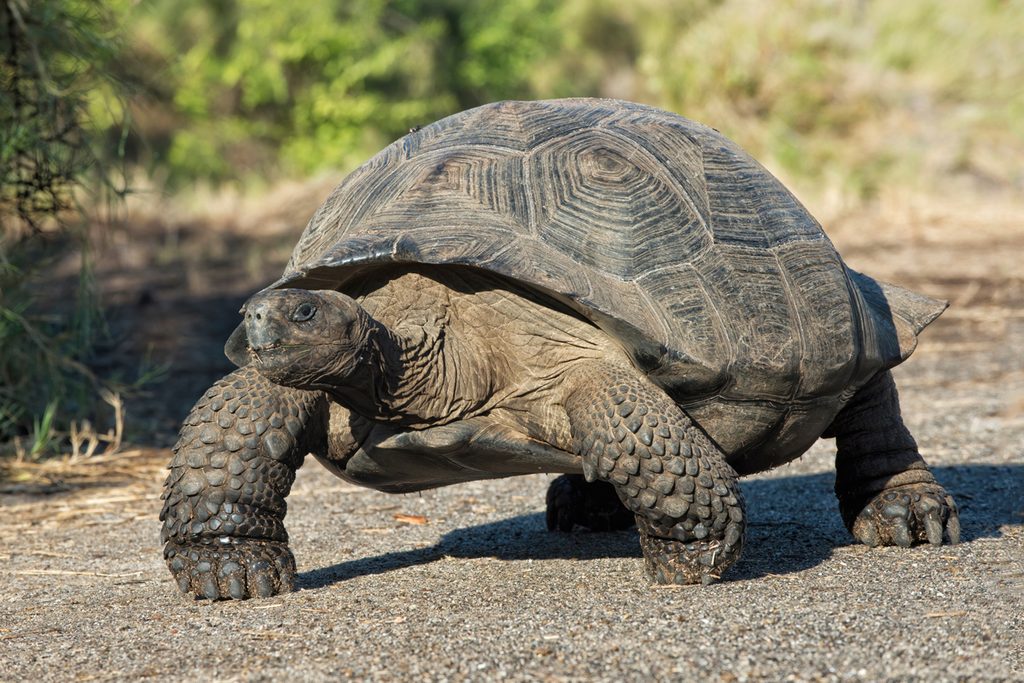
Giant Tortoises 

The tortoise may have famously won the race against the hare, but it certainly wasn’t because it had speed on its side. Giant tortoises from the Galapagos and Seychelles move at roughly 0.16 miles per hour, largely because their massive bodies and heavy shells slow them down: Some males, for instance, weigh more than 500 pounds, with shells reaching up to nearly 5 feet long. 

But with very few native predators, giant tortoises don’t need to hurry, and spend much of their days slowly wandering in search of vegetation.

Credit: abdul gapur dayak/stock.adobe.com

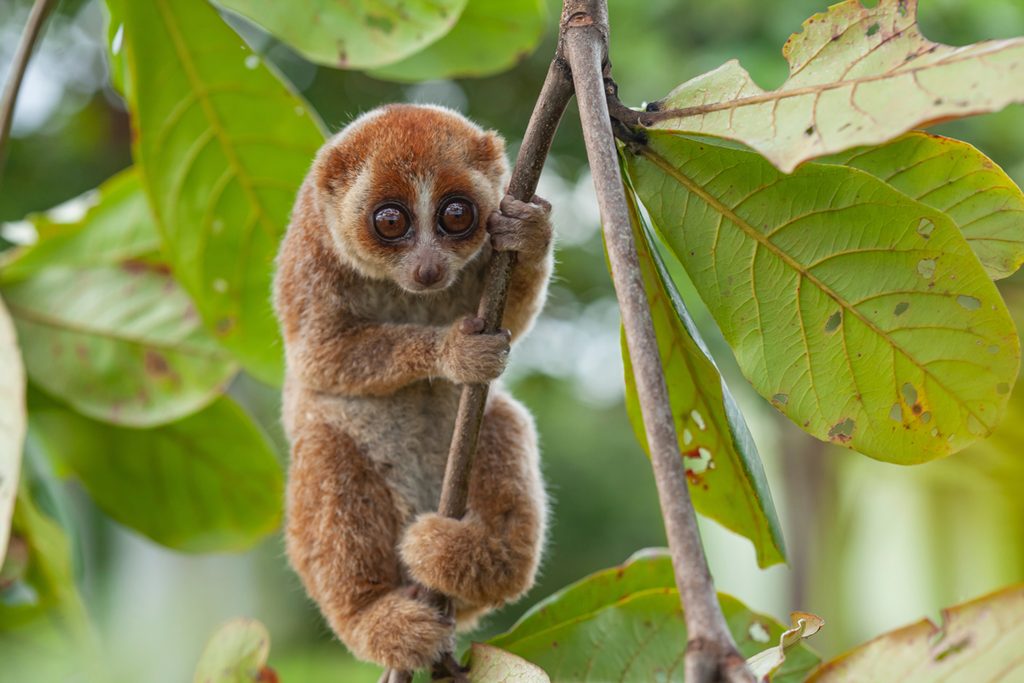
Slow Lorises

The slow loris is considerably faster than, say, a snail or tortoise, but at a standard pace of around 1.2 miles an hour, it’s still one of the slower-moving mammals on Earth. Rather than swinging or leaping through the trees of its Southeast Asian forested home, these nocturnal primates move carefully, hand over hand and foot over foot, from branch to branch. 

These slow, deliberate movements help keep the lorises hidden from predators while they search for tree sap, insects, and other prey such as small birds. If they are threatened, however, the slow loris has a deadly defense: a venomous bite.

Snails have thousands of teeth.

Snail on a leaf
Credit: Daniel Raja/stock.adobe.com

If snails had dentists, they’d need some darn good dental insurance to cover the cost of their visits. These tiny gastropods possess thousands of teeth at any given time, often growing and regenerating teeth as older sets wear down. Estimates put the total number of teeth between 1,000 and 25,000, depending on the species.

To be clear, a snail’s chompers aren’t nearly as prominent as ones found in the mouth of a shark or grizzly bear. They’re essentially microscopic spikes strewn about the tongue, forming what’s called a “radula.” Snails use those radulae to scrape at food, similar to how emery boards whittle down fingernails. The spiky teeth then hook onto the food like velcro, allowing the snails to draw their meals into their mouths for consumption.