Why Do Deep-Sea Fish Look So Scary?

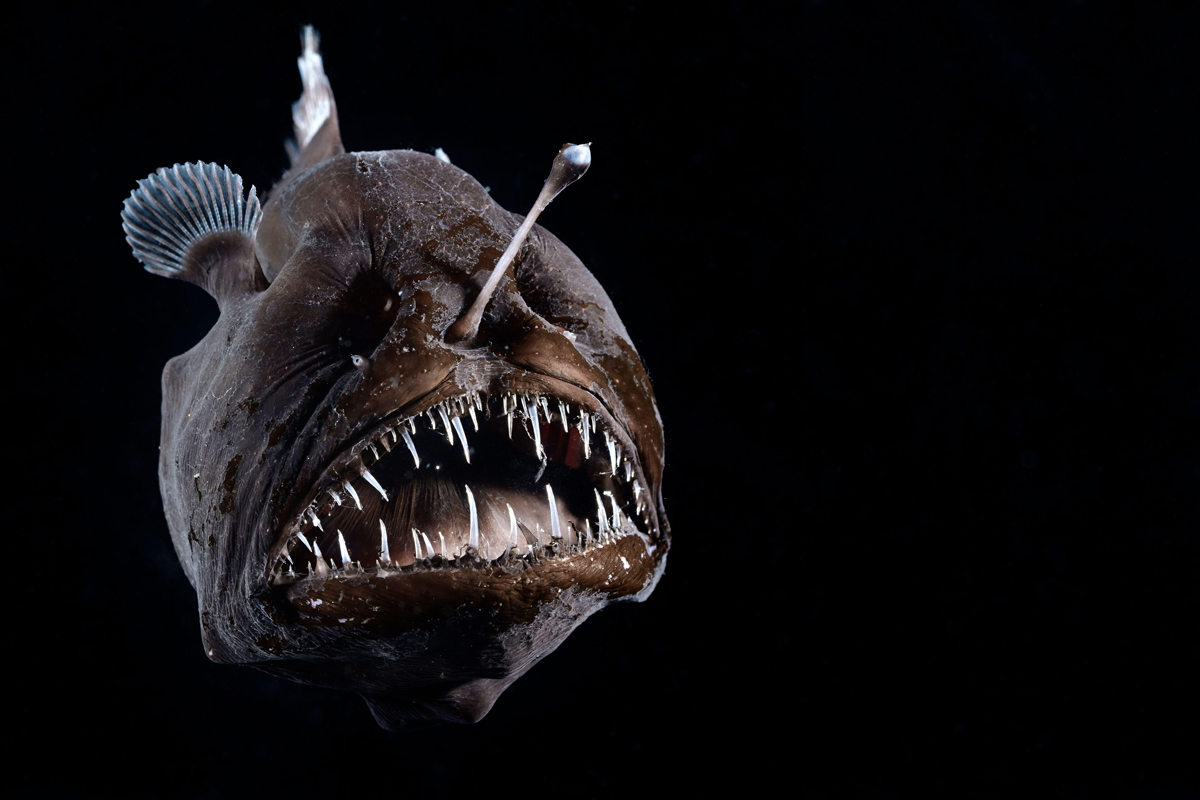
Close-up of a deep-sea fish
Credit: Solvin Zankl/Alamy

Thousands of feet beneath the ocean’s surface, sunlight disappears, pressure becomes crushing, and strange creatures drift through permanent darkness. Among them are some of the most unusual-looking animals on Earth — fish with enormous teeth, glowing bodies, oversized eyes, and faces straight out of a science fiction movie.

Those unusual — and even frightening — features are the result of millions of years of evolution in one of the planet’s harshest environments. In the deep ocean, every adaptation, no matter how unappealing, helps an animal survive. And a giant mouth, a glowing lure, or a strangely shaped body can make the difference between catching a meal and going hungry.

These creatures may not be entering beauty pageants anytime soon, but why do many of those adaptations look like pure nightmare fuel?
Credit: Mark Conlin/Alamy 

Deep Ocean Life Is a Constant Battle

The deep sea begins about 660 feet below the ocean’s surface, where sunlight rapidly fades. Yet many of the strangest fish you’ll find in the sea spend their lives 3,300 to 13,000 feet below the waves — deep enough to fit three to 10 Empire State Buildings between them and the surface. There, temperatures hover just above freezing, the pressure is hundreds of times greater than at sea level, food is scarce, and sunlight is completely absent.

Unlike the sunny ocean surface above, the deep sea has little or no photosynthesis, so almost no food (in the form of aquatic plants or microorganisms) is produced there. Most animals survive on a slow rain of dead plankton, waste, and other organic matter that drifts down from the surface — sometimes called “marine snow” — while others hunt the creatures around them. In a place where every meal is hard to find, wasting an opportunity to eat can mean starvation.

That harsh environment has shaped some of Earth’s most unusual fish specifically evolved to be expert predators. Many have enormous mouths that allow them to swallow prey nearly as large as themselves, while others have long, needlelike teeth that prevent struggling prey from escaping. 

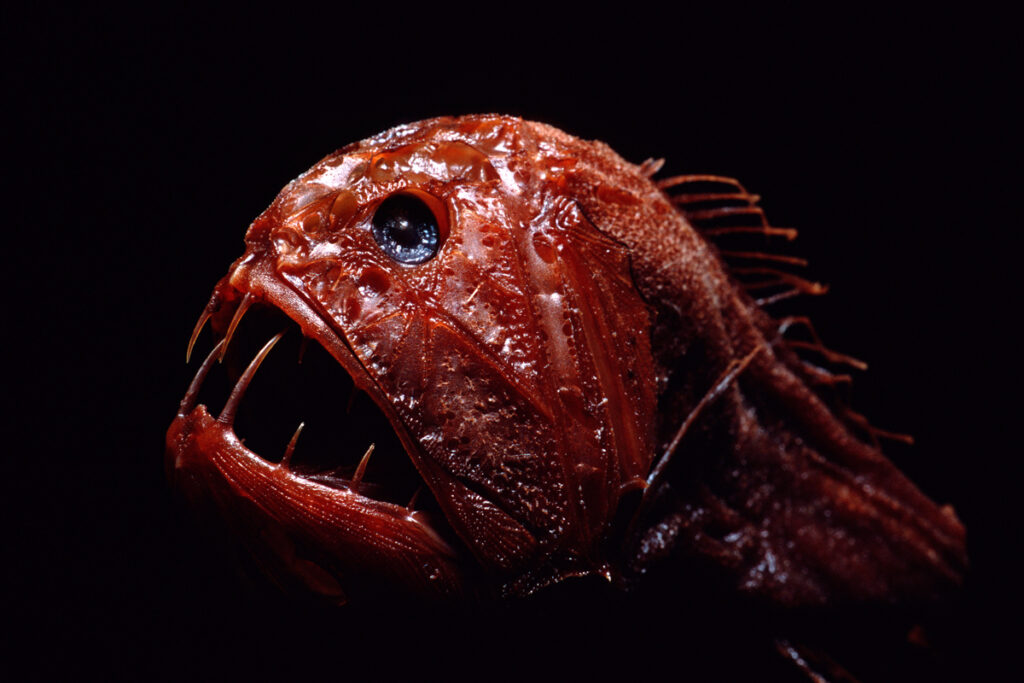
For instance, the fangtooth fish, despite growing to only about 6 inches long, has the largest teeth relative to body size of any known marine fish. The equally intimidating viperfish uses long, outward-pointing teeth and a flexible jaw to snatch prey in the darkness, while the gulper eel relies on an enormous expandable mouth to engulf surprisingly large meals.
Credit: Solvin Zankl/Alamy

Seeing in the Dark

Light is almost nonexistent in the deep ocean, but that doesn’t mean vision is unimportant. Many species have evolved exceptionally large, light-sensitive eyes that can detect the faint glow of bioluminescent organisms or the silhouettes of prey swimming overhead. Fish such as the telescopefish use their oversized eyes to take advantage of every available photon.

The Mariana snailfish, one of the deepest-living fish ever discovered, survives at 27,000 feet below the surface, where it relies less on sight and more on other senses to navigate and find food. In such an extreme environment, evolution favors whatever works best — not necessarily the features we may expect. Rather than large eyes, it has tiny eyes and a pale, translucent body with specialized sensory cells that help it detect vibrations and movement in the perpetual darkness.

Many deep-sea fish also produce their own light through a process called bioluminescence. Specialized organs create light through chemical reactions, allowing fish to communicate, attract mates, lure prey, or even hide. Some species use a technique called counterillumination, producing light on their undersides to match the faint light filtering down from above, making them harder for predators below to see.

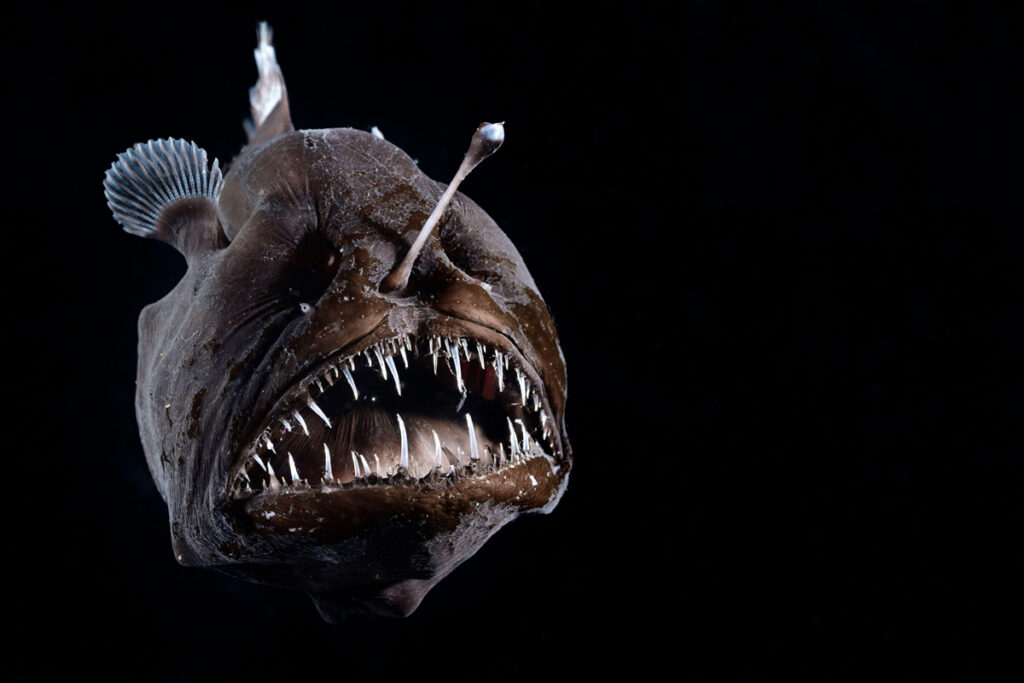
The anglerfish is likely the best-known example of bioluminescence. A glowing lure extending from its head acts like bait, attracting curious prey close enough to seize. Other fish, including dragonfish and lanternfish, produce light from rows of organs along their bodies, each using bioluminescence in different ways depending on how it hunts or avoids predators.
Credit: NOAA Ocean Exploration

Built for Extreme Conditions

The deep ocean has shaped more than just teeth and eyes. Many fish have unusual-shaped bodies that are adapted to immense pressure and limited food. Some have soft skeletons and gelatinous tissues that require less energy to maintain, while others are nearly transparent, making them difficult for predators to spot.

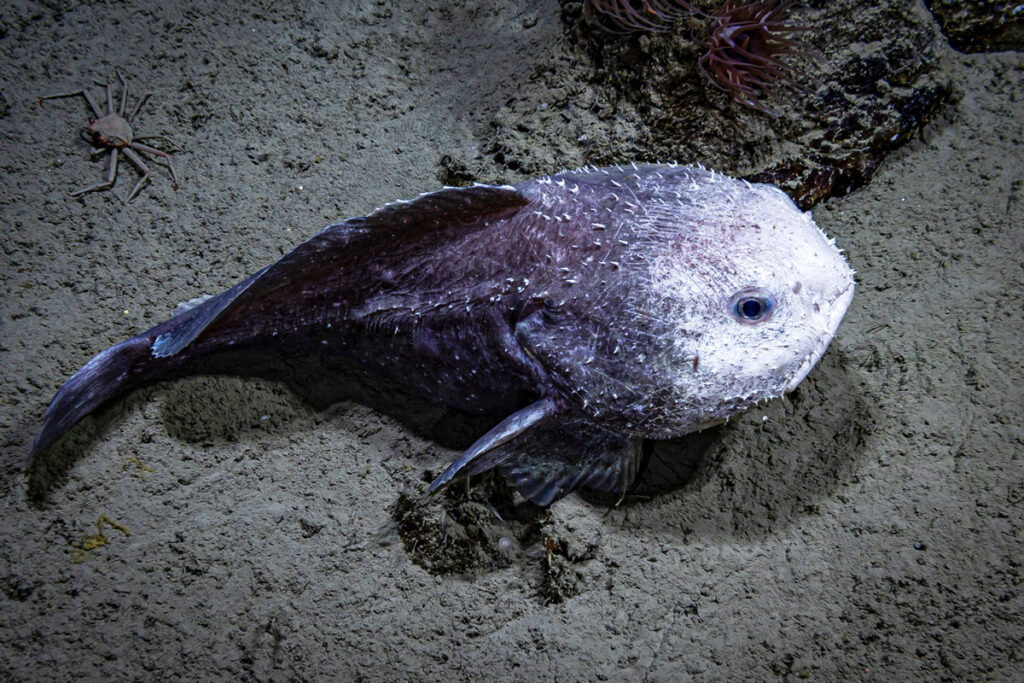
The blobfish is one of the best-known examples, although its reputation is somewhat misleading. At the depths where it naturally lives, the immense water pressure supports its gelatinous body, giving it a much more typical fish-like appearance. The drooping, misshapen blob you may have seen in photographs is the result of being brought rapidly to the surface, where the dramatic drop in pressure causes its body to lose its natural shape.

The deep sea is one of the most unforgiving places on Earth. The oversized jaws, needlelike teeth, glowing lures, and unusual body shapes produced in those surroundings can seem monstrous to our human eyes. But what may look like the stuff of nightmares is actually an impressive collection of adaptations perfectly suited to life in an extreme and relentless environment.

Why Do Some Animals Have Stripes and Others Have Spots?

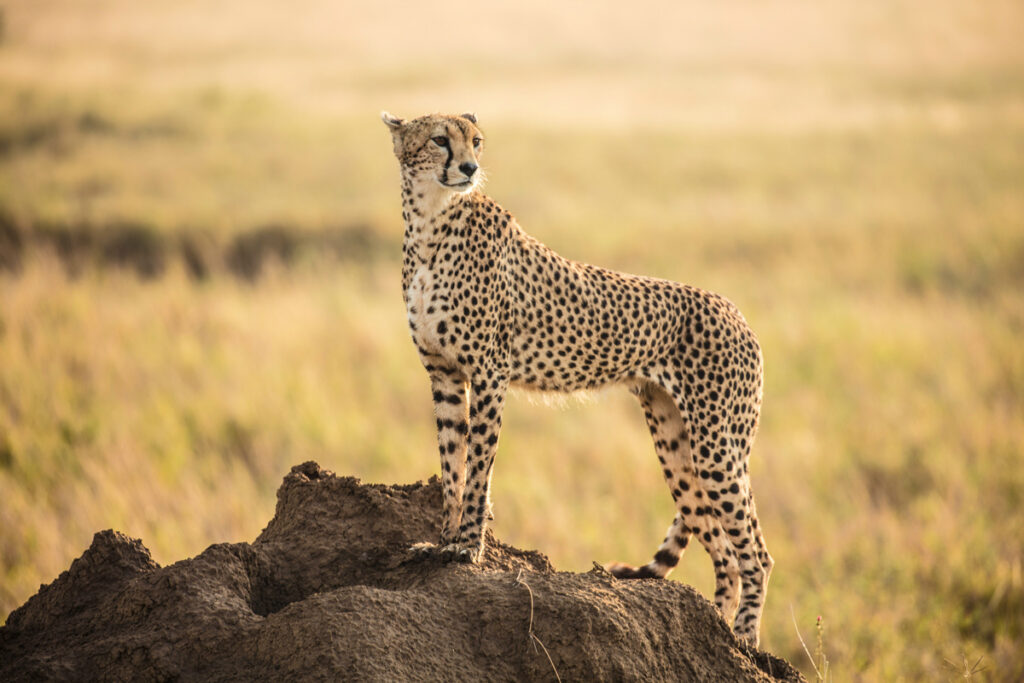
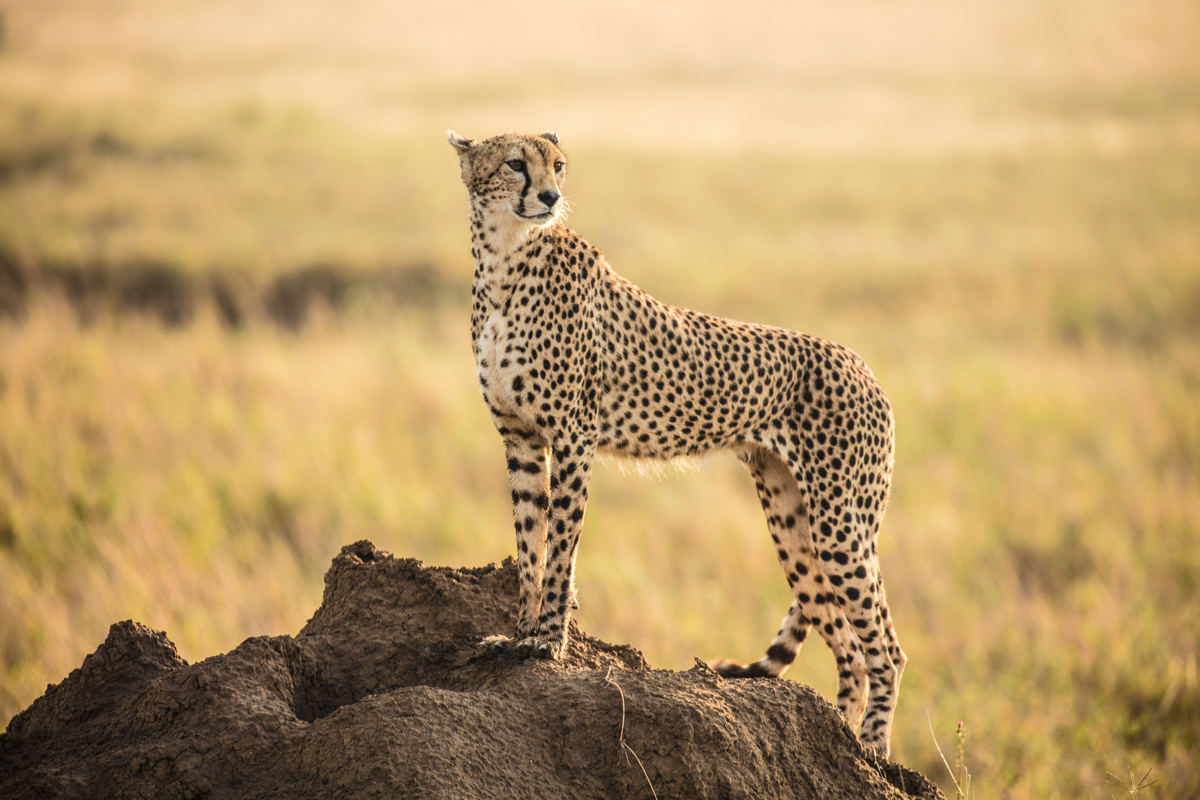
Cheetah standing among grasslands
Credit: Wolf Schram/Unsplash.com

Animal coat patterns are some of nature’s most striking designs, whether it’s a tiger’s bold black stripes or a leopard’s intricate rosettes. These markings are so iconic that humans have even adapted them for high-end fashion, from Dolce & Gabbana’s signature leopard-print collections to Roberto Cavalli’s high-end silk dresses adorned with distinctive zebra patterns.  

But as striking as they are  — and ignoring the whims of the very human catwalks of London, Paris, and New York —  an animal’s markings go well beyond aesthetics; these patterns have evolved through natural selection to aid in survival. But why do some animals have spots while others have stripes? Is there a functional difference, or is this just a quirk of evolutionary fate? 

Here we take a look at the coats of some famously striped and spotted animals to find out how and why they’ve evolved such distinct markings.  

Credit: Blake Meyer/Unsplash.com

The Advantage of Stripes

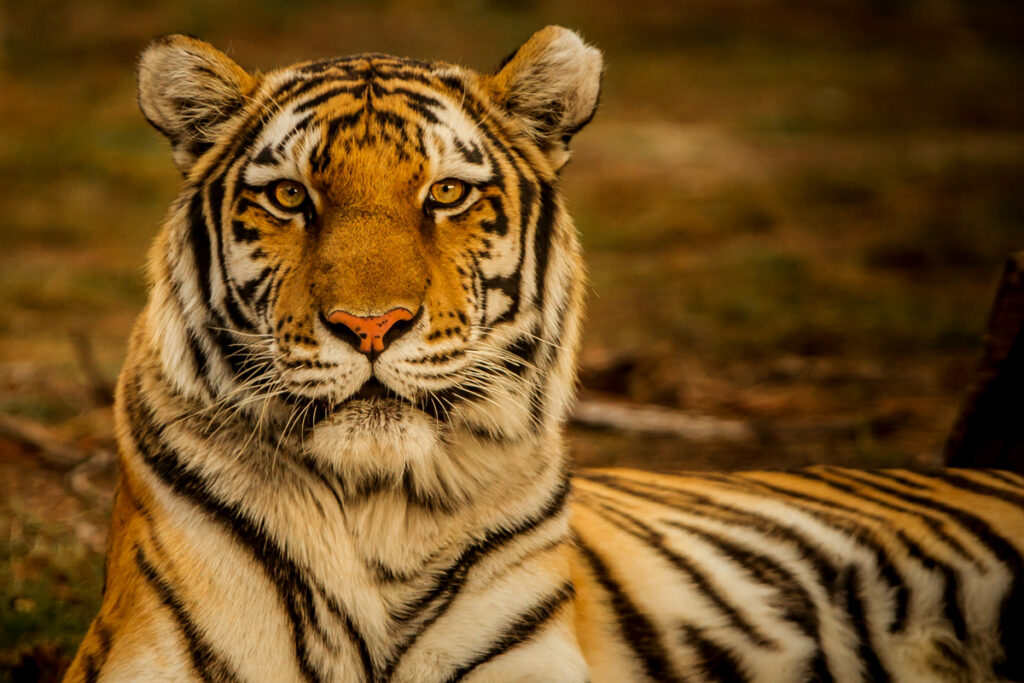
Stripes are particularly effective in habitats dominated by vertical elements such as tall grasses, reeds, and tree trunks. Tigers, the largest striped cats, use their vertical markings to break up their body outline when stalking prey in grasslands — something biologists call disruptive coloration. 

The markings are particularly effective when sunlight filters through tall grass, in which case the stripes blend with the linear shadows and vegetation, making it difficult for deer or wild boar to detect the tiger’s shape while it waits motionless to strike. Stripe patterns differ among the handful of tiger subspecies: The stripes of a Sumatran tiger, for example, are narrower and more closely spaced than those of a Bengal tiger, providing better camouflage in the former’s dense jungle habitat. 

Tigers aren’t the only animals whose stripes serve as camouflage. Striped hyenas, okapis, striped polecats, coral snakes, and bongos (not the drums, but rather a species of African antelope) are just some of the animals whose stripes help them blend into their environments. These stripes have evolved among species that need to break up a solid silhouette against relatively uniform, directional backgrounds. They work especially well for ambush predators moving slowly through cover as well as for fast-moving prey in open or semi-open terrain.

Zebras are another famously striped animal, but biologists have long debated what purpose their stripes actually serve. The vivid, highly contrasting black-and-white stripes may seem counterintuitive as a means of camouflage, especially in the beige savannas that zebras call home, but one long-standing theory posits that the stripes create disruptive patterns to confuse predators. When zebras stand together in a group, their stripes may create a visual illusion that makes it difficult for predators such as lions and hyenas to single out an individual. 

More recent research suggests that zebra stripes may serve as protection from biting flies, confusing tsetse flies and horse flies and making them less likely to land on the zebras. Zebra stripes probably serve multiple purposes — possibly including thermoregulation, with the contrasting black and white hairs absorbing and reflecting solar radiation differently, creating micro-air currents to aid sweating and cooling. But it’s difficult to say which function, if any, is more important than another. 

Credit: Leonardo/stock.adobe.com

The Advantage of Spots (And Rosettes)

While stripes tend to offer better camouflage in environments with vertical elements, spots and rosettes (clusters of spots) are most common in animals that live in forests or habitats where light filters through foliage from above and creates irregular patches of shadow on the ground. 

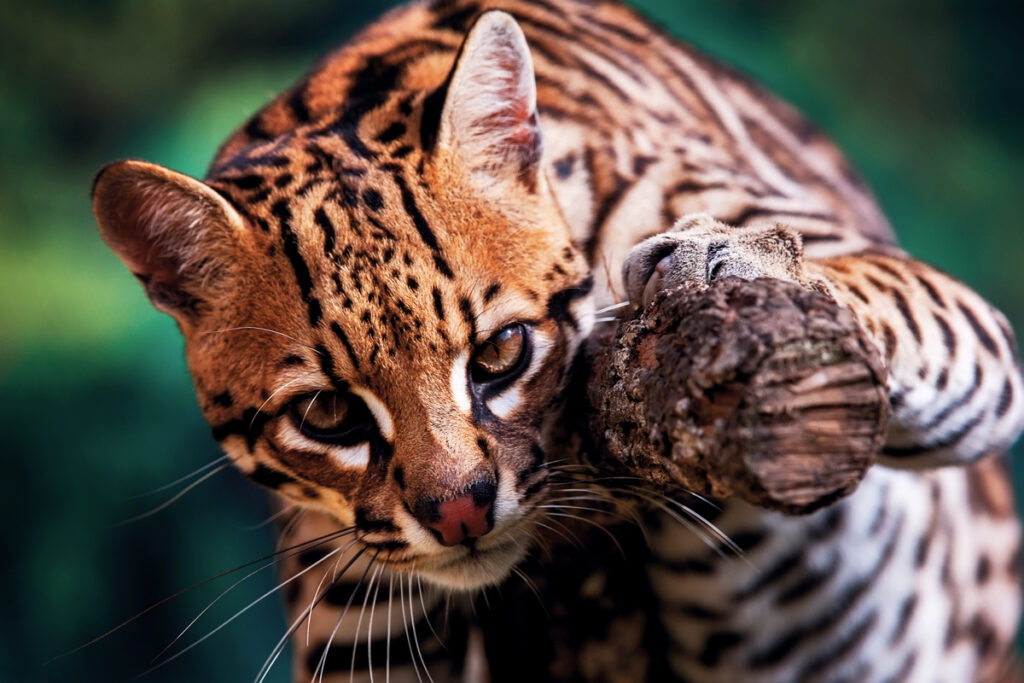
The rosettes of leopards and ocelots, for example, replicate that broken pattern of light through leaves. These markings work not by matching a uniform background but by matching the irregular, patchy quality of light in a woodland environment. Giraffes, meanwhile, sport spotted markings that often correspond to the branching patterns of the trees on which they feed (acacias, for example), helping them stay camouflaged while feeding. 
The cheetah, with its small, solid black spots, would appear to be an exception to the general rule. Cheetahs are spotted despite living on open African savanna and grassland with relatively little tree cover. Their markings, however, are different from the larger rosettes of leopards and jaguars.

Cheetahs have around 2,000 to 3,000 dark spots distributed evenly across their bodies, which may serve particularly well as camouflage in the gray-hued grasses they inhabit. Cheetahs also hunt differently than leopards, relying more on speed rather than stealth, so their need for camouflage may not be as critical as it is among other big cats. 

Credit: Wolf Schram/Unsplash.com

Spots Versus Stripes

The cheetah’s spots are perhaps a reminder that evolutionary rules of thumb are approximations rather than laws. Other factors, such as hunting methods and social behaviors (e.g.,mate attraction or helping identify individuals in a herd) can influence animal markings. But when it comes to the determination of spots versus stripes, the most consistent and well-documented driving factor tends to be camouflage.

It’s also worth noting that not every marking fits neatly into the typical spots-or-stripes framework. Some animals split the difference — ocelots and margays, for example, have both spots and stripes — while the okapi’s stripes are peculiarly limited to their upper legs and hindquarters only. 

And not every pattern is the product of natural selection: Dalmatians and calico cats owe their blotches to genetic quirks introduced or amplified through selective breeding — quirks that have nothing to do with camouflage and everything to do with how humans have shaped domestic animals for aesthetic purposes over time. 

Zebras Are Actually Black With White Stripes

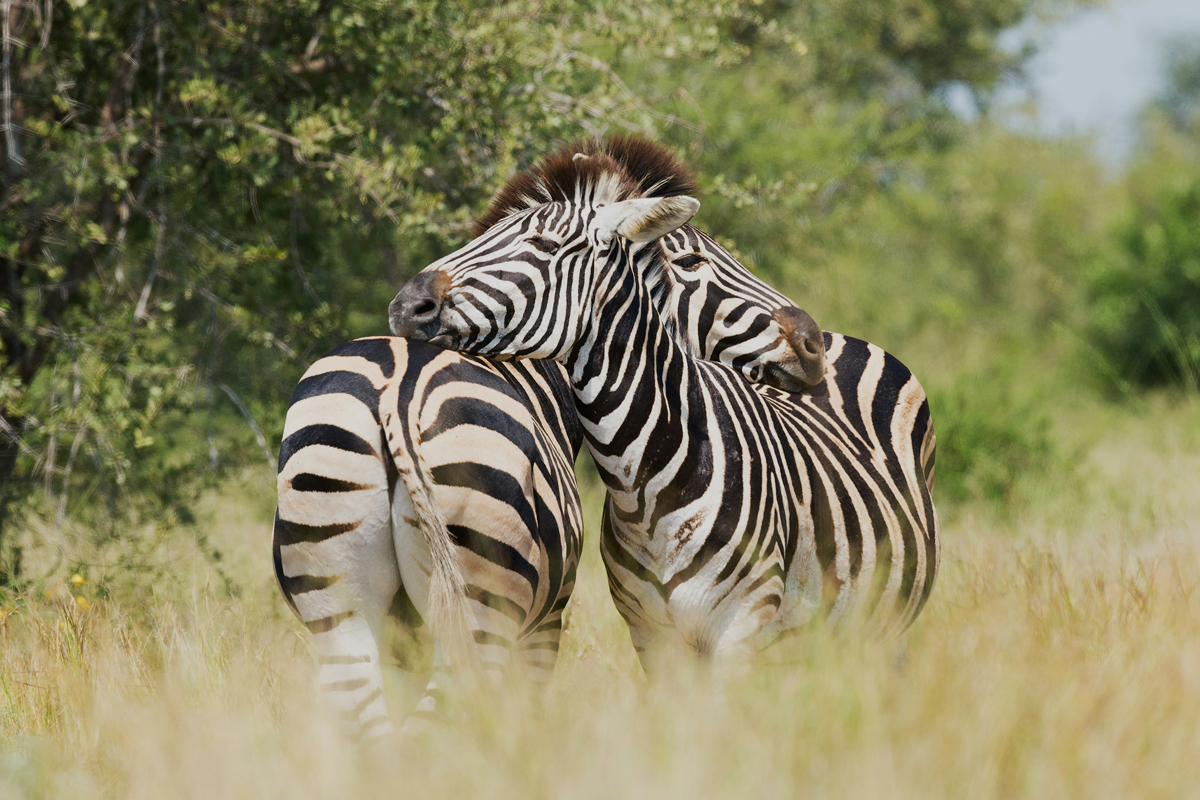
Two zebras nuzzling each other
Credit: Vincent van Zalinge/Unsplash.com

Zebras, with their visually striking appearance, are a classic example of our eyes playing tricks on us. You may assume zebras are white with black stripes, but the opposite is correct: These savanna-dwelling grazers have black skin coated in an alternating pattern of white- and black-striped fur.

A zebra’s fur color is determined by its melanocyte cells, aka pigment-generating cells present in all creatures. In a zebra’s case, the melanin in those cells is responsible for its black stripes, while its white stripes are caused by the absence of pigment in those parts. As for why zebras have stripes, there are several competing theories. Some believe they’re mainly for camouflage, while others argue they’re primarily for thermoregulation.

Anglerfish Fuse When They Mate

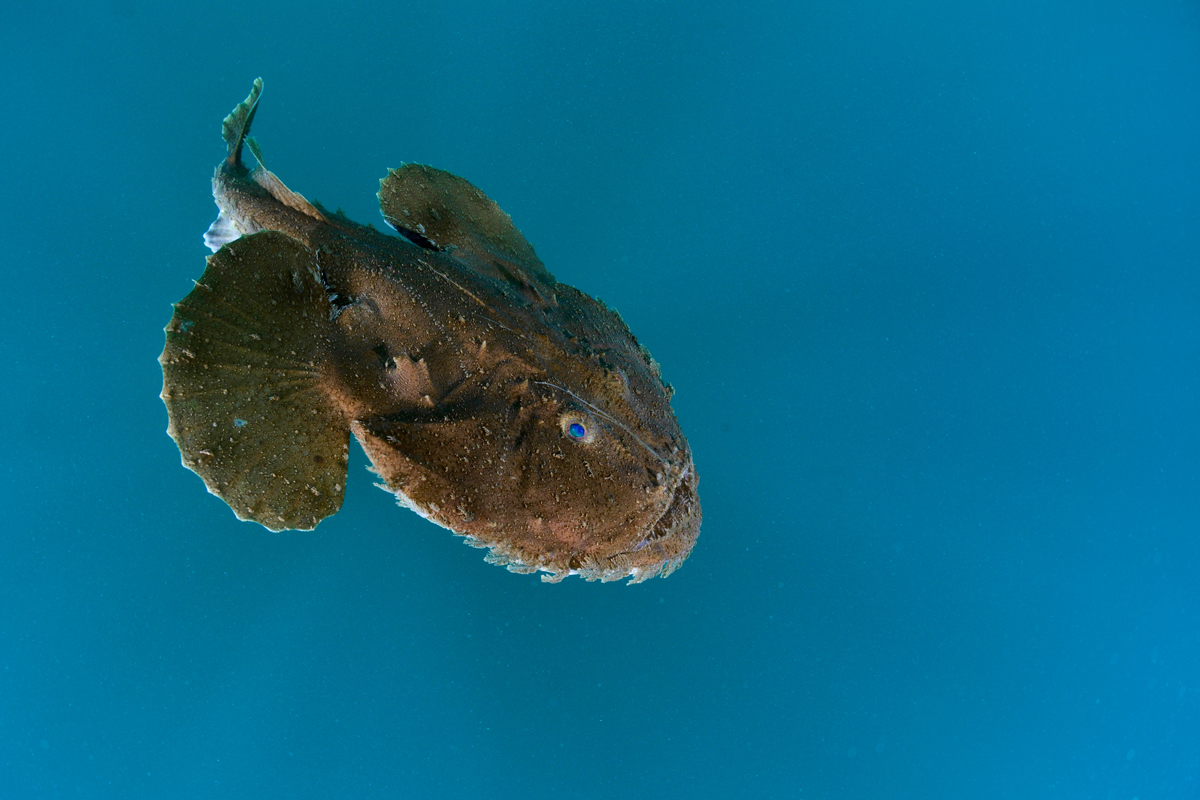
Anglerfish swimming
Credit: puntel/Adobe Stock

If humans were like anglerfish, breaking off a relationship would be more than difficult — it would be life-threatening. That’s because anglerfish undergo a stark physical transformation when they mate, fusing together for life as part of a biological concept known as sexual parasitism.

Of the more than 300 species of anglerfish, sexual parasitism is only found in certain species that reside in the deep sea. These fish also experience sexual dimorphism, in which different genders have starkly different physical appearances; in this case, female anglerfish are much larger than their male counterparts. 

When searching for a mate, males use their sense of smell to track down females. Once they’ve found a mate, the males latch on with their small, sharp teeth — essentially becoming irremovable appendages. Males then drain resources from the females for life, occasionally fertilizing eggs along the way.

Animal Pairs You’d Be Shocked Are Related

Two separate pictures of a hyena and a mongoose
Credit: Johnny Thorpe/Unsplash.com; Getty Images/Unsplash.com

The animal kingdom is full of family connections, and some relations are easy to spot: lions and tigers, horses and zebras, dogs and wolves among them. 

But evolution isn’t always so obvious — over time, related species can develop completely different shapes, sizes, behaviors, and lifestyles, even if they share a family tree. Sometimes, the result is a pair of animal relatives that look like they couldn’t possibly be related. Let’s take a look at five animals with surprising cousins.

Credit: Thomas Kelley/Unsplash.com; stuporter/Adobe Stock

Whales and Hippos

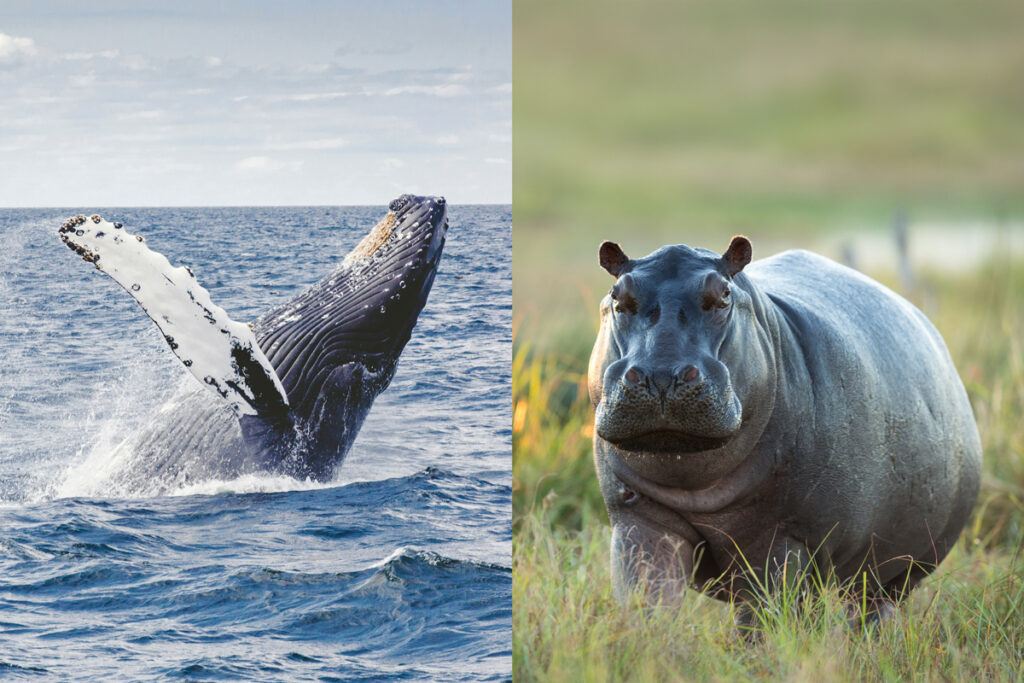
Blue whales spend their days cruising the depths of the ocean, while hippos can’t even swim and instead prefer to wallow in muddy rivers. So you may be surprised to learn that whales and hippos are actually each other’s closest living relatives.

Both belong to a larger group of mammals called Cetartiodactyla, which includes even-toed hoofed animals such as hippos, pigs, and deer as well as whales and dolphins. Their common ancestor lived around 55 million years ago: The anthracothere was a small, hoofed mammal that’s believed to have spent time in and around the water. 

As this ancient creature’s descendants adapted to different environments, one branch became fully aquatic, eventually evolving into whales, and the other evolved into today’s semi-aquatic hippos. The connection, though not obviously visible, can be seen in the animals’ anatomy. Hippos and whales share similarities in their jaws, hearing structures, and even parts of their genes.  

Credit: Pierre Lemos/Unsplash.com; Stephan Bechert/Unsplash.com

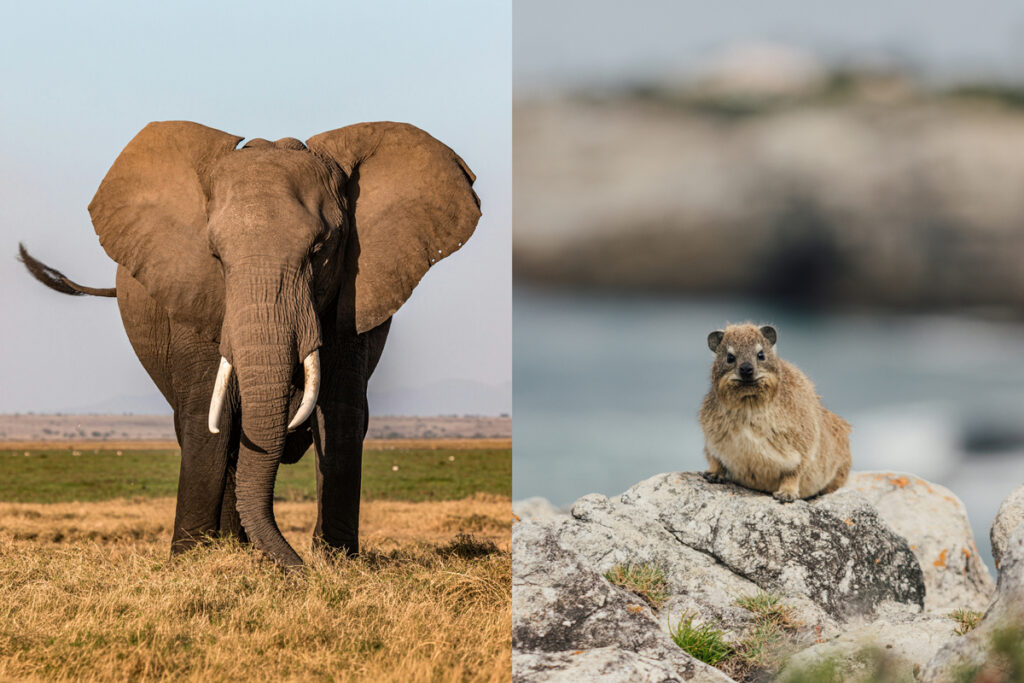
Elephants and Hyraxes

These two animals share a common ancestor that lived more than 50 million years ago. Hyraxes are small mammals that can be found climbing rocks and living in colonies in parts of Africa and the Middle East; they look something like an oversized guinea pig. Elephants, meanwhile, evolved into the largest land animals on Earth. 

Their shared ancestry is revealed through details that aren’t apparent at first glance, including similarities in their pachyderm-like skulls, teeth, and feet. Both animals belong to a group called tethytheres, which also includes sea cows such as manatees and dugongs. 

Credit: Johnny Thorpe/Unsplash.com; Getty Images/Unsplash.com

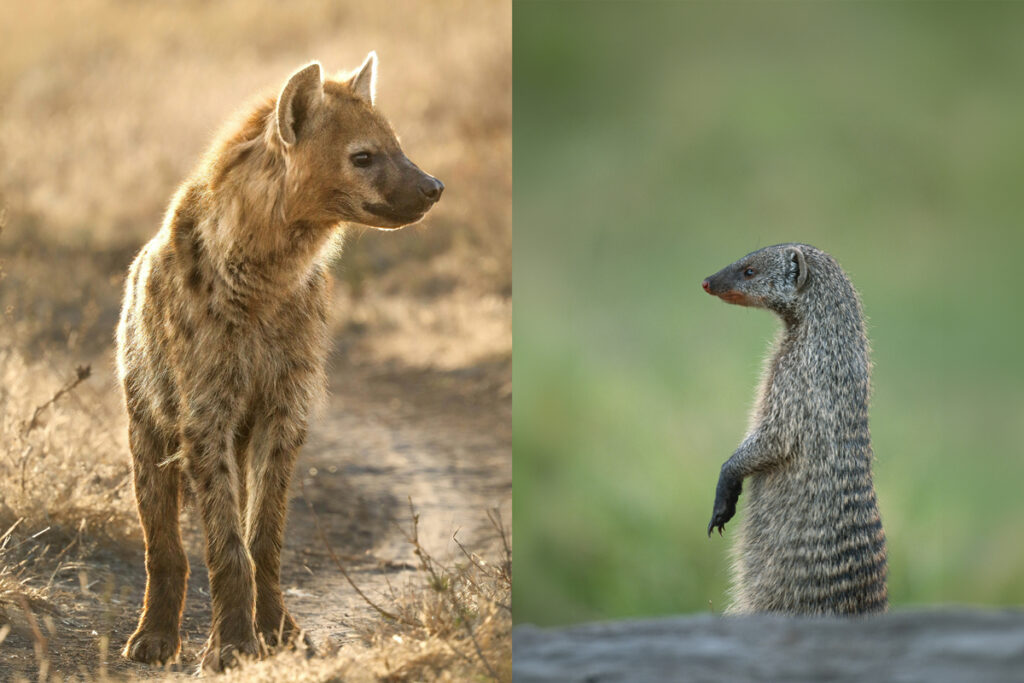
Hyenas and Mongooses

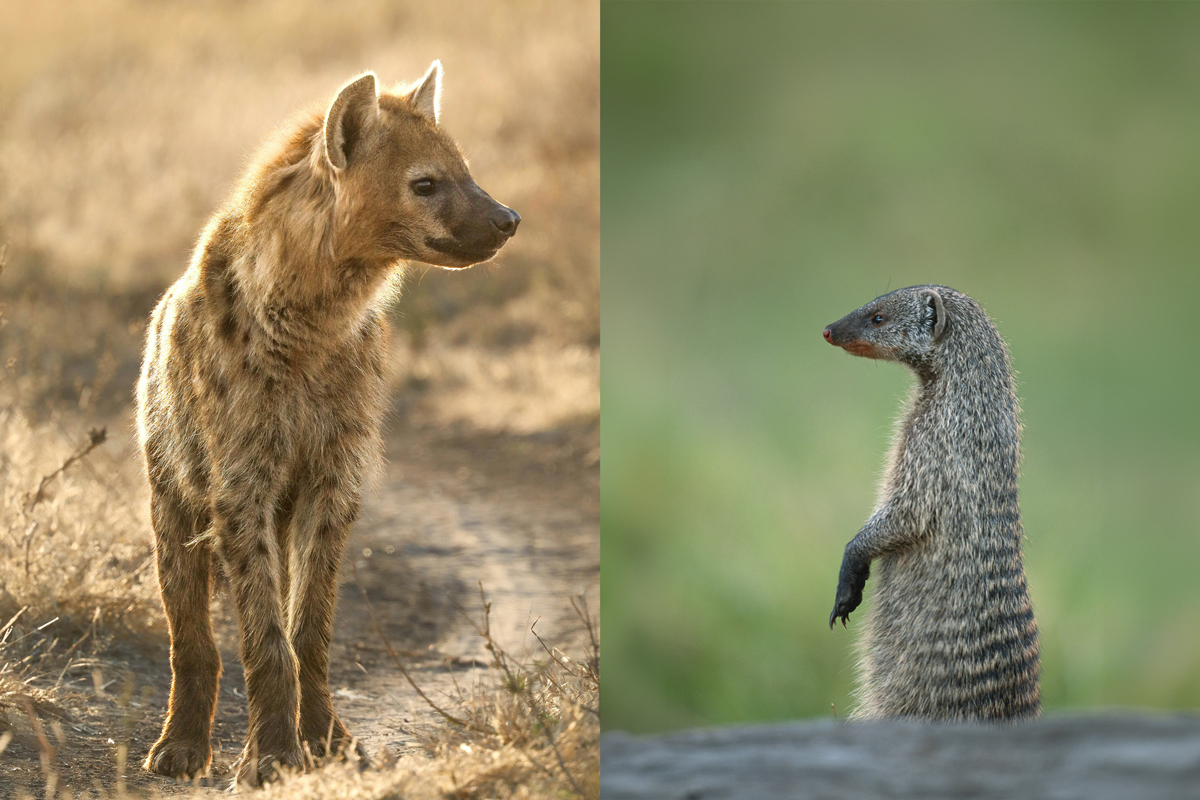
With their powerful jaws, sloping backs, and impressive hunting skills, hyenas are often mistaken for wild dogs, but their closest relative is actually the weasel-like mongoose. Hyenas and mongooses both belong to the suborder Feliformia, sharing a common ancestor with other cat-like carnivores. In fact, despite their appearance, hyenas are more closely related to cats than to dogs. 

Hyenas’ shared family lineage with mongooses stretches back tens of millions of years, and today their relations also include meerkats, civets, and genets. Hyenas feed mostly on meat, and though they usually prefer bigger animals, they’ve been known to catch and eat their smaller relatives now and again.

Credit: Getty Images/Unsplash.com; creativenature.nl/Adobe Stock

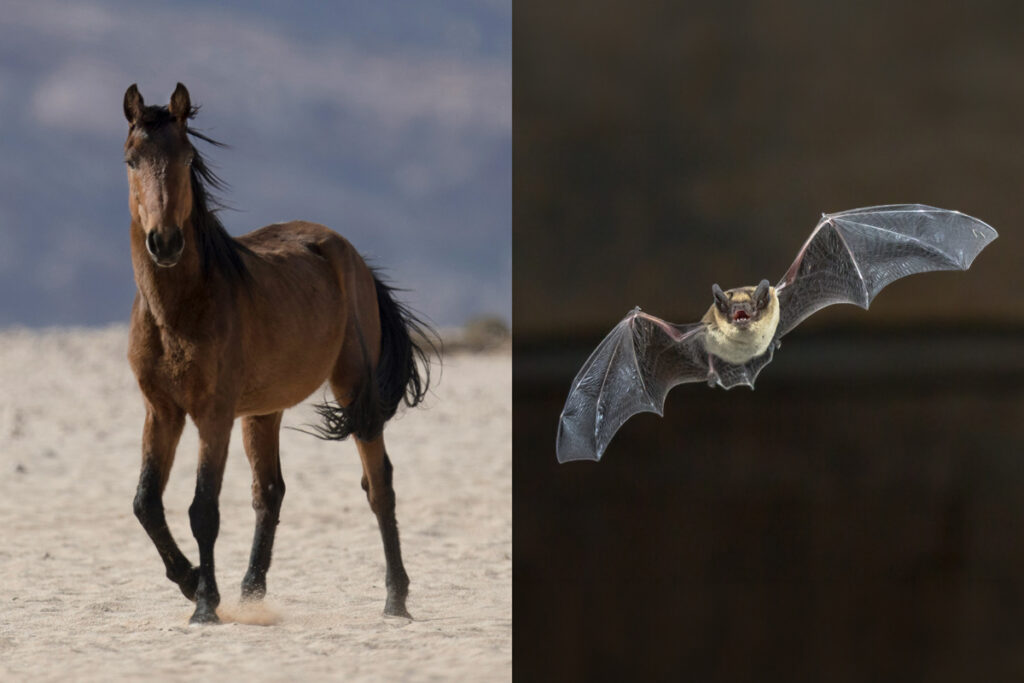
Horses and Bats

Though one is a massive hoofed herbivore and the other a tiny flying mammal, the family trees of horses and bats do eventually intertwine; they share a common ancestor that lived more than 80 million years ago. Both are placental mammals, meaning their young develop inside a womb and receive nutrients through a placenta. Horses actually share more DNA with bats than they do with cows, despite cows seeming like the more obvious relative.

The skeletons of horses and bats reveal another unexpected link: Many of the bones in a bat’s wing are modified versions of the same basic bones found in a horse’s foreleg, including the humerus, radius, and ulna. The same underlying limb pattern appears across many mammals, including humans.

Credit: Evi/Adobe Stock; Amy Asher/Unsplash.com

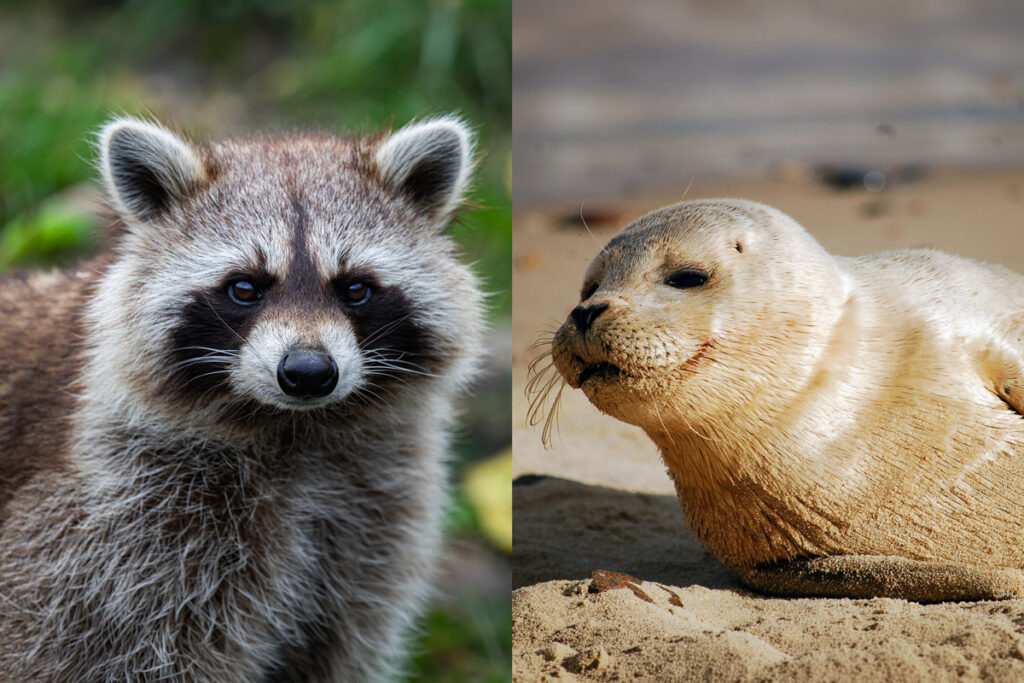
Raccoons and Seals

Raccoons and seals aren’t close cousins like whales and hippos, but both descended from early carnivorans, a group of small mammals that eventually split into different lineages. One branch produced animals such as raccoons, bears, and weasels, while another led to the pinniped group, which includes seals, sea lions, and walruses. 

As pinnipeds adapted to life in the water, their bodies changed dramatically, with limbs becoming flippers, their bodies becoming more streamlined, and their senses more keenly adapting to underwater life. Seals are, of course, still able to move on land, even if their skeletons don’t quite resemble their fully land-dwelling ancestor.

Bats Are More Closely Related to Whales Than to Birds

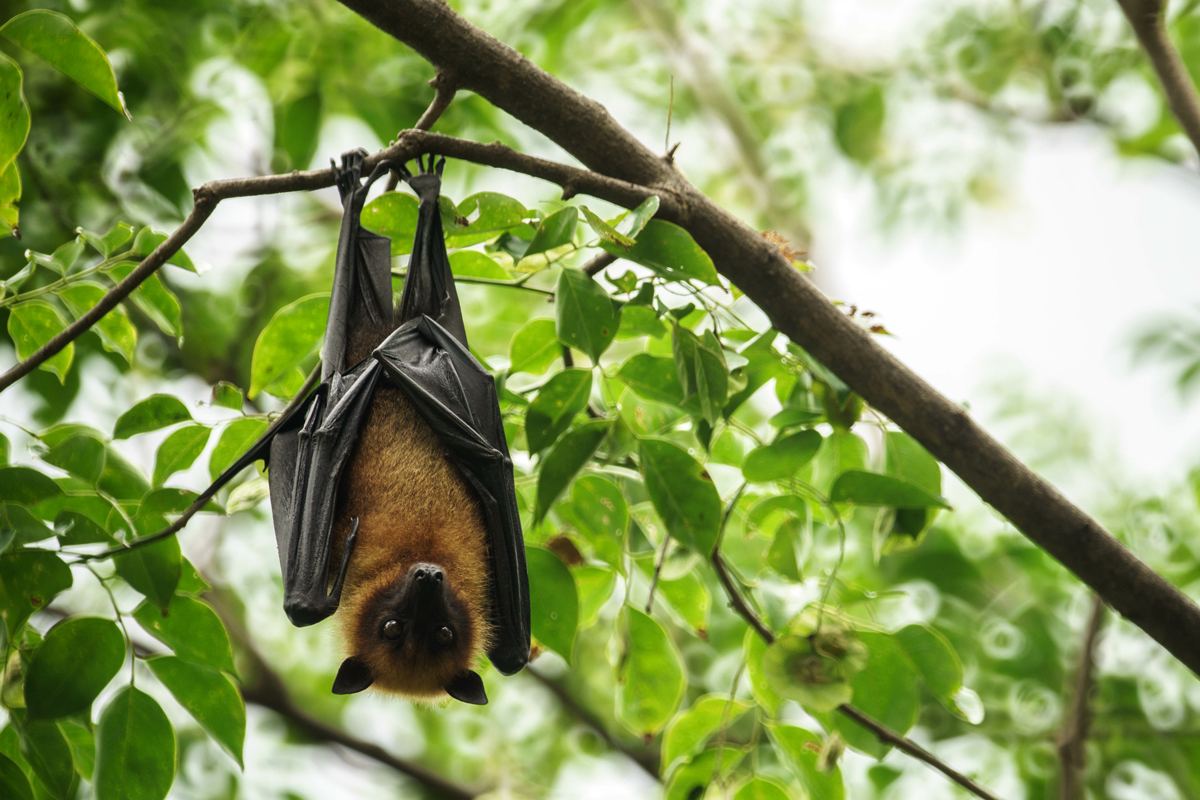
Bat hanging upside down on a branch
Credit: arrowsmith2/Adobe Stock

Bats and birds both soar through the skies, but that’s about where the similarities end between these two creatures. In reality, bats are far more closely related to an animal that lives in an entirely different environment and couldn’t seem more different: whales.

Bats and whales are both mammals, but they share several traits beyond that. They’re both warm-blooded, have hair, give birth to live young, and nurse their offspring with milk. Birds, on the other hand, are dissimilar to bats in many ways. They’re avians rather than mammals, they have feathers instead of hair, they lay eggs, and they feed their young with partially digested insects rather than milk (which birds don’t produce).

Arctic Ground Squirrels Can Lower Their Body Temperature Below Freezing

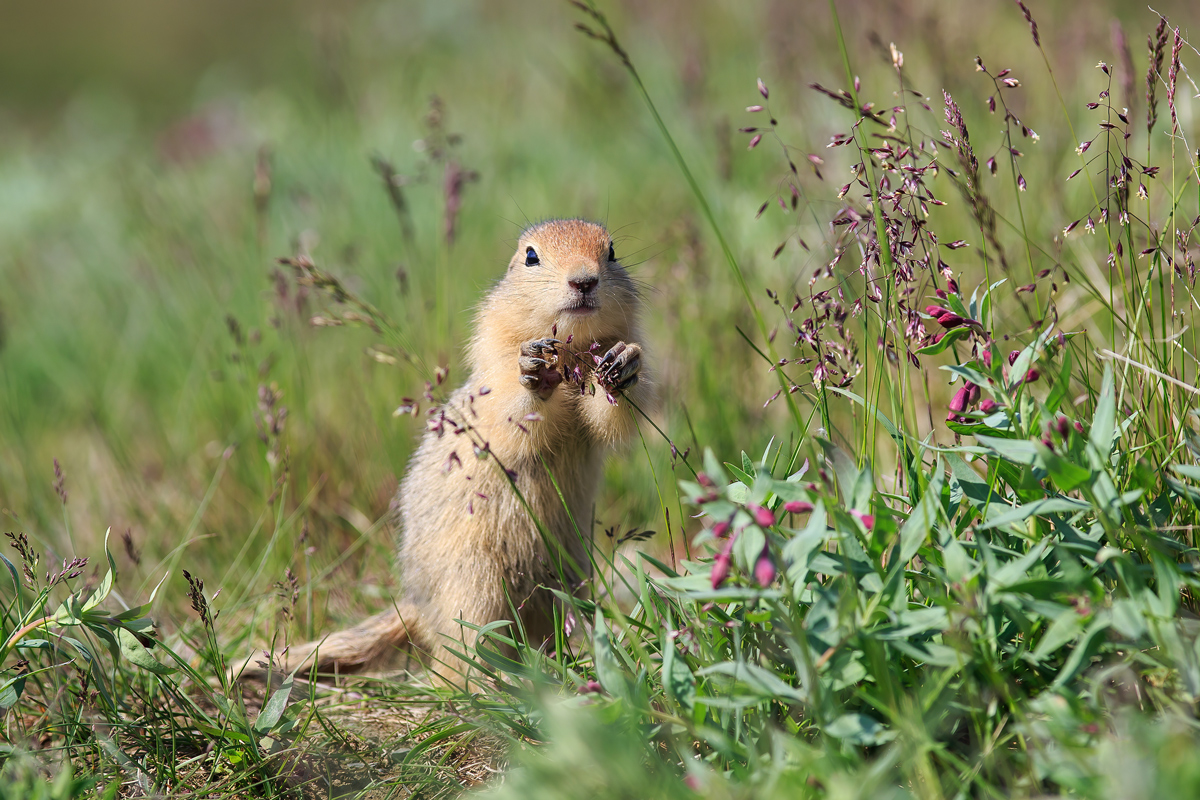
Arctic ground squirrel standing upright
Credit: Andrei Stepanov/Adobe Stock

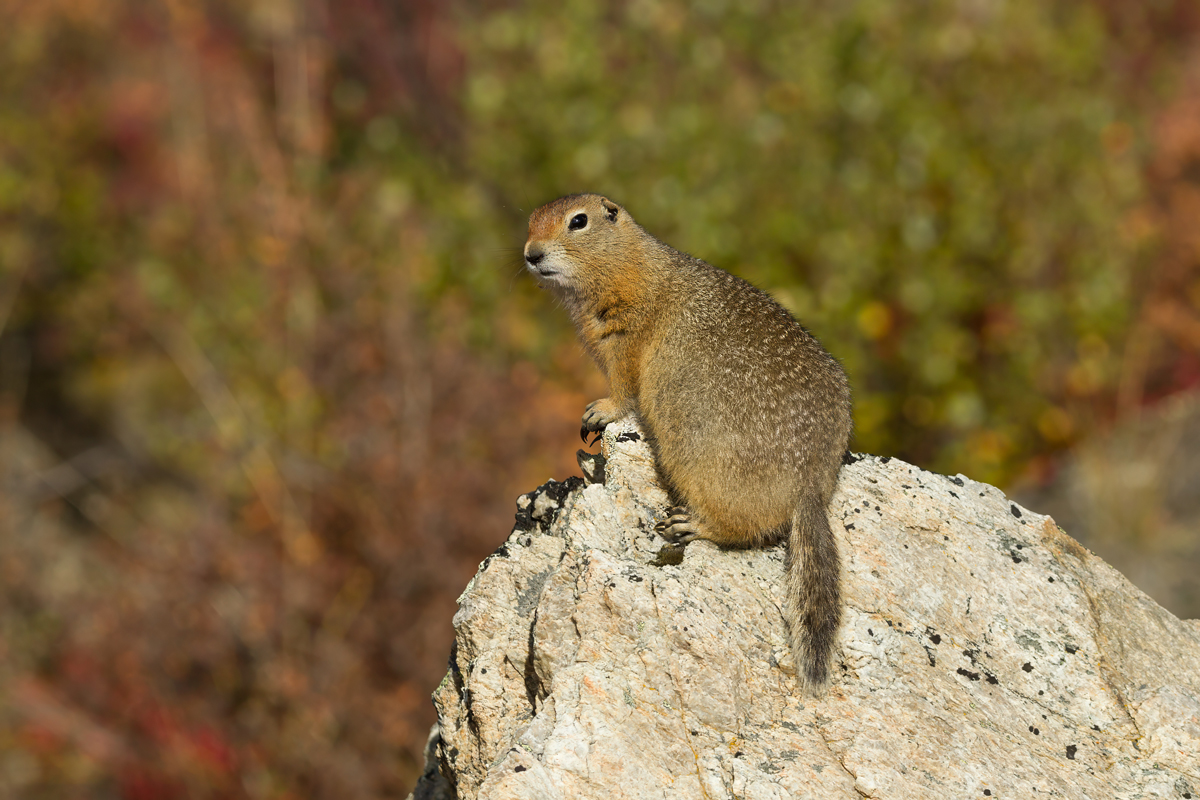
Arctic ground squirrels are — for part of the year, at least — quite literally the coolest mammals on Earth. During hibernation, which can last up to eight months in the frigid Alaskan winter, these squirrels lower their core body temperature to approximately 26 degrees Fahrenheit — below the freezing point of water. They’re the only known warm-blooded mammals capable of supercooling their bodies this way.

They achieve this feat of suspended animation by slowing their metabolisms to a fraction of the normal rate. Their bodies become so cold, and their breathing and heartbeat so slow, that it’s hard to tell if they’re still alive. Many of their brain cells and synapses die off during this process but rapidly regenerate as the animals emerge from hibernation.

Can Animals Get Frostbite?

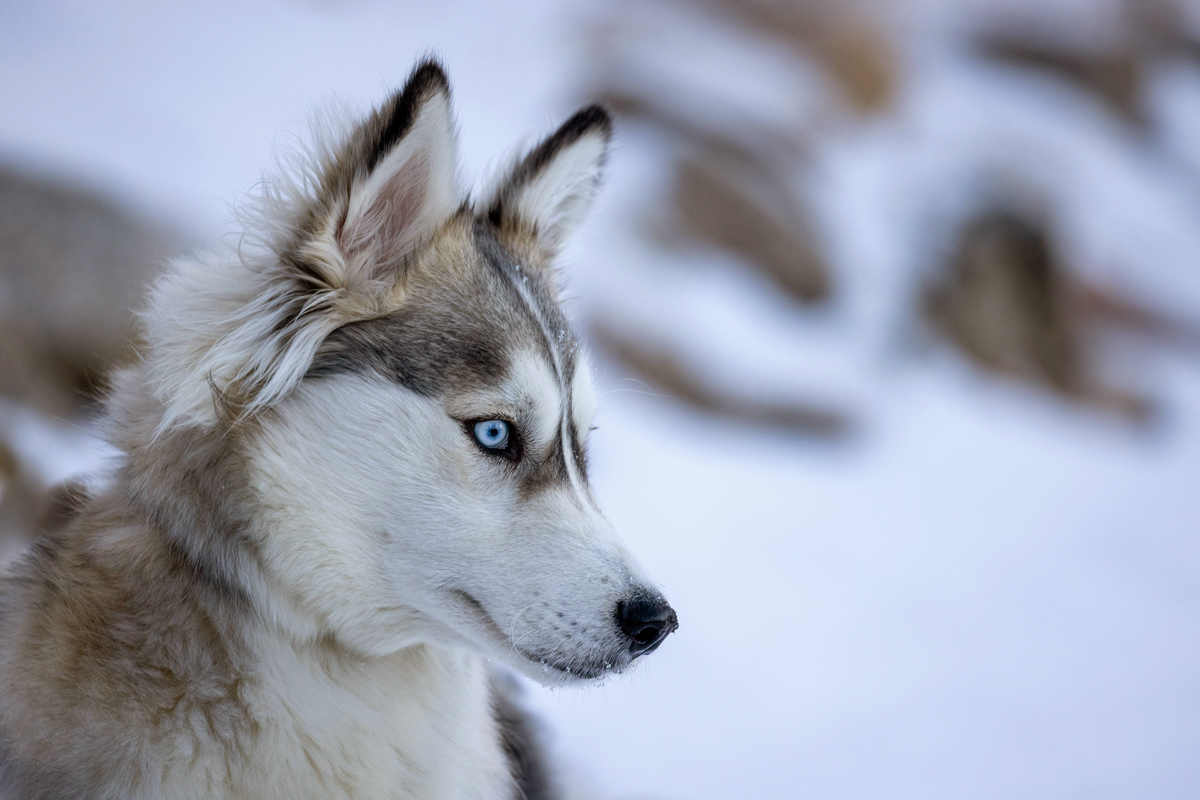
Husky dog outside in snowy weather
Credit: Matt Bango/Unsplash.com

Your pet may seem perfectly happy bounding through the snow, and wildlife may appear built for even the harshest winter conditions. But while many species have incredible adaptations to help them survive freezing temperatures, even the best natural defenses have limits.

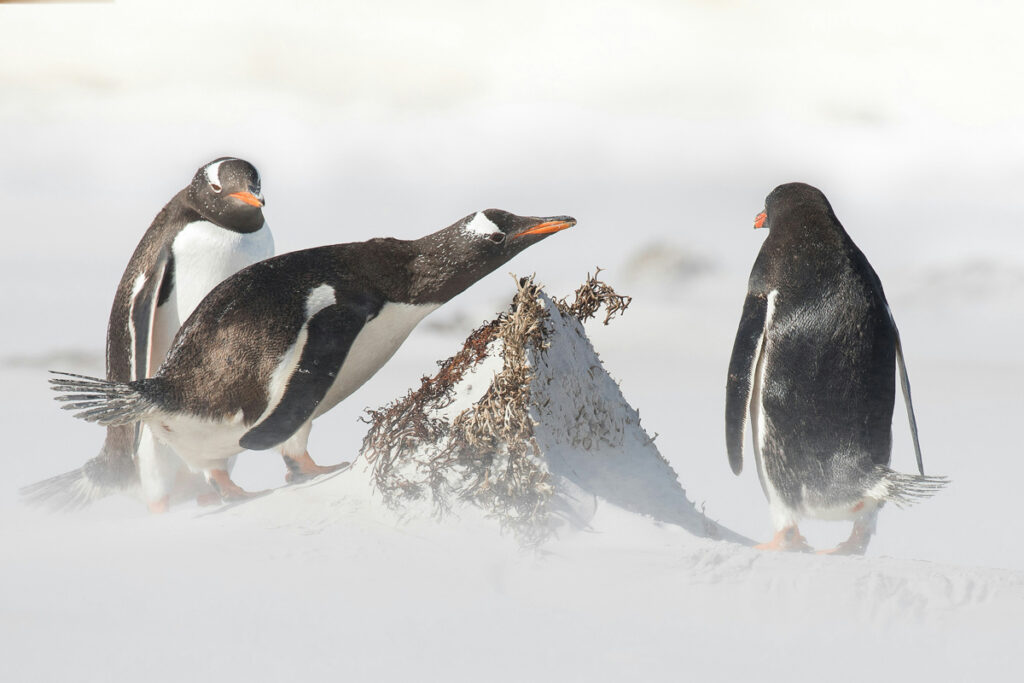
Some animals are specifically built for life in extreme cold: Polar bears, penguins, Arctic foxes, seals, and other cold-climate creatures have evolved to handle conditions that would be dangerous or even deadly for most species. They rely on thick insulation, specialized circulation, body shape, and strategic behaviors that help them conserve heat. Creatures that live in more moderate climates, meanwhile, often lack those extreme adaptive traits and can be much more vulnerable when exposed to prolonged freezing temperatures.

When temperatures plunge, animals face the same basic challenge humans do: retaining enough heat inside the body to survive. So when they struggle to do that, do they also risk frostbite like we do? Let’s take a look. 

Credit: Ian Parker/Unsplash.com

How Does Frostbite Happen?

Frostbite occurs when body tissues freeze, causing ice crystals to damage cells and blood vessels. The greatest risk is in exposed areas of the body with less insulation and reduced blood flow, including ears, tails, paws, noses, feet, and other extremities.

The body responds to cold by narrowing blood vessels in the extremities, directing warm blood toward vital organs such as the heart and brain. This process, known as vasoconstriction, helps protect essential organs but leaves exposed tissues more vulnerable. Wind, moisture, and contact with snow, ice, or frozen ground can accelerate heat loss and increase the risk of injury.

If tissues remain cold for too long, blood flow can slow dramatically or even stop, allowing ice crystals to begin forming inside cells and damaging their structure. When the tissue warms up again, the return of blood flow can trigger inflammation and cause additional damage.

Animals experience the same biological process as humans. Any species exposed to severe cold for a long enough period can develop frostbite if its natural defenses are overwhelmed.

Credit: Henner Damke/Adobe Stock

Even Arctic Animals Have Limits

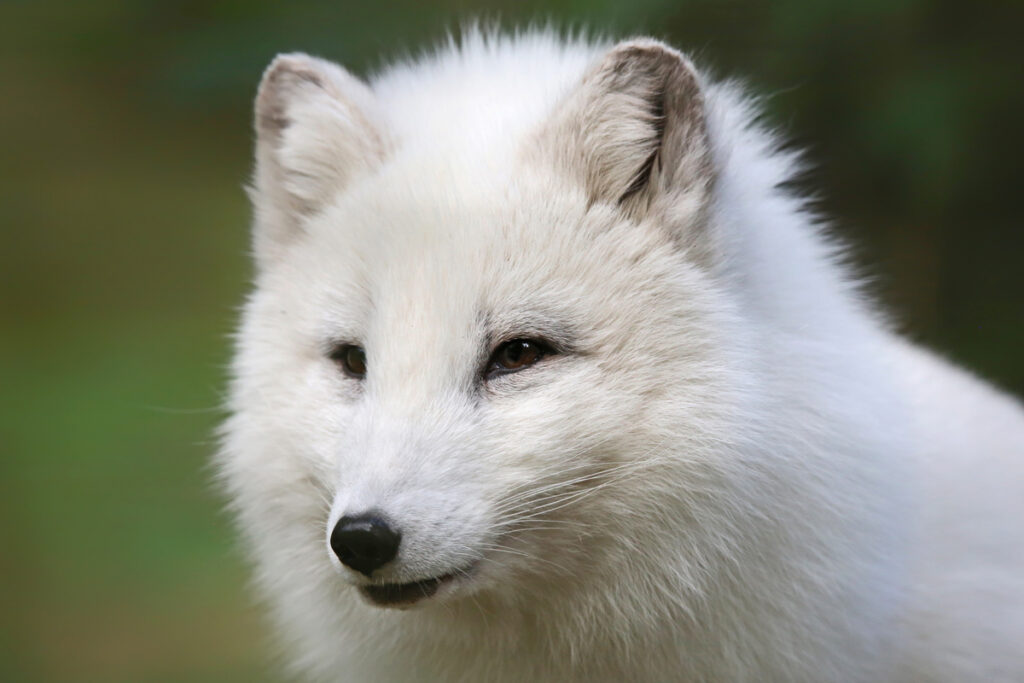
Animals that thrive in freezing environments have evolved remarkable strategies for surviving the cold. Arctic foxes, for example, grow dense seasonal coats and have fur-covered paws that provide insulation while traveling across snow and ice. Polar bears combine thick fur with a deep layer of blubber that traps body heat, while seals and other marine mammals depend heavily on blubber to stay warm in icy water.

Penguins and some Arctic and Antarctic mammals use a specialized adaptation called countercurrent heat exchange. In these animals, arteries carrying warm blood run alongside veins returning colder blood from the extremities. Heat transfers between those vessels before the blood reaches the feet, flippers, or paws, helping maintain core body temperature while reducing heat loss.

Many cold-weather species also benefit from body shapes and behaviors that help conserve heat. Compact bodies reduce the amount of surface area exposed to the cold, while thick layers of insulation prevent heat from escaping. Animals may curl into tight positions, tuck their feet beneath their bodies, huddle together for warmth, or seek shelter in dens, burrows, tree cavities, or beneath snow.

However, those adaptations are designed to improve animals’ survival, not make them immune to freezing injuries. Young, elderly, injured, or malnourished animals are especially vulnerable, as are those caught in prolonged storms, freezing rain, or unusually harsh conditions. 

Wet fur loses much of its insulating ability, and strong winds can diminish body heat much faster than still air. During extreme winters, even animals that are specially adapted to cold environments can develop frostbite.

Credit: Matt Bango/Unsplash.com

Can Our Pets Get Frostbite?

Domestic animals are also vulnerable to frostbite, especially if they spend long periods outdoors during severe winter weather. Dogs and cats most commonly develop frostbite on exposed areas such as their ears, tails, paws, and noses.

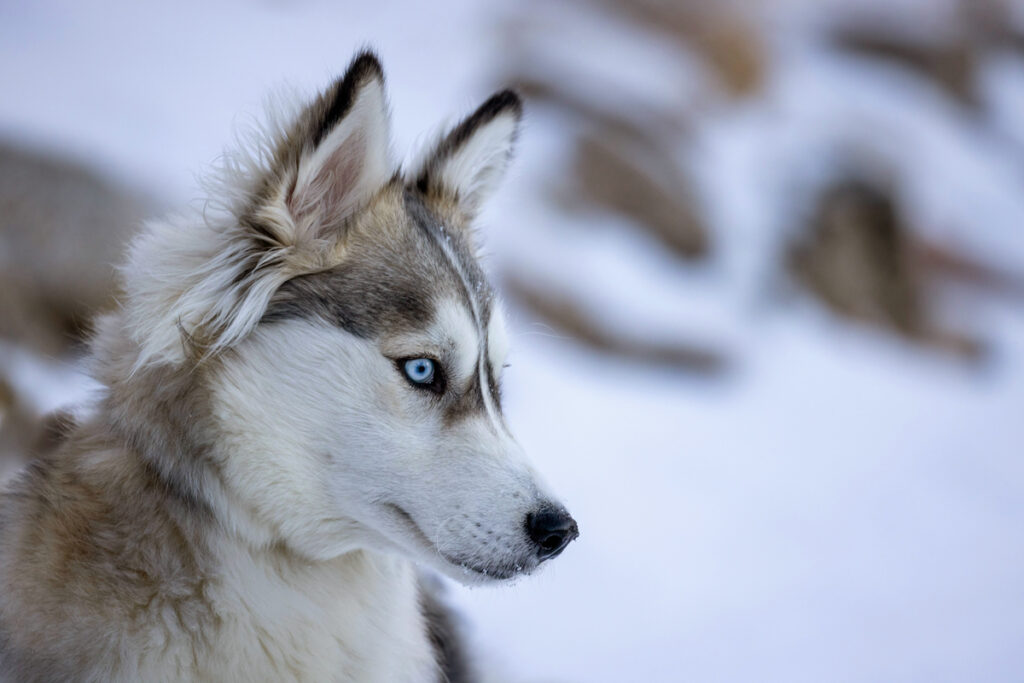
Some breeds are better equipped for cold conditions than others. Cold-weather dogs such as the Alaskan Malamute and Siberian Husky have thick double coats that provide insulation, while cat breeds such as the Maine Coon and Norwegian Forest Cat have dense, insulating coats that help them better tolerate cold temperatures. 

But again, those adaptations only slow heat loss; they don’t make pets immune to frostbite. Even hardy breeds can suffer injuries to exposed tissues during prolonged exposure to freezing temperatures, wind, snow, or ice. (Any pet suspected of having frostbite should be examined by a veterinarian as soon as possible.) 

Whether in the wild or at home, safely surviving the winter depends on maintaining a balance between conserving heat and avoiding exposure. Frostbite is a reminder that even the most impressive cold-weather adaptations have limits when temperatures become extreme.

Some Snails Can Hibernate for Three Years or More

Snail perched on a plant
Credit: Krzysztof Niewolny/Unsplash.com

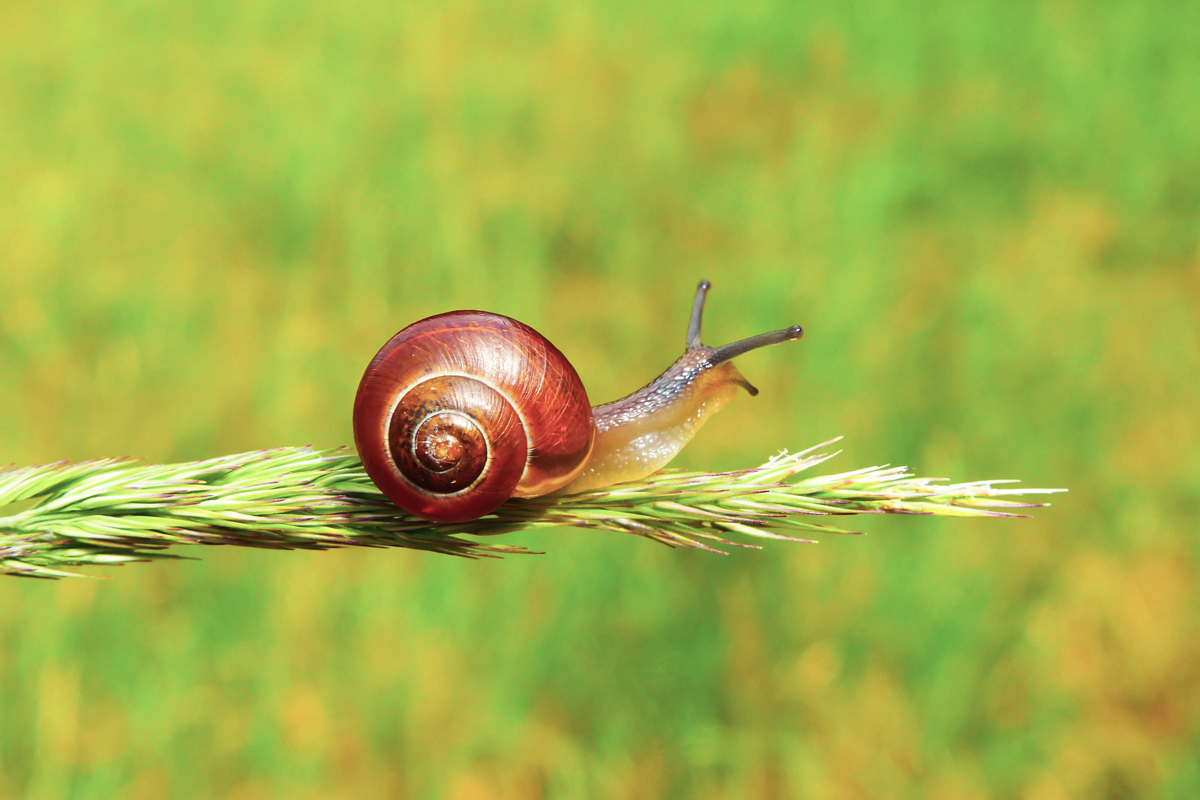
Much like many snowbirds (human and avian) who travel south for winter, most snails have a tough time handling cold weather. Snails often enter prolonged states of hibernation, sealing off their shells with an insulating calcified membrane called an epiphragm. While many snails emerge from hibernation after a few months, certain species can hibernate for years at a time.

This revelation came to light in 1846, when a snail of the species Eremina desertorum — which was believed to be dead — was taken from Egypt to be displayed at the British Museum. More than three years later, curators noticed that the snail had woken up after an impressively prolonged rest. Snails may also enter a state of estivation, which, unlike hibernation, is done to survive in extremely hot environments. This process, too, can last for at least three years.

Which Animals Hibernate the Longest?

Arctic ground squirrel perched on a rock
Credit: Stan/Adobe Stock

When temperatures drop and food becomes scarce, some animals do more than simply retreat from the cold and sleep. In true hibernation, their metabolism slows to a crawl, their body temperature plummets, and their heart and breathing rates dramatically drop, allowing them to survive for months without eating. 

While many animals enter some form of seasonal dormancy, true hibernators undergo major physiological changes that allow them to survive while staying inactive for far longer than most animals. Here are five species with the longest documented periods of true hibernation.

Credit: Geza Farkas/Adobe Stock

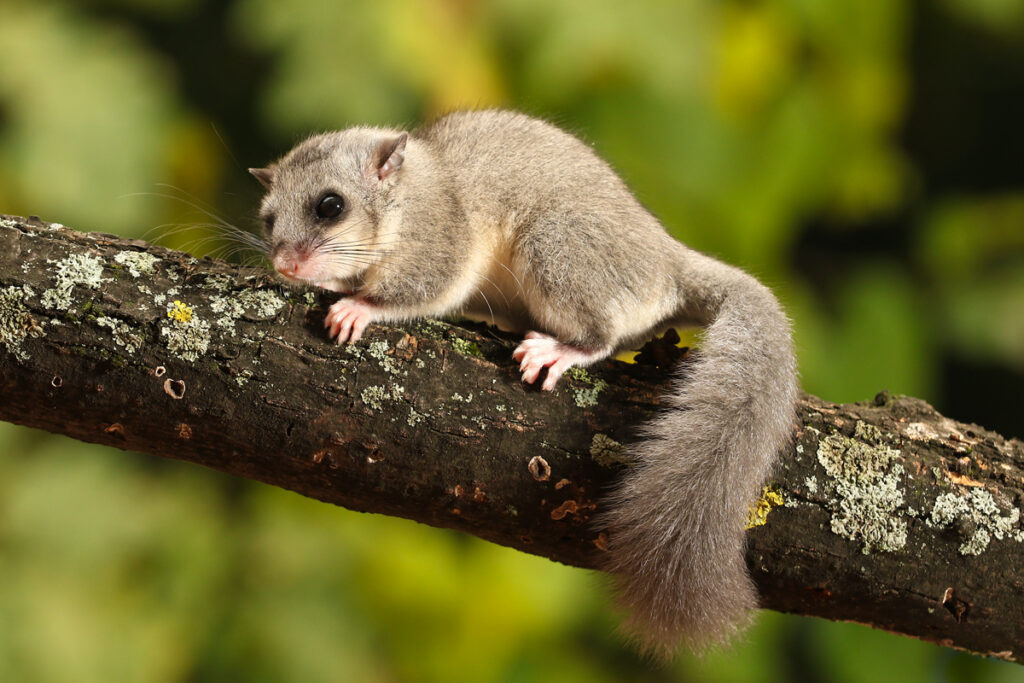
Edible Dormice

Found across most of Europe and parts of western Asia, these tiny animals can spend a little more than 11 months of the year in hibernation, making them one of the longest known hibernators. But their unusually long sleep isn’t just about surviving cold winters: Edible dormice depend heavily on tree seeds, which can vary dramatically in volume from year to year. 

When food supplies are poor, they may delay reproduction and remain underground rather than waste energy during an unproductive season. When food becomes abundant again, they emerge ready to take advantage.

Credit: Stan/Adobe Stock

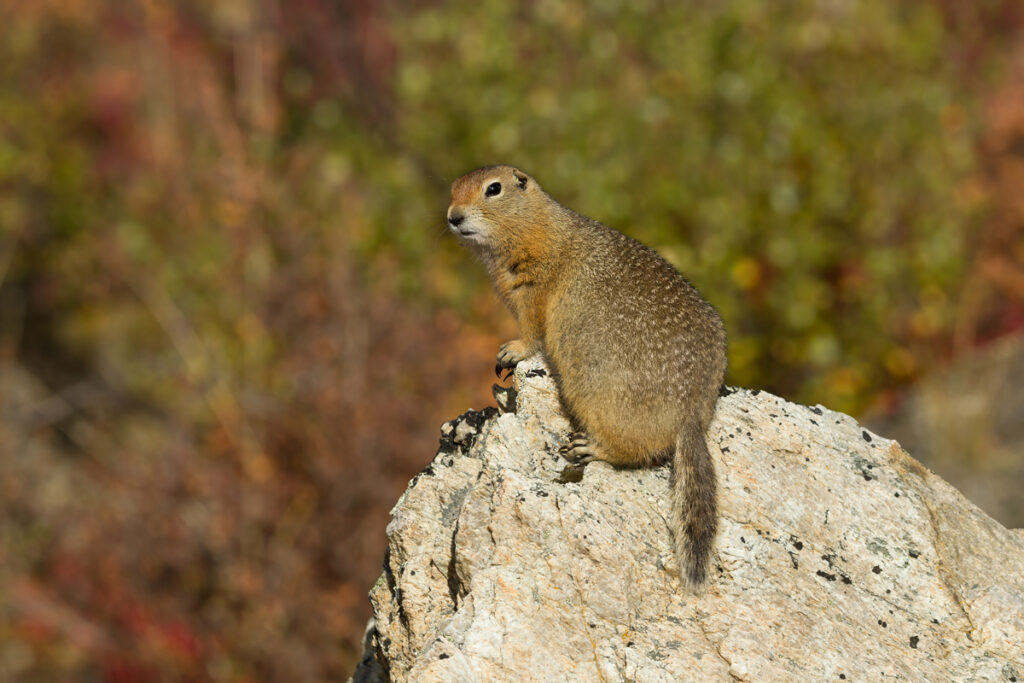
Arctic Ground Squirrels

Arctic ground squirrels take hibernation to an extreme. These small rodents, who stay in their underground dens for up to nine months, can lower their core body temperature below freezing. In a process known as supercooling, the critters can get as cold as 26 degrees Fahrenheit, the lowest recorded in any mammal. 

To survive the frigidity, Arctic ground squirrels enter cycles of deep hibernation followed by periods of warming in which their body temperature briefly rises before returning to their cold, energy-saving state. This unique ability has made them a subject of keen scientific interest, inspiring studies that could lead to new medical treatments for heart attacks, strokes, and brain injuries.

Credit: Benoit Terrier/Unsplash.com

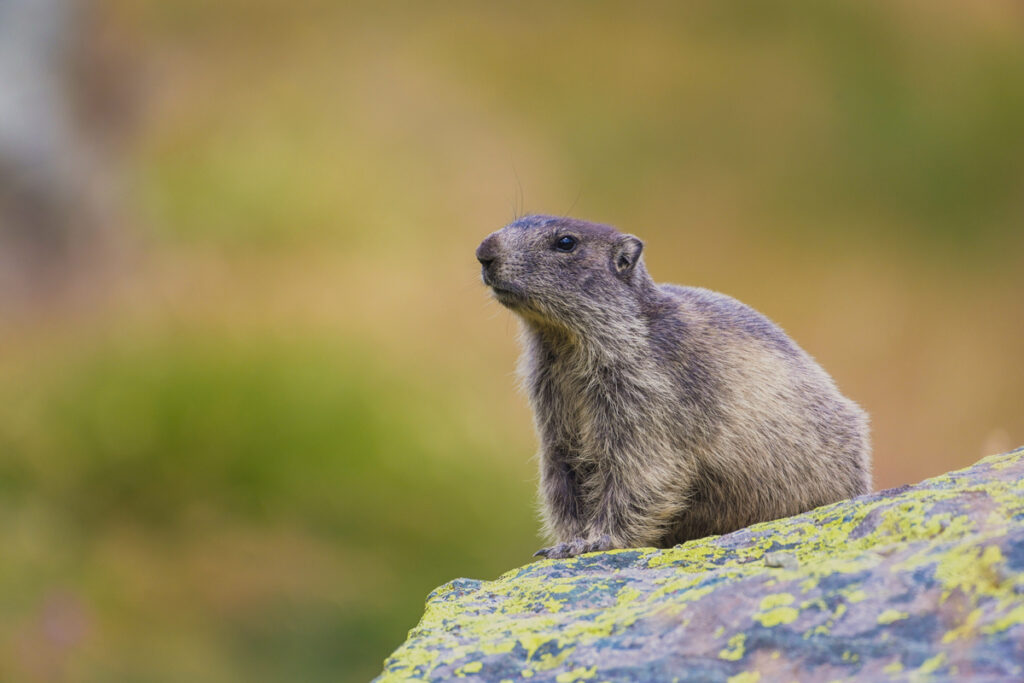
Marmots

These stocky mountain rodents spend much of the year preparing for a long winter’s nap, tucked away in burrows in ranges from the Alps to the Rocky Mountains. Many marmot species are very social and hibernate in family groups; several animals share a single burrow, huddled closely for warmth and even syncing their brief periods of waking to warm up. Young marmots are kept in the center of the group, where they’re warmed by the rest of their family members.

Before settling in for the season, marmots spend the warmer months eating and building up fat reserves, sometimes doubling their body weight before hibernation begins. Once underground, they can remain dormant for more than six months. During that time, even cellular processes such as gene expression slow down dramatically, which researchers believe may even slow their pace of biological aging.

Credit: Marko von der Osten/Alamy

Fat-Tailed Dwarf Lemurs

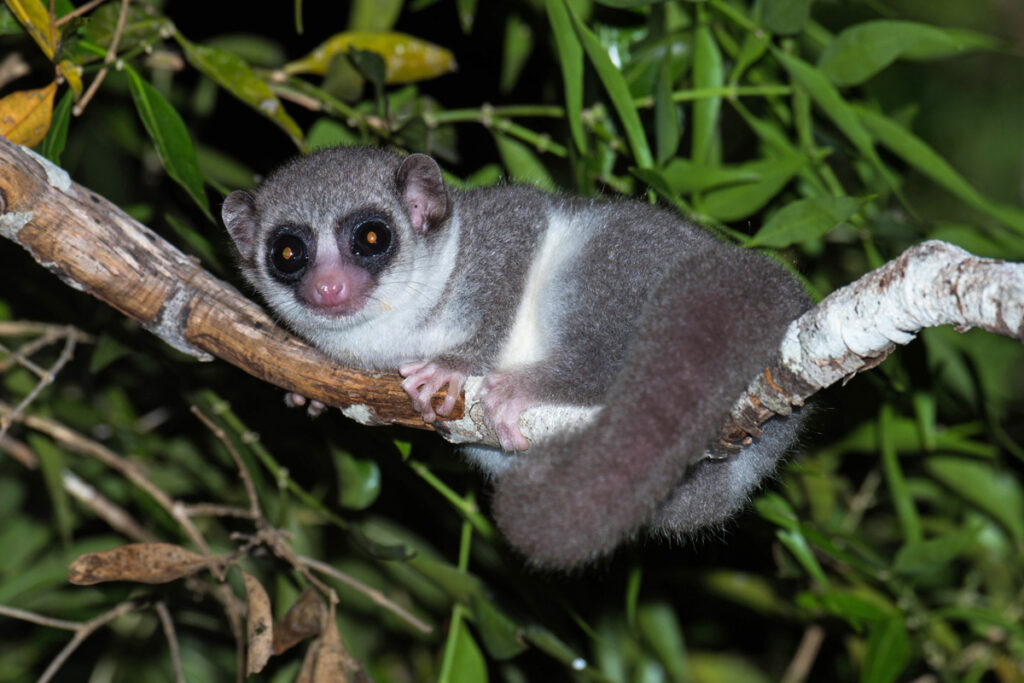
Hibernation is often associated with rodents and bats, but one surprising member of the animal kingdom, the fat-tailed dwarf lemur, does it too. Found in Madagascar, this tiny primate spends the dry season in a state of dormancy, making it the only primate known to regularly hibernate.

Unlike many hibernators that shelter underground, fat-tailed dwarf lemurs retreat into tree holes, where they remain inactive for about six to eight months at a time to wait out Madagascar’s dry season. Before the dry season begins, they store large amounts of fat in their tails, a rare mammalian adaptation and the reason for their name. 

Credit: Bob/Adobe Stock

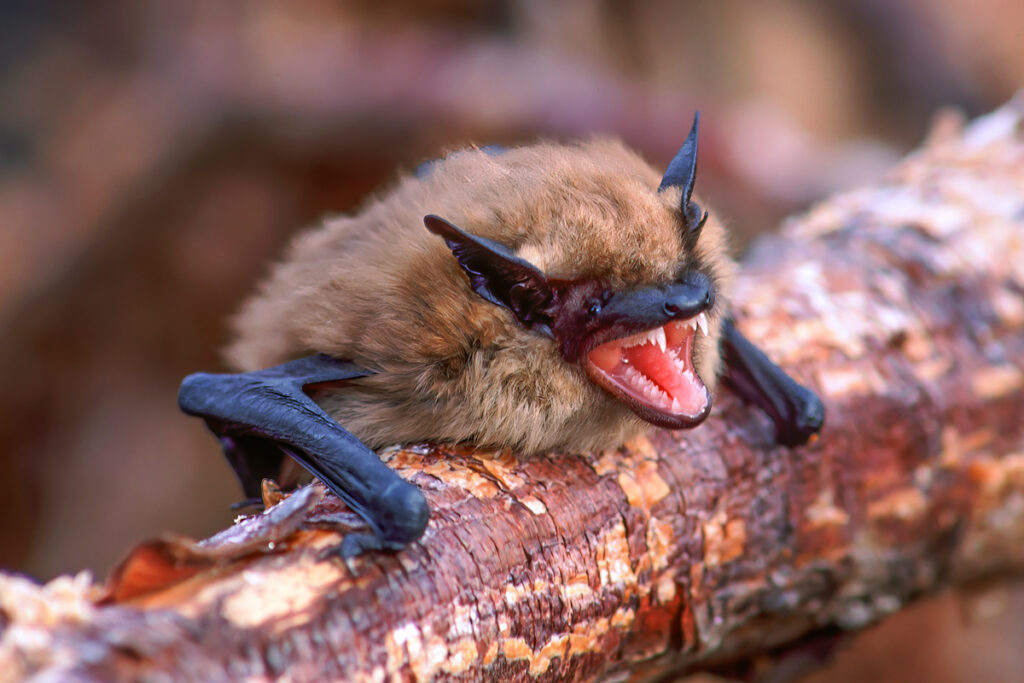
Little Brown Bats

When insects disappear during the colder months, the little brown bat retreats to caves, mines, or other protected rocky or wooden crevices and hibernates for up to six months. But their long winter sleep comes with a risk: These small, winged mammals are one of many species affected by white-nose syndrome, a fungal disease that thrives in the cold, humid environments where bats hibernate. The fungus grows on their skin and wing tissue, disrupting hibernation and causing bats to burn through the fat reserves they otherwise need to survive the winter. 

In the absence of any outside factors, however, these bats are quite resilient. Hibernation brings a massive drop in their body temperature from around 100 degrees Fahrenheit to just a degree or two warmer than the temperature of the location in which they hibernate (typically around 34 to 40 degrees Fahrenheit). Their heart rate also dwindles to as few as eight beats per minute — a significant change from the typical 1,300 beats per minute during summer flight.