Why Cats Bring You Dead Animals

Image Credit: Andrey Stratilatov/Adobe Stock

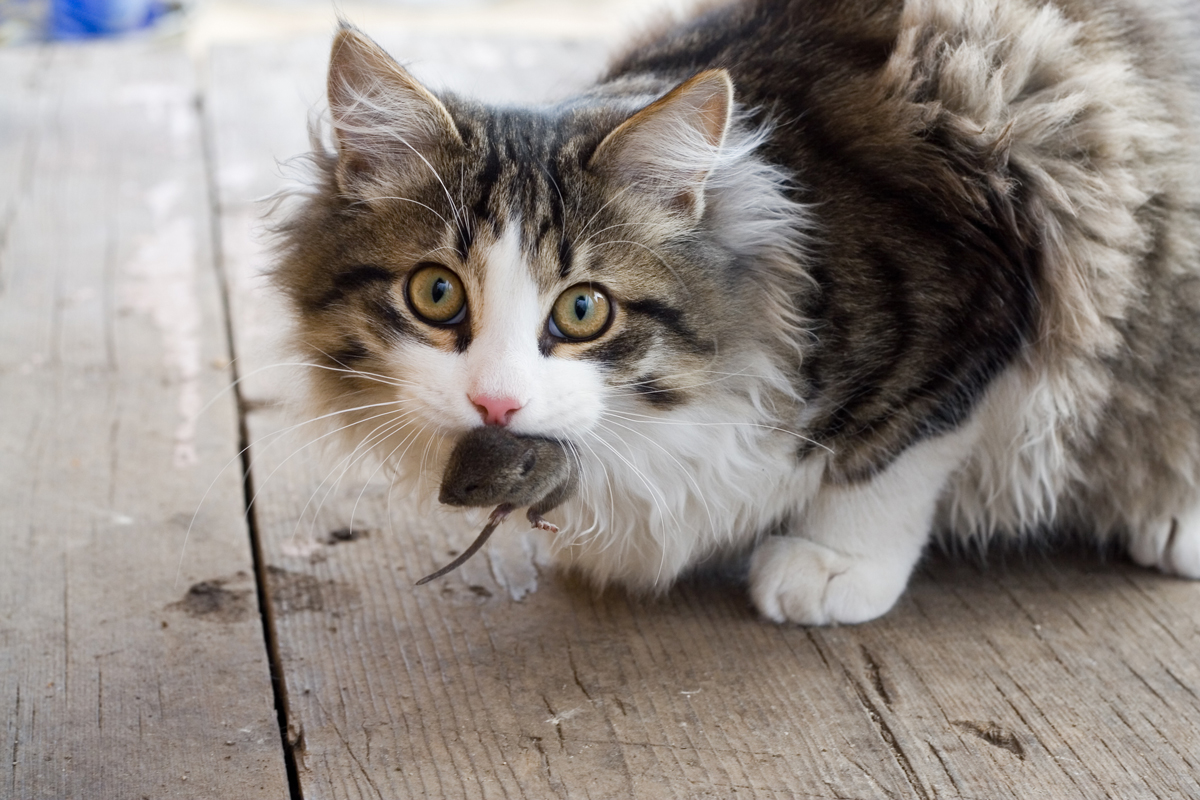
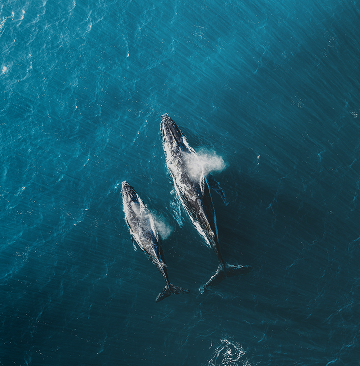
There’s a common misconception that cats bring dead animals home as gifts for their humans — their cat-like way of saying, “Thanks for loving me.” In reality, this behavior is driven by millions of years of hunting instinct, with your home serving as the safe place where a wild cat would have carried its catch.

Domestic cats may sleep on the couch and eat from a bowl, but many of the survival behaviors that helped their wild ancestors thrive remain remarkably intact. Bringing prey home isn’t about affection so much as instinct playing out in a modern setting.
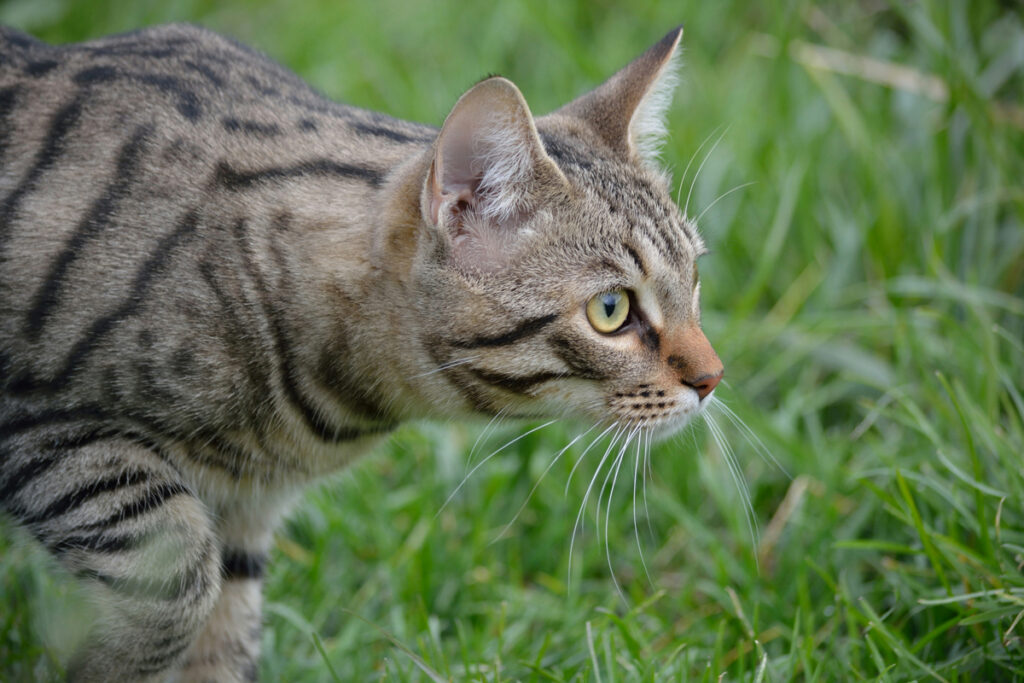
Image Credit: Christian Cacciamani/Unsplash.com

Cats Are Natural Hunters

The instinct to stalk, chase, catch, and kill prey is deeply ingrained, whether they’re hungry or not. That’s why a house cat that just finished a full meal will still spend 20 minutes stalking a fly across the living room.

Hunting and eating are two separate behaviors. A cat may kill prey without intending to eat it immediately and, instead, carry the catch somewhere that feels safe. For domestic cats, that place is usually home, which is why prey often turns up beside the bed, on the doorstep, or in the middle of the living room.

African wildcats, the closest living relatives of the modern house cat, as reported by National Geographic, typically drag their kills into vegetation or other sheltered spots before eating, reducing the chances that another predator or scavenger steals the meal. Housecats don’t have to worry about hyenas anymore, or much of anything besides maybe the neighbor’s dog, but the instinct never got the memo.
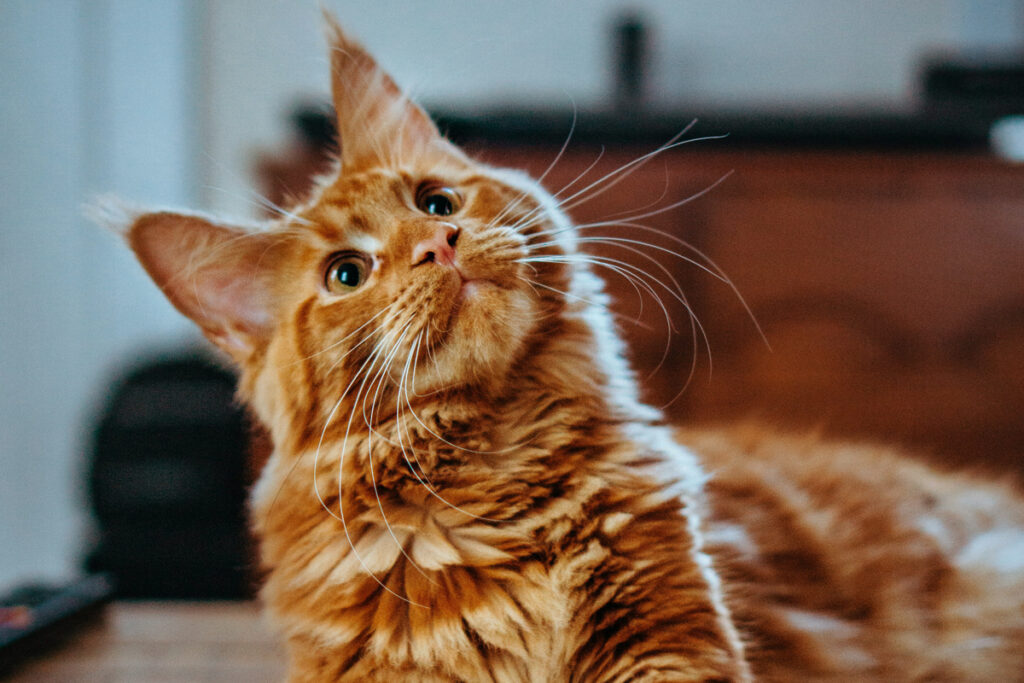
Image Credit: Amber Kipp/Unsplash.com

The Instinct May Be Left Over From Motherhood

One of the leading theories ties this behavior back to how mother cats raise their kittens. African wildcat mothers introduce prey to their kittens in stages — first dead, then injured, then alive — so the kittens gradually learn to hunt on their own before leaving to fend for themselves. 

Domestic cats seem to be running the same program, even when there aren’t any kittens around. Spayed and neutered cats do this, too, as do plenty of males who never raised a litter. That suggests the behavior isn’t simply the result of maternal experience but a deeply ingrained instinct.
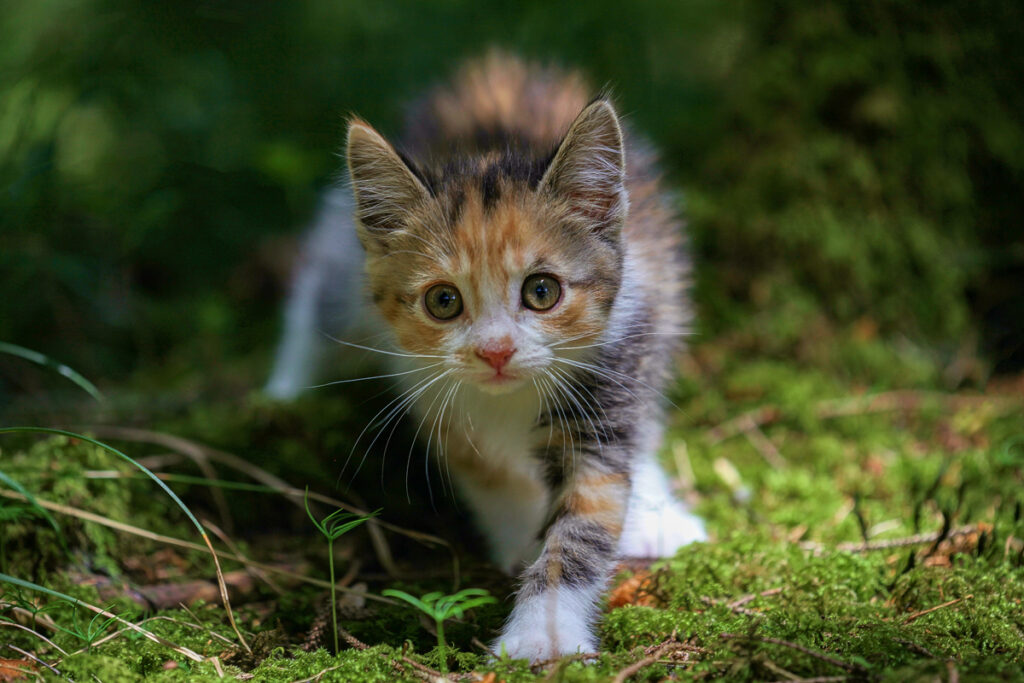
Image Credit: iggii/Unsplash.com

Bringing Prey Indoors Is Also Just Practical

There’s also a practical explanation. Outdoors, prey left unattended can easily be stolen before a cat finishes eating it. Bringing it into a protected space — whether that’s dense vegetation for an African wildcat or a living room for a house cat —reduces that risk. Your home simply functions as the safest territory available.

Not every cat does this, and that’s worth noting, too. Some cats rarely bring anything home, while others do it constantly. Personality, hunting success, how much outdoor access a cat has, and plain individual preference all seem to play a role in how often it happens, which tracks with how differently individual cats seem to approach almost everything else.
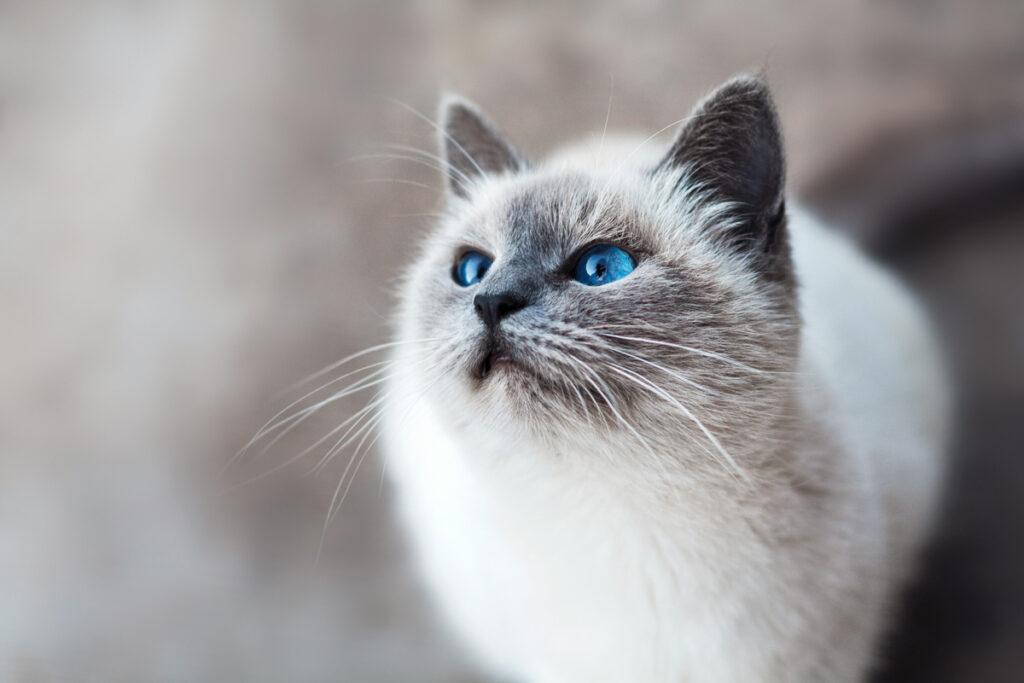
Image Credit: Mikhail Vasilyev/Unsplash.com

The Prey May Not Be Meant for You 

There’s also a decent chance none of this is a message in the first place. In multi-cat households and feral colonies, cats have been observed carrying prey into shared spaces before deciding whether to eat it. That’s a cat-to-cat behavior, not a cat-to-person one.

Researchers still don’t know the full answer, but there’s little to suggest a cat delivering a dead animal is trying to reward, thank, or judge anyone standing nearby. More likely, it’s a handful of instincts firing at once: the drive to hunt, the drive to protect the catch, and the drive to return to somewhere familiar, all pointed at the same doorstep by coincidence rather than intention.

Cats have spent thousands of years adapting to life alongside people, but the African wildcat underneath never really left. Every mouse on the doormat is a reminder that domestication changed where cats sleep, not the instincts that helped them survive.

Cats Can’t Taste Sweetness

Image Credit: Wesley Fernandes/Unsplash.com

Cats have a reputation for being sweet on their own terms, but there’s one kind of sweetness they never experience. Unlike humans and most other mammals, cats can’t taste sweet flavors at all. Because their wild ancestors evolved as strict carnivores, detecting sugar from fruit or other carbohydrates wasn’t truly necessary. Over time, the gene responsible for producing one of the receptors needed to detect sweetness disappeared.

Cats also have far fewer taste buds than humans — around 500 compared to our 9,000. That doesn’t mean food is flavorless to them. They can still detect sour, salty, bitter, and umami, and may even enjoy foods we find surprisingly bland. So if your cat ignores a marshmallow but comes running for tuna, it’s simply tasting the world exactly as evolution intended.

Great White Sharks Can Detect a Drop of Blood in an Olympic-Sized Swimming Pool

Image Credit: Getty Images/Unsplash.com

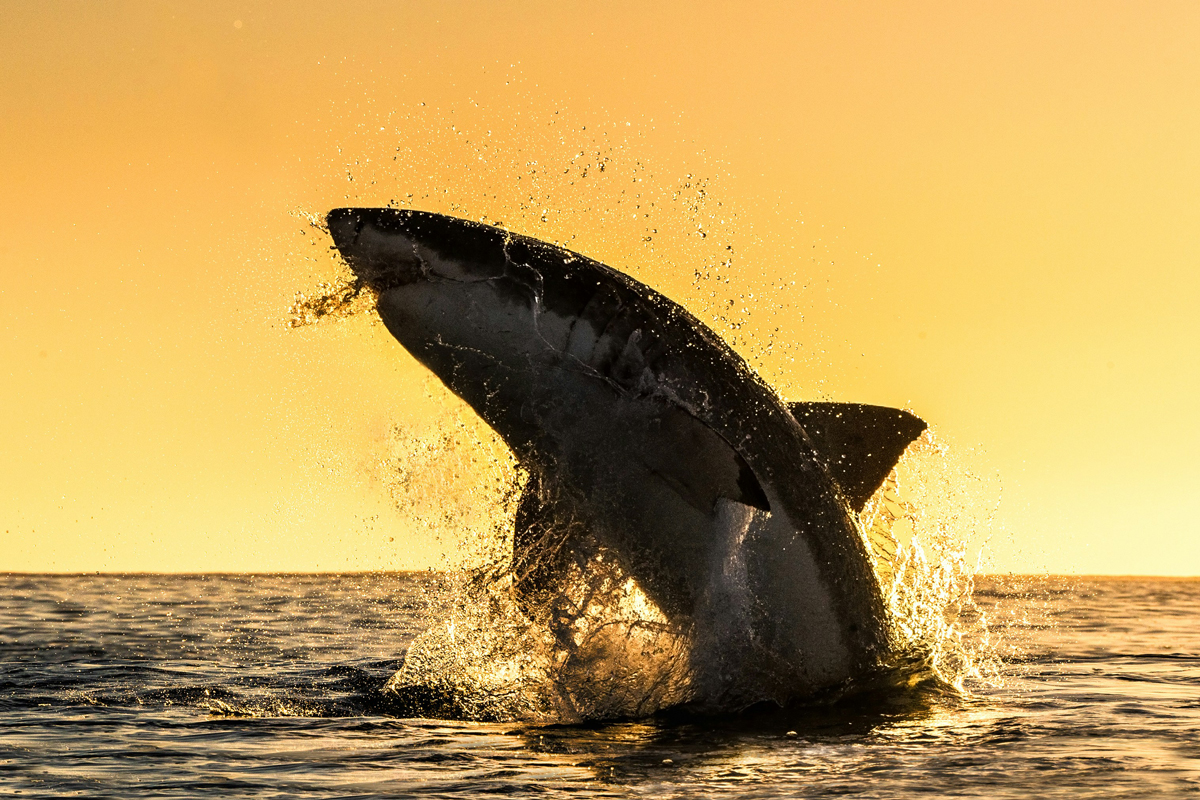
Galeophobia is a surprisingly common fear of sharks in swimming pools, though thankfully, the odds of finding a Great White in the pool are slim to none. However, if a shark were to make its way into a pool, it’d have no trouble tracking down anyone with a fresh wound. That’s because sharks boast an incredibly powerful sense of smell, and can detect a single drop of blood in an Olympic-sized swimming pool.

Olympic-sized pools hold 660,430 gallons of water, and a drop of blood would be imperceptible to the naked eye. But a shark’s nose is highly sensitive, and used solely for smelling rather than breathing. This allows some sharks to detect the smell of blood or prey at one part per 10 billion, and in many cases from hundreds of feet away — or the length of several football fields, to use another sports analogy.

6 of the Most Sensitive Noses in Nature

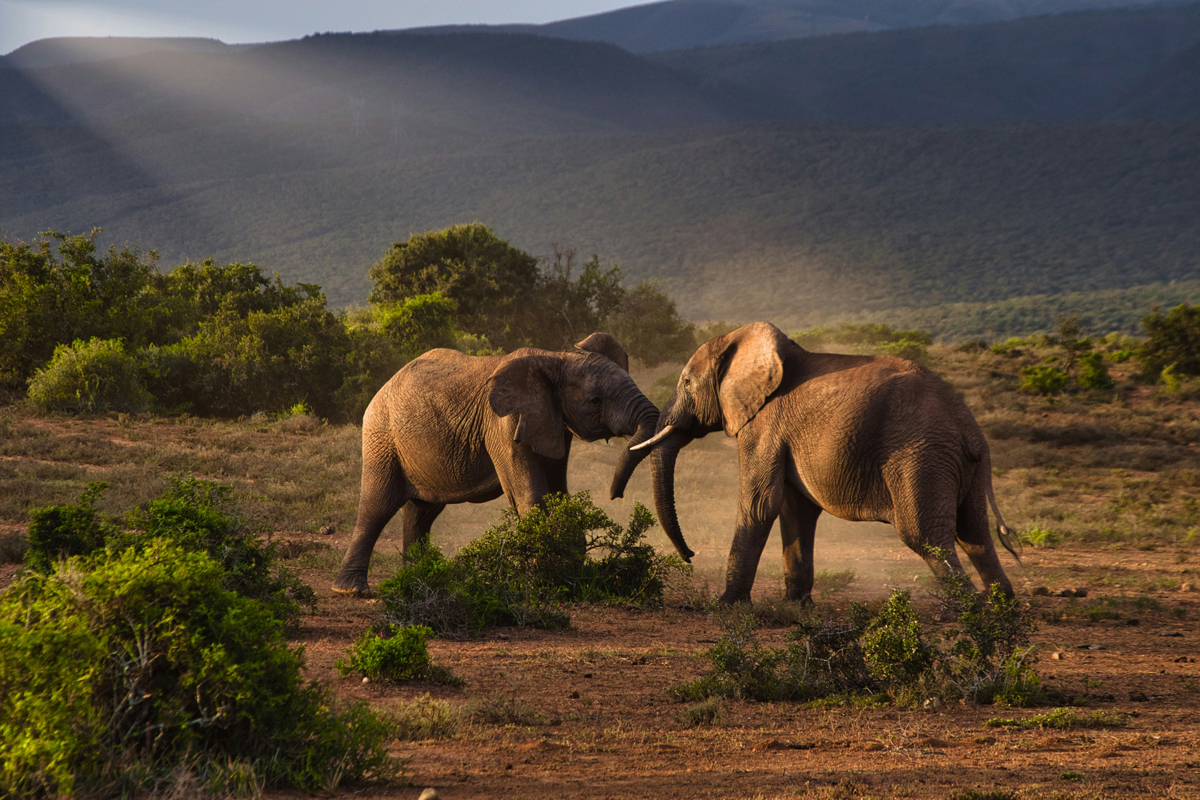
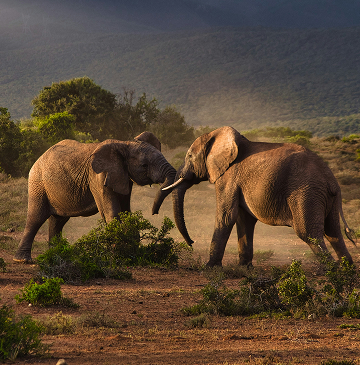
Two elephants playing in a savannah
Image Credit: Patrick Baum/Unsplash.com

If real animals could talk like Toucan Sam, the fictional cereal mascot, they’d likely repeat his iconic catchphrase “follow your nose!” Many creatures rely on their highly sensitive noses more than their eyes and ears to find food, detect predators, or navigate their surroundings. Some critters are even able to perceive odors from miles and miles away. Let’s take a closer look at six of the most sensitive schnozzes you’ll find in the animal kingdom.

Image Credit: Stephan Bechert/Unsplash.com

African Elephants

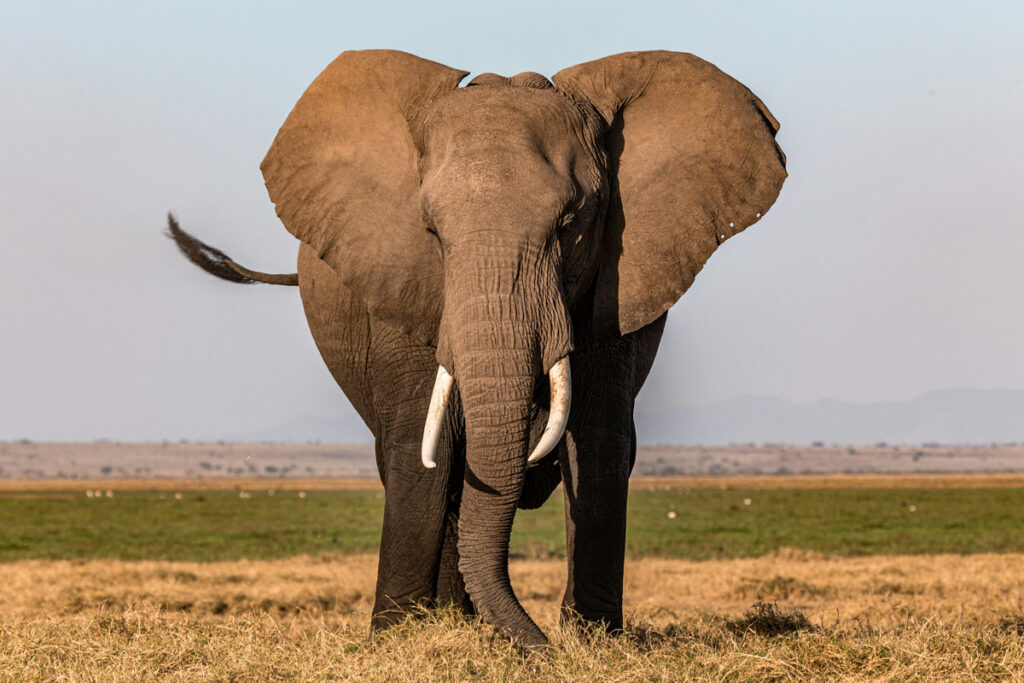
The African elephant is arguably the most sensitive sniffer in the animal kingdom, as it has the keenest sense of smell of any mammal studied to date. A 2014 study determined that African bush elephants have roughly 2,000 olfactory receptor genes — components in a creature’s genetic makeup responsible for their sense of smell. To put the number in perspective, that’s roughly 67% more olfactory receptor genes than in rats, 150% higher than many dogs, and roughly five times more than the average human.

One of the most impressive ways in which elephants use their sense of smell is to detect water. In fact, they can smell water from up to 12 miles away. Furthermore, not only can elephants use their noses to detect food sources, but they’re also able to detect quantities of food through smell alone, ensuring they know where to find the most sustenance.

Image Credit: Matt Limb OBE/Alamy

Bloodhounds

Bloodhounds are so trusted for their sense of smell that they were the first animal whose evidence was made legally admissible in U.S. courts. These talented pooches possess a staggering 230-300 million olfactory cells (the sensory neurons that transmit chemical signals to the brain) in their nasal cavity — about 40 times more than humans. 

Furthermore, bloodhounds have an olfactory center in their brain that’s about the size of a handkerchief, which is critical for processing those chemical signals triggered by smell. In humans, that same olfactory center is the size of a postage stamp. Last but not least, bloodhounds use their loose facial skin and long ears to trap and keep odors closer to their face, allowing them to hold onto and follow scents over long distances.

Image Credit: Milos Prelevic/Alamy

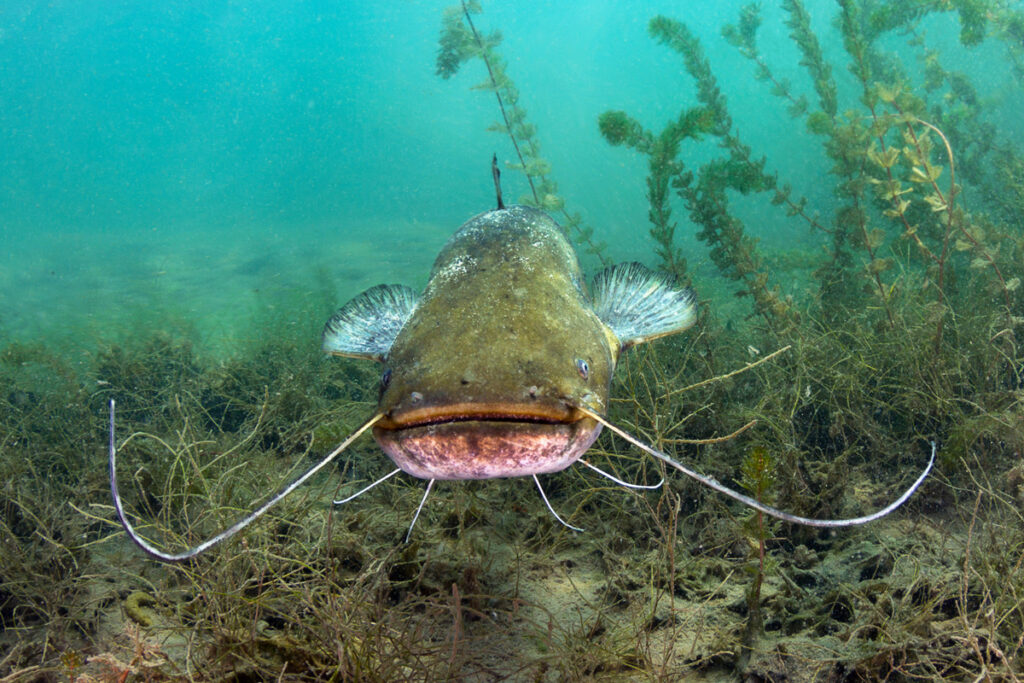
Catfish

While they may lack a protruding nose or snout like you’d find in many land vertebrates, catfish are still among the most capable sniffers. When it comes to detecting odor, these aquatic creatures rely on two openings in the front of their face called nares, which they use explicitly for smelling and not breathing. Beyond those holes is the olfactory rosette, which are tissues that detect smell arranged in a rose-like pattern (hence their name). A catfish has 140 folds within the rosette — more than any other freshwater fish — and the more folds there are, the greater the surface area to detect and process smells.

Catfish use their strong sense of smell to perceive potential danger, find their way home, detect other fish, and track down food. They can even detect certain smells at as little as 0.00017 parts per million. To put this in perspective, that means they can detect a single teaspoon of an odor within a pond that’s one-acre in surface area and three-feet deep.

Image Credit: Tandem Stock/Adobe Stock

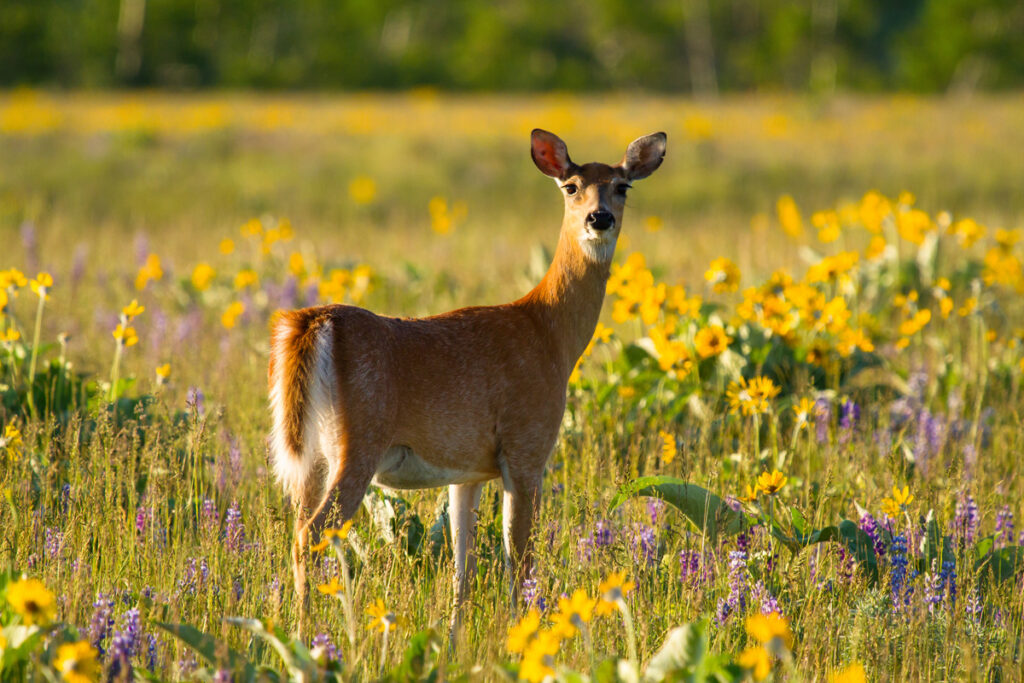
Whitetail Deer

Whitetail deer have an incredible acuity to pick up scents from over a half mile away. It’s due, in part, to the 290 million or so olfactory cells present in an average whitetail deer’s nasal cavity. These deer also boast olfactory centers in their brains that are roughly four times larger than the same type of odor-processing centers in humans.

Another element that makes whitetail deer such keen smellers is a concept called “stereo olfaction.” It has to do with a deer’s nostrils, which are situated in such a way that a deer can detect whether the smell is coming from the left or right. It allows deer to determine where danger may be lurking, and avoid it accordingly. Whitetail deer also have a separate organ capable of detecting scents in addition to their nose, and it’s known as the vomeronasal organ. This organ is located in the roof of the mouth, and can pick up nearby pheromones with ease.

Image Credit: Daniel Quiceno M/Unsplash.com

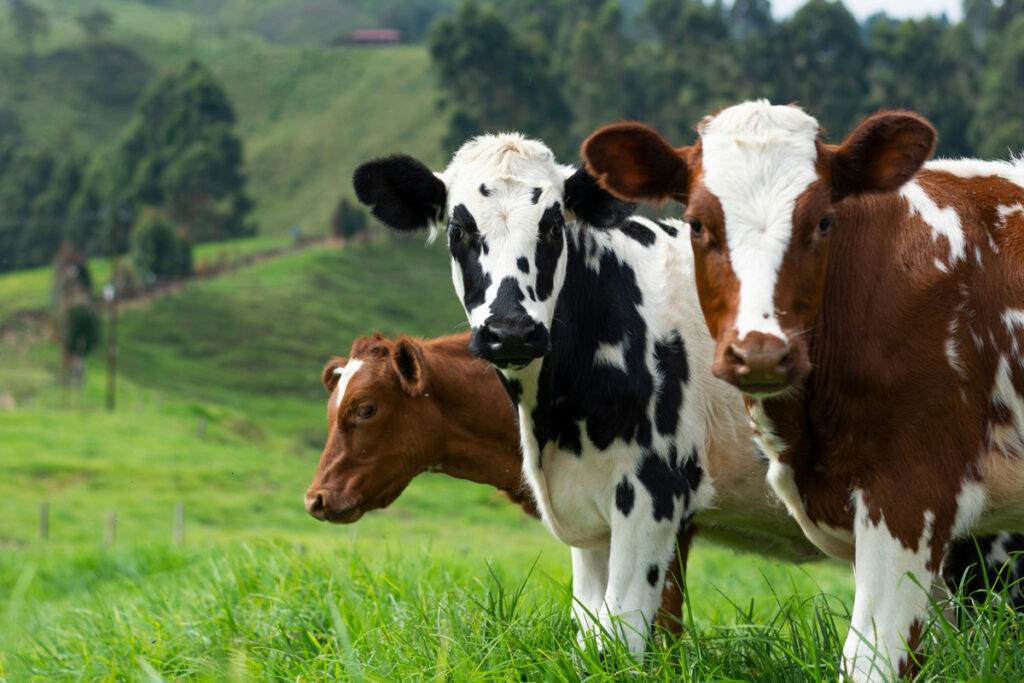
Cows

Anyone who’s ever passed a cow farm may plug their nose, considering the strong odors emanating from those piles of cow dung all over the place. But cows don’t seem to mind the smell, despite the fact they have a far keener sense of smell than humans. Cows have an estimated 1,071 olfactory receptor genes, give or take, which is roughly 2.5 times greater than humans.

Cows are able to easily detect and process a wide variety of scents. They can determine whether something is rancid, floral, hay-like, spicy, spearmint… the list goes on and on. They’re even known to detect those odors from up to six miles away. In addition to their noses, cows also have a vomeronasal organ in the roof of their mouths they use to detect odors, specifically scents related to reproductivity. To do this they perform what’s called the flehmen response, where they curl back their upper lip, bare their front teeth, inhale for several seconds, and suck pheromones towards the vomeronasal organ.

Image Credit: David Clode/Unsplash.com

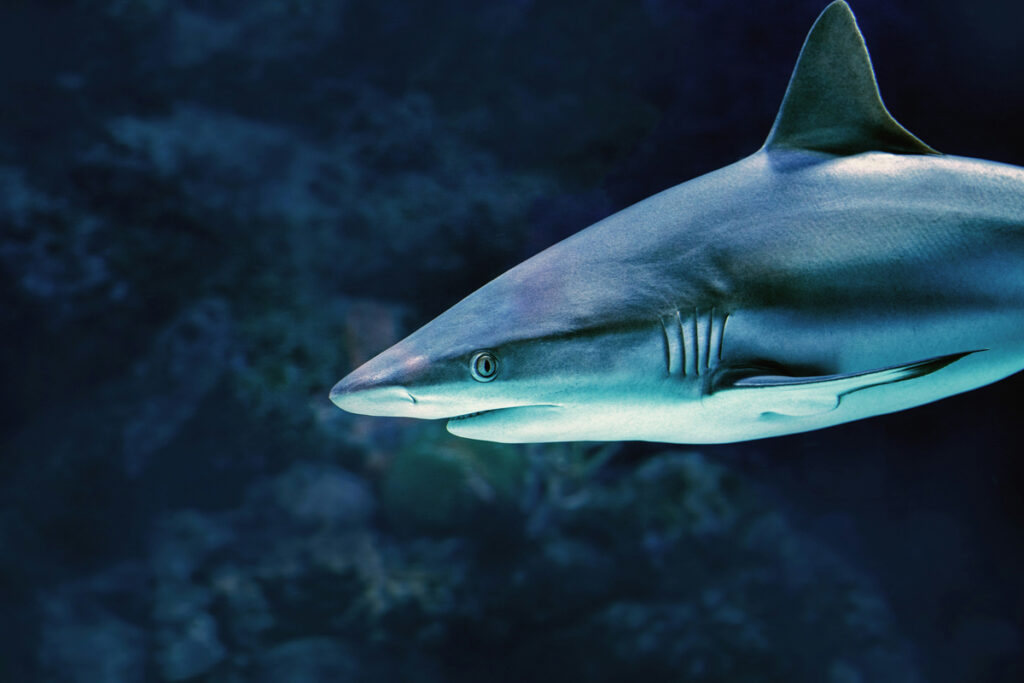
Sharks

You can’t publish an article about sensitive noses without mentioning these mighty aquatic beasts. Sharks are quite adept when it comes to detecting odors, as two-thirds of their brain weight is dedicated to detecting smells. A shark’s nares are also completely disconnected from their respiratory system, and are used solely for smelling, which allows them to detect scents with greater precision. Sharks use this ability to track down potential predators, prey, mates, and to navigate low-light environments.

It’s widely known that sharks are attracted to blood, but it may surprise you to learn that sharks can detect one single drop of blood in one million molecules of water using scents alone. To put that into perspective, it’s like if you were walking for 16 straight miles, and could pinpoint a specific inch on the way. Or being able to pick out a precise minute over the course of two years.

A Shrimp’s Heart Is in Its Head

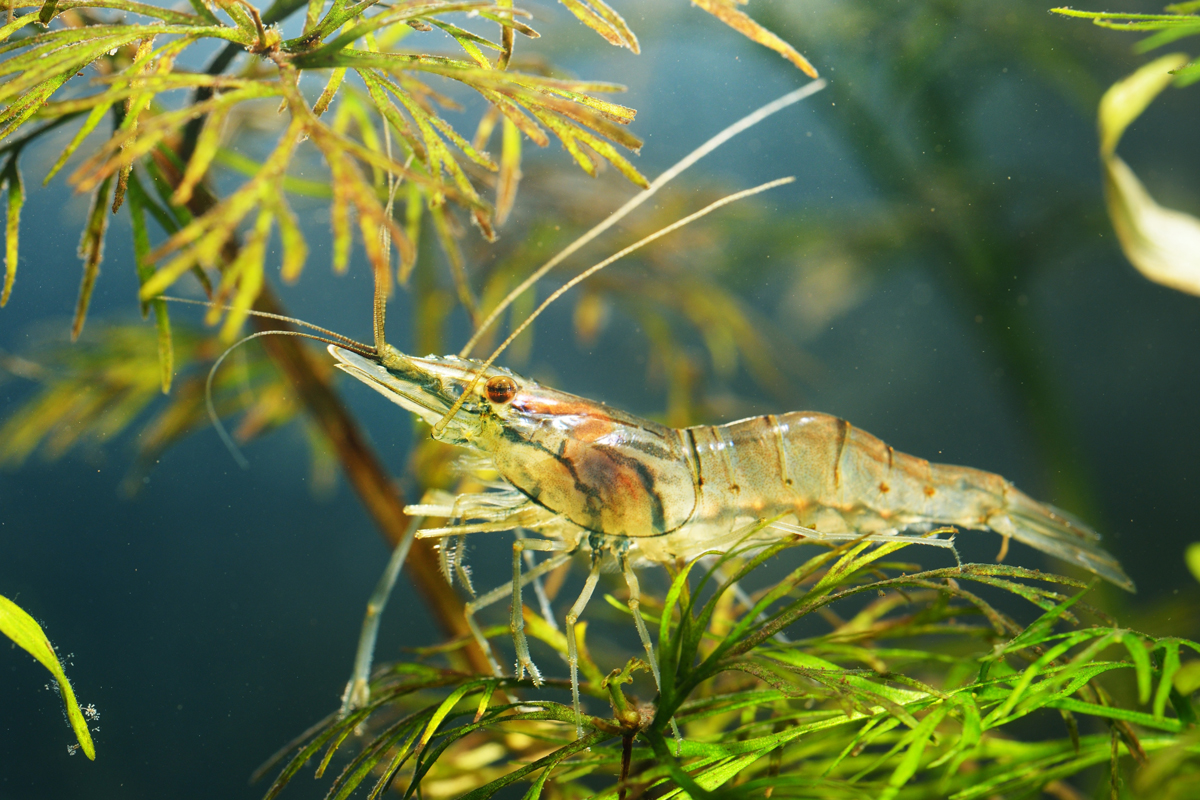
A shrimp climbing over an underwater plant
Image Credit: Alex Stemmer/Adobe Stock

Shrimp may be small, but they have one of the strangest body plans in the animal kingdom. Their heart, for example, sits so close to the brain that it’s effectively inside the head. A shrimp’s heart is located inside the cephalothorax — the fused body section that combines its head and thorax beneath a hard protective shell. Since a shrimp doesn’t have a distinct neck separating its head from the rest of its body, the heart ends up sitting just behind the brain, making it appear as though it’s tucked inside its head.

Unlike humans, shrimp have an open circulatory system. Instead of pumping blood through a network of arteries and veins, their heart pushes a copper-rich fluid called hemolymph into open spaces surrounding their organs. This fluid delivers oxygen and nutrients before eventually making its way back to the heart to begin the cycle again. It’s an efficient design for the small crustacean.

How Do Animals Hold Their Breath So Long?

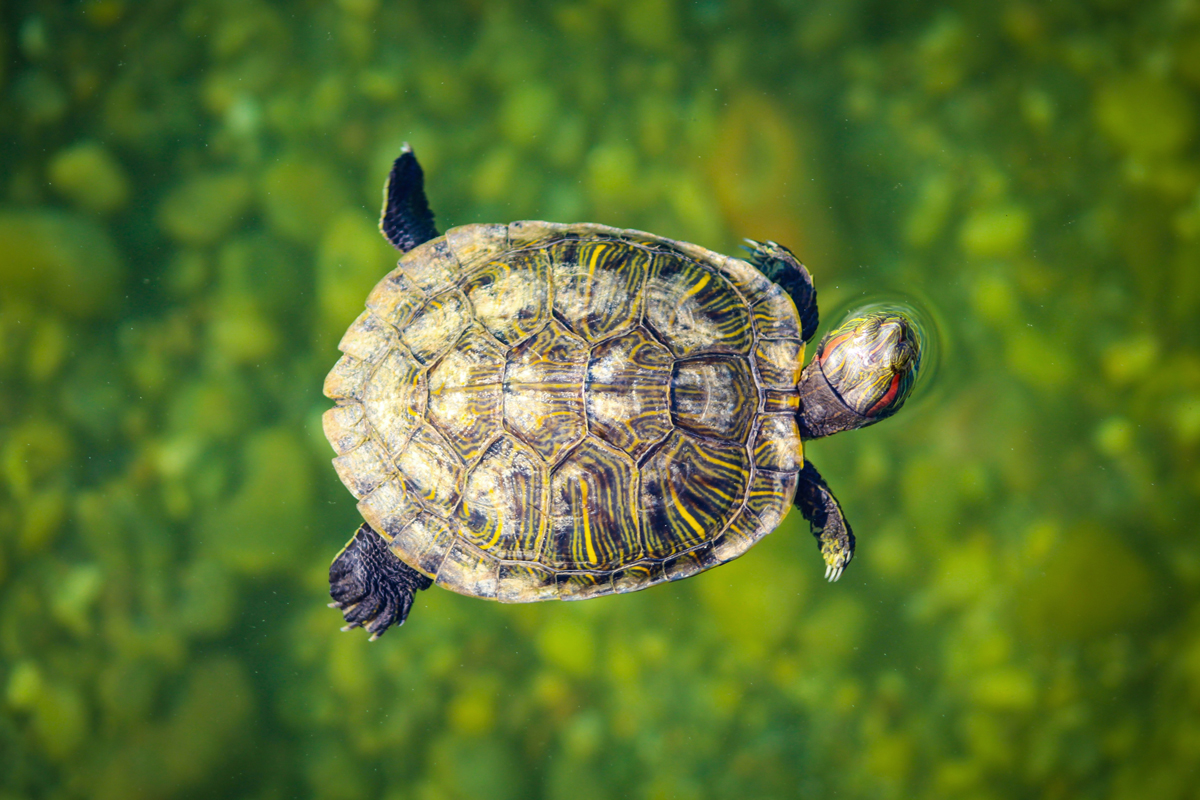
An aerial view of a turtle swimming on the surface of green water
Image Credit: adam hilles/Unsplash.com

Hundreds of millions of years ago, some early land animals returned to the water in search of new food sources. Today, our oceans, lakes, and rivers are teeming with air-breathing creatures uniquely adapted for life underwater. But how do air-breathing animals such as whales hold their breath for three hours or more? Why are turtles able to hibernate at the bottom of a lake for months on end without oxygen? Oxygen might be an essential part of life on Earth, but some creatures have found unique workarounds to allow them to survive in places where the element is scarce.

Image Credit: Stanislav/Adobe Stock

Marine Mammals

Whales, dolphins, seals, and other marine mammals all face the same challenge: they need oxygen to survive, yet spend much of their lives underwater. Over millions of years, they’ve evolved remarkable ways to hold their breath far longer than any human could.

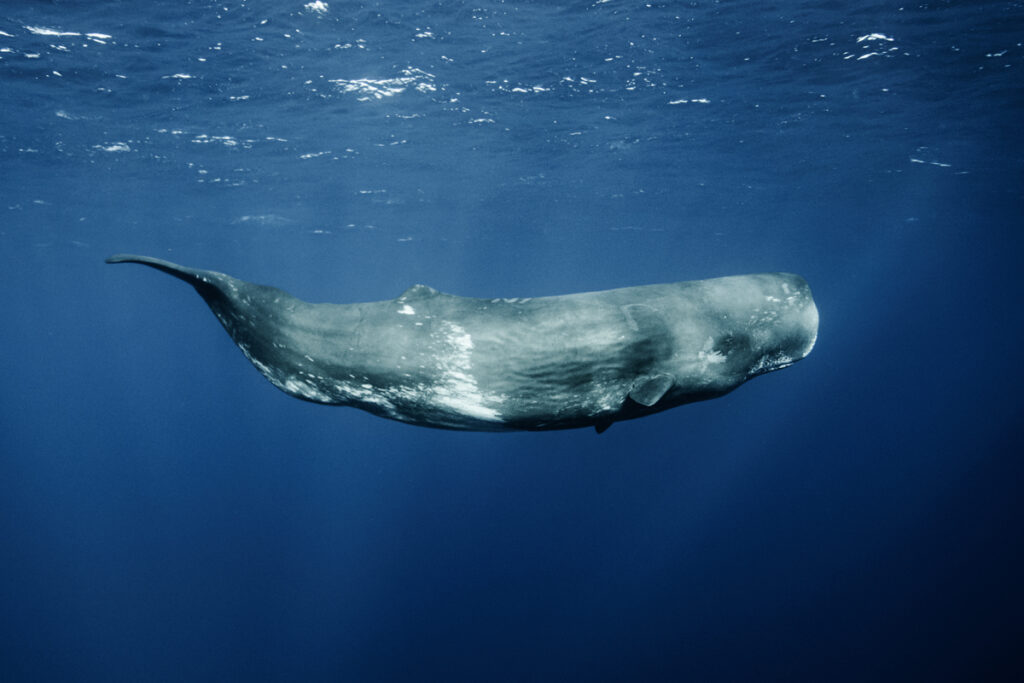
Some are especially impressive. Sperm whales, which hunt giant squid in the deep ocean, routinely stay underwater for around 90 minutes. The current record belongs to a Cuvier’s beaked whale, which remained submerged for an astonishing 222 minutes while diving nearly 2,000 meters. Even bottlenose dolphins, which make much shorter dives than whales, routinely hold their breath for up to 10 minutes and rely on the same oxygen-saving adaptations. To put things in perspective, the average person can only hold their breath between 30 to 90 seconds. Add any sort of exercise – like swimming – and that time shrinks. So, how do these creatures manage without air for so long? 

It all comes down to efficient oxygen storage and management. Marine mammals store extraordinary amounts of oxygen in their blood and muscles. High concentrations of hemoglobin in the blood and myoglobin in the muscles allow them to carry and store far more oxygen than humans can. In whales, the effect is especially dramatic — their muscles are so rich in myoglobin that they appear almost black.

The other part of the equation is how these creatures metabolize oxygen. While diving, marine mammals undergo bradycardia, an adaptation that causes their heart rate to drop dramatically to conserve oxygen. Blood flow is redirected toward essential organs like the brain and hear, while nonessential functions such as the liver and kidneys, temporarily receive less blood. In one remarkable study, researchers recorded a blue whale’s heartbeat for the first time. During deep dives, its heart slowed to just four to eight beats per minute.

Image Credit: Ray Hennessy/ Unsplash.com

Reptiles For the Win

Marine mammals aren’t the only champions of underwater endurance. Reptiles have evolved some astonishing breath-holding abilities of their own. Alligators regularly hold their breaths for up to 30 minutes but some can even go 24 hours under the right conditions. Like diving mammals, they slow their heart rate thereby reducing their oxygen needs. 

Sea turtles are equally remarkable. While resting, they can remain underwater for up to seven hours, and leatherback turtles routinely dive to incredible depths. One individual was recorded descending more than 1,200 meters (3,937 feet). Like whales, they slow their heart rate and use flexible lungs that collapse safely under immense pressure.

One major advantage reptiles have over mammals is that they’re ectothermic, or cold-blooded. Because they don’t expend energy maintaining a constant internal body temperature, their metabolism is much lower than that of mammals. That means they require less oxygen to begin with — a huge advantage when every breath counts.

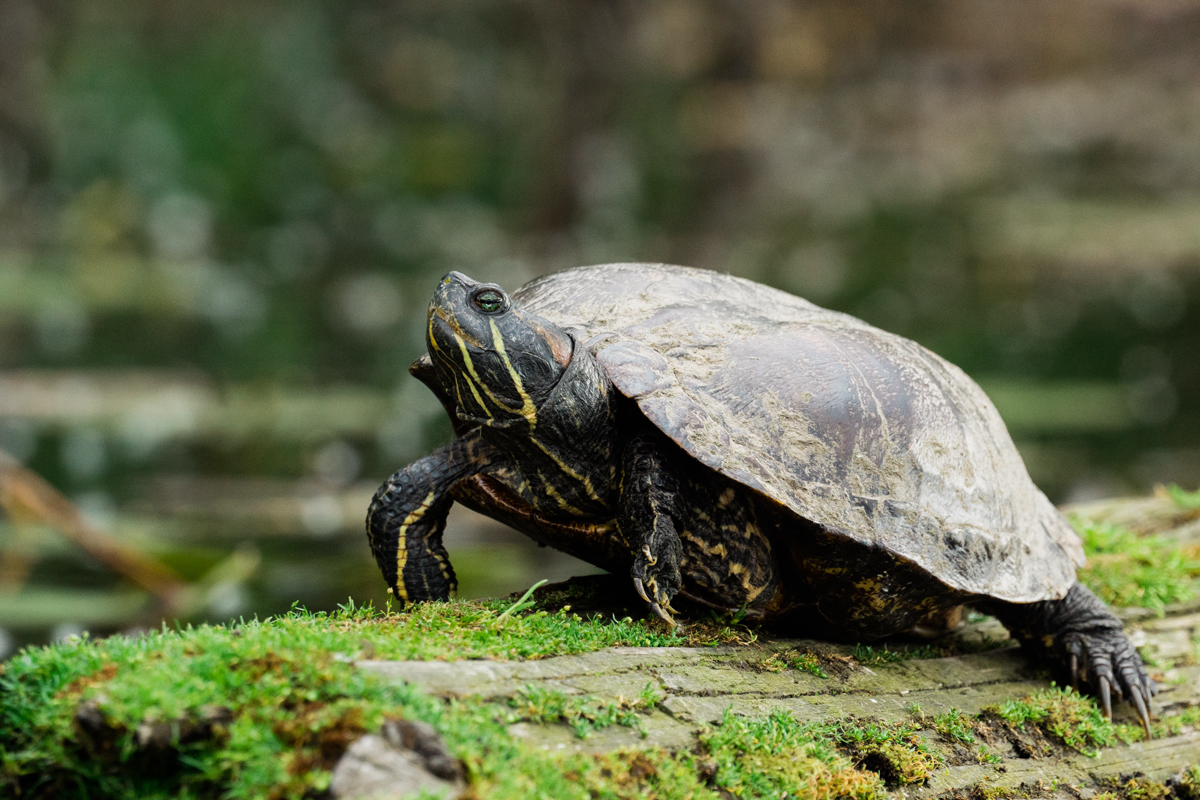
Some freshwater turtles take underwater endurance to an entirely different level, spending the winter months submerged at the bottom of a frozen lake where they can survive without freezing – or breathing – for 100 days or more. Turtles achieve the impossible by slowing down their metabolism during brumation – a reptilian version of hibernation. 

These turtles do cheat a little, as they aren’t completely holding their breath. While in brumation, they can absorb some oxygen through blood vessels in their skin. They have particularly vascularized cloacas, or butts, so scientists call this mode of breathing cloacal respiration. 

Image Credit: Fengkai Liu/Unsplash.com

Animals That Don’t Breathe

It has long been assumed that all multicellular animals require oxygen to survive. But in 2010, Roberto Danovaro, an Italian marine biologist from the Polytechnic University of Marche, found three new species of Loricifera, microscopic creatures that seemed to be thriving – and even reproducing – in hypersaline, oxygen-free sediment at the bottom of the Mediterranean Sea.
A decade later, microbiologists from Oregon State University announced another example of a multicellular animal that doesn’t require oxygen. Henneguya salminicola, a parasite related to jellyfish and corals, was discovered living in the muscle of salmon – a decidedly anaerobic, or oxygen free, environment. There are likely scores of undiscovered creatures out there that don’t need oxygen to survive. 
Some Turtles Can Breathe Through Their Butts

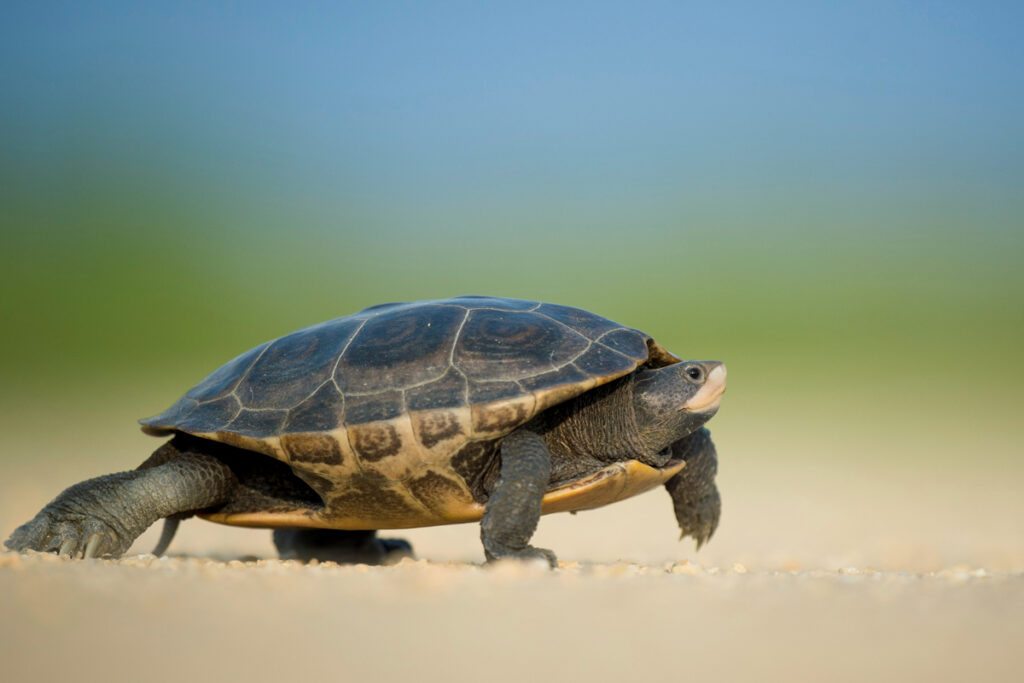
A picture of a turtle sitting on a moss-covered log
Image Credit: Cavan Images/Adobe Stock

Most people associate hibernation with a cozy, snow-covered cave or underground burrow, but what about the bottom of a frozen lake? That’s where you’ll find some species of turtles who hole up beneath the icy water for months at a time. Species like the common snapping turtle enter brumation — the reptilian equivalent of hibernation — when temperatures plummet. Because turtles are ectothermic, or cold-blooded, their body temperature drops along with the surrounding water, slowing their metabolism by as much as 95%. In this low-energy state, they can survive for months beneath the ice.

But that raises an obvious question: How do they breathe? Even frozen lakes contain dissolved oxygen, and these turtles absorb it directly from the water through specialized blood vessels in their skin. The highest concentration of those blood vessels just happens to be… under their tails.

7 Animals With Odd Sleep Habits

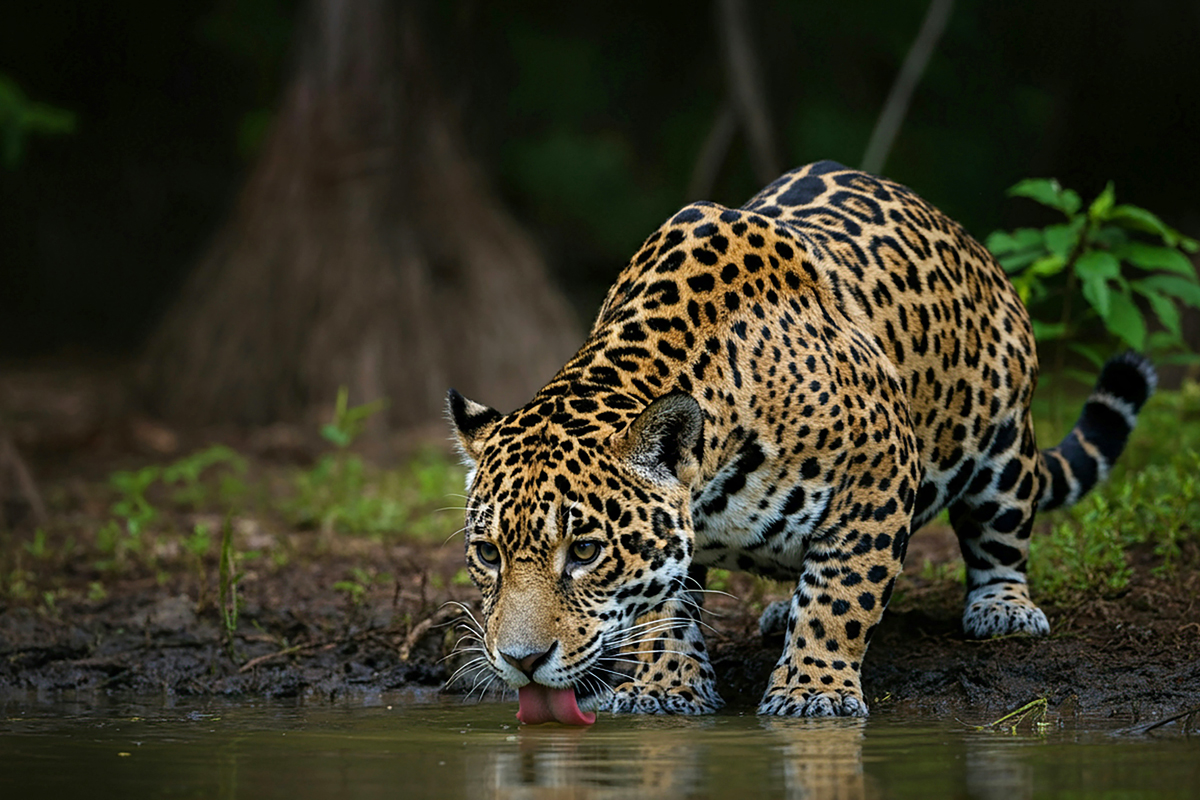
Credit: Tambako the Jaguar/Getty Images

Are you one of those people who can only sleep with the sound of the TV on in the background? Or maybe you need the soft, steady patter of raindrops hitting the roof to drift off. Humans have their own unique bedtime rituals, which can range from drawing the blackout curtains closed to cuddling up with their favorite stuffed toy, and beyond. These might sound like odd sleeping habits to some, but they’re nothing compared to how some animals catch their Z’s in the wild.

Image Credit: James Virtudazo/Unsplash.com

Dolphins

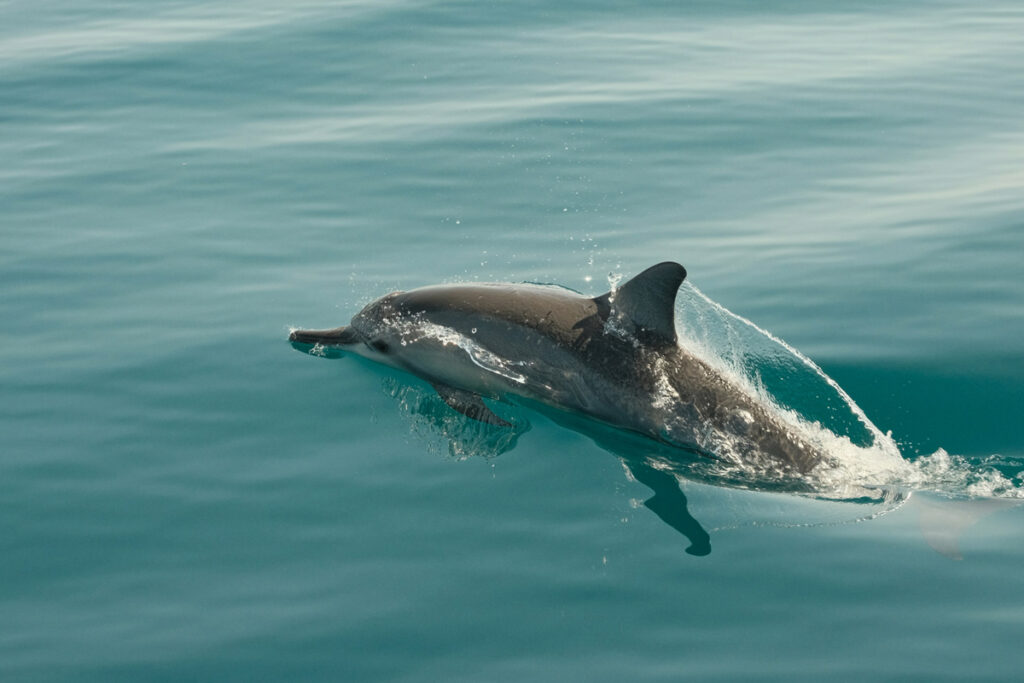
How do marine mammals sleep without breathing? Well, they don’t. Aquatic mammals like dolphins still come up for air even if they’re mid-sleep. How? By keeping half of their brain awake at all times. This is an evolutionary trick known as unihemispheric sleep, which allows an animal to shut down one half of its brain for rest, while keeping the other half awake, alert, and able to execute important functions. Dolphins aren’t the only animals that rely on this trick to survive while they sleep. Whales, manatees, and Northern fur seals also sleep this way so that they can keep breathing and remain alert for predators. Common swifts can stay in the air for up to 10 months at a time, and they never have to touch ground thanks to unihemispheric low-wave sleep adaptations. 

Image Credit: Reinhard Hölzl/imageBROKER/Adobe Stock

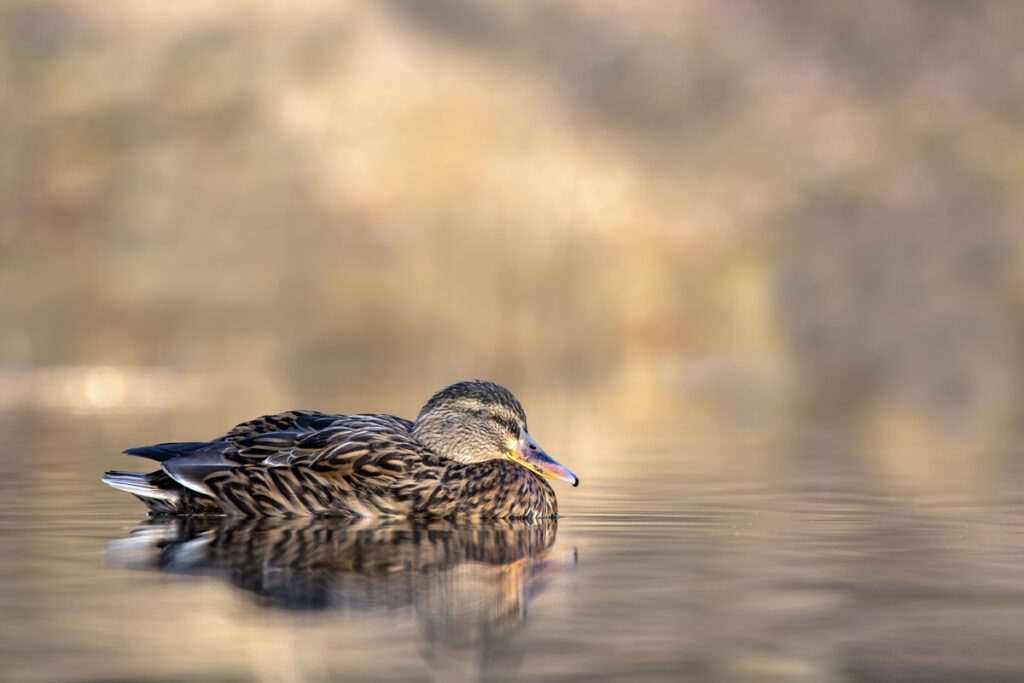
Ducks

Ducks also utilize unihemispheric sleep to get their much-needed rest, but they don’t always have to. When ducks sleep alone, they use the half-awake/half-asleep brain technique, but when they’re resting with pals, they rely on the safety of the group to protect them while they get a full night’s rest. When ducks sleep in a flock, whether on land or on the water, the ducks on the outside of the flock sleep with one eye open in an effort to protect and alert the pack should danger arise. The lucky ducks in the middle of the flock are able to indulge in a two-eyed sleep. These birds also rotate who gets guard duty, allowing everyone to have their turn to snooze soundly in the middle. 

Image Credit: Wonders of Europe/Adobe Stock

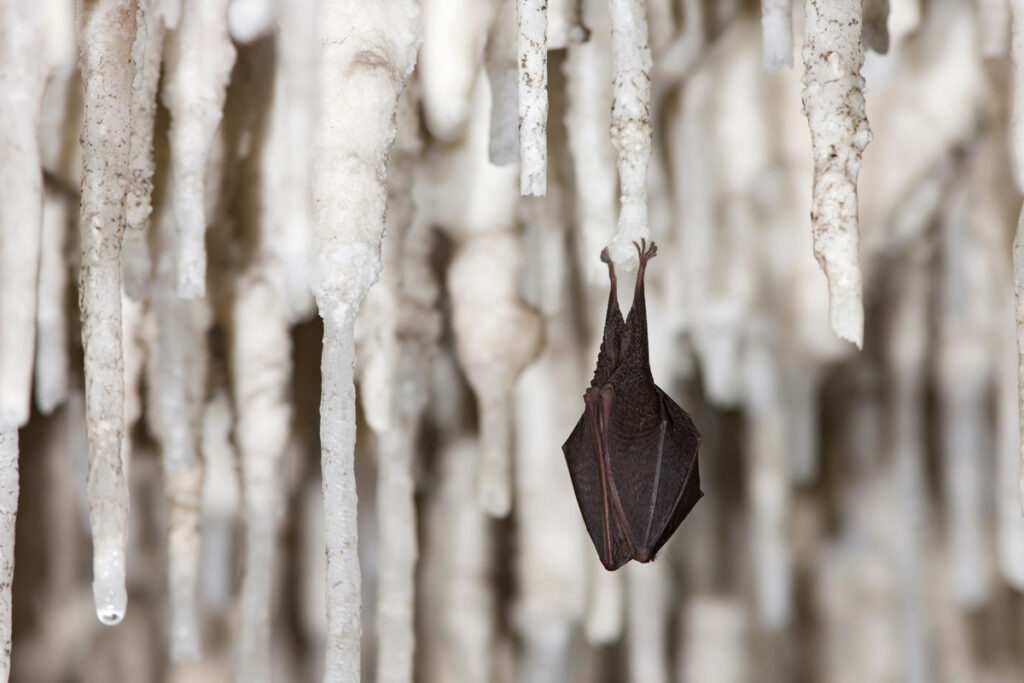
Bats

It’s common knowledge that bats sleep upside down, but why do they choose to rest this way rather than curl up on the ground or in a nest? They do it to stay safe when they’re in their most vulnerable state. Bat legs are relatively small, thin, and weak compared to their wings. This makes it hard for them to push off of the ground when it’s time to take flight, which might need to occur in a split second when predators approach. Hanging from their feet allows them to simply release their grip and fly elsewhere to safety, and it doesn’t even cost them energy to do it. The tendons found in a bat’s legs connect to their toes and automatically lock them onto the surface they’re touching, keeping them secure for their slumber.

Image Credit: Picture by Tambako the Jaguar/Getty Images

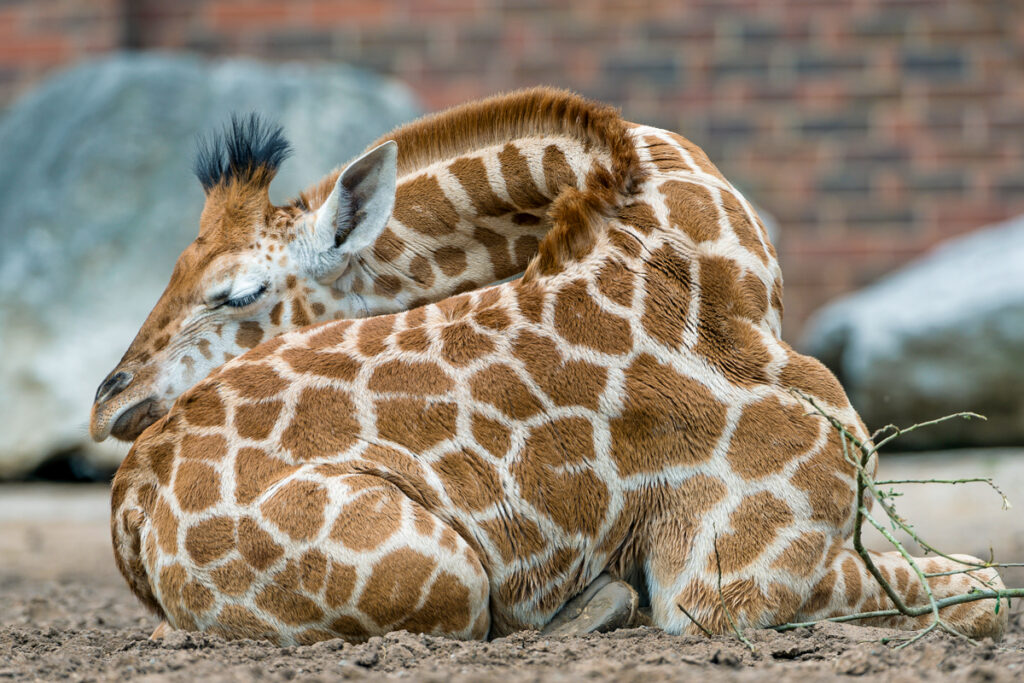
Giraffes

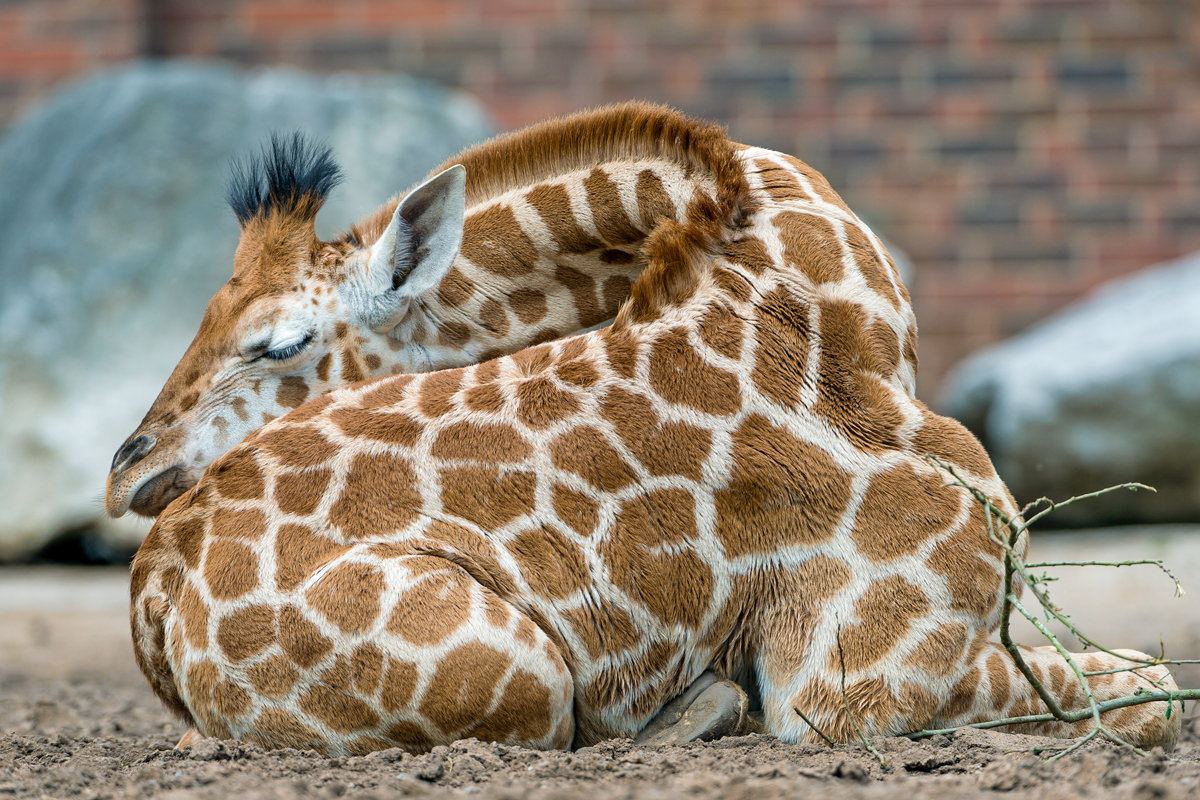
Think you could get by on just 20 minutes of sleep a night? That’s exactly what many giraffes do. Despite their massive size, giraffes are actually quite vulnerable when they’re not standing tall. This is why they mostly sleep standing upright, and in short bursts of about 20-30 minutes at a time. They may do this several times throughout the day to accumulate more sleep, but rarely venture beyond about six hours all-told. Giraffes can and do sleep on the ground, which is how they get that restorative REM sleep. Lying down and getting up does force them to let their guards down, but when they do it, they protect themselves by wrapping their necks around their bodies and resting their heads right on their rumps, like a built-in pillow.

Image Credit: Jordan Whitt/Unsplash.com

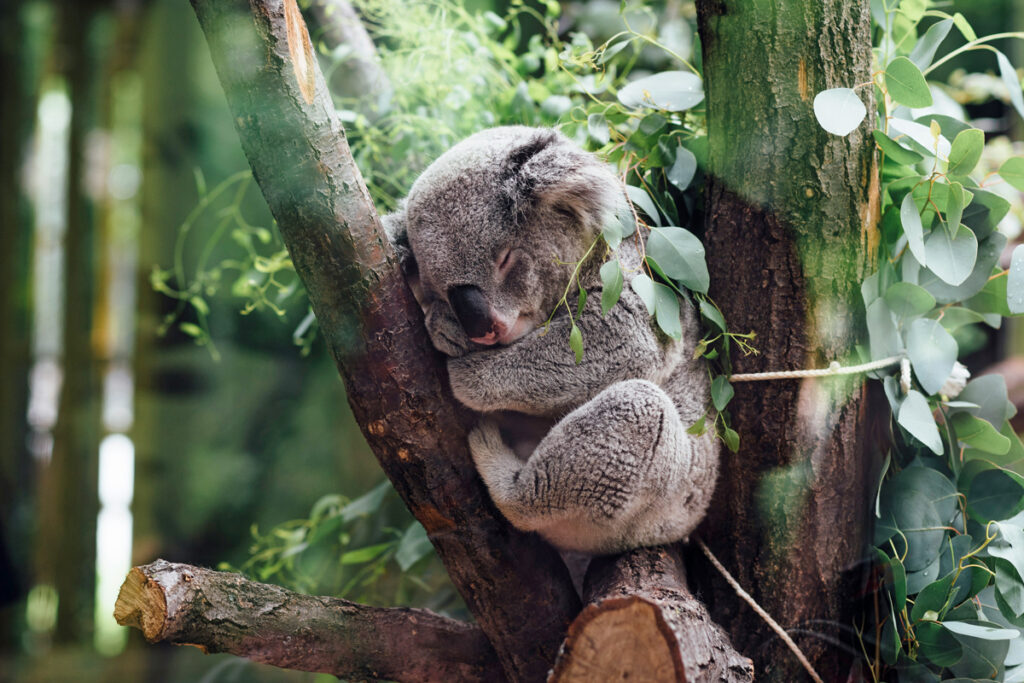
Koalas

On the other hand, some animals need extra beauty rest in order to function at all, and the koala takes the cake for the longest dozer on land. Racking up an impressive 22 hours per day, koalas sleep so much to preserve energy. Their diets are made almost entirely of eucalyptus leaves, which are not only low in nutritional value, but also high in toxins that are indigestible by most animals. The fibrous plant requires a lot of energy to digest, and offers little energy to burn in return, hence the lengthy slumber. 

Image Credit: Geostock/Getty Images

Desert Snails

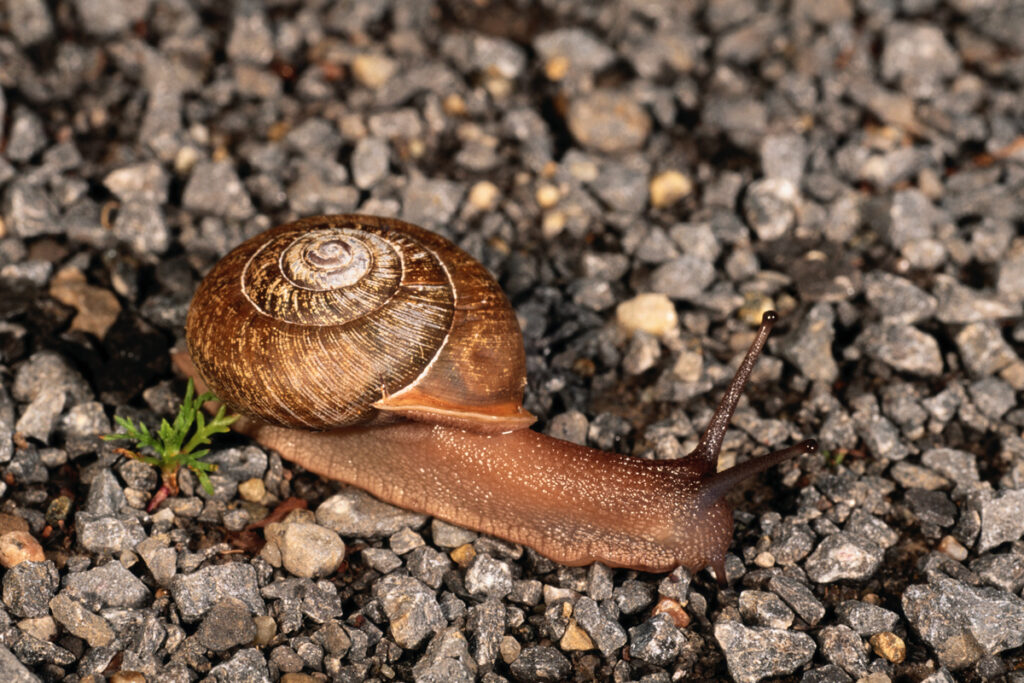
When people think of hibernation, they probably picture Grizzly bears and groundhogs first. But did you know there’s a snail that can out-hibernate even the longest napper, and by several years? Desert snails regularly sleep for around 15 hours per night, which is impressive on its own but isn’t even close to the longest stretch they can go for. These animals don’t hibernate necessarily, they aestivate, or go dormant, for up to three years by essentially encasing themselves in their shells with a layer of mucus. They do so to survive the hot, arid climates of the desert. Aestivation is one of the purest forms of metabolic preservation, and according to one study, can allow an animal’s essential organs to keep working despite losing up to 30% of the water in its body.

Image Credit: TC Photography/Unsplash.com

Chinstrap Penguins

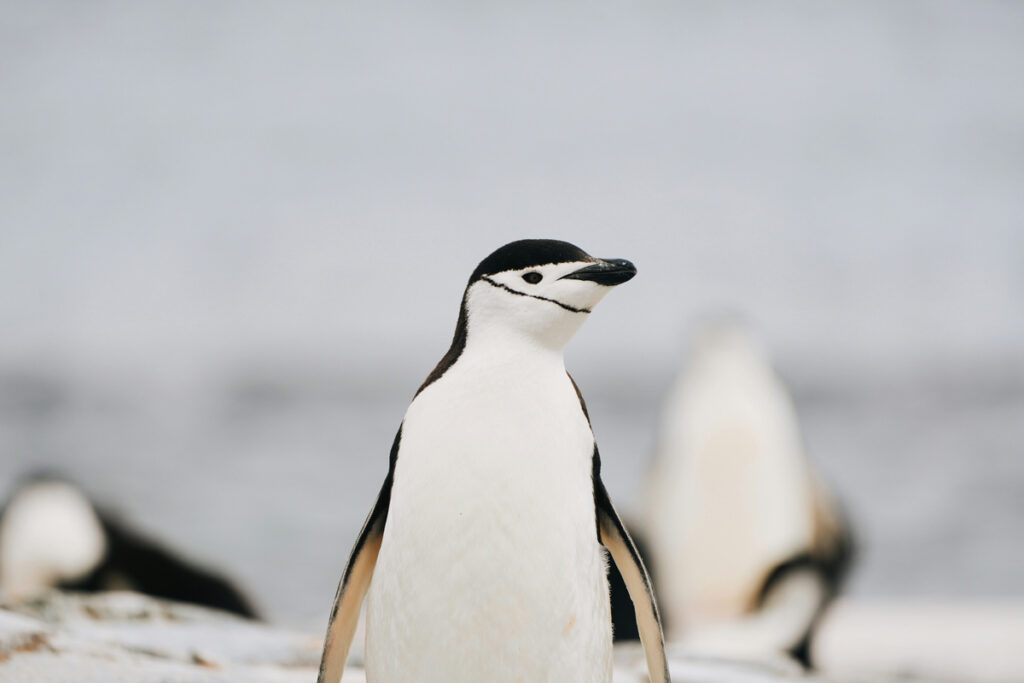
Chinstrap penguins take their breeding season seriously. So seriously, in fact, that they completely change their entire sleeping routine. When at sea, penguins float and use unihemispheric sleep to survive. During the breeding and egg-rearing season, they assemble in colonies on land, where they bring a new meaning to the term “micronap.” Studies have shown chinstrap penguins can sleep up to 600 times per hour, or over 10,000 times in a single day, but for only about four seconds at a time. They’re able to accumulate around 11 hours of rest this way, and they do it so they can keep a very close eye on their precious eggs, which are prime pickings for avian predators like Skuas and Sheathbills. 
Ducks Sleep With One Eye Open

Image Credit: Zdeněk Macháček/Unsplash.com

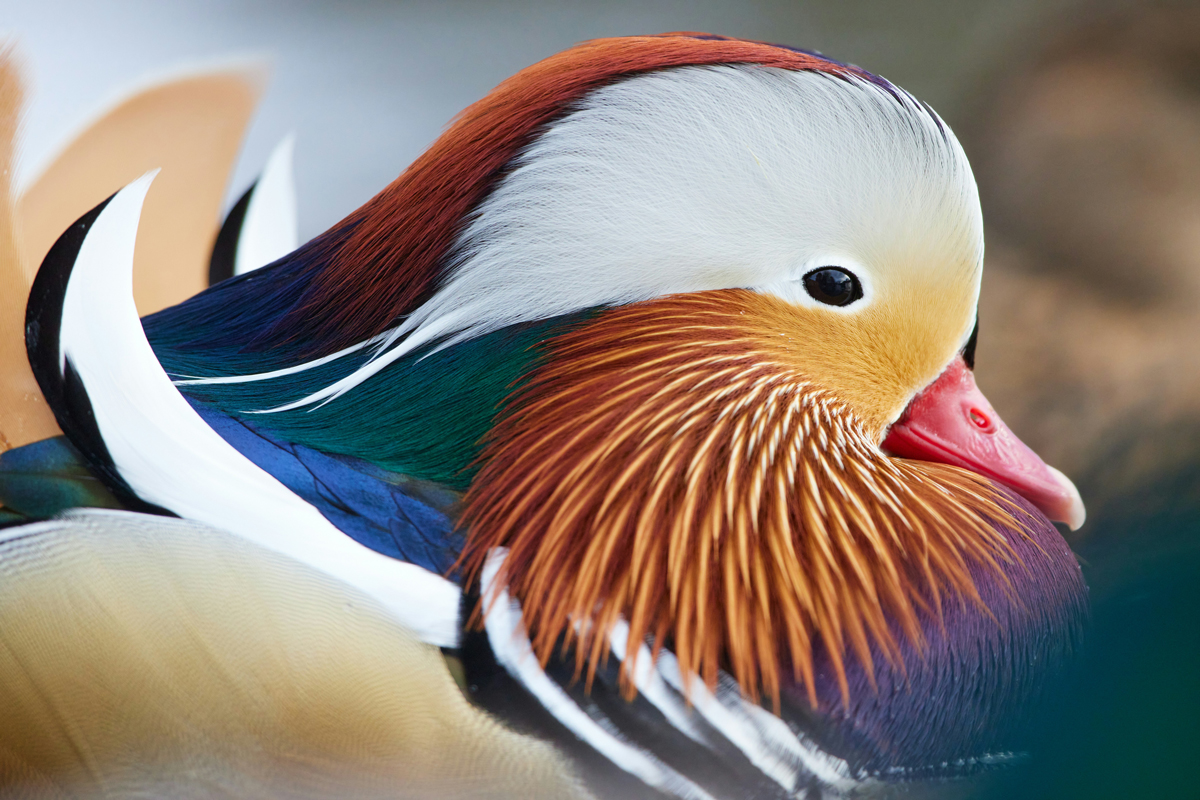
Sleeping alone is dangerous in the animal kingdom, especially if you’re a duck. With predators lurking nearby, a deep, uninterrupted sleep could be a fatal mistake. That’s why these waterfowl have cultivated a safer sleeping strategy. Like many other animals, ducks are capable of unihemispheric sleep, meaning they rest one half of their brain while the other remains awake. During this time, they literally sleep with one eye open, keeping watch for danger while still getting the rest they need.

Fortunately, ducks don’t need to sleep this way all the time. When sleeping in a group, these birds take guard duty in shifts. They sleep in flocks, with ducks on the outer rim employing this one-eyed sleep to keep watch, while ducks in the middle enjoy a restorative two-eyed sleep.

What It’s Like to Be an Octopus

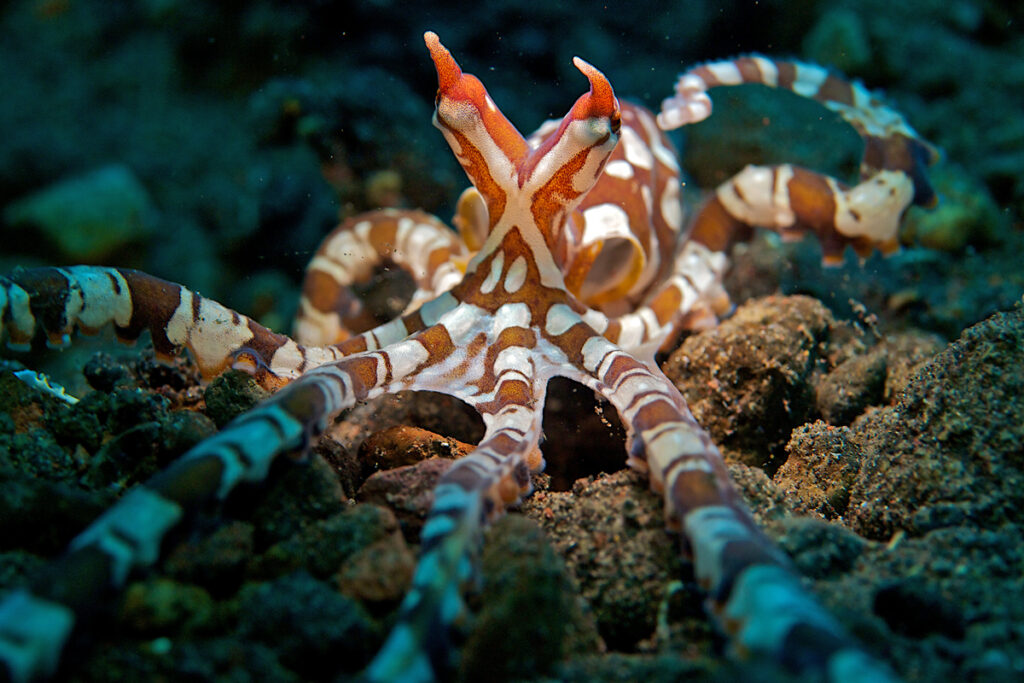
A picture of an orange striped octopus crawling over rocks under the ocean
Image Credit: Zampa/Adobe Stock

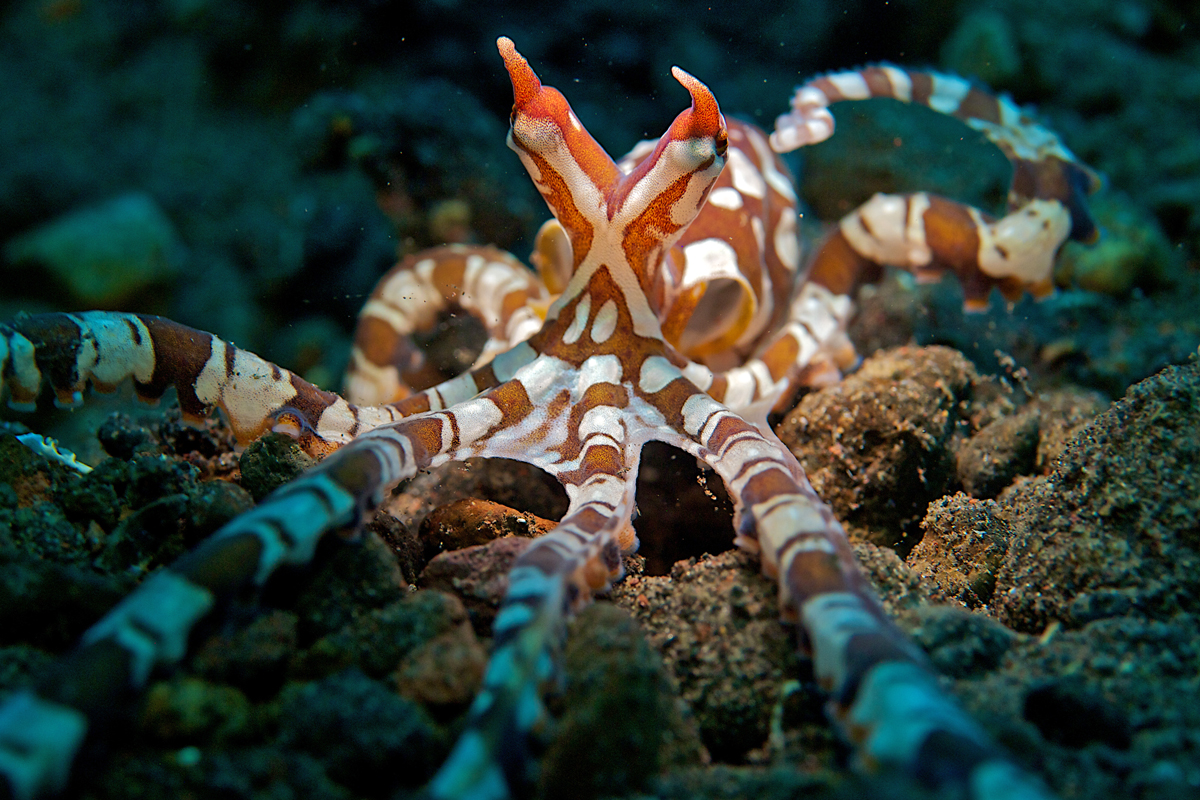
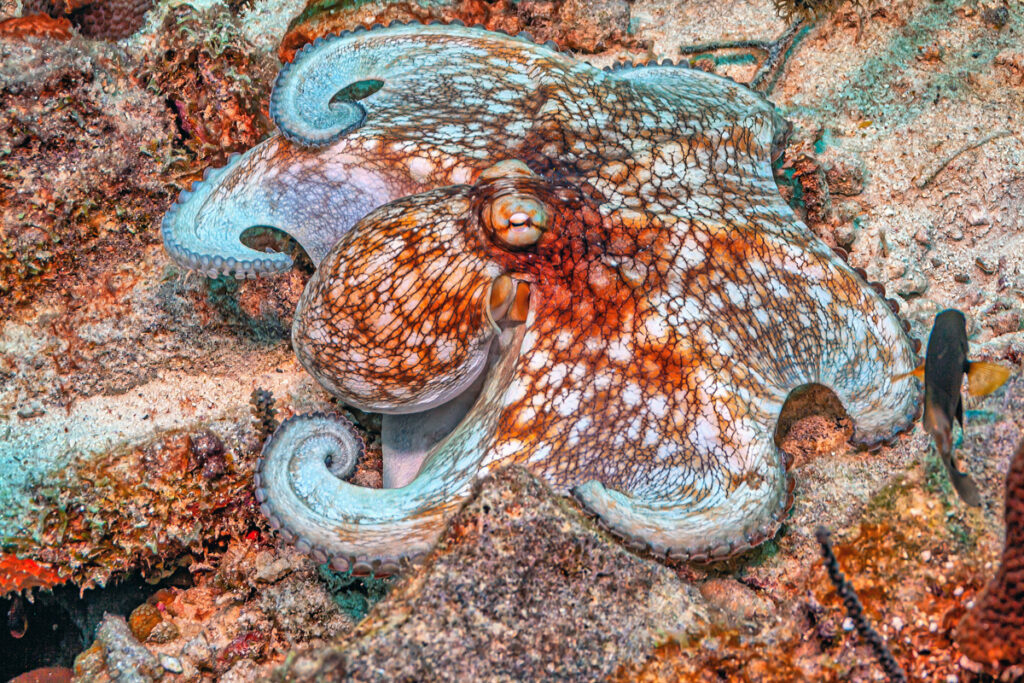
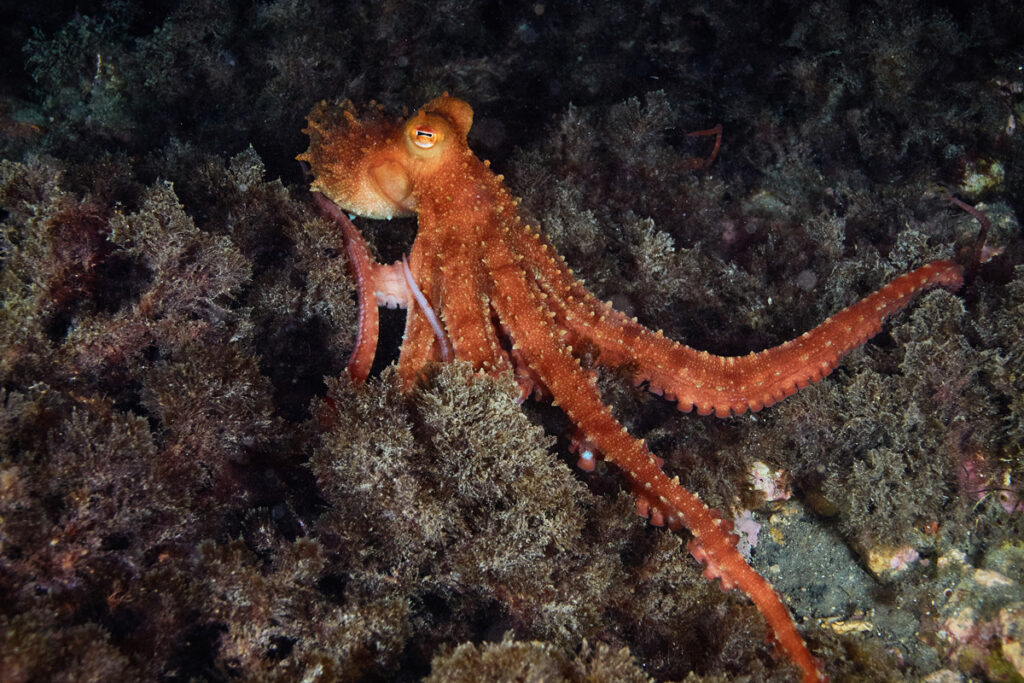
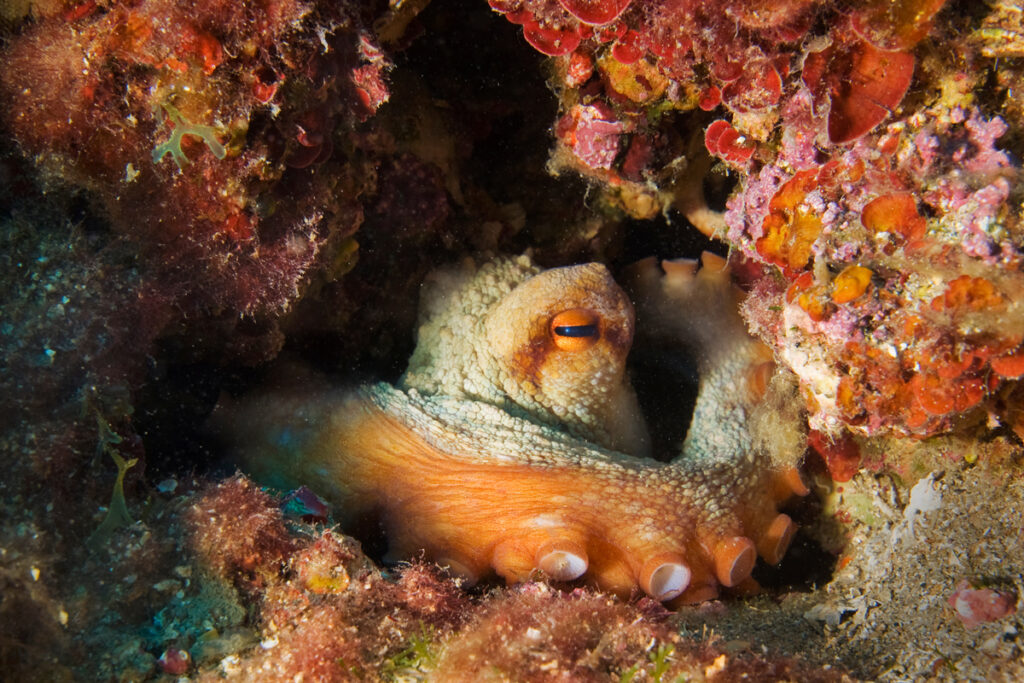
An octopus seems almost alien compared to most animals. It has three hearts, blue blood, and no bones. Then there are its arms, all eight of which can act on their own. Its skin can change color or even texture in an instant, and even its nervous system is organized differently than most animals.

These unique features are much more than just biological quirks. They help octopuses survive, be skilled hunters and escape artists, and are why scientists continue to study them with awe and admiration. The octopus indeed interacts with the world in ways few other animals can. Here are a few of the ways their adaptations help them experience a very different world from our own.

Image Credit: pr2is/Adobe Stock

Their Arms Have Minds of Their Own

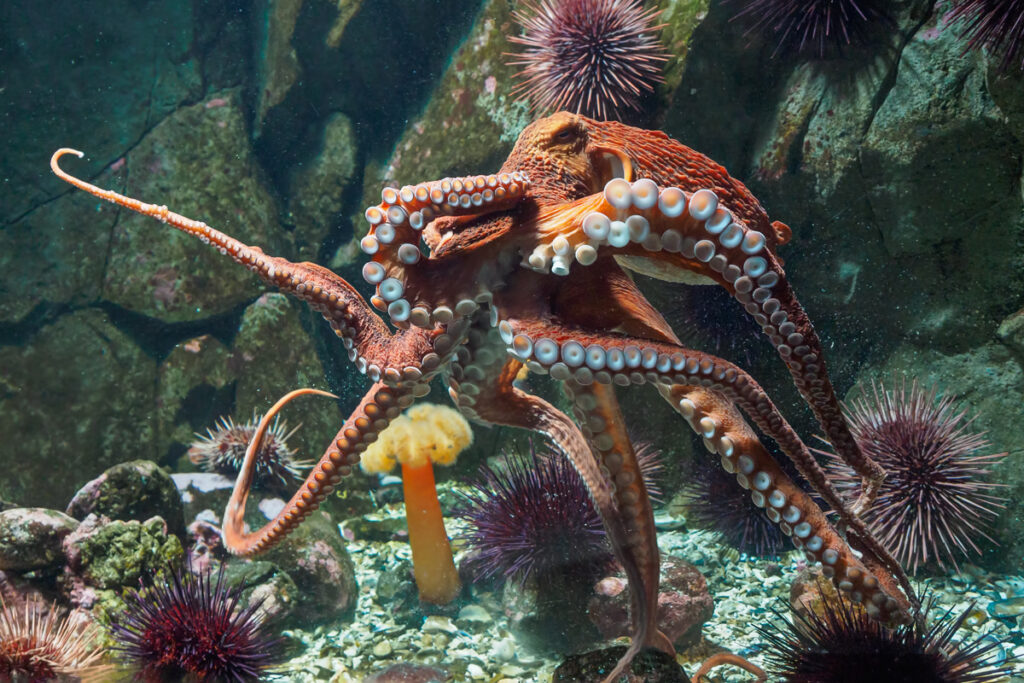
An octopus can think outside of its brain. Although the animal has a large central brain, shaped like a donut and located in its head, roughly two-thirds of its body’s neurons are located in its eight arms. This means that each arm can process information and carry out complex movements independently, responding to local information and coordinating actions on their own. 

While the brain still provides overall coordination, much of the sensing, reaching, and handling of an octopus’ environment happens directly in the arms. Scientists have even observed octopus arms continuing to react to stimuli and perform simple movements even when separated from the body for over an hour, showing just how much control these flexible, stretchable limbs have.
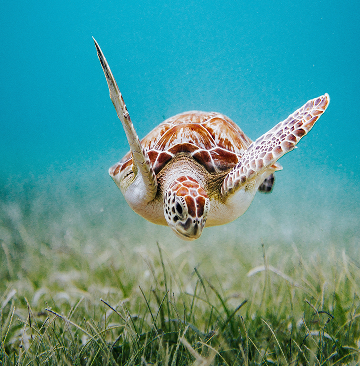
Image Credit: Andrei/Adobe Stock

They Touch and Taste Their Way Around

An octopus’ arm is also lined with rows of suckers. Don’t let their name fool you, though: Those suckers do far more than grip surfaces. Each one is packed with thousands of sensory receptors that allow it to both touch and taste objects at the same time. Scientists believe suckers can process some information independently, communicating with neighboring suckers to help an arm investigate its surroundings without waiting for instructions from the brain. 
This is especially useful because many of the animals that octopuses eat spend their lives hidden. Crabs, clams, small fish, and other marine animals often shelter under rocks or are tucked inside of narrow nooks and crannies where they can’t be easily seen. Instead of relying solely on their (admittedly excellent) vision, an octopus can get a detailed picture of its surroundings by exploring them with their arms. 

Image Credit: Pinosub/Adobe Stock

No Bones? No Problem

Unlike vertebrates, octopuses have no internal skeleton. The only hard part of their body is a sharp, parrot-like beak used to break apart the hard shells of its prey. Without bones to limit their movements, octopuses can stretch, twist, bend, and even squeeze through shockingly small spaces. If an opening is large enough for the beak to fit through, the rest of the body can usually fit too.

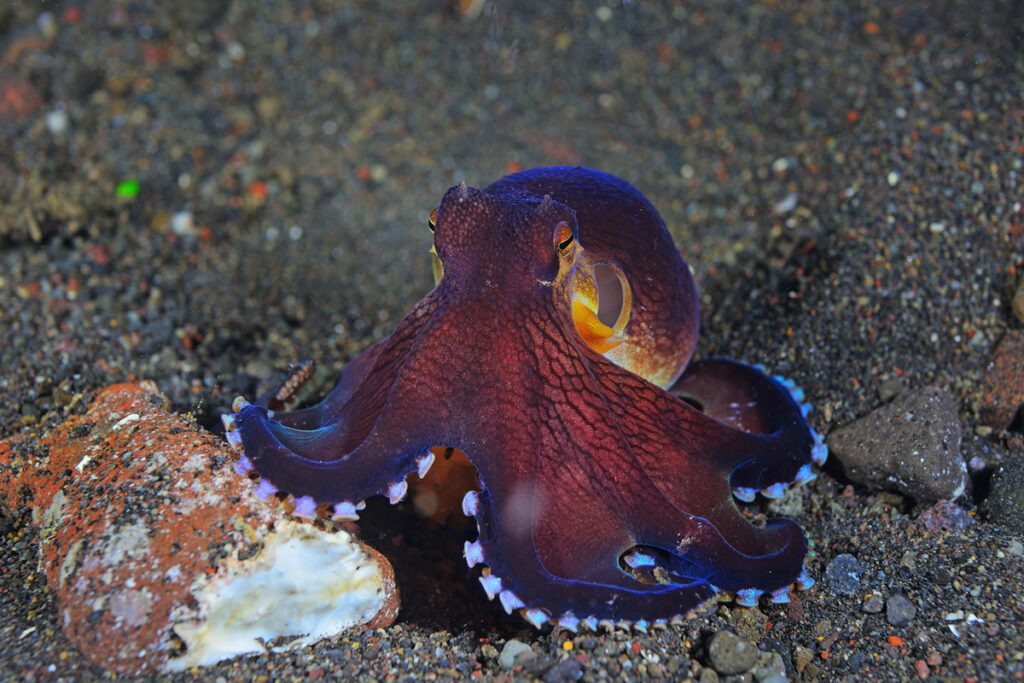
Though their soft body does leave octopuses vulnerable, it also helps them evade predators, slipping into places other hunters cannot reach. It also explains why octopuses have been known to escape from aquariums. Some species, such as the veined octopus, have even been observed collecting and carrying coconut shell halves, disappearing into them when threatened. This soft, highly adaptable body allows octopuses to move and behave in ways that would be impossible for more rigid animals, constantly reshaping itself to fit the situation.

Image Credit: John Anderson/Adobe Stock

Their Skin Can Put On a Dynamic Display

On octopuses’ skin is so much more than a protective covering. It’s also a dynamic display system that interacts with the world around it. Tiny pigment-filled cells called chromatophores allow an octopus to change color almost instantly. By expanding or shrinking these cells, they can blend into their surroundings or, thanks to additional organs such as iridophores and leucophores, even flash bold patterns across their skin in just fractions of a second. 

Specialized muscles, meanwhile, also help them alter the texture of the skin, transforming a smooth surface into one that resembles rock, coral, or seaweed in fractions of a second. Camouflage helps octopuses avoid predators and sneak up on prey, of course, but it may also play a role in communication, with some species using color and patterns during encounters with rivals or potential mates.

Image Credit: A. Martin UWphoto/Adobe Stock

Three Hearts and Blue Blood

Many of the octopus’s unusual traits are hidden from view. Its circulatory system, for example, operates very differently from ours. Octopuses have three hearts: two pump blood to the gills, while a third circulates oxygen-rich, blue blood throughout the body. Why blue? That’s because the protein that transports oxygen in their blood, hemocyanin, contains copper instead of the iron-based hemoglobin found in humans and other vertebrates. This is particularly useful in the cold, low-oxygen, deep-sea environments where many octopus species live; hemocyanin transports oxygen efficiently under these conditions, helping them remain effective hunters.

This sophisticated circulation does have an interesting drawback. The heart responsible for supplying blood to the body actually stops beating while the animal swims. As a result, swimming can be exhausting, which is one reason octopuses often prefer to crawl along the seafloor instead.

Image Credit: zampa/Adobe Stock

An Intelligence Unlike Any Other

Octopuses are widely regarded as some of the smartest invertebrates on Earth. They can solve puzzles, use tools, navigate mazes, open containers, and learn through observation. Octopuses are extremely evolutionarily distant from humans — the last common ancestor shared by humans and octopuses lived over 700 million years ago — and yet they have independently developed complex intelligence.

Scientists are still working to understand exactly how octopuses perceive and process the world. What is already clear, however, is that nearly every aspect of their anatomy contributes to a unique way of experiencing life.