Bennett Kleinman is a New York City-based staff writer for Inbox Studio. He is also a freelance comedy writer, devoted New York Yankees and New Jersey Devils fan, and thinks plain seltzer is the best drink ever invented.
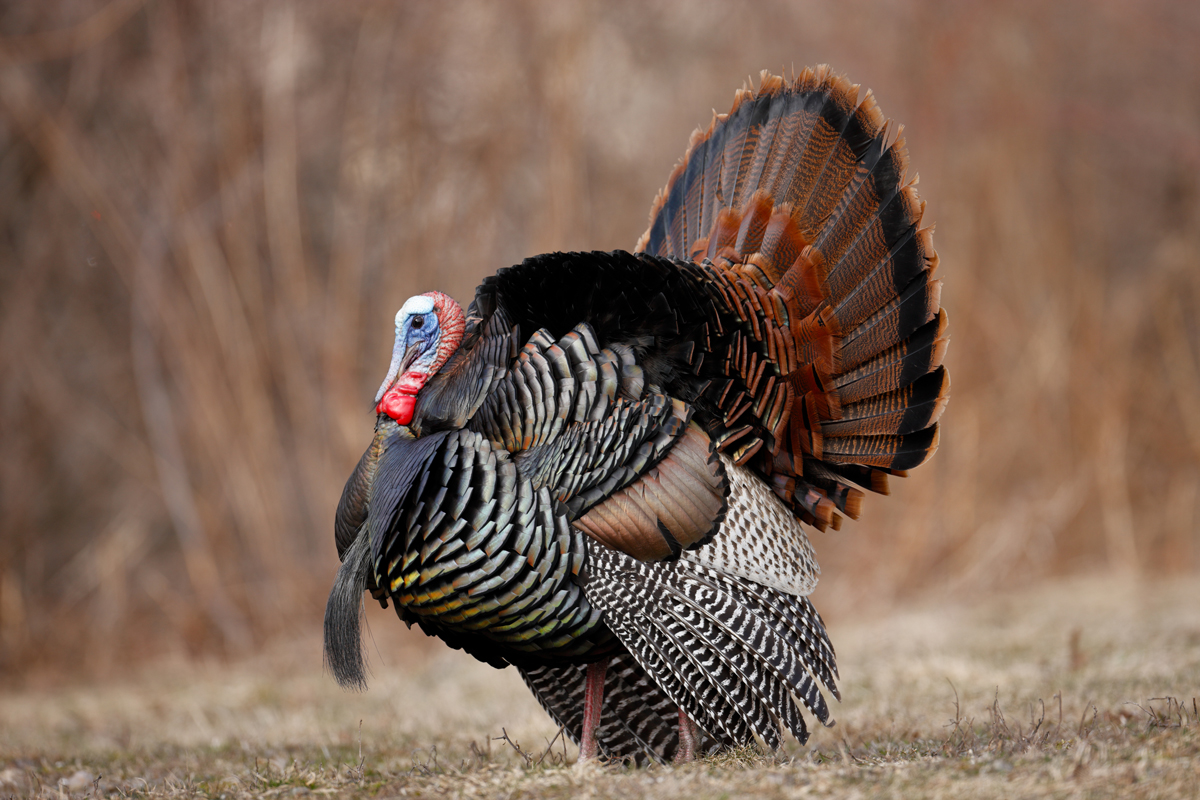
Wild turkeys — or more specifically, their heads — are like the mood rings of the animal kingdom. A turkey’s cranium has been observed changing color based on whether the bird is calm, excited, or stressed, among other emotions. Those changes have to do with a combination of shifting blood flow as well as slight physical alterations in head shape that then reflect light in various ways.
A wild turkey’s head is typically a combination of red, white, and blue, with the three colors indicating a bird feels at ease in its natural environment. But if the head appears a bit more white, that implies the turkey is feeling dominant and/or aggressive. If its head is a more striking shade of red, it suggests the turkey is exuding fear or anxiety.
Advertisement
7 Ways Animals Express Their Emotions
Across Species 05/11/26Nov. 5, 2026
Updated 05/11/26Nov. 5, 2026
Credit: Bernhard/stock.adobe.com
Nicole Villeneuve
Author
Nicole is a writer, editor, and researcher with over 15 years experience covering arts and culture, lifestyle, and media. Her work has also appeared in PureWow, Brit + Co, Exclaim, AUX TV, and CBC. She lives in Ontario, Canada.
Animals don’t need words to get their points across. Some of their actions, such as a cat slowly blinking when with a person it trusts, are so subtle that we may miss them altogether. Others, such as a color-changing cuttlefish who wears its feelings on its skin, are practically impossible not to notice.
Although it can be tricky to know exactly what an animal is thinking, the more obvious outward signs certainly help. Here are seven particularly obvious ways animals let their feelings be known and shown.
Credit: EnricoPescantini/stock.adobe.com
Chimpanzees Bare Their Teeth
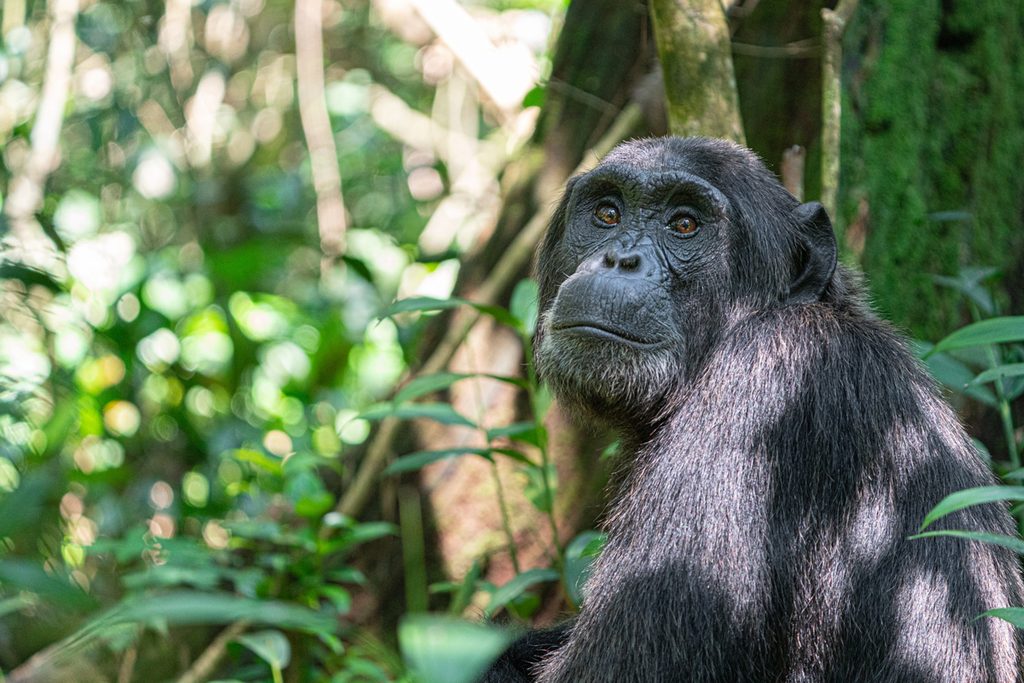
You’d be forgiven for thinking a chimpanzee baring its teeth meant it was flashing you a bright and cheery smile. Chimpanzees have a wide variety of facial expressions, but their faces don’t always convey the same emotions that ours do. Bared teeth, for example, can actually mean fear or submission rather than happiness.
Playtime calls for a different look. During active play such as chasing or roughhousing, a chimp is most likely to adopt a relaxed, open-mouthed expression — one known, quite simply, as a play face. Scientists study these expressions for the Chimpanzee Facial Action Coding System, which documents and categorizes about 250 different facial expressions chimps make.
Credit:Carlos Aranguiz/stock.adobe.com
Rats Giggle
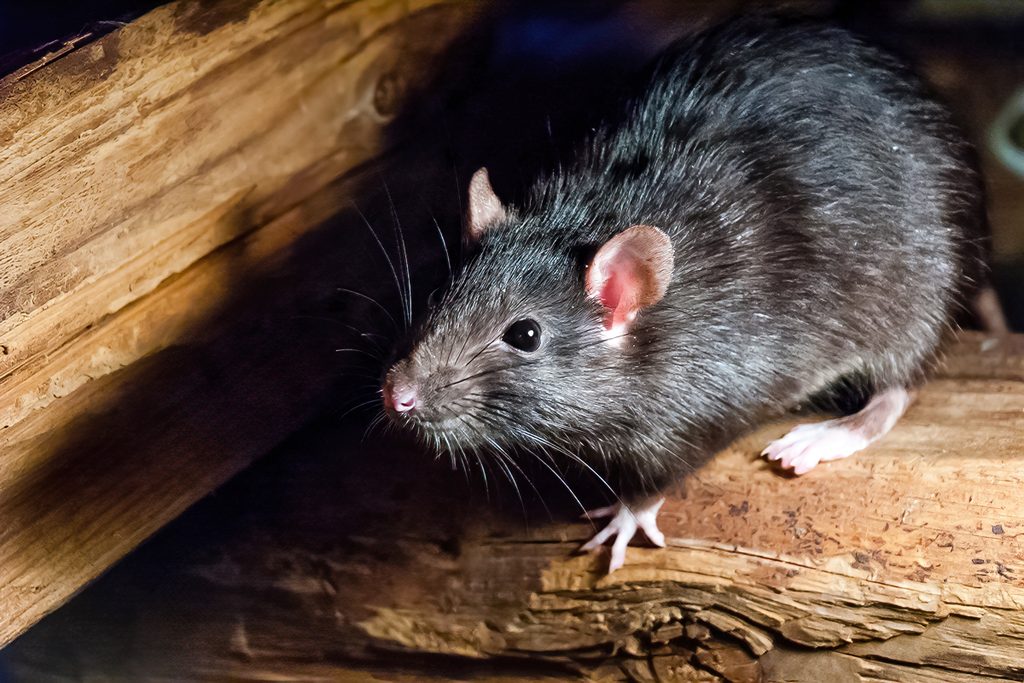
Tickling a rat may not sound like something you’ll ever find yourself doing, but researchers do it to explore how these rodents may demonstrate positive emotions. During tickling and playful interactions, rats produce high-frequency ultrasonic vocalizations that are often described as a type of laughter.
When researchers put rats in situations that made them anxious, such as on a high platform under a bright light, the animals stopped making their laughterlike sounds. That contrast helps us understand if, and how, rats respond to positive and negative experiences — even if their giggles are ultimately too high-pitched for us to hear without special equipment.
Credit: Yann/stock.adobe.com
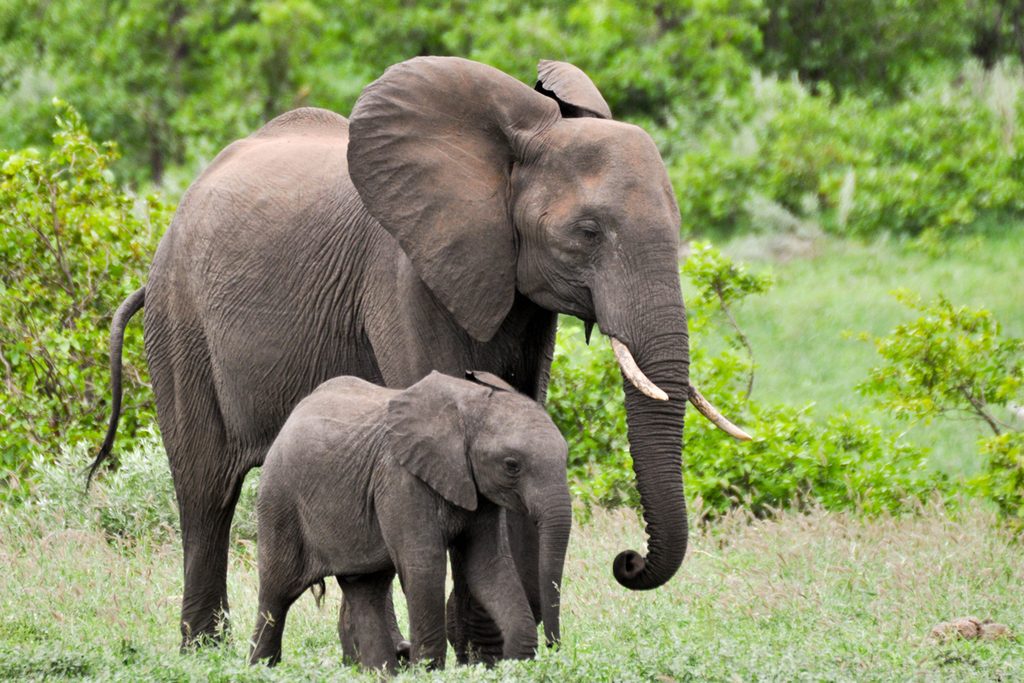
Elephants Express Grief and Comfort
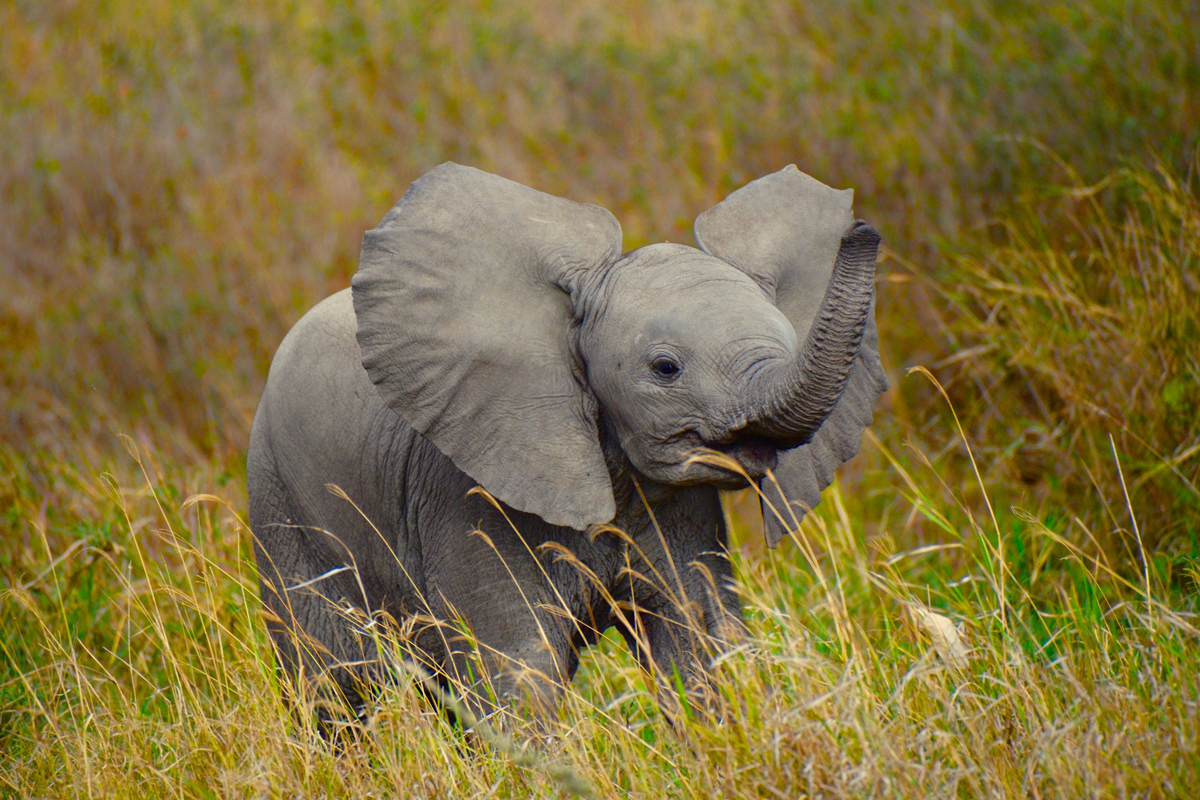
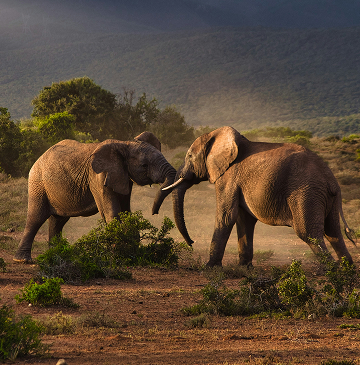
Elephants are highly social animals that have been known to show signs of grief, sometimes lingering over dead companions and touching their bodies with their trunks. But they also appear to offer comfort to other members of the herd who may be in distress.
In a study of 26 captive Asian elephants in Thailand, researchers observed elephants approaching companions who were upset, stroking them with their trunks and making high-pitched chirping sounds. Nearby elephants sometimes mirrored the distressed animal’s behavior too, suggesting that when one elephant is having a hard time, others around them may respond with empathy.
Credit: Rita Kochmarjova/stock.adobe.com
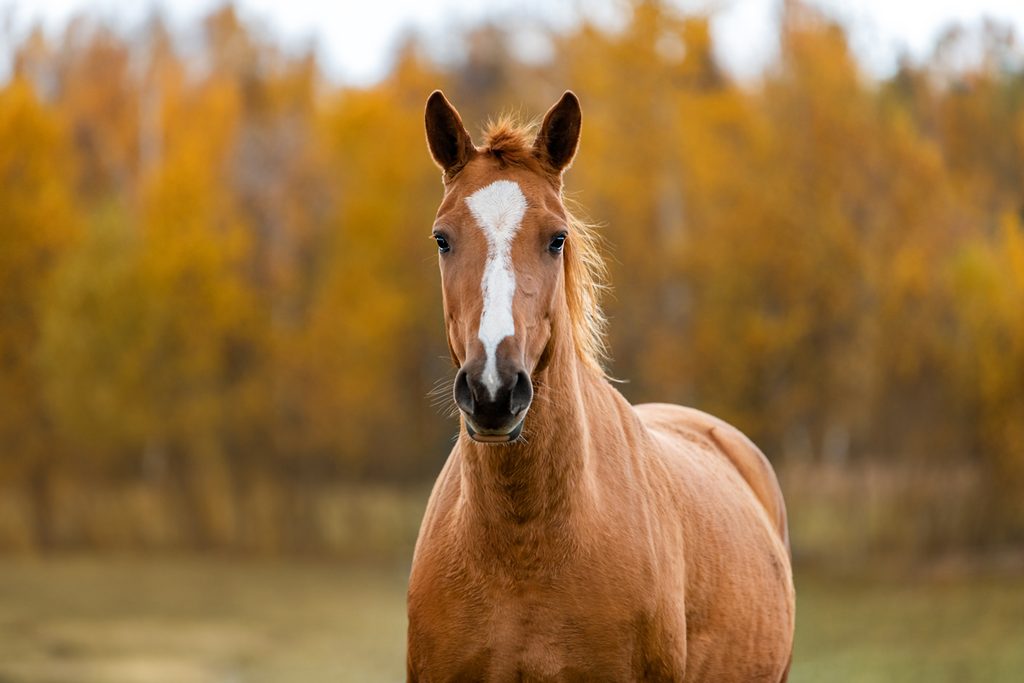
Horses Grimace
A horse doesn’t have to kick or whinny to let you know something is wrong. Sometimes, the warning signs are written all over its face — if you know what to look for. A horse in pain, for example, may hold its ears back, tighten the muscles around its eyes, or flare its nostrils and flatten its muzzle.
Researchers use what’s known as the Horse Grimace Scale to identify these expressions, which should be considered alongside the animal’s behavior and circumstances to get the full picture.
Credit: Dyrefotografi.dk/stock.adobe.com
Dogs Stretch When Feeling Playful
Dogs have a pretty unmistakable way of saying they want to play, and it’s not necessarily wagging their tail — which can actually communicate stress as well as happiness. Instead, they drop their front end toward the ground, stretch out their forelegs, and stick their rear ends in the air.
Known as a play bow, this posture helps dogs signal playful intentions, so humans or other dogs can tell a friendly chase or wrestling match from an aggressive threat. It’s especially useful when play involves growling and mock biting, all of which are commonly part of the fun when dogs play.
Credit: Bernhard/stock.adobe.com
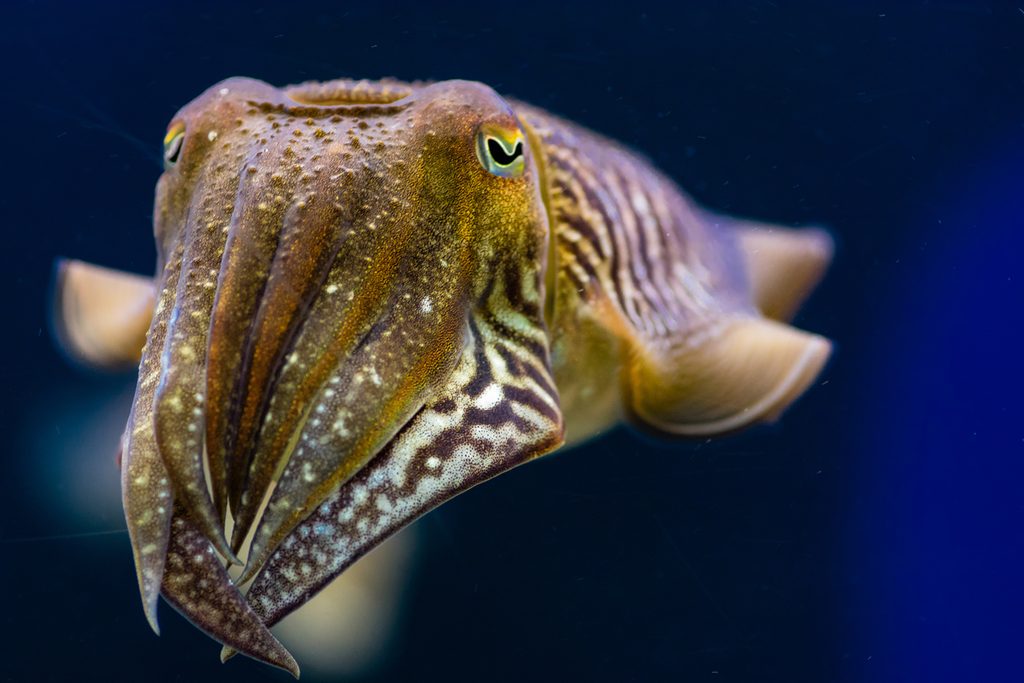
Cuttlefish Change Colors Depending on Their Feelings
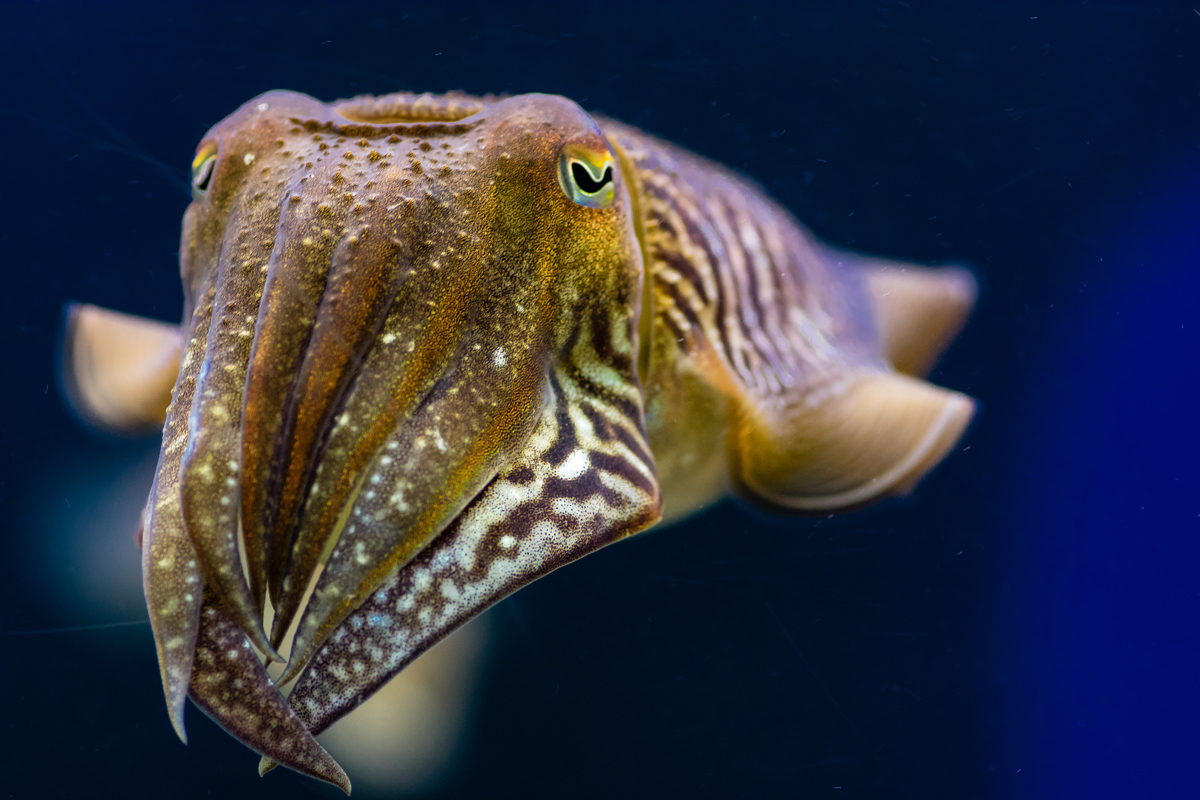
Cuttlefish can change the color and patterns of their skin in a split second, making their feelings about a rival hard to miss. Specialized pigment cells called chromatophores enable them to flash high-contrast, black-and-white stripes or a darkened face; this signals a willingness to fight and warns rivals to keep their distance.
Cuttlefish also use their arms to communicate. Researchers have identified four distinct, repeated arm-waving patterns that cuttlefish appear to use when interacting with one another. The exact meanings remain a mystery, but the cephalopods responded to videos of the gestures by waving back, suggesting the movements may indeed be related to social communication.
Credit: Bogdan/stock.adobe.com
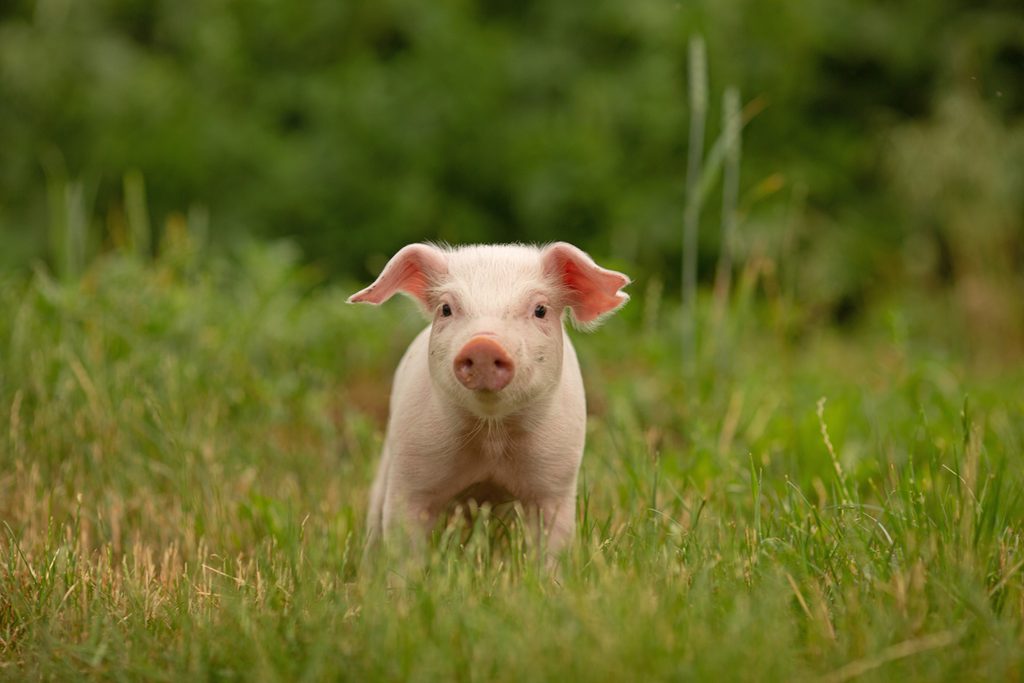
Pigs Have Different Grunts for Different Emotions
Pigs are hardly silent farmyard creatures, and their grunts actually say quite a bit. In one study, researchers found that pigs tended to grunt shorter grunts when they saw a bowl with food in it than when approaching an empty one. Their shorter grunts, therefore, seem to communicate positive emotions, while longer grunts can signal negative emotions such as frustration or disappointment.
The classic high-pitched pig squeal, meanwhile, was found to be more common when a pig is upset or stressed than when happily, quietly snorting or grunting.
Bennett Kleinman is a New York City-based staff writer for Inbox Studio. He is also a freelance comedy writer, devoted New York Yankees and New Jersey Devils fan, and thinks plain seltzer is the best drink ever invented.
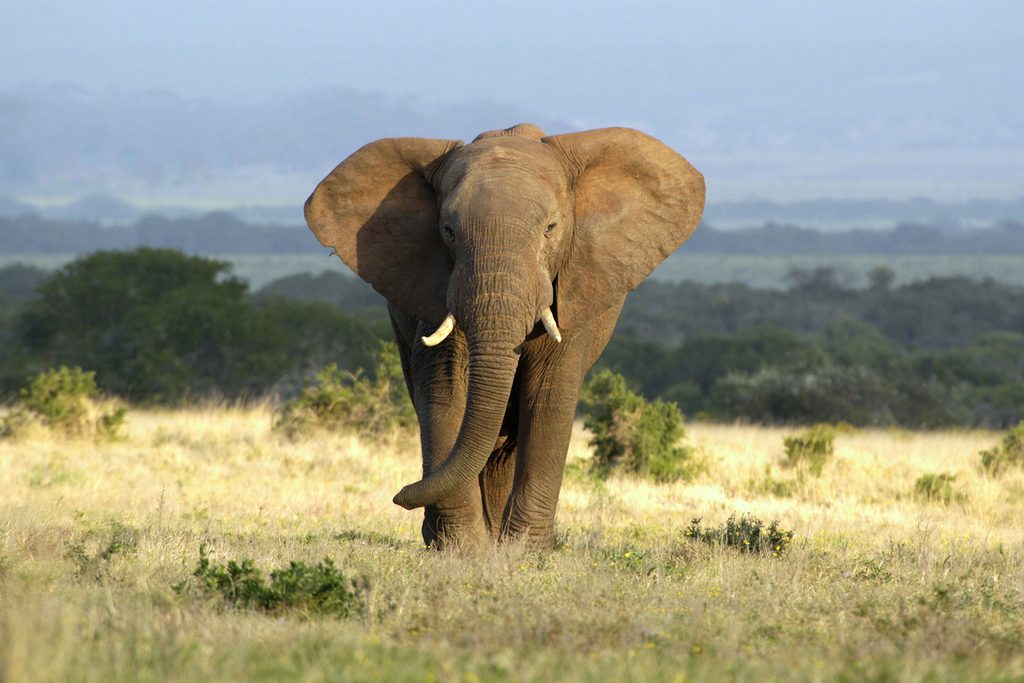
If Babar was a real elephant, he may stop by a bathroom mirror to admire his cute green suit and stylish crown. That’s because elephants are one of the few non-human animals that exhibit some form of self-awareness, to the point they can recognize themselves in mirrors.
In 2006, a team led by researcher Joshua Plotnik placed a large mirror inside the enclosure for three Asian elephants living at New York City’s Bronx zoo. The team realized the elephants seemed to spend time around the mirror, likening their behavior to how a human may check out a new outfit. Researchers later painted a visible mark on one side of an elephant’s head and placed an invisible mark (called a sham mark) on the other side. They came to notice one elephant standing in front of the mirror and interacting with the visible mark using its trunk, while leaving the sham mark untouched.
Advertisement
Are Animals Self-Aware?
Across Species 05/11/26Nov. 5, 2026
Updated 05/11/26Nov. 5, 2026
Credit: Samantha/stock.adobe.com
Kristina Wright
Author
Kristina is a coffee-fueled writer living happily ever after with her family in the suburbs of Richmond, Virginia.
If you’ve ever watched a dog bark at its own reflection, you may have wondered whether it knows it’s looking at itself. Self-awareness in humans develops during the toddler years when children begin recognizing themselves in mirrors and developing a broader understanding of themselves as individuals. But do animals have a similar sense of self?
The answer isn’t a simple yes or no. Scientists have found evidence of different forms of self-recognition and self-representation across several species, but self-awareness is a much larger, more nuanced concept. Researchers have developed several ways to investigate it, including the famous mirror test, but there are still plenty of questions about what animals understand about themselves.
Credit: lancesagar/stock.adobe.com
What Is Self-Awareness?
Self-awareness generally refers to some capacity to recognize or understand oneself as an individual distinct from others and the surrounding environment. In humans, that can include recognizing your appearance, understanding your own emotions and thoughts, remembering your past experiences, and anticipating what may happen to you. But it’s difficult to measure anything comparable in animals.
An animal may have some form of self-knowledge without being able to demonstrate it in a human-designed experiment. Aspects of a sense of self may also present as separate abilities rather than evidence of a single, all-or-nothing capacity for self-awareness. The challenge to be aware of oneself is especially obvious for species that rely on senses other than vision.
Credit: fishcat007/stock.adobe.com
The Mirror Test
The best-known self-recognition experiment is the mirror test, developed by psychologist Gordon Gallup in 1970. Researchers allow an animal to become familiar with a mirror before placing a mark somewhere on its body that it can’t normally see. If the animal uses the mirror to locate and investigate the mark on its own body, researchers may interpret that as evidence that it understands the reflection as a representation of itself.
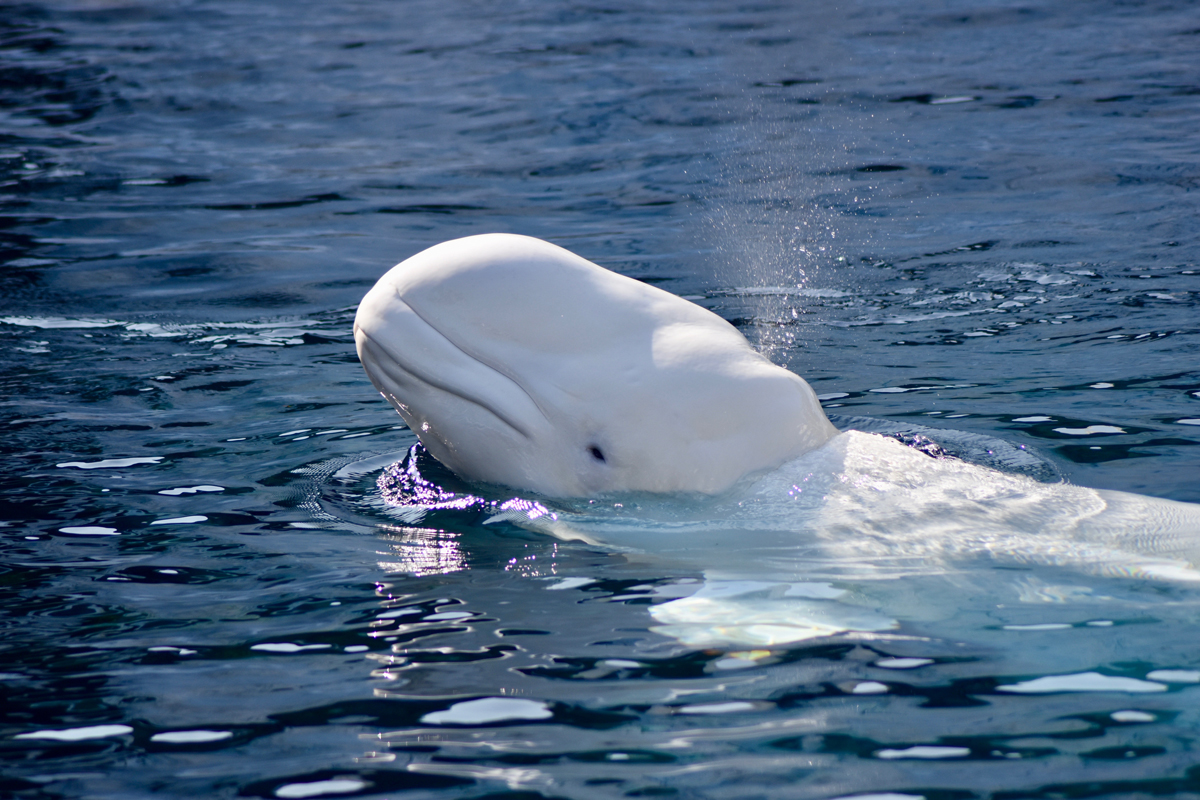
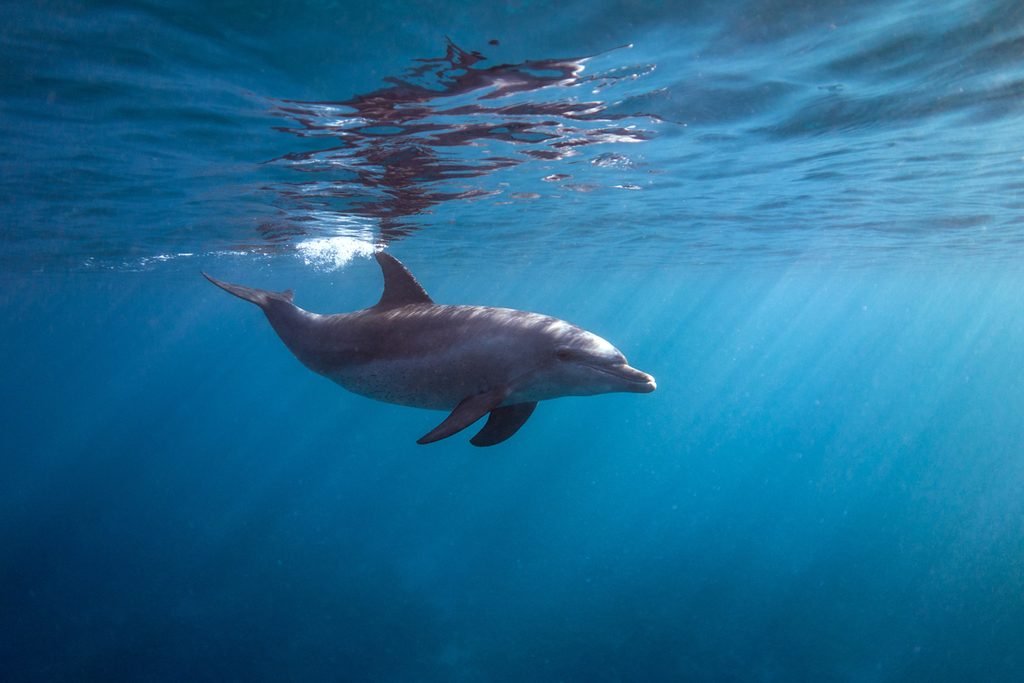
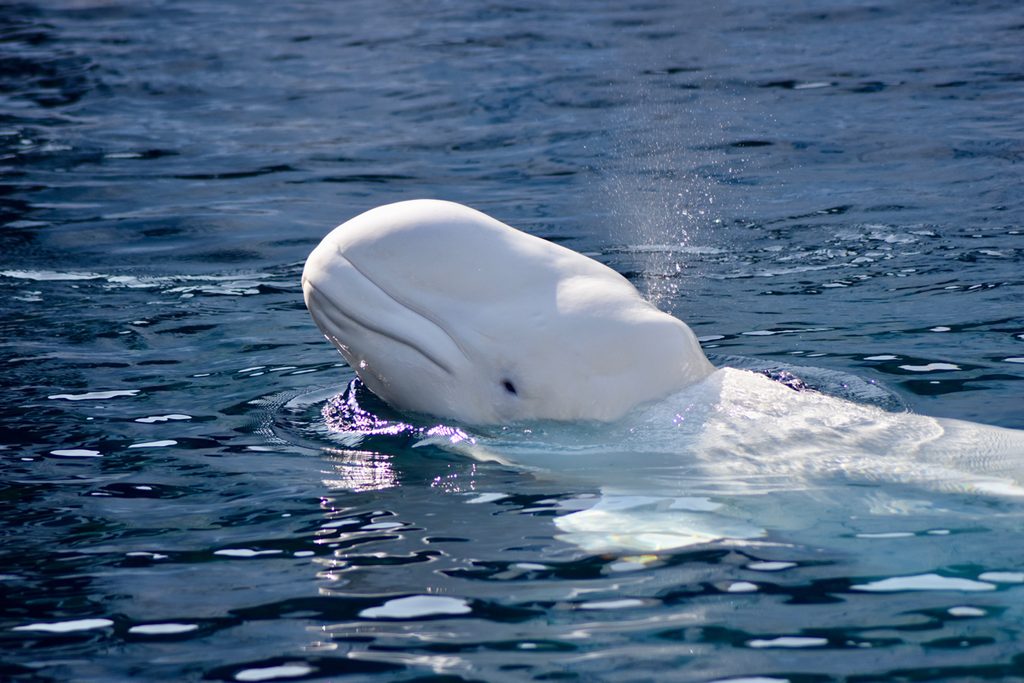
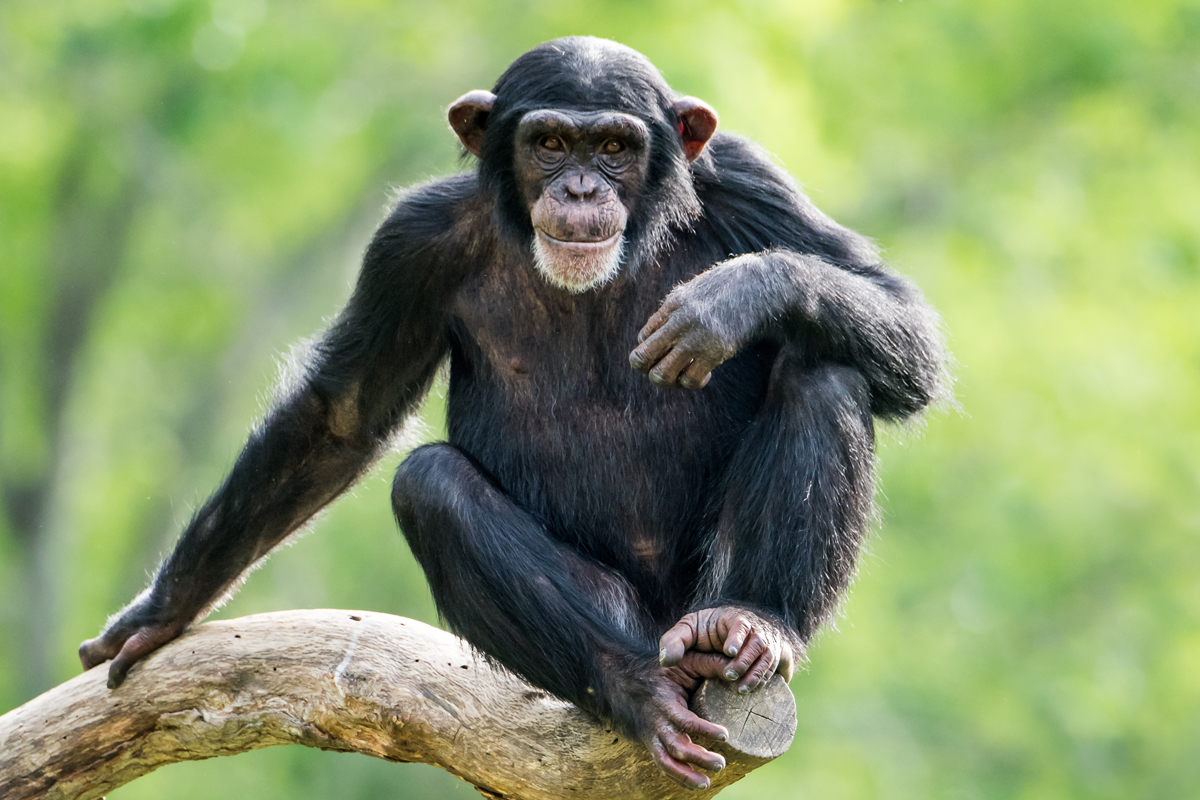
Humans generally develop this ability during early childhood, and chimpanzees, gorillas, and orangutans have repeatedly demonstrated mirror self-recognition. Other species that seem to display similar positive indications include elephants, dolphins, and beluga whales.
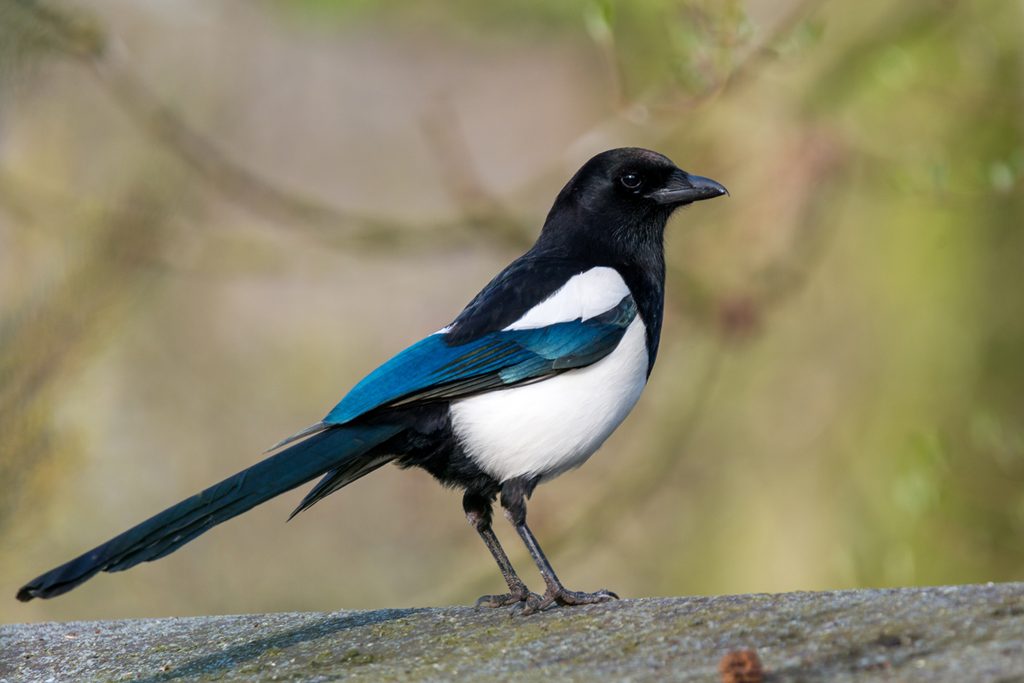
Eurasian magpies have also passed versions of the test, although more recent research has produced conflicting results. But passing the test demonstrates a particular kind of visual self-recognition, not necessarily the broader self-awareness humans experience.
Credit: Samantha/stock.adobe.com
Most Animals Don’t Pass the Mirror Test
Failing the mirror test doesn’t mean an animal has no sense of itself. The test relies heavily on vision, which may put animals that experience the world primarily through other senses at a disadvantage.
For instance, dogs can distinguish their own scent after it’s been altered with another odor. In one study, dogs spent longer investigating the altered version, suggesting they noticed something had changed about their familiar scent and leading researchers to interpret their response as evidence that dogs recognize their own odor. Smell-based experiments may therefore reveal forms of self-recognition missed by a visual test.
Dogs also appear to have some awareness of their own bodies. In one experiment, researchers asked dogs to pick up and give their owners an object attached to the mat the dogs were standing on. To succeed, the dogs had to step off the mat so they could lift the attached object.
The dogs left the mat sooner and more often when the object was attached to themselves than when the object was attached to the bare ground instead, suggesting they understood when they needed to move their own bodies in order to free the mat and subsequently pick up the object. The results provide evidence that dogs can differentiate and recognize their own bodies in relation to their surroundings — a form of body awareness mirror tests can’t detect.
Credit: Marek R. Swadzba/stock.adobe.com
Animals May Know More About Themselves Than We Can Test
Mirror recognition is only one possible piece of the puzzle. Researchers are increasingly interested in other forms of self-representation, including how animals distinguish their own bodies, actions, and sensory information from those of other individuals.
Recent research suggests those abilities may be better understood as different components of self-representation rather than one single encompassing trait an animal either possesses or lacks. A 2026 review of mirror self-recognition research also identified biases in the way animals have traditionally been tested, including an emphasis on vision and on species with relatively large brains.
A whale, dog, or bird doesn’t experience the world exactly as we do, so a test designed around human vision may miss forms of self-knowledge that are expressed differently. So when your dog barks at the mirror, it may not necessarily mean he recognizes himself — but that reaction alone can’t tell us what the dog understands about its own body, actions, or identity.
Bennett Kleinman is a New York City-based staff writer for Inbox Studio. He is also a freelance comedy writer, devoted New York Yankees and New Jersey Devils fan, and thinks plain seltzer is the best drink ever invented.
Unless you’re living near Dr. Zaius from the Planet of the Apes, you’re not going to find any primates with extensive medical knowledge. But there are real chimpanzees that have discovered a thing or two about makeshift medicine, using crushed insects as remedies for open wounds.
Whether or not those insects aid the healing process is an open question, but what we do know is that chimps use bugs and other natural remedies such as saliva and leaves to tend to injuries. One group of chimpanzees in Gabon, for instance, was seen using insects to treat injuries 76 times over a 15 month period, and another set of chimps in Uganda exhibited similar behaviors. The primates would typically catch flying insects, put the bugs between their lips, and then press the bug’s crushed body onto their or another chimp’s open wounds as treatment.
Advertisement
6 Animals With Real Day Jobs
Across Species 04/11/26Nov. 4, 2026
Updated 04/11/26Nov. 4, 2026
Credit: emranashfran/stock.adobe.com
Nicole Villeneuve
Author
Nicole is a writer, editor, and researcher with over 15 years experience covering arts and culture, lifestyle, and media. Her work has also appeared in PureWow, Brit + Co, Exclaim, AUX TV, and CBC. She lives in Ontario, Canada.
Humans have plenty of tools to help us get our jobs done, but sometimes, the right employee for the job may look a bit different than you’d expect, sporting four legs, wings, or even fins.
It’s not uncommon for animals to have jobs. You’ve probably seen dogs guiding people with visual impairments or horses helping police patrol city streets. But there are many more jobs humans have assigned to their fellow creatures. Here are six animals who do a stand-up — or swimmingly well — job of the tasks we humans have designated for them.
Credit: Penny Boyd/Alamy
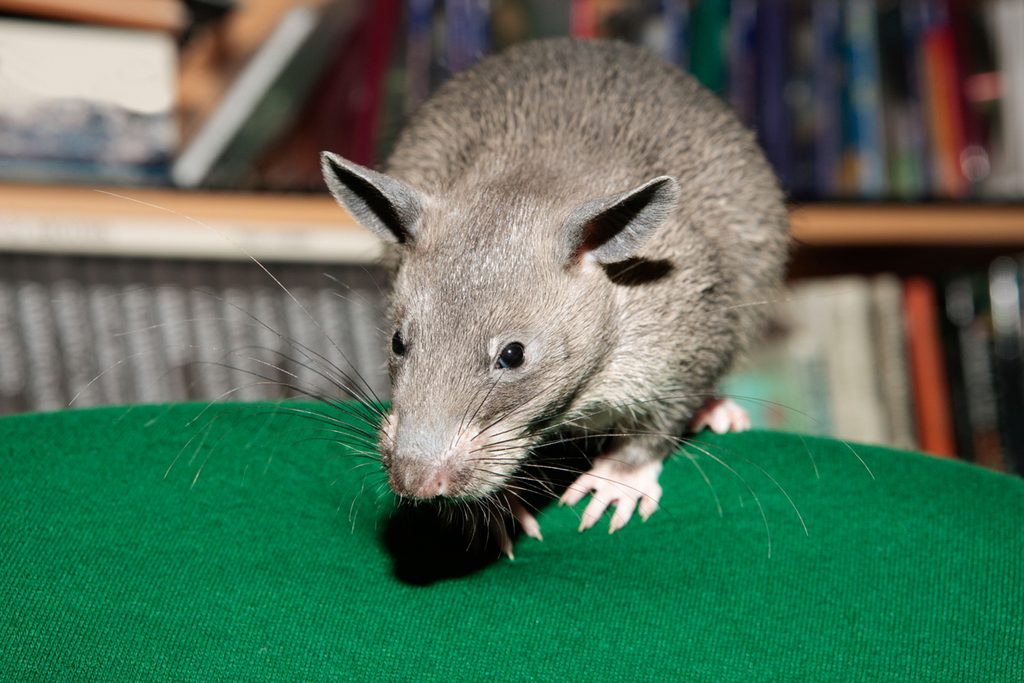
Rats Clean Up Minefields and Detect Disease
You’re more likely to consider getting rid of a rat than to trust it with a life-or-death assignment, but African giant pouched rats can help make former minefields safe again. Organizations, such as the nonprofit APOPO, train these 6-pound, 16-inch-long rodents to detect buried explosives in countries such as Cambodia, Angola, and Mozambique.
Their secret weapon is their nose: Unlike metal detectors, rats can distinguish explosives from scrap metal, and they’re light enough not to trigger most mines. One trained rat can search an area the size of a tennis court in about 30 minutes, a task that could take a human deminer up to four days.
Rats are no stranger to the workforce. They also have long played a role in the medical field, and can sniff out tuberculosis. Trained to detect the disease in sputum samples, they can screen around 100 samples in 20 minutes and even flag cases missed by initial laboratory testing.
Credit: Dyrefotografi.dk/stock.adobe.com
Dogs Are Expert Sniffers and Farmhands
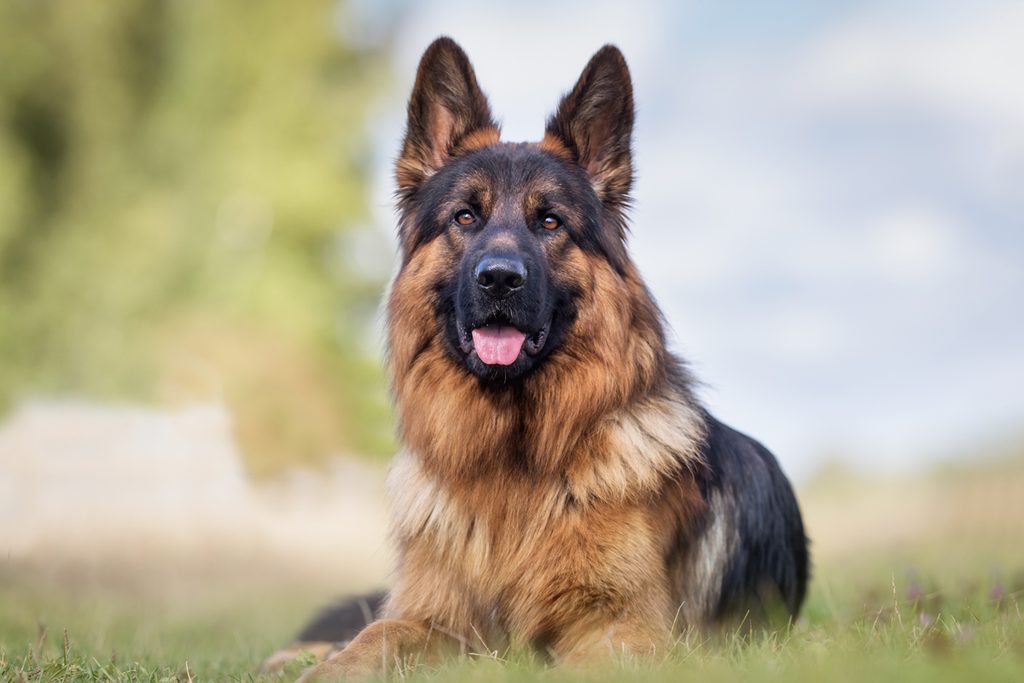
Dogs are famous for their sensitive sniffers, which have been trained to track missing people, detect explosives and drugs, confirm bedbug cases, and even help expose hidden electronic devices. Their noses also have the potential to be used as diagnostic tools: In a 2025 study, seven trained dogs correctly detected lung cancer in 78% of positive breath samples.
Dogs have, of course, also worked historically as four-legged farmhands, and they’re still important contributors to farms today. Long before modern tools such as drones and virtual fencing, dogs helped move livestock between pastures and into pens, which they continue to do now.
Working herding dogs skillfully gather scattered sheep, separate individual animals from a flock, and help farmers handle livestock during feeding and other routine chores. Breeds such as border collies are especially prized for their instincts and speed.
Credit: Bruno Delacotte/stock.adobe.com
Pigeons Carry Messages and Monitor Air Quality
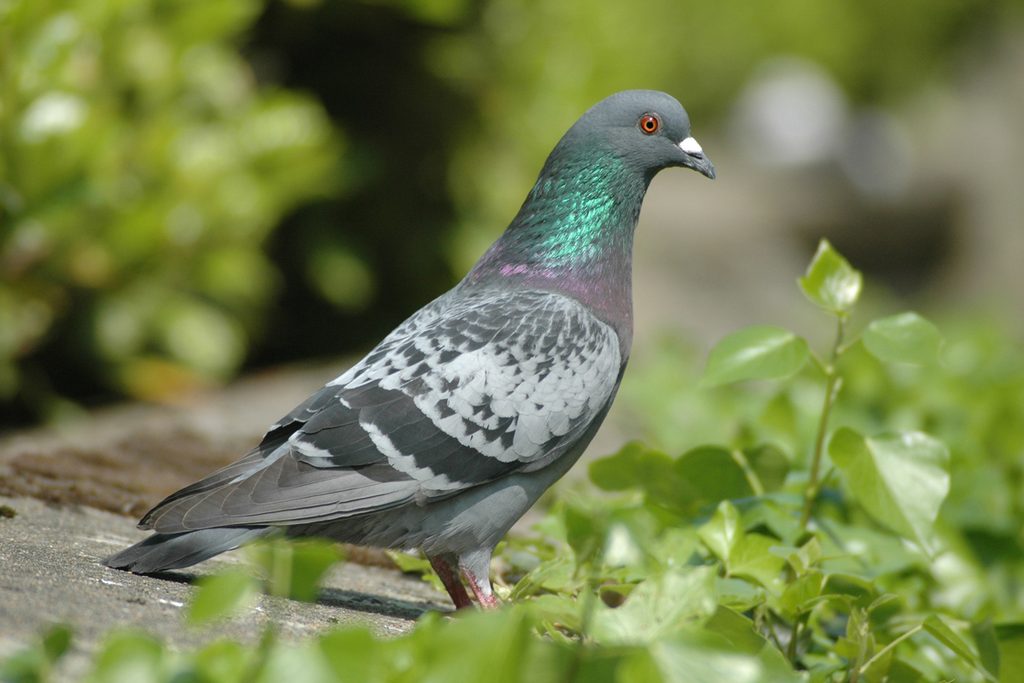
Pigeons have spent centuries navigating busy cities, and those skills once made them valuable messengers. For thousands of years, homing pigeons have carried notes across long distances, including important military messages during both world wars, when radio communication was unreliable or unavailable.
More recently, they’ve taken on another human job: monitoring pollution. In 2016, 10 London-based racing pigeons wore tiny air quality monitors attached to lightweight vests, measuring pollutants such as nitrogen dioxide and ozone as they flew around the city.
Researchers in Rome took the idea further in a 2021 study, fitting homing pigeons with miniature sensors to measure carbon dioxide levels as they flew from the city to their rural homes. Their readings revealed differences in CO₂ levels across urban, agricultural, and green spaces, demonstrating how these long-held, hardworking birds could help scientists monitor air quality from above.
Credit: muratart/stock.adobe.com
Dolphins and Sea Lions Find Lost Objects Underwater
The United States Navy has an unusual team of underwater specialists: bottlenose dolphins and California sea lions. Since 1959, its Marine Mammal Program has trained these mammals to locate, mark, and sometimes help recover underwater objects.
Dolphins have a particularly useful skill for the job. Their sophisticated sonar, known as echolocation, helps them find objects even in murky conditions where electronic equipment can struggle. Sea lions, meanwhile, have excellent underwater hearing and low-light vision and can attach recovery lines to objects on the ocean floor.
Credit: emranashfran/stock.adobe.com
Falcons Keep Other Birds Away From Planes
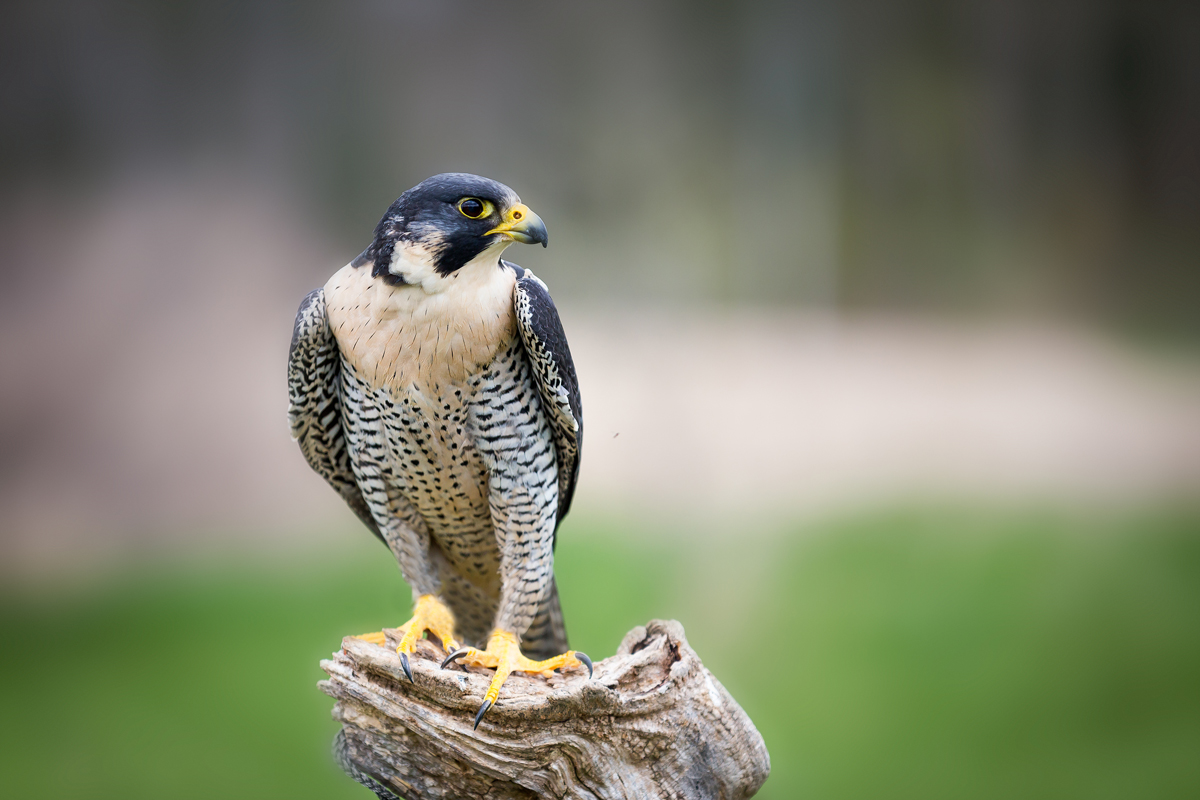
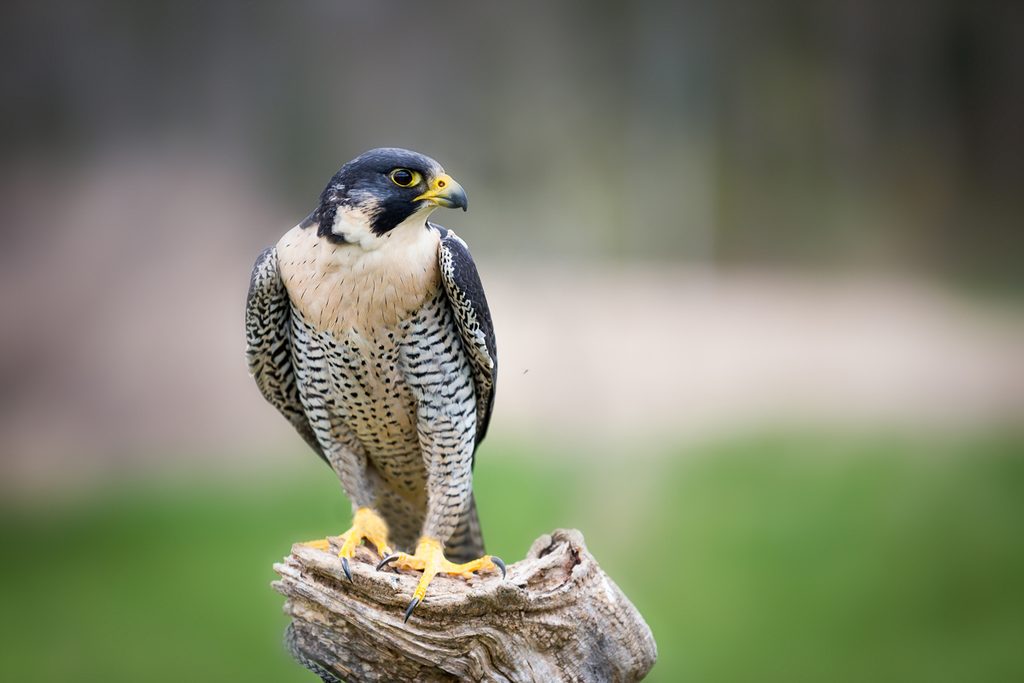
Birds and airplanes are a notoriously bad combination. A collision with a flock can damage an aircraft, and one way airports discourage those feathered trespassers is by bringing in other, bigger birds. Falcons and other trained raptors such as hawks or eagles patrol airport grounds, using their natural hunting instincts to scare smaller birds into finding another place to hang out.
Unlike noise cannons or other scare tactics, live predators can pose a more convincing threat. Sometimes, even a falcon’s shadow is enough to send smaller birds scattering, since the presence of a natural predator is hard for birds to ignore.
Bennett Kleinman is a New York City-based staff writer for Inbox Studio. He is also a freelance comedy writer, devoted New York Yankees and New Jersey Devils fan, and thinks plain seltzer is the best drink ever invented.
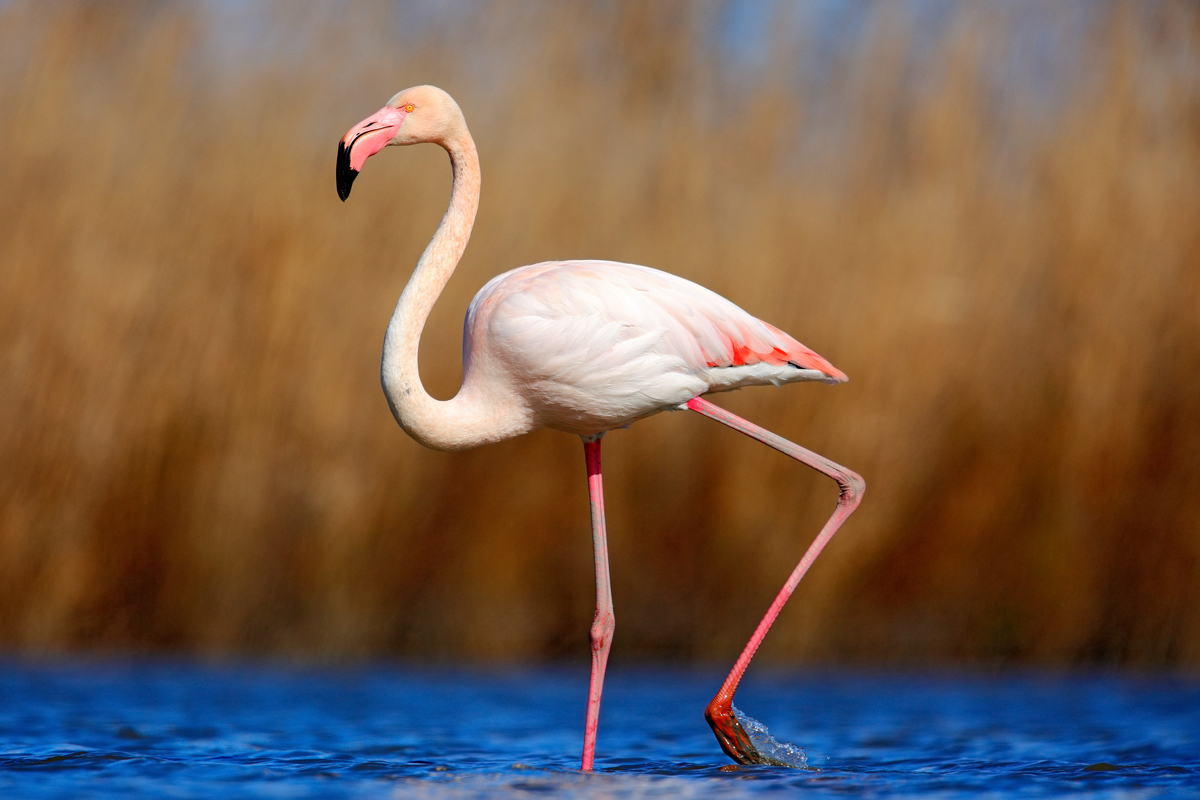
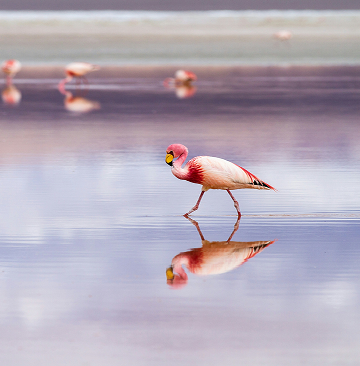
There are bowls of soup and mugs of coffee that are far too hot for human consumption, but flamingos have a much higher tolerance for scalding liquids by comparison. These flamboyant flyers are able to easily consume scalding water at temperatures of roughly 140° Fahrenheit, which they find in hot springs, volcanic geysers, and alkaline-rich lakes.
Take the lesser flamingos of Northern Tanzania’s Lake Natron, a salt lake that reaches temperatures up to 140º. Most creatures would find the environment inhospitable, but flamingos’ scaly legs have limited nerve endings, allowing them to stand in piping hot geothermal water sources. Their specialized beaks then help them filter and process the simmering water, which may be their only available water source and therefore essential to survival.
Tony is an English writer of nonfiction and fiction living on the edge of the Amazon jungle.
In some sectors of the animal world, there seems to be an unwritten rule that camouflage is for cowards. Along with certain butterflies, coral reef fish, and color-shifting cephalopods, some birds have gone all-in on spectacle, foregoing concealment for dazzling shows of brilliance. This is more common among male birds, who tend to be more colorful than females.
Here’s a selection of eight avian show-offs who rank among the most spectacularly colorful birds on the planet.
Credit: Quarterland Photos/stock.adobe.com
Resplendent Quetzals
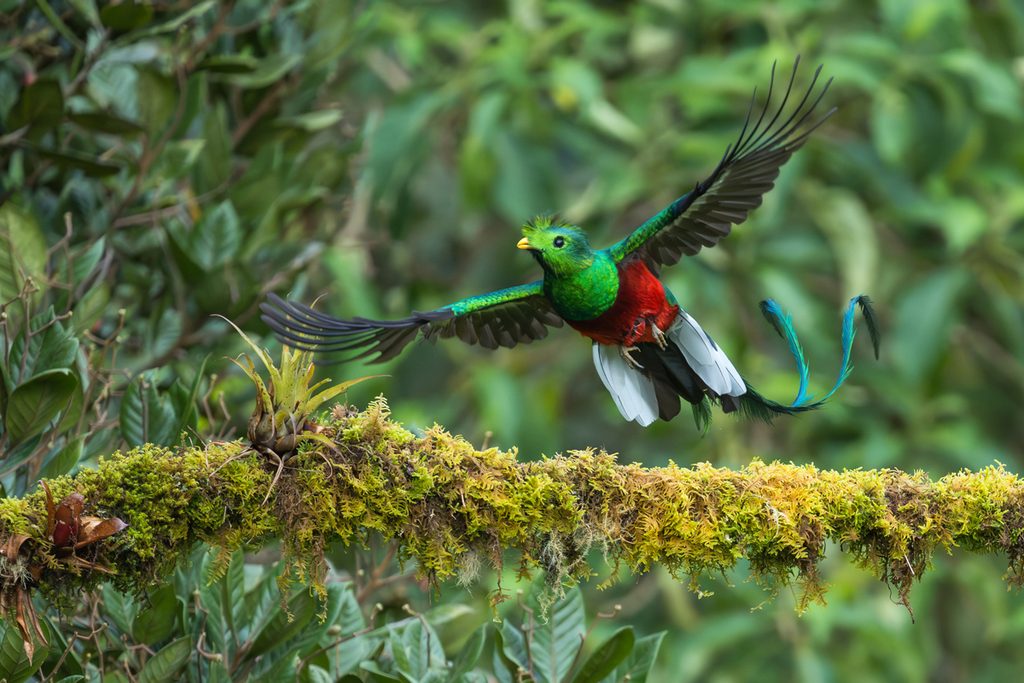
The resplendent quetzal is a Central American icon that looks like it flew straight out of a particularly whimsical myth. These beautiful birds sport iridescent blues, greens, and reds that shift and glimmer in the light.
As if those colors weren’t flashy enough, males top off the look with streaming tail feathers that can stretch more than 3 feet in length. Revered by ancient Maya and Aztec cultures, the quetzal is a living emblem of pure, luminous color.
Credit: tomatito26/stock.adobe.com
Mandarin Ducks
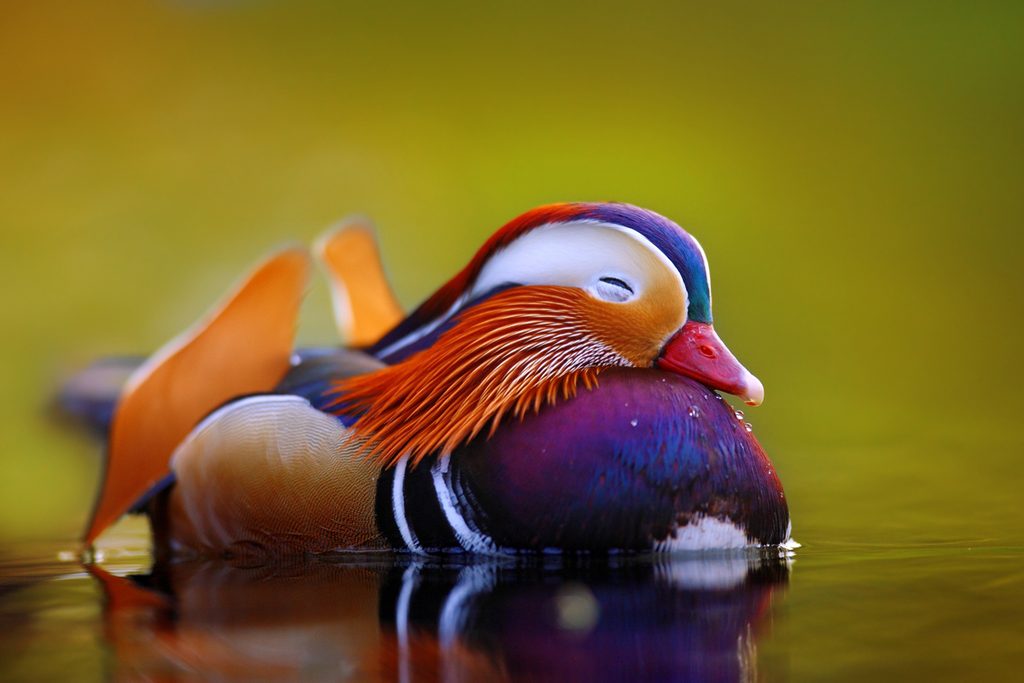
Few birds are as elaborately colored as male Mandarin ducks. Their plumage is an elegant if somewhat gaudy mix: bright orange or copper-colored sail feathers on their back, purple breast feathers, green and white head stripes, and copper flanks. Native to East Asia but now found in park lakes worldwide, they look permanently dressed for a formal event at which they’re intent on outshining every other duck.
Credit: Staffan Widstrand/stock.adobe.com
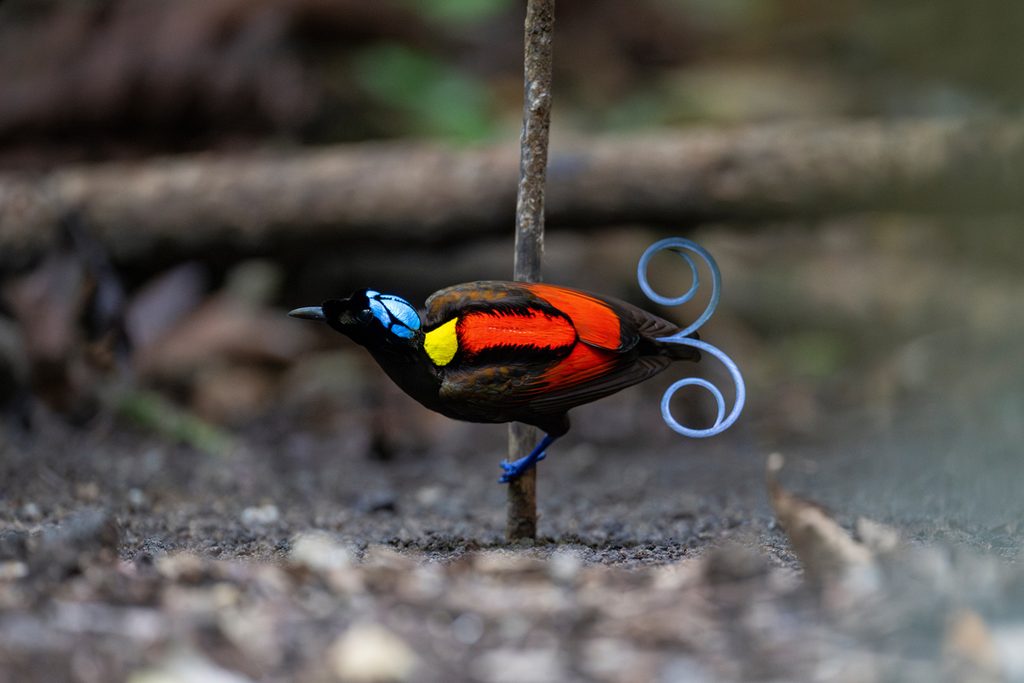
Wilson’s Bird-of-Paradise
In the rainforests of Indonesia lives a small bird with big colors called Wilson’s bird-of-paradise. Looking like a winged piece of modern art, male birds display a vibrant rainbow of colors — reds, greens, blues, and yellows — produced by both skin pigments and structural light-scattering. Add to this their dark blue feet, curved violet tail feathers, and pale blue skin on the top of their heads, and the whole effect is nothing short of stunning.
Credit: katechris/stock.adobe.com
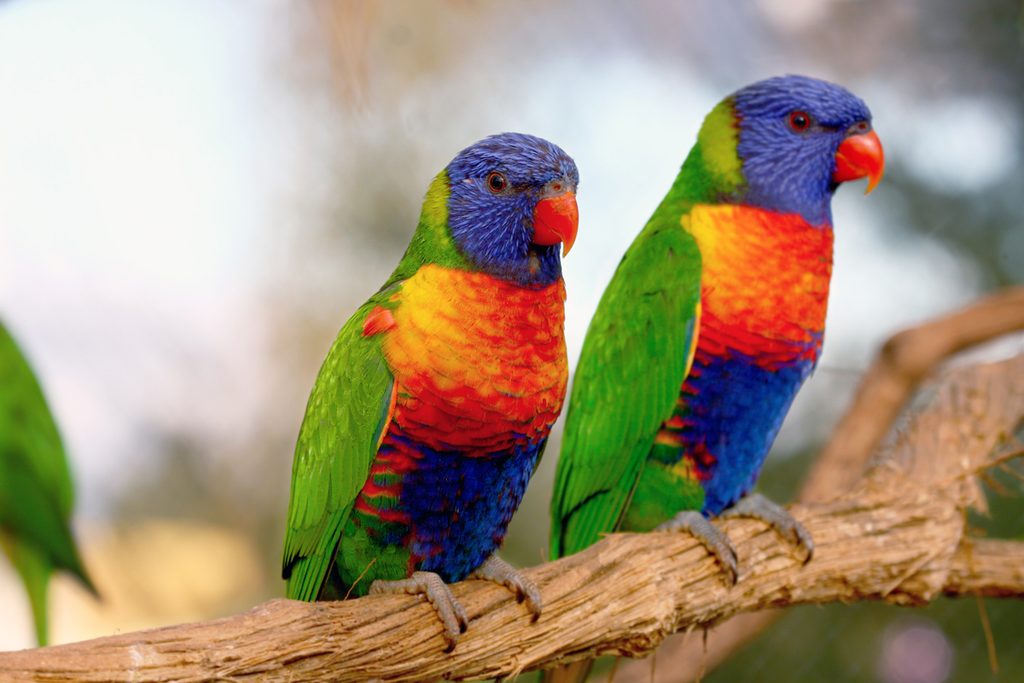
Rainbow Lorikeets
When it comes to color, there’s a lot of competition in the parrot world. Scarlet macaws, sun conures, and blue-streaked lories are just a few that would garner great applause on a psychedelic catwalk — but the rainbow lorikeet is hard to beat.
This Australian parrot lives up to its name, with its blue head, green wings, orange breast, and yellow collar combining in a continuous wash of color. Highly social and extremely noisy, a gathering of rainbow lorikeets can turn a tree into a slightly chaotic scene of brightly shifting colors.
Credit: Karlos Lomsky/stock.adobe.com
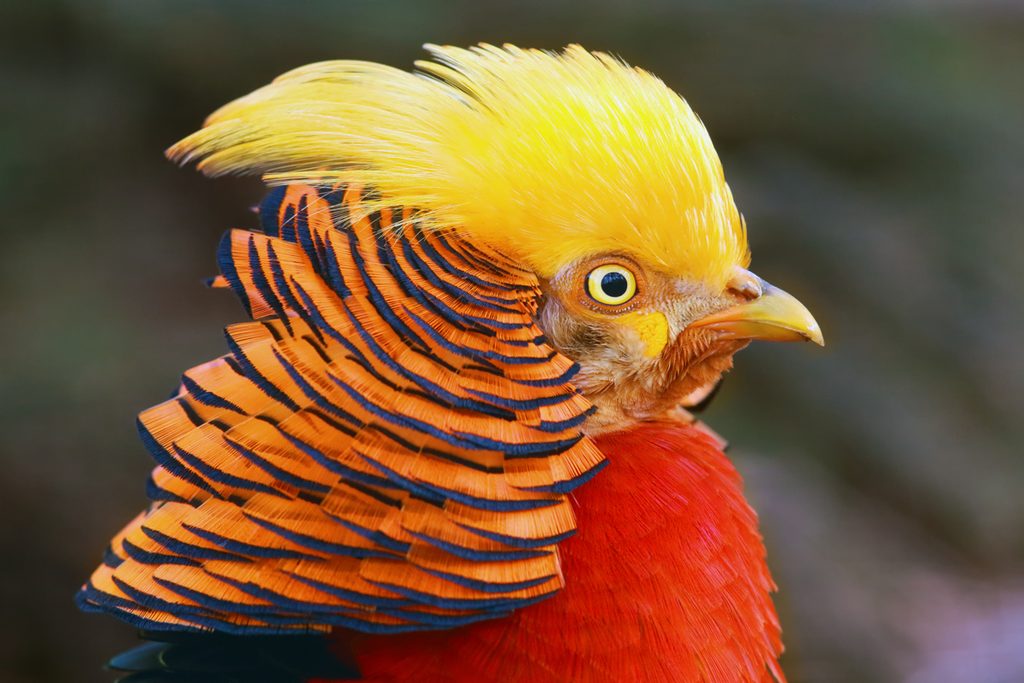
Golden Pheasants
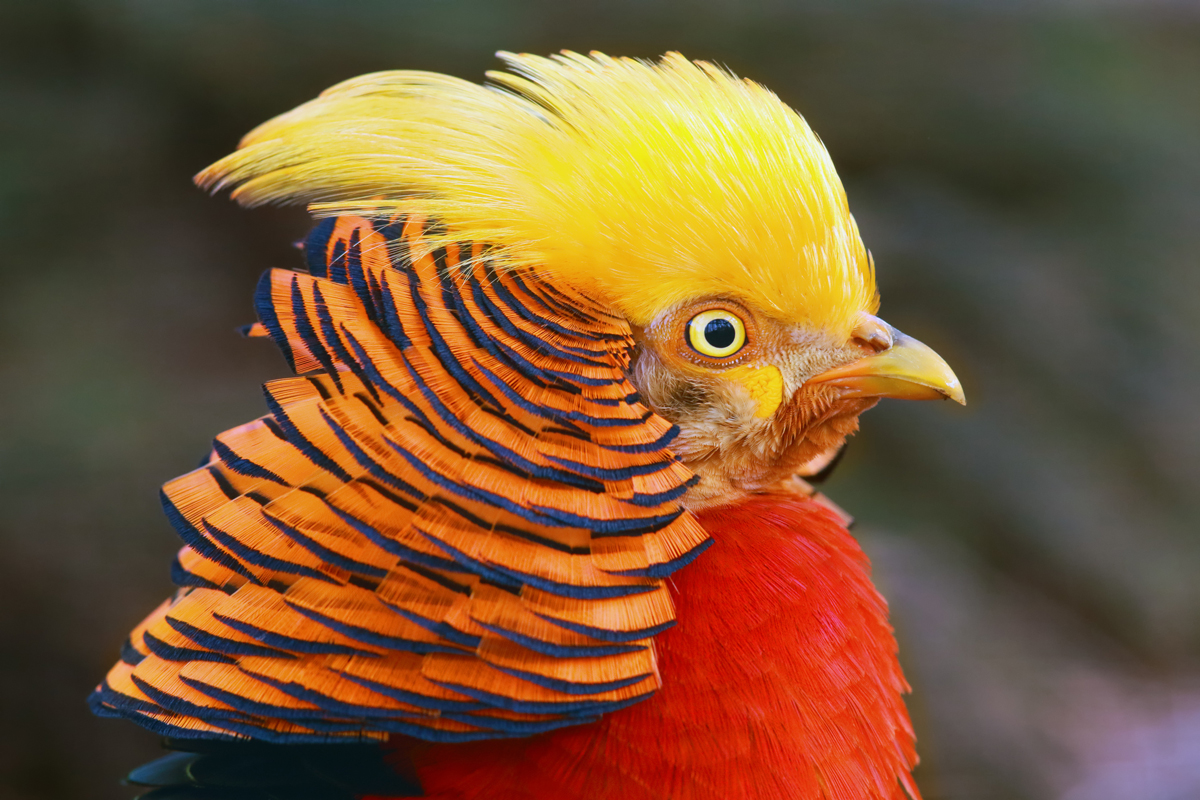
Native to the forests of western China but also found in Europe and the Americas, the male golden pheasant is a very stylish bird indeed, with a yellow crest, scarlet underparts, golden-orange rump, lengthy spotted tail, and dark blue-green wings. The overall effect is akin to a proud, gaudy masterpiece — and even at rest, the golden pheasant looks ready for a rather splendid parade.
Credit: MehmetOZB/stock.adobe.com
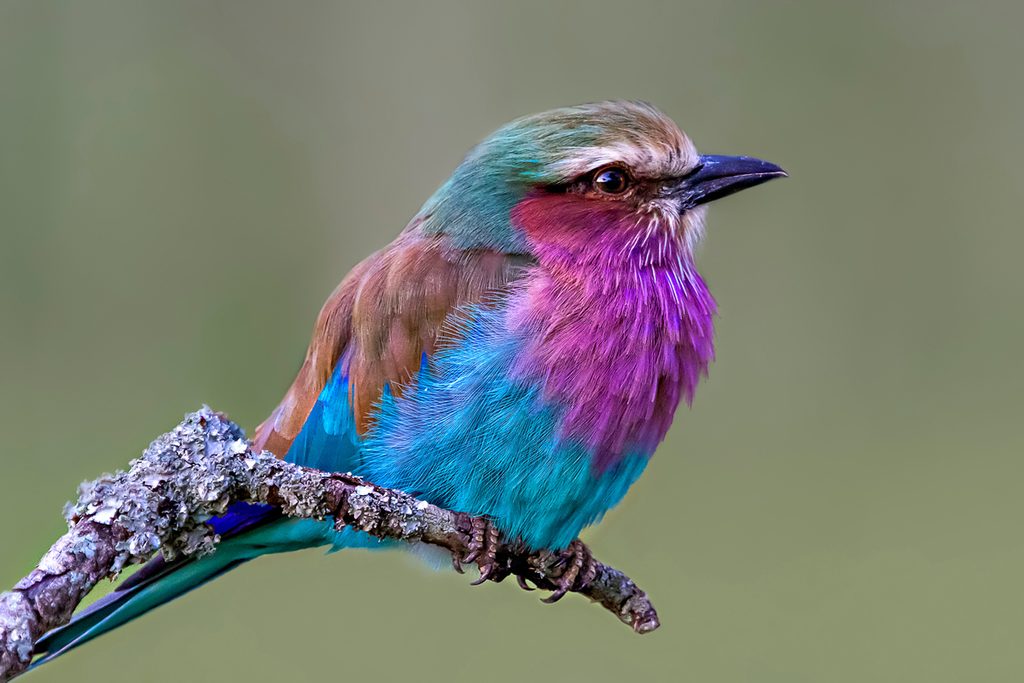
Lilac-Breasted Rollers
Native to the open woodlands and savannas of Southern and Eastern Africa, both male and female lilac-breasted rollers are adorned in a beautiful blend of soft pastel colors and electric hues.
With a lilac throat and breast, bright blue and turquoise wings, green and blue upperparts, and a warm brown back, they’re truly remarkable-looking birds. The lilac-breasted roller has the honor of being Kenya’s national bird, with its numerous colors said to represent the nation’s many different tribes.
Credit: Bonnie Taylor Barry/stock.adobe.com
Painted Buntings
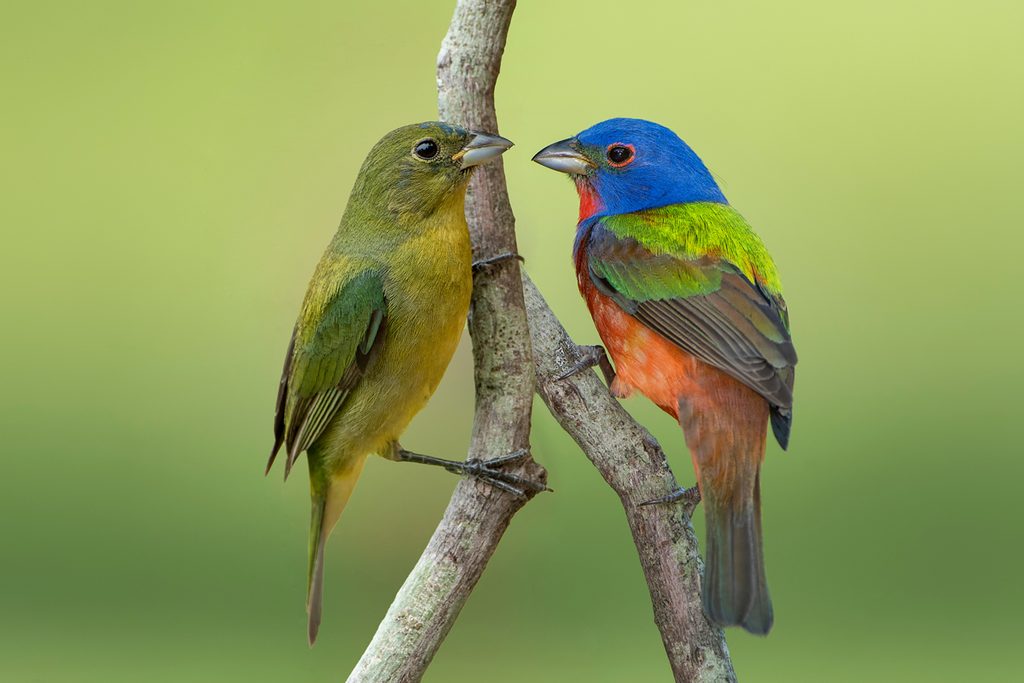
Painted buntings are small songbirds that many ornithologists and birdwatchers cite as having some of the most colorful feathers in North America. The males have an electric-blue head, red underparts, and green back in a compact package that looks as though it was painted by hand — hence the artistic name. Their colorful plumage has inspired the names given to them in other languages: In some Spanish-speaking countries they’re called sietecolores (“seven colors”), while in Finland they’re known as sateenkaarikardinaali (“rainbow cardinals”).
Credit: Thongtawat/stock.adobe.com
Black-Backed Dwarf Kingfishers
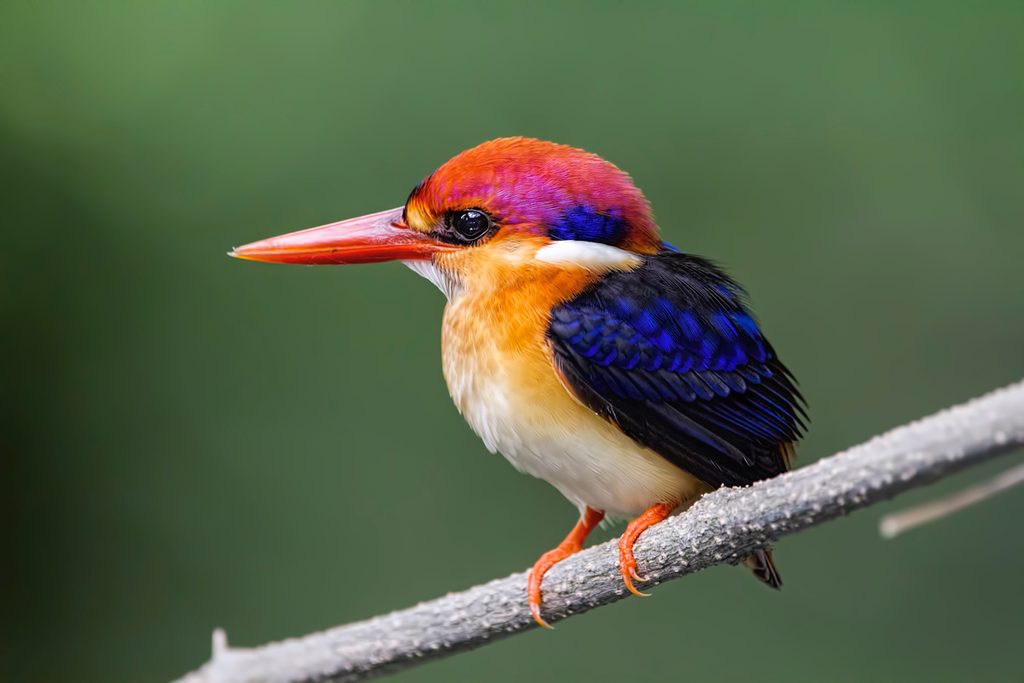
Tiny enough to sit in the palm of your hand, the black-backed dwarf kingfisher is a living jewel found in the forests of South and Southeast Asia. This diminutive bird is a blaze of color, its upperparts shining with a deep blackish-blue, while its underside is a vivid orange.
Its head and neck are a mix of lilac and fuchsia, with a dark patch on its forehead and blue and white patches on the side of its neck. Its sharp, bright red bill adds the final flourish on what is one of the most neatly decorated little birds around.
Kristina is a coffee-fueled writer living happily ever after with her family in the suburbs of Richmond, Virginia.
For some frogs, “throwing up” can be disgustingly literal. American bullfrogs and African clawed frogs are among the species known to practice stomach eversion, turning the stomach inside out and pushing it up through the esophagus and into the mouth. Powerful contractions of the abdominal muscles help force the stomach upward, allowing a frog to quickly get rid of something irritating or potentially toxic that it has swallowed.
Once the stomach is everted, frogs can use their front feet to wipe material from its exposed lining before pulling it back inside. Experiments with African clawed frogs have shown that chemicals and mechanical stimulation can trigger the response, and researchers believe it helps clear noxious substances from the digestive system.
Nicole is a writer, editor, and researcher with over 15 years experience covering arts and culture, lifestyle, and media. Her work has also appeared in PureWow, Brit + Co, Exclaim, AUX TV, and CBC. She lives in Ontario, Canada.
Frogs may seem like fairly unassuming little pond-dwellers, but a closer look reveals some decidedly bizarre biology. With about 7,600 known species found across nearly every continent, these amphibians play important roles in their ecosystems, both as predators and as prey.
They also happen to vary widely in how they survive and reproduce, producing some adaptations that are unseen in just about any other kind of creature. Here are seven reasons frogs are among nature’s biggest weirdos.
Credit: Natural Visions/Alamy
One Frog Raises Its Babies in Its Back
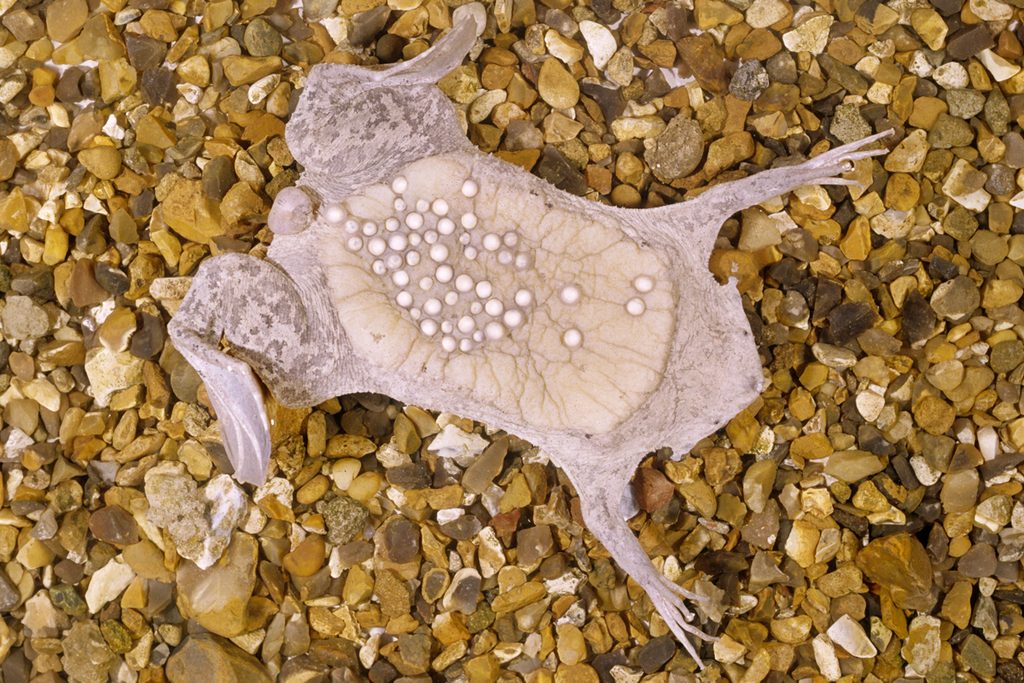
If you think human pregnancy sounds like some form of body horror, allow us to introduce the erroneously named Surinam toad: After mating, around 100 fertilized eggs stick to this Amazonian amphibian’s back. Within a day, they sink into the female’s skin and become sealed inside, where they hatch and finish developing. Eventually, her back begins to bulge and ripple as the fully formed baby toads wriggle beneath the skin before bursting free.
Credit: Fotolia Premium/stock.adobe.com
Some Frogs Are See-Through
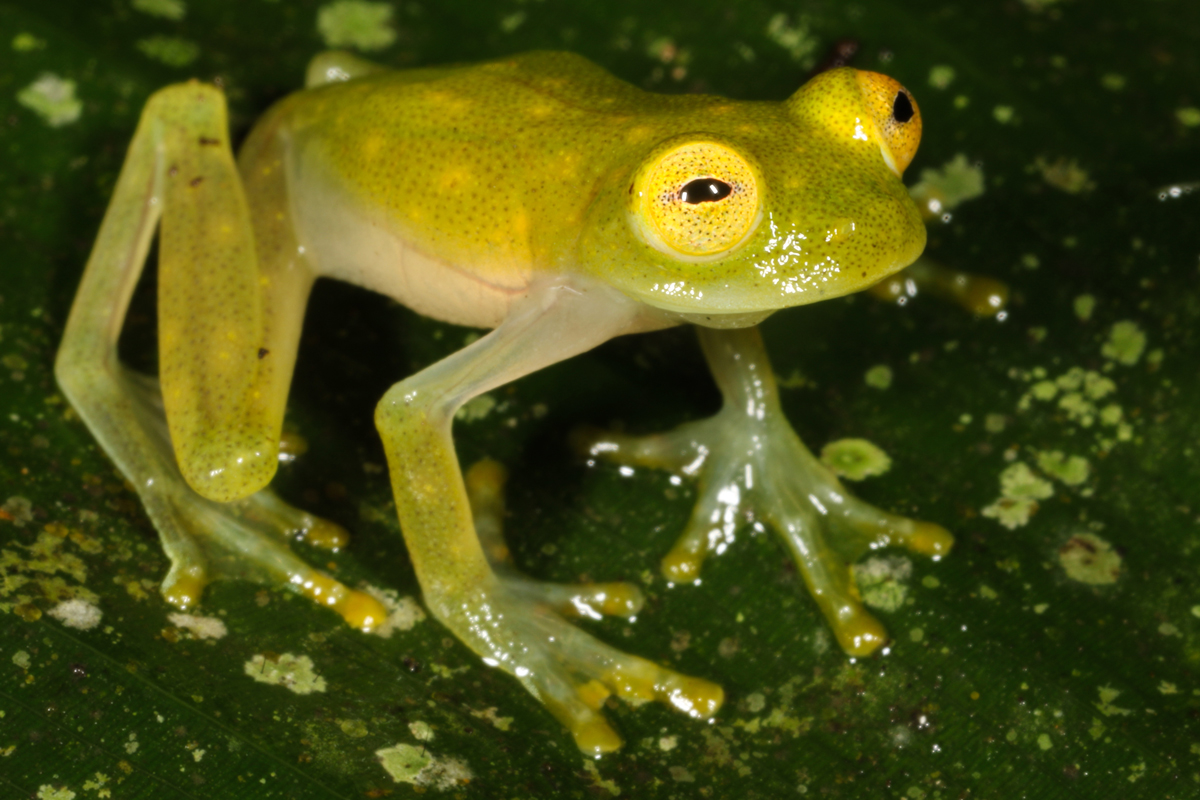
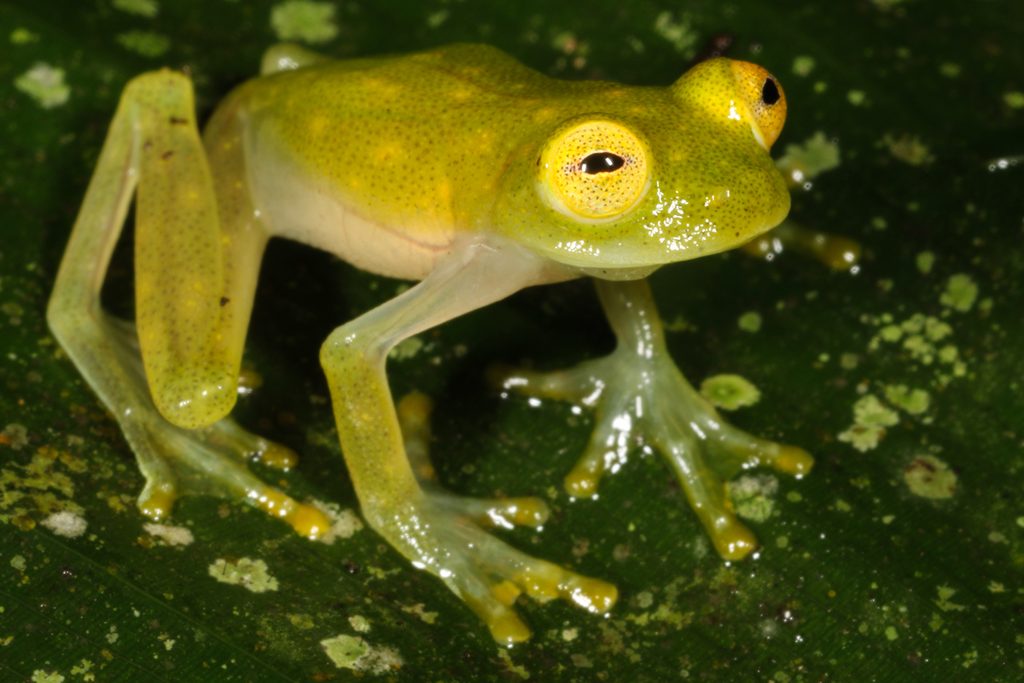
Transparency is a common form of camouflage in aquatic animals such as icefish and eel larvae, but it’s rare on land. Northern glass frogs, however, are able to hide nearly 90% of their circulating red blood cells in their liver while sleeping. This makes it much harder to spot the nocturnal creatures while they rest during the day beneath leaves in the tropical forests of Central and South America.
Their liver, which swells by about 40%, contains reflective guanine crystals that help mask the blood. When they wake up, the stored blood cells rush back into circulation, restoring their usual appearance.
Credit: Hamilton/stock.adobe.com
Some Species Freeze Solid To Survive
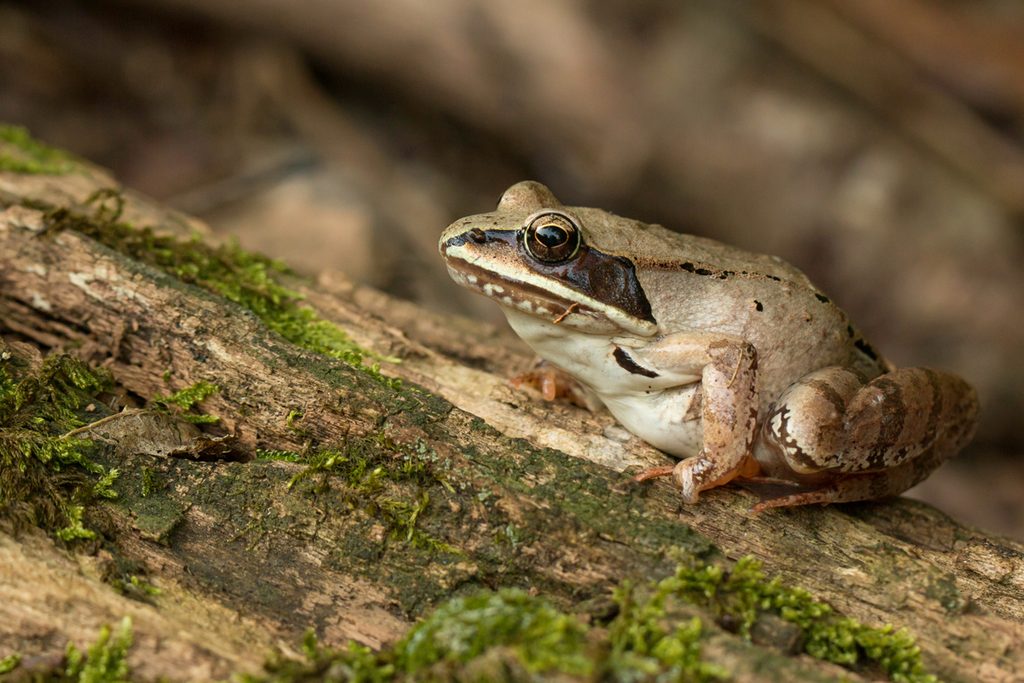
Wood frogs, found across Canada and Alaska, have an ice-cold survival adaptation: They freeze solid to get through the winter. As temperatures drop, ice forms around their organs, their hearts stop beating, and they stop breathing, remaining frozen for up to eight months before thawing in the spring.
The key to this is glucose: Their livers flood their cells with the sugar, which helps prevent the cells from fully freezing and dehydrating. When temperatures start to rise, the thaw begins, and soon they hop off to find breeding ponds.
Credit: Paul Starosta/Getty Images
Hairy Frogs Turn Their Own Bones Into Claws
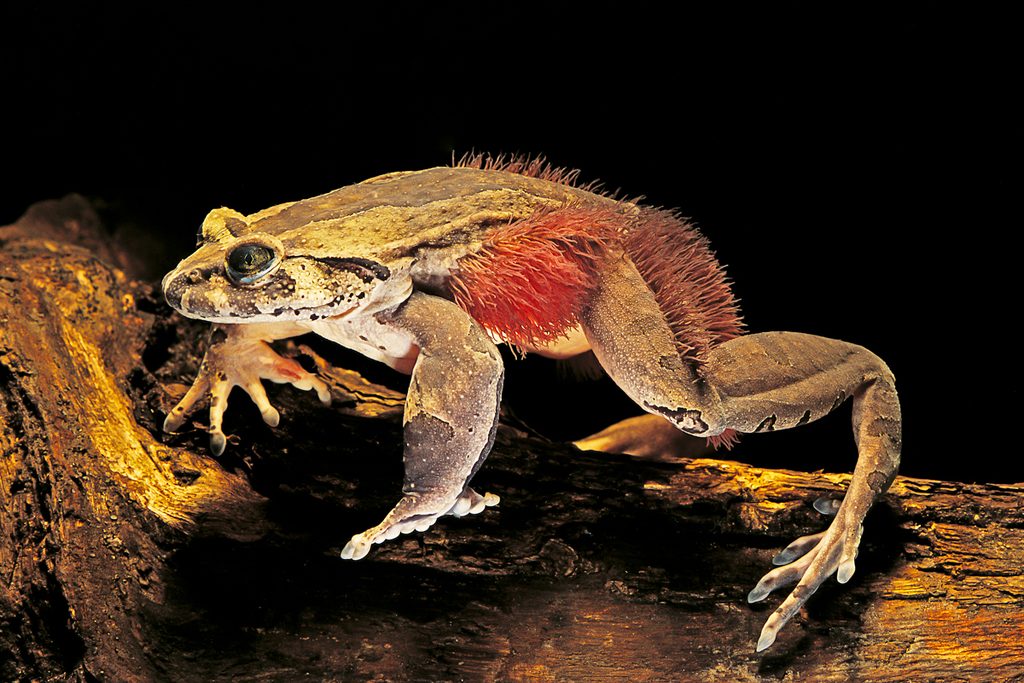
Central Africa’s hairy frog has a suitably unsettling name thanks to the hairlike tissue projections that develop along the bodies of breeding males. But that’s not even its strangest feature — when threatened, the hairy frog can turn its own skeleton into a weapon, snapping the tips of its toe bones free and sending them piercing through its skin as sharp claws used to slash at unlucky predators. The claws can also retract, after which the frog’s skin, muscles, and tendons heal and regenerate, ready to deploy again.
Credit: Album/Alamy
Some Tadpoles Shrink as They Grow
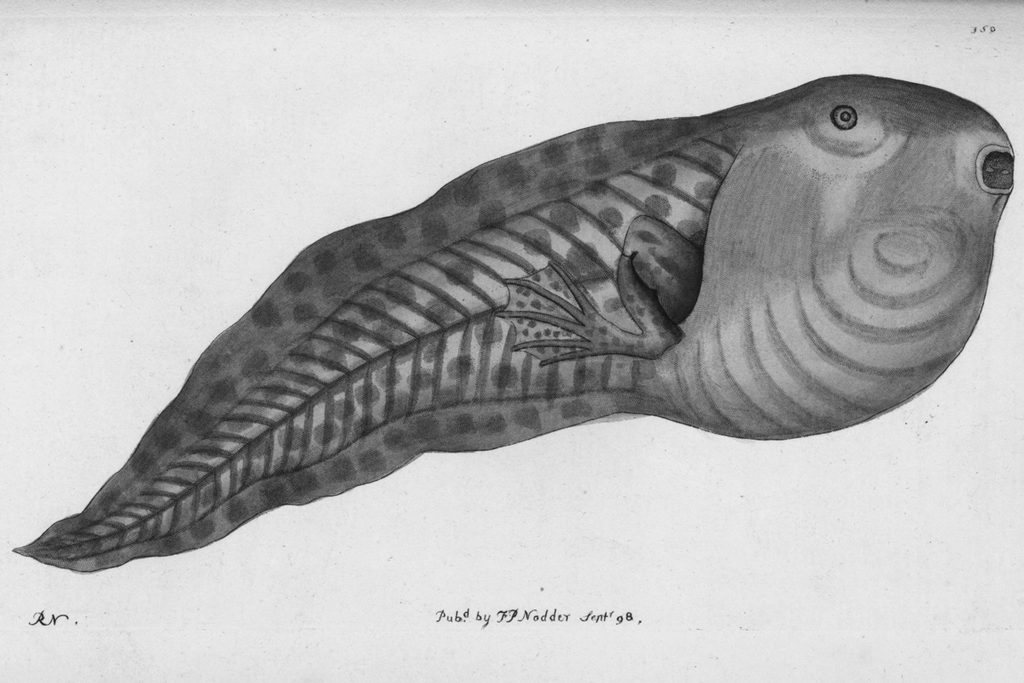
The paradoxical frog does things backward: Its tadpoles can grow to around 10 inches long, only to shrink dramatically as they develop into adults, measuring just 2 to 3 inches when grown. Unlike most frogs, which continue growing after metamorphosis, paradoxical frogs do most of their growing as tadpoles. By the time they lose their oversized tails and become adults, they’re already close to their final size.
Credit: JosManuel/stock.adobe.com
This Frog Dad Carries His Babies in His Throat
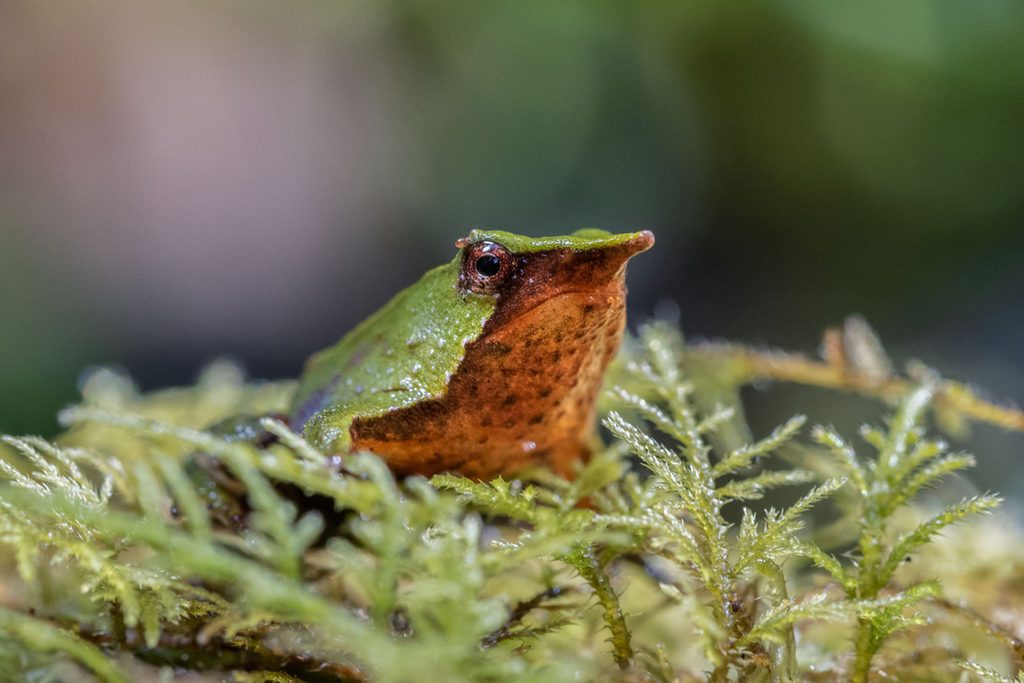
In Darwin’s frog, the father takes on the bulk of early parenthood. After the female lays eggs, the male guards them for about 20 days until they hatch. Then, strangely, he swallows them.
The tadpoles move into his vocal sac, where they safely spend another six to eight weeks developing. Eventually, fully formed froglets emerge through his mouth, ready to hop off into the world.
Credit: gabriel/stock.adobe.com
The Frog That Screams Silently
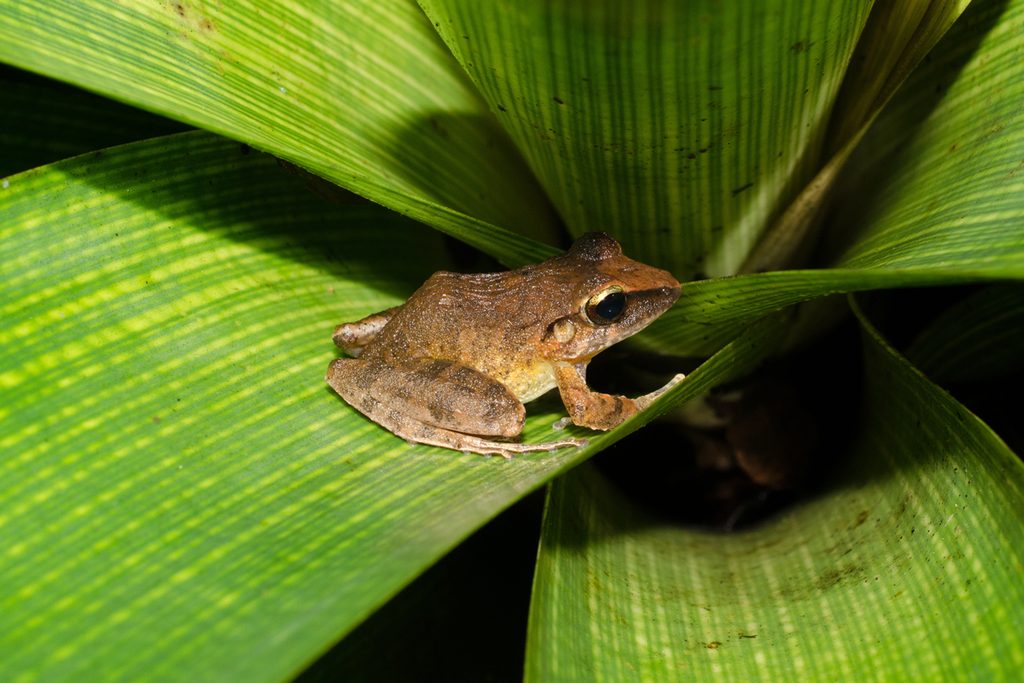
When threatened, Brazil’s clay robber frog lets out a defensive scream so high-pitched that parts of it are inaudible to humans. The call can reach ultrasonic frequencies above roughly 20,000 hertz, the upper limit of human hearing. Scientists suspect this silent scream may be used to shock or hurt a predator’s ears — or attract an even larger predator to chase the first one away.
Other frogs scream but aren’t nearly so subtle. The Cape rain frog of South Africa, for example, can emit a loud, high-pitched squeal when it feels threatened. These distress calls may help startle a predator into letting go — and they’ve also made the frog an internet star, with videos of the tiny amphibians’ screech delighting people around the world.
Advertisement
Your Daily Guide to the Animal Kingdom
Get to know the animals that share our planet with this daily newsletter.
Success! Welcome to Animal Facts.
Check your inbox for your daily email.
Sorry, your email address is not valid. Please try again.