Bennett Kleinman is a New York City-based staff writer for Inbox Studio. He is also a freelance comedy writer, devoted New York Yankees and New Jersey Devils fan, and thinks plain seltzer is the best drink ever invented.
Humans aren’t likely to perform acrobatics while peeing unless they’re carefully hovering over a dirty public toilet, but pandas contort their bodies more often and even perform handstands as they relieve themselves. This behavior is typically exuded by male pandas during the brief springtime mating season.
Panda urine carries pheromones used to attract mates, and the bears urinate on trees since the crevices of rough tree bark do an excellent job of holding onto the scent. Doing a handstand allows pandas to maximize the potential odor field, as they can aim their urine higher up the tree trunk. Pandas also tend to pee on wider trees that provide a larger target, as it’s difficult for them to aim while balancing on their front paws.
Krissy Howard is a writer with a background in comedy, and a love for researching and writing about animal behavior. You can read some of her work at Cuteness, Byrdie, and The Hard Times. When she's not writing, she's growing food in the community garden, feeding stray cats, and learning Greek.
Goofy, clumsy, and cute — these aren’t exactly words that spring to mind when describing most bears, but then pandas aren’t your average ursid.
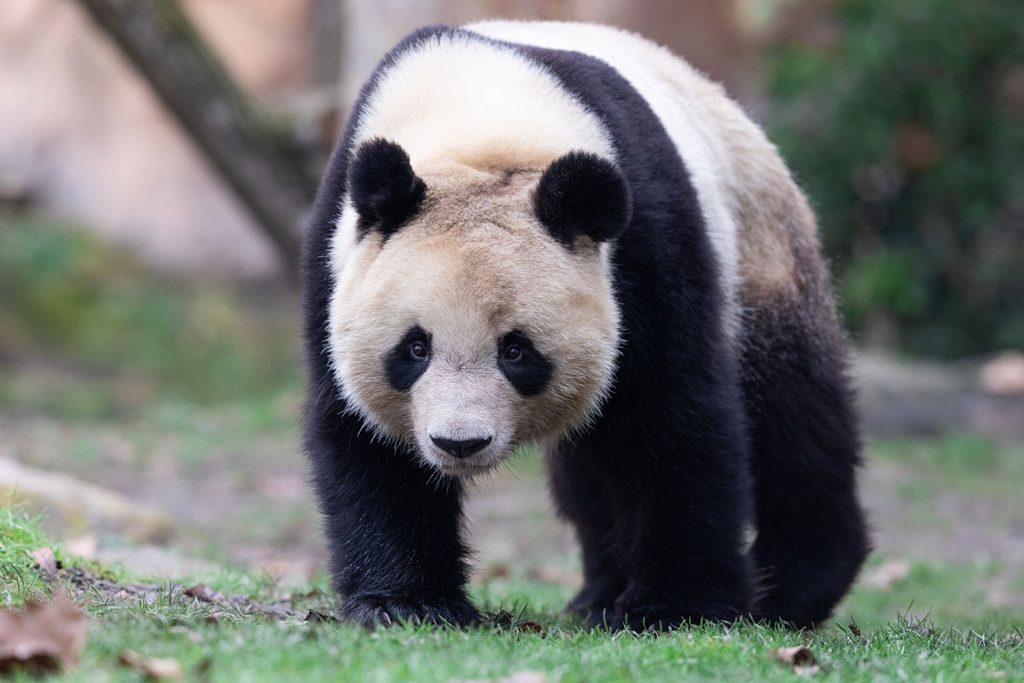
Native to China and only recently brought back from the brink of extinction, pandas rarely mate, often receive human help to raise their young, and have little energy to do pretty much anything except eat. They’re still here thanks to concerted conservation efforts, but it’s hard to see how they made it this far when you lay out all the facts.
Credit: Gary/stock.adobe.com
They’re Incredibly Difficult To Impregnate
Staying alive as a panda is one thing, but being created in the first place is a whole other battle due to female pandas’ very small window of fertility . Their breeding season lasts for about two months, from March to May, but females (called sows) are only able to get pregnant one to three days out of the entire year.
Sows reach sexual maturity at around 5 years old, and their reproductive lifespan ends when they’re around 20 years old. So on average, they have 45 shots at most to conceive naturally in one lifetime.
Credit: Wandering Bear/stock.adobe.com
Their Cubs Have Low Survival Rates
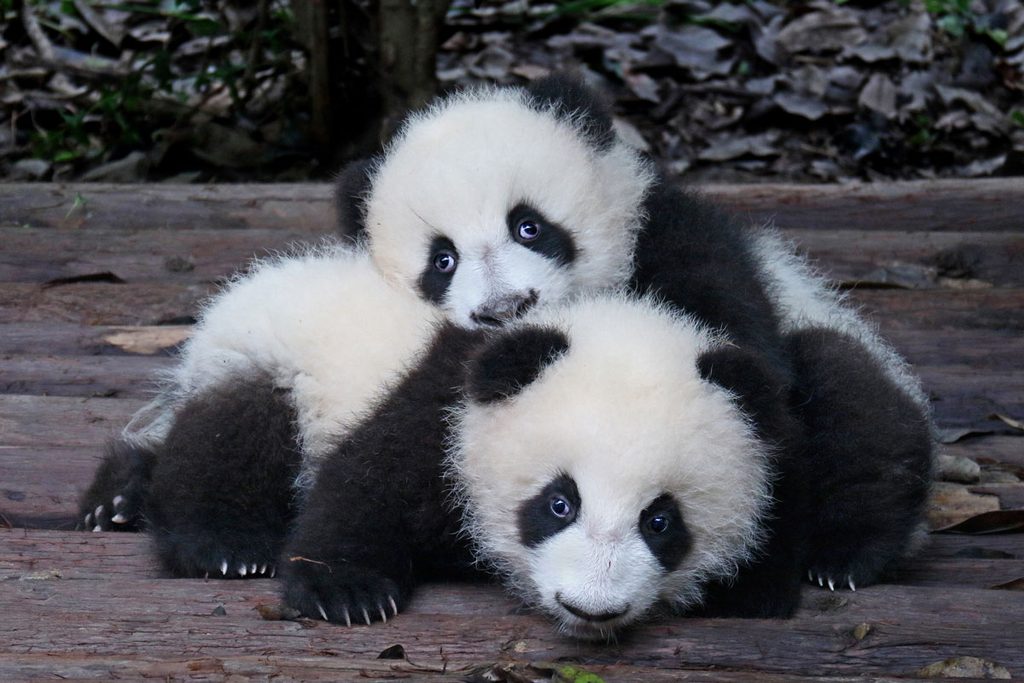
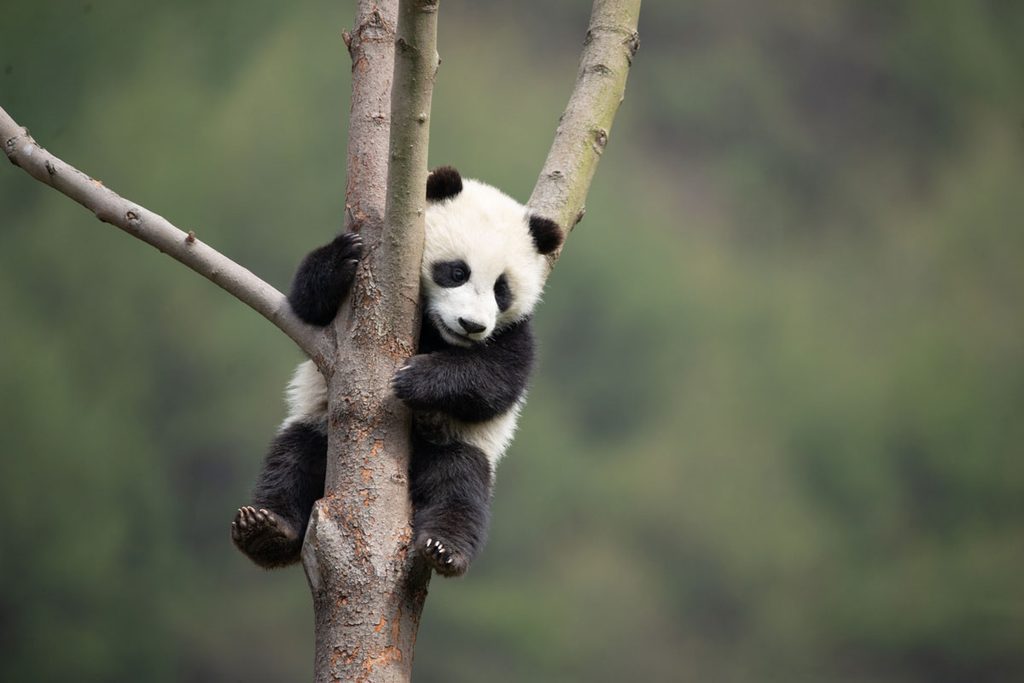
On the off-chance that a panda is born, it must face the daunting task of staying alive under the care of a parent with awful eyesight and a tendency to fall out of trees. Wild-born pandas have about a 30% survival rate, which essentially comes down to their total helplessness for the first months of life.
Hairless and sightless for nearly two months, and largely immobile for three, they rely on their mothers for absolutely everything, including food, temperature control, and stimulation to use the bathroom. As if that doesn’t sound difficult enough, they’re also about 1/800th of the size of their moms when they’re newly born, which means they’re easily crushed by an absentminded parent.
Plus, many panda births result in twins, but since panda cubs require so much attention, their moms can usually only care for one at a time and one of the two often doesn’t survive.
Credit: chendongshan/stock.adobe.com
They Have No Appetite for Meat
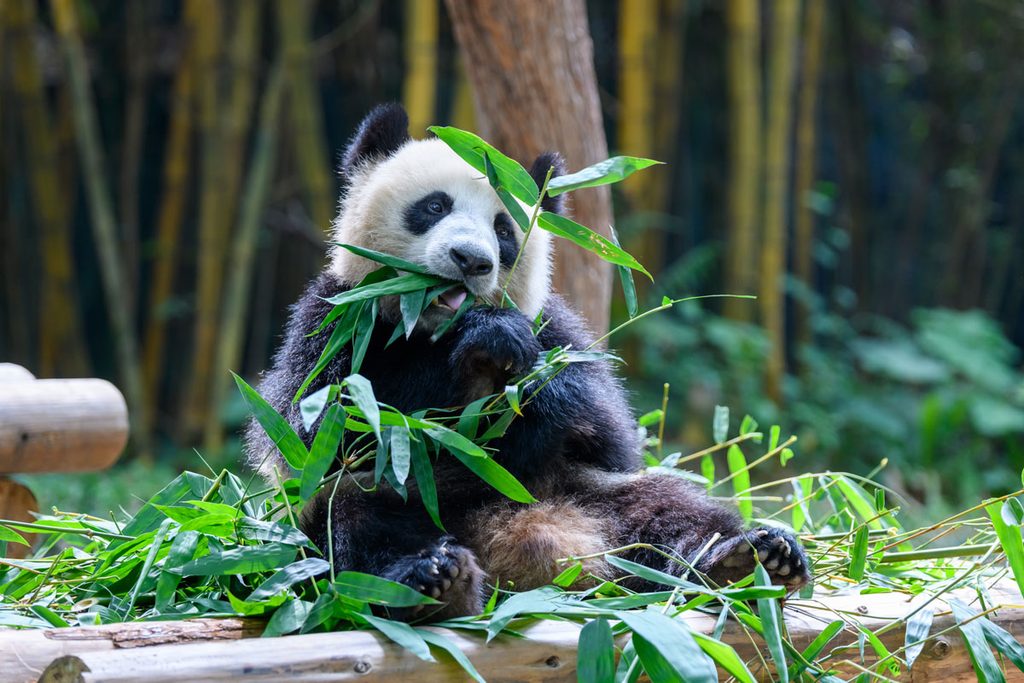
Unlike other bears, pandas don’t have a taste for meat; they lost that about 4 million years ago and have just been eating bamboo ever since. It’s believed that happened because there wasn’t sufficient prey around for them to kill and eat, and that it kept going because there was very little competition for fibery plants.
Because of this, pandas have lost use of the gene TAS1R1, which gives meat-eaters that taste for umami, the hard-to-describe flavor that’s created when we eat certain things, including meat. Instead, they’ve grown to evolve a stronger TAS2R42 gene, a bitter taste receptor that allows them to tolerate the toxic chemicals in bamboo.
Credit: DS light photography/stock.adobe.com
Their Less-Than-Ideal Digestion
A panda’s high-fiber bamboo diet, essentially void of nutrients, isn’t easy for a panda to process — and only about 17% of what they eat even gets digested. That means they have to eat a lot to meet their ideal calorie intake, which they do all day, every day. In fact, it’s pretty much all they do.
Pandas spend 10-12 hours per day eating bamboo and need to consume up to 84 pounds every day to maintain their weight. Because panda digestive systems were originally built for that of a carnivore, they lack the ability to break down this all-vegetarian diet, resulting in a massive lack of diversity in their gut and fewer defenses against harmful microbes. The lack of nutrients in their diet also forces them to conserve energy, which is how they’ve earned a reputation for laziness.
Credit: AB Photography/stock.adobe.com
Human Opposition and Assistance
Despite what seems like an evolutionary determination to die out, pandas aren’t even endangered anymore. Since 2016, pandas have been bumped from the endangered species list, thanks in large part to conservation efforts. Cub survival rates for captive pandas have jumped from 30% to nearly 90%, and those twins each have a better shot at reaching adulthood thanks to extra sets of dedicated human hands to help them.
While pandas may have a low chance at surviving on their own, we humans owe it to them to help keep them alive, as logging, agriculture, and other types of development on our part have resulted in major deforestation of their native habitats.
Advertisement
Sea turtles ‘cry’ giant tears to get rid of excess salt.
Tony is an English writer of nonfiction and fiction living on the edge of the Amazon jungle.
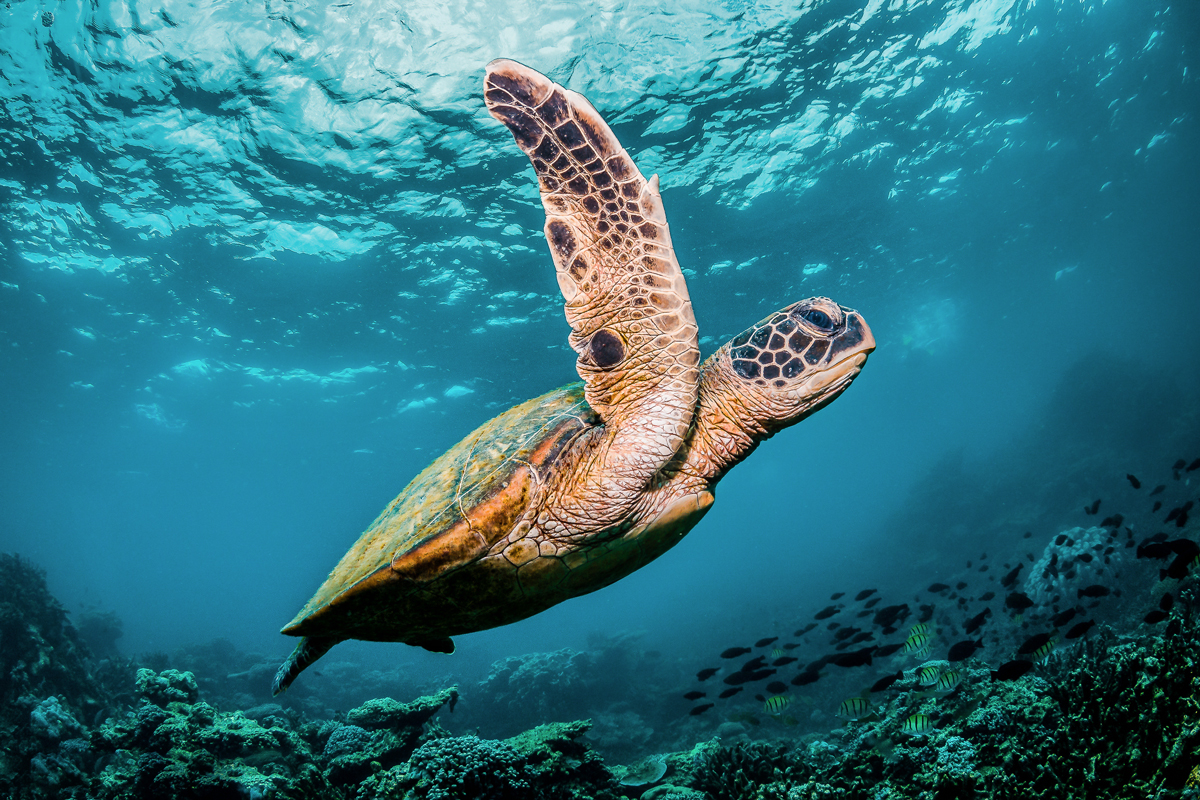
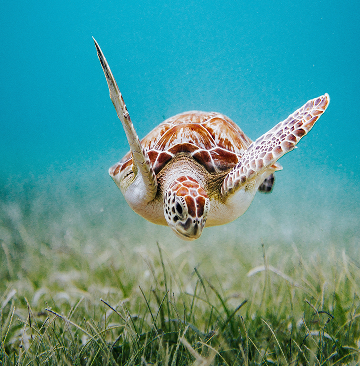
Sea turtles may look a bit glum at the best of times, but it isn’t sadness that fuels their “tears” — the science behind this phenomenon is far less sentimental. These animals spend their lives drinking saltwater to stay hydrated, which would be a very bad idea for most other animals, and their kidneys aren’t efficient enough to filter out all that excess salt on their own.
So nature gave them a workaround: a specialized secretory gland in each eye, larger than the turtle’s own brain, that pumps concentrated salt directly into their tears. The result looks exactly like crying, but it’s really a built-in desalination system that helps keep the turtle’s body chemistry balanced.
Advertisement
Why Will Lake Fish Die in the Ocean?
Across Species 13/11/26Nov. 13, 2026
Updated 13/11/26Nov. 13, 2026
Credit: Getty Images/Unsplash.com
Kristina Wright
Author
Kristina is a coffee-fueled writer living happily ever after with her family in the suburbs of Richmond, Virginia.
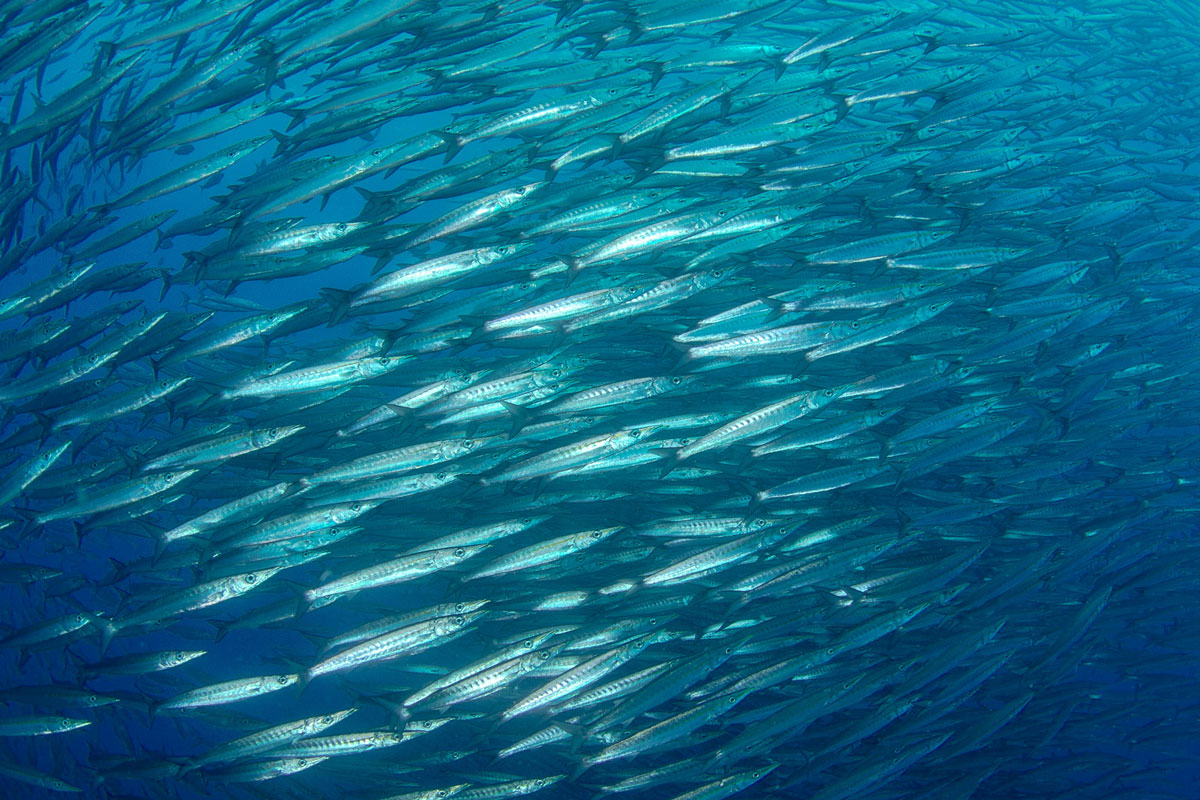
If you’re familiar with aquariums, you’ve probably noticed that freshwater and saltwater tanks are home to very different creatures. A goldfish and a clownfish may look similar, but a goldfish belongs in freshwater, while clownfish need saltwater. Freshwater and saltwater creatures live in very different environments, and their bodies have evolved to maintain the proper balance of water and salts in a process called osmoregulation.
The biggest difference between their habits is salinity, or the concentration of dissolved salts in water: Ocean water averages about 35 parts per thousand (or 3.5%) salt, while freshwater contains very little — less than one part per thousand (or 0.1%). That difference affects how water and dissolved substances move between an animal and its surroundings. Let’s take a closer look at how this all works.
Credit: Getty Images/Unsplash.com
Water and Salt Are Constantly Shifting
The main challenge to maintaining osmoregulation is osmosis, aka the movement of water across a membrane from an area with a lower concentration of dissolved substances, such as salts, to one with a higher concentration. Aquatic animals are constantly exposed to the water around them through gills, skin, and other permeable surfaces, so their bodies need to control the movement of water and salts.
Fish are a good example of this process: In freshwater, the surrounding water contains fewer dissolved salts than an animal’s body fluids do, so water tends to move into the fish while salts are lost to the environment. Freshwater fish compensate by producing large amounts of dilute urine and actively absorbing necessary salts through specialized cells in their gills. Because water continually enters their bodies, most freshwater fish drink little or no water.
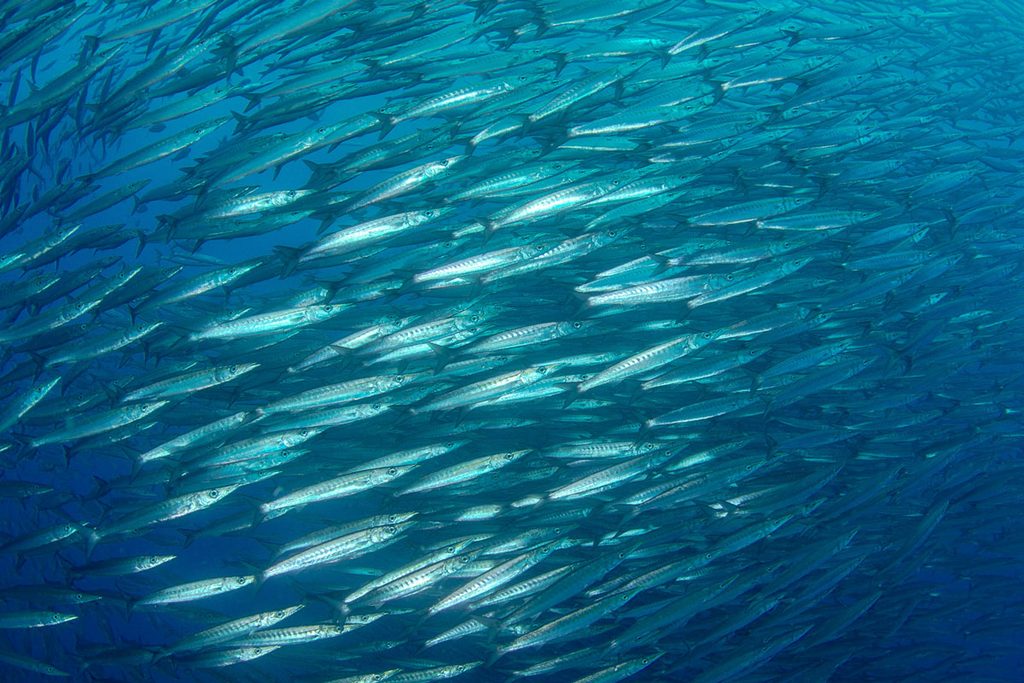
Many marine fish face the opposite problem. Seawater contains more dissolved salts than their body fluids do, so they tend to lose water to their surroundings. They compensate by drinking seawater and removing excess salts primarily through specialized cells in their gills and with help from their kidneys to maintain the proper balance of water and minerals.
Some fish species can adjust their osmoregulatory systems when salinity changes gradually, but only within the range their bodies are adapted to tolerate. For most fish, a major change in salinity can quickly become fatal.
Credit: Adrien Stachowiak/Unsplash.com
Other Aquatic Animals Face the Same Challenge
Fish aren’t the only animals affected by salinity. Crabs, shrimp, mollusks, worms, jellyfish, and other aquatic creatures also have to maintain an internal chemical balance compatible with their environments, but they don’t all accomplish that in the same way.
Some marine invertebrates, including many jellyfish and other ocean animals, have body fluids with salt concentrations relatively close to that of the surrounding seawater. Others actively regulate the concentration of salts and water in their bodies. Freshwater invertebrates generally face the same basic problem as freshwater fish in that water tends to enter their bodies, while salts can be lost.
Credit: Fengkai Liu/Unsplash.com
Some Animals Can Move Between Freshwater and Saltwater
Other species are much more flexible. Animals that can tolerate a broad range of salinities are called euryhaline, allowing them to gradually adjust their physiology as they move between freshwater and seawater.
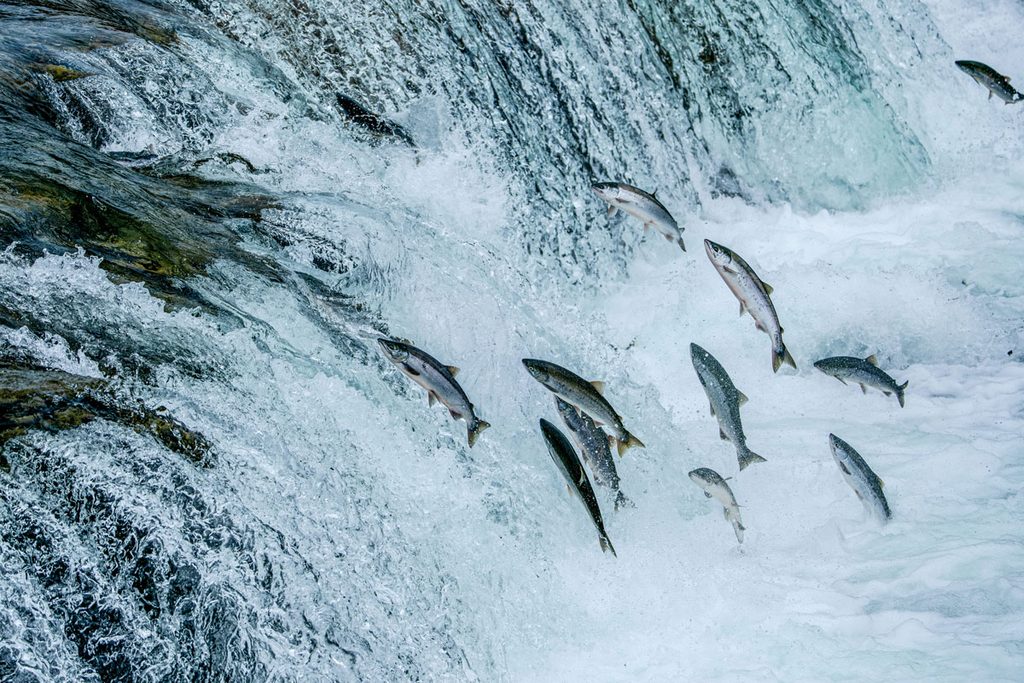
Salmon are among the best-known examples of this. Many species hatch in freshwater, migrate to the ocean, and later return to freshwater to reproduce. Their gills, kidneys, and hormones undergo changes that allow their bodies to switch from conserving salts in freshwater to getting rid of excess salt in the ocean. American eels take the opposite approach, growing primarily in fresh or brackish water (water that’s saltier than freshwater but not as salty as the ocean) before migrating to the ocean to reproduce.
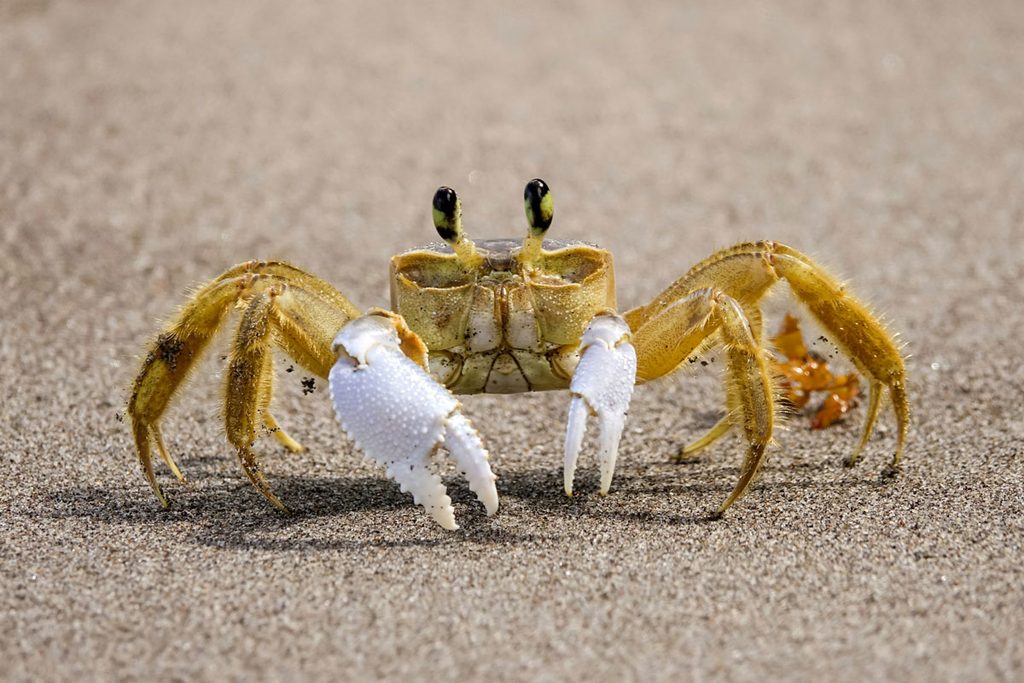
Some invertebrates can also tolerate considerable changes in salinity. Blue crabs, for example, can live in water ranging from nearly fresh to quite salty, while oysters, mussels, and other bivalves can also survive changes in salinity, although each species has its limits. This flexibility allows these animals to live in places where freshwater and seawater mix and conditions can fluctuate.
Credit: Getty Images/Unsplash.com
The Spaces In Between
Estuaries form where rivers meet the sea, mixing freshwater with seawater to create brackish water whose salinity can vary from place to place and change with tides, rainfall, drought, and river flow. Animals that live in those places must therefore be able to cope with changing conditions.
Some species move to areas with more favorable conditions, while others adjust their internal chemistry. Some aquatic animals, known as osmoconformers, allow their bodies’ salt concentrations to change along with the surrounding water rather than actively maintaining a fixed internal concentration. Others, including many bivalves, can close their shells and reduce exposure when conditions become stressful.
Whether an aquatic animal can live in a lake, the open ocean, or somewhere in between depends largely on how its body manages the fundamental challenge of keeping its water and salts in balance.
Michael Nordine is a Senior Staff Writer at Britannica, where he writes the newsletter Movie Brief. He grew up with eight cats and would like to see a Komodo dragon in the wild one day.
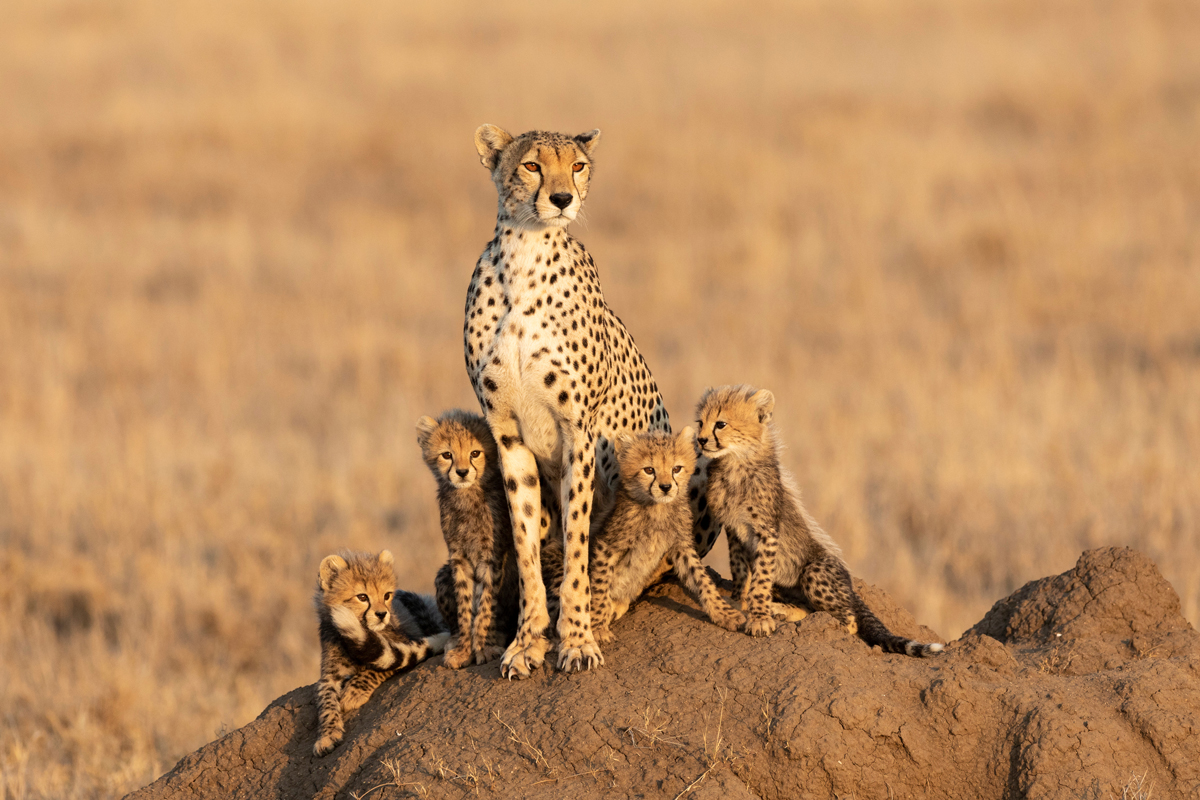
Though we tend to lump cheetahs in with lions, tigers, and other “big cats,” they actually belong to a different genus altogether. There are five extant species in the Panthera genus — jaguars, leopards, lions, snow leopards, and tigers — whereas cheetahs are the only living members of the Acinonyx genus.
One of the biggest differences between cheetahs and those other big cats is that cheetahs have a fully hardened hyoid bone, rendering them unable to roar. Housecats have a similar anatomy, hence why cheetahs produce meowlike sounds that are closer to those of your tabby than of a tiger. And also unlike big cats, cheetahs even purr. Though this may make them seem less fierce, it also makes them cuter — an even tradeoff, as far as we’re concerned.
Advertisement
These Animals Don’t Sound Like You’d Expect
Across Species 13/11/26Nov. 13, 2026
Updated 13/11/26Nov. 13, 2026
Credit: vaclav/stock.adobe.com
Nicole Villeneuve
Author
Nicole is a writer, editor, and researcher with over 15 years experience covering arts and culture, lifestyle, and media. Her work has also appeared in PureWow, Brit + Co, Exclaim, AUX TV, and CBC. She lives in Ontario, Canada.
Plenty of animals are recognizable solely by the sounds they make — a dog barking, a lion roaring, or a bird chirping — but nature doesn’t always stick to the script.
Some animals produce calls, grunts, squeals, and yells that seem completely at odds with their appearance, size, or even species. Here are six animals whose sounds may have you doing a double take.
Credit: Pascale Gueret/stock.adobe.com
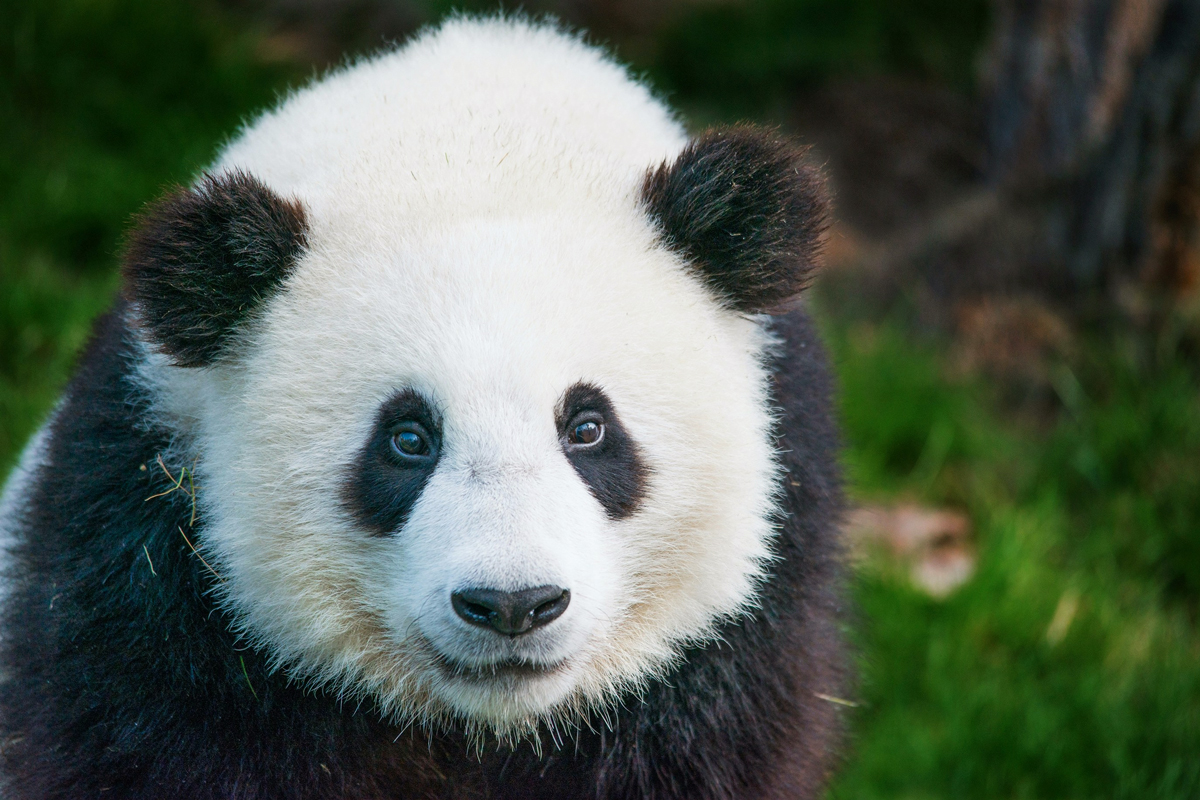
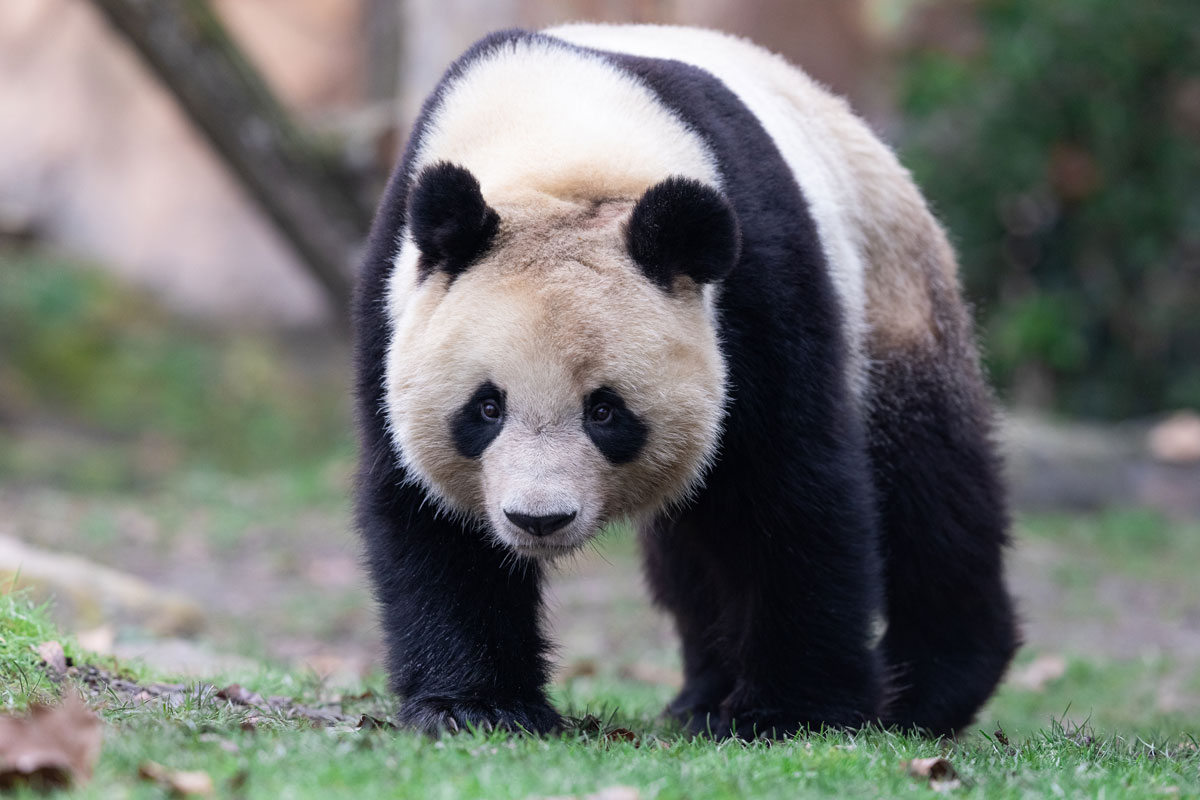
Giant Pandas
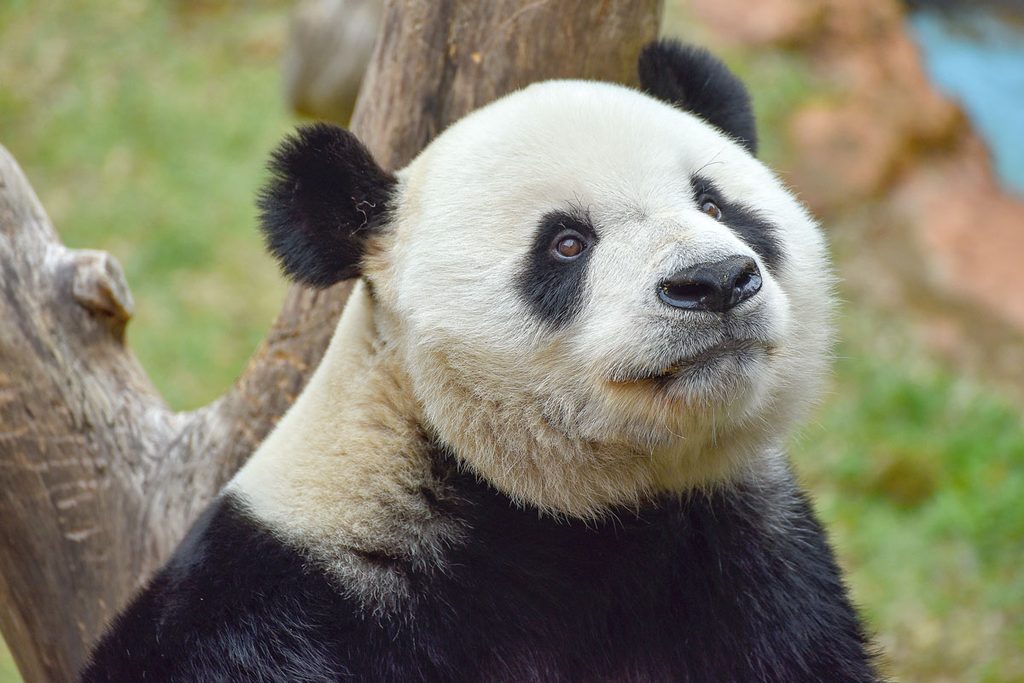
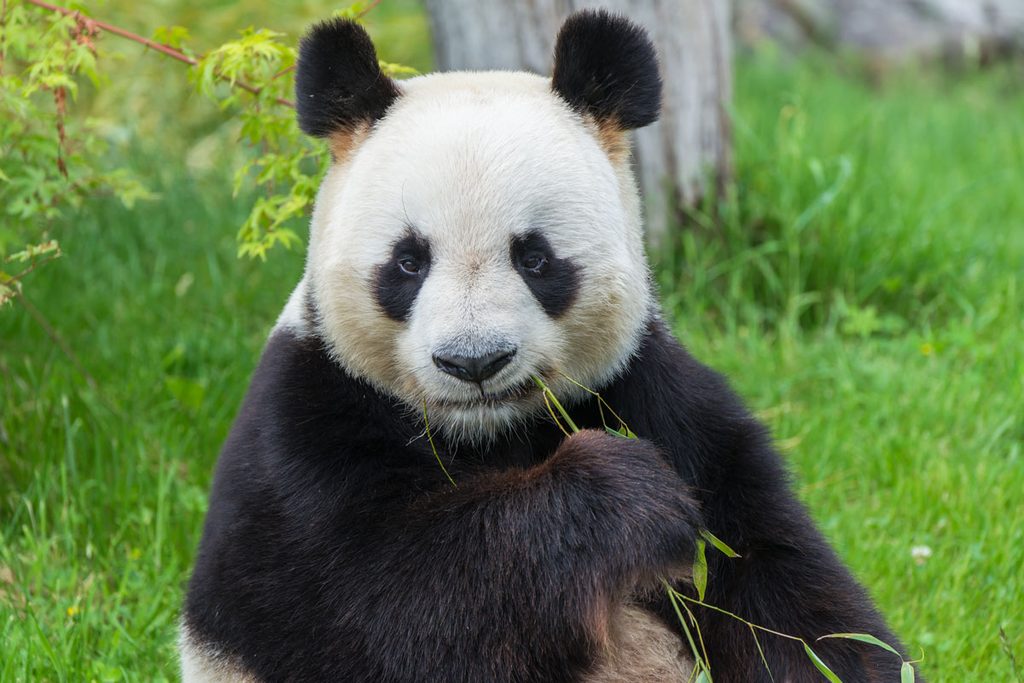
Giant pandas seem like quiet, peaceful creatures that are content to spend their days munching on bamboo. While it may be surprising to learn these seemingly gentle giants can indeed growl and roar like other bears, it may be even more surprising to learn that they commonly baa like a sheep.
The panda’s bleat is higher pitched and trills for longer than that of a sheep. They use the sound to communicate with other pandas, particularly during courtship: When heard from a female panda, it typically means she is within her 48-to-72-hour fertility window.
Researchers have identified more than 10 distinct vocal sounds in adult pandas, including chirps, honks, barks, and moans. But these relatively solitary, forest-dwelling mammals mostly rely on scent marking to communicate.
Credit: Robert Hamilton/Alamy
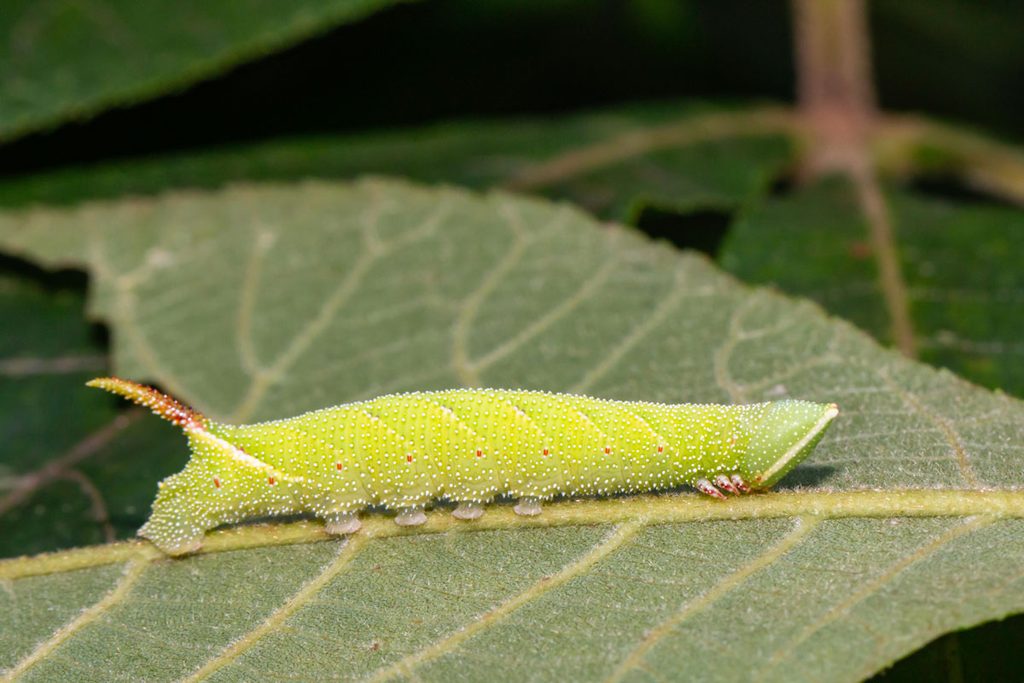
Walnut Sphinx Caterpillars
You likely wouldn’t expect a caterpillar to sound like anything at all, but the walnut sphinx has a surprising trick up its sleeve: When threatened, this North American insect can produce a high-pitched whistle. The whistle sounds in short bursts, sometimes several in a row, and is considered a defense mechanism used to startle birds and give the caterpillar a chance to escape being eaten.
It’s an unusual action for an animal without vocal cords. The caterpillar contracts its body to push air through openings on its abdomen called spiracles, producing a sound that can reach frequencies of up to 22 kilohertz, which is at the upper limits of human hearing.
Credit: Jillian/stock.adobe.com
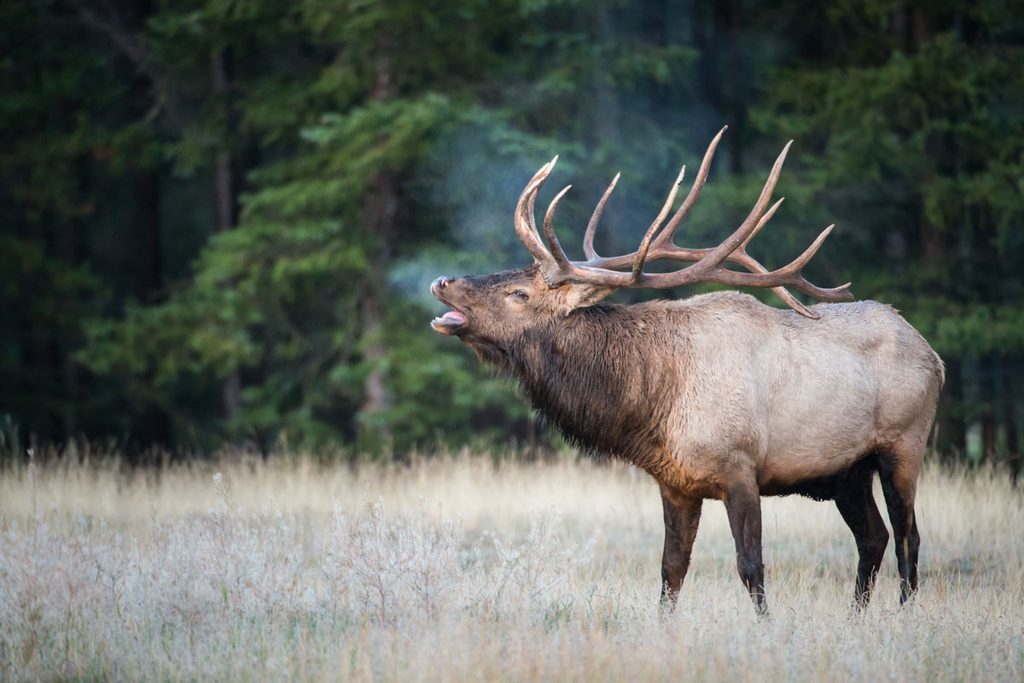
Elk
In the fall, male elk fill North American forests with a bloodcurdling call known as a bugle. It begins with a low roar before ascending into a piercing whistle, creating an eerie, almost screamlike sound that seems incongruent with the elk’s massive, 700-pound frame.
The unusual call’s two sounds are produced independently: The low-frequency roar is generated by the vocal folds, while the high-pitched whistle is thought to come from air moving around the nostrils or soft palate. Researchers believe the whistle is meant to travel long distances to reach potential female mates, while the lower roar may serve to signal the male’s size to nearby rivals.
Credit: vaclav/stock.adobe.com
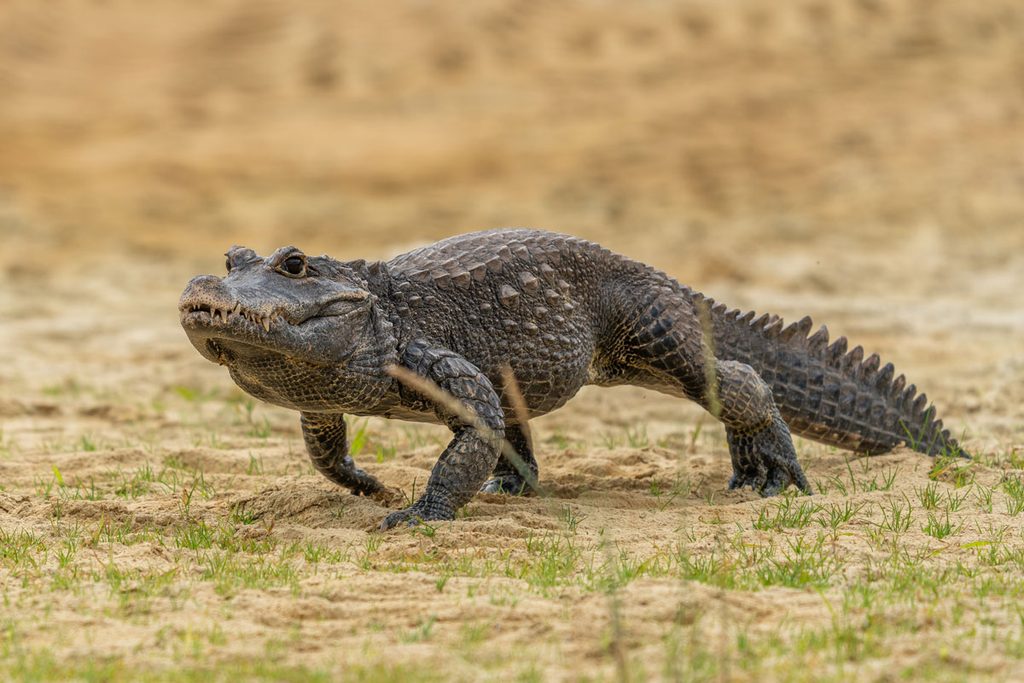
African Dwarf Crocodiles
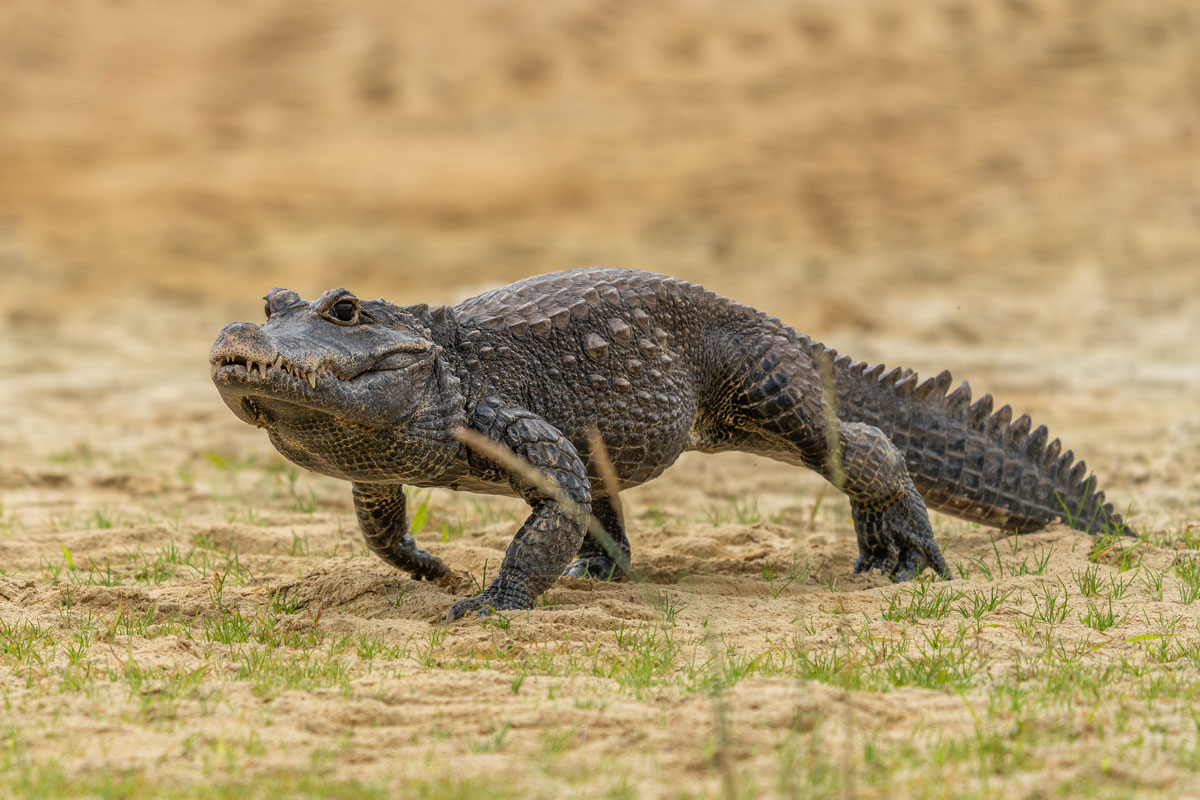
You probably won’t find a crocodile on a farm, but the African dwarf crocodile’s known vocal repertoire includes a surprisingly cowlike call. Researchers recorded and documented several types of sounds from the species, including low rumbles, drumlike calls, breathy sounds called “gusts,” and vocalizations described as “moos.”
The recordings included calls from captive crocodiles as well as suspected calls recorded in the wild in Gabon on the west coast of Central Africa. Since these forest-dwelling reptiles can be difficult to spot, researchers hope these calls could help track where they live and monitor their populations, an especially valuable undertaking for the world’s smallest living crocodile species, whose population is in decline.
Credit: Cavan/stock.adobe.com
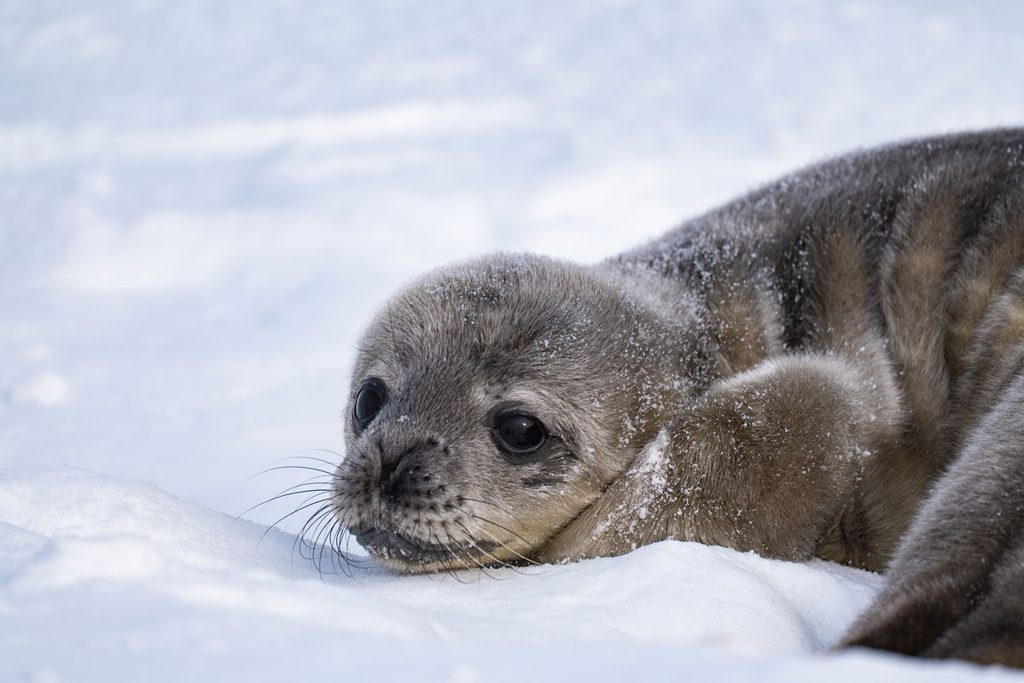
Weddell Seals
Listening to a recording of Weddell seals underwater may have you thinking you’ve stumbled across a creepy alien transmission. These Antarctic seals produce an odd assortment of whistles, chirps, trills, and clicking sounds; their warbling, almost electronic calls create an otherworldly soundtrack underneath the thick sea ice.
Researchers have identified dozens of call types, but most of them are ultrasonic vocalizations that reach frequencies of nearly 50 kilohertz — well above what humans can hear. Seals commonly use those underwater soundscapes as social calls, and males produce loud trills that appear to help defend territories around breathing holes and breeding areas.
Credit: Jiri Prochazka/stock.adobe.com
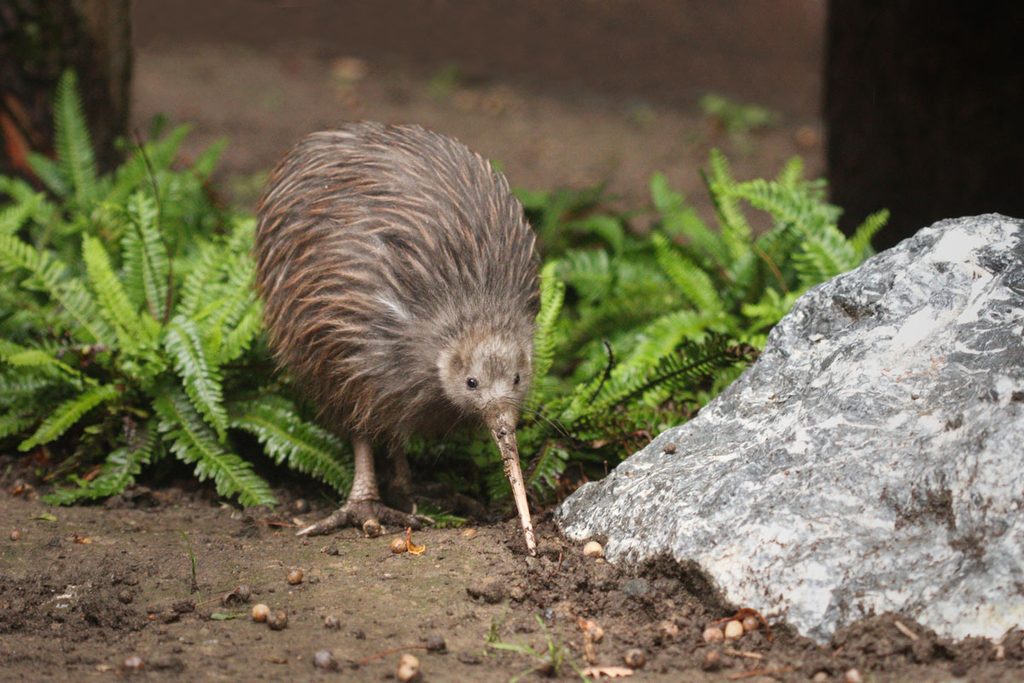
Kiwis
With its shaggy feathers, bristly whiskers, and long, probing bill, New Zealand’s kiwi looks like it would make a cartoonish little bird call. Instead, these flightless birds produce rather aggressive-sounding screeches that echo through the forest at night.
The calls sound distressed but are actually used for the nocturnal birds to communicate with their mates as they venture through dense vegetation. Pairs may call back and forth through the dark, with males producing high-pitched whistles and females answering in lower, raspier tones.
Advertisement
5 Animals That Disguise Themselves as Other Creatures
Across Species 05/11/26Nov. 5, 2026
Updated 05/11/26Nov. 5, 2026
Credit: Joseph/stock.adobe.com
Krissy Howard
Author
Krissy Howard is a writer with a background in comedy, and a love for researching and writing about animal behavior. You can read some of her work at Cuteness, Byrdie, and The Hard Times. When she's not writing, she's growing food in the community garden, feeding stray cats, and learning Greek.
It’s said that imitation is the sincerest form of flattery, but when animals mimic other animals, it’s not to get on their good side. Rather, they do it for survival.
There are four classes of copycat behavior: Batesian mimicry is when a nonvenomous animal mimics a poisonous one, Müllerian is when two toxic species evolve to mimic each other so predators learn to avoid both of them, automimicry is when an animal changes one part of its body to look like another, and aggressive mimicry happens when a predator masquerades as prey. You can find creatures from the seafloor to the treetops engaging in these behaviors, and these five animals are some of the best.
Credit: Luciana/stock.adobe.com
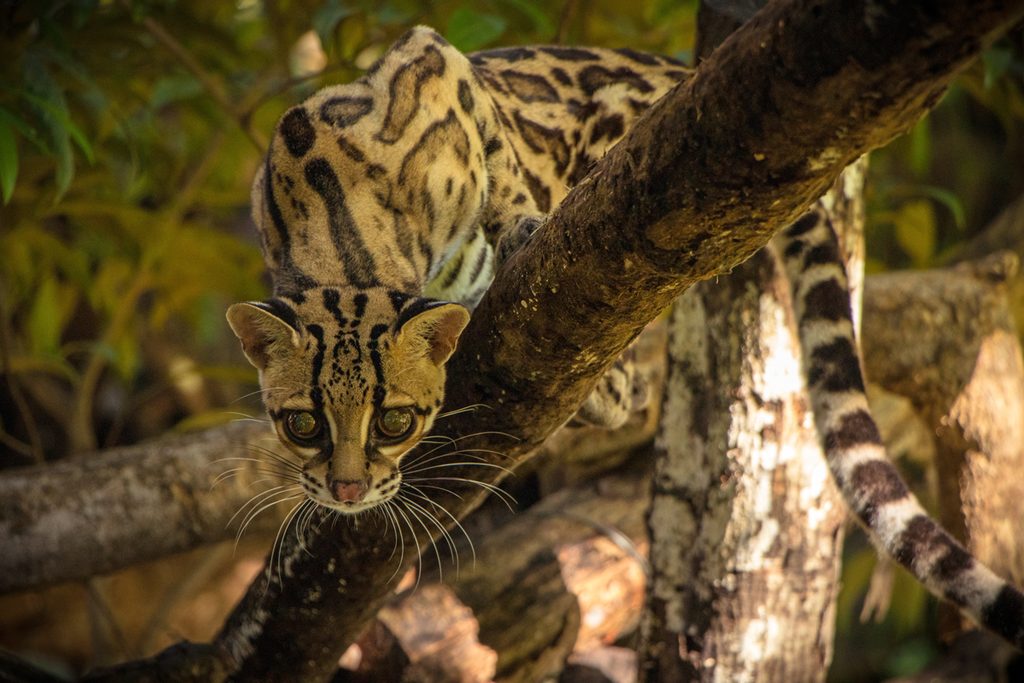
Margays
Objectively cute, these wildcats —also known as tree ocelots — don’t just win people over with their looks; margays trick monkeys into thinking the latter’s babies are in danger. Using high-pitched cries, these tree-dwelling tricksters imitate the distressed calls of a baby tamarind monkey. This sends adult monkeys in search of their little ones, only to be met with a hungry feline engaging in a particularly cruel case of aggressive mimicry.
Credit: Joseph/stock.adobe.com
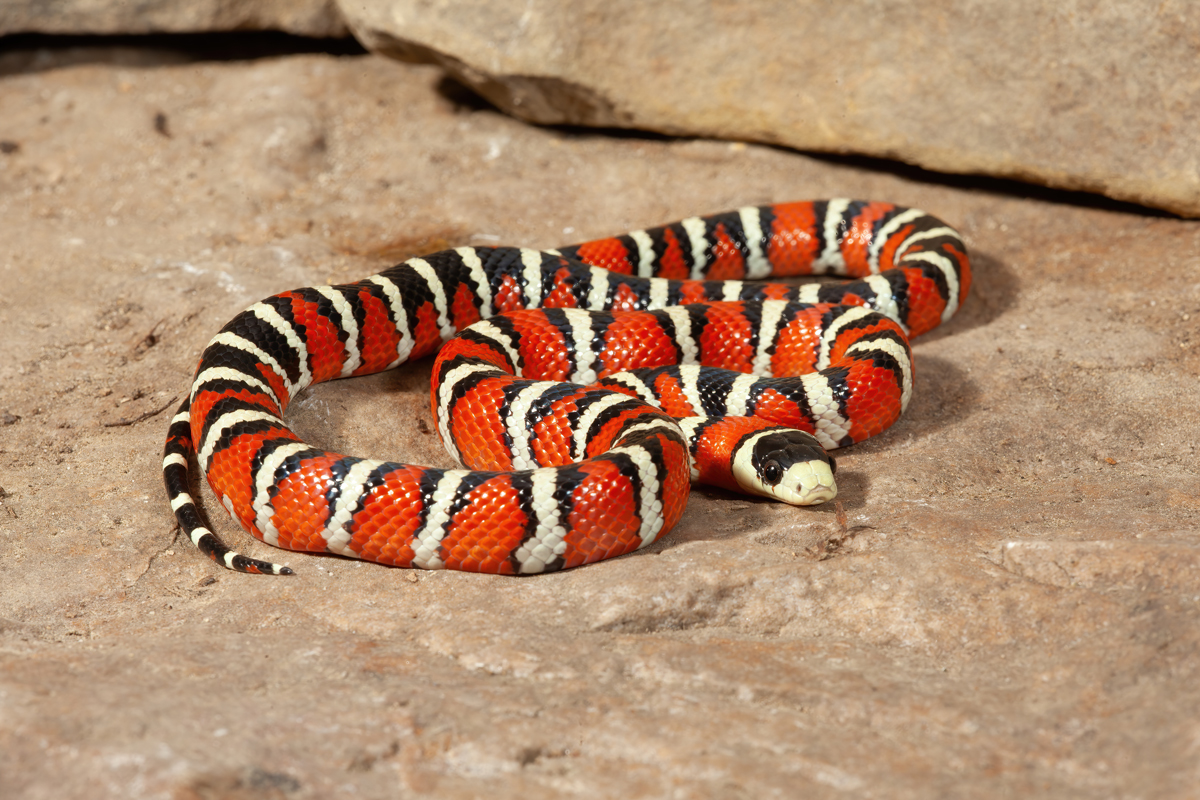
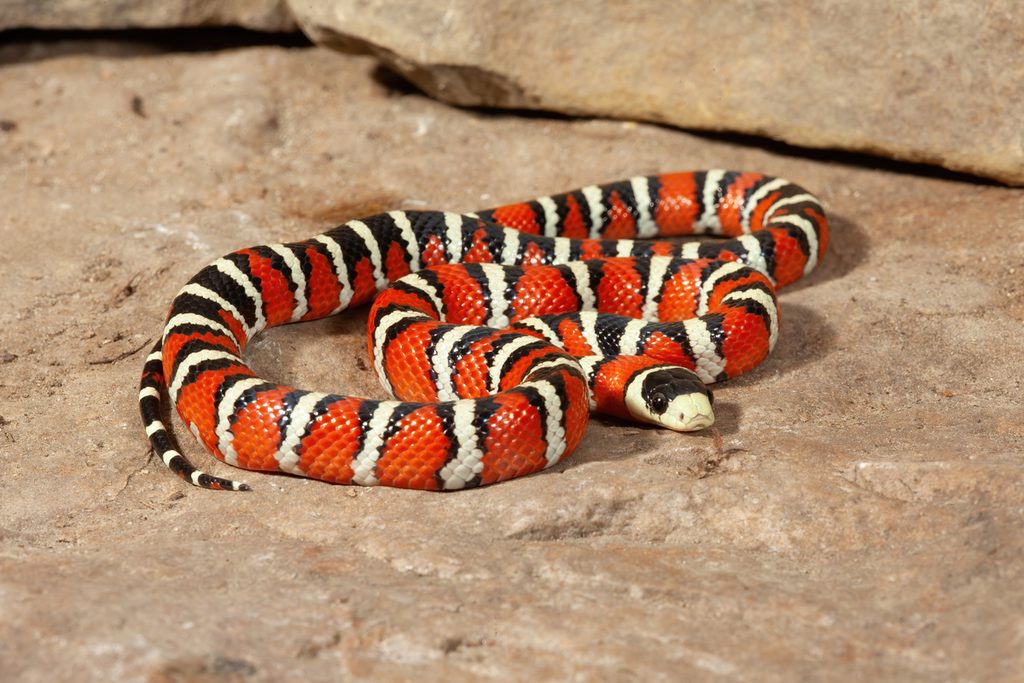
Arizona Mountain Kingsnakes
The Arizona mountain kingsnake is a harmless creature, but you may not know it just by looking at one. That’s because Batesian mimicry helps them look like a venomous Arizona coral snake. Although they sound similar and look alike, there are some key differences that could keep you safe if you spot one in the wild.
Both snakes have a black/white/red color pattern, but the order is important. Check out where the black band falls: If it separates the red and white rings, it’s a nontoxic kingsnake, but if the red and white rings touch, it’s best to keep your distance.
Credit: Scubabruce/stock.adobe.com
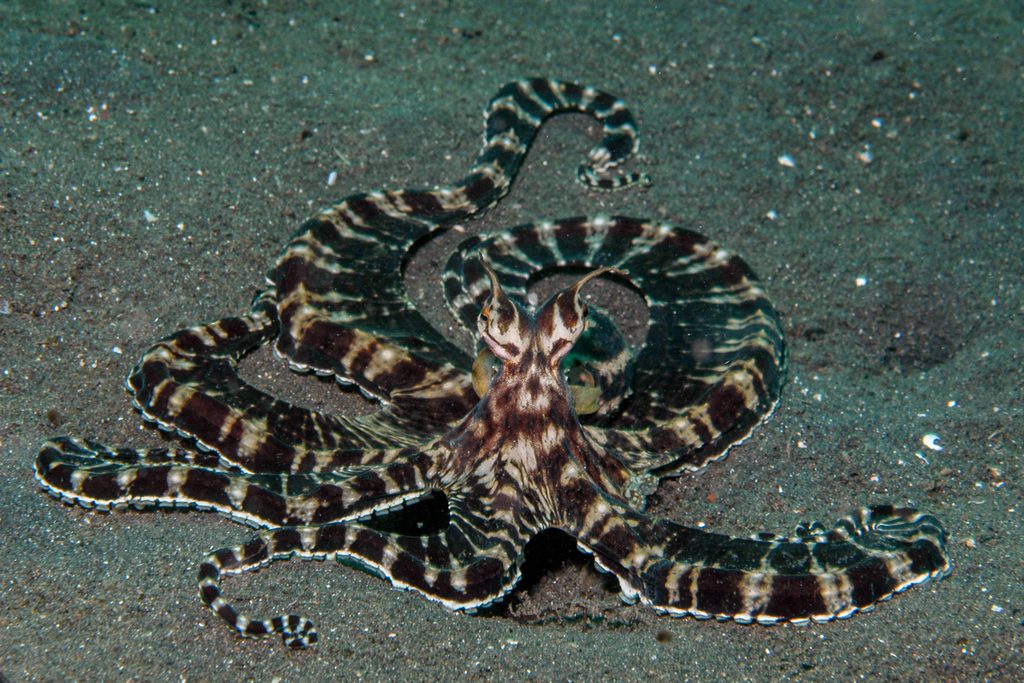
Mimic Octopuses
This animal mimics so well and so often that the word is right in its name. Mimic octopuses disguise themselves as a number of sea creatures, from lionfish and crabs to jellyfish and more. Because these creative cephalopods lack any real defensive skills of their own, they’ve evolved to find safety in those disguises.
These skillful impressionists essentially hide from predators in plain sight by adopting the traits of deadly poisonous creatures, and they can customize their costumes based on the predator they’re facing. For example, if faced with a snake-fearing damselfish, the mimic octopus buries its body save for two arms, which it waves to resemble a banded sea snake. And other animals have taken note of these tactics: Black-marble jawfish have learned to mimic the mimic octopus by swimming close to its tentacles, which bear a resemblance to their own banded bodies.
Credit: Marcum Havens/stock.adobe.com
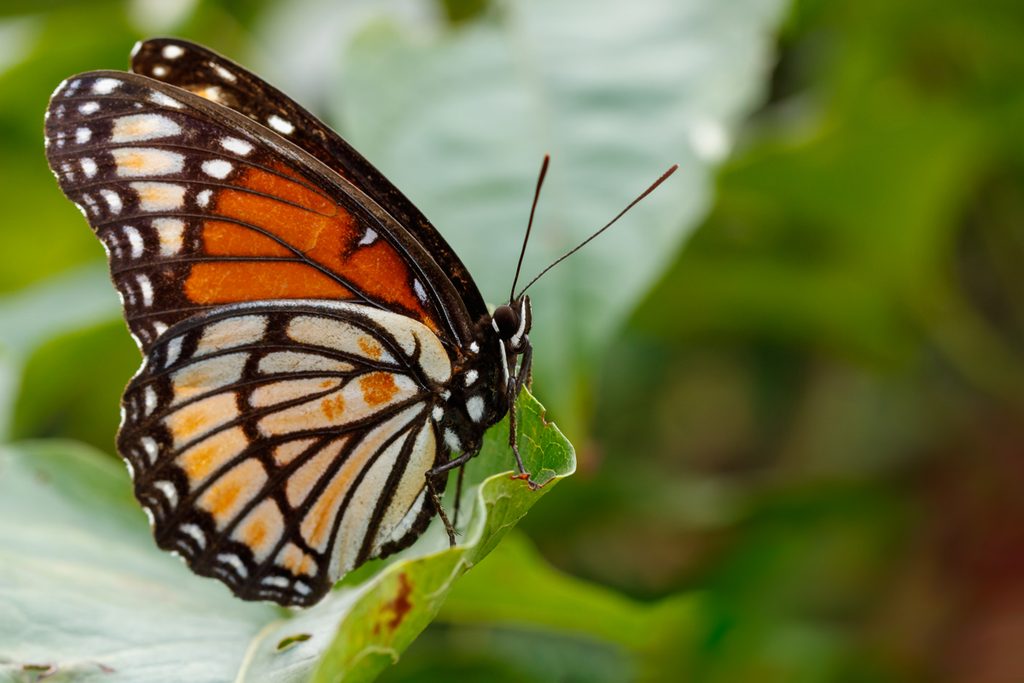
Viceroy Butterflies
When it comes to survival, two is often better than one, and that’s exactly the logic behind the viceroy butterfly’s Müllerian mimicry tactic. Viceroys are toxic thanks to the salicylic acid they get from pollen in the plants they consume.
Monarchs are also dangerous to eat due to poisons gleaned from their milkweed diet. Both of those venoms turn butterfly wings orange, which is a red (well, orange) flag for predators such as spiders and birds.
Although it’s technically the viceroy that mimics the monarch, both benefit from the mimicry because it reinforces to predators to stay far away from any butterflies that appear to be either species. So most animals just avoid both altogether, but you canidentify a viceroy butterfly by the horizontal band on their bottom wings, which monarchs don’t have.
Credit: Sista/stock.adobe.com
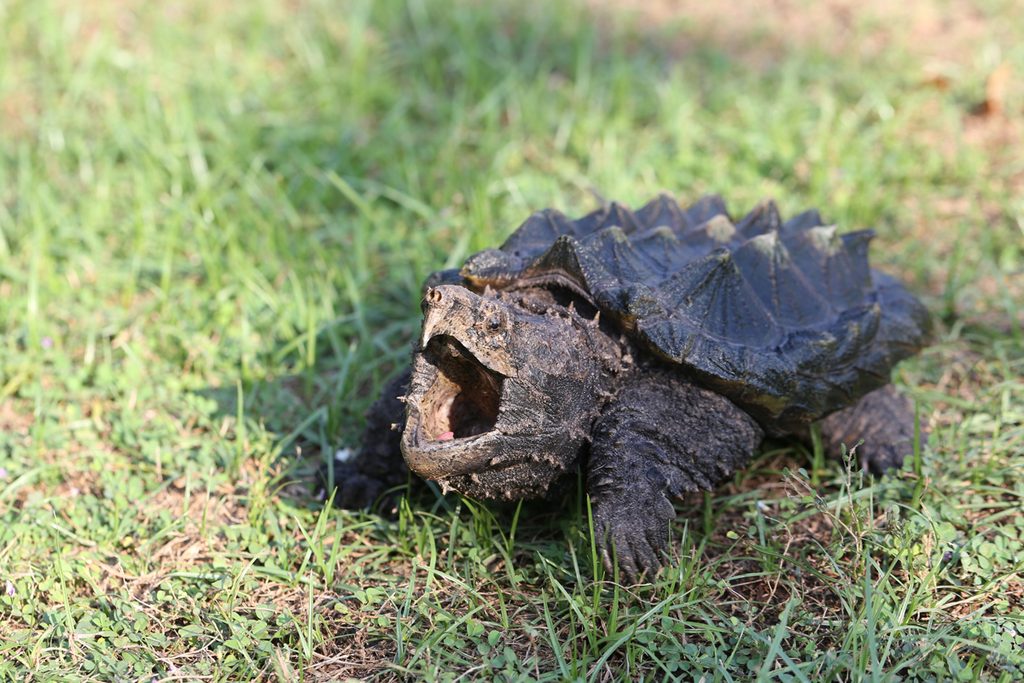
Alligator Snapping Turtle
These turtles’ shells may have ridges like an alligator, but that’s not the most mimic-y thing about them; it’s their tongues that earned them a spot on this list. Engaging in a practice called “lingual luring,” these turtles rest along riverbeds, prop open their mouths, and allow a tiny appendage on their tongues to perform an enticing dance. This resembles the wiggle of a helpless worm, attracting fish right into their trap of teeth, which snap shut to successfully secure an easy meal.
Advertisement
Some sea slugs steal jellyfish stingers.
Across Species 05/11/26Nov. 5, 2026
Updated 05/11/26Nov. 5, 2026
Credit: Sven/stock.adobe.com
Kristina Wright
Author
Kristina is a coffee-fueled writer living happily ever after with her family in the suburbs of Richmond, Virginia.
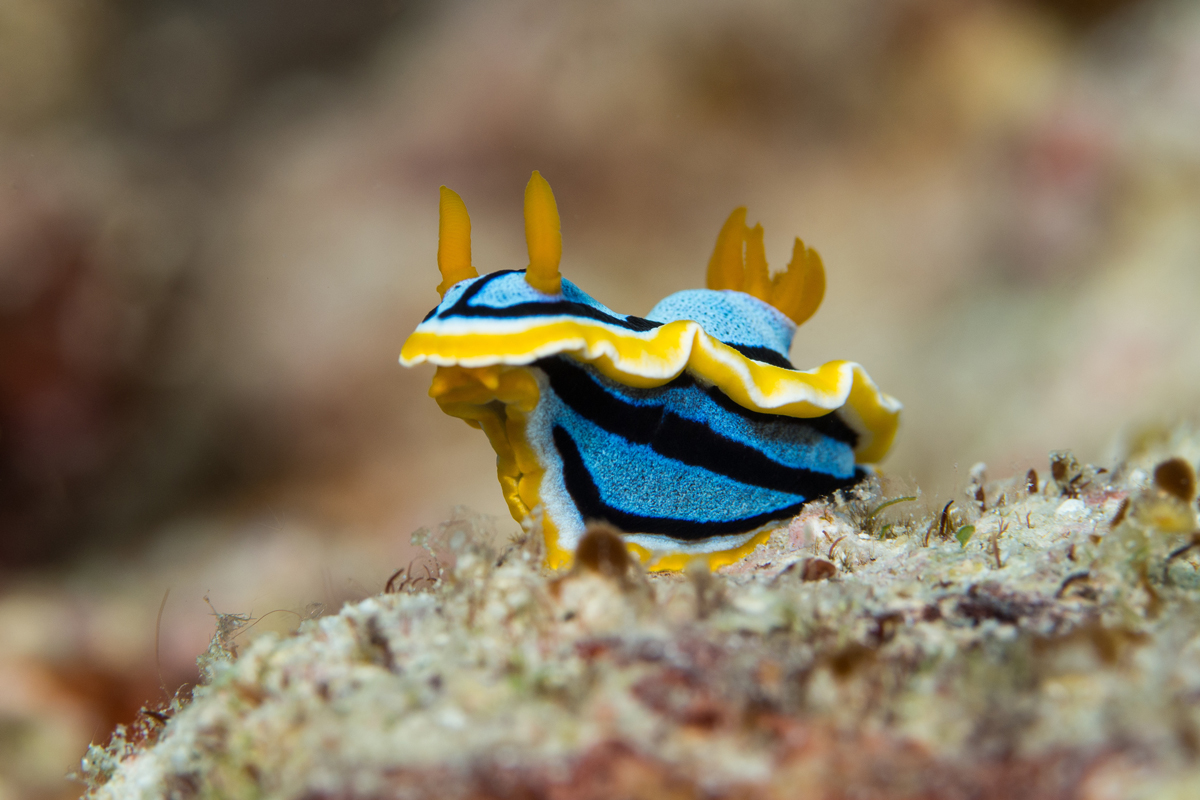
Nudibranchs are colorful sea slugs, and some species have the ability to steal the stinging cells of the animals they eat and use them against their own predators. These nudibranchs feed on aquatic invertebrates such as jellyfish, coral, and sea anemones that use microscopic capsules called nematocysts to sting attackers. The nudibranchs possess adaptations that protect them from those stings while they feed, allowing some undischarged nematocysts to survive digestion intact and to be stored for later use.
When a predator takes a bite of a nudibranch, the nematocysts can fire, giving the attacker a nasty surprise. Scientists are still studying exactly how these sea slugs prevent the stingers from firing during digestion and safely store them for later use. Nonetheless, it’s an unusual defense that lets a sea slug turn its dinner into ammunition.
Tony is an English writer of nonfiction and fiction living on the edge of the Amazon jungle.
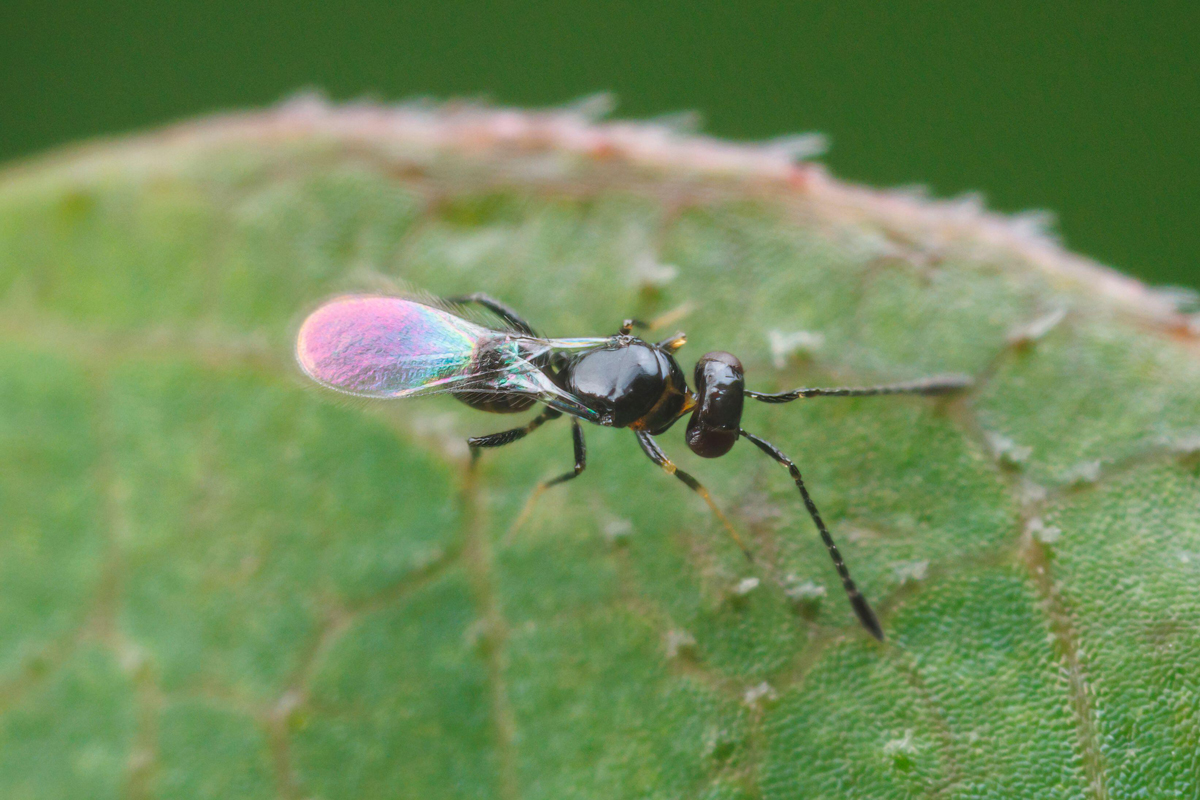
Fairyflies — which, despite their dainty name, are in fact a family of parasitic wasps — are the smallest known insects on Earth. The smallest fairyflies measure around 0.139 millimeters long, meaning their total body length is about the width of a human hair. The tiniest member of the family, Kikiki huna, is found in Hawaii and is so minute that scientists don’t even know whether it’s physically possible for an insect to get any smaller.
Having such a tiny body comes with certain sacrifices: A fairyfly’s brain is almost devoid of nuclei, freeing up critical space inside its little head. And yet, it still has room for a functioning pair of compound eyes — the tiniest eyes of any insect, and some of the smallest eyes of any living creature known to science.
Kristina is a coffee-fueled writer living happily ever after with her family in the suburbs of Richmond, Virginia.
You may be sitting in a spotless, quiet room, feeling completely alone — but you aren’t. Invisible and nearly invisible life is sharing your space, your bed, your skin, and even your eyelashes right now.
That doesn’t mean your home or body are dirty. In fact, many of those organisms are so common that they’re a natural (and necessary) part of everyday life. Some feed on shed skin cells, some live harmlessly on your body, and others drift through the air or thrive in your houseplants’ soil. Here are some of the tiny neighbors you probably never notice.
Credit: Tomasz Klejdysz/Alamy
Dust Mites
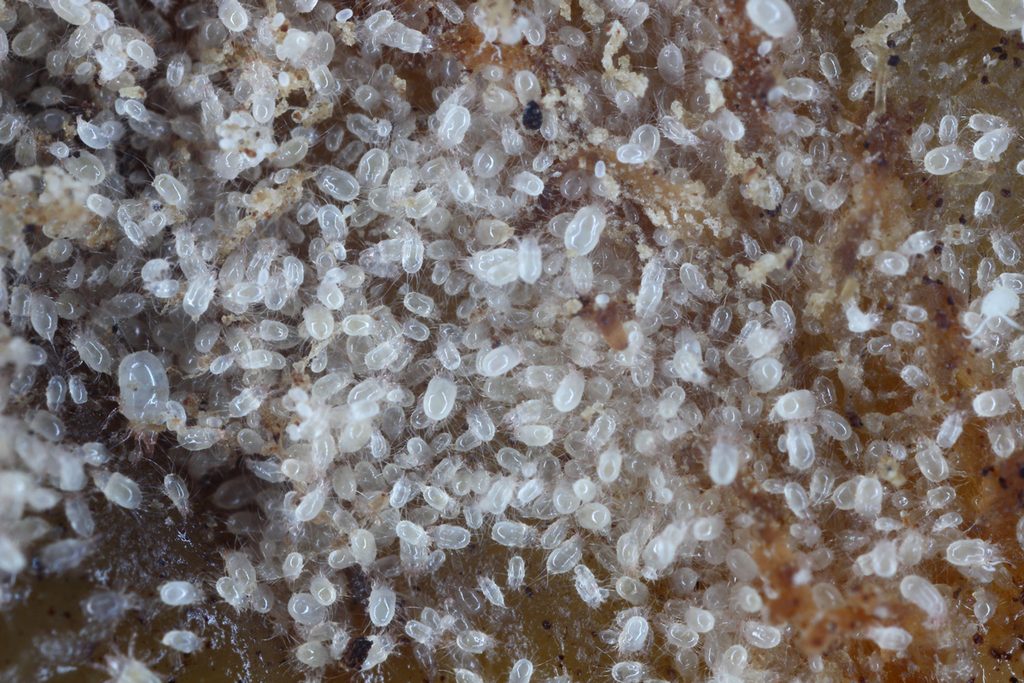
Dust mites are microscopic relatives of spiders and ticks, measuring only about 0.2 to 0.3 millimeters long. They thrive in warm, humid environments and are particularly fond of mattresses, pillows, upholstered furniture, carpets, and other places where shed human and animal skin accumulates. They don’t bite people, instead, they feed primarily on dead skin cells and other organic material that’s already been shed.
The mites themselves aren’t usually the problem, but their bodies and feces contain proteins that can trigger allergies and asthma symptoms in susceptible people. Regular washing, dust control, and keeping indoor humidity below 50% can help keep their numbers and allergens in check.
Credit: Oleg Kovtun/stock.adobe.com
Eyelash Mites
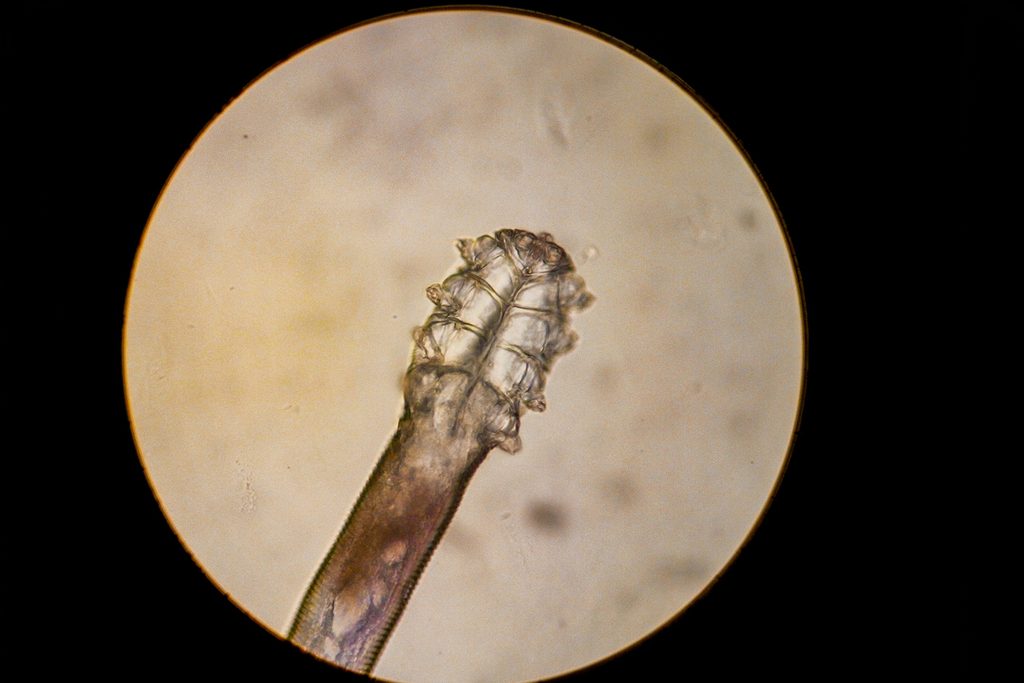
If the idea of microscopic mites living around your eyelashes makes you want to reach for the mirror, don’t panic. Demodex folliculorum and Demodex brevis are tiny mites that commonly live in human hair follicles and sebaceous glands. They’re only about 0.1 to 0.4 millimeters long, so you won’t see them without magnification. D. folliculorum is particularly associated with facial hair follicles, including those around the eyelashes.
Demodex mites are commonly found on adult skin, and the likelihood of having them increases with age. They can spread through close contact, but exposure doesn’t necessarily mean mites will establish a lasting population.
They’re generally harmless and considered normal inhabitants of human skin, so most people never know they’re there. Problems can occur, though, when their numbers become unusually high or when they’re associated with inflammation around the eyelids or other skin conditions.
Credit: Octavian/stock.adobe.com
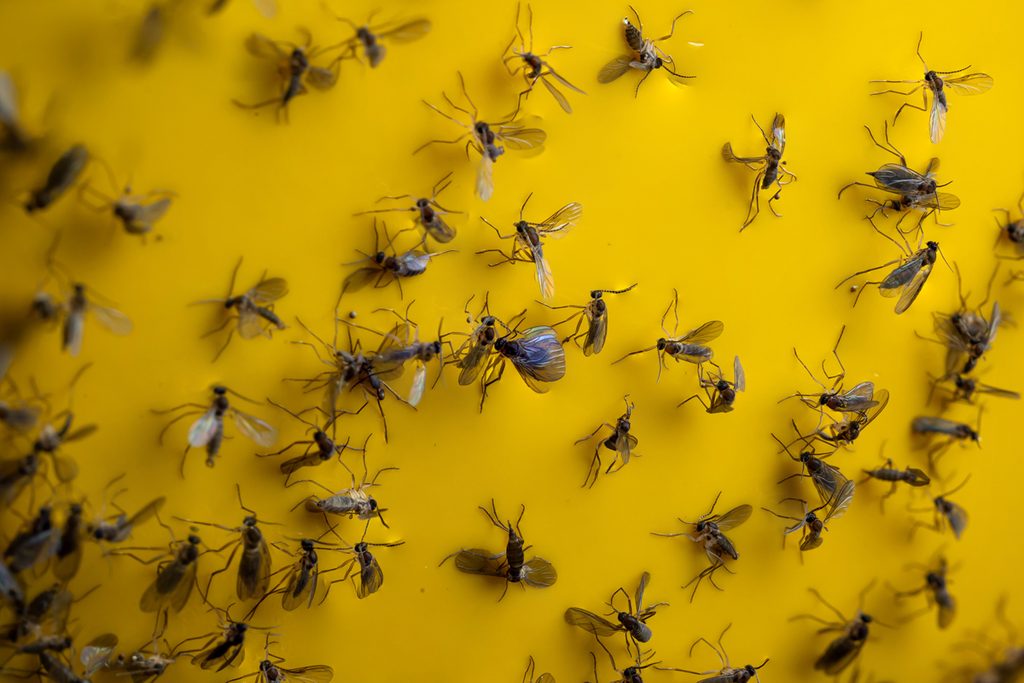
Fungus Gnats
If you’ve spotted tiny flies hovering around your houseplants, they may be fungus gnats, whose adults are generally only 1 to 3 millimeters long. Their larvae live in damp potting soil, where they feed primarily on fungi and decaying organic matter. The adults are small enough to overlook until a group starts flying around a plant.
A few fungus gnats are usually more of a nuisance than a threat, although large populations can cause problems for young plants because the larvae may feed on roots. They’re especially common when potting soil stays consistently moist.
Credit: ihorhvozdetskiy/stock.adobe.com
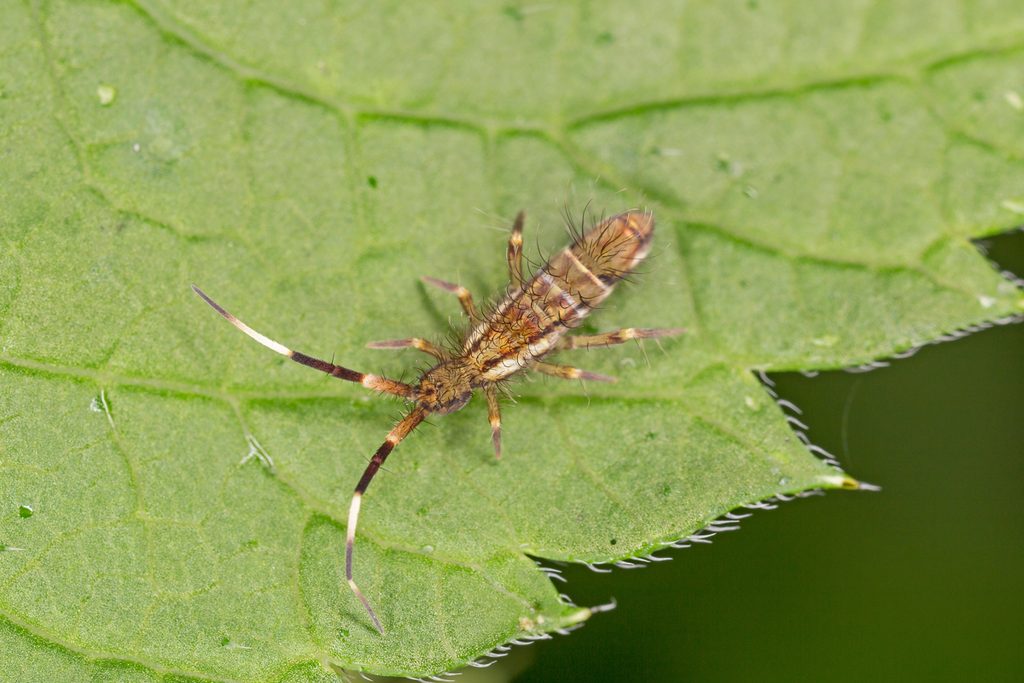
Springtails
Springtails are tiny, wingless arthropods that are easy to overlook — until dozens suddenly appear around a damp bathroom, basement, or potted plant. Most are typically 1 to 2 millimeters long, and they feed on fungi, algae, decaying organic matter, and other material associated with damp environments.
Springtails aren’t true insects, and they don’t bite or sting people. They get their name from a forked taillike structure beneath the abdomen that allows them to launch themselves into the air. Finding them indoors usually points to excess moisture rather than a serious pest infestation.
Credit: Tomasz/stock.adobe.com
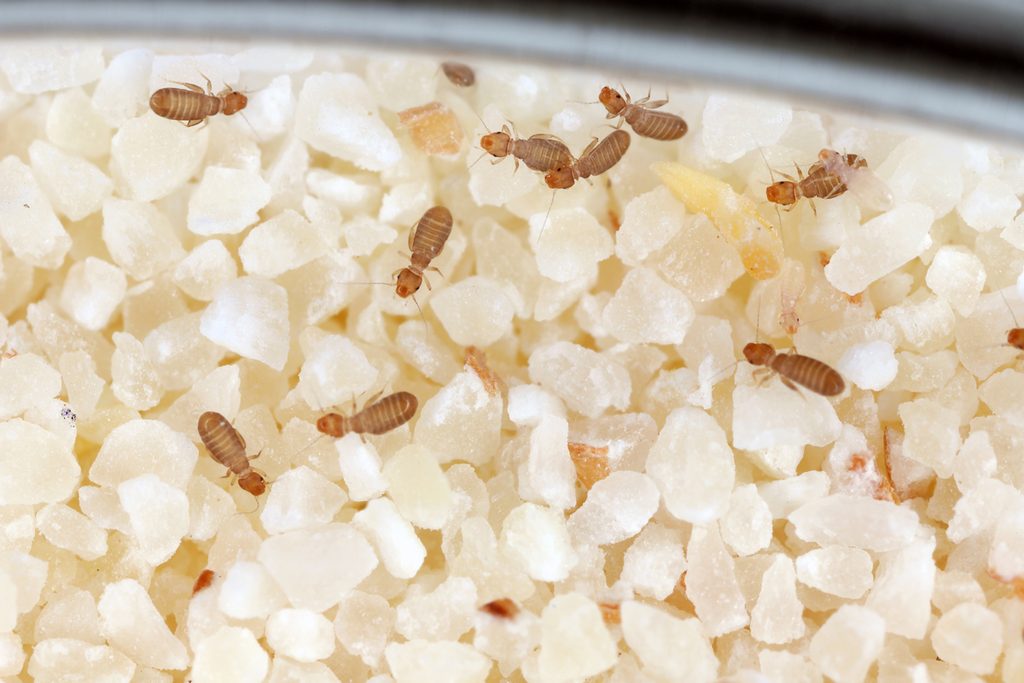
Booklice
Booklice, also known as psocids, are tiny insects, usually only about 1 to 2 millimeters long. Despite their name, they don’t typically eat through books or other paper products. Instead, they’re attracted to microscopic mold and fungi, so a home’s humid areas are particularly appealing to them. They also feed on starchy material, such as the glue found in bookbindings and wallpaper.
They’re small enough to overlook, but they can still be seen with the naked eye. Booklice don’t bite, sting, or spread disease, and having a few around isn’t cause for alarm. Their presence can, however, indicate that an area is too damp: Lowering humidity makes the environment less hospitable to both the insects and the mold they feed on.
Credit: William/stock.adobe.com
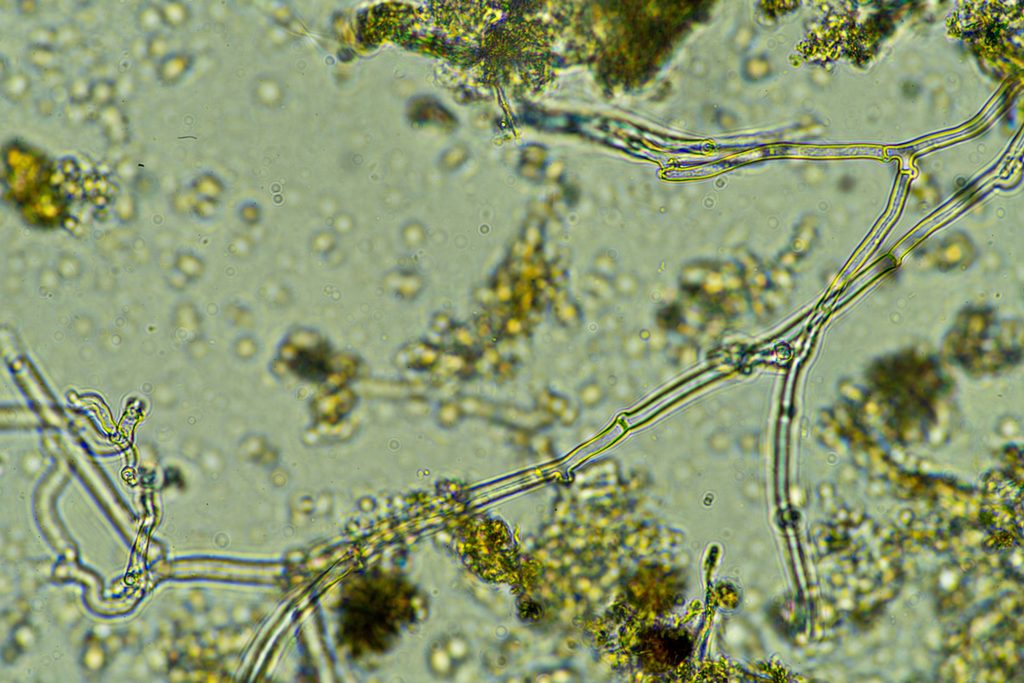
Microbes
“Microbes” is a term for microscopic organisms including bacteria, microscopic fungi, archaea, and some other forms of life. They’re everywhere around us, including in our homes and on our bodies. Trillions of bacteria live on our skin, in our mouth, and throughout our digestive tracts, while bacteria and fungi are also found in household dust, indoor air, soil, and on frequently touched surfaces such as countertops and faucet handles.
Most of the microbes we encounter are harmless, and some even play useful roles in our bodies or in the environment. Microbes continually enter our homes from outdoors, carried in on shoes and clothing, pets, and through the air. Some settle into dust and surfaces, while others thrive in damp areas or where they can feed on organic material.
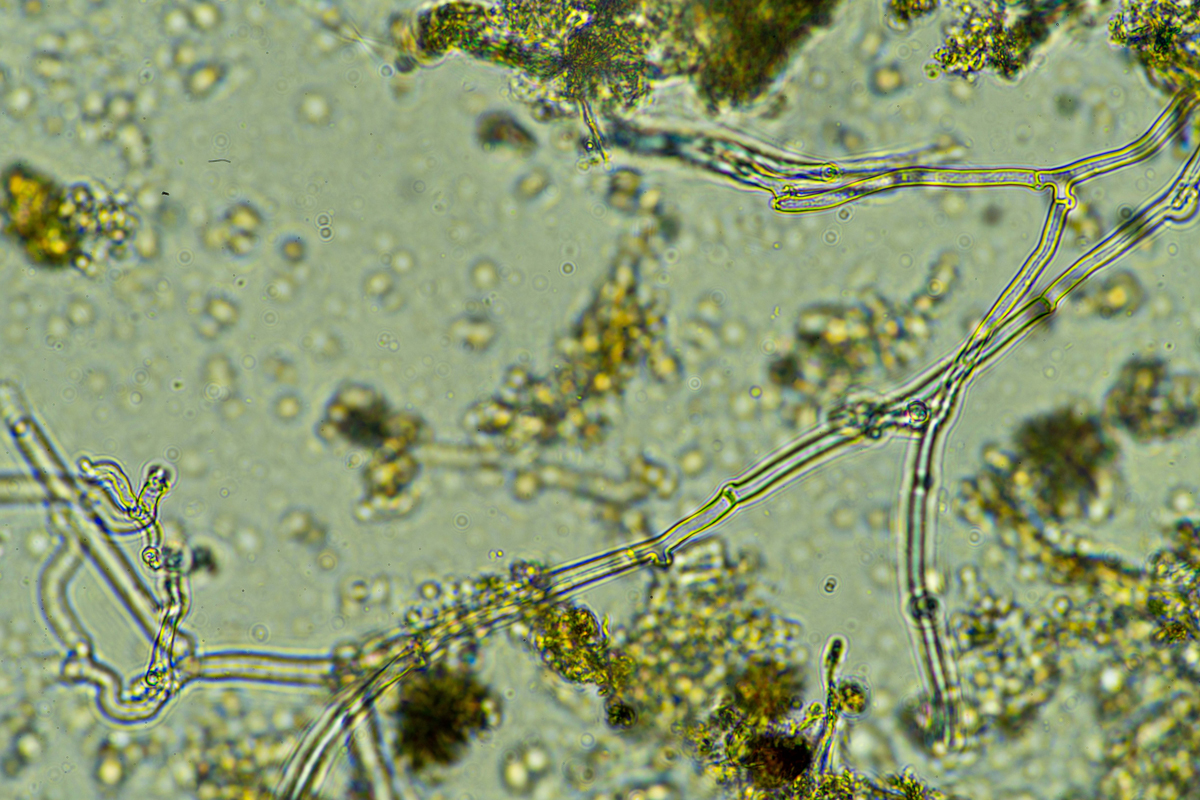
Microscopic fungi, including molds and yeasts, are normal inhabitants of indoor environments. Our homes and bodies aren’t sterile, and they don’t need to be. Microbes are simply another member of the largely invisible life that surrounds us every day.
Advertisement
Your Daily Guide to the Animal Kingdom
Get to know the animals that share our planet with this daily newsletter.
Success! Welcome to Animal Facts.
Check your inbox for your daily email.
Sorry, your email address is not valid. Please try again.