Pigs can breathe through their butts if their heads are underwater.
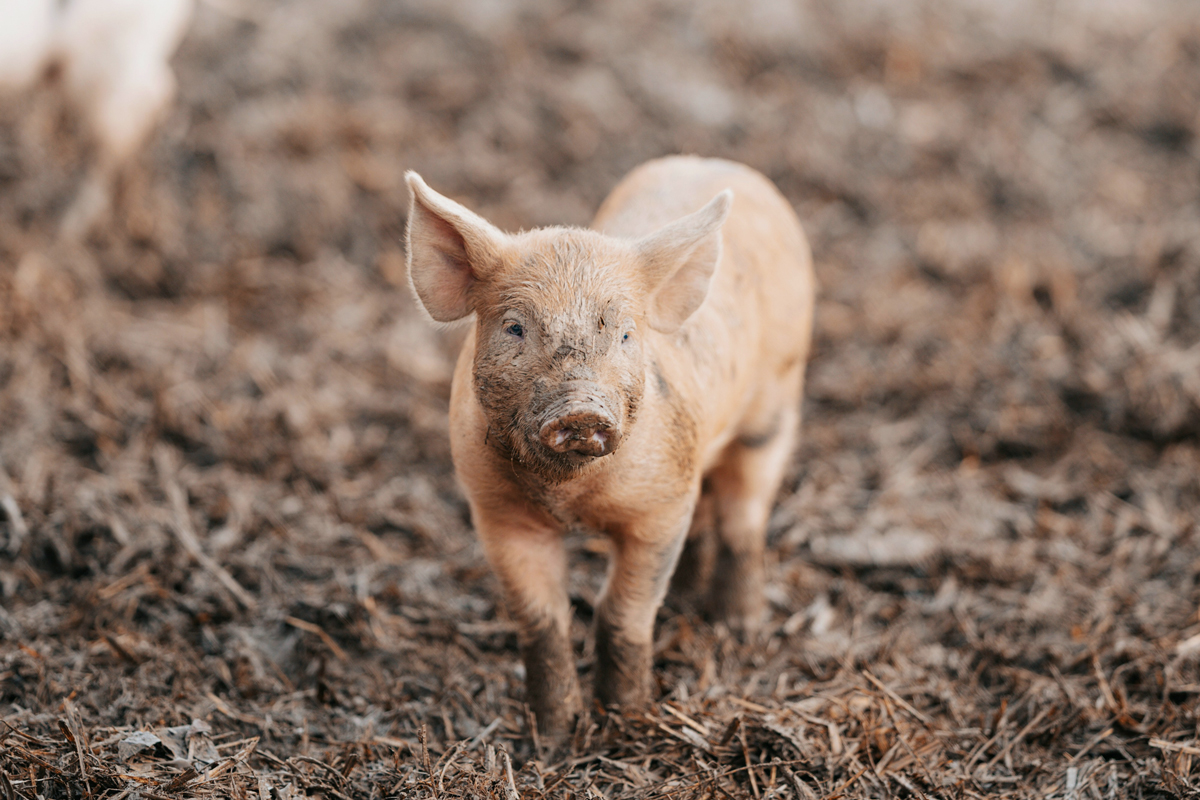
Pig standing on muddy ground
Credit: Mathieu Odin/Unsplash.com

In addition to being highly intelligent, pigs are also biologically, shall we say, unique. While they can’t breathe underwater like a fish, they can breathe through their butts when their heads are underwater or when in other kinds of distress. 

This was discovered at the height of the COVID-19 pandemic, when researchers were looking for alternatives to mechanical ventilation. Rather than pump oxygen into a patient’s lungs via their windpipe, they wondered, could they deliver it via their intestines instead? The answer, at least in the case of pigs, mice, and rats, is yes.

Scientists took inspiration from aquatic creatures that breathe through their intestines, such as sea cucumbers and catfish, when conducting their experiments. They found that, when in distress, intestinal breathing is indeed possible in our porcine friends — if not exactly ideal. Though they’ve yet to conclude whether a similar approach would be safe and effective for humans (presumably due to a lack of volunteers), their studies nevertheless reveal another way in which pigs are more fascinating than they get credit for.

There Is a Slug That’s Part Plant

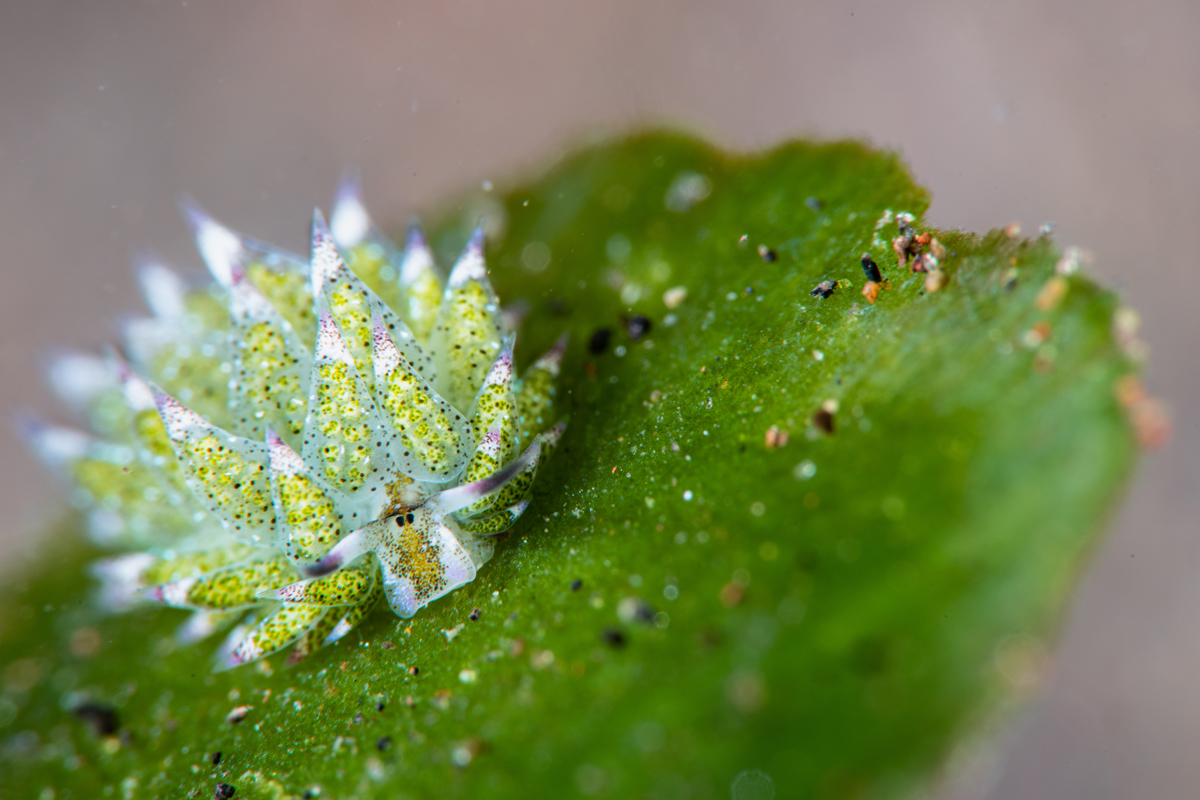
Close-up of leaf sheep slug
Credit: osama/Adobe Stock

The tiny Costasiella sea slug looks like something from a fantasy world, with a body covered in green, leaf-shaped structures that make it resemble a miniature underwater plant. Also called the leaf sheep slug, its unusual appearance helps it blend in with the algae it eats — and the chloroplasts it steals from that algae are what lend the slug its green color.

Chloroplasts are the structures plants use to capture sunlight and produce energy. Through a process called kleptoplasty, the slug can store those chloroplasts inside its own body and use them to produce some energy from sunlight. While the leaf sheep does not become a plant or photosynthesize exactly like one, its ability to use plant parts in this way makes it one of nature’s best examples of an animal with plantlike abilities.

A Group of Owls Is Called a ‘Parliament’

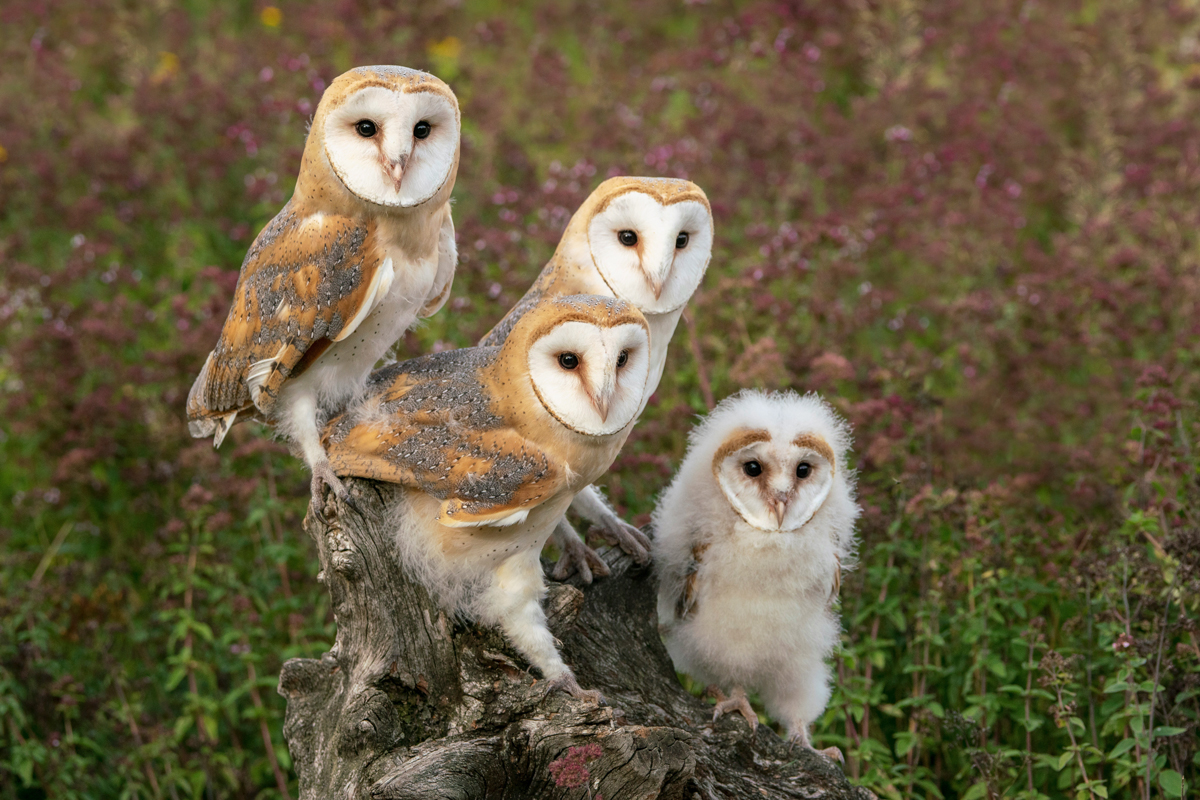
Parliament of owls perched on a tree stump
Credit: Getty Images/Unsplash.com

With their wide eyes and habit of sitting perfectly still while watching the world around them, owls have long been viewed as symbols of wisdom. Those traits also helped inspire the term “a parliament of owls,” reflecting the image of these birds as serious, thoughtful observers. The association also draws on ancient Greek mythology, in which an owl accompanies Athena, the goddess of wisdom and reason, who became a symbol of freedom and democracy across the Western world.

When owls call to one another, their back-and-forth vocalizations may sound like a formal discussion taking place in the darkness. In reality, owls are mostly solitary animals, and gatherings are uncommon. When two or more owls gather, it’s for practical reasons, such as raising young, taking advantage of an area with abundant food, or simply sharing a roost.

Salmon Can Locate Their Birth Rivers After Years in the Open Ocean

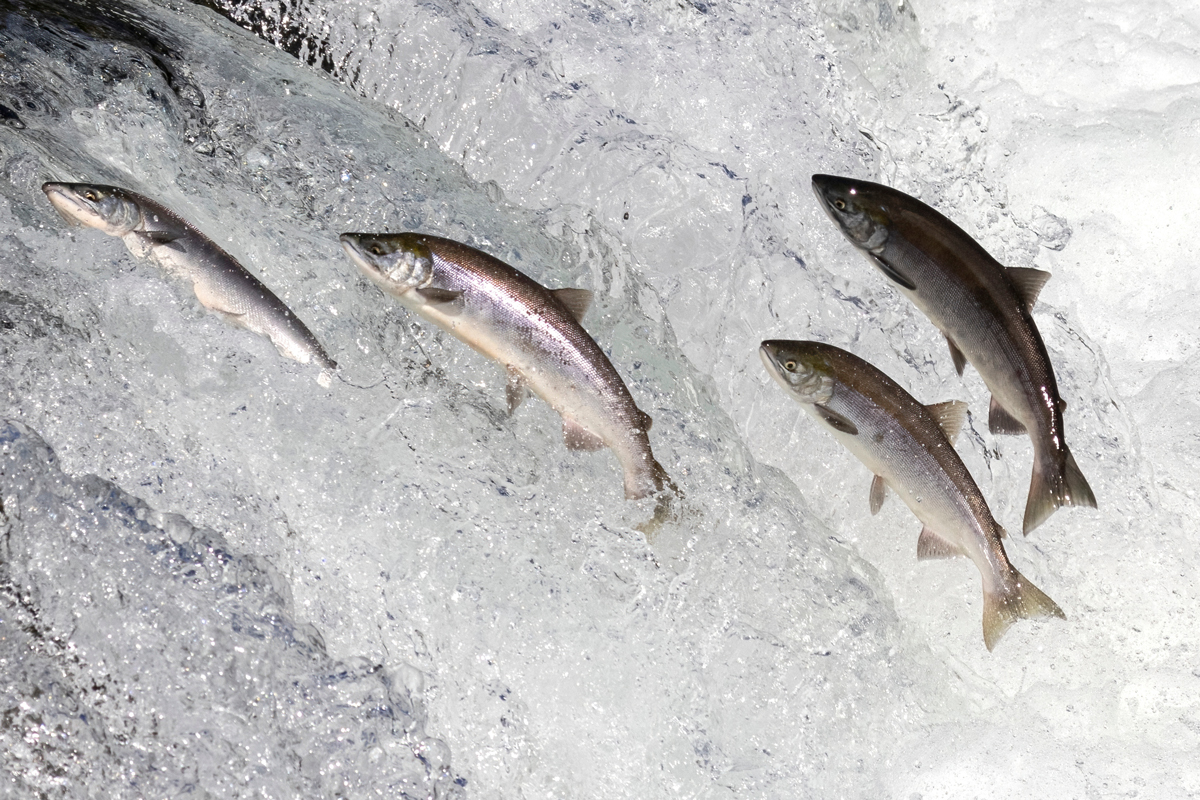
Salmon jumping out of a river
Credit: Patrick/Adobe Stock

There’s no place like home, even for fish. That’s especially true of salmon, who return to the freshwater stream where they were born after years — and thousands of miles traveled — in the open ocean. They do so not out of sentimentality (though it’s nice to imagine they enjoy their homecomings) but to reproduce in the exact stream where they themselves first entered the world. 

Though scientists aren’t entirely sure how salmon manage this incredible feat, most believe it’s through a combination of their highly evolved sense of smell and by using the earth’s magnetic field like a compass. By the time they leave their natal stream, salmon have imprinted the precise taste and smell of the water, and they use that sense-memory to return to the same spot years later. Salmon also have tiny crystals of magnetite, an iron-based mineral, in their heads that enable their magnetic perception. If they could also evolve the ability to stop jumping directly into bears’ mouths, they could just be unstoppable.

Elephants Can Detect Distant Rain Using Their Feet

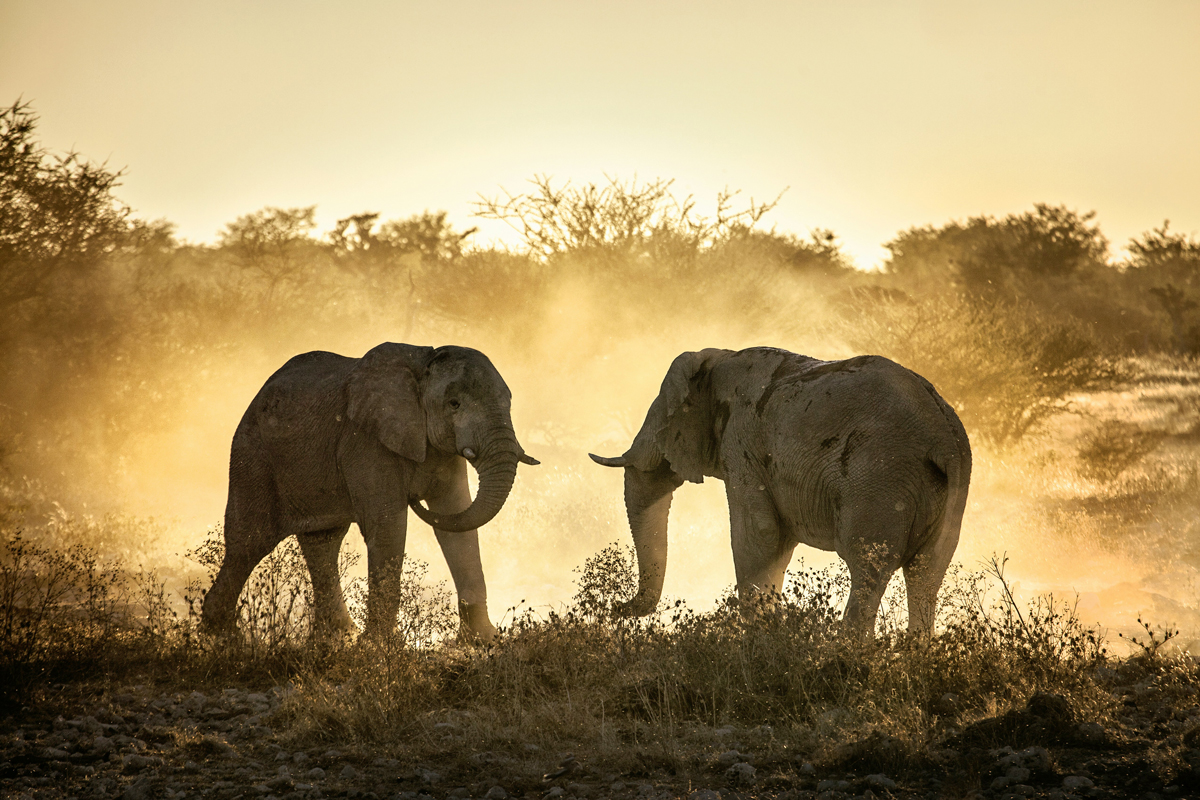
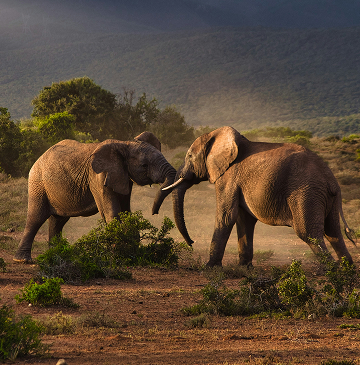
Two elephants standing facing each other
Credit: Getty Images/Unsplash.com

Among the many things that elephants never forget is one of their most vital survival skills: how to detect rain from as far away as 150 miles. Many of our favorite pachyderms live in arid, drought-heavy regions of the world, making water an especially precious resource. Luckily for African elephants, they’ve adapted to those conditions by being able to sense the low-frequency vibrations that indicate a far-off storm — with their feet. 

Specialized nerve endings known as Pacinian corpuscles in the fatty pads of their feet sense those vibrations, which then travel up their leg bones and directly to their inner ears. The elephants  can even determine the exact direction of an imminent storm by lifting one foot and pressing another deeper into the ground.

This discovery was made by an international team of scientists working in Namibia, who found that elephants “undergo these sudden migrations that previously have not been explained” and “change the places they go and the speeds they go rather quickly.” The reason they do so, according to Texas A&M professor Oliver Frauenfeld, is in search of water. Sensing a far-off storm days before it occurs, entire herds can alter course and make their way in the direction of where there will soon be rainfall.

Beetles Comprise 25% of All Animal Species

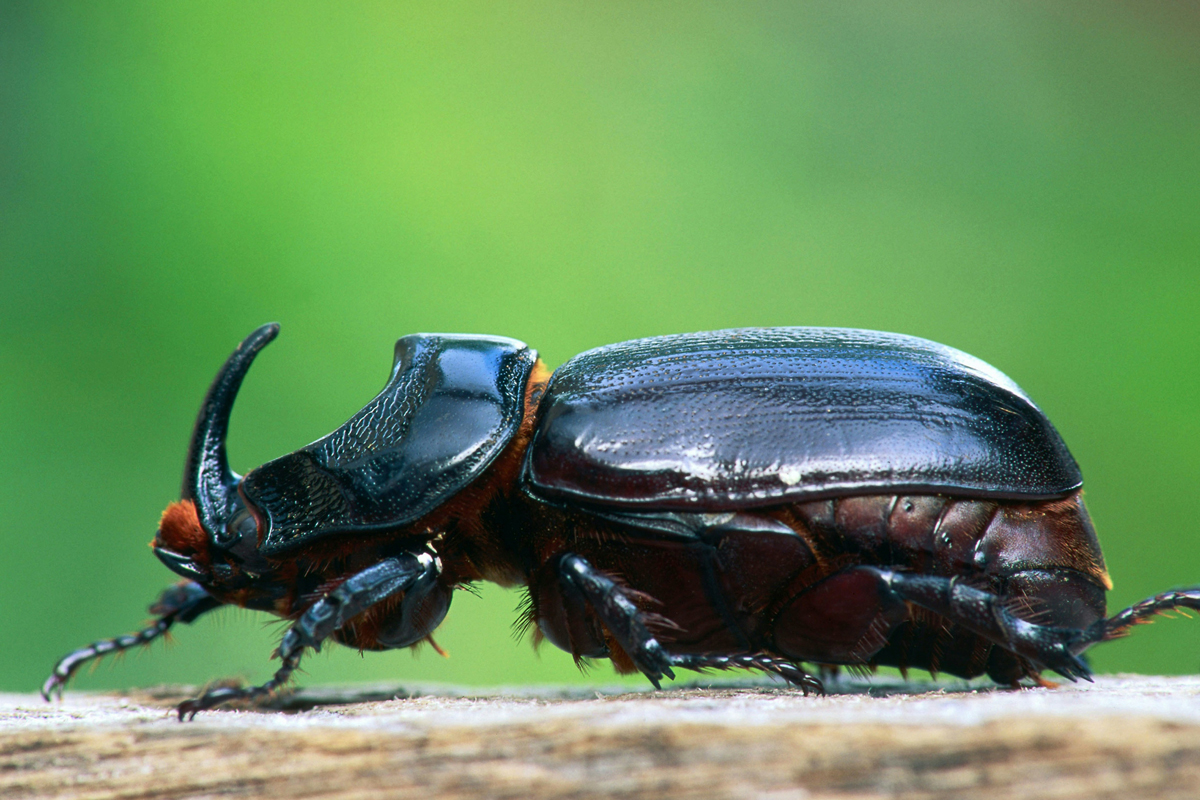
Close-up of a beetle
Credit: Getty Images/Unsplash.com

The Beatles may comprise fewer than 1% of Rock & Roll Hall of Fame inductees, but beetles comprise a staggering 25% of all animal species. Researchers have discovered 350,000 to 400,000 beetle species so far, about a quarter of the roughly 1.5 million animal species known to exist.

But “known” is the keyword here, as estimates put the total number of beetle species (and animal species in general) far higher. Research posits there are as many as 7.8 million animal species on Earth, most of which have yet to be discovered. Of that 7.8 million, there are approximately 900,000 to 2.1 million beetle species and 5.5 million insect species overall. Not quite as high as the hundreds of millions of albums the Beatles sold, but an impressive number nonetheless.

Meerkats Are the Most Murderous Mammals on Earth

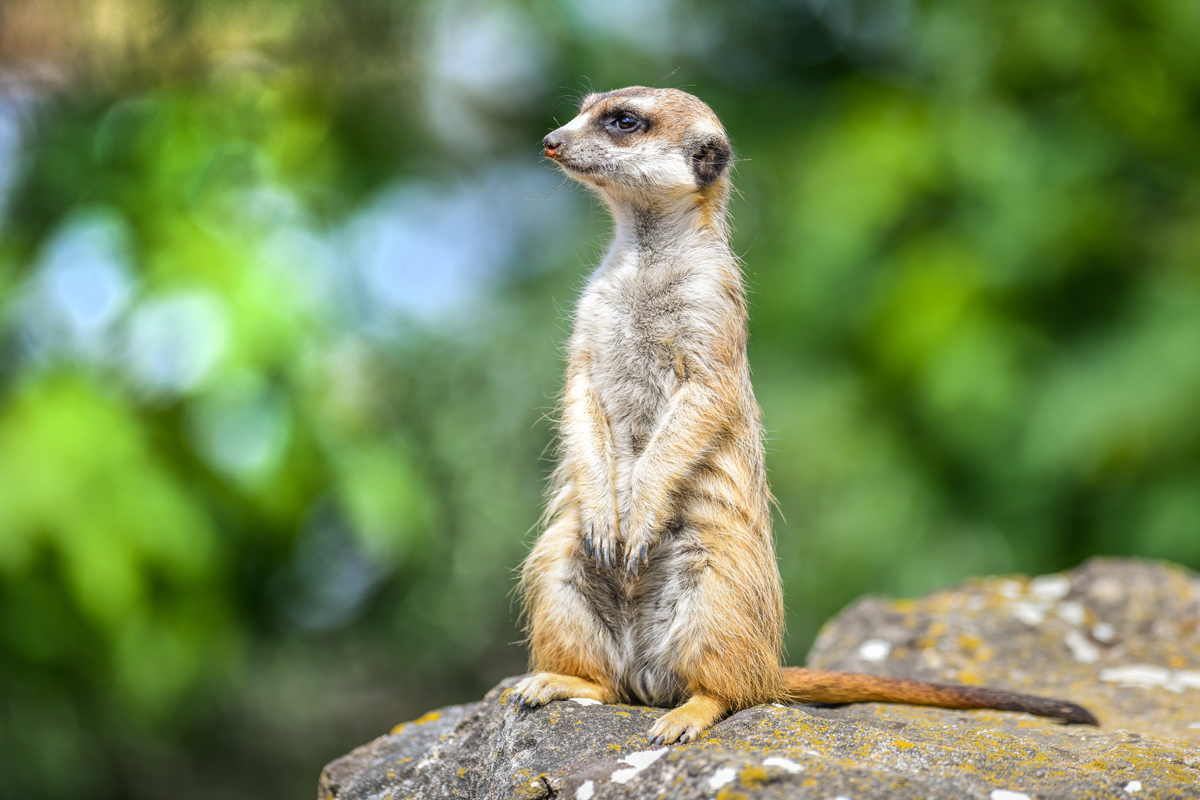
Meerkat sitting upright on a rock
Credit: Milan/Adobe Stock

As anyone who’s watched Meerkat Manor can tell you, the show’s eponymous creatures are as violent as they are cute. In fact, they’re the most murderous mammals on Earth, with as many as 20% of all meerkat deaths resulting from meerkat-on-meerkat violence. Meanwhile, approximately 0.8% of human deaths are the result of homicide — maybe we aren’t so bad after all?

Meerkats live in matriarchal societies in which the hierarchy is strictly enforced and resources are scarce, leading to fierce competition that often ends in bloodshed. Pregnant meerkats will often kill and eat one another’s pups, with the alpha female using any means necessary to protect her position. This includes banishment, which is effectively a death sentence. Meerkats are also fiercely territorial and often wage war against rival mobs to maintain their turf, raising the murder rate even higher.

Iguanas Have a Third ‘Eye’ On Top of Their Heads

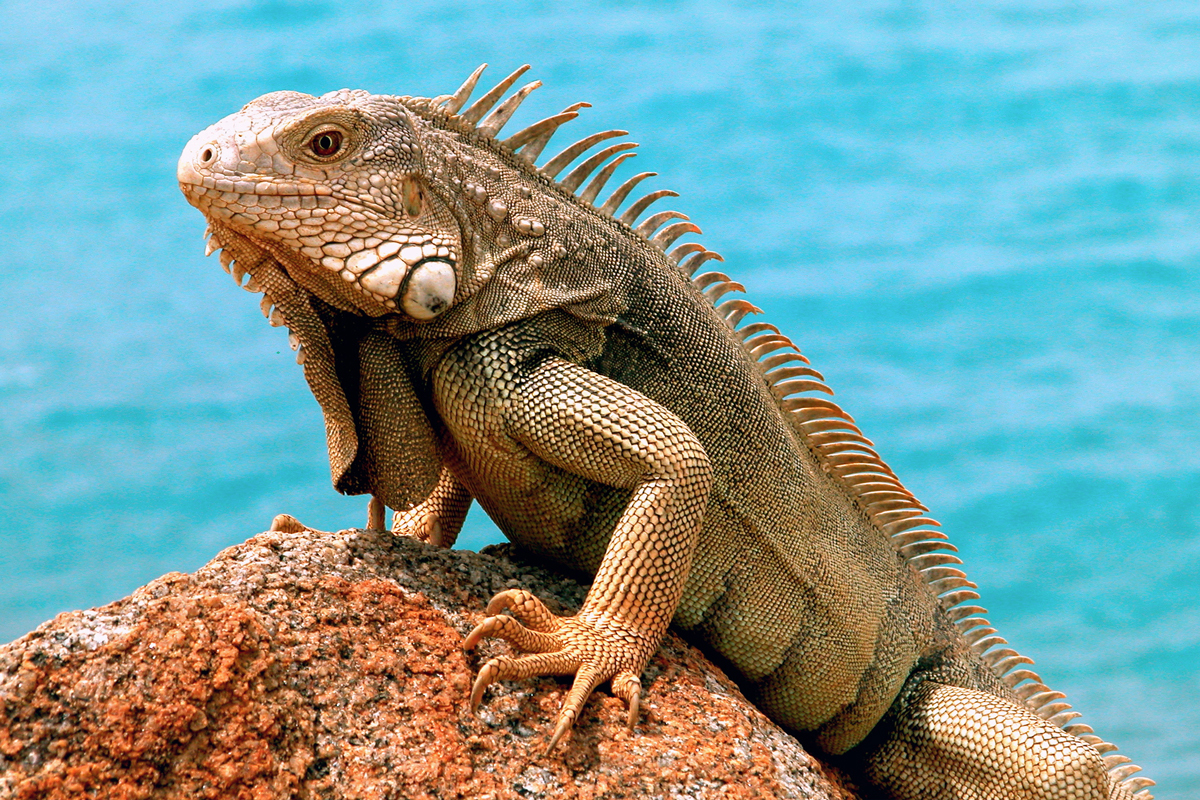
Iguana perched on rock in front of body of water
Credit: PanoArt360/Adobe Stock

Human psychics may claim to have a figurative third eye, but iguanas have a very literal third eye atop their heads — though it doesn’t work like their two front-facing eyes. It’s a pale protrusion called the “parietal eye,” and it offers a key defense against avian predators.

Iguanas have extremely keen vision, though their front-facing eyes only provide them with a view of what’s in front of them. The parietal eye, however, allows iguanas to detect predators from above. This eye is incapable of detecting color or vivid detail, but it does perceive changes in movement and light. Iguanas use it to sense nearby birds of prey, allowing them to scurry to safety before an attack.

Horseshoe Crabs Have Stayed Basically the Same for 450 Million Years

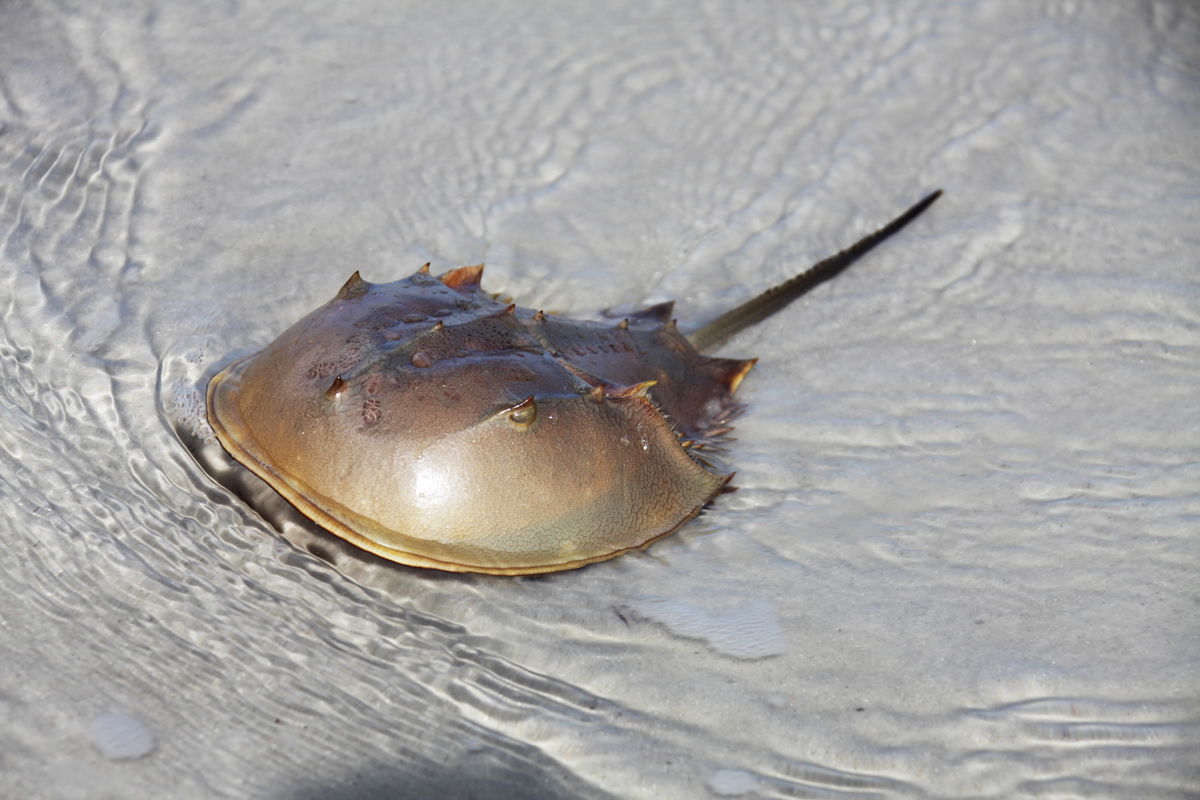
Horseshoe crab in shallow water
Credit: viktor2013/stock.adobe.com

Horseshoe crabs are often called “living fossils” because, although they’ve continued to evolve like all living species, their overall body plan has remained remarkably similar for about 450 million years. Their ancient ancestors lived long before dinosaurs, and these resilient marine animals have survived mass extinctions, ice ages, shifting coastlines, and dramatic changes to Earth’s environments.

Much of their long-term success comes from a robust body design that has stood the test of time. Their hard shells, multiple eyes, and long, pointed tails have remained highly effective adaptations for hundreds of millions of years. Today, horseshoe crabs inhabit shallow coastal waters, where they play an important role in marine ecosystems, proving that evolution often preserves traits that continue to provide a survival advantage.

Sea Otters Hold Hands While Sleeping

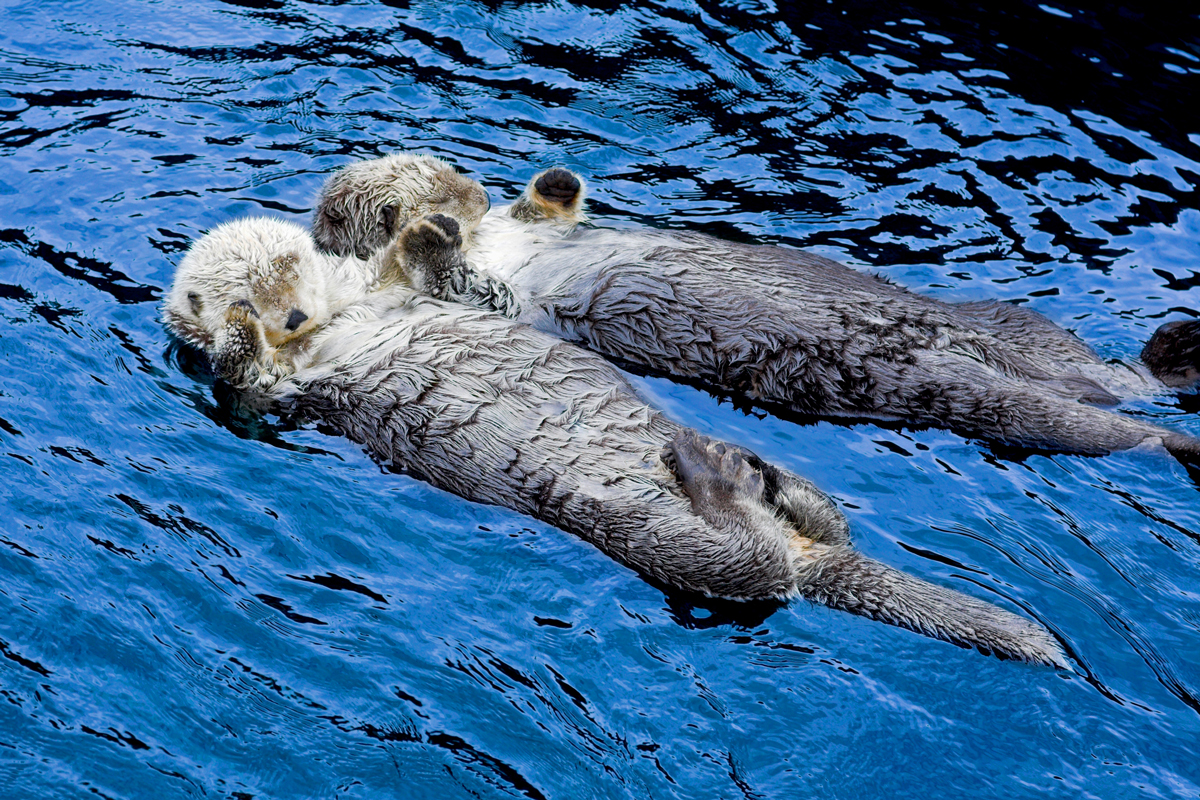
Otters holding hands and floating on their backs while sleeping
Credit: fred goldstein/Adobe Stock

As heartwarming as it is to imagine sea otters in love, their hand-holding isn’t a sign of affection. It’s actually a vital mechanism they rely on while they sleep, and the reason they do it is twofold: It helps prevent sea otters from losing track of each other, and it deters potential predators.

When sea otters sleep, water currents may sweep them in any number of directions. By holding onto each other’s paws, they form what’s called a “raft,” which may contain as little as two or as many as several dozen otters. This keeps the group together, lessening the risk of drifting apart while they snooze. And the bigger the raft, the more imposing the group of otters appears, thus making predators less likely to strike than if they were to come upon just a single otter or two.