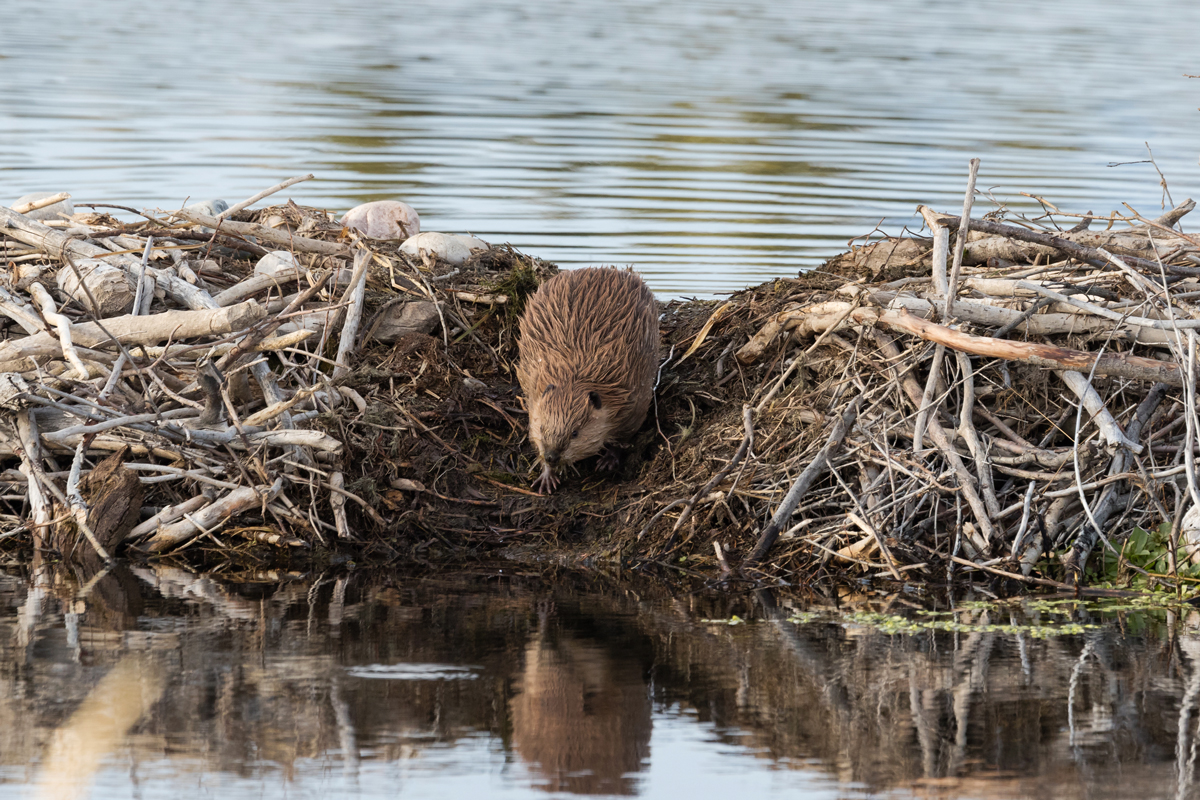
Beaver dams can last for generations.

Beaver walking on its dam
Credit: Ronnie Howard/stock.adobe.com

If there’s one thing beavers love, it’s building dams — and they’re damn good at it. These makeshift structures, which they build to create deep, calm water where they’re safe to eat, sleep, and generally enjoy their day safe from predators, can be maintained and even expanded over several generations. Doing so requires near-constant maintenance in order to keep the water level steady, and if a dam is successful enough it will eventually have to be expanded in order to extend the beavers’ feeding area.

The world’s largest dam, located in Canada’s Wood Buffalo National Park, is more than 2,700 feet long. It’s believed to have been built sometime after 1975 and is so remote that only one person has made the trek to visit it.

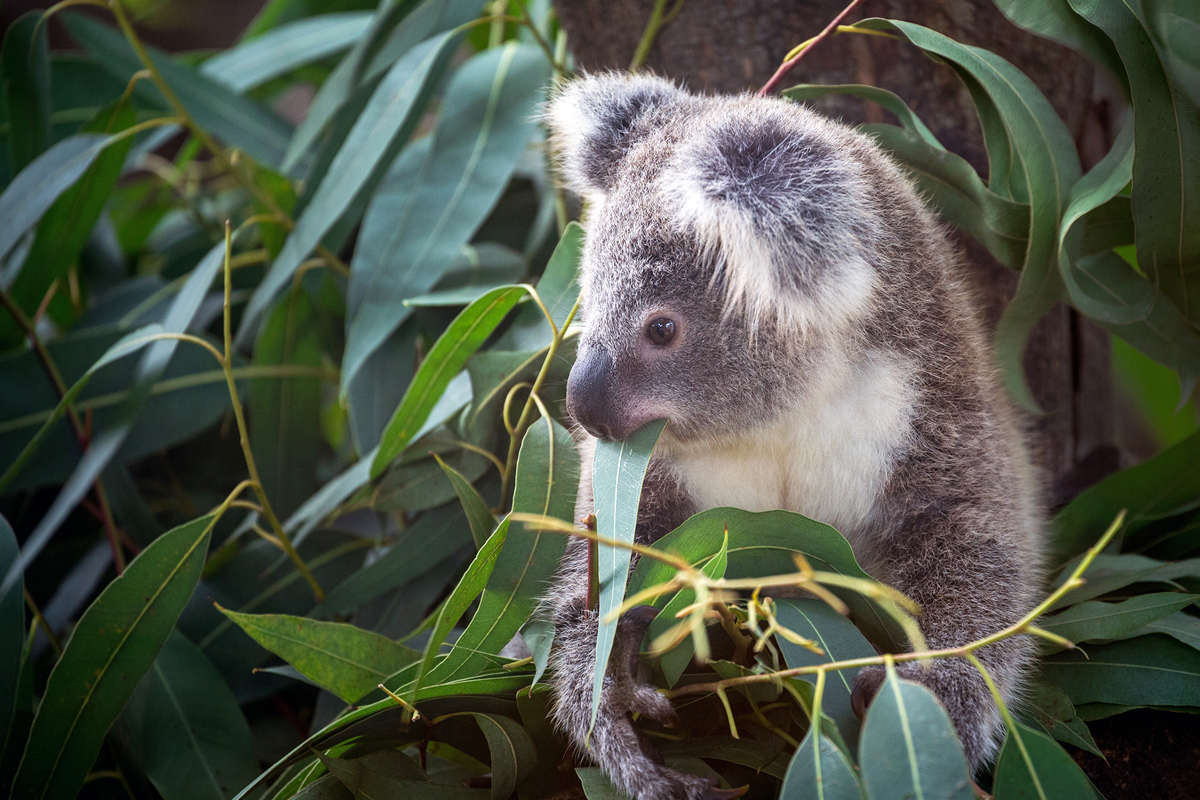
Koalas survive on toxic leaves.

Koala eating eucalyptus leaves
Credit: MrPreecha/stock.adobe.com

To most animals, including humans, eucalyptus leaves are highly toxic; to koalas, they’re basically the only food they know. The Australian marsupials subsist almost exclusively on them, which from an evolutionary perspective is fairly odd: In addition to their toxicity, the leaves are also low in nutrients and provide little energy, hence why koalas sleep between 18 and 22 hours a day. Their digestive systems have adapted to the eucalyptus by detoxifying the poisonous chemicals found in the leaves.

Koalas aren’t entirely undiscerning in their appetites, however. They often sniff leaves before deciding whether or not to eat them, and they’ve been known to avoid trees that grow in certain soils — the less fertile the soil, the more toxic the leaves. There are around 600 different eucalypt species, many of which koalas avoid entirely. They eat between 200 and 500 grams of leaves per day, which account for most of their water intake as well.

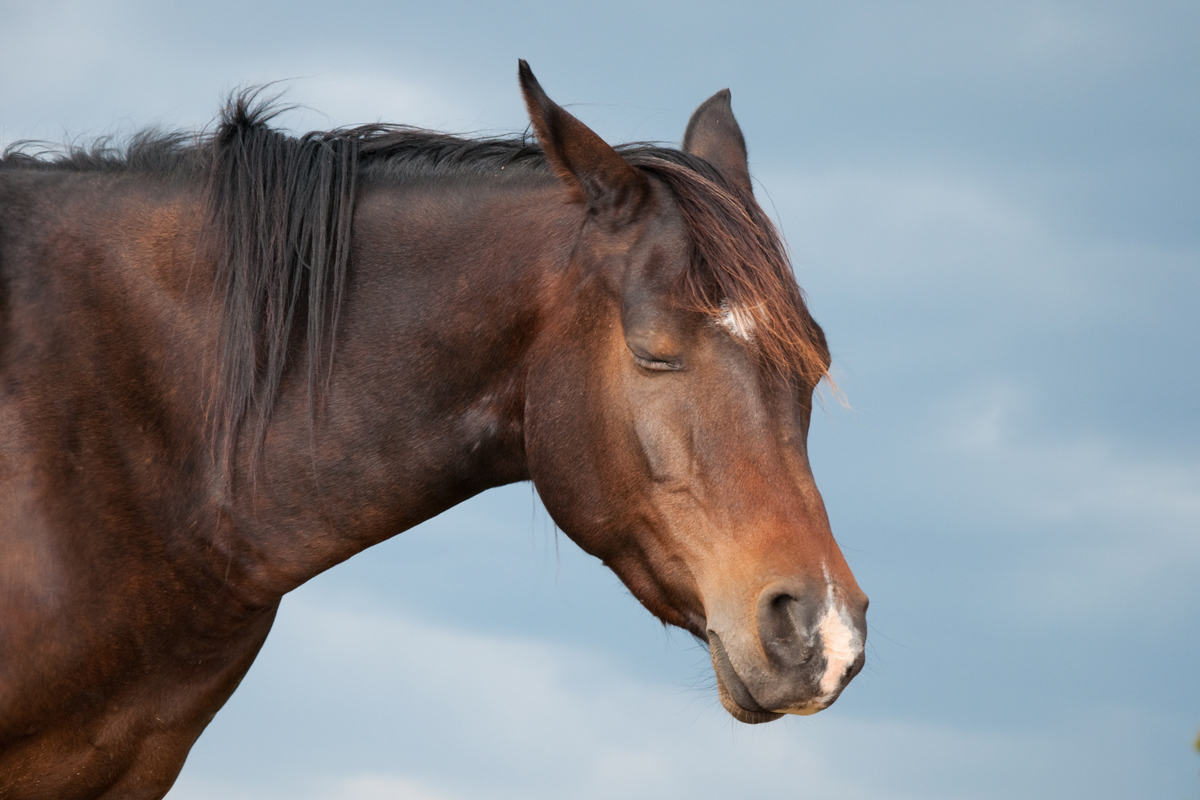
Horses sleep standing up.

Horse standing with its eyes closed
Credit: pimmimemom/stock.adobe.com

The idea of falling asleep while standing up seems quite uncomfortable, especially when there’s a plush couch or bed calling your name. But horses frequently conk out in upright positions that would be far less than ideal for humans. This ability stems from a specialized biological adaptation in horses that allows them to recover vital energy while standing on all four feet.

It’s due to an anatomical feature called the equine stay apparatus, in which the muscles, tendons, and ligaments are all expertly designed to stabilize one another. This apparatus locks a horse’s legs in place without requiring much physical effort. The ability to sleep upright not only helps horses recoup vital energy, but the standing position also allows horses to flee with ease if any predators approach. Despite this unique and impressive ability, horses still need to lie down like the rest of us to enter deeper REM sleep cycles.

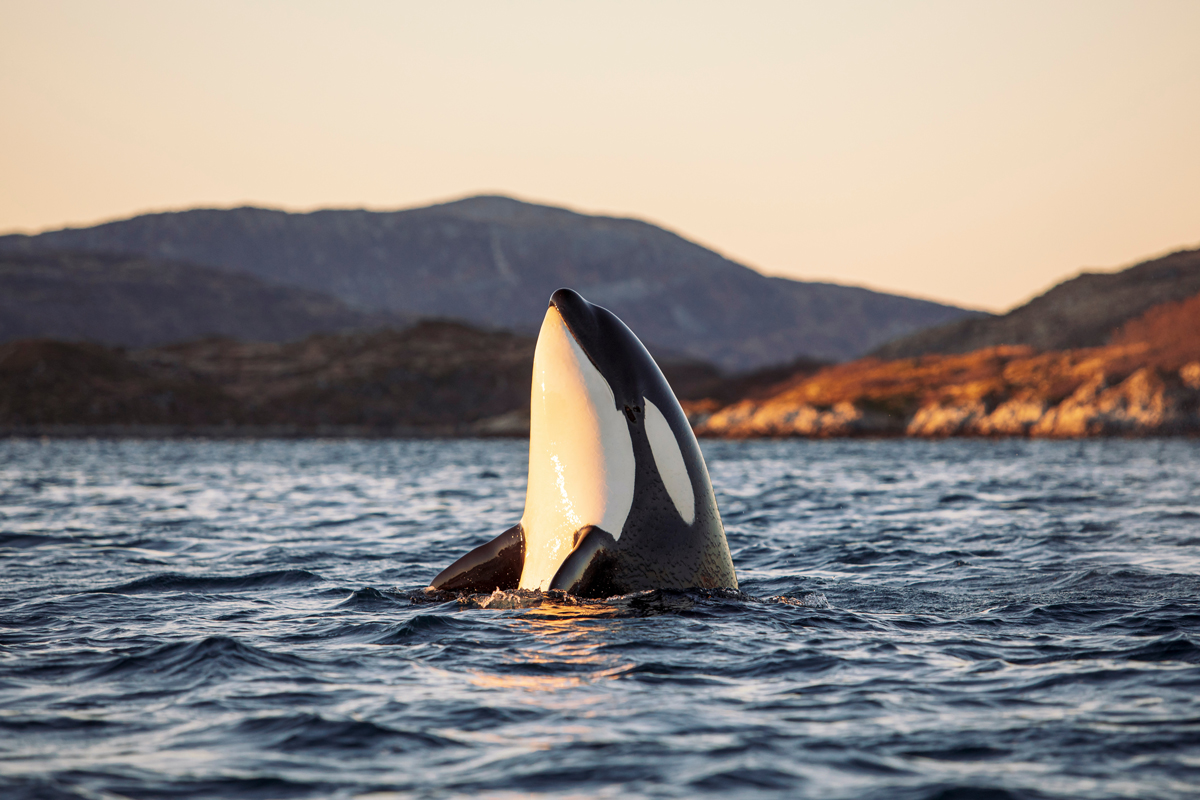
Orcas sometimes hunt sharks just to eat their livers.

Orca breaching the ocean's surface
Credit: Marius/stock.adobe.com

They aren’t called killer whales for nothing: When they aren’t starring in classic ’90s movies (i.e., Free Willy) or literally sleeping with one eye open, orcas are striking fear into the hearts of many of their fellow sea creatures — including sharks, whom they sometimes hunt just for their livers. As apex predators who sit comfortably atop the food chain, they can pretty much do whatever they want. And what they apparently want, as observed by researchers across the globe, is to feast on a particularly tasty, nutrient-dense organ.

The orcas most often do so as a team, with as many as five teaming up against a single white shark. They’re even savvy enough to immobilize their prey by first flipping it onto its back before removing the liver, which they then share among themselves. Orcas — which are technically the largest member of the dolphin family — live in matriarchal societies and have a lifespan of up to 90 years, which one imagines is aided by their preference for liver.

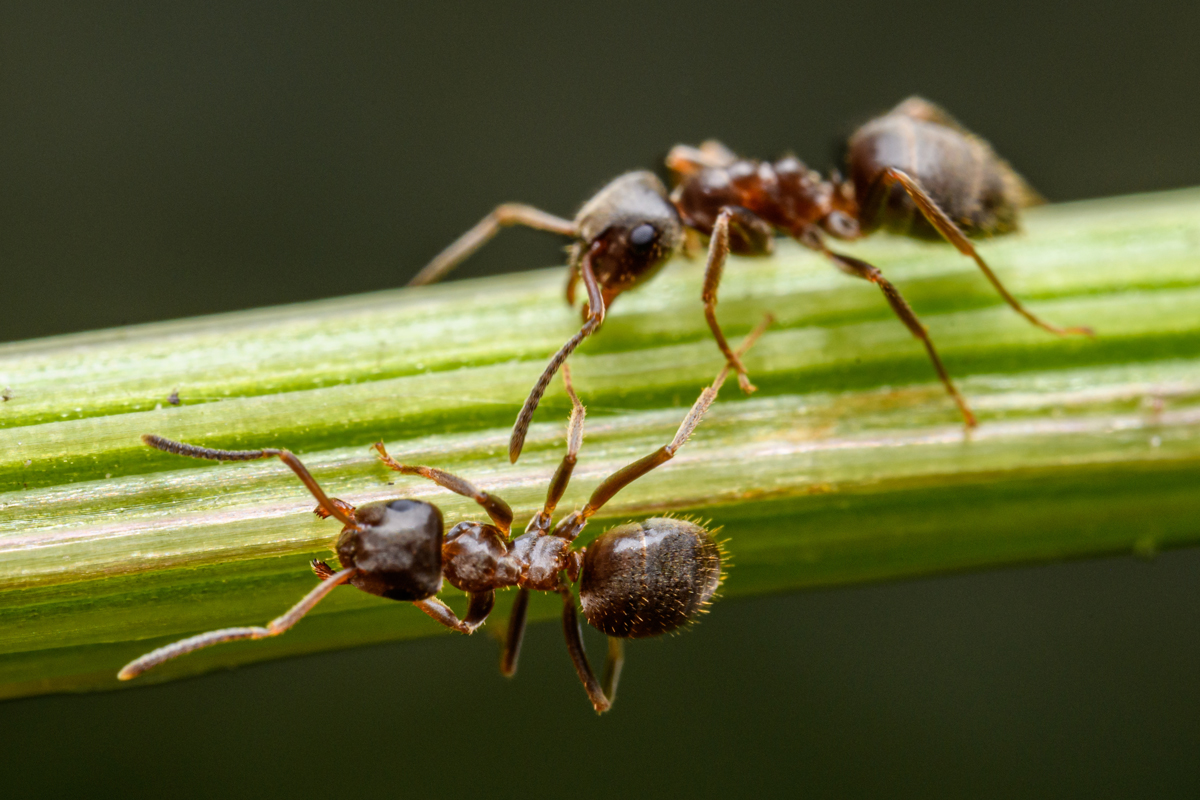
Ants have built their own equivalent of the Great Wall of China.

Ants climbing on a plant
Credit: Petr/stock.adobe.com

Though it probably isn’t true that all the ants on earth weigh more than all the humans, there are still a lot of them — about 20 quadrillion, as far as scientists can figure. With that in mind, it’s not exactly surprising that they’ve built underground megacities that put some of our metropolises to shame. One of them is so impressive that it’s been deemed the ant version of the Great Wall of China.

That discovery came after scientists in Brazil poured 10 tons of cement into an anthill and observed the ants’ goings-on for the next three days. Rather than simply move on and chide the researchers for their rude experiment, the ants got to work and used the cement to their advantage by building on and around it. Their creation was, relatively speaking, massive: 50 square meters in total, including 8 meters down into the earth, all of it interconnected via a series of tunnels and individual rooms with different purposes. 

It even included a side road for fast-moving ants who don’t like having to pass slow walkers en route to their next task. The creation didn’t last long, however, as ants tend to move from one colony to another so as to avoid predators and disasters (whether natural or manmade) that would destroy their carefully built structures.

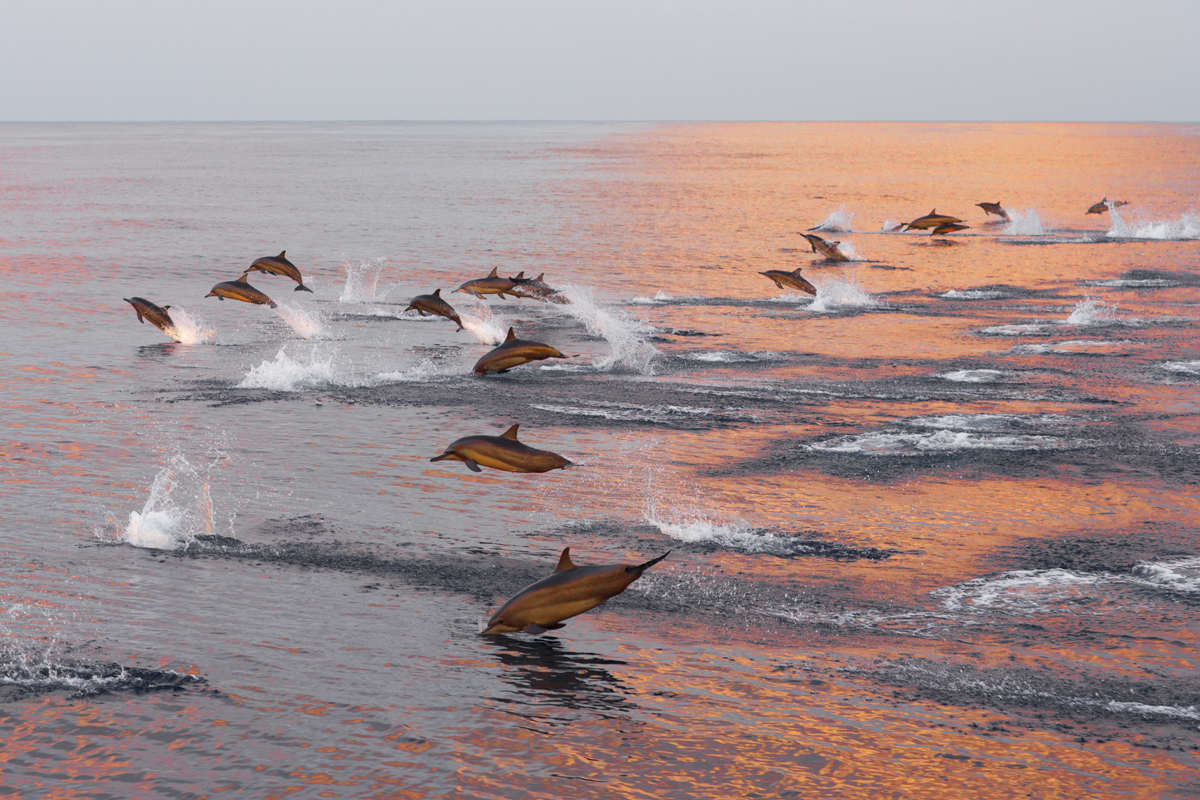
Dolphins can remember their friends for decades.

Large group of dolphins jumping out of the ocean
Credit: Elena/stock.adobe.com

Elephants aren’t the only animals with impressive memories — dolphins have the longest social memory of any nonhuman species and can remember their friends for more than 20 years. They don’t do so by sight, however; these highly intelligent mammals actually recognize each other’s whistles, even after being separated from one another for more than two decades. 

This discovery was made by a Royal Society study that collected data from 53 bottlenose dolphins at six different facilities. Whether in Chicago or Bermuda, their findings were consistent: Dolphins really do remember their besties. They have signature whistles that essentially function as names to which they’ll respond when called, something they often do in group settings to help distinguish themselves from the rest of their pod.

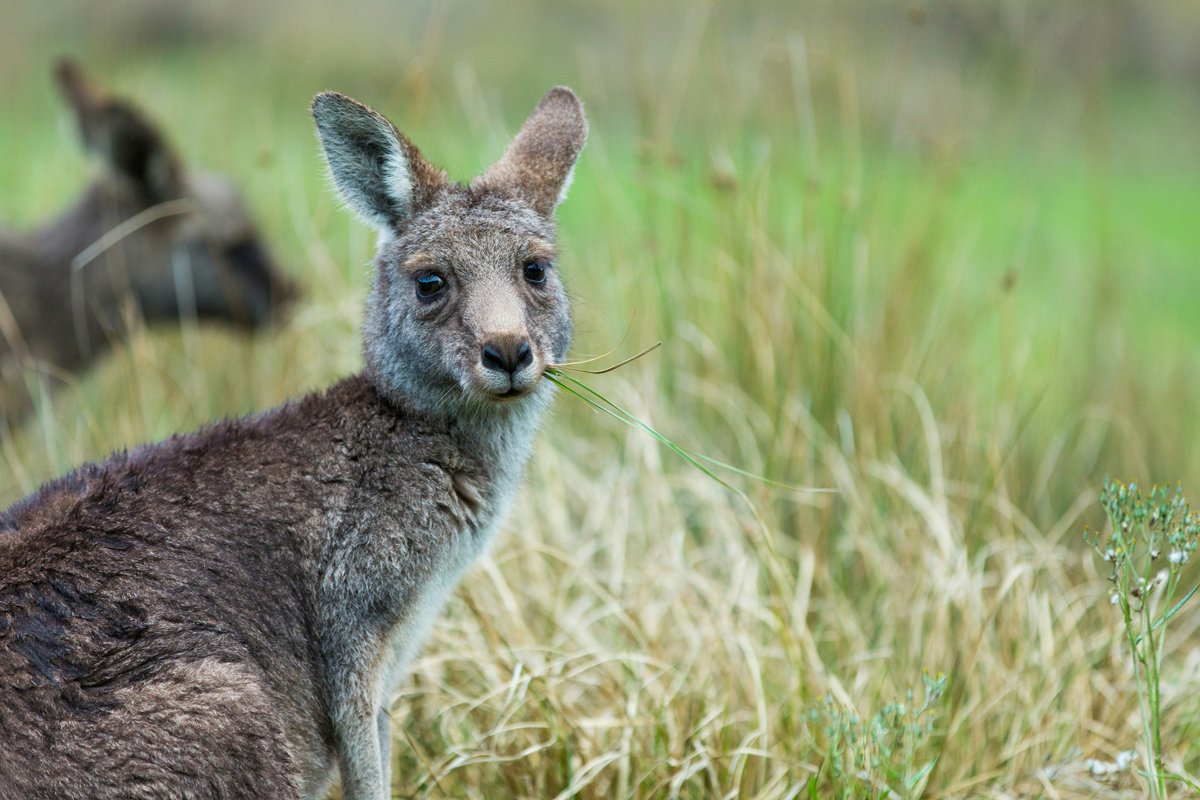
Kangaroos lick their forearms to survive heat.

Kangaroo in a field staring into the camera
Credit: Jacob Dyer/Unsplash.com

While humans may enjoy lounging in front of a fan to cool down on a hot day, kangaroos lick their forearms to survive the sweltering temperatures of the Australian Outback. Though kangaroos have sweat glands, those glands only secrete sweat during active exercise, making them effectively useless for staying cool when the creatures are at rest. Instead, kangaroos rely on evaporative cooling — a process in which cool moisture from the animal’s mouth is absorbed directly into its bloodstream.

Kangaroos have a network of blood vessels located just beneath their forearm skin. Licking that area coats their arms with moisture, which is absorbed into those blood vessels, thus cooling the blood that flows through them. That cooler blood then circulates through the rest of the creature’s body, helping to lower its core temperature.

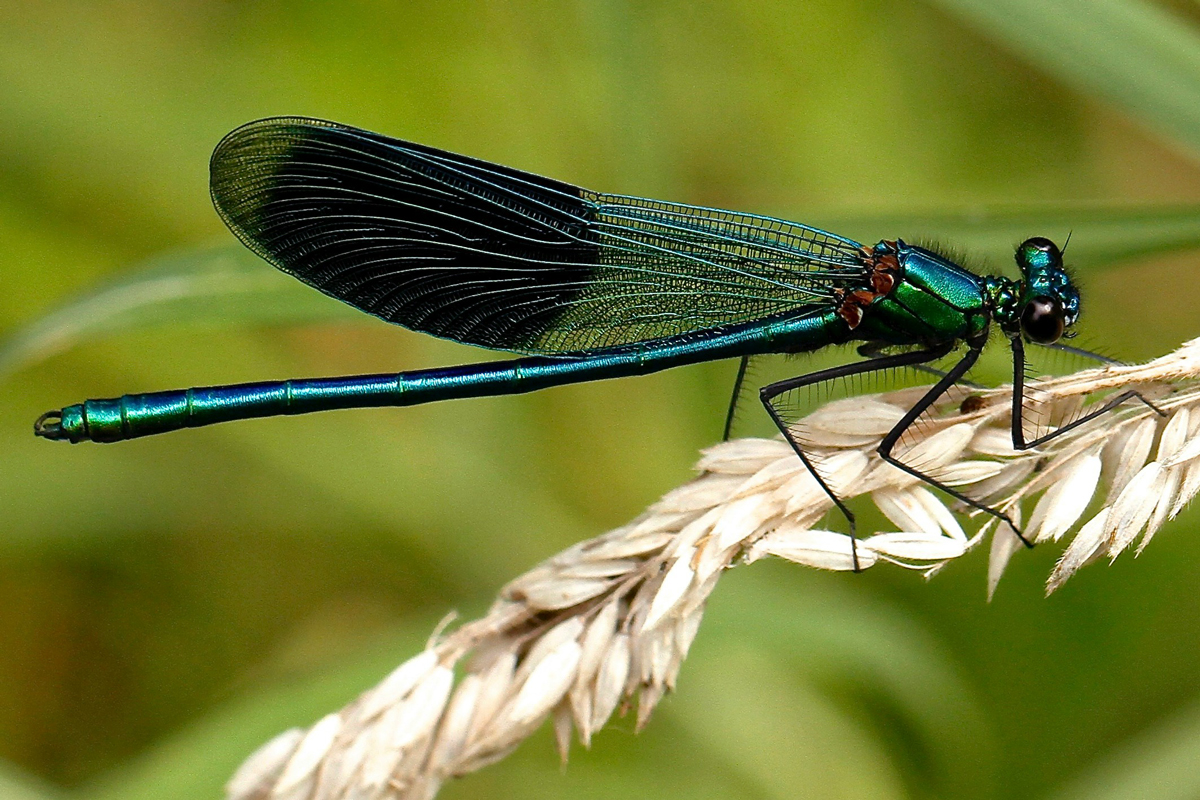
Dragonflies have six legs but can’t walk.

Dragonfly perched on a wheat stalk
Credit: James Wainscoat/Unsplash.com

Dragonflies are among the many types of insects that have six legs when fully grown and intact. But unlike other insects, dragonflies don’t use their legs to walk, as they aren’t designed for that purpose. Instead, dragonflies rely on their limbs for perching, grooming, and capturing prey.

Each leg terminates in a pair of claws that allows dragonflies to firmly hold onto surfaces they’re perched upon. The legs can also be used similarly to windshield wipers, removing debris or dew from atop their eyes. Dragonflies can even use their six legs to nab prey midflight, essentially forming a basket around their unlucky victim before subduing it with their powerful mandibles.

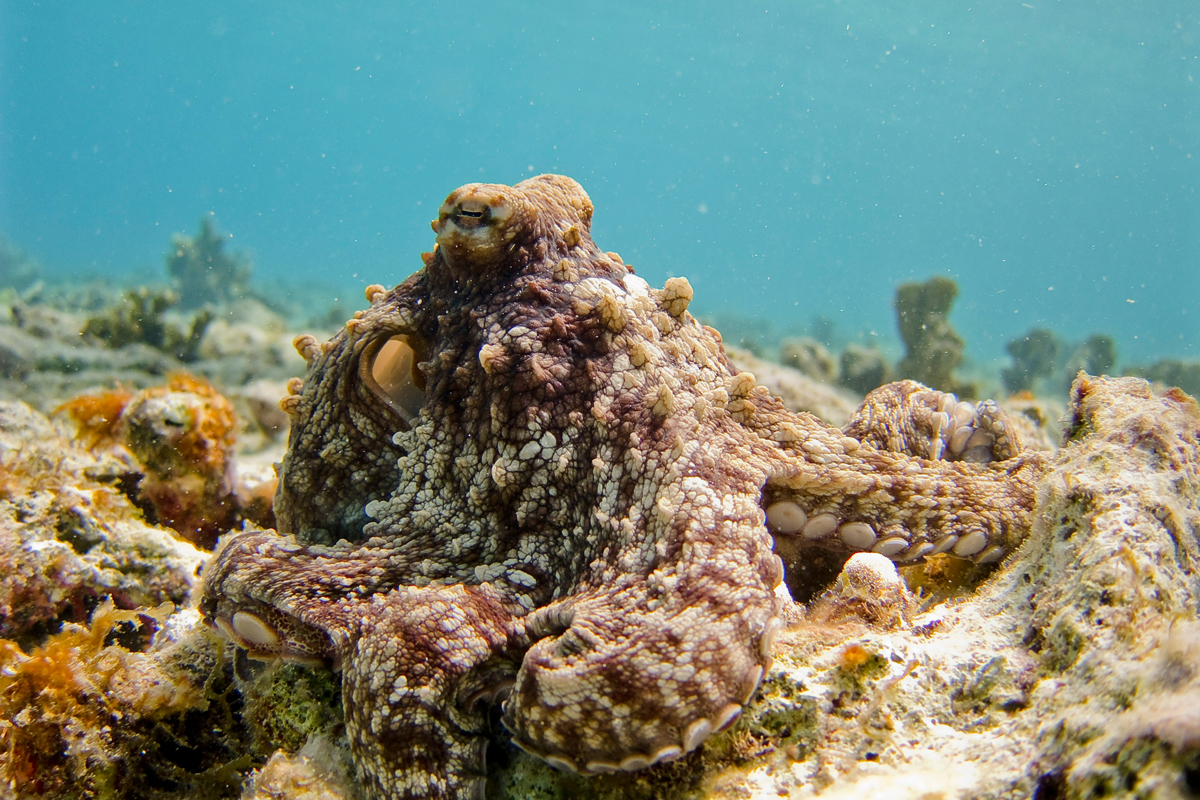
Octopuses have nine brains.

Octopus resting on ocean floor
Credit: Vlad Tchompalov/Unsplash.com

Octopuses appear to be fans of both quality and quantity, as the highly intelligent cephalopods have nine brains — sort of. Along with a central, donut-shaped brain in their head, they also have eight mini-brains known as ganglia at the end of each tentacle. This gives them the ability to control each arm semi-independently, allowing for a freedom of movement that’s evident in the fast, fluid motion and incredible nimbleness for which they’re known. 

Their nervous systems aren’t as decentralized as they may sound, however. The central brain still issues basic commands, which the smaller brains process independently and act in accordance with. They essentially follow those commands, which are often related to finding food or a secluded place to rest, and it’s because of those mini-brains that all eight tentacles can move, grip, and even taste independently of the others. You can think of the central brain as a kind of leader and the other eight as the workers — together, they’re quite a team.

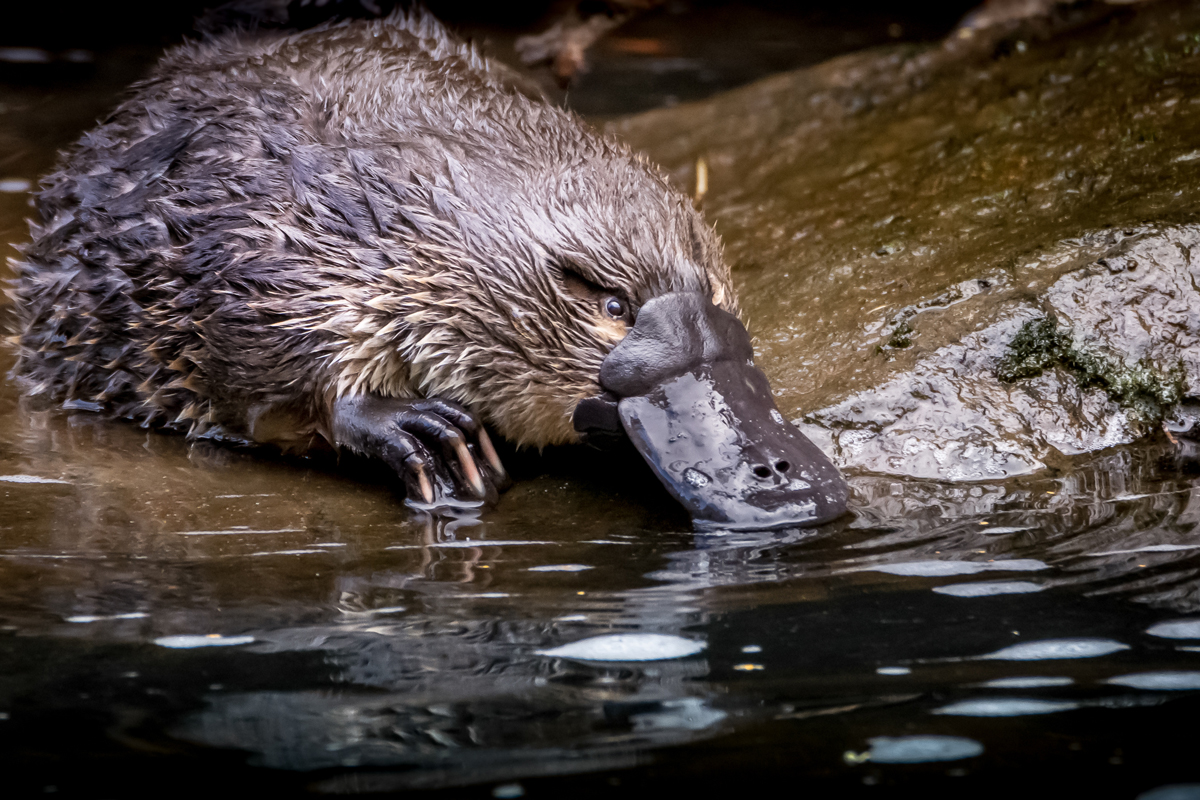
Platypuses glow under UV light.

Platypus drinking from stream
Credit: Ash/Adobe Stock

The platypus is already known for its many eccentricities, from its ducklike bill and beaverlike tail to its egg-laying habits and those venomous ankle spurs. In 2020, scientists added another peculiar feature to the list: Platypus fur glows blue and green under ultraviolet (UV) light. This phenomenon, known as biofluorescence, occurs when an organism absorbs UV light and recasts it at a visible wavelength. 

Researchers aren’t entirely sure why platypuses glow, however. One possibility is  that their fur absorbing the UV light makes them less visible to predators that see UV light, or it could simply be a byproduct of their fur. Scientists have since discovered that biofluorescence is more common in mammals than originally thought, with the phenomenon also documented in species ranging from flying squirrels to wombats, even if the biological function remains a mystery.