The 10 Biggest Animals on Earth

Walrus lying on sand
Credit: Ondrej/stock.adobe.com

Being intimidatingly large in the animal kingdom offers some key advantages when it comes to survival, including protection from predators, easier long-distance travel, and access to food sources smaller creatures simply can’t reach (being small also has plenty of its own advantages, of course, but that’s a different conversation). 

It’s no surprise, then, that evolution has produced some truly staggering giants, whether in the deepest trenches of the ocean or the dry grasslands of Africa. Here are 10 of the biggest animals alive today, from “smallest” to largest. 
Credit: Rixie/stock.adobe.com

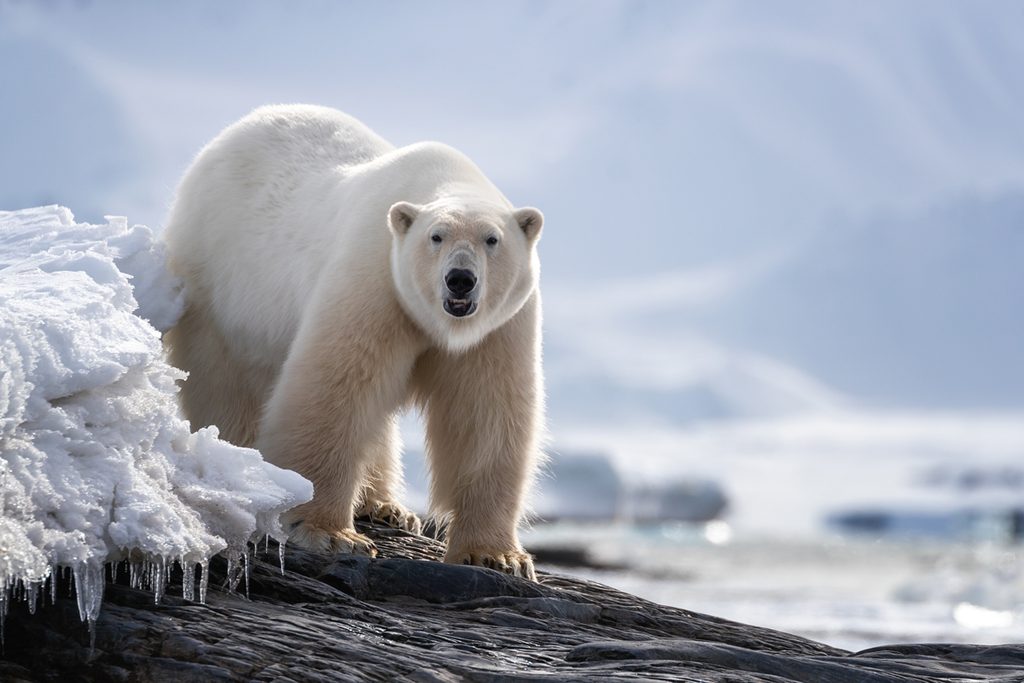
Polar Bears

There’s stiff competition for 10th spot, including saltwater crocodiles, American bison, and Alaskan moose, but the polar bear just about pips it. Polar bears are the largest species of bear and the largest land predators on Earth, often weighing up to 1,600 pounds, or just under a ton — although the largest polar bear ever recorded reportedly weighed a mighty 2,210 pounds. 
Credit: Ondrej/stock.adobe.com

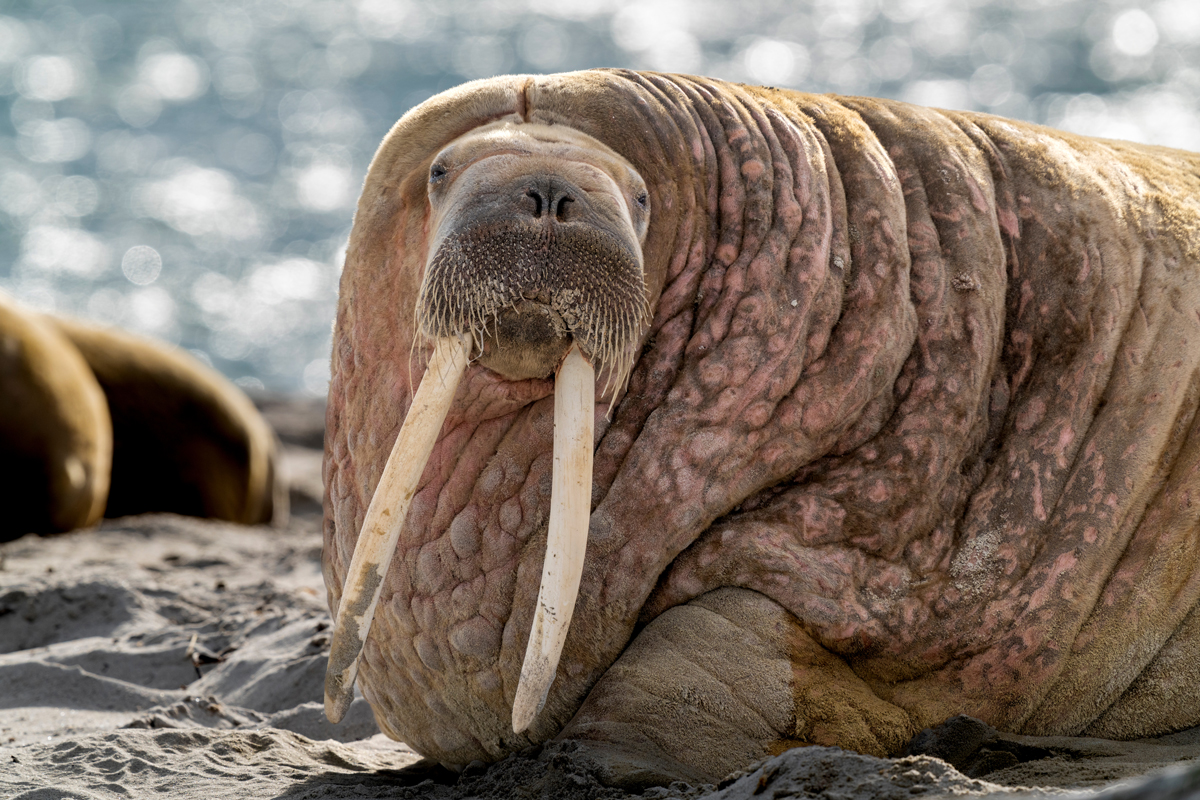
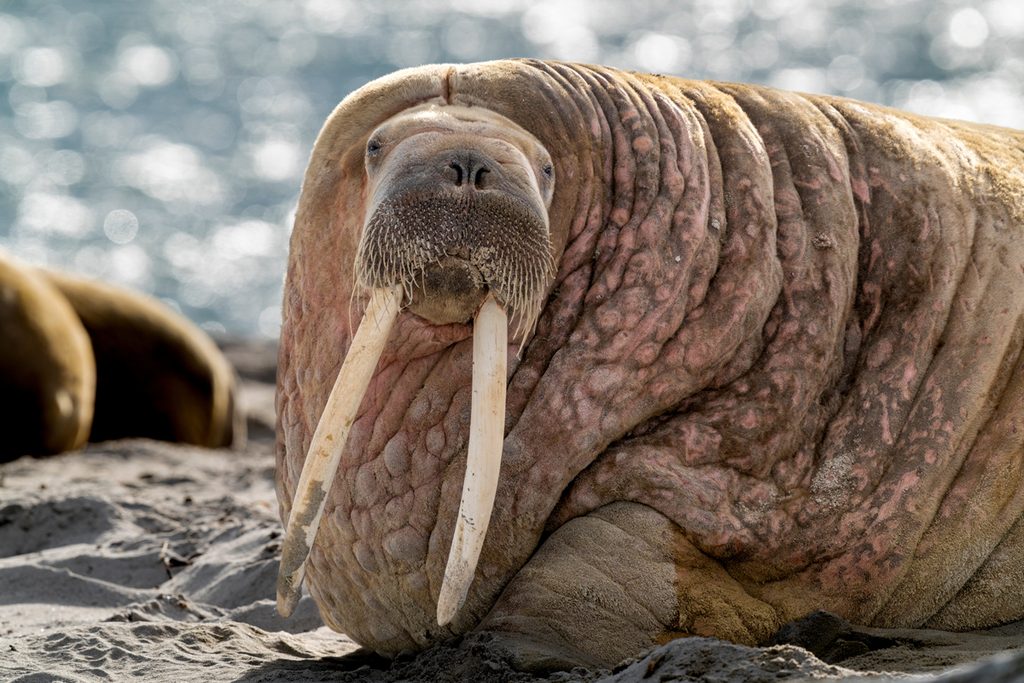
Walruses

Male Pacific walruses can reach lengths of almost 12 feet and typically weigh between 1,800 and 3,700 pounds, though some exceptionally large males have been recorded at around 4,400 pounds, or a little more than 2 tons. As such, they’re one of the heaviest marine mammals outside the whale family. Much of that bulk is stored as blubber, which insulates them against the frigid Arctic waters. 
Credit: Marc Stephan/stock.adobe.com

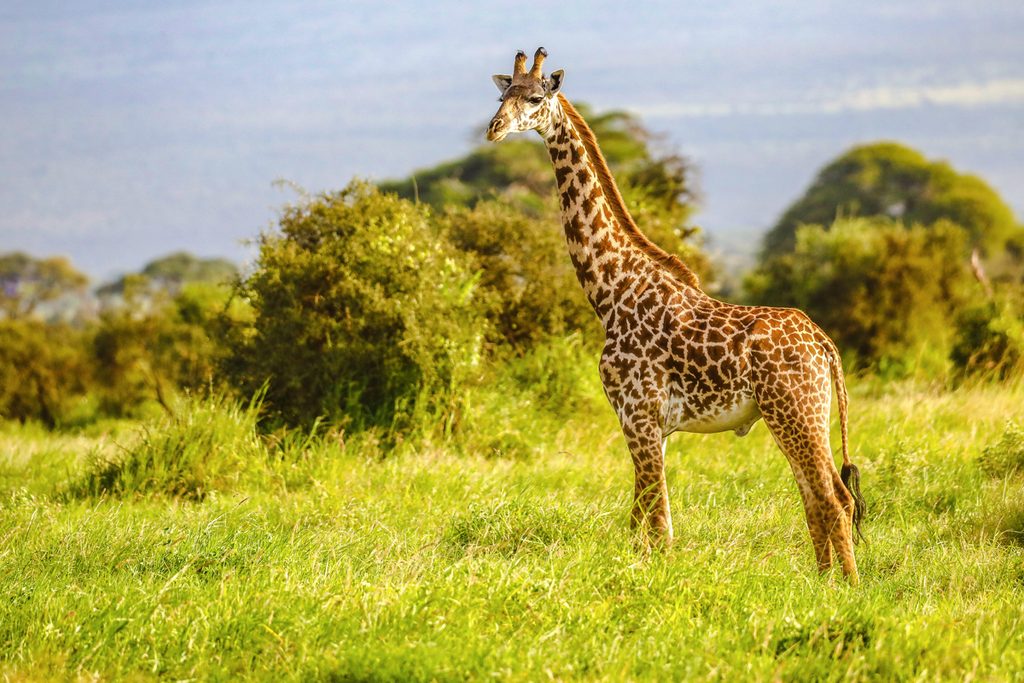
Giraffes

Despite lacking the raw bulk of some of the bigger animals on this list, giraffes are still genuine heavyweights. Male giraffes, or bulls, measure up to 18.7 feet in height, making them the tallest living terrestrial animals. They can weigh up to 4,255 pounds (or around 2.1 tons), with a significant amount of mass distributed through their extraordinarily long necks, which can weigh up to 600 pounds alone.
Credit: slowmotiongli/stock.adobe.com

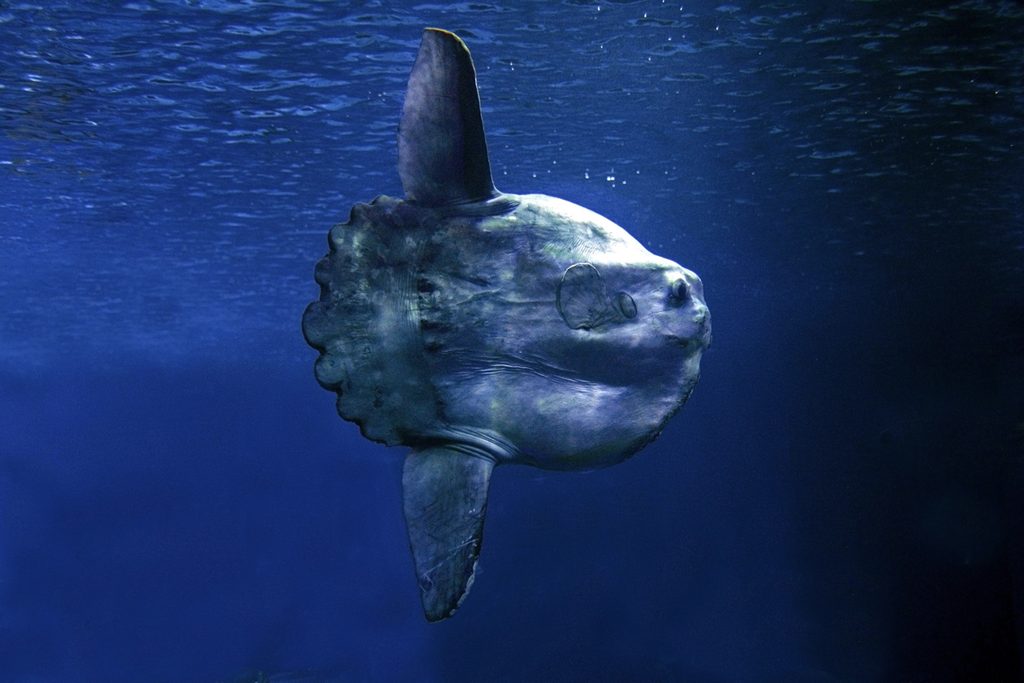
Ocean Sunfish

The ocean sunfish, or mola, is widely regarded as the heaviest bony fish in the world. This peculiar fish, which looks almost like a giant fish head without a tail, typically grows to a maximum weight of around 2.5 tons, although the heaviest specimen on record weighed a little more than 3 tons. It’s an especially impressive achievement considering sunfish begin life as larvae barely a few millimeters long.
Credit: balakirev/stock.adobe.com

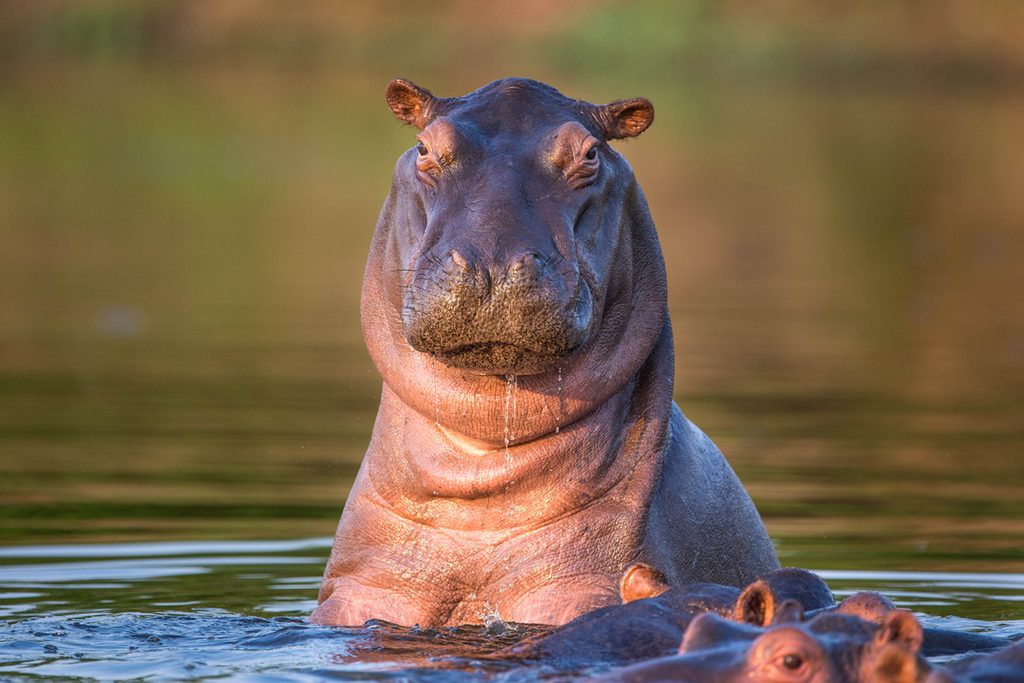
Hippopotamuses

An adult male hippopotamus typically weighs between 3,500 and 7,050 pounds (up to 3.5 tons), with exceptionally large individuals weighing more than 4 tons. Generally speaking, white rhinos are larger (more on that in a second), but the biggest hippos can rival them in terms of sheer bulk. Despite their size, and their tendency to spend most of their time in water, hippos are surprisingly fast on land and more than capable of outrunning humans.
Credit: EcoView/stock.adobe.com

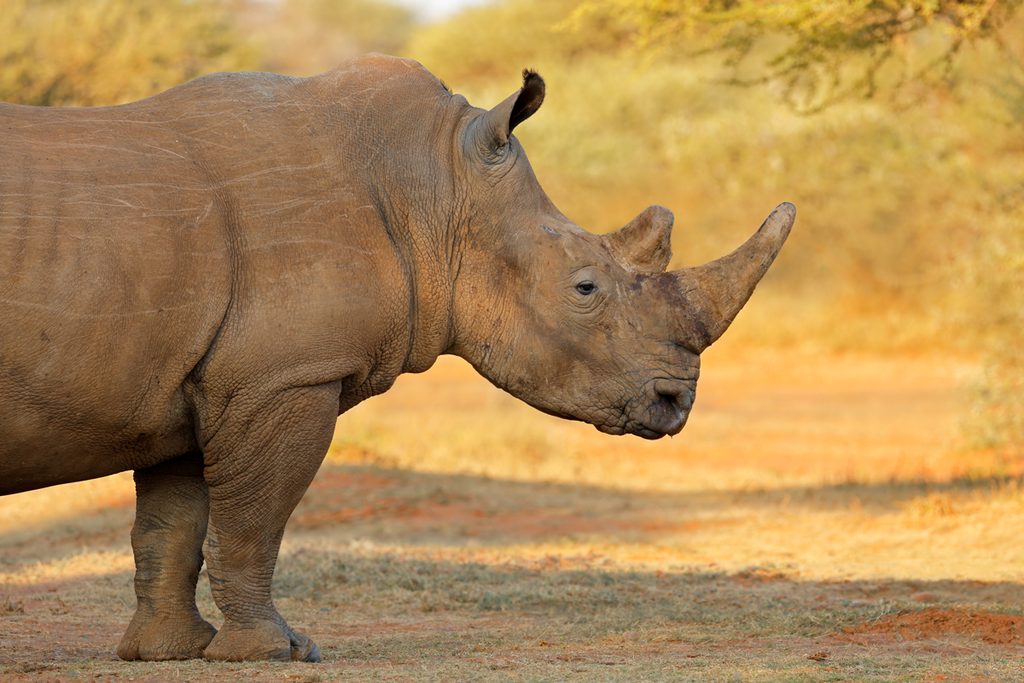
White Rhinoceroses

The white rhinoceros just barely edge out hippopotamuses to be widely considered the second-largest land mammal. White rhinoceroses are incredibly powerful animals: Their massive heads are anchored by thick neck muscles, strong enough to support two horns, the longest measuring up to 80 inches long. These tank-like creatures can weigh up to 4 tons, with some specimens estimated at even more than this — but understandably, weighing a rhino isn’t easy.
Credit: Simon/stock.adobe.com

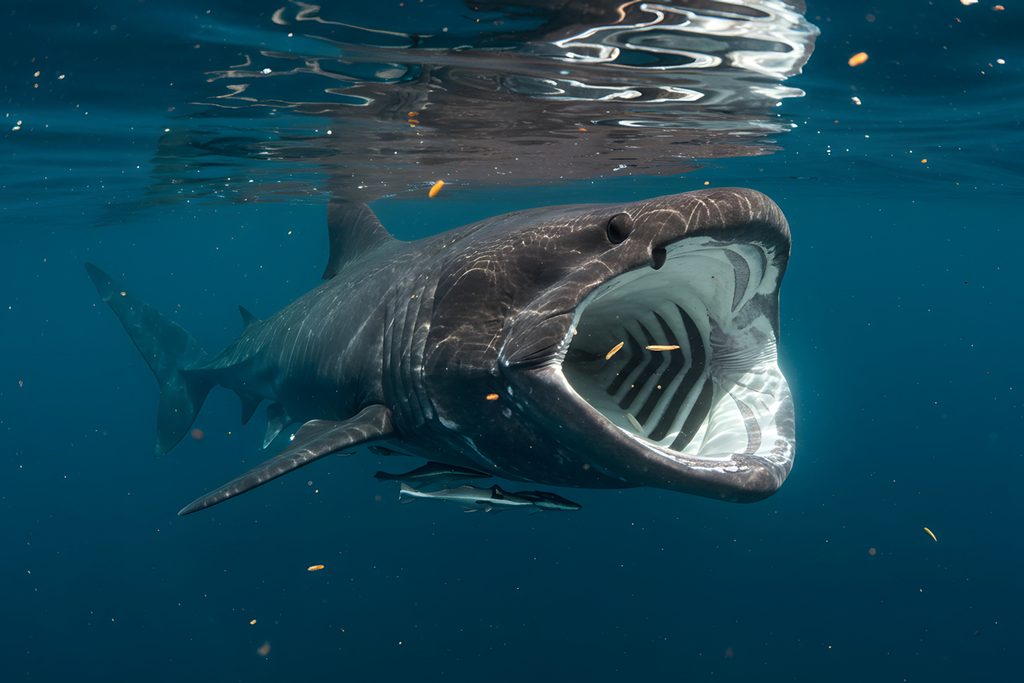
Basking Sharks

Often overshadowed by its cousin the whale shark, the basking shark is still an impressive fish. It’s the second-largest fish in the ocean, in fact, with large individuals reliably documented in the multiple-ton range, although records vary greatly. 

On average, they weigh around 5 to 6 tons, but the largest basking sharks ever recorded were around 16 tons — far larger than an African elephant. Great whites and tiger sharks, by comparison, have maximum known weights approaching 3 tons.   
Credit: fishcat007/stock.adobe.com

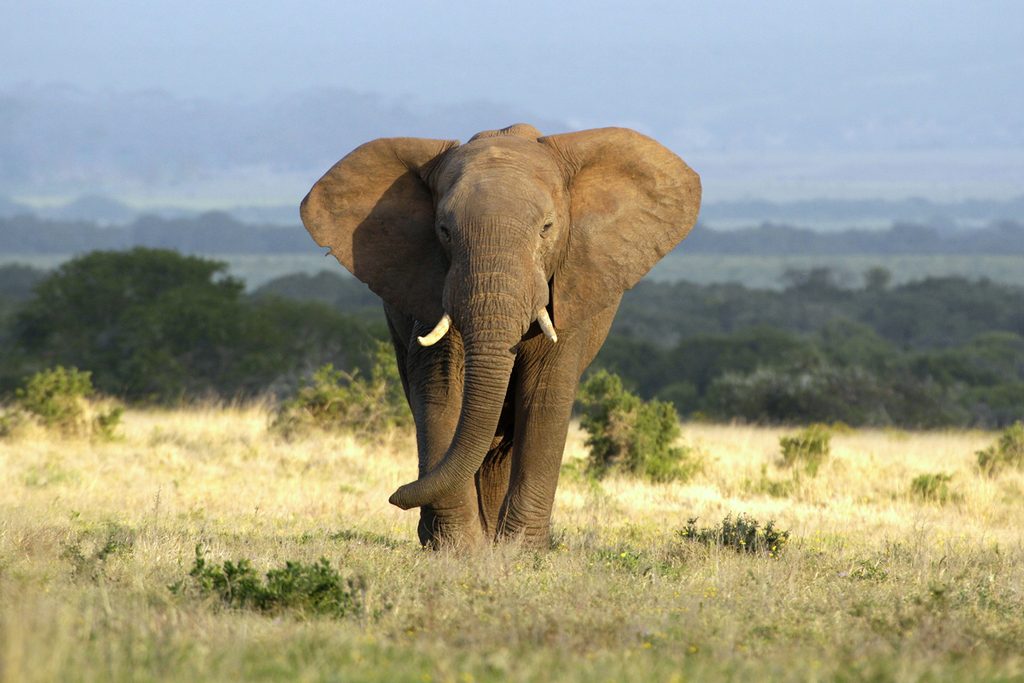
African Elephants

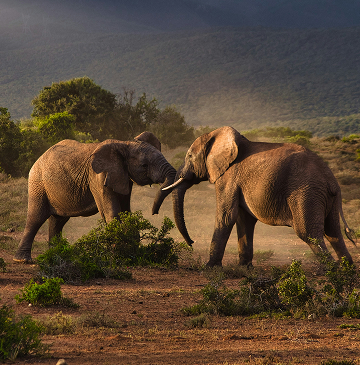
Typically weighing up to 7 tons, the African bush elephant is the largest land animal on Earth. They often reach heights of 8 to 13 feet tall at the shoulder, although the largest specimen ever recorded measured more than 13 feet tall and weighed a whopping 12.24 tons. These terrestrial behemoths are noticeably larger than their Asian counterparts, but even Asian elephants can weigh an impressive ~6 tons. 
Credit: crisod/stock.adobe.com

Whale Sharks

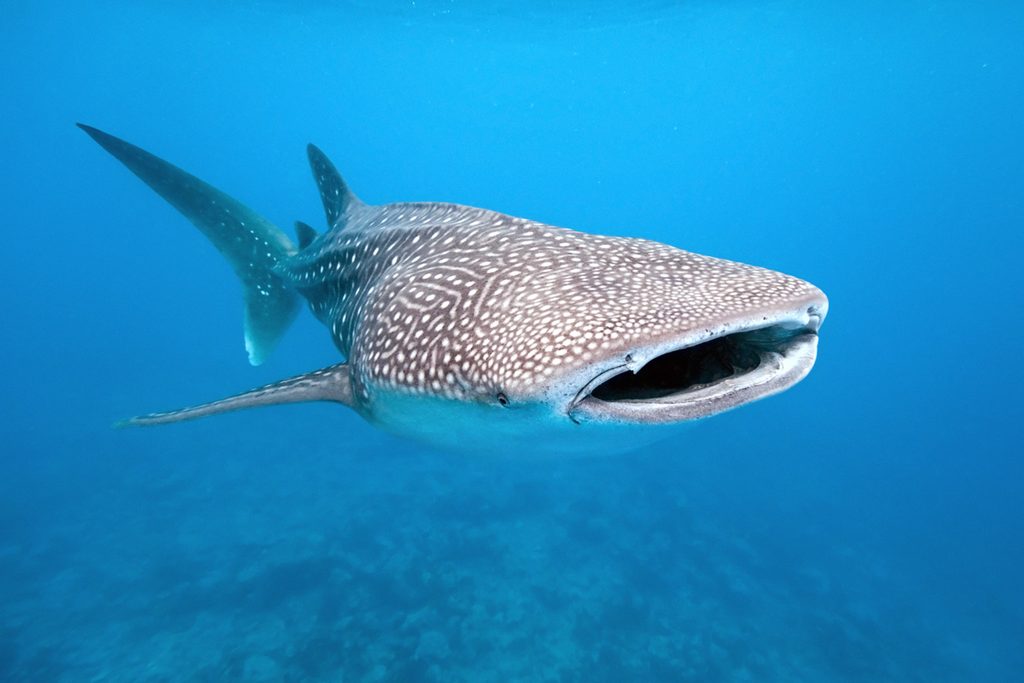
The whale shark,which is very much a shark and not a whale, is the largest fish in the world (and quite possibly the largest fish ever to have existed). They regularly grow to lengths of 32 feet, with fully grown adults weighing in excess of 20 tons — although the largest specimen ever recorded was 61.7 feet in length and may have weighed up to 40 tons. This may sound like a terrifying creature to encounter in the open ocean, but whale sharks are gentle filter-feeders that pose no threat to humans despite their massive size. 
Credit: David J. Shuler/stock.adobe.com

Whales

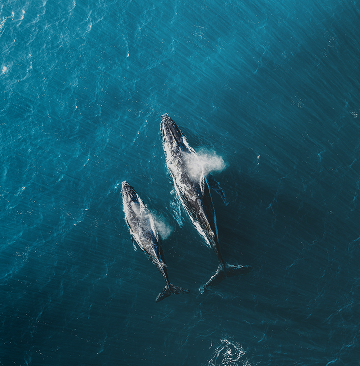
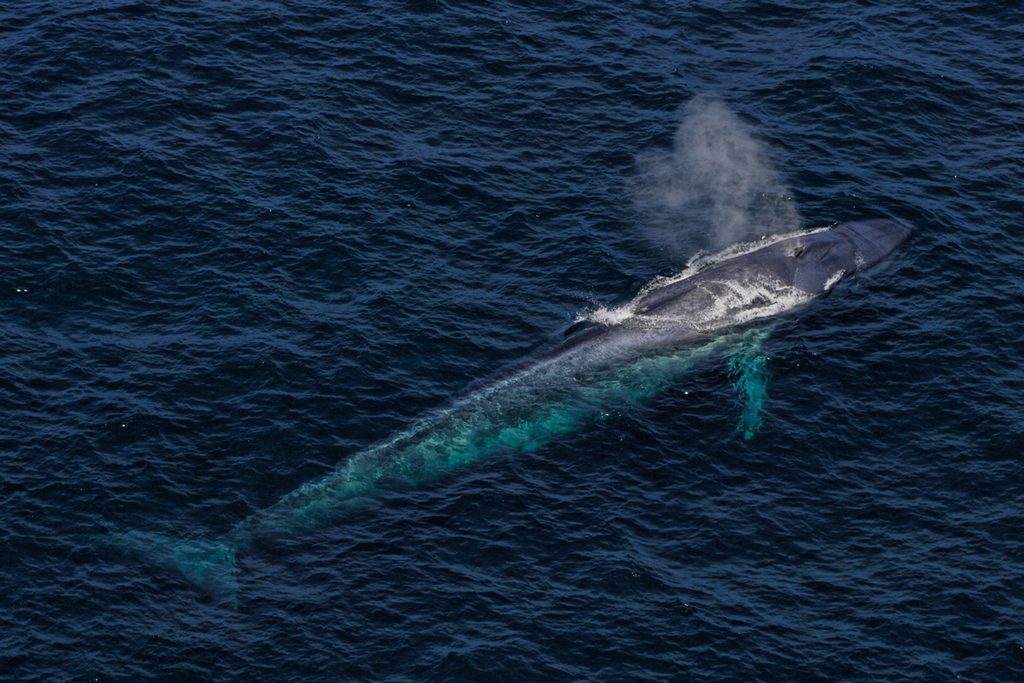
Nothing on Earth, living or extinct, comes close to the size of the blue whale, the largest animal ever known to have existed. They even put the dinosaurs to shame: A single blue whale weighs about the same as 30 Tyrannosaurus rexes. A fully grown blue whale can reach around 100 feet in length and weigh as much as 200 tons. 

It isn’t the only giant in the family, either — in fact, the heaviest living animals are all whales. The fin whale clocks in as the second-largest animal on the planet at around 80 feet long and a weight of up to 80 tons. Right whales, sperm whales, and humpbacks are just some of the other species that would round out the top 10 if we chose not to group whales together as one entry — which we will, to give some other hefty animals a chance. 
6 Creatures That Sound Shockingly Human

Red foxes sitting with noses touching
Credit: Getty Images/Unsplash.com

When you think of animal sounds, you likely think of birds chirping, dogs barking, or cats meowing. But listen carefully to your surroundings, and you may discover a more unusual wildlife soundtrack. Some animals, it turns out, can sound eerily human — and no, we don’t mean the clever roster of birds who can perfectly mimic our speech.

Although fascinating, those unexpected noises aren’t for our entertainment. Animal calls can serve all kinds of purposes, from attracting mates to warning off rivals or desperately calling for a parent. Here are six animals that make some of the weirdest, most humanlike sounds in the animal kingdom.

Credit: Linas T/stock.adobe.com

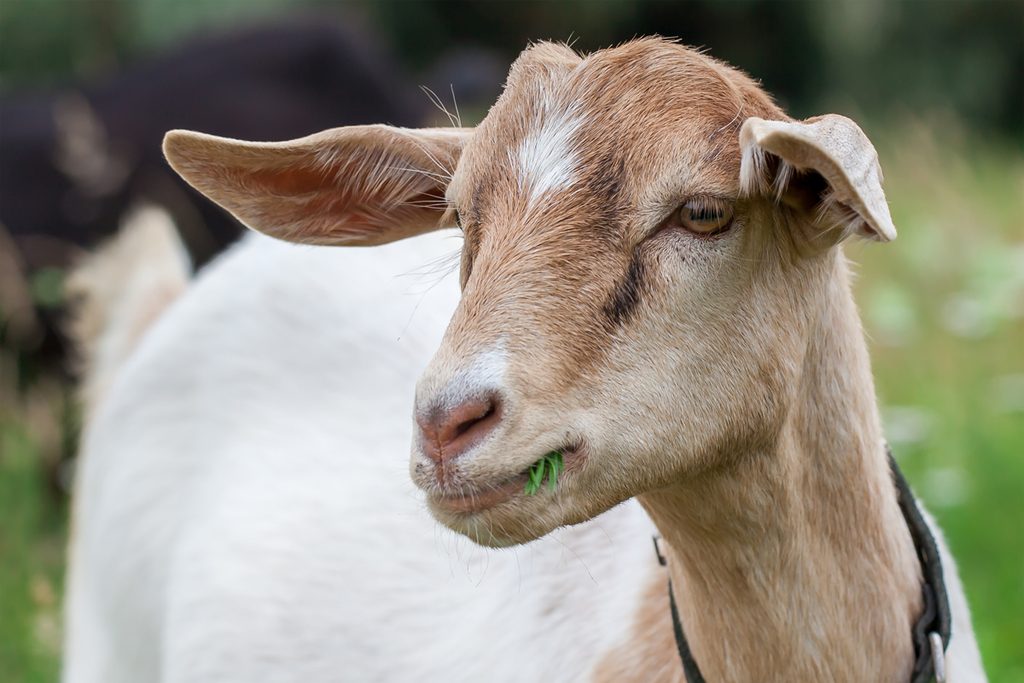
Goats

You’ve surely seen an internet video or two of a goat that sounds like a yelling man. They’re not fake: Goats really are able to make a noise that sounds remarkably like a human person yelling, but they’re actually just producing an unusually dramatic bleat. 

Goats have a wide range of vocalizations, and even individual specimens can have their own unique voices that vary in pitch, volume, and depth. They may bleat when they’re hungry, stressed, separated from their herd, or trying to find another goat — all perfectly good reasons to let out a little scream.

Credit: Getty Images/Unsplash.com

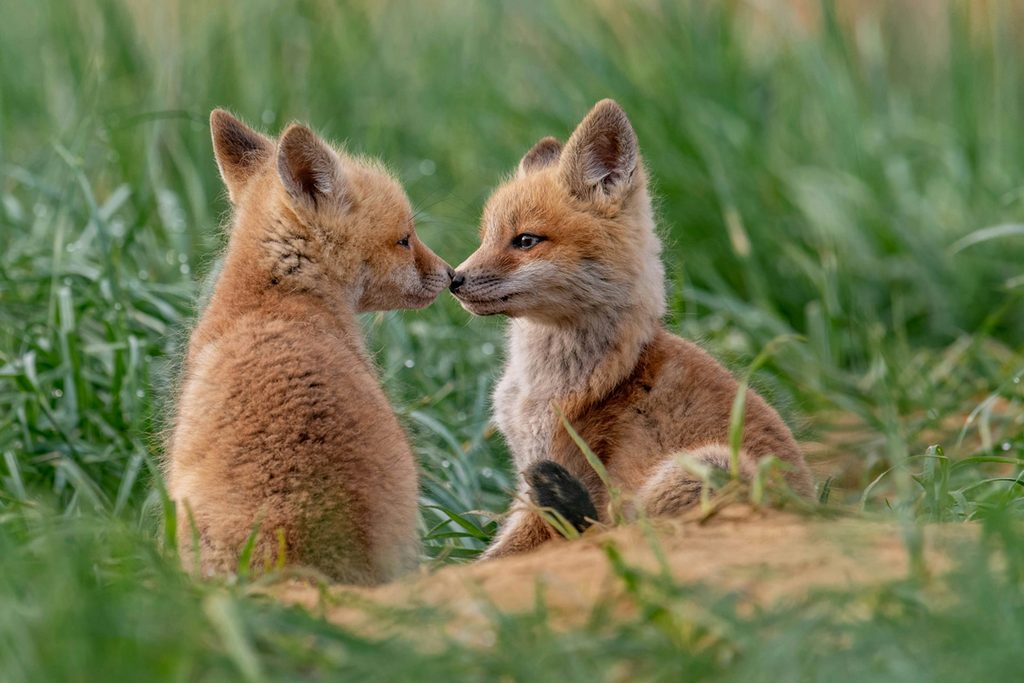
Red Foxes

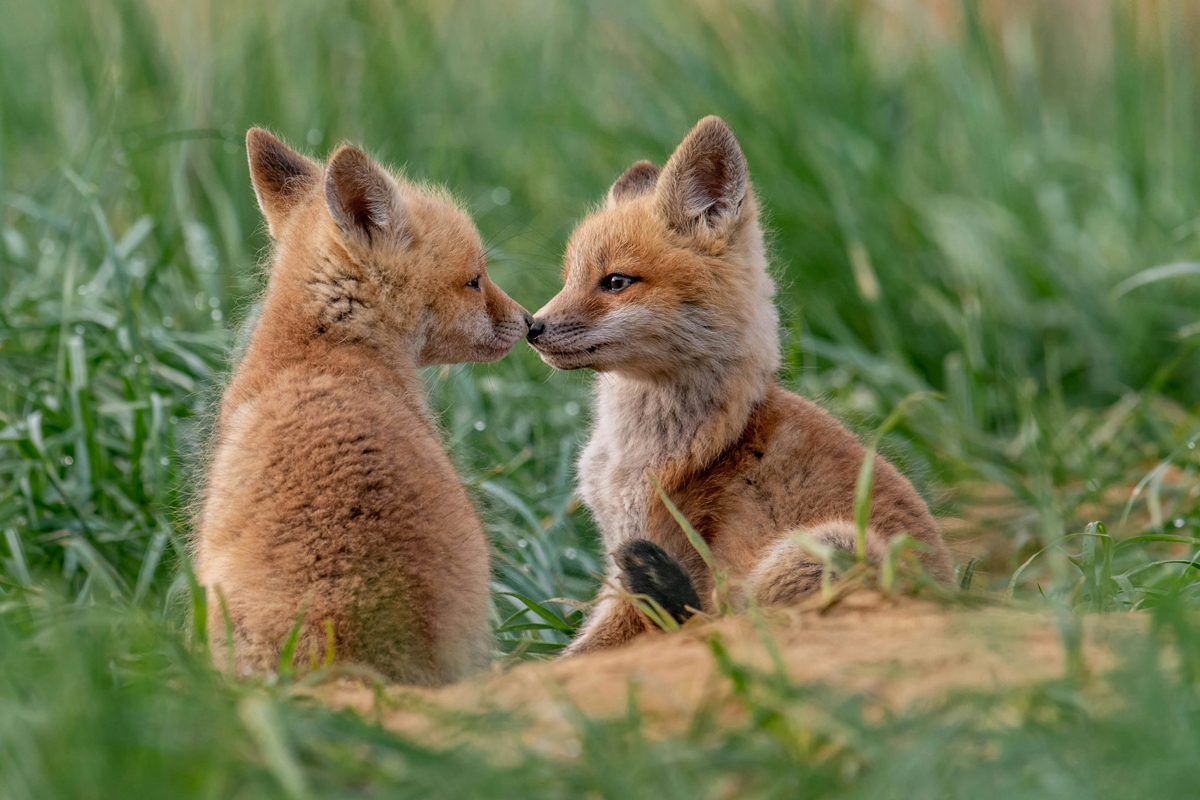
Red foxes are undeniably adorable, but they’re capable of some rather jarring sounds. From gekkering to barking and even what sounds like giggling, these mammals have a surprisingly wide vocal repertoire, with researchers identifying as many as 20 different calls. 

The loudest and most chilling is the famous red fox scream, a contact call most often made by female foxes (known as vixens) during breeding season. The unsettling shriek can sound far too similar to a human woman screaming — a particularly unnerving sound to hear in the forest after dark.

Credit: Tony Campbell/stock.adobe.com

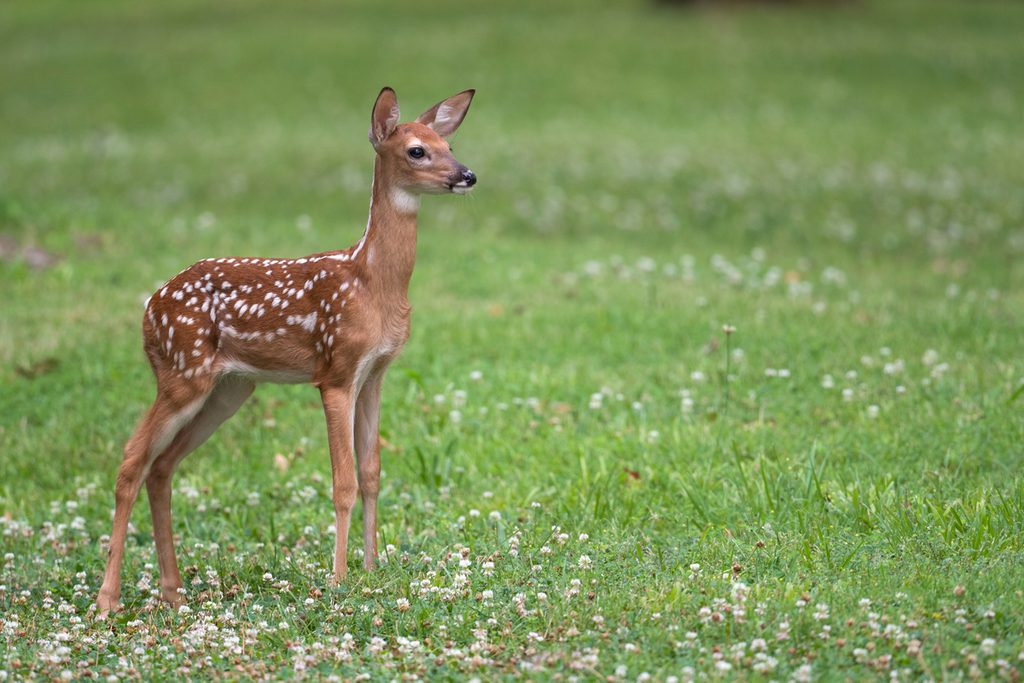
Fawns

A fawn’s distress call can sound remarkably similar to the cry of a human baby. That’s not entirely coincidental: Researchers have found that the distress calls of young mammals share certain acoustic features, even across very different species.

In one experiment, researchers played recordings to deer mothers of distressed young animals including marmots, seals, cats, bats, and humans. The mothers approached the calls when their pitch fell within the sound range that normally triggers a response to their own fawns. Mother deer have even been observed urgently approaching crying human babies at residential homes, only to have to be shooed away. 

Credit: moosehenderson/stock.adobe.com

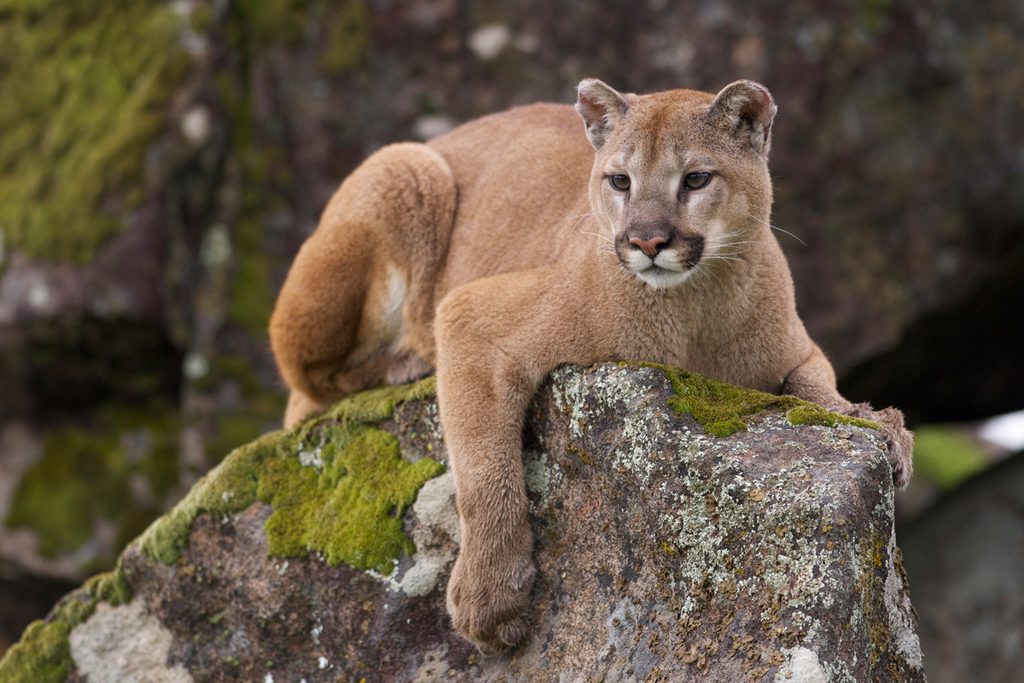
Mountain Lions

Although mountain lions can be solitary, quiet, and notoriously hard to spot, they have one vocalization that’s difficult to ignore: a blood-curdling scream. This is the sound females make to attract male mates during breeding season. If you’ve ever heard one echoing through a secluded campsite at night, you could be forgiven for thinking someone was in serious trouble, as the scream has been compared to everything from a woman crying out to a person in pain.

This surprising scream is just one part of the mountain lion’s varied vocal repertoire. They can also growl, hiss, yowl, and chirp. Unlike lions and tigers, mountain lions can’t roar, but they are one of the largest cats known to purr — making them a rather unusual combination of screaming wild cat and contented house cat.

Credit: hkuchera/stock.adobe.com

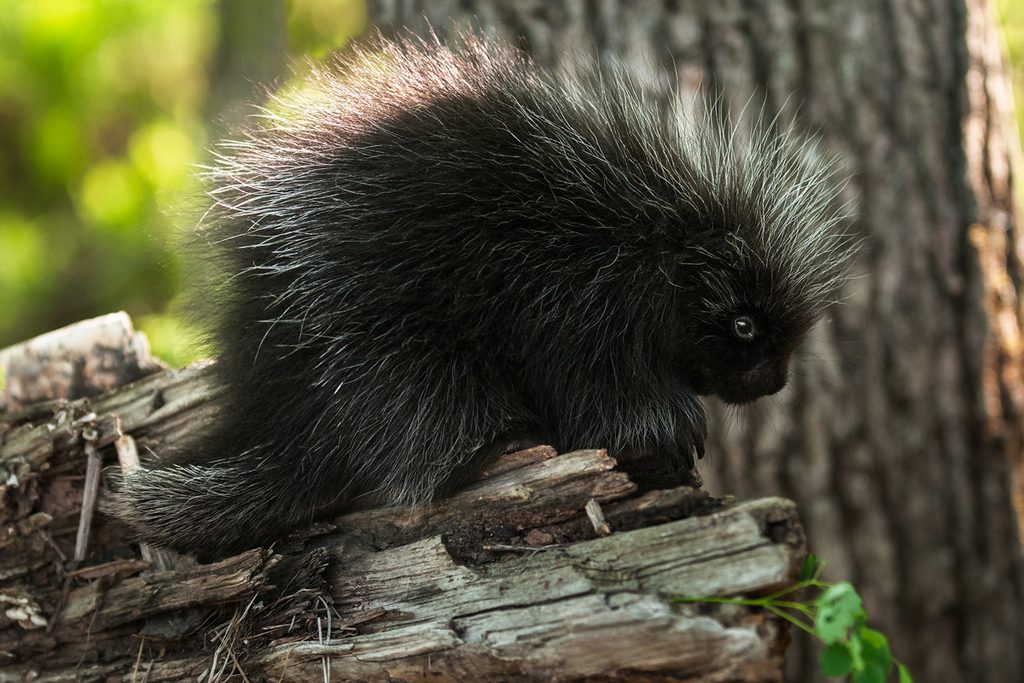
Baby Porcupines 

Porcupettes — the adorable name for baby porcupines — may be covered in spiky quills, but their voices are considerably more vulnerable sounding. Young porcupines make high-pitched cries and squeals not unlike that of a human baby, particularly when separated from their mothers. Adult North American porcupines do develop a surprisingly varied amount of sounds, including whines, moans, grunts, and shrill screams. 

Credit: Anita Elder/stock.adobe.com

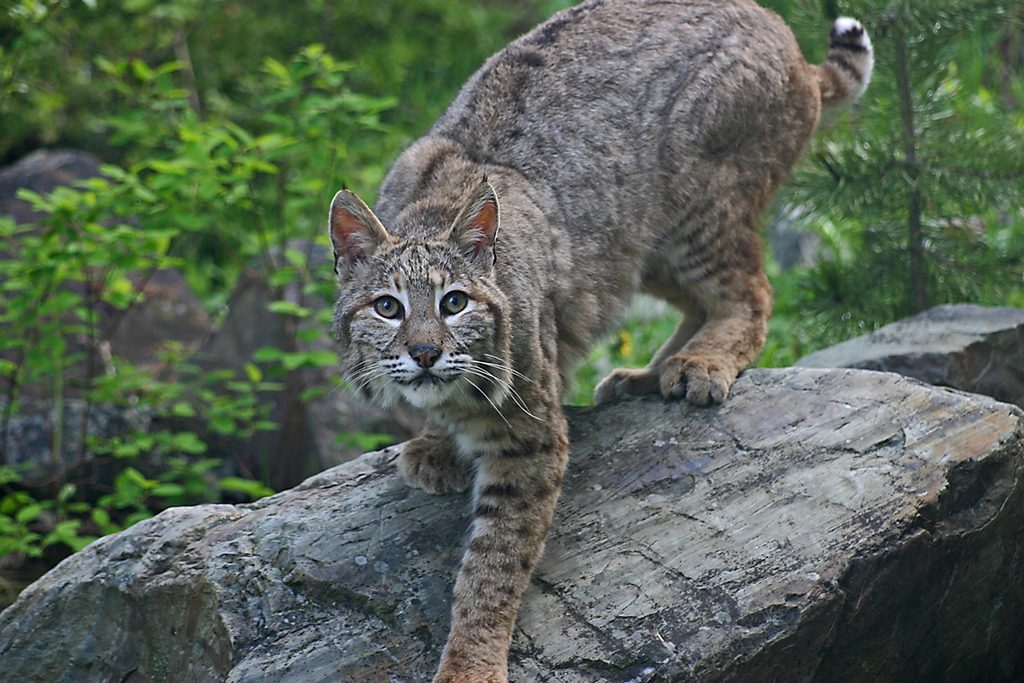
Bobcats

The elusive bobcat is not always quiet. During mating season, these animals can produce loud yowls and screams that sound surprisingly similar to the cries of a much larger animal — or, to an unsuspecting person hearing one at night, unsettlingly similar to some human yelling and screaming sounds. 

The dramatic calls, also described as sounding like screaming alley cats, are one way these solitary cats attempt to track down potential mates. These sounds tend to be distinct to the breeding season, so if you hear one yowling in the woods, there’s a good chance it sounds much more alarming than it is — just don’t get in its way while it’s looking for love.

These Are the Animal Kingdom’s Biggest Collectors

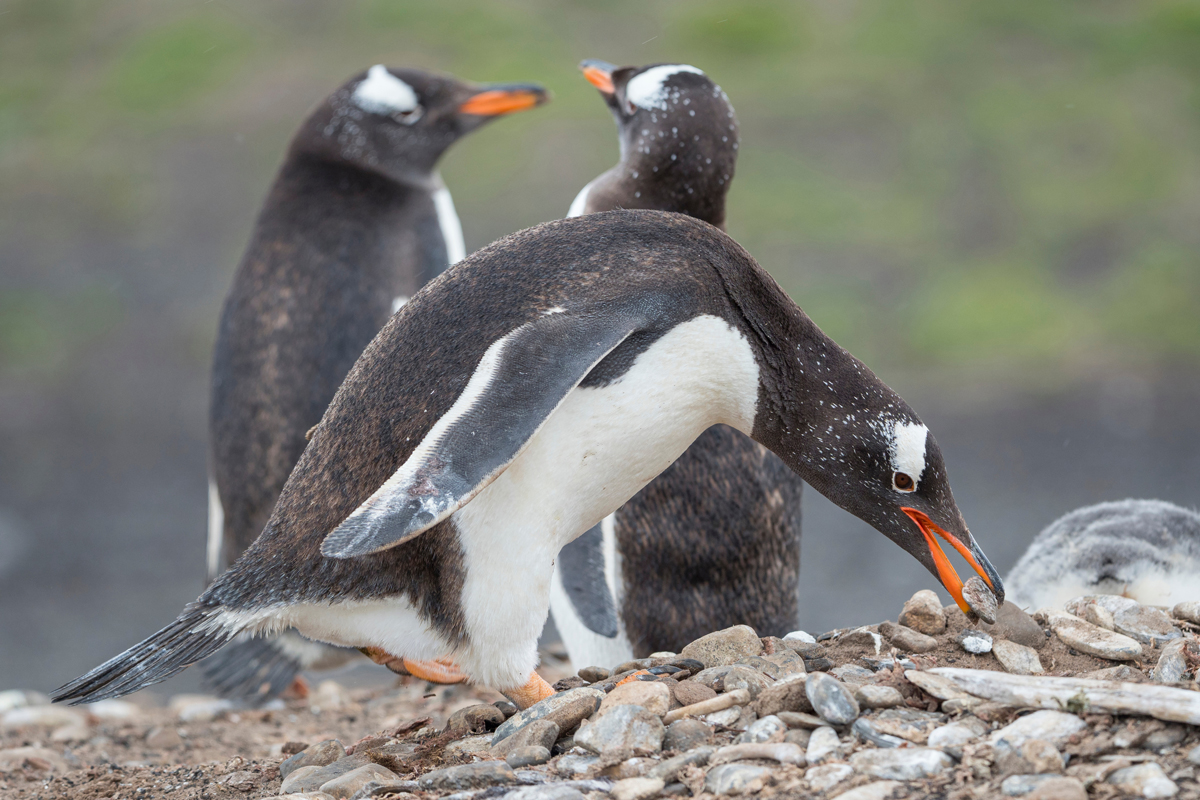
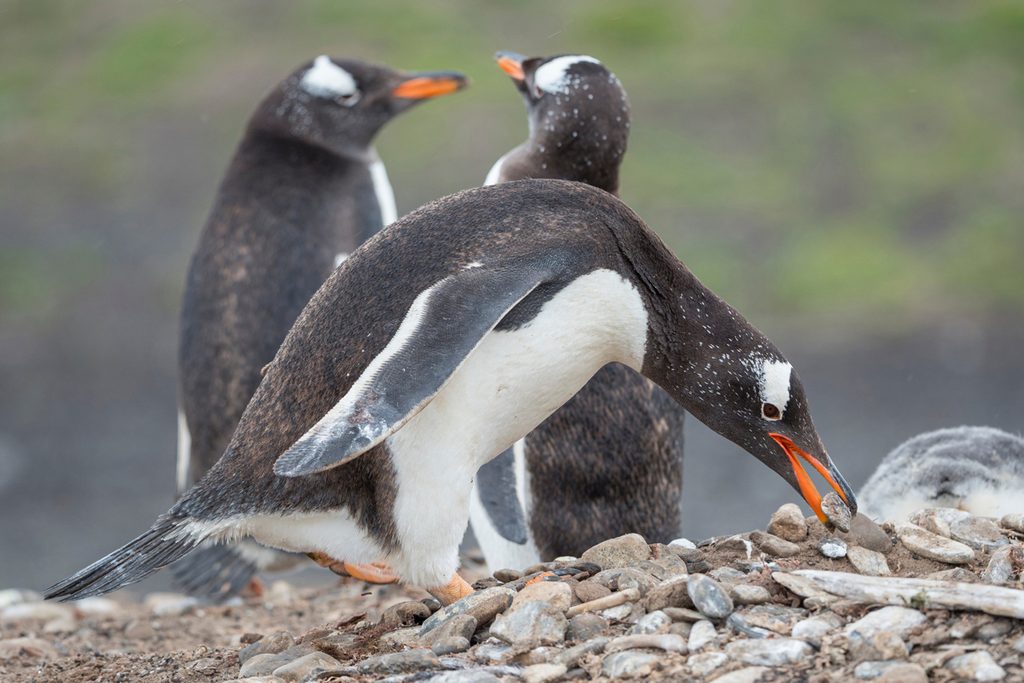
Gentoo penguins picking up a stone
Credit: Danita Delimont/stock.adobe.com

Humans aren’t the only animals who like to collect tchotchkes — across the animal kingdom, many creatures gather objects for a variety of reasons, from food and  shelter to camouflage or courtship. 

But instead of snow globes and state spoons, most animals are surprisingly particular about what they pick up. Some may seek out specific materials, objects, or even colors according to their own purposes or preferences. Here are six of the animal kingdom’s most dedicated collectors.

Credit: Peter/stock.adobe.com

Satin Bowerbirds

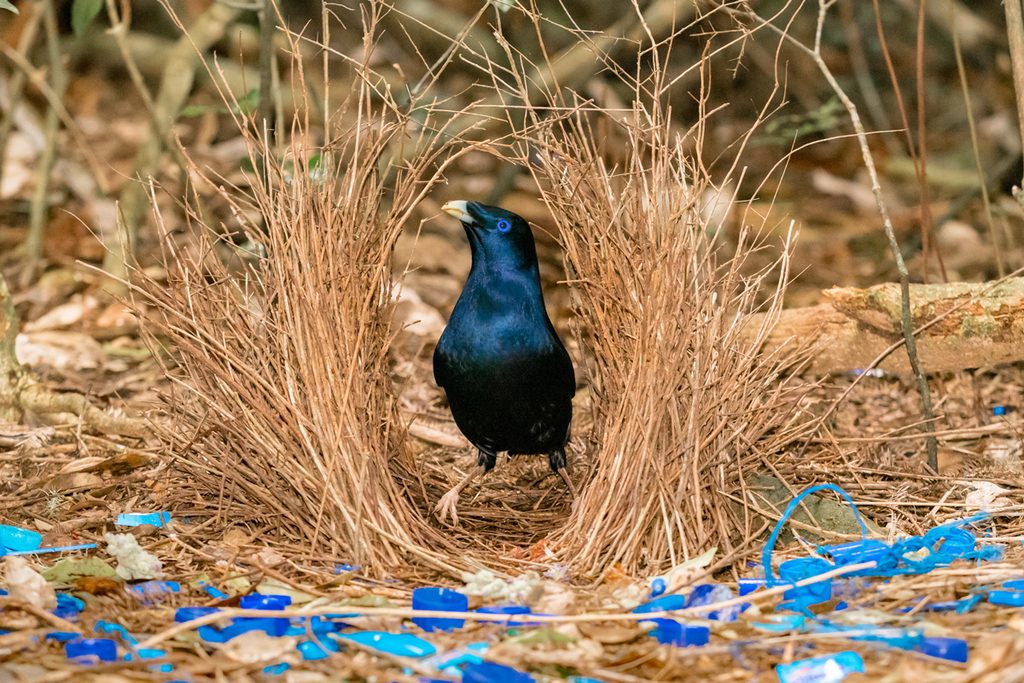
Male satin bowerbirds have an unusually specific taste in home decor: anything that’s blue. They collect natural items such as blue feathers, flowers, shells, or berries, but they’ll also pick up blue bottle caps, plastic straws, and other bits of human-made debris to decorate their bowers (the elaborate stick structures from which they get their names) as part of their courtship efforts. 

Different species have different tastes, though; great and spotted bowerbirds prefer collecting more white, gray, and green items. 

Credit: Alexei Alekhin/stock.adobe.com

Decorator Crabs

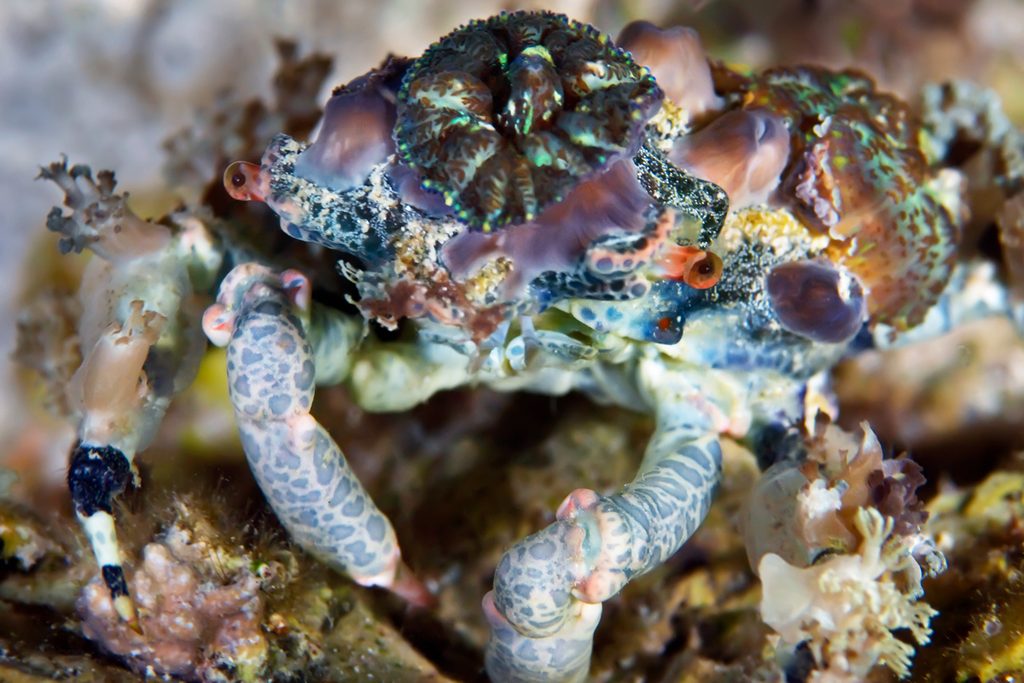
Decorator crabs don’t just collect things to admire them; they also collect them to wear. These ocean fashionistas use specialized fine hairs as mini velcro strips to attach algae, seaweed, and sponges from their surroundings onto their shells. 

These decorations help them blend into the seafloor, but they can also provide more direct protection: Some types of decorator crabs, such the moss crabs found along the California coast, wear stinging anemones to help ward off predators, while others, such as the Cryptic kelp crab, use seaweed to mask their constantly moving antennae that otherwise give away their location.

Credit: Lisa Basile Ellewood/stock.adobe.com

Lacewing Larvae

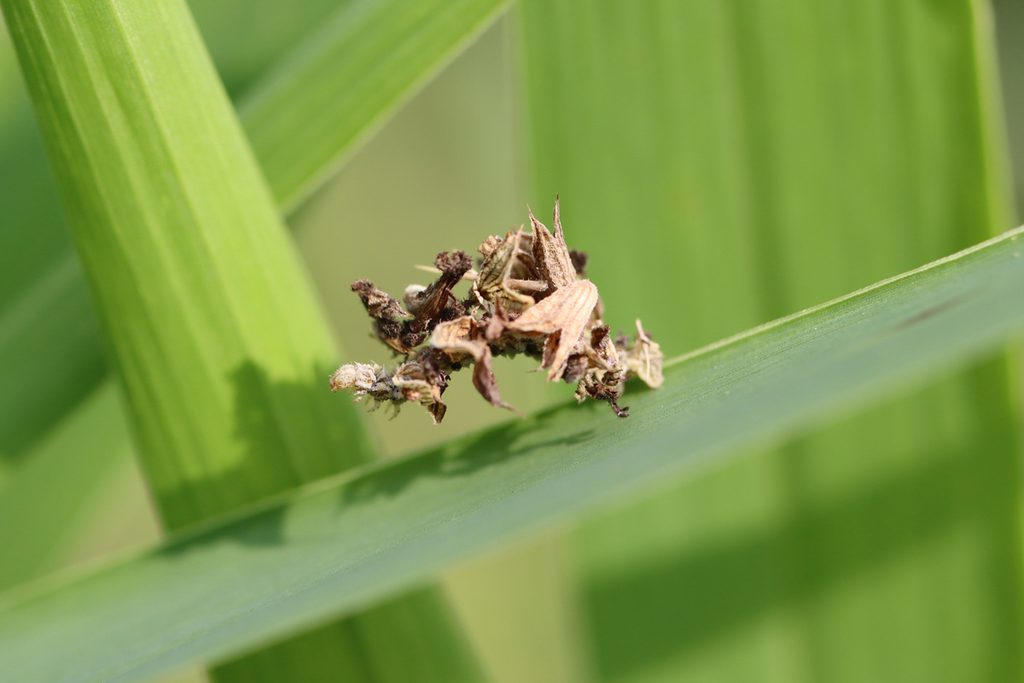
The larvae of some green lacewing insect species have been called trash bugs or junk bugs for good reason. They collect plant debris and even the dried-out bodies of prey such as aphids piled up on their backs, making themselves look like a tiny walking pile of garbage. 

These collections provide camouflage from predators, but they have another clever use: Carrying dead aphids can help the larvae sneak past ants that typically guard aphid colonies. The lacewing larvae are predators themselves, using their large, hollow mandibles to inject digestive saliva into their prey before sucking out the liquefied contents.

Credit: Danita Delimont/stock.adobe.com

Gentoo Penguins

The prized collectible of the Antarctic gentoo penguin is the humble pebble. During breeding season, male gentoos have been observed presenting stones to females to signal their mating intentions. If a female is impressed by the male’s stone selection, she may choose to accept him as her mate. 

The pebbles are practical, too: Once paired up, the couple will gather more stones to build a nest, wherein the raised surface helps keep eggs and chicks off of the cold, wet ground. Gentoos aren’t always willing to do the hard work of finding their own pretty stones, though — they’ve been known to steal nicer-looking ones from neighboring nests for their own.

Credit: Henrik Larsson/stock.adobe.com

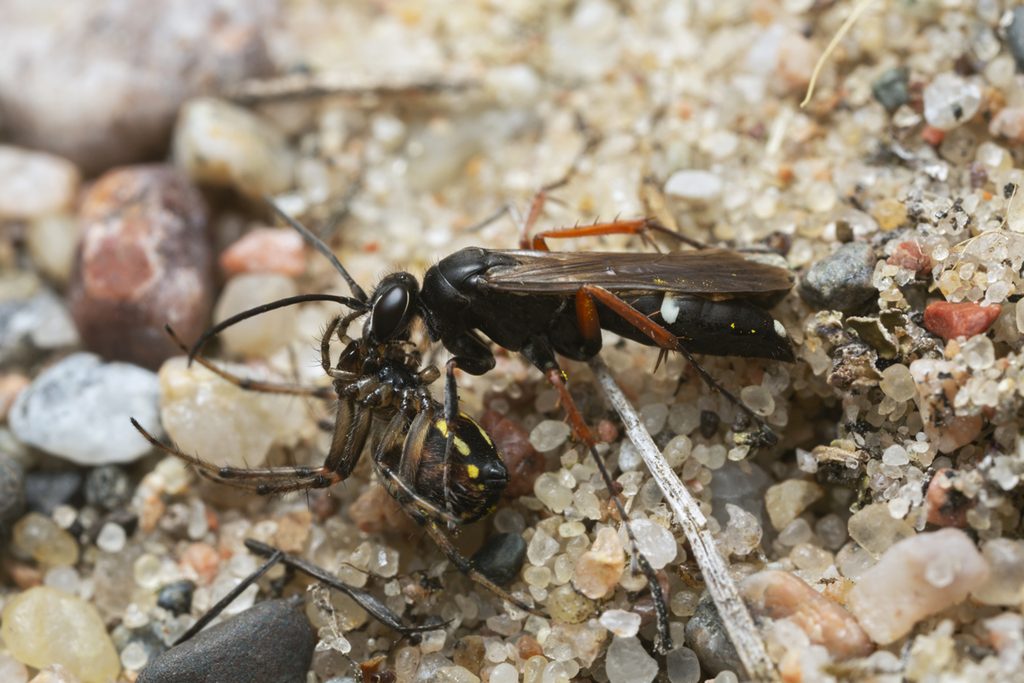
Bone-House Wasps

This species, only discovered in southeast China in 2014, was given the official name Deuteragenia ossarium after the bone-filled ossuaries found in many parts of the world. This befits the bone-house wasp’s collecting tendencies, which sound like something out of a horror movie; they have a penchant for dead ants. After laying her eggs in her nest, the female wasp seals up the nest and leaves. But before she does, she fills the nest’s entryway with ant corpses. 

Those decaying critters aren’t there to feed the young. Instead, it’s believed the lingering scent from their dead bodies may make the wasp’s predators and parasites mistake the nest for an ant colony and therefore render them uninterested.

Credit: Auscape—Universal Images Group Editorial/Getty Images

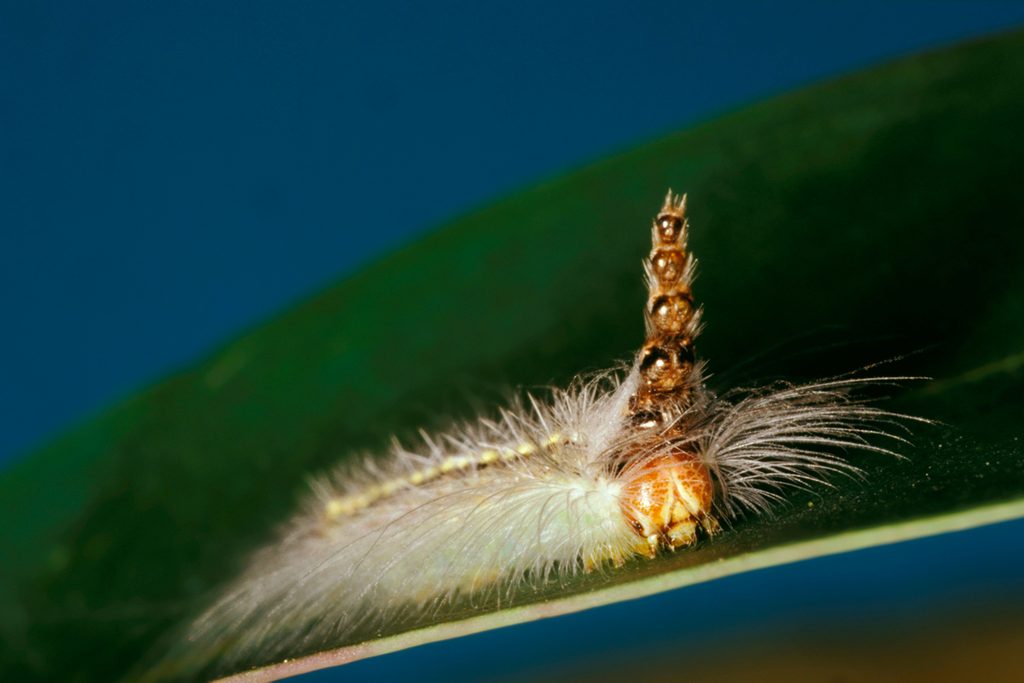
Mad Hatterpillars

In addition to a great, well-suited name, the mad hatterpillar may also have the strangest collection of all the animal world’s hoarders: its own discarded heads. Every time the caterpillar of the Uraba lugens moth molts, it keeps its old head casing and stacks it on top of its new head. 

The dead-head tower grows taller with each molt, held in place by sticky hairs, but this isn’t all just for some strange show; it’s believed this towering collection also helps protect the caterpillar from predators by acting as a false target and making it harder for an attacking insect to reach the caterpillar itself. The cleverly named mad hatterpillar is indeed a nod to the top-hat-wearing Mad Hatter from Alice’s Adventures in Wonderland.

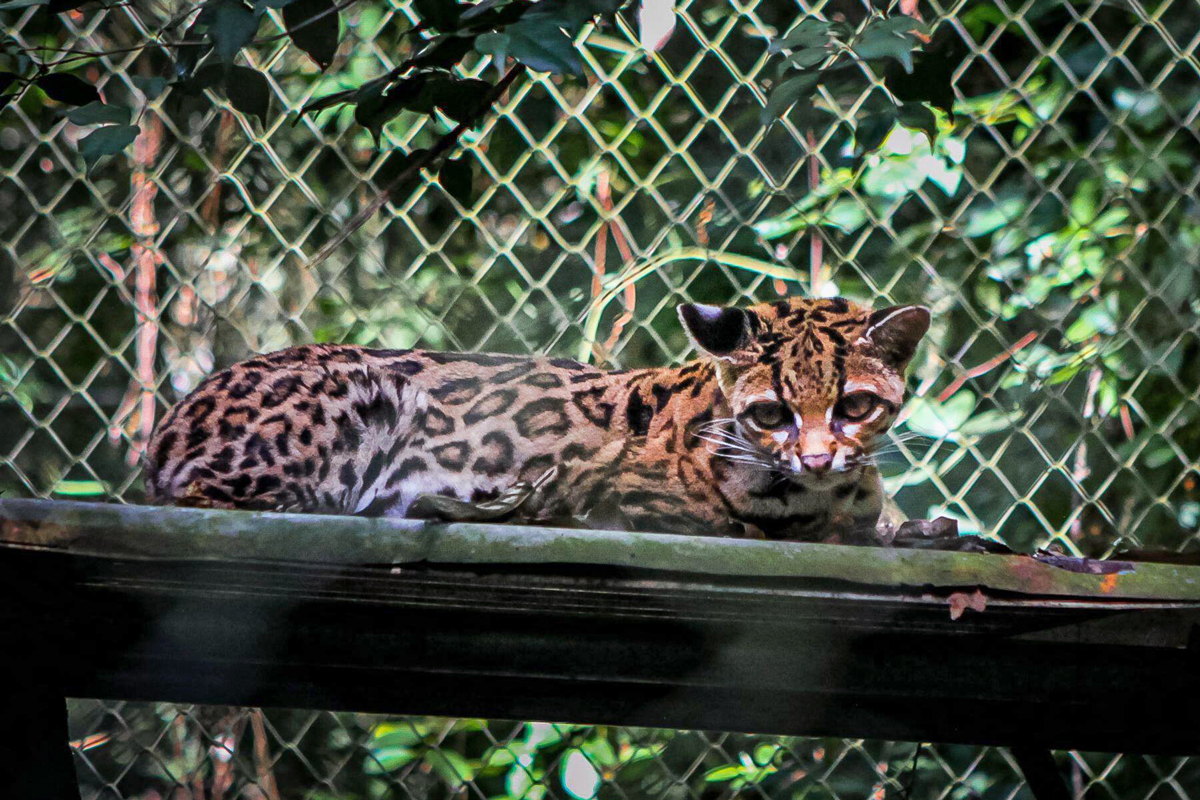
A new cat species was discovered in 2026.

Leopardus tilcayo in an enclosure
Credit: Nexpher Images Limited/Alamy

Since 1923, there have been 17 different U.S. presidents and more than 125 sovereign countries have been added to the world map. But during that same time, not a single new cat species was discovered — until now. Researchers have confirmed the existence of Leopardus tilcayo, a feline native to the forests of Bolivia.

Proof of this groundbreaking discovery comes in the form of a tiny, skittish feline named Tigrino, who’s been a resident of Bolivian wildlife sanctuaries since 2016. The cat boasts leopardlike spots, measures just 18 inches from its head to the base of its tail, and weighs a mere 3 pounds, making it smaller than a typical housecat. 

Initially, scientists assumed the cat was part of an extant species known as Leopardus tigrinus. But upon closer inspection, biologist Paola Nogales-Ascarrunz realized Tigrino’s spots were subtly larger than the other species’ markings in old reference photos. That minor visual distinction led to  years of genetic testing that uncovered a more discernable genetic gap, thus confirming Tigrino was evidence of a brand new cat species.

The Strangest Tongues in the Animal Kingdom

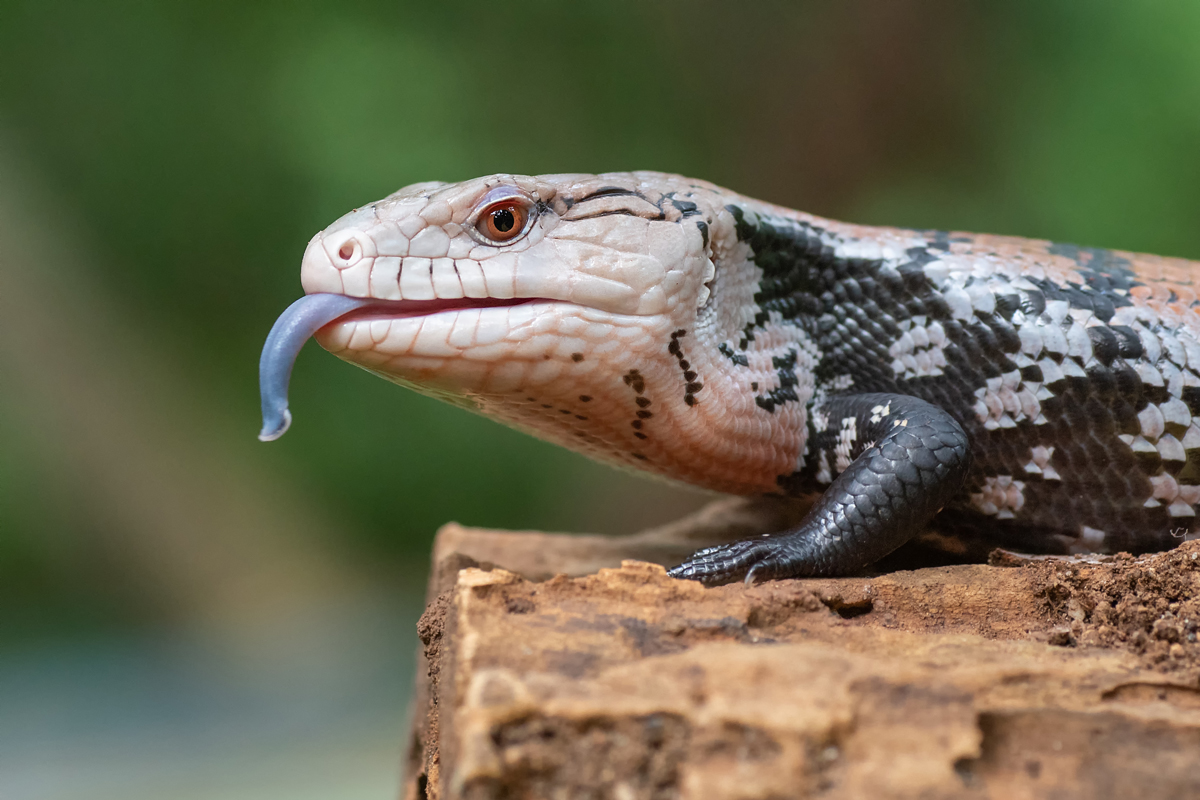
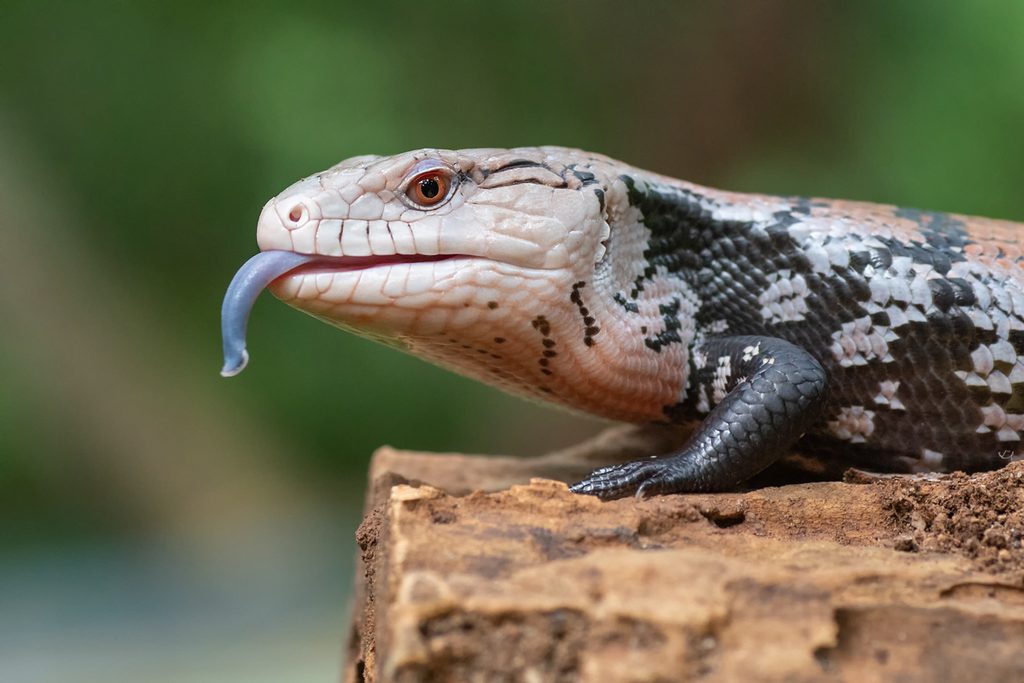
Close-up of a blue-tongued skink on a rock
Credit: DS light photography/stock.adobe.com

As humans, we mostly use our tongues to taste food and form words. But throughout the animal kingdom, this underrated organ takes on some considerably stranger jobs. A tongue, it turns out, can be a remarkably versatile piece of anatomy, shaped by the demands of an animal’s diet and habitat.

Like so many unusual adaptations, these impressive tongues are the results of many generations of fine-tuning. Small anatomical changes can give a species a new way to find food, handle prey, or navigate its environment; over time, those mutations can produce some truly bizarre results. Here are six animals with some of the weirdest tongues in nature.

Credit: Brais Seara/adobe.stock.com

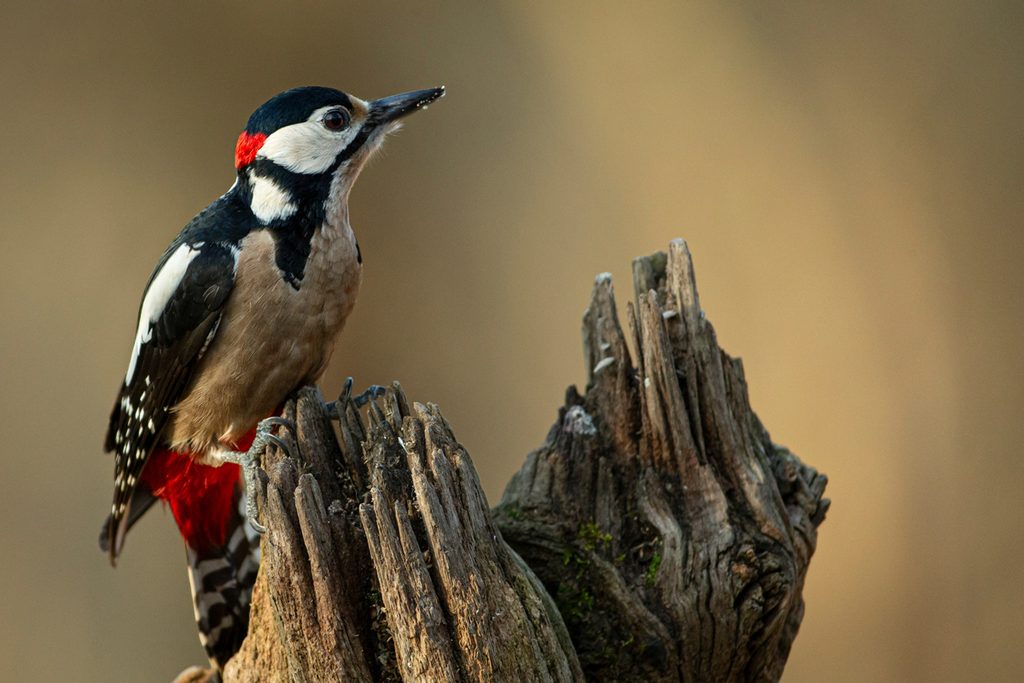
Woodpeckers

Woodpeckers need long tongues to reach insects hiding deep inside trees. But there isn’t a ton of room for all that tongue inside the small bird’s mouth when it isn’t being used. So where does it go? Around its skull. 

A woodpecker’s tongue connects to the hyoid apparatus, a long structure made of bone, cartilage, muscle, and connective tissue. When the tongue retracts, this structure extends backward from the mouth and loops in, up, and around the skull. 

In some species, such as the European green woodpecker, it reaches between the eyes and all the way into the nostrils. Such economical tongue storage has an added bonus: It helps insulate and protect the brain from all that pecking.

Credit: Sista/stock.adobe.com

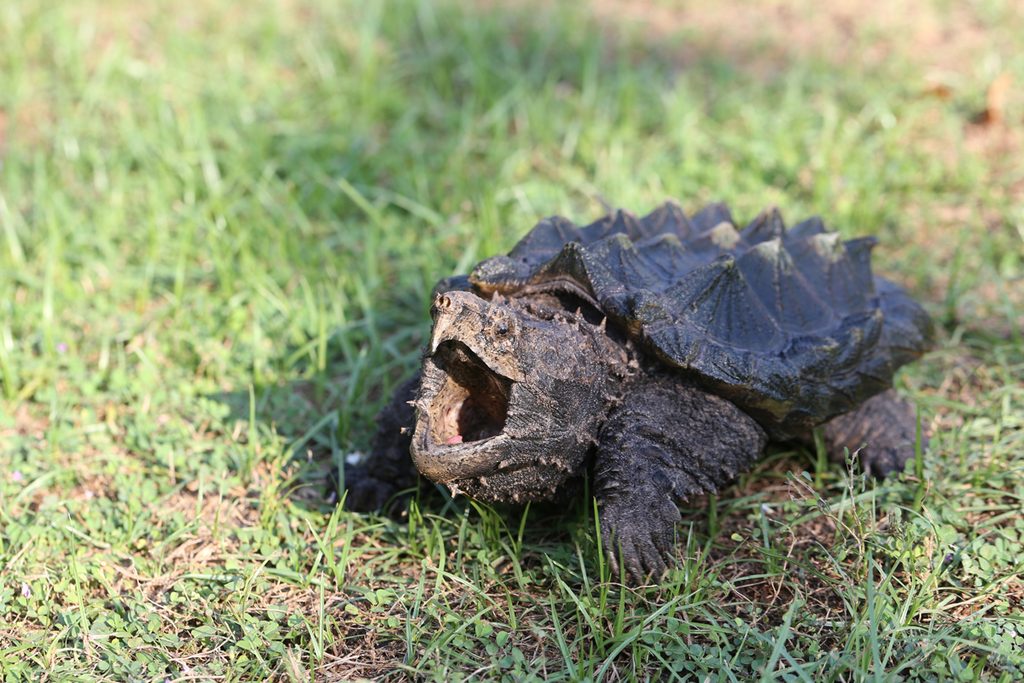
Alligator Snapping Turtles

The alligator snapping turtle doesn’t hunt in a conventional way. This reptile lets its prey come to it by sitting at the bottom of the river or lake it calls home, opening its mouth,  and wiggling its weird tongue.  

The small, pink, worm-like appendage acts as a lure that draws unsuspecting fish into the turtle’s powerful jaws. The tactic is known as aggressive mimicry, and it allows these American ambush predators to successfully hunt while remaining almost completely still.

Credit: Gultekin/stock.adobe.com

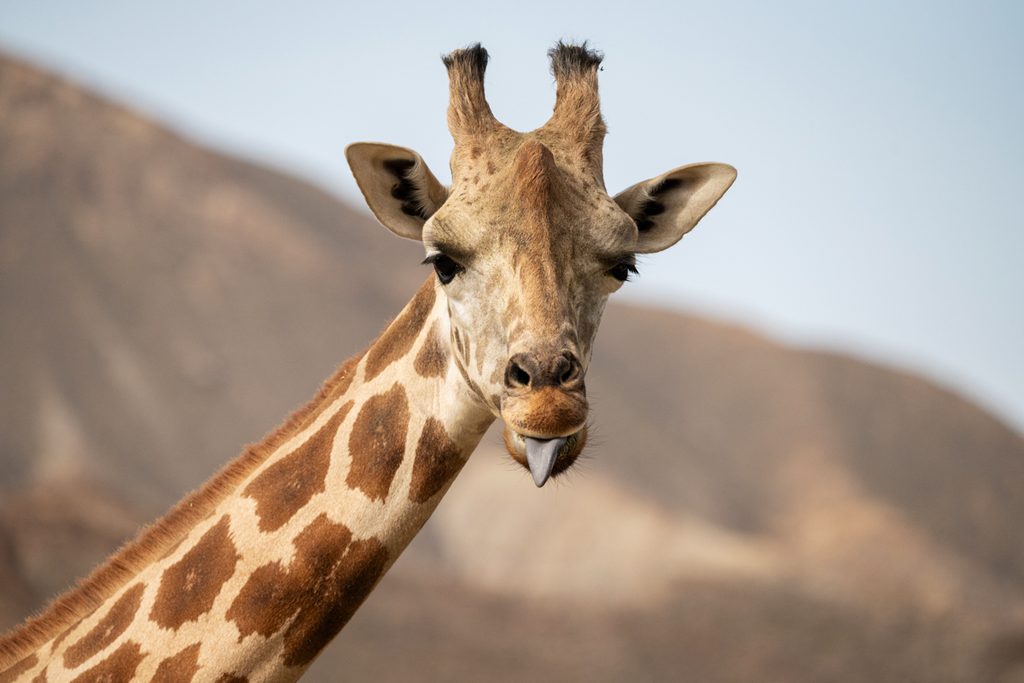
Giraffe

Measuring roughly 18 to 20 inches long, a giraffe’s tongue is prehensile, meaning it can deftly grasp and manipulate objects. This is especially useful when the object in question is a mouthful of leaves surrounded by thorns — and doubly so considering giraffes can eat up to 75 pounds of leaves a day. 

Their tongue is a distinctive dark purplish color thanks to an abundance of the pigment melanin. Scientists think the adaptation may help protect the tongue from the sun’s UV rays. Giraffes can spend hours feeding with their tongues extended into the bright African sun, so a little built-in protection would certainly come in handy. 

Credit: Wirestock/stock.adobe.com

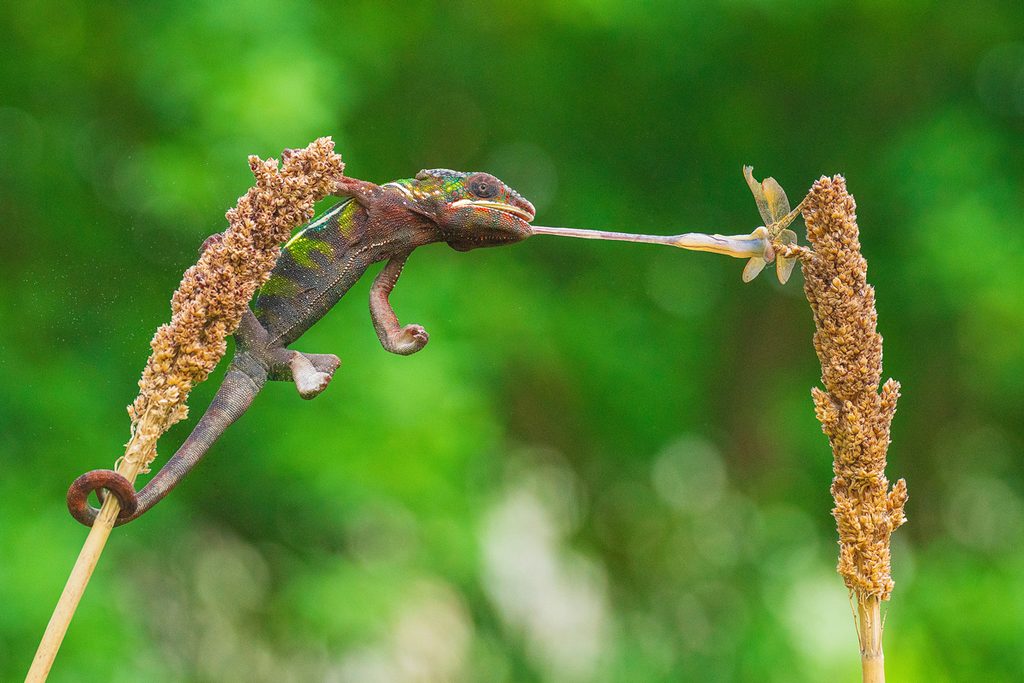
Chameleon

Chameleons often sit perfectly still before launching their tongues at far-away prey. In many species, the tongue stretches about twice the animal’s body length, and it can thrust outward to snatch its target in a fraction of a second.

The trick isn’t pure muscle power. A specialized structure in the throat stores elastic energy, essentially loading the tongue like a spring. When released, it shoots forward remarkably fast: In the rosette-nosed pygmy chameleon, for example, researchers recorded a tongue acceleration 264 times greater than that of gravity; more simply, that’s like a car going from 0 to 60 miles per hour in about one one-hundredth of a second. 

Credit: DS light photography/stock.adobe.com

Blue-Tongued Skinks 

The blue-tongued skink uses its tongue as a bold warning. When feeling threatened, the Australian lizard opens its mouth, hisses, puffs up its body, and flashes its big, bright-blue tongue to scare off the potential predator. 

It’s an intimidating display for a rather docile creature. Research has found that the tongues also reflect UV light; since blue shades and UV markings are common visual signals among lizards, the blue-tongued skink’s oral coloring may also help it communicate with others of its kind. 

Credit: David Katz/stock.adobe.com

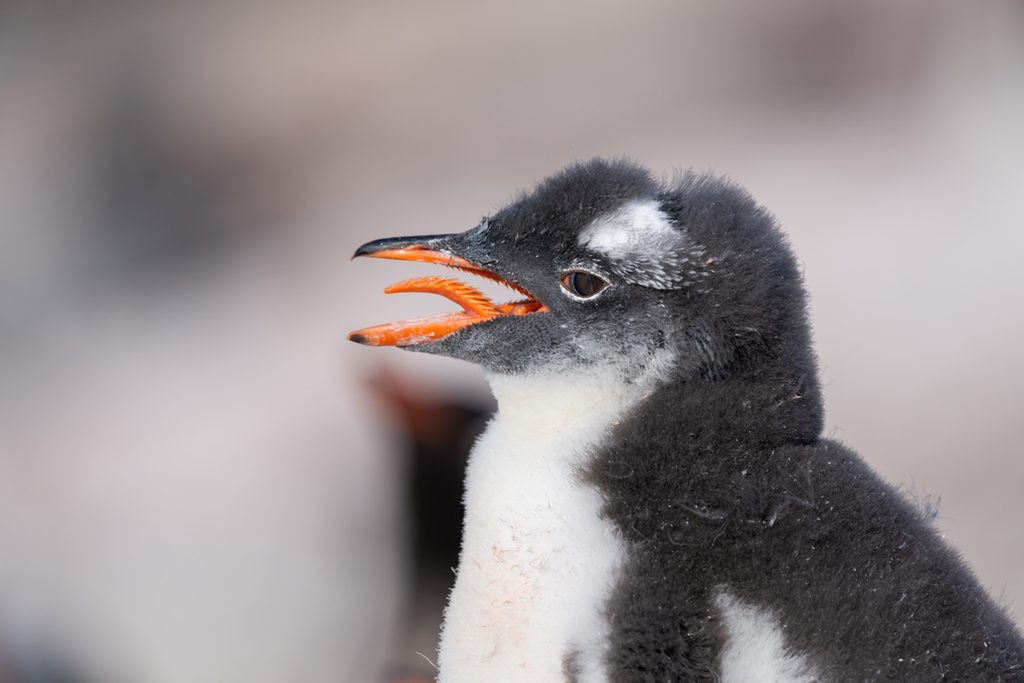
Penguins

Penguins don’t have teeth, but their mouths are far from smooth. Their tongues and the roofs of their mouths are covered with rows of stiff, backward-pointing spines called papillae. These bristles are made of flexible keratin, the same material that makes up human hair and fingernails.

The spines work a bit like fish hooks: Since penguins can’t use their flippers like hands to handle food, these little papillae help them grip slippery fish. And because the papillae point backward, their catch can only move in one direction: down the throat and into the stomach.

Some sea turtles have spikes in their mouths and throats.

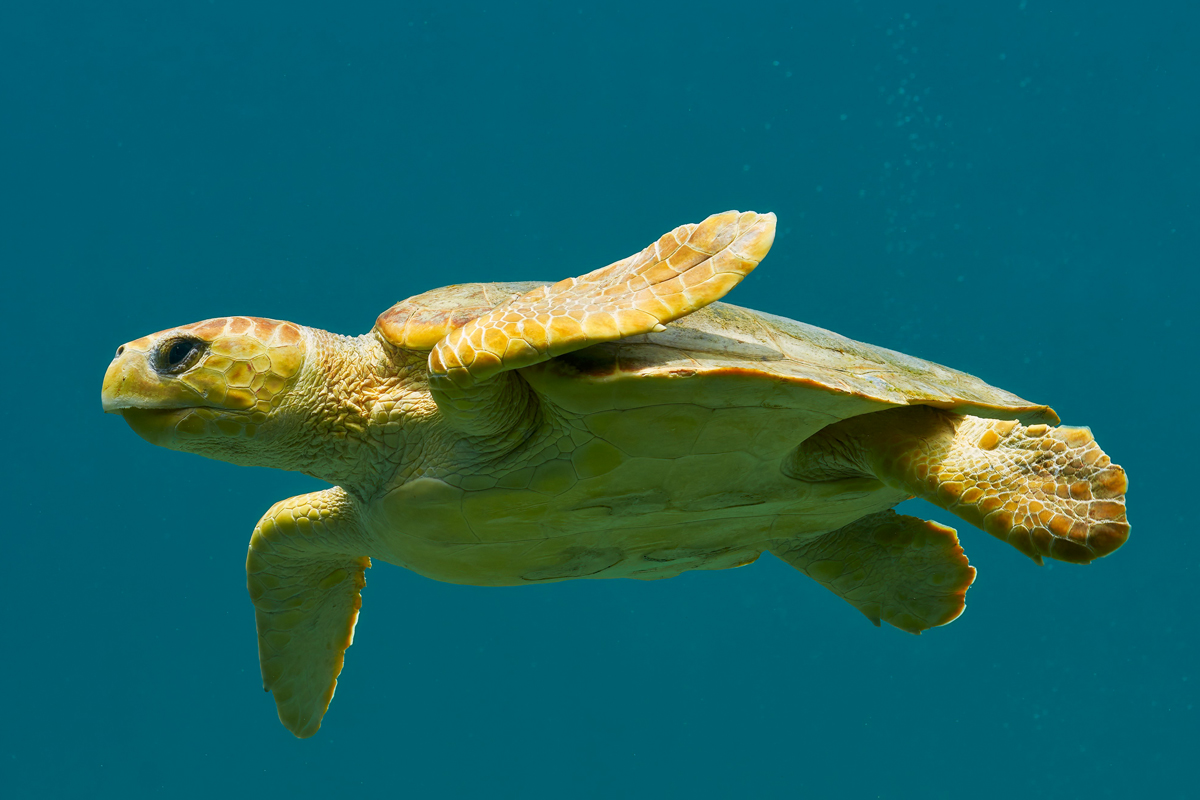
Sea turtle swimming
Credit: Zdeněk Macháček/Unsplash.com

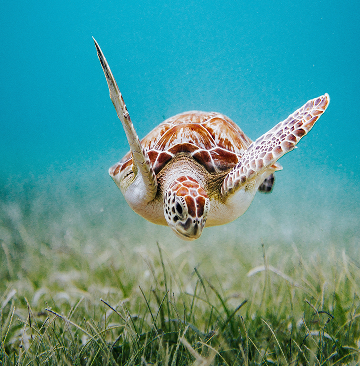
We tend to think of sea turtles as calm, docile creatures that represent the vast serenity of the sea — but then, most of us have never seen the inside of their mouths. Many sea turtles have sharp spikes known as esophageal papillae in their throat, which help them with one of their favorite activities: eating jellyfish. 

Those backward-facing spikes aren’t teeth, however; they’re made of keratin and essentially act as a filter that guides jellyfish into their stomach and prevents them from stinging the turtle’s throat along the way. Sea turtles tend to ingest a lot of seawater when feeding, which they essentially vomit back up once they’re done, and the papillae ensures their food isn’t expelled along with it.

Red foxes have a vocal range that spans five octaves.

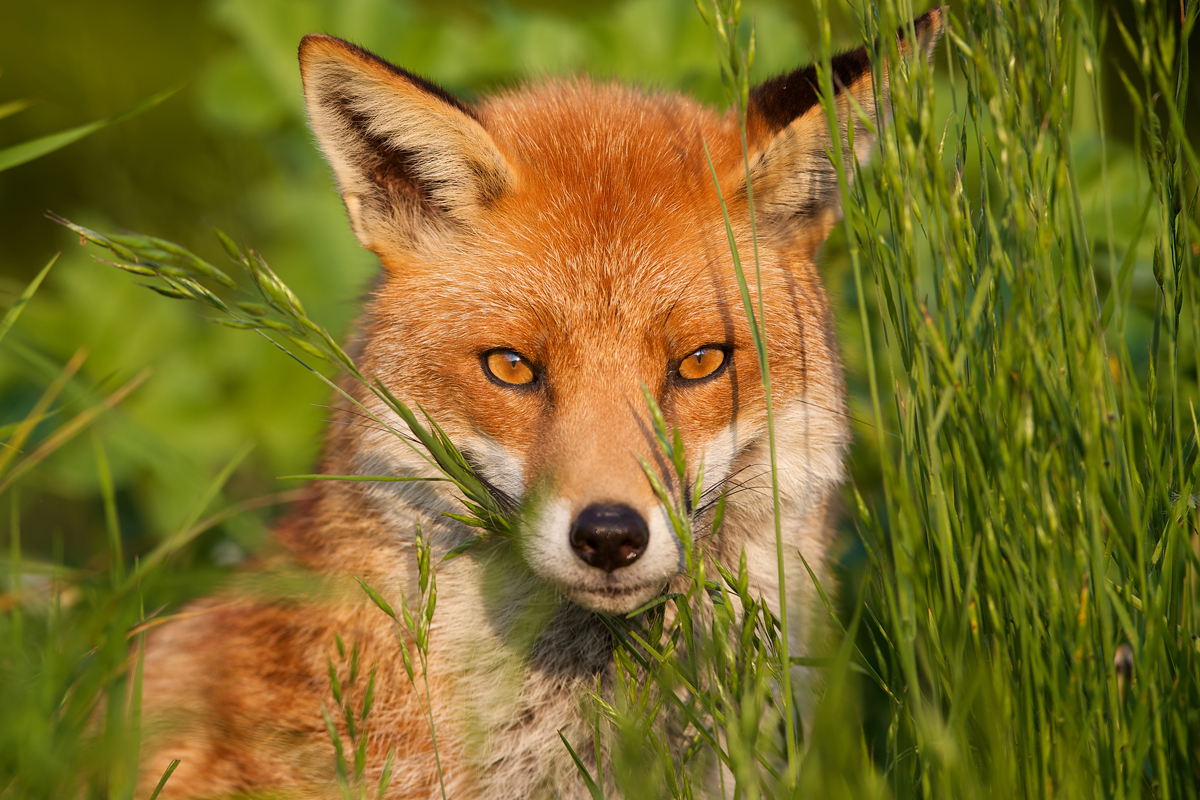
Fox standing among tall grass
Credit: bridgephotography/stock.adobe.com

There may not be any red fox pop stars (yet), but maybe there should be. In addition to being the most widespread carnivore in the world, they also have a vocal range that spans five octaves and can produce around 40 different vocalizations. Without training, the average human has a vocal range of one-and-a-half to two octaves; Mariah Carey, meanwhile, has a five-octave range — making her an extraordinarily gifted (human) singer. 

Should you ever find yourself startled by an unidentified sound in the forest, you’ll be both surprised and comforted to learn it was likely made by a red fox: surprised at the impressive range of their vocalizations and comforted because it isn’t coming from a larger, more frightening animal.

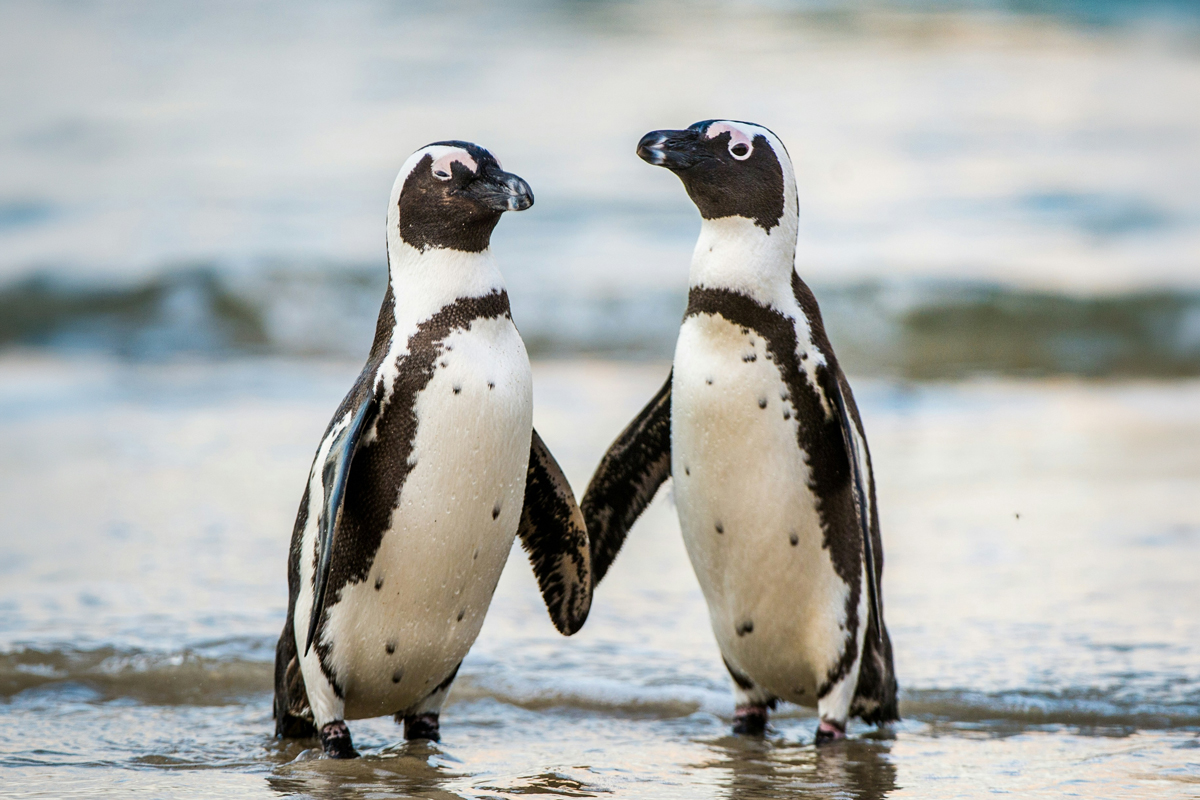
Penguins ‘propose’ with rocks.

Two penguins touching wings
Credit: Getty Images/Unsplash.com

Much like humans, penguins also propose with rocks — but not the ones sold at jewelry stores that cost three months’ salary. Instead, male penguins scour the barren Antarctic beaches for the perfect pebble to present to their preferred partner. To be clear, these stony gestures have little to do with romance; rather, these gift exchanges  serve a more practical purpose related to nest-building.

Given the dearth of twigs, brush, and other foliage in their cold-weather environments, species such as the gentoo, chinstrap, and Adélie penguins use the small stones to elevate their eggs off their ground. The more rocks, the better and sturdier nest to protect eggs from potential flooding caused by melting snow.

7 Animal Facts You Shouldn’t Read Before Bed

Shark swimming underwater
Credit: Nautilus Creative/stock.adobe.com

Some animal facts are better read during daylight hours. Otherwise, your backyard may not seem so peaceful, the ocean may seem more menacing, and that noise coming from somewhere in the house? You’re going to want to check that out.

These seven facts are reminders that the natural world is full of creatures with strange abilities, surprising habits, and a few talents that are downright terrifying.

Credit: Lauren/stock.adobe.com

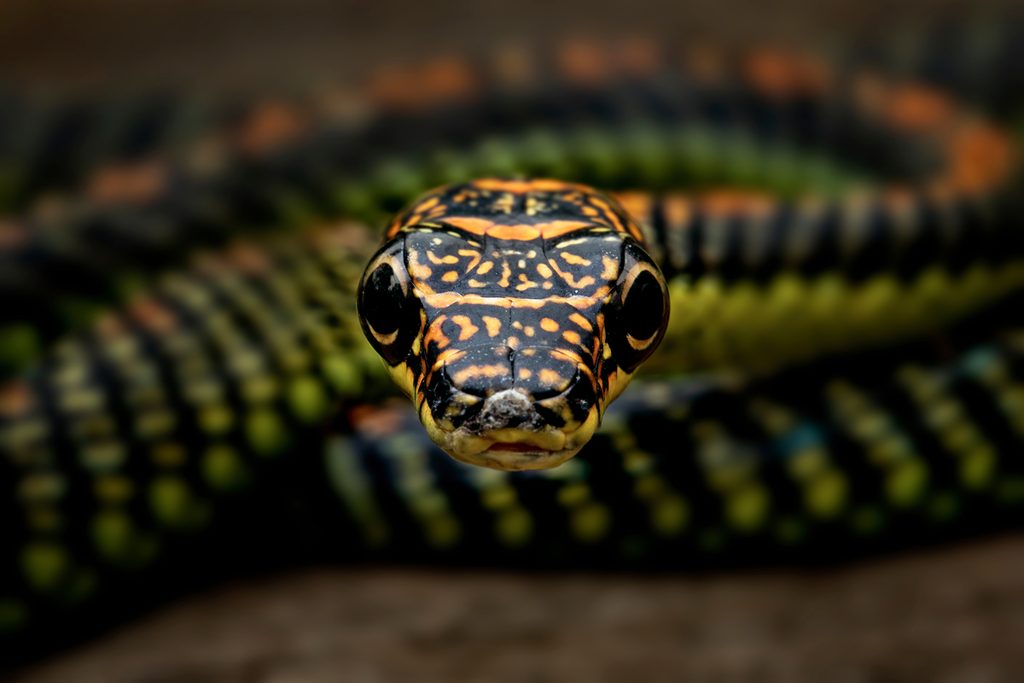
Some Snakes Can “Fly”

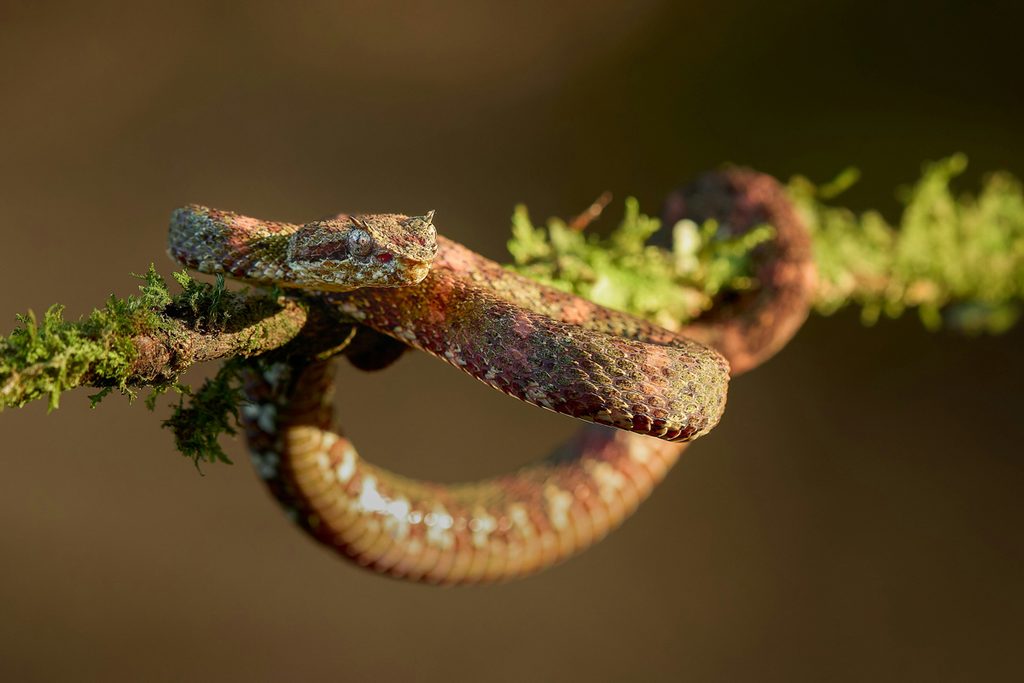
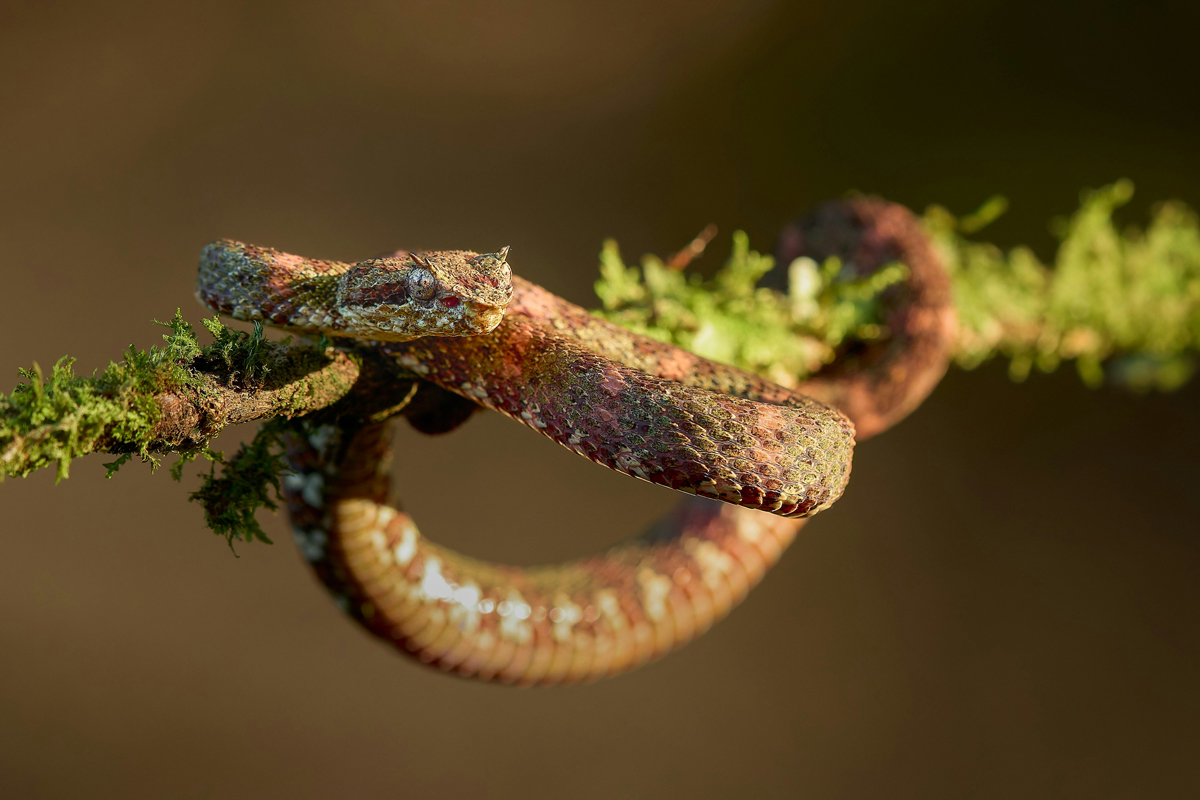
While most snake species aren’t venomous, it’s still wise to give any snake a healthy amount of respect — and space. You may expect to encounter one on the ground while hiking or gardening, but some snakes are perfectly comfortable in trees and can spend much of their lives far above the ground.
Even more unsettling, a few species can glide through the air. Flying snakes don’t actually fly like birds; they flatten their bodies and use an undulating motion to glide from one tree to another. They’re native to parts of Asia, so most of us are unlikely to encounter one. Still, the chances of a snake falling from the sky isn’t zero.
Credit: ondreicka/stock.adobe.com

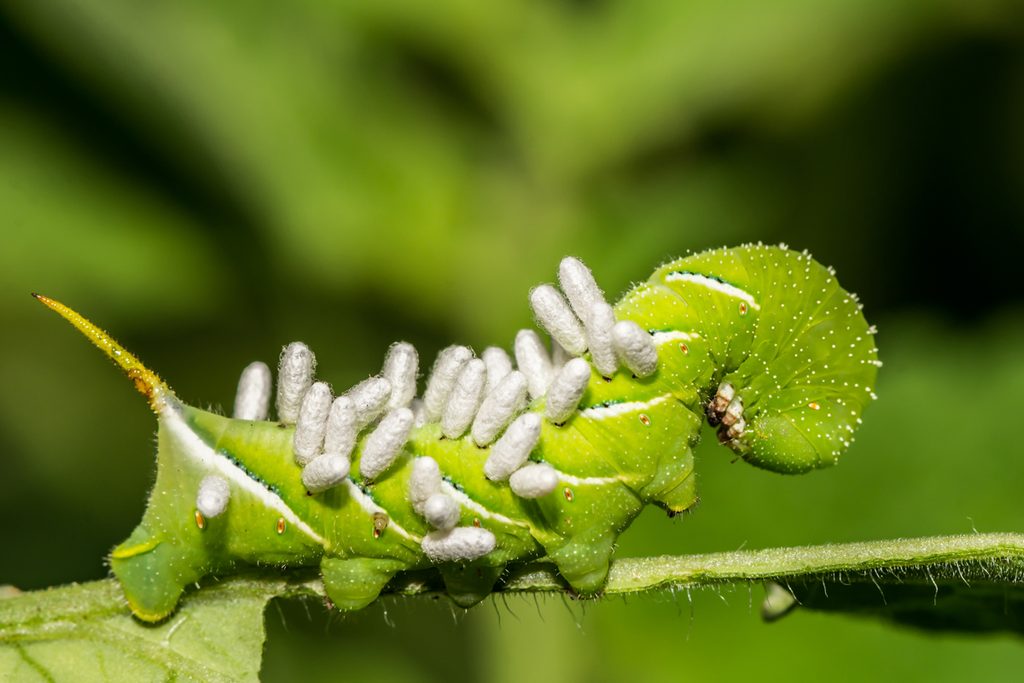
Parasitic Wasps Lay Their Eggs in Caterpillars

If you’ve ever found a tomato hornworm in your garden, you know how quickly they can strip a tomato plant of its leaves. But if you find one covered with what looks like tiny grains of white rice, leave it alone — those are the cocoons of parasitic wasp larvae that have been feeding inside the hornworm.

This all starts when a female braconid wasp lays her eggs inside the caterpillar, where the larvae feed until they’re ready to pupate. They then chew their way out and form the white cocoons on its body, and eventually, adult wasps emerge, leaving the caterpillar to die. Parasitic wasps are valuable garden predators that act as natural pest control, but you may never look at a caterpillar the same way again.

Credit: TomIngramPhotography/Unsplash.com

This Songbird Impales Its Prey

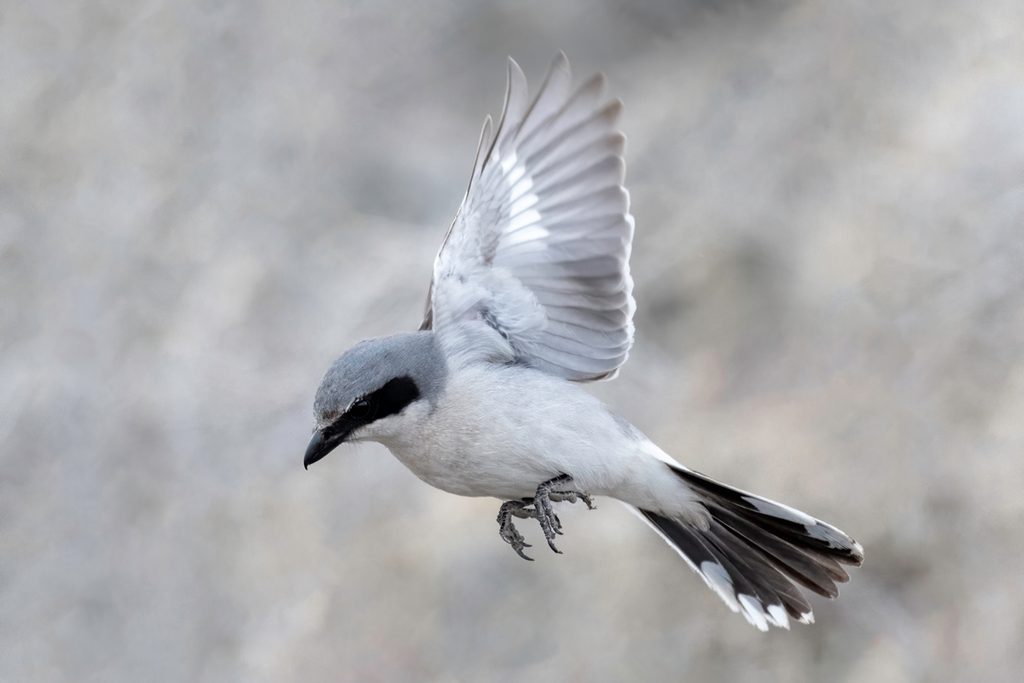
Shrikes are carnivorous songbirds found across Africa, Asia, Europe, and North America, and some species have earned the nickname “butcher birds” because they impale prey on thorns, barbed wire, or the forks of tree branches. In North America, both loggerhead and northern shrikes are known for this behavior. Their prey can include insects, lizards, mice, and even other birds. 

Unlike raptors, shrikes don’t have powerful talons and must instead use sharp objects to secure their catch as they tear it apart. They also create food stores called larders, which they return to when they need another meal. So that thorny bush in your yard could very well become a shrike’s pantry, complete with dead creatures hanging from the branches.

Credit: David Cashbaugh/Unsplash.com

Alligators Can Climb Fences

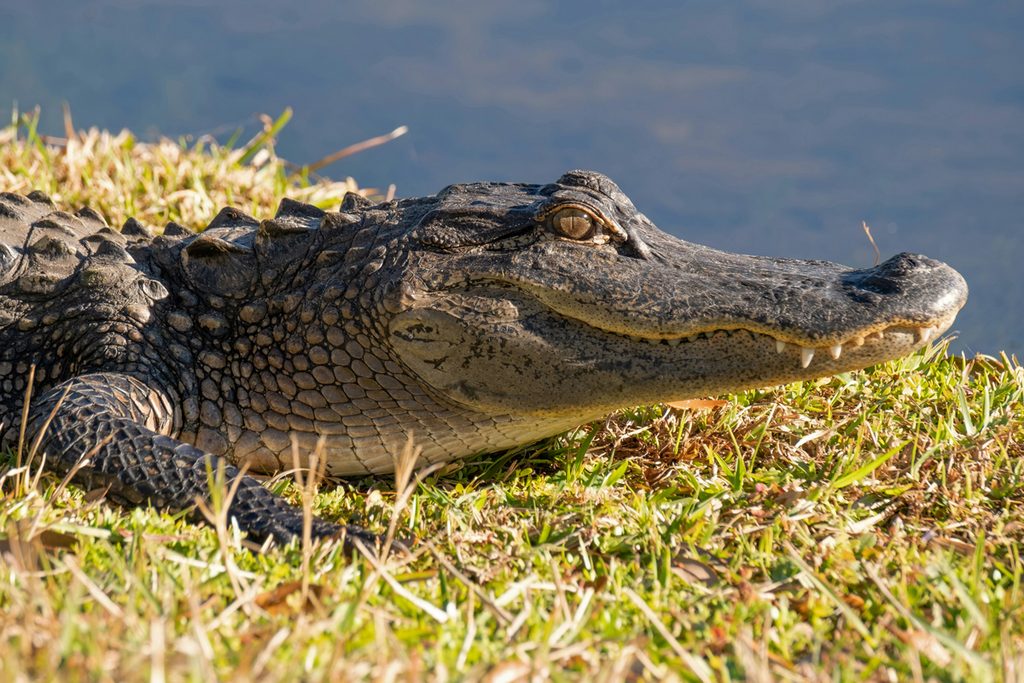
You probably know that alligators can run surprisingly fast, but adult alligators are also capable climbers. They can use their claws, powerful legs, and muscular tails to help propel and pull themselves upward.

Thankfully, that doesn’t mean an alligator can scale every fence or scramble straight up a smooth wall. Smaller alligators are better climbers than larger ones, particularly on textured or open surfaces, such as stucco walls and chain-link fences. So if you live in alligator country, remember that a fence isn’t necessarily an impenetrable barrier against a determined gator.

Credit: Simon Kadula/Unsplash.com

Bees Can Take Up Residence in Your Walls

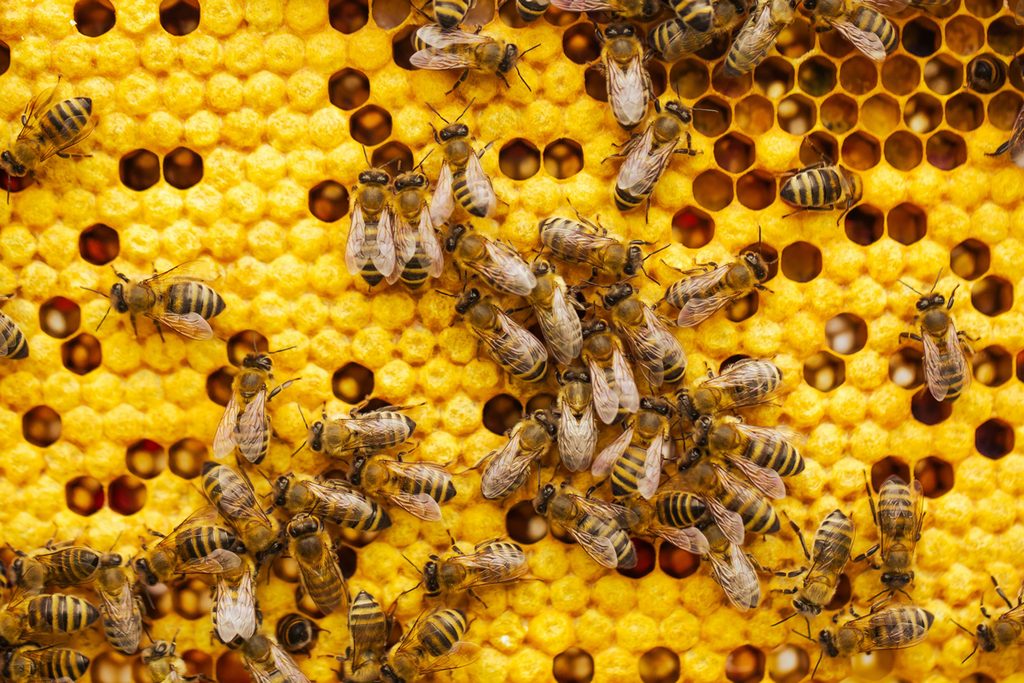
That humming you hear from inside a wall may not be your imagination: Honeybees can establish colonies in wall cavities, sometimes entering through surprisingly small openings on the outside of a house. Once inside, they can build combs, store honey, and raise young just inches from your bed.

By the time someone realizes what’s happening, there may be thousands of bees and substantial amounts of honeycomb hidden inside the wall. Evicting them usually requires professional removal, and sometimes walls have to be opened to reach the colony.

Credit: Nautilus Creative/stock.adobe.com

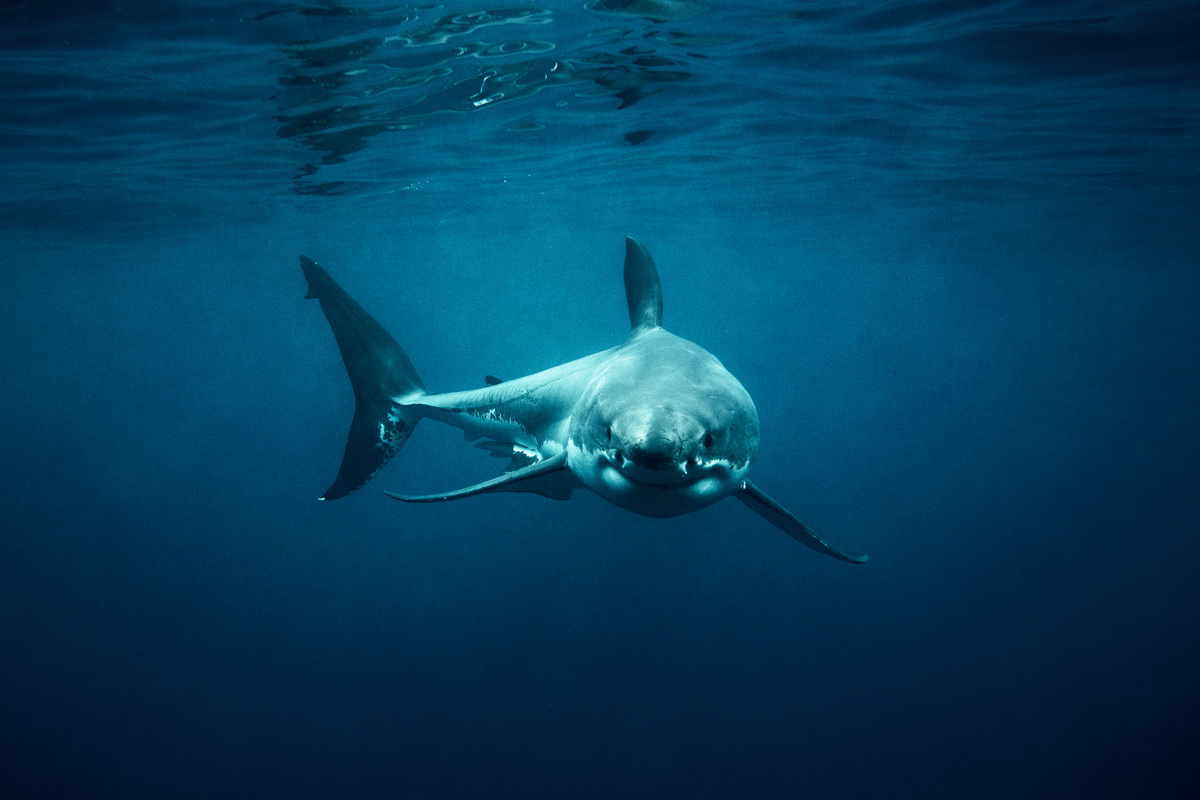
Sharks Can Swim Closer to the Beach Than You Realize

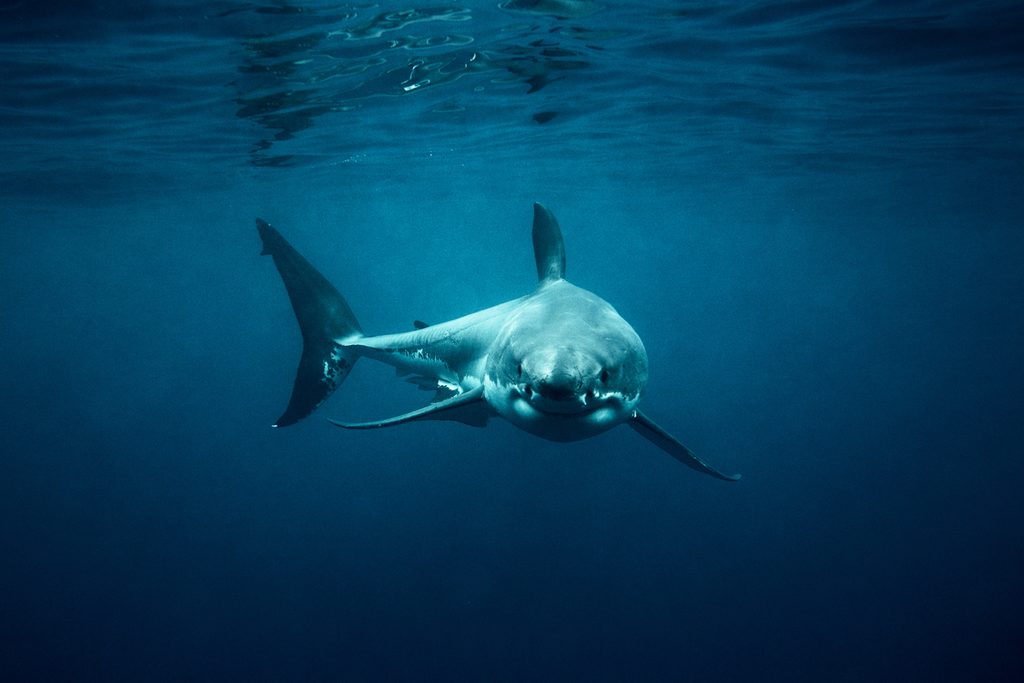
Several shark species regularly hunt and travel in shallow coastal waters, including areas close to beaches. Bull sharks are especially adaptable, tolerating both saltwater and freshwater and sometimes even venturing into rivers.

Great white sharks can also enter shallow coastal waters, particularly when hunting prey. That doesn’t mean every knee-deep wave contains a shark — the risk of an encounter is still low. But if you’ve ever looked at a stretch of ocean and thought it was too shallow for a shark, nature would like a word.

Credit: Tomasz/stock.adobe.com

Bed Bugs Can Survive Months Without Eating

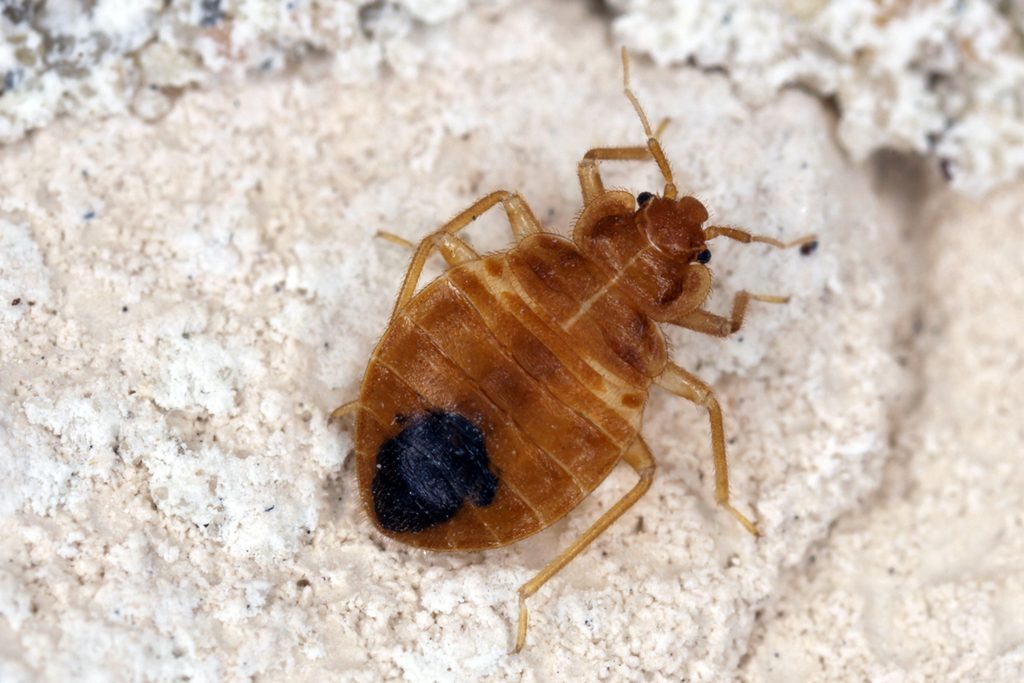
Bed bugs are tiny blood-feeding insects that hide in cracks, seams, and furniture, emerging when a host is nearby. Under favorable conditions, adults can survive for months without a blood meal.

Bed bugs can hitchhike in luggage, clothing, used furniture, and other belongings, turning a hotel stay or secondhand purchase into a disturbing (and very itchy) experience that may have you inspecting the seams of your mattress.

Sweet dreams.

How Do Animals Live in Trees Without Falling?

Snake wrapped around a branch
Credit: Zdeněk Macháček/Unsplash.com

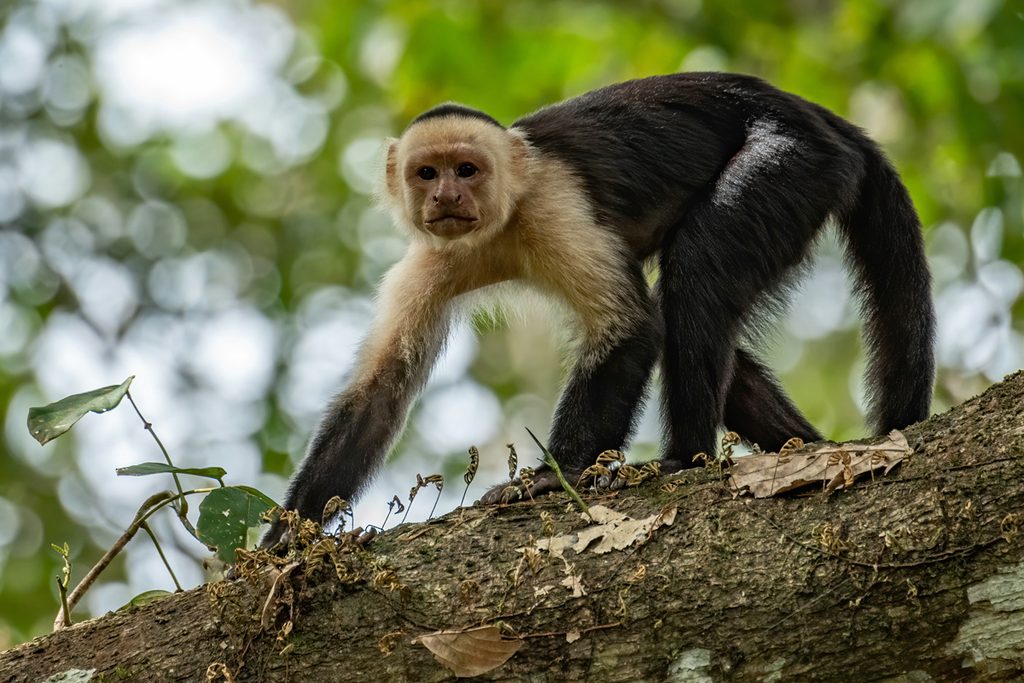
We may not give much thought to the squirrels springing along branches above our heads, but for many creatures — from sloths and possums to snakes, lemurs, and koalas — trees aren’t just a place to hang out; they’re home. And what looks dangerous from the ground is as ordinary to them as walking down a sidewalk is to us. 

But even the most accomplished acrobat can lose its grip, misjudge a leap, or be knocked from a branch. The difference is that evolution has equipped many of these animals with an impressive array of tricks for staying put — and, when they don’t, surviving the trip down. 

Credit:  Zdeněk Macháček/Unsplash.com

Built for Grip

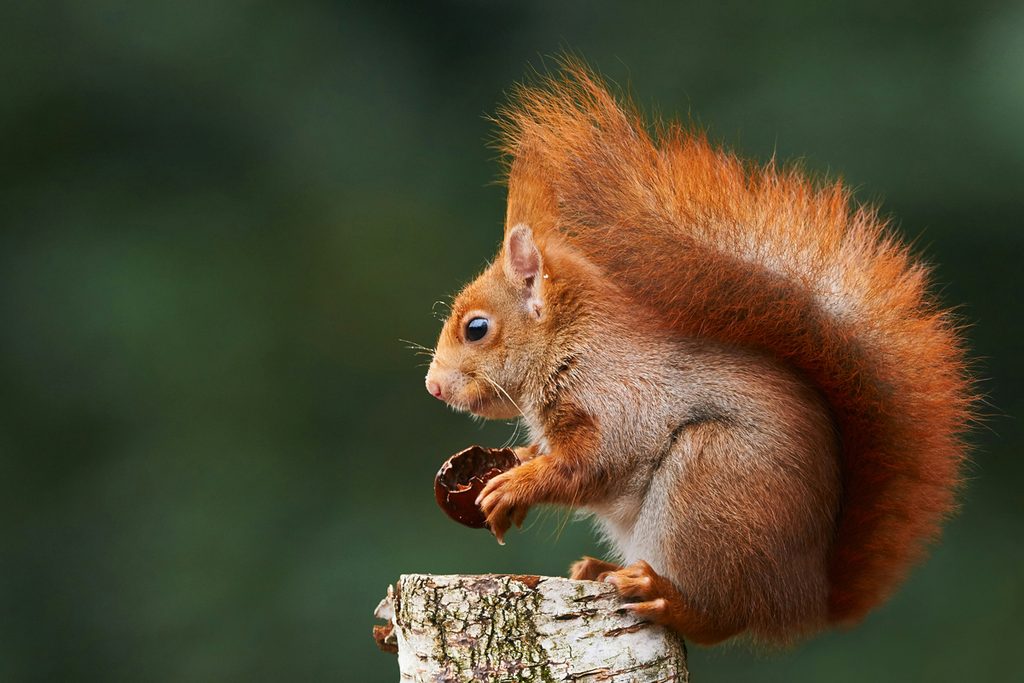
The simplest way to stay in a tree is by holding on tight. That’s the motive behind many tree-dwelling creatures’ bodies, which have adapted special appendages to grab onto bark, leaves, and branches. Squirrels, for example, have sharp claws that can dig into bark, while flexible ankles allow their hind feet to rotate so they can descend tree trunks headfirst. 

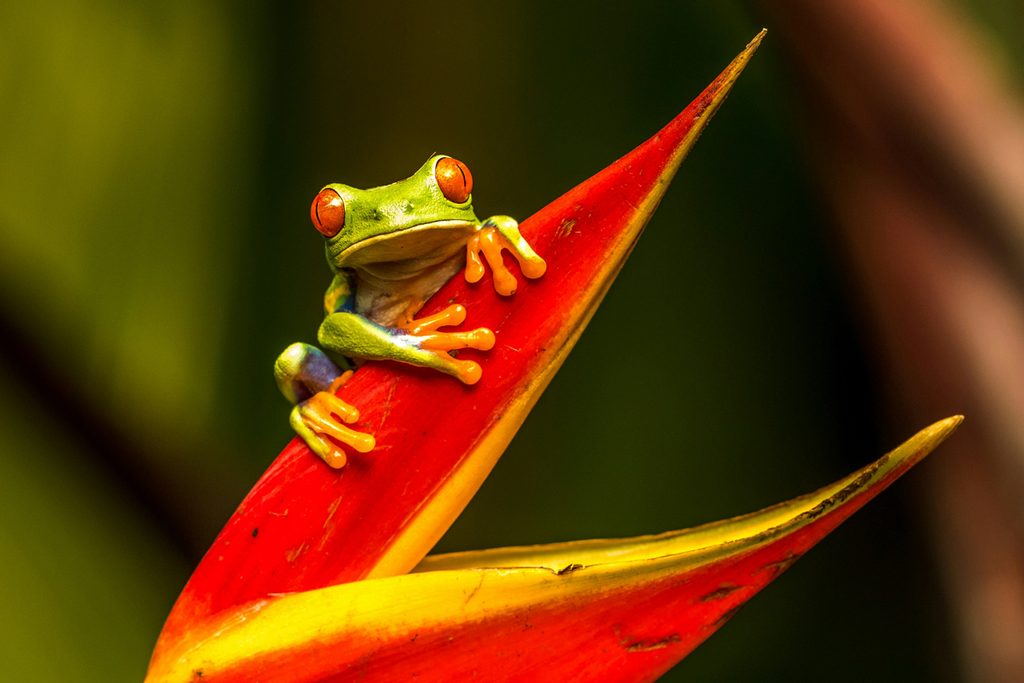
Tree frogs have specialized adhesive pads that help them cling to smooth leaves and branches, and geckos can stick to surfaces using millions of microscopic structures on their toes, allowing them to scamper across walls and branches with seemingly impossible ease. Koalas have strong paws and sharp claws designed for gripping tree trunks, while a sloth’s long, curved claws act almost like hooks, allowing it to hang securely beneath branches.

Primates have their own variations on this theme: Many monkeys have hands and feet (not to mention opposable thumbs) capable of wrapping around branches, while some species also have prehensile tails that function almost like an extra arm. Spider monkeys, for example, can use their long, muscular tails to grasp branches and help support their weight. Together, these adaptations give tree-dwelling animals multiple ways to hold on when the next foothold is a narrow, bending branch rather than solid ground.

Credit: Getty Images/Unsplash.com

Balance Is Key

Staying in a tree isn’t just about having a good grip; animals also have to manage their weight, momentum, and balance while moving through an environment that’s constantly shifting beneath them. Squirrels are particularly efficient examples: Their bushy tails help them balance and steer as they race along narrow branches and make leaps between trees, while their flexible bodies allow them to adjust quickly when a branch bends or sways.

Other tree-dwelling animals have evolved their own solutions. Many monkeys, for instance, use their long tails as counterbalances while climbing, leaping, and landing. Smaller animals such as marmosets can travel along thin branches that would never support a heavier primate such as an orangutan, which must carefully distribute its weight across multiple branches. 

Many tree-dwelling animals also have body shapes that keep their center of gravity low, making them less likely to topple. In the constantly shifting world of the canopy, staying upright often depends on a finely tuned sense of balance — and the ability to make a split-second adjustment when a branch moves.

Credit: Zdeněk Macháček/Unsplash.com

Getting From Tree To Tree

Living in the canopy means tree-dwelling animals don’t just have to stay on a branch — they also have to figure out how to get past the empty space between one tree and the next. This journey is easier in some wooded areas than others, depending on how closely the trees grow together. And while simply running down and up the trees may work in some places, this strategy often proves more dangerous due to the presence of ground-dwelling predators on the hunt.

Some animals climb carefully from branch to branch, while others have evolved ways to cross gaps without ever touching the ground. Primates, with their forward-facing eyes, use depth perception to judge distances and can make extraordinary leaps, while some species use their long limbs or prehensile tails to reach for the next branch.

Other animals have an even more dramatic approach. Flying squirrels use a membrane of skin stretched between their limbs to glide from one tree to another, steering with their legs and tail. Certain tree-dwelling snakes can flatten their bodies and undulate through the air, allowing them to essentially parachute through the forest. For these animals, the spaces between branches aren’t simply gaps to avoid — they’re another part of the canopy they’ve evolved to navigate.

Credit: Getty Images/Unsplash.com

Falls Do Happen

For all those adaptations, gravity is still in play. Young animals learning to climb are especially prone to missteps, and adults can fall while fighting, escaping predators, mating, or simply moving from one branch to another. A sudden movement or broken branch can send even the most experienced tree dweller tumbling.

No animal can completely defeat gravity, and sometimes a controlled descent is the best outcome. Squirrels, for example, can spread their limbs and use their tails to help control their position during a fall. 

But falling is the exception, not the norm. With claws, gripping feet, flexible bodies, tails, and finely tuned balance, most arboreal animals spend their lives securely above the ground. So the squirrel racing across your backyard branch may look like it’s taking a reckless shortcut, but to that squirrel, it’s just their way of life.