Tony is an English writer of nonfiction and fiction living on the edge of the Amazon jungle.
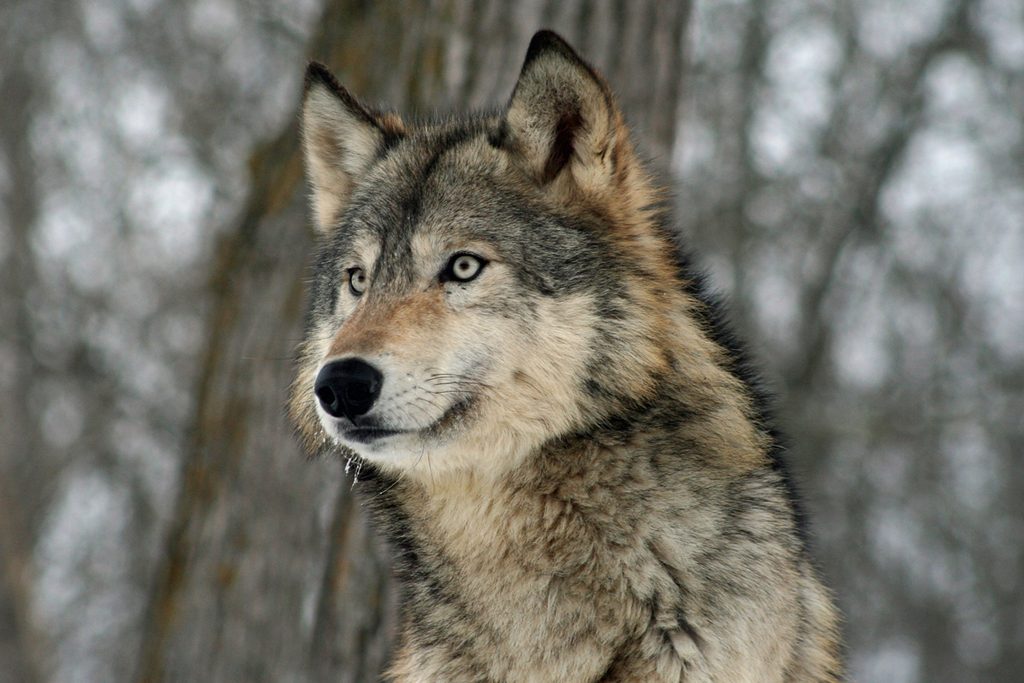
We’ve all seen the classic image of a wolf silhouetted against a full moon, its muzzle raised in a long, powerful howl aimed at Earth’s milky-white satellite. This romantic image, however, is factually misleading, as wolves don’t really howl at the moon. In fact, scientists have found no link between the moon and howling, save for a possible increase in overall wolf activity — including, but not limited to, howling — on brighter nights.
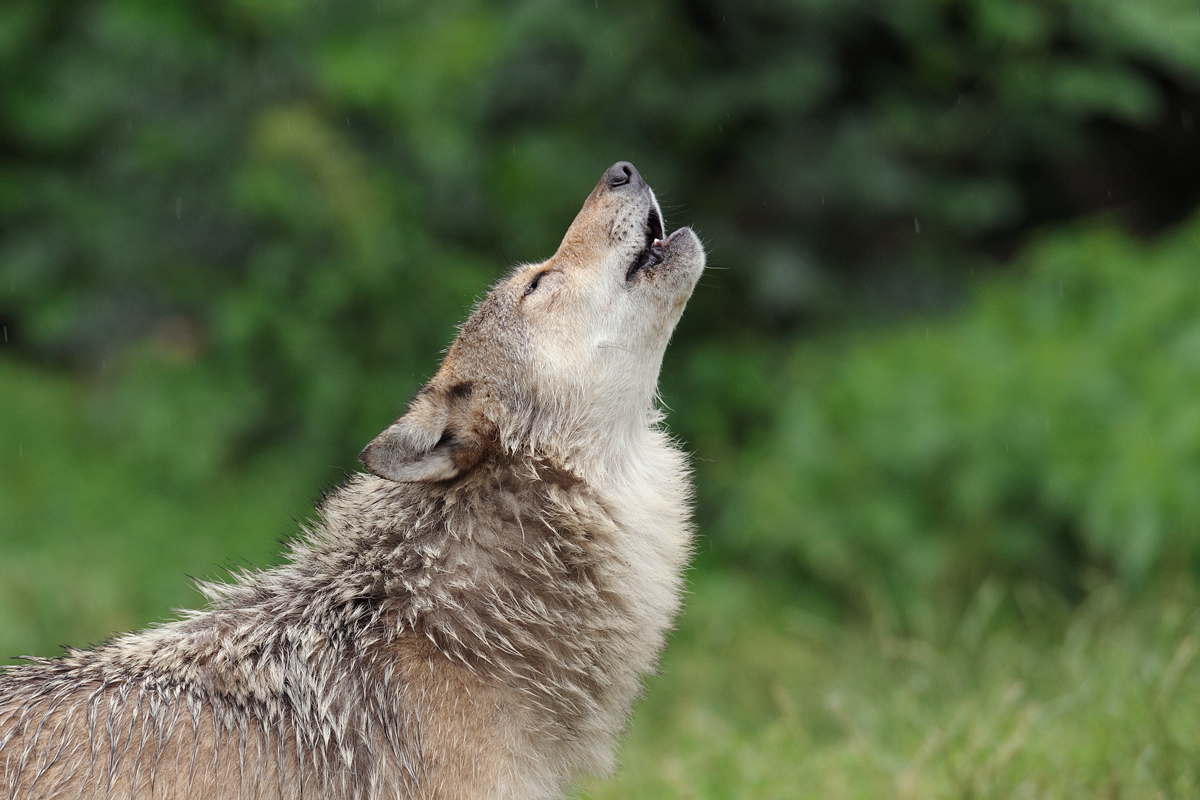
The reason wolves howl is actually all to do with long-distance communication, with no mystical lunar shenanigans involved. They howl to signal their location to other pack members and to rally the pack for a gathering or a hunt. It’s also a clear way to warn rival packs not to encroach on their territory.
Nicole is a writer, editor, and researcher with over 15 years experience covering arts and culture, lifestyle, and media. Her work has also appeared in PureWow, Brit + Co, Exclaim, AUX TV, and CBC. She lives in Ontario, Canada.
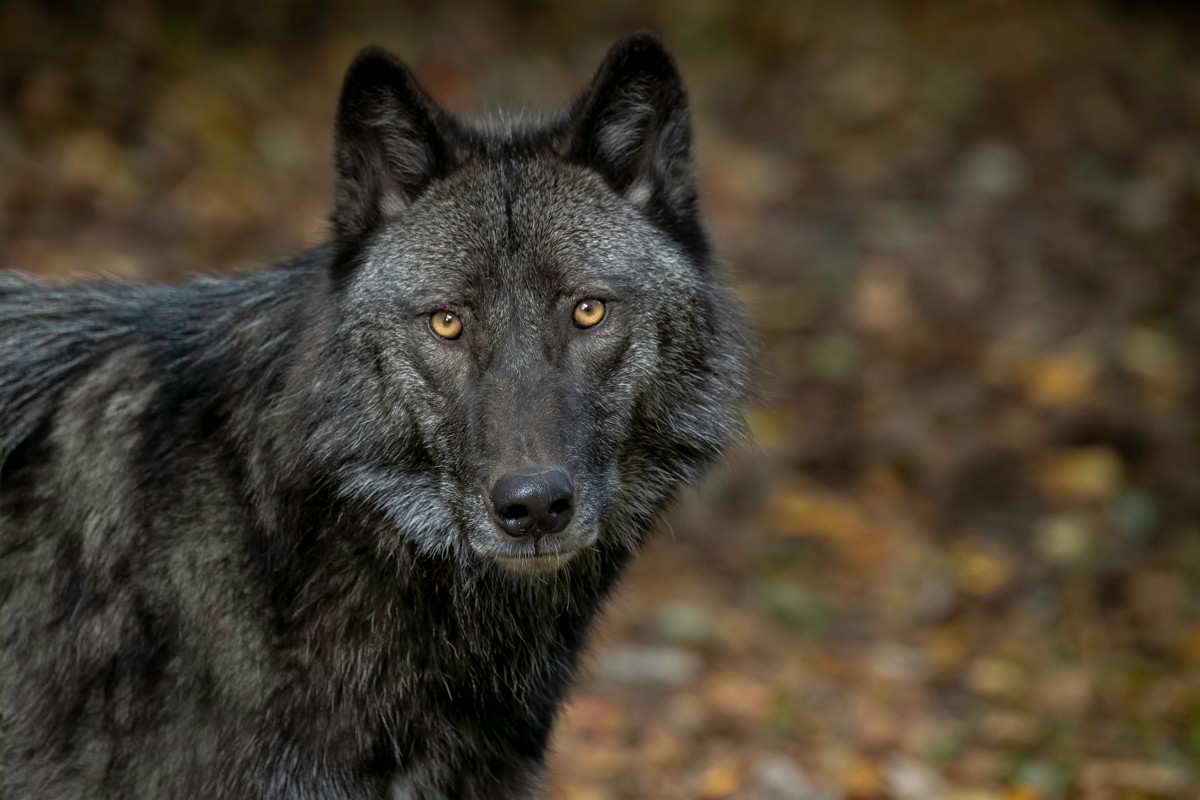
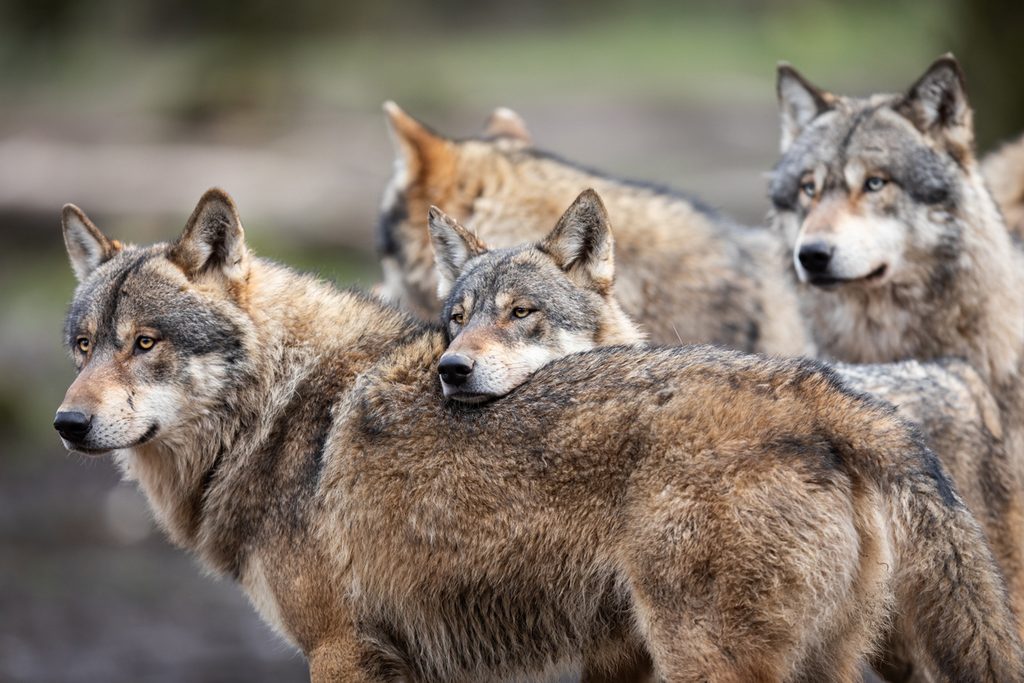
The “lone wolf” is a popular trope, usually portrayed as someone solitary, self-reliant, and preferring to go it alone. This may bring to mind such pop culture figures as Batman brooding on Gotham City rooftops or the Mandalorian, an independent bounty hunter in the Star Wars universe. Real wolves, however, are highly social animals, often living in packs made up of parents and their offspring.
So why, then, do some wolves end up wandering around alone? In most cases, they’re not exactly choosing a life of solitude. Here is why some wolves are — for a time, at least — lone wolves.
Credit: Lori Labrecque/stock.adobe.com
Why Wolves Leave Home
A wolf that travels alone isn’t necessarily a wolf that’s chosen to live life solo. Sometimes a pack member is simply temporarily away from its group. Most times, however, it’s a young wolf that’s left its birth pack to find a mate, establish its own territory, and eventually start a pack of its own.
Most young wolves leave their pack after reaching adulthood, usually between about 1 and 3 years of age. Because a typical wolf pack has just one breeding pair (the mom and dad) sticking around with their parents and siblings doesn’t exactly give young wolves much opportunity to start families of their own.
Credit: kjekol/stock.adobe.com
The Search for a Mate
Once a wolf leaves its pack, life on the go can be difficult. It means giving up the safety of familiar territory and the protection of the group. A lone wolf also has to navigate new terrain on its own, and humans, roads, and other territorial packs can all pose serious threats.
Finding a mate is another challenge. Wolves use howls and scents to find and identify one another, with a wolf’s urine or scat providing information about its sex and breeding condition. Depending on the terrain, wolves can hear each other’s howls from as far as 6 miles away in dense forests or up to 10 miles on open terrain.
Some wolves travel impressively long distances to find what they’re looking for: One Mexican wolf was documented traveling at least 775 miles over the course of two months while searching for a mate and a new place to live. More commonly, however, they’ll end up resettled at a distance of between around 50 and 100 miles from their birth pack. While both male and female wolves disperse from their birth packs at roughly the same rate, males are commonly found to travel farther.
Credit: AB Photography/stock.adobe.com
A New Pack
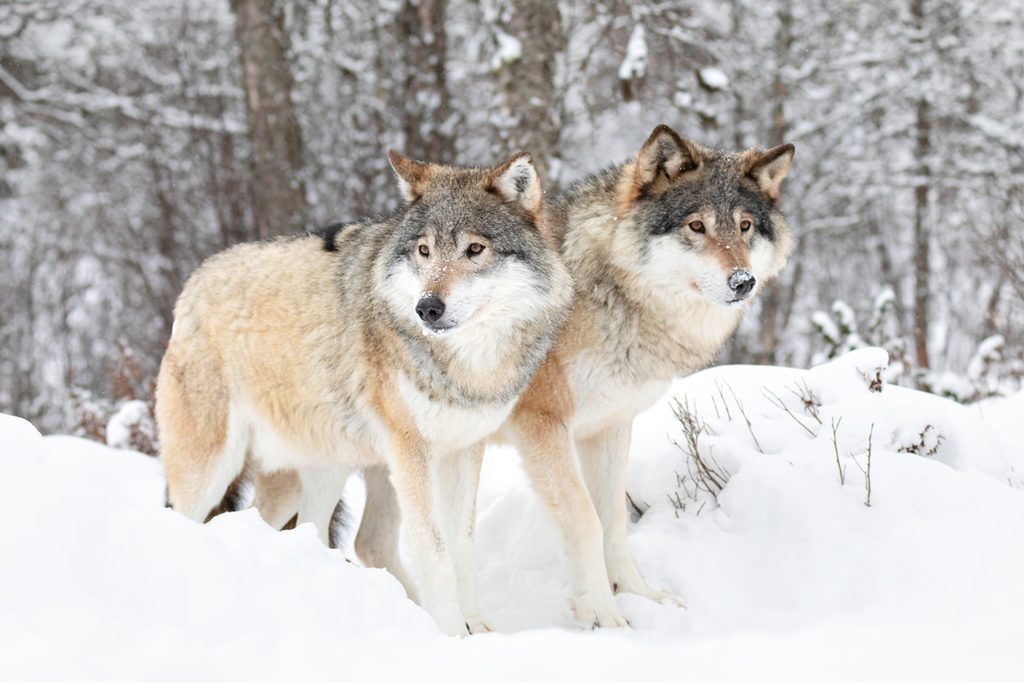
A dispersing wolf often pairs up with another wolf that’s also left its birth pack; together, the two establish a territory and begin making their own pack. But starting a pack from scratch isn’t the only option. Lone wolves also sometimes join existing packs, most commonly if one of that pack’s breeding adults has died and left an opening.
Dispersal is a major part of how wolf populations grow and spread, and it’s also important for keeping wolf populations healthy. When wolves leave their birth packs and find mates from other groups, they introduce new genetic diversity into the population, helping prevent the same genes from being passed down within isolated groups generation after generation.
Credit: ThroughChristy’sLens/stock.adobe.com
How Long Are They Alone?
A lone wolf isn’t necessarily as negative as it’s been portrayed — and the term can actually be a bit misleading. In Denali National Park, researchers found that 28% percent of wolves leave their packs each year. Dispersing wolves also rarely remain alone for long; during nearly two decades of research, only one territorial wolf was observed living alone for more than a few months, while most others eventually joined or formed new packs.
However, the length of time a wolf remains alone can vary, largely depending on how many other dispersing wolves are in a travelled area. It may take several years for a new pair to successfully reproduce in the wild, but once they do, the pack can grow and the cycle begins again. So the concept of a “lone wolf” is less a personality trait and more a temporary state of being.
Tony is an English writer of nonfiction and fiction living on the edge of the Amazon jungle.
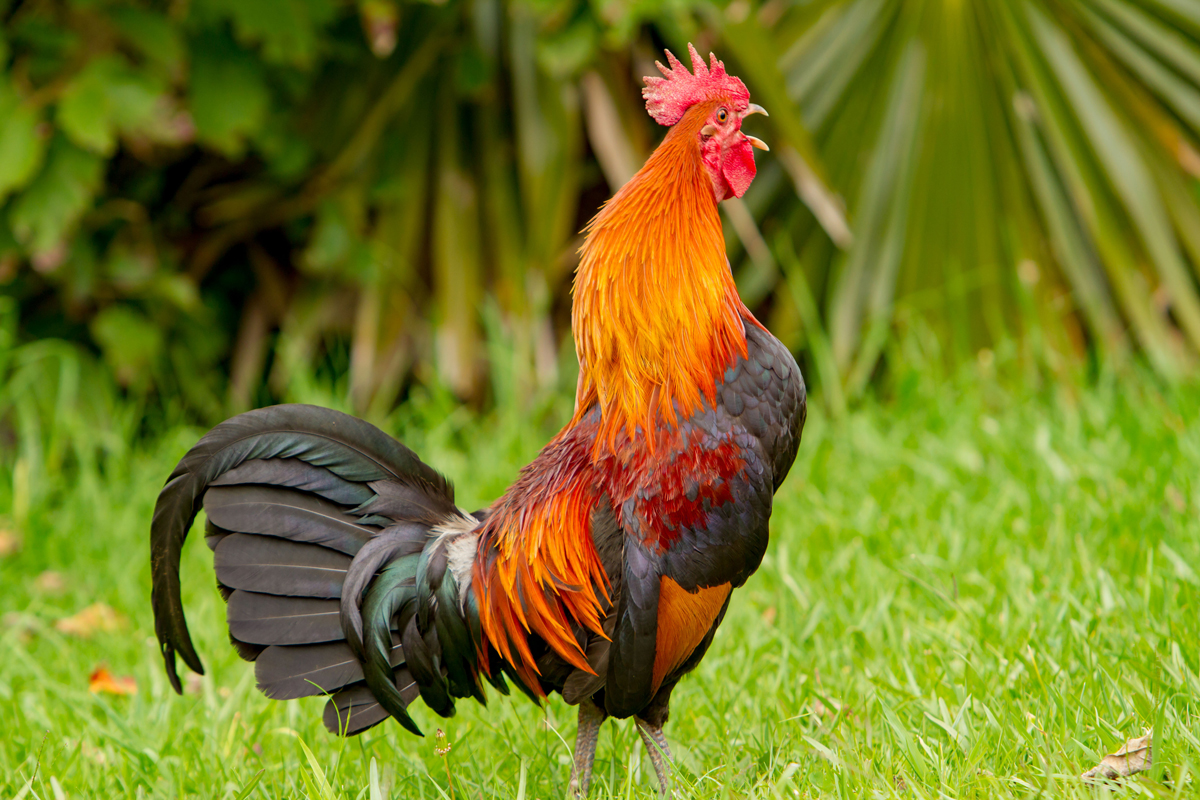
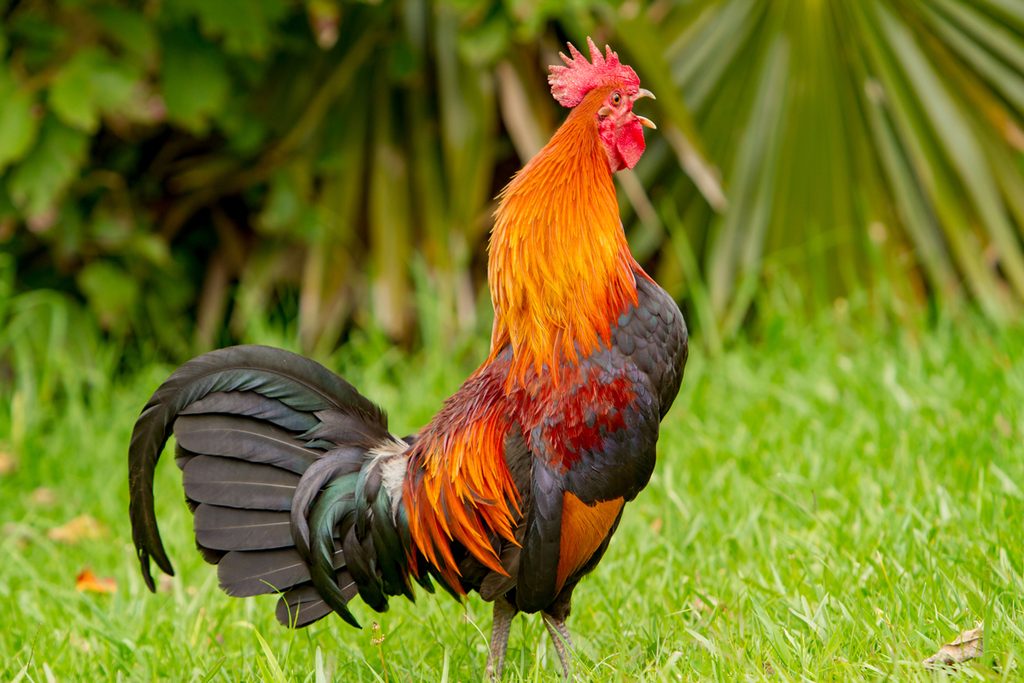
A rooster’s crow is typically about 80 to 90 decibels but can reach 142 decibels right next to its own head — that’s louder than a chainsaw and enough to risk hearing damage with repeated exposure. You may reasonably think, then, that roosters must regularly go deaf from their own calls, but roosters have evolved a nifty trick to avoid hearing damage.
When they fully open their beaks to crow, a specially adapted anatomical arrangement automatically closes off a quarter of their ear canal and half of the eardrum. That temporary closure acts like a natural earplug, significantly reducing the sound intensity. As a result, roosters can produce their powerful vocalizations day after day without destroying the sensitive hair cells in their inner ears.
Kristina is a coffee-fueled writer living happily ever after with her family in the suburbs of Richmond, Virginia.
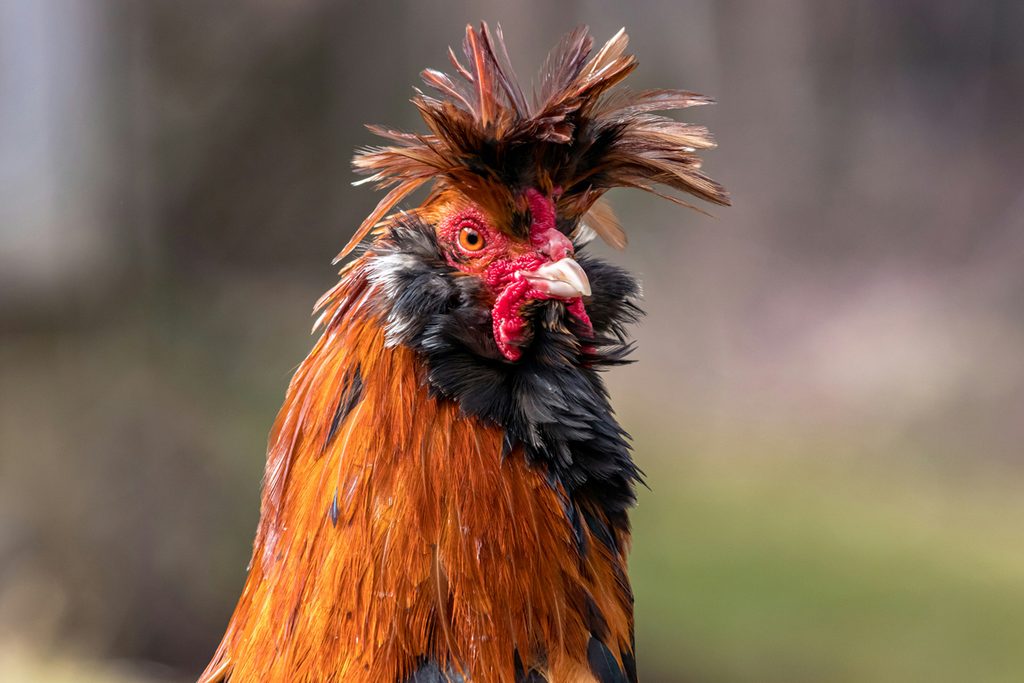
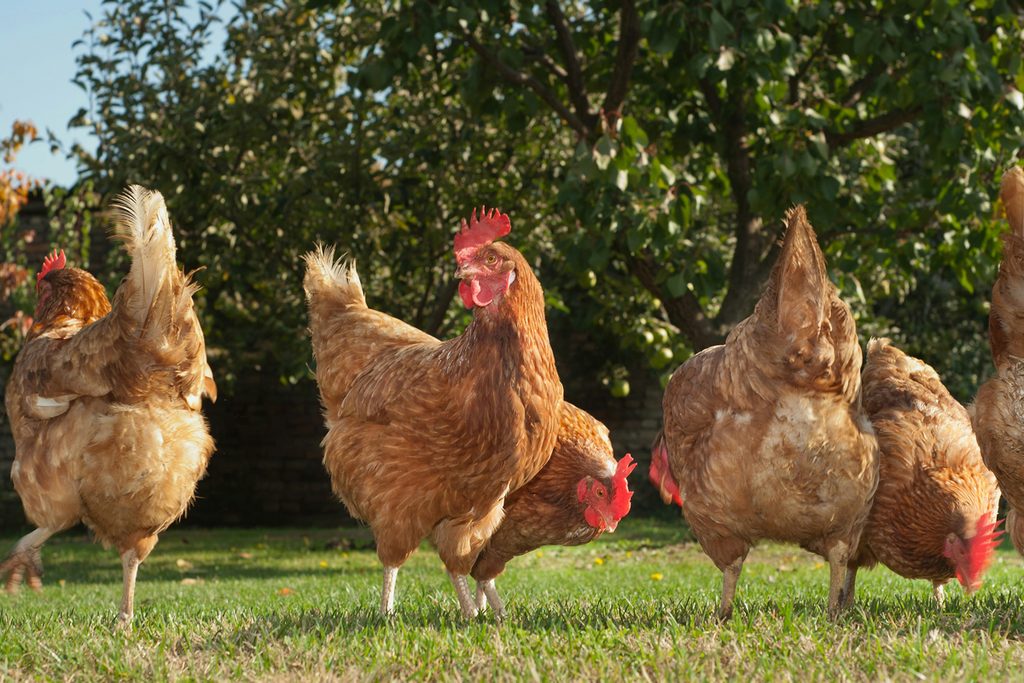
A rooster’s “cock-a-doodle-do” is one of the most recognizable sounds on a farm, and it’s long been associated with sunrise and early mornings. But roosters don’t need the sun to tell them when to crow; they can sound off in the dark, in the middle of the afternoon, and even at night for a variety of reasons. So what’s behind all that noise?
Crowing is primarily a male behavior, as it’s strongly influenced by testosterone. Roosters develop the behavior as they mature, while hens normally have much lower levels of testosterone and don’t develop the same vocalization. In rare cases, a hen may begin crowing if changes to her reproductive system alter her normal hormone balance.
A rooster’s crow is a form of communication, and there’s more to it than simply announcing the arrival of morning. From social signals to reacting to what’s happening around them, roosters have lots to crow about.
Credit: Michael Anfang/Unsplash.com
Roosters Have an Internal Clock
That familiar dawn chorus is closely tied to a rooster’s biological (or circadian) clock. Chickens, like many animals, have circadian rhythms that help regulate sleep, activity, feeding, and other daily behaviors.
Research has shown that roosters can anticipate dawn and begin crowing before they can actually see the approaching daylight. Even when kept in constant dim light, they continue to follow a roughly 24-hour rhythm, suggesting their bodies keep time internally and don’t just react to sunrise.
Light still makes a difference, though: A rooster’s internal clock can be reset by changes in the light-dark cycle, which is why artificial lighting can affect when chickens become active and when they crow. That predawn anticipatory crowing is a combination of internal timing and environmental cues. The rooster’s body clock tells him when dawn is approaching, while changes in light help keep that clock aligned with the day.
Credit: Getty Images/Unsplash.com
Crowing Helps Establish Social Order
A rooster’s crow can also serve as a territorial announcement, letting other roosters know he’s nearby and that the area is occupied. Roosters living near one another often respond to each other’s calls, creating a back-and-forth exchange that helps them keep track of neighboring birds even when they’re out of sight. Researchers believe this kind of vocal signaling can help establish territories while reducing the need for direct physical confrontations.
Crowing is also tied to the social hierarchy within a flock. Most backyard flocks don’t need multiple roosters, and flocks kept solely for eggs don’t need a rooster at all. Multiple roosters are more likely to be found in larger or breeding flocks, where one rooster may be kept for roughly every 10 hens.
In groups with more than one rooster, the birds establish a pecking order, and their position can influence when they crow. In a study of small groups of roosters, the highest-ranking bird almost always started the predawn chorus, followed by the other birds in descending order of rank. Lower-ranking roosters also crowed less frequently during the predawn period.
Credit: Bob/stock.adobe.com
A Rooster’s Crow Is More Complex Than It Sounds
A rooster may respond to another rooster’s call at later times of day, as well as to a sudden noise, a predator, the arrival of a person, or other changes to his surroundings. Age, temperament, and social circumstances can also affect how frequently an individual rooster crows.
And that familiar crow may sound like one simple note, but producing it requires a specialized vocal organ called the syrinx. Found where the trachea divides into the bronchi, the syrinx allows birds to produce sounds in ways that differ from human speech. Roosters can vary the pitch, timing, and intensity of their calls, and individual birds can have distinctive acoustic characteristics.
Plus, a rooster’s crow is loud enough to carry beyond its immediate territory. Measurements have put crowing at about 100 decibels at a distance of one meter, while researchers measuring sound close to the rooster’s ears have recorded levels above 140 decibels (roughly equivalent to the level of a jet engine at takeoff). Roosters’ ears are anatomically designed to close off a part of the ear when crowing to protect their hearing.
To humans, it may sound like the same “cock-a-doodle-do” repeated over and over. To chickens, however, individual differences in those calls can carry information about the bird making the noise — and what sounds like simple farmyard noise can actually be a surprisingly complex form of communication.
Tony is an English writer of nonfiction and fiction living on the edge of the Amazon jungle.
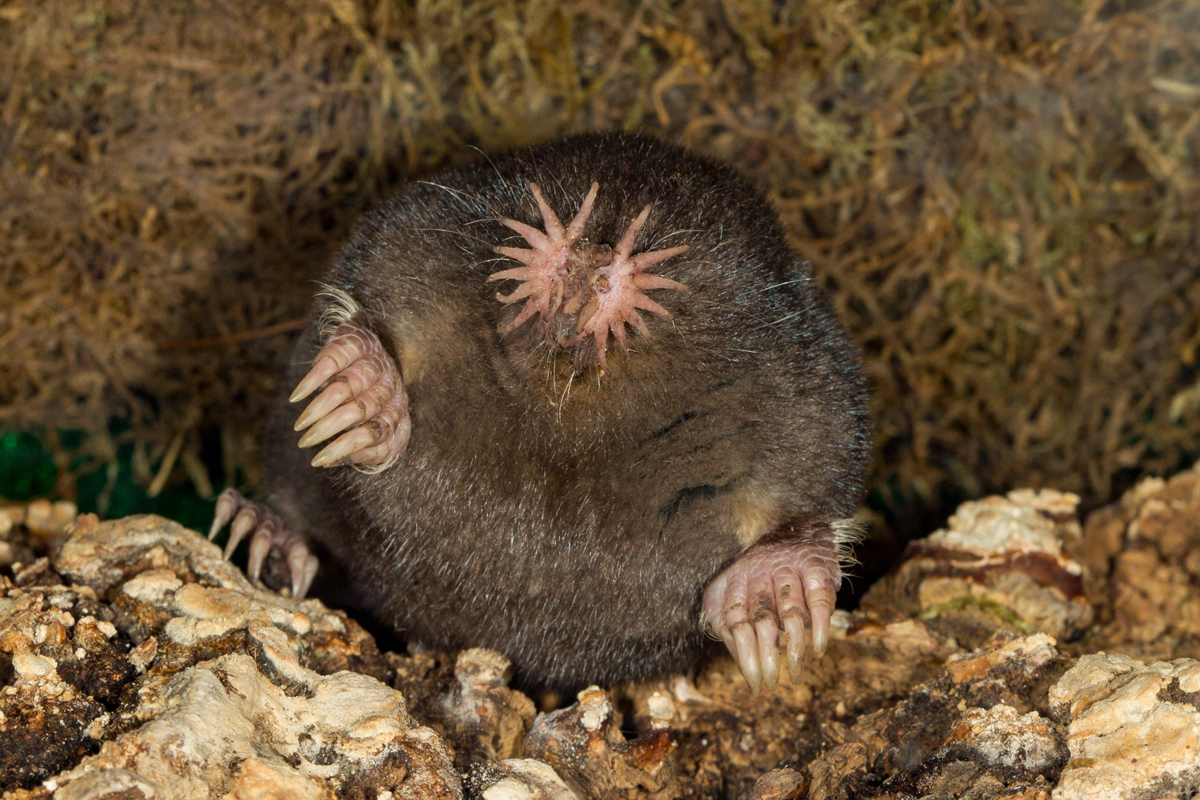
The star-nosed mole has an undeniably peculiar nose, with a snout ending in a ring of 22 fleshy, tactile tentacles packed with touch sensors. This nasal star is the tiny creature’s most distinctive feature, and it has a pretty incredible ability: detecting scents while underwater.
Trying to inhale water is a very bad idea for mammals, but these semi-aquatic moles have circumvented that problem by blowing out small air bubbles from their nostrils onto objects or scent trails. The mole then quickly sucks the bubble back in, effectively “sniffing” the captured scents. They’ve been observed performing this bubble-blowing and re-inhaling sequence several times per second. It’s an ingenious adaptation that lets them forage in watery environments where ordinary sniffing would be impossible.
Advertisement
The 7 Strongest Sniffers in the Animal Kingdom
Across Species 21/10/26Oct. 21, 2026
Updated 21/10/26Oct. 21, 2026
Credit: annatronova/stock.adobe.com
Nicole Villeneuve
Author
Nicole is a writer, editor, and researcher with over 15 years experience covering arts and culture, lifestyle, and media. Her work has also appeared in PureWow, Brit + Co, Exclaim, AUX TV, and CBC. She lives in Ontario, Canada.
If you’ve ever caught a whiff of fresh baked goods or walked a major city’s streets when there’s garbage to be collected, you already know how strong the human sense of smell can be. Our ability to smell is thanks to tiny chemical molecules floating through the air and the specialized sensory cells in our noses that detect them.
Animal noses work much the same way, but some species have evolved different numbers and types of olfactory receptors, along with specialized ways of detecting and processing those chemical signals — and their senses of smell are often quite a bit more impressive than ours. Here are seven animals with the most impressive senses of smell in the animal kingdom, including some unique olfactory abilities.
Credit: chamnan phanthong/stock.adobe.com
Elephants
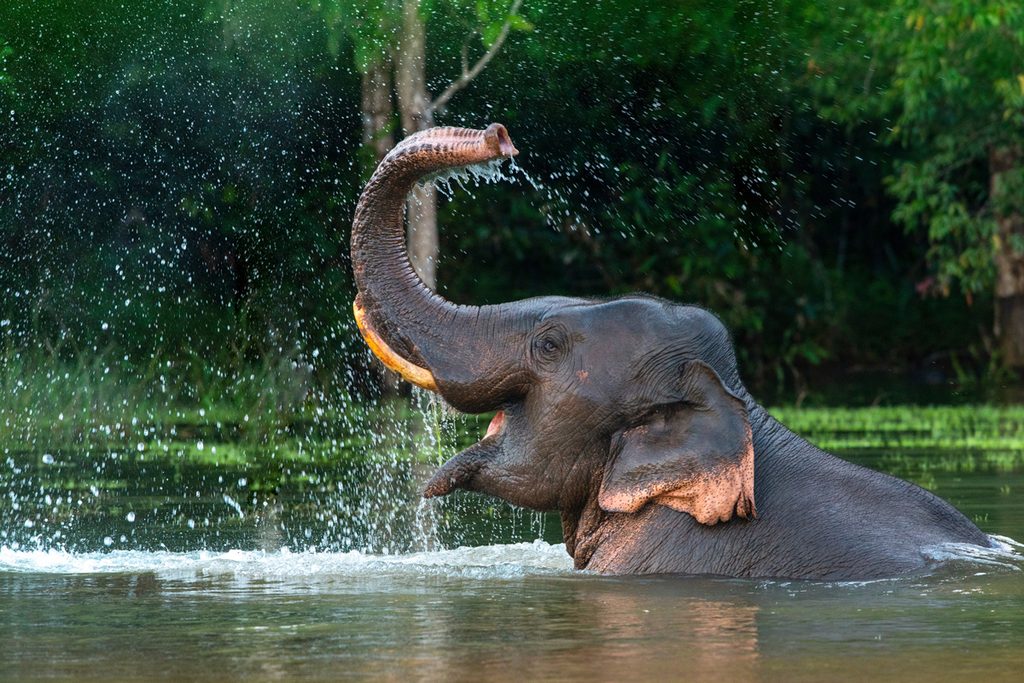
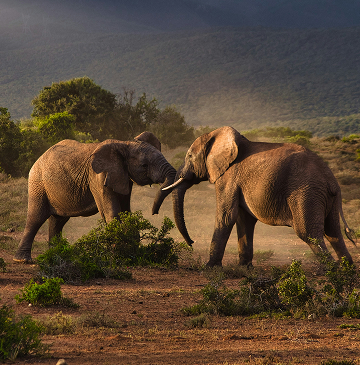
With a nose as enormous as an elephant’s trunk, it’s probably no surprise that their sense of smell is pretty strong. Researchers have identified just shy of 2,000 olfactory receptor genes in African elephants, the largest number found in any animal studied to date.
Those genes help produce the receptors that detect different odors. Elephants, who don’t have great eyesight, use those odor receptors to find food and water, detect other elephants, and gather information about what’s happening around them, including potential hunting threats.
Credit: annatronova/stock.adobe.com
Bloodhounds
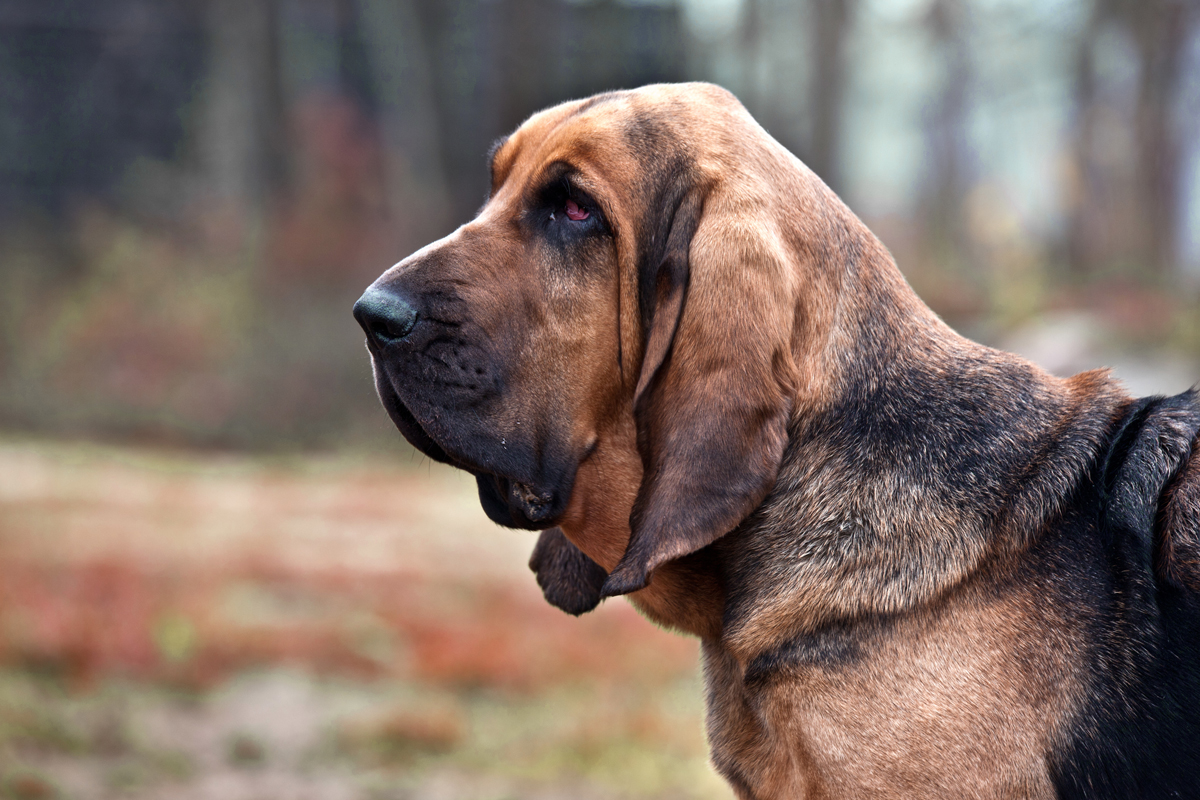
Bloodhounds are one of the animal kingdom’s best scent trackers. They have about 230 to 300 million olfactory cells in their nasal cavities — compared to roughly five million in humans — which detect odor molecules and send information to the brain. Their loose facial skin and signature long, droopy ears also help trap scent particles around their noses.
Once a bloodhound picks up a scent, its brain creates a detailed odor profile; it can then isolate and track that individual scent amongst a chemical cocktail of other sweat, breath, and skin odors that may be left behind on any given trail. They’re also determined: Bloodhounds have been known to follow a scent trail for more than 130 miles.
Credit: Rixie/stock.adobe.com
Bears
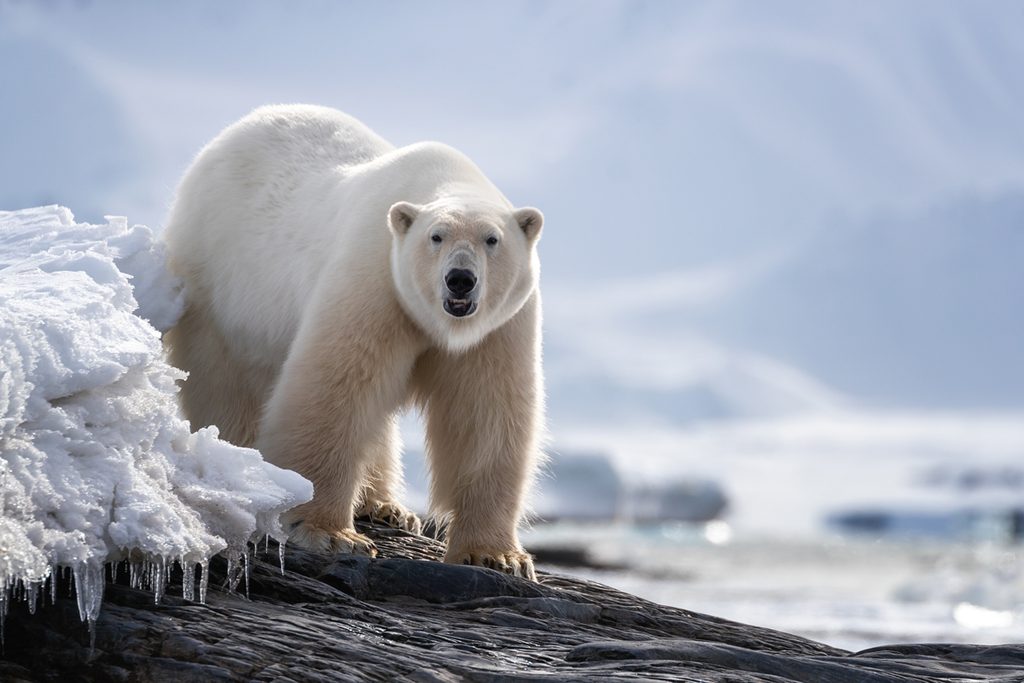
Polar bears can smell seals from surprisingly far away, even when those prey animals are hidden beneath snow and ice. Research estimates polar bears can detect seal breathing holes up to 40 miles away and through the thick Arctic ice as well.
Black and grizzly bears have impressive noses, too; though estimates vary, it’s thought that both can detect smells from up to 20 miles away, helping bears find food that may be hidden beneath vegetation, soil, or snow.
Credit: kgrif/stock.adobe.com
Turkey Vultures
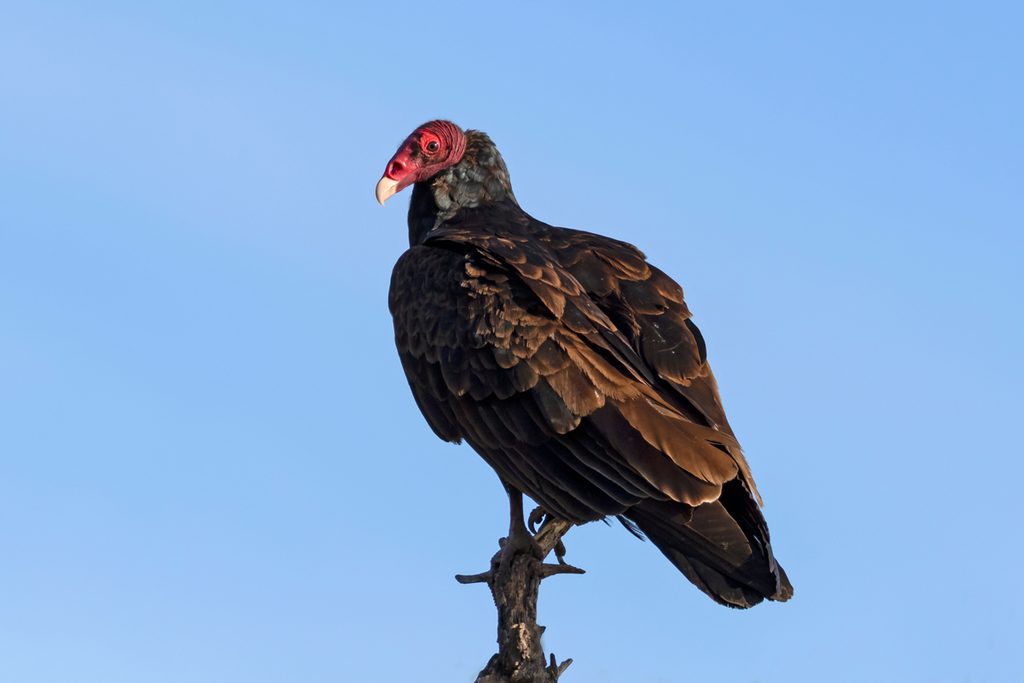
Unlike many other vultures, which rely heavily on their sharp vision to locate food, turkey vultures have a well-developed olfactory system that helps them detect the chemicals released during decomposition a day or two after an animal dies. They can do this from the air, through dense forest foliage, and from up to 8 miles away.
The turkey vulture has the largest olfactory bulbs (the structure in the brain that processes smell) of any studied bird. They can detect the scent of ethyl mercaptan, one of the chemicals released in decomposition, in incredibly tiny amounts of just a few parts per trillion.
Credit: xyo33/stock.adobe.com
Silk Moths
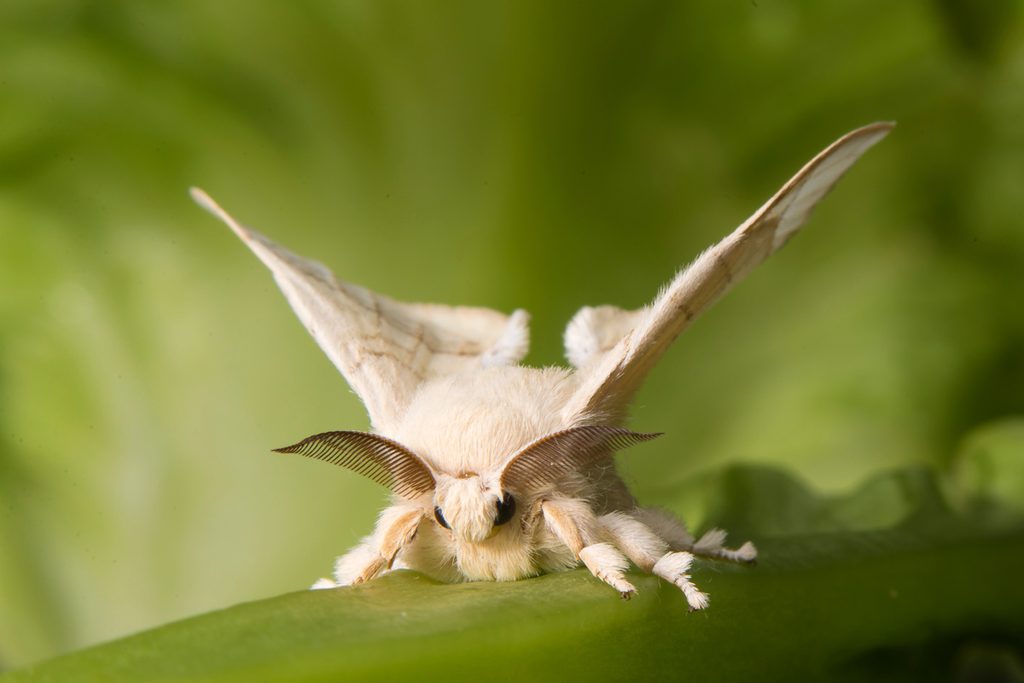
For male silk moths, smell is less about taking in its whole environment and more about honing in on one very specific thing: potential mates. Their feathery antennae are covered in tiny sensory structures that detect female pheromones, and a male silk moth can detect a female from up to about 3 miles away.
Female silk moths, meanwhile, have antennae tuned to different smells, including the odor of silkworm droppings. After mating, that smell can actually repel them, helping females avoid laying eggs on plants that are already crowded with other silkworms.
Credit: Jiri Prochazka/stock.adobe.com
Kiwis
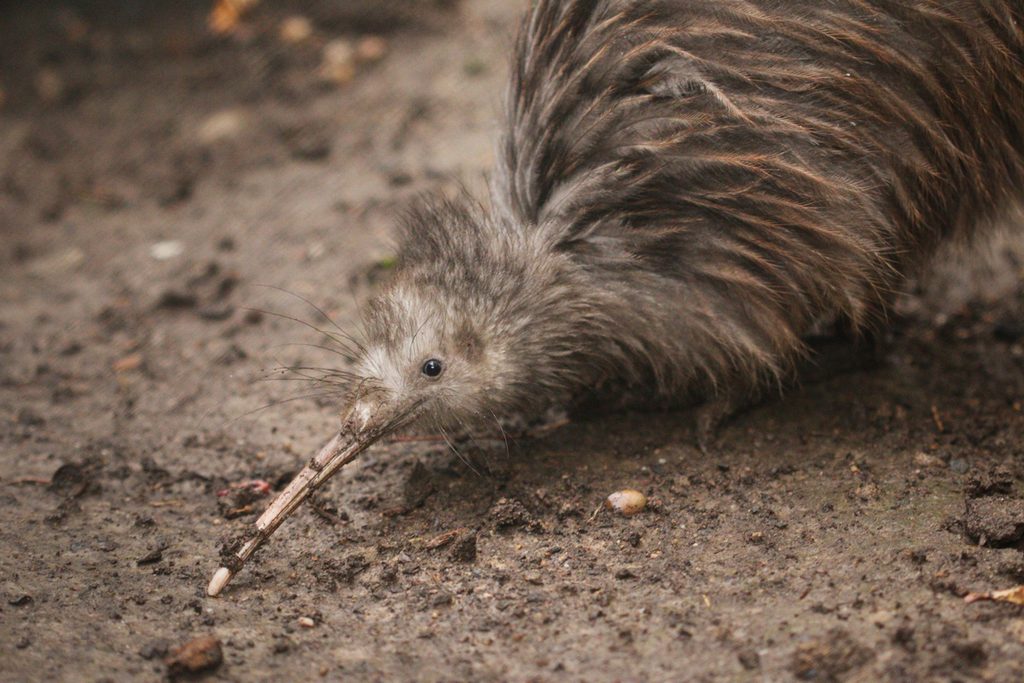
Kiwis have an unusual feature hidden at the end of their bills: Their nostrils are located at the tip, rather than near the base like other birds. This is, of course, particularly useful for a bird that spends sundown to sunrise sticking its bill into leaf litter and soil in search of bugs, worms, berries, and seeds.
The tips of kiwi bills are also covered in sensory pits that provide tactile information, giving the birds a combination of smell and touch to aid in their hunt for food.
Credit: Andrea Izzotti/stock.adobe.com
Great White Sharks
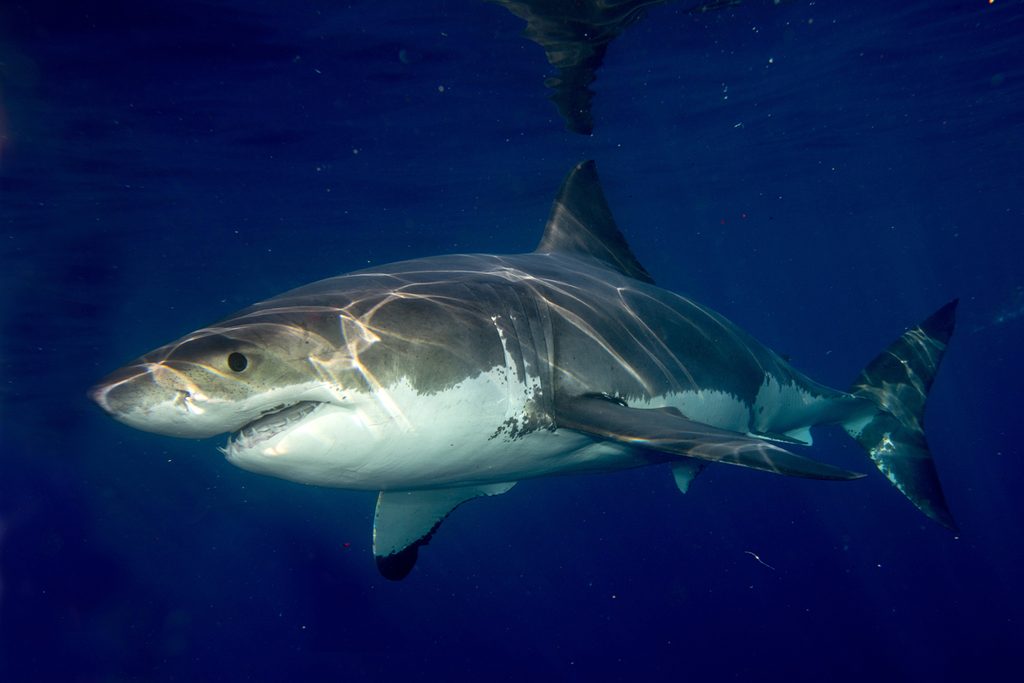
Great white sharks don’t have noses in the human sense, but they do have two nostrillike openings called nares on the underside of their snouts. These nares are quite impressive: They can detect which direction a scent is coming from by comparing when the smell reaches each side, essentially smelling in stereo.
A shark’s sense of smell works by detecting tiny concentrations of chemicals carried through the water, then relying on other senses, including sight and electroreception, to help pinpoint their prey.
Advertisement
How Do Animals Show Happiness?
Across Species 21/10/26Oct. 21, 2026
Updated 21/10/26Oct. 21, 2026
Credit: Valeria Nikitina/Unsplash.com
Kristina Wright
Author
Kristina is a coffee-fueled writer living happily ever after with her family in the suburbs of Richmond, Virginia.
Thousands of languages are spoken around the world, but a smile is one expression that needs little translation. A relaxed face and upturned mouth can signal happiness, amusement, affection, or simple pleasure. But animals don’t smile like humans and can’t tell us how they’re feeling, so how can we know when an animal is happy?
While scientists can’t measure an animal’s happiness directly, they can look for patterns in behavior, vocalizations, physiology, and even decision-making that can provide clues about an animal’s emotional state. No single behavior is a universal sign of happiness, but several behaviors can suggest an animal is experiencing positive emotions.
Credit: Getty Images/Unsplash.com
Play Is a Good Sign
Play is one of the clearest behaviors associated with positive experiences in many animals. Young mammals chase, wrestle, pounce, tumble, and play-fight when they have enough food and aren’t facing any immediate threats.
Birds play, too, and researchers have documented playful behavior in species ranging from ravens to parrots. Play is particularly interesting because it requires time and energy an animal could otherwise use for survival, suggesting animals generally play when their basic needs are being met.
That doesn’t mean every playful animal is necessarily happy, however. Play can sometimes occur in adverse situations, such as when food or other resources are limited, or after a period when an animal has been deprived of opportunities to play.
Still, a sudden drop in play can be a warning sign of poor welfare and normal, varied play can indicate an animal has the time, energy, and security to engage in recreation. Researchers therefore consider play to be one particularly useful piece of the larger picture when assessing an animal’s positive emotional state.
Credit: Valeria Nikitina/Unsplash.com
Positive Sounds Can Indicate Happiness
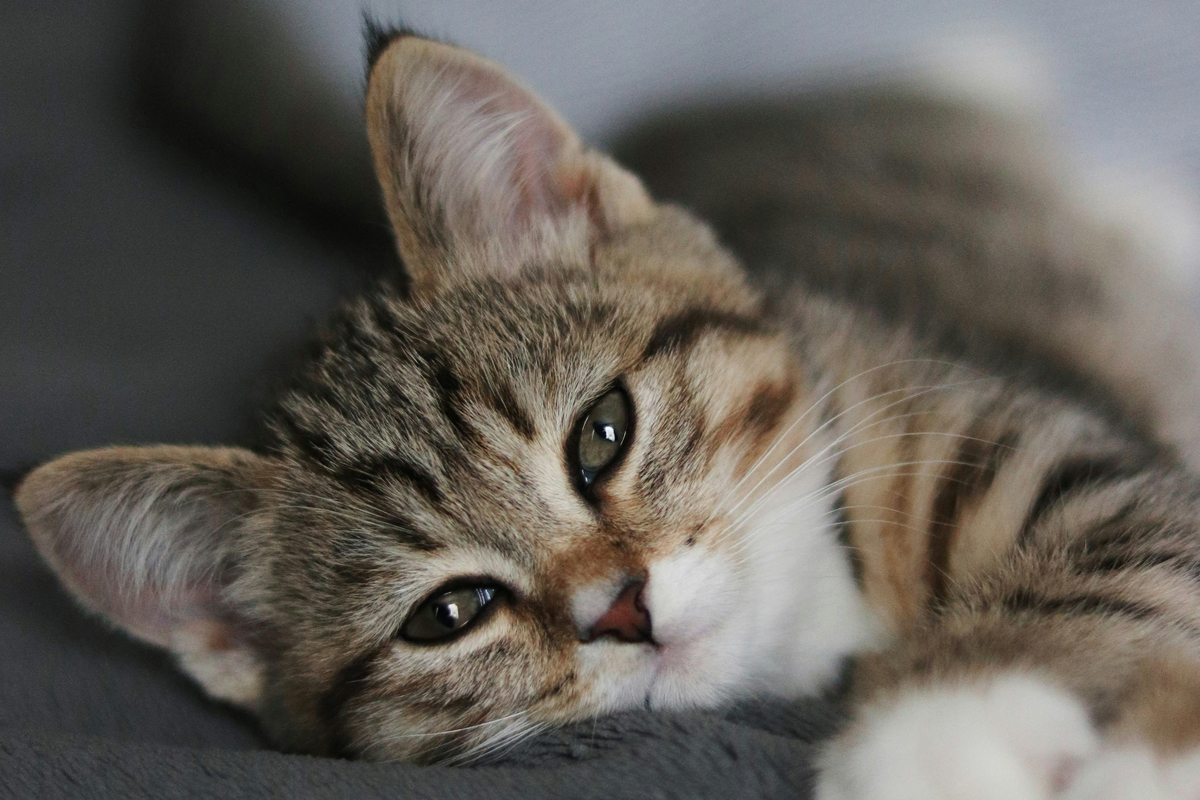
Vocalizations can offer more clues to an animal’s emotional state, although the sounds vary enormously from species to species. Cats may purr during pleasant social interactions, and wild cats can make similar sounds. Cheetahs, for example, have been observed purring during positive encounters such as mutual grooming.
Elephants also produce vocalizations during positive social interactions, including greetings and reunions with other members of their group. But researchers don’t assume that any particular sound automatically means an animal is happy; instead, they consider the species in question and the situational context, comparing vocal patterns across positive and negative experiences to determine whether particular sounds reliably correspond with different emotional states.
And some animals communicate positive emotions in ways humans can’t hear at all: Rats, for example, produce ultrasonic vocalizations around 50 kilohertz during situations associated with positive experiences, including play and gentle human “tickling.” Those sounds are above the range of human hearing, but experiments have found their frequency and rate can reflect the intensity of the rat’s positive response.
Credit: MediaEcke/Unsplash.com
Look at Their Body Language
Humans tend to look at faces first, but animals communicate positive emotions through their entire bodies. A relaxed posture, friendly approaches, grooming, social contact, and other affiliative behaviors can all provide clues that an animal is experiencing something positive.
Dogs may seek social contact with people they have a positive relationship with, while animals such as rats and pigs can display increased social interaction during situations associated with positive experiences. Among social animals such as chimpanzees, grooming, rolling around together, playing with infants, and embracing during reunions can all be associated with positive social relationships. Those behaviors give researchers clues because animals are more likely to seek out social contact when those interactions are rewarding.
This is why looking at a single behavior in isolation can be misleading: A dog wagging its tail or a cat purring doesn’t automatically mean the animal is happy in every situation. Scientists need to consider the animal’s posture, surroundings, recent experiences, and other behaviors together. Animal welfare researchers increasingly take several measures into account simultaneously because behavior and physiology can each tell only part of the story.
Credit: Alvan Nee/Unsplash.com
Happiness Can Show Up in Expectations
One of the most revealing signs of a positive emotional state can be what an animal does when it expects something good to happen. An animal that becomes excited by a familiar cue for food, play, or enrichment, for example, is displaying anticipatory behavior.
Scientists can also test how animals respond to uncertain situations. In cognitive bias experiments, animals first learn that one cue predicts a reward, such as food, while another predicts something unpleasant, such as an unpalatable food, an irritating sound, or no reward at all. Researchers then introduce an ambiguous cue that falls between the two familiar cues.
An animal approaching the ambiguous cue as though it expects a reward is considered an optimistic response, while an animal hesitating or avoiding it as though it expects an unpleasant outcome is considered a pessimistic response. Animals experiencing more positive conditions tend to respond more optimistically to ambiguous cues, while those experiencing stress or poor conditions are more likely to respond pessimistically.
Together, these approaches give researchers a good idea of an animal’s overall emotional state. We may never know exactly what happiness feels like to another species, but we can learn a great deal from the ways animals respond when something feels good to them.
Advertisement
One oyster can filter a bathtub’s worth of water per day.
Across Species 16/10/26Oct. 16, 2026
Updated 16/10/26Oct. 16, 2026
Credit: barmalini/stock.adobe.com
Michael Nordine
Author
Michael Nordine is a Senior Staff Writer at Britannica, where he writes the newsletter Movie Brief. He grew up with eight cats and would like to see a Komodo dragon in the wild one day.
When they aren’t being served as delicacies, oysters are serving an extremely important ecological function: filtering prodigious amounts of water. An adult oyster can filter plankton, algae, and various debris from up to 50 gallons of water (the equivalent of a full bathtub) per day, feeding themselves and making their marine ecosystem a cleaner, healthier place for all manner of sea life in the process.
Cleaner water allows sunlight to penetrate deeper into the brackish, coastal environments oysters call home and reach aquatic vegetation that thrives in submerged areas; this, in turn, provides more food for fish, turtles, and even sharks. Oysters’ filtration power is magnified when they cluster together and form reefs, which provide shelter and breeding grounds for even more sea creatures.
Kristina is a coffee-fueled writer living happily ever after with her family in the suburbs of Richmond, Virginia.
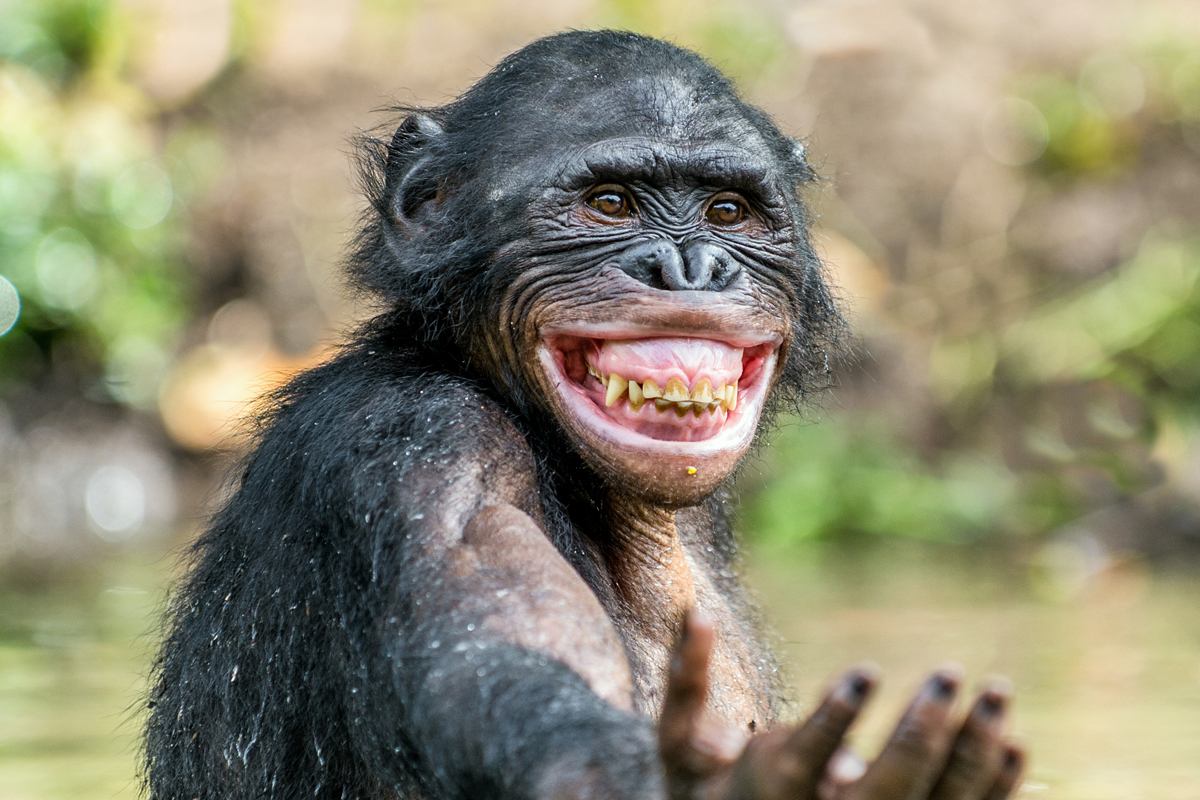
Chimpanzees have a surprisingly expressive range of facial movements — and when interpreting them, context matters. During play, they may use a relaxed, open-mouthed expression known as a “play face,” often with the teeth covered by the lips or only partly visible. This expression can signal excitement and playful intent rather than fear.
A toothy grin, however, can mean something very different. A chimpanzee flashing its teeth may look like it’s smiling at you, but it may actually be scared. When frightened, anxious, or confronted by a more dominant chimpanzee, a chimpanzee may pull back the corners of its mouth and expose its teeth in what researchers call a “fear grin.” Far from expressing happiness, an expression that looks like a smile can signal fear, submission, or an attempt to appease a threatening individual.
Advertisement
6 Animals You Forget Are Animals
Across Species 16/10/26Oct. 16, 2026
Updated 16/10/26Oct. 16, 2026
Credit: Ramsey Samara/stock.adobe.com
Kristina Wright
Author
Kristina is a coffee-fueled writer living happily ever after with her family in the suburbs of Richmond, Virginia.
Ask someone their favorite animal and they’re likely to name something well-known: dog, cat, parrot, dolphin, snake, etc. That’s largely because we tend to picture “animals” as creatures with faces, along with legs, wings, fur, feathers, or scales. But the animal kingdom is far stranger and more varied than the familiar world of mammals, birds, reptiles, and insects.
Some animals spend their adult lives attached to one spot. Others resemble plants, rocks, or even blobs, while some have no brain, no bones, and barely any recognizable body shape. And some are so unlike the animals we know that it’s easy to forget they’re animals at all.
Credit: Ramsey Samara/stock.adobe.com
Sand Dollars
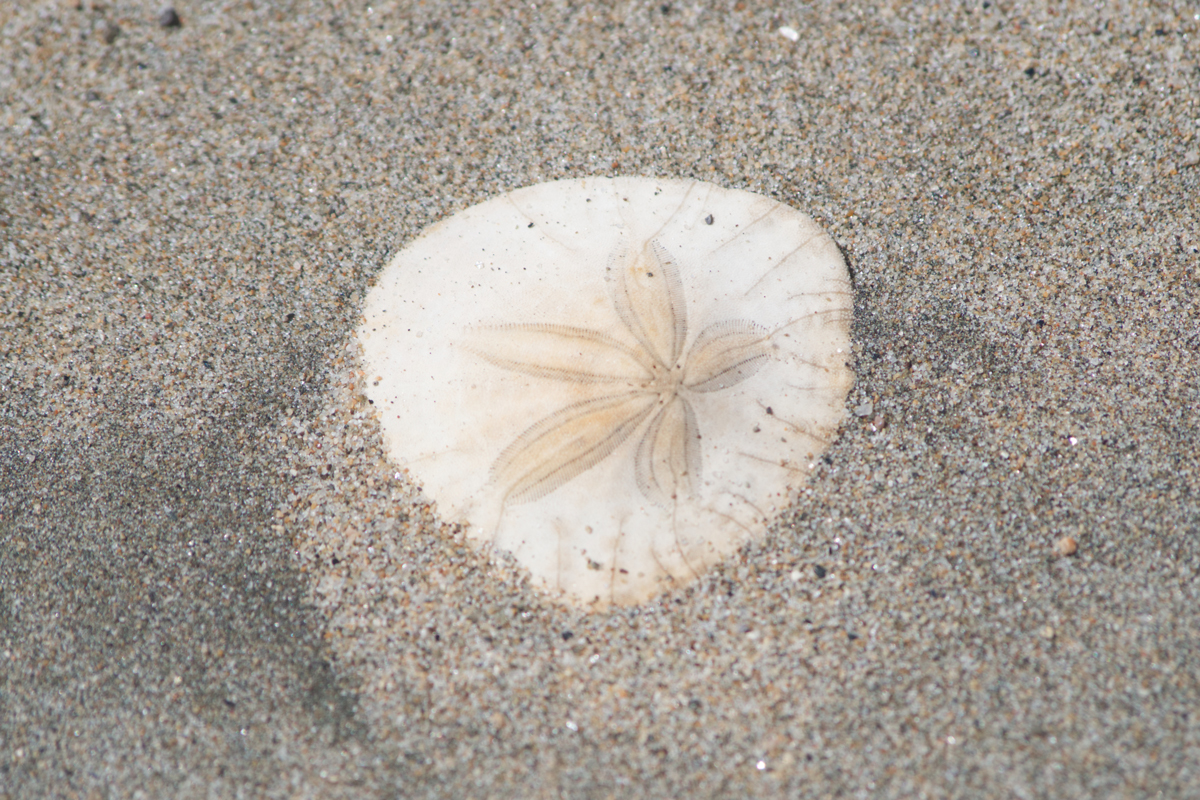
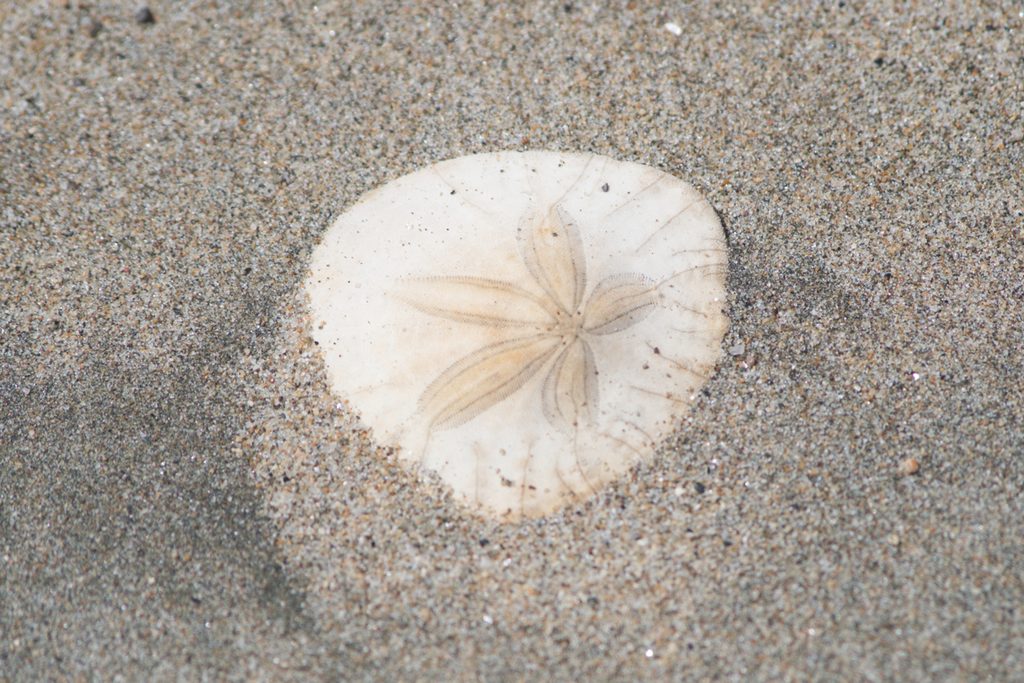
The flat, round objects you find washed up on the beach look more like pieces of pottery than animals, but a sand dollar is a living echinoderm, related to sea stars and sea urchins. While alive, sand dollars are covered in tiny movable spines and tube feet that help them move across sandy seafloors and gather food. Their flat shape also helps them burrow through the sand.
The familiar white sand dollar is actually the animal’s hard internal skeleton, called a test, which is left behind after it dies. As the softer parts of the animal break down, the test is bleached by the sun and becomes the pale object we recognize. What gets collected along with seashells and driftwood is actually the remains of an animal that was once alive beneath the sand.
Credit: Stefan Wolny/stock.adobe.com
Oysters
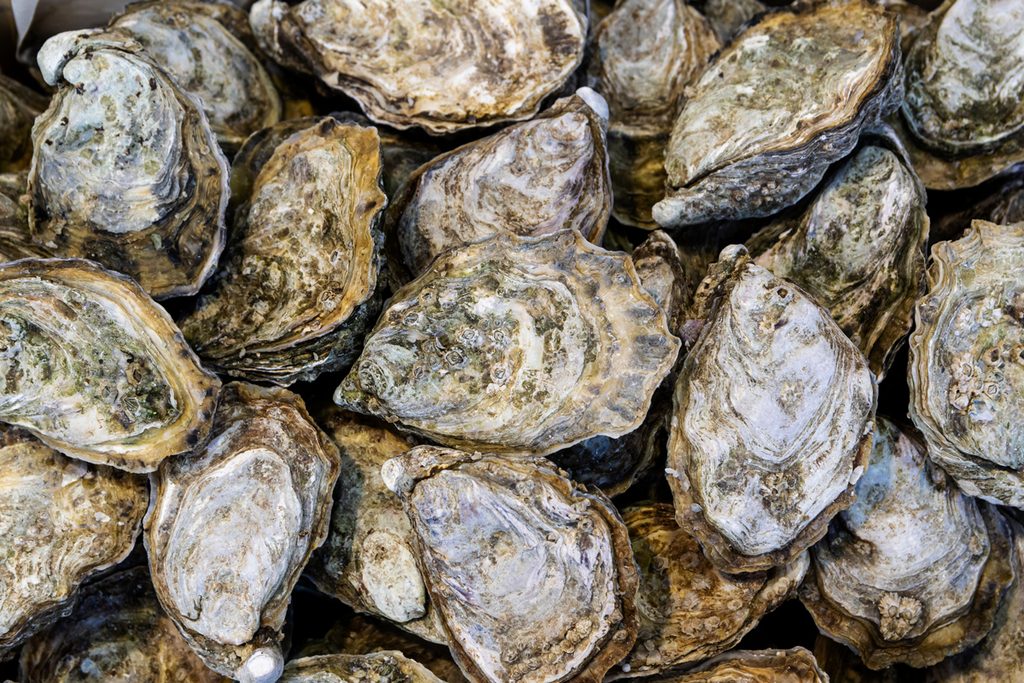
An oyster looks more like a shell than an animal. Once it settles on the seafloor or another hard surface, it generally stays in one place, opening and closing its shell as it filters seawater for food.
Oysters are bivalve mollusks, making them relatives of clams, mussels, and scallops. They draw water into their bodies and capture tiny food particles as the water passes through.
A single adult Pacific oyster can filter as many as 50 gallons of seawater a day. Groups of oysters can also form reefs that provide shelter for other marine life. Oysters also are known for producing pearls when they coat an irritant (like a piece of sand) with layers of nacre, the smooth, iridescent material also known as mother-of-pearl.
Credit: Pawich Sattalerd/stock.adobe.com
Barnacles
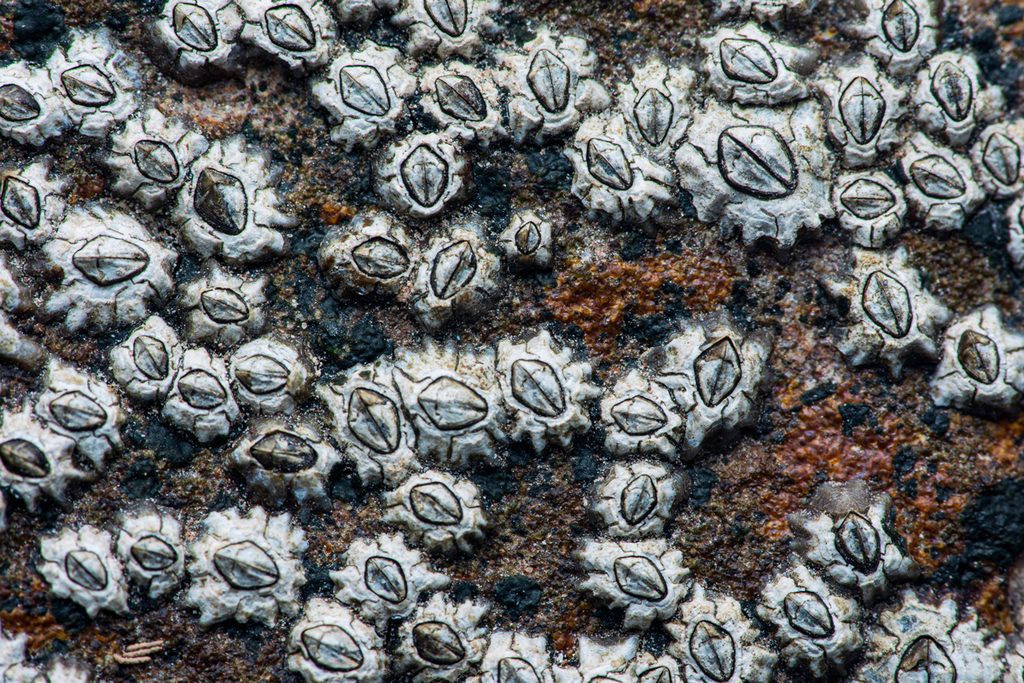
A barnacle looks like a tiny volcano growing on a rock, pier, boat, or even the skin of a whale. Yet these strange, stationary creatures are crustaceans, related to crabs, lobsters, and shrimp.
After a free-swimming larval stage, a barnacle settles onto a surface and permanently attaches itself. When the tide comes in, it opens protective plates and extends feathery appendages called cirri into the water. The cirri then collect tiny food particles as they sweep through the current.
Barnacles also produce an exceptionally strong natural cement that helps them cling onto their chosen surfaces through waves and tides. Their adult lifestyle is so different from that of most familiar crustaceans that it’s easy to forget what they are.
Credit: David Clode/Unsplash.com
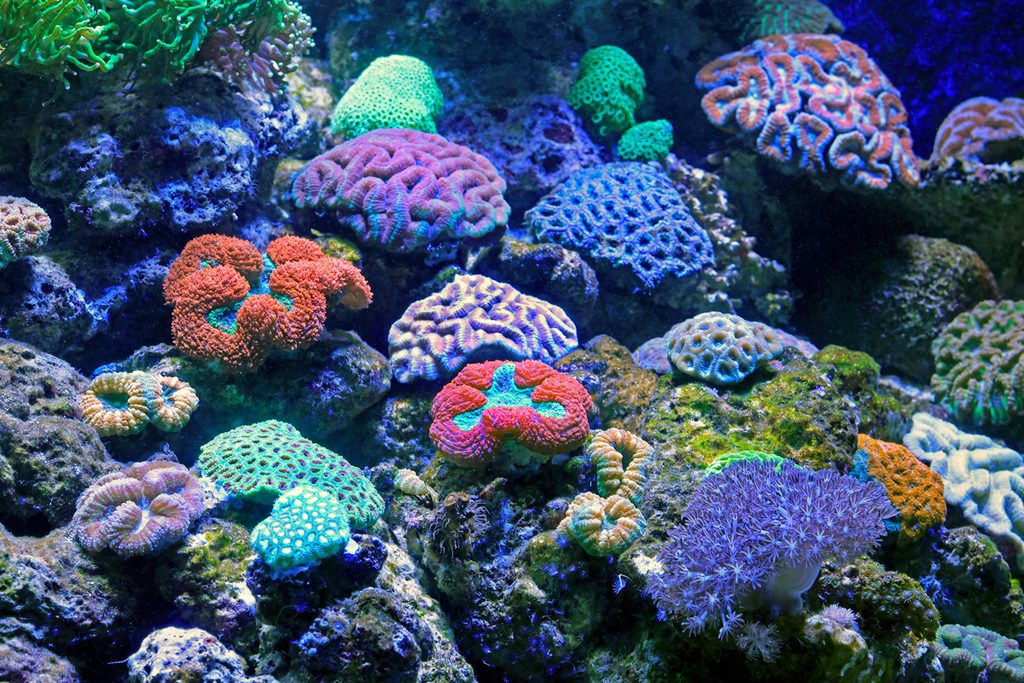
Corals
A coral reef looks like an underwater forest, complete with branching structures and vivid colors. But corals are actually animals rather than plants; in fact, they’re invertebrates related to jellyfish and sea anemones.
The individual animals are called polyps, and each has a mouth surrounded by tentacles that can capture food. Hard corals also secrete calcium carbonate, gradually building the skeletons that create reefs.
Additionally, many corals have microscopic algae living inside their tissues that produce nutrients through photosynthesis while the coral provides a protected home. So what looks like an underwater landscape is actually a huge colony of tiny animals, building the structures that shelter countless other species.
Credit: John Anderson/stock.adobe.com
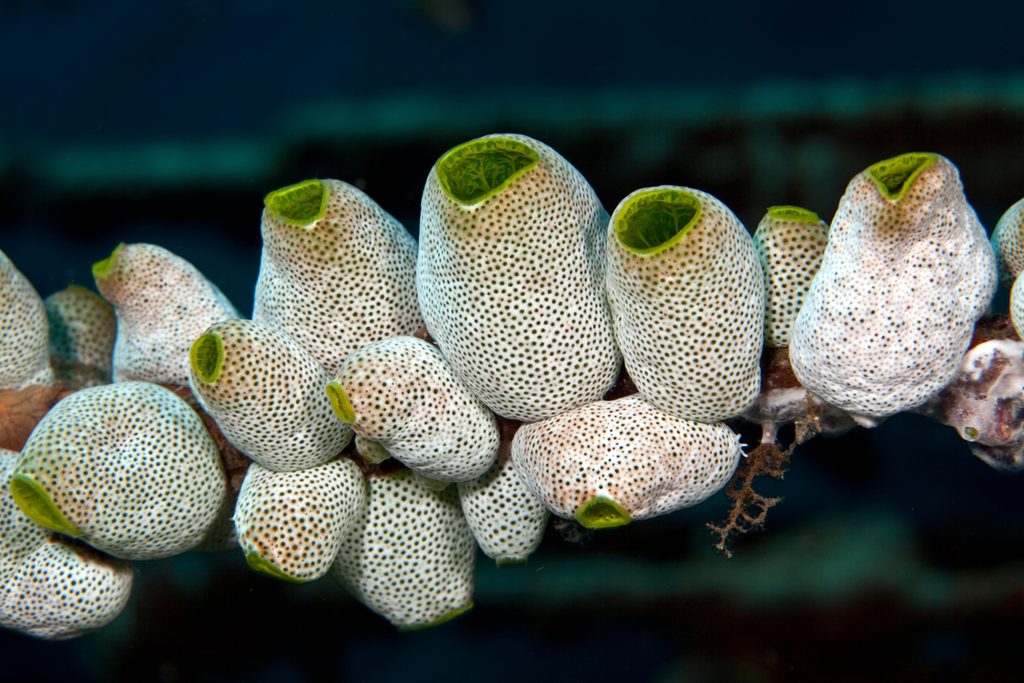
Tunicates
Tunicates, aka sea squirts, can look like rubbery blobs or translucent tubes attached to rocks, docks, and shells. Their adult bodies are usually stationary, and they feed by filtering tiny particles from seawater. Some species can contract their bodies and squirt water when disturbed.
Their appearance is especially deceptive because tunicates look very different as young animals. Their larvae resemble tiny tadpoles and have a notochord, a flexible supporting structure characteristic of chordates, placing them in the same major animal group as humans and other vertebrates. After settling onto a surface, many tunicate larvae attach themselves permanently and transform into the strange-looking adults you can see underwater.
Credit: Scott Strickland/stock.adobe.com
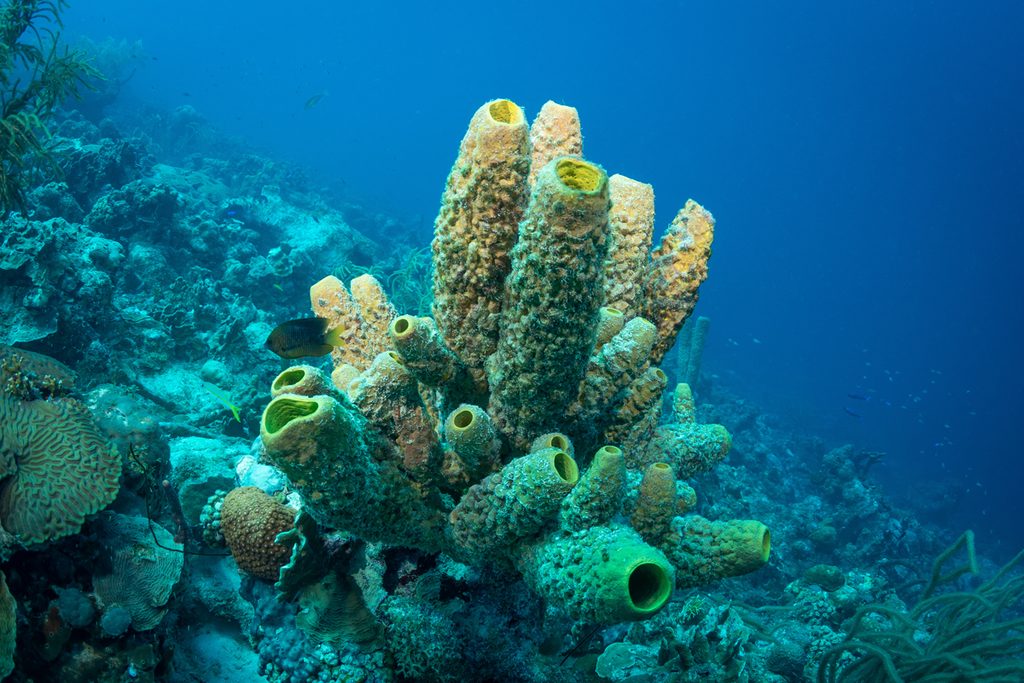
Sea Sponges
Sea sponges come in forms ranging from tubes and barrels to branches, crusts, and simple blobs. Beneath those varied shapes, their porous bodies are filled with channels through which water flows. Specialized cells create currents that pull water inside, where the sponge filters out tiny food particles before releasing the water.
Some sponges measure only a few inches across while others can grow to several feet wide, and their colors can range from bright yellow and orange to purple, red, and green. Sponges don’t move around or chase prey, which makes them particularly easy to overlook as animals, even though they represent one of the earliest branches of the animalic family tree.
Advertisement
Your Daily Guide to the Animal Kingdom
Get to know the animals that share our planet with this daily newsletter.
Success! Welcome to Animal Facts.
Check your inbox for your daily email.
Sorry, your email address is not valid. Please try again.