Your email has been confirmed, welcome to Animal Facts!
Tag: Fact
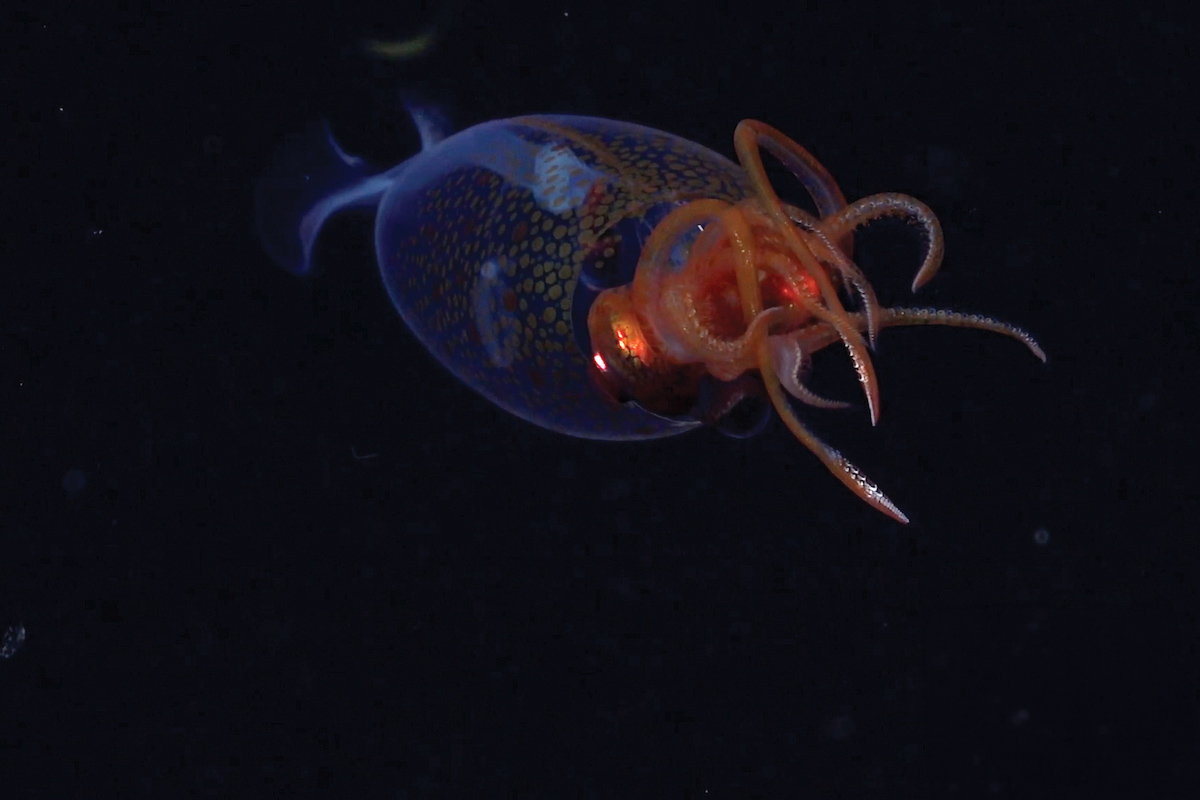
Colossal squid have the biggest eyes in the animal kingdom.
Across Species 23/09/26Sep. 23, 2026
Updated 23/09/26Sep. 23, 2026
Credit: ROV SuBastian / Schmidt Ocean Institute
Michael Nordine
Author
Michael Nordine is a Senior Staff Writer at Britannica, where he writes the newsletter Movie Brief. He grew up with eight cats and would like to see a Komodo dragon in the wild one day.
They don’t call them colossal for nothing. Though they aren’t the largest animal in the world, colossal squid do have the biggest eyes in the animal kingdom. They tend to measure between 11 and 12 inches in diameter, roughly the size of a soccer ball or large dinner plate.

In addition to helping them hunt in the dark waters they call home, colossal squids’ massive eyes are equally useful when spotting predators, especially sperm whales. Their eyes face forward, giving them stereoscopic vision, and they contain light organs that allow them to see in the dark and judge distances — both between its predators and its prey.
Bennett Kleinman is a New York City-based staff writer for Inbox Studio. He is also a freelance comedy writer, devoted New York Yankees and New Jersey Devils fan, and thinks plain seltzer is the best drink ever invented.
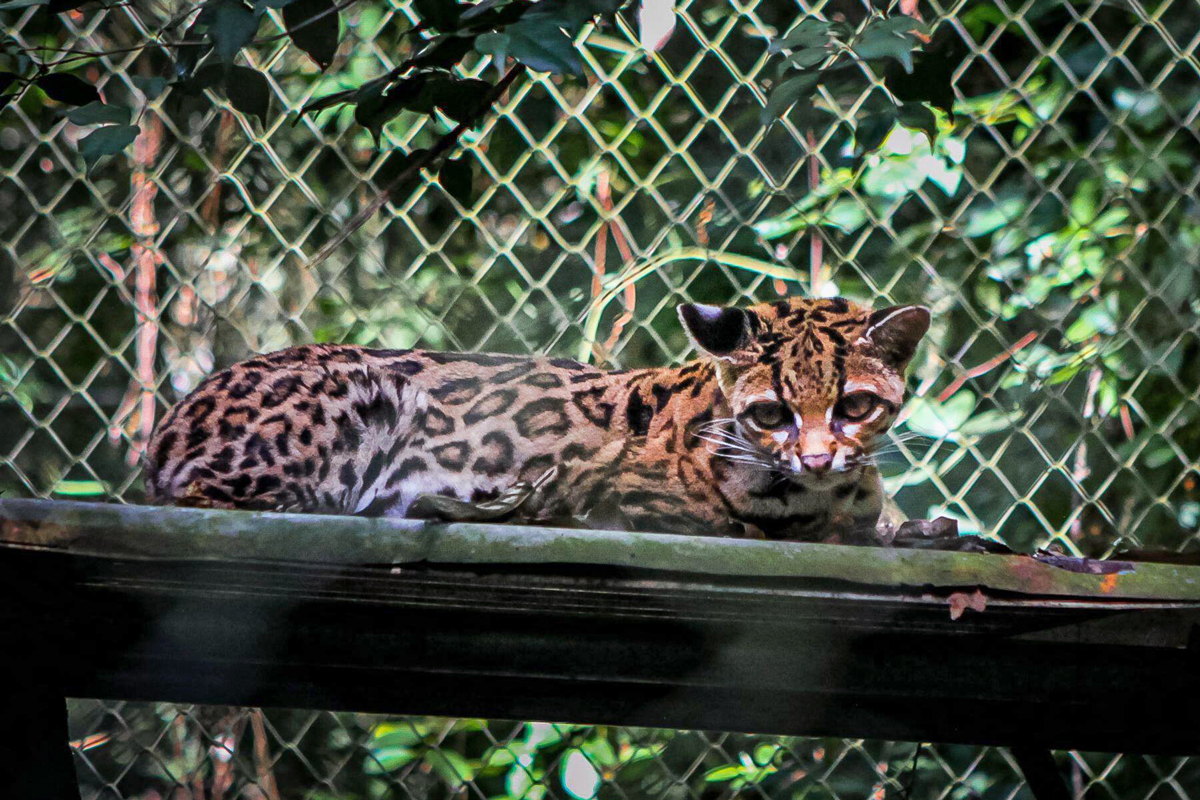
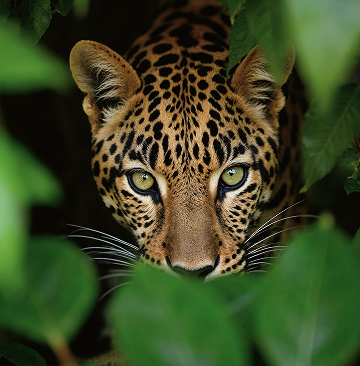
Since 1923, there have been 17 different U.S. presidents and more than 125 sovereign countries have been added to the world map. But during that same time, not a single new cat species was discovered — until now. Researchers have confirmed the existence of Leopardus tilcayo, a feline native to the forests of Bolivia.
Proof of this groundbreaking discovery comes in the form of a tiny, skittish feline named Tigrino, who’s been a resident of Bolivian wildlife sanctuaries since 2016. The cat boasts leopardlike spots, measures just 18 inches from its head to the base of its tail, and weighs a mere 3 pounds, making it smaller than a typical housecat.
Initially, scientists assumed the cat was part of an extant species known as Leopardus tigrinus. But upon closer inspection, biologist Paola Nogales-Ascarrunz realized Tigrino’s spots were subtly larger than the other species’ markings in old reference photos. That minor visual distinction led to years of genetic testing that uncovered a more discernable genetic gap, thus confirming Tigrino was evidence of a brand new cat species.
Advertisement
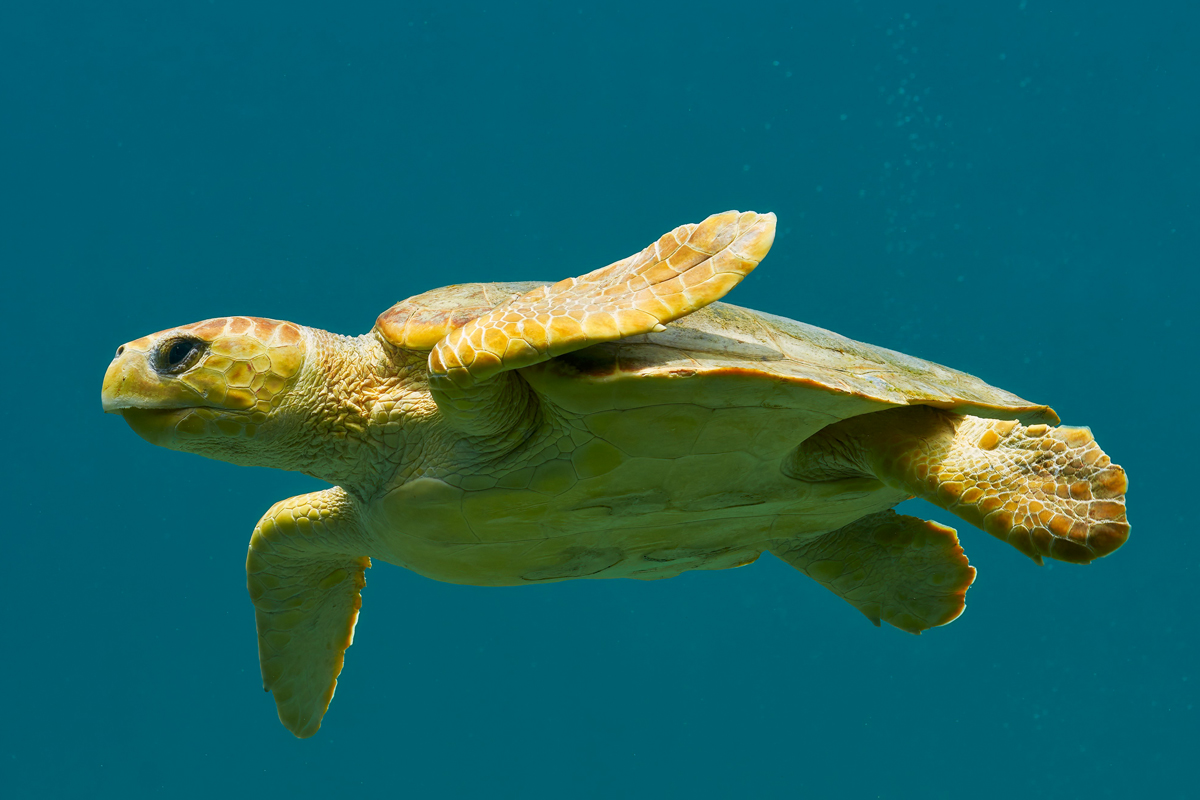
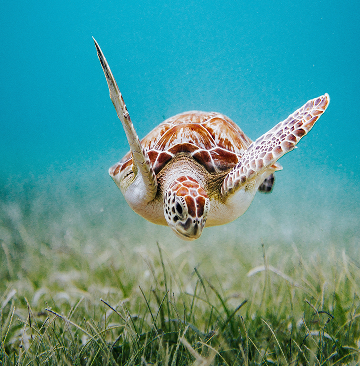
Some sea turtles have spikes in their mouths and throats.
Michael Nordine is a Senior Staff Writer at Britannica, where he writes the newsletter Movie Brief. He grew up with eight cats and would like to see a Komodo dragon in the wild one day.
We tend to think of sea turtles as calm, docile creatures that represent the vast serenity of the sea — but then, most of us have never seen the inside of their mouths. Many sea turtles have sharp spikes known as esophageal papillae in their throat, which help them with one of their favorite activities: eating jellyfish.
Those backward-facing spikes aren’t teeth, however; they’re made of keratin and essentially act as a filter that guides jellyfish into their stomach and prevents them from stinging the turtle’s throat along the way. Sea turtles tend to ingest a lot of seawater when feeding, which they essentially vomit back up once they’re done, and the papillae ensures their food isn’t expelled along with it.
Advertisement
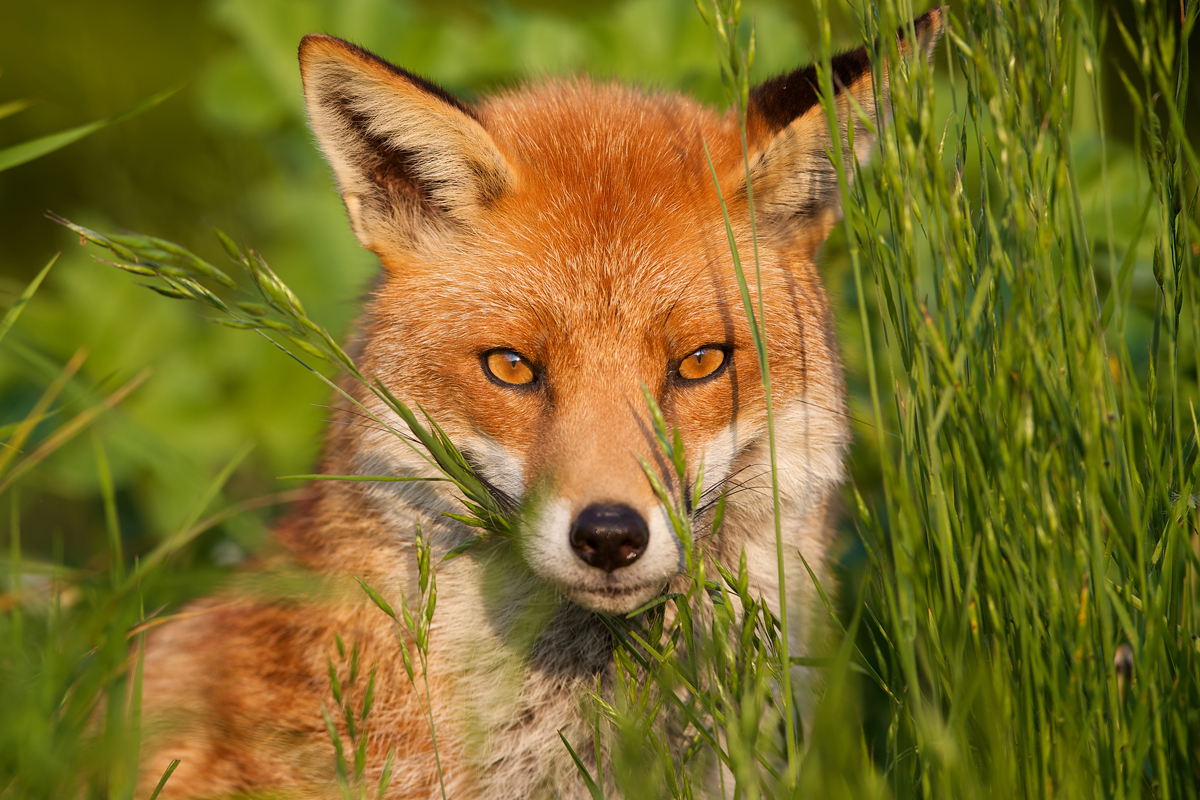
Red foxes have a vocal range that spans five octaves.
Michael Nordine is a Senior Staff Writer at Britannica, where he writes the newsletter Movie Brief. He grew up with eight cats and would like to see a Komodo dragon in the wild one day.
There may not be any red fox pop stars (yet), but maybe there should be. In addition to being the most widespread carnivore in the world, they also have a vocal range that spans five octaves and can produce around 40 different vocalizations. Without training, the average human has a vocal range of one-and-a-half to two octaves; Mariah Carey, meanwhile, has a five-octave range — making her an extraordinarily gifted (human) singer.
Should you ever find yourself startled by an unidentified sound in the forest, you’ll be both surprised and comforted to learn it was likely made by a red fox: surprised at the impressive range of their vocalizations and comforted because it isn’t coming from a larger, more frightening animal.
Bennett Kleinman is a New York City-based staff writer for Inbox Studio. He is also a freelance comedy writer, devoted New York Yankees and New Jersey Devils fan, and thinks plain seltzer is the best drink ever invented.
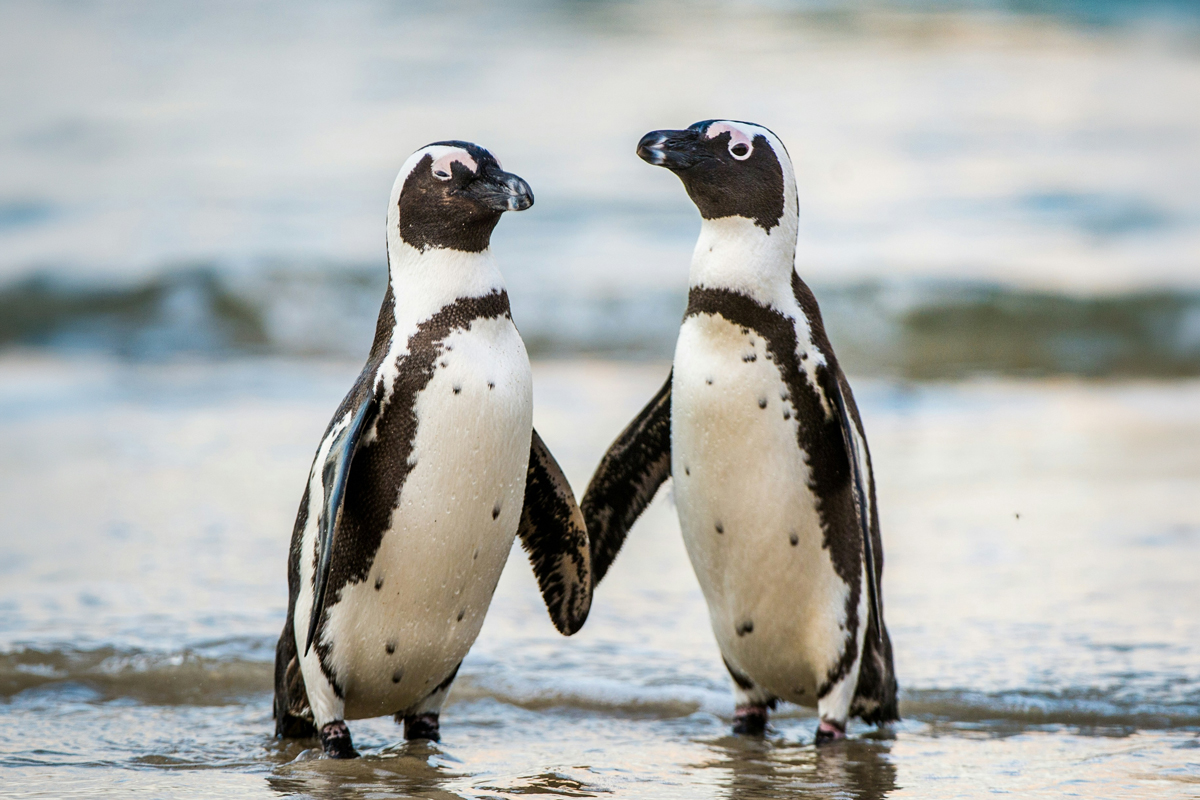
Much like humans, penguins also propose with rocks — but not the ones sold at jewelry stores that cost three months’ salary. Instead, male penguins scour the barren Antarctic beaches for the perfect pebble to present to their preferred partner. To be clear, these stony gestures have little to do with romance; rather, these gift exchanges serve a more practical purpose related to nest-building.
Given the dearth of twigs, brush, and other foliage in their cold-weather environments, species such as the gentoo, chinstrap, and Adélie penguins use the small stones to elevate their eggs off their ground. The more rocks, the better and sturdier nest to protect eggs from potential flooding caused by melting snow.
Advertisement
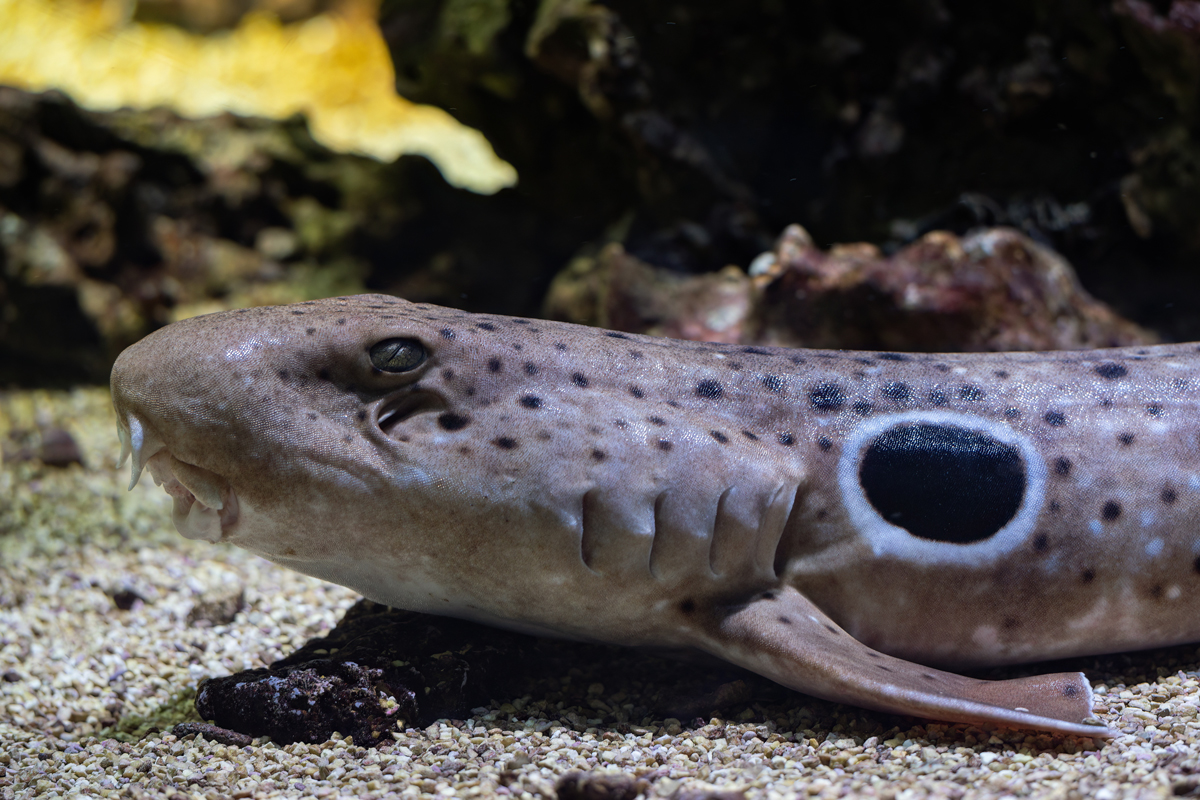
One type of shark can walk on land.
Fish 18/09/26Sep. 18, 2026
Updated 18/09/26Sep. 18, 2026
Credit: lapis2380/stock.adobe.com
Michael Nordine
Author
Michael Nordine is a Senior Staff Writer at Britannica, where he writes the newsletter Movie Brief. He grew up with eight cats and would like to see a Komodo dragon in the wild one day.
Because normal sharks apparently aren’t terrifying enough, one species, the epaulette shark, can walk on land. Thankfully quite small — typically less than 3 feet long — and largely found in shallow, tropical water near Australia (because of course) and New Guinea, these sharks are best known for their ability to “walk” across the seafloor using their paddle-shaped fins.
Because they tend to live among coral reefs with a variety of obstacles to navigate, these creatures evolved the ability to crawl over them rather than merely swim. They can also survive out of water for up to two or three hours, hence why they can also walk on land — something they do in pursuit of prey or merely to escape the low-oxygen tide pools in which they often find themselves.
Nicole is a writer, editor, and researcher with over 15 years experience covering arts and culture, lifestyle, and media. Her work has also appeared in PureWow, Brit + Co, Exclaim, AUX TV, and CBC. She lives in Ontario, Canada.
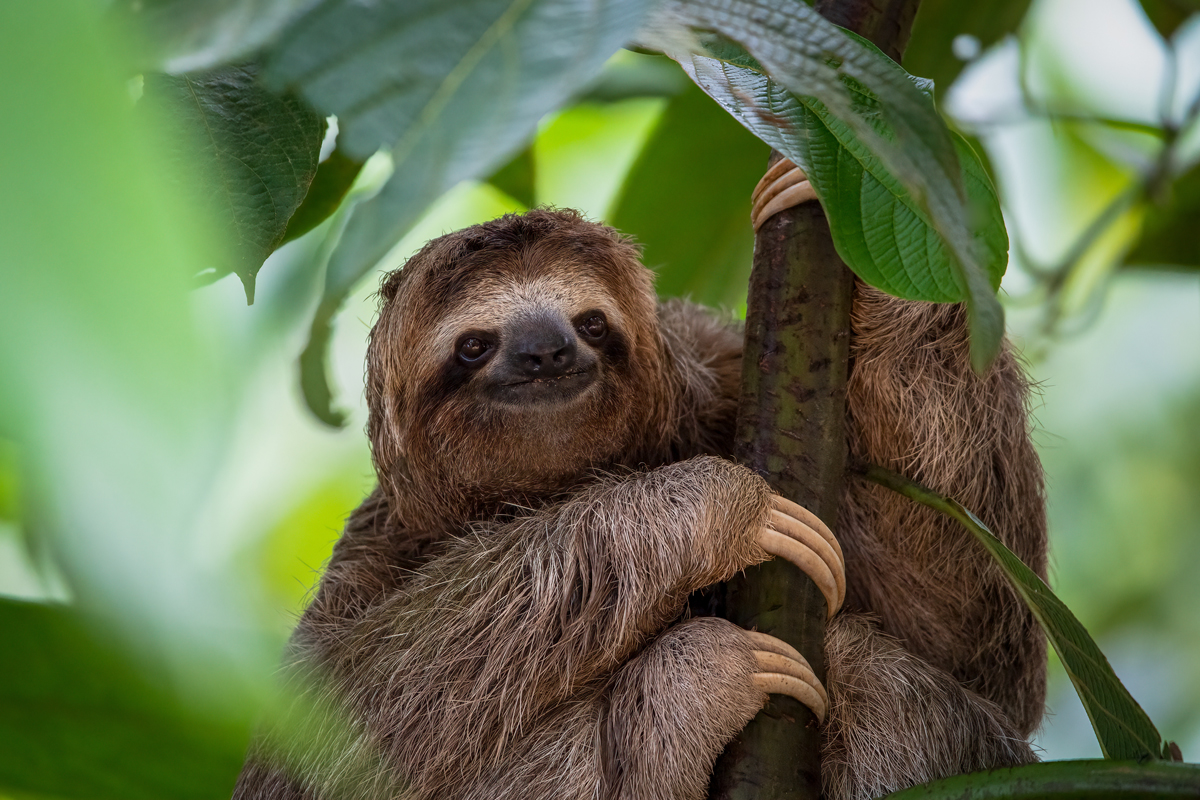
In a relaxed state, human hands are most likely to have uncurled fingers, while a clenched fist usually signals tension. But it’s the opposite for sloths: Their hands naturally curl into a hooklike grip, a useful adaptation for an animal that spends about 90% of its life hanging upside down from branches.
Sloth hands are built to grab hold, with long, curved claws and specialized flexor tendons that help keep their unique digits curled around branches without much muscular effort. To let go, however, a sloth has to actively extend its fingers, using muscle energy to stretch through the natural pull of the flexors.
Advertisement
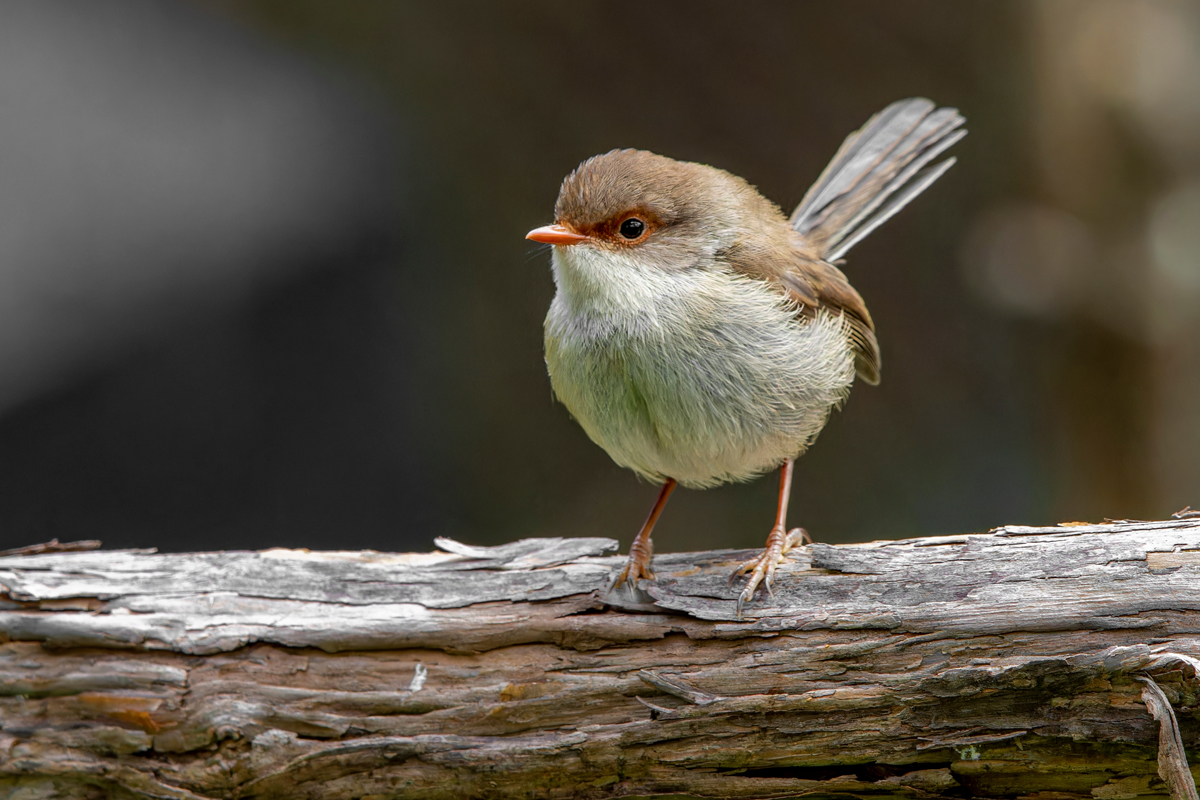
This bird teaches its babies a secret password for food.
Nicole is a writer, editor, and researcher with over 15 years experience covering arts and culture, lifestyle, and media. Her work has also appeared in PureWow, Brit + Co, Exclaim, AUX TV, and CBC. She lives in Ontario, Canada.
Australian superb fairywrens may have a whimsical name, but communicating with their unborn chicks isn’t magic. While incubating the eggs, mothers sing a particular note to their developing embryos. Once hatched, the chicks incorporate that same note into their begging calls.
This “secret password” is especially useful because fairywrens are frequent victims of parasitic cuckoos, birds that sneak their eggs into other birds’ nests in the hopes their babies will be fed along with the other brood. Research has shown that cuckoo chicks don’t seem to learn the password before hatching, giving the fairywrens a way to identify their own offspring — and keep their food in the family.
Advertisement
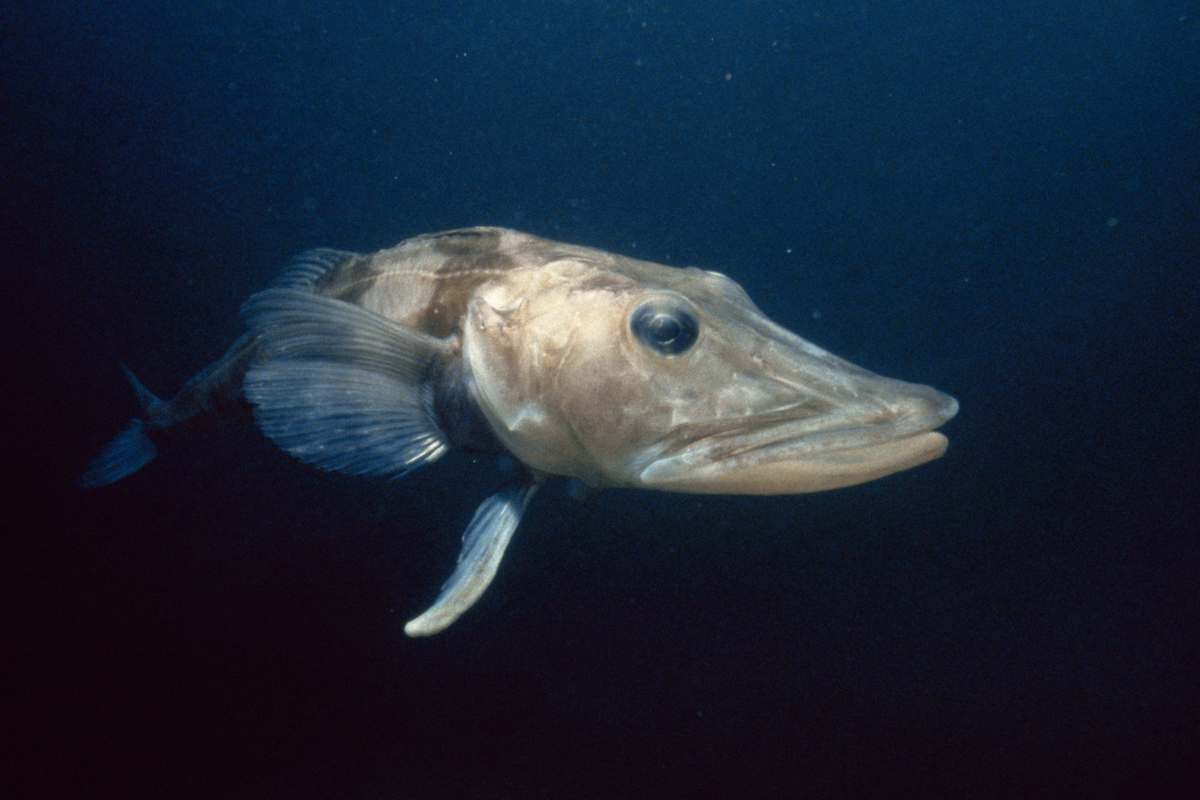
This fish has colorless blood.
Fish 16/09/26Sep. 16, 2026
Updated 16/09/26Sep. 16, 2026
Credit: Doug Allen—Nature Picture Library/Alamy
Bennett Kleinman
Author
Bennett Kleinman is a New York City-based staff writer for Inbox Studio. He is also a freelance comedy writer, devoted New York Yankees and New Jersey Devils fan, and thinks plain seltzer is the best drink ever invented.
While diehard sports fans may claim to bleed blue, orange, or whatever color adorns their favorite team, the actual blood found in humans and other vertebrates tends to be red. But the Antarctic icefish is an exception to that rule, as they’re the only known adult vertebrates to lack hemoglobin — a red-colored protein essential for transporting oxygen — in their bloodstreams. Because of that hemoglobin deficiency, an icefish’s blood is completely transparent.
When this physical oddity was first discovered in the 1950s, it was believed to be an adaptation to the frigid Antarctic water. But upon further research, it was determined to in fact be a potentially fatal mutation that icefish were lucky to survive. Despite lacking hemoglobin, icefish are still able to absorb sufficient oxygen into their system thanks to the fact that colder Antarctic waters possess higher levels of dissolved oxygen than warmer waters.
Michael Nordine is a Senior Staff Writer at Britannica, where he writes the newsletter Movie Brief. He grew up with eight cats and would like to see a Komodo dragon in the wild one day.
In news that may surprise cat owners but certainly won’t be unexpected to cats themselves, who hold justifiably high opinions of themselves, our feline friends share 95.6% of their DNA with tigers. This discovery was first made in 2013, when geneticists sequenced the genomes of tigers, lions, and snow leopards.
Their research also found that tigers and what are now house cats first diverged some 10.8 million years ago, which isn’t especially long in evolutionary terms. The amount of shared DNA is the same percentage across all breeds, meaning your orange boy isn’t any more tiger than the calico down the street.
Advertisement
Your Daily Guide to the Animal Kingdom
Get to know the animals that share our planet with this daily newsletter.
Success! Welcome to Animal Facts.
Check your inbox for your daily email.
Sorry, your email address is not valid. Please try again.