A new penguin was discovered in 2026.

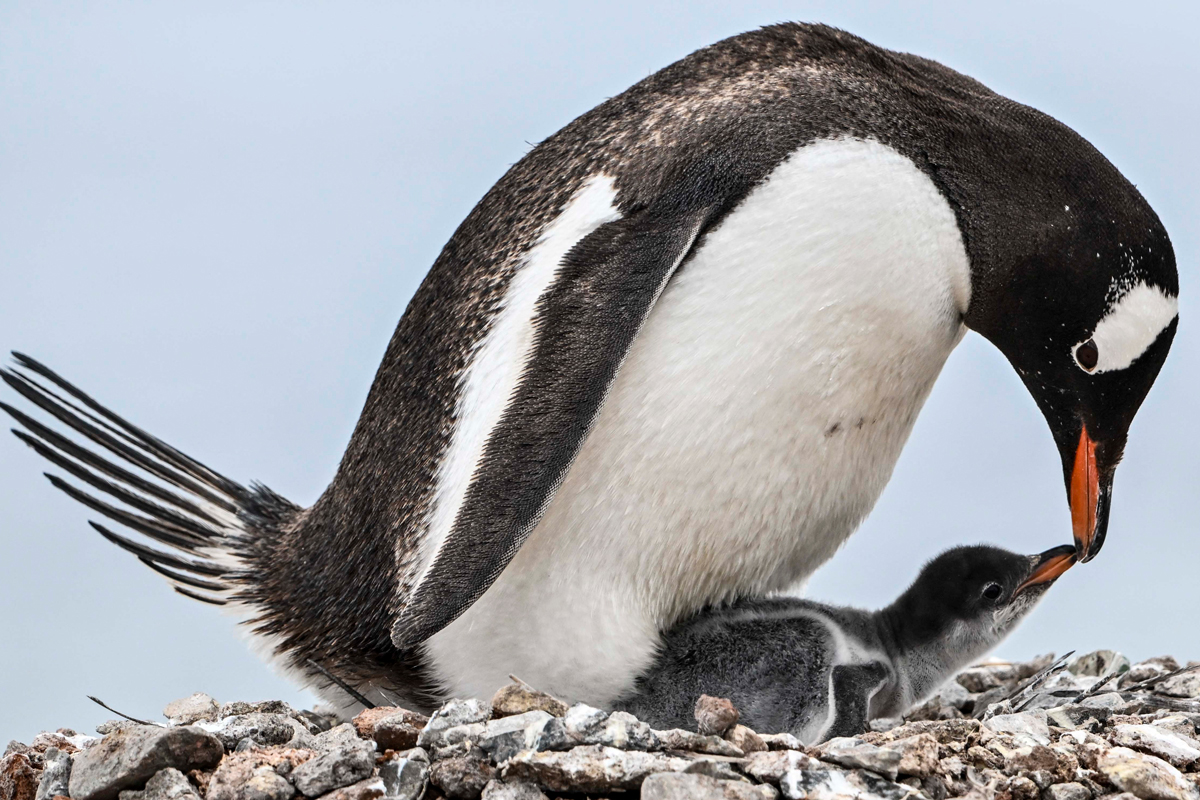
Adult gentoo penguin with its chick
Credit: JUAN BARRETO—AFP/Getty Images

Over the last 105 years, scientists have made groundbreaking discoveries such as penicillin and DNA’s double-helix structure. But in that same time, the total number of known penguin species has remained constant — that is, until a new species was confirmed in 2026. Research teams have discovered Pygoscelis kerguelensis living in the remote Kerguelen Islands of the Indian Ocean.

Prior to this revelation, it was believed the familiar gentoo penguin (Pygoscelis papua) was just a single species. But testing has confirmed it’s actually four: three species formerly known to science (P. papua, P. taeniata, and P. ellsworthi), plus this new variety.

P. kerguelensis has been hiding in plain sight thanks to nearly identical physical traits that make it largely indistinguishable from similar species (white belly, black back, etc.). But scientists noticed a slight discrepancy in size and vocalizations made by gentoos living in different regions of the world. This prompted further testing that confirmed clear genetic differences, resulting in the first newly confirmed penguin species since the Northern rockhopper’s identification in 1921.
Porcupines smell like human body odor.

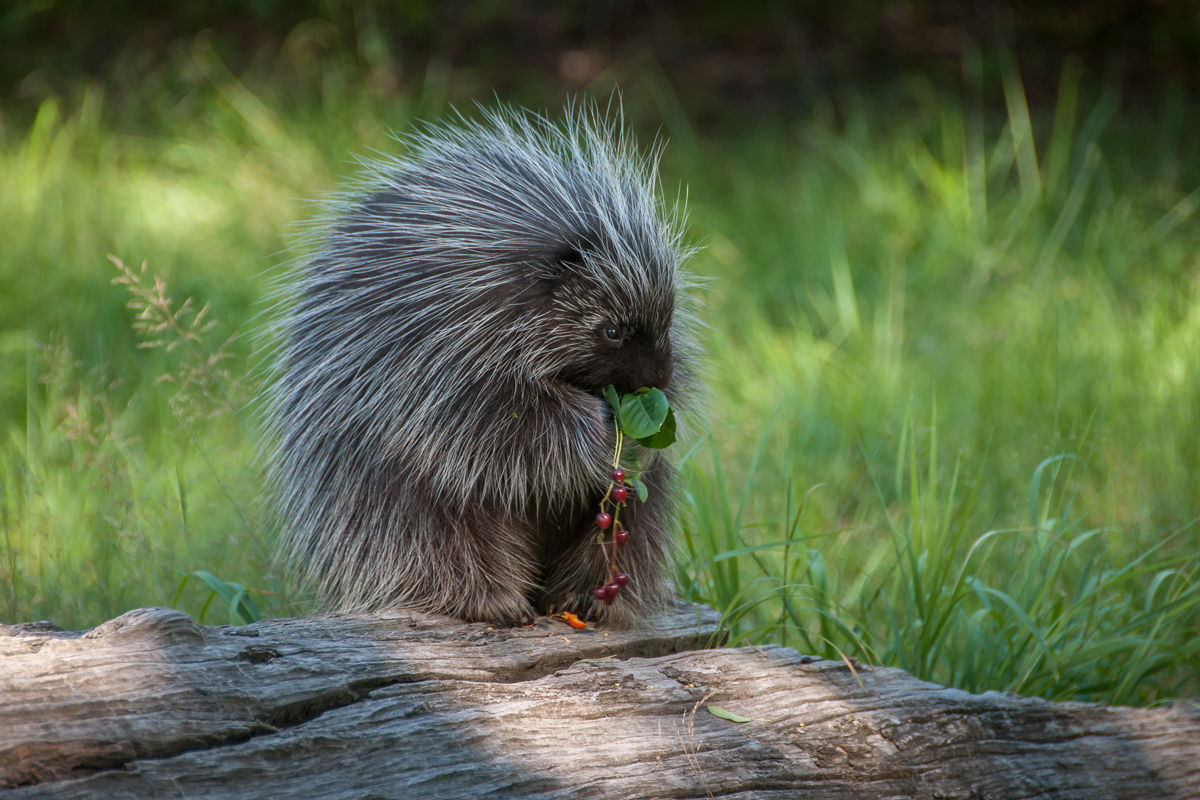
Porcupine standing on a log holding a cluster of berries
Credit: DON/stock.adobe.com

If you were to close your eyes around a bunch of sweaty gymgoers and a prickle of porcupines, you may have trouble discerning which is which. That’s because the pungent smell that emanates from the North American porcupine has been compared to human body odor, though others have also likened it to human urine, barnyard goats, or exotic cheese.

Porcupines produce the offputting fragrance from a patch of skin near their tails called the rosette, containing sebaceous glands that secrete the downright rank aroma. While the musk is present at all times, you normally wouldn’t get close enough to notice it — unless you want a face full of quills. The odor, which is used as a defense mechanism to ward off predators, gets noticeably stronger when porcupines feel threatened. That said, there’s no telling how porcupines would smell if they started lifting weights or running on treadmills.

Tigers have striped skin, not just striped fur.

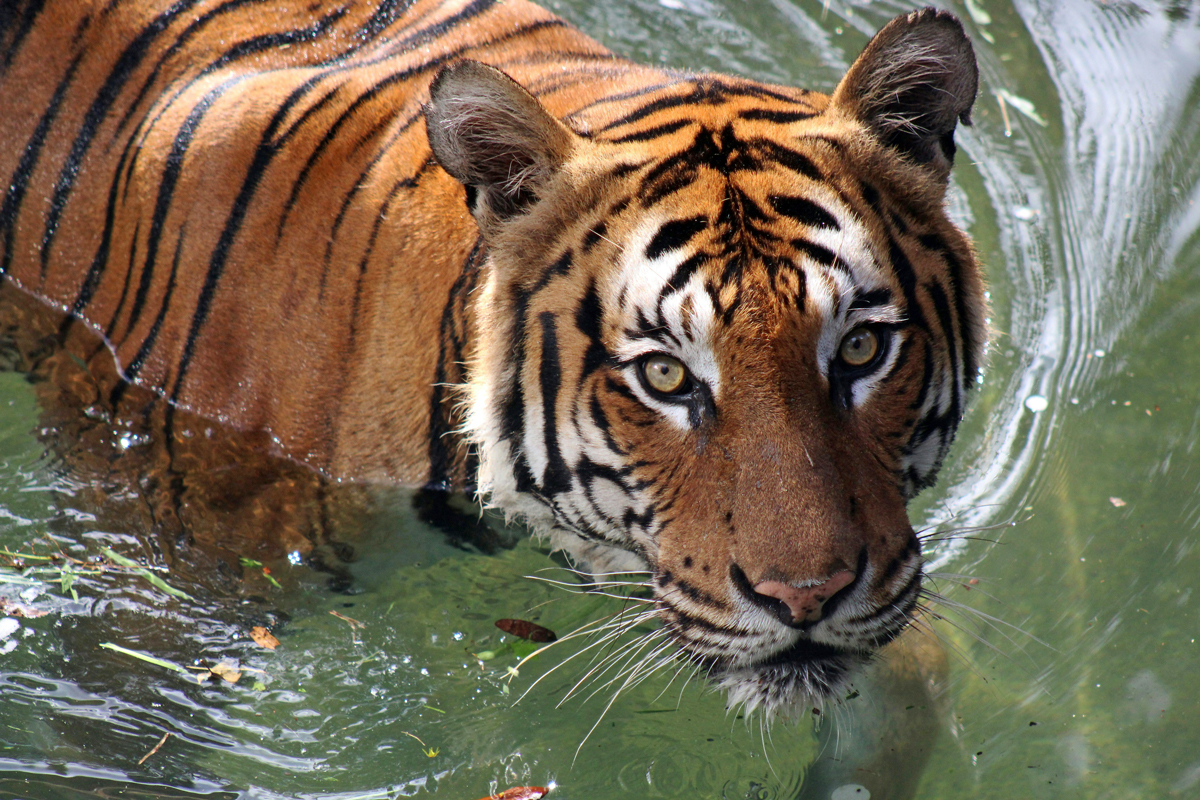
Tiger standing in water and looking upward
Credit: Miranda Richey/Unsplash.com

A tiger can’t change its stripes, and with good reason: The stripes are imprinted on their skin, not just their fur, which is embedded with pigmented hair follicles. A tiger’s stripes are also as unique as human fingerprints, with no two tigers having the same markings; even identical twin siblings have different stripes. 

Other striped animals, such as zebras and hyenas, only have striped fur. A tiger’s stripes act as camouflage of the “disruptive coloration” variety, meaning the sharp contrast between orange and black make it difficult for prey to discern a tiger’s shape and body outline as they’re being stalked. Snow leopards, an equally imposing (and majestic) big cat, also have spots on the skin beneath their fur.

Pigeons can be trained to tell art apart.

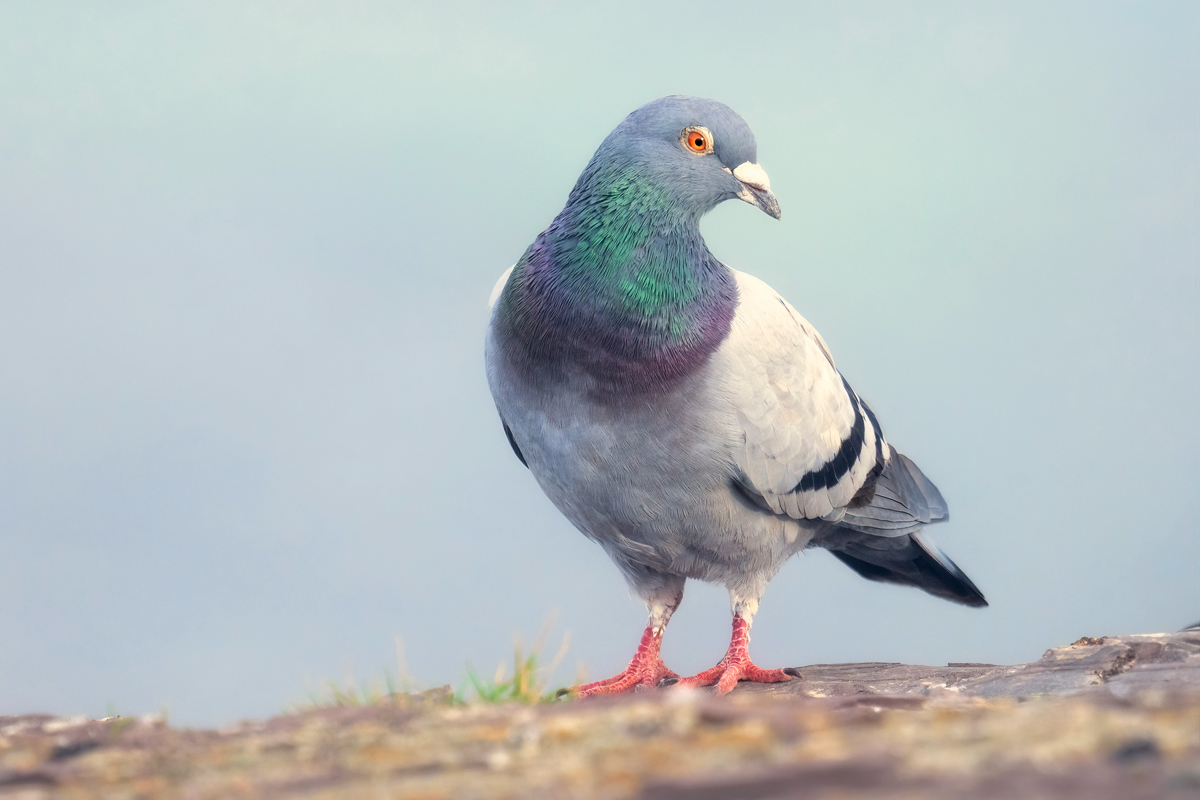
Pigeon standing with head turned to the side
Credit: Kris/stock.adobe.com

If you ever see a pigeon wandering the halls of the Met, it’s likely it flew in from the outside and got lost. However, the pigeon may also be there to admire the museum’s world-class paintings, as these birds can be trained to recognize and discern between different artistic styles.

In 1995, a team at Japan’s Keio University led by professor Shigeru Watanabe examined this behavior. They showed 10 cubist works by Pablo Picasso and 10 impressionist pieces by Claude Monet to two groups of pigeons, rewarding one group with food if they pecked upon seeing a Picasso and the other for reacting to a Monet. Watanabe eventually deduced that the groups could pick out paintings in whichever style earned them treats with impressive accuracy. The pigeons continued to display an ability to discern between artworks when they were later shown pieces by other artists in each genre.

Dogs wag their tails in different directions depending on their emotions.

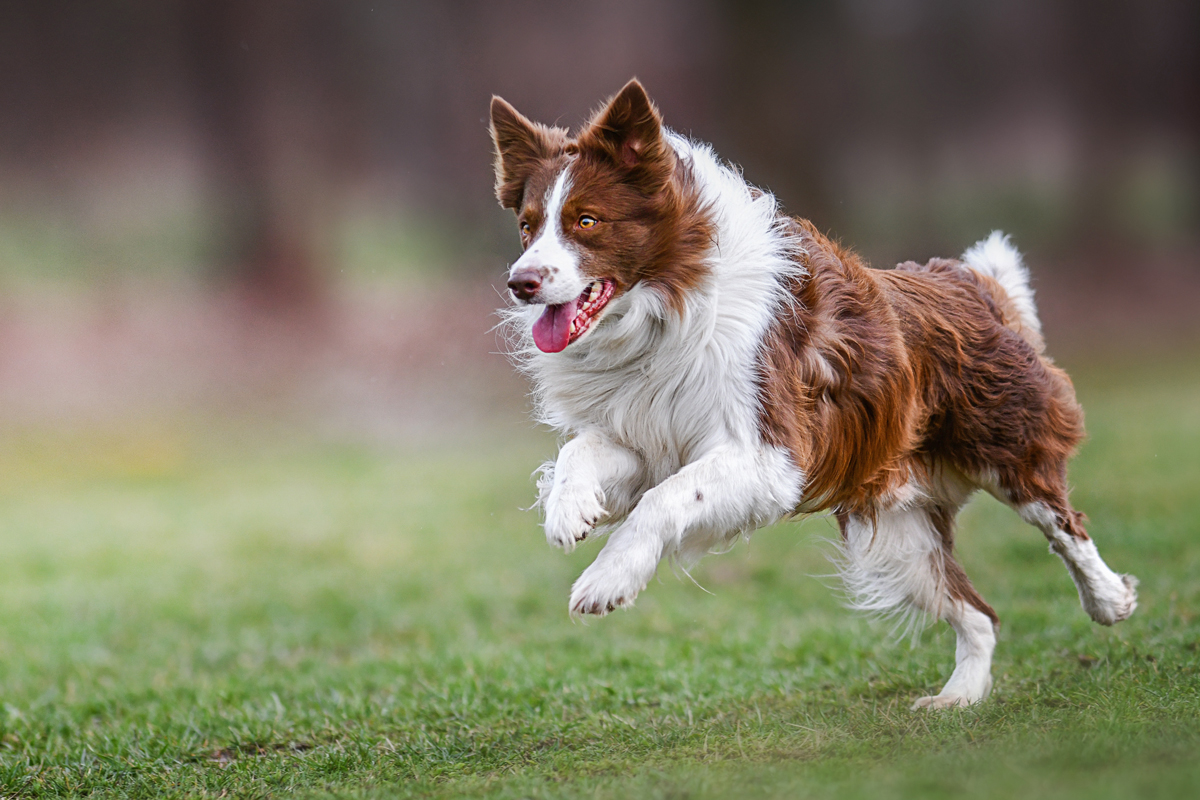
Domestic dog in mid-leap
Credit: Milan/stock.adobe.com

A wagging tail is typically considered a sign of a happy dog, but the truth is more nuanced. Research shows that dogs tend to wag their tails more toward the right side of their bodies when they encounter something they feel positively about, such as their owner, while their tails tend to move more toward the left when they encounter something unsettling, such as an unfamiliar, aggressive dog.

Dogs even seem to heed this difference in other dogs too: In one study, the canines became more anxious when they watched another dog wagging its own tail more toward the left. Researchers believe the difference in wagging direction may be related to the way the two sides of the brain process emotional information.

Female dragonflies fake their deaths to avoid unwanted mates.

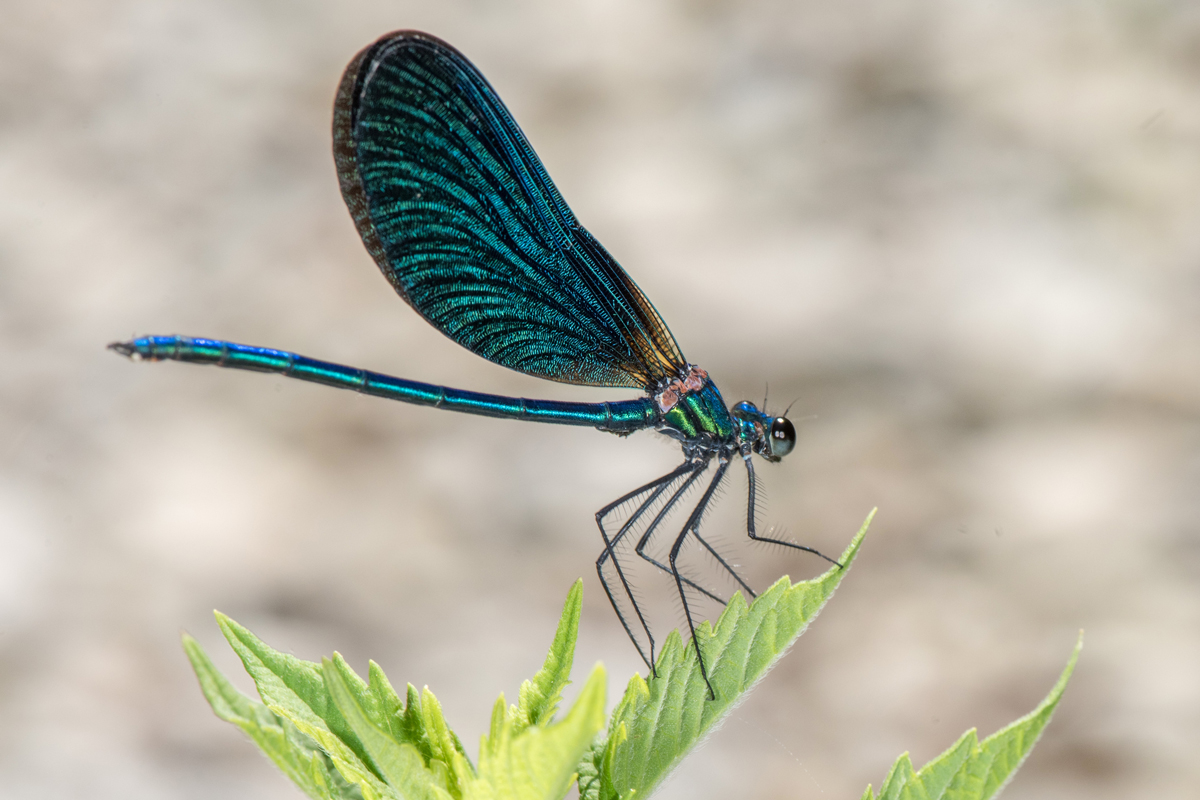
Dragonfly perched on a leaf
Credit: Andrea Izzotti/stock.adobe.com

If someone you weren’t interested in was pursuing you and couldn’t take a hint, would you play dead? That’s exactly what female moorland hawker dragonflies do. Also known as common hawkers, these dragonflies have been observed suddenly dropping out of the sky, crashing to the ground, and lying completely motionless when an overly enthusiastic male is trying to mate.

Once the male loses interest and flies away, the female gets back up and takes off. This trick is particularly useful if the female has already mated and is looking for somewhere to lay her eggs; repeated mating attempts can injure females, so rather than risk another unwanted encounter, sometimes the safest thing to do is to play possum.

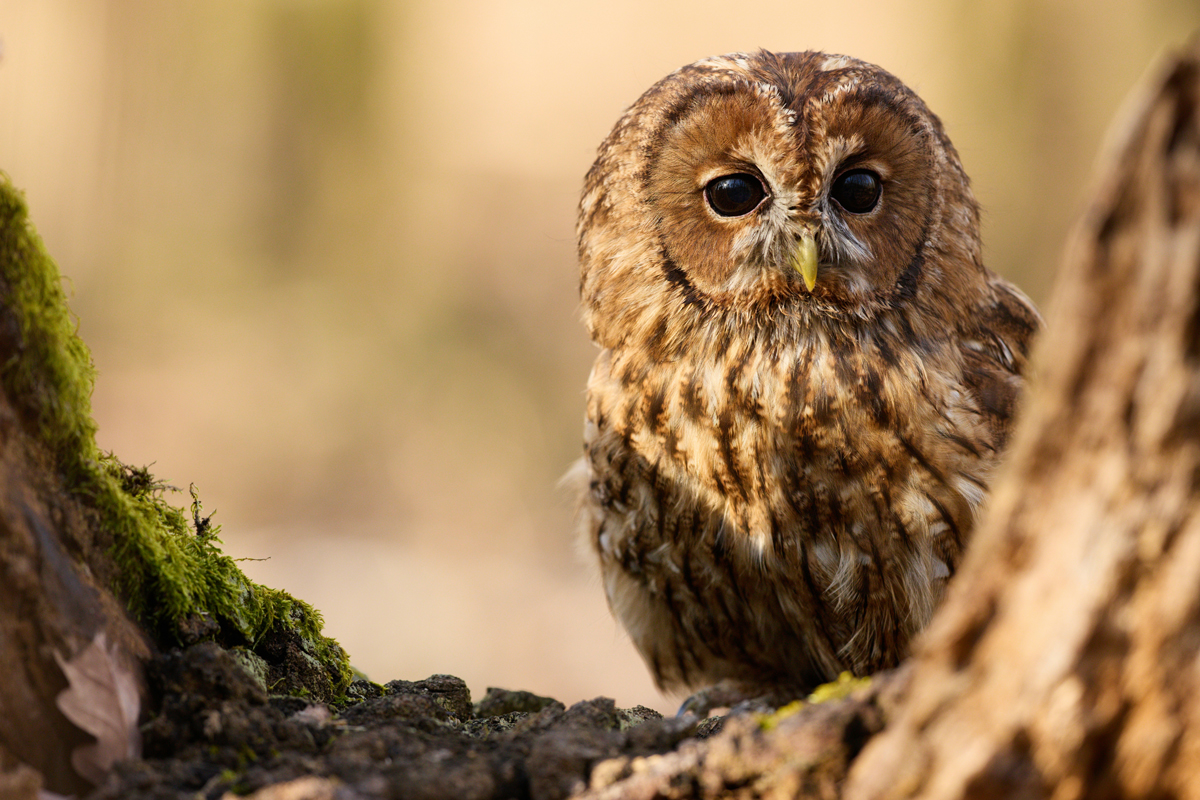
Owls can barely move their eyes.

Owl perched in the woods
Credit: Zdeněk Macháček/Unsplash.com

When you see something utterly shocking, it may feel like you can’t look away. But for owls, the inability to avert one’s eyes is more of a biological restraint than morbid curiosity. Owls can only shift their peepers about 3 degrees in any direction (roughly 1/15th the degree of movement human eyes have), as an owl’s eyes are essentially locked in place.

This immobility is due to the owl’s lack of spherical eyeballs, which have a good range of motion and are present in many other animals. Instead, an owl’s eyes are shaped more like rod-shaped tubes, and they’re held firm by bony facial structures called sclerotic rings. Despite the limitation, owls still have a full 360-degree field of vision, as they can easily rotate their necks 270 degrees horizontally and 90 degrees vertically.

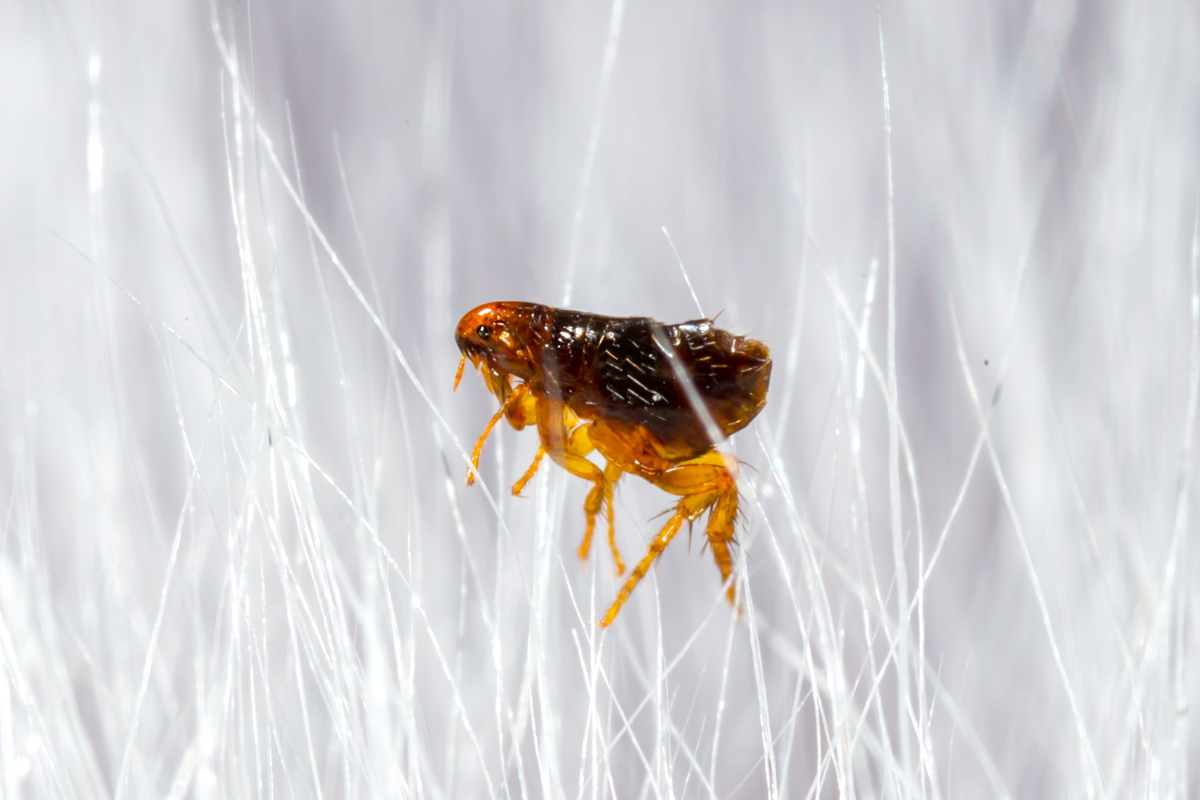
Fleas accelerate faster than a launching space shuttle.

Macro shot of a flea among hairs
Credit: Vera/stock.adobe.com

When a space shuttle launches from Cape Canaveral, its acceleration often maxes out around three Gs, aka three times the force of gravity. But when a flea launches itself off the ground and onto a dog’s back, the tiny pest accelerates at up to 100 Gs, dwarfing our humanmade rockets by comparison.

Fleas achieve such incredible acceleration speeds thanks to an elasticlike protein called resilin, located in pads atop their hind legs. As fleas prepare to jump, they contract their muscles, which causes energy to build up in that resilin, not unlike how someone in a sci-fi movie may charge a laser gun before firing. The fleas then push their legs outward, releasing all the stored energy and propelling it into the air with extreme force at distances of up to 50 times the insect’s body length — not quite all the way to outer space, but impressive nonetheless.

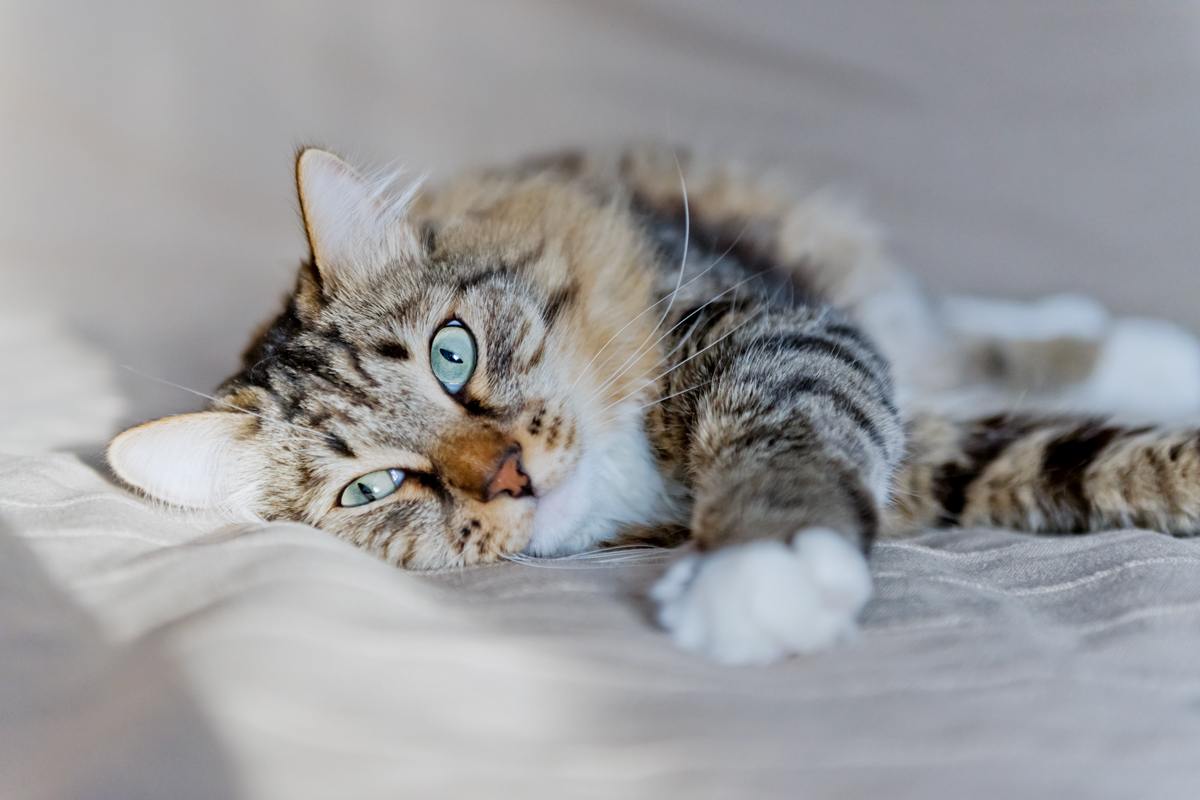
Cats basically only meow at humans.

Domestic cat reclining on soft surface
Credit: Valeri Luzina/stock.adobe.com

While many humans communicate with one another through chit-chat or emoji-filled texts, cats primarily interact with fellow felines through scent or touch. But when a cat wants to convey a message to its human (e.g., “Where is my dinner?!”), they may meow for attention. However, as common as it is for cats to meow at humans, they rarely meow at other members of their own species.

That isn’t to say cats never meow at other cats; newborn kittens may meow at their mothers to express hunger or other discomfort. But as cats get older, they realize physical touch and chemical pheromones are most effective for communicating with other cats. They tend to save all that meowing for us humans, as we’re less adept at picking up their physical and olfactory cues.

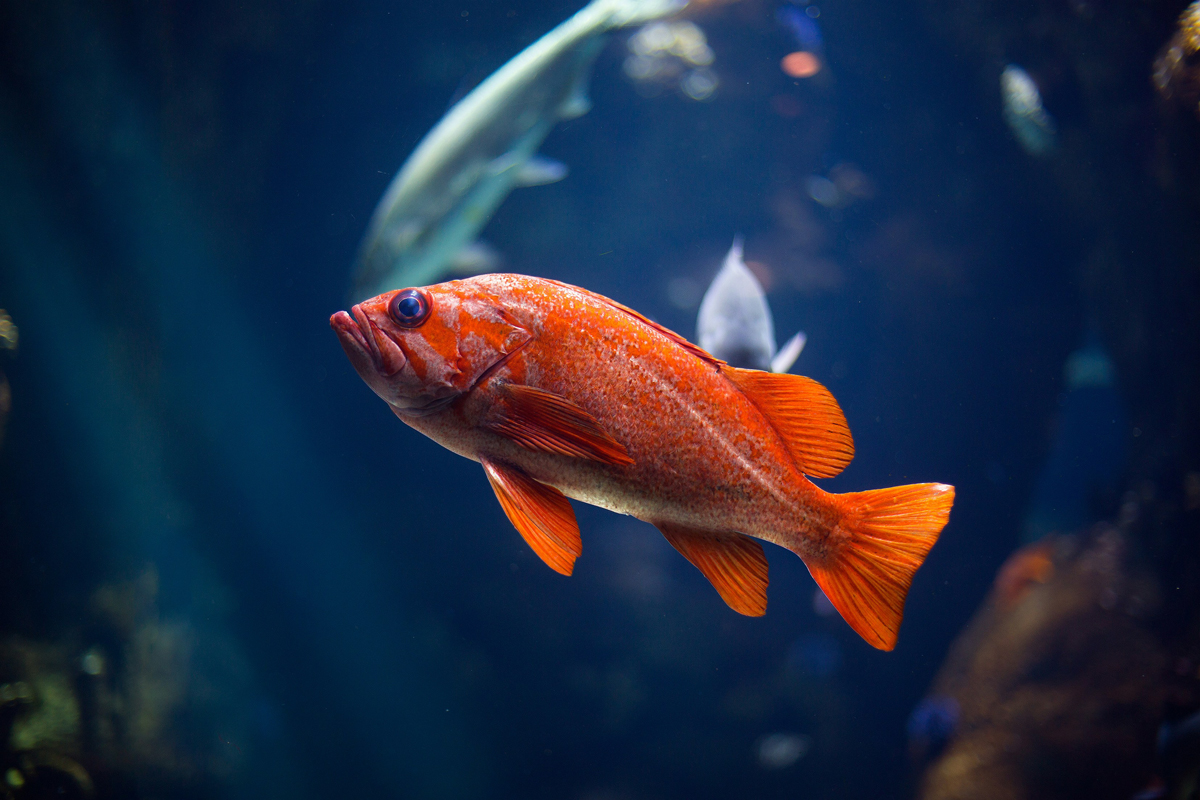
Fish cough.

Small orange fish
Credit: Claudio Guglieri/Unsplash.com

Much like any of us when we’re feeling under the weather, and despite their vastly different respiratory systems, fish cough — though they don’t cough because they’re feeling ill. Instead, fish rely on this technique to expel unwanted matter such as debris or mucus from their gills.

When dust, sand, or other particles get lodged in a fish’s airways, they contract their buccal and opercular cavities to create intense negative pressure. This, in turn, reverses water flow through the gills, forcing out any irritants caught inside. It’s otherwise called a “gill purge,” and it removes obstructions from the airways.