Female blue-footed boobies prefer males with the bluest feet.
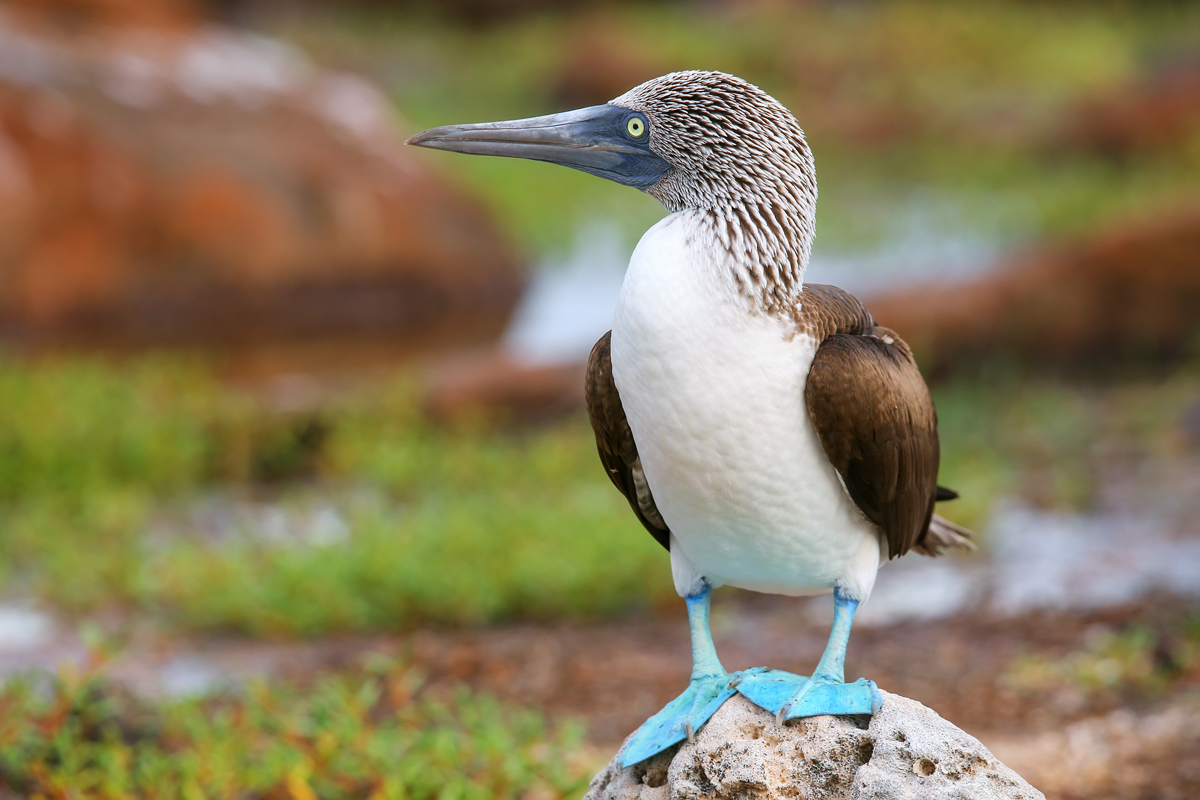
Blue-footed booby standing on a rock
Credit: donyanedomam/stock.adobe.com

Found along the coasts of the Galápagos Islands, Peru, and Mexico, blue-footed boobies are famous for their vividly colored feet. During their summer breeding season, the male birds make sure those feet are on full display with an elaborate courtship dance: They slowly lift one foot, then the other, stepping and strutting around in an effort to impress potential mates.

The brighter the blue, it seems, the better his chances; the pigments that give the feet their vivid color come from the male’s diet, and those pigments also tend to fade with age, so the intensity of the blue is thought to demonstrate his health and vitality and thus make him more attractive to females.

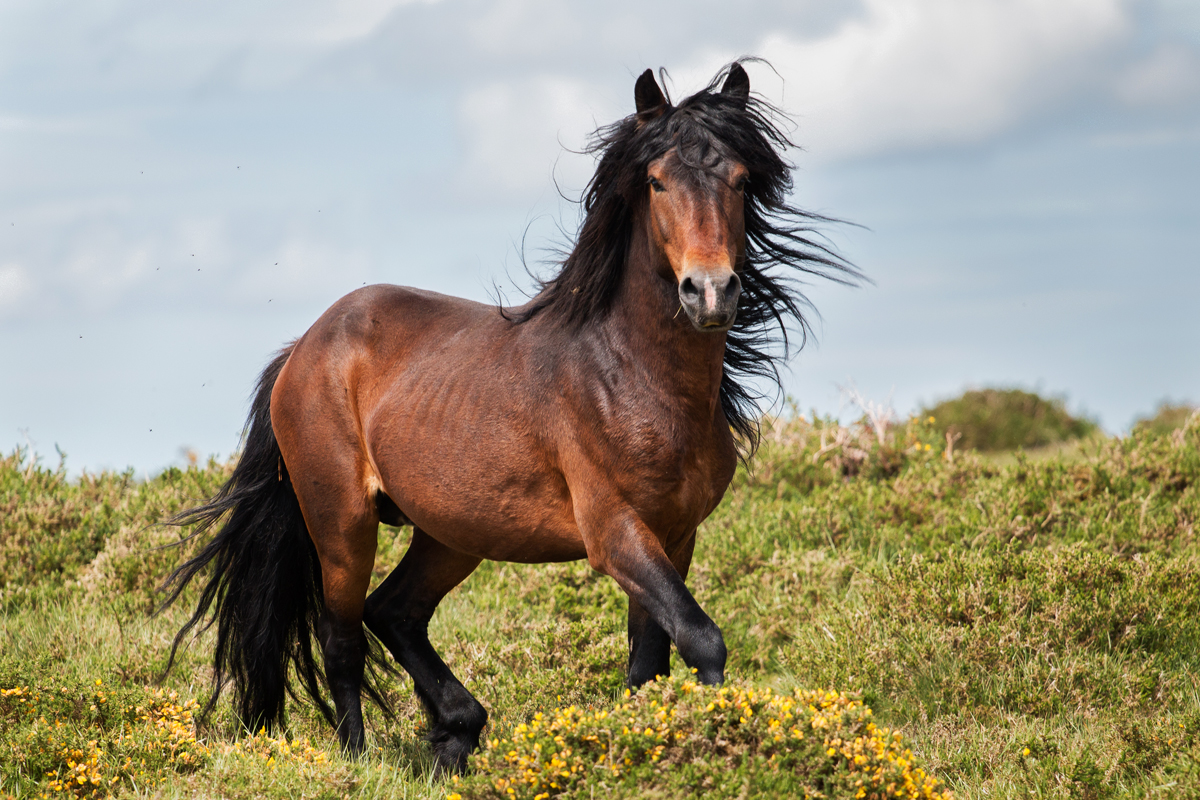
Horses can grow mustaches.

Horse standing in a field
Credit: D.G.Eirin/stock.adobe.com

You’d be hard-pressed to find any horse that can paint quite as well as Salvador Dalí, but there are some breeds that give Dalí a run for his money when it comes to sporting a bushy upper lip. While all horses grow hairs of varying thickness around their snouts, these thicker mustaches are primarily present in breeds that originated in the cold weather environments of the British Isles, such as Gypsy Vanners, Shires, and Clydesdales.

While there’s no identifiable gene responsible for this equine facial feature, it’s present in males as well as mustachioed mares. Unlike humans, horses don’t grow ’staches for vanity, but rather for both insulation and to enhance their sensory abilities. These sensitive lip hairs are known as vibrissae, and whether thin or thick, they provide tactile information, allowing for the detection of objects found in blind spots or low-light conditions.

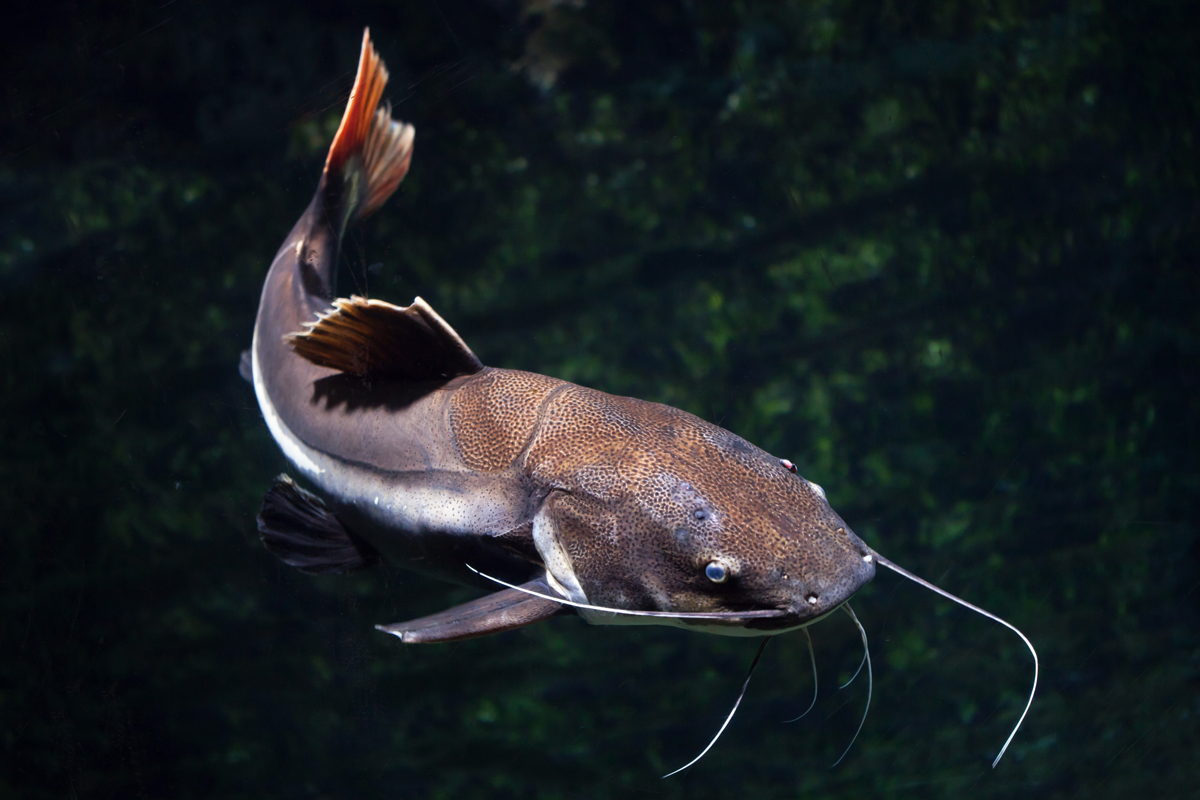
Catfish taste with their whole bodies.

Catfish swimming in water
Credit: Vladimir Wrangel/stock.adobe.com

Catfish are often called “swimming tongues” because they have an extraordinary sense of taste that extends far beyond their mouths. These fish can have hundreds of thousands of taste buds distributed across their bodies, with especially high concentrations around their mouth and barbels, aka the whiskerlike feelers around their mouths. Those receptors allow them to detect chemicals dissolved in the water, helping them locate food even when they can’t see it. 

This ability is especially useful because many catfish are active in murky water, where visibility can be very limited. Their taste receptors are particularly sensitive to amino acids and other chemicals associated with potential food, helping them detect and locate prey such as insects, worms, crustaceans, and small fish. Their body-wide taste system also enables them to continuously sample the water around them as they search for food.

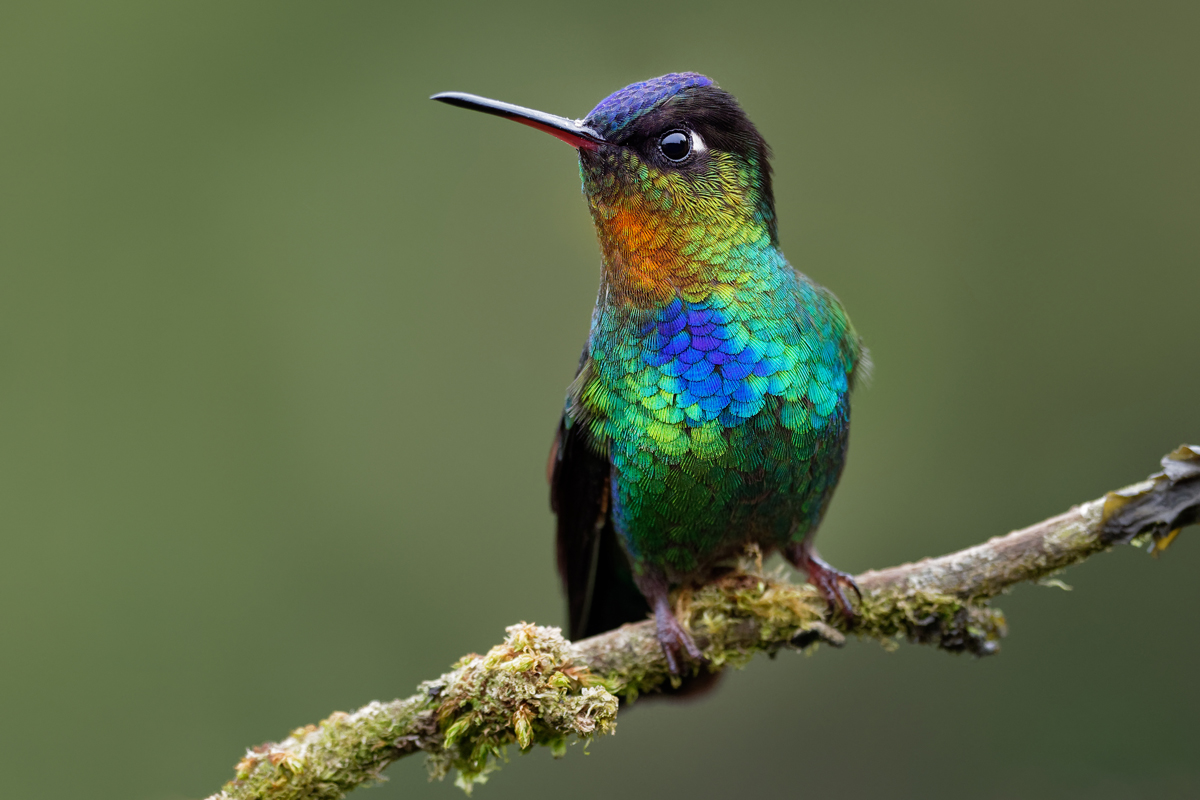
Hummingbirds are the only birds that can fly backward.

Hummingbird sitting on a small branch
Credit: phototrip.cz/stock.adobe.com

It’s not uncommon for a flying seagull to be thrust backward by strong ocean winds. But there’s only one bird species that’s able to intentionally fly backwards: hummingbirds. While most feathery fliers can only flap their wings up and down to glide forward, hummingbirds have flexible shoulder joints that allow their wings to move in a figure-eight shape. This gives them an inherent physical ability for multidirectional flight, whether forward and backward, up and down, or any other direction they so choose.

In addition to their flexibility, hummingbirds have incredibly powerful flight muscles that make up 25% to 30% of their bodyweight — roughly double that of other birds. Their wings can also flap as many as 5,400 times per minute, sending some hummingbirds through the skies at speeds of nearly 30 miles an hour in normal direct flight.

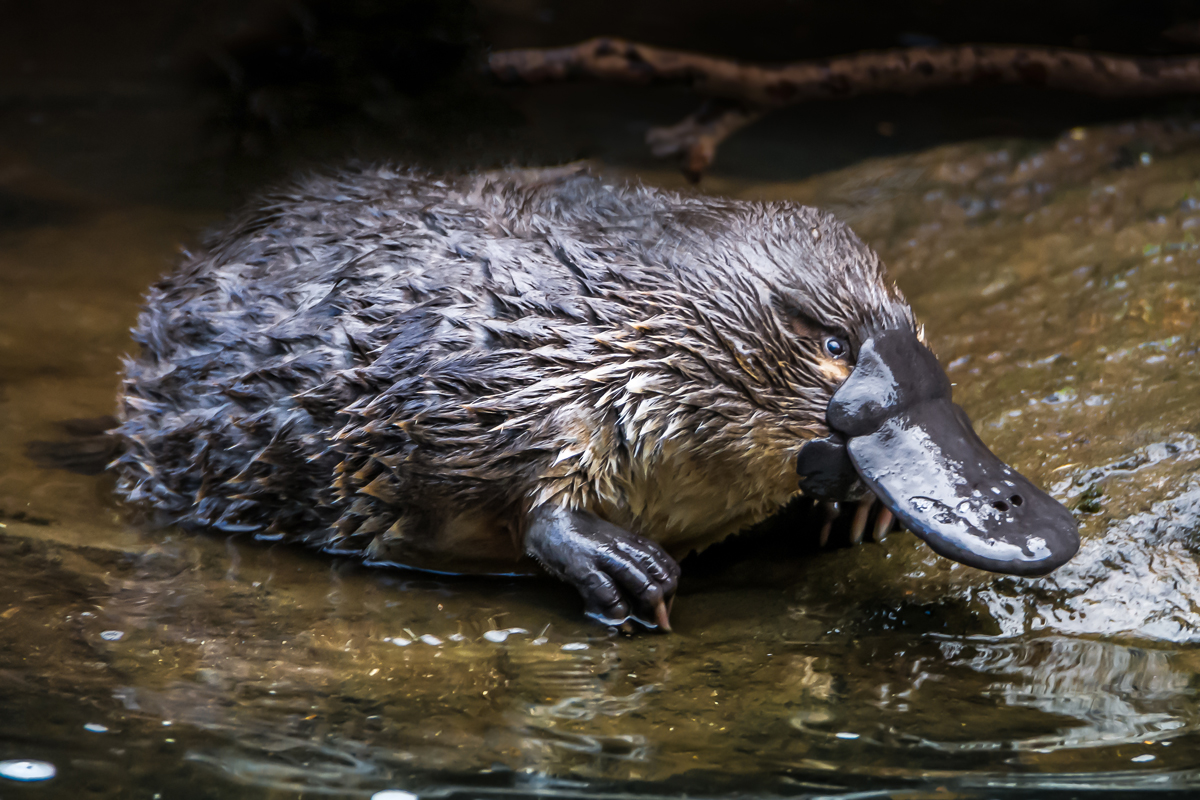
Platypuses ‘sweat’ milk.

Platypus in water
Credit: Ash/stock.adobe.com

If you thought your sweat smelled rank after an intense workout, just imagine warm milk dripping from your brow while pumping iron. Thankfully, our fellow gymgoers don’t sweat milk, but there’s one animal that does: the platypus. Female platypuses ooze milk from their skin, which collects in the grooves and fur of their abdomens for their young to consume.

This quirk is due to the fact that platypuses have mammary glands like other mammals, though they lack protruding nipples or teats for milk to be consumed through. Instead, the milk sweat seeps from glands located just under their skin’s surface. Despite its inherent exposure to the elements, platypus milk has unique antibacterial properties that ensure it stays safe for nestlings to drink.

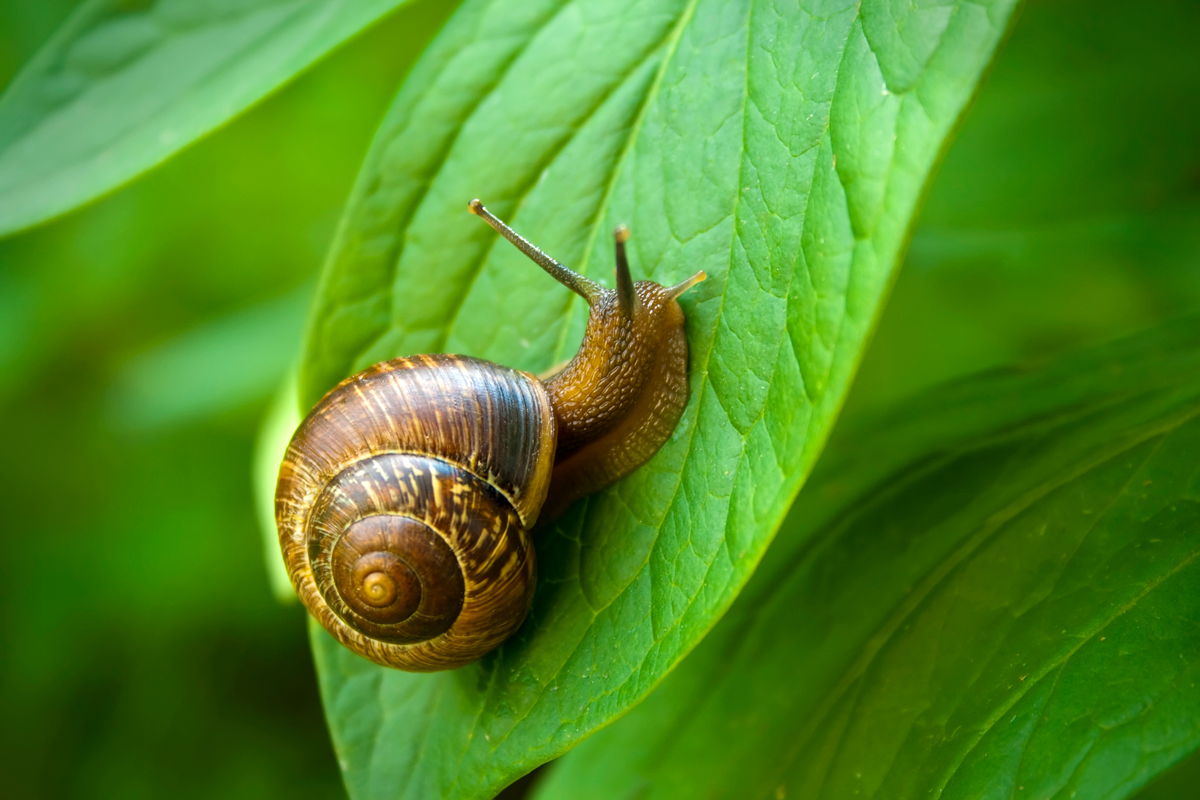
Snails have thousands of teeth.

Snail on a leaf
Credit: Daniel Raja/stock.adobe.com

If snails had dentists, they’d need some darn good dental insurance to cover the cost of their visits. These tiny gastropods possess thousands of teeth at any given time, often growing and regenerating teeth as older sets wear down. Estimates put the total number of teeth between 1,000 and 25,000, depending on the species.

To be clear, a snail’s chompers aren’t nearly as prominent as ones found in the mouth of a shark or grizzly bear. They’re essentially microscopic spikes strewn about the tongue, forming what’s called a “radula.” Snails use those radulae to scrape at food, similar to how emery boards whittle down fingernails. The spiky teeth then hook onto the food like velcro, allowing the snails to draw their meals into their mouths for consumption.

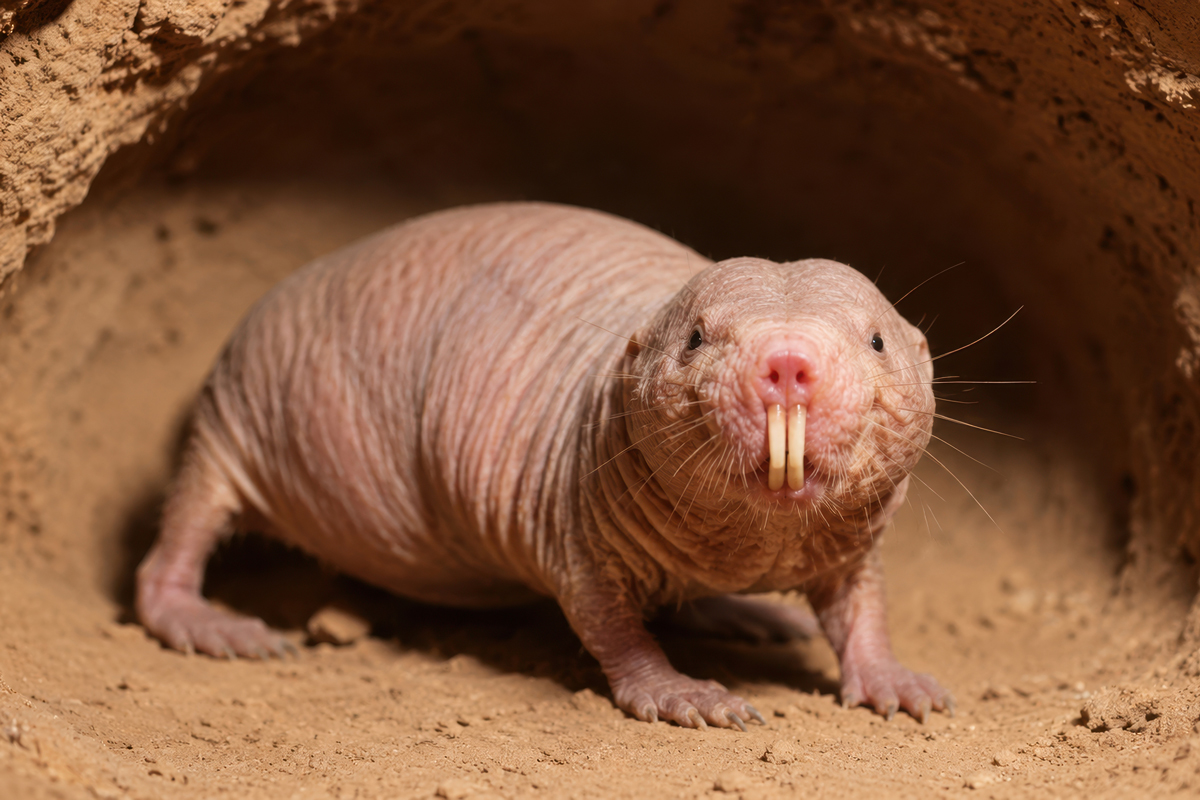
Naked mole-rats can be immune to pain.

Naked mole-rat in its burrow
Credit: garpinina/stock.adobe.com

Naked mole-rats are burrowing rodents with an unusual ability to withstand certain types of pain. Their crowded, poorly ventilated underground colonies can have extremely high levels of carbon dioxide and other chemical irritants, which causes acidosis in the body’s tissues and normally activates pain-sensing nerves in mammals. Naked mole-rats, however, are essentially insensitive to acid-induced pain: Scientists have found a species-specific genetic mutation prevents their pain-sensing neurons from responding normally to acid.

These creatures are also behaviorally insensitive to the pain caused by capsaicin, the compound that makes chili peppers hot, although this appears to involve a different mechanism than their resistance to acid. Naked mole-rats aren’t immune to all types of pain, however; they respond normally to acute mechanical pain,such as pinching, as well as to the pain caused by heat.

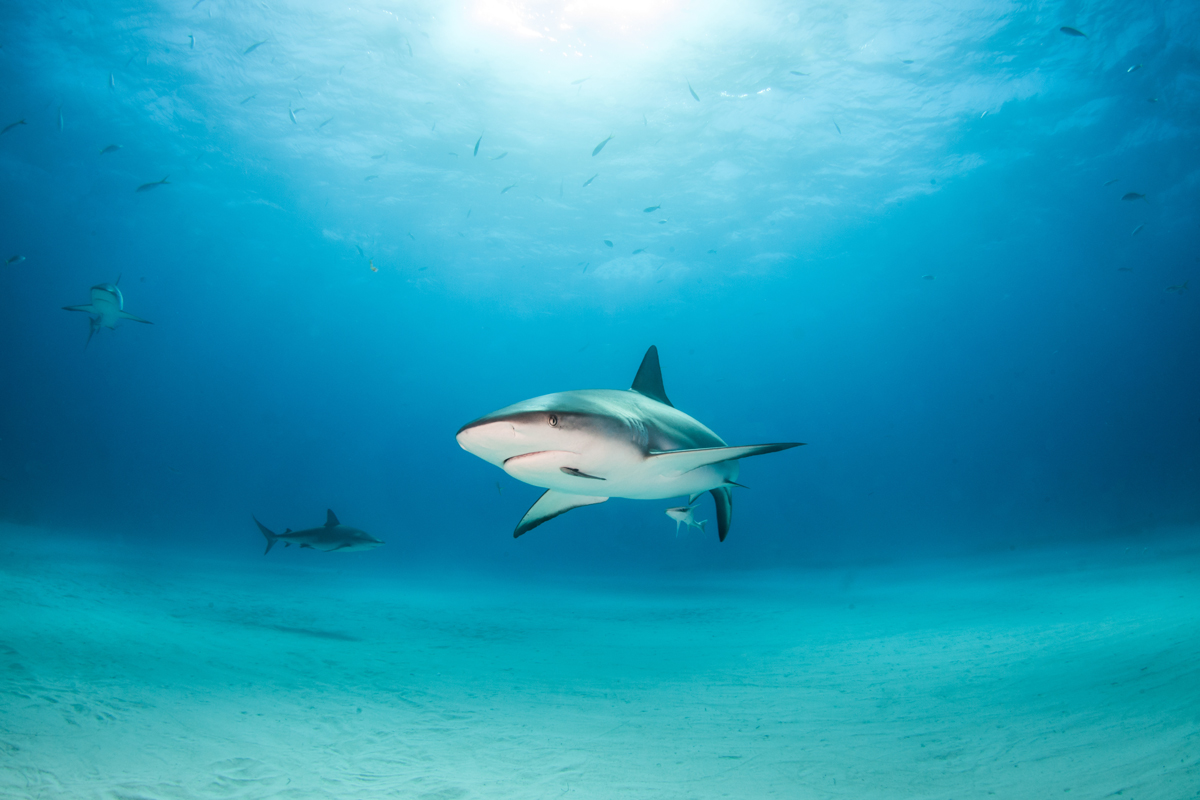
Sharks are older than trees.

Sharks swimming underwater
Credit: Michael Bogner/stock.adobe.com

The first true trees appeared on Earth about 350 million years ago, making them almost unfathomably old — but not as old as sharks. These aquatic animals predate the Archaeopteris tree by about 50 million years, meaning they’ve been haunting the waters for at least 400 million years. If you consider  “proto-shark” species such as Doliodus problematicus, some put that figure closer to 450 million years. 

Because the only known remnants of those first sharks are tiny scales, no one’s entirely sure what those creatures looked like — but it’s thought they may have been toothless. Other things sharks are older than: Saturn’s rings, dinosaurs, flowers, the Atlantic Ocean, grass, the North Star, Mount Everest, birds, and even soil — when sharks first appeared, bare rock and slime accounted for most of the land.

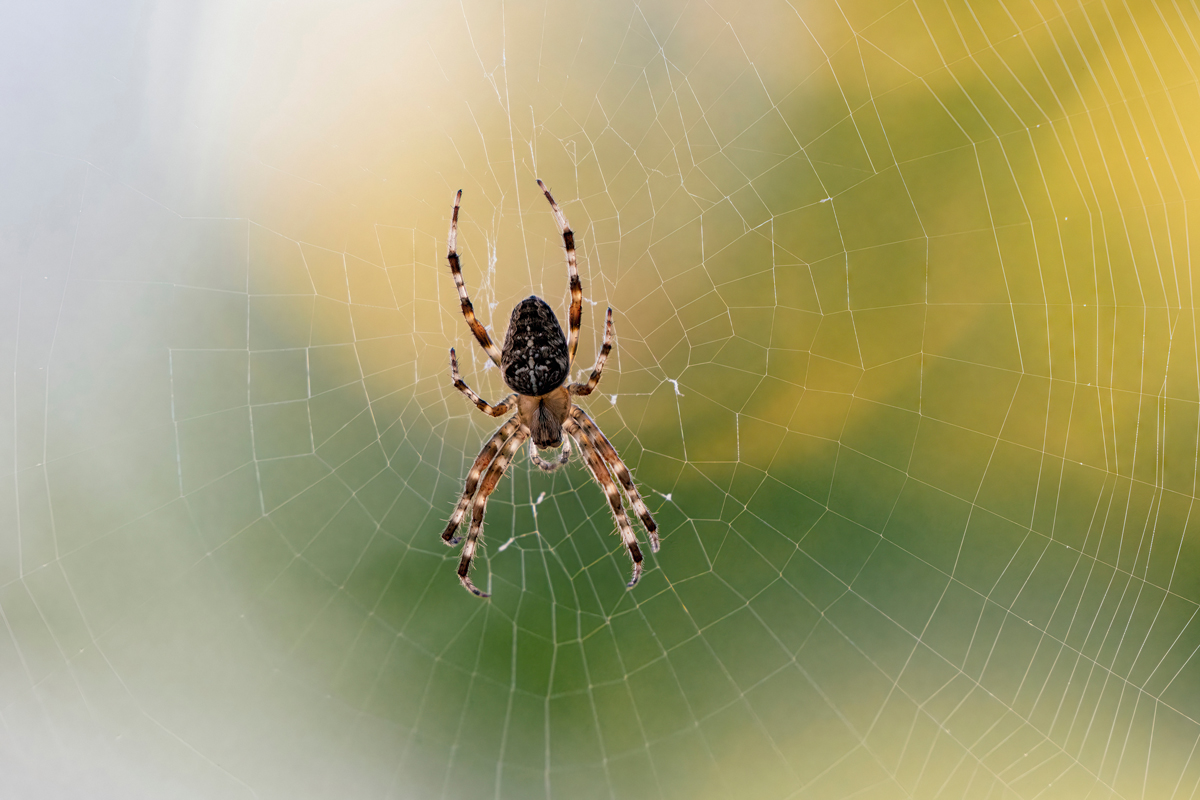
Some spiders travel by ‘ballooning’ through the air.

Spider on its web
Credit: Fen/stock.adobe.com

It’s a bird! It’s a plane! It’s… a spider? As if these little guys weren’t already terrifying enough, some of them can unfortunately become airborne. Although they lack wings, some spiders are able to take to the skies due to a process called “ballooning,” in which they raise their abdomens to the sky and expel silk strands into the air. Those silk strands are then caught up in passing air currents and electromagnetic waves, thus lifting the lightweight arachnid into the air. This ability is typical in younger spiders and smaller species, including crab spiders, as their diminutive size and light weight make it easier to soar upward.

Ballooning allows spiders to travel incredibly long distances. In 1832, naturalist Charles Darwin recorded this unusual behavior, noting that thousands of spiders had boarded his boat despite it being 60 miles offshore. Additional research suggests that spiders can float as high as 2.5 miles off the ground while ballooning and are capable of traversing up to 1,000 miles before landing.

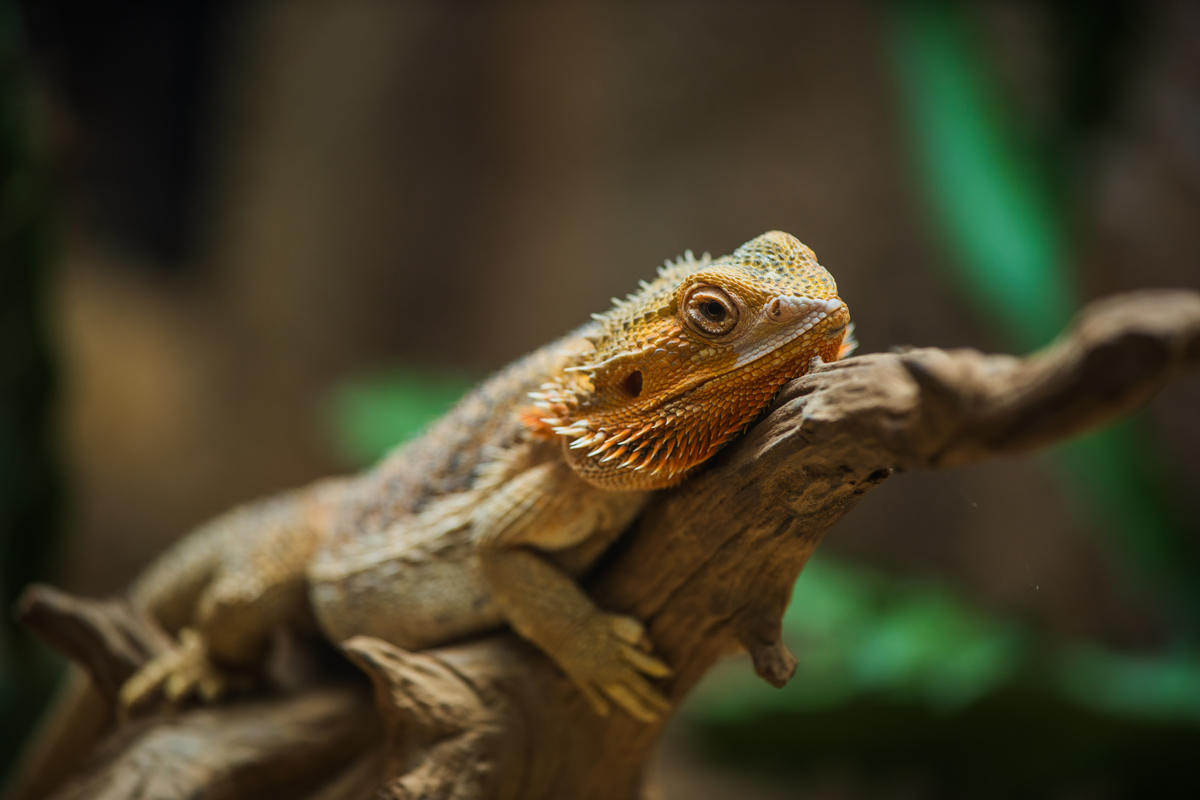
Bearded dragons wave their arms to communicate.

A picture of a bearded dragon laying on a tree branch
Credit: GearGodz/stock.adobe.com

Animals communicate in lots of different ways, most of them nonverbal. Dogs wag their tails, cats blink slowly, and bearded dragons wave. Beardies, as the docile lizards are affectionately known, lift one of their front legs and wave it in a slow, deliberate circular motion. They communicate this way with fellow beardies, other animals, and even their humans, most often to signal submission to larger animals — though many owners choose to interpret it as their pet simply saying hi to them, and who are we to argue?

Bearded dragons, which are native to Australia but increasingly popular as pets across the world, get their name from the spiny pouch under their throat, which puffs up when they’re stressed. They’re surprisingly friendly for reptiles, with some lovingly referring to their beardies as “scaly dogs.”