5 Animals That Eat the Most Bizarre Foods
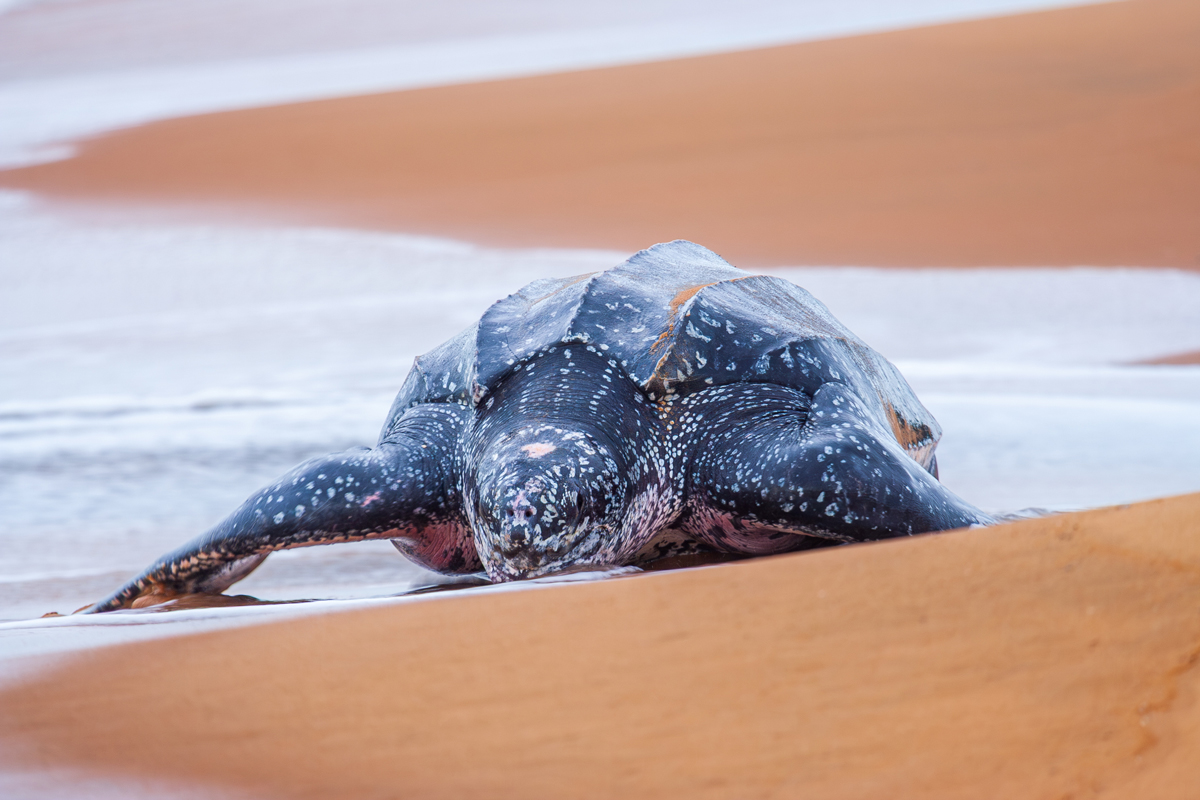
Sea turtle lying on the beach
Credit: Schilo/stock.adobe.com

There’s no accounting for taste — especially in the animal kingdom. While most creatures stick to familiar menus, some animals have developed a taste for foods that would make most species run the other way. Rotting flesh, toxic leaves, and other unlikely meals may sound unappetizing to us, but for these specialized eaters, they’re the key to survival.

These extreme diets are the result of millions of years of evolution, as animals adapted to take advantage of food sources that few others could use. Some creatures developed powerful digestive systems, unusual feeding strategies, or specialized body parts that turned seemingly impossible meals into a reliable source of energy. These species reveal just how creative nature can be when it comes to mealtime.
Credit: rethink twice/Unsplash.com

Vultures

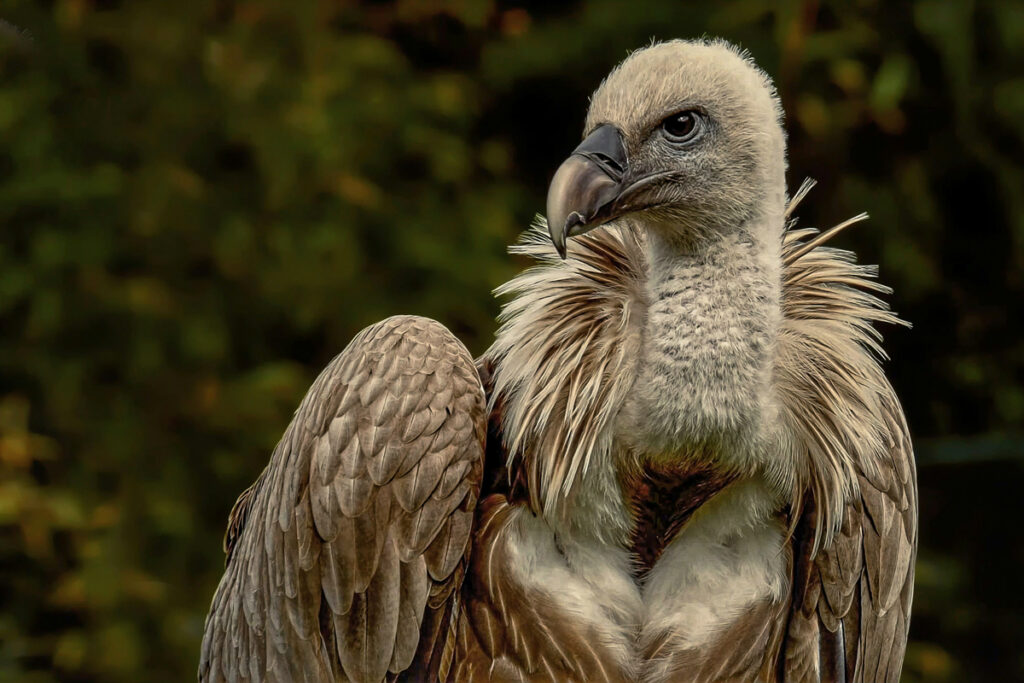
Vultures have a nasty reputation, but their disgusting diet makes them one of nature’s most important cleanup crews. Most vultures are scavengers, feeding on animals that have already died. A meal of rotting flesh might not sound terribly healthy, but vultures’ extremely acidic stomachs help destroy many of the harmful bacteria and pathogens found in carcasses — organisms that could make other animals dangerously sick.

Some vultures take their extreme diet even further. The bearded vulture, also known as the lammergeier, specializes in eating bones, a food source most other scavengers leave behind. Its powerful digestive system allows it to break down bone and extract nutrients such as calcium. Together, these adaptations make vultures highly specialized recyclers who return nutrients to ecosystems and help limit the spread of disease.
Credit: slowmotiongli/stock.adobe.com

Koalas

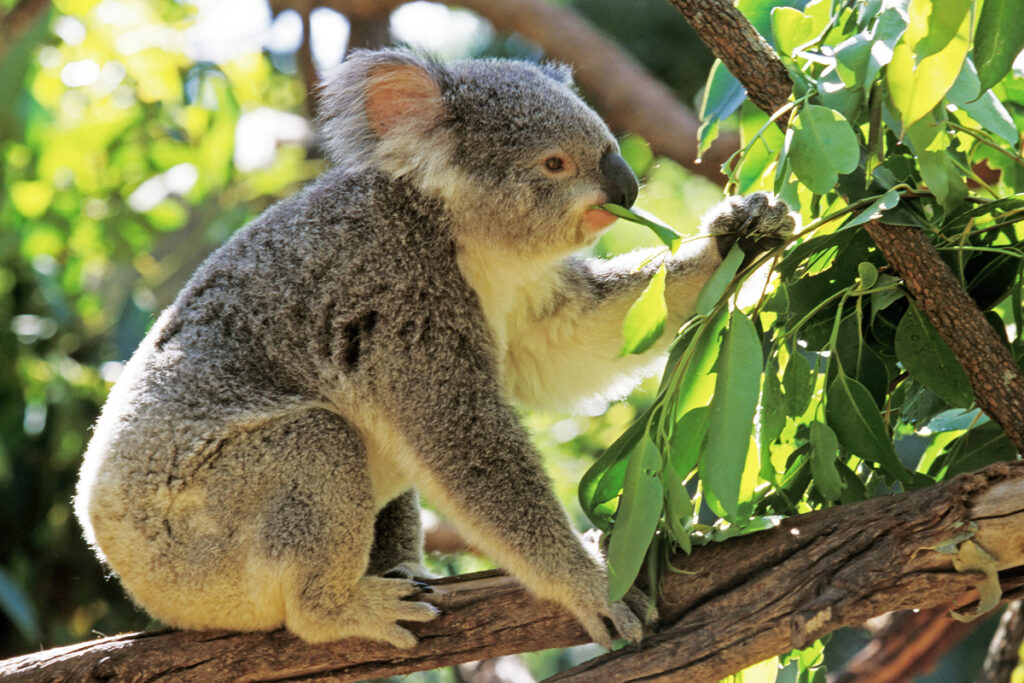
Koalas survive on a food source that is both low in nutrition and difficult to digest — eucalyptus leaves. These leaves contain compounds that discourage many animals from eating them, but koalas have specialized digestive systems, including an enlarged fermentation chamber called a caecum, that helps them break down tough plant material and process these chemicals.

Because eucalyptus provides limited energy, koalas have adapted to conserve calories in other ways. They rest and sleep up to 22 hours each day and move slowly to reduce their energy needs. Their specialized diet reduces competition with other animals, allowing koalas to thrive on a food source that most creatures cannot tolerate.
Credit: Schilo/stock.adobe.com

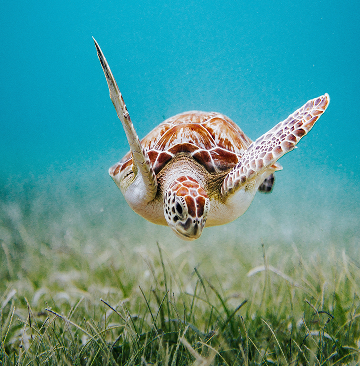
Leatherback Sea Turtles

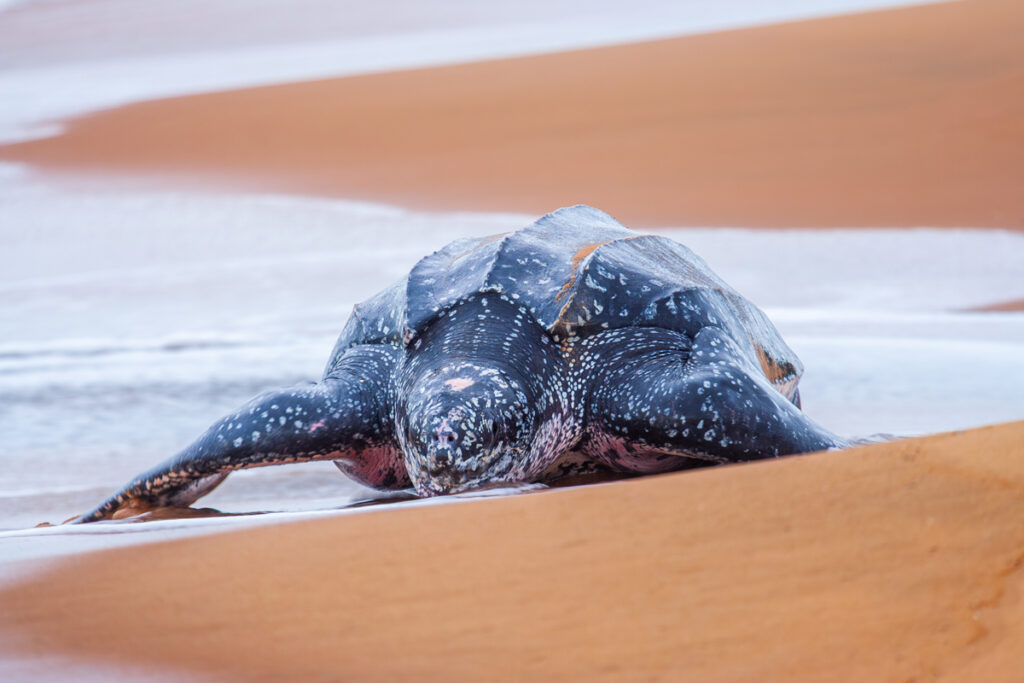
Leatherback sea turtles have one of the strangest diets among marine animals; they survive largely on jellyfish and other soft-bodied ocean creatures. Jellyfish may seem like a poor food choice since they are mostly water and provide relatively little energy, but leatherbacks have evolved specialized adaptations that allow them to make the most of this slippery meal. 

They’re also resistant to jellyfish stings, thanks in part to the thick, protective tissue and pointed spines lining their mouths and throats. The spines help guide jellyfish down while preventing them from escaping, and the protective tissue helps shield the turtle from the prey’s stinging cells.

Leatherbacks also have a unique ability to maintain their body temperature in cold ocean waters, allowing them to hunt jellyfish in places where many other reptiles cannot survive. Their enormous size — they are the largest sea turtles in the world — allows them to store energy for long migrations into jellyfish-rich waters. By making the most of a food source that many predators pass by, leatherbacks have turned an unlikely meal into an evolutionary advantage.
Credit: Natalia Kuzmina/stock.adobe.com

Vampire Bats

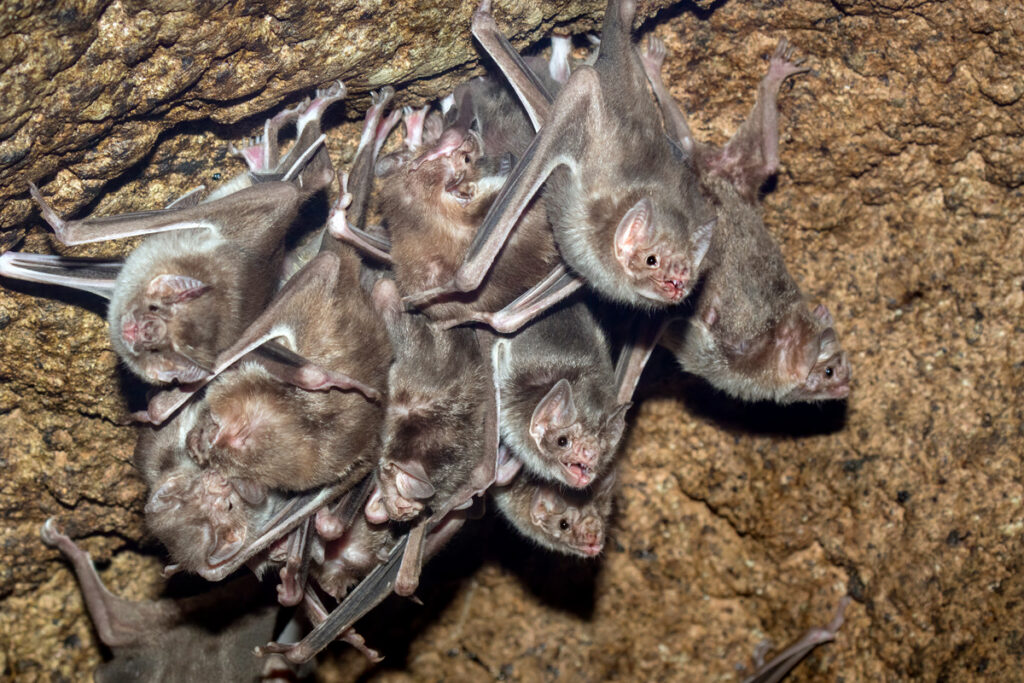
The vampire bat has one of the most famous extreme diets in the animal kingdom. Unlike most bats, which eat insects, fruit, or nectar, vampire bats feed only on blood. Their unusual diet, known as hematophagy, requires some equally unusual adaptations. Vampire bats have razor-sharp teeth that create tiny cuts in their prey, and their saliva contains compounds that keep blood flowing while they feed.

They are also very social animals. Vampire bats that find a meal may share blood with hungry members of their group, especially those that may need extra assistance. A successful hunter can regurgitate some of its meal to help another bat survive. Although their diet sounds frightening, vampire bats typically feed on livestock and birds and usually take only small amounts of blood.
Credit: Michael/stock.adobe.com

Pandas

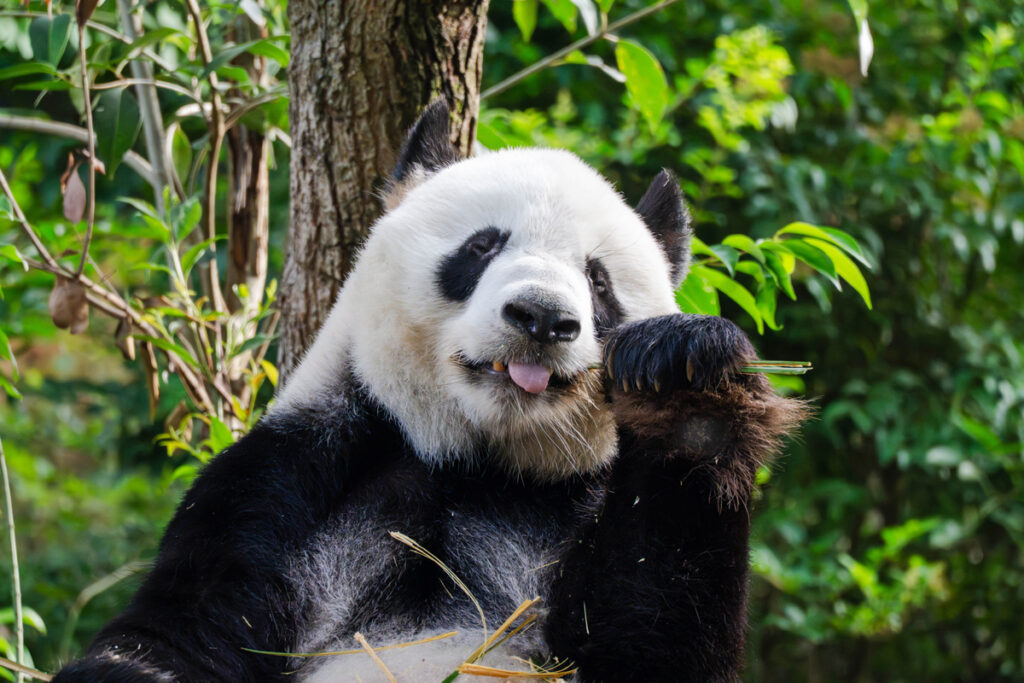
Giant pandas belong to the same mammalian group as lions, wolves, and other meat-eaters — yet bamboo makes up nearly all of what they eat. The switch to a vegetarian diet occurred over 2 million years ago as pandas adapted to rely heavily on bamboo, a plant that is abundant in their mountain habitats but low in nutrients.

To survive on such a challenging food source, pandas spend much of their day eating, consuming large quantities of bamboo and using their powerful jaws and specialized teeth to break down the tough plant material. They also have a modified wrist bone that acts like an extra thumb, helping them grip bamboo stalks. Although their digestive system still resembles that of a carnivore, their lifestyle has transformed them into one of the world’s most famous plant-eating mammals.
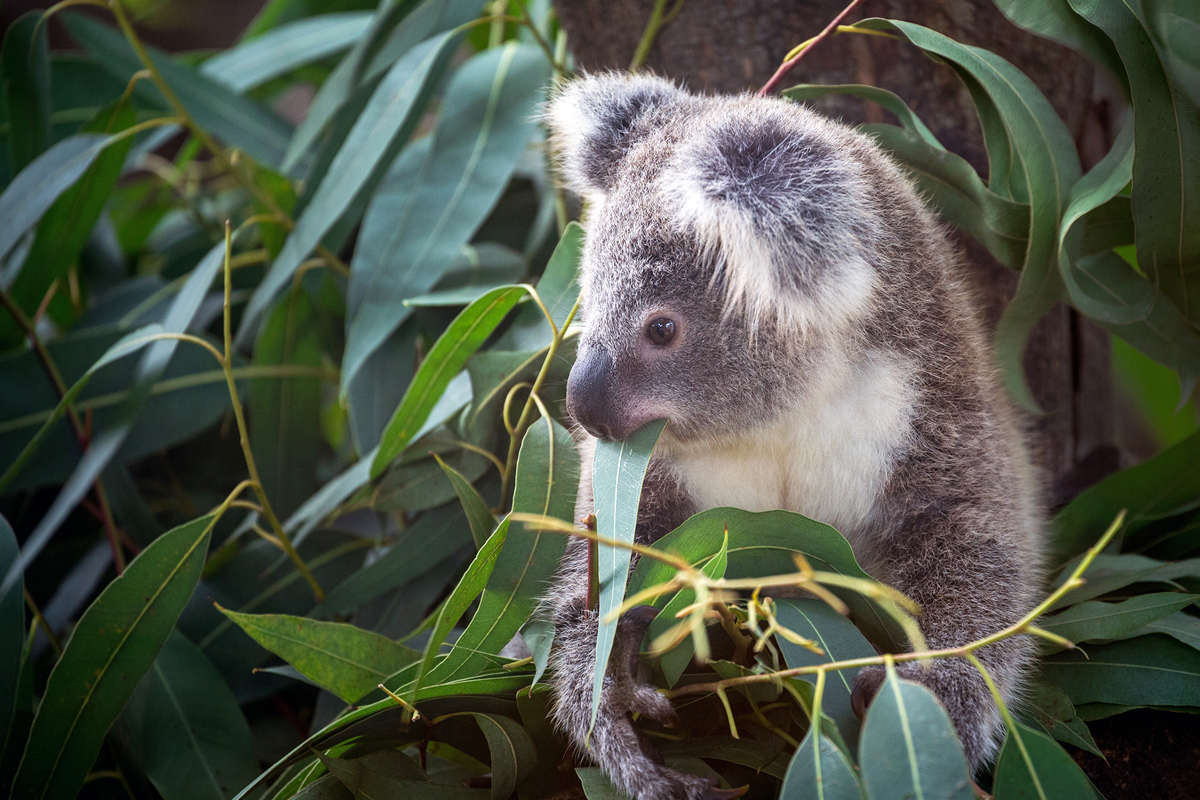

Koalas survive on toxic leaves.

Koala eating eucalyptus leaves
Credit: MrPreecha/stock.adobe.com

To most animals, including humans, eucalyptus leaves are highly toxic; to koalas, they’re basically the only food they know. The Australian marsupials subsist almost exclusively on them, which from an evolutionary perspective is fairly odd: In addition to their toxicity, the leaves are also low in nutrients and provide little energy, hence why koalas sleep between 18 and 22 hours a day. Their digestive systems have adapted to the eucalyptus by detoxifying the poisonous chemicals found in the leaves.

Koalas aren’t entirely undiscerning in their appetites, however. They often sniff leaves before deciding whether or not to eat them, and they’ve been known to avoid trees that grow in certain soils — the less fertile the soil, the more toxic the leaves. There are around 600 different eucalypt species, many of which koalas avoid entirely. They eat between 200 and 500 grams of leaves per day, which account for most of their water intake as well.

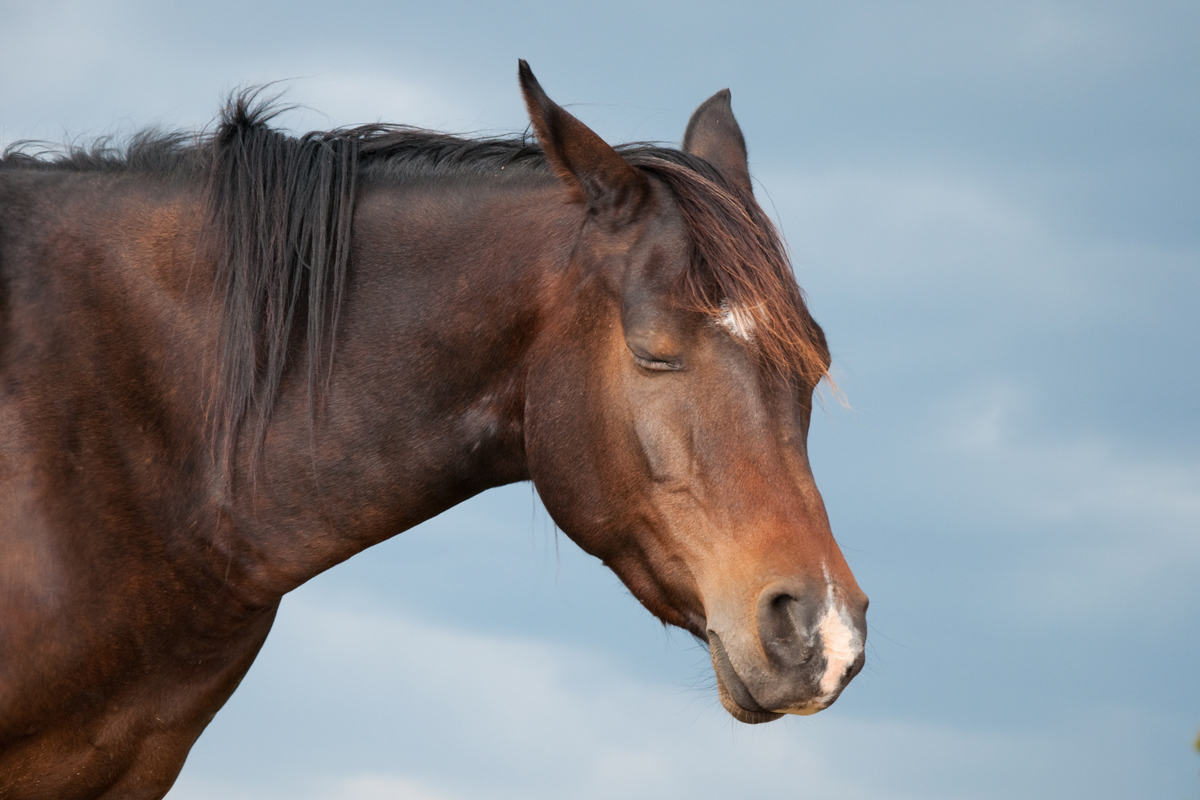
Horses sleep standing up.

Horse standing with its eyes closed
Credit: pimmimemom/stock.adobe.com

The idea of falling asleep while standing up seems quite uncomfortable, especially when there’s a plush couch or bed calling your name. But horses frequently conk out in upright positions that would be far less than ideal for humans. This ability stems from a specialized biological adaptation in horses that allows them to recover vital energy while standing on all four feet.

It’s due to an anatomical feature called the equine stay apparatus, in which the muscles, tendons, and ligaments are all expertly designed to stabilize one another. This apparatus locks a horse’s legs in place without requiring much physical effort. The ability to sleep upright not only helps horses recoup vital energy, but the standing position also allows horses to flee with ease if any predators approach. Despite this unique and impressive ability, horses still need to lie down like the rest of us to enter deeper REM sleep cycles.

5 Animals With the Strangest Sleep Positions

Horse standing with its eyes closed
Credit: pimmimemom/stock.adobe.com

For humans, sleep usually means lying down in a dark room, closing our eyes, and disconnecting from the waking world for roughly eight hours at a time. But other animals face a very different challenge day to day: getting adequate rest while simultaneously staying alert enough to survive. 

Some animals have evolved ways to sleep while standing, others divide downtime among an entire colony, and some can doze while traveling thousands of miles. Here are some of the ways that animals sleep totally differently than humans.

Credit: Akkharat J./stock.adobe.com

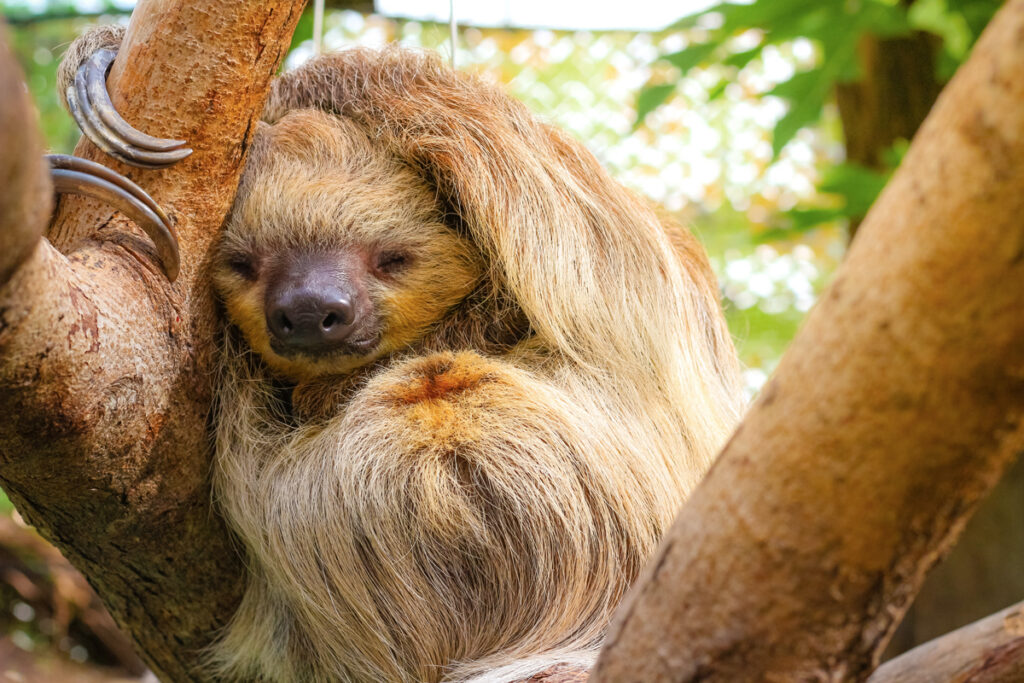
Sloths Sleep While Hanging From Trees

Sloths spend most of their lives hanging among the tropical forest canopies of Central and South America, and their bodies are built around their upside-down lifestyle. Their specialized curved claws allow them to dangle from branches without exerting much muscular effort, meaning they can rest for about seven to 10 hours a day while securely attached to trees.

Staying hidden in the leaves keeps them out of reach of threats on the forest floor, but hanging upside down for hours at a time does require some unusual adaptations. Sloths’ internal organs are anchored in place by specialized attachments, preventing them from pressing against their lungs and ensuring they can easily breathe  while inverted. 

Credit: pimmimemom/stock.adobe.com

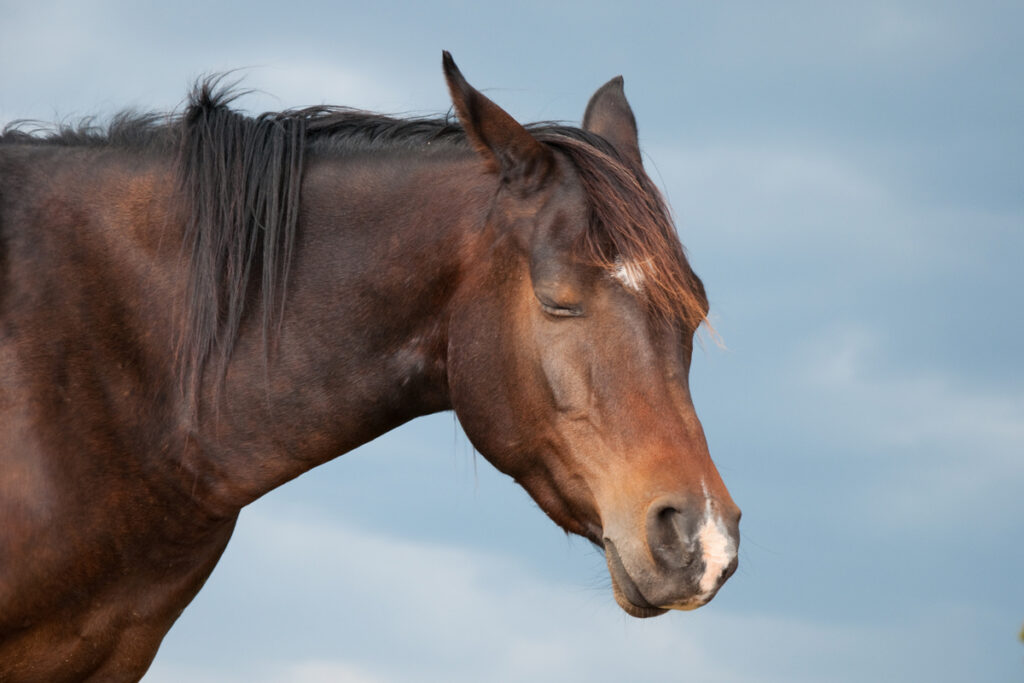
Horses Sleep Standing Up

Taking a nap on your feet may seem impossible, but horses have a specialized adaptation that allows them to rest while remaining upright. A system of ligaments and tendons in their legs called the stay apparatus locks their joints in place to support their weight without actively using their muscles, allowing them to enjoy rest and recovery time without lying down.

This also lets horses, who are naturally prey animals, rest while remaining ready to flee from predators at a moment’s notice. Standing sleep isn’t their deepest form of rest, though — horses still need to lie down occasionally to enter REM sleep. Horses are polyphasic sleepers, meaning their total daily sleep is broken into short stints  rather than being done in one long stretch as humans do.

Credit: Peter F. Wolf/Unsplash.com

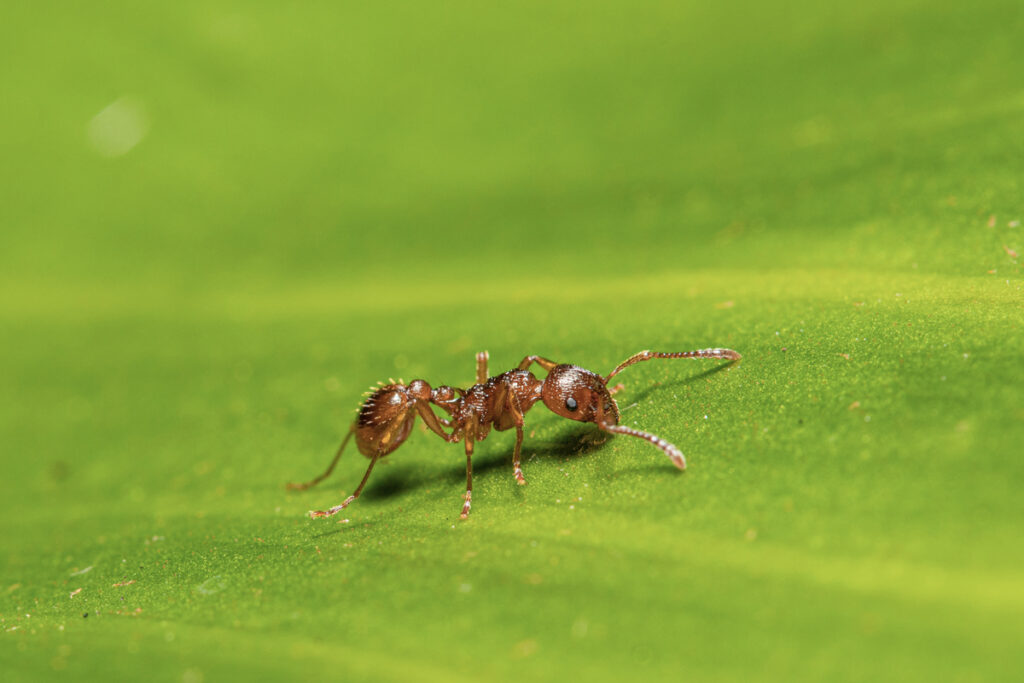
Ants Sleep in Shifts

Like horses, but unlike humans, ants don’t settle into one long period of sleep. In fire ant colonies, research has found that worker ants take hundreds of tiny naps throughout the day; they average about 250 rest periods, each lasting little more than a minute. 

That adds up to roughly five hours of sleep daily, while about 80% of the workforce remains awake and active at any given time. The queen, however, gets her beauty sleep, following a more familiar human pattern of resting for about nine hours a day in longer periods of deeper sleep.

Credit: AGAMI/stock.adobe.com

Migratory Birds Sleep Midflight 

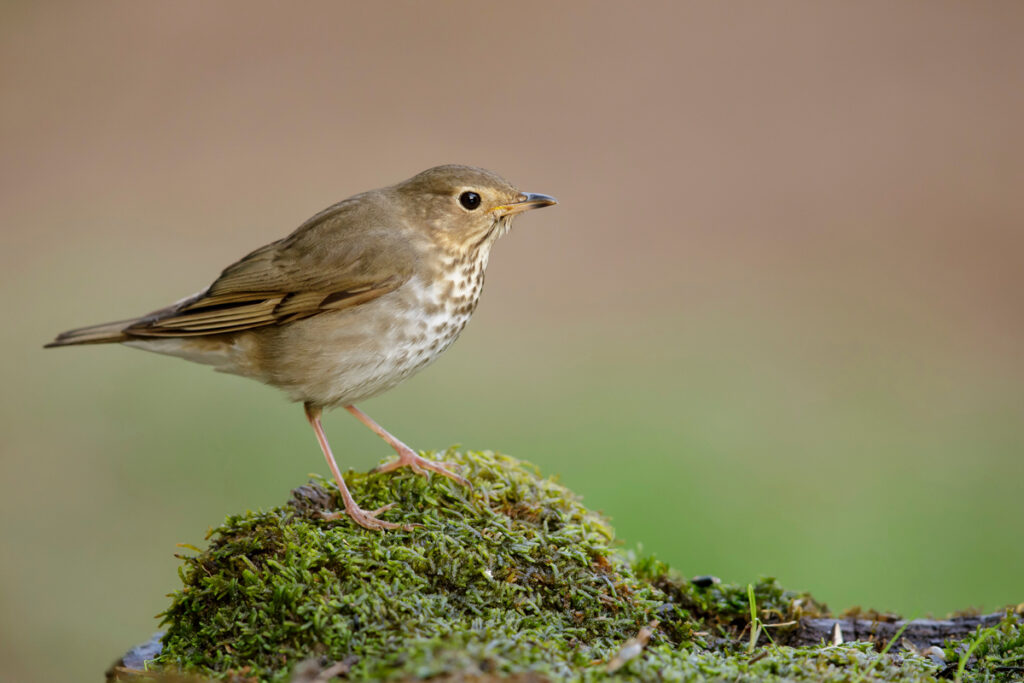
Sleep is a challenge for migrating birds: Stopping to rest can mean losing valuable time and energy during a journey that may span thousands of miles, often over nothing but open water. Some species have adapted by taking incredibly brief naps while traveling. Swainson’s thrushes, for example, can subside on naps lasting only about nine seconds during migration.

Migratory birds can also adjust when and how much they sleep depending on certain conditions, balancing the need for rest with the demands of travel, navigation, and avoiding predators.

Credit: Subphoto

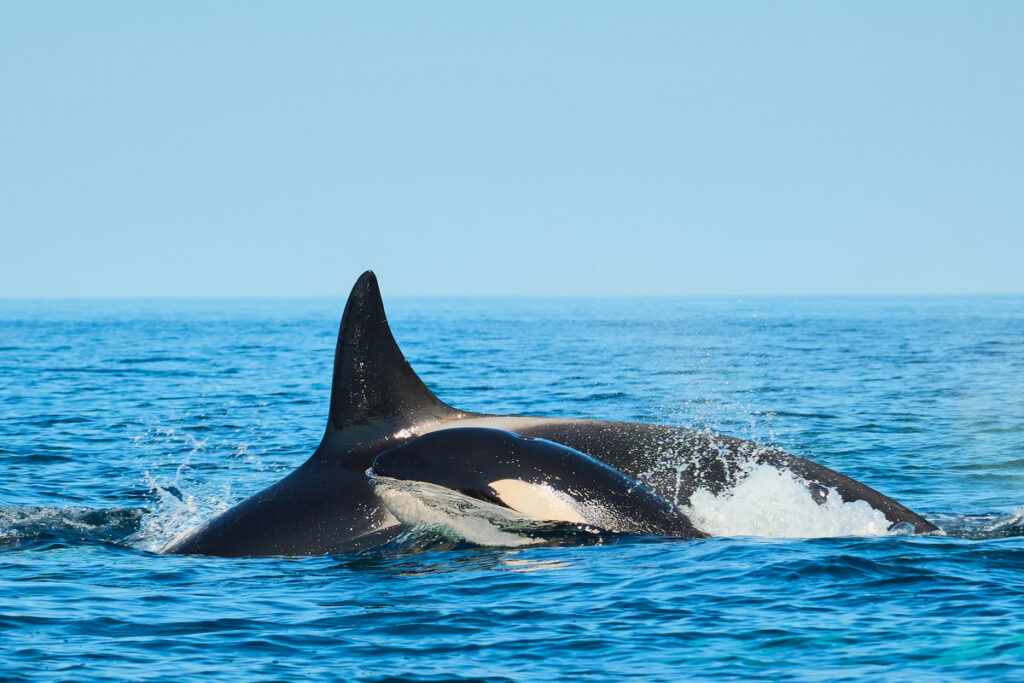
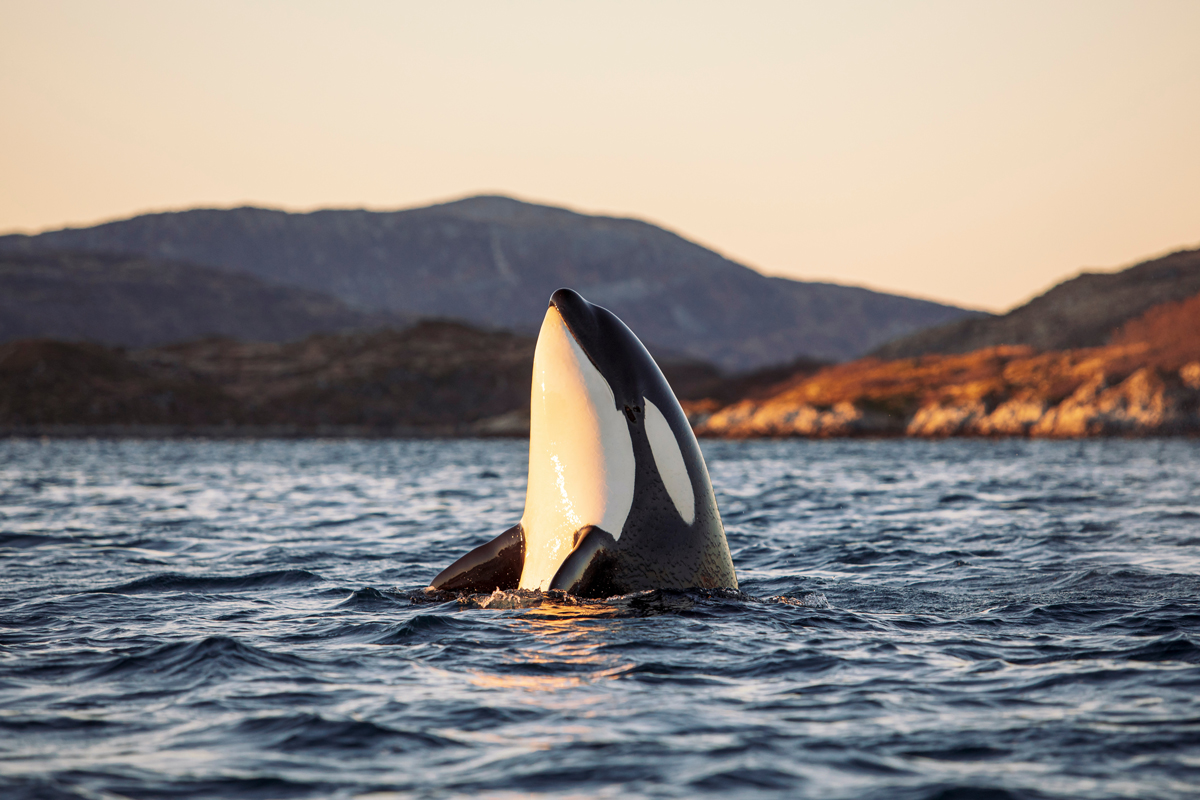
Orcas Sleep While Swimming

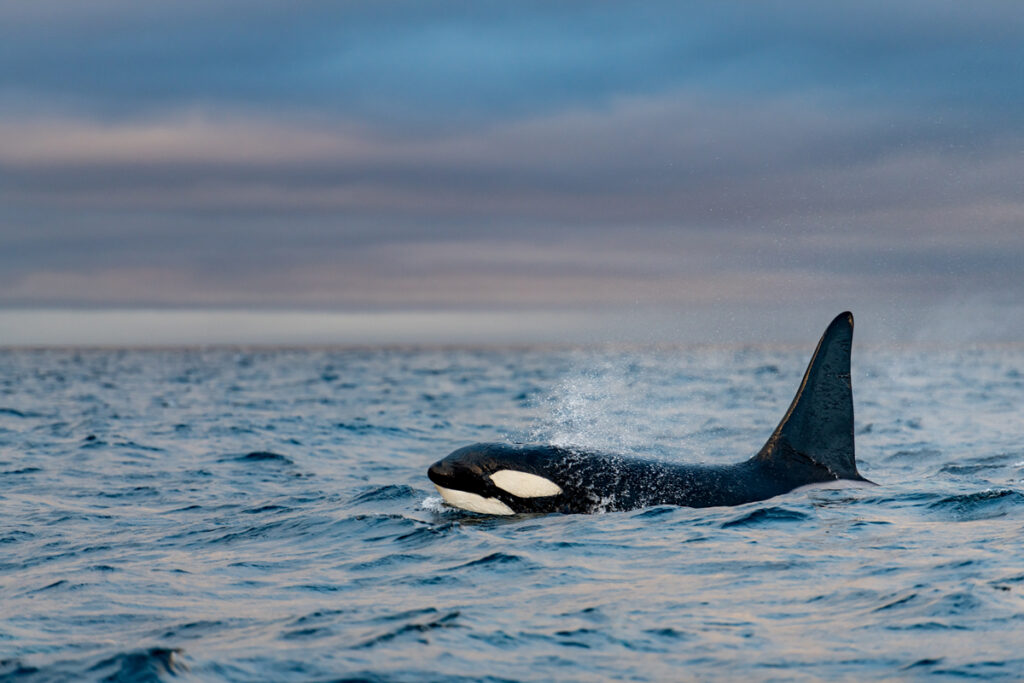
Orcas, like all animals, need to rest, but they also need to keep breathing. Like other marine mammals, they’re conscious breathers, meaning they must remember and actively decide when to surface for air; falling into a deep sleep may mean suffocation or drowning. 

To avoid this, orcas enter a state called unihemispheric sleep: One half, or hemisphere, of the brain rests, while the other remains alert to the need to breathe. The orca periodically switches which side of the brain is resting and which is awake. During this time, one eye also stays open so the orca can monitor its surroundings and stay close to its pod.

6 Animals That Don’t Have To Worry About Predators

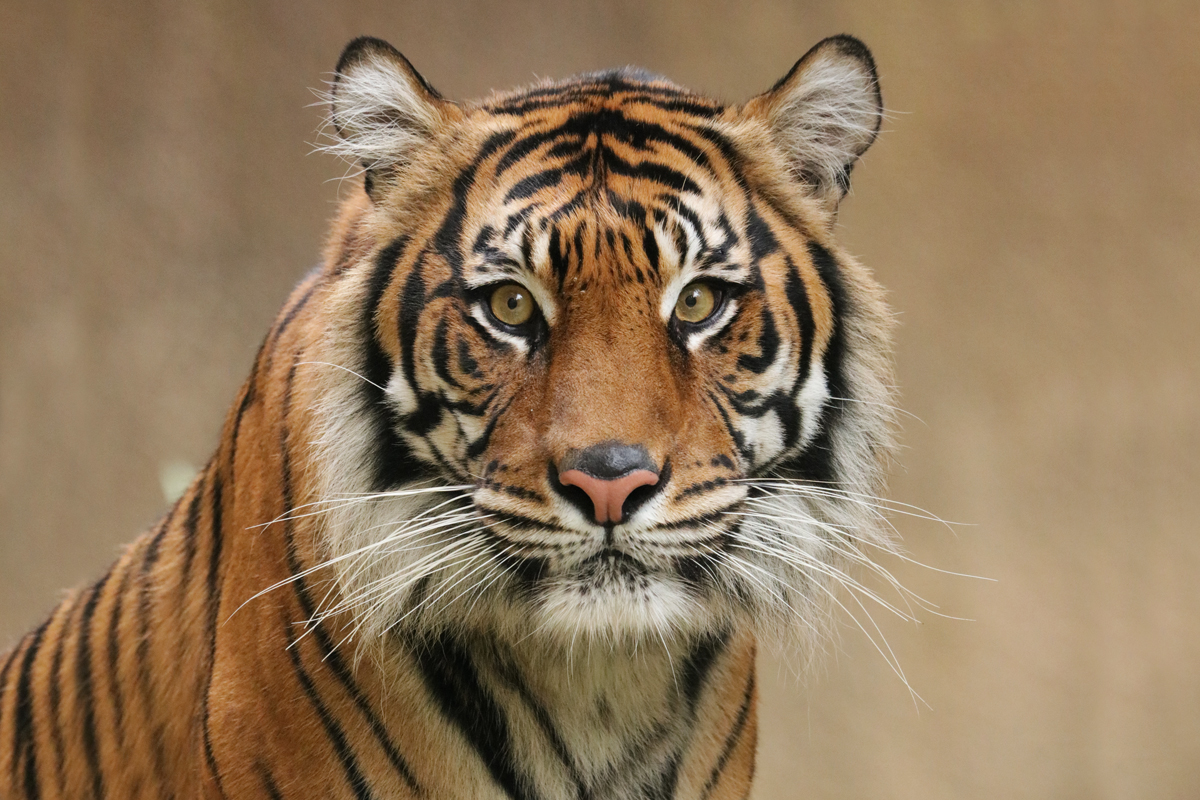
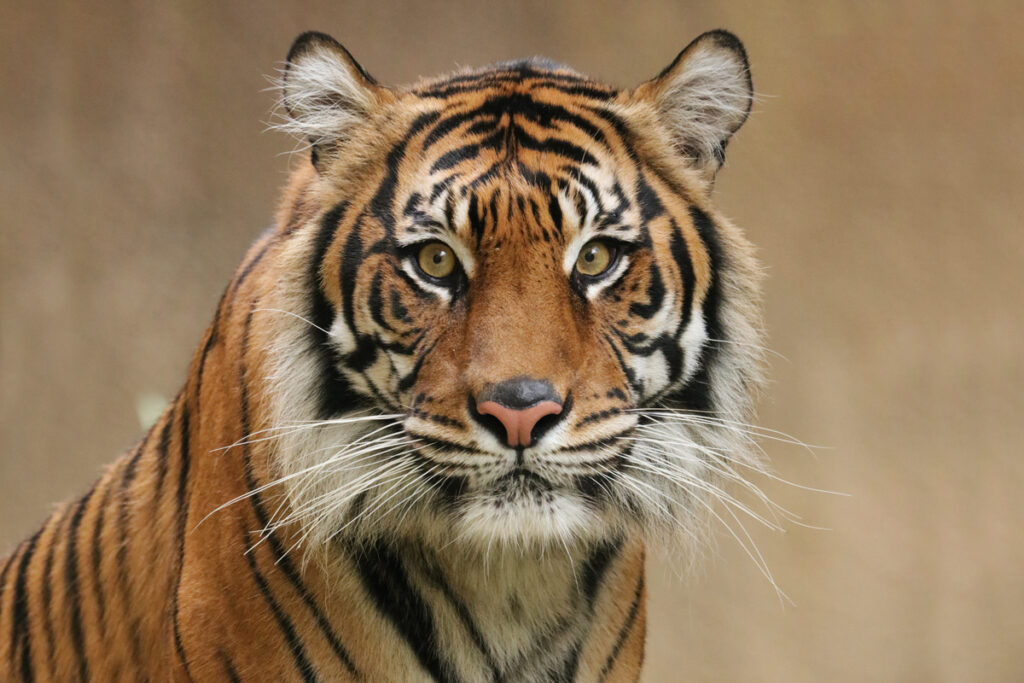
Tiger staring at the camera
Credit: melanie/stock.adobe.com

The animal kingdom can be an unforgiving world, and most creatures spend their lives balancing two priorities: finding food and avoiding becoming food themselves. But a handful of species have essentially evaded that second concern entirely. 

Through sheer size, brute strength, intelligence, or a combination of all three, these animals sit so firmly at the top of their food chains that no other creature in their environment poses a serious threat. Here we take a look at  six species from land, ocean, and sky that basically have no natural predators at all — besides humans, of course. 

Credit: EcoView/stock.adobe.com

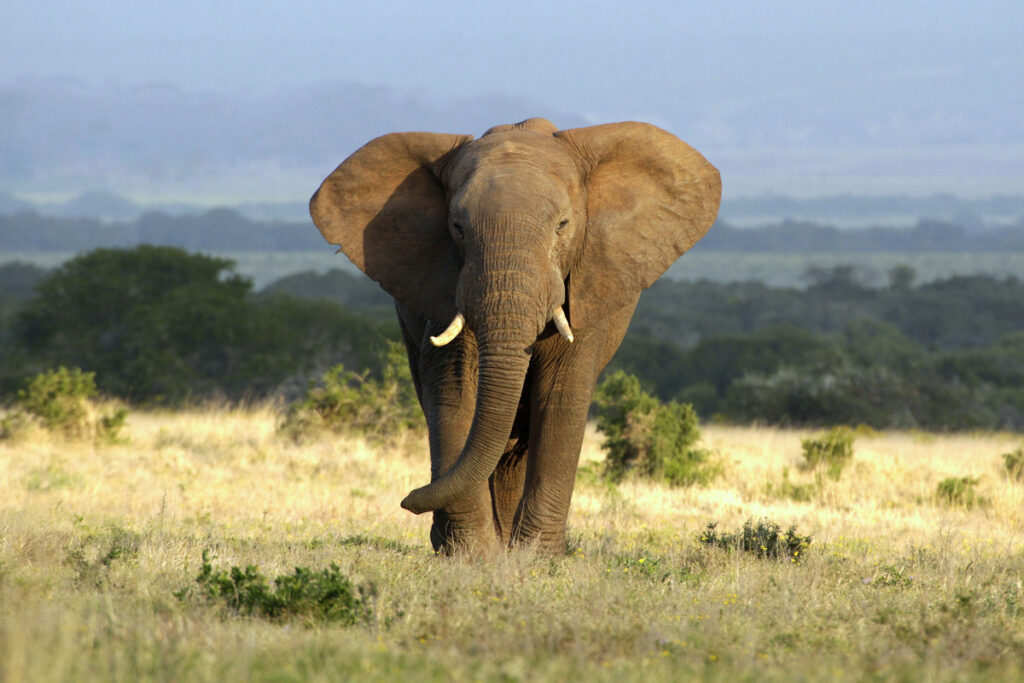
African Elephants

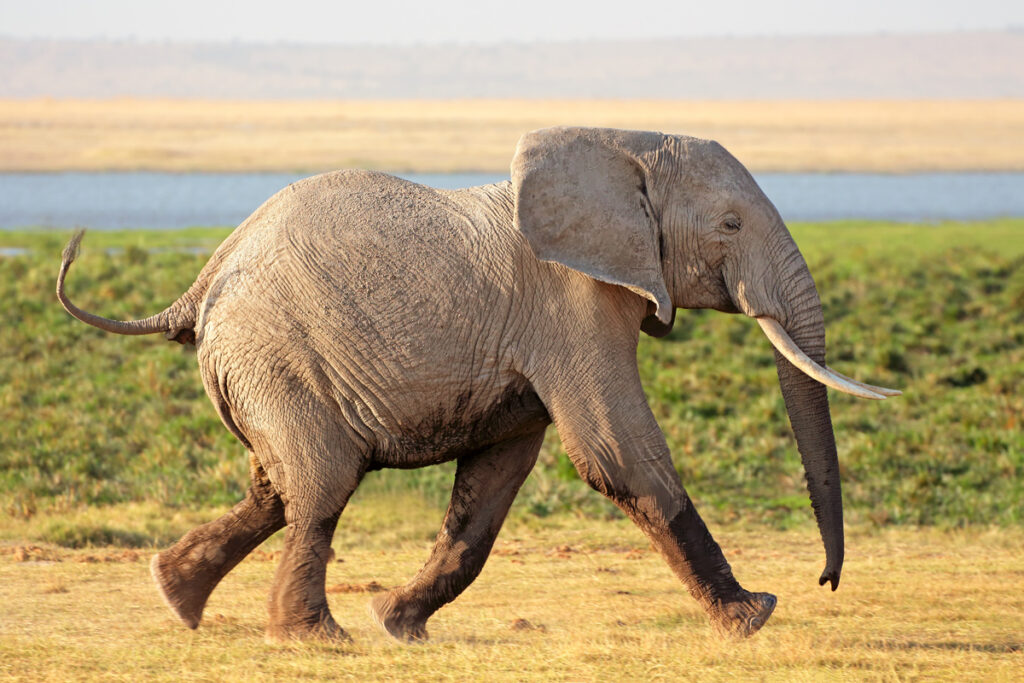
A healthy adult African elephant is simply too large and too dangerous for most predators to risk attacking. As the largest land animals on Earth, a fully grown elephant can weigh as much as 7 tons. Even a coordinated group of lions would fail to take down a strong, healthy individual. 

Elephant calves, however, are potentially more vulnerable to lions, tigers, and opportunistic Nile crocodiles. Even then, those predators would have to be particularly bold or desperate, as elephant calves are closely guarded by the herd, and matriarchs are known to aggressively defend their young from any perceived threats. African elephants aren’t the only bulky creatures with no natural predators; hippos and white rhinos also rank among the predator-proof animals of Africa.

Credit: Vidar Nordli-Mathisen/Unsplash.com

Orcas

Orcas, aka killer whales, are widely regarded as the ocean’s most dominant apex predator. Traveling in coordinated family pods and using hunting techniques passed down through generations, orcas feed on fish and squid but will also target seals, sea birds, and even some species of whales far larger than themselves. 

There are even documented cases of orcas hunting and killing another one of the ocean’s apex predators, the great white shark. Conversely, no animal actively hunts or even poses a threat to orcas. Their combination of size, intelligence, and social cooperation leaves them essentially unchallenged in the wild. 

Credit: Hans-Jurgen Mager/Unsplash.com

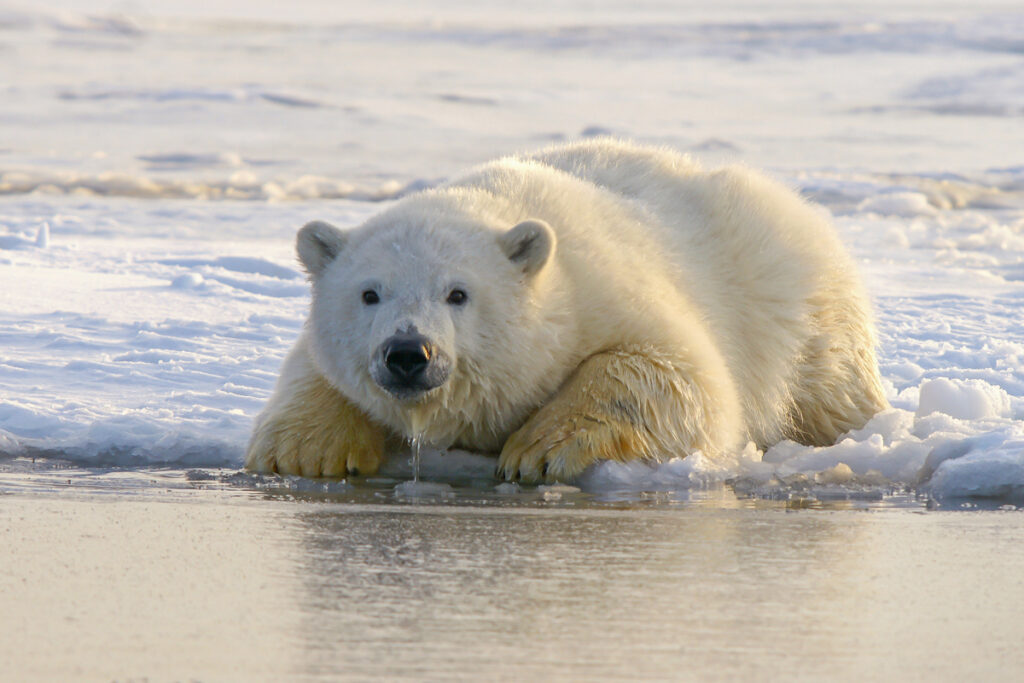
Polar Bears

As the largest land carnivore on Earth, the polar bear rules the Arctic ice with no natural competitor. Adult polar bears can weigh more than 1,300 pounds and are powerful enough to kill prey as large as walruses, narwhals and even beluga whales, with no other Arctic animal capable of threatening them in return. 

Their only meaningful challenges come from other polar bears during fights for territory, food, or mates. Beyond that, the only other real threat is from humans and, increasingly, the environmental effects of a warming world.

Credit: David Clode/Unsplash.com

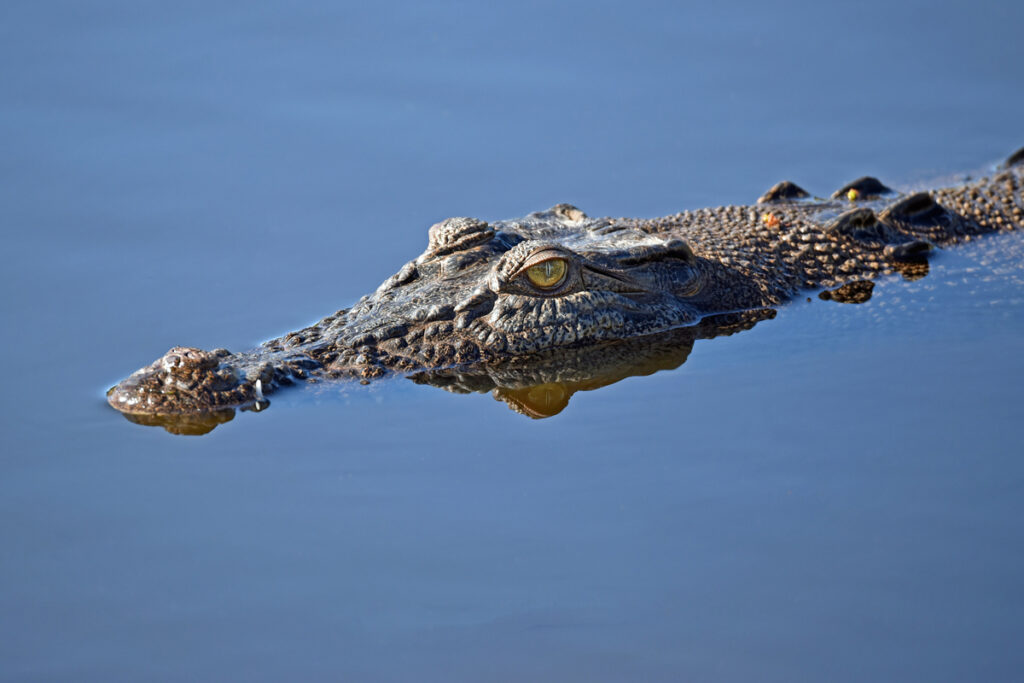
Saltwater Crocodiles

The saltwater crocodile is the largest living reptile on Earth. Adults can reach lengths of more than 23 feet and weigh more than 2,200 pounds. As if sheer strength and size weren’t enough, these crocs also have the strongest bite ever measured in any living animal — a bite that may even come close to that of a Tyrannosaurus rex. 

Understandably, saltwater crocodiles have no predators across their range in Australia, Southeast Asia, and the eastern coast of India. They’re more than capable of overpowering anything that enters their territory, with only juveniles facing any real predation risk before reaching their full size.

Credit: Paolo/stock.adobe.com

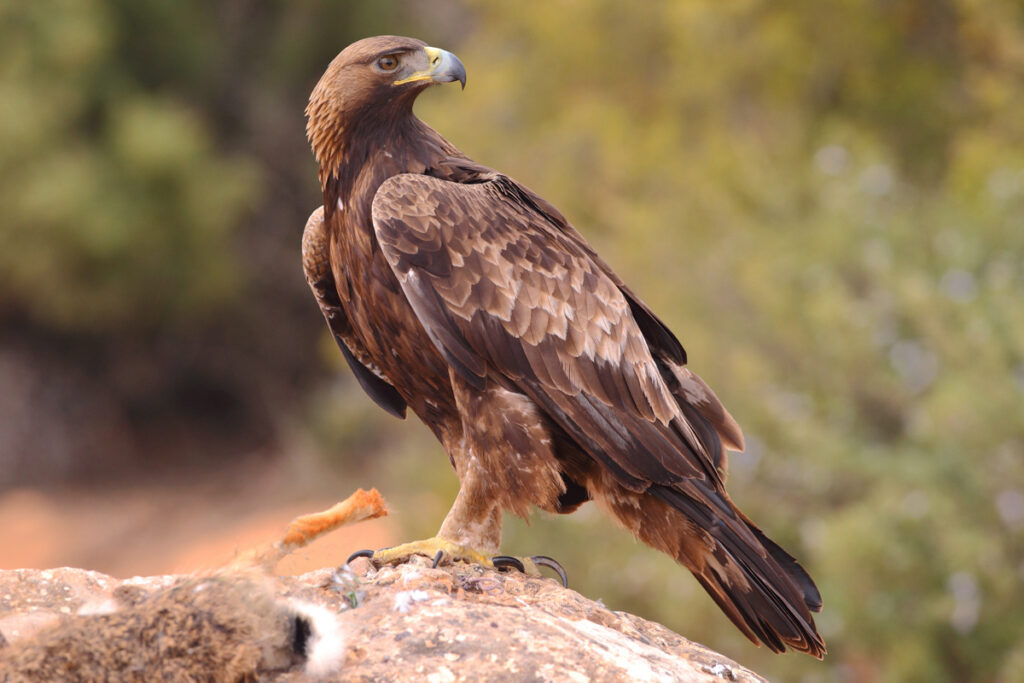
Golden Eagles

Among birds, the golden eagle stands out as one of the few species with essentially no natural predators once it reaches adulthood. With a wingspan that can extend beyond 7 feet and talons strong enough to kill prey as large as young deer, golden eagles sit at the top of their ecosystem’s food chain across North America, Europe, and Asia. Eggs and nestlings can fall victim to other predators, and crows, jays, and other raptors sometimes harass adults, but apart from some occasional squabbles, the golden eagle can soar through the skies with very little fear.

Credit: melanie/stock.adobe.com

Tigers

Tigers really only have their own species, and humans, to worry about. No other animal hunts a healthy adult tiger for food, making it one of the more secure apex predators on land, if not quite as invulnerable as an elephant or rhino. As a largely solitary hunter, the tiger avoids one of the biggest threats faced by lions: deadly infighting during territorial takeovers (one of the leading causes of death for many wild lions). 

But tigers still occasionally die in clashes with rivals of their own species. And in rare cases, large prey such as gaur —a massive wild ox — or sloth bears can kill tigers that attack them, plus there’s the odd fatal encounter with a crocodile. Territorial disputes with packs of dholes, wild canids native to South, East and Southeast Asia, can also pose a theoretical threat to a tiger’s life. Normally, however, tigers have little to worry about as they slink and stalk through the rainforest or savanna. 

Orcas sometimes hunt sharks just to eat their livers.

Orca breaching the ocean's surface
Credit: Marius/stock.adobe.com

They aren’t called killer whales for nothing: When they aren’t starring in classic ’90s movies (i.e., Free Willy) or literally sleeping with one eye open, orcas are striking fear into the hearts of many of their fellow sea creatures — including sharks, whom they sometimes hunt just for their livers. As apex predators who sit comfortably atop the food chain, they can pretty much do whatever they want. And what they apparently want, as observed by researchers across the globe, is to feast on a particularly tasty, nutrient-dense organ.

The orcas most often do so as a team, with as many as five teaming up against a single white shark. They’re even savvy enough to immobilize their prey by first flipping it onto its back before removing the liver, which they then share among themselves. Orcas — which are technically the largest member of the dolphin family — live in matriarchal societies and have a lifespan of up to 90 years, which one imagines is aided by their preference for liver.

5 of the Animal Kingdom’s Most Impressive Architects

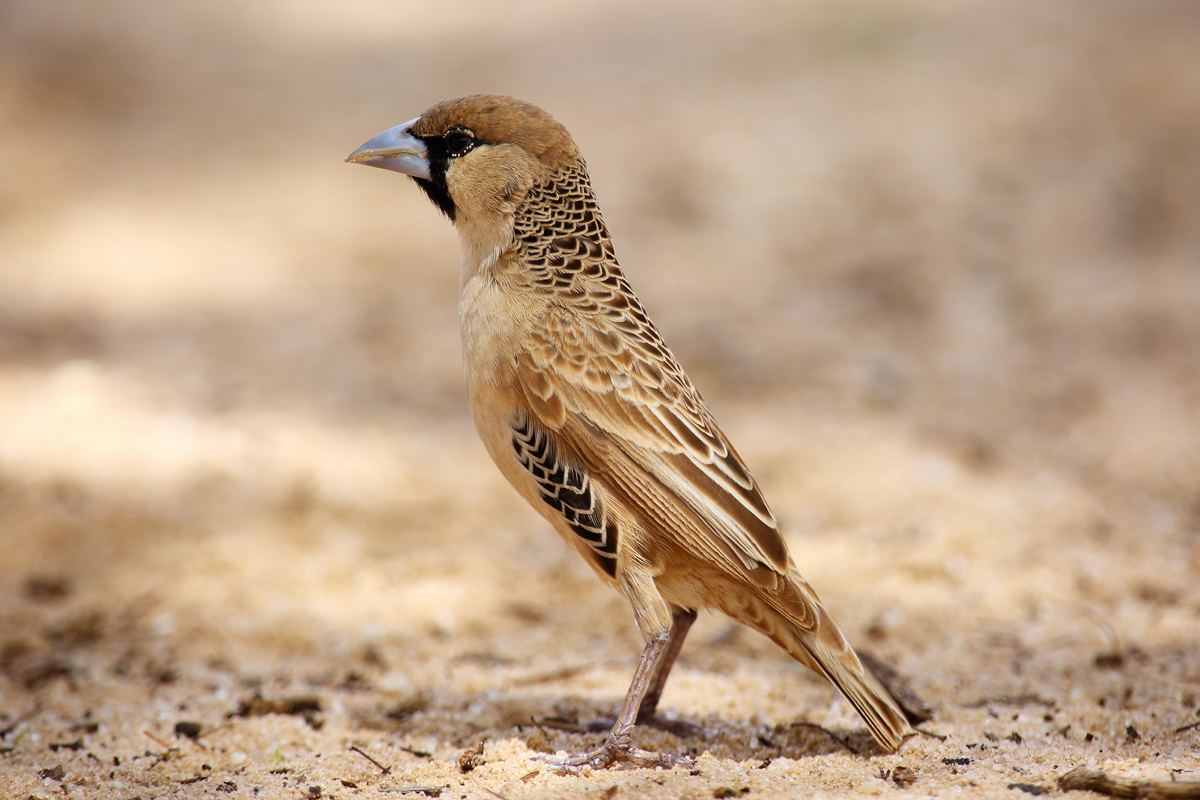
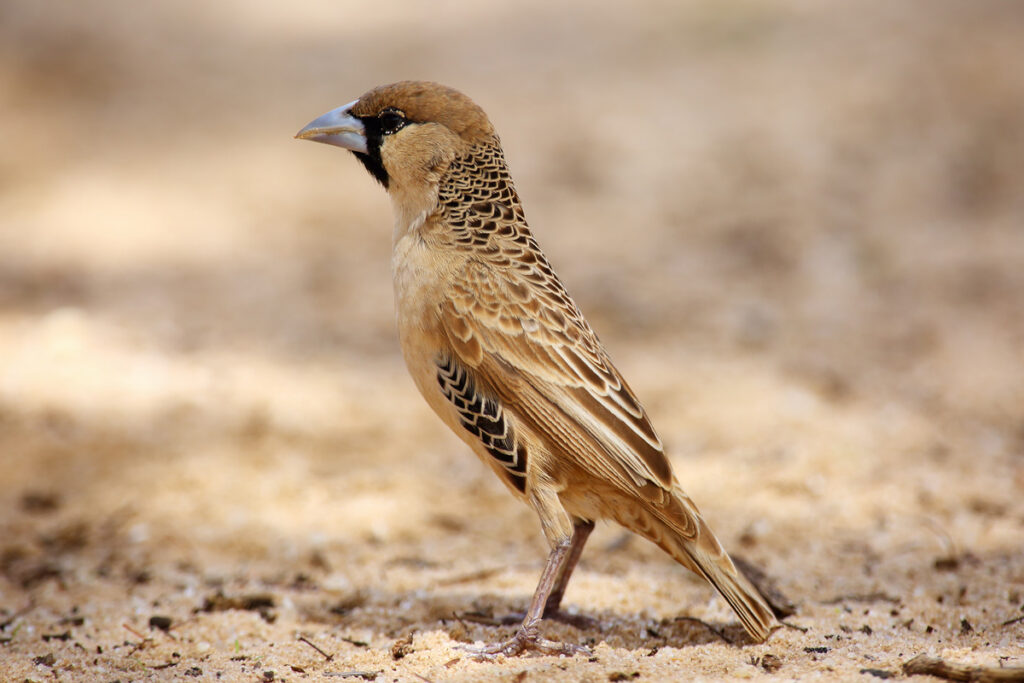
Sociable weaver standing on the ground
Credit: Karlos Lomsky/stock.adobe.com

Across the animal kingdom, creatures with no blueprints, tools, or formal training build structures that rival even the most complex feats of human architecture. Some of those builders work alone, others in coordinated teams of thousands, but all are capable of solving difficult engineering problems with astonishing precision. 

Their structures may be crafted from mud, wax, silk, or sand rather than steel and concrete, but the engineering principles, structural stability, climate control, and efficient use of materials are often strikingly similar to our own. Here are five animals whose construction skills rank among the most impressive in nature. 

Credit: Kozma/stock.adobe.com

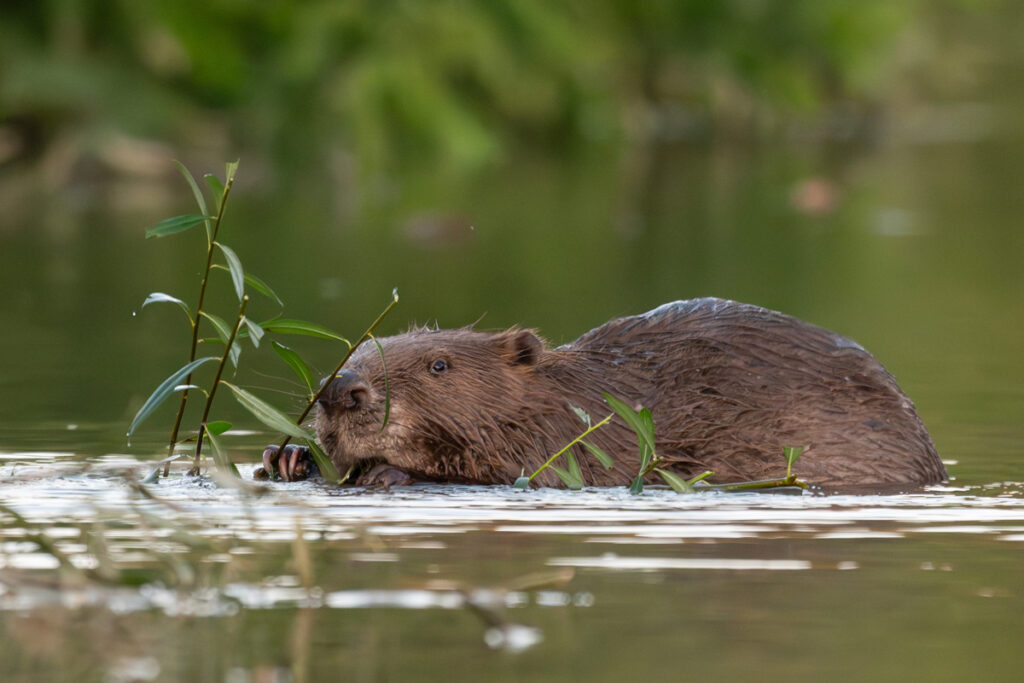
Beavers

Beavers are arguably the animal kingdom’s most famous engineers, capable of reshaping entire landscapes to suit their needs. By felling trees and packing branches, mud, and stones into rivers and streams, they’re able to build sturdy dams. They don’t actually live in their dams, however; rather, they build small lodges in the deep pond that the dam creates. 

Those lodges serve as dry living areas and food stores, while the pond itself provides protection from predators including wolves, coyotes, and mountain lions. The crafty beaver often builds the entrance to its lodge underwater, providing an additional layer of defense worthy of a medieval castle. 

Beavers normally take a few weeks to construct their dams, which typically measure around 10 feet to a few hundred feet long — but some can become much larger. According to Guinness World Records, the largest structure ever built by a terrestrial animal is a beaver dam located in Wood Buffalo National Park in Alberta, Canada that clocks in at a whopping 2,788 feet long. 

Beaver dams are such sturdy and impactful structures that even a dam of normal proportions can have positive effects on the surrounding landscape, creating rich wetland habitats, raising water tables, and helping to filter pollutants and reduce downstream erosion, benefiting a number of other species in the process.  

Credit: witsawat/stock.adobe.com

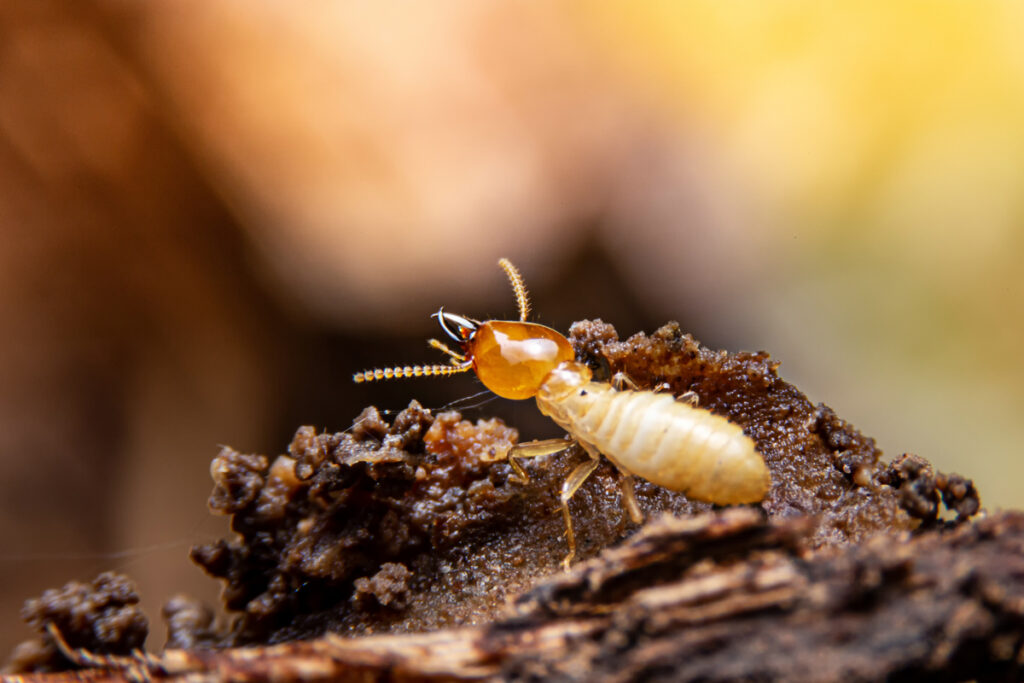
Termites

Termite mounds rank among the most sophisticated structures built by any creature. The termites construct tall, wedge-shaped or conical mounds by harvesting mud that they mix with their own saliva to create a kind of cement. Once built, a mature mound can house several hundred thousand to several million termites. Some species, such as Australia’s appropriately named compass termites, deliberately orientate their mounds on a north-south axis, minimizing the mounds’ exposure to direct sunlight to help regulate internal temperature throughout the day. 

Inside the mound, and in the system of passageways and nests in the ground beneath it, an intricate network of tunnels and chimneys acts as a passive ventilation system, drawing in fresh air and expelling built-up heat and carbon dioxide. The design is so effective that architects have studied termite mounds for ideas on cooling human buildings without air conditioning. Termite mounds typically rise 6 to 10 feet above ground but can reach heights of 28 feet or more, making them the tallest animal-built structures in the world. 

Credit: Karlos Lomsky/stock.adobe.com

Sociable Weavers

The sociable weaver is a sparrow-sized bird native to the Kalahari region of southern Africa. This gregarious bird builds what is widely considered to be the largest communal nest structure of any bird species. Colonies weave together grass and twigs into a single, haystack-esque mass, the largest of which can weigh more than 2,000 pounds. 

These incredible nests can house more than a hundred breeding pairs, each with their own private chamber and entrance tunnel. And unlike most bird nests, which are abandoned after breeding season, these structures are maintained and expanded continuously, sometimes remaining in active use for more than a century — a truly communal effort across many generations of birds.

Credit: Ken Griffiths/stock.adobe.com

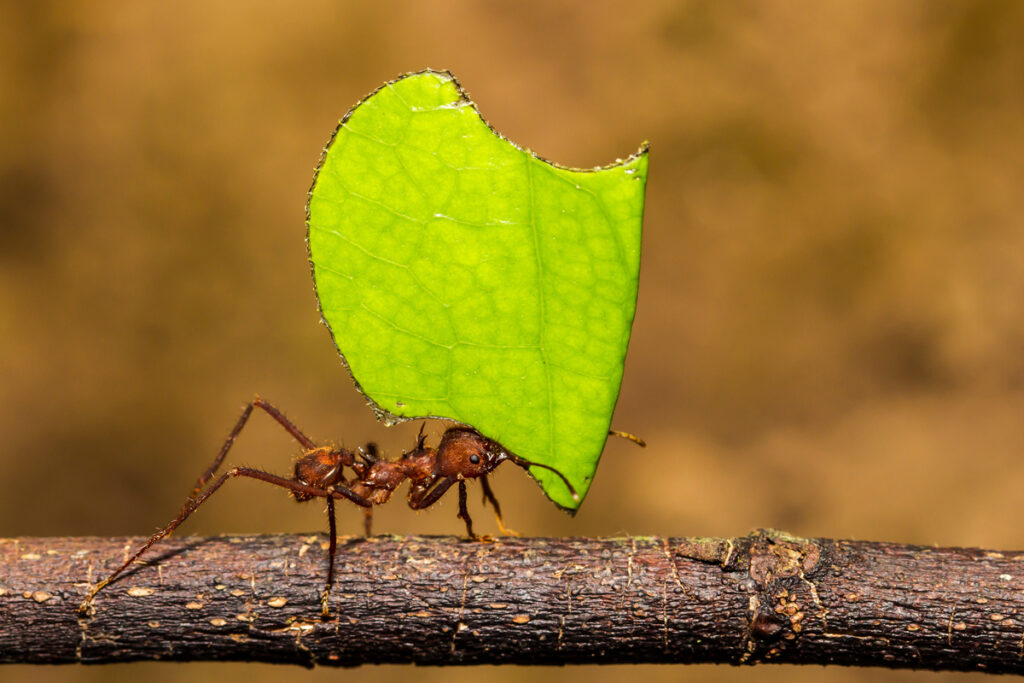
Leafcutter Ants

Pound for pound, leafcutter ants rank among the strongest animals on Earth, capable of carrying leaves 50 times their own weight. They’re also impressive architects, building some of the most complex underground cities in the animal kingdom. Their carefully constructed colonies contain millions of individuals spread across networks of interconnected chambers that can cover an area the size of two tennis courts. 

Inside, there are thousands of rooms, including nurseries, storage facilities, ventilation units, and dedicated areas for dumping trash. But perhaps most impressive of all are the farms: Rather than eating the leaves they harvest, leafcutter ants use them to cultivate a specialized fungus in dedicated growing chambers, effectively running an underground farming operation, all of which is climate controlled. Their efforts have not gone unnoticed — Guinness has officially recognized those farms as the largest animal-built fungi farms in the world. 

Credit: Kevin/stock.adobe.com

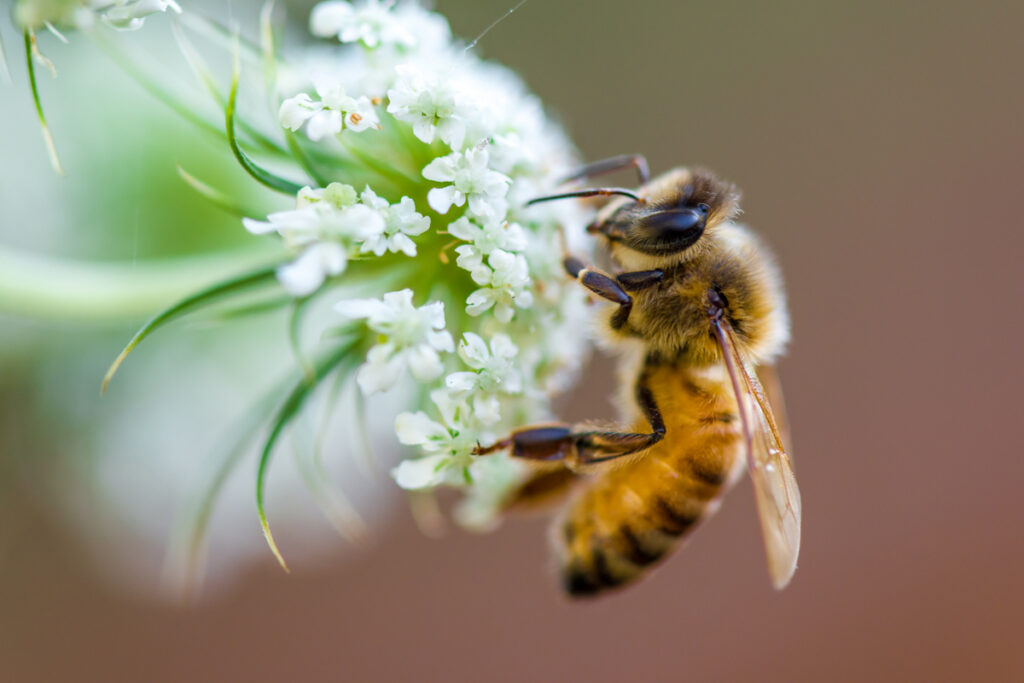
Honeybees

Honeybees build one of nature’s most mathematically efficient structures: the hexagonal wax honeycomb. Each hexagonal cell shares walls with its neighbors, allowing bees to store the maximum amount of honey and larvae using the smallest possible amount of wax. Mathematicians have confirmed that this shape is the most efficient way to tile a plane, an idea known as the “honeycomb conjecture.” 

Thousands of worker bees collaborate to build and maintain a single comb, coordinating cell sizes and orientations with no central blueprint. For a long time, scientists generally believed honeybees achieved such impressive feats of construction through shared instinctive rules passed down through the species — essentially, scientists believed the bees were basically mindless automatons. But more recent research suggests bees are actually capable thinkers who — despite the size of their tiny brains — possess highly developed cognitive abilities that may be superior to that of some vertebrates.

Ants have built their own equivalent of the Great Wall of China.

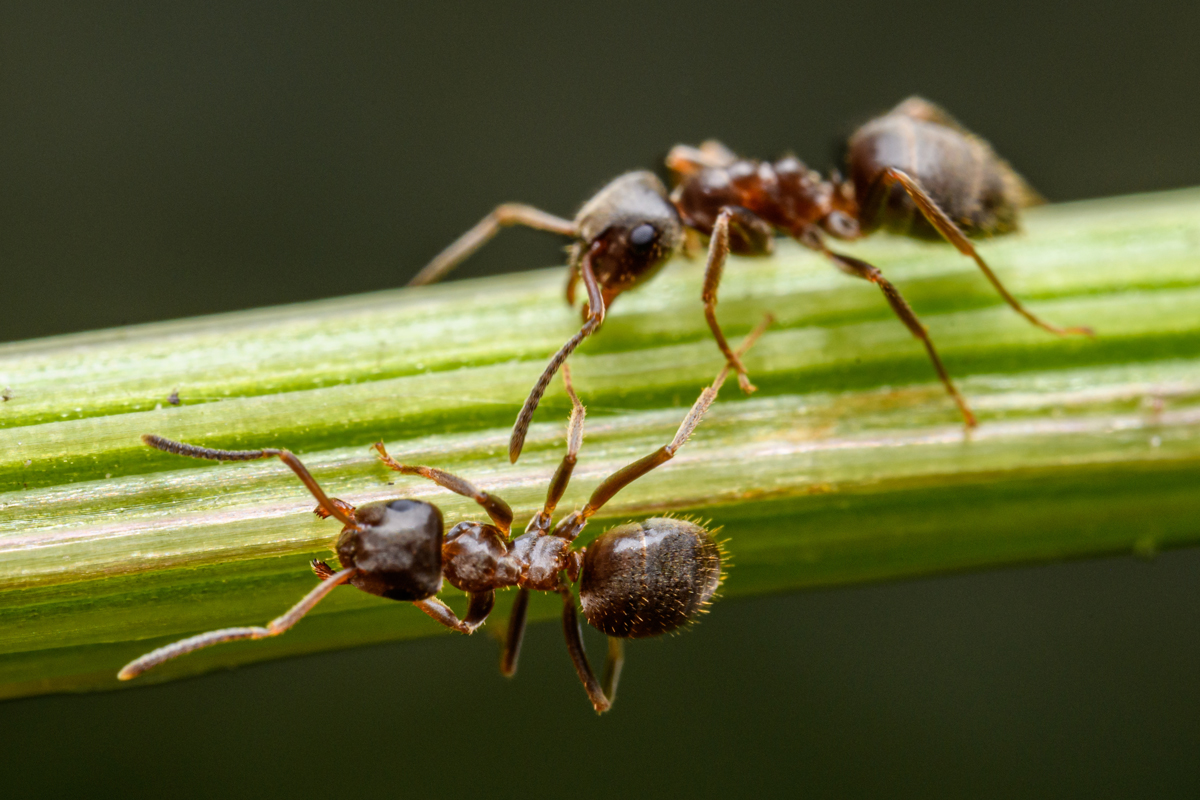
Ants climbing on a plant
Credit: Petr/stock.adobe.com

Though it probably isn’t true that all the ants on earth weigh more than all the humans, there are still a lot of them — about 20 quadrillion, as far as scientists can figure. With that in mind, it’s not exactly surprising that they’ve built underground megacities that put some of our metropolises to shame. One of them is so impressive that it’s been deemed the ant version of the Great Wall of China.

That discovery came after scientists in Brazil poured 10 tons of cement into an anthill and observed the ants’ goings-on for the next three days. Rather than simply move on and chide the researchers for their rude experiment, the ants got to work and used the cement to their advantage by building on and around it. Their creation was, relatively speaking, massive: 50 square meters in total, including 8 meters down into the earth, all of it interconnected via a series of tunnels and individual rooms with different purposes. 

It even included a side road for fast-moving ants who don’t like having to pass slow walkers en route to their next task. The creation didn’t last long, however, as ants tend to move from one colony to another so as to avoid predators and disasters (whether natural or manmade) that would destroy their carefully built structures.

6 Animals That Remember Human Faces

Bird perched on a broken branch
Credit: Credit: creativenature.nl/stock.adobe.com

Do you ever spot someone you recognize, browsing the aisles of the grocery store or across the parking lot, and as you go to call out to them, suddenly their name escapes you? Try as you might, you can’t recall their name because, for whatever reason, that bit of crucial information hasn’t made it to your brain’s long-term memory storage. 

Despite this common social flub, humans possess the incredible ability to remember faces — but only when we work at it. Our brains have to make the effort to engrain those faces in our memory for future recollection. Other animals, however, have their own techniques to remember faces, and some are even more efficient than humans’. Here are six animals that (almost) never forget a face.

Credit: Uryadnikov Sergey/stock.adobe.com

Apes

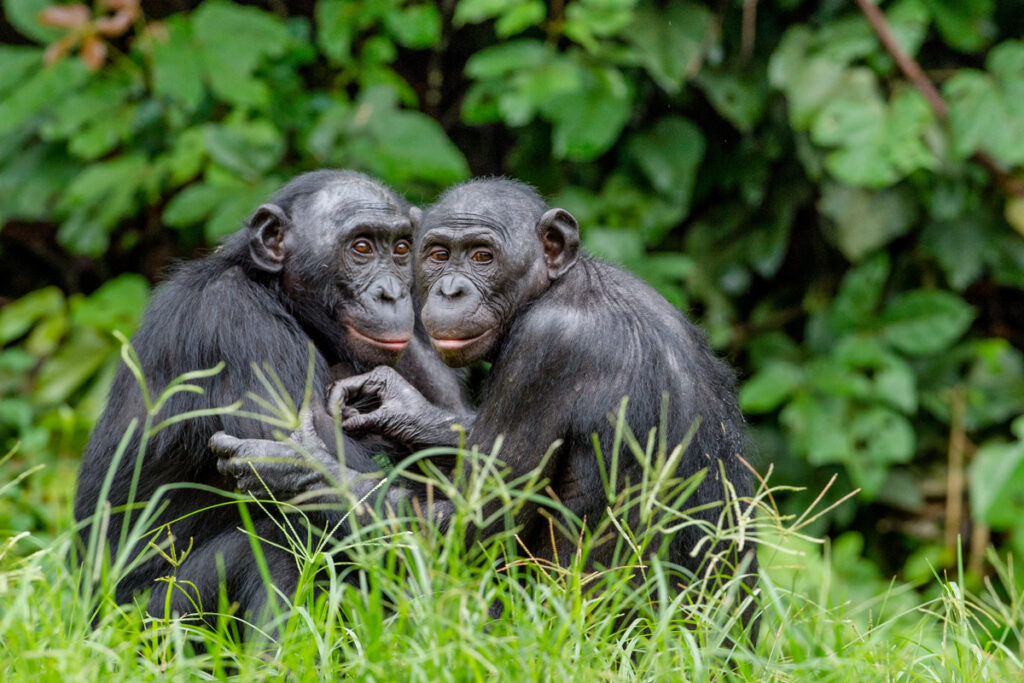
Apes are hands-down the best of the best when it comes to remembering faces. Of all the apes, chimpanzees and bonobos have the strongest memories, and most of that processing is done with the eyes. 

Chimps have been shown to remember other chimps for as long as 26 years and can recognize those long-lost friends through photos alone. Not only can they spot their peers, but they can also identify familiar humans they haven’t seen in a while, even if those faces have aged — and even if they’re covered by masks. Primatologist Lindsay Murray measured the memory of a chimp named Boris over the span of 30 years, noting that he recognized her and her children after up to four years of separation, even despite Murray and her family wearing masks due to visiting Boris during the height of the COVID-19 pandemic. 

Credit: Photo&Lightroom LF/stock.adobe.com

Dolphins 

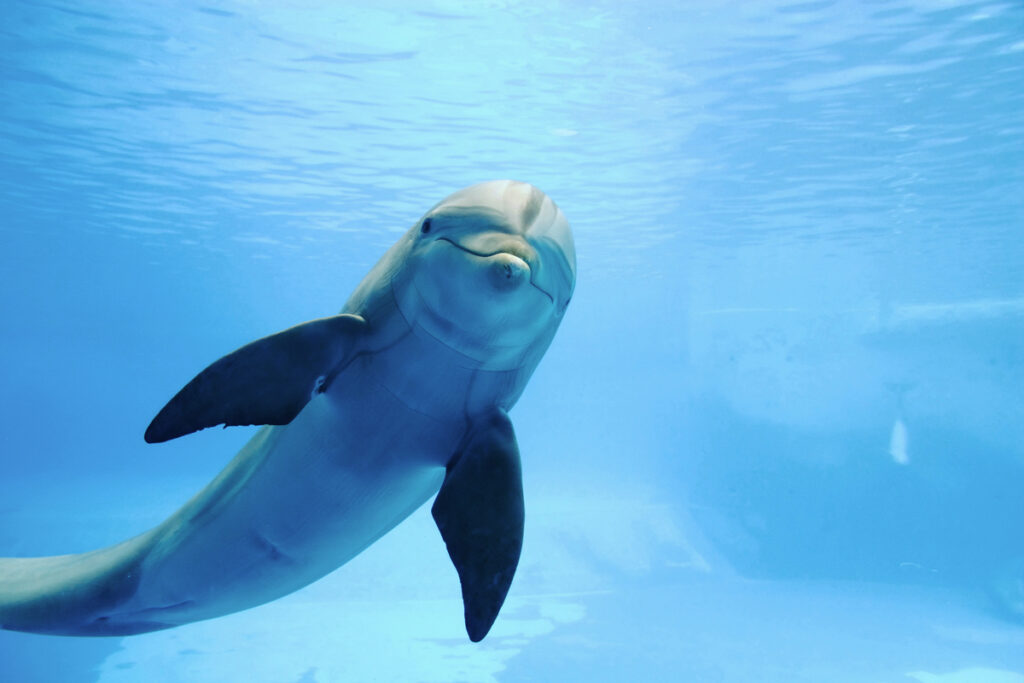
While wild dolphins are known to remember other dolphins through the sounds that they make, captive dolphins have been shown to recognize people through sight. But it’s not human faces that these mammals clock; it’s our body shapes, our movement patterns, and even the clothes we wear. 

One Japanese research team measured whether dolphins would recognize their trainer if that trainer was located near someone dressed identically. Time after time, they found the dolphins identified their solo trainers just fine, but they did so less accurately when the two humans were dressed the same, suggesting they recall the whole picture of a person rather than just their face.

Credit: fishcat007/stock.adobe.com

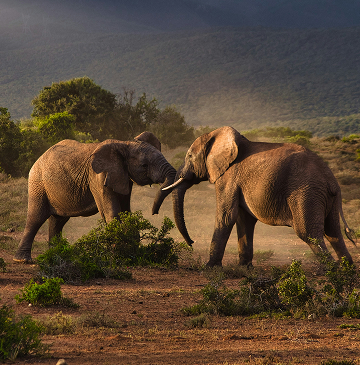
Elephants 

An elephant’s brain can weigh up to roughly 11 pounds, and they use some of that ample room to store memories for impressive periods of time. Similar to humans, elephants keep short-term memories in the prefrontal cortex, while the hippocampus processes worthwhile memories into the neocortex, where they stay long-term. 

Elephant brains also contain an amygdala and the largest relative cerebellum of all land animals. As those areas are where emotional memories are stored, elephants retain the ability to reminisce about members of their pod even after they’ve died. Elephants are able to remember humans too, and they don’t forget how a person treated them, so it always pays to be kind if you wish to stay on the good side of a 12,000-pound pachyderm. 
Credit: Tanya/stock.adobe.com

Dogs 

Our canine companions mostly navigate the world through their super-strong sniffers. Their ability to smell 100,000 times more sensitively than humans definitely helps them remember places, things, and people, even more so than their sense of sight does, but another sense dogs use to remember people is their sense of hearing. 
Dogs used in one study were able to recognize their human companions more often when the image of their face was accompanied by the sound of their voice. For half the trial, the faces and voices of owners matched up correctly, and for half they didn’t. The dogs looked longer at the images where the face of their owner didn’t match their voice, indicating the animals were likely expecting a match and were confused when that wasn’t the case. This led researchers to wonder if dogs may generate an internal image of their favorite humans when they hear them calling.  

Credit: creativenature.nl/stock.adobe.com

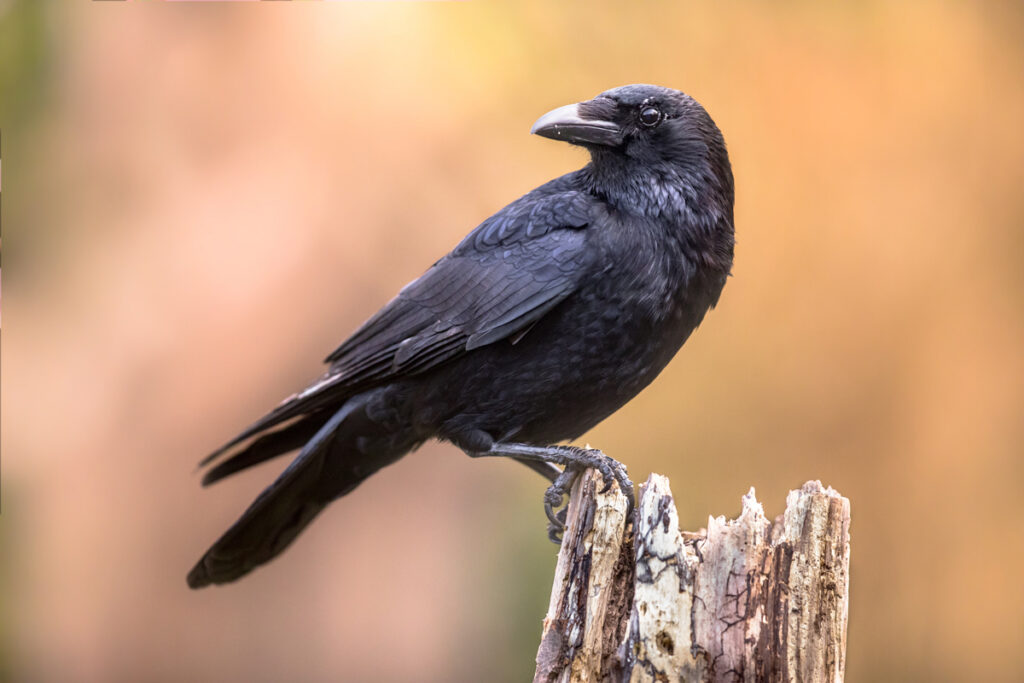
Birds

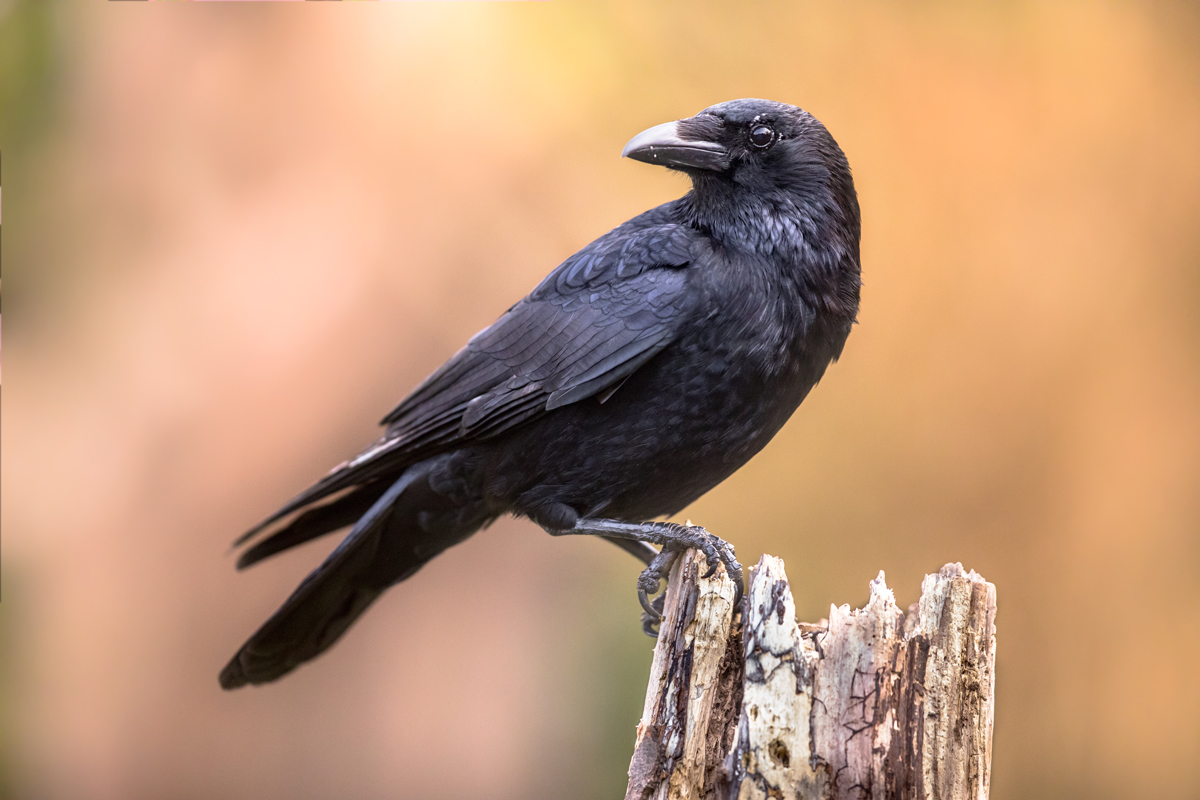
While many animals remember positive experiences, some hold onto bad memories and refuse to let go, even after they die. Corvids — crows and ravens specifically — can remember a human for up to 17 years, and your treatment of them when they formed that memory will inform how they remember you. 

In one study, researchers trapped wild American crows. Some of the trappers wore “neutral” masks, while others wore “dangerous” masks. The crows seemed to verbally scold and even mob the “dangerous”  trappers up to 2.7 years after the initial trapping. Because crows are social animals who rely on their groups for survival, these birds even teach their youngsters to be cautious of dangerous or cruel humans, potentially ensuring a grudge that can last for generations. 

Credit: Rasmus/stock.adobe.com

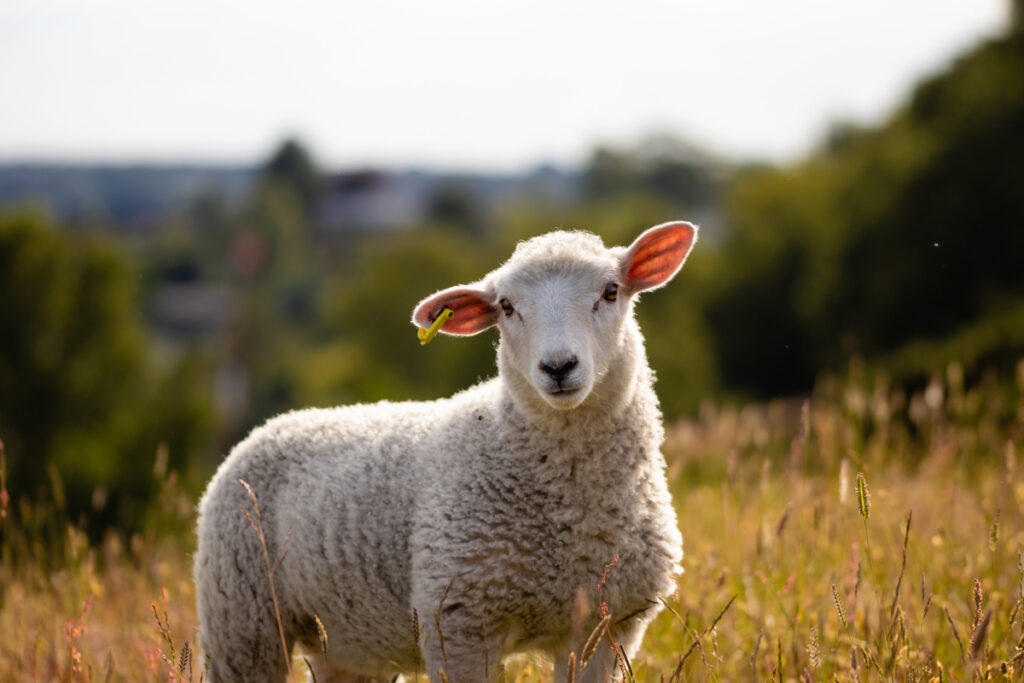
Sheep 

It’s easy for many of us to overlook the thinking abilities of sheep, especially if we don’t know any sheep on a personal level — but as it turns out, their ability to study faces by sight is highly advanced. According to one study, sheep are excellent visual learners and can discern even slight differences of just 10% in both sheep and human faces, then can remember those faces for around two years. The researchers compared their ability to differentiate people by sight and by sound, finding that when the sheep relied only on verbal cues, they had a greatly diminished ability to remember who was who. 

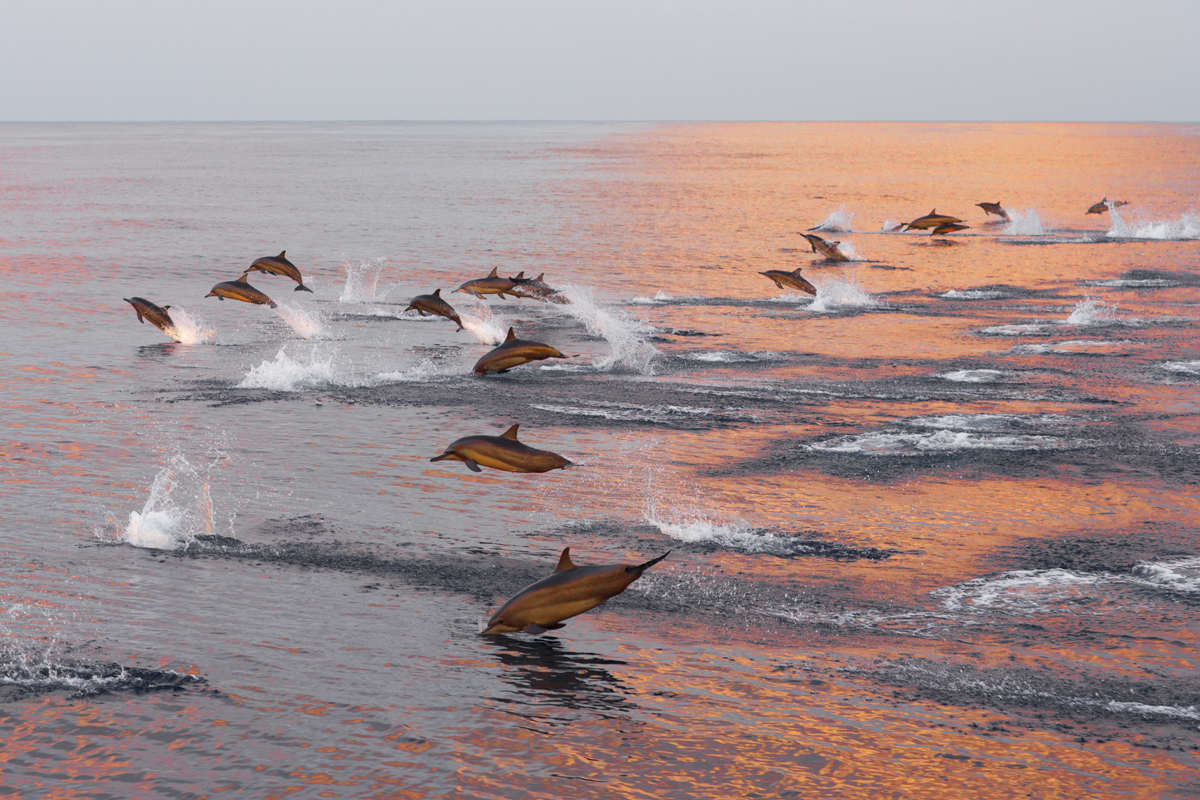
Dolphins can remember their friends for decades.

Large group of dolphins jumping out of the ocean
Credit: Elena/stock.adobe.com

Elephants aren’t the only animals with impressive memories — dolphins have the longest social memory of any nonhuman species and can remember their friends for more than 20 years. They don’t do so by sight, however; these highly intelligent mammals actually recognize each other’s whistles, even after being separated from one another for more than two decades. 

This discovery was made by a Royal Society study that collected data from 53 bottlenose dolphins at six different facilities. Whether in Chicago or Bermuda, their findings were consistent: Dolphins really do remember their besties. They have signature whistles that essentially function as names to which they’ll respond when called, something they often do in group settings to help distinguish themselves from the rest of their pod.