Tony is an English writer of nonfiction and fiction living on the edge of the Amazon jungle.
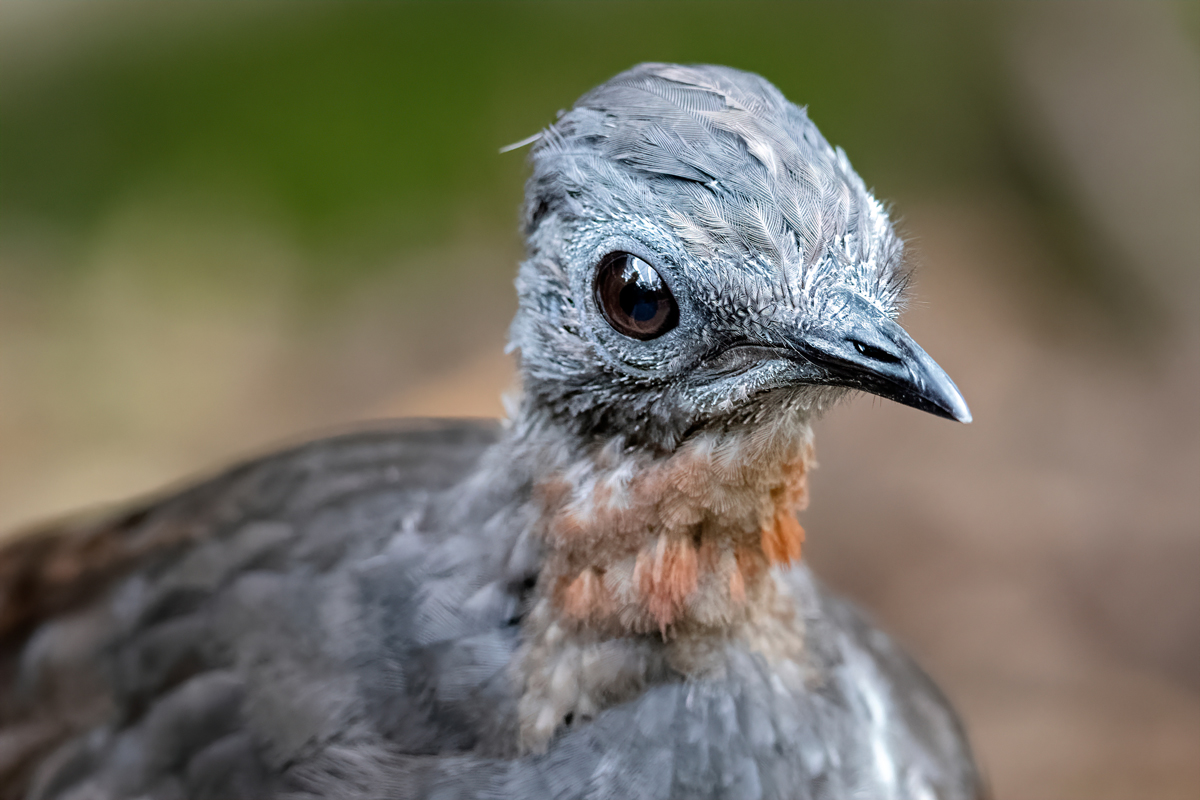
The animal kingdom is full of incredible mimics, but when it comes to imitating sounds, few — if any — are more impressive than the lyrebird. Australia’s male lyrebirds produce astonishingly accurate copies of forest sounds to use in their elaborate courtship songs. They can copy the calls of other birds, whether it’s a kookaburra’s cackling laughter or the whipcrack song of an eastern whipbird, as well as many other noises that occur naturally in their environment.
But that’s not all: Lyrebirds have also been recorded copying human-made sounds, including camera shutters, chainsaws, car alarms, construction tools, and even crying babies — often causing confusion among humans who hear these “songs.” As the birds age and gain more experience, they improve their courtship songs, which in turn increases their success rate when it comes to impressing potential mates.
Bennett Kleinman is a New York City-based staff writer for Inbox Studio. He is also a freelance comedy writer, devoted New York Yankees and New Jersey Devils fan, and thinks plain seltzer is the best drink ever invented.
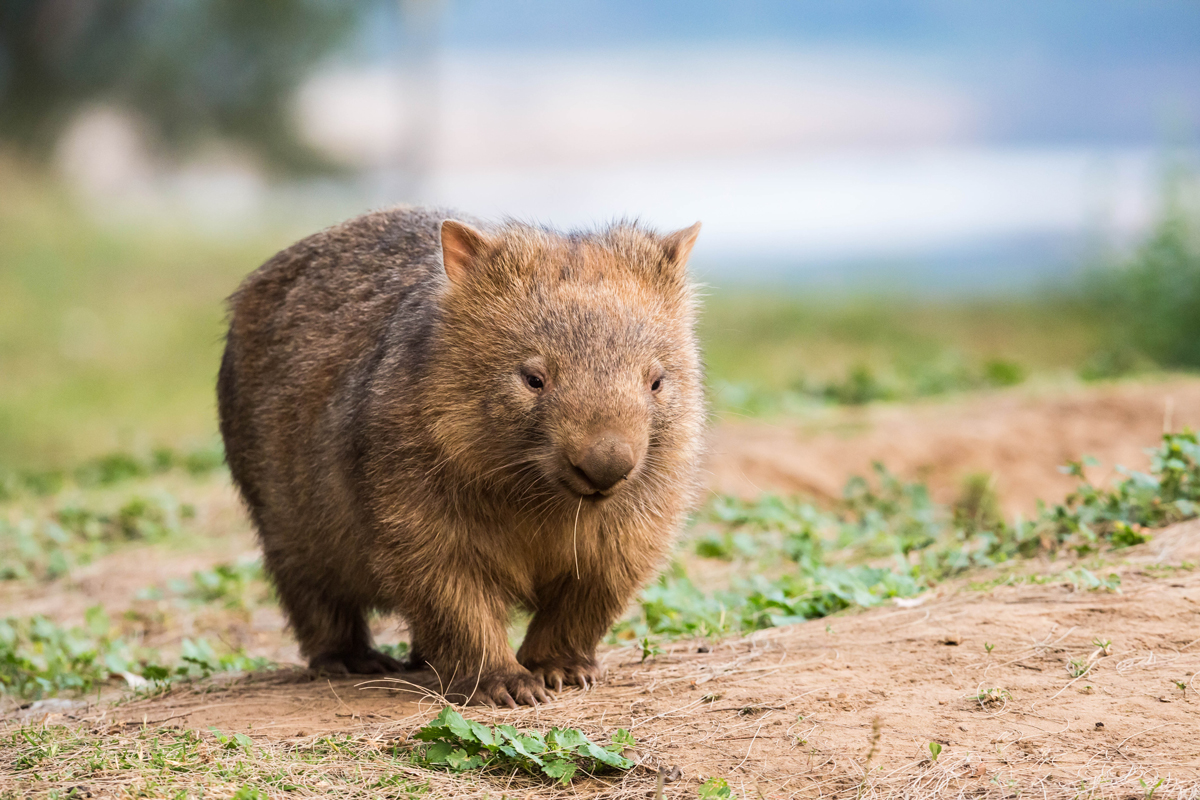
If any one of us were to poop out a perfect cube, you’d likely be contacting a gastroenterologist to get checked out ASAP. But for wombats, cube-shaped poop is the norm. These marsupials produce up to roughly 100 six-sided excretions each day, which they often place to mark their territory.
These poop cubes are created during a typical wombat’s lengthy digestive process, which takes four times longer than that of humans. During this period, each bit of feces experiences upward of 40,000 contractions, with each one subtly pressing on the poop and forming it into a dicelike shape. That long duration also sucks all the moisture and nutrients from the poop, resulting in a more durable brick of excrement that retains a harder texture and more precise shape after emerging.
Advertisement
6 Animals That Use Electricity in Surprising Ways
Across Species 02/09/26Sep. 2, 2026
Updated 02/09/26Sep. 2, 2026
Credit: JossK/stock.adobe.com
Tony Dunnell
Author
Tony is an English writer of nonfiction and fiction living on the edge of the Amazon jungle.
We humans tend to make a big fuss about technological advancements, particularly those that involve electricity. Invent a transistor, an integrated circuit, or a lithium-ion battery, and you win a Nobel Prize. Create an incandescent lightbulb, and your name goes down in history (thank you, Thomas Edison).
Animals, on the other hand, have been using electricity to hunt, hide, navigate, and communicate long before humans learned how to harness its power — and they didn’t feel the need to make a big deal about it. Here are six animals who’ve mastered the art of utilizing electricity in particularly surprising ways.
Credit: Danny Ye/stock.adobe.com
Electric Eels
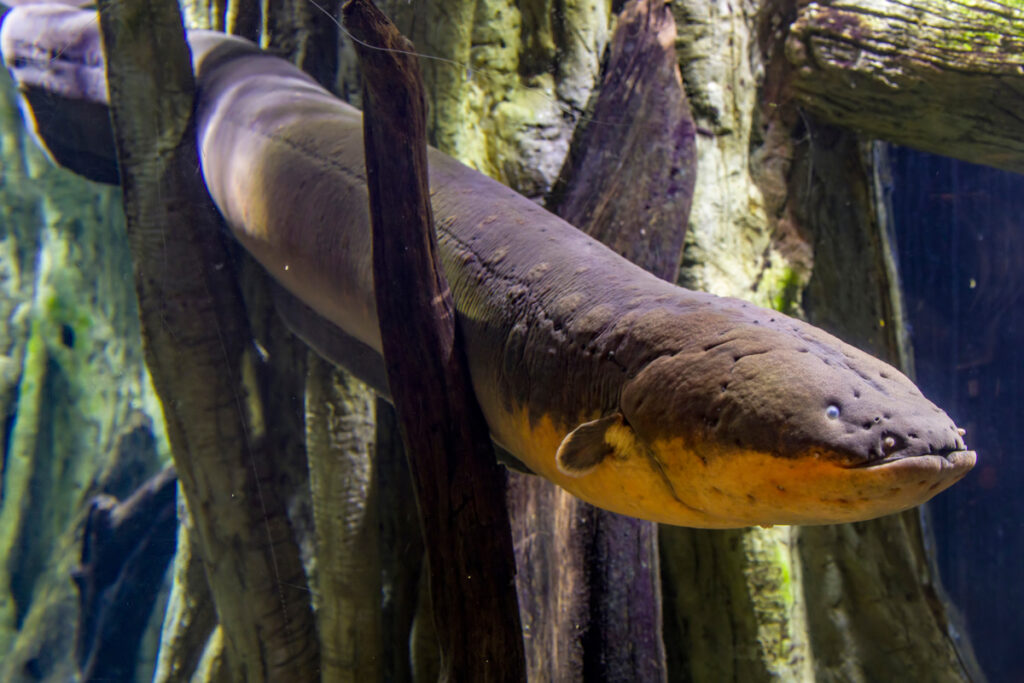
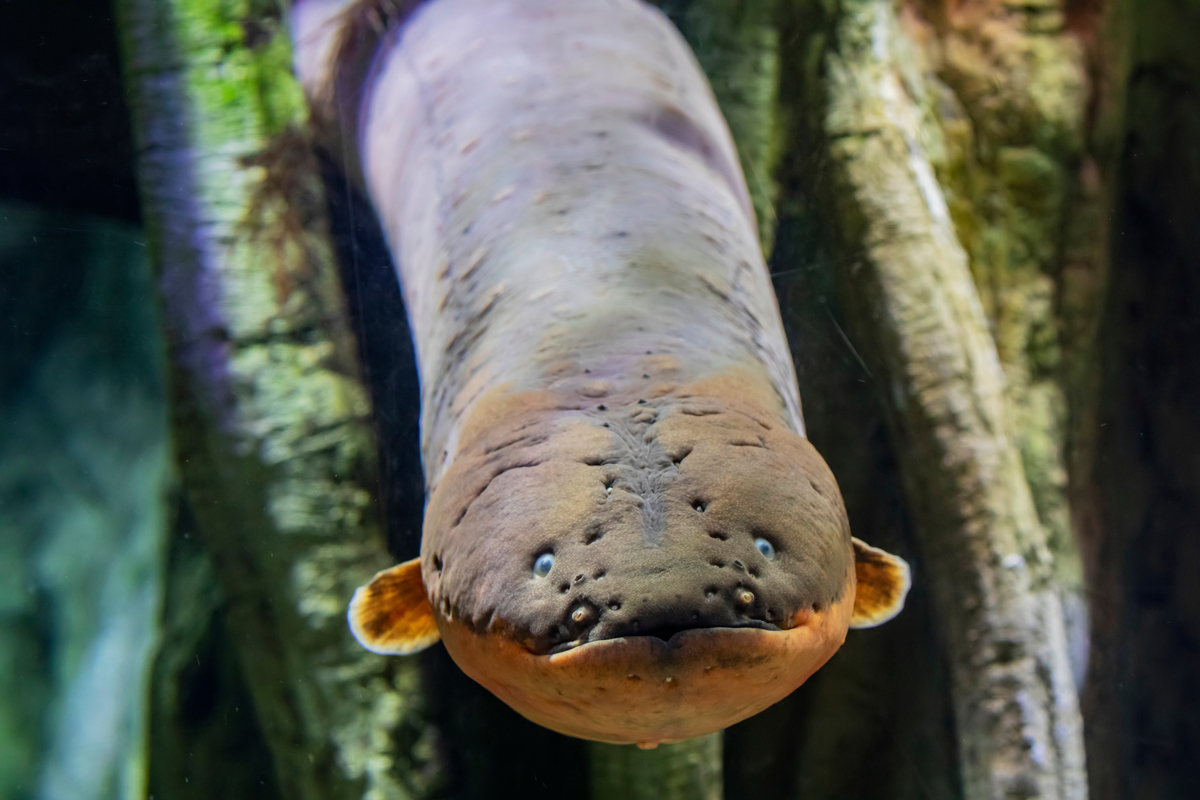
The electric eel is the undisputed heavyweight in the world of animal electricity, capable of generating discharges of up to 860 volts using three specialized organs that make up most of its body length. These eels are well known for using high-voltage pulses to defend themselves against predators and to hunt and stun prey; they’ll even leap from the water to launch a high-voltage punch.
But electric eels don’t limit their power output to matters of defense and attacks. They use lower-voltage pulses as a kind of radar to navigate and locate prey in murky water. Remarkably, they also use low discharges to communicate with other eels, sending and interpreting information including their willingness to reproduce.
Credit: Luke/stock.adobe.com
Platypuses
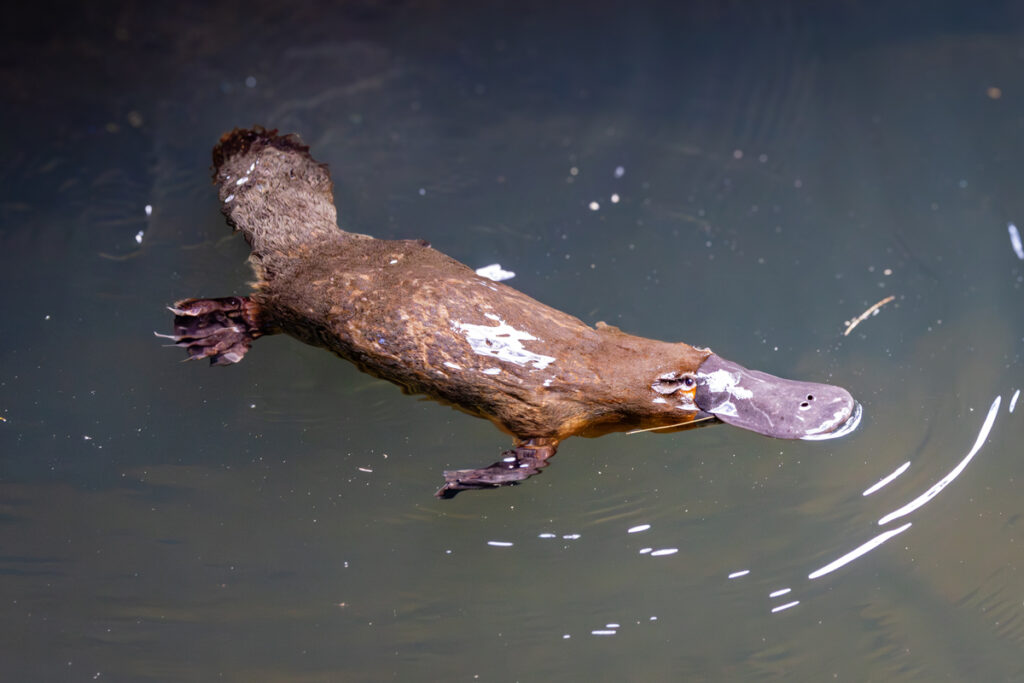
The duck-billed platypus — an undeniably strange, semiaquatic, egg-laying mammal — doesn’t generate electricity, but it can sense it. These animals have around 40,000 special cells, known as electroreceptors, packed into their soft, rubbery bills, which allow them to detect the faint electrical signals given off by crustaceans, worms, mollusks, and insect larvae hidden in riverbed sediments.
They can dive underwater with their eyes, ears, and nostrils sealed shut, searching for a meal in even the murkiest of waters.
This type of electroreception is normally associated with fish such as hammerhead sharks, rays, elephantnose fish, and American paddlefish. The only other land-dwelling mammal capable of electroreception is the echidna (aka the spiny anteater), which uses its special ability to sense ants and termites in the soil.
Credit: Dmitry Grigoriev/Unsplash.com
Bumblebees
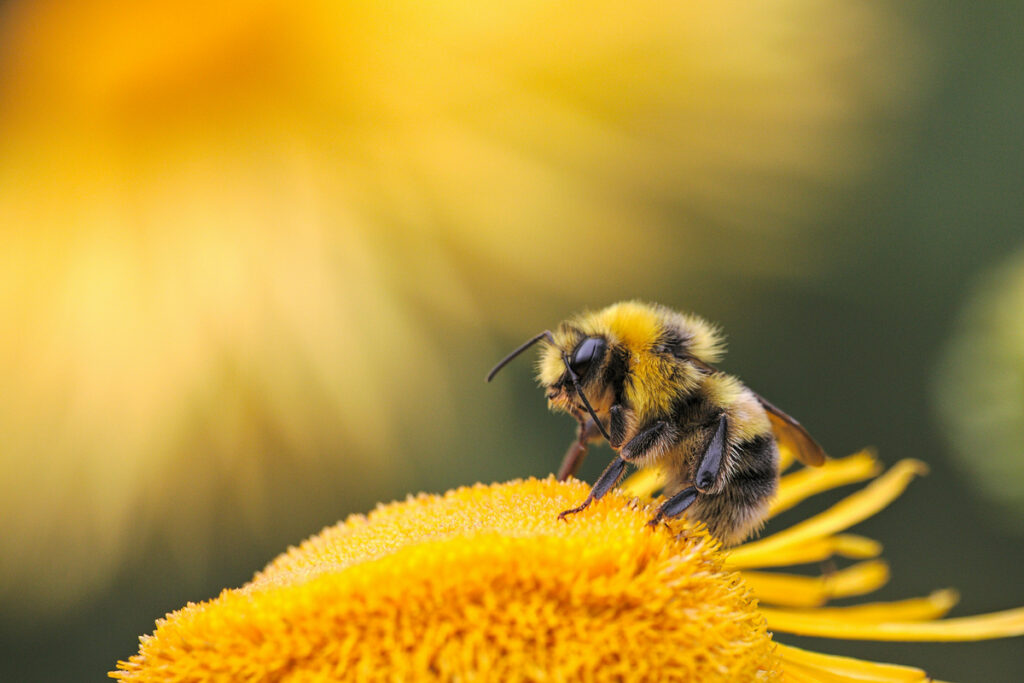
Bumblebees are highly intelligent little creatures with advanced cognitive abilities, and they can also sense the electric field that surrounds a flower. While flying through the air, bumblebees pick up a positive charge through simple friction, while flowers tend to have a faint negative electric charge.
Researchers have found that the tiny hairs covering a bumblebee’s body can detect the distortion between those two fields, not only sensing the flower itself but also triggering a signal that helps the bee figure out whether the flower has recently been visited — and therefore likely drained of nectar — by another bee.
Credit: Thijs de Graaf/stock.adobe.com
Money Spiders
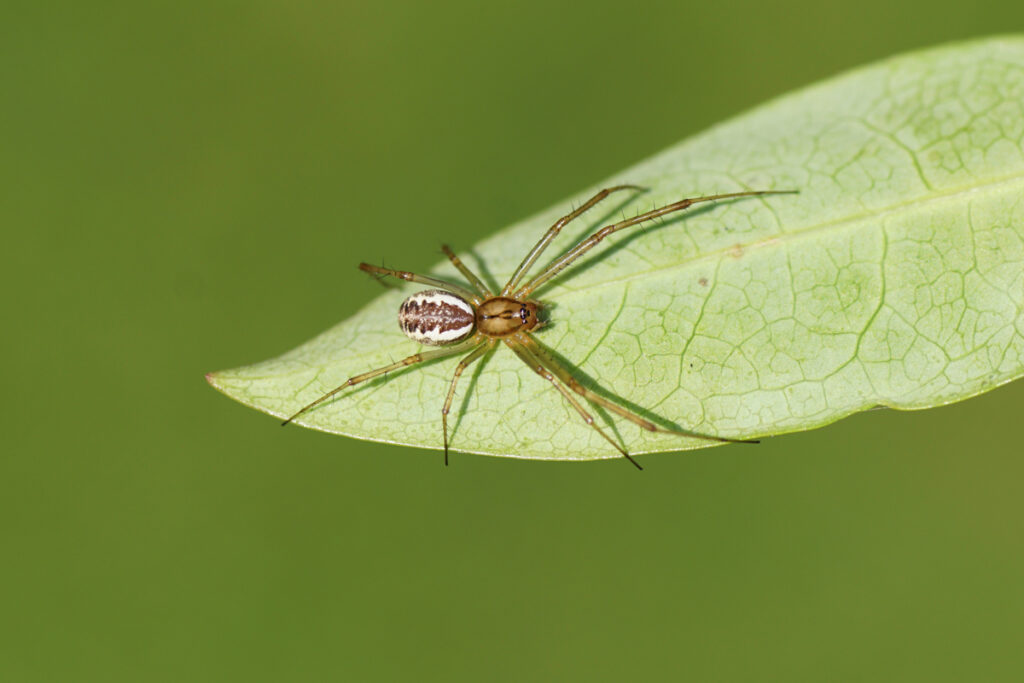
Tiny money spiders can perform an impressive trick that allows them to take flight using just one strand of silk. Scientists once believed that seemingly magical ability utilized air currents, but research has since shown that money spiders can take off even in still air by using the Earth’s electrical field.
When they sense the field is strong enough, the spiders climb onto a twig or other vantage point, spin a line, and take off. The negative electric charge of the spider silk catches the positive electric field in the atmosphere, providing the necessary lift. This process, known as ballooning, allows these brave little spiders to travel through the sky for miles, riding strands of silk in what looks like wind-assisted flight.
Credit: RistoH/stock.adobe.com
Ticks
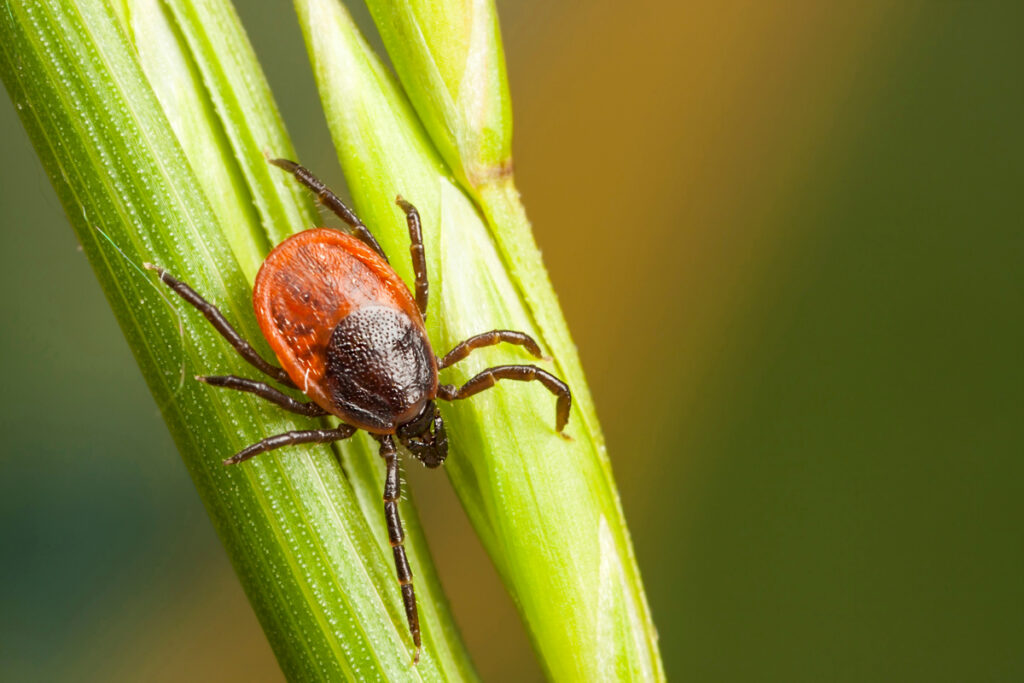
Ticks aren’t the most mobile creatures and are incapable of jumping, so finding an unfortunate host to feed on seems like it would be a real problem. But in 2023, researchers at the University of Bristol discovered that ticks get an assist from an unexpected source: static electricity.
Animals naturally build up an electrostatic charge as they move through grass and brush, and ticks use that charge to pull themselves several body-lengths through the air toward a host in a phenomenon known as electrostatic attraction. While this may horrify us humans (and our pets), it’s nonetheless a remarkable and highly efficient capability.
Credit: JossK/stock.adobe.com
Oriental Hornets
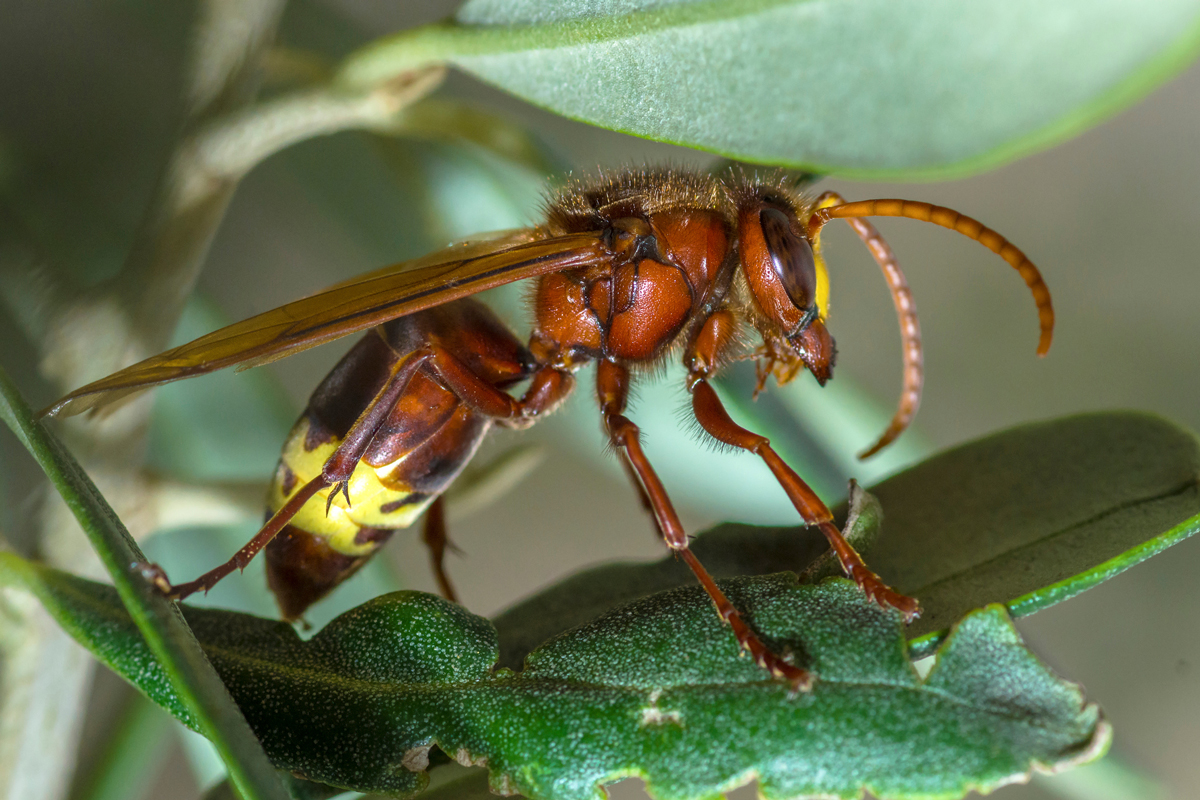
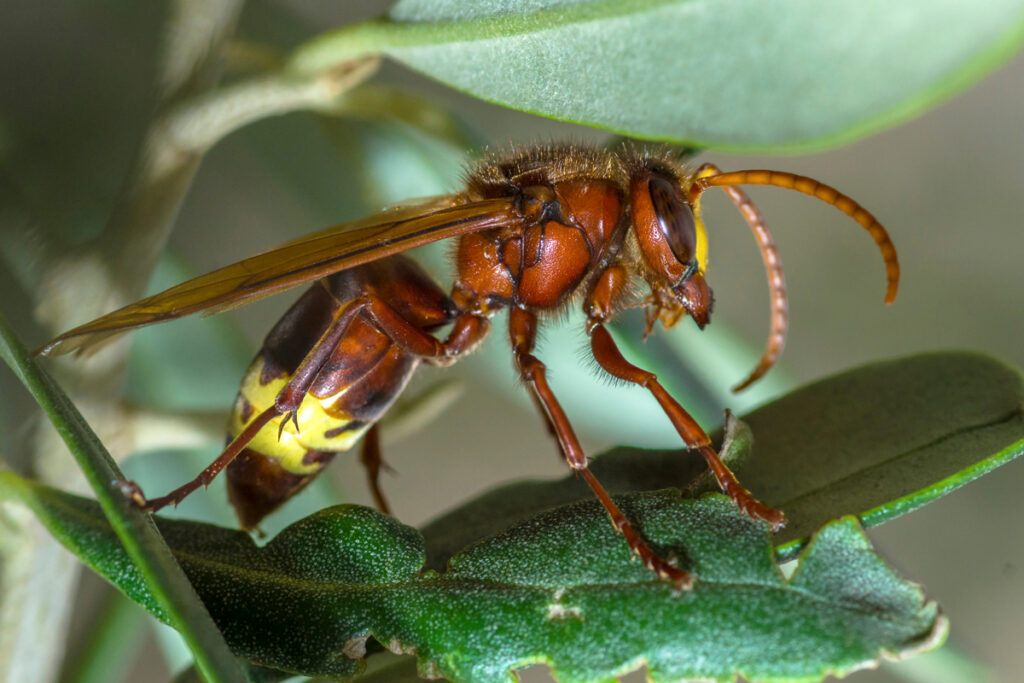
Forget rooftop solar panels — oriental hornets wear them on their skin. These striking black-and-yellow insects, which live in semiarid regions from northeast Africa to southwest Asia, turn sunlight into electricity using special pigments called xanthopterin.
These pigments are found in the yellow band around the hornet’s abdomen, while melanin in the darker bands, along with specialized grooves and bumps, helps capture light. The hornet is basically a living solar cell, and these sun-loving insects ramp up activity at midday, possibly using their homemade electric boost to power various functions, including metabolism, digging, and temperature control.
Advertisement
Some eels use electricity to navigate.
Fish 02/09/26Sep. 2, 2026
Updated 02/09/26Sep. 2, 2026
Credit: Danny Ye/stock.adobe.com
Tony Dunnell
Author
Tony is an English writer of nonfiction and fiction living on the edge of the Amazon jungle.
Electric eels have poor eyesight, which is far from ideal in the murky waters they tend to inhabit — but that doesn’t mean they struggle to find their way around. These eels are capable of discharging electrical impulses into the surrounding water using specialized muscle cells called electrocytes. The resulting pulse is used for defense, hunting, and navigation.
When an object or another creature disturbs the field, electroreceptors in the eel’s skin detect the distortion, revealing its size, distance, shape, and even conductivity. This active electrolocation is perfectly suited for navigating dark or murky water where eyesight alone offers little advantage. Electric eels can switch to high-voltage bursts for hunting or defense, but the gentler continuous or pulsed signals serve mainly for navigation, locating hidden prey, and even communicating with other eels.
Advertisement
The 7 Smartest Creatures in the Animal Kingdom
Across Species 02/09/26Sep. 2, 2026
Updated 02/09/26Sep. 2, 2026
Credit: David Levinson/Pexels.com
Kristina Wright
Author
Kristina is a coffee-fueled writer living happily ever after with her family in the suburbs of Richmond, Virginia.
How do you measure brainpower in the animal kingdom? Scientists don’t have a singular IQ test for animals, and comparing intelligence across species isn’t exactly like comparing apples to apples. Intelligence can look like solving puzzles, remembering faces, using tools, learning from others, communicating with a group, or figuring out how to get what you want without getting caught.
Taking several of those measurements together, however, a few animals stand out as being especially bright. Here are seven animals whose cleverness puts them at the top of the class.
Credit: Francesco Ungaro/Pexels.com
Chimpanzees
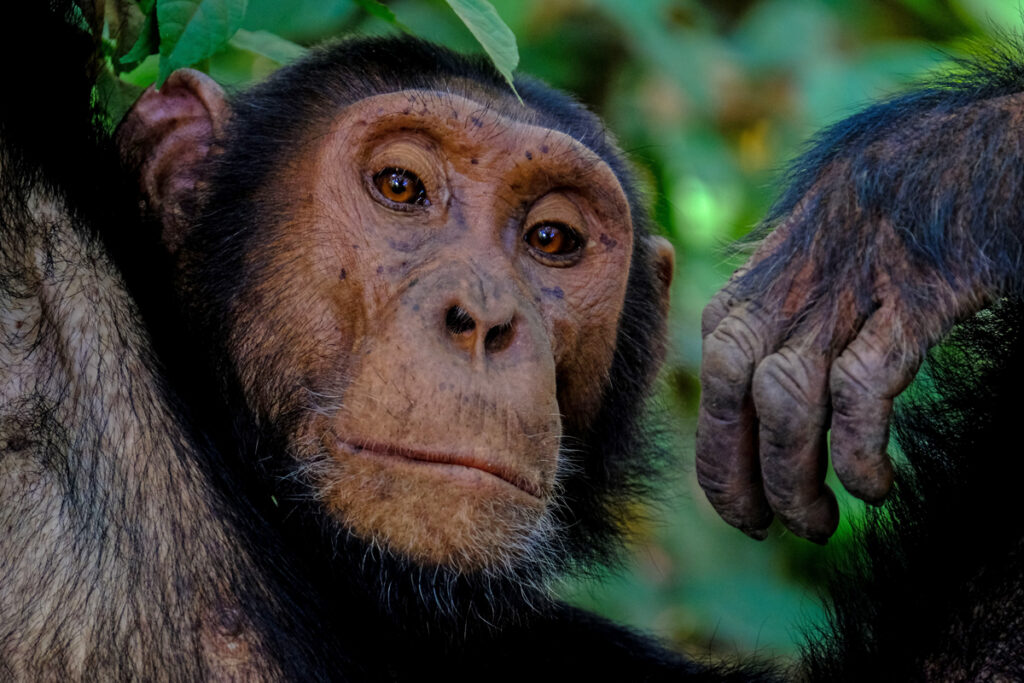
Our closest living relatives are also some of the animal kingdom’s most capable problem-solvers. Chimpanzees use sticks to collect termites from nests and leaves as sponges to soak up water. Different chimpanzee communities even have distinct tool-using traditions, suggesting some behaviors are learned socially and passed between generations.
Their intelligence extends beyond tools as well: Chimps have excellent memories, can learn complex sequences, and can anticipate other individuals’ actions. They can also recognize themselves in mirrors and on video, a rare ability that suggests some degree of self-awareness. Young chimps spend years watching and imitating older members of their communities, learning the skills they’ll need to survive in adulthood.
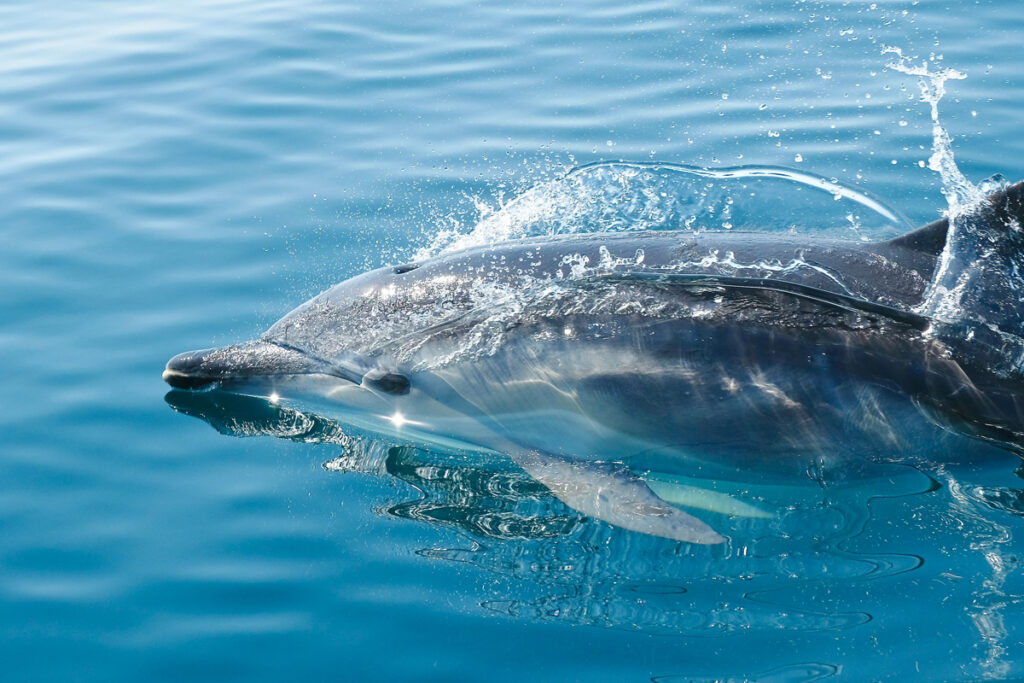
Dolphins have large and complex brains, but their intelligence is better measured by what they use those brains to do. They can recognize themselves in mirrors, remember individuals for years, and use sophisticated communication systems. Bottlenose dolphins even develop individual signature whistles that function similar to names, allowing them to identify and call one another.
They’re also clever hunters. Dolphins work together to herd fish, and some populations have developed distinctive hunting techniques that are passed from one generation to the next. They have even been observed carrying marine sponges while foraging along the seafloor to protect their sensitive beaks from sharp rocks.
Credit: David Levinson/Pexels.com
Crows
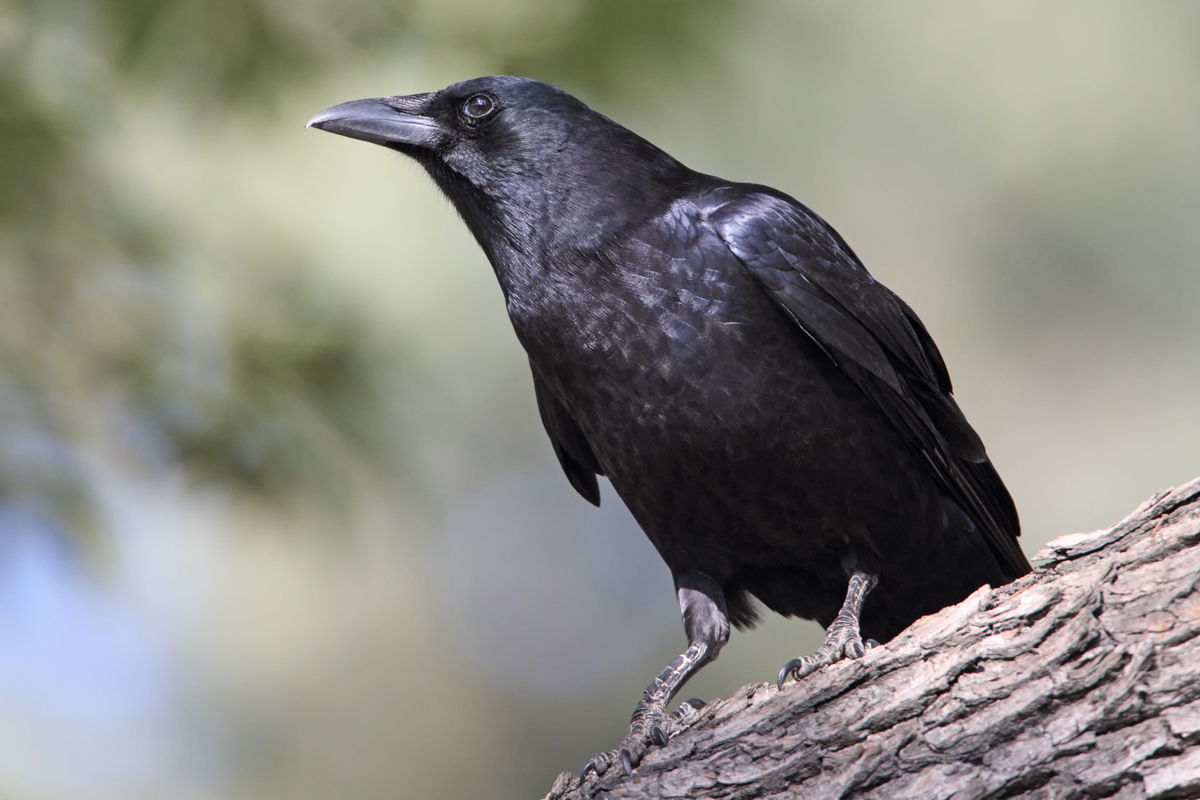
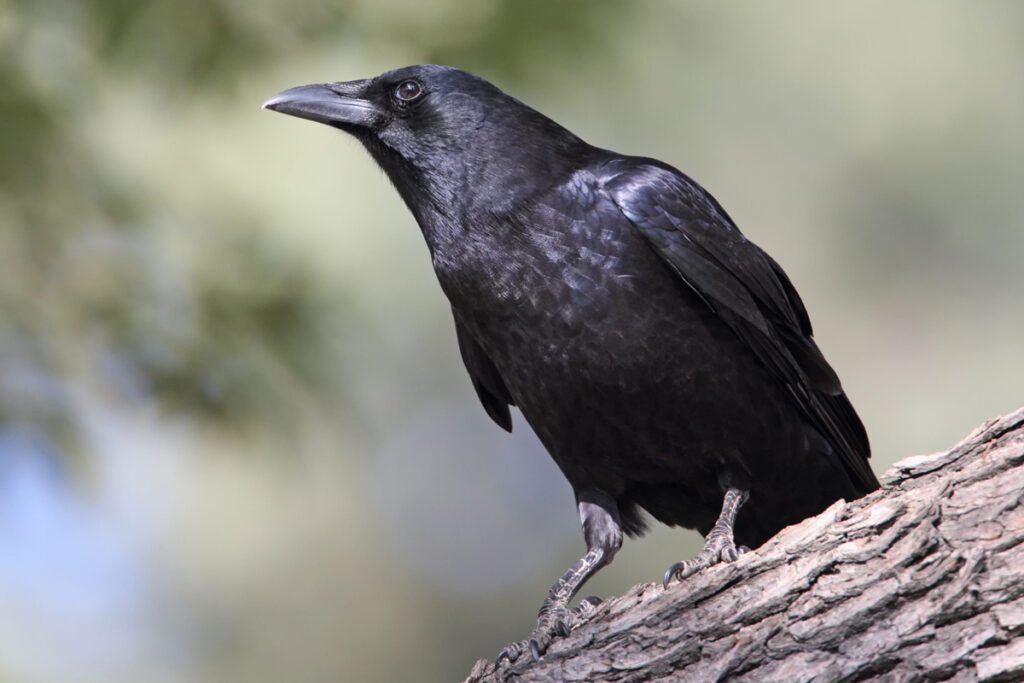
Crows and their relatives in the corvid family are among nature’s most capable problem-solvers. They can remember human faces, use tools to reach food, and find solutions to complex problems. In laboratory experiments, some crows have learned to use one object to obtain a second tool, then use that latter tool to reach food — demonstrating an ability to work through a sequence of steps to achieve a goal.
Their ability to make, modify, and use tools comes in handy in the wild. New Caledonian crows shape twigs and leaves into tools used for extracting insects from hard-to-reach places, adjusting their techniques based on experience. They can also remember which tools work best for particular tasks.
Credit: johanelzenga/stock.adobe.com
Elephants
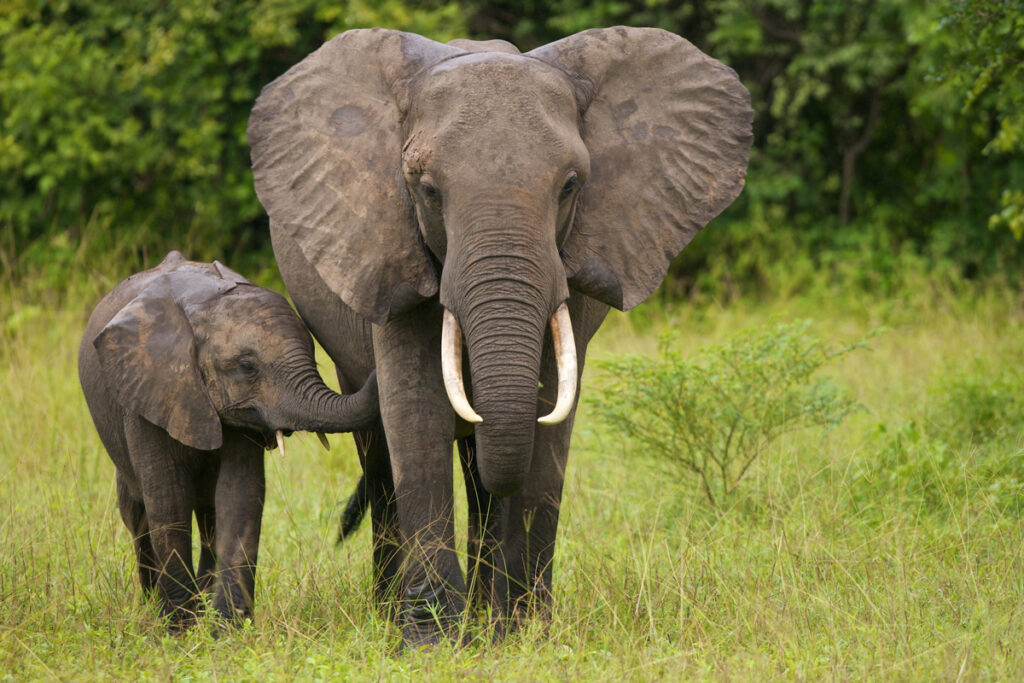
Elephants are famous for their memories for good reason: They have strong spatial memories that allow them to remember important locations such as water sources and feeding grounds, even after long periods away — valuable skills during difficult seasons when water and food are scarce. They can also use branches and other objects as tools, and their ability to manipulate such objects requires coordination, flexibility, and problem-solving.
Their intelligence shines in their social behavior too. Elephants can recognize individuals after years apart and distinguish the voices of familiar elephants. They also display empathy, work cooperatively, and show understanding of complex relationships.
Credit: Vladimir Wrangel/stock.adobe.com
Octopuses
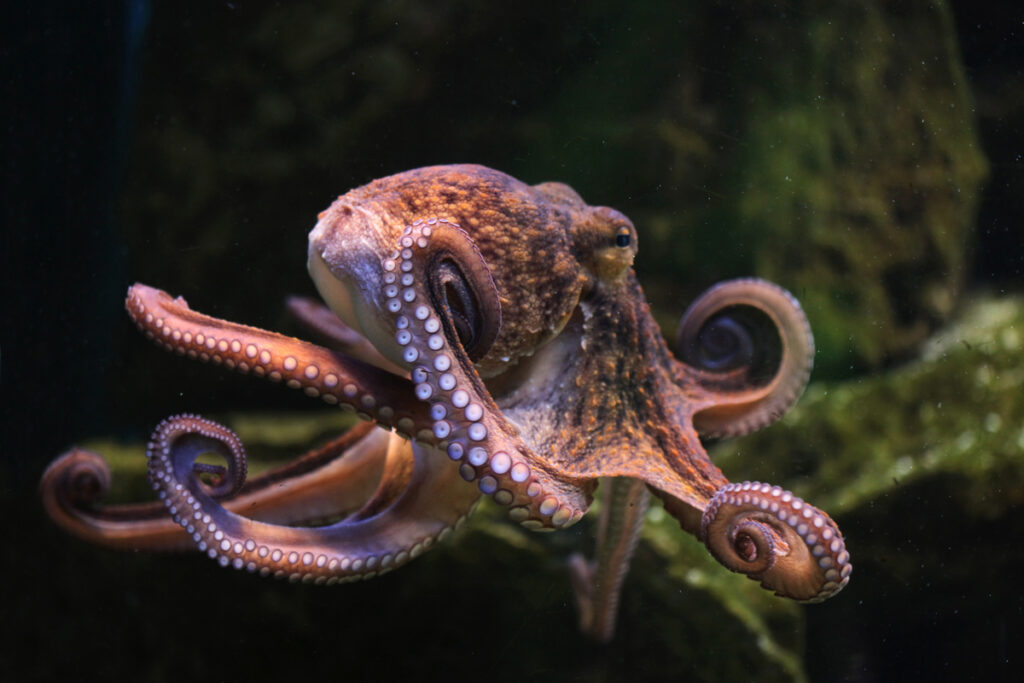
Octopuses have demonstrated they can learn through observation and experience, solve puzzles, and remember solutions. Octopus intelligence is especially unusual because much of their nervous system is distributed throughout their bodies, with a large portion of their neurons located in their arms. Each arm can process sensory information and control complex movements somewhat independently.
They’re also skilled at manipulating their environment. Octopuses have been known to open containers to reach food, use tools, escape enclosures, and squeeze through surprisingly tiny openings. Their problem-solving abilities and flexible bodies make them formidable hunters in the wild and endlessly fascinating animals to observe.
Credit: gabort/stock.adobe.com
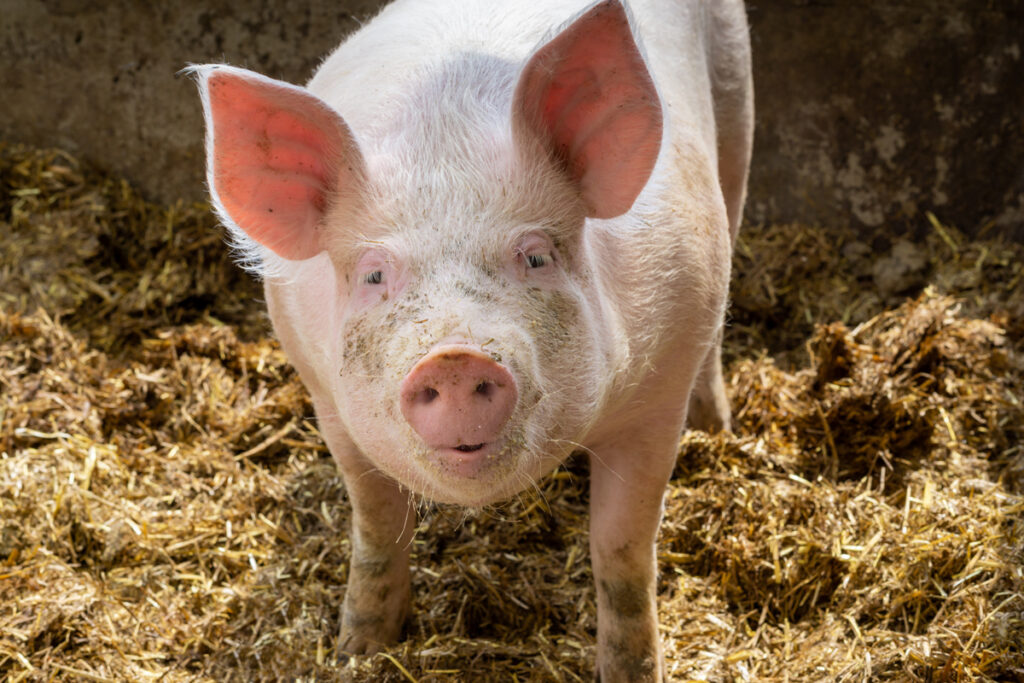
Pigs
Pigs are highly intelligent, adaptable animals with strong memories and an impressive ability to learn. They can remember locations, recognize individuals, and solve problems using objects in their environment. Research has found that pigs can use mirrors to help locate hidden food, which may indicate a level of self-awareness.
They’re also highly social animals, capable of learning from one another and adjusting their behavior based on what their fellow pigs are doing. Their ability to learn commands and quickly adapt to changing circumstances has made them important subjects in studies of animal cognition.
Credit: ihorhvozdetskiy/stock.adobe.com
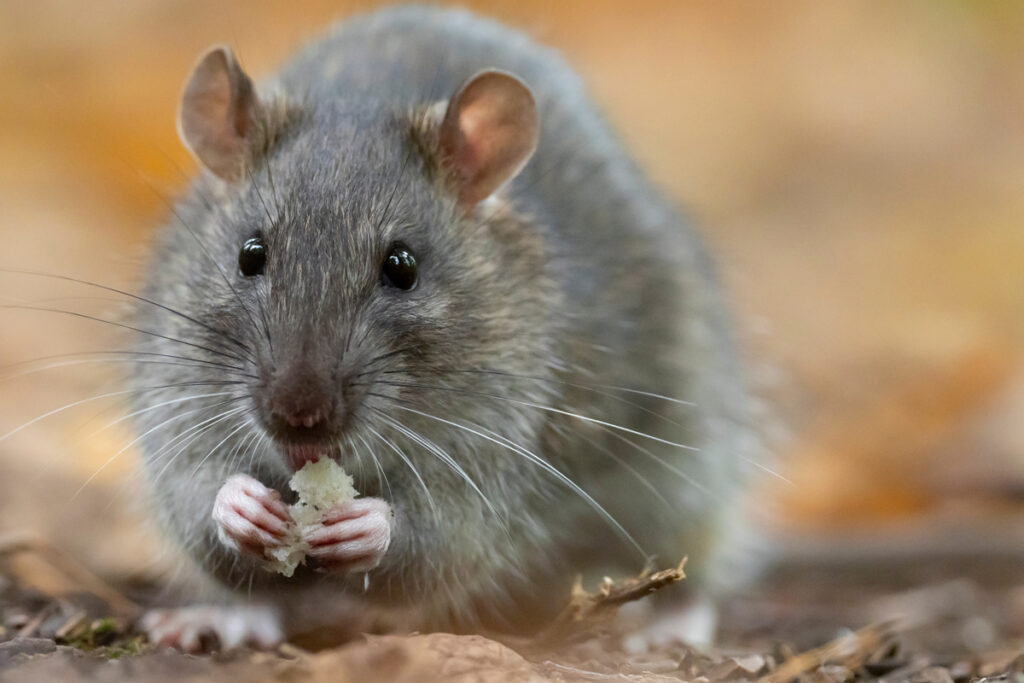
Rats
Rats are clever, curious animals with an ability to learn quickly. They can navigate mazes, remember routes, recognize familiar individuals, and adapt when the rules of a problem change. Their strong spatial memory helps them remember where they’ve found food and how to find their way through unfamiliar surroundings.
These animals are also highly social and curious. In laboratory studies, they’ve learned to perform specific tasks for rewards and quickly pivot when those guidelines change. Some research suggests rats will even help other rats in distress, offering a glimpse of their sophisticated social intelligence.
Bennett Kleinman is a New York City-based staff writer for Inbox Studio. He is also a freelance comedy writer, devoted New York Yankees and New Jersey Devils fan, and thinks plain seltzer is the best drink ever invented.
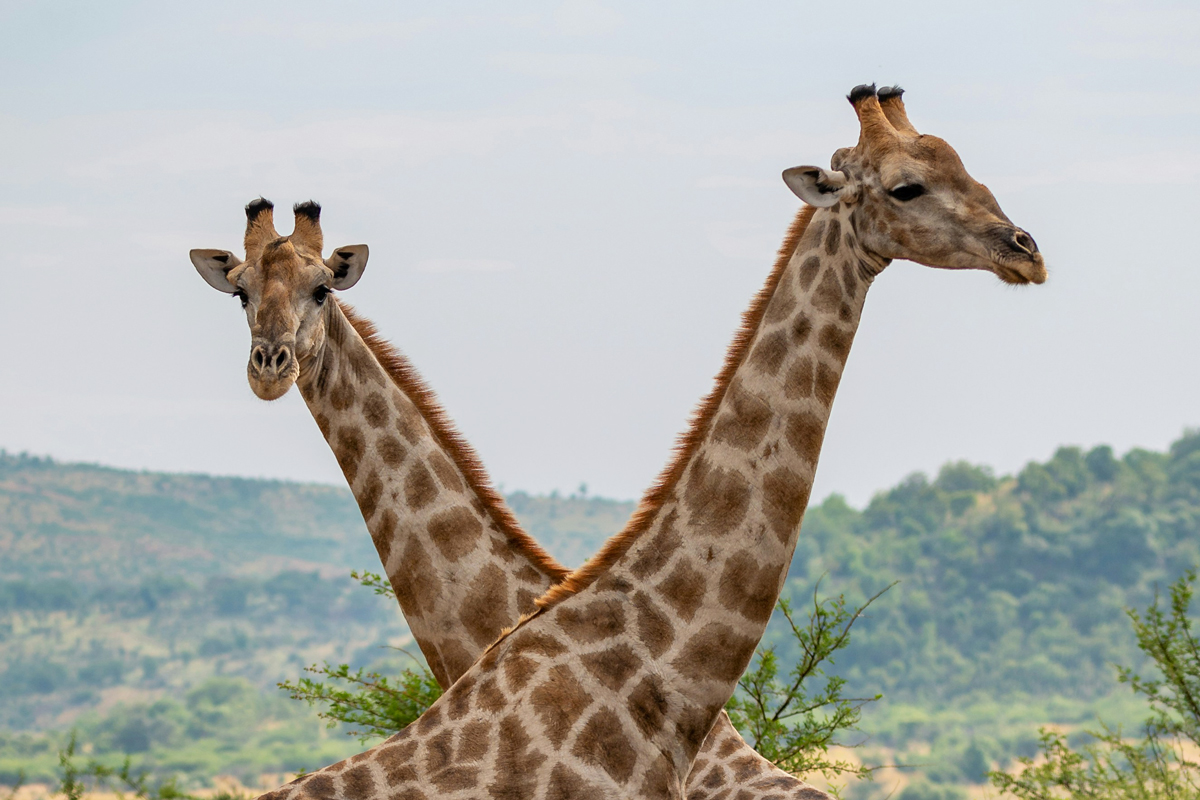
In addition to their long necks, it’s become evident that giraffes have big brains as well. A team of researchers at the Barcelona Zoo in Spain recently discovered that giraffes have basic math abilities that would give any human kindergartener a run for their money. While these animals struggle with regard to subtraction and multiplication, studies show giraffes can comprehend basic addition.
To reach this hypothesis, researchers presented giraffes with three containers filled with carrots — one of the animals’ favorite snacks. Initially, two containers had two carrots and the third contained three. After showing the containers to the giraffes, the sets of two were combined into one container, and the lids were closed. The researcher then presented two seemingly identical containers to the giraffes, one containing four carrots and the other three. The giraffes were still able to pick the container with the most carrots, suggesting they could discern between quantities and understand simple additive functions.
Advertisement
5 Animals That Spend Their Lives Upside Down
Across Species 01/09/26Sep. 1, 2026
Updated 01/09/26Sep. 1, 2026
Credit: M. Leonard Photo/stock.adobe.com
Krissy Howard
Author
Krissy Howard is a writer with a background in comedy, and a love for researching and writing about animal behavior. You can read some of her work at Cuteness, Byrdie, and The Hard Times. When she's not writing, she's growing food in the community garden, feeding stray cats, and learning Greek.
If you’ve ever hung upside down for any amount of time, you’re probably familiar with the uncomfortable feelings that arise while you’re looking at the world from that point of view. Maybe you’ve wondered how long you can hang before you slip, or you’ve felt the increasing pressure from the blood rushing to your head.
If so, it may be hard to imagine that some animals spend almost all their lives in that position thanks to some fascinating anatomical adaptations. So why is it that some creatures can not only withstand hanging upside down for extended periods of time — they seem to prefer it?
Credit: Daniel Higuita Tamayo/Pexels.com
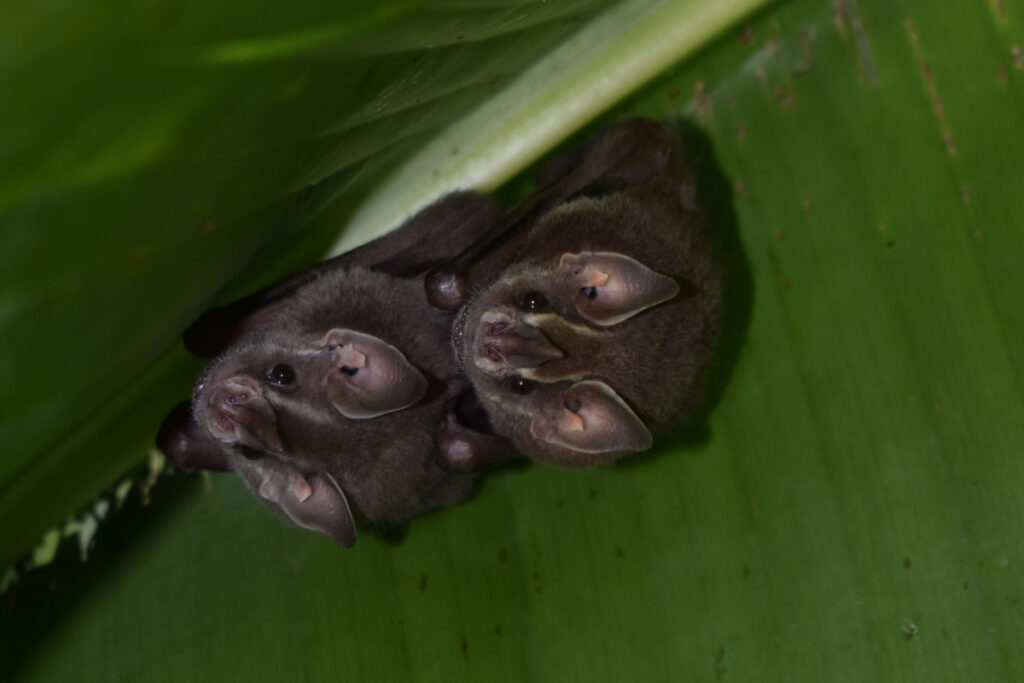
Bats
These may be the first animals that come to mind when you think about upside-down dwellers, and for good reason. Bats live and sleep upside down to make it easier for them to take flight in the face of danger or to snap up a quick-moving meal.
Unlike birds, bats don’t have hollow bones, so they need to lighten the load for easier takeoff in other ways, and hanging upside down is one such way. Whenever they need to take flight, they can just drop. Perhaps the best part about their ability to invert is it doesn’t cost them any energy: When bats hang, their body weight forces a locking leg tendon to automatically activate their toes to grip a surface, similar to tightening a knot.
Credit: M. Leonard Photo/stock.adobe.com
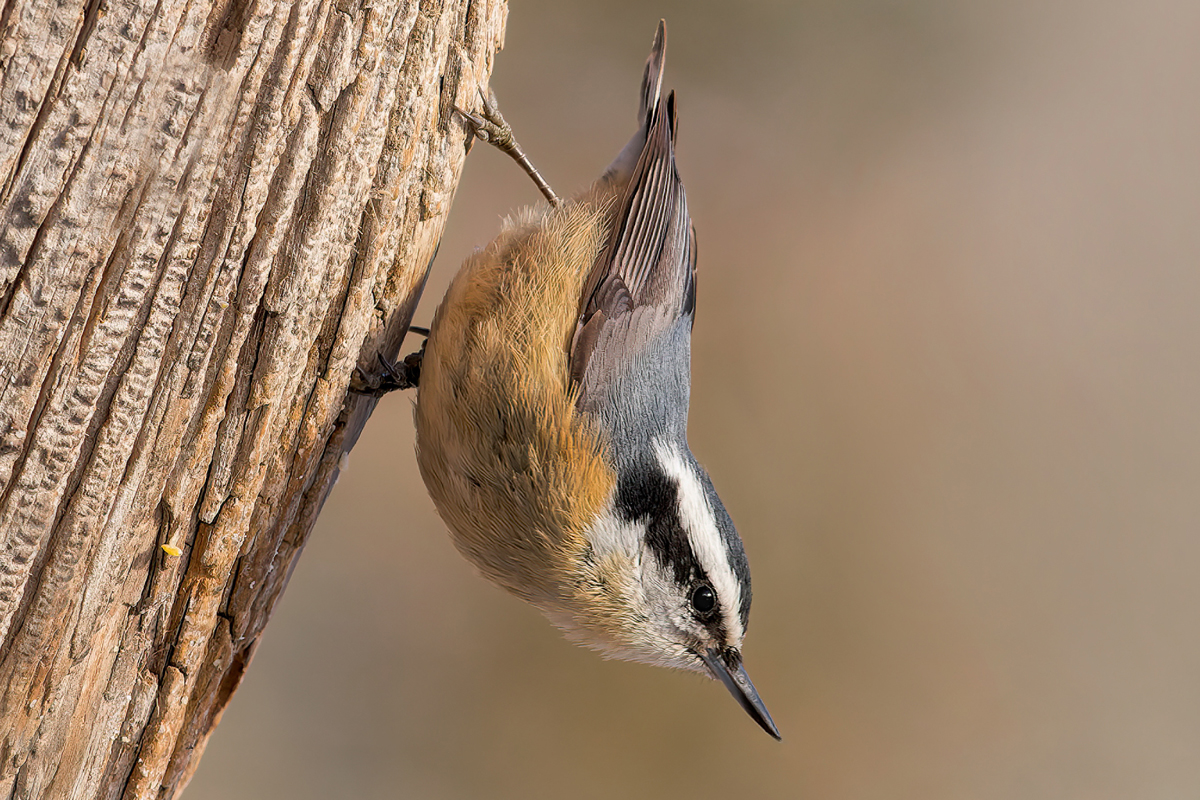
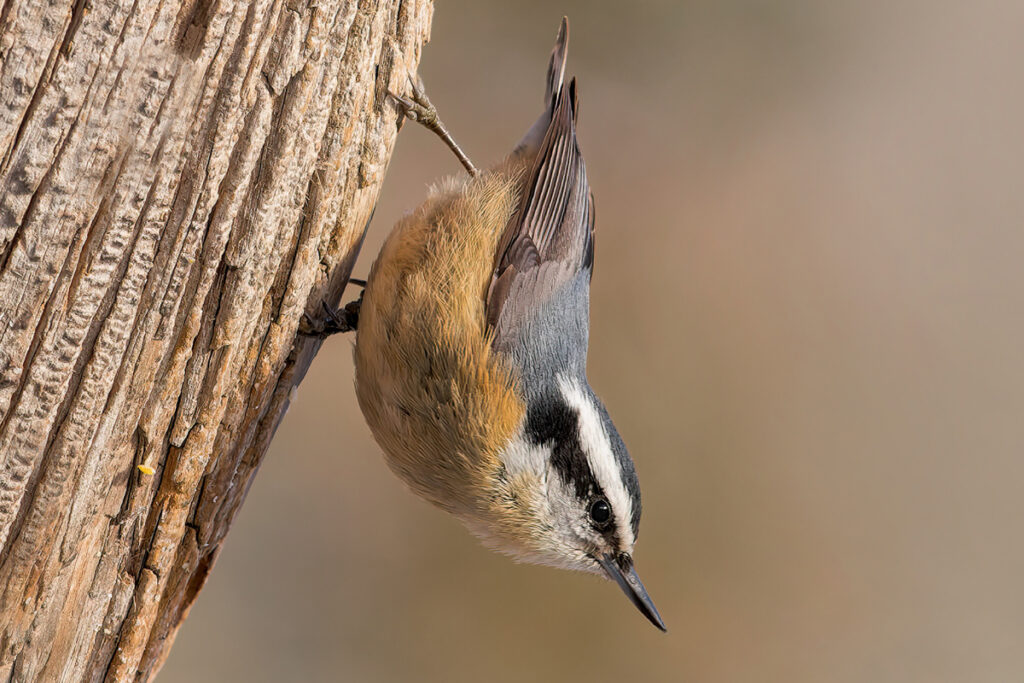
Birds
Speaking of birds, some of these avian creatures frequently hang or perch upside down as well. White-breasted and red-breasted nuthatches are small birds that spend a lot of time facing downward. You can even see them assuming this position when they run headlong down trees, which they’re able to do well thanks to their strong legs and relatively large feet.
Black-and-white warblers, commonly known as upside-down warblers, also face downward to maneuver up and down trees, while tits, chickadees, and goldfinches hang upside down to reach seeds, and hanging parrots and hummingbirds sometimes assume this position for sleeping.
Credit: PhotoSpirit/stock.adobe.com
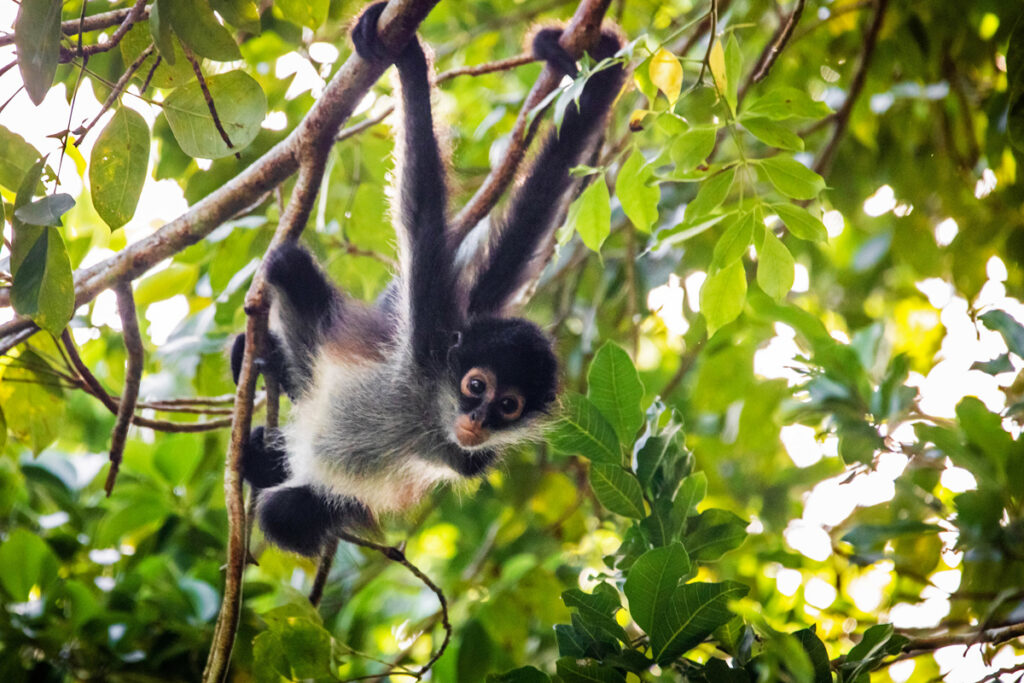
Spider Monkeys
One animal that relies on its tail to maneuver upside down is the spider monkey. In fact, their tails have evolved to allow them to suspend and swing though forest canopies with ease and are a crucial part of their survival. A spider monkey’s tail is strong and sturdy enough to support the monkey’s weight on its own.
Not only that, but the tail actually features a hairless pad right on the underside of its tip that allows it to grip branches tightly and prevent slipping, which is very helpful for a climber with no thumbs. Spider monkeys use their long, prehensile tails as if they were a fifth limb, allowing them a swift escape from intruders, including jaguars and boa constrictors, and the ability to reach their favorite foods, such as bananas, honey, and nuts.
Credit: No Drama Llama/stock.adobe.com
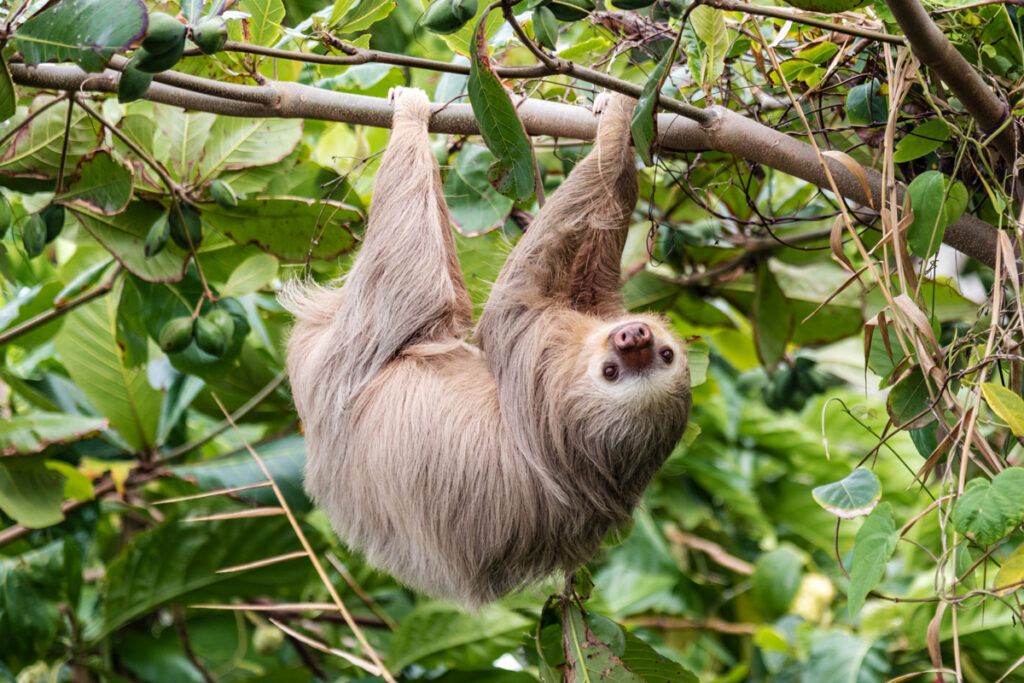
Sloths
Similar to bats, sloths also exert zero energy to hang upside down, and in fact, living that way actually saves them up to 13% in energy expenditure. Two-fingered sloths hang upside down for up to 90% of the day; they eat, sleep, and live this way, and really only turn upright to climb down from their trees, relieve themselves on the ground, and climb back up again.
A sloth’s natural hand position is clenched, so it automatically locks onto branches with no effort. Their circulatory systems prevent blood from rushing to their heads while upside down, and research has also shown that heavy organs in a sloth’s abdomen use fibrous adhesions to rest against the bottom of the ribcage, which prevents the organs from sliding down and crushing their lungs.
Credit: Fen/stock.adobe.com
Spiders
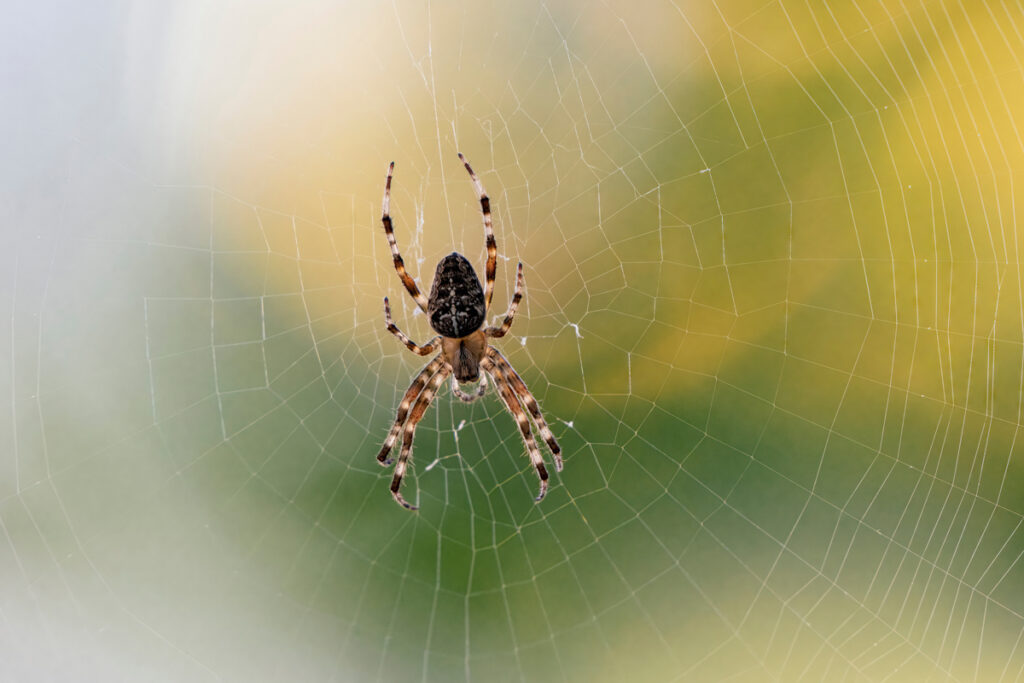
Not all spiders live upside down: Wolf spiders and tarantulas, for example, stand firmly on all eight legs to walk and hunt. Orb weavers and daddy long-legs, however, do hang upside down for efficiency.
Rather than climb forward to catch prey, they let gravity do most of the work, pulling them downward while still allowing them to keep their eyes on the prize. This same tactic is used to escape predators, such as other spiders and birds, and it’s also how they construct their webs.
Bennett Kleinman is a New York City-based staff writer for Inbox Studio. He is also a freelance comedy writer, devoted New York Yankees and New Jersey Devils fan, and thinks plain seltzer is the best drink ever invented.
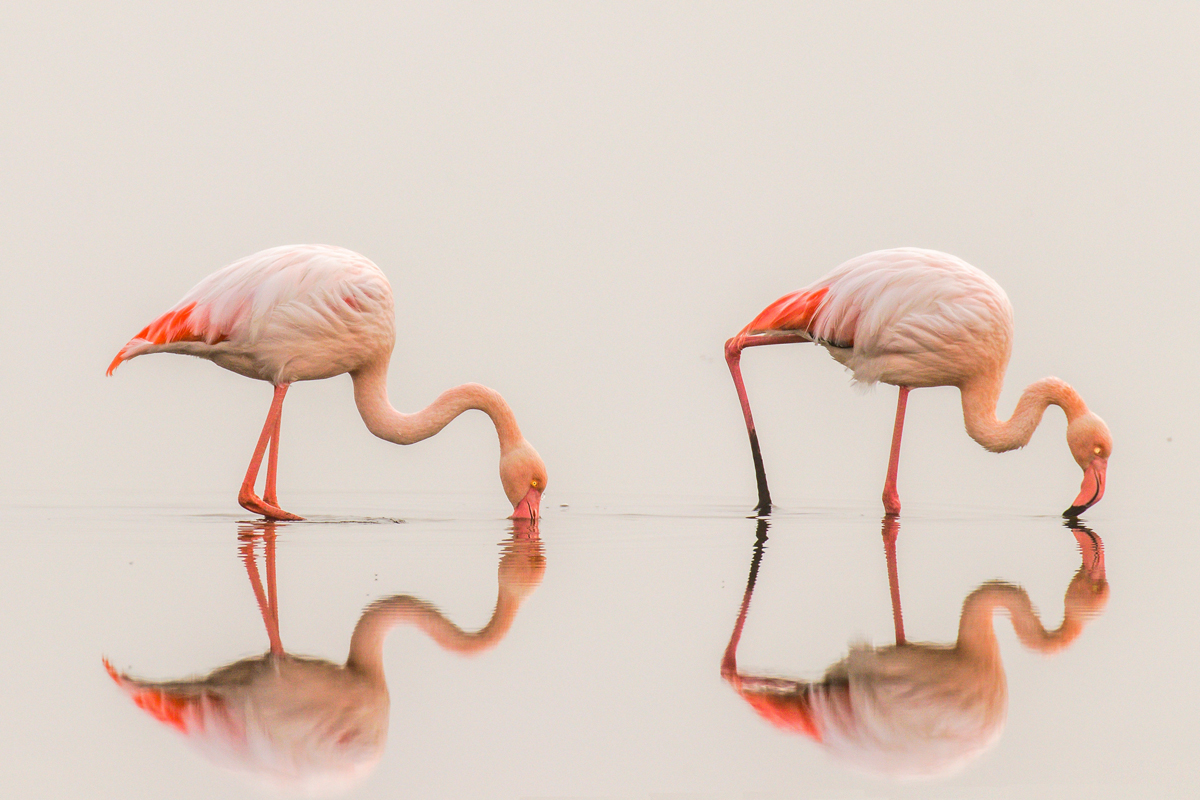
Certain animal behaviors seem so unusual to us that they feel a bit upside-down, but when it comes to a flamingo’s eating habits, that sentiment gets literal. These flamboyant fliers enjoy meals in a manner that would leave any dietician perplexed, flipping their heads and beaks roughly 180 degrees vertically when it’s time to chow down.
When it’s time to eat, flamingos bend their necks and dip their heads into the water, angling their L-shaped beaks upside down. From there, fluid dynamics take the reins. Flamingos rapidly open and close their beaks, creating a spinning vortex that sucks in water teeming with delicious prey such as shrimp and algae. The concave shape of their angled beaks also helps keep the food contained inside the birds’ mouths until fully consumed.
Advertisement
How Do Animals Keep Their Homes Cool?
Across Species 27/08/26Aug. 27, 2026
Updated 27/08/26Aug. 27, 2026
Credit: David/stock.adobe.com
Kristina Wright
Author
Kristina is a coffee-fueled writer living happily ever after with her family in the suburbs of Richmond, Virginia.
If you’ve ever had your air conditioner quit on the hottest day of the year, you know how quickly a comfortable home can turn into an oven. For wild animals, beating the heat isn’t just about comfort — it’s a matter of survival. They need places where they can rest, raise their young, and avoid predators without overheating.
Their homes may look simple from the outside, but many are remarkably effective at staying cooler than the surrounding environment. These natural designs work so well that architects and engineers have even studied them for ideas to improve energy-efficient buildings. Here are some of the most impressive methods animals use to keep their shelters cool.
Credit: David/stock.adobe.com
They Go Underground
Sometimes the coolest place to escape the heat isn’t beneath a tree — it’s beneath the ground. Just a few feet below the surface, soil temperatures stay far more stable than the air above, protecting animals from scorching daytime heat while slowing moisture loss in dry climates.
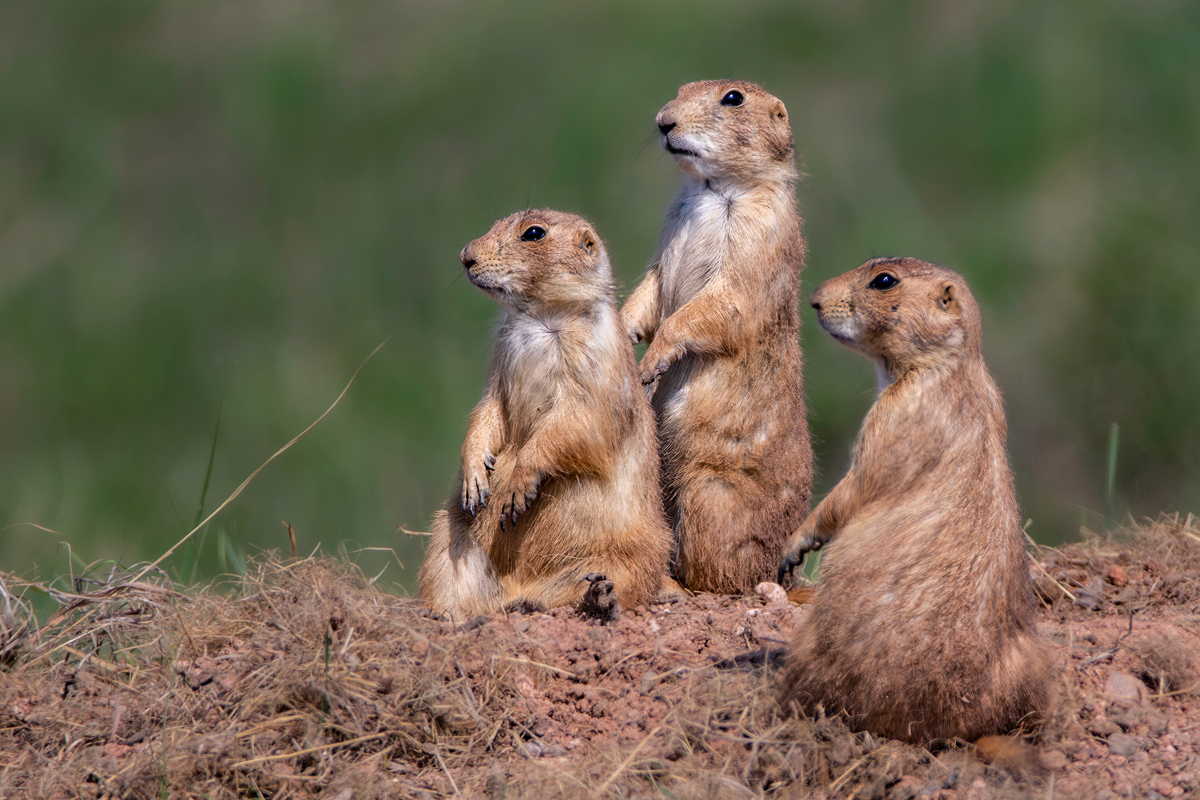
Prairie dogs, ground squirrels, rabbits, and meerkats retreat into extensive burrow systems during the hottest parts of the day. These underground homes often contain multiple chambers at different depths, allowing the animals to move to cooler areas as temperatures change. Desert tortoises spend much of the summer sheltering in burrows — which they dig themselves or borrow from other animals — where temperatures can be dramatically cooler than the desert surface. Even burrowing owls nest underground in abandoned prairie dog or ground squirrel burrows, escaping the heat while raising their chicks.
Credit: Chris Ison/stock.adobe.com
They Use Natural Ventilation
Certain creatures have also evolved ingenious ways to keep enclosed spaces cool by using airflow. Termite mounds are among nature’s best-known examples. Built by African and Australian termite species, these towering structures contain an intricate network of tunnels and chambers that helps regulate temperature, humidity, and airflow. As outside temperatures change, differences in air pressure move fresh air through the mound, helping maintain a stable environment for the colony.
Black-tailed prairie dog towns also benefit from passive ventilation. Studies suggest that differences in wind speed and air pressure between multiple burrow entrances help move air through the tunnel system, improving ventilation and preventing burrows from becoming excessively warm.
Credit: Sander Meertins/stock.adobe.com
They Build Near Water
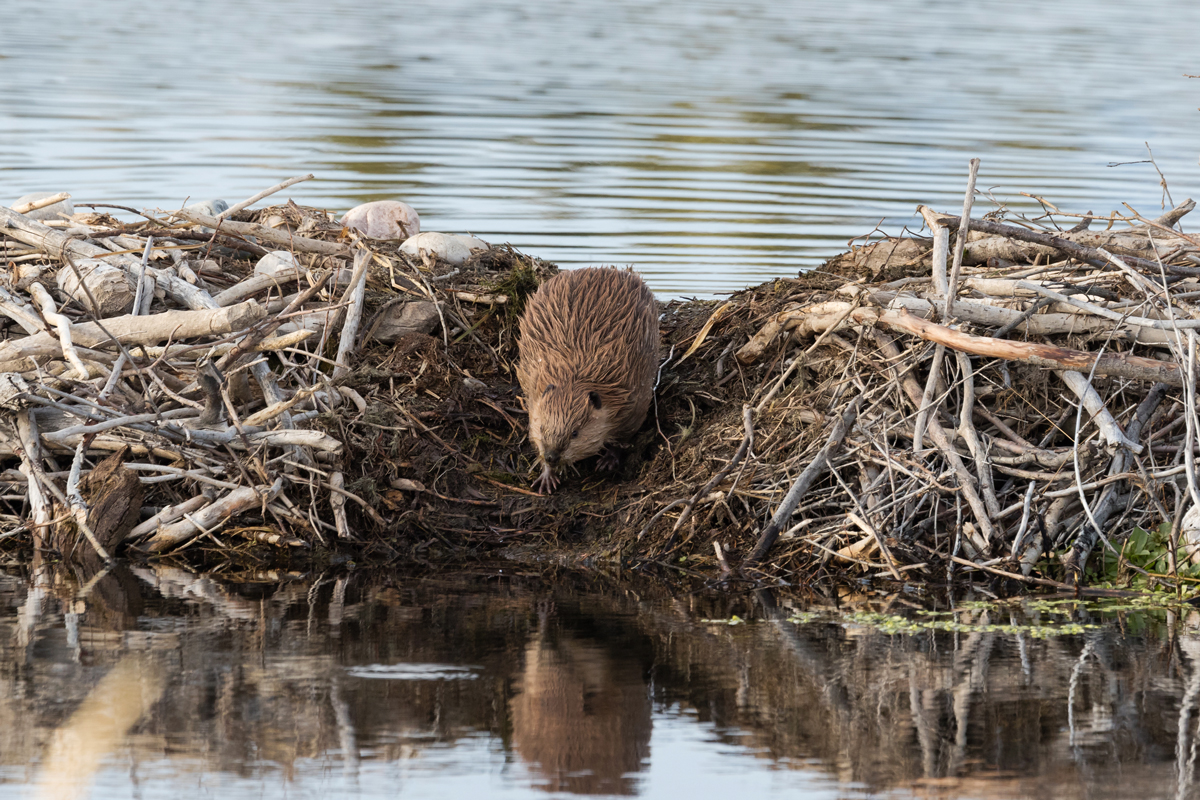
When it comes to living in the wild, location is just as important as construction. Water heats and cools more slowly than air, so homes built in or around ponds, marshes, and streams often experience smaller temperature swings. Beavers are a great example. Their lodges, built from branches, sticks, and mud, sit in ponds where the surrounding water helps moderate temperatures. Thick walls provide insulation, while underwater entrances allow the animals to come and go without exposing the living chamber to outside conditions.
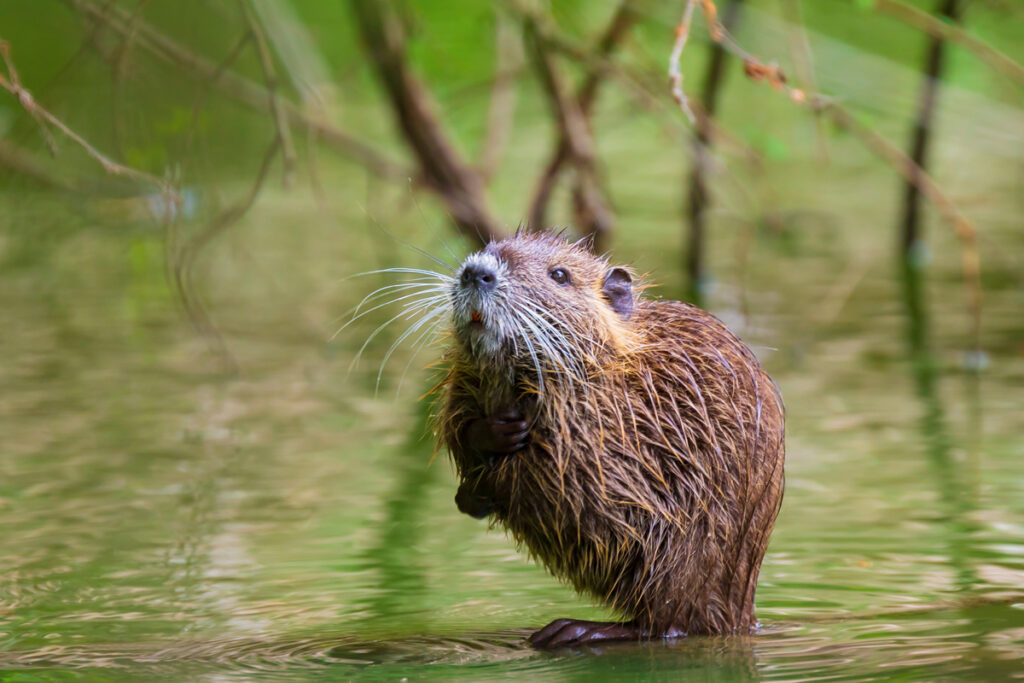
Muskrats use a similar strategy, building dome-shaped lodges from cattails and other wetland plants. Wetlands are also where American alligators create “gator holes” — shallow depressions that retain water during dry periods. While they aren’t permanent homes, these pools provide a cooler refuge during intense heat and are beneficial to other animals as well.
Credit: WildMedia/stock.adobe.com
They Use Shade as Natural Air Conditioning
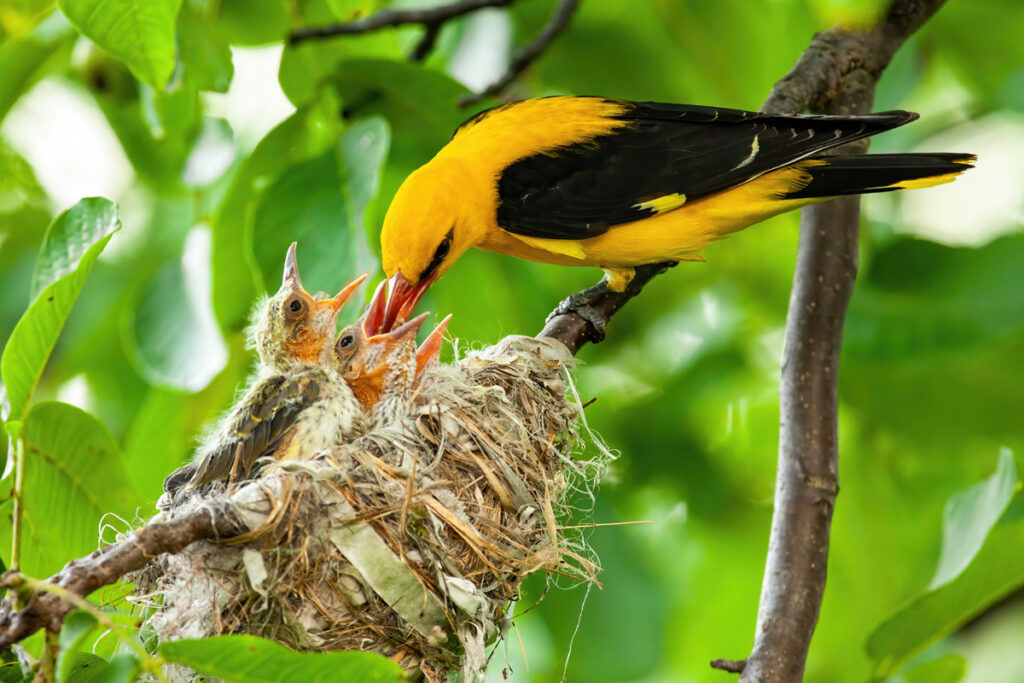
Rather than modifying their homes to beat the heat, some animals take advantage of the natural protection afforded by trees and vegetation. Many birds build nests in shaded tree canopies, dense shrubs, or on the protected sides of cliffs where they’re shielded from the hottest afternoon sun. Some species, including orioles and vireos, suspend their nests beneath leafy branches, where shade and gentle breezes help keep eggs and nestlings from overheating.
Tree squirrels use a similar strategy when choosing where to build their leafy nests, called dreys. High in the canopy, these nests are sheltered from direct sunlight by surrounding branches and leaves while still allowing some airflow. The materials squirrels use — including twigs, leaves, moss, and bark — help insulate the nest and protect young squirrels from temperature swings. And when the heat gets to be too much, squirrels will “sploot” — lie belly down with their limbs spread out — on a shady tree branch.
Credit:Maarten Zeehandelaar/stock.adobe.com
They Actively Regulate the Temperature
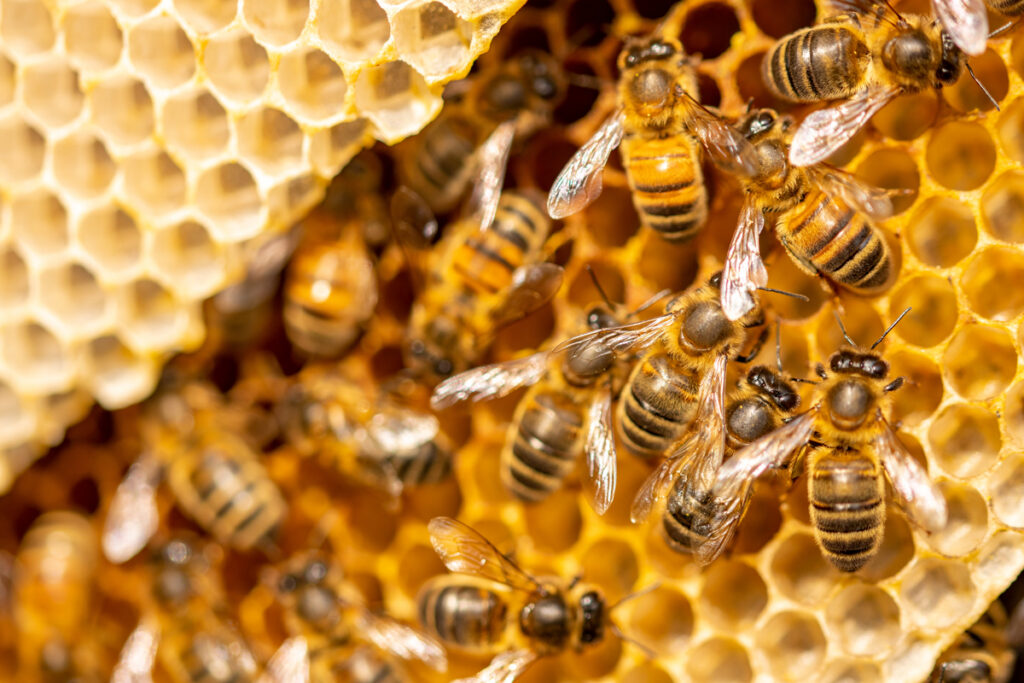
Some animals don’t just build homes that stay cool — they actively manage the temperature inside them. Honeybees provide one of the most impressive examples. A hive must remain within a narrow temperature range for developing larvae to survive. On hot days, worker bees collect water and spread tiny droplets throughout the hive while other bees fan their wings near the entrance. As the water evaporates, it carries away heat, cooling the colony much like evaporating sweat cools our bodies.
Paper wasps use a similar evaporative cooling system, with workers gathering water and spreading it across the nest while fanning their wings. This simple yet effective behavior reflects a much bigger pattern across the animal kingdom: From burrows to nests to hives, animals are constantly adapting their homes to survive the heat.
Michael Nordine is a Senior Staff Writer at Britannica, where he writes the newsletter Movie Brief. He grew up with eight cats and would like to see a Komodo dragon in the wild one day.
If there’s one thing beavers love, it’s building dams — and they’re damn good at it. These makeshift structures, which they build to create deep, calm water where they’re safe to eat, sleep, and generally enjoy their day safe from predators, can be maintained and even expanded over several generations. Doing so requires near-constant maintenance in order to keep the water level steady, and if a dam is successful enough it will eventually have to be expanded in order to extend the beavers’ feeding area.
The world’s largest dam, located in Canada’s Wood Buffalo National Park, is more than 2,700 feet long. It’s believed to have been built sometime after 1975 and is so remote that only one person has made the trek to visit it.
Advertisement
Your Daily Guide to the Animal Kingdom
Get to know the animals that share our planet with this daily newsletter.
Success! Welcome to Animal Facts.
Check your inbox for your daily email.
Sorry, your email address is not valid. Please try again.