Ospreys use one reversible toe to help them catch fish.
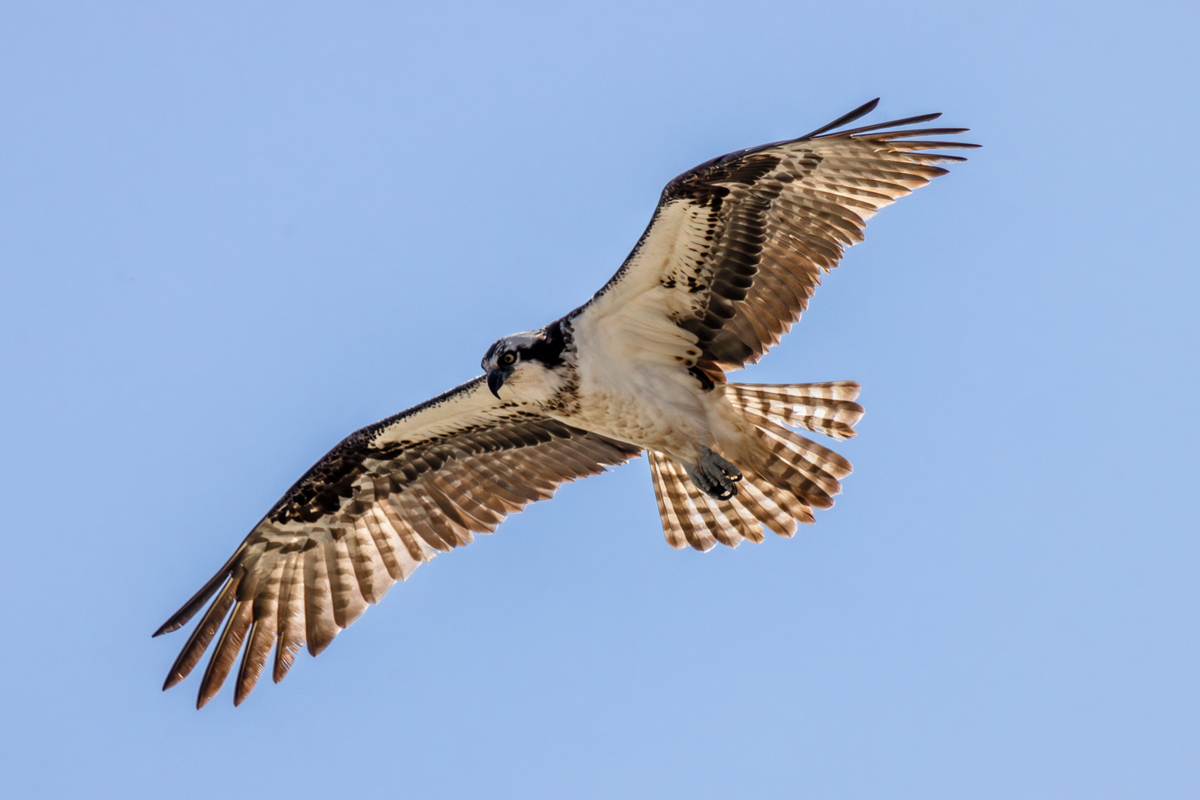
An osprey in flight against a blue sky
Credit: SurfyArt/stock.adobe.com

Who needs a fishing pole when you have reversible claws? Ospreys are powerful birds of prey that specialize in hunting fish — and their feet are perfectly adapted to the job. Unlike most birds, which have three toes pointing forward and one backward, ospreys can rotate one of their forward-facing toes backward. This gives them two toes in front and two behind, creating a strong, balanced grip. Their toes also have rough, barbed pads called spicules that help them hold onto slippery prey.

Ospreys hunt fish almost exclusively, and their adapted feet help them keep hold of their catch as they leave the water. After grabbing a fish, an osprey positions it headfirst between its talons, which reduces wind resistance as it flies. Ospreys can carry surprisingly large fish and sometimes fly considerable distances before they enjoy their prey.
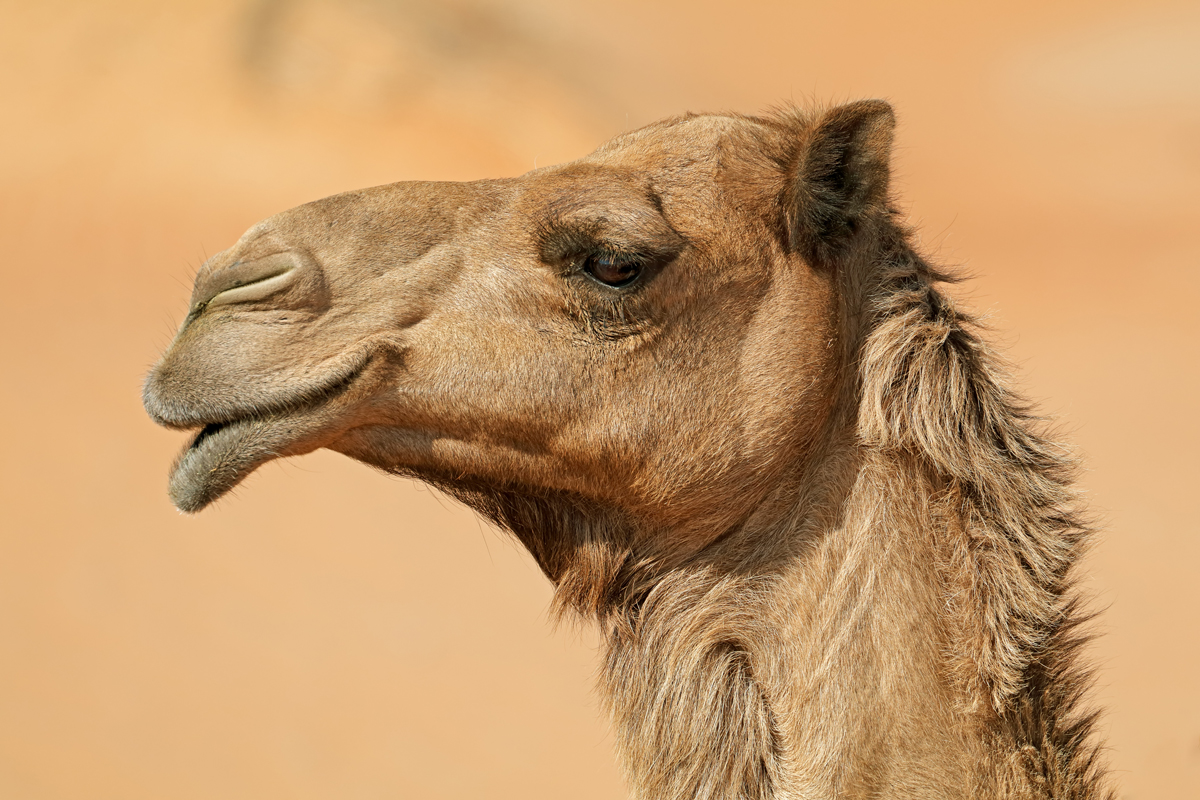

Camels can close their nostrils during sandstorms.

Side profile of camel's head
Credit: EcoView/stock.adobe.com

Humans may pinch their nostrils when there’s a bad smell or to avoid water going up their nose when diving into the pool. But camels have an intrinsic ability to shut their noses using just the muscles in their nasal passages, which comes in handy to keep sand, dust, and other debris from shooting up their snouts during sandstorms and other perilous elemental circumstances.

This ability is found in dromedary camels of Africa and the Middle East as well as Bactrian camels of the central Asian steppes. The creatures simply contract their nasal muscles to form an impenetrable seal that keeps their airwaves clear. In addition to keeping debris out, a camel’s nose also works to keep moisture in: The mucus-coated membrane functions like a dehumidifier, absorbing moisture when camels exhale and ensuring they retain essential moisture amid arid conditions.

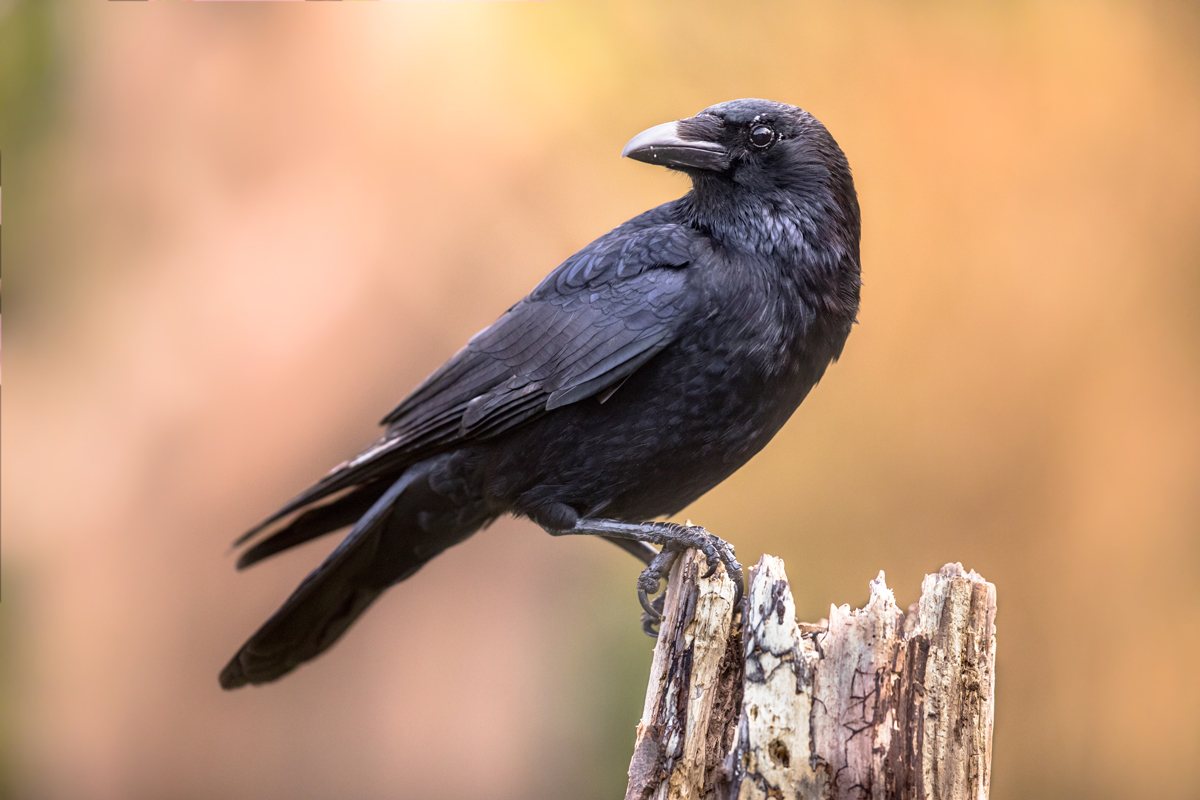
Crows can remember human faces for years.

Crow perched on broken stump
Credit: creativenature.nl/stock.adobe.com

In addition to being able to solve puzzles and use tools, crows — whose exceptional intelligence continues to pleasantly surprise researchers — can also remember human faces for years. Depending on how they’re treated, this can be either a good thing or a bad thing for the human in question. Crows have been shown to remember people who are kind to them, bringing small trinkets and other gifts back to the human to show their appreciation, but they also hold grudges against those who’ve crossed them, sometimes going so far as to attack them for years after a slight (whether real or perceived).

They’re able to do all this courtesy of the nidopallium caudolaterale (NCL), a region of their brain that’s essentially the avian equivalent of a mammal’s prefrontal cortex. Maybe it’s time we rethink “bird brain” as an insult.

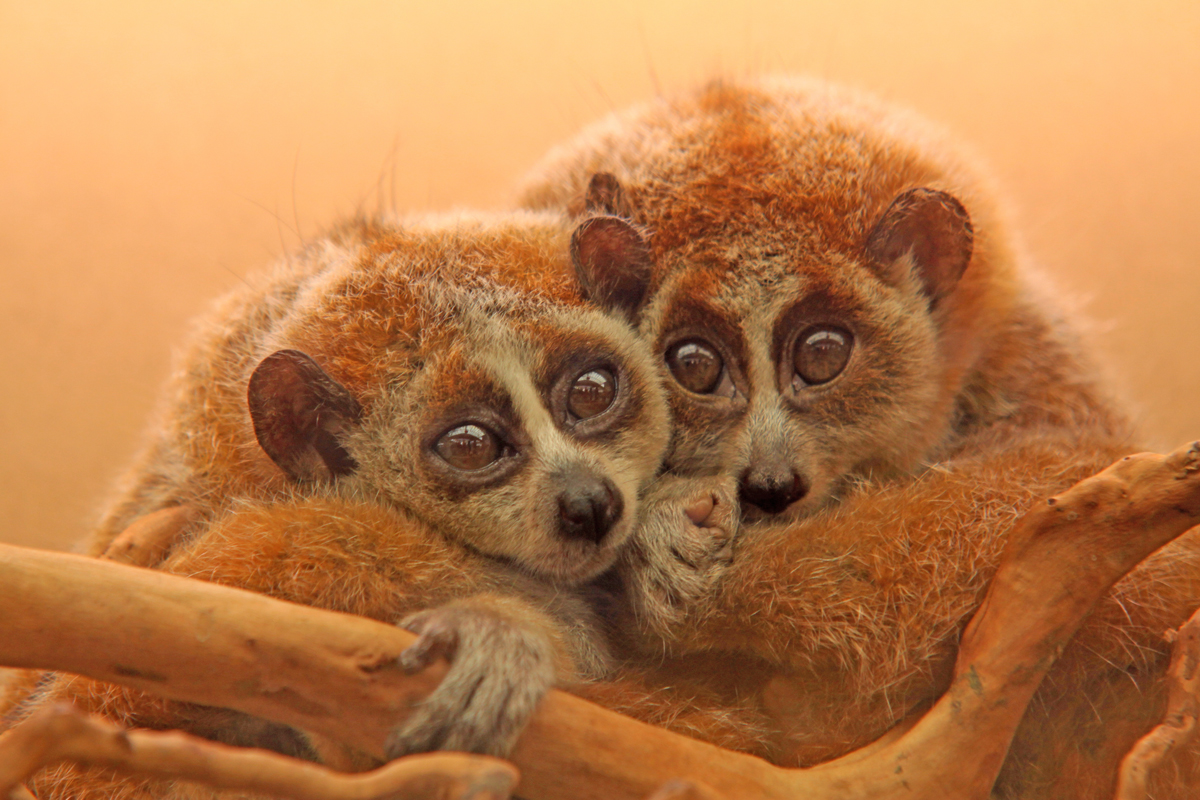
Slow lorises are the only known venomous primate.

Two slow lorises clutching each other
Credit: zhang yongxin/stock.adobe.com

Don’t let the big eyes and fuzzy fur fool you — slow lorises are as dangerous as they are cute. In fact, they’re the only known venomous primates; brachial glands on their upper arms produce an oil that, when licked, combines with their saliva to produce venom. That venom is then pulled into their toothcomb, which is activated with the loris’s bite. Luckily for other citizens of the animal kingdom, slow lorises mostly use their venom against each other during territorial disputes rather than on other animals.

That’s very good news for the rest of us, as their bite is strong enough to pierce through bone and their venom has flesh-rotting capabilities. As primate conservationist Anna Nekaris told The New York Times, “If the killer bunnies on Monty Python were a real animal, they would be slow lorises — but they would be attacking each other.”

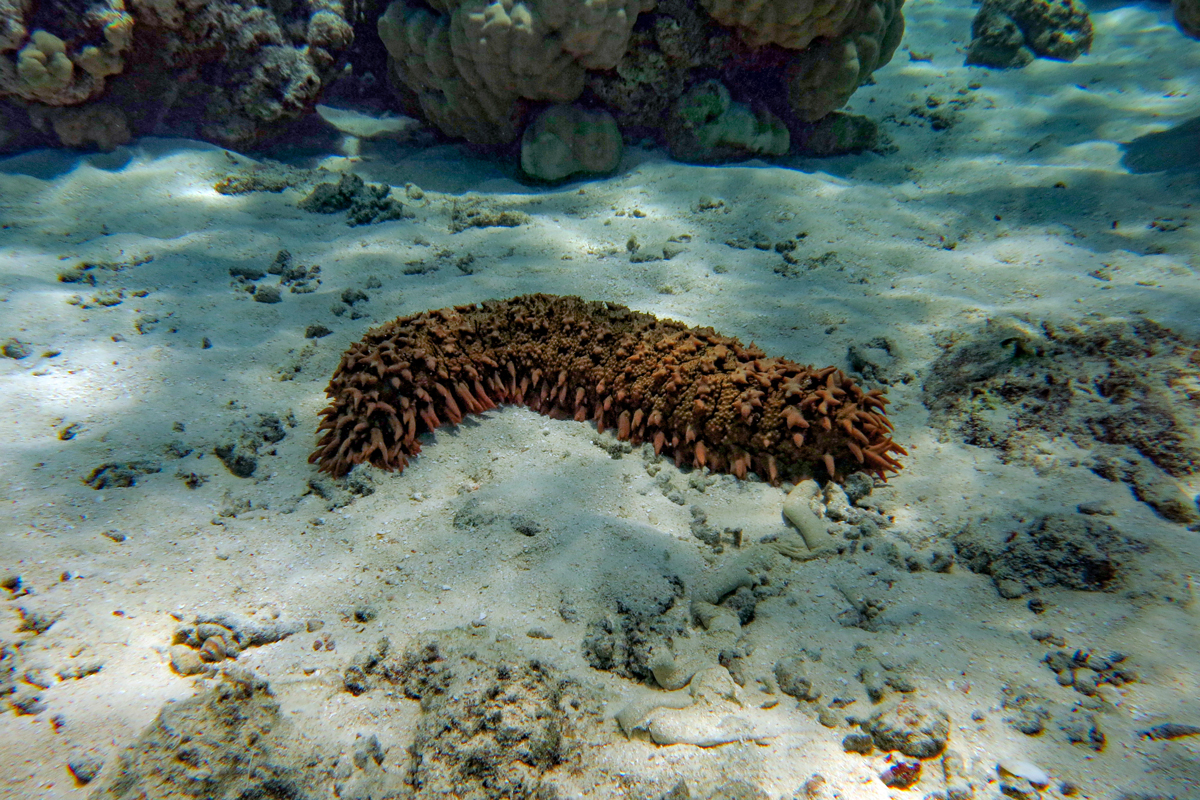
Sea cucumbers can eject their internal organs to escape predators.

Sea cucumber on ocean floor
Credit: Hiromi Ito Ame/stock.adobe.com

When threatened, some species of sea cucumber pull off one of nature’s most dramatic escape acts: They literally spill their guts — directly at the incoming threat. In a process called evisceration, the marine animal contracts its body and expels its own sticky, white internal organs — called Cuvierian tubules — out of its anus. The organs can entangle, distract, or chemically deter predators such as crabs and fish, giving the sea cucumber precious moments in which to flee the scene. 

This may sound like a poorly thought-through escape plan, as internal organs tend to be important. But sea cucumbers are capable of regenerating the expelled organs, sometimes in as little as a week (although it can take up to five months). It may not be pretty, but it’s an effective last-ditch survival strategy on the ocean floor.

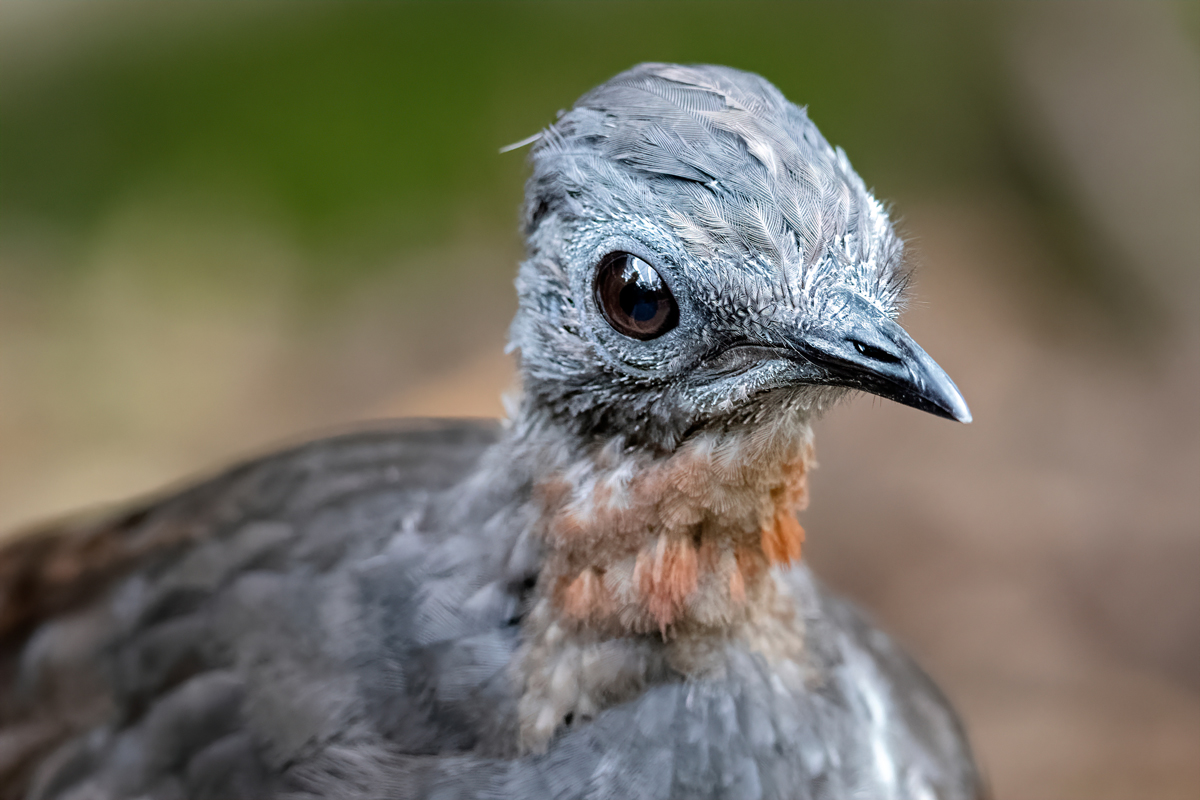
Lyrebirds can perfectly imitate chainsaws, camera shutters, and other noises.

Close-up of a lyrebird
Credit: Andrew/stock.adobe.com

The animal kingdom is full of incredible mimics, but when it comes to imitating sounds, few — if any — are more impressive than the lyrebird. Australia’s male lyrebirds produce astonishingly accurate copies of forest sounds to use in their elaborate courtship songs. They can copy the calls of other birds, whether it’s a kookaburra’s cackling laughter or the whipcrack song of an eastern whipbird, as well as many other noises that occur naturally in their environment. 

But that’s not all: Lyrebirds have also been recorded copying human-made sounds, including camera shutters, chainsaws, car alarms, construction tools, and even crying babies — often causing confusion among humans who hear these “songs.” As the birds age and gain more experience, they improve their courtship songs, which in turn increases their success rate when it comes to impressing potential mates.

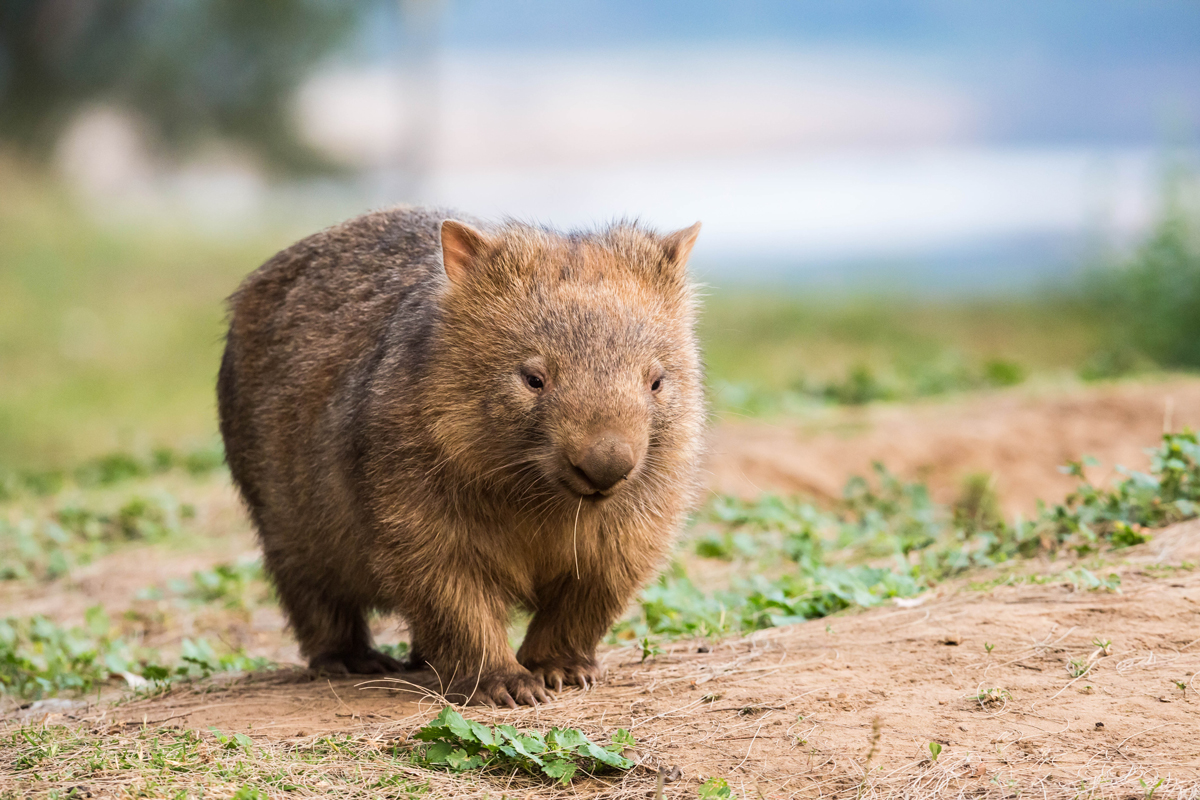
Wombats produce cube-shaped poop.

Wombat walking
Credit: Dominik Rueß/stock.adobe.com

If any one of us were to poop out a perfect cube, you’d likely be contacting a gastroenterologist to get checked out ASAP. But for wombats, cube-shaped poop is the norm. These marsupials produce up to roughly 100 six-sided excretions each day, which they often place to mark their territory.

These poop cubes are created during a typical wombat’s lengthy digestive process, which takes four times longer than that of humans. During this period, each bit of feces experiences upward of 40,000 contractions, with each one subtly pressing on the poop and forming it into a dicelike shape. That long duration also sucks all the moisture and nutrients from the poop, resulting in a more durable brick of excrement that retains a harder texture and more precise shape after emerging.

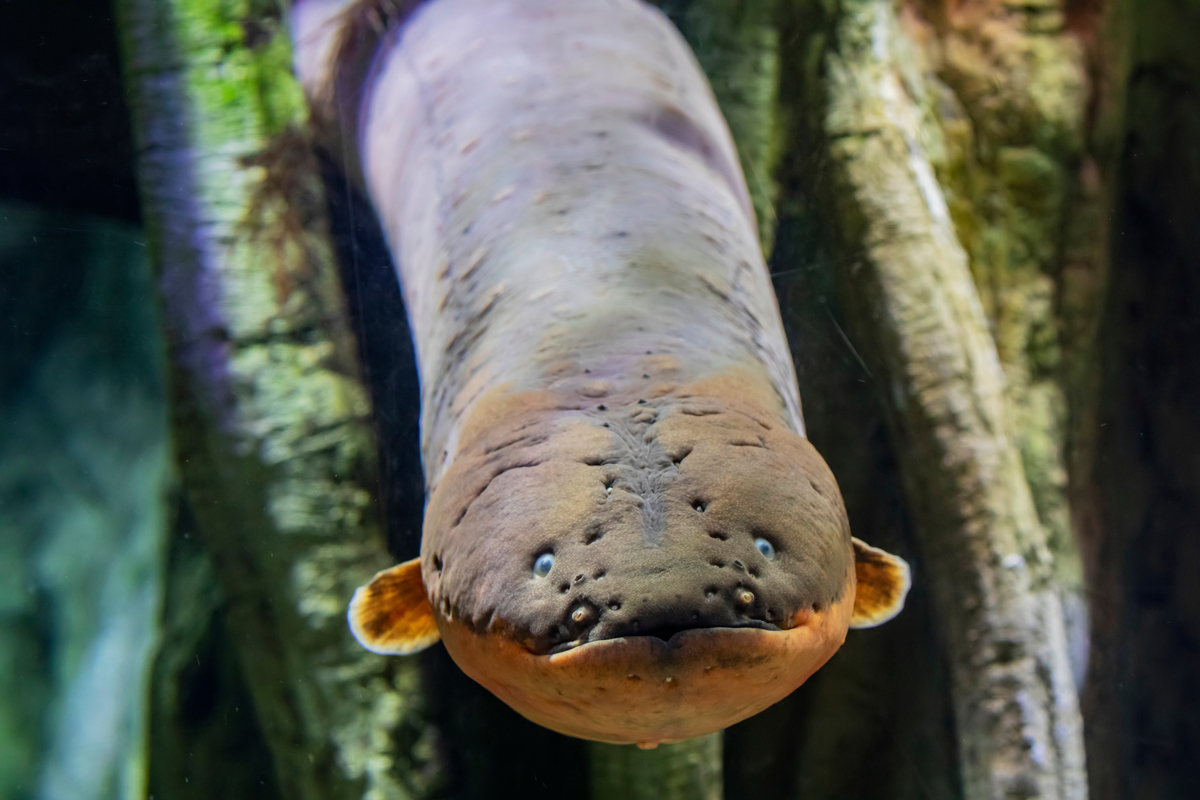
Some eels use electricity to navigate.

Eel underwater facing the camera
Credit: Danny Ye/stock.adobe.com

Electric eels have poor eyesight, which is far from ideal in the murky waters they tend to inhabit — but that doesn’t mean they struggle to find their way around. These eels are capable of discharging electrical impulses into the surrounding water using specialized muscle cells called electrocytes. The resulting pulse is used for defense, hunting, and navigation. 

When an object or another creature disturbs the field, electroreceptors in the eel’s skin detect the distortion, revealing its size, distance, shape, and even conductivity. This active electrolocation is perfectly suited for navigating dark or murky water where eyesight alone offers little advantage. Electric eels can switch to high-voltage bursts for hunting or defense, but the gentler continuous or pulsed signals serve mainly for navigation, locating hidden prey, and even communicating with other eels. 

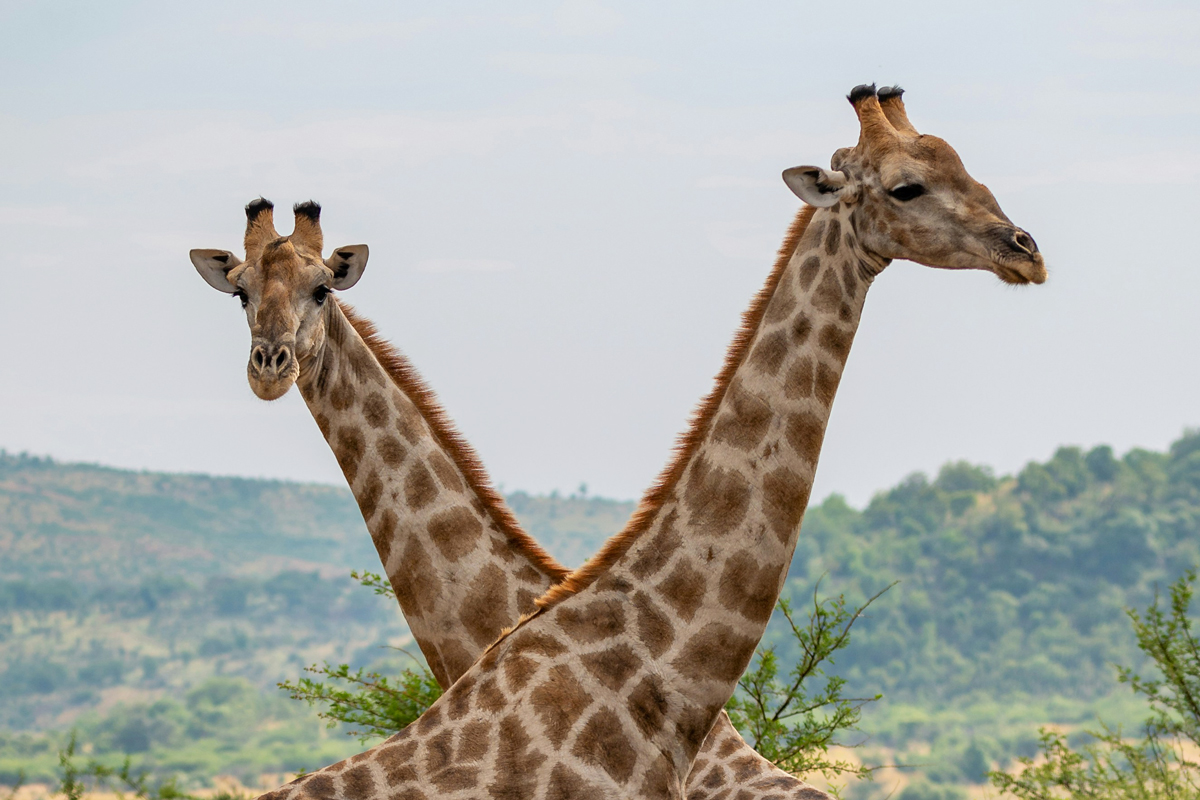
Giraffes can solve math problems.

Two giraffes standing next to each other
Credit: Ingo Stiller/Unsplash.com

In addition to their long necks, it’s become evident that giraffes have big brains as well. A team of researchers at the Barcelona Zoo in Spain recently discovered that giraffes have basic math abilities that would give any human kindergartener a run for their money. While these animals struggle with regard to subtraction and multiplication, studies show giraffes can comprehend basic addition.

To reach this hypothesis, researchers presented giraffes with three containers filled with carrots — one of the animals’ favorite snacks. Initially, two containers had two carrots and the third contained three. After showing the containers to the giraffes, the sets of two were combined into one container, and the lids were closed. The researcher then presented two seemingly identical containers to the giraffes, one containing four carrots and the other three. The giraffes were still able to pick the container with the most carrots, suggesting they could discern between quantities and understand simple additive functions.

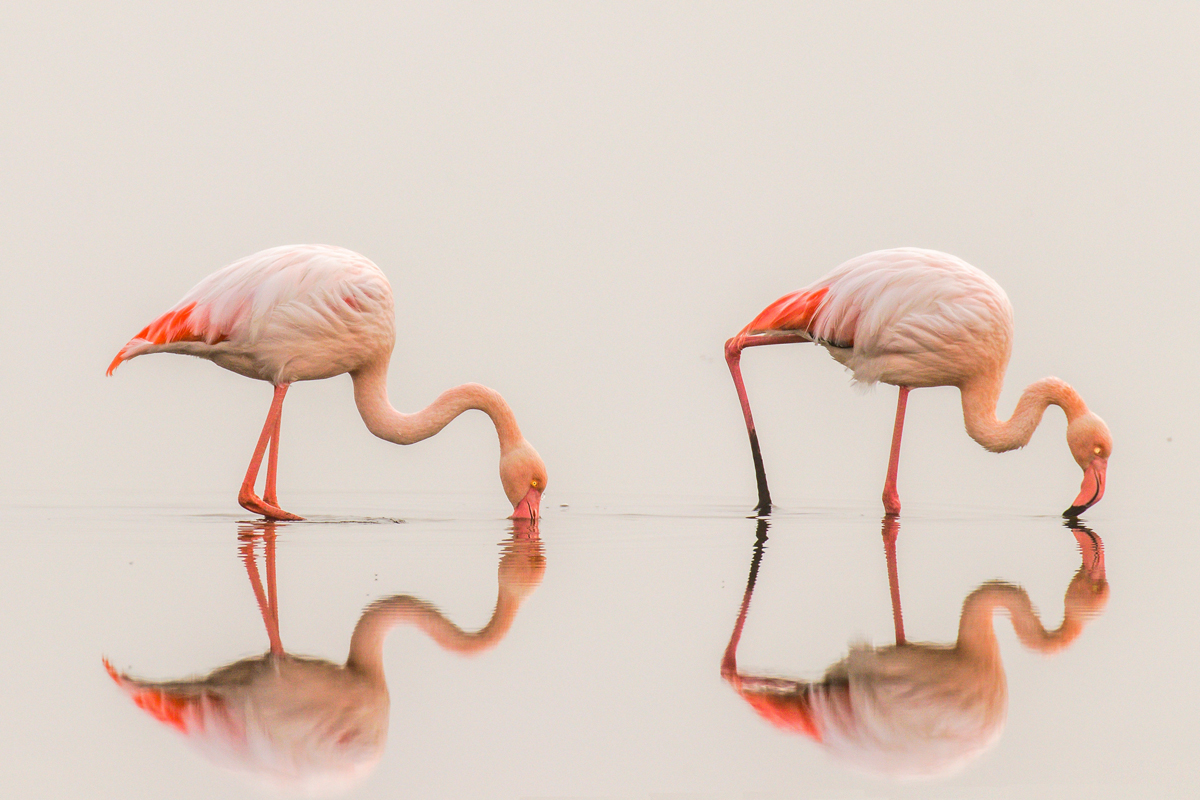
Flamingos eat with their heads upside down.

Two flamingos dipping beaks in water
Credit: Gunter/stock.adobe.com

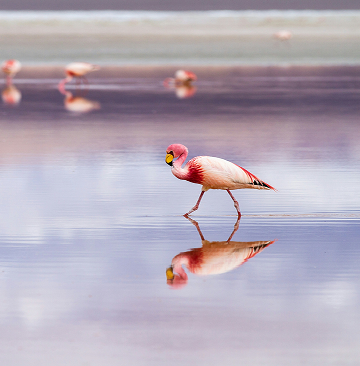
Certain animal behaviors seem so unusual to us that they feel a bit upside-down, but when it comes to a flamingo’s eating habits, that sentiment gets literal. These flamboyant fliers enjoy meals in a manner that would leave any dietician perplexed, flipping their heads and beaks roughly 180 degrees vertically when it’s time to chow down.

When it’s time to eat, flamingos bend their necks and dip their heads into the water, angling their L-shaped beaks upside down. From there, fluid dynamics take the reins. Flamingos rapidly open and close their beaks, creating a spinning vortex that sucks in water teeming with delicious prey such as shrimp and algae. The concave shape of their angled beaks also helps keep the food contained inside the birds’ mouths until fully consumed.