Wolves don’t actually howl at the moon.
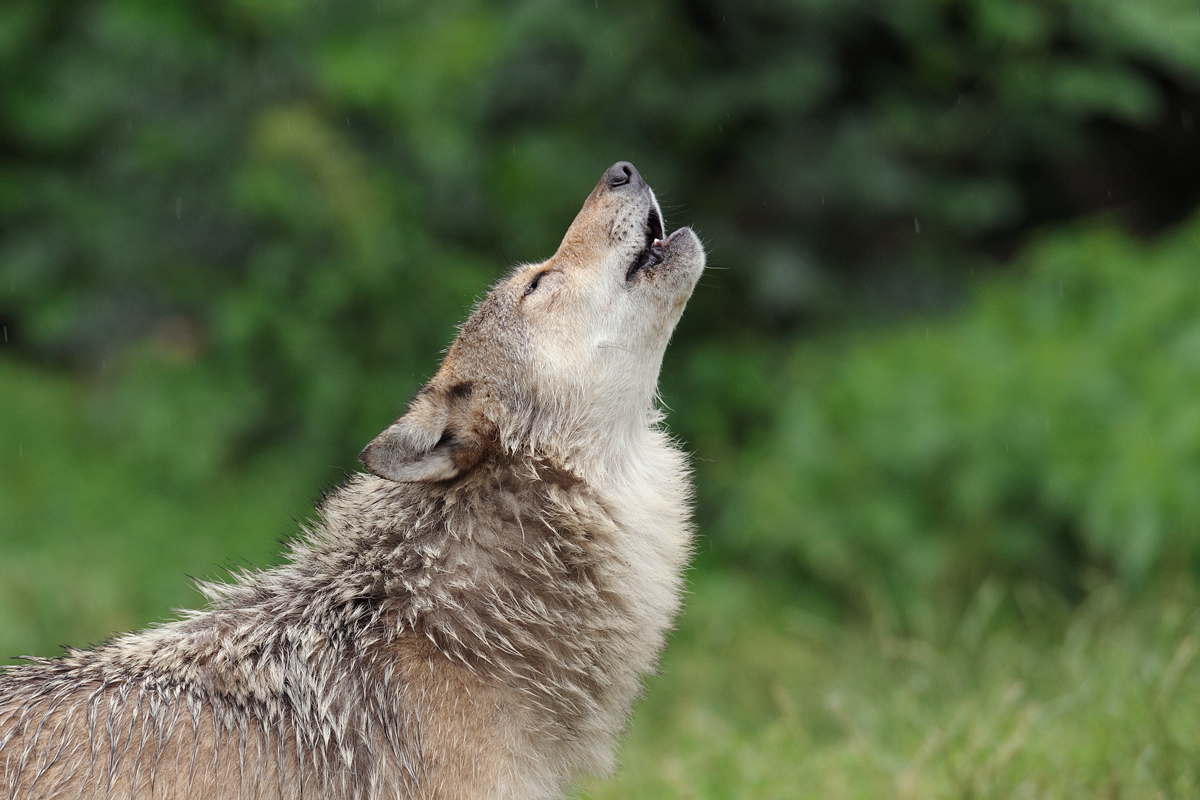
Wolf howling
Credit: Ana Gram/stock.adobe.com

We’ve all seen the classic image of a wolf silhouetted against a full moon, its muzzle raised in a long, powerful howl aimed at Earth’s milky-white satellite. This romantic image, however, is factually misleading, as wolves don’t really howl at the moon. In fact, scientists have found no link between the moon and howling, save for a possible increase in overall wolf activity — including, but not limited to, howling — on brighter nights. 

The reason wolves howl is actually all to do with long-distance communication, with no mystical lunar shenanigans involved. They howl to signal their location to other pack members and to rally the pack for a gathering or a hunt. It’s also a clear way to warn rival packs not to encroach on their territory. 

Roosters have built-in earplugs.

Rooster crowing
Credit: Bob/stock.adobe.com

A rooster’s crow is typically about 80 to 90 decibels but can reach 142 decibels right next to its own head — that’s louder than a chainsaw and enough to risk hearing damage with repeated exposure. You may reasonably think, then, that roosters must regularly go deaf from their own calls, but roosters have evolved a nifty trick to avoid hearing damage. 

When they fully open their beaks to crow, a specially adapted anatomical arrangement automatically closes off a quarter of their ear canal and half of the eardrum. That temporary closure acts like a natural earplug, significantly reducing the sound intensity. As a result, roosters can produce their powerful vocalizations day after day without destroying the sensitive hair cells in their inner ears.

Moles can smell underwater.

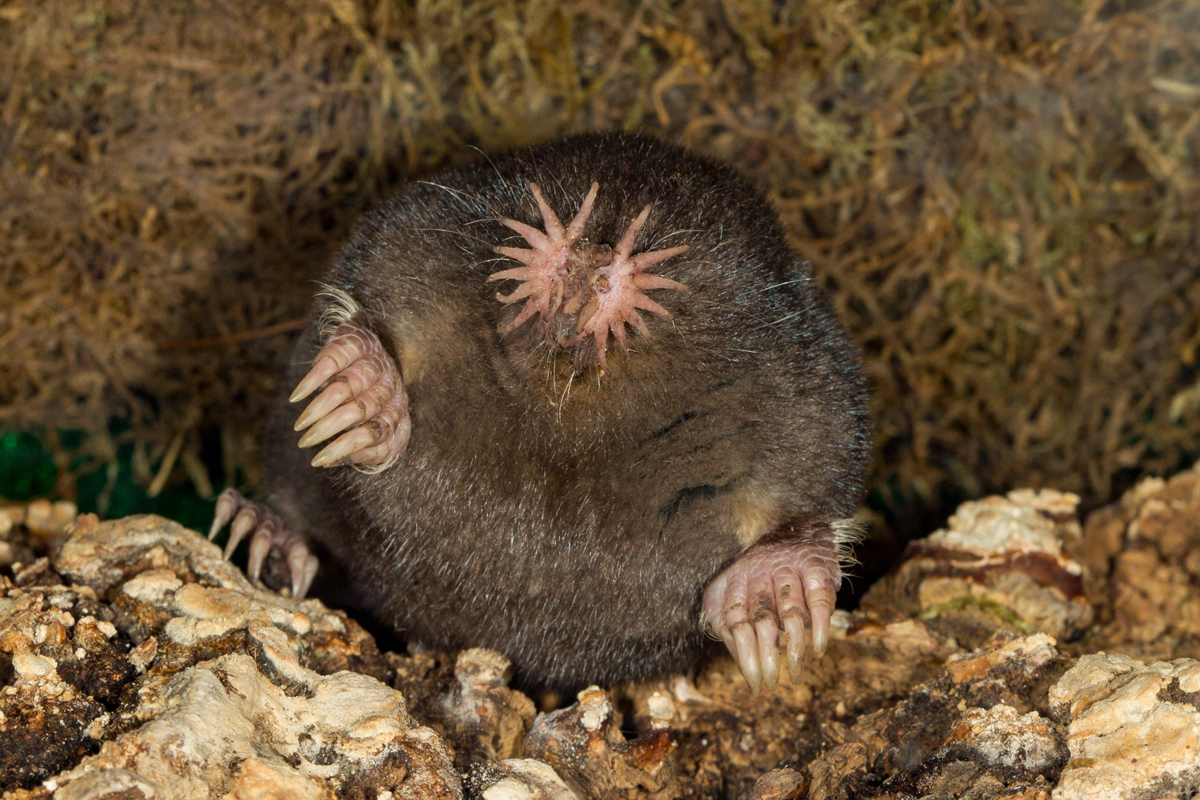
Star-nosed mole
Credit: Stan/stock.adobe.com

The star-nosed mole has an undeniably peculiar nose, with a snout ending in a ring of 22 fleshy, tactile tentacles packed with touch sensors. This nasal star is the tiny creature’s most distinctive feature, and it has a pretty incredible ability: detecting scents while underwater. 

Trying to inhale water is a very bad idea for mammals, but these semi-aquatic moles have circumvented that problem by blowing out small air bubbles from their nostrils onto objects or scent trails. The mole then quickly sucks the bubble back in, effectively “sniffing” the captured scents. They’ve been observed performing this bubble-blowing and re-inhaling sequence several times per second. It’s an ingenious adaptation that lets them forage in watery environments where ordinary sniffing would be impossible.

One oyster can filter a bathtub’s worth of water per day.

Oyster submerged in water
Credit: barmalini/stock.adobe.com

When they aren’t being served as delicacies, oysters are serving an extremely important ecological function: filtering prodigious amounts of water. An adult oyster can filter plankton, algae, and various debris from up to 50 gallons of water (the equivalent of a full bathtub) per day, feeding themselves and making their marine ecosystem a cleaner, healthier place for all manner of sea life in the process. 

Cleaner water allows sunlight to penetrate deeper into the brackish, coastal environments oysters call home and reach aquatic vegetation that thrives in submerged areas; this, in turn, provides more food for fish, turtles, and even sharks. Oysters’ filtration power is magnified when they cluster together and form reefs, which provide shelter and breeding grounds for even more sea creatures.

Chimpanzees ‘smile’ out of fear.

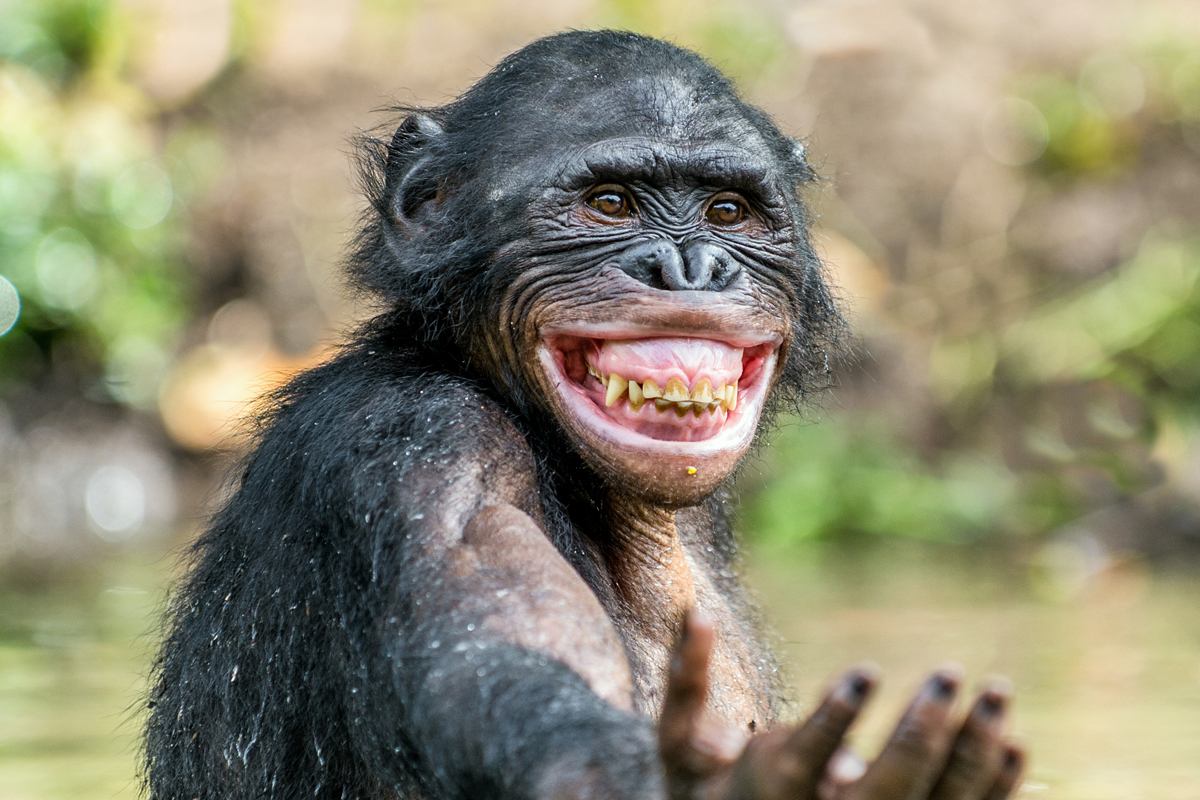
Chimpanzee baring teeth
Credit: Uryadnikov Sergey/stock.adobe.com

Chimpanzees have a surprisingly expressive range of facial movements — and when interpreting them, context matters. During play, they may use a relaxed, open-mouthed expression known as a “play face,” often with the teeth covered by the lips or only partly visible. This expression can signal excitement and playful intent rather than fear.

A toothy grin, however, can mean something very different. A chimpanzee flashing its teeth may look like it’s smiling at you, but it may actually be scared. When frightened, anxious, or confronted by a more dominant chimpanzee, a chimpanzee may pull back the corners of its mouth and expose its teeth in what researchers call a “fear grin.” Far from expressing happiness, an expression that looks like a smile can signal fear, submission, or an attempt to appease a threatening individual.

Songbirds practice singing in their sleep.

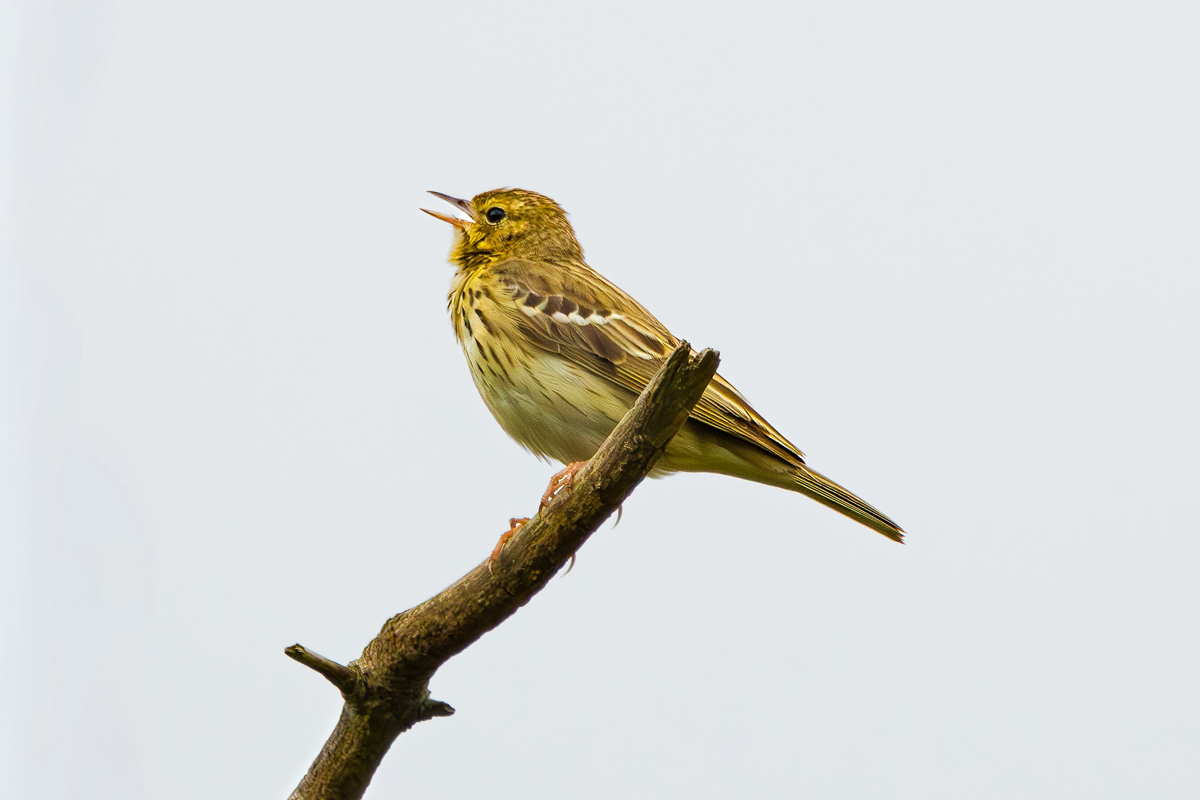
Songbird singing on the end of a branch
Credit: photodigitaal/stock/adobe.com

Many musicians spend countless hours in rehearsal studios perfecting their tunes. But to some songbirds, rehearsing is also second nature; they’re even known to practice singing in their sleep. This behavior is similar to how a dog’s paws twitch while it snoozes, only in the case of songbirds, it’s the vocal muscles in the throat that experience subconscious movement.

Researchers confirmed this phenomenon by implanting electrodes in sleeping birds such as the zebra finch. While zebra finches are known to croon in a more methodical staccato style when awake, the birds were observed producing disjointed, sporadic notes as they slept, a behavior researchers likened to “learning a musical instrument.” Similar — albeit less common — behavior has also been viewed in great kiskadees, which produced louder and more aggressive tones in their sleep.

Wombats use their armored butts to block burrow entrances.

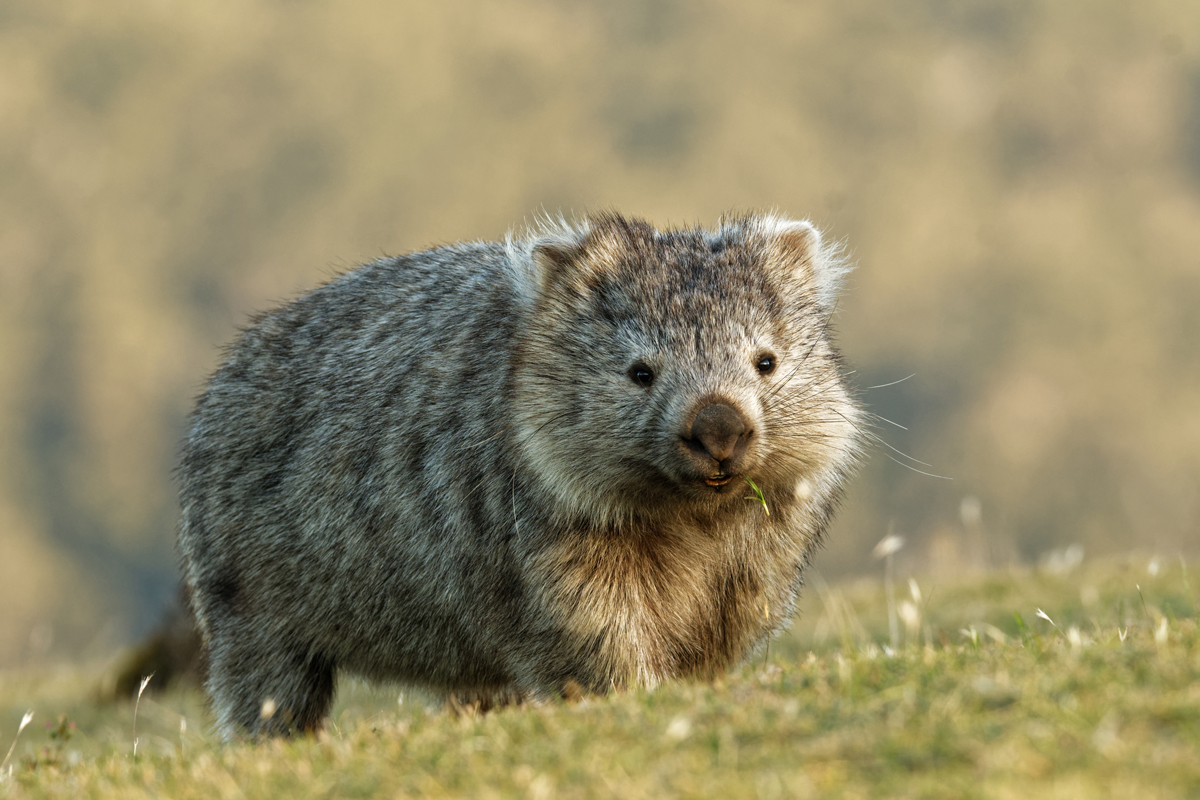
Wombat walking
Credit: phototrip/stock.adobe.com

Perhaps no animal takes the phrase “butt out” more literally than the wombat. These creatures use their armored rumps to create an impenetrable barrier at the entrance of their burrows, thus keeping potential predators from invading their space.

Wombat rear ends feature a thick, tough fascia plate made of cartilage with minimal nerve endings, so even if a predator bites or claws at it, the wombat isn’t likely to feel pain. Their hardened butt is then covered by a layer of short fur, so the predator isn’t able to snatch onto the fur and pull the wombat out of its burrow. If a predator does manage to peek its head beyond the butt and into the burrow, wombats are known to pivot from using their butts as shields to blunt weapons, bashing the invader’s skull against the burrow’s dirt walls.

Hummingbirds use spiderwebs to build their nests.

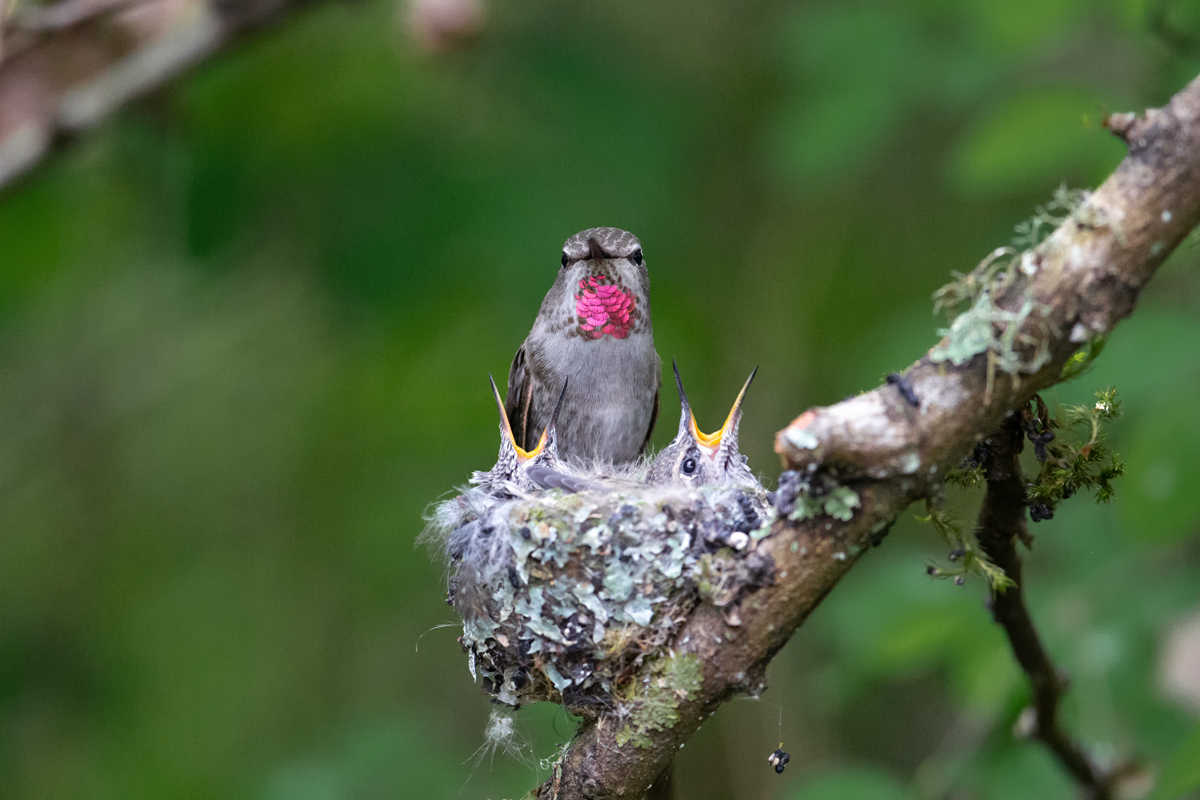
Hummingbird with its chicks in its nest
Credit: Feng Yu/stock.adobe.com

A hummingbird’s nest may look like a walnut-sized cup stuck to a branch, but they’re artfully engineered with spiderwebs to hold them together. The female hummingbird gathers strands of spider silk and uses them to bind plant fibers, moss, lichen, and other soft materials into a tiny cup. Depending on the species, she may build it on a tree branch, shrub, vine, or even a sheltered human-made structure.

And the spider silk does more than keep the nest together: It’s strong and elastic, allowing the nest to stretch and expand as the chicks grow, which is especially useful considering the finished nest may initially be only 1 or 2 inches in diameter. The female often lines the inside with soft plant fibers and down, creating a snug space for her eggs and chicks.

A blue whale’s heart is the size of a Harley-Davidson.

Blue whale underwater with human swimming above it for scale
Credit: Darin Sakdatorn/stock.adobe.com

Blue whales, the largest animals to ever exist, are more massive than most of us can fathom. They can reach lengths of more than 100 feet and weigh up to 330,000 pounds, more than twice the weight of any known dinosaur. 

As such, blue whales need similarly large organs to support their prodigious size — especially their hearts, which are roughly the size of a Harley-Davidson: 5 feet long, 4 feet wide, and about 400 pounds. That makes them the largest blood-pumping organ in the world, more than 14 times the size of an elephant’s heart and 640 times larger than our own.

There’s a goat-sheep hybrid called a ‘geep.’

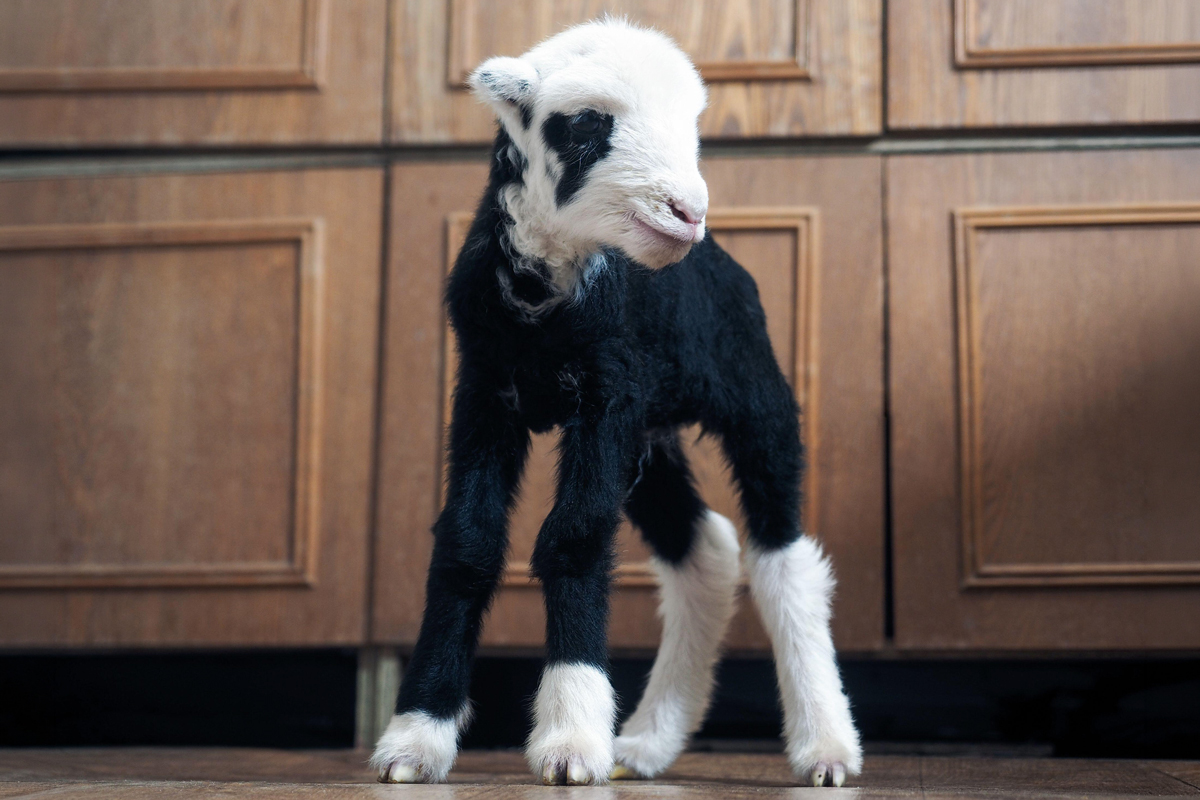
Baby goat-sheep hybrid
Credit: Irina Kozorog/Alamy

From labradoodles to ligers, the animal kingdom is rife with portmanteaus. While some are fairly common, others such as the “geep” — a goat-sheep hybrid — are exceedingly rare. DNA testing has confirmed that several purported geep are no more than odd-looking goats, but there are a few recorded cases of genuine living, breathing geep being born to goats and sheep living in captivity.

The main reason geep are so rare is due to genetic differences between goats and sheep. Goats have 60 chromosomes while sheep have 54, so if they mate, it often results in a stillborn birth. But some babies do survive, and those that have been confirmed to be geep typically have the body of a sheep and horned head of a goat, while also displaying a goat’s nimble mannerisms.