Starfish pump seawater through their veins instead of blood.
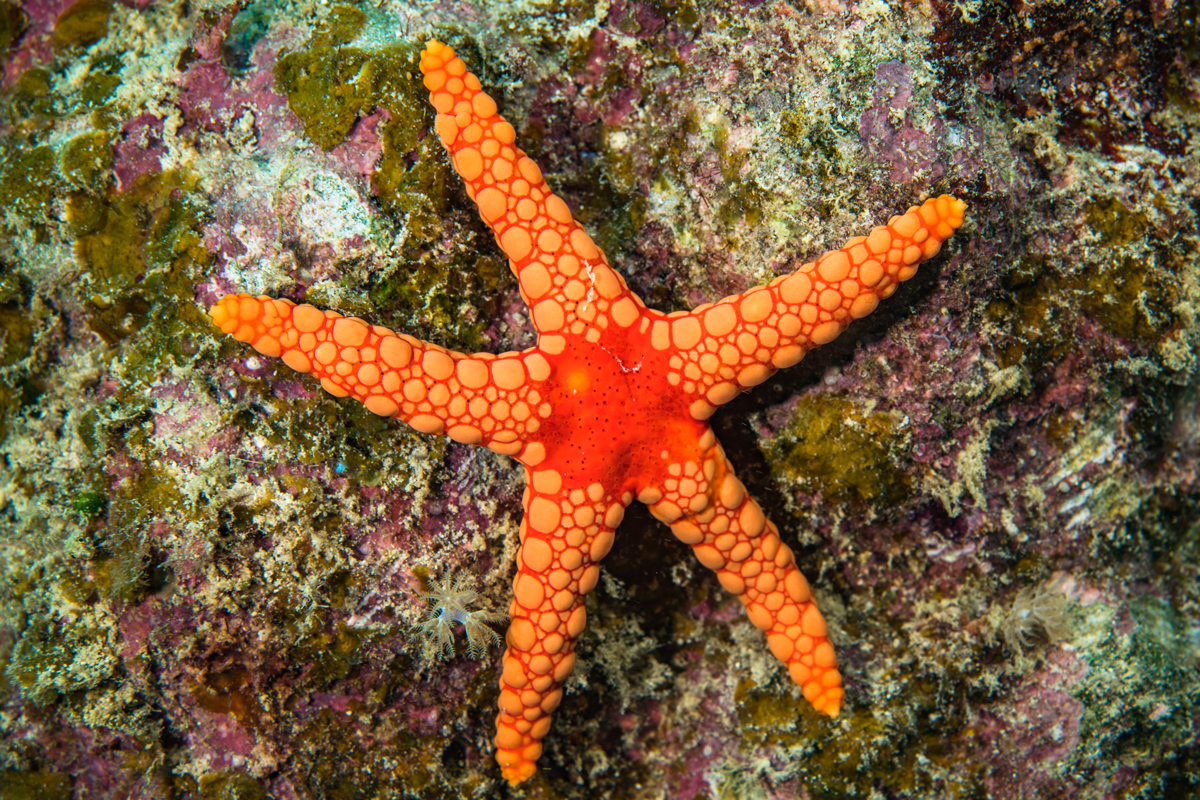
Brightly colored starfish lying on rock
Credit: Venko/stock.adobe.com

While starfish have plenty of limbs, they’re sorely lacking in other biological departments. For instance, these unique sea creatures don’t have a brain — or even blood. Instead, starfish are able to move, breathe, and feed thanks to the life-sustaining seawater coursing through their veins.

Starfish possess what’s called a “water vascular system,” which is also present in other echinoderms such as sea urchins and sea cucumbers. This system is composed of a series of water-filled canals, and as seawater passes through the canals, it delivers nutrients and oxygen to the starfish. The water vascular system also aids in locomotion: As sacs within the system contract, they push fluid into the starfish’s feet, allowing those limbs to elongate and grab onto their surroundings.
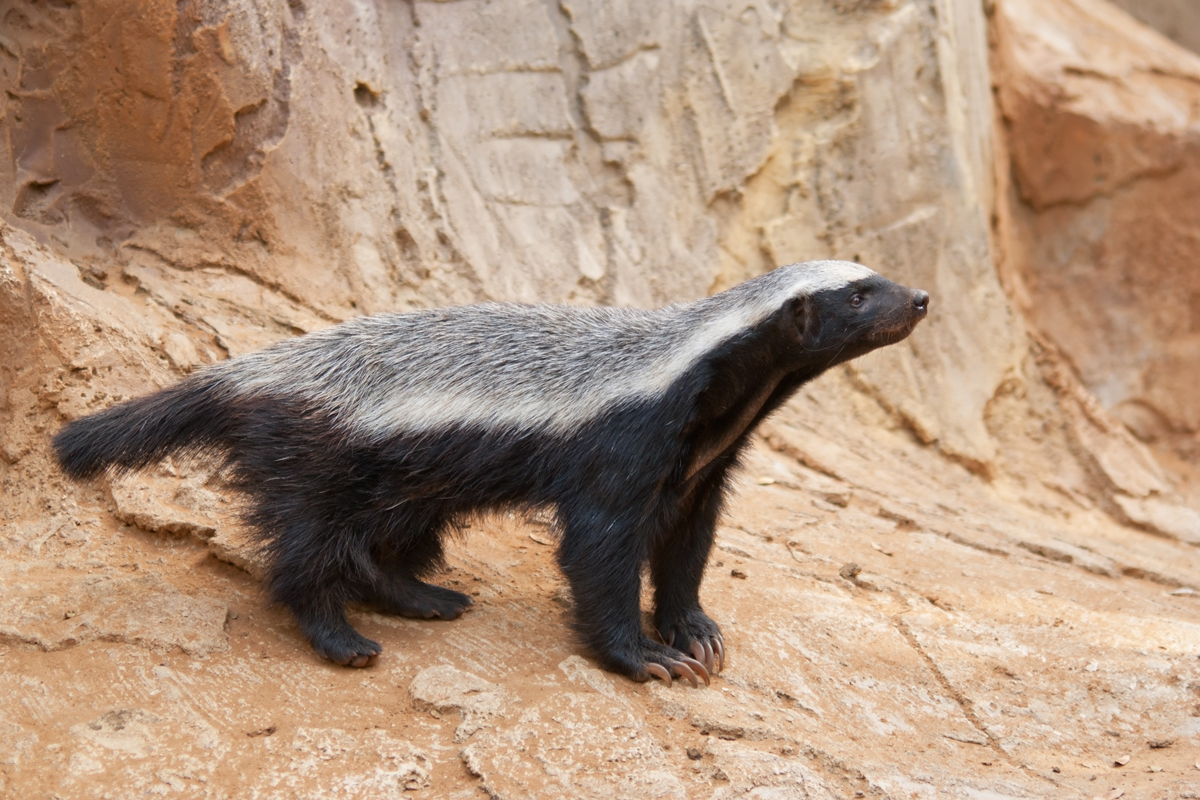

Honey badger skin is thick enough to withstand machetes.

Honey badger standing on rocky terrain
Credit: meoita/stock.adobe.com

If you remember that brief, glorious time when you couldn’t open a web browser without being treated to videos of honey badgers going absolutely bonkers, you may be unsurprised to learn their skin is thick enough to withstand blows from a machete. These notoriously fearless carnivores are also known for feasting on venomous snakes whose poison they’re resistant to, picking fights with larger predators such as lions and tigers, and having claws that can outgrow those of a black bear’s. 

Should you ever be unlucky enough to encounter one in the wild, you’d be better off running — whatever weapon you may have on you, it’s probably not nearly as tough as the honey badger.

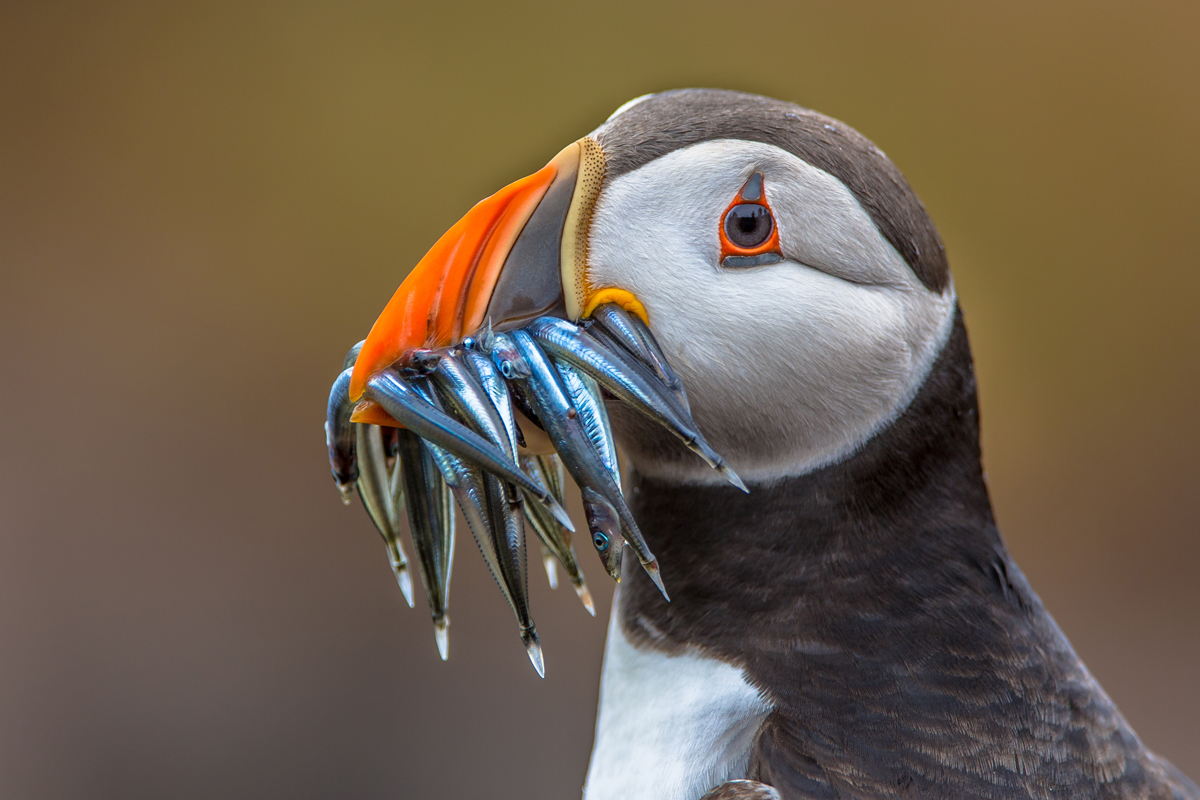
Puffins can carry more than 60 fish in their beaks at once.

Closeup of puffin with lots of small fish in its beak
Credit: creativenature/stock.adobe.com

Competitive eater Joey Chestnut once crammed a record 76 hot dogs into his mouth, but he did so over the course of 10 minutes, which is arguably a far less impressive feat than that of the puffin. These seabirds are voracious eaters in their own right, fitting more than 60 fish inside their bills at once, with the current record of 62 held by one puffin observed in Britain.

The ability to carry so many fish around is due to the specialized design of a puffin’s bill. Their bills can open quite wide, allowing them to scoop up loads of fish with greater ease. Plus, their mouths are also lined with backward-angled spines, which combine with their coarse tongues to keep any ensnared fish firmly in place.

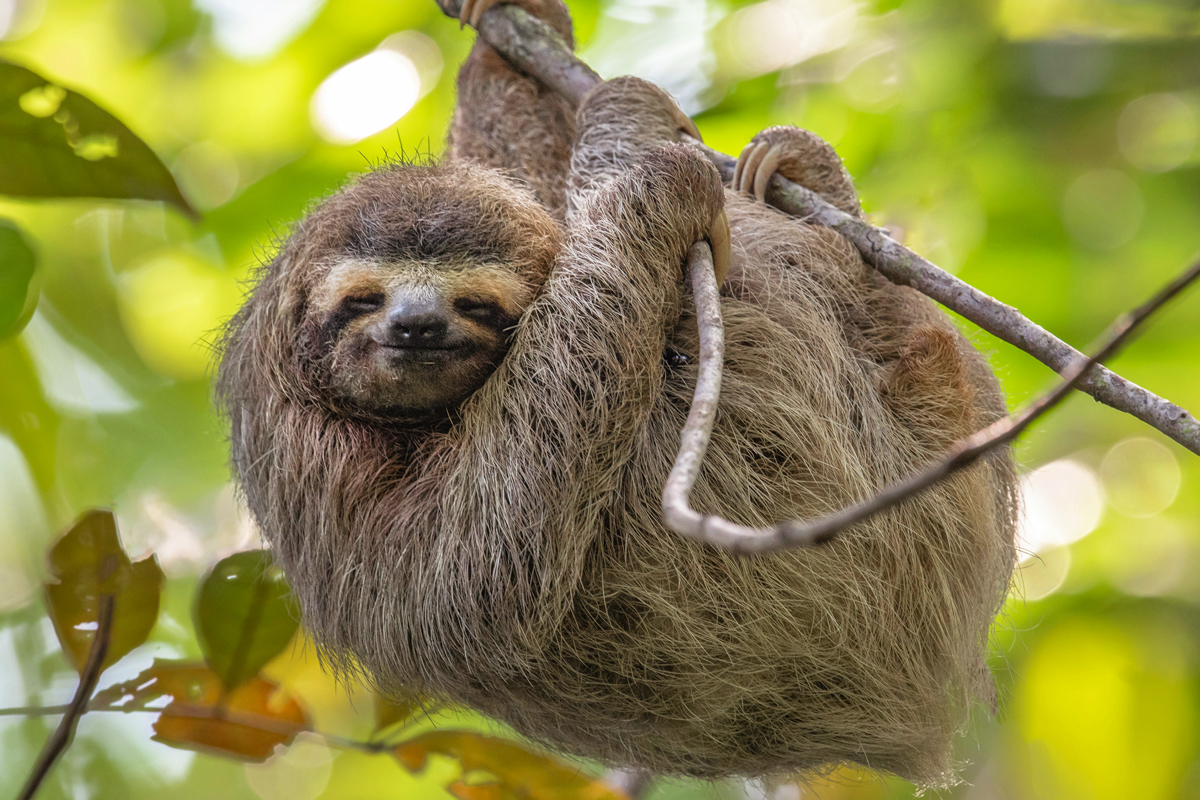
Sloths can take up to a month to digest a single leaf. 

Sloth hanging on a branch with eyes closed
Credit: Getty Images/Unsplash.com

For a sloth, there’s no such thing as rushing through lunch — in fact, a sloth can take up to a month to process just one leaf through its digestive system. Their leafy diet is low in calories and difficult to digest, so they’ve evolved a slow metabolism and a digestive system that allows food to remain in the gut for a remarkably long time. Microbes help break down tough plant fibers and unlock nutrients and energy from the leaves they eat. 

That slow digestion fits with the sloth’s energy-saving lifestyle. A sloth’s metabolic rate is just 40% to 74% of what would be expected for another mammal of the same body weight. Sloths conserve energy by moving slowly, eating relatively little, and spending much of their time resting. Because food can remain in the digestive tract for weeks, sloths typically defecate only about once a week.

A narwhal’s ‘horn’ is actually a tooth.

Narwhal's horn breaching the surface of the ocean
Credit: by wildestanimal/Getty Images

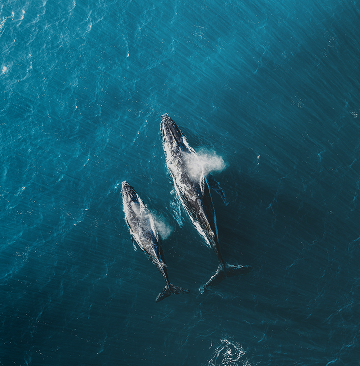
Some people think of narwhals as the unicorns of the ocean, as their protruding horns are similar to that of the mythical creature. But that distinctive feature isn’t a horn at all, but rather an elongated tooth that pierces its lip and typically grows to anywhere between 5 to 10 feet long. Narwhals use their lengthy tooths to hunt — not to pierce their target, but rather to whack and stun prey, making them easier to catch.

Narwhals only have two teeth to begin with, but typically only the left one grows long while the right one stays vestigial. Furthermore, males are often the only ones that have this prominent tooth. That said, there are rare instances in which females develop a long tooth of their own, and other cases — for both males and females —- wherein both teeth grow out to form two lengthy tusks.

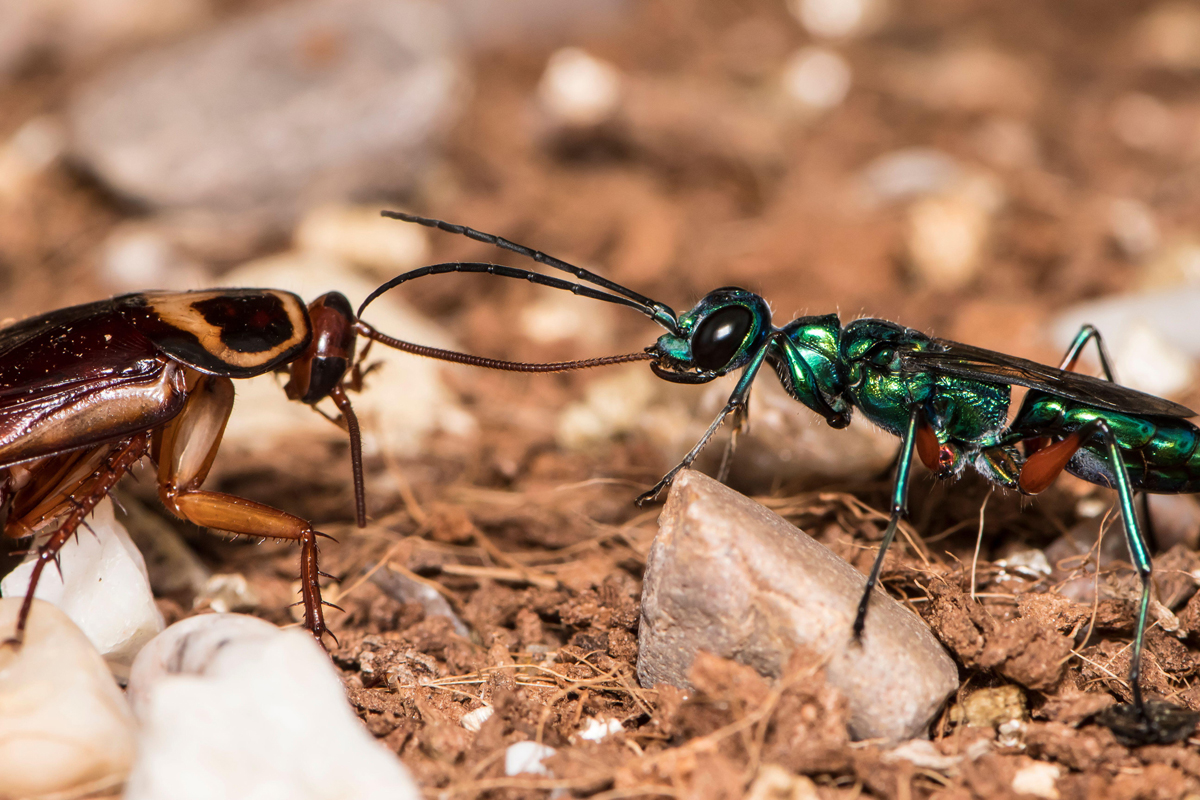
This wasp can turn cockroaches into ‘zombies.’

Jewel wasp and cockroach facing each other
Credit: James Dunbar/Nature Picture Library—Alamy

With such a whimsical-sounding name as “jewel wasp,” you wouldn’t expect this creature to be so sinister. Found in tropical parts of Africa and Asia, the female wasp first stings the cockroach in the thorax, temporarily disabling its front legs, then delivers a second sting directly into its brain.

The venom doesn’t simply paralyze the roach. Instead, it changes activity in parts of its nervous system, leaving the cockroach alive but surprisingly docile, with little motivation to escape. The wasp then leads the roach by the antennae into a nest, where she lays an egg on the cockroach. The unfortunate roach remains alive as the wasp larva develops, eventually becoming its food.

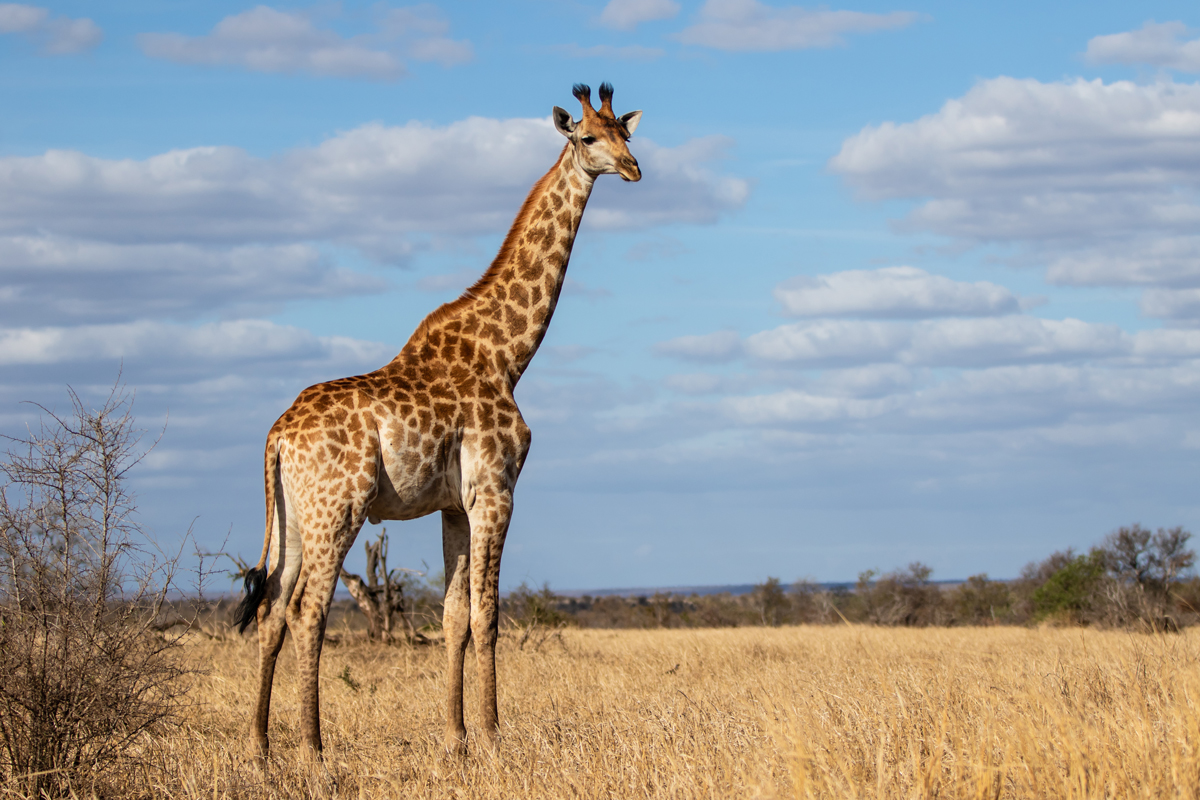
Giraffes are 30 times more likely than humans to be struck by lightning.

Giraffe standing in a field
Credit: henk bogaard/stock.adobe.com

If a human being and giraffe were to get caught standing next to each other in a lightning storm, odds are Zeus would target the giraffe first. Given the height of the average giraffe, it isn’t that shocking (forgive the pun) to learn these creatures are essentially the lightning rods of the animal kingdom. But what may surprise you is these long-necked beasts are a whopping 30 times more likely to be struck by lightning than the typical human.

Now this isn’t to say fatal lightning strikes are common in either case, as it’s exceedingly rare — albeit more common than for humans — for a giraffe to be struck down. An analysis of lightning strikes between 1996 and 2010 found that five giraffes perished due to lightning worldwide, which equals a rate of 0.003 deaths per thousand giraffes per year. By comparison, data collected from 1989 to 2018 showed that the U.S. alone averaged 43 documented human lightning fatalities per year.

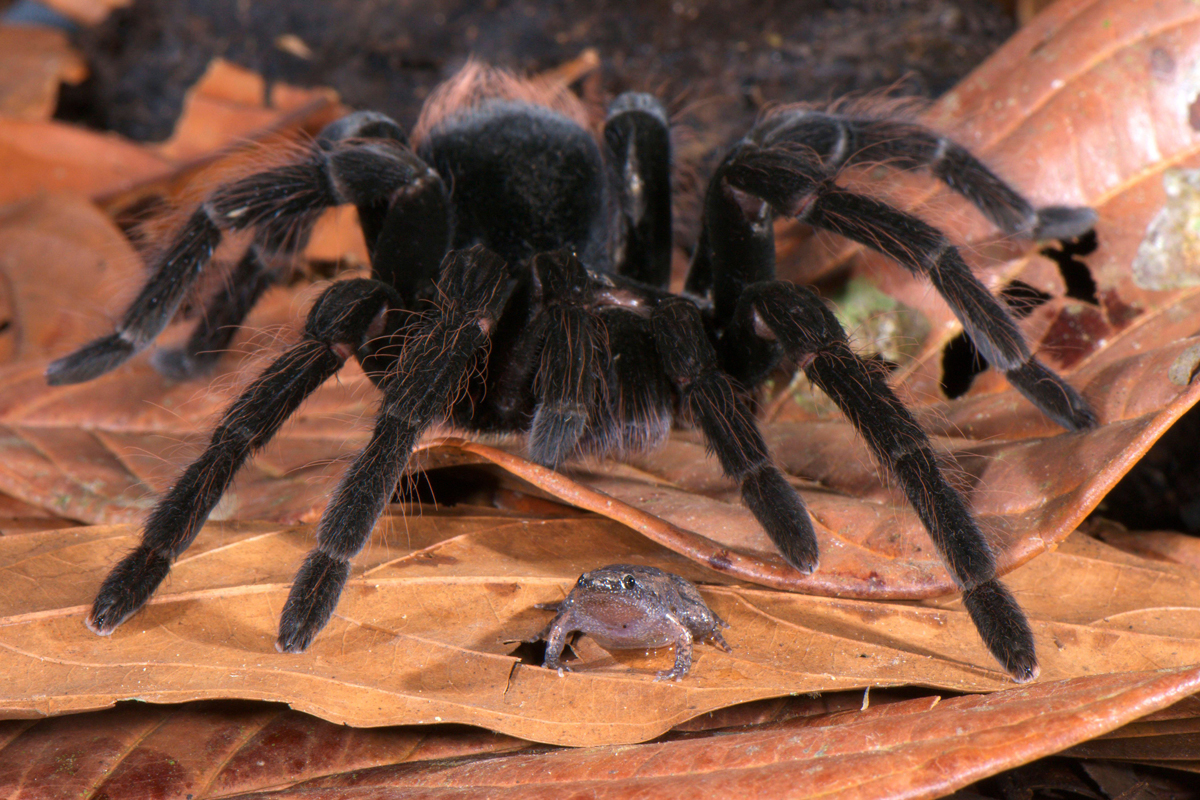
Tarantulas keep tiny frogs as ‘pets.’

Tarantula with a small frog
Credit: imageBROKER.com/Alamy

It may not be as heartwarming a tale as an adopted puppy or kitten finding their forever home, but tarantulas live with pets of their own — well, sort of. One species of arachnid has been known to welcome tiny frogs into their burrows, forming a symbiotic relationship that makes for a more unlikely living situation than that of The Odd Couple.

While other spiders feast on frogs and vice versa, this peculiar mutualistic situation has been exhibited by the burrowing tarantulas and dotted humming frogs of the Amazon rainforest. The larger spider essentially acts as the tinier frog’s security detail, protecting the amphibians against snakes and other predators. In return, the frogs protect the tarantula’s eggs by slurping up any ants that enter the burrow, as ants are the primary predator of those tarantula eggs.

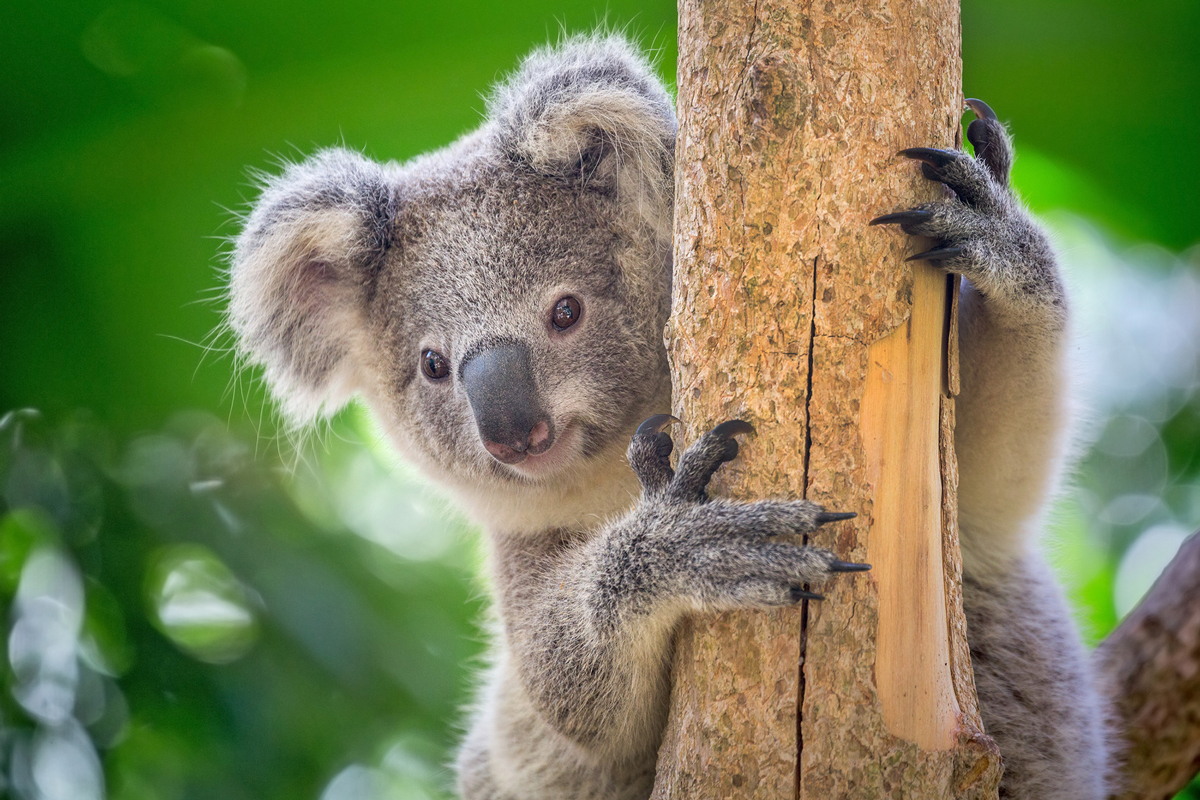
Koala bears aren’t bears.

Koala grasping a tree trunk
Credit: MrPreecha/stock.adobe.com

What do strawberries, the Hundred Years’ War, and koala bears share in common? They’re all misnomers, which is a term for names that are factually inaccurate. In the case of koalas, they aren’t bears at all, but rather marsupials — animals that give birth to underdeveloped young that are carried in pouches (think wombats, kangaroos, etc.). Bears belong to a separate group known as placental mammals, whose young are fully developed in the womb.

The reason koalas are erroneously referred to as “bears” dates back to English settlers in the 18th century who didn’t know any better. Upon arriving in Australia, the settlers came upon an unfamiliar creature they thought looked like a small gray bear with a pouch. They gave it the name Phascolarctos cinereus, derived from the Greek meaning “ash-gray pouched bear.” Though the name was later determined to be scientifically inaccurate, the “bear” moniker stuck.

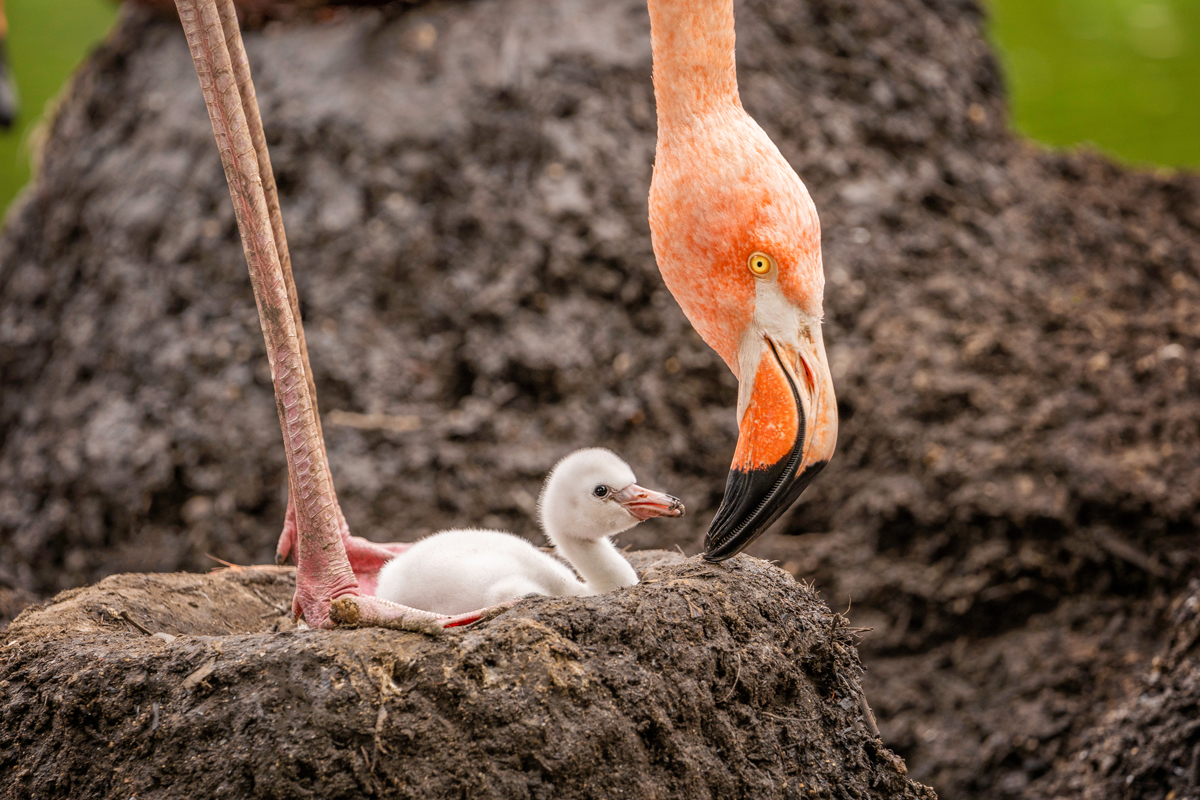
Flamingos aren’t born pink.

Adult flamingo with its chicken in a nest
Credit: Eric/stock.adobe.com

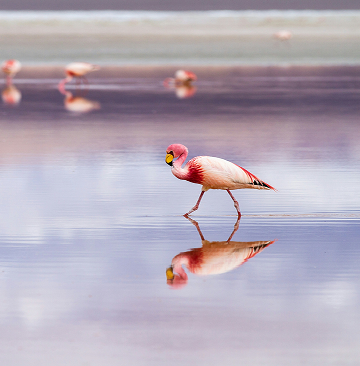
The phrase “you are what you eat” may hold most true when talking about flamingos. These striking pink birds initially lack any sort of flamboyant coloration, as their feathers are more of a dull gray for the first year or two of their lives. Over time, flamingos develop their signature pink color due to their diet.

These birds mainly dine on algae, brine shrimp, fly larvae, and other foods containing carotenoids — a type of organic pigment associated with shades of red, orange, and yellow. One carotenoid that’s typically found in the aforementioned food sources is the red-orange beta-carotene, which is broken down in the flamingo’s digestive tract and then absorbed into the fats of its liver. Those pigments are then deposited into the bird’s feathers and skin, resulting in its bright pink hue.