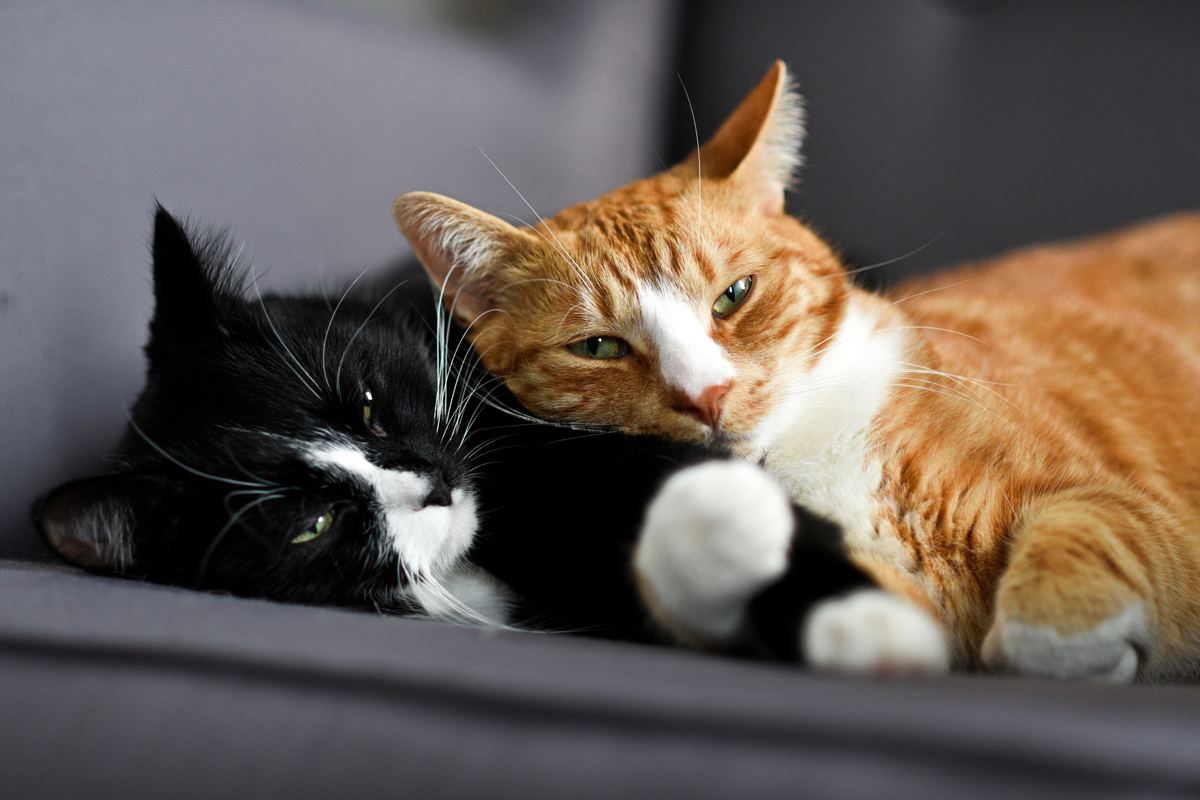
Most cats are lactose intolerant.

Two cats cuddling together
Credit: Kozioł Kamila/stock.adobe.com

Though cartoon depictions of cats happily drinking it from a saucer suggest otherwise, milk isn’t actually good for cats. In fact, most cats are lactose intolerant, a condition that develops after kittens stop nursing, sometime between 6 and 12 weeks of age. Although kittens produce lactase, an enzyme that breaks down lactose, their bodies stop producing it once they’ve been weaned — which helps explain both why they’re still drawn to milk and why it’s no longer good for them. 

Most cats can drink a small amount of milk without experiencing gastrointestinal distress, but it provides no nutritional benefits to adult felines. And while there are some lactose-free alternatives made for cats, they’re intended as occasional treats (rather than a staple of their diets. Water, though perhaps less exciting, is all your kitty needs to stay hydrated.
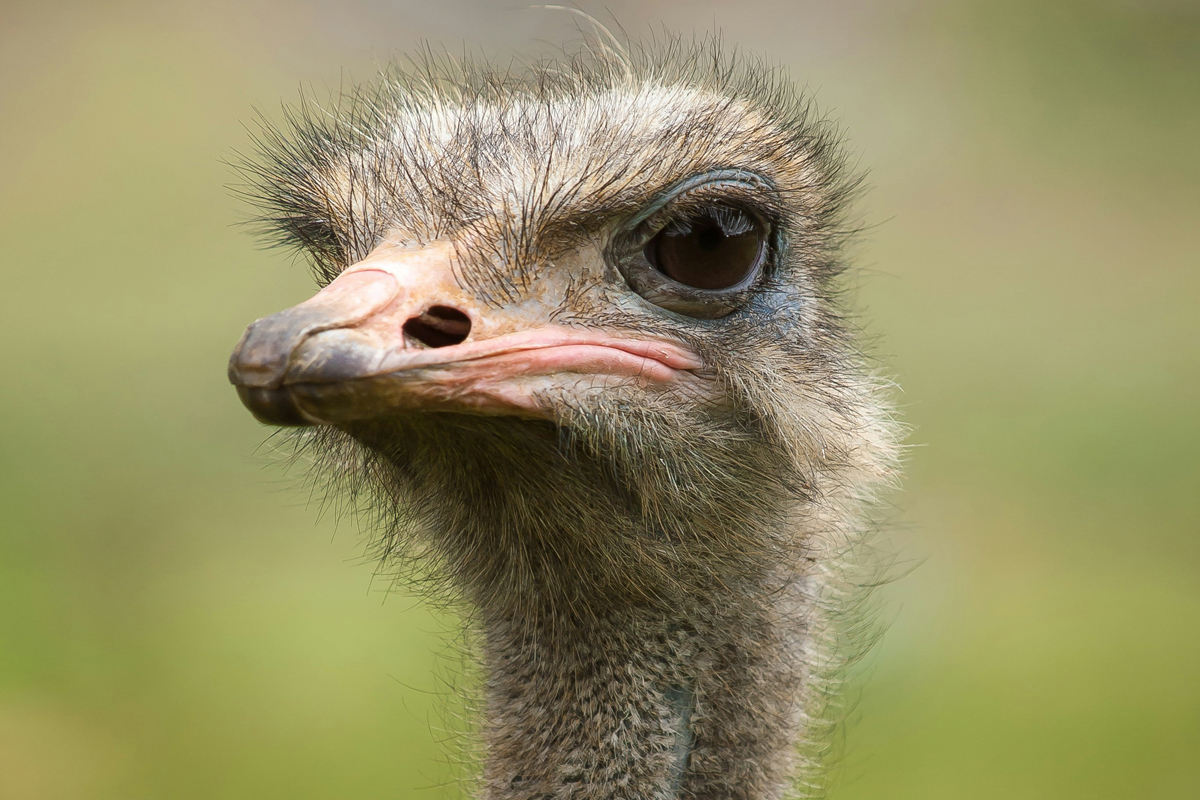

An ostrich’s eye is bigger than its brain.

Closeup of an ostrich's head
Credit: William Warby/Unsplash.com

There may as well be an entire section dedicated to ostriches in the book of Guinness World Records. They’re the world’s tallest and heaviest bird, and they have the largest eyes of any land animal. In fact, a single ostrich eye is so big that it’s larger than their whole brain.

The average ostrich eye measures roughly 2 inches across and is about the size of a billiard ball, with both eyes comprising around 5% of an ostrich’s total body weight. But the bird’s brain is a bit tinier; while it measures around 2.33 inches long, it’s only 1.66 inches wide and makes up a mere 0.015% of the bird’s overall weight. And an ostrich’s giant eyeballs aren’t just for show, as they provide the bird with excellent vision that allows it to see up to 2.2 miles away in daylight.

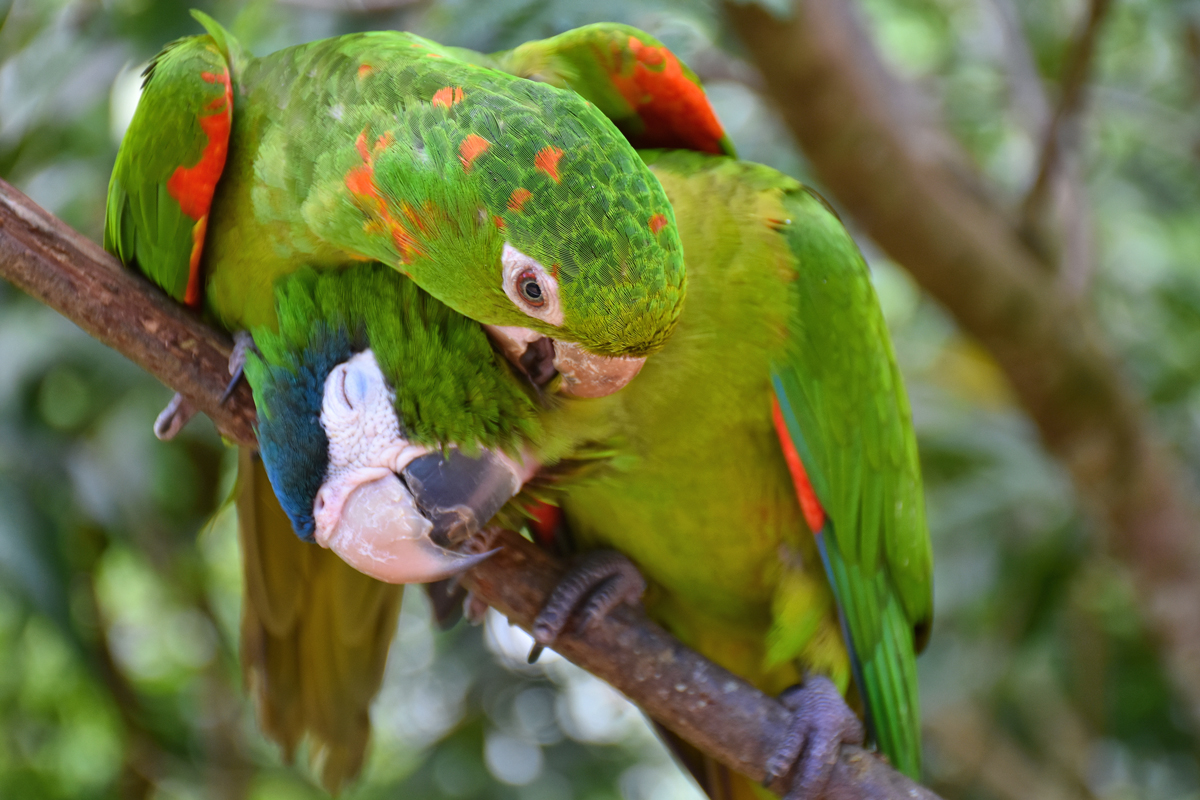
Wild parrots name their children.

Two parrots nuzzling on a tree branch
Credit: Gennady/stock.adobe.com

While parrots don’t refer to other parrots by names such as Polly like we humans do, it’s believed that they do indeed name their children. Those “names” aren’t audible words we would understand, but rather specialized chirps used to call out to specific offspring.

From 2007 to 2008, doctoral student Karl Berg studied groups of wild green-rumped parrots in Venezuela. Based on that analysis, it was concluded that one parrot would communicate to its own hatchlings using slightly different vocalizations than another parrot would use to speak with its own offspring. Over time, the newborns would learn which sounds they were associated with and use those specialized chirps as a way to essentially identify themselves to their fellow birds.

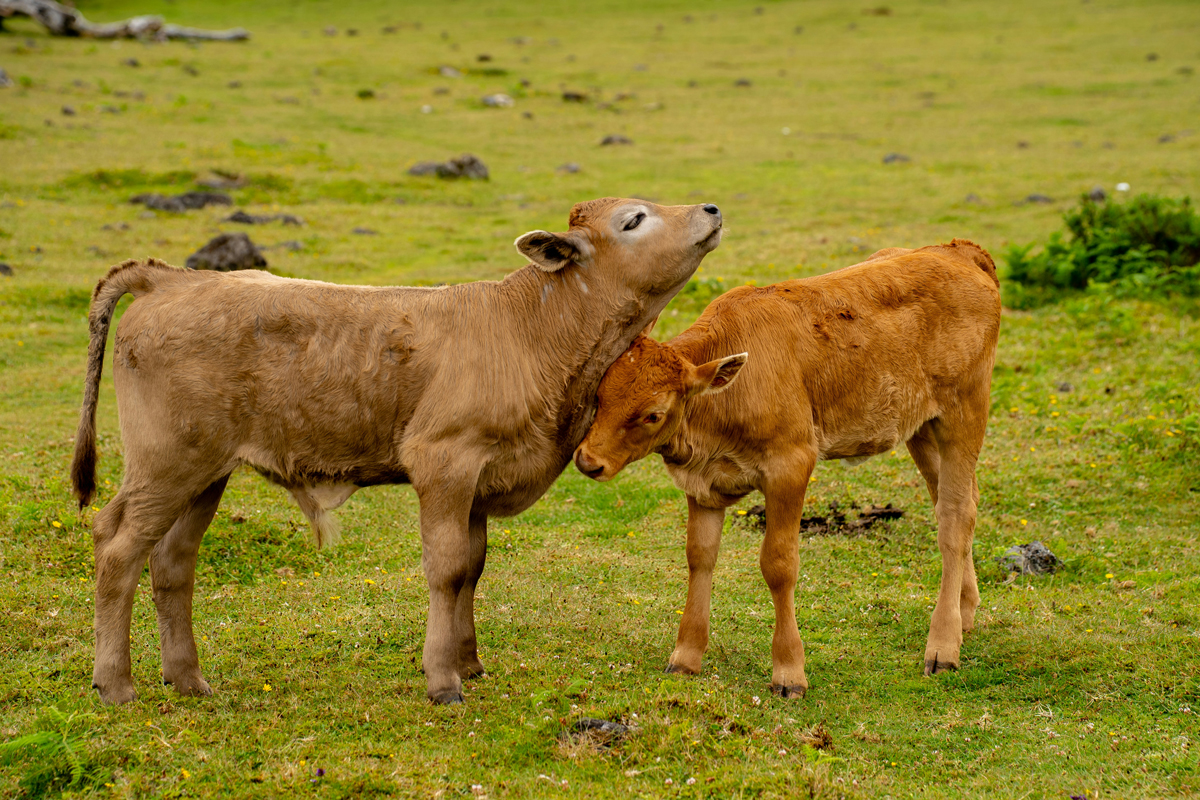
Cows have best friends.

Two cows nuzzling each other
Credit: Jametlene Reskp/Unsplash.com

Cows aren’t usually counted among the most intelligent animals, but they possess more emotional depth than you may expect. Part of the reason these calm, soulful creatures are so docile, it turns out, is they have best friends — and they can maintain those friendships throughout their entire lives. 

Studies have shown cows experience lower stress levels when they’re with their besties, often grazing with and grooming each other to strengthen their bonds. The inverse is also true: Cows get stressed out when separated from their BFFs, which they express by pacing, crying out, and eating less than they normally would. We just have one question: How has the story of two cow besties not been made into a Pixar movie yet?

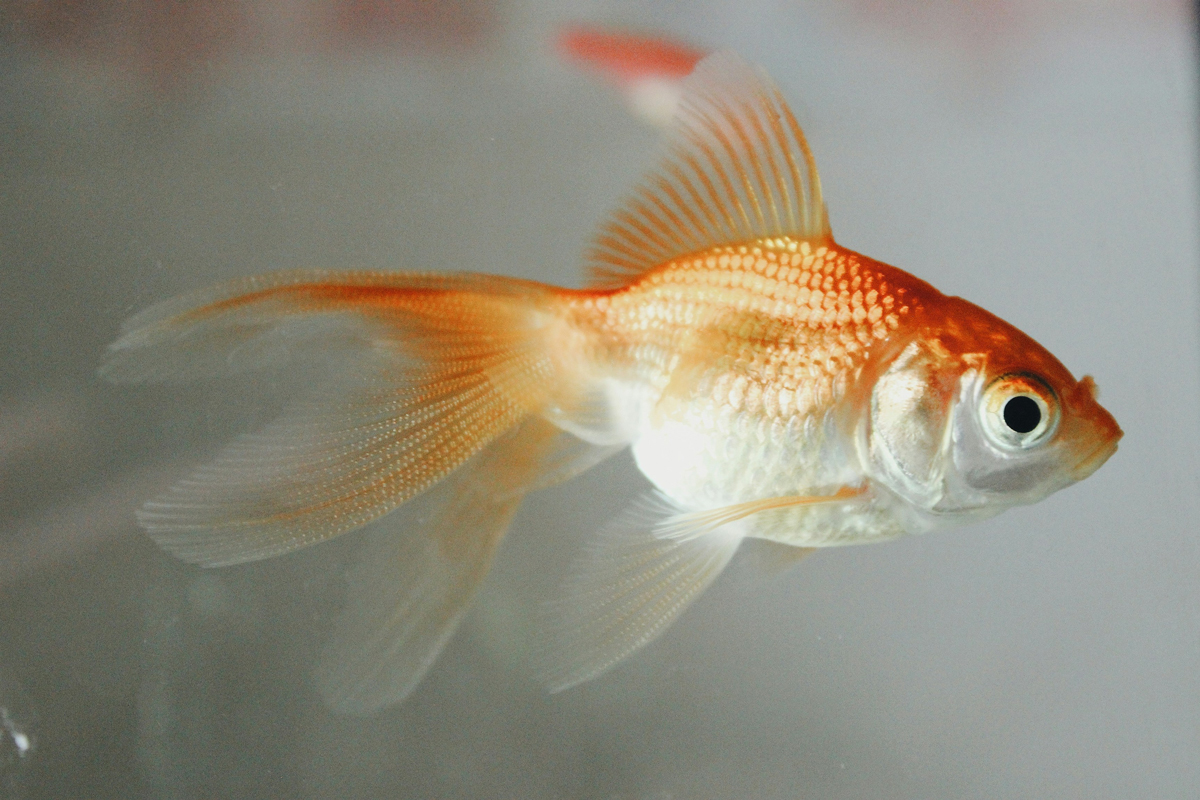
Goldfish memories last much longer than three seconds.

Closeup of a goldfish
Credit: Hale Tat/Unsplash.com

Saying someone has the memory of a goldfish is a derisive comment that implies they can only retain information for a few seconds — but this widespread belief is a common misconception, as goldfish don’t have poor memories at all. In fact, these popular pets can recall details for weeks, months, and even years.

Research has shown goldfish hold onto information for prolonged periods, especially if that knowledge is tied to receiving a tasty treat. In certain experiments, goldfish have learned which side of the tank they’re typically fed on and have been taught to press against a red paddle that rewards them with food instead of a blue-colored paddle that doesn’t. There’s even evidence of goldfish recognizing visual cues to navigate their surroundings, and they’re also able to discern between photos of frogs and turtles shown to them at varying three-dimensional angles. 

These and other tests were conducted over periods of weeks or more, proving goldfish can retain learned knowledge over time and dispelling the myth of their supposed three-second memory.

Black bears eat about 20,000 calories a day before hibernating.

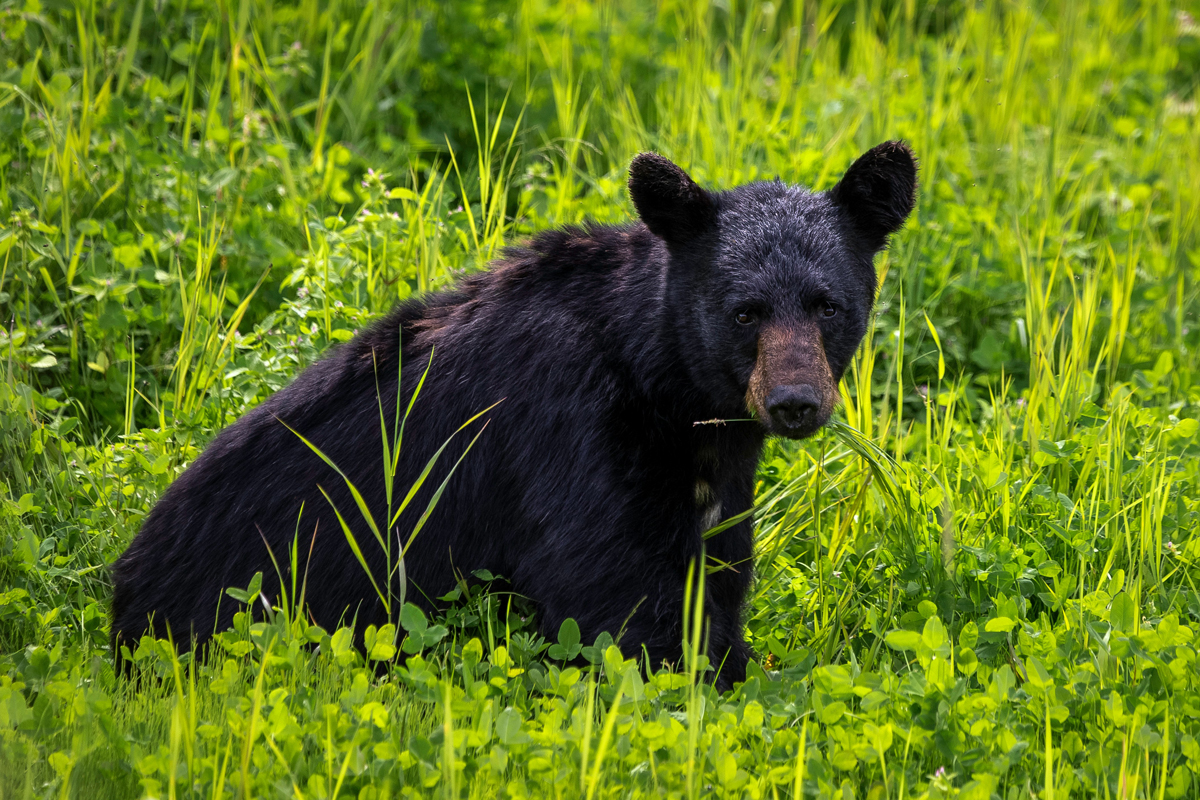
Black bear sitting in a grassy area
Credit: Pete Nuij/Unsplash.com

As anyone who loves Fat Bear Week already knows, our ursine friends put on a lot of weight before hibernating for the winter, sometimes even doubling their body weight before getting their beauty rest. Doing so requires them to eat as much as possible in the weeks and months prior to hibernation, with black bears consuming about 20,000 calories per day. (It takes the average human around 10 days to eat that much.) 

This phase, known as hyperphagia, is prompted by extreme hunger and leads to bears spending as many as 22 hours a day foraging and eating as they gain up to four pounds daily. Because they’re more active than usual, this is also when bears are at their most dangerous to humans — talk about hangry.

Baby hedgehogs have a trick to protect their mothers from their quills.

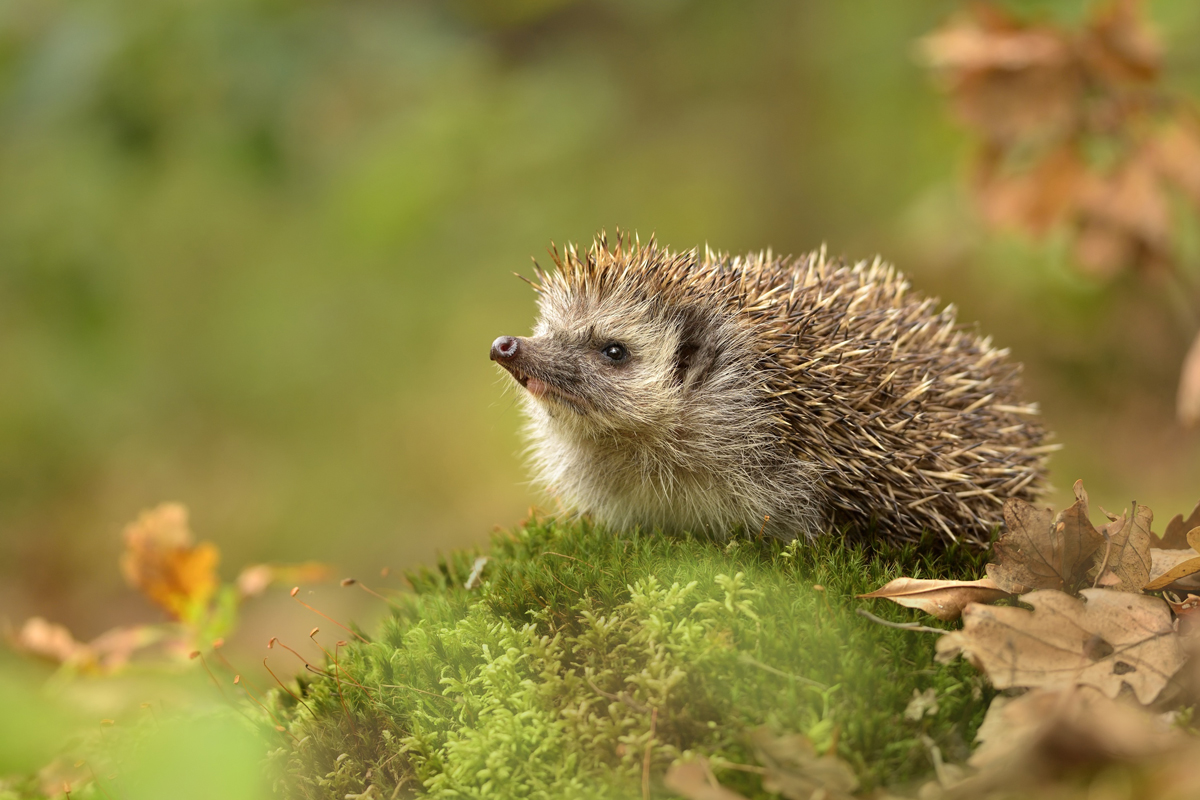
Hedgehog perched on a patch of mossy ground surrounded by fallen leaves
Credit: Lubomir/stock.adobe.com

Hedgehogs are known for the sharp spines they raise when threatened, but nature gives newborns a softer start to protect their mother. Depending on the hedgehog species, a mother typically gives birth to between four and seven babies (called hoglets) each born with its first spines safely concealed beneath a swollen, fluid-filled membrane so they don’t injure her during birth. Within hours, the swelling subsides and soft white spines begin to emerge, followed by darker, stronger ones over the next several days.

Hoglets spend their first weeks tucked in the nest, nursing and relying on their mother for protection. Their eyes open at around 2 weeks, and by about 3 to 4 weeks they begin venturing outside the nest with mom and learning to forage. By then, their spines have hardened, so they can  develop the classic hedgehog defense of raising their spines and curling into a tight ball to make themselves a painful mouthful for predators.

Seagulls dance on grass to trick earthworms into thinking it’s raining.

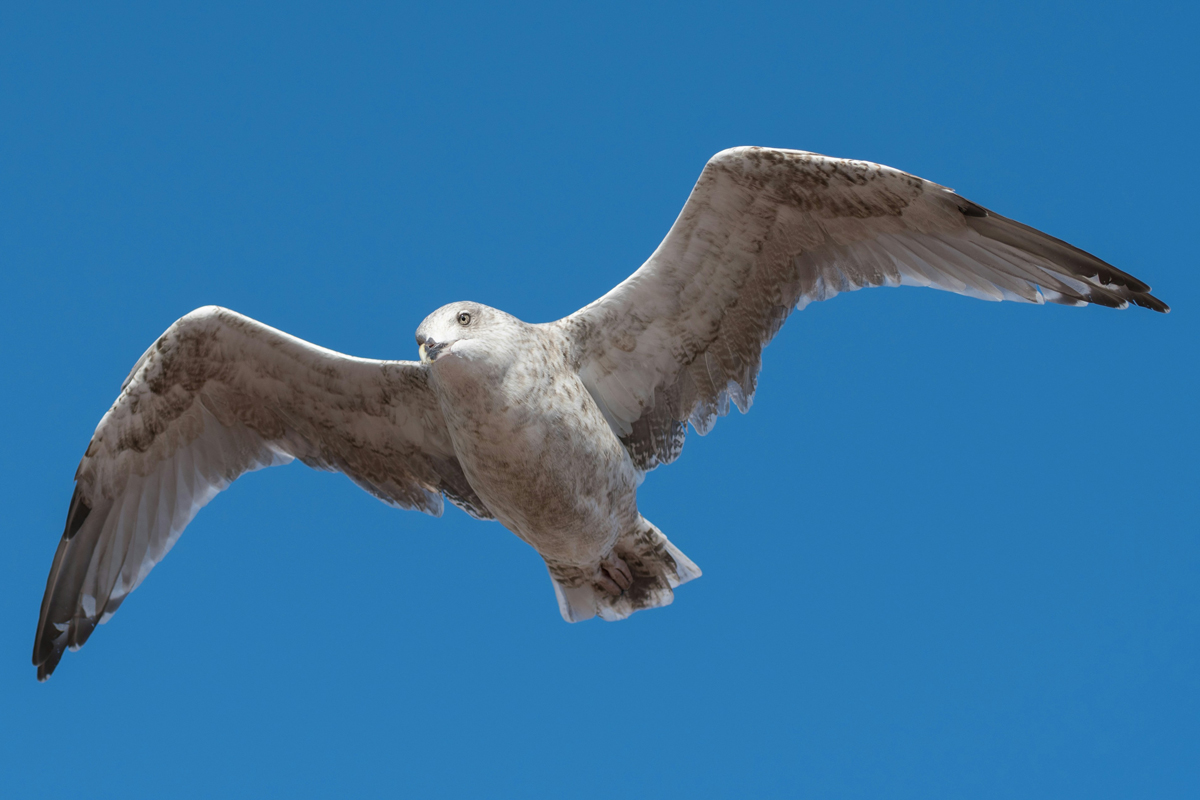
Flying seagull
Credit: Gabriel Mihalcea/Unsplash.com

Despite being known as scavengers, seagulls do occasionally dance for their dinner — literally, when it comes to earthworms. Just as the soil dwellers instinctively make their way to the surface after it rains, seagulls rhythmically tap their feet on the ground in a “rain dance” that tricks their prey into thinking it’s raining. 

Also known as “worm charming,” the dance produces vibrations that mimic the pitter-patter of raindrops and attracts earthworms in the same way an alluring flame attracts a moth. That earthworms brave the surface in search of food, thus increasing their chances of becoming food, is essentially the circle of life in microcosm — and a reminder of the ways in which species are constantly adapting to each other’s habits to gain an advantage.

Rabbits perform a twisting jump called a ‘binky’ when they feel happy.

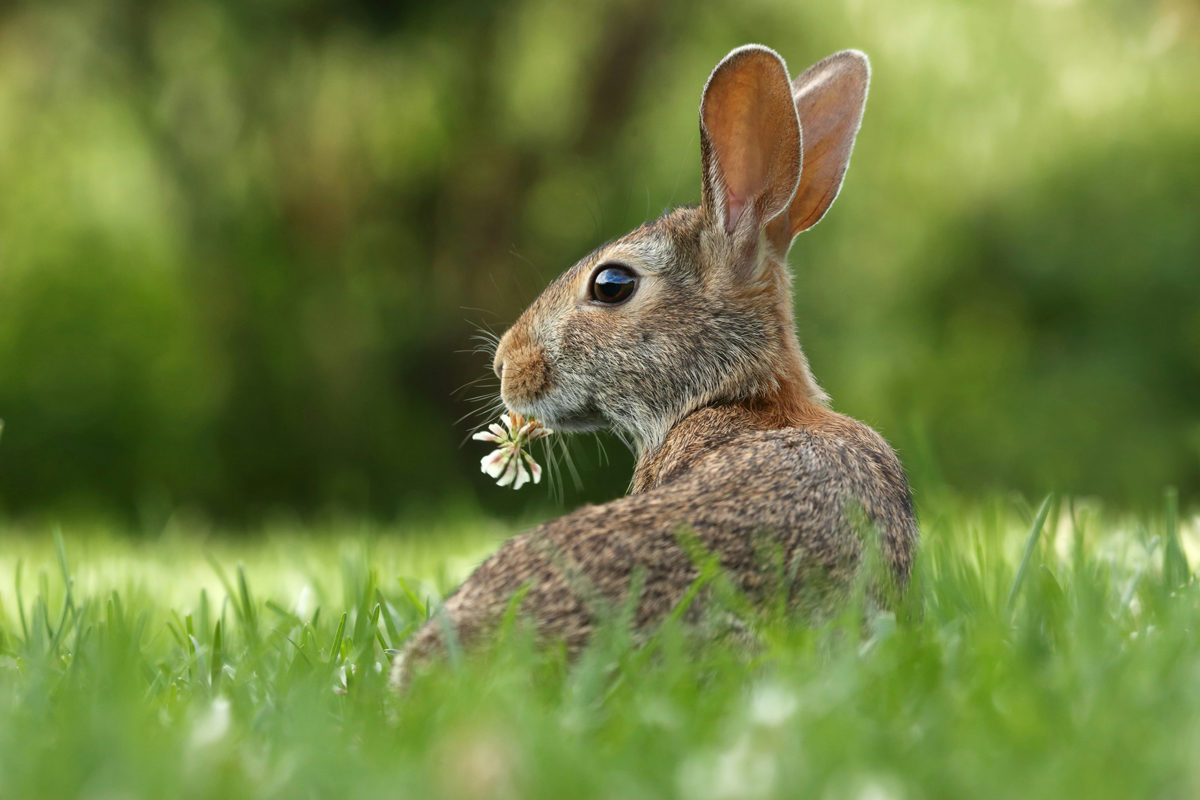
Rabbit with small flower in its mouth
Credit: Gary Bendig/Unsplash.com

A lot of worthy, underappreciated pets get lost in the never-ending debate between cats and dogs. High among them is the humble rabbit, which is at its most adorable when it’s at its happiest. That’s when a bunny performs the “binky,” an adorably acrobatic jump in which it leaps straight up, twists its head and body, and kicks its feet; it sometimes even wiggles its ears. 

The binky — which rabbit owners and animal experts alike agree is a physical expression of happiness and excitement — is often preceded by a bout of the zoomies, also known as the “bunny 500” by some rabbit aficionados. After all, if you’re known for hopping, why not do it when you’re happy?

Black cats can ‘rust’ if they spend too much time in the sun.

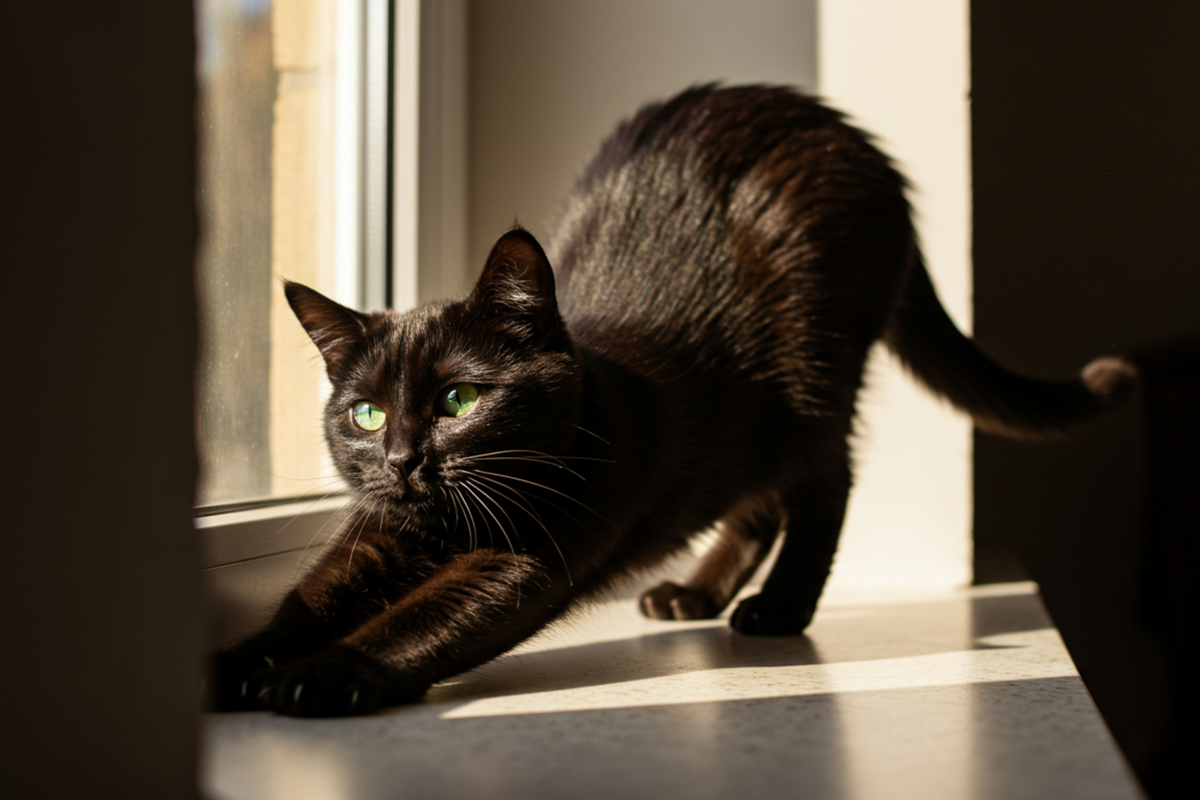
Black cat stretching in a beam of sunlight beside a window
Credit: Luike Oliver/stock.adobe.com

If a black cat ever crosses your path, don’t be scared — be curious as to whether their fur has changed color. This is called “rusting,” and it happens when they spend so much time in the sun that portions of their coat take on a brown, orange, or even reddish tint. 

The pigment responsible for black fur is called eumelanin, and it isn’t especially hardy: Repeated exposure to ultraviolet rays causes it to break down and lose its dark hue. The change can also be caused by an amino acid deficiency, but this is less common. Rusting is also easier to spot in direct sunlight, meaning these kitties will remain as spooky as ever under cover of darkness.