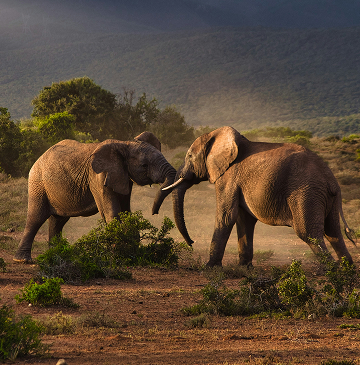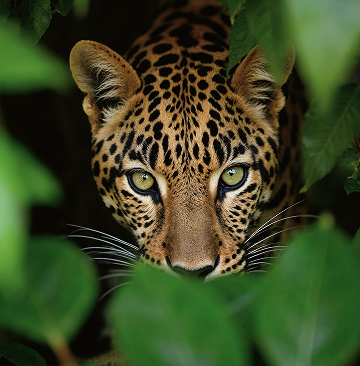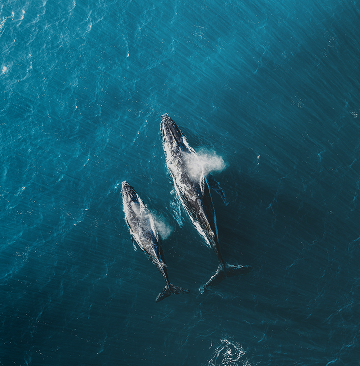
Pandas do handstands to pee.

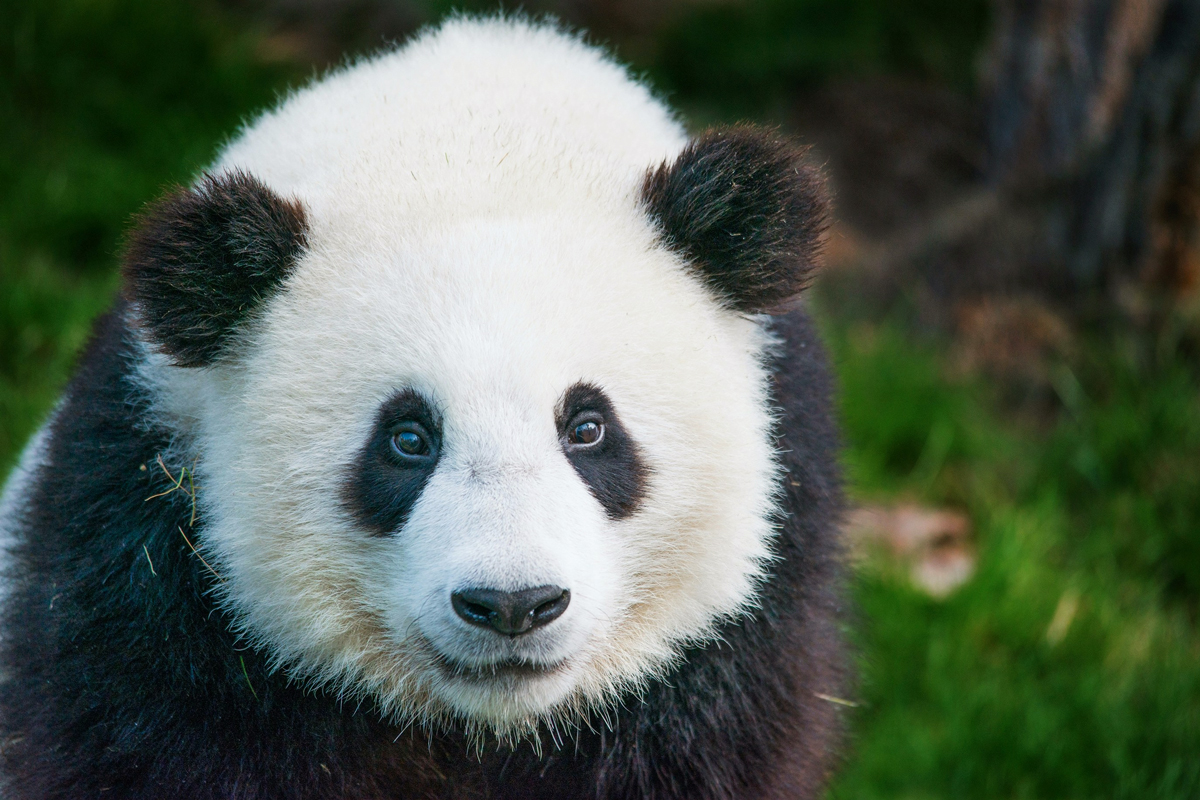
Closeup of a giant panda's face
Credit: Marian Baciu/Unsplash.com

Humans aren’t likely to perform acrobatics while peeing unless they’re carefully hovering over a dirty public toilet, but pandas contort their bodies more often and even perform handstands as they relieve themselves. This behavior is typically exuded by male pandas during the brief springtime mating season.

Panda urine carries pheromones used to attract mates, and the bears urinate on trees since the crevices of rough tree bark do an excellent job of holding onto the scent. Doing a handstand allows pandas to maximize the potential odor field, as they can aim their urine higher up the tree trunk. Pandas also tend to pee on wider trees that provide a larger target, as it’s difficult for them to aim while balancing on their front paws.

Sea turtles ‘cry’ giant tears to get rid of excess salt.

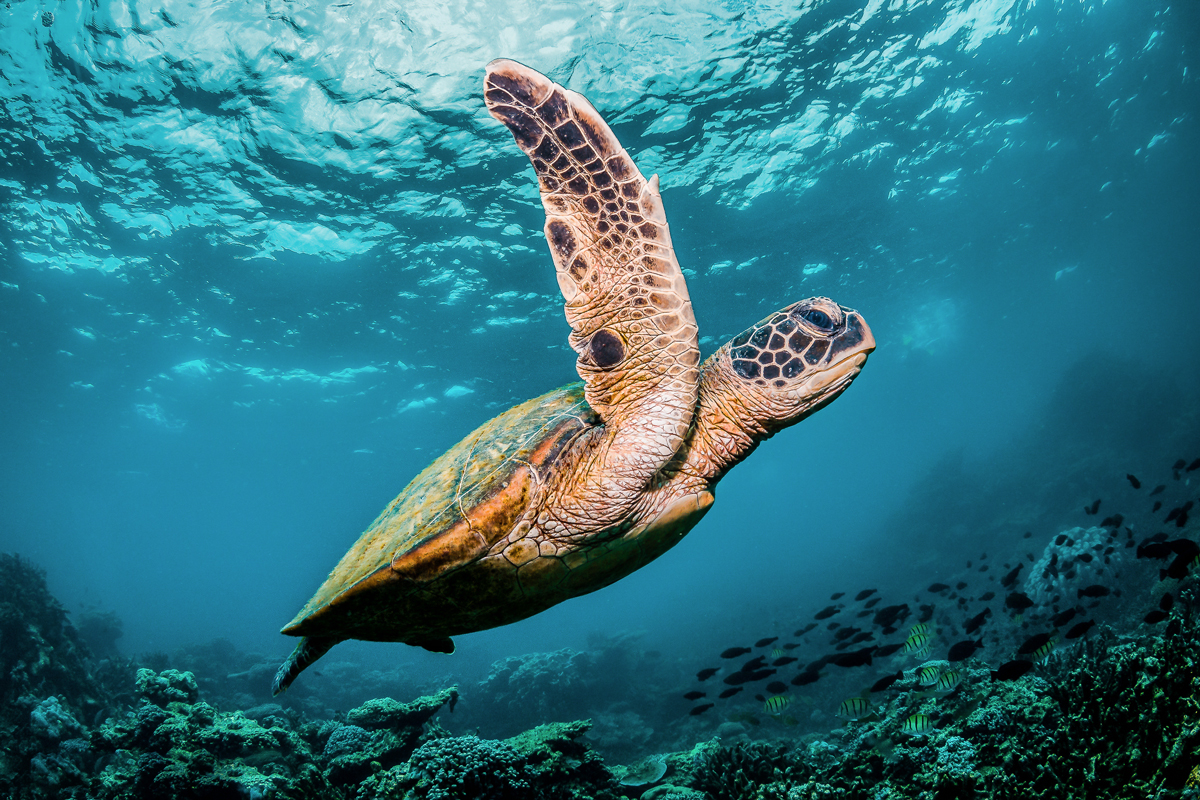
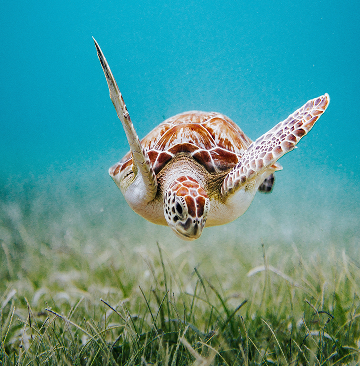
Sea turtle swimming underwater
Credit: Aaron/stock.adobe.com

Sea turtles may look a bit glum at the best of times, but it isn’t sadness that fuels their “tears” — the science behind this phenomenon is far less sentimental. These animals spend their lives drinking saltwater to stay hydrated, which would be a very bad idea for most other animals, and their kidneys aren’t efficient enough to filter out all that excess salt on their own. 

So nature gave them a workaround: a specialized secretory gland in each eye, larger than the turtle’s own brain, that pumps concentrated salt directly into their tears. The result looks exactly like crying, but it’s really a built-in desalination system that helps keep the turtle’s body chemistry balanced.

Cheetahs can’t roar.

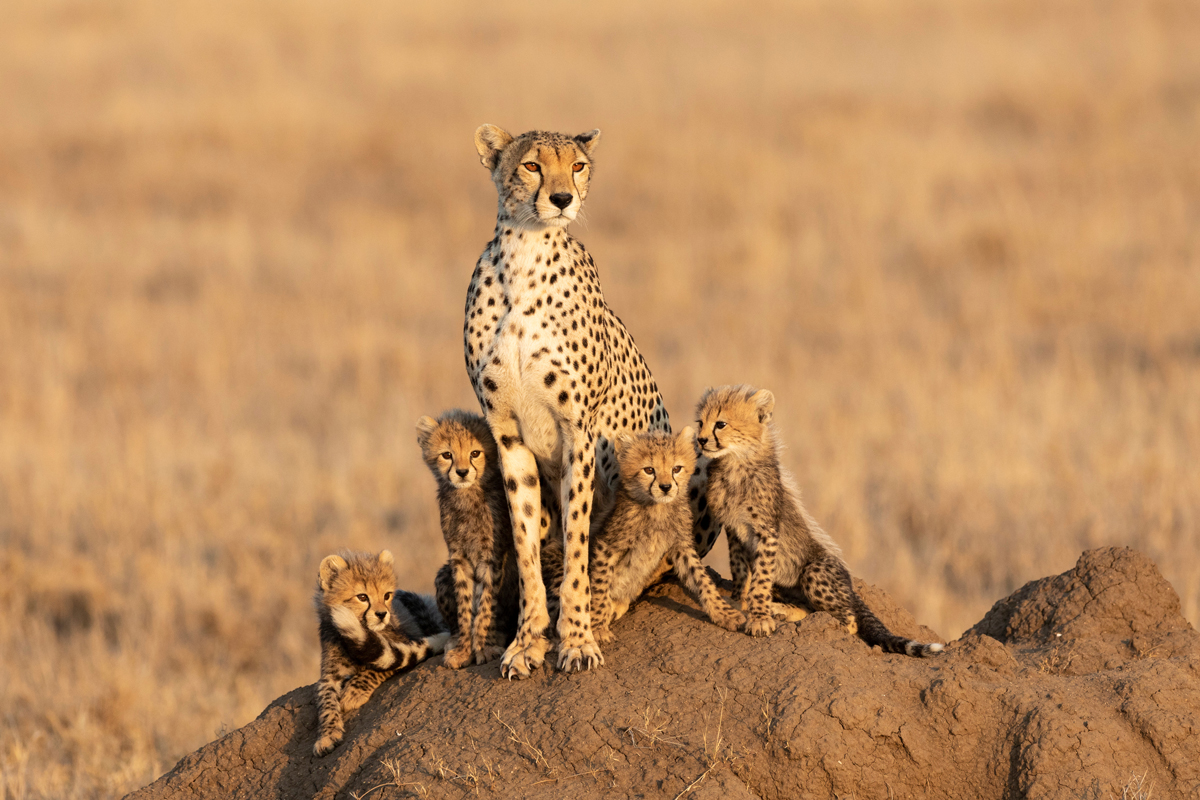
Cheetah with her cubs sitting on a mound of dirt
Credit: stuporter/stock.adobe.com

Though we tend to lump cheetahs in with lions, tigers, and other “big cats,” they actually belong to a different genus altogether. There are five extant species in the Panthera genus — jaguars, leopards, lions, snow leopards, and tigers — whereas cheetahs are the only living members of the Acinonyx genus. 

One of the biggest differences between cheetahs and those other big cats is that cheetahs have a fully hardened hyoid bone, rendering them unable to roar. Housecats have a similar anatomy, hence why cheetahs produce meowlike sounds that are closer to those of your tabby than of a tiger. And also unlike big cats, cheetahs even purr. Though this may make them seem less fierce, it also makes them cuter — an even tradeoff, as far as we’re concerned.

Some sea slugs steal jellyfish stingers.

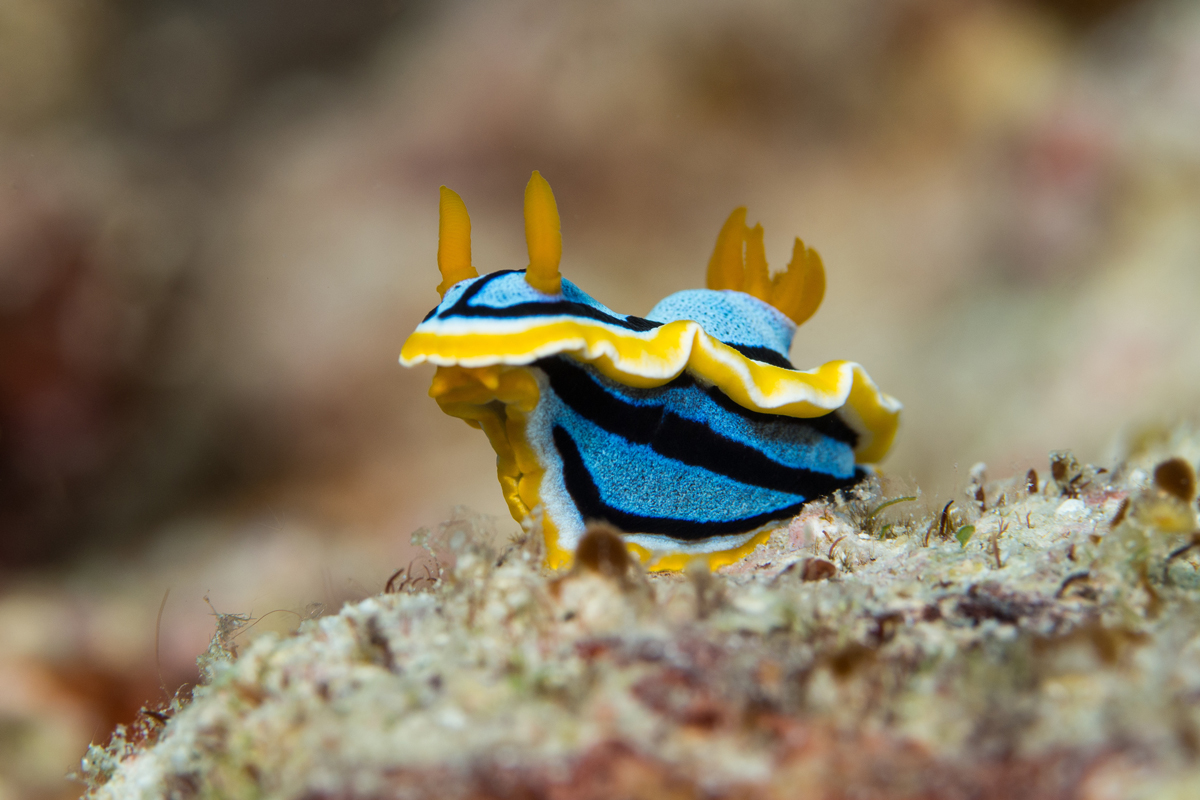
Closeup of a colorful sea slug
Credit: Sven/stock.adobe.com

Nudibranchs are colorful sea slugs, and some species have the ability to steal the stinging cells of the animals they eat and use them against their own predators. These nudibranchs feed on aquatic invertebrates such as jellyfish, coral, and sea anemones that use microscopic capsules called nematocysts to sting attackers. The nudibranchs possess adaptations that protect them from those stings while they feed, allowing some undischarged nematocysts to survive digestion intact and to be stored for later use.

When a predator takes a bite of a nudibranch, the nematocysts can fire, giving the attacker a nasty surprise. Scientists are still studying exactly how these sea slugs prevent the stingers from firing during digestion and safely store them for later use. Nonetheless, it’s an unusual defense that lets a sea slug turn its dinner into ammunition.

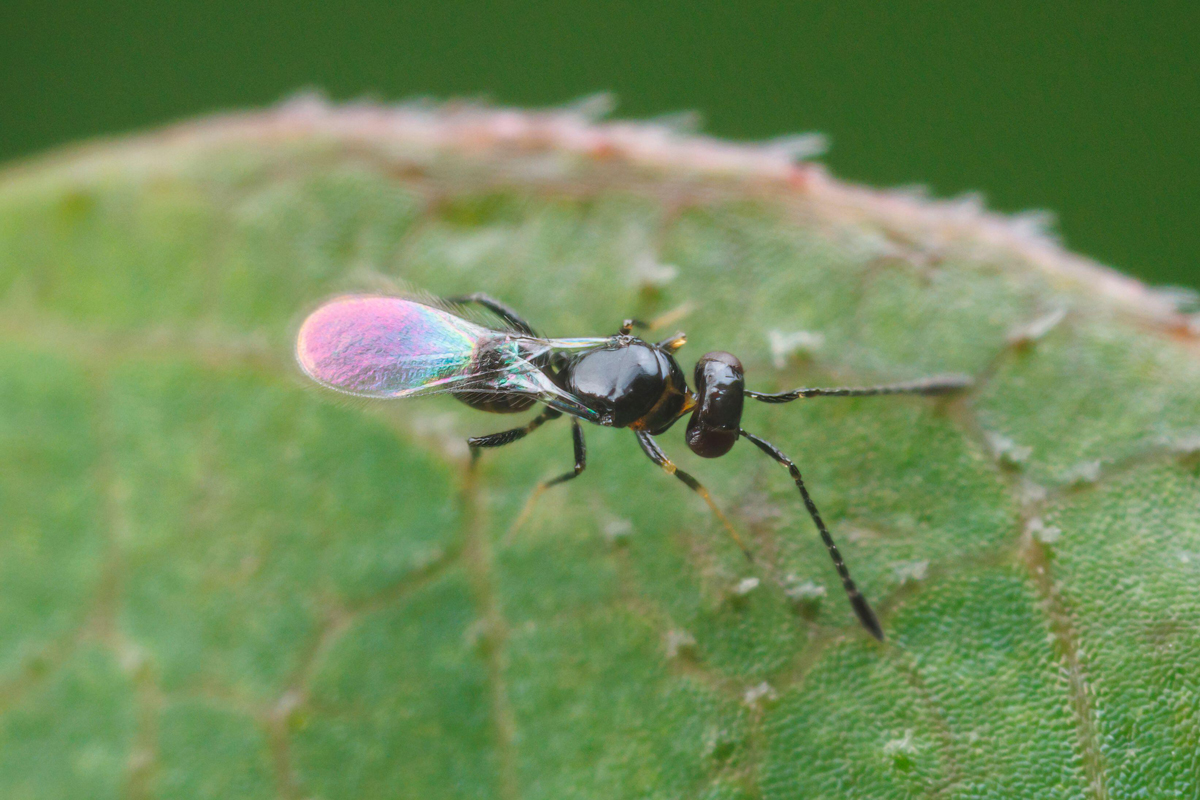
Fairyflies are the smallest living insect. 

Closeup view of a fairyfly
Credit: Clarence Holmes Wildlife/Alamy

Fairyflies — which, despite their dainty name, are in fact a family of parasitic wasps — are the smallest known insects on Earth. The smallest fairyflies measure around 0.139 millimeters long, meaning their total body length is about the width of a human hair. The tiniest member of the family, Kikiki huna, is found in Hawaii and is so minute that scientists don’t even know whether it’s physically possible for an insect to get any smaller. 

Having such a tiny body comes with certain sacrifices: A fairyfly’s brain is almost devoid of nuclei, freeing up critical space inside its little head. And yet, it still has room for a functioning pair of compound eyes — the tiniest eyes of any insect, and some of the smallest eyes of any living creature known to science.

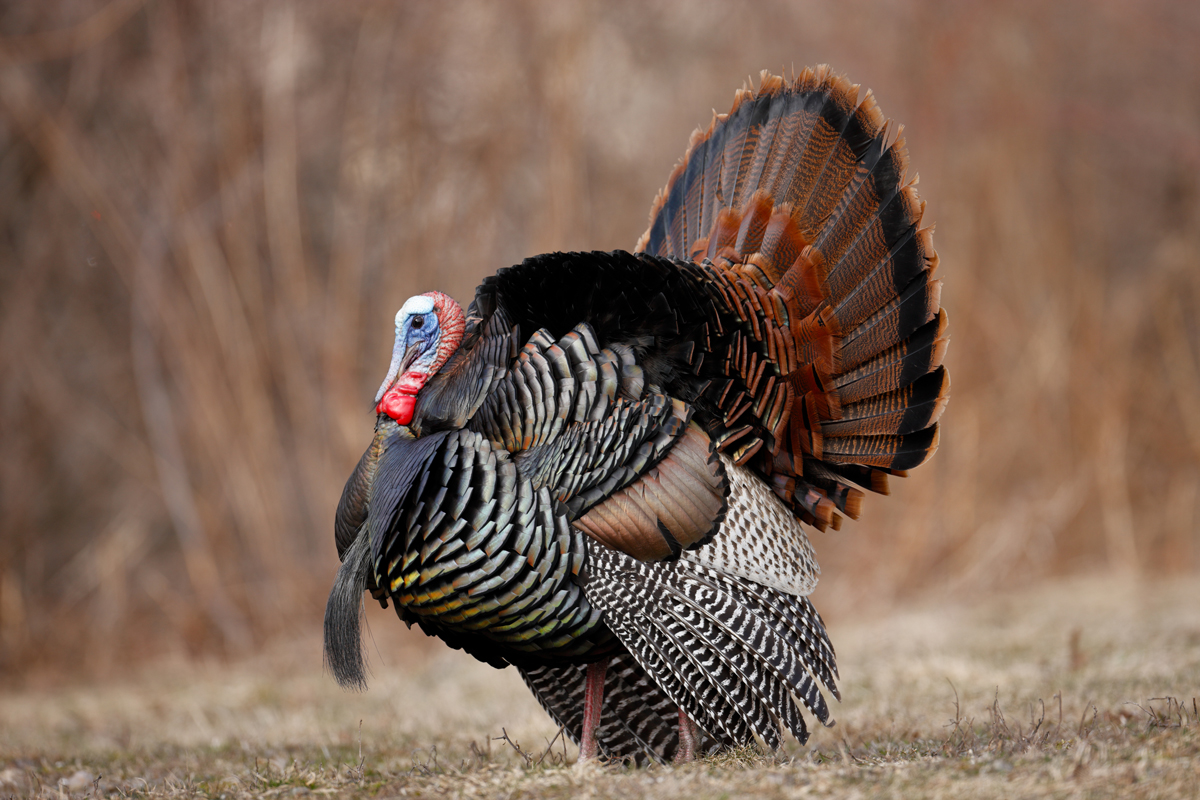
Wild turkeys’ heads change color depending on their mood.

Wild turkey
Credit: Paul/stock.adobe.com

Wild turkeys — or more specifically, their heads — are like the mood rings of the animal kingdom. A turkey’s cranium has been observed changing color based on whether the bird is calm, excited, or stressed, among other emotions. Those changes have to do with a combination of shifting blood flow as well as slight physical alterations in head shape that then reflect light in various ways.

A wild turkey’s head is typically a combination of red, white, and blue, with the three colors indicating a bird feels at ease in its natural environment. But if the head appears a bit more white, that implies the turkey is feeling dominant and/or aggressive. If its head is a more striking shade of red, it suggests the turkey is exuding fear or anxiety.

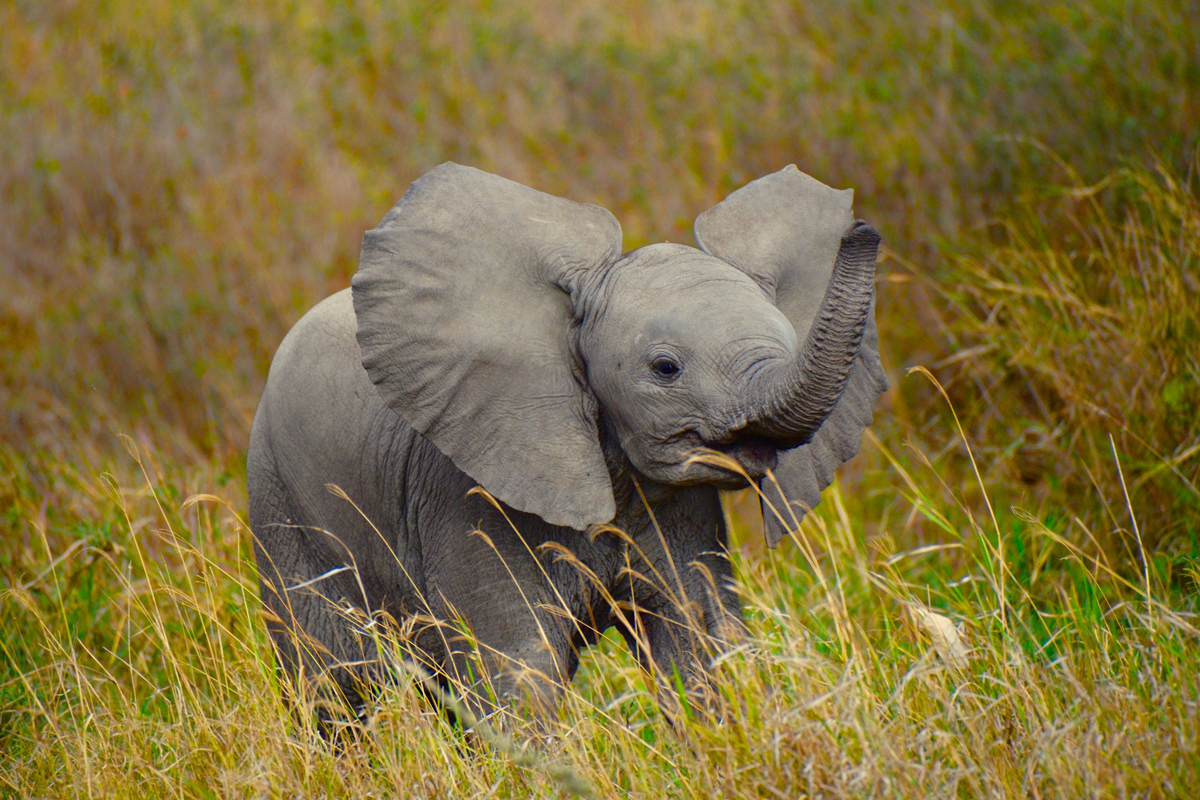
Elephants can recognize themselves in mirrors.

Baby elephant in grassy area
Credit: Phoebe/stock.adobe.com

If Babar was a real elephant, he may stop by a bathroom mirror to admire his cute green suit and stylish crown. That’s because elephants are one of the few non-human animals that exhibit some form of self-awareness, to the point they can recognize themselves in mirrors.

In 2006, a team led by researcher Joshua Plotnik placed a large mirror inside the enclosure for three Asian elephants living at New York City’s Bronx zoo. The team realized the elephants seemed to spend time around the mirror, likening their behavior to how a human may check out a new outfit. Researchers later painted a visible mark on one side of an elephant’s head and placed an invisible mark (called a sham mark) on the other side. They came to notice one elephant standing in front of the mirror and interacting with the visible mark using its trunk, while leaving the sham mark untouched.

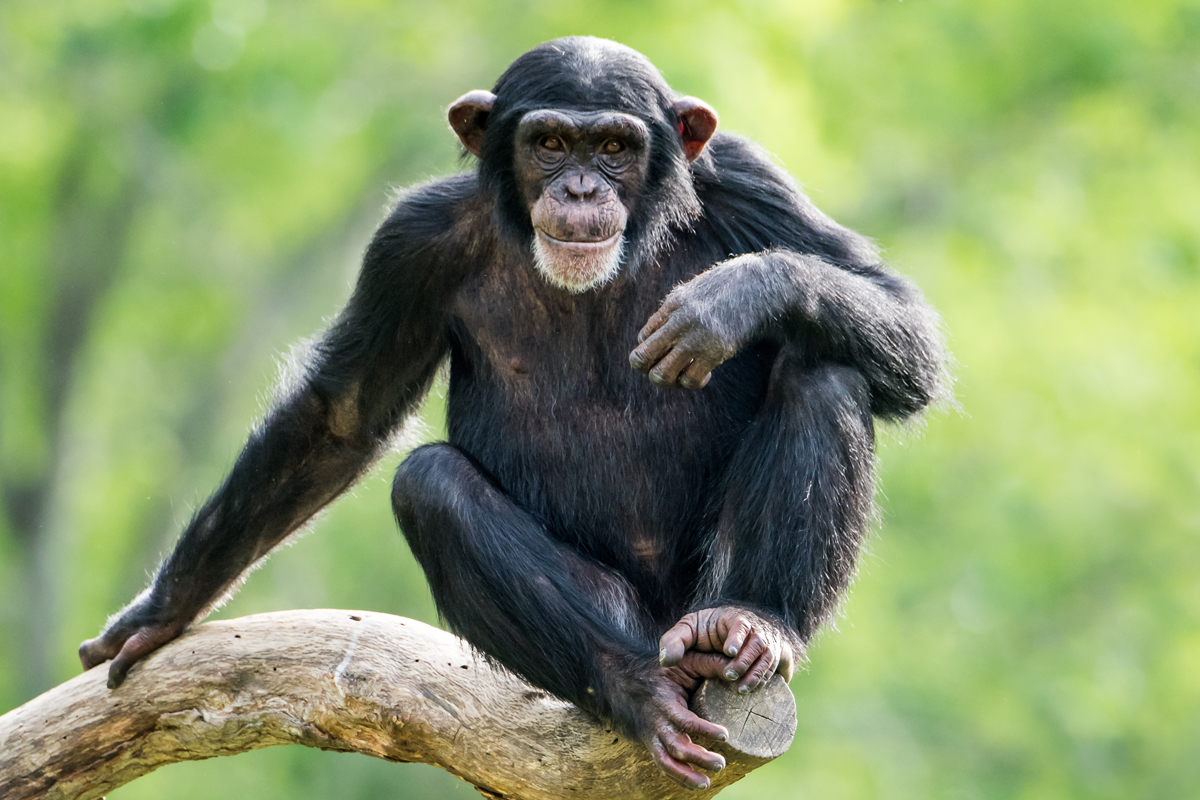
Chimpanzees use crushed insects to treat wounds.

Chimpanzee sitting on a branch
Credit: Abeselom Zerit/stock.adobe.com

Unless you’re living near Dr. Zaius from the Planet of the Apes, you’re not going to find any primates with extensive medical knowledge. But there are real chimpanzees that have discovered a thing or two about makeshift medicine, using crushed insects as remedies for open wounds.

Whether or not those insects aid the healing process is an open question, but what we do know is that chimps use bugs and other natural remedies such as saliva and leaves to tend to injuries. One group of chimpanzees in Gabon, for instance, was seen using insects to treat injuries 76 times over a 15 month period, and another set of chimps in Uganda exhibited similar behaviors. The primates would typically catch flying insects, put the bugs between their lips, and then press the bug’s crushed body onto their or another chimp’s open wounds as treatment.

Flamingos can safely drink scalding water.

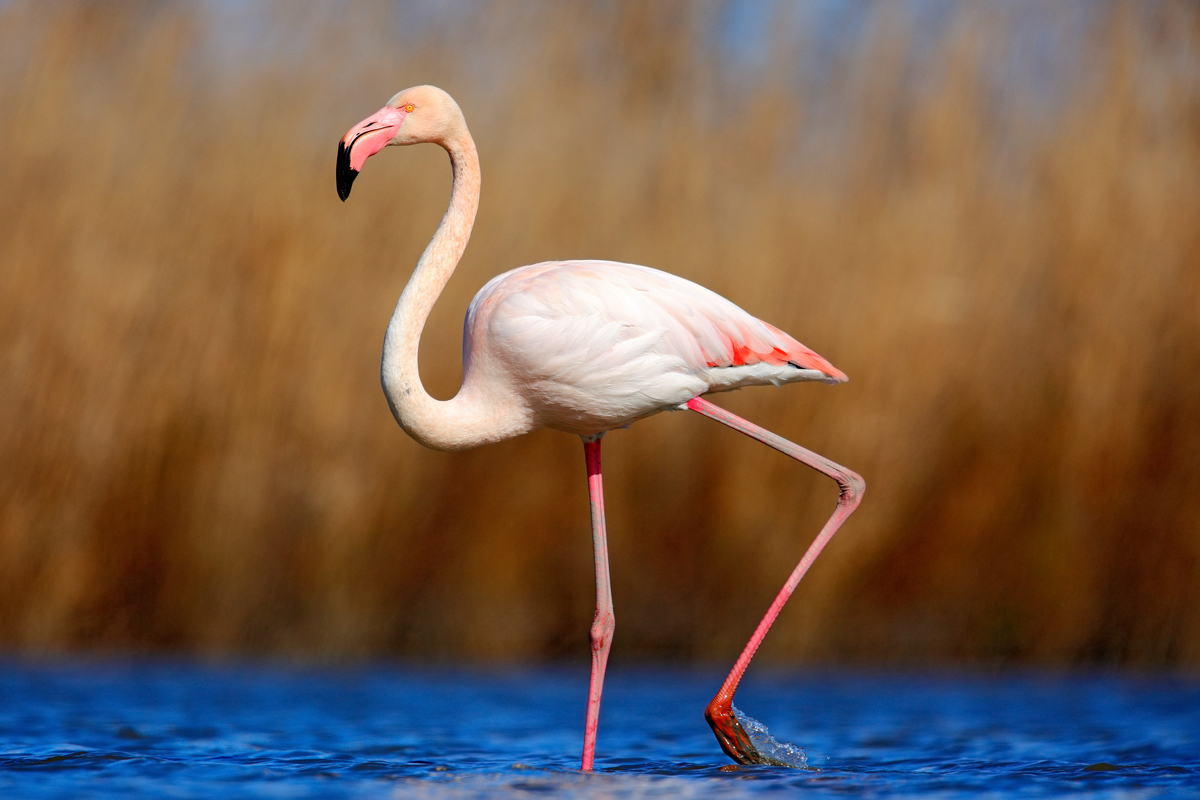
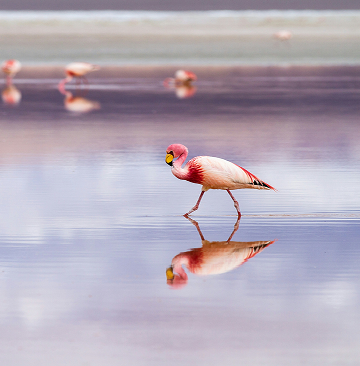
Flamingo standing in water
Credit: ondrejprosicky/stock.adobe.com

There are bowls of soup and mugs of coffee that are far too hot for human consumption, but flamingos have a much higher tolerance for scalding liquids by comparison. These flamboyant flyers are able to easily consume scalding water at temperatures of roughly 140° Fahrenheit, which they find in hot springs, volcanic geysers, and alkaline-rich lakes.

Take the lesser flamingos of Northern Tanzania’s Lake Natron, a salt lake that reaches temperatures up to 140º. Most creatures would find the environment inhospitable, but flamingos’ scaly legs have limited nerve endings, allowing them to stand in piping hot geothermal water sources. Their specialized beaks then help them filter and process the simmering water, which may be their only available water source and therefore essential to survival.

Frogs can throw up their entire stomachs.

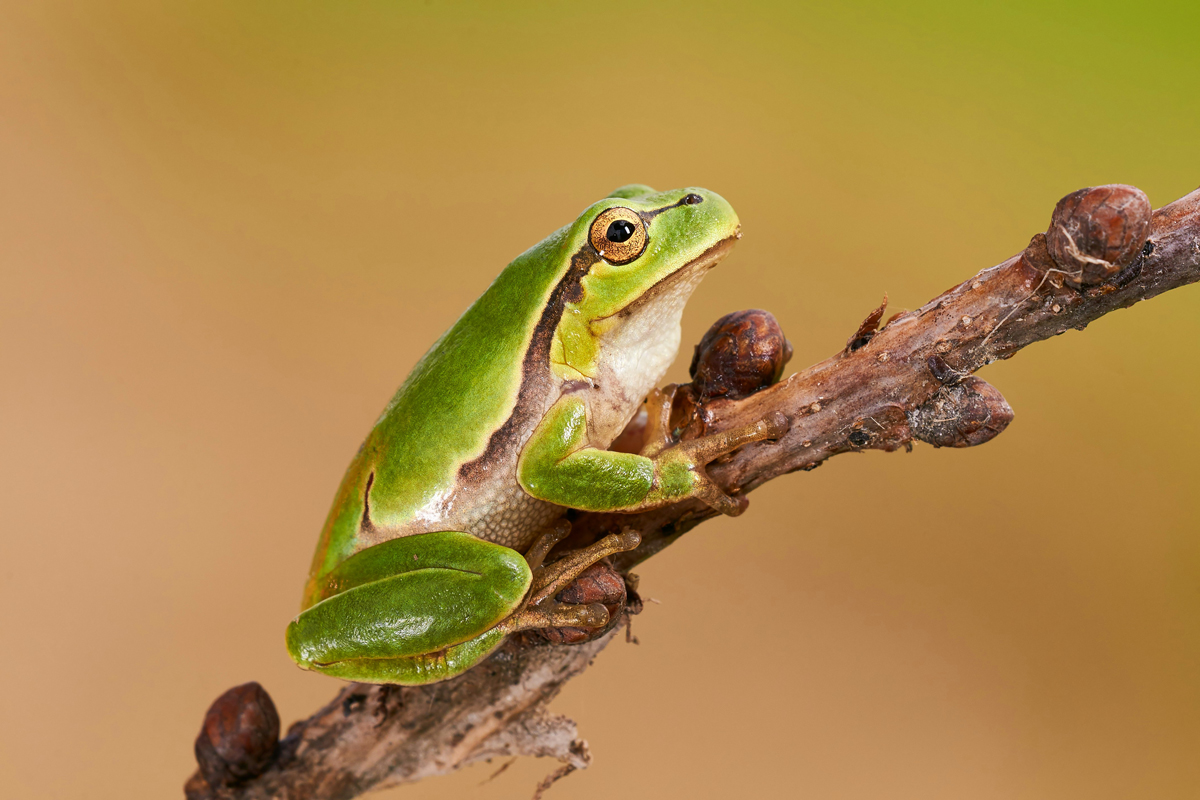
Side profile of frog sitting on a small branch
Credit: Getty Images/Unsplash.com

For some frogs, “throwing up” can be disgustingly literal. American bullfrogs and African clawed frogs are among the species known to practice stomach eversion, turning the stomach inside out and pushing it up through the esophagus and into the mouth. Powerful contractions of the abdominal muscles help force the stomach upward, allowing a frog to quickly get rid of something irritating or potentially toxic that it has swallowed.

Once the stomach is everted, frogs can use their front feet to wipe material from its exposed lining before pulling it back inside. Experiments with African clawed frogs have shown that chemicals and mechanical stimulation can trigger the response, and researchers believe it helps clear noxious substances from the digestive system.