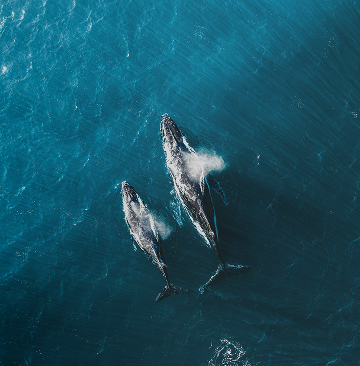
These Are the Animal Kingdom’s Biggest Collectors

Humans aren’t the only animals who like to collect tchotchkes — across the animal kingdom, many creatures gather objects for a variety of reasons, from food and shelter to camouflage or courtship.
But instead of snow globes and state spoons, most animals are surprisingly particular about what they pick up. Some may seek out specific materials, objects, or even colors according to their own purposes or preferences. Here are six of the animal kingdom’s most dedicated collectors.
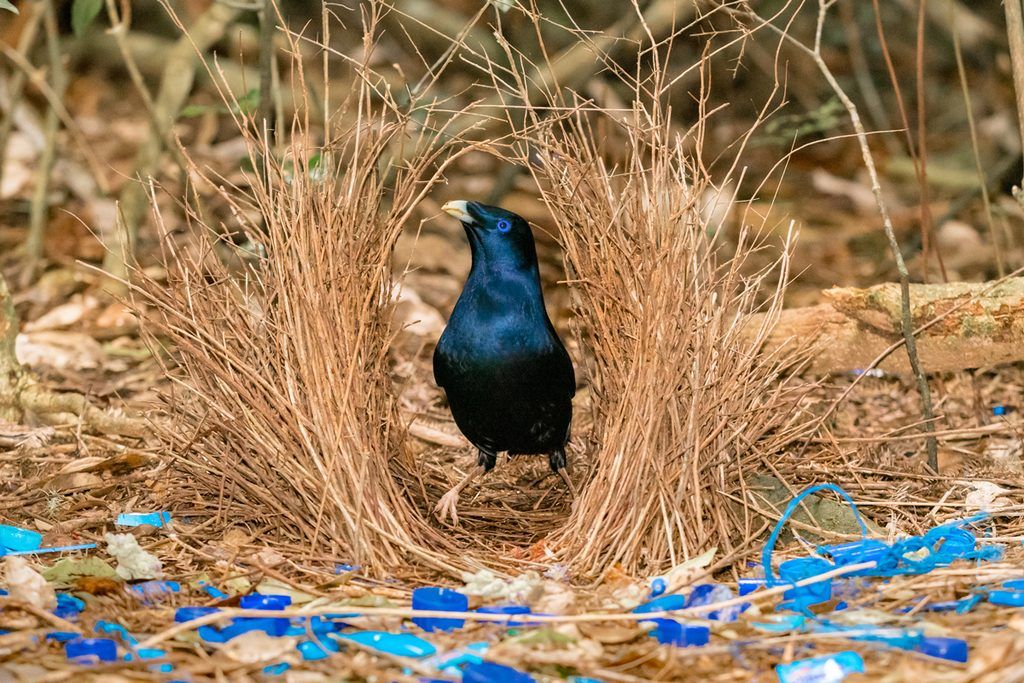
Satin Bowerbirds
Male satin bowerbirds have an unusually specific taste in home decor: anything that’s blue. They collect natural items such as blue feathers, flowers, shells, or berries, but they’ll also pick up blue bottle caps, plastic straws, and other bits of human-made debris to decorate their bowers (the elaborate stick structures from which they get their names) as part of their courtship efforts.
Different species have different tastes, though; great and spotted bowerbirds prefer collecting more white, gray, and green items.
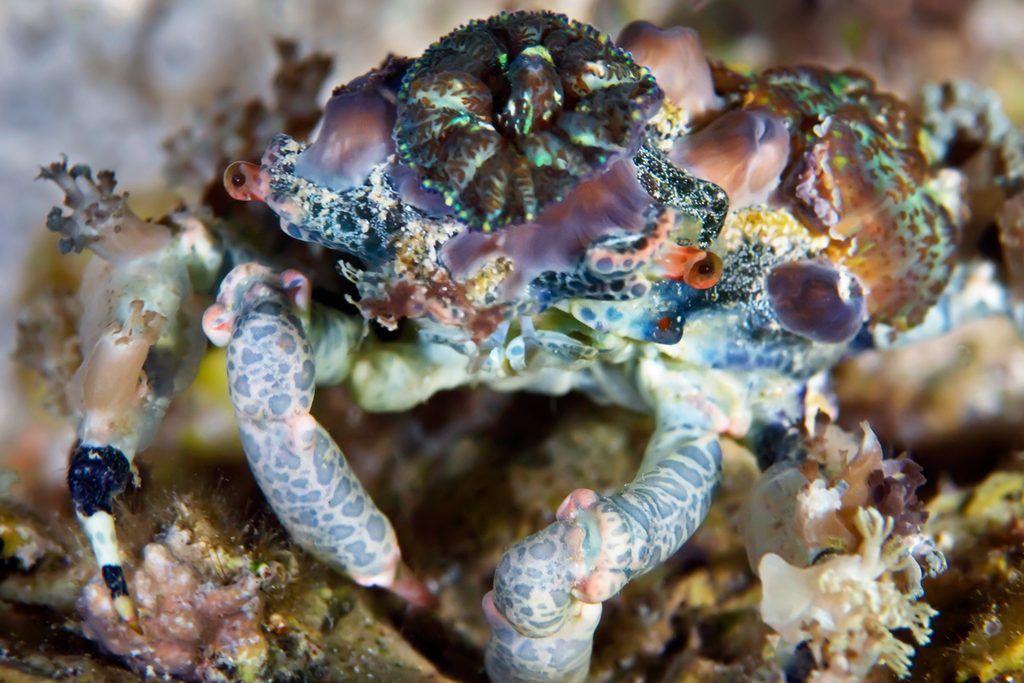
Decorator Crabs
Decorator crabs don’t just collect things to admire them; they also collect them to wear. These ocean fashionistas use specialized fine hairs as mini velcro strips to attach algae, seaweed, and sponges from their surroundings onto their shells.
These decorations help them blend into the seafloor, but they can also provide more direct protection: Some types of decorator crabs, such the moss crabs found along the California coast, wear stinging anemones to help ward off predators, while others, such as the Cryptic kelp crab, use seaweed to mask their constantly moving antennae that otherwise give away their location.
Lacewing Larvae
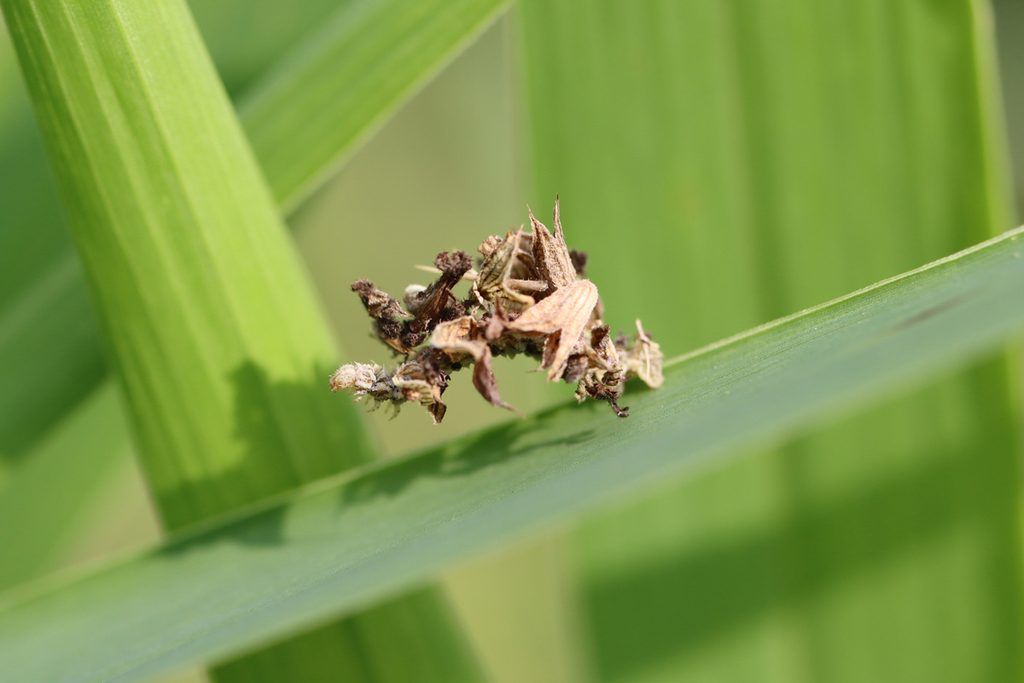
The larvae of some green lacewing insect species have been called trash bugs or junk bugs for good reason. They collect plant debris and even the dried-out bodies of prey such as aphids piled up on their backs, making themselves look like a tiny walking pile of garbage.
These collections provide camouflage from predators, but they have another clever use: Carrying dead aphids can help the larvae sneak past ants that typically guard aphid colonies. The lacewing larvae are predators themselves, using their large, hollow mandibles to inject digestive saliva into their prey before sucking out the liquefied contents.
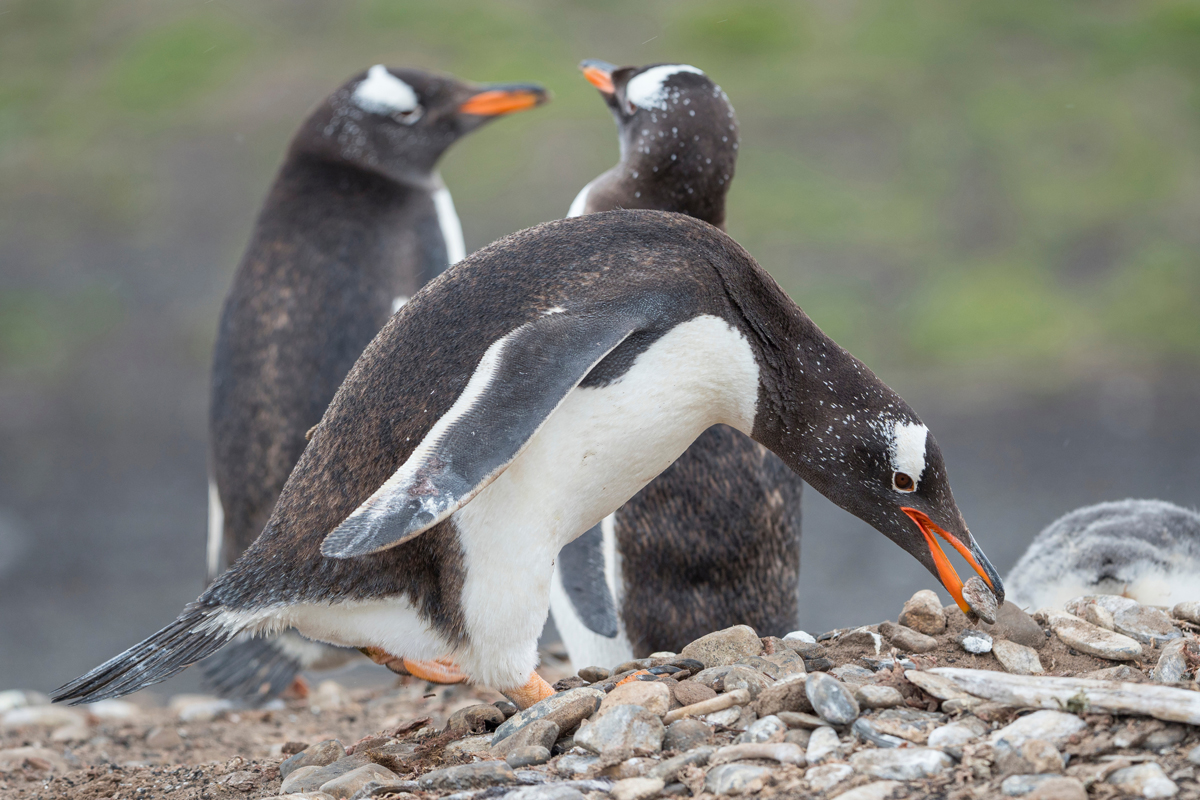
Gentoo Penguins
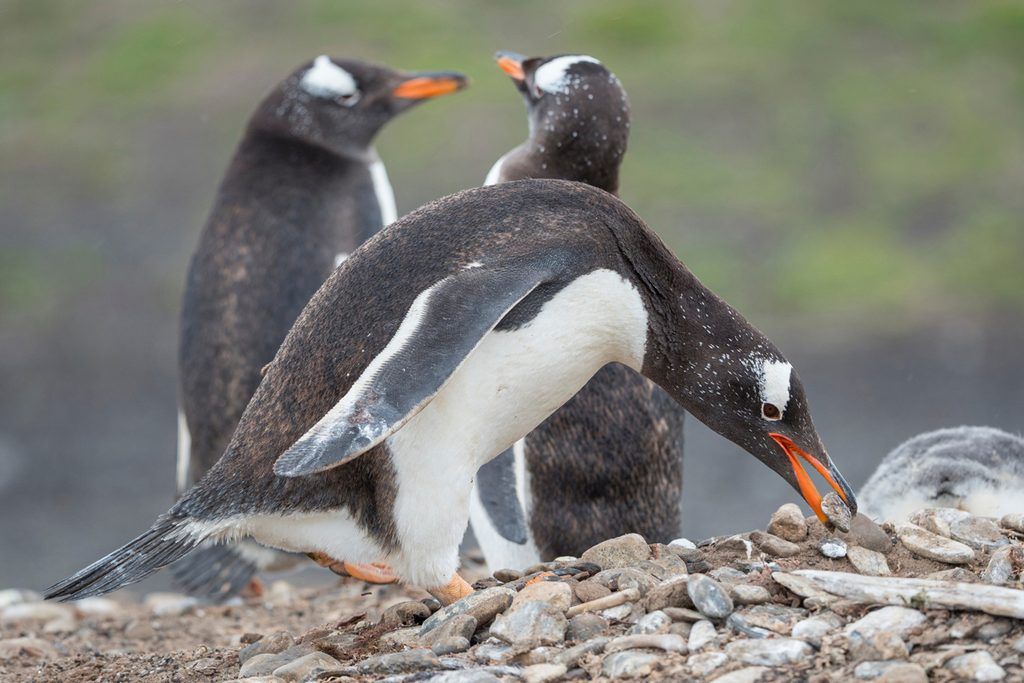
The prized collectible of the Antarctic gentoo penguin is the humble pebble. During breeding season, male gentoos have been observed presenting stones to females to signal their mating intentions. If a female is impressed by the male’s stone selection, she may choose to accept him as her mate.
The pebbles are practical, too: Once paired up, the couple will gather more stones to build a nest, wherein the raised surface helps keep eggs and chicks off of the cold, wet ground. Gentoos aren’t always willing to do the hard work of finding their own pretty stones, though — they’ve been known to steal nicer-looking ones from neighboring nests for their own.
Bone-House Wasps
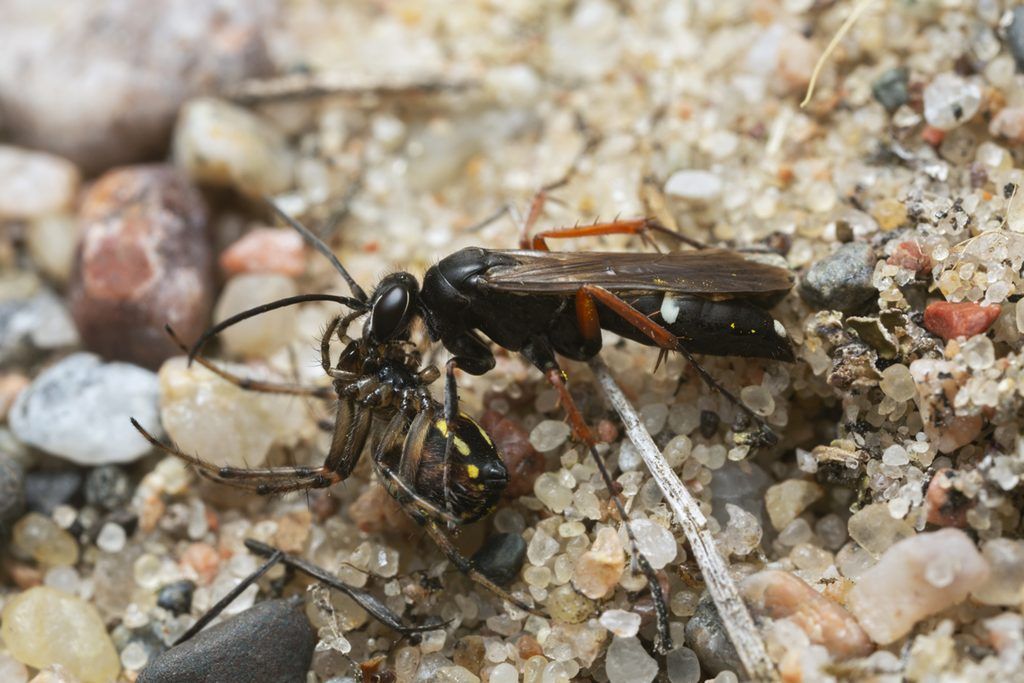
This species, only discovered in southeast China in 2014, was given the official name Deuteragenia ossarium after the bone-filled ossuaries found in many parts of the world. This befits the bone-house wasp’s collecting tendencies, which sound like something out of a horror movie; they have a penchant for dead ants. After laying her eggs in her nest, the female wasp seals up the nest and leaves. But before she does, she fills the nest’s entryway with ant corpses.
Those decaying critters aren’t there to feed the young. Instead, it’s believed the lingering scent from their dead bodies may make the wasp’s predators and parasites mistake the nest for an ant colony and therefore render them uninterested.
Mad Hatterpillars
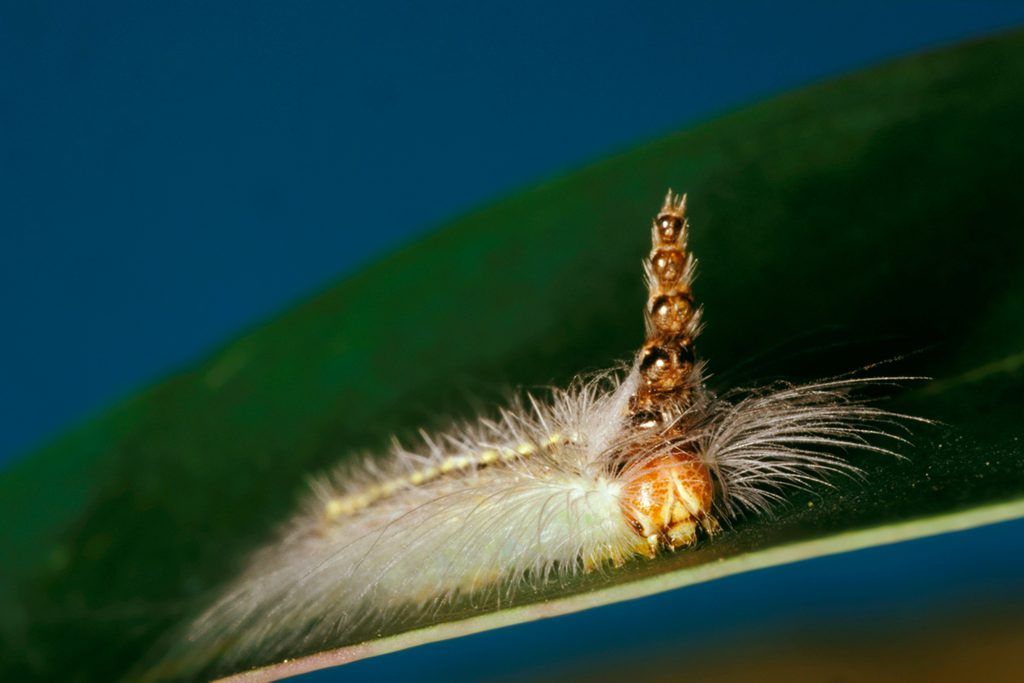
In addition to a great, well-suited name, the mad hatterpillar may also have the strangest collection of all the animal world’s hoarders: its own discarded heads. Every time the caterpillar of the Uraba lugens moth molts, it keeps its old head casing and stacks it on top of its new head.
The dead-head tower grows taller with each molt, held in place by sticky hairs, but this isn’t all just for some strange show; it’s believed this towering collection also helps protect the caterpillar from predators by acting as a false target and making it harder for an attacking insect to reach the caterpillar itself. The cleverly named mad hatterpillar is indeed a nod to the top-hat-wearing Mad Hatter from Alice’s Adventures in Wonderland.