Which Animals Can Predict the Weather?
For thousands of years, people have looked to the natural world for clues about changing weather. Across cultures, observations of animal behavior were woven into folklore, giving rise to beliefs that certain creatures could predict changes in the weather.
While many such beliefs are based more on myth than science, there are some patterns in how animals respond to their surroundings. Animals obviously don’t forecast the weather with satellites, radar, and computer models, but many species are remarkably sensitive to environmental signals. By studying these responses, scientists are uncovering how animals adjust their behaviors in preparation long before conditions change.

Birds
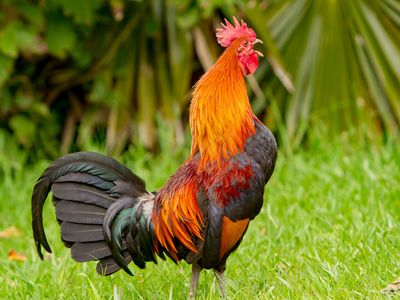
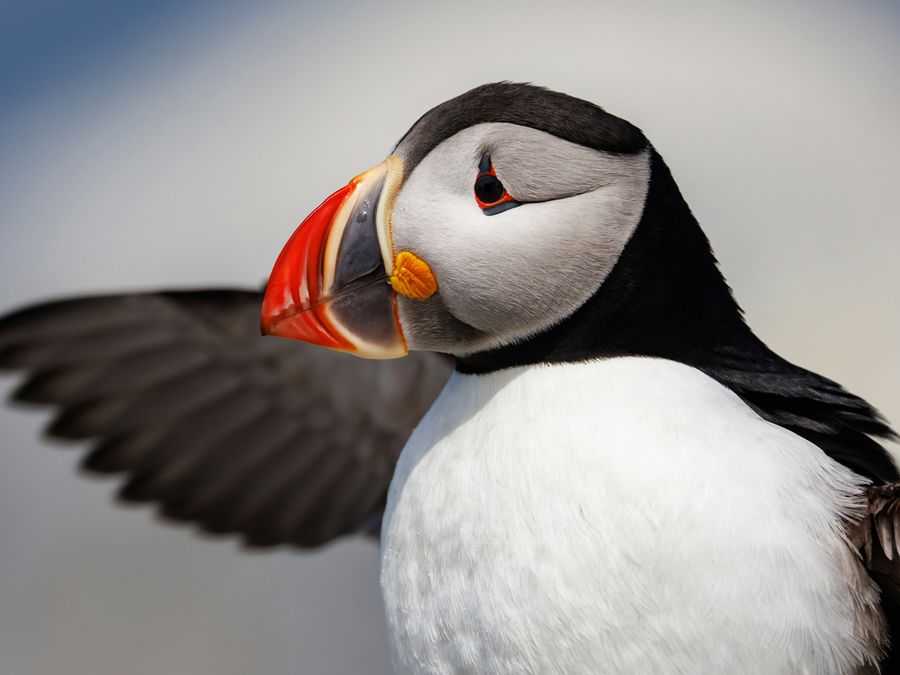
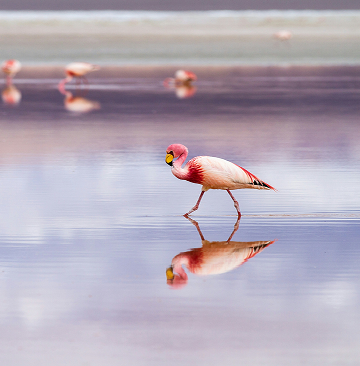
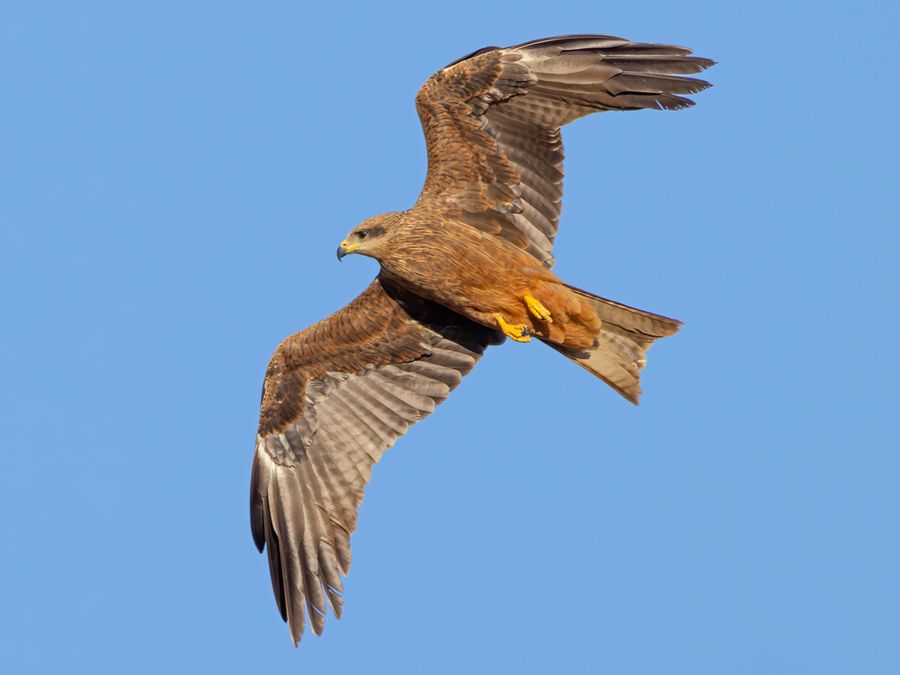
Birds are among the best-studied animals when it comes to sensing weather. Many species can detect drops in barometric pressure before storms, allowing them to seek shelter, alter their activity, or change their flight patterns before severe weather arrives. Because flying becomes more difficult in turbulent conditions, birds often feed more intensely before a storm and then become noticeably quieter as bad weather approaches.
Researchers have documented these behaviors across several species. One study found that golden-winged warblers in Tennessee abandoned their breeding grounds after detecting the low-frequency infrasound produced by tornadoes hundreds of miles away. Veeries, a migratory thrush found throughout eastern North America, also appear to use changing air pressure and atmospheric conditions to anticipate severe weather during migration.
Another familiar weather sign — birds flying unusually low before rain — also has a scientific explanation. Swallows, swifts, and other insect-eating birds follow their prey, and when humid, low-pressure air causes insects to remain closer to the ground, the birds do too.

Frogs
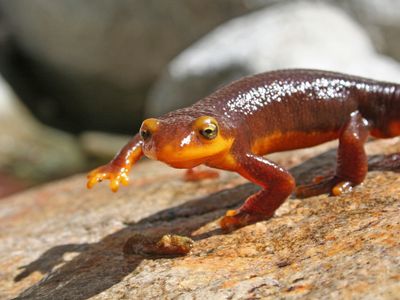
The old saying that frogs croak before a storm has more scientific support than many weather proverbs. Frogs depend on moisture because their permeable skin absorbs water and plays an important role in their respiration. As humidity rises and atmospheric conditions become wetter, as often occurs before rainfall, many species leave shelter and become more active.
For many frog species, wet weather also signals the start of breeding: Warm, humid conditions and rainfall create temporary pools where eggs can develop safely, prompting males to call for mates. Species such as spring peepers are especially vocal on mild, damp spring evenings, when environmental conditions are ideal for reproduction. This sensitivity to humidity and moisture helps explain why their chorus is often associated with approaching rain.

Bees
Bees are highly responsive to changing weather conditions because their ability to forage depends on temperature, sunlight, humidity, and wind. Some bees increase their activity before storms, taking advantage of the remaining favorable conditions to collect nectar and pollen. Research shows that bees adjust their foraging behavior based on environmental cues, including changes that affect how easily they can fly and locate food.
Beekeepers have long observed that foraging bees may become more active before bad weather arrives, sometimes traveling farther from the hive to gather as many resources as possible before conditions worsen. Rather than predicting storms, however, bees are responding to environmental changes and maximizing their foraging opportunities before rain, wind, or colder temperatures limit their ability to fly.

Sharks
Researchers have documented this behavior in species such as blacktip sharks. In studies using satellite tags, scientists found that some blacktip sharks moved away from shallow coastal habitats before hurricanes, likely responding to changes in ocean conditions as the storm approached. Turtles and marine mammals such as dolphins can also change their behavior as storms approach, moving to calmer waters or sheltered places to ride out the bad weather.

Dogs and Cats
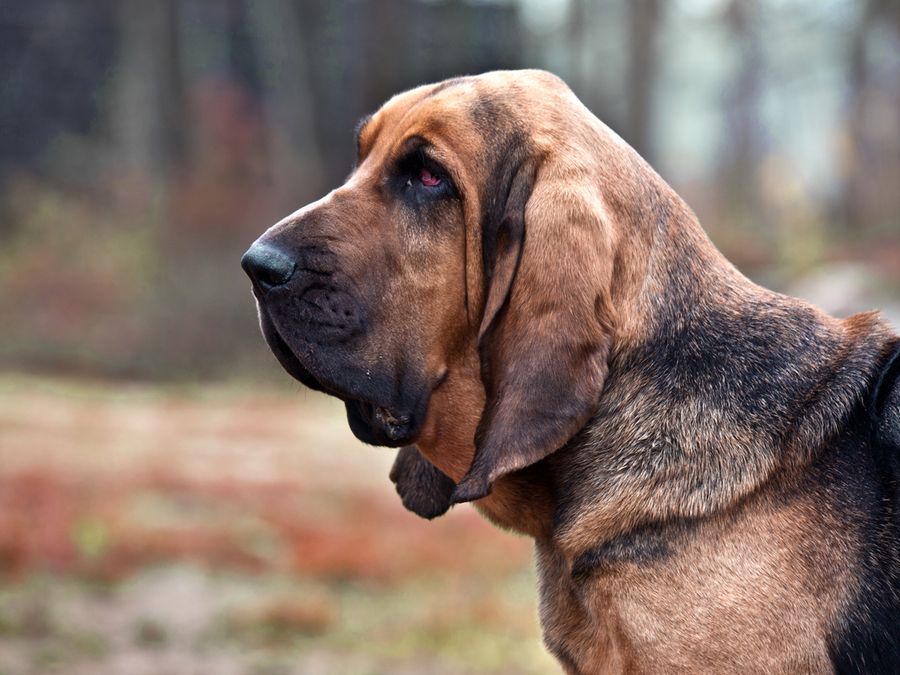
Many pet owners report that their dogs and cats behave differently before thunderstorms. Dogs may pace, whine, bark, hide, or become unusually clingy, while cats may seek shelter, become more alert, or act restless. These behaviors have long been interpreted as signs that pets can sense approaching storms, but scientists believe there are more practical explanations for these reactions.
Dogs can hear frequencies that humans cannot and may therefore detect distant thunder before people notice an approaching storm. Both dogs and cats may also respond to changes in wind, air pressure, temperature, and other environmental cues associated with severe weather. Like their wild counterparts, companion animals aren’t necessarily predicting the weather — they’re responding to changes in their surroundings using the heightened senses they rely on every day.