Why Predators and Prey Have Different Eyes

Image Credit: Ivan Sabayuki/Unsplash.com

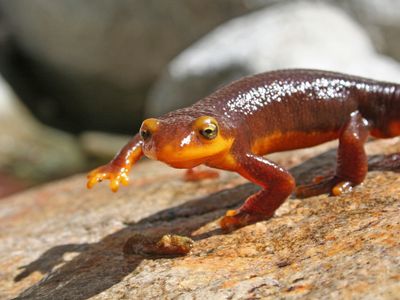
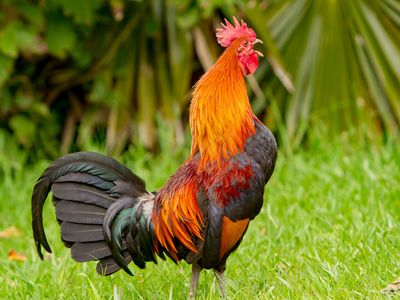
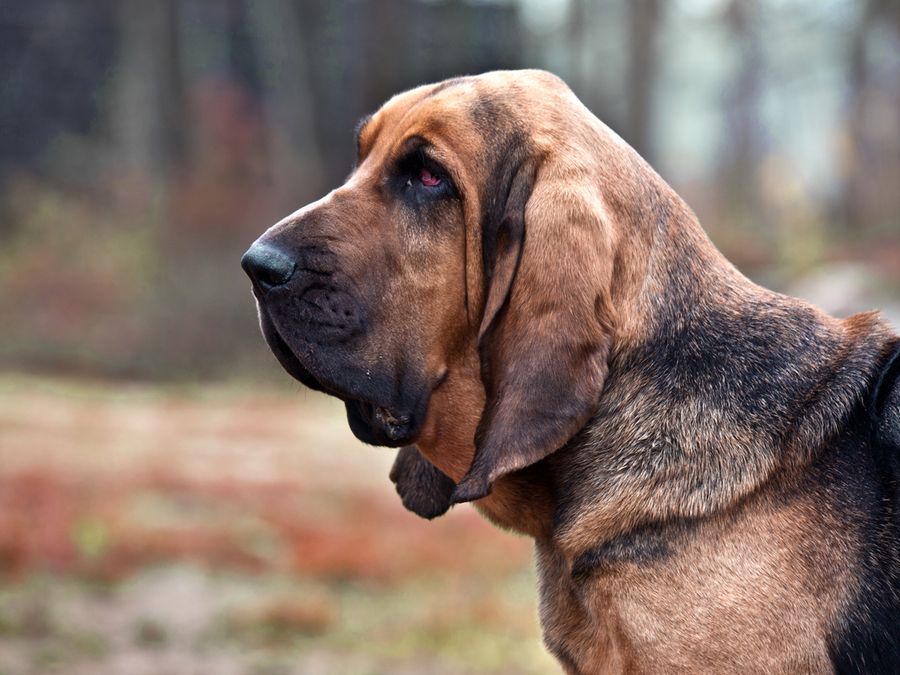
An animal’s eyes can reveal a lot about how it survives. The differences between predators and prey are far from accidental: Over millions of years, each has evolved eyes designed around the very different challenges from finding something to eat to avoiding becoming something to eat. How do predators and prey’s eyes help them do this, and can we easily tell the difference just by looking?

Image Credit: Sergey Antonov/Unsplash.com

Seeing For Survival

The differences between predator and prey eyes are the result of more than 500 million years of evolution, beginning with a major diversification of species during the Cambrian Explosion. As early predators evolved better ways to find and capture prey, the hunted animals faced pressure to detect danger sooner and escape more effectively. 

Fossils from this period reveal just how important vision had already become — and how quickly it evolved. One of the Cambrian period’s largest known predators, the large shrimp-like Anomalocaris, had eyes made up of thousands of individual lenses sticking out of the side of its head, giving it a well-rounded view of its surroundings. This era set the stage for the variety of eyes found throughout the animal kingdom today.

Image Credit: Getty Images/Unsplash.com

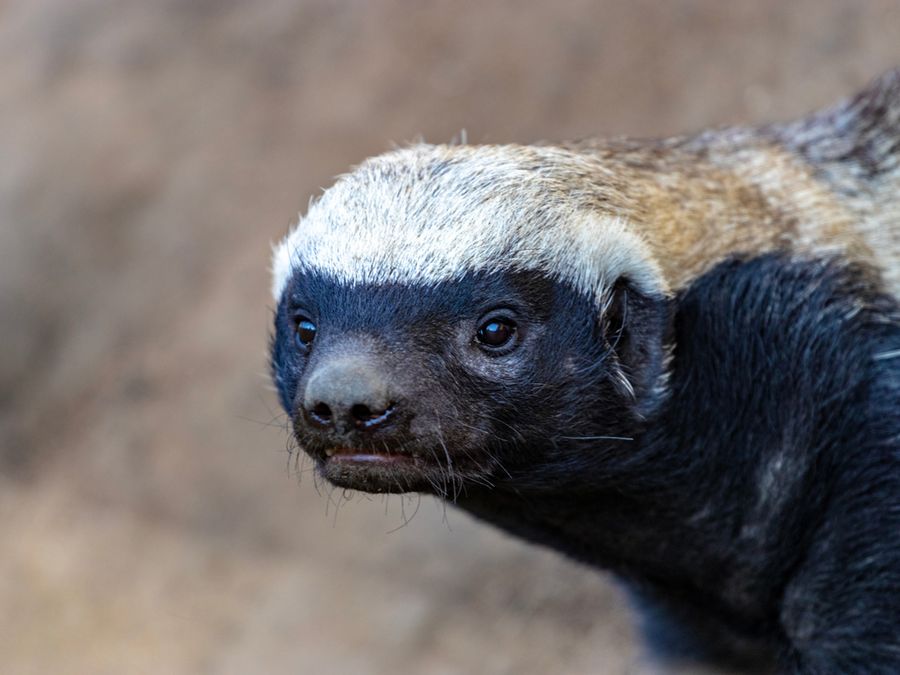
Predators Focus on What’s In Front

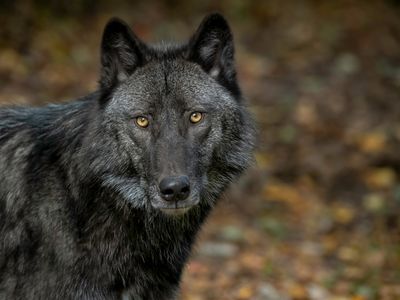
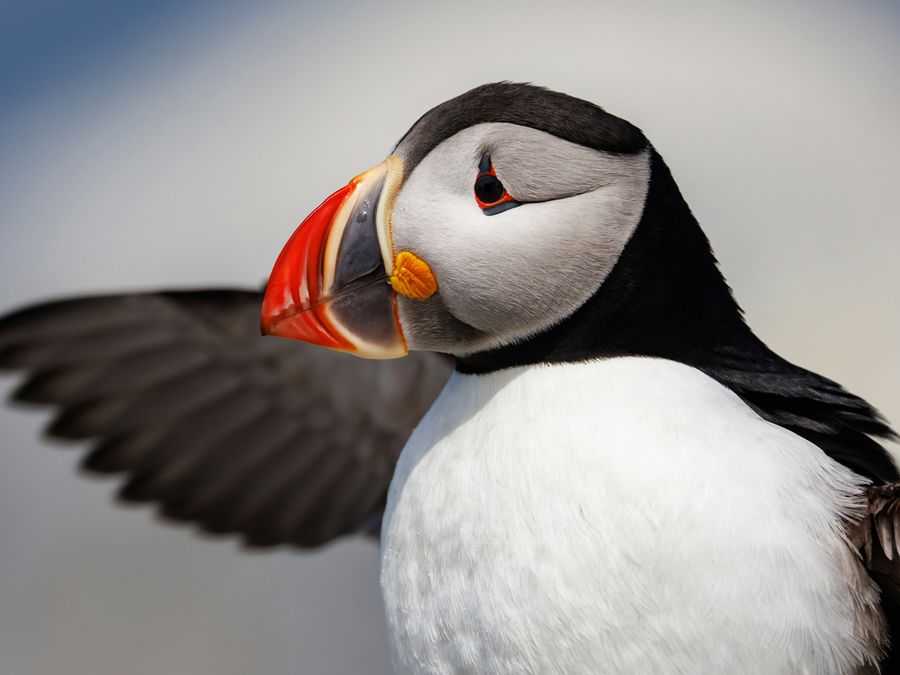
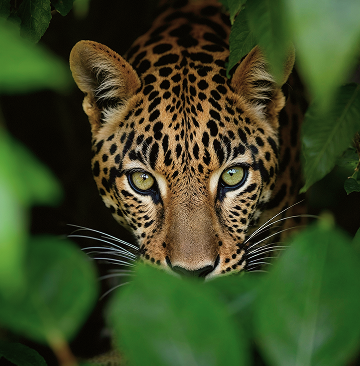
Today, many predators have evolved to have forward-facing eyes. With both eyes focused on the same target, their fields of vision overlap, creating what’s known as binocular vision. The brain combines these two slightly different views into a single three-dimensional image, allowing predators to accurately judge depth and distance.

But rather than evolving once for a single reason, scientists believe forward-facing eyes were favored in different animal groups whenever they served as a survival tool. In mammals such as cats and wolves, for example, accurate depth perception helps time the perfect moment to pounce. When it comes to primates, however, researchers think forward-facing eyes may also have helped these tree-dwelling ancestors of ours judge distances between branches, navigate thick forests, or spot insects hidden among leaves.  

Image Credit: Jeremy Hynes/Unsplash.com

Prey Take a Wider View

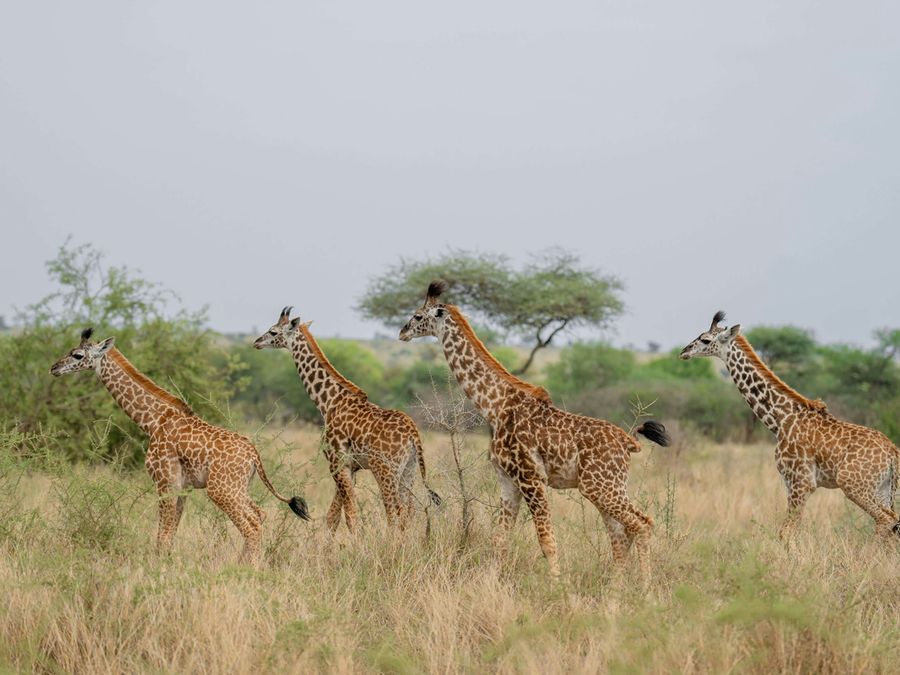
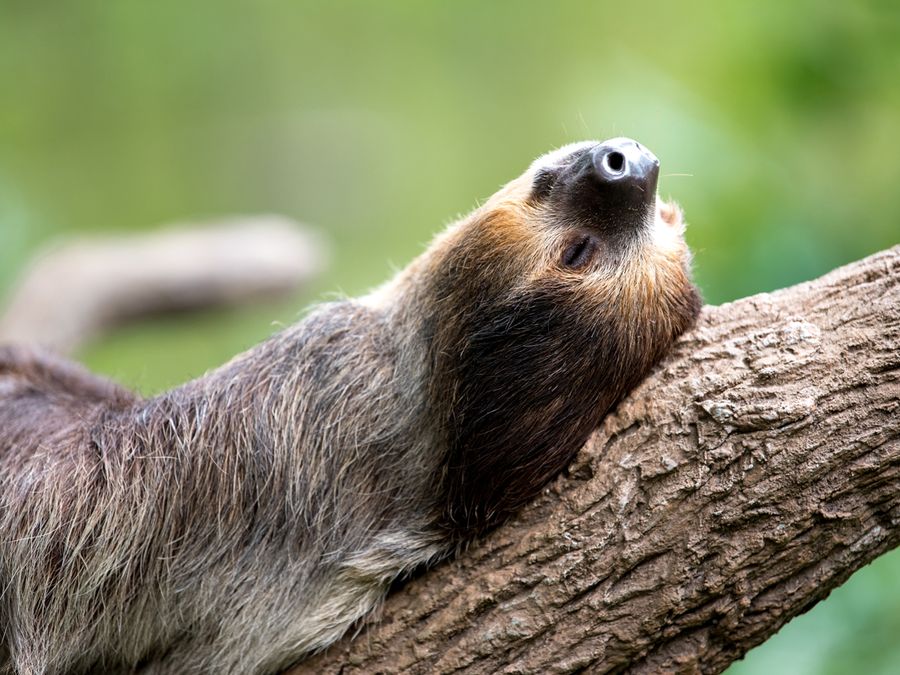
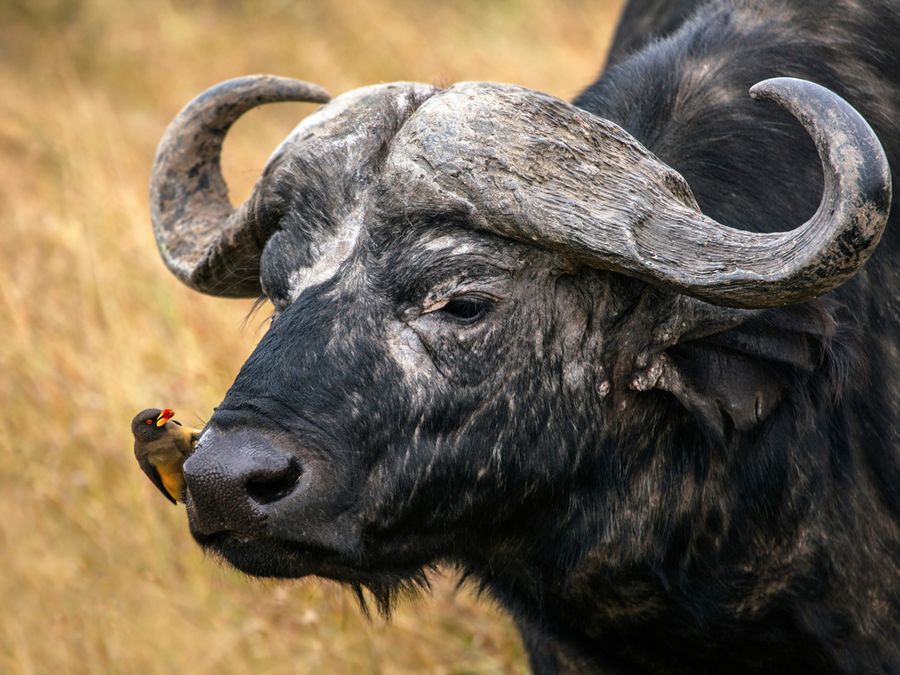
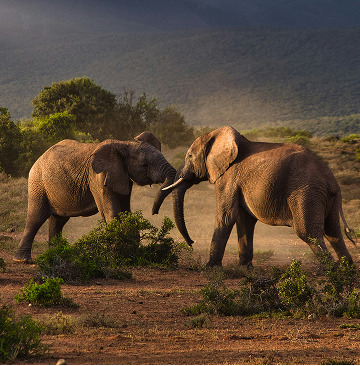
The biggest threat to many prey animals is not noticing a predator soon enough. Animals such as deer, rabbits, and horses typically have eyes positioned farther apart on the sides of their heads. This allows for a much wider field of vision, giving prey the ability to see more of their surroundings without turning their heads — a movement that, though seemingly subtle, could draw attention from a nearby predator. Even when feeding, these animals can continue to monitor for threats. While this eye placement may sacrifice some depth perception, it means gaining very valuable time to react. 

Image Credit: Gaetano Cessati/Unsplash.com

Pupils Tell a Story Too

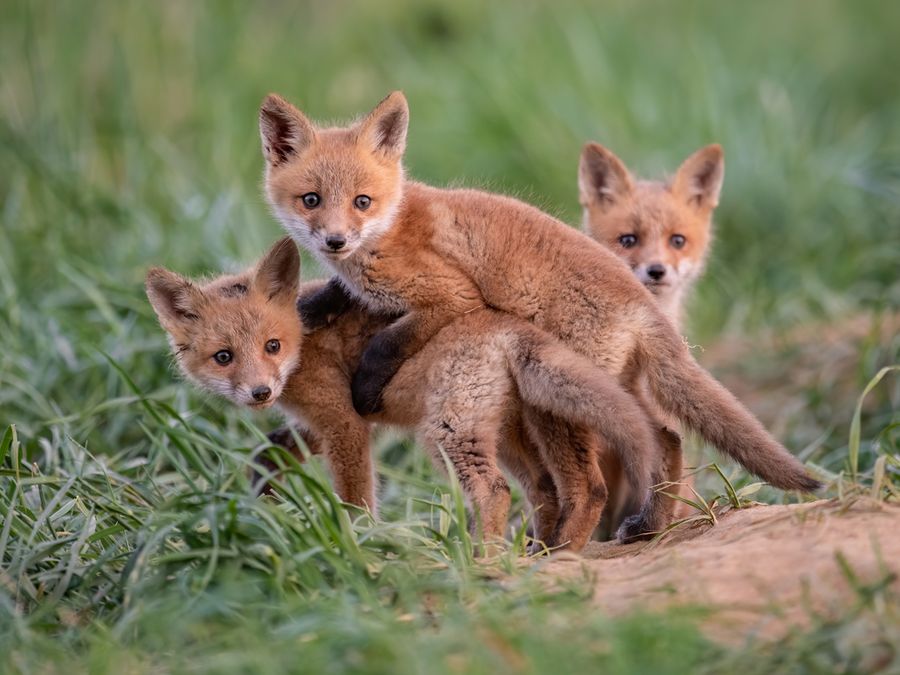
Eye placement is not the only factor: the shape of an animal’s pupil can also reveal whether it is more likely to be hunting or avoiding becoming a meal. Many ambush predators such as foxes and crocodiles have vertical slit pupils. These narrow openings help them control the amount of light entering the eye and, importantly, improve their distance judgement before striking. A cat stalking a mouse in tall grass, for example, can use its slit pupils to tell how far away its target is before it pounces.

Many grazing prey animals, though, such as goats, sheep, and horses, have horizontal pupils. This shape gives them a more panoramic view of their surroundings, and can also help them see and judge the terrain ahead should they need to move quickly in the name of danger. 

Image Credit: Getty Images/Unsplash.com

Vision Isn’t Everything

Perhaps surprisingly, not every predator follows the forward-facing eye rule. 

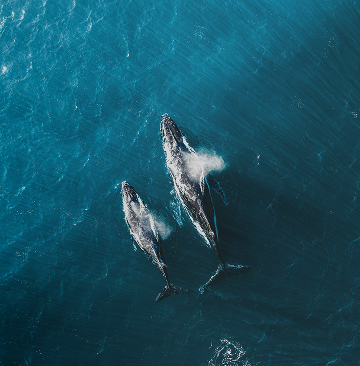
Sharks, for example, have eyes positioned on the sides of their heads. Rather than relying mainly on depth perception that front-facing eyes create (since water conditions can obscure their vision), sharks also hunt using their keen sense of smell, the ability to detect movement and vibrations in the water, and specialized organs that sense the faint, natural electrical signals produced in the cellular and muscle movements by nearby animals.

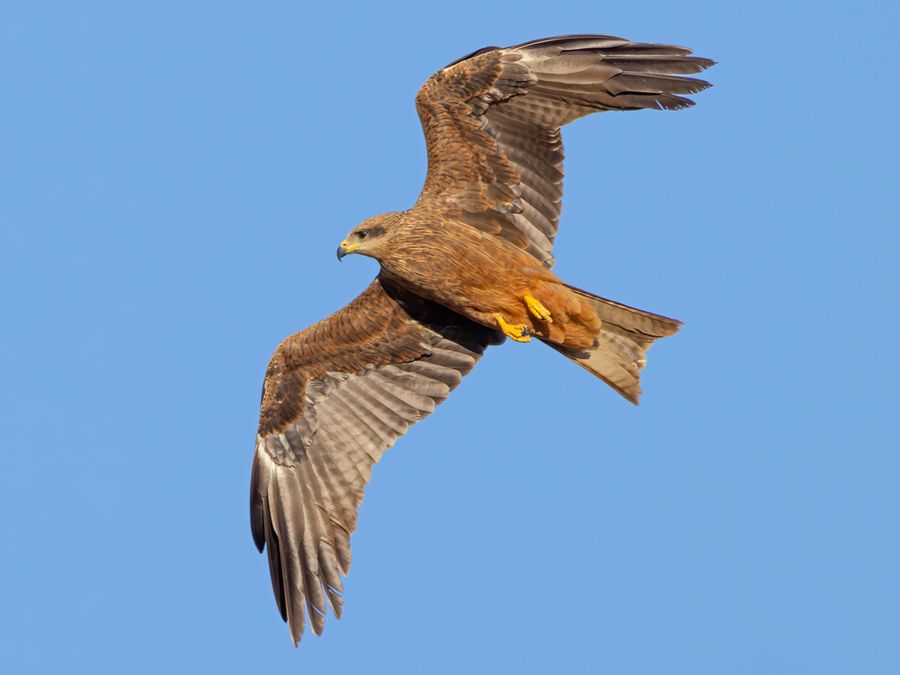
Survival depends on far more than eyesight alone. While the eyes provide unparalleled information about our surroundings, they’re just one part of a larger, more complex, sensory system. Even with the vision of an eagle, there is no single perfect eye — just the perfect one based on an animal’s environment, hunting needs, and self preservation.